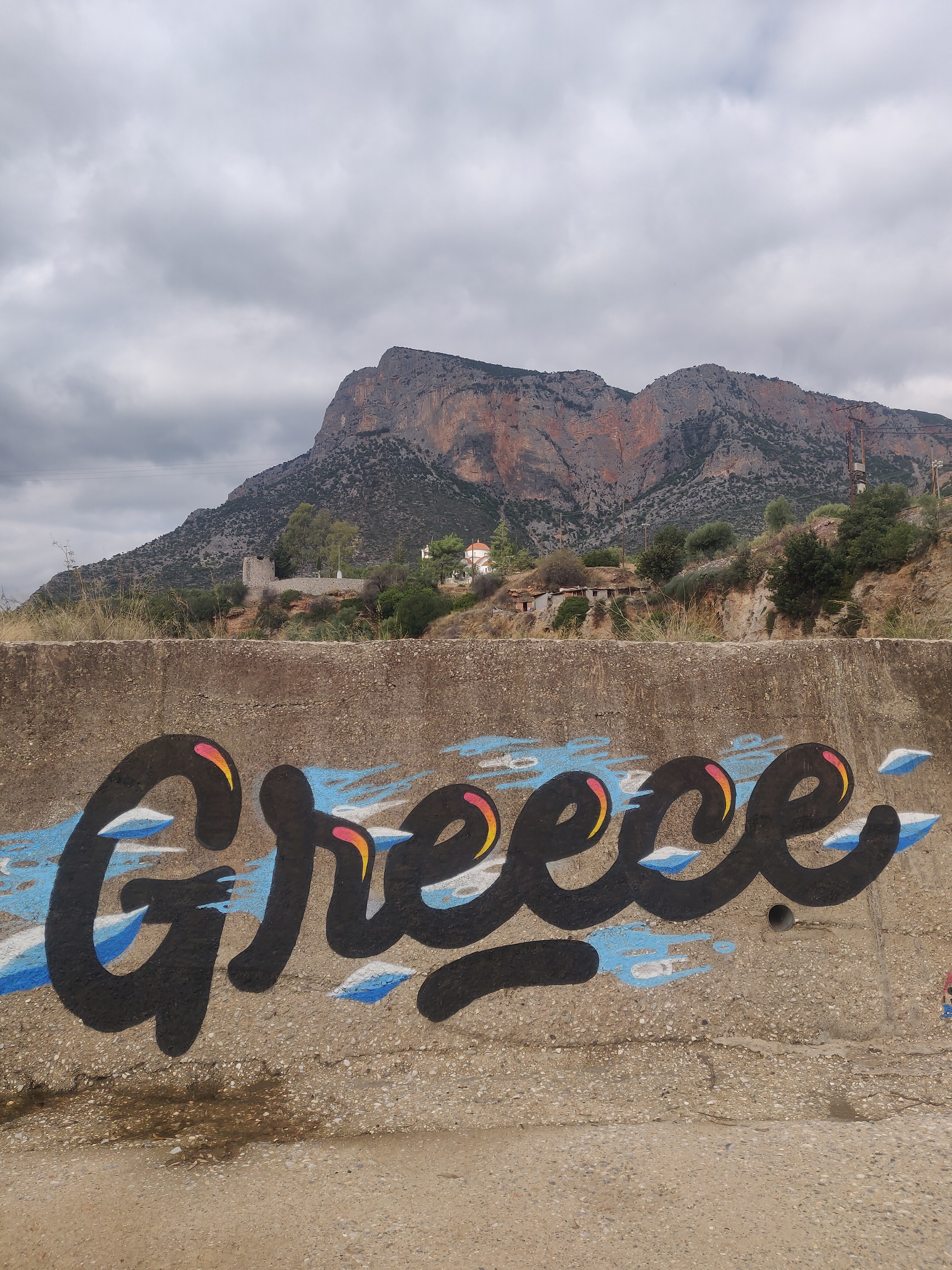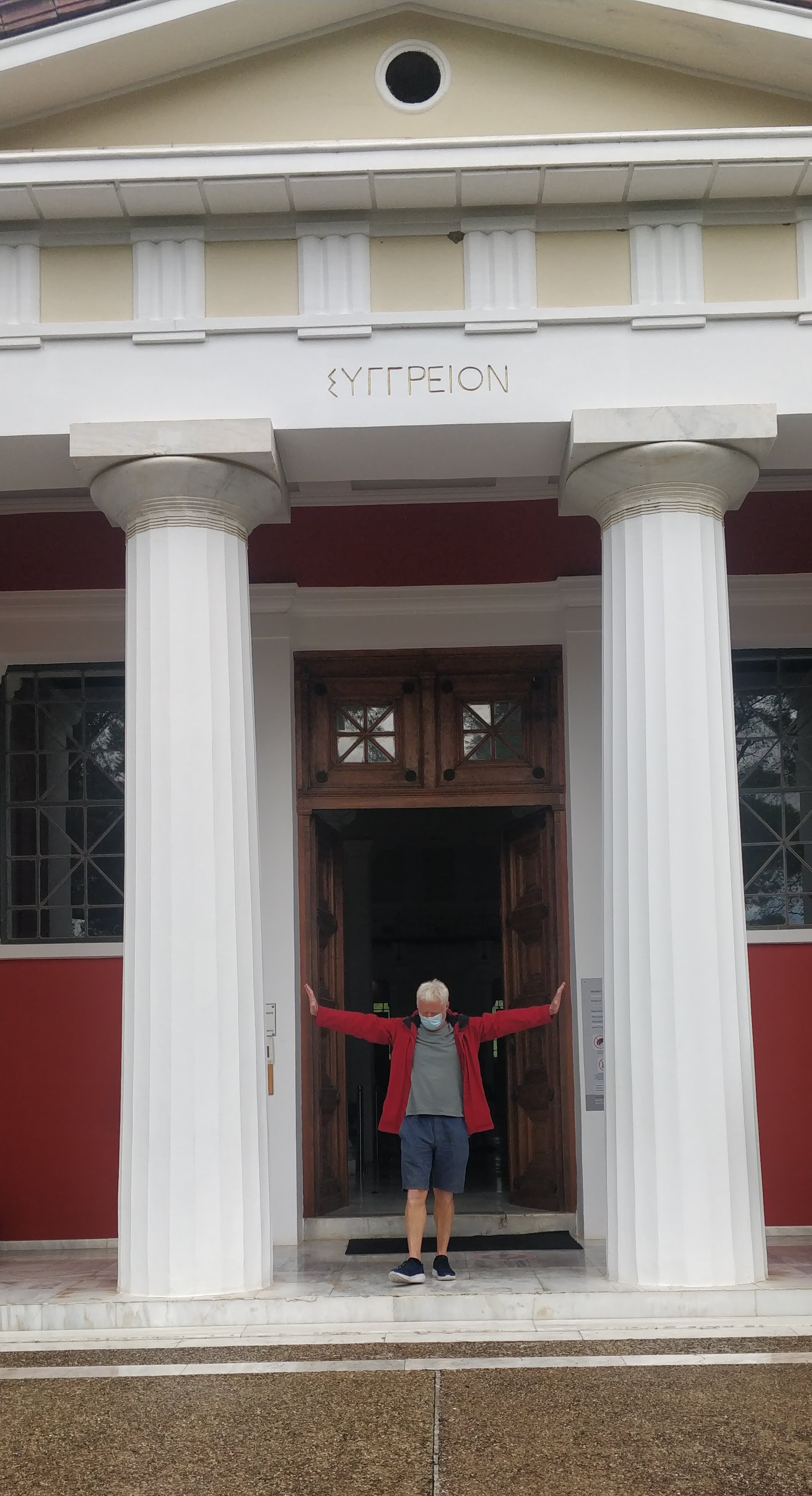
THIS is Greece

This post comes with a warning. STOP. Do not read further unless you want to turn green and feel compelled to jump on a plane (or ferry). Remember that when we first arrived in Greece, we had days (without end) of torrential rain, hailstones as big as fists, thunder and lightening storms when day was night, bedroom walls that wept water, rainwater that cascaded down electrical light fittings and leaky roofs. But all that is in the past.
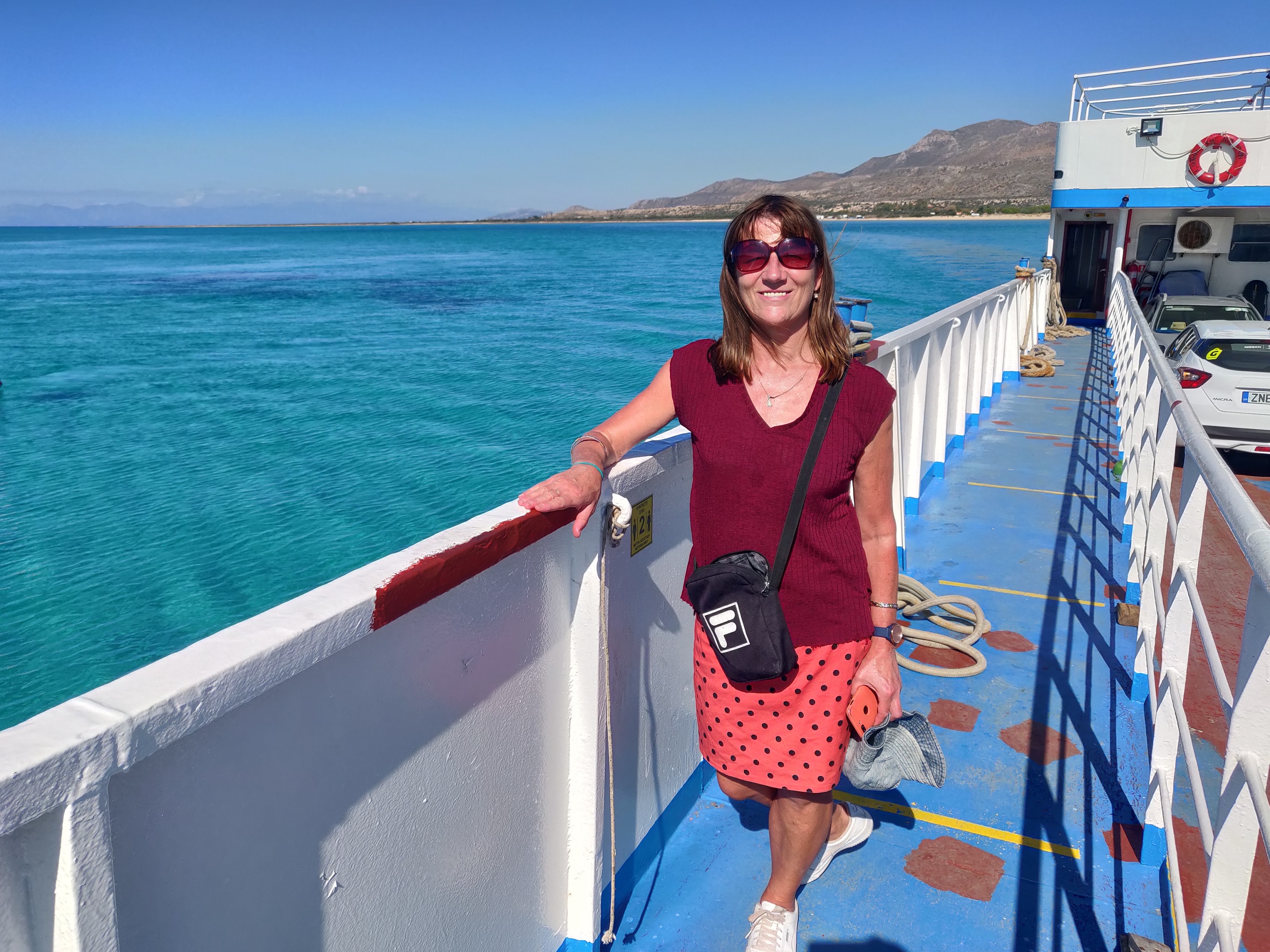
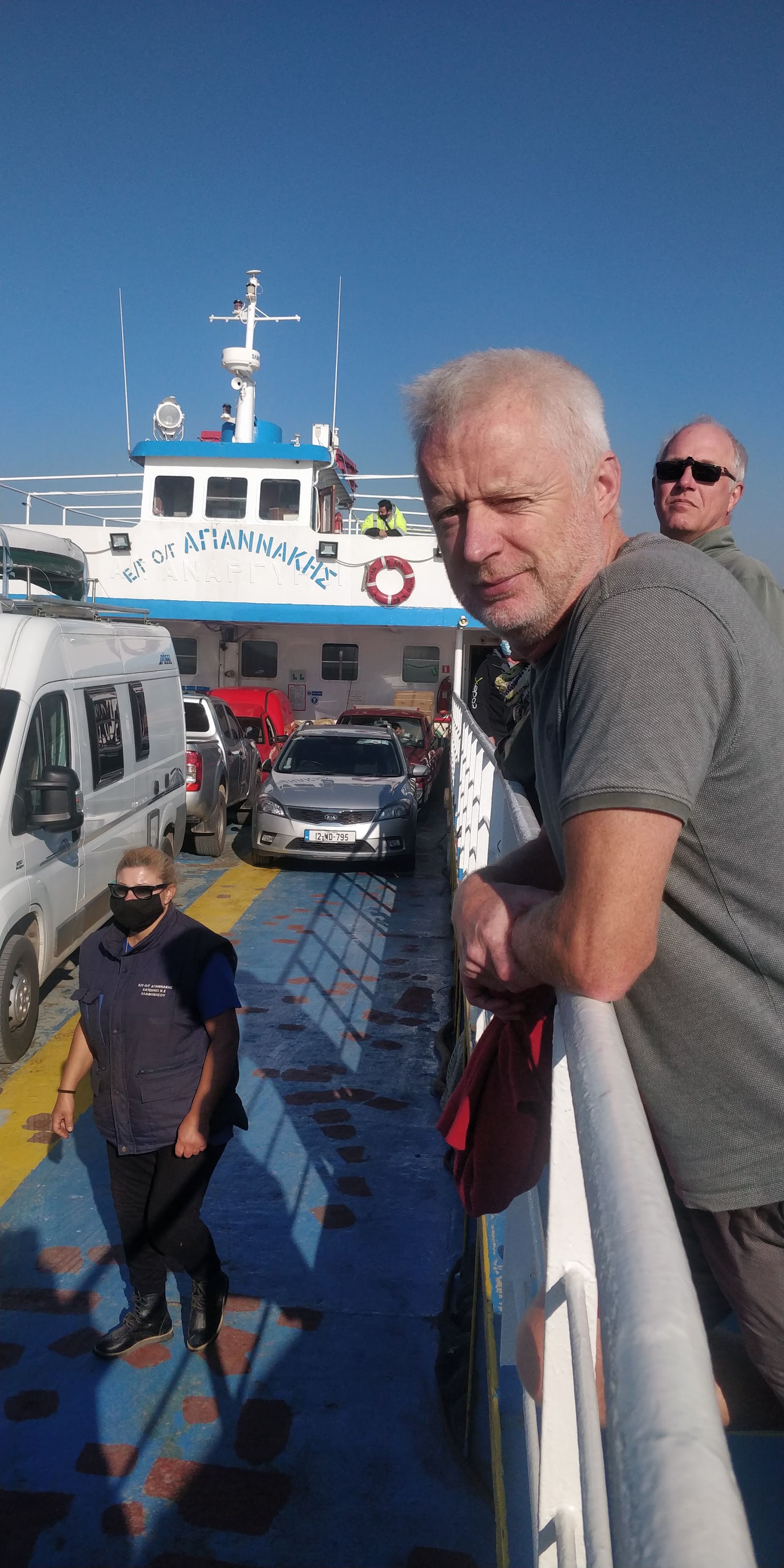
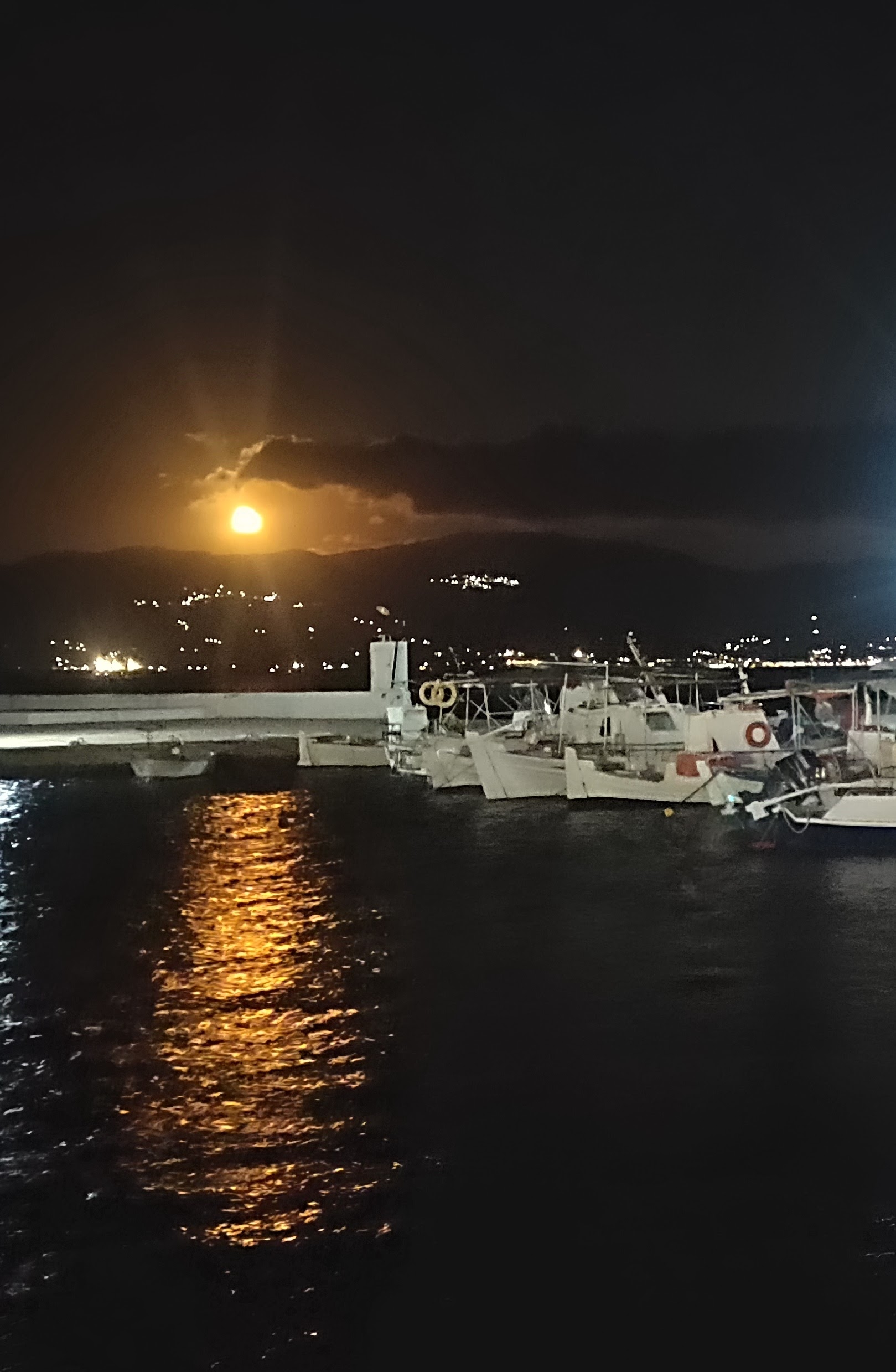
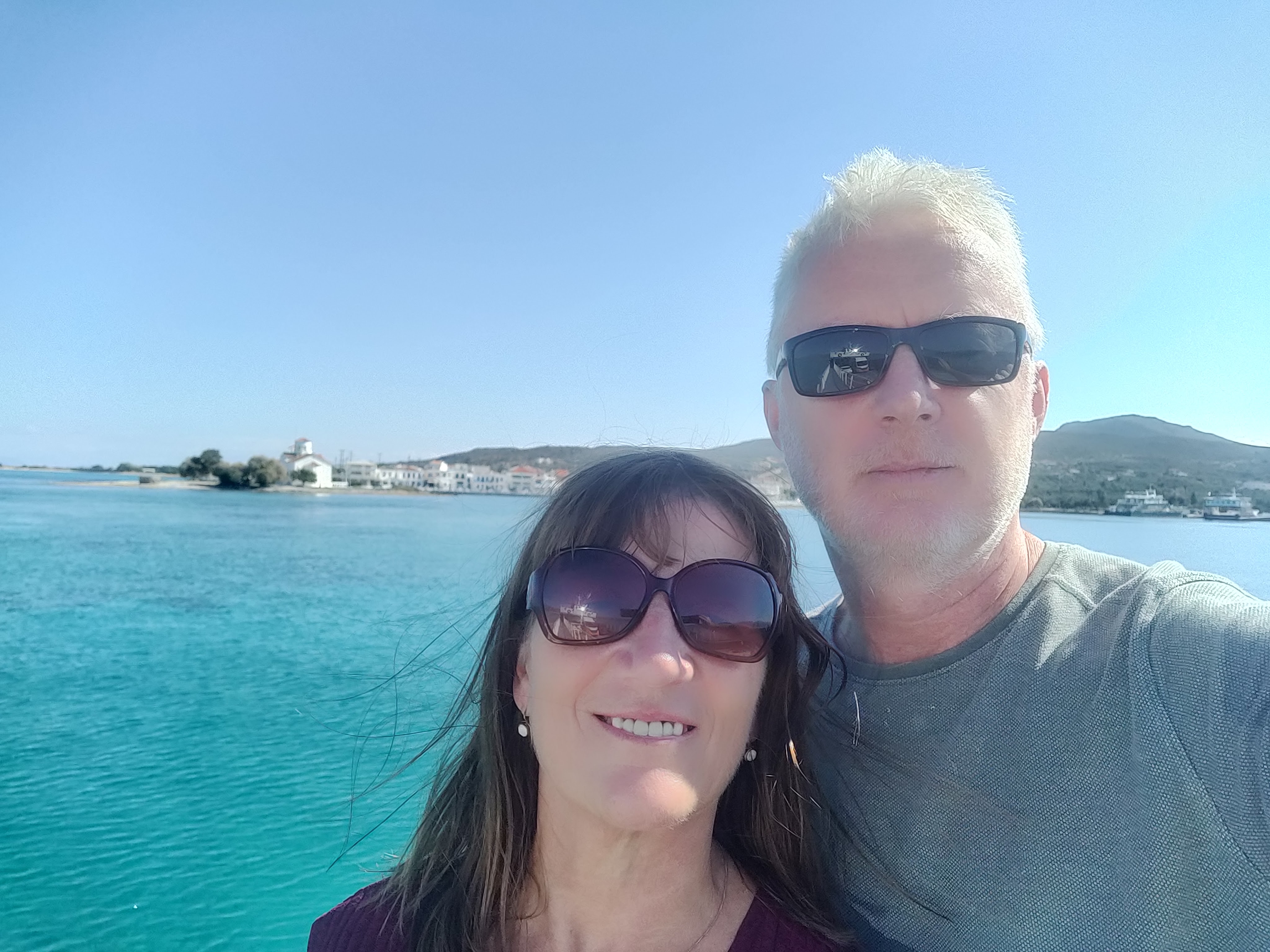
Elafonisis is a beautiful Greek island that lies off the coast of Malea – its small, less than 20km2 and only a short ferry ride from the mainland.We arrived on a sunny Friday morning at the tiny port village to see the ferry boat powering away in crystal clear waters – without us. We had missed it by two minutes. But we weren’t too upset – we pulled out our deckchairs and waited an hour for the next crossing watching fishing boats and seabirds and Caoimhin had a swim – a true advantage of not being in any hurry. The tranquility of the scene was broken when the ferry boat returned and chaos began. It was a small ferry with room for about 25 vehicles but you had to reverse onto it and the ferry operators – very impatient individuals- bellowed instructions. ‘Left, Left…I said left!!’ but really they meant right (or maybe their left) so confusion reigned especially among first-time visitors and non Greeks. One poor Swiss guy was shaking by the time he got his car onto the ferry amid a torrent of yelling and even banging on his drivers window. The ferry trip took about ten minutes and then we drove into….paradise.
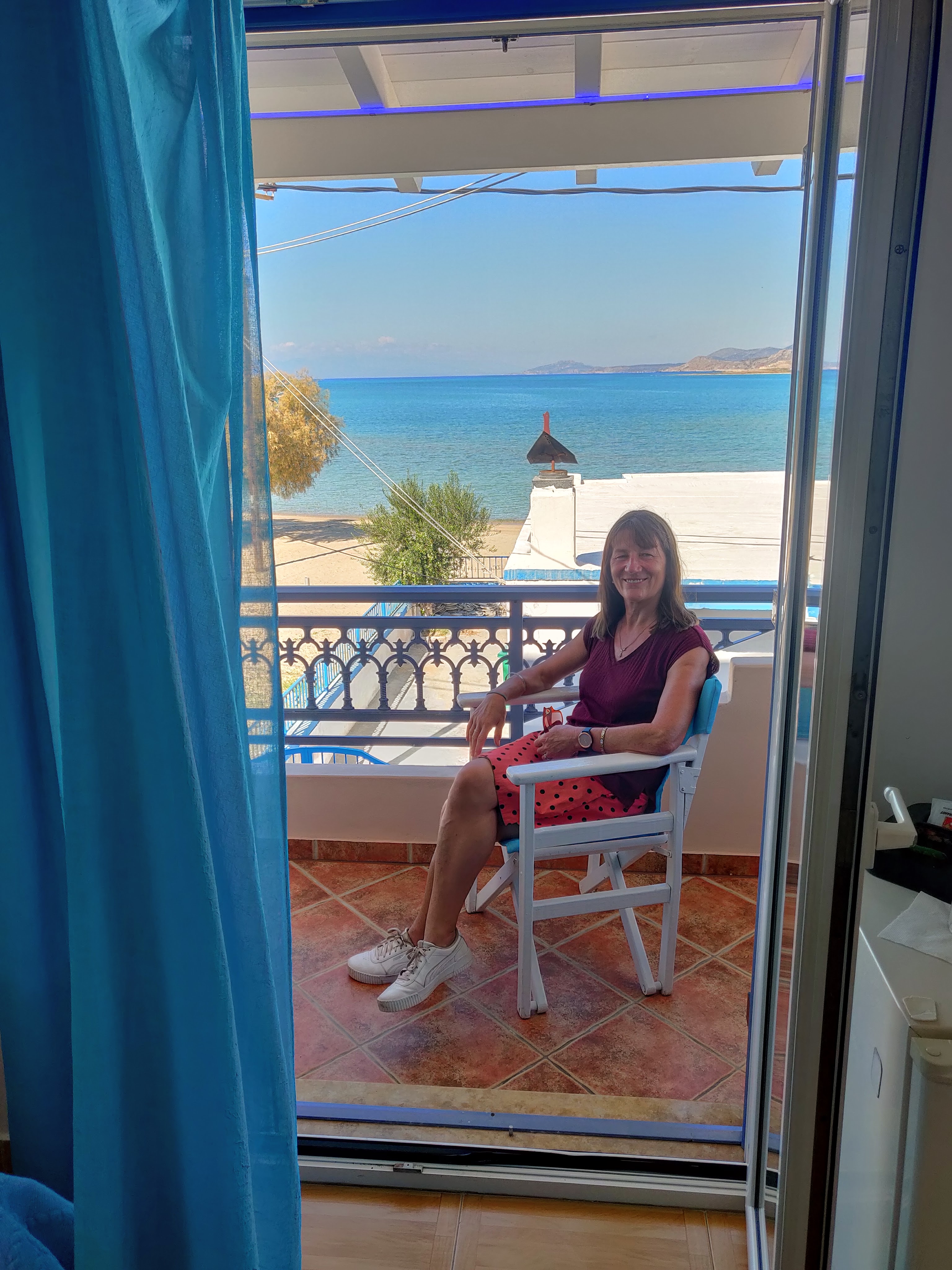
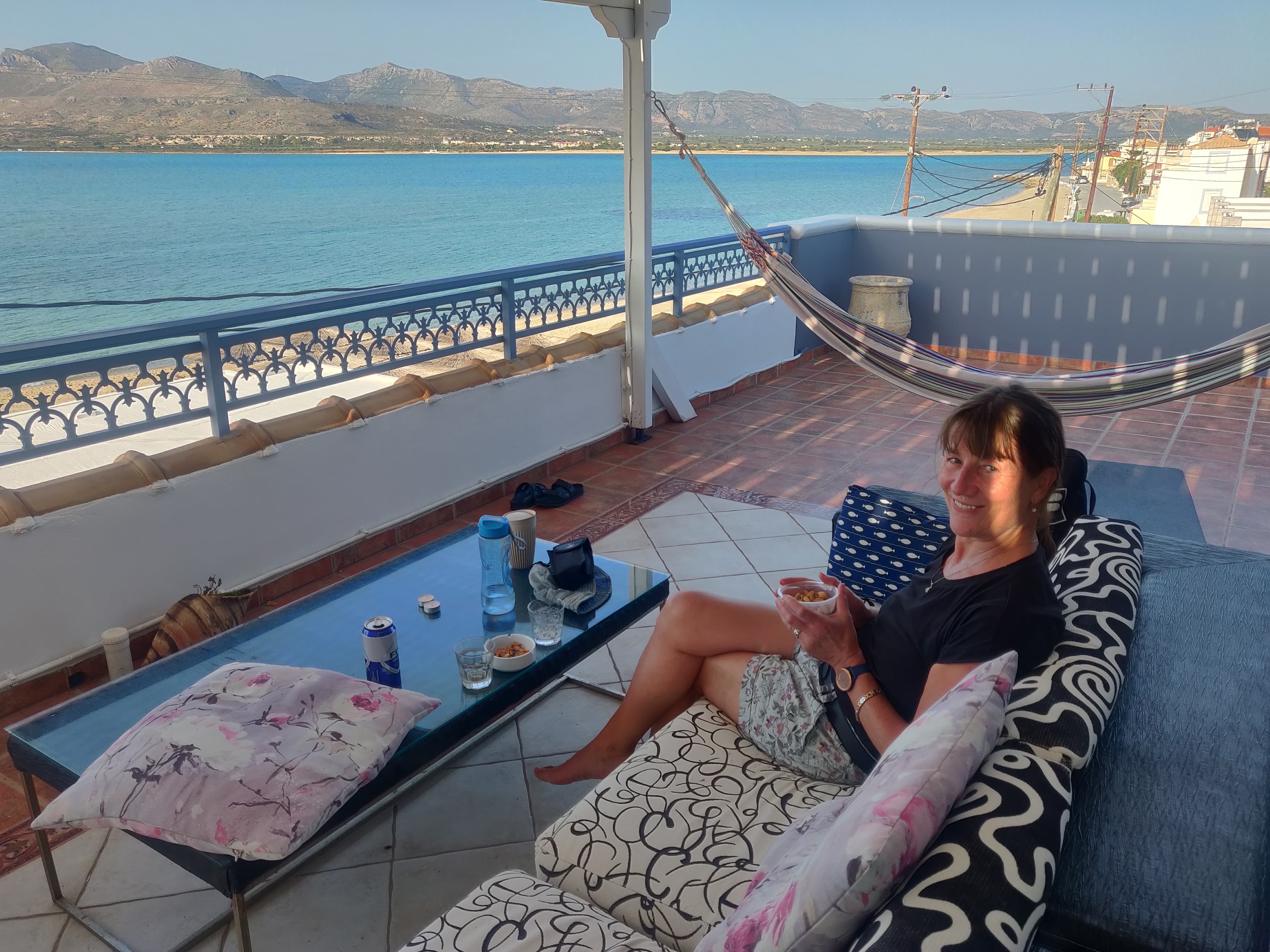
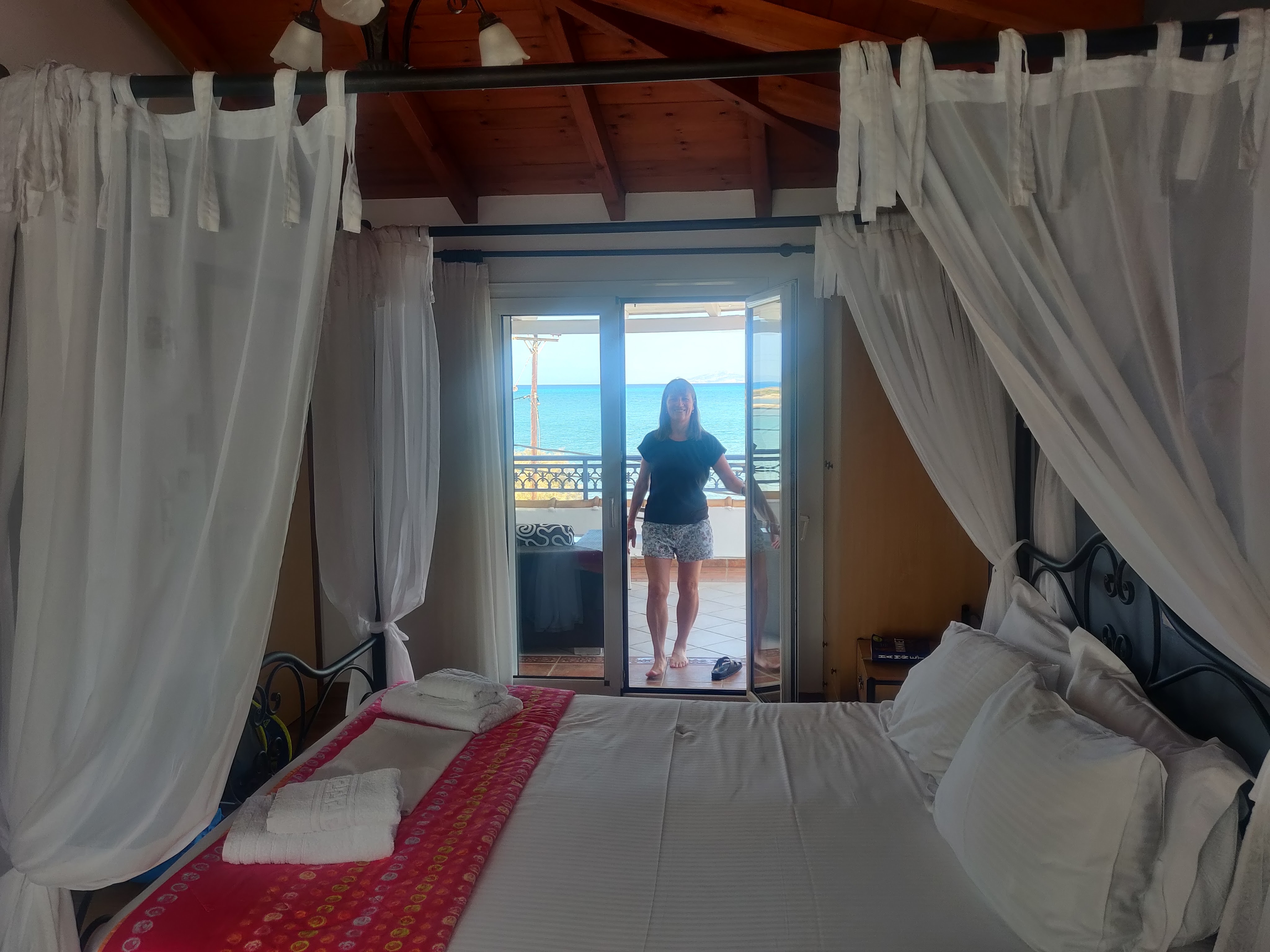
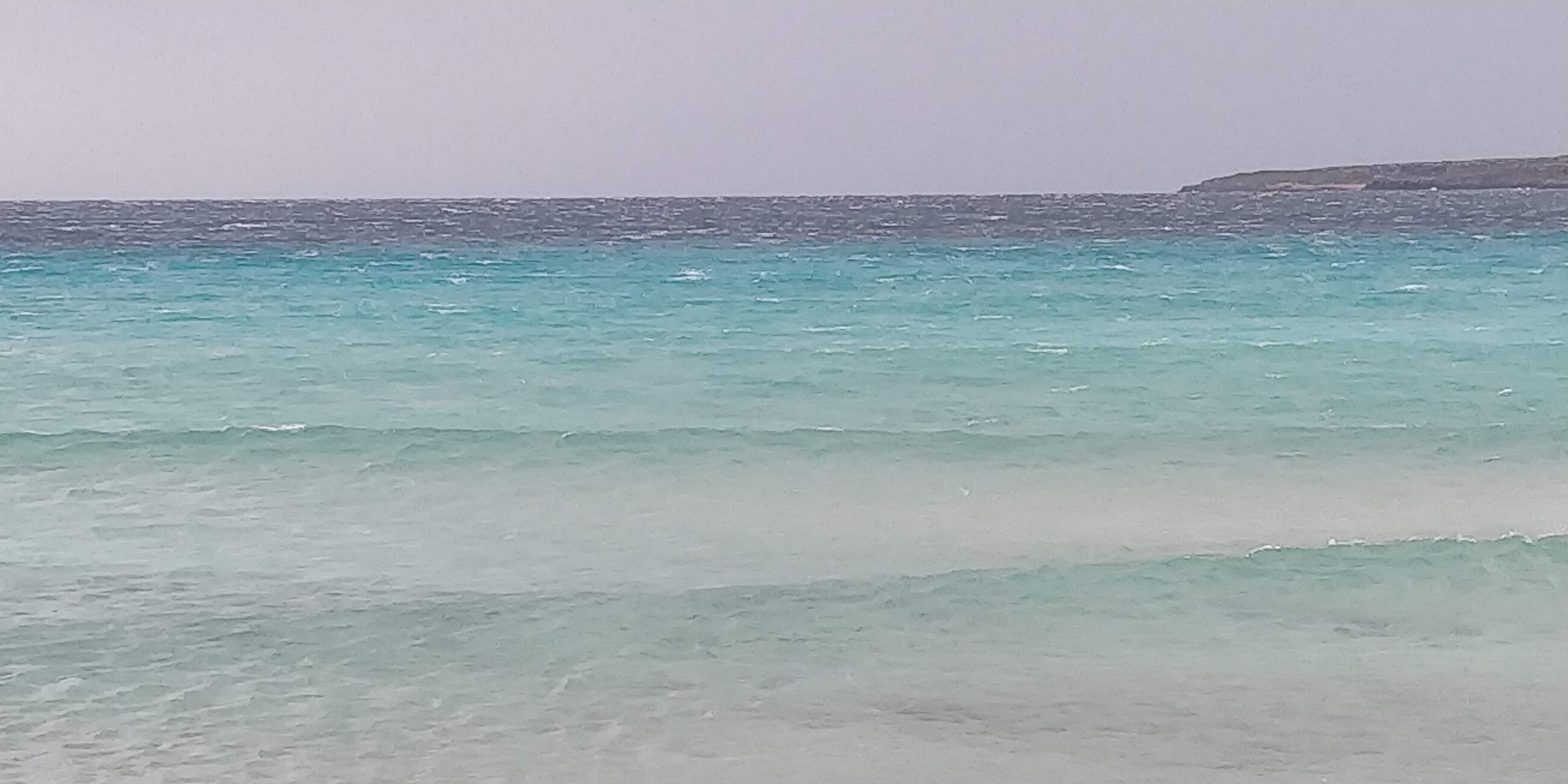
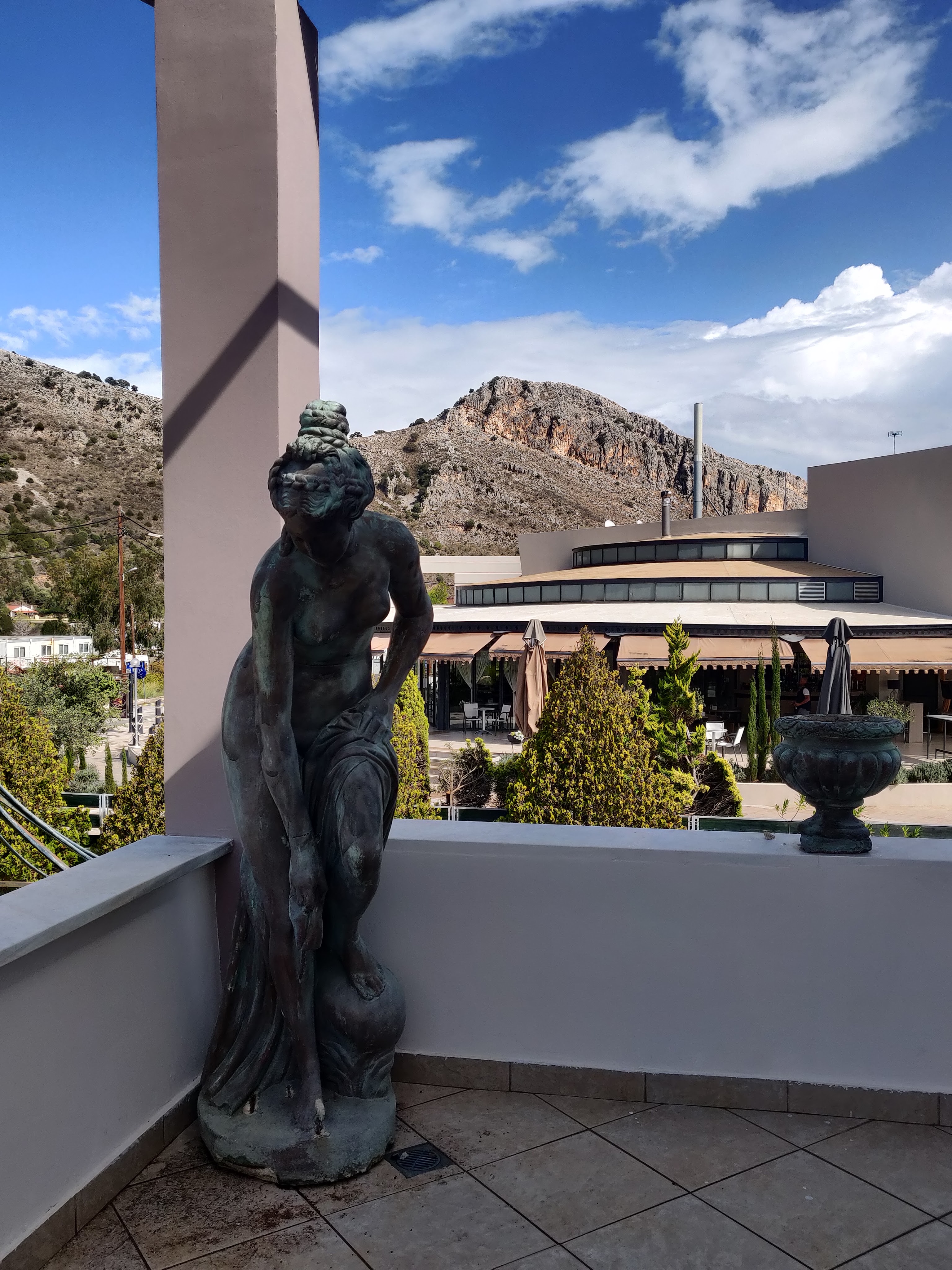
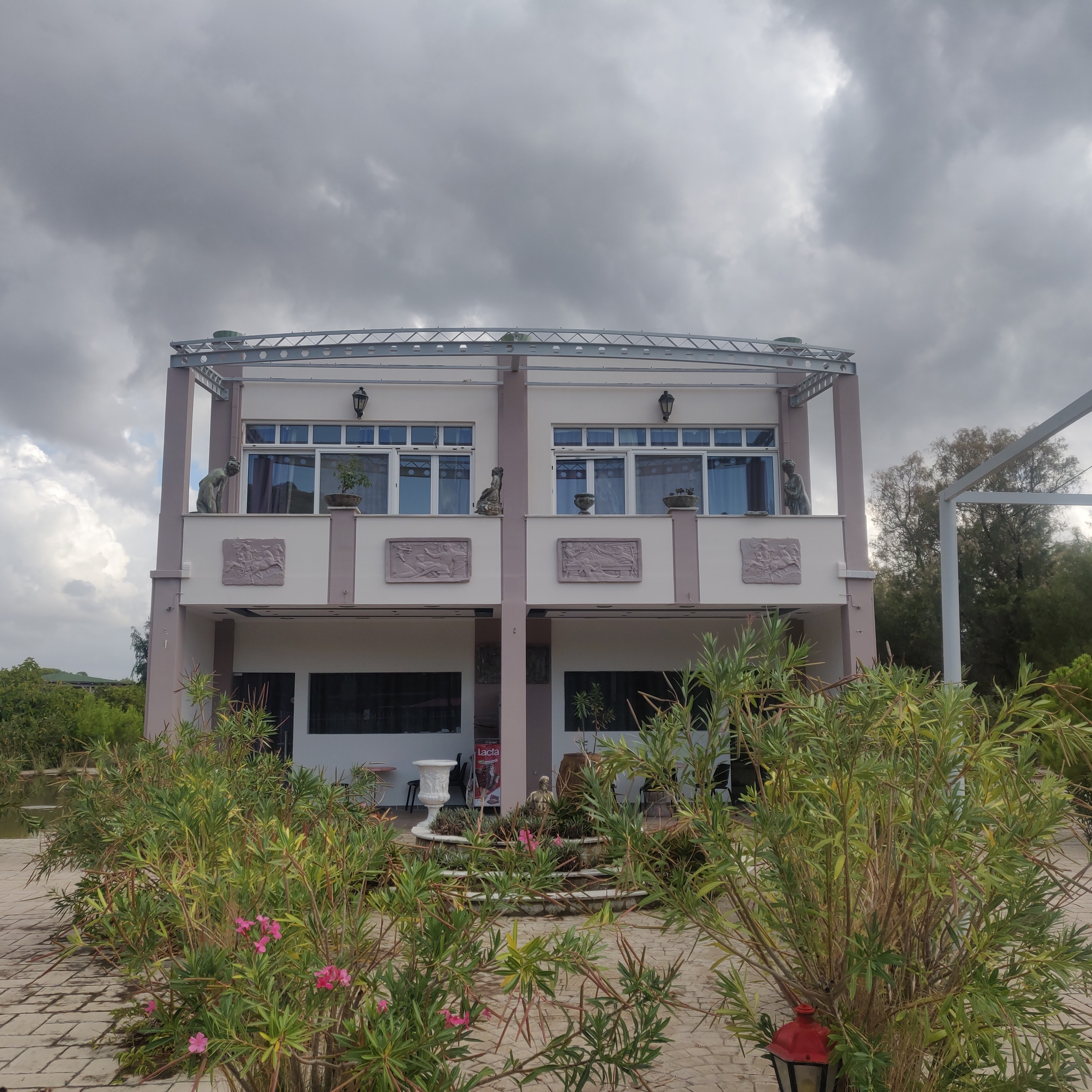
We stayed for four nights in a beautiful guest house (Corelli’s after Captain Corelli’s Mandolin) run by a chatty, blond-haired Romanian woman who came to Greece on holidays thirty years ago…and stayed. The guesthouse was ten metres from the turquoise shore with water so clear that we could see little glittering fish swimming with us. We moved from a room with a little balcony after the first night to the ‘penthouse’ for the rest of our stay (from €40 a night to €50 and worth every cent!). There were laid-back beach bars and restaurants beside fishing boats – where the fish was so fresh that it almost swam around the plate. We kept looking at each other and saying ‘Life is good’.
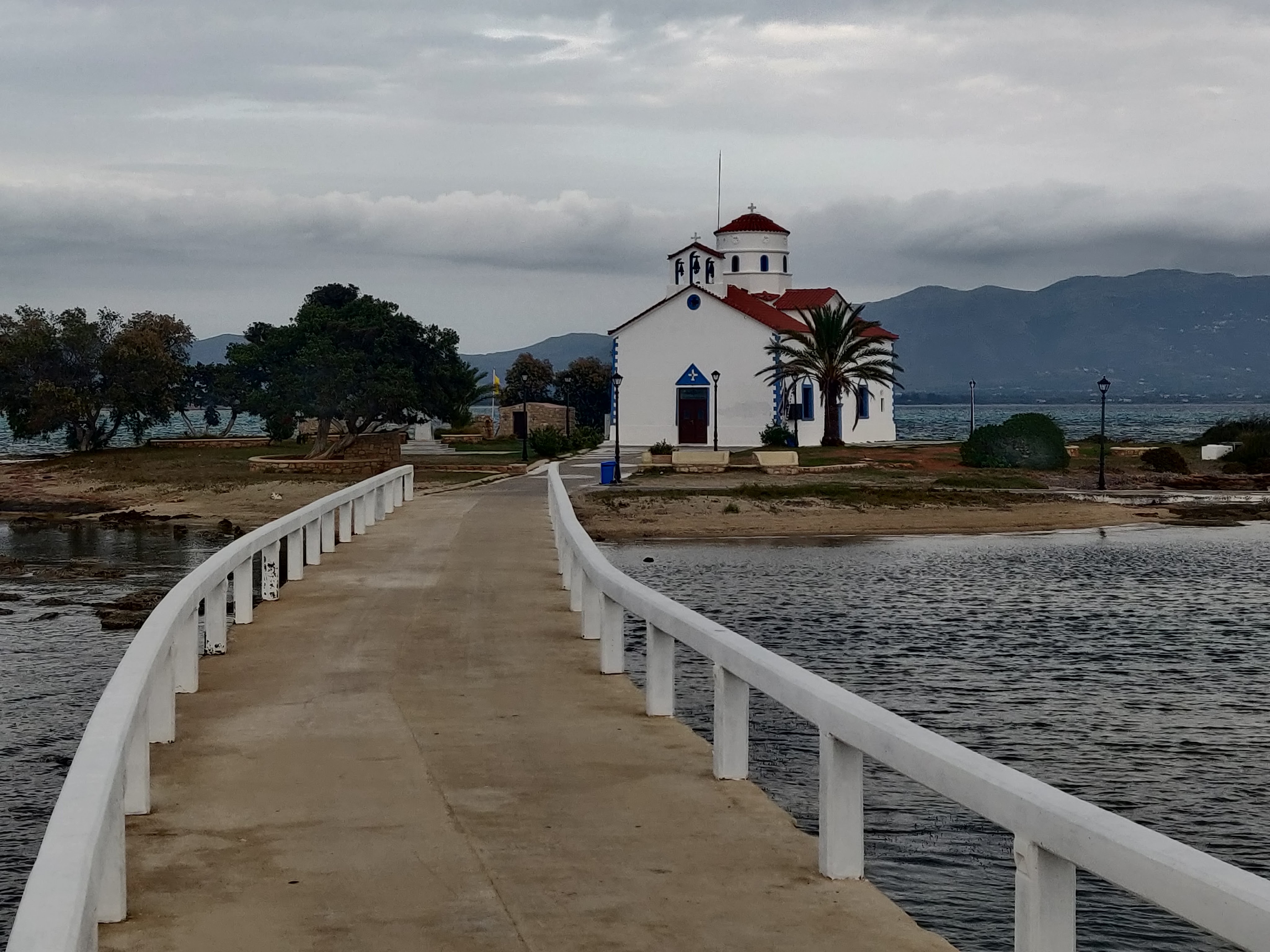
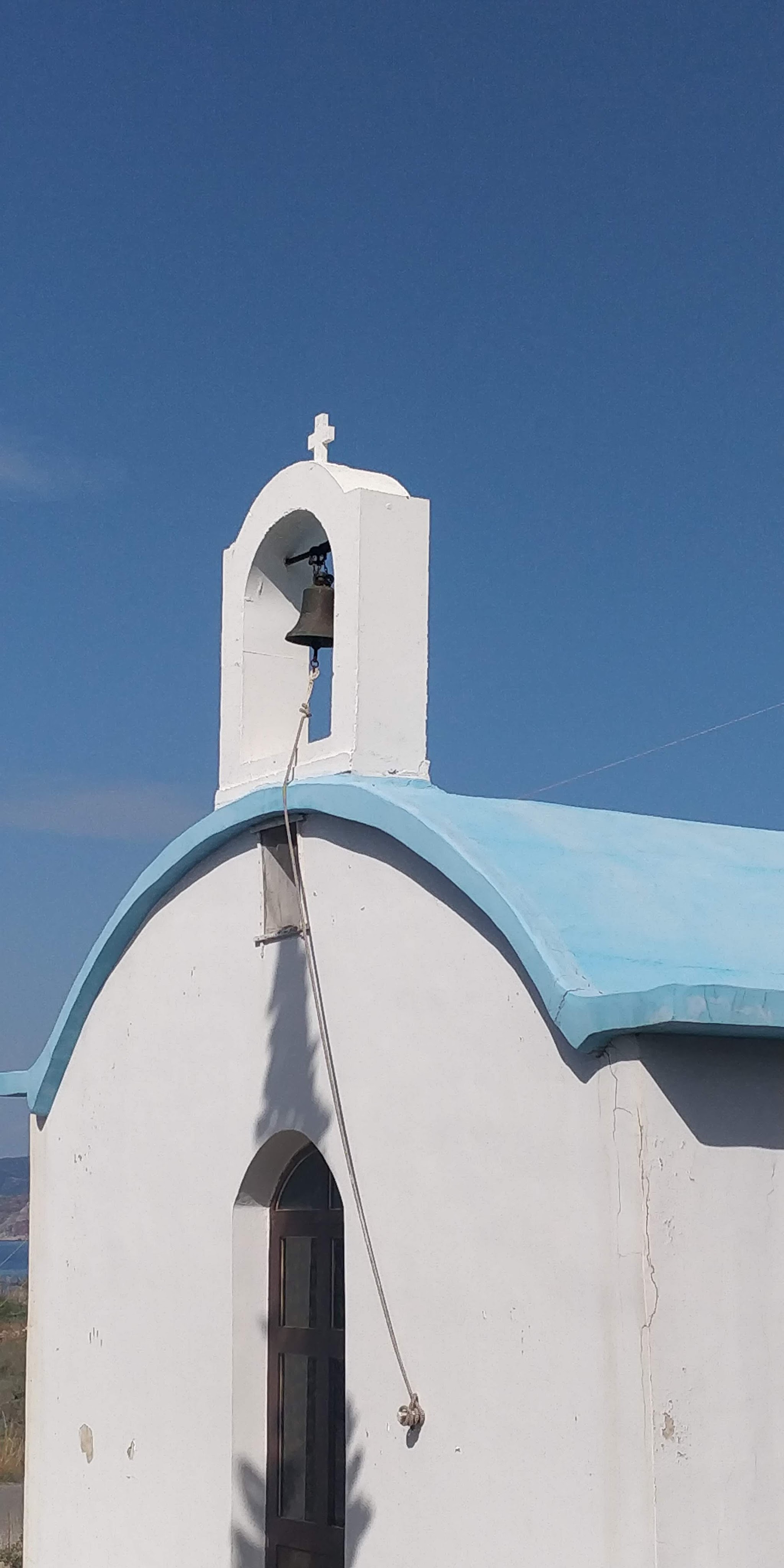
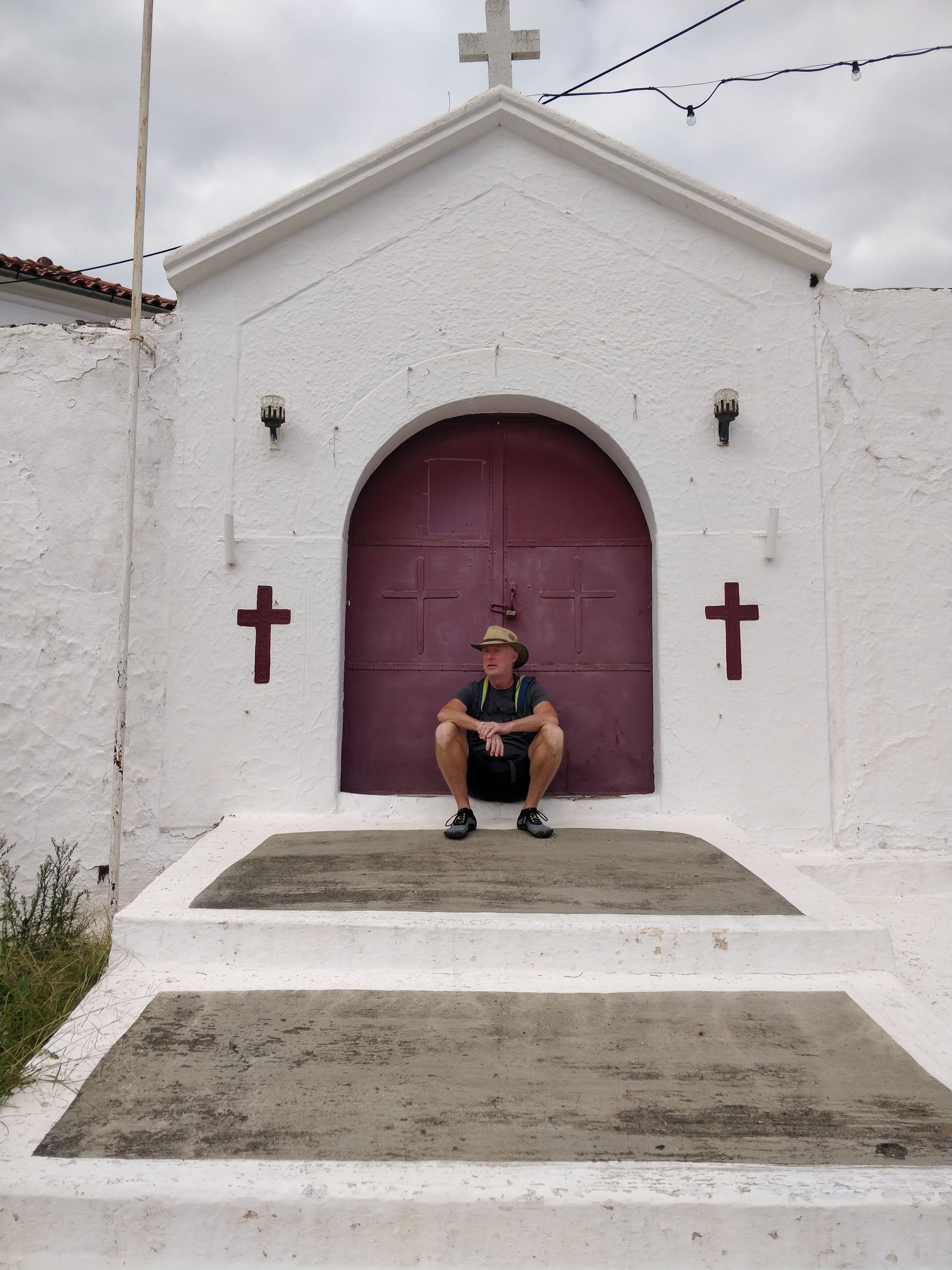
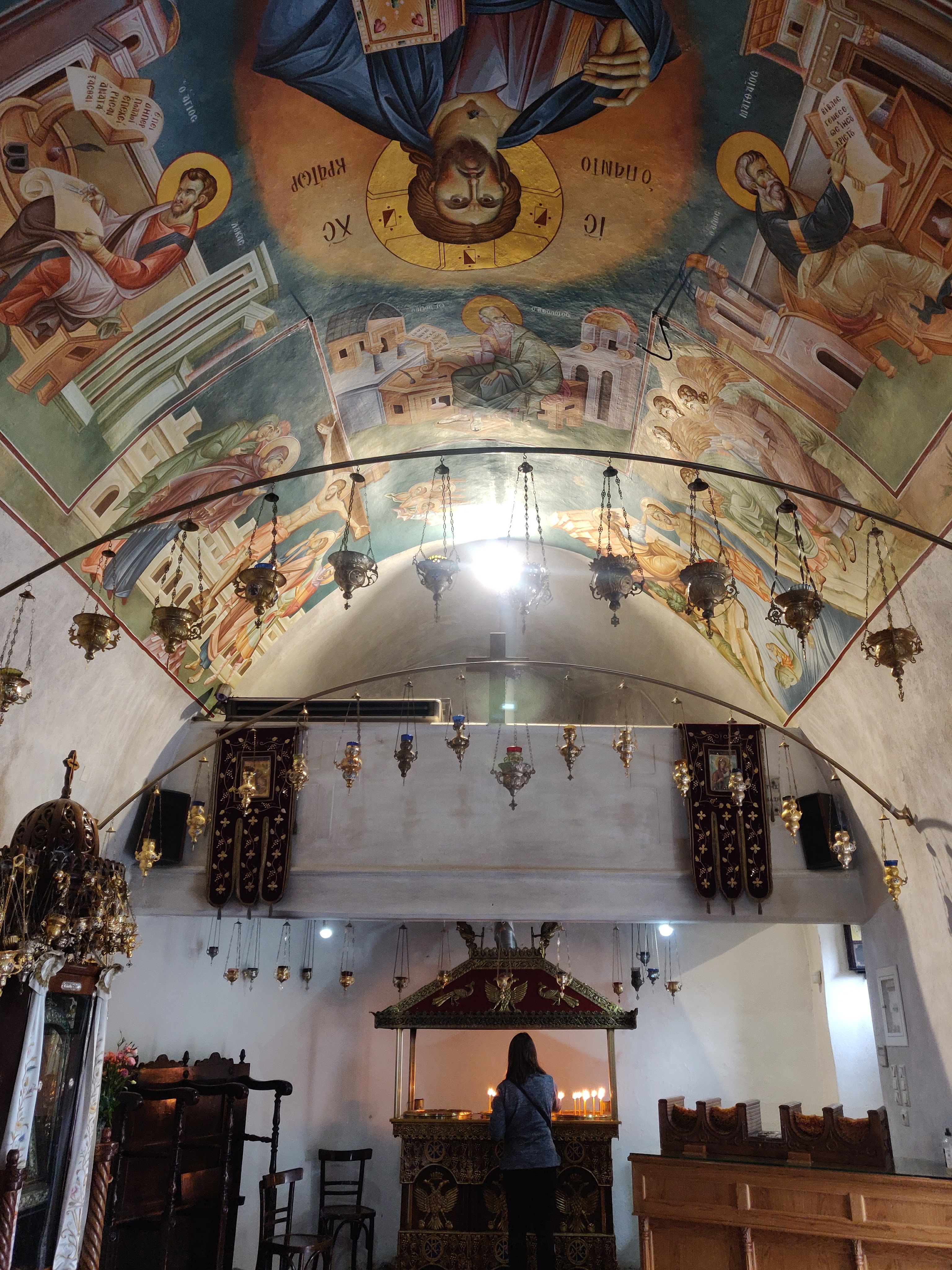
On Sunday morning, we were woken to the sound of bells from the beautiful church near our guesthouse at about 7am. When the Sunday service started at about 7.30am, the chanting of the liturgy was piped through loudspeaker into the clear morning air and was carried all around the little village – repetitive and vaguely hypnotic. Two mornings later, we were woken by the bells again and the chanting – we were surprised because it was a Tuesday but October 26 wasn’t an ordinary day for so many Greeks, it was Dimitri’s day where anyone whose name is Dimitri celebrates and there are a lot of Dimitri’s. In Greece. your name day is far more important than your birthday and as most people are named after saints, everyone has a name day and if you don’t – there is a specific day (All Saints Day) that covers everyone else so that they, too, can celebrate a name day. We left the island on that Tuesday and drove past crowded cafes on the mainland where the Dimitiris were celebrating by buying coffee and pastries for all their family and friends (Take note, all James, Jims and Jimmys as Dimitri is James in English)
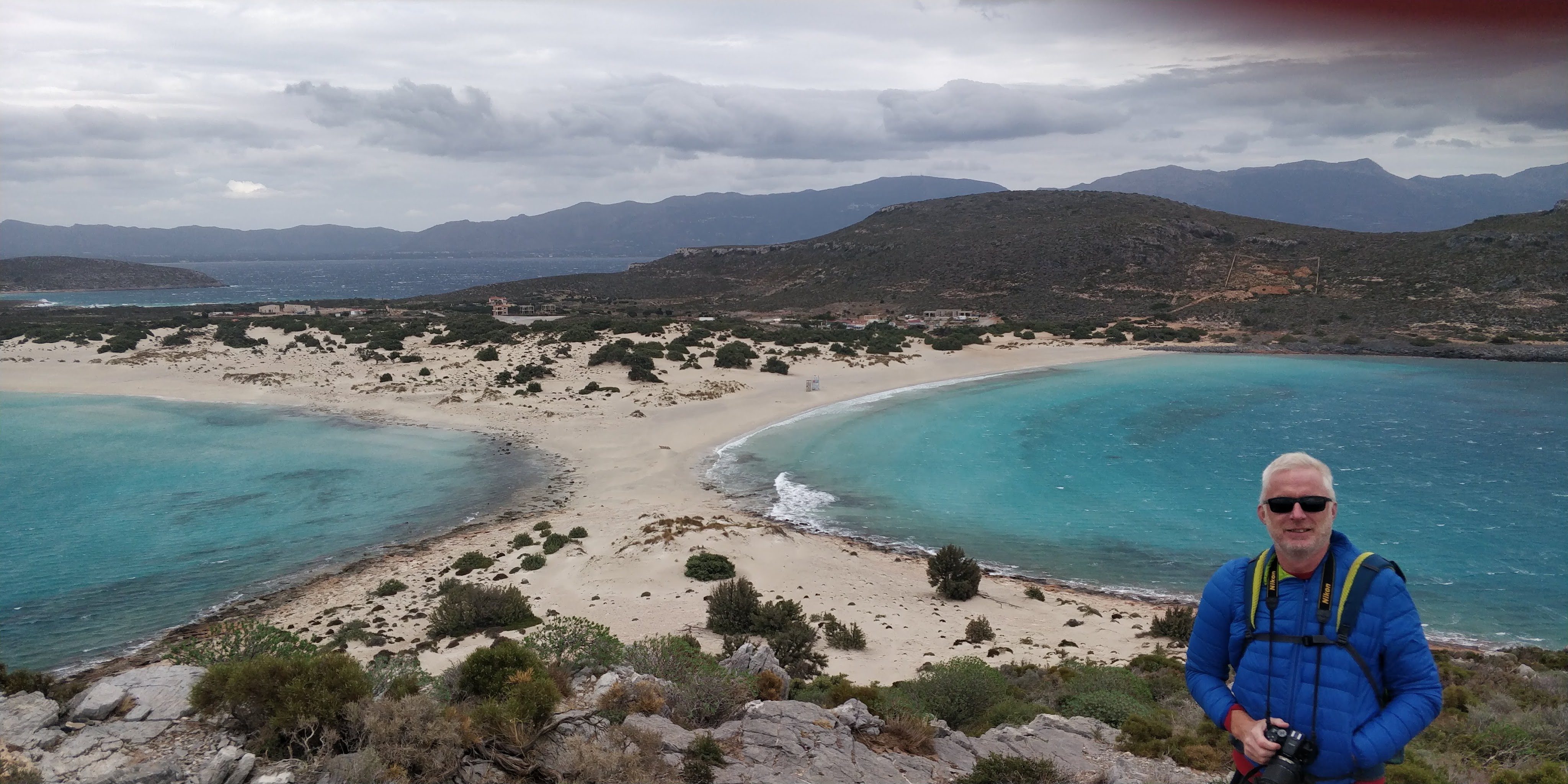
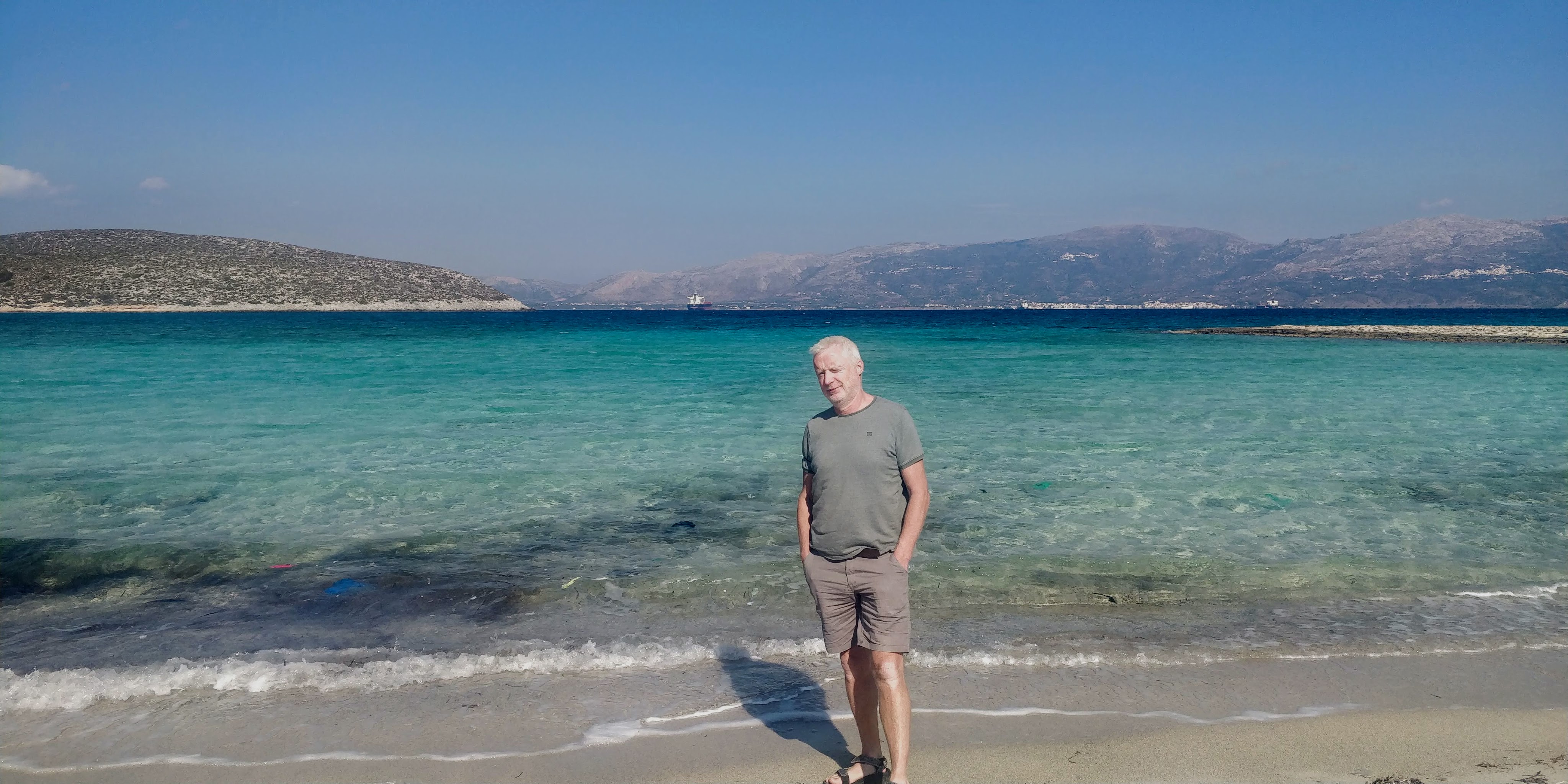
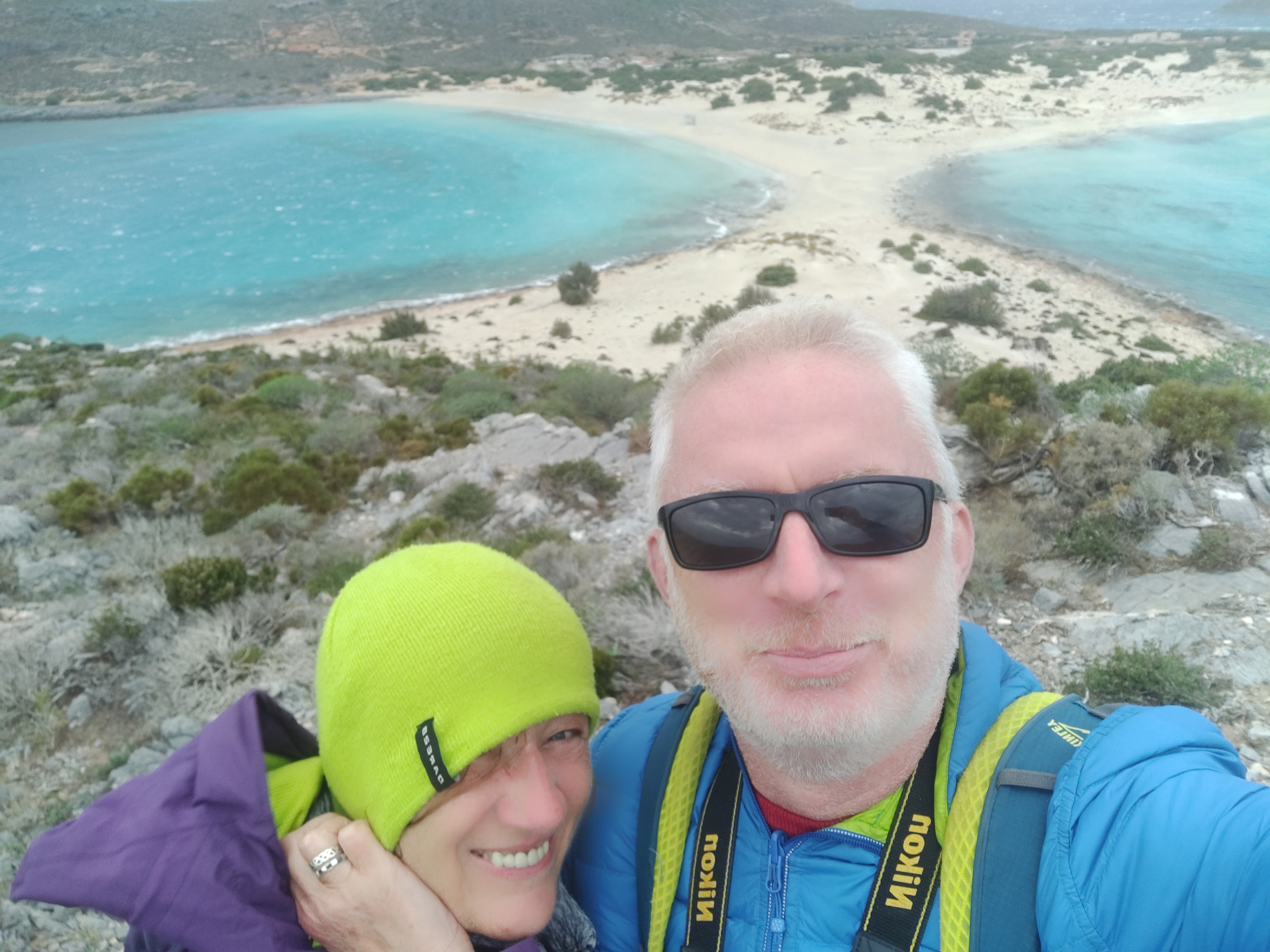
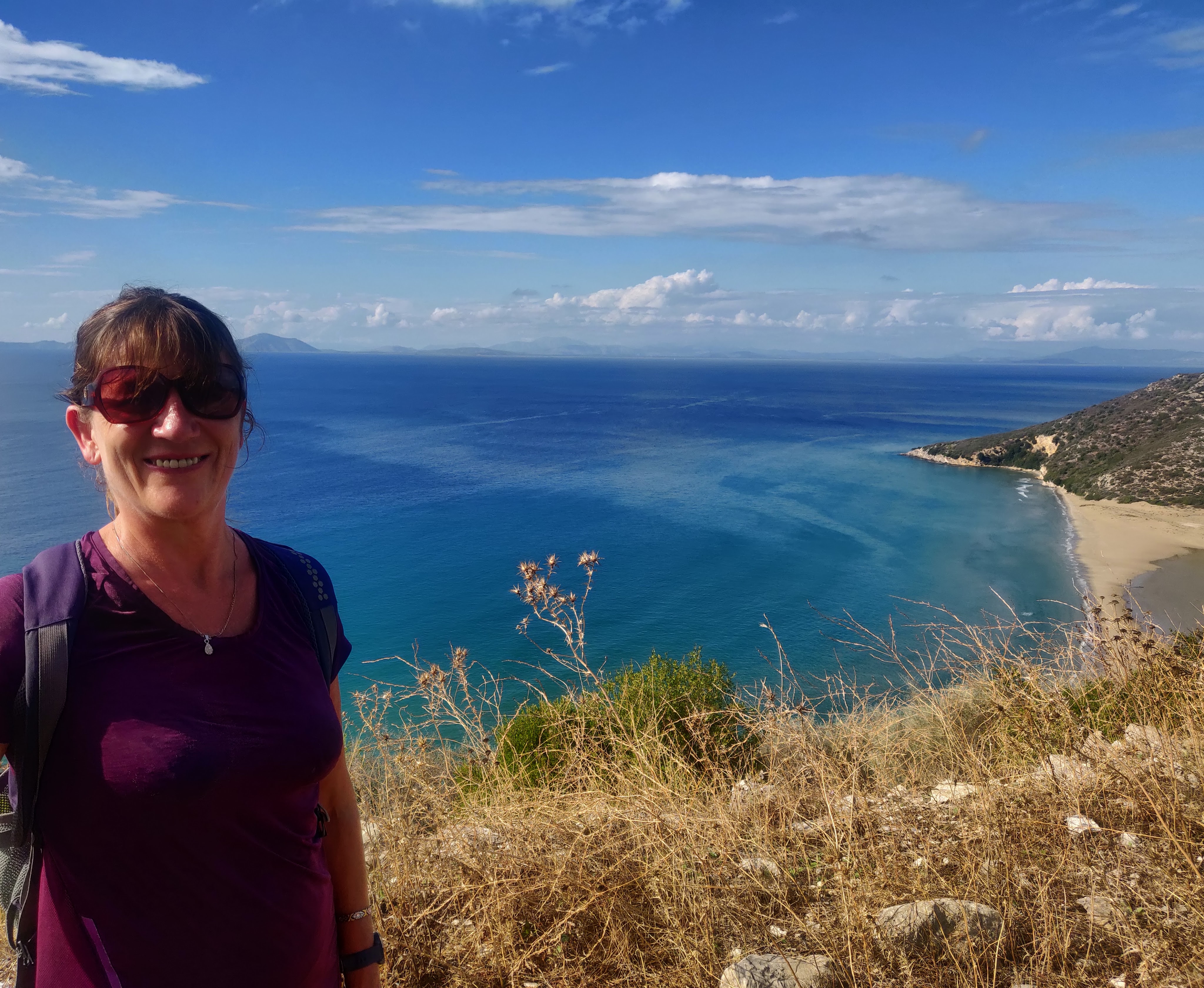
On our last day, the weather changed, the wind blew up and gushed around the wraparound balconies of our penthouse room but the sea colors were still mesmerizing – even more intense, if anything. Simos beach was the famous beach on the island – we had sunbathed and swam there on several days – but this was a day for wrapping up when the wind threw sand at us with such ferocity, it was exfoliating. We climbed a little hill overlooking the beach and had to take shelter behind the juniper trees growing there because we couldn’t stand up in the breeze and we were eating sand for the rest of the day. So we saw another side to Elafonisis. But still worth it – a very special place.
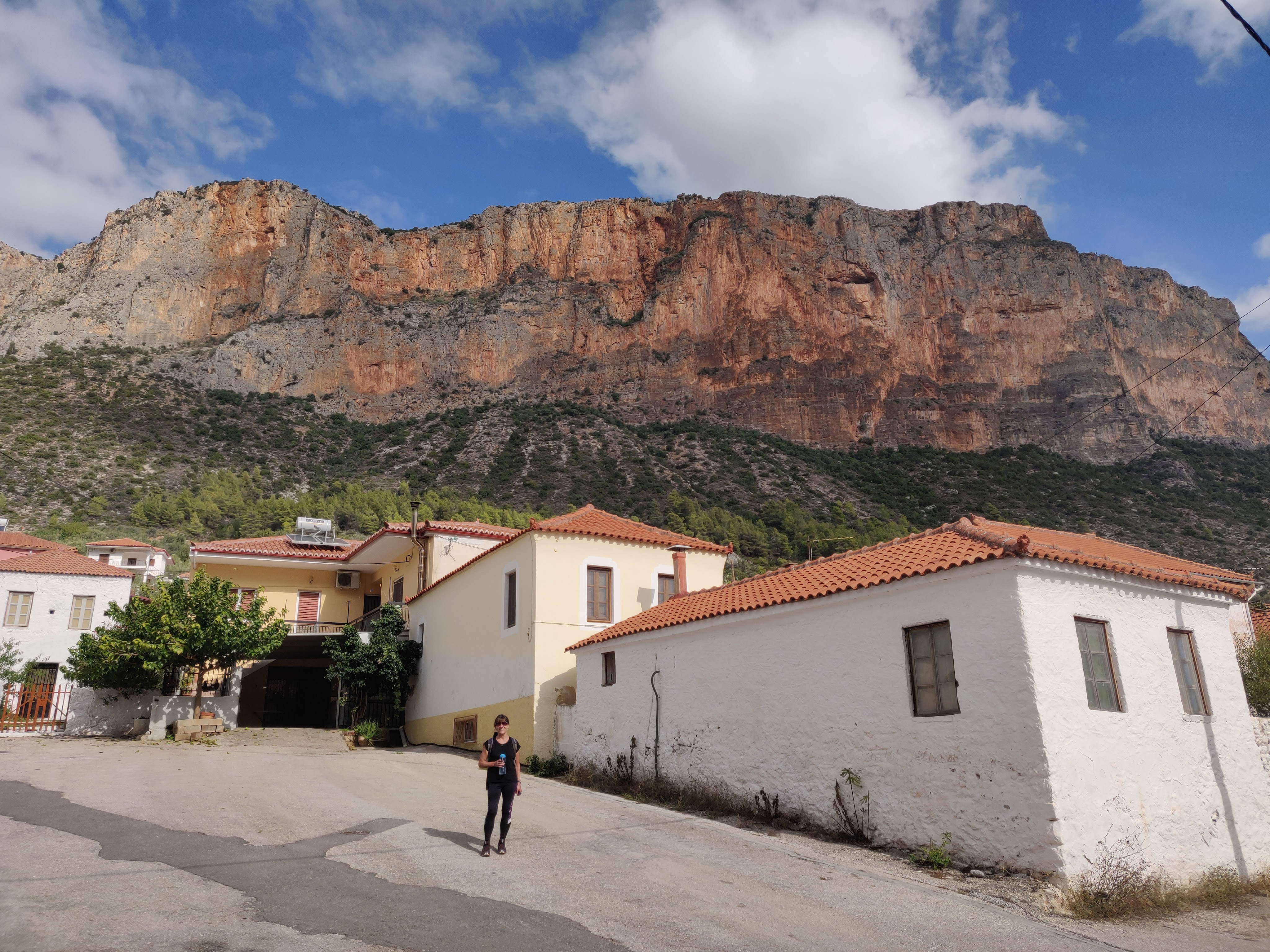
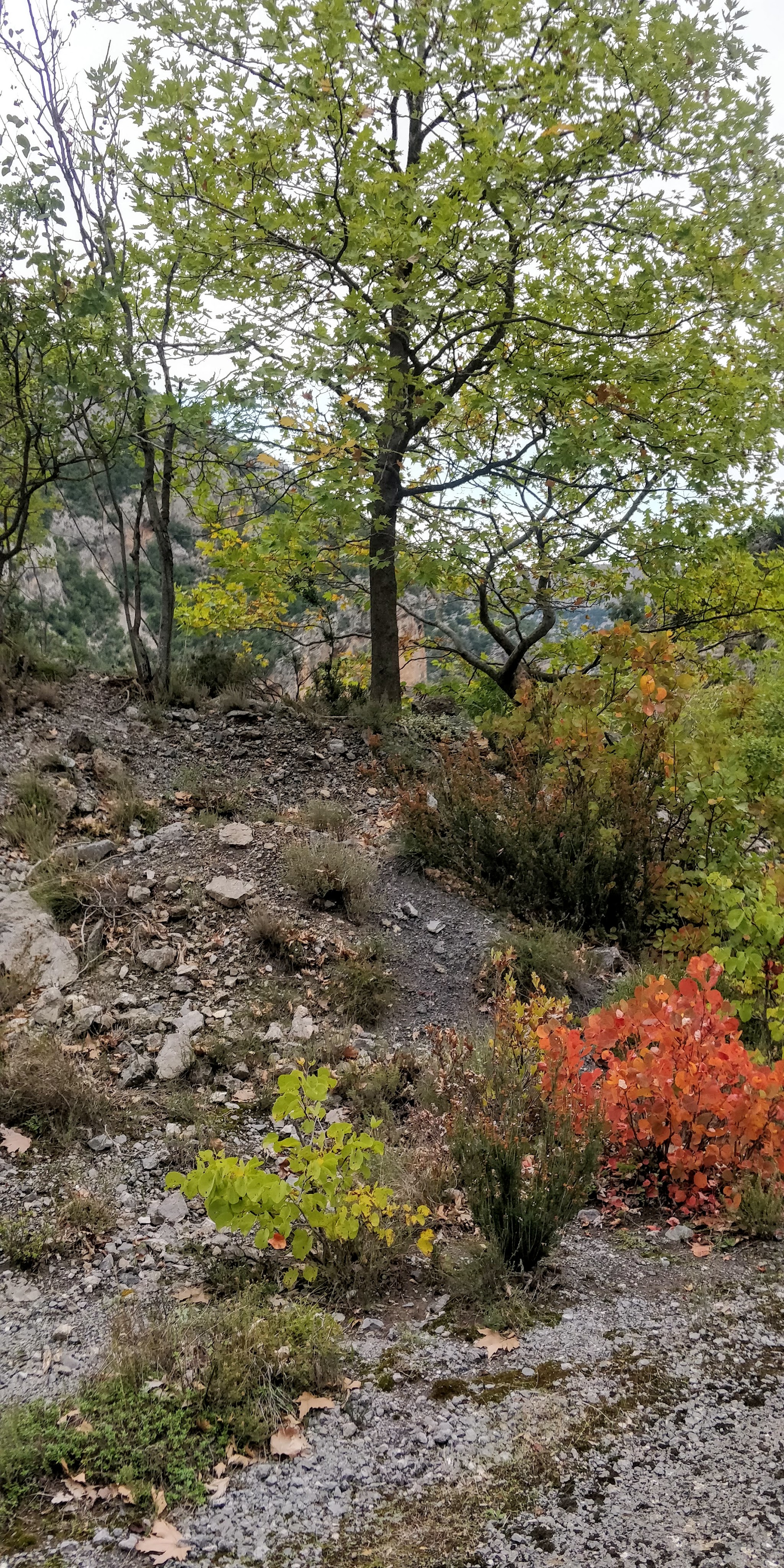
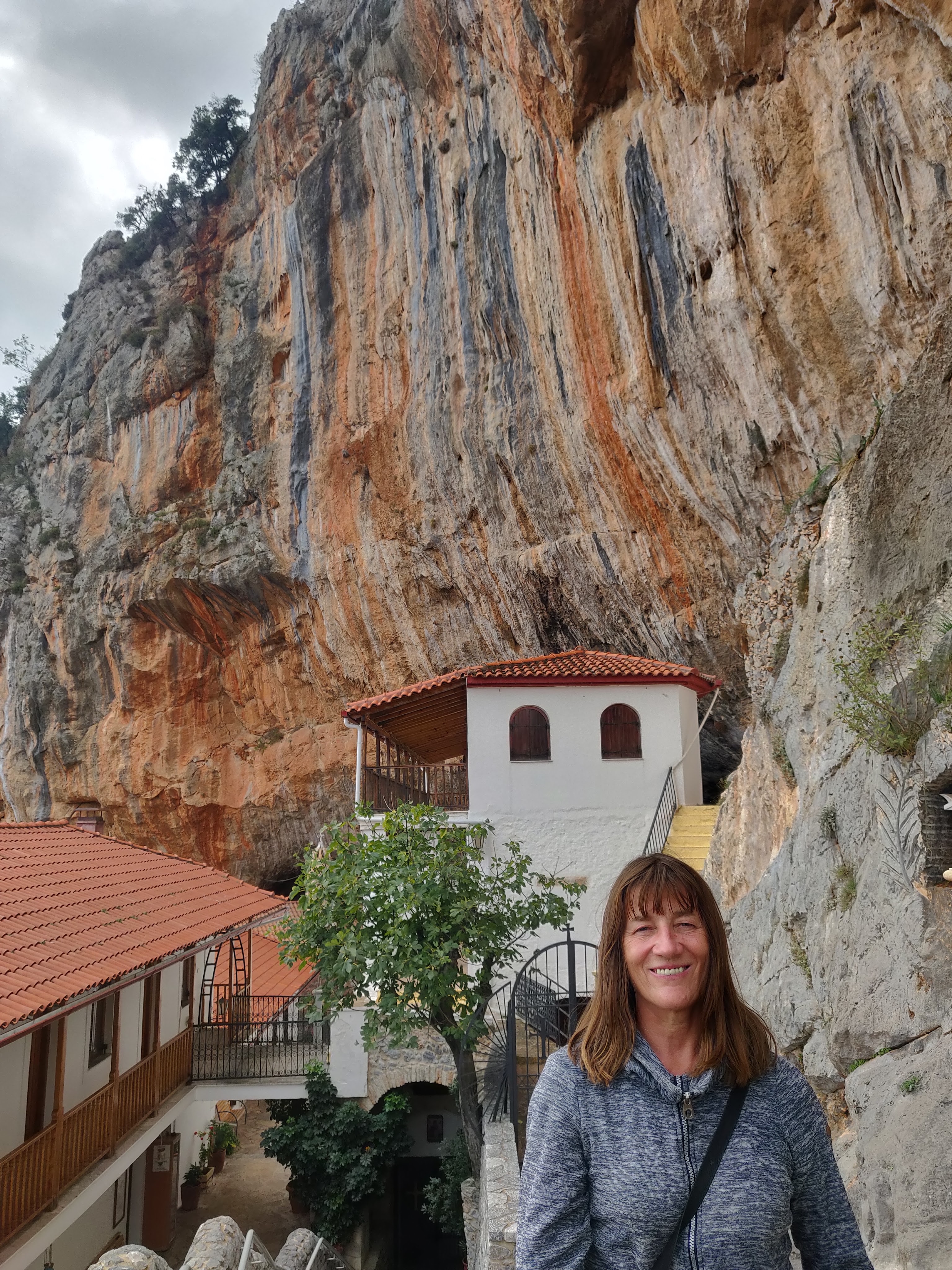
After a reluctant Goodbye to Elafonisis, we headed to Leonidio for no good reason except that it reminded us of the chocolates (which I have a great fondness for!). We might have gone there for the wrong reason, Leonidio was famous not for chocolates but for aubergines which are so special and unique in this region that they have been awarded a Protected Designation of Origin (They are long and thin with pale white stripes and were indeed very tasty). But Leonidio was a lovely little town in a stunning location surrounded by mountains, green and tree-clad on one side and bare glowing red rock on the other and the sea only a few kilometres away. There were monasteries high in the mountains with beautiful churches, carved into the rock. It was also a climbers’ mecca and we would have stayed longer than our two nights except that there wasn’t a bed to be got because of a climbing festival was just about to commence.
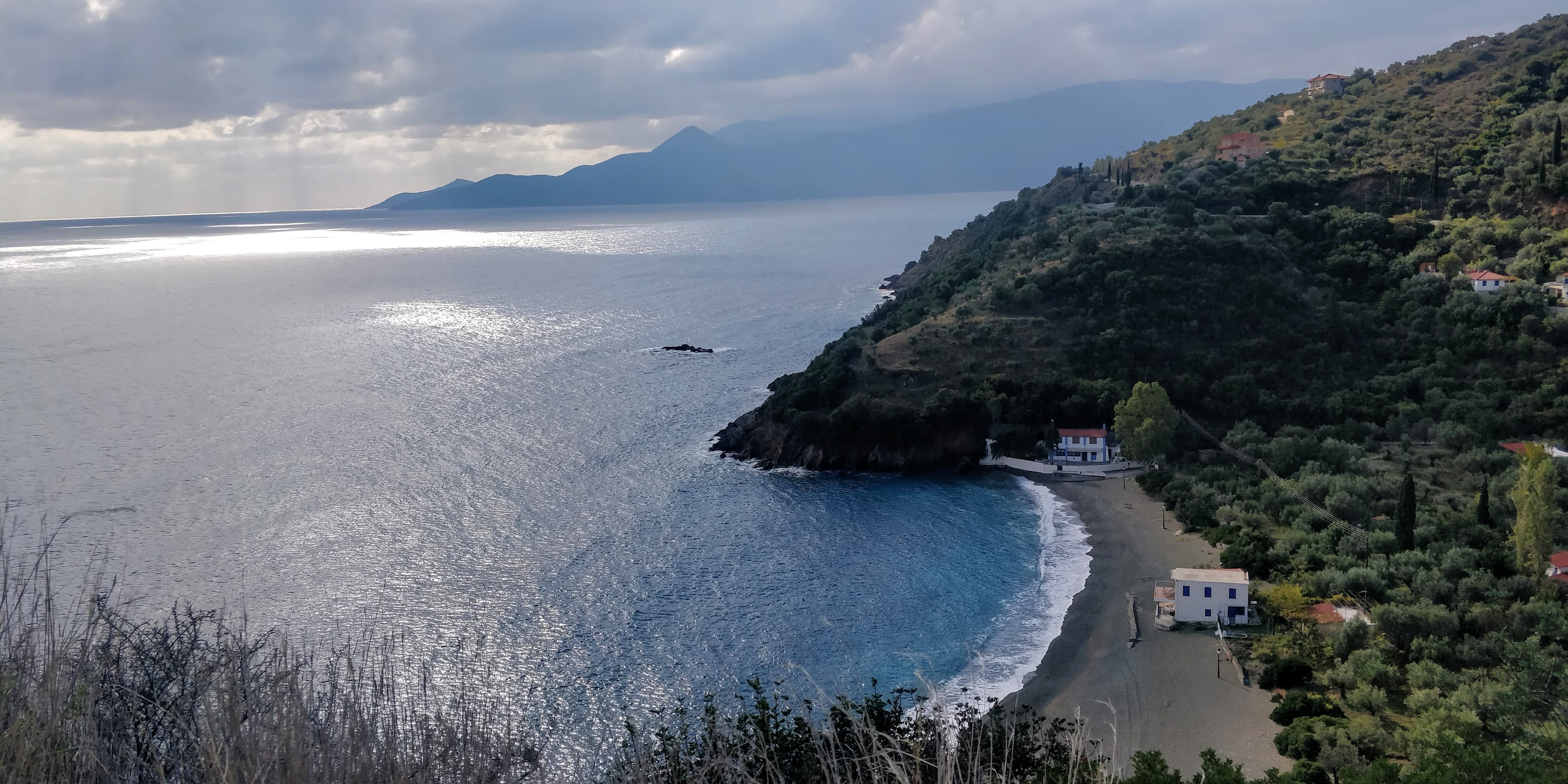
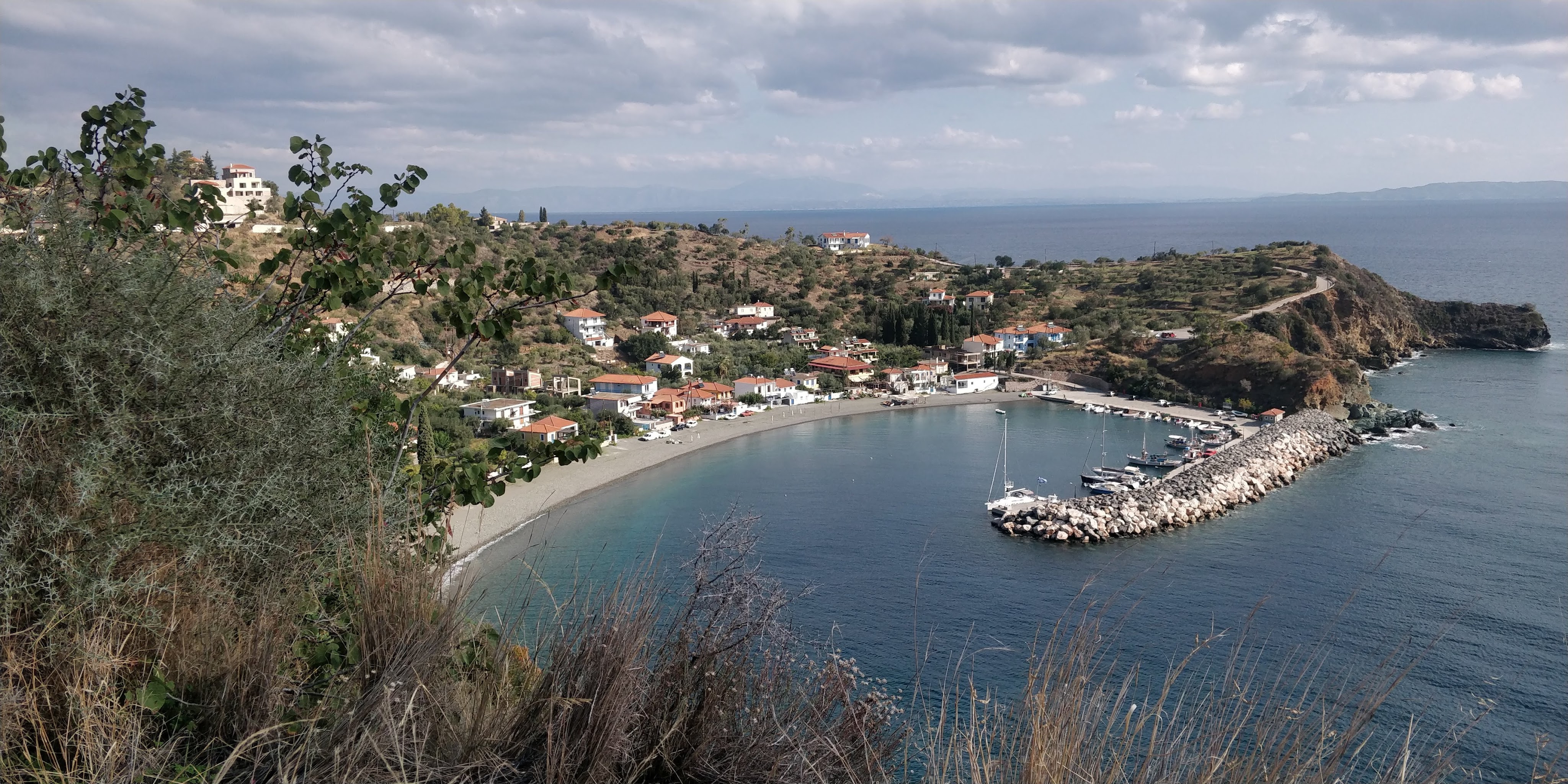
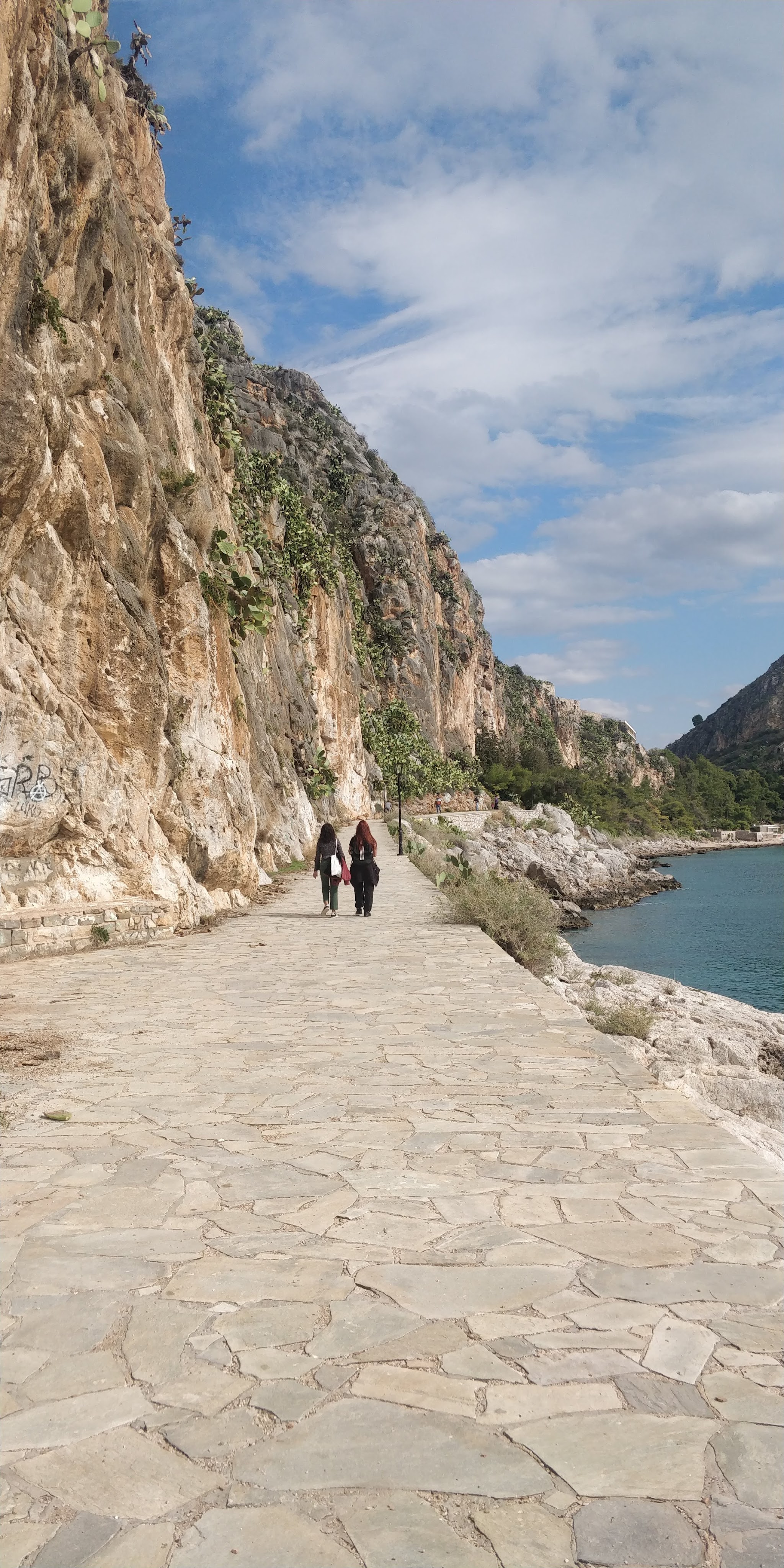
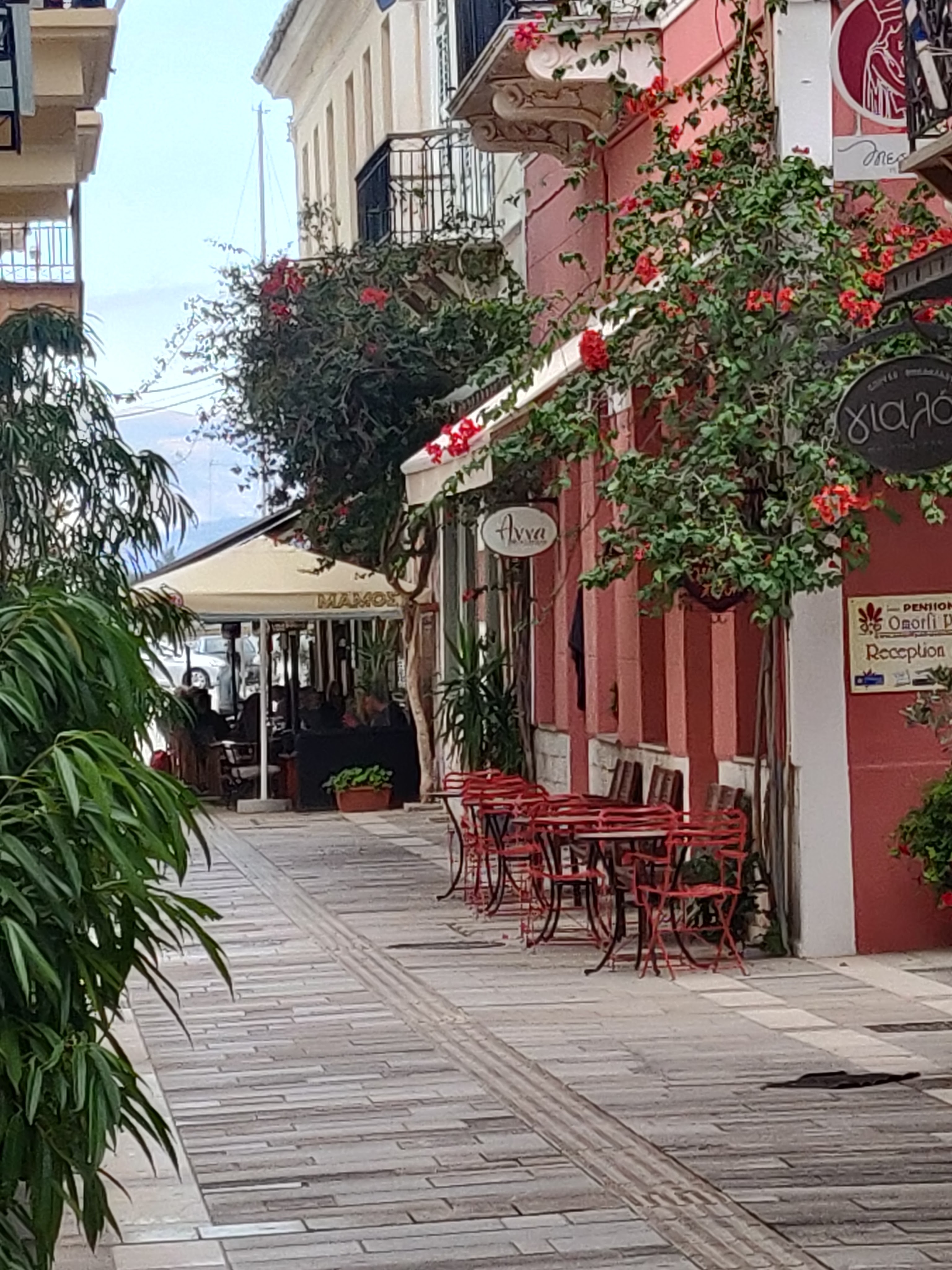
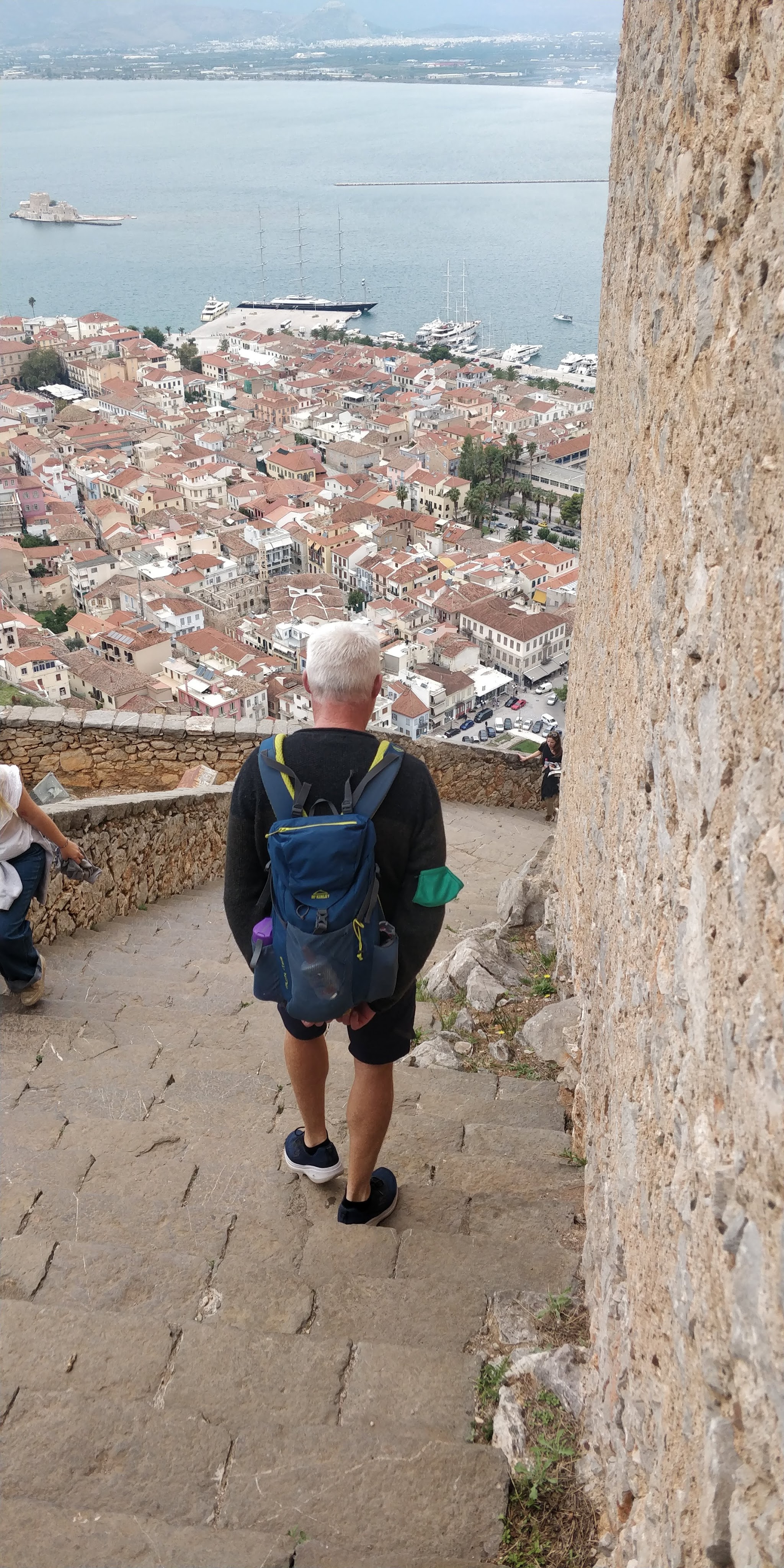
So we headed on to Nafplio, a town which is reputed to be the prettiest and most romantic in all of Greece and was the capital of Independent Greece for a few years from 1823 when it gained freedom from the Turks. Now I’m not sure how any town could possibly live up to such a moniker…and so inevitably with such a build-up we were a little disappointed to begin with. We have been to so many beautiful places whose beauty caught us completely unawares. (that line by Kavanagh was running through my head – through a chink too wide, there comes no wonder). It is touristy with lots of visitors – and proximity to Athens, a mere 2 hours away, helps – but its charms crept up on us, especially wandering around the old town, strolling by the port, sipping a glass of wine while people watching, climbing to the fortress of Palamidi on the hill (999 steps up) or walking along a cactus and pine paved path that wound along the coast to several beaches. And then there were the interesting people we met – Fred and Tanya from California and Evelyn, a Greek American – just random but meaningful connections which is part of what travelling is all about.
Happy Halloween to all…..as the witching hour approaches!!! (But not in Greece- we haven’t seen any evidence of Halloween here so far but maybe tomorrow…)
THIS is Greece

Hello Greece

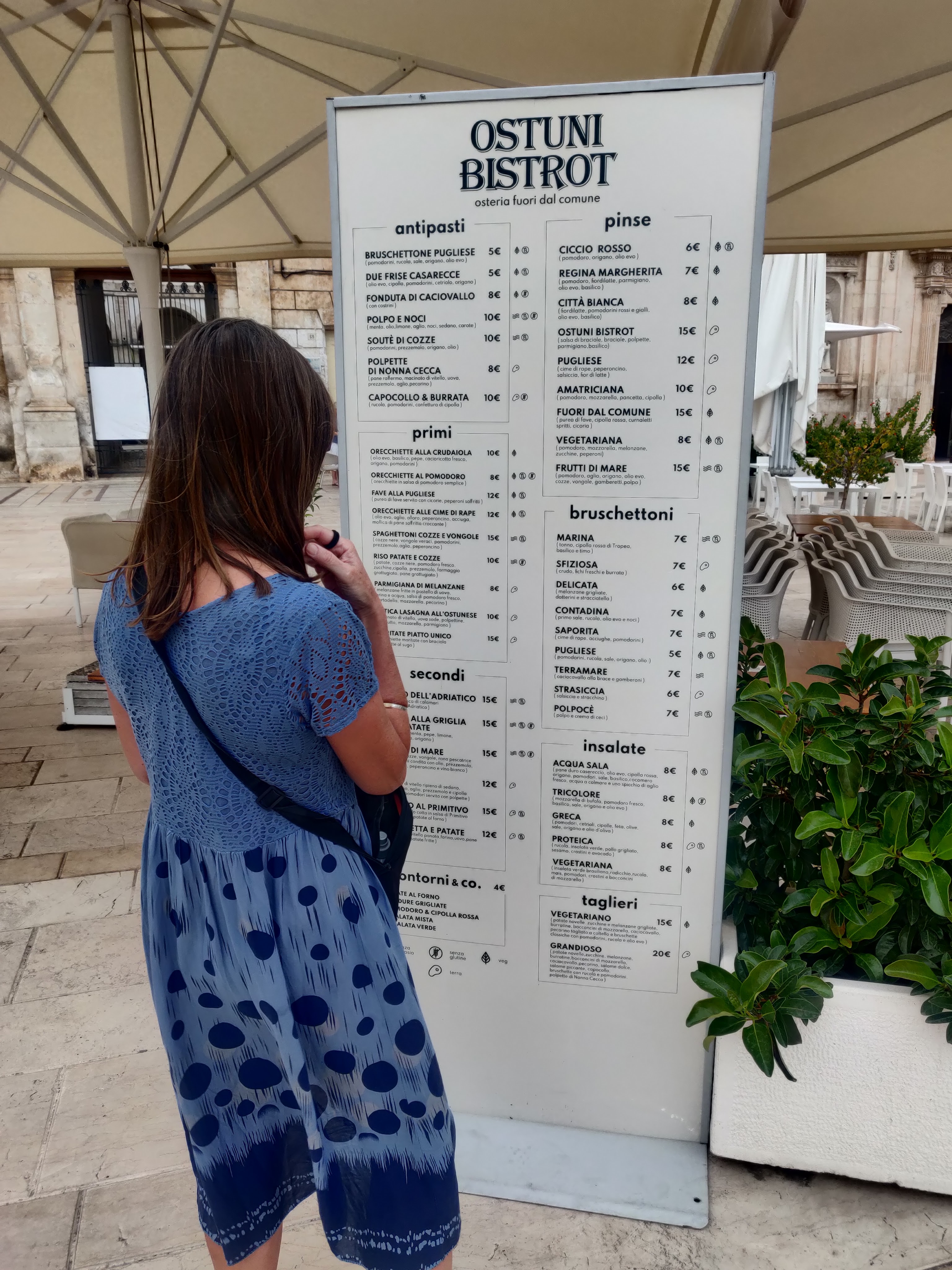
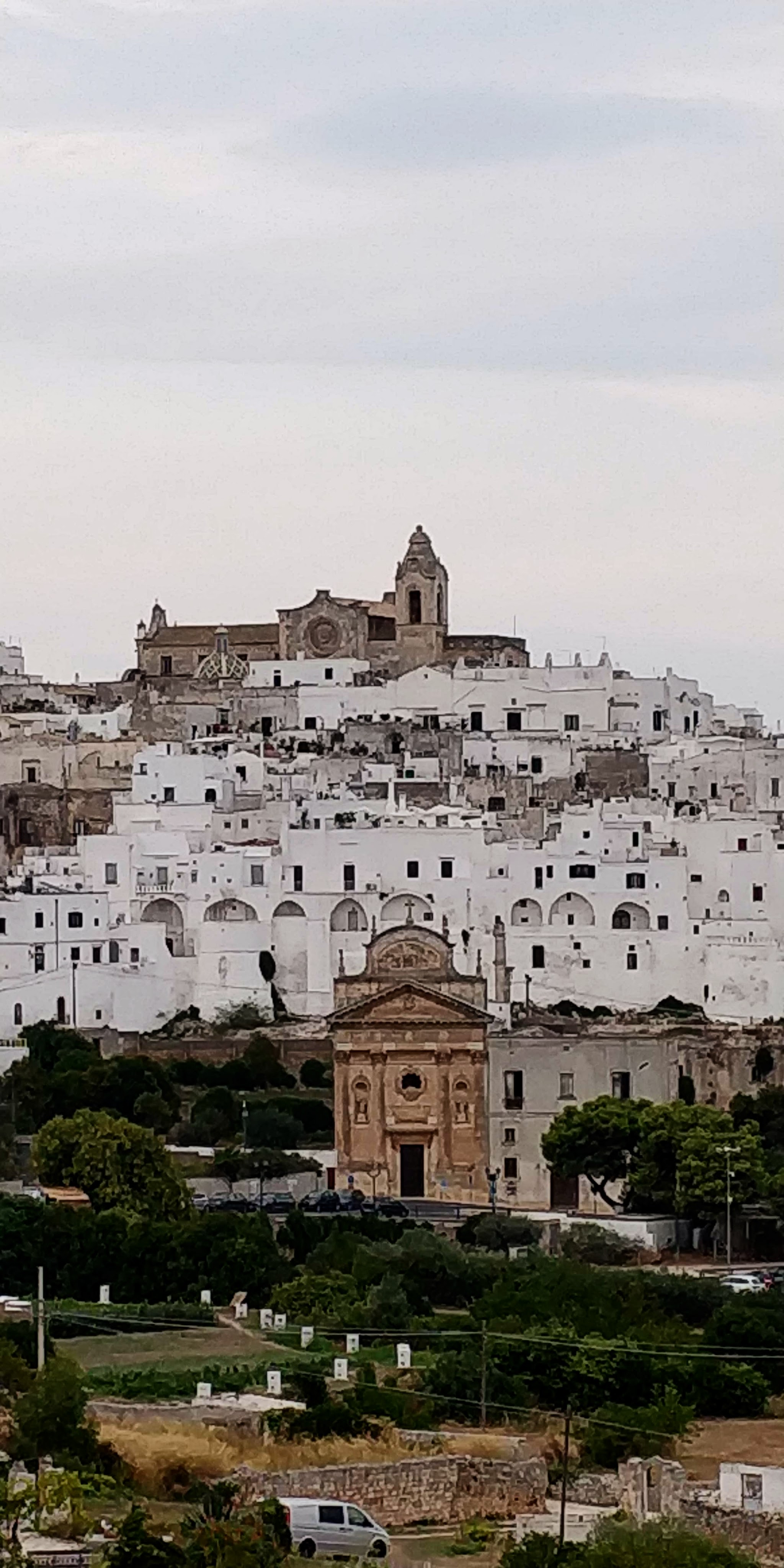
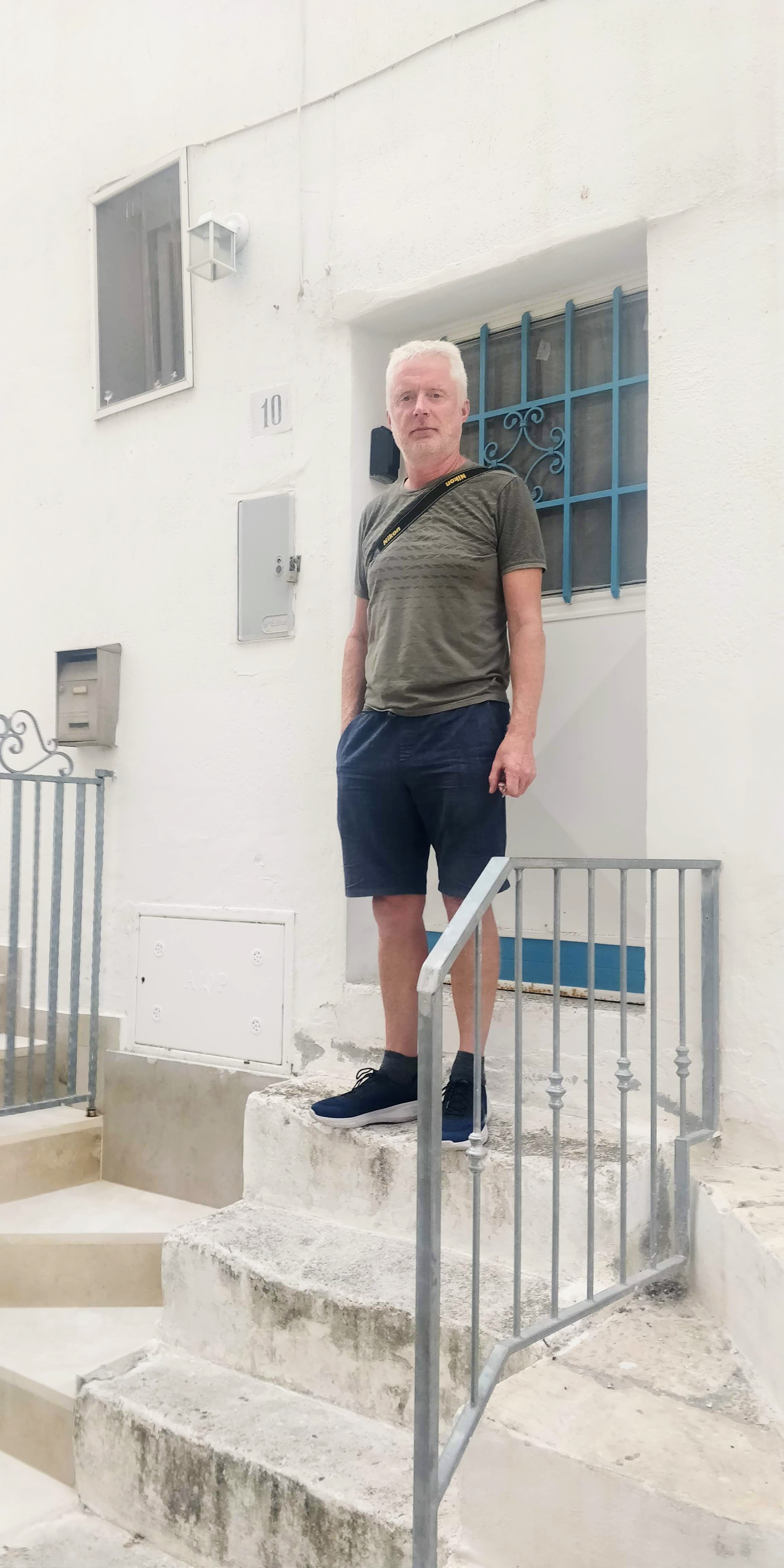
On our last night in Italy, we stayed in a tiny cute house in the very heart of Ostuni, usually called the White City as its white-washed buildings glow like beacons on a scrubby hillside about fifteen kilometres inland from the Adriatic Coast. It has acquired another name, SalentoShire, (Salento after the region) and shire because of the huge number of Brits who have moved there in the last 10 years. And the sound of English accents was everywhere…it almost felt that we had already left Italy. We were usually up and about early in the morning but as it was our last morning we decided to have a lie-in. But a banging and hammering started on the street outside our house well before 7am, the noise travelling through the old walls until it was almost inside our heads. A workman was renovating the steps and paving outside our house – he was so apologetic when we appeared as he hadn’t realised that anyone was staying in the house
Ports are strange places, almost cities in their own right with bouts of frenzied activity interspersed with idle calmness, lots of chat and workers hanging around. At the Bari port there was signs for ferries to Albania, Croatia, Montenegro as well as Greece – so many possibilities. This ferry  to Greece was our third ferry crossing with the Guzzler. We arrived early and checked in – or tried to. A very officious woman scrutinized our Covid Certs and demanded to see our PLFs (passenger locator forms) which we didn’t have because we didn’t think we needed them. We had a mad scramble to fill them out – they are not difficult, just tedious. (We had filled out a PLF for Spain to Italy ferry leg but no-one had asked for it)

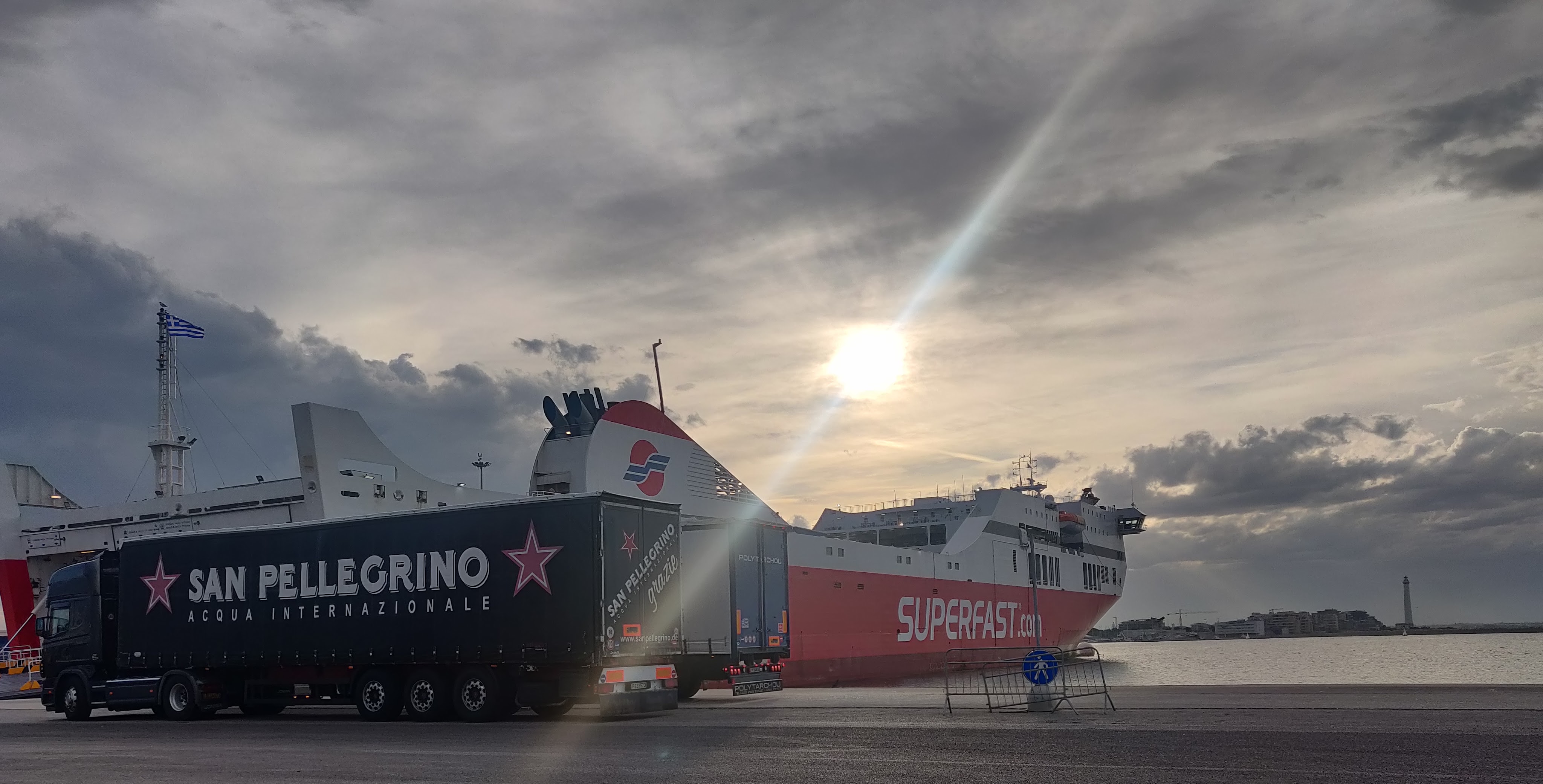
Our SUPERFAST Ferry

Although we had booked a cabin for all our other ferries, we didn’t for this one because it was so expensive – at least €150 extra for a basic cabin. We were due to depart at 19.30 from Bari and get into Patras at 13.30 the following day. Surely we could survive seventeen hours without a bed? As soon as we boarded, we bagged a long bench seat in the cafe area and spread ourselves out, making ourselves as big as possible. It was interesting, watching everyone else trying to outmaneuver each other for possession of seats/space. But it wasn’t funny when either of us went to the loo, the other was left defending ‘our territory’ from takeover which was quite stressful. A big Greek man nearby asked the steward to turn up the volume on the TV – which was just to the right of our heads – so that he could watch the Greek equivalent of Coronation Street. He pulled his chair closer and munched on an enormous bowl of crisps totally engrossed, spitting crisps in all directions. Instructions about social distancing were blared every fifteen minutes in five different languages – interestingly the English voice sounded something like Queen Elizabeth. A cabin began to seem really appealing so Caoimhin went to inquire about availability. The woman at the desk wouldn’t tell him the price (a fairly straightforward question, you’d think), he’d have to ask the captain. The captain, when asked, replied that a cabin was €150, Caoimhin said he had €50, the captain laughed but after some more back and forth, agreement was reached and we got a cabin for €80. It seems that things in Greece may be negotiable. We were more delighted with this cabin than any other – the sweetness of a ‘bargain’. I slept like a log – even if it was sea-tossed log with lots of banging – as our Superfast ferry groaned and creaked its way across a very choppy Ionian Sea. In the morning, we could barely push open the doors to get on deck because the wind was so fierce against it.

Greece, Here we come!

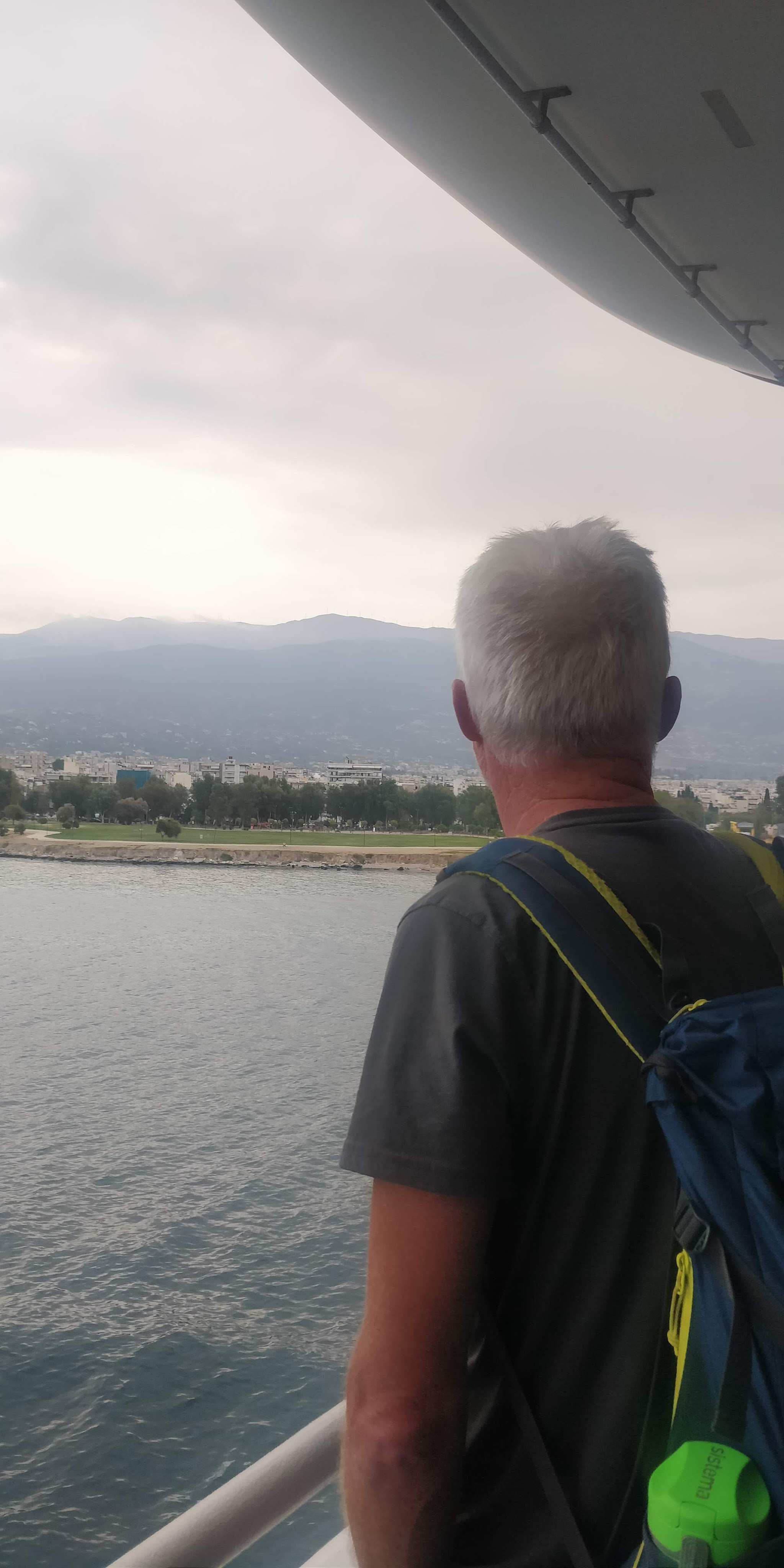
We arrived in Patras in mid afternoon, with dark storm-laden clouds overhead and a forecast for heavy rain- not the picture of Greece that we had envisaged. The apartment that we had booked (€32 a night) was OK – it was on a little side street not very far from the port but it was a bit dark and dreary. Later we wandered into town – there was a third world feel about the place which we couldn’t quite put our finger on. Admittedly, the cars were older, the pavements were cracked and uneven, there was lots of litter, the street lighting was poor but all these things were also in parts of Italy (and even Ireland) and then it dawned on us, it was the pervasive smell of sewage and drains. It was also raining and cool (about 18 degrees but feeling much cooler) – we had put on jumpers and raincoats, hauled out from the bottom of our packs. We found a pedestrianized area with lots of restaurants where people were huddled in coats under awnings and umbrellas, watching football (and soaps) on TVs. We couldn’t understand the Greek letters or the language – the pronunciation seemed very difficult so after some coffee and (one) beer, we were on the way back when Caoimhin slipped on the slick pavements. He wasn’t the only one – we saw a woman fall as well but Caoimhin’s slip was actually quite dramatic as he went down hard and even though he fell, I screamed causing a bit of a stir.

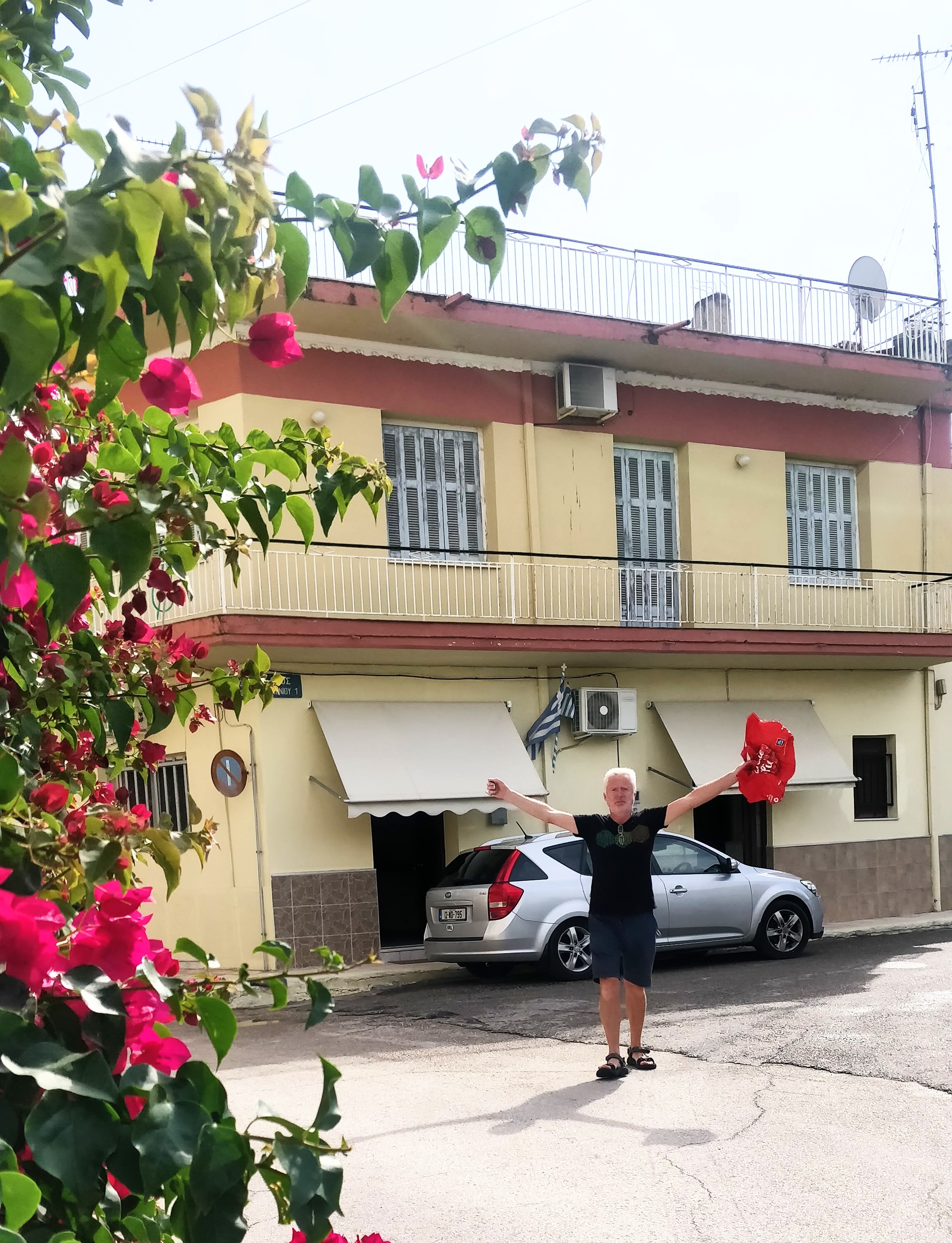
Caoimhin and the Guzzler outside our first Greek apartment, Patras (under awning)

The following morning – luckily Caoimhin was fine apart from a few bruises- we packed up, booked a place about an hour west called Kalogria, (which was near a beach with sand-dunes, forests and hills) and headed off in sunshine. We really didn’t give Patras a chance, apparently it has a wonderful old town and it has been rocked by earthquakes over the years. We may have to go back…..but no time soon.

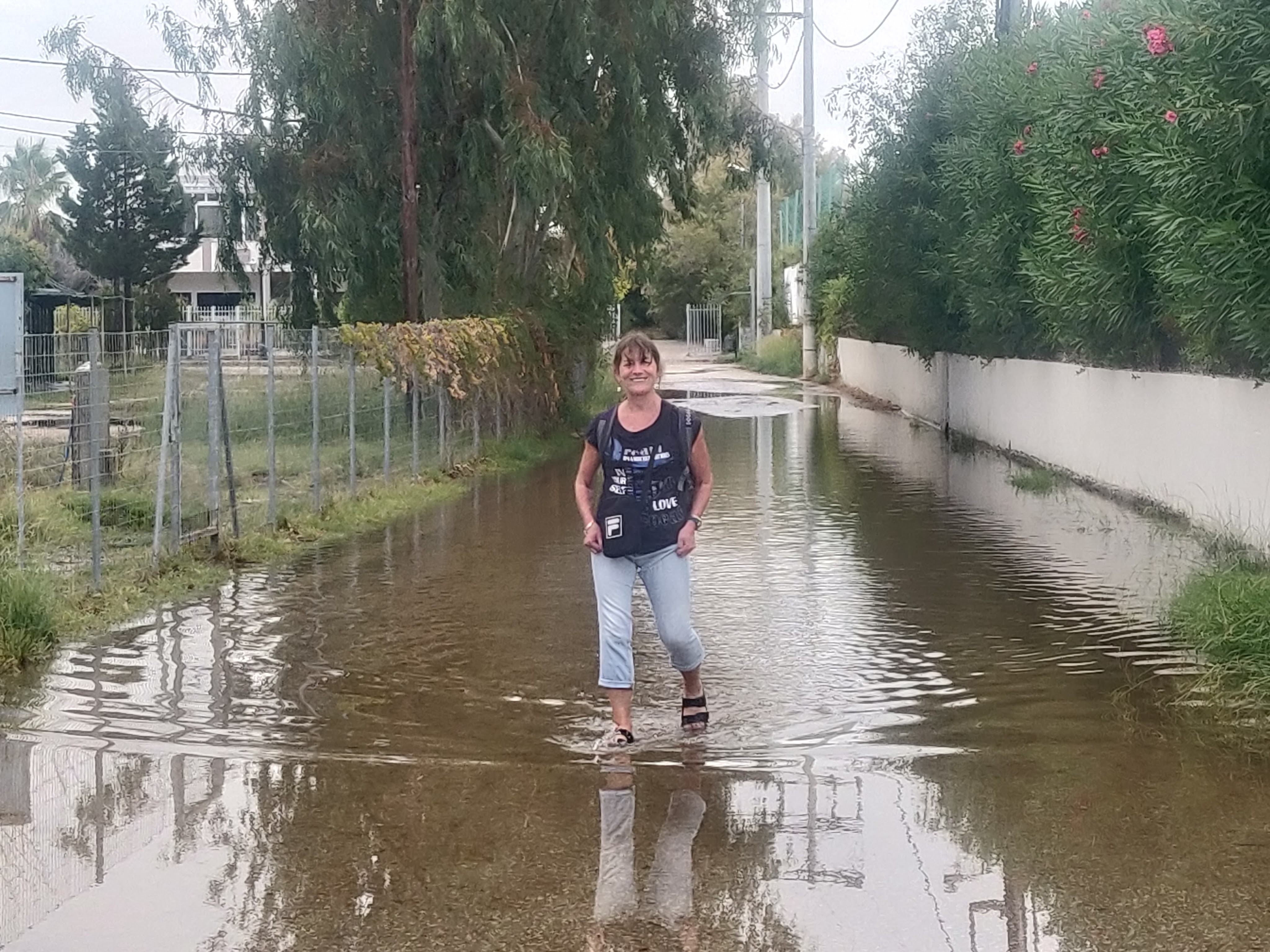
Kalogria – our first floor apartment and balcony, wading through the floods outside.

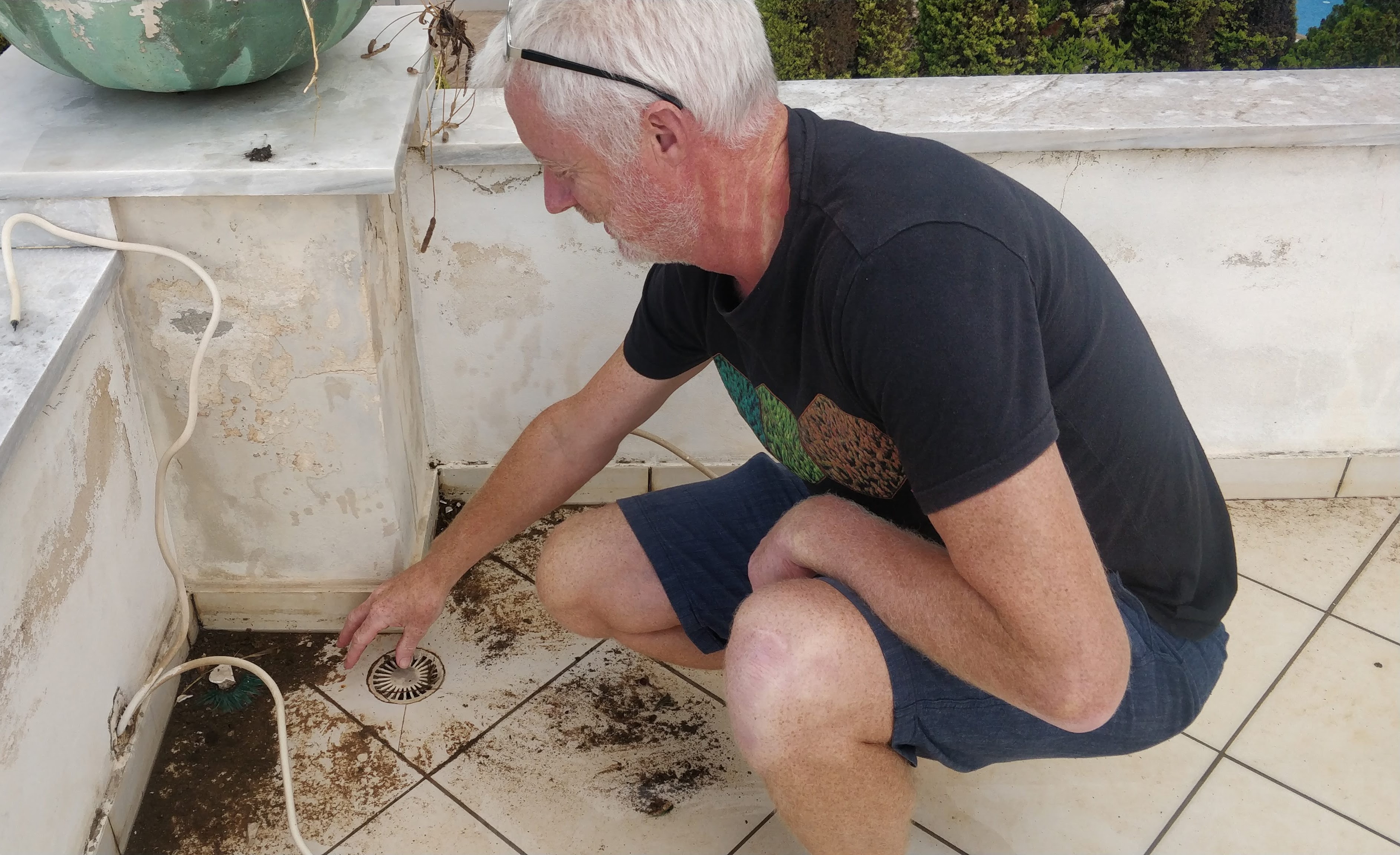
The sunshine didn’t last – the rain came down in buckets, lodged on the flat roof of the apartment, cascaded down the walls and windows in waterfalls and came in through the windowsills and under the doors. Caoimhin went onto the roof to investigate and saw all the blocked drains – the rainwater had no choice but to run down the walls. He set about unblocking the drains (about 10 minutes work) in exchange for a free nights accommodation! Looking around at the amount of minor repairs required , we may never leave!!!!

A Man at Work

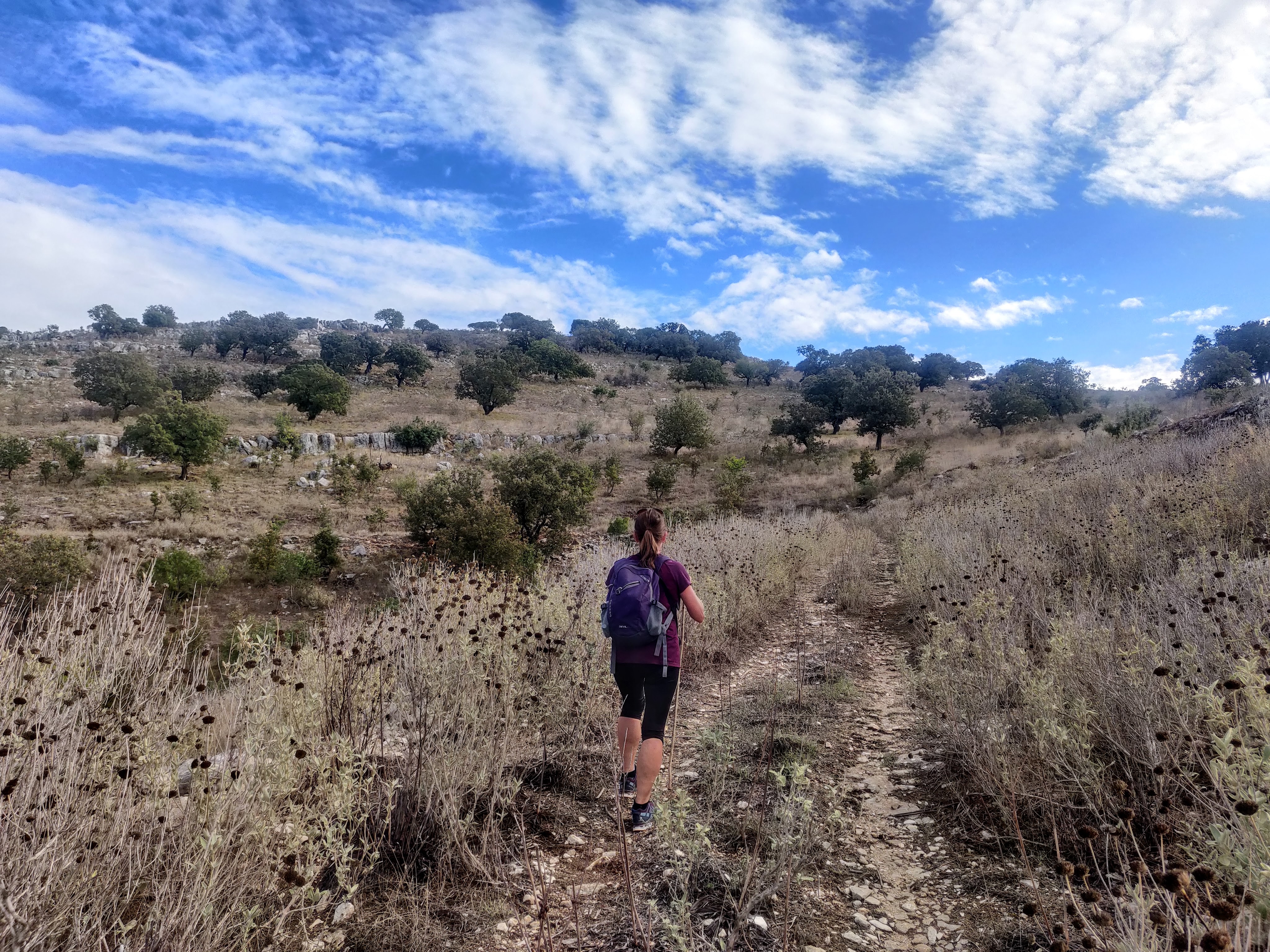
We had some incredible weather in Kalogia….amazing rain, dramatic thunder and lightening (one storm went on continuously for twelve hours during the night and there were several smaller storms and (some) sunshine. The roads nearby were flooded but passable but when we took to the hills during an interval between storms,, we found that they were still dry and parched despite all the rain. The Greeks were delighted with the ferocity of these First Rains (as the rains in October are called) because in some parts, there has been no rain at all since early April and they credit us with bringing the rain with us to them – it arrived on the very same day we did.

Walking into the Blue in Kalogria, Peloponnese, Greece

When the sun shone, Kalogria, Greece

We moved on to Olympia, a little town with a huge history in the Western Peloponnese. The windshield wipers worked overtime on the journey there (only about an hour and a half) almost drowning out the sound of Demis Roussos and the theme music from Captain Corelli’s Mandolin – we have switched from Pavarotti and Italian opera to Greek music (but may have to switch back or at least away from Demis) The rain stopped before we reached Olympia, which is set in a beautiful valley with pine covered mountains and fertile soil – no wonder it was beloved by the gods. The town itself was small and crammed full of hotels, restaurants and touristy shops with names like Hermes Cafe, Aphrodite’s Bar and menus in both Greek and English. There were rows of Greek and Chinese flags on both sides of the street – the Chinese flags were because the Winter Olympics are starting in Beijing soon. However when Google told us You have Arrived, we were outside a hotel that looked closed up -the hotel that we had booked the day before. We parked, walked around and tried a few doors – all locked. We weren’t too worried as it looked like we would have plenty of other accommodation to choose from (covid has played havoc with Greek tourism for 2 years). Alexander, a young chap in the cafe next door who sounded like he grew up in London (but didn’t) said that he would call the owner -he was best friends with her son – and sometimes she didn’t open the doors until later if it was quiet. So we checked into the Ilis Hotel. We thought we might be the only people staying in the hotel (which had about fifty rooms) but there were also a few Germans and a Greek couple.

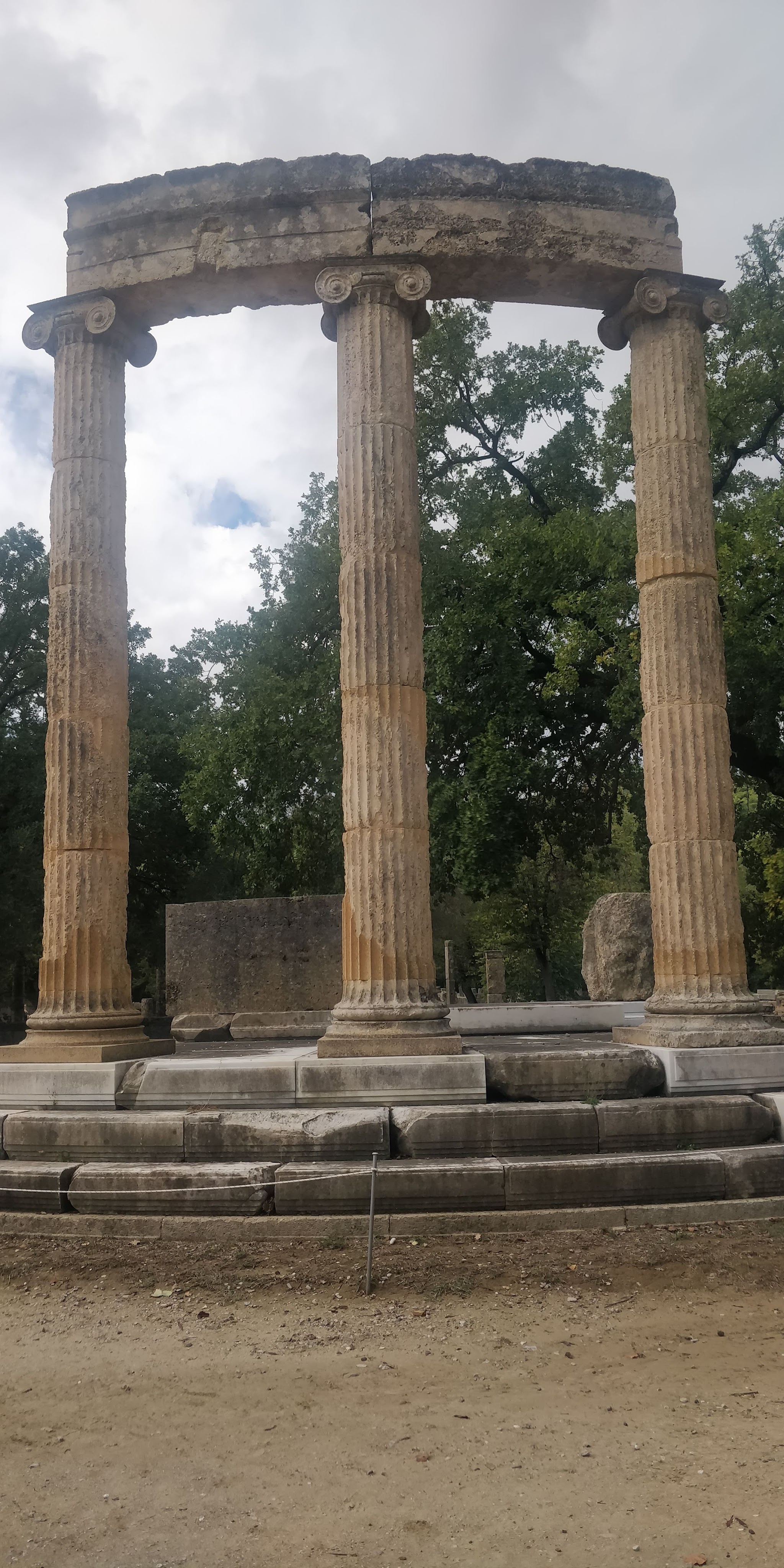
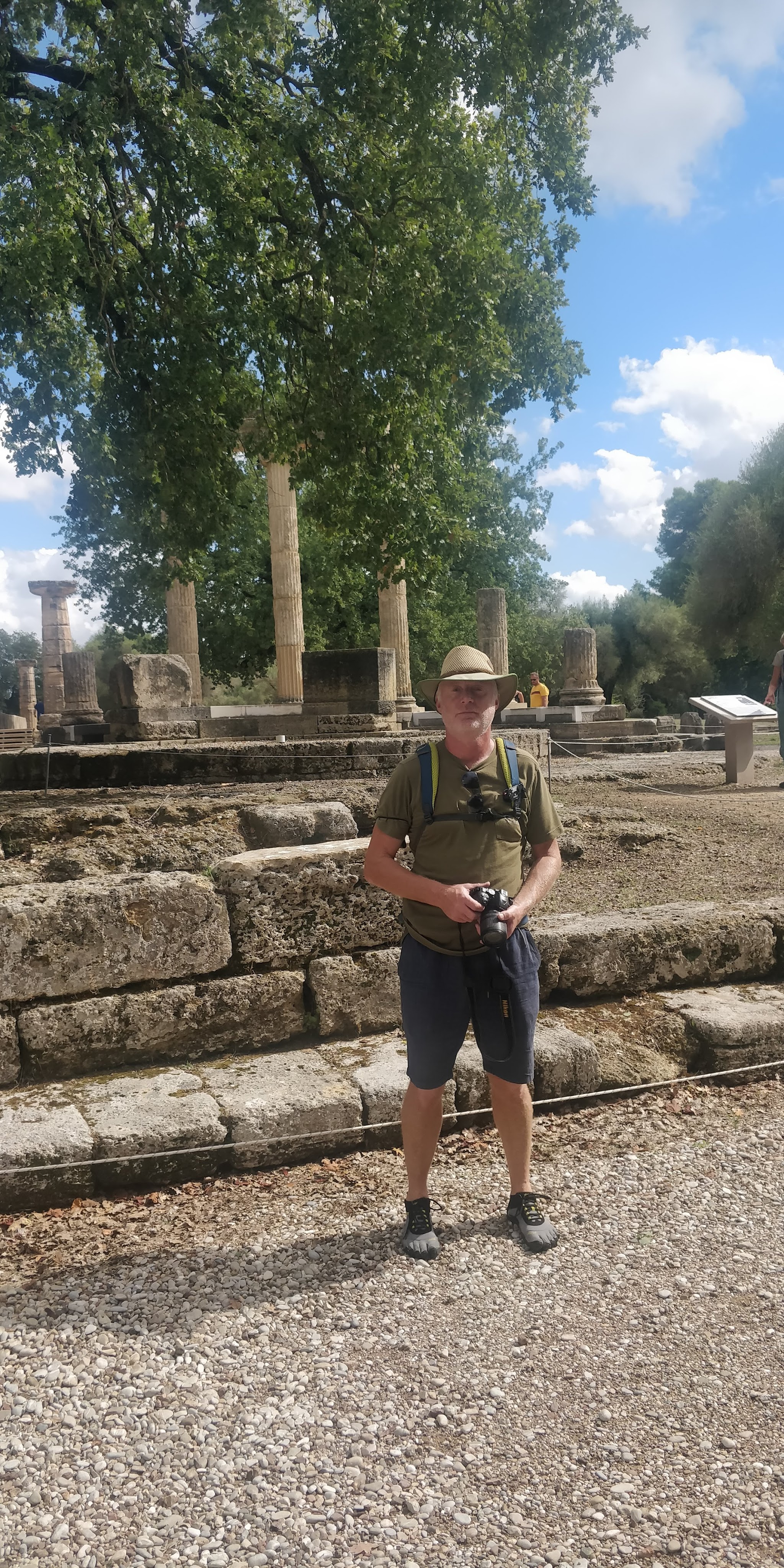
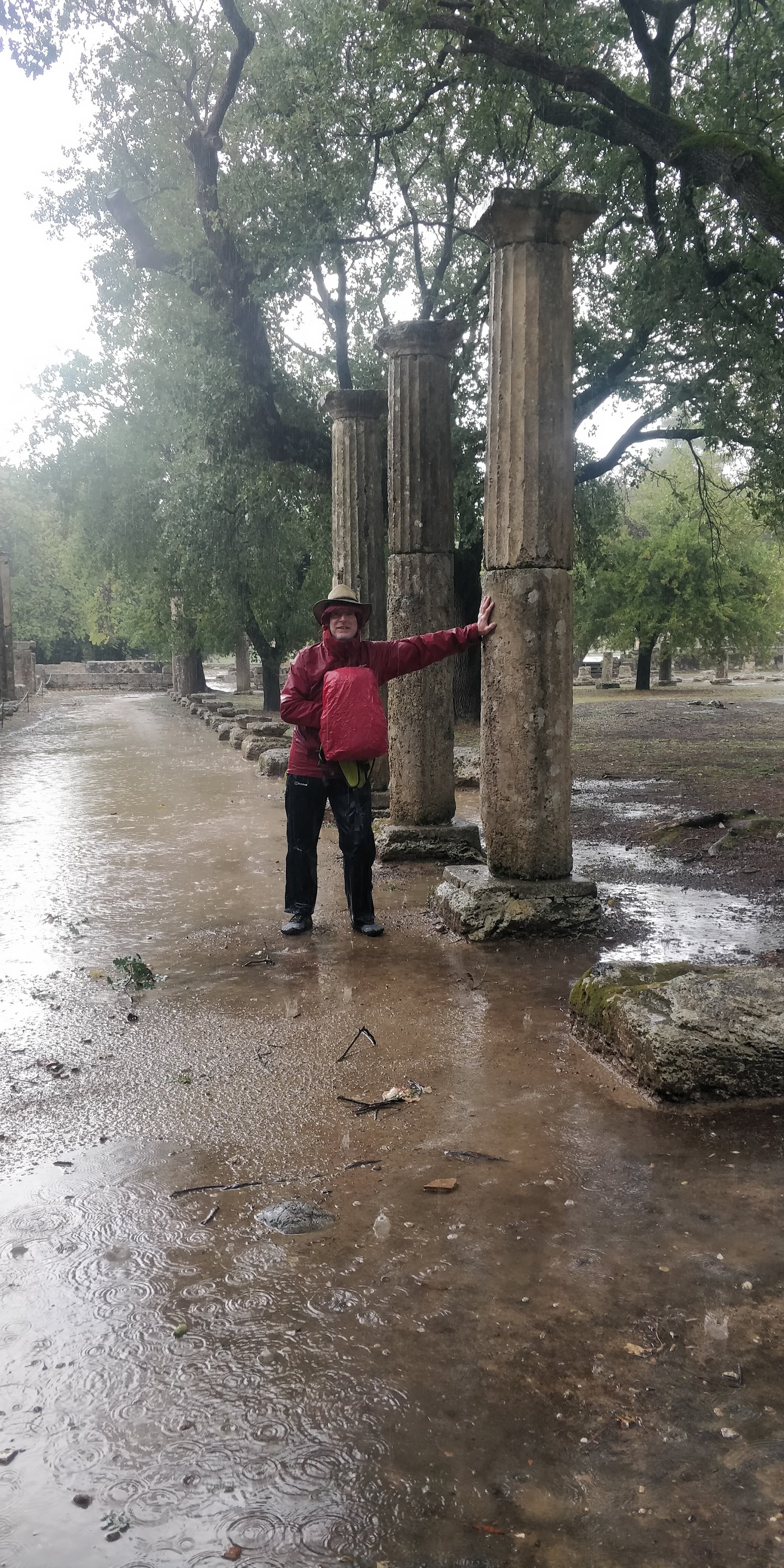
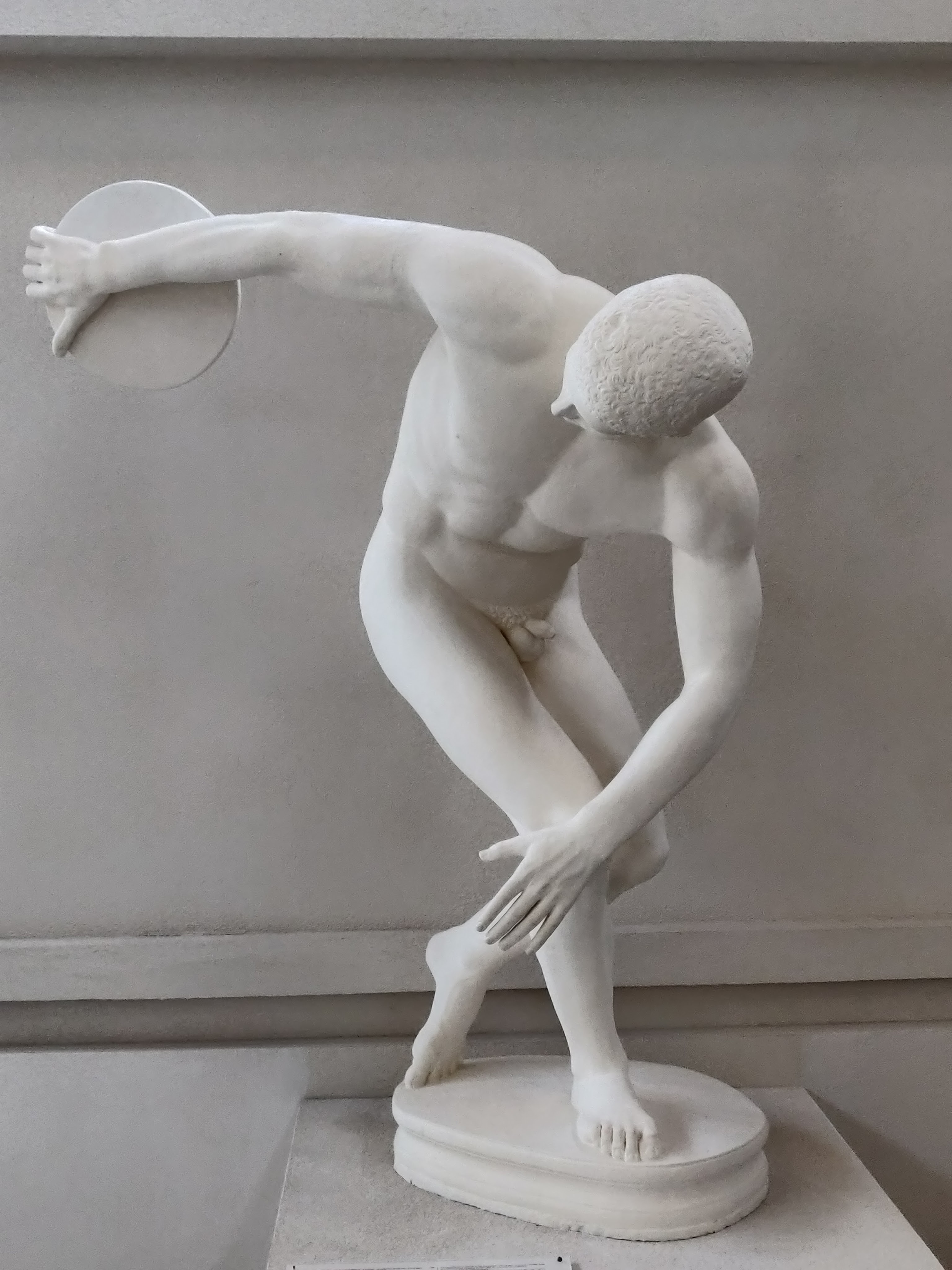
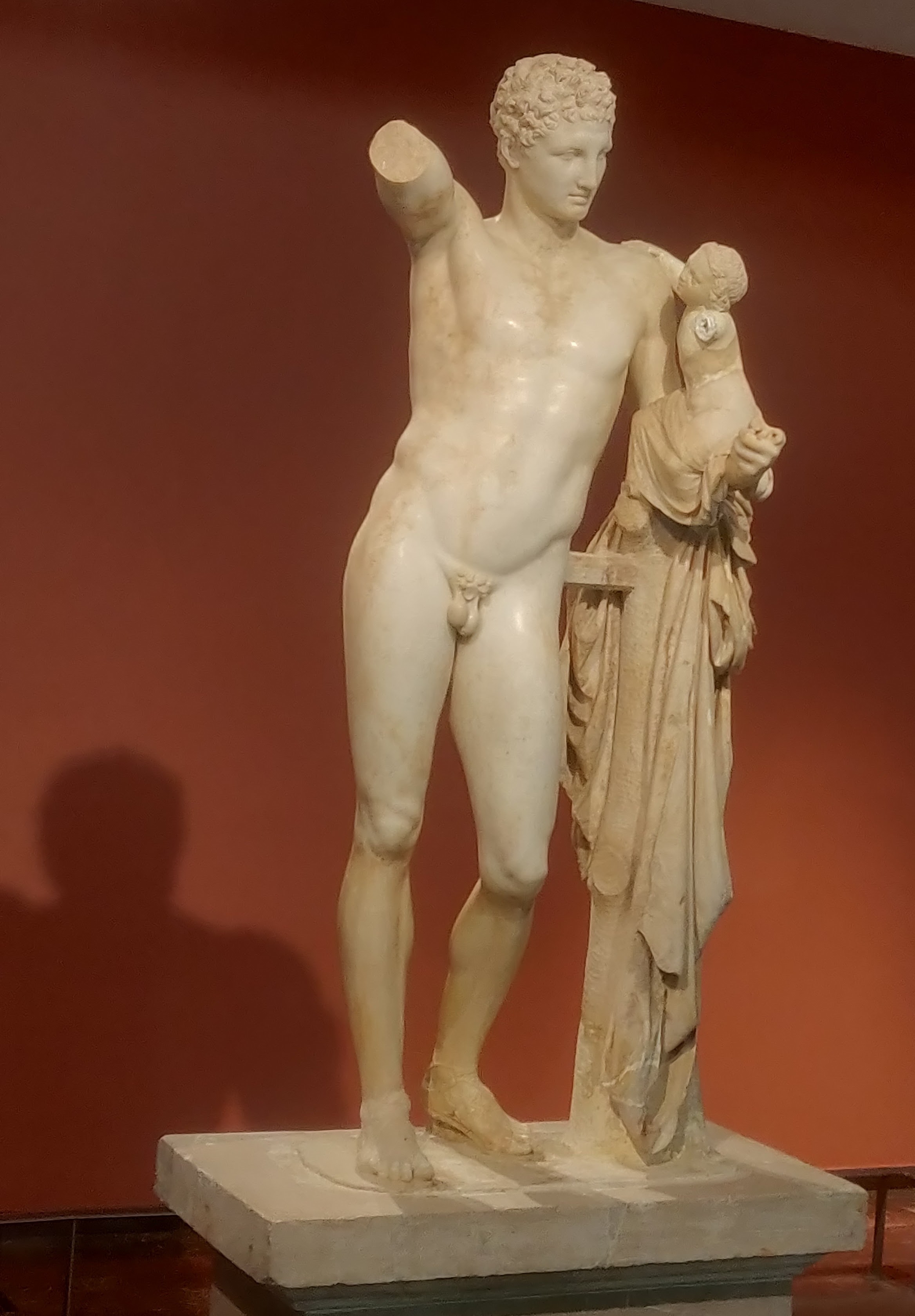
The Archaeological remains of Olympia were just a short walk from the village and are very well laid out with good information boards in Greek, English and German (we were surprised about the German until we realised that Germany had been hugely involved in the archaeological digs and preservation. Most of the other tourists were dressed in shorts and T-shirts and carried only water bottles. We, on the other hand, had backpacks with jumpers, raincoats, hats and even waterproof leggings. I thought we were mad to have so much stuff as we watched some young girls rehearsing a dance in the Stadium area under a warm sun. (Interestingly, women were banned from participating and even spectating from the Stadium in ancient times – if they were caught in the Stadium or sanctuary, they were thrown from the top of nearby Mount Kronios.) But within ten minutes, the first fat raindrops fell and soon the world went dark with cloud and lightening streaked across the sky. We quickly donned our waterproofs while others ran or huddled under trees for cover – no protection for the rain of these biblical proportions. The whole area emptied and we had the place virtually to ourselves, feeling quite smug. There was something really awesome (I cant think of a more appropriate word) about being in such a place of antiquity, sacrifice and endeavor amid ruined temples to the gods, (Zeus and Hera) whilst the heavens rained down on us.

The Greeks – and Google – tell us that the stormy weather is set to continue for another few days and maybe even a week before it will become like summer again, but better as not so hot. We had planned to go inland to the hill villages of Arcadia (the famed rural idyll of Arcadia) but the weather forecasts are dire for that region so we may go south. As I type this, we are looking for somewhere to ‘hole up’ for a few days and relax and are busy studying maps and weather charts.

I hope that the next post will be called After the Deluge….

Hello Greece

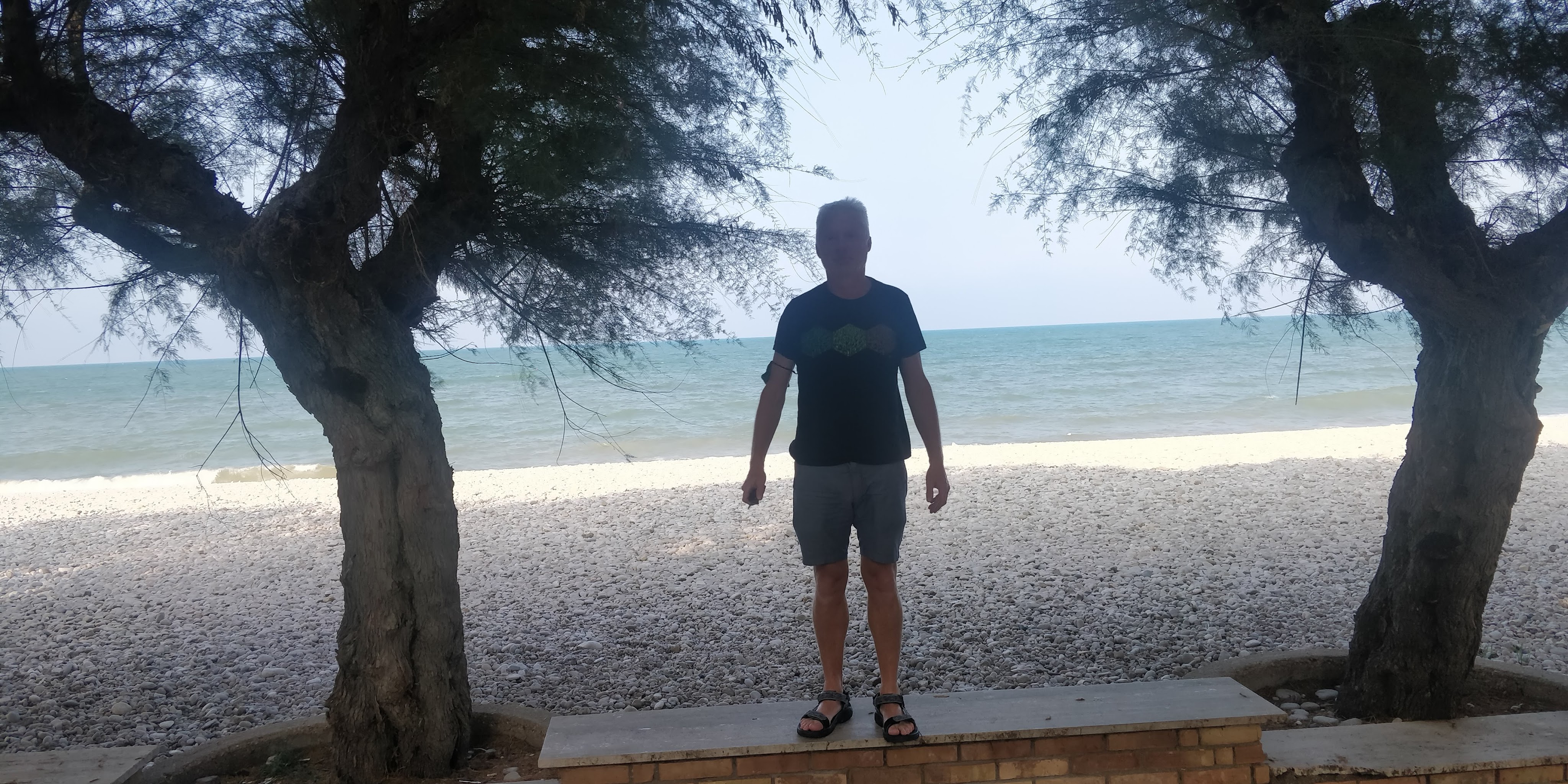
The Adriatic Coast

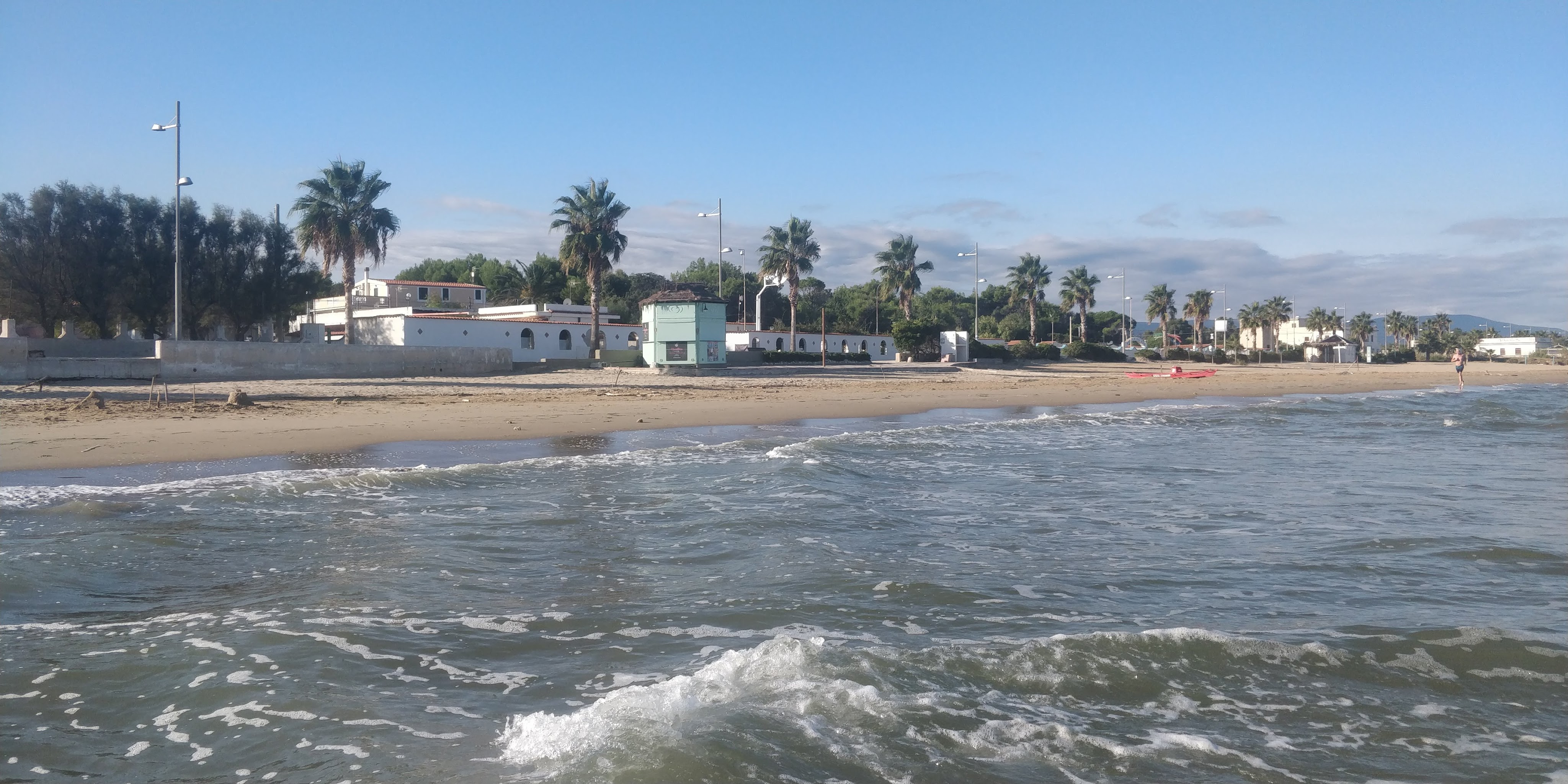
Travelling through the spine of Italy, we felt dwarfed by the majestic high mountains of the Apennines all about us and awed by the long tunnels that we drove  through – some a couple of kilometres -blinking back into the sunlight. There were fruit and veg roadside stalls as soon as we came down from the mountains selling plums, tomatoes, peppers and huge peaches. Our first glimpse of the Adriatic Sea was a gorgeous glittering  turquoise in the distance just south of Pescara.

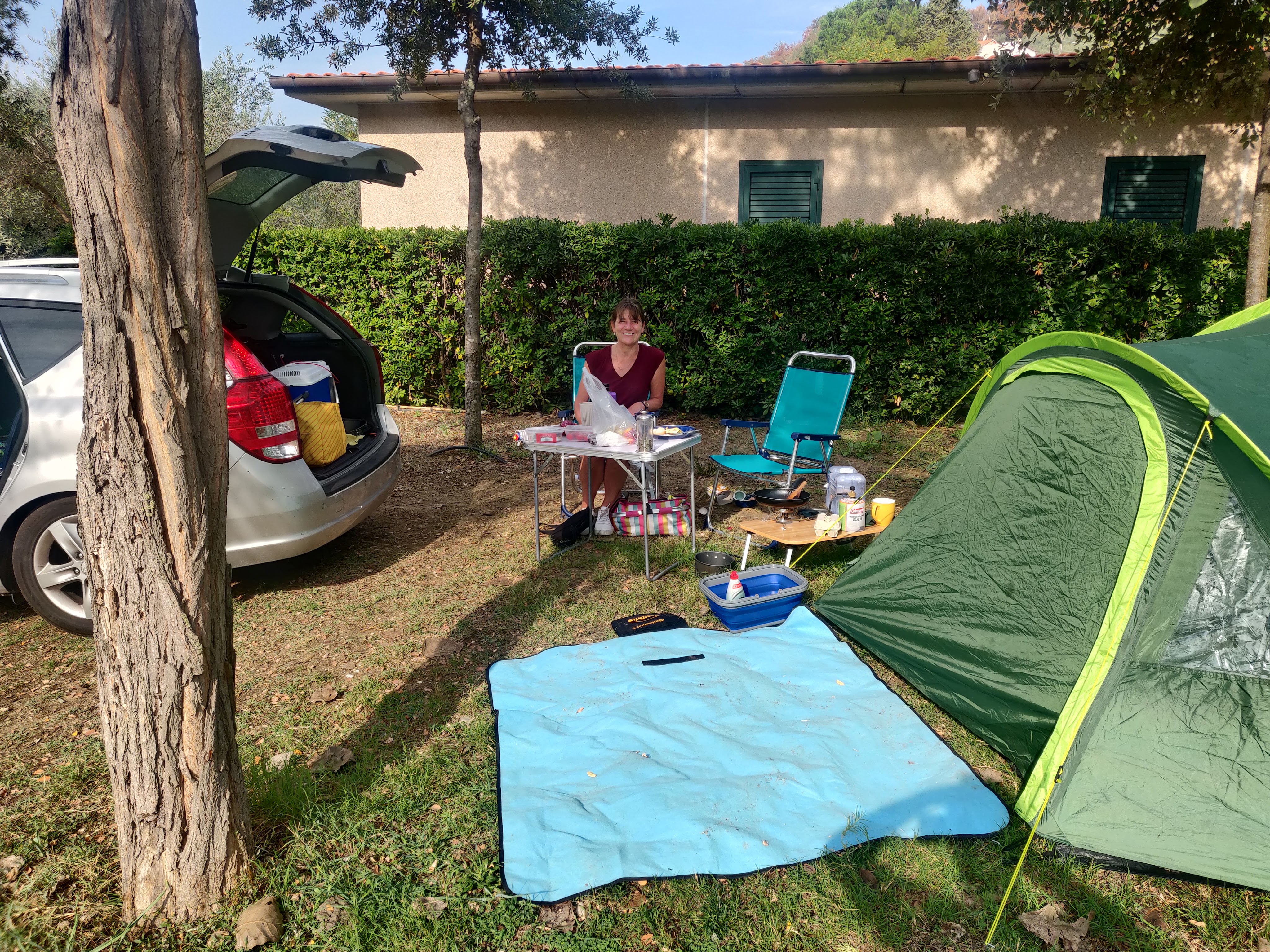
The road from here hugged the coast and we used Google search to find any campsites.  One looked promising, direct access to the beach, good reviews and not too far away as we were flagging despite the caffeine stops. La Foce campsite was a big shaded area – slightly dusty and run-down – but was deserted apart from two camper vans, a few cats asleep in the sun outside the office and pomegranates falling from a tree near the shower block. A woman finally appeared, welcomed us saying that we could put our tent wherever we liked -Italians are so expressive that we find ourselves understanding the language (in context at least). The campsite bar and pizzeria were closed for the season which didn’t bother us too much as we (meaning me) concocted a one-pot pasta dish using the fresh veg that we had bought by the roadside (feeling thrifty and healthy – we’re going to make this lump sum and pension last!!)

If you look at the map of Italy, there’s a pimple (or a spur) on the east coast called Promontorio de Gargano or just Gargano. We had heard great reports of this region so we went in that direction but as we drove along a flat soul-less area without villages or houses where prostitutes were on the road looking for business_ at noon_ from the many truckkies barreling along the road (at first we thought the women might be fruit sellers but their dancing to attract attention soon left us in no doubt).

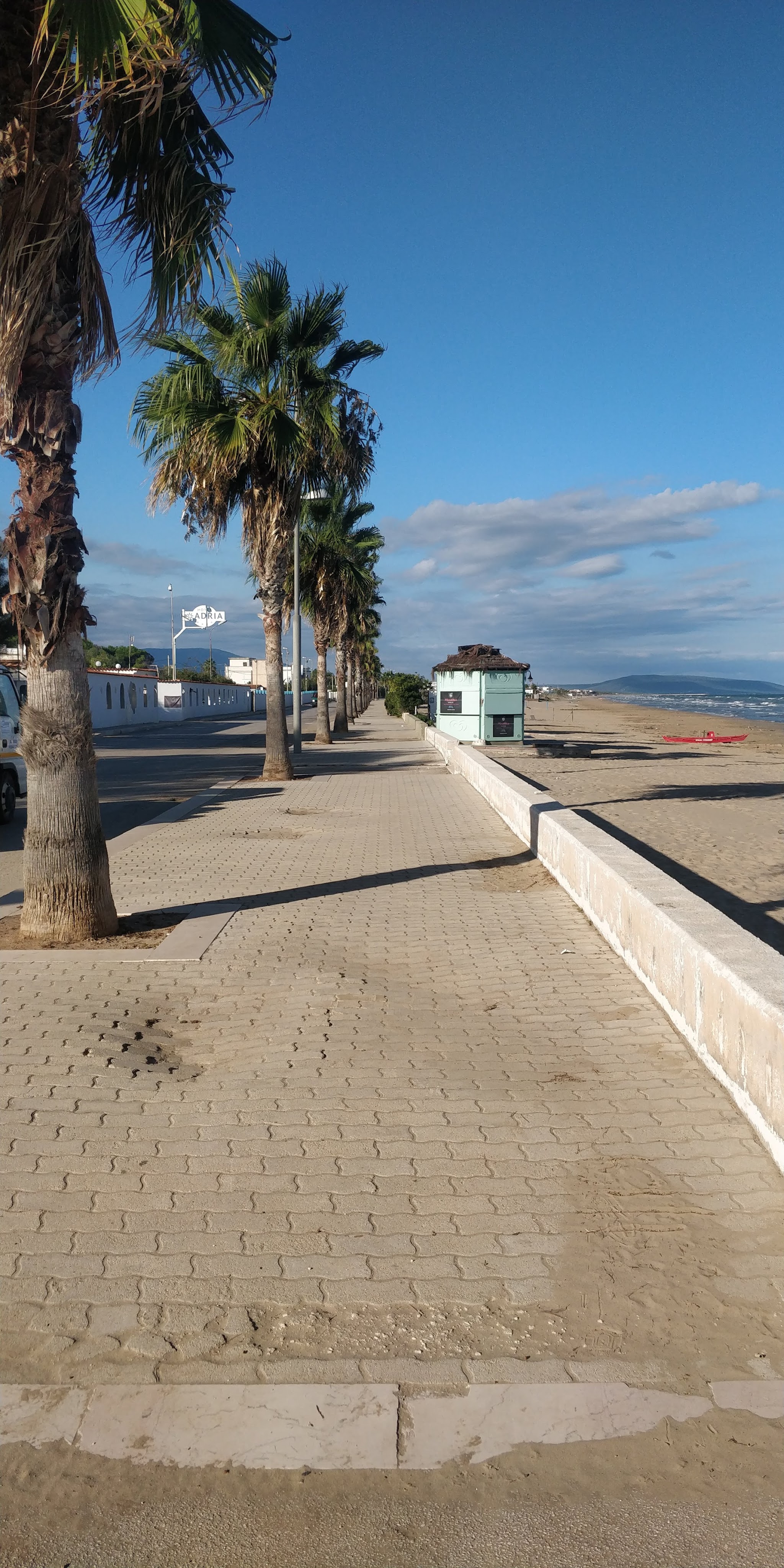
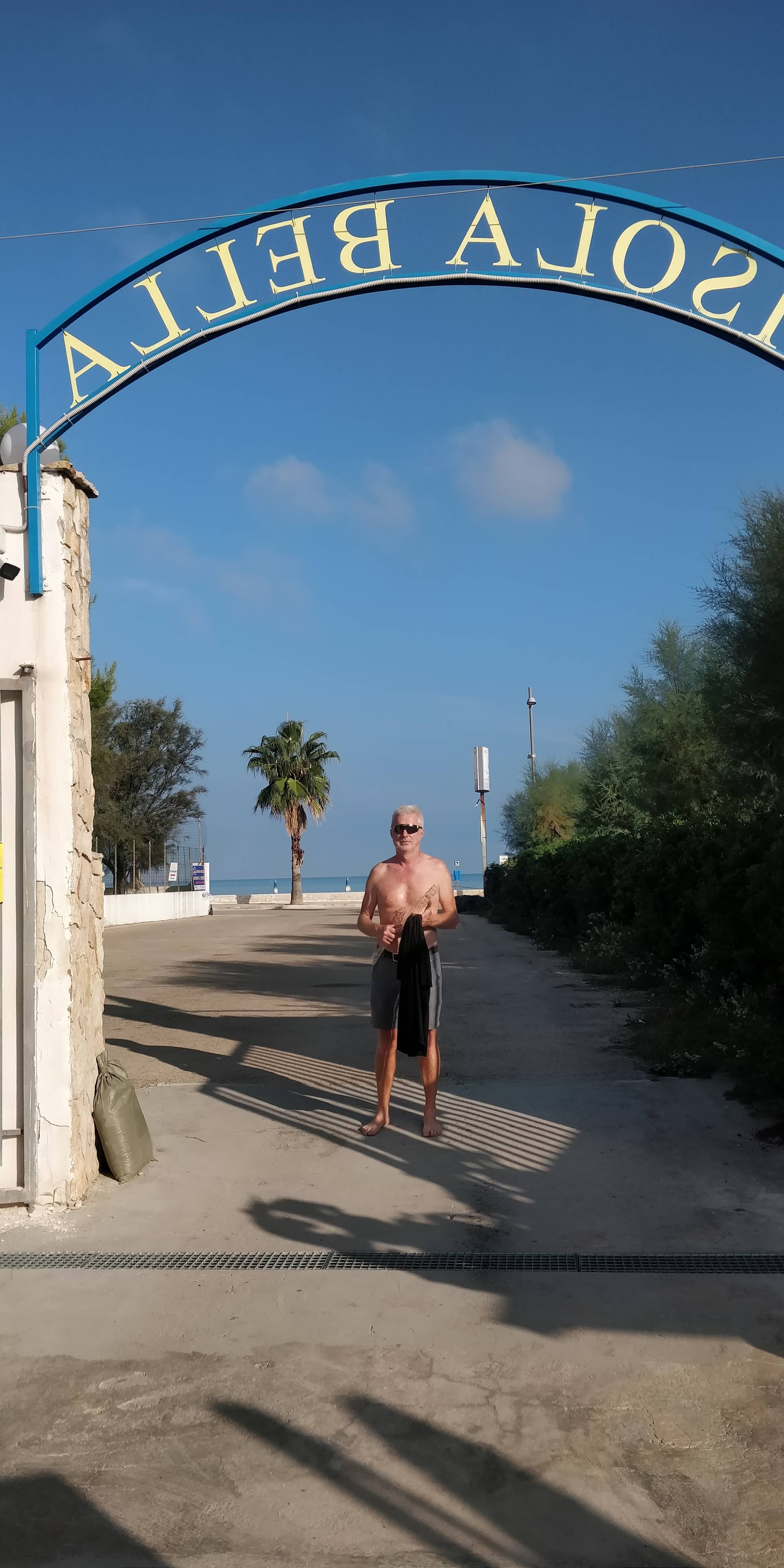
The scenery improved as we drove along the early northern part of the peninsula by the salt water lagoons with their pinky flamingos and olive groves and the mountain shadows of the interior. But on this gloriously sunny day in late September, it was like a ghost area  with hotels, campsites and holiday homes boarded up for the winter_ padlocked gates, shuttered windows, waterslides wrapped in tarpaulin. The few open campsitess we didn’t like – too deserted, too neat, too like a holiday park. We needed to get less fussy and luckily, that was when we found Isola Bella campsite. Caoimhin bargained so hard with Giuseppe, the manager that we even got a little bungalow for not much more than the price of camping😜 We went in search of somewhere to eat but everywhere in both directions were closed so no option but  to cook – how sad in a country renowned for its wonderful food🙄  In the campsite, we met a lovely Kiwi couple who were intrigued by the Irish number plates on the Guzzler. They were cycling around Europe with a tent (much madder than us) and were almost at the end of their three months. They would have to spend two weeks in a hotel isolating back home. They were actually lucky to get the hotel slot  – there was 2400 people on a waiting list looking for a hotel slot to get back into New Zealand.

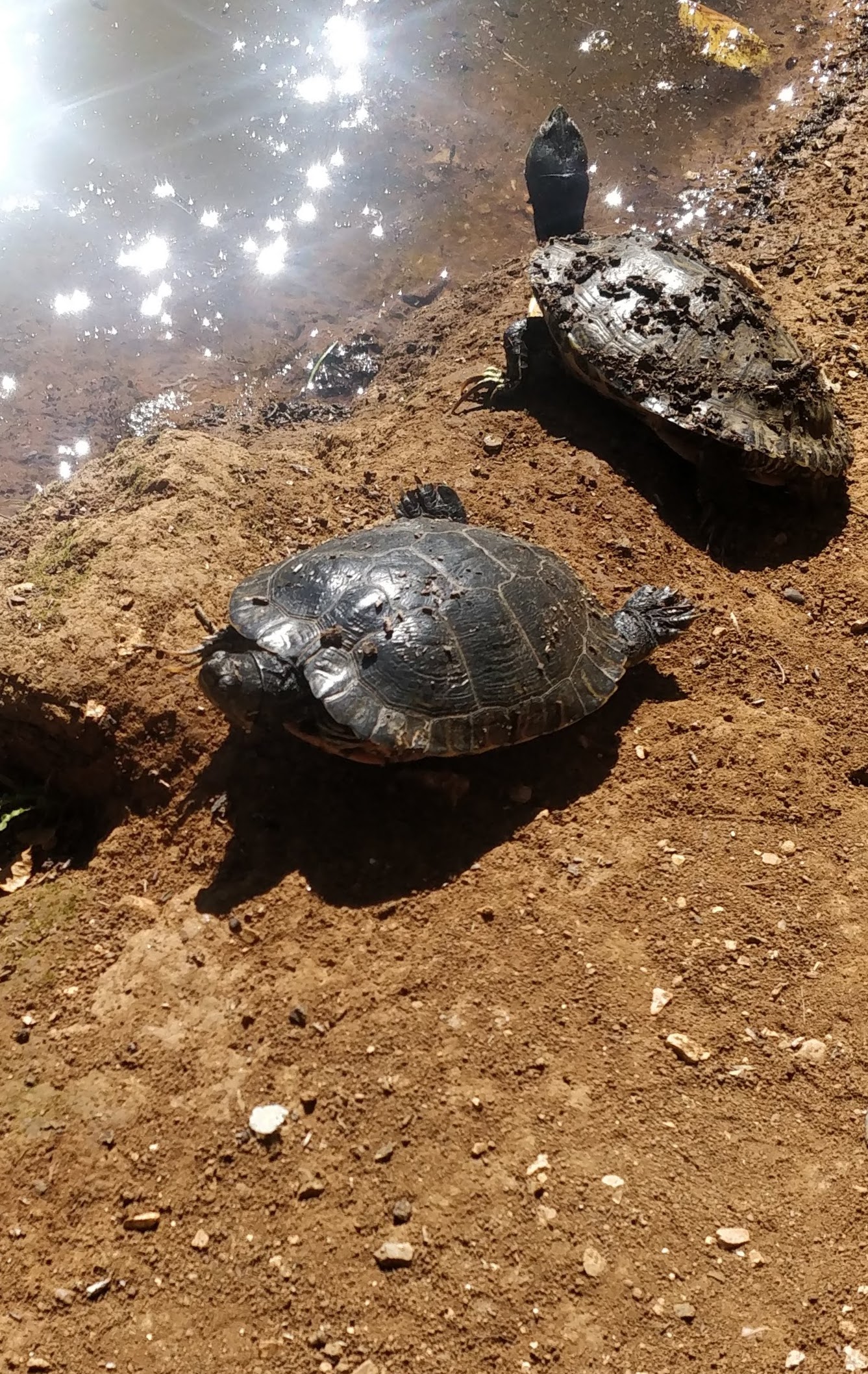
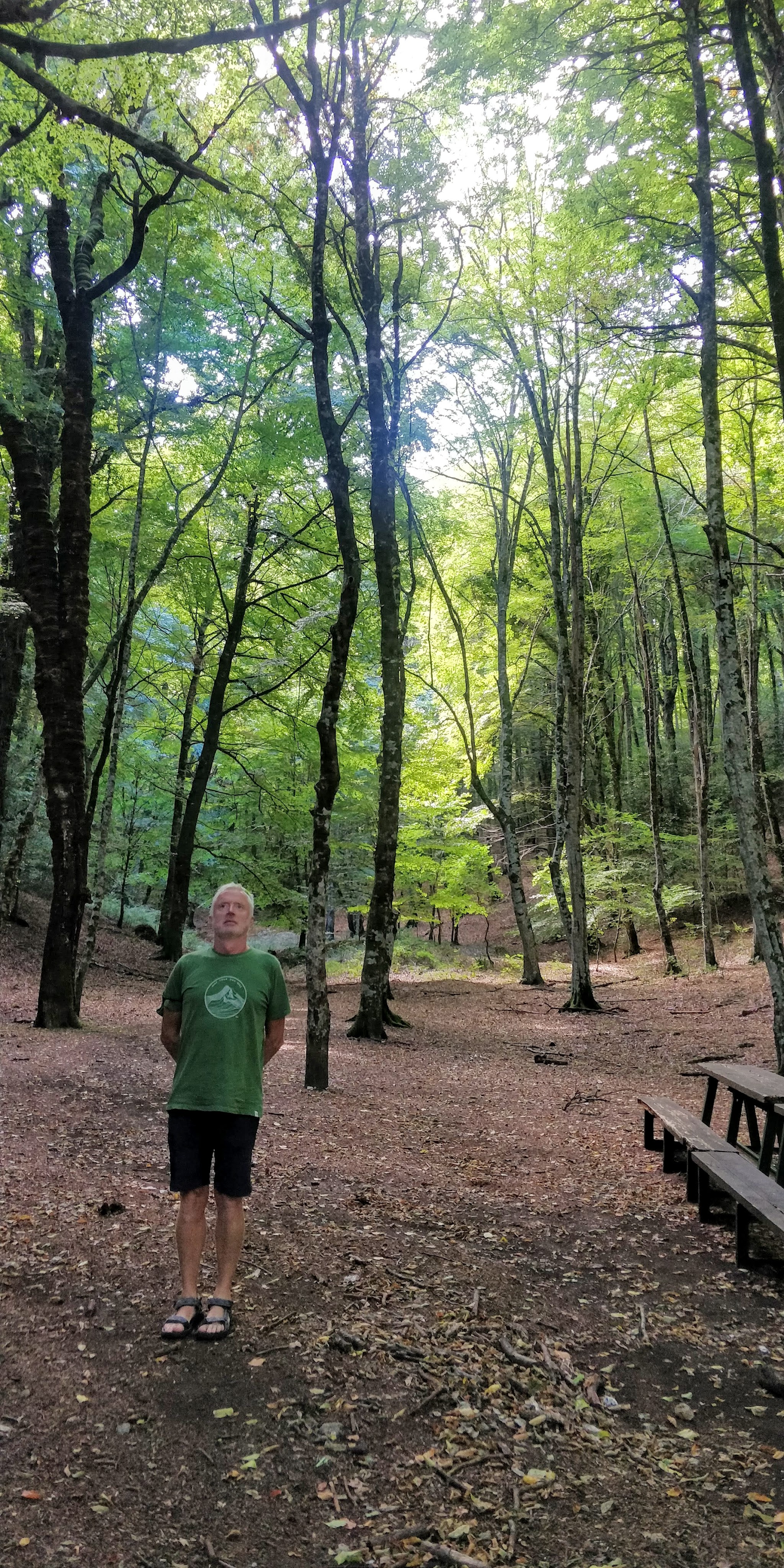
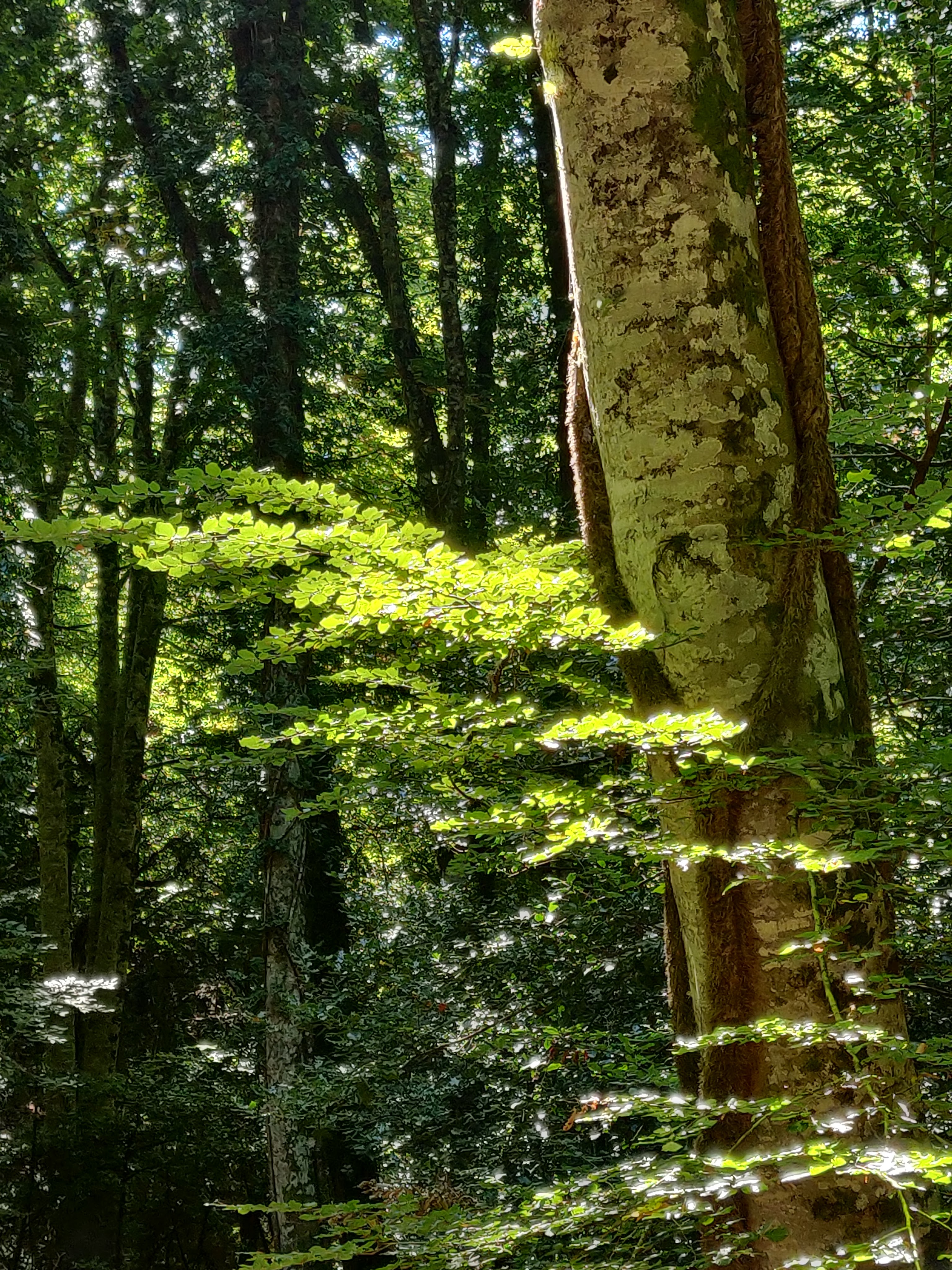
The Gargano lived up to its promise – we discovered gorgeous ‘proper’ towns further along the peninsula – San Manaio, Peschici and Vieste – with people and bustle and also  ATMs – everyone wanted cash in Italy (unlike Spain) and funnily enough, card machines were rarely working.  We turned inland, climbing high to the magical heart of the peninsula with its ancient forests spending a day, hiking in the  Foresta Umbra in woods of oak, beech and holly.   It was cooler than the coast but with gorgeous dappled light, silent except for birdsong, the crackling of twigs, leaves falling. There was a lake with little turtles sunning themselves on rocks, sliding into the lake waters with soft ripples when they sensed us  Honestly, a real  ‘Good for the soul’ place.

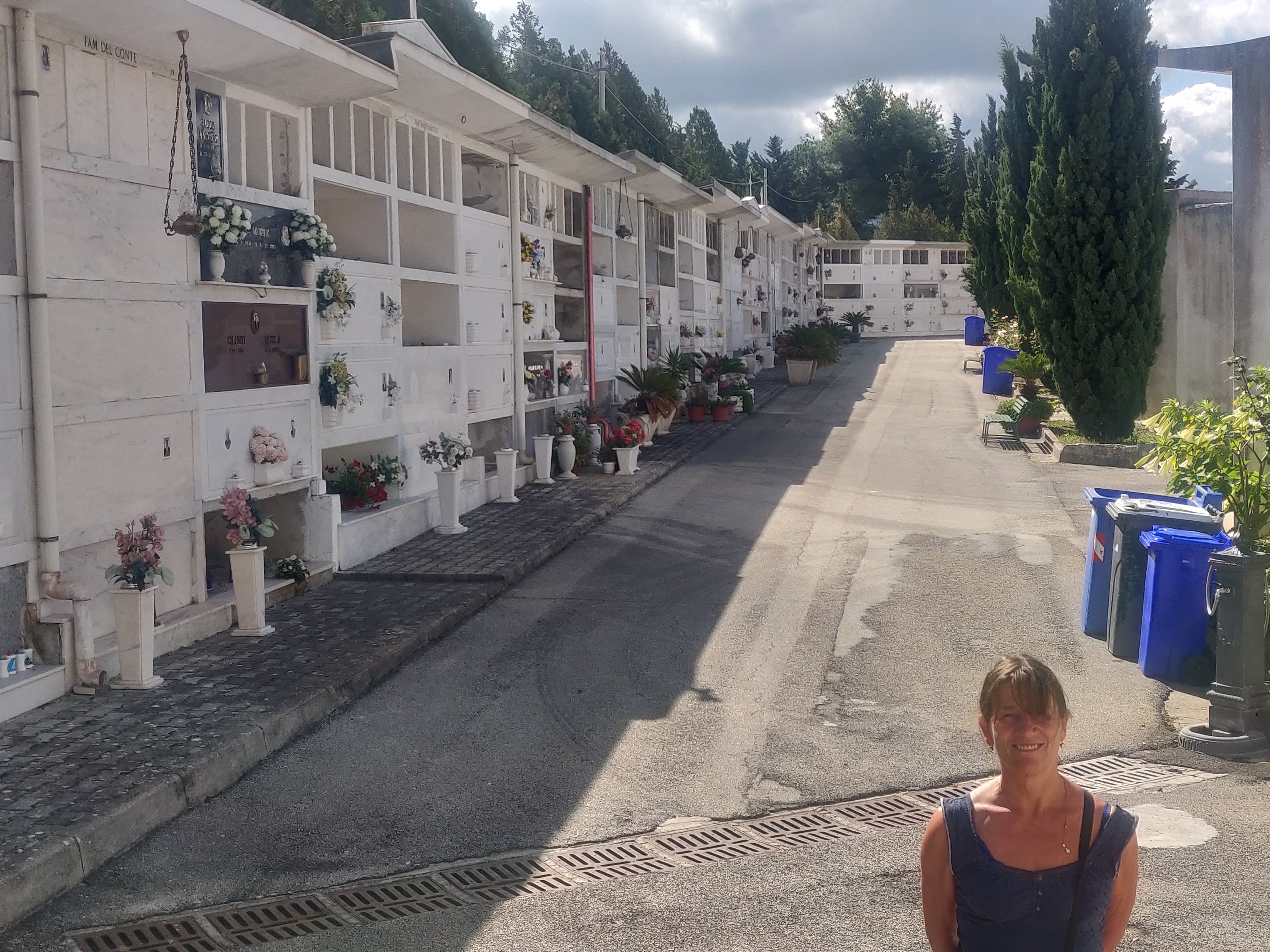
In the Village of the Dead

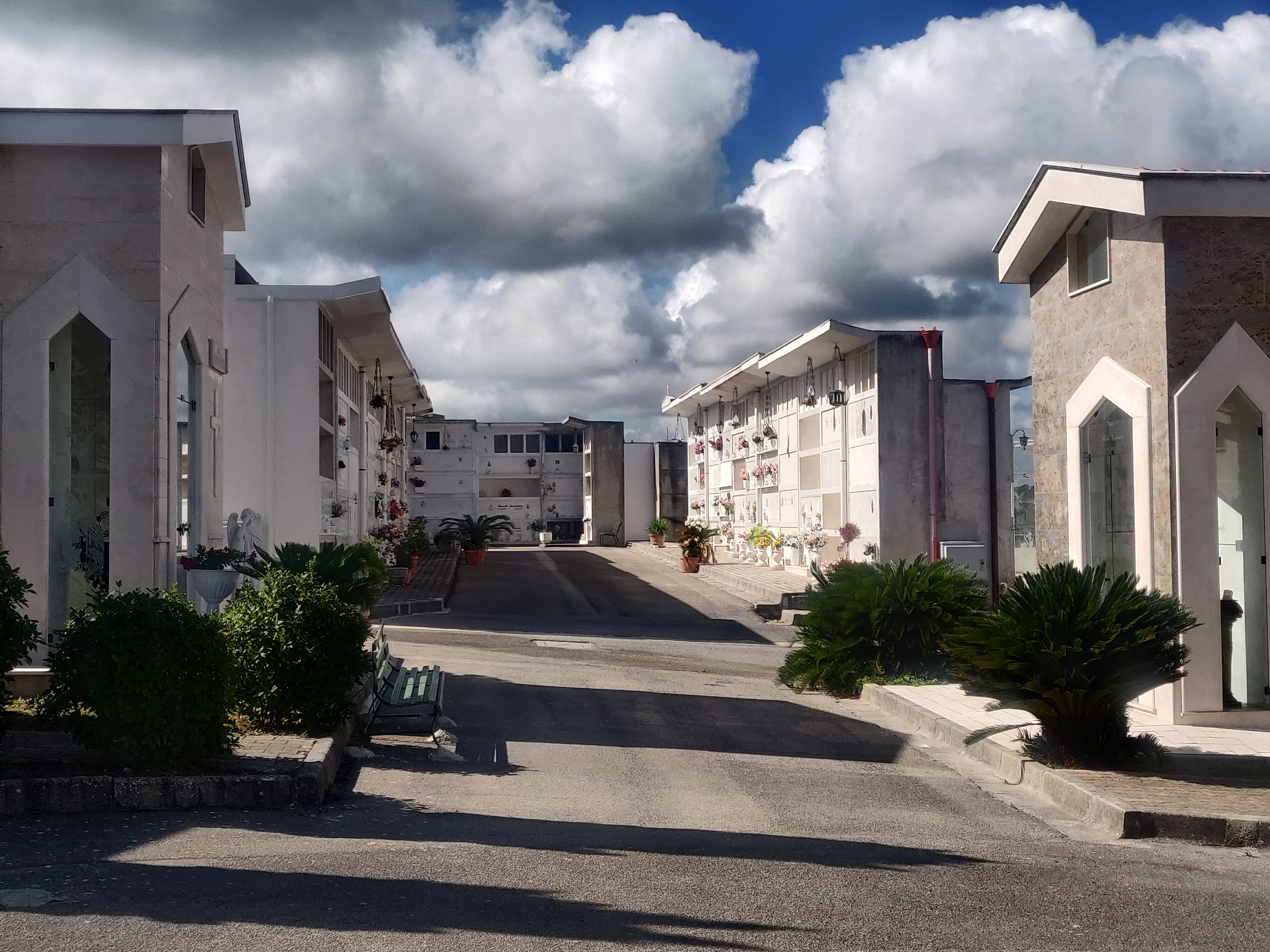
The ‘Uppity’ section of the cemetery

Talking of souls, we visited an amazing cemetery in the mountains – we had driven past cemeteries before but this one was so huge, we had to stop. It resembled a real town but with more flowers and no washing. Sometimes in the narrow streets of Italian towns, the predominant smell was the fabric softener/detergent from all the washing shrewrn over balconies. In the cemetery, the multi-story rows of concrete vaults were so like the apartments blocks that in life and death, Italians occupy similar buildings. Of course some vaults were bigger and more ornate than others and some had entire sections vaults dedicated to a particular family but dust to dust…

Before we left Gargano, we booked our ferry to Greece going from Bari to Patras in Greece _there were so many ferry routes from Italy to Greece that it was hard to decide. But booking six days in advance is very forward planning for us.

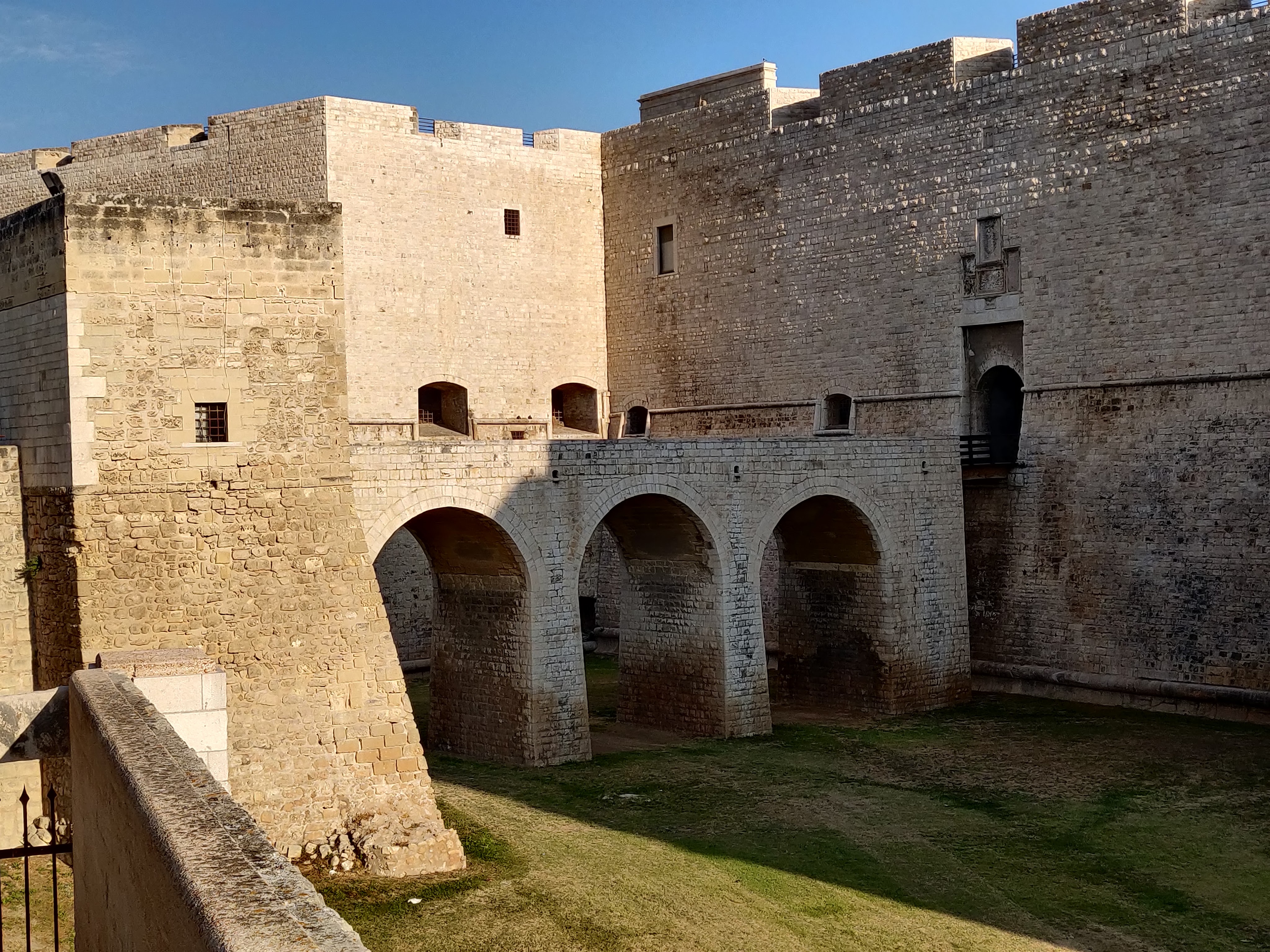
Down the coast Barletta  seemed like a convenient stop for one night.  We booked a room on Booking.com about an hour before we arrived – Villa Helios – and stayed in a very comfortable green room – even the clothes hangers were green. It was great to be staying in a town for a change and Barletta was full of restaurants and history – the Carthaginians and Romans did battle here (Hannibal emerged victorious), there’s a huge Norman Castle – had its heyday at the time of the crusades, and the last Protestants were burnt at the stake here in 1866 (we were shocked by the date).

  Breakfast was included – a token for a local cafe that got us a coffee and a cornetto (Cornetto in Italian is  a croissant -we thought we were getting ice cream!) Maybe not the healthiest way to start the day but when in Rome (or Barletta)….

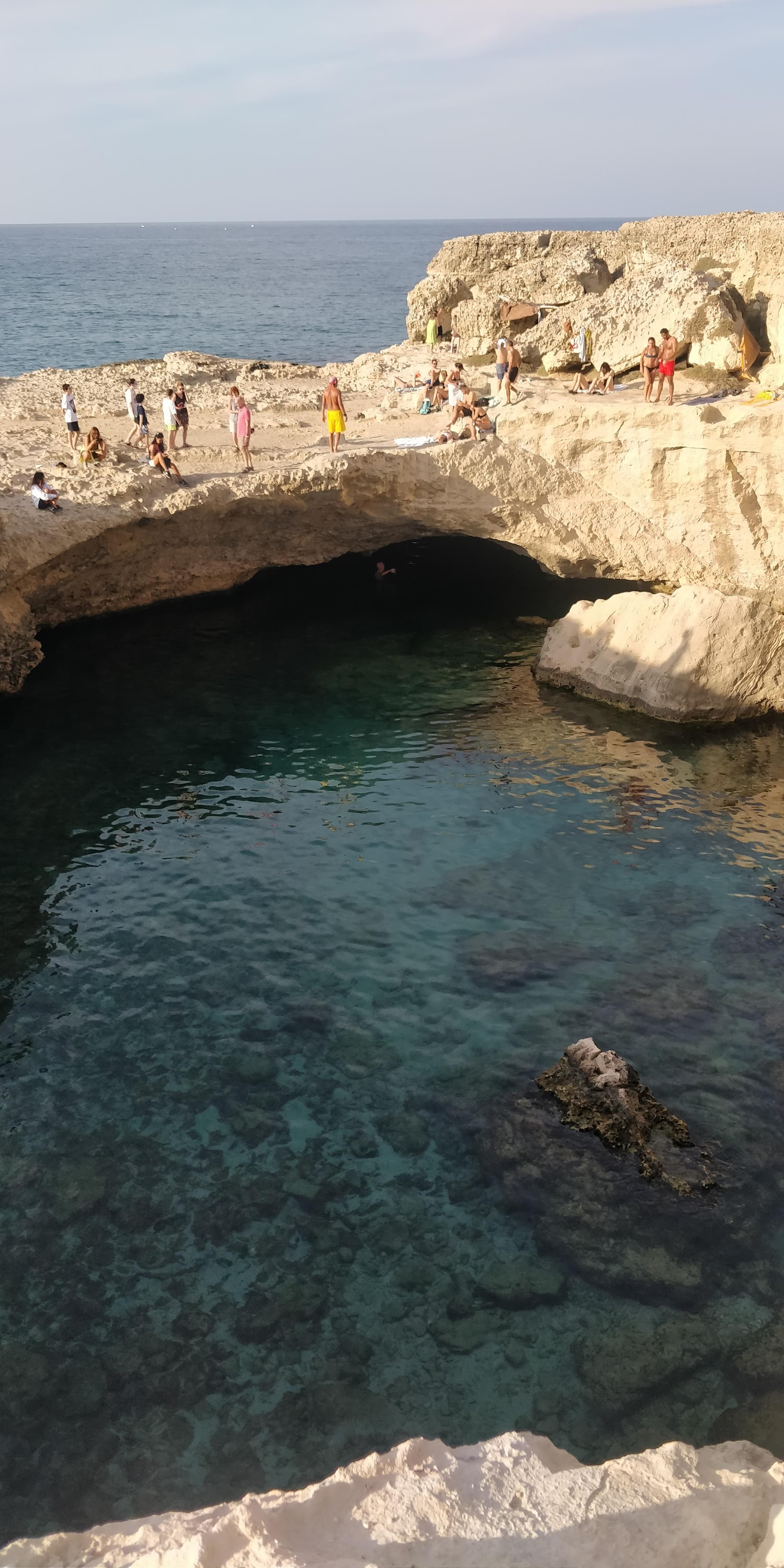
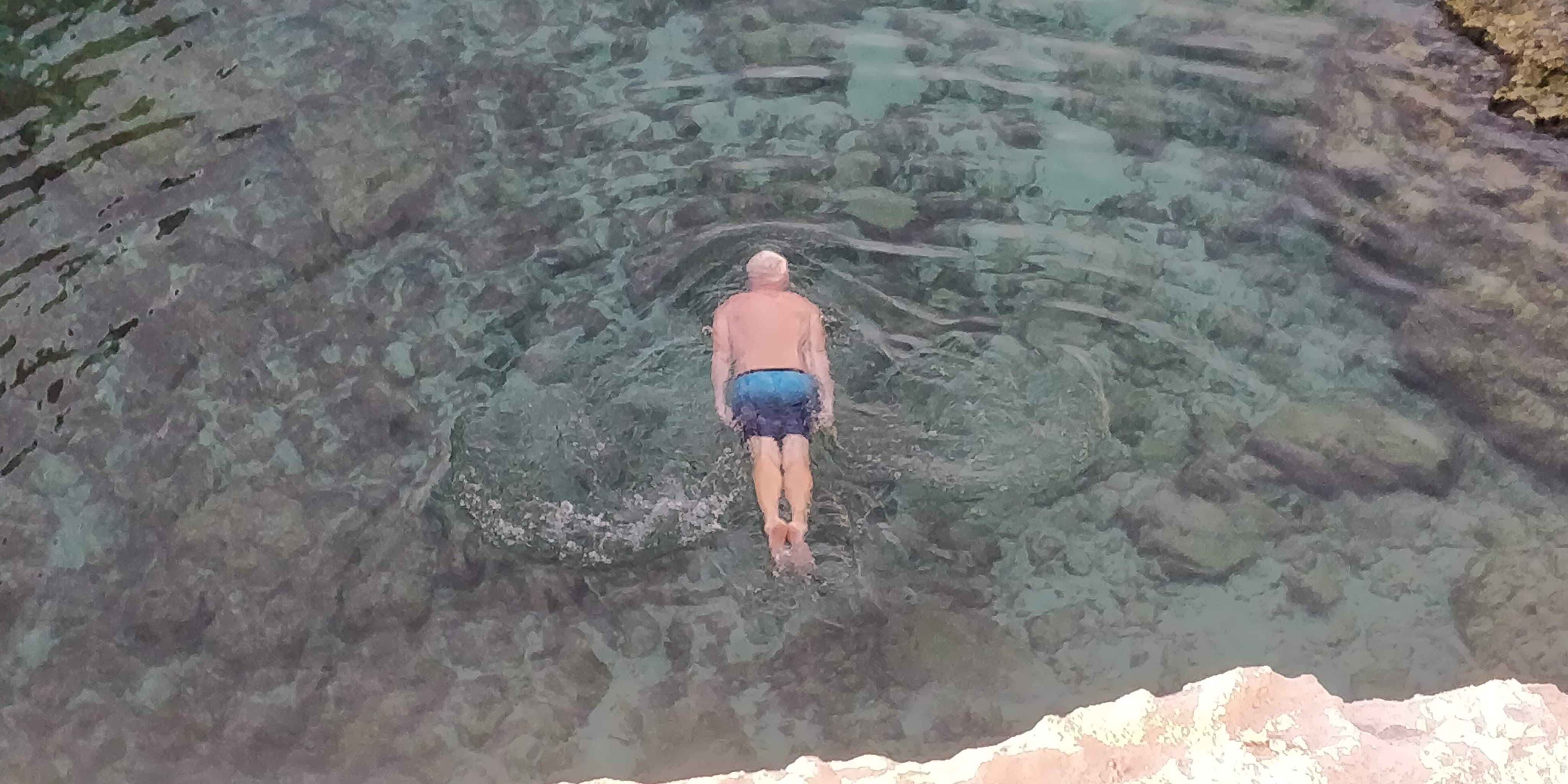
The power of a photograph lured us south (past Bari) almost to the heel of Italy to Grotto del Poesia  (translates as Poetry Cave), a natural swimming hole in a karst limestone region in the Salento Coast. How could we resist such a name? Caoimhin was determined to swim in its turquoise waters once he had seen its image online. The Poetry Cave was more than a swimming hole, it was also on an archaelogogy site – and there was a charge of €3 to go into the area. We had to produce a green pass – a first. The ironic thing was that the man asking us for the cert wasn’t even wearing a mask.

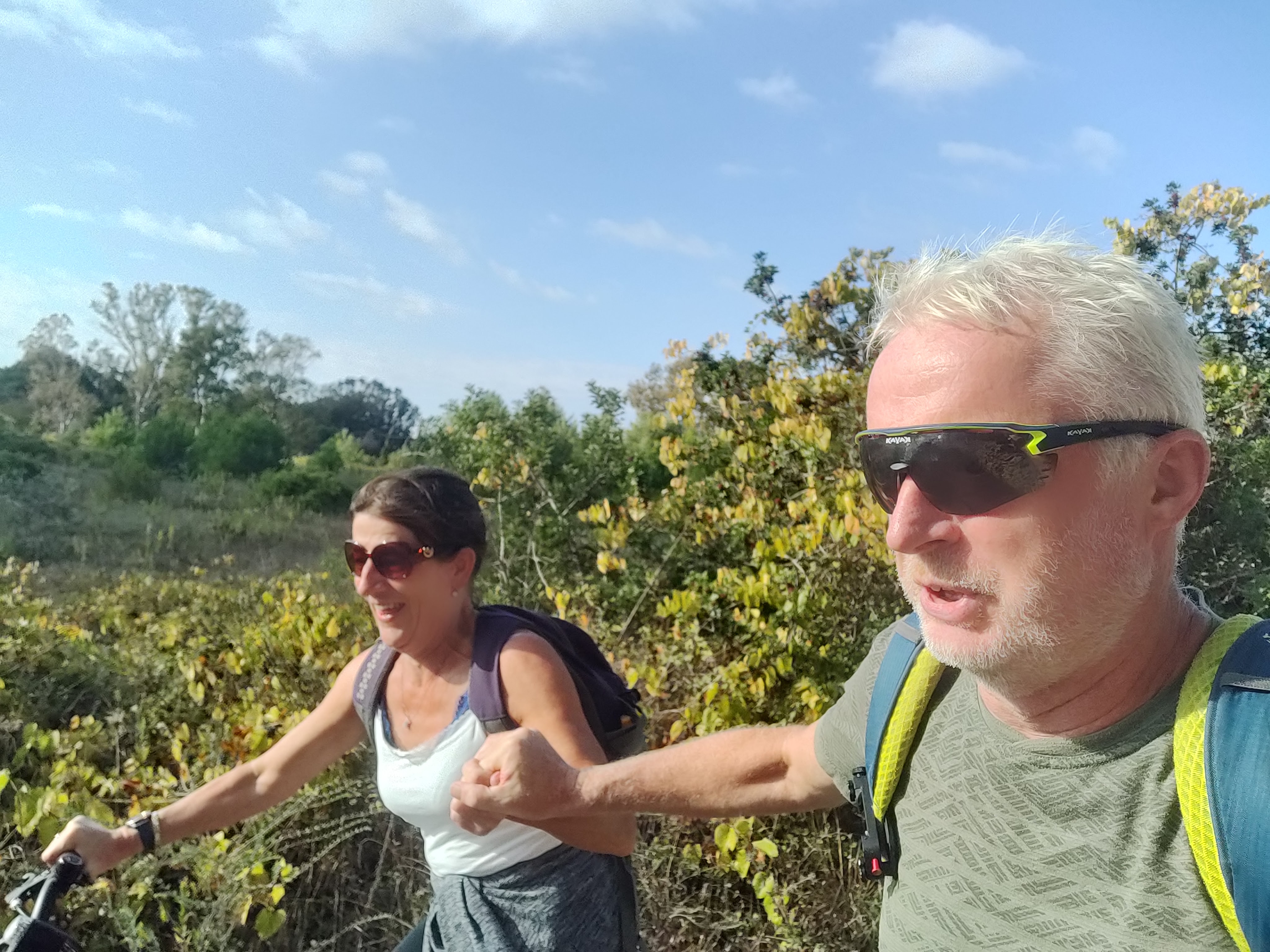
 Booking.com found us a place to stay nearby although it was a Saturday afternoon – a lovely one-bed apartment with a huge veranda on an olive farm. Fernando, the host, was so welcoming, gave us  tomatoes, chilli peppers and a bottle of his own olive oil. We used the complimentary bikes to cycle through the olive groves to the beaches and to the pub (well to the beach bar to watch the sun go down_ this is Italy after all).  

Challenging cycling through the potholes

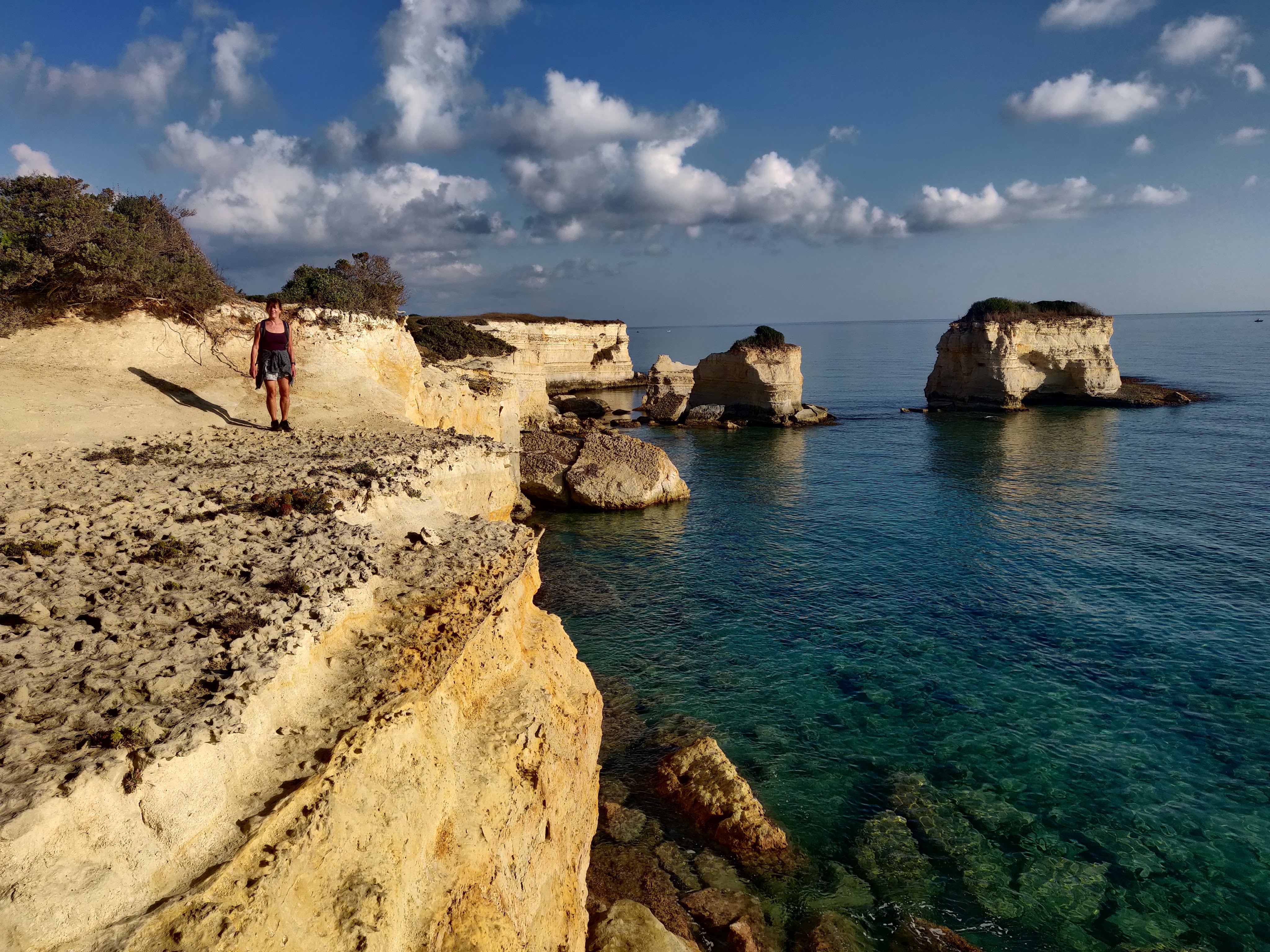
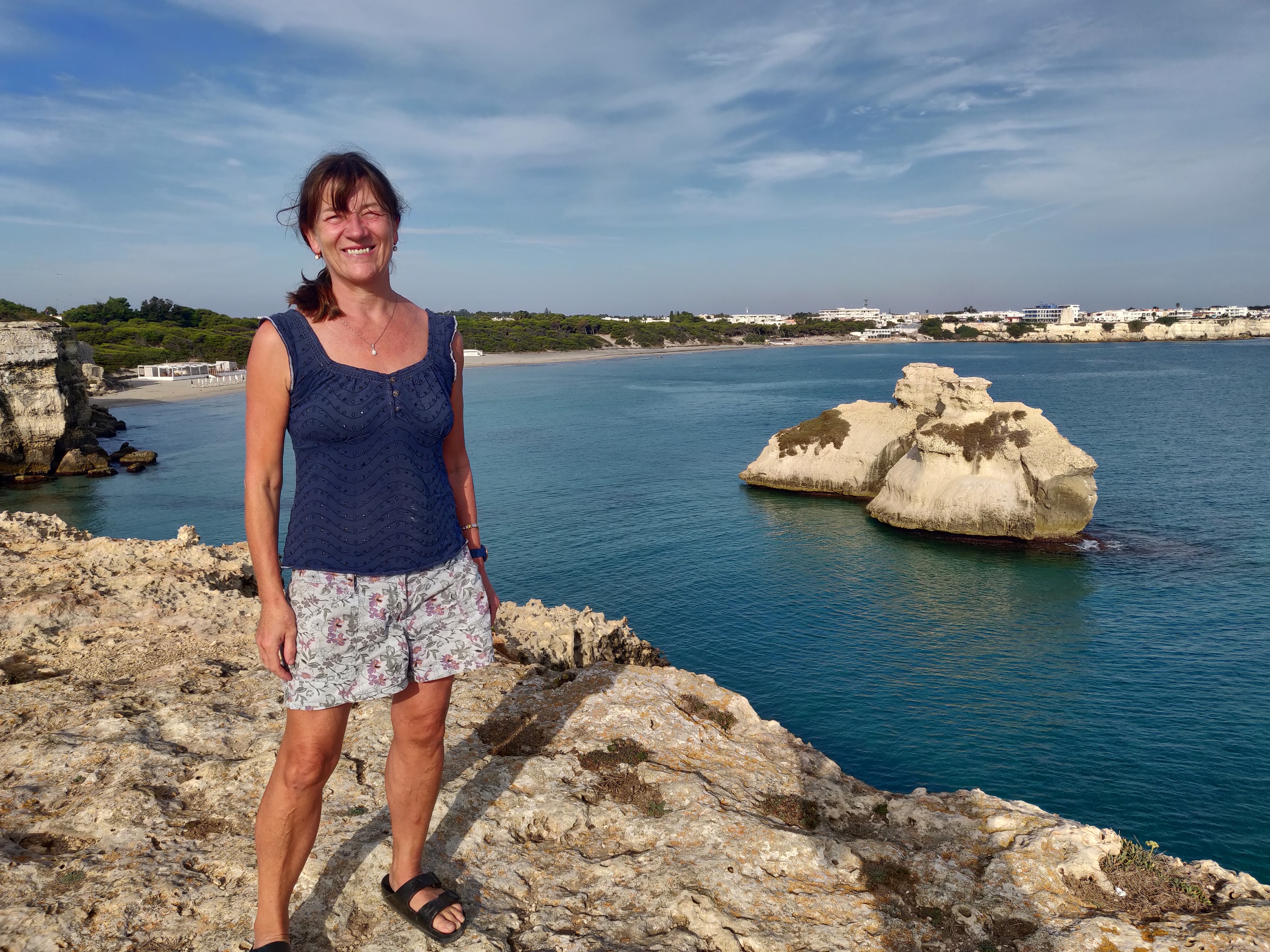
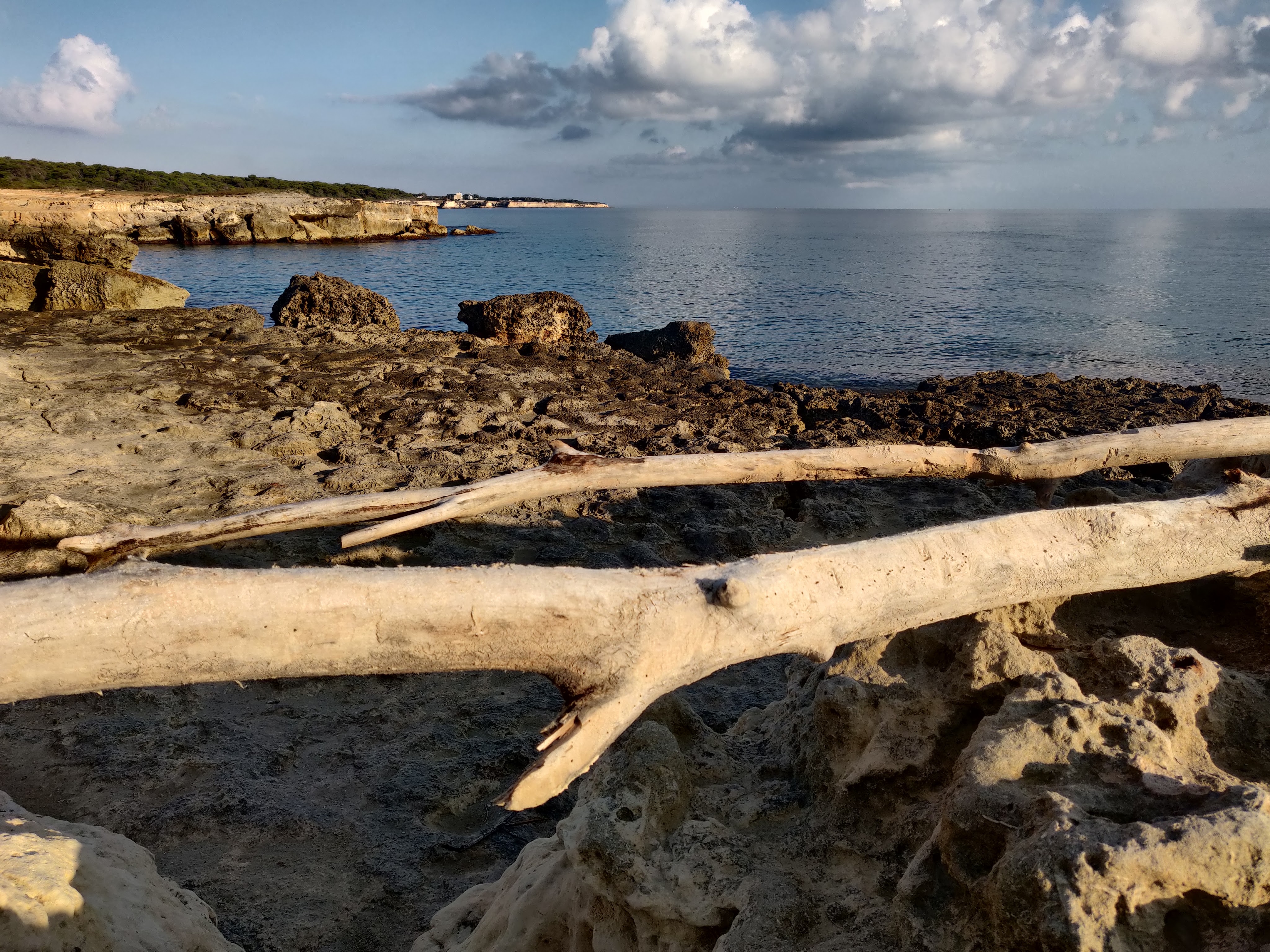
The entire Selento coast was unexpectedly gorgeous with hundreds of little coves, fabulous coastal walking, the clearest water that I have ever seen and also the gentlest with only soft ripples. The water was also shallow – great for nervous nellies like me who get panicky when out of their depth. And there was good snorkeling.

Otranto and the macabre

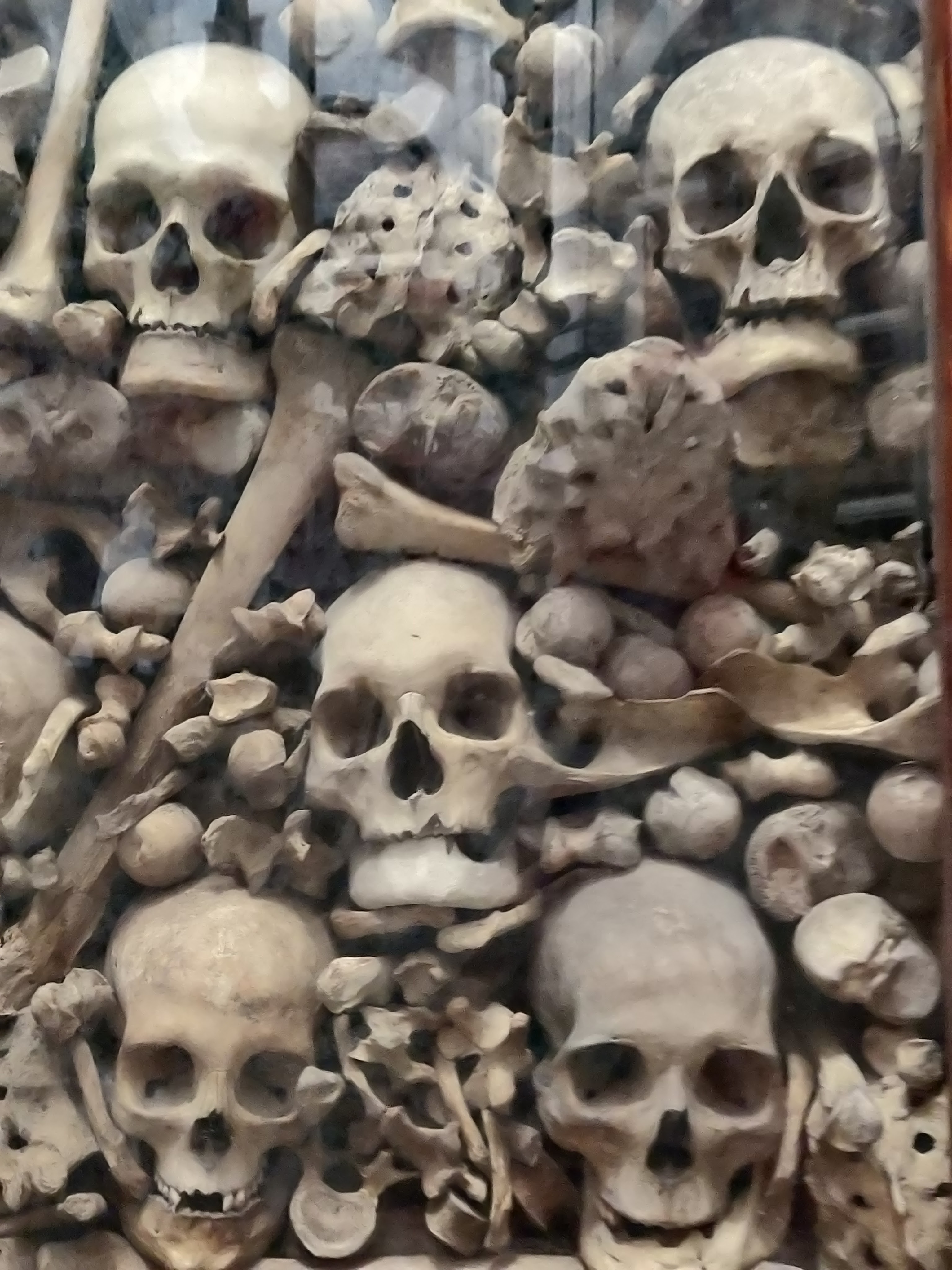
And the stunning coast wasn’t the only attraction. We stood outside the cathedral in Otranto in the blazing sun waiting for it to open…and we weren’t alone. The attraction? 800 skulls in glass cabinets behind the altar, martyrs who were beheaded by the Ottomans in 1480 for refusing to give up their Christian faith. 


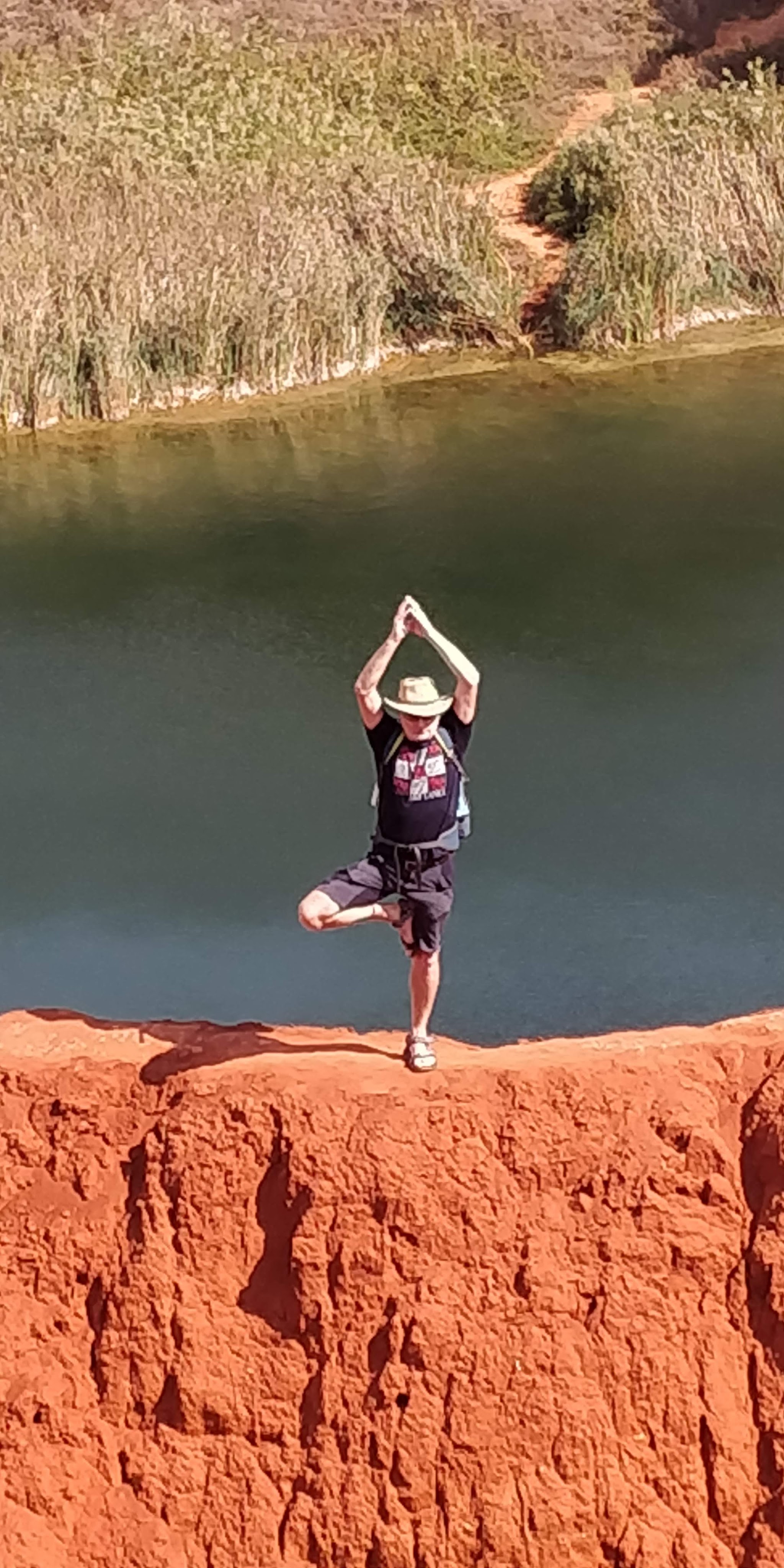
Caoimhin doing his thing at the Bauxite Mines

A visit to a disused bauxite mine with its ochre earth and emerald green water was a photo op that Caoimhin couldn’t resist🤣

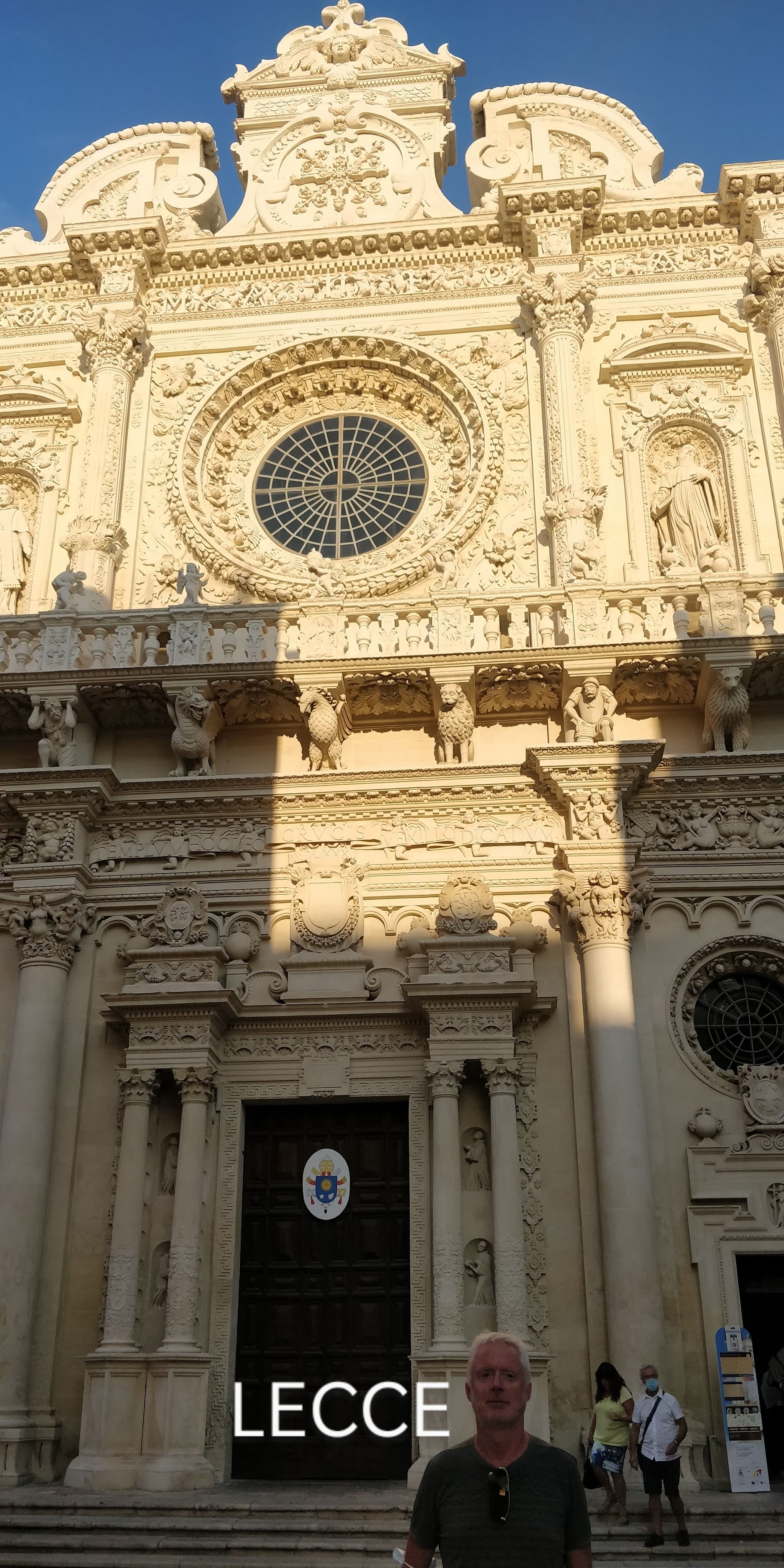
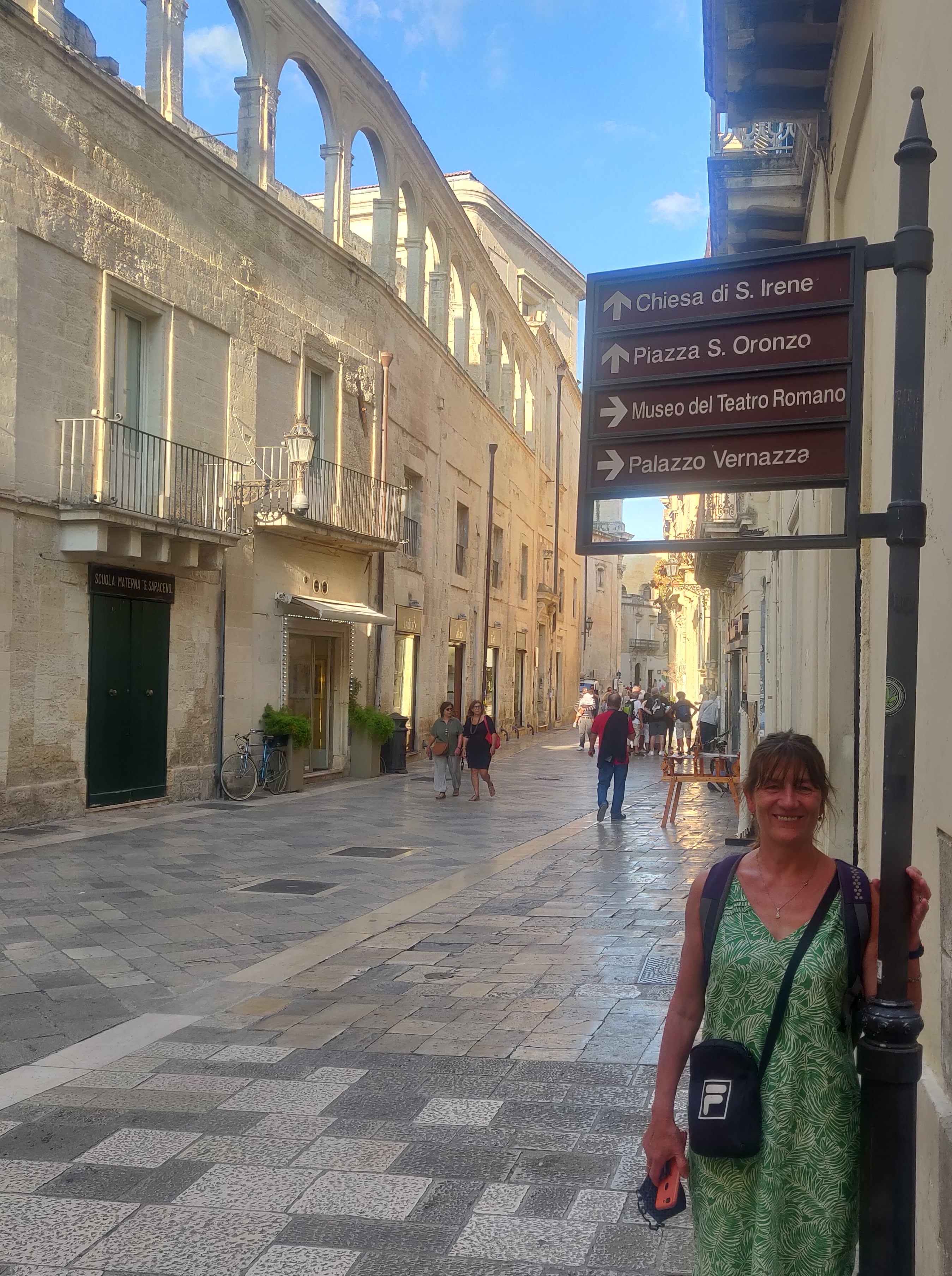
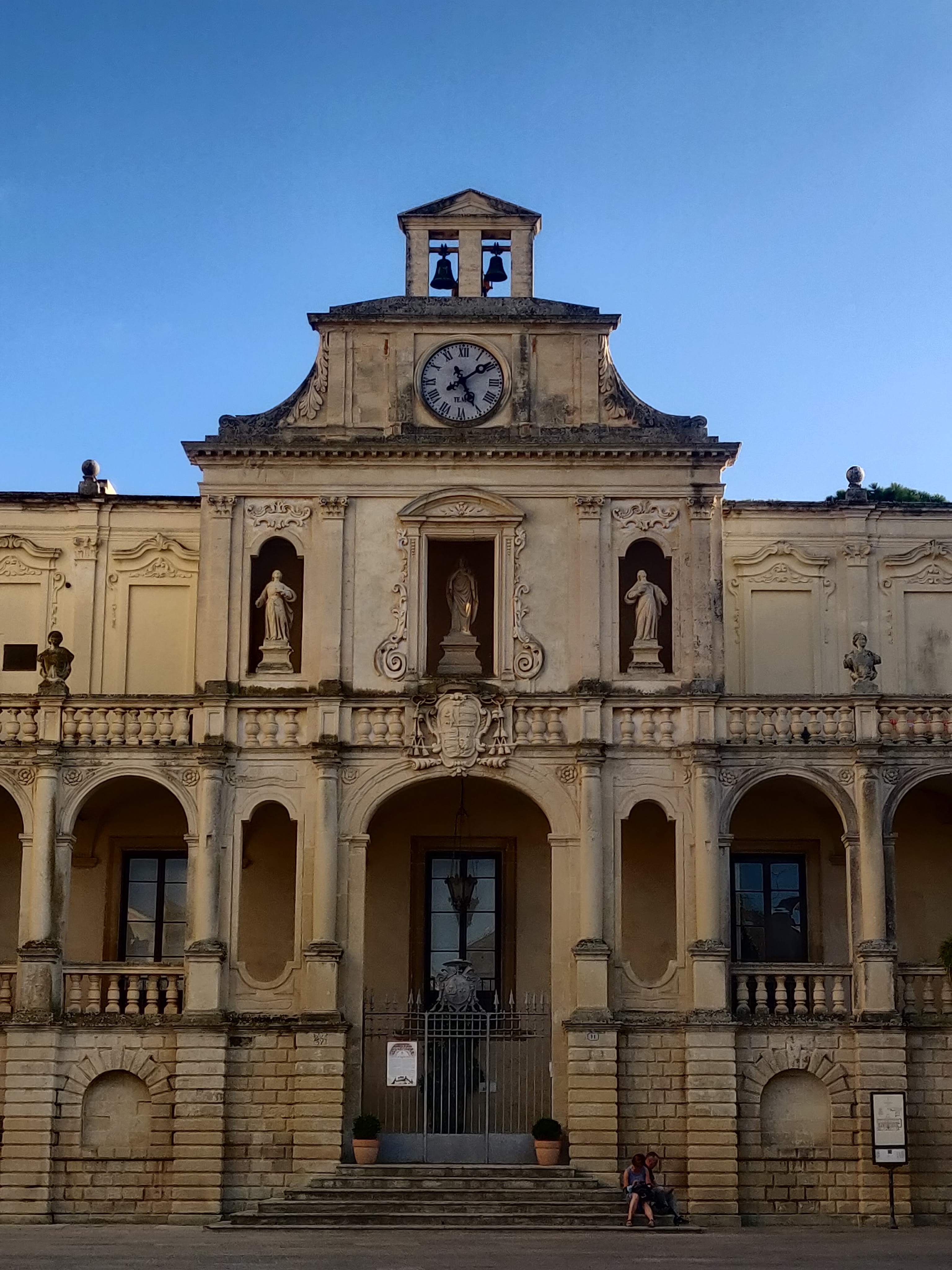
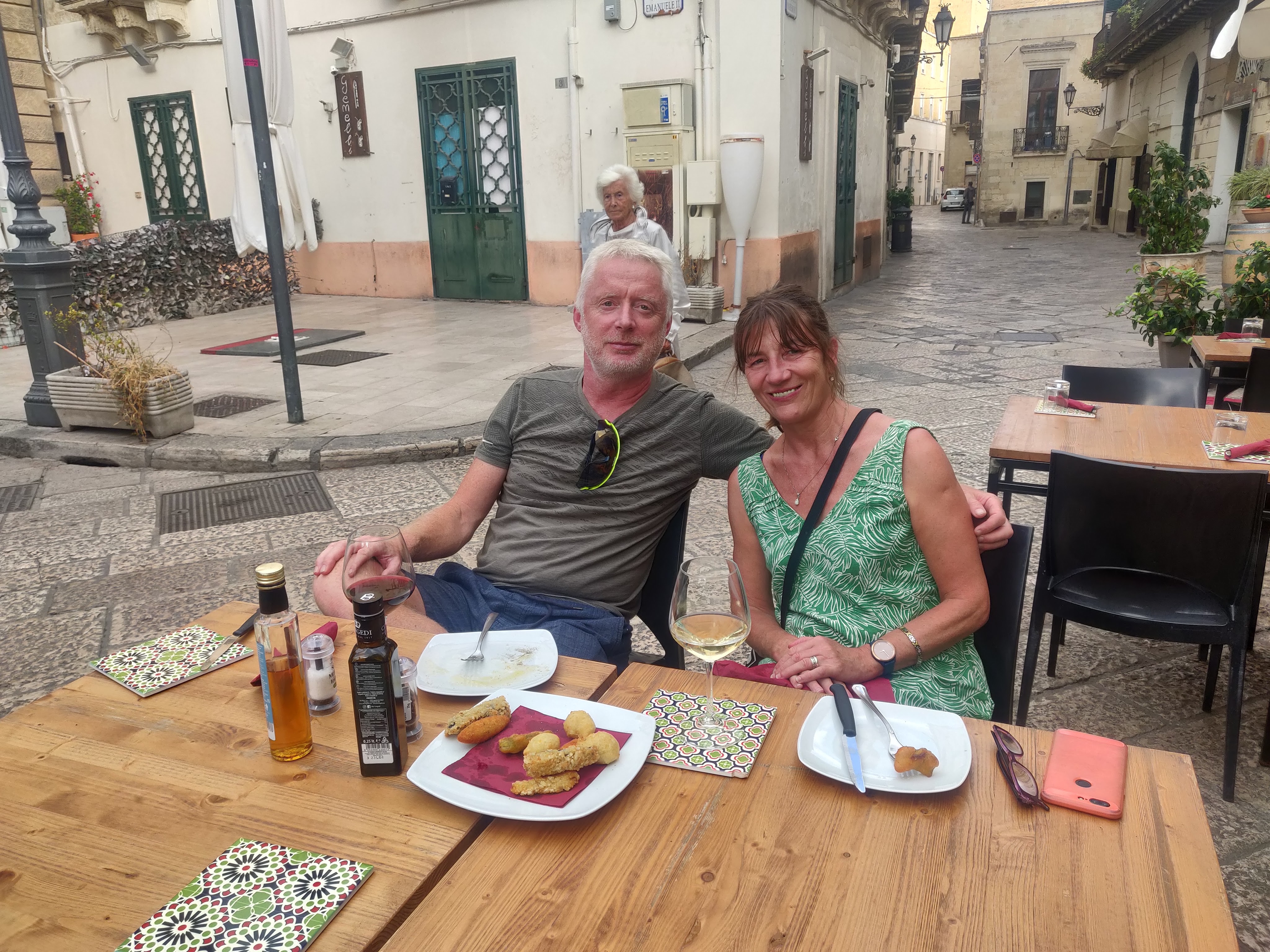
And then there was dazzling Lecce,  sometimes called the Florence of the south, a town that we had never heard of until this week.  This was a town  with  a spiders web of streets and a riot of extravagantly decorated  buildings (Baroque on steroids), made from the local soft creamy limestone. The town’s motto could have been – enough is never enough. And then there were the little old ladies of Lecce, local women who wanted to chat and welcome us. We asked a waitress to take a photo of us and a passing old lady stopped to wish us luck and chat about her life – see photo above.(I know that I’m almost a ‘little old lady’ myself but these women were a great template for sprightly, confident old age)

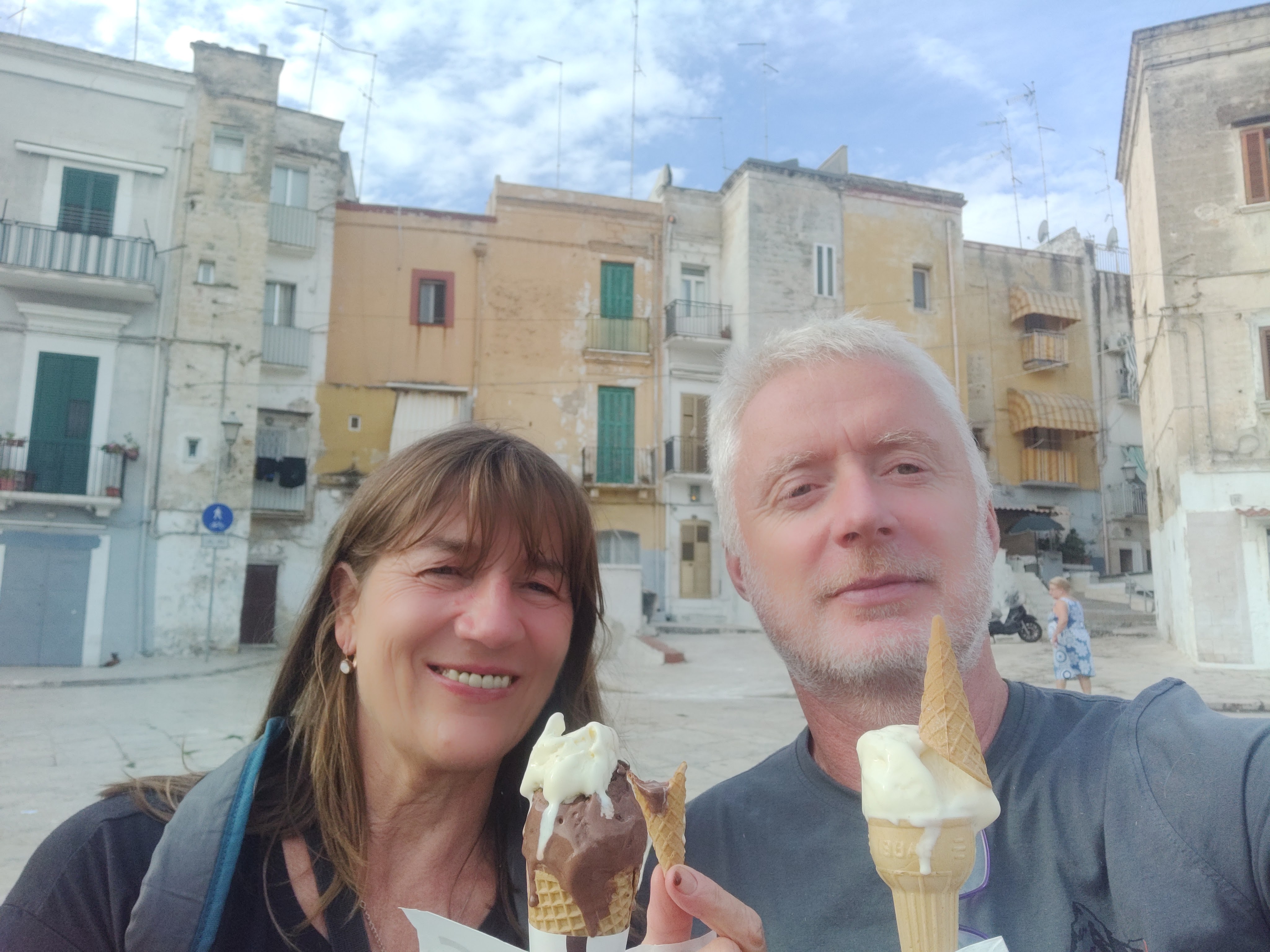
And almost before we wanted, it was time to leave Italy – our phones had already given us ‘Welcome to Greece’ messages even while we were still in Italy. We will miss it – the stunning scenery, the olive groves, the dusty sun baked-ness of the south, the warmth of the days but especially the warmth of the people. Just time for one more gelato (not to be confused with a cornetto)…..

The Adriatic Coast