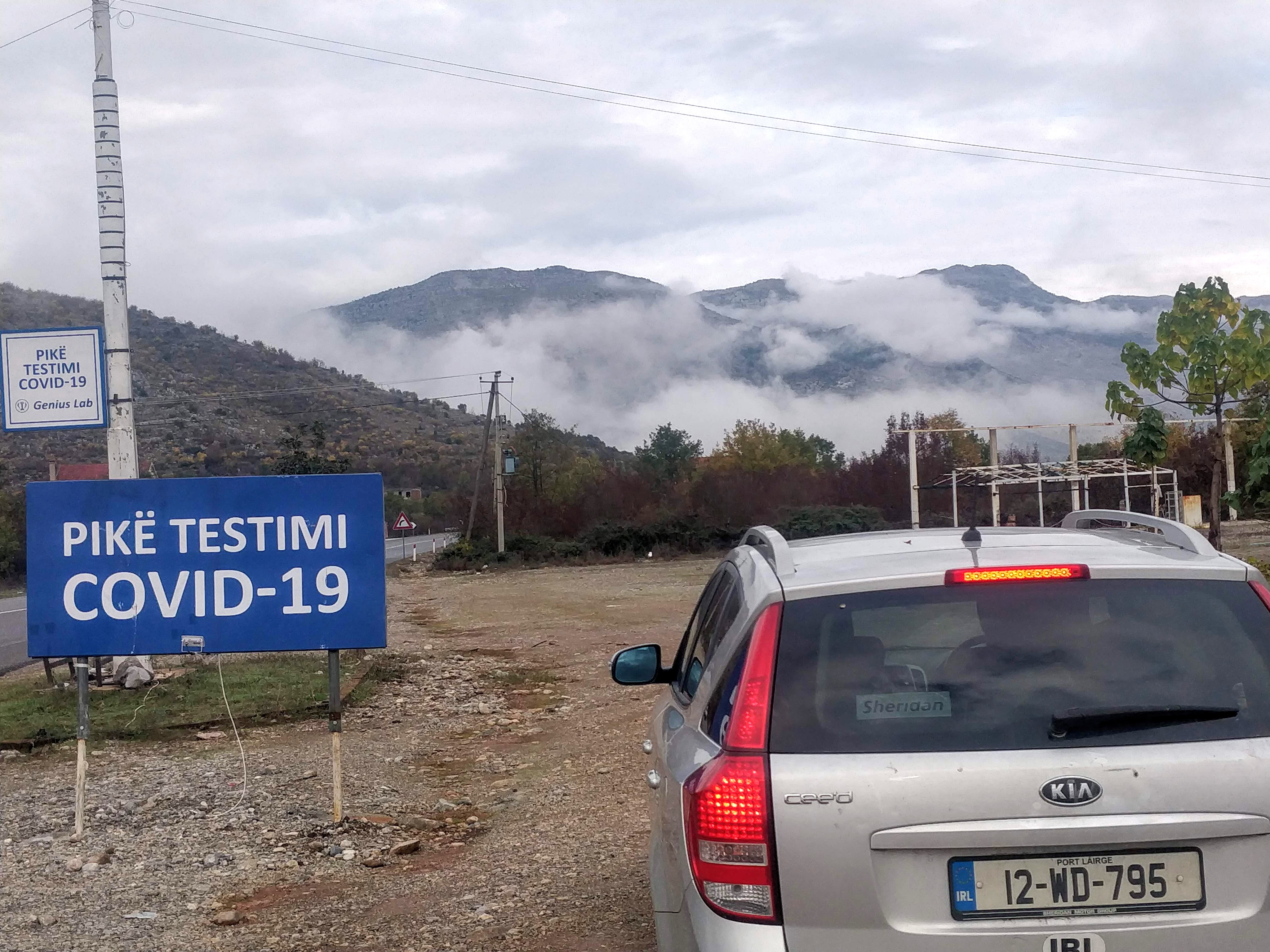
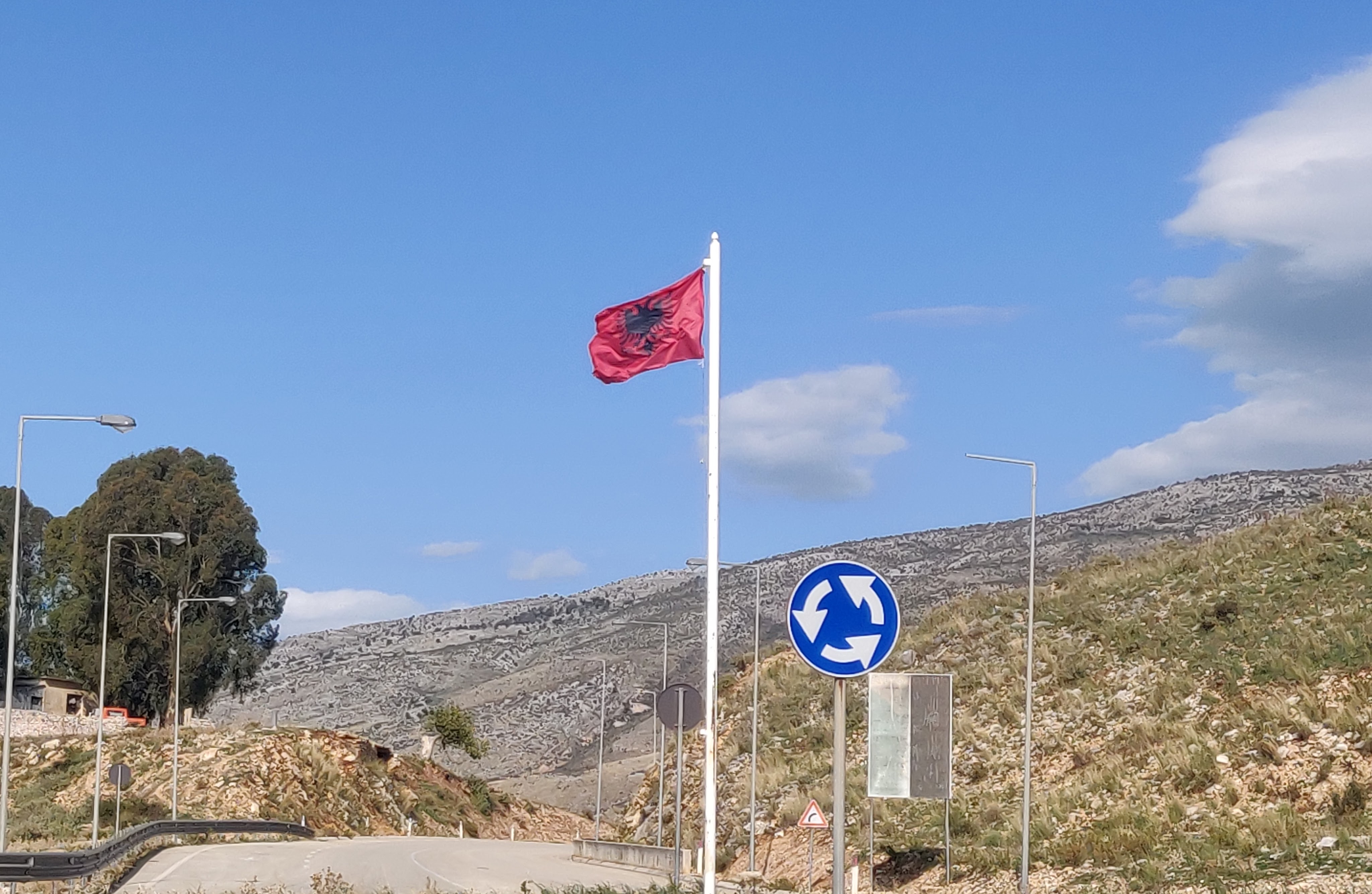
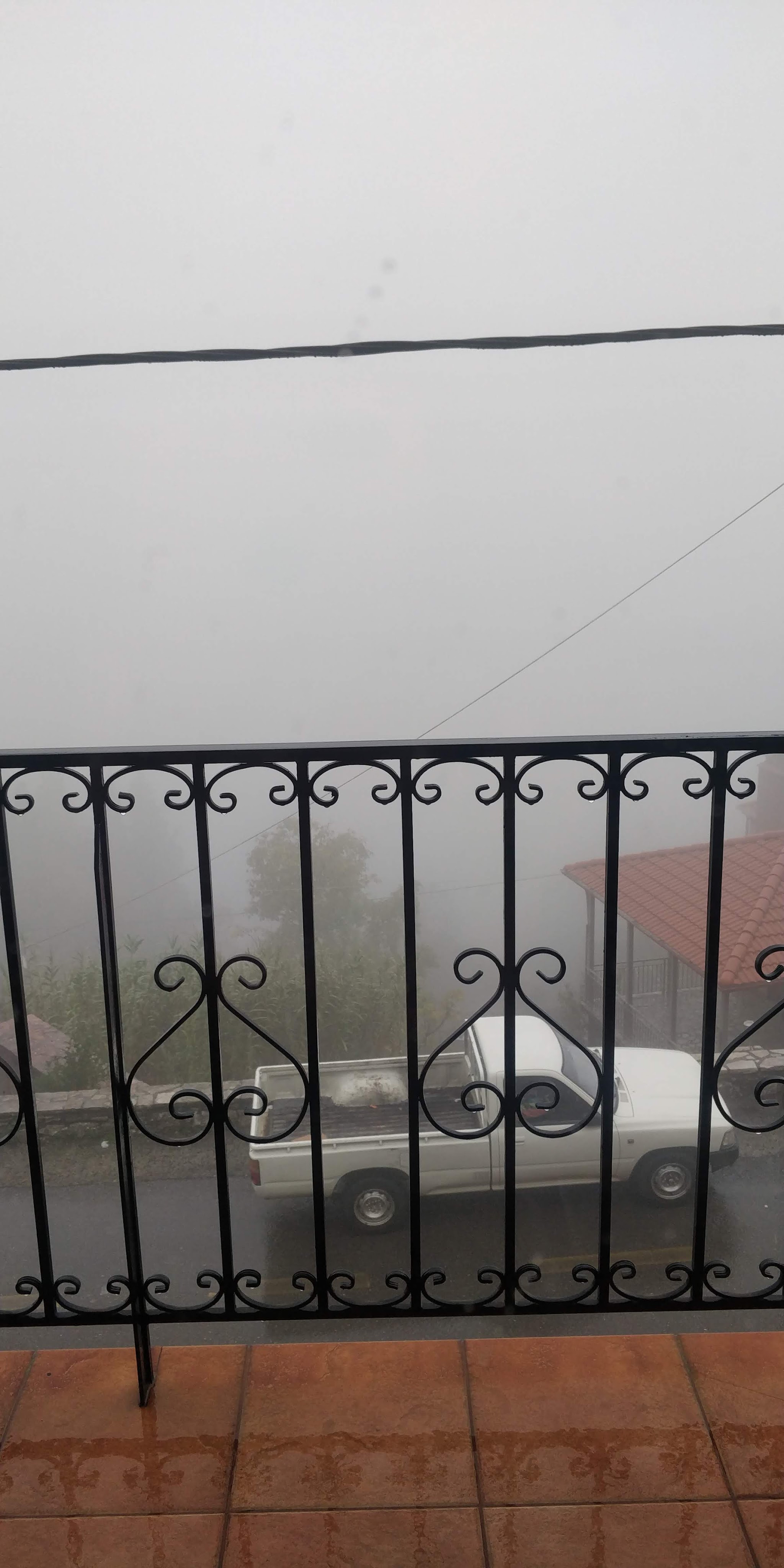
We spent out last Albanian night in Shkoder, an historic town about 40 minutes from the Montenegro border and although there was incessant rain for most of the time, we really liked the feel of the place with cobbled streets, nice restaurants and relaxed feel. Maybe the music being played everywhere had something to do with the good vibe – a mix of jazz, blues, light rock with some opera thrown in and Shkoder is also known as the Albanian capital of culture. We were feeling very positive about Albania and its great people when we were pulled over by two stern policemen – no handsome, smiling individuals this time. They wanted our passports, our insurance, our car registration (which we only had online on phone/laptop), our driving licence …they didn’t ask for Covid certs because there’s ‘no Covid in Albania’. They were quite intimidating…especially as we couldn’t understand what they were saying – but after about 10 minutes (which felt a lot longer), they let us go. Our cynical selves wondered if they were shaking us down for money but maybe it was just a power trip….still a sobering reminder of what it can be like to be at the mercy of officialdom. There was heavy fog and low cloud over the mountains with just the peaks visible as we approached the border having passed a Covid test centre, the first we had seen in Albania.
The border official wanted our car registration document – we were ready this time and showed him the document on the phone (and laptop). He frowned, called on his superior who was much younger, much louder with a pale thin face. I knew we were in trouble by the look of him. ‘I need paper document, original only,’ he barked. We showed him the document on the phone and all our other paper documents – our tax disc, our Irish car insurance, our Albanian car insurance, our NCT documents, everything we had. ‘This is not Europe. In my country, paper only,’ he was shouting at us. ‘NO, No entry.’ Stunned disbelief best describes our feelings. We wanted to argue that Montenegro is Europe, you stupid man and your country wants to join EU and even your currency is the euro but we didn’t say any of that. Instead we tried diplomacy and cajoling – yes, we are very sorry, very stupid, you are only doing your job but we have lots of documentation, please. But he kept repeating ‘This is not Europe…here paper, original’ his voice getting louder and louder. ‘Can we print out document here?’ we asked. Fat chance said his body language ‘you go back, back to Albania. No entry.’ He was spitting now. (I’d really love to know his background). So we had no option but to turn the Guzzler around. Now I admit that if I had mobile data on my phone, I would have been googling ferries from Albania to Italy but Caoimhin is made of sterner stuff, he wasn’t going to be diverted from our original plan so easily.
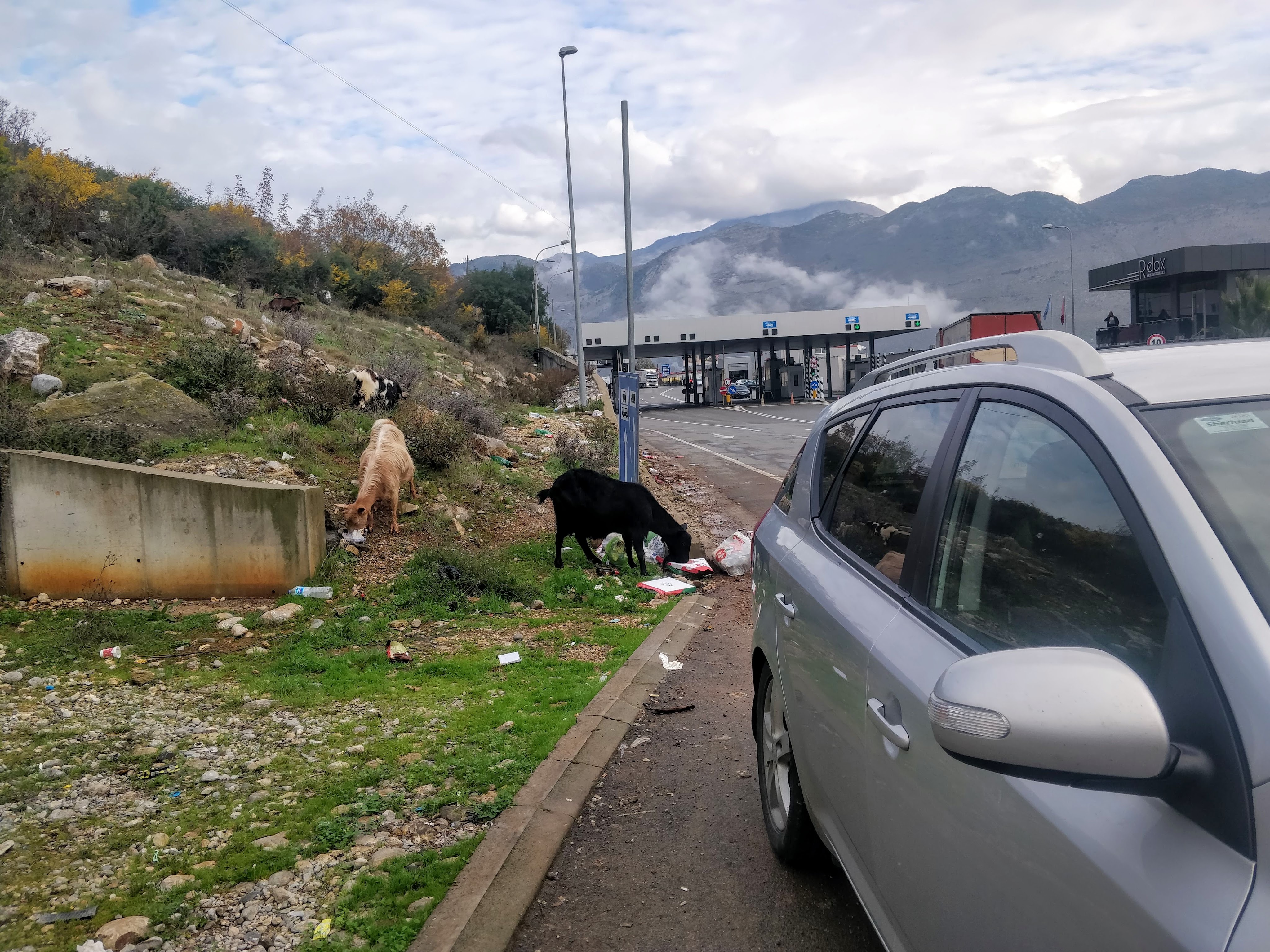
We parked behind some trucks where a few goats were eating from a discarded pizza box still within sight of the border kiosk. Caoimhin suggested we go to the car insurance kiosk and buy our car insurance for Montenegro anyway (which we knew was only €15). Maybe they would print out our car registration document for us and if we failed to get into Montenegro, we would only be €15 poorer. Ironically we needed the details from the car registration document on the phone to buy the car insurance in a dingy dimly-lit office. We explained to Albert, the insurance guy that the border police wouldn’t let us through. He was surprised that they wouldn’t let us print a document at the border when there was a printer available in another office. Albert crossed the border with Caoimhin (telling me to wait on the Albanian side , as collateral, I suppose) and they brought back a really bad copy of the registration document using an old doc-matrix printer – so grey that it was almost illegible. But it was accepted – maybe because the original guy that refused us was nowhere to be seen by then or maybe the border officials realised that anyone dodgy wouldn’t be still hanging around the border. But it was really all thanks to Albert. But we weren’t through yet, the car was pulled over for a customs check with four guys examining the underneath of the Guzzler with mirrors on long sticks, opening bags in the booth and moving stuff around the back seat. Phew! Welcome to Montenegro, indeed. .
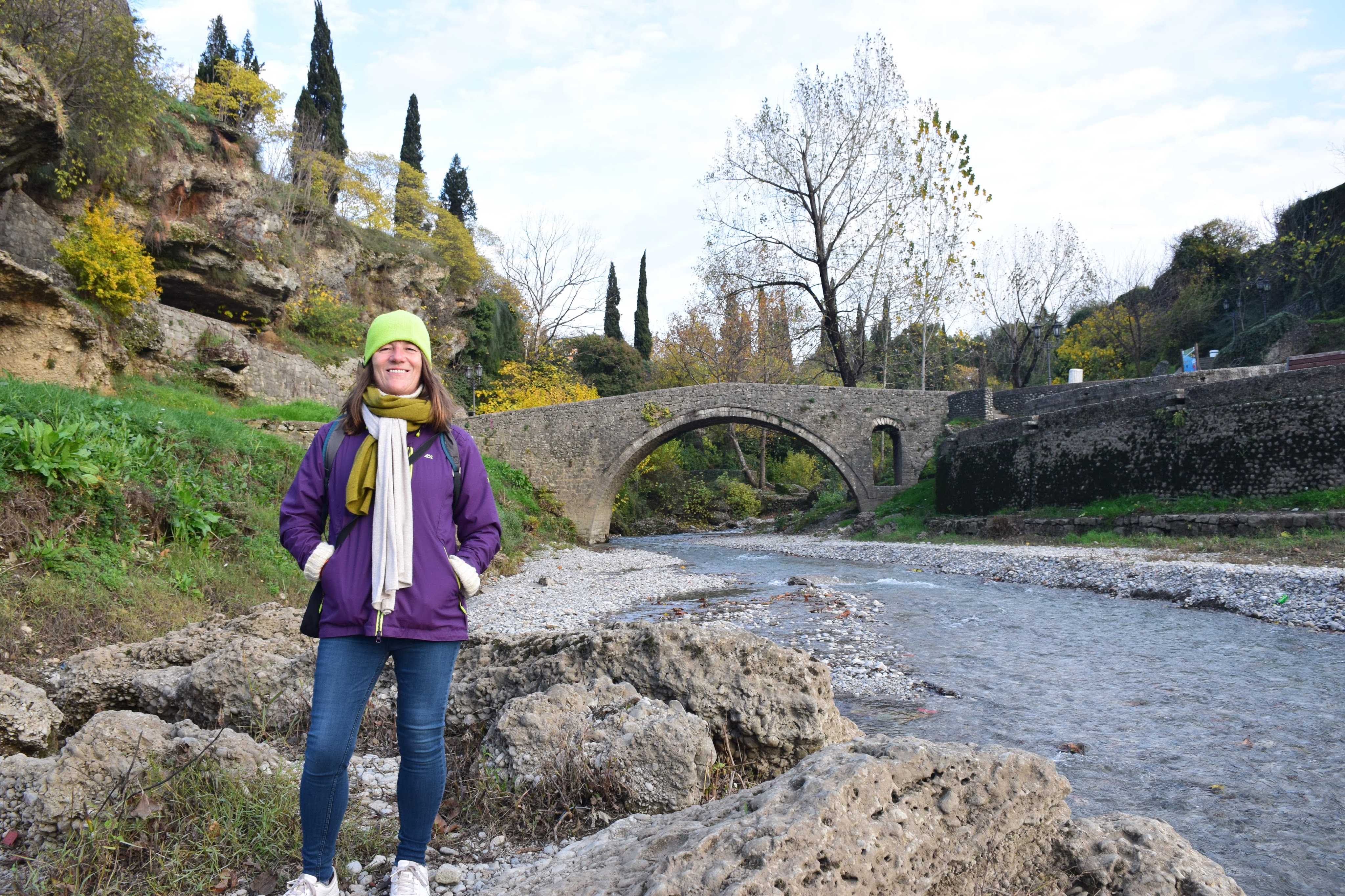
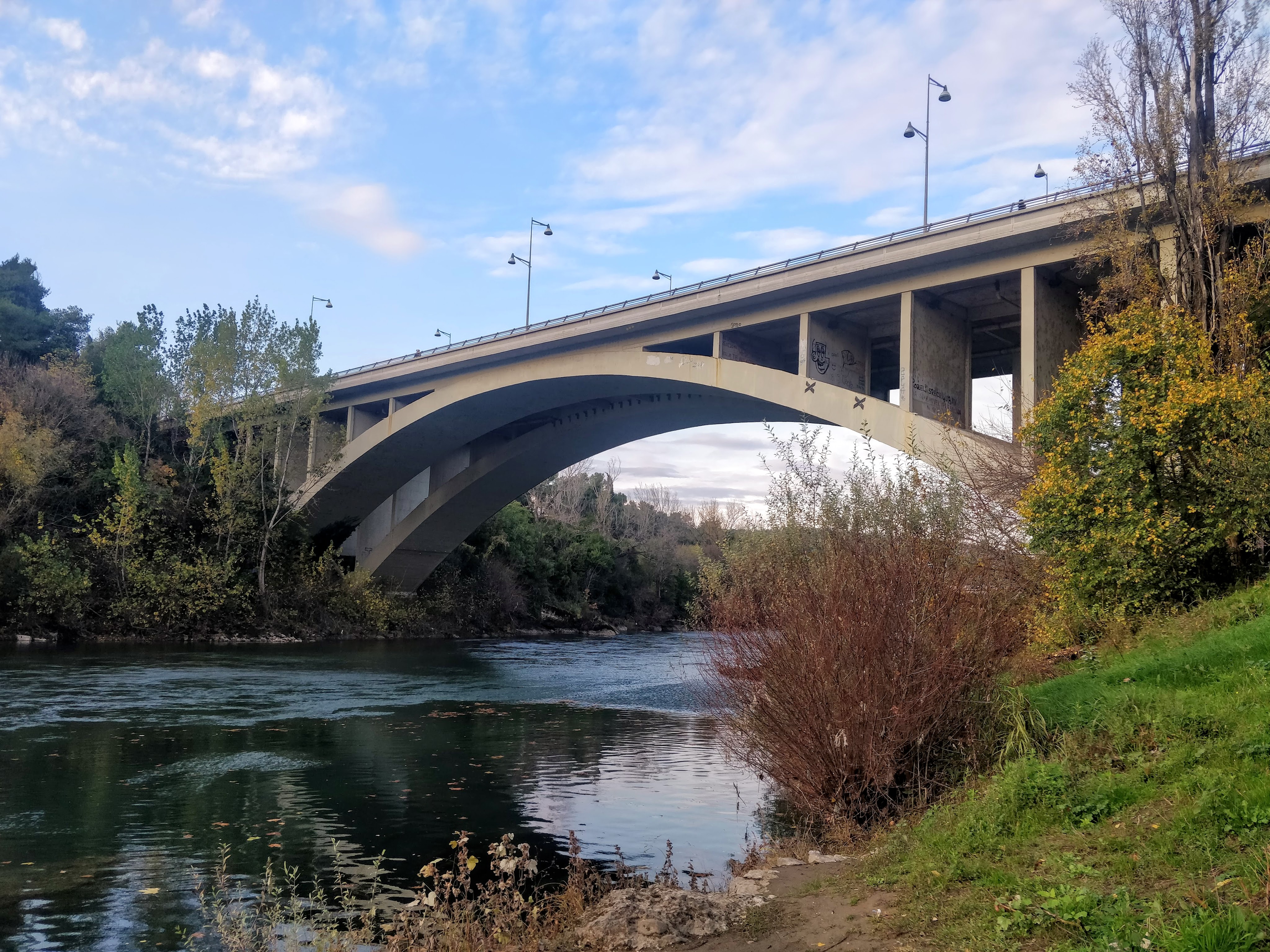
By the time we got to Podgorica, the capitol and a small city about 20 kms from the border, the whole episode seemed quite funny because although we have become fond of the Guzzler (we still prefer our electric car), the Guzzler is not anyone’s idea of vehicle to covet with its aged dents and scratches. We sat in comfy padded seats outside one of the many hip cafes in Podgorica trying to contact our landlady with the cafe-WiFi while listening to Amy Winehouse which was blasting on the cafe speakers. It was sunny but bitterly cold with a strong easterly breeze. The cafe awning was shaking and the patio heater was hissing and we couldn’t get our landlady to answer the phone to get proper directions. We had booked the accommodation the night before on Booking.com. Then a message beeped in on the phone ‘We are all diseased with covid, family isolate in apartment.’ So it seemed that unlike Albania, Covid was in Montenegro. Podgorica was a bit of an enigma -despite its obvious prosperity with its tree lined streets, we had been accosted by four different people begging as we sat outside the cafe. With the biting breeze whistling through the streets and a barefooted man begging at the traffic lights, maybe this wasn’t the best day of our trip.
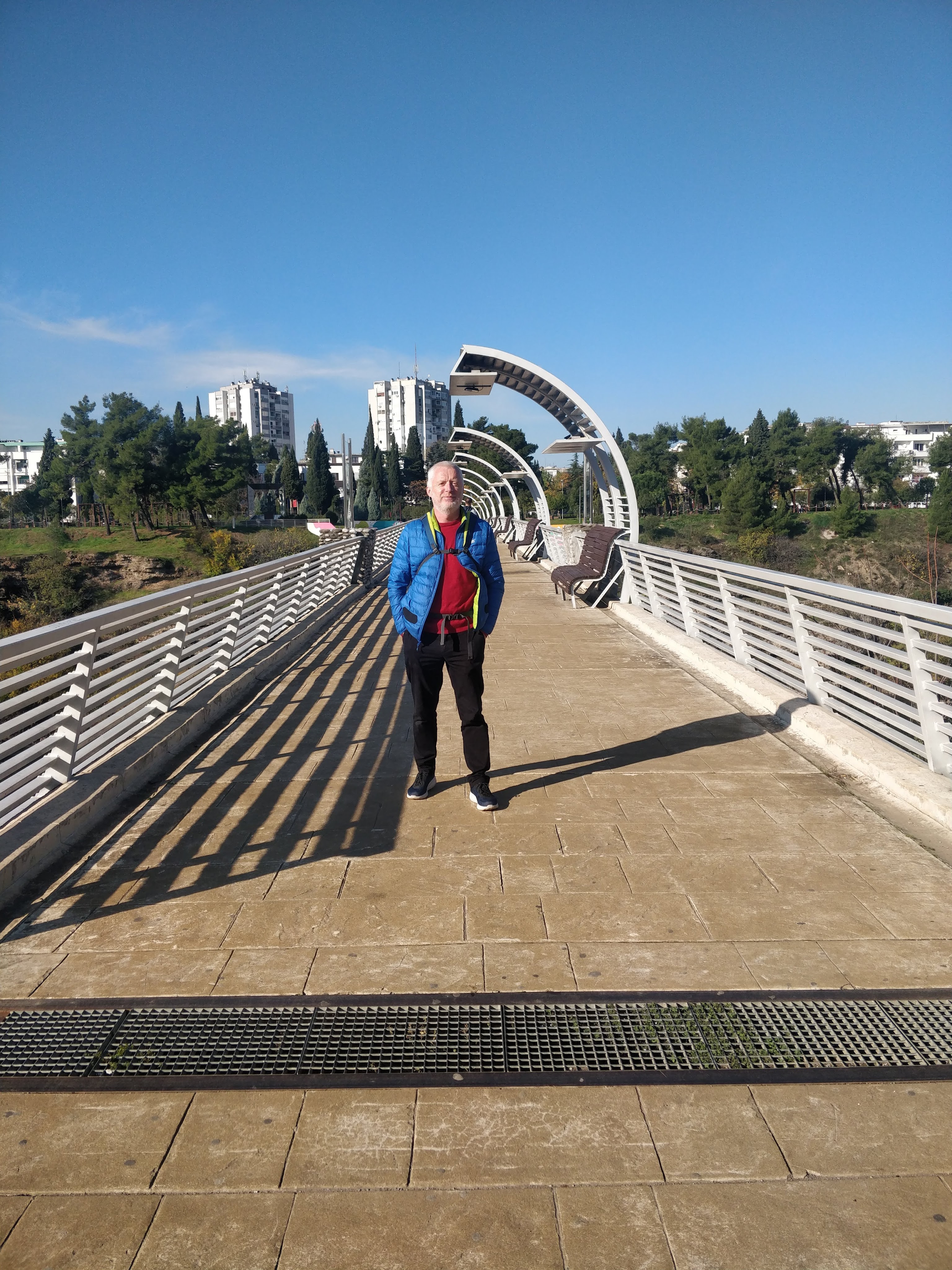
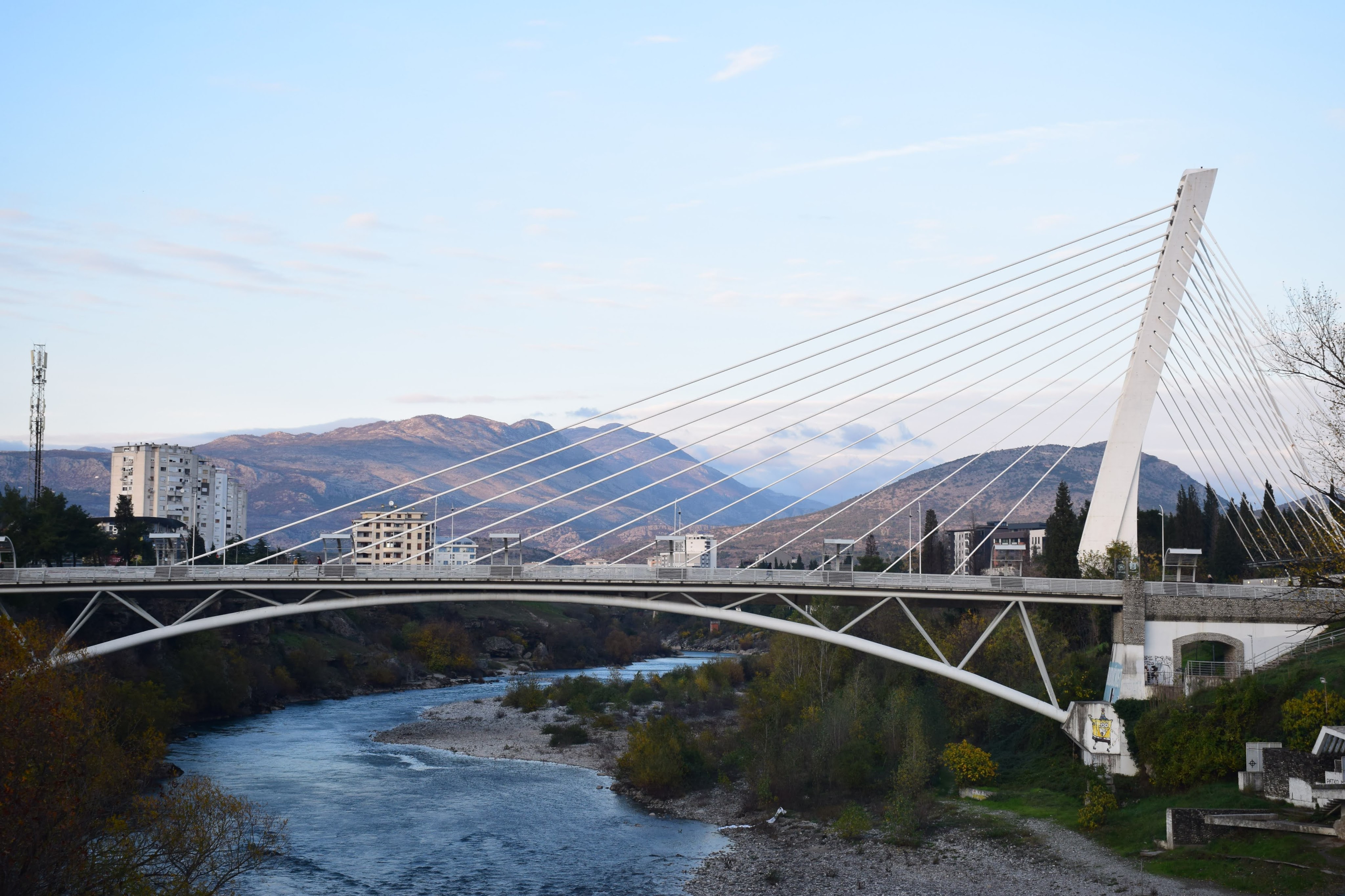
Podgorica for us was a city of beggars and bridges. For a mountainous country, the capital city was flat and didn’t have a lot of ‘must-see’ sights. One of its sights was its Millennium Bridge- but not a patch on Waterford’s suspension bridge over the River Suir. But then the city was heavily bombed and razed by Allied Forces during World War 2 and at least 4000 inhabitants were killed.
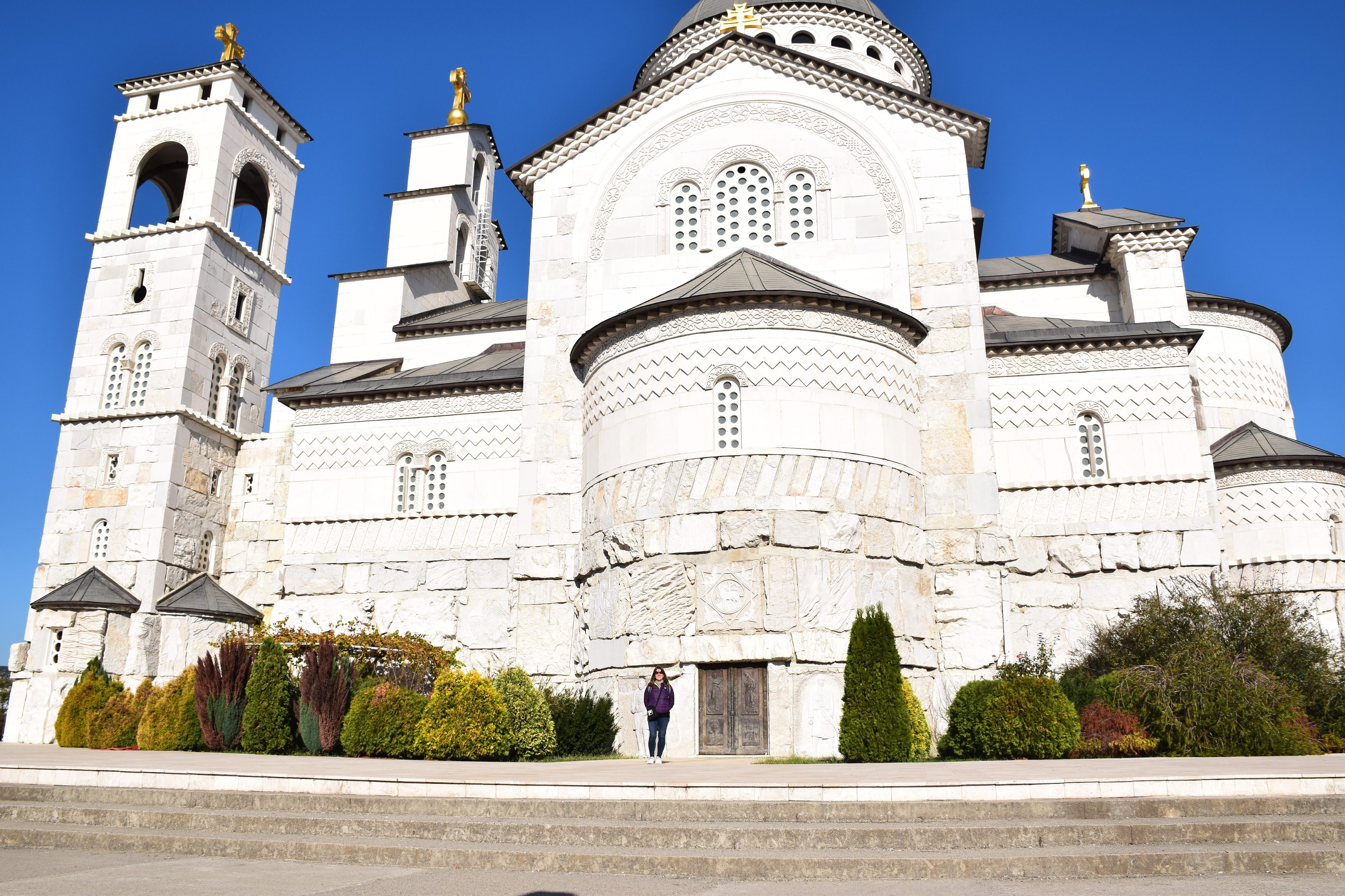
Our main mission in Podgorica was to find a colour photocopier for the car documents. We got a coloured copy of the car registration document that’s so good that I’d say it was better than the original…but only border crossings will tell! We visited the main Cathedral completed in 2013 which was Serbian Orthodox (a bone of contention as many feel it should be Montenegrin Orthodox but with shifting borders, changing alliances, so many things are potential sources of angst here). It was full of gold icons, every square inch covered with gilded frescoes, one very controversial one where Karl Marx, Friedrich Engels and Tito were depicted as burning in hell.
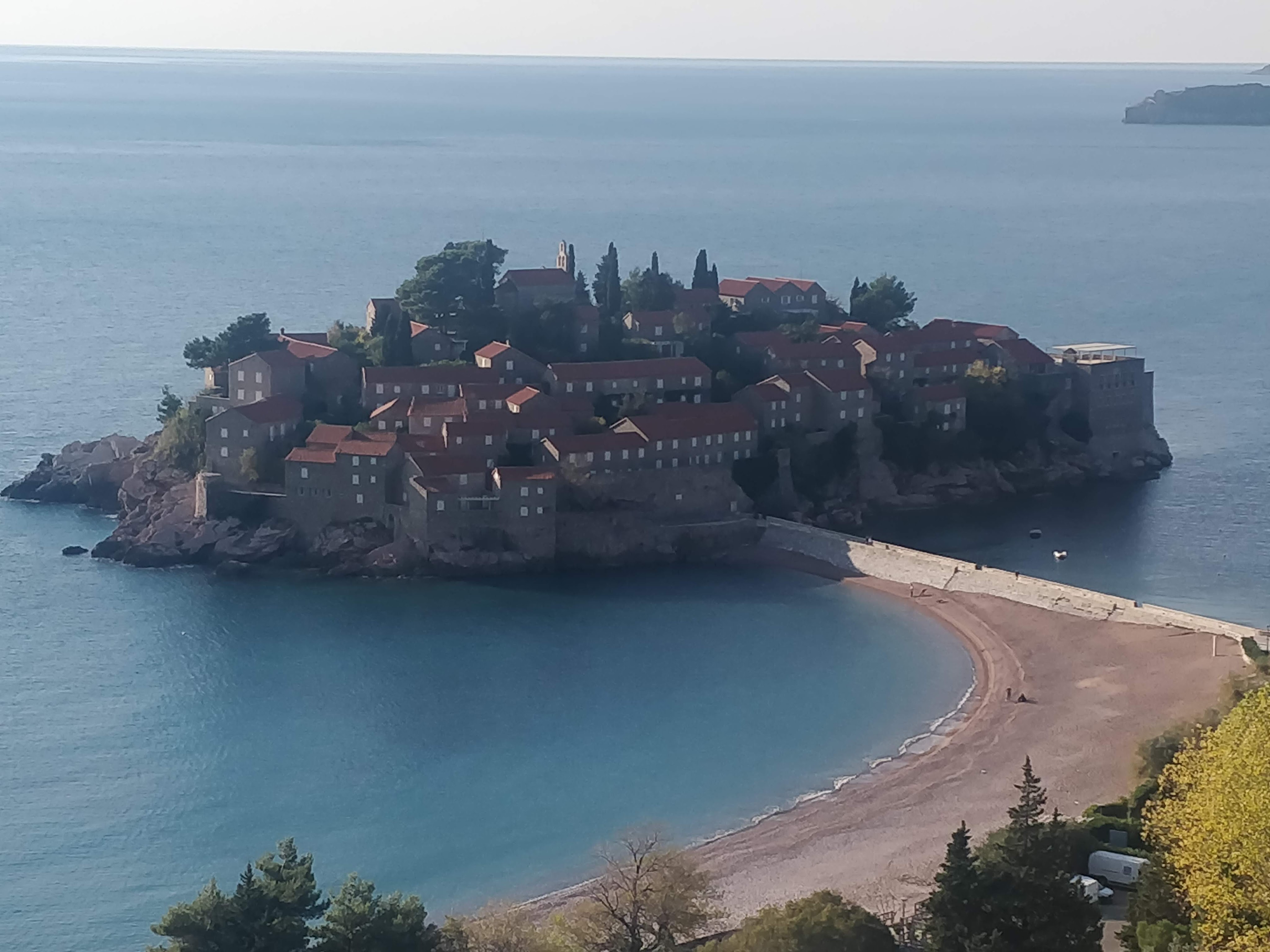
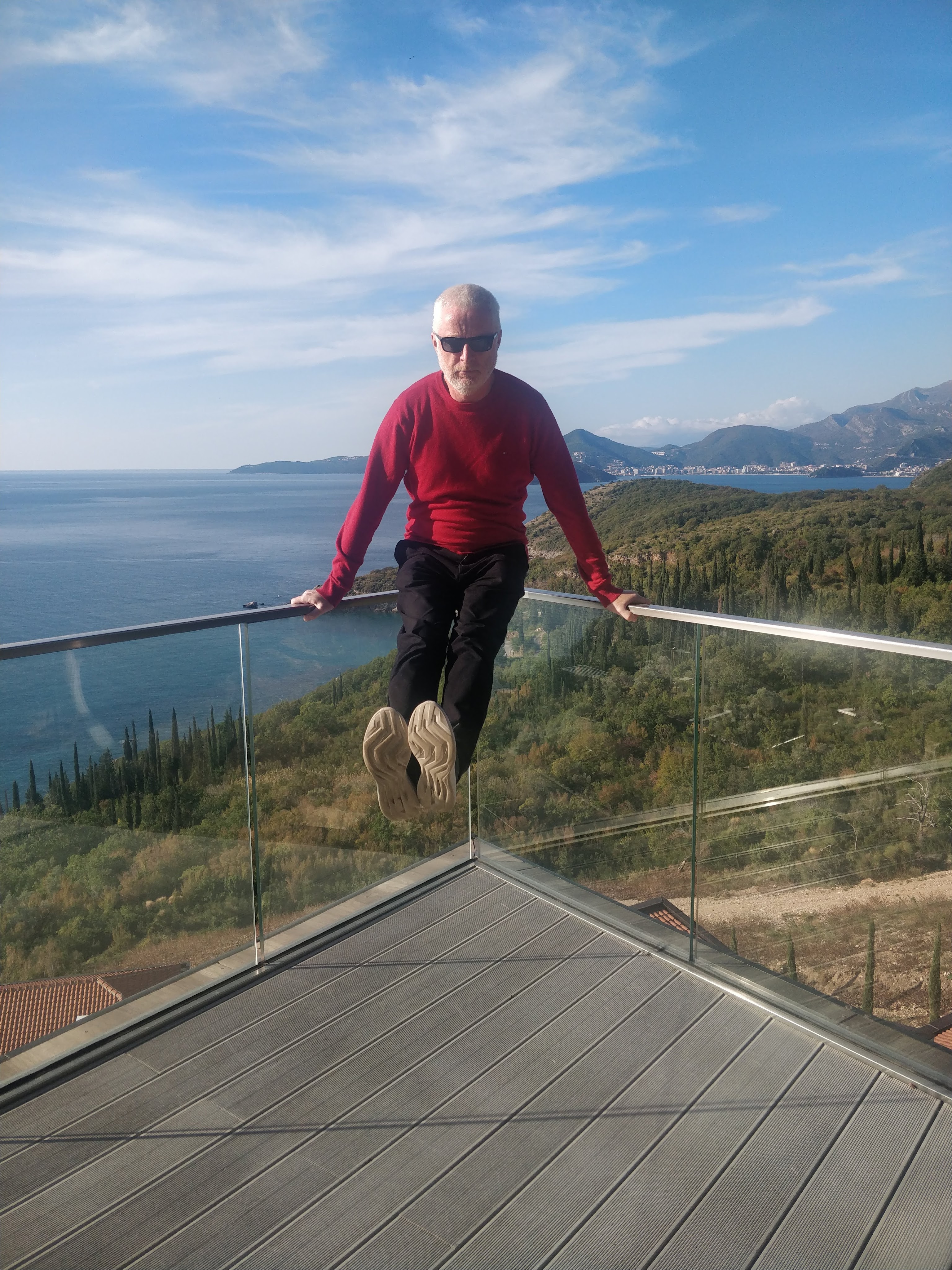
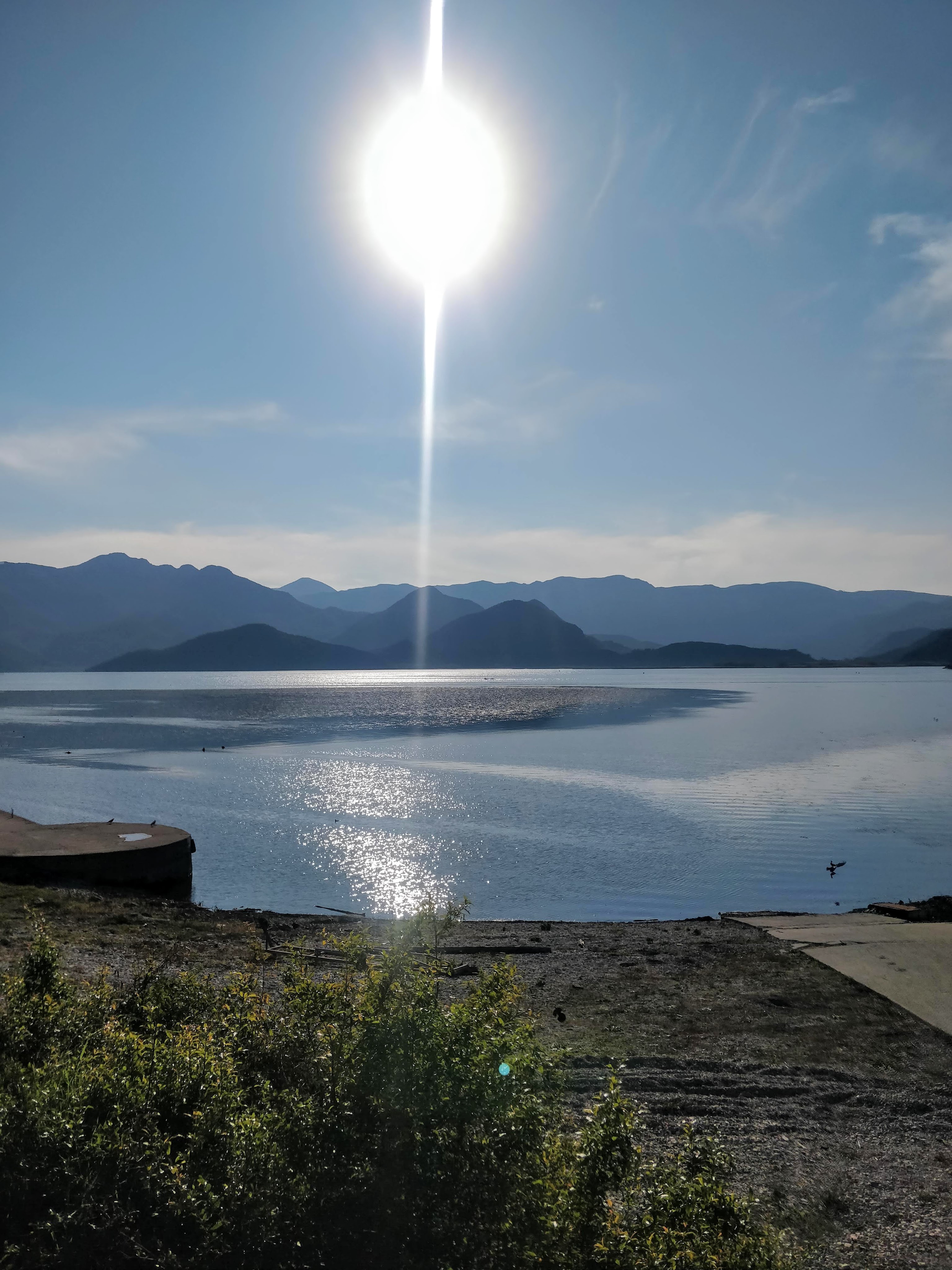
It was a perfect November day for a stunning sunshine drive along Lake Shaker, a large lake which straddles the border between Albania and Montenegro , its waters shining silver against the purple-black of the mountains – a bird watchers paradise. Lord Byron described the coast of Montenegro as ‘the most beautiful encounter between land and sea.’ It was hard to disagree – honestly, it was like driving through a photo-shopped film set. We should really have been in an open-top car with the wind in our hair and a silk scarf streaming behind me. We stopped at a hotel cafe to admire the view and by chance, we were overlooking a little island, Sveti Stefan, a 5 star resort which is popular with celebrities and the very rich. The cafe had coffee but no cakes (I guess that the beautiful people that frequent Montenegro didn’t eat them…… or maybe they had eaten them all.) We were missing the Furre Buke (bakeries) of Albania.
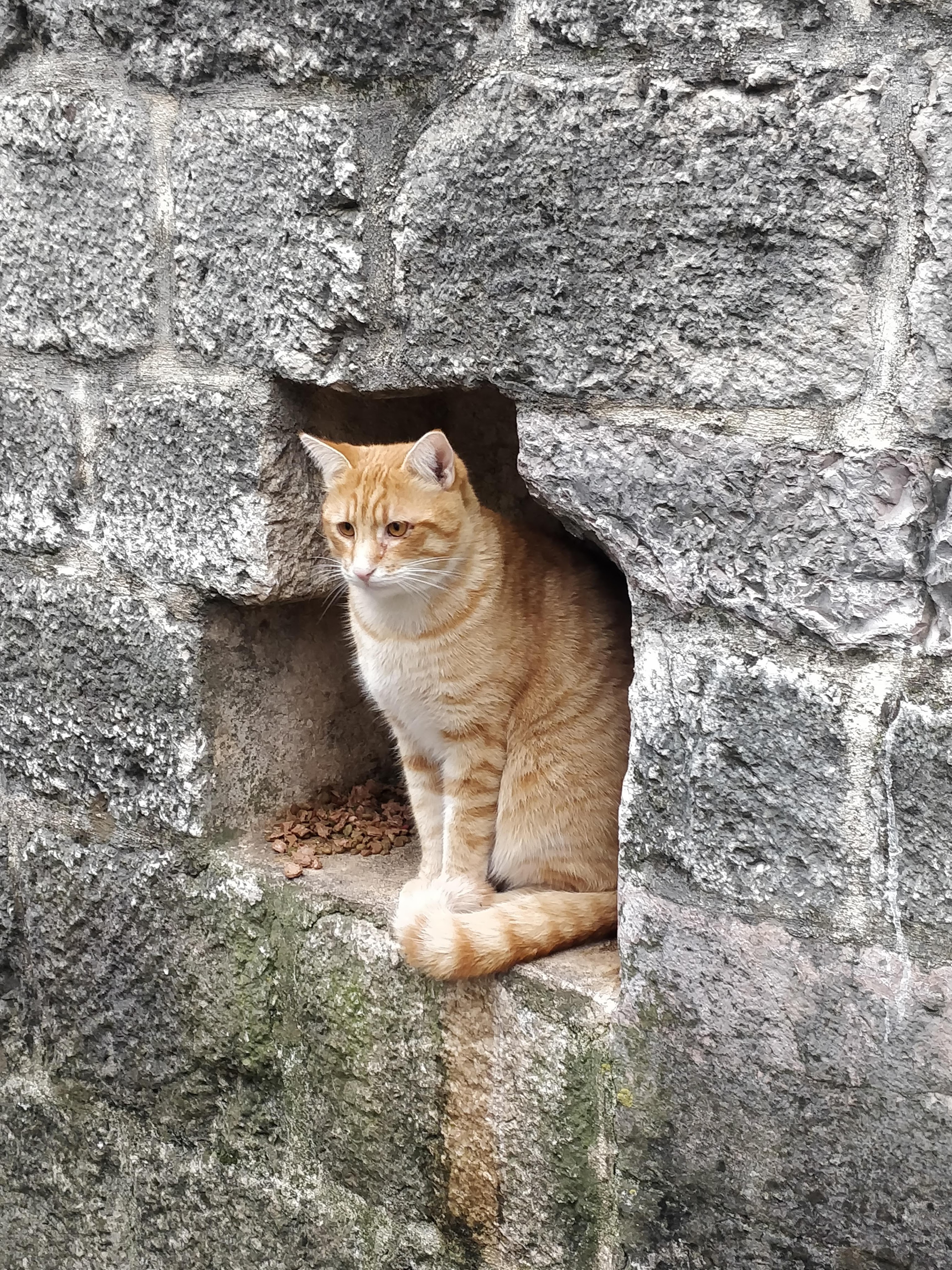
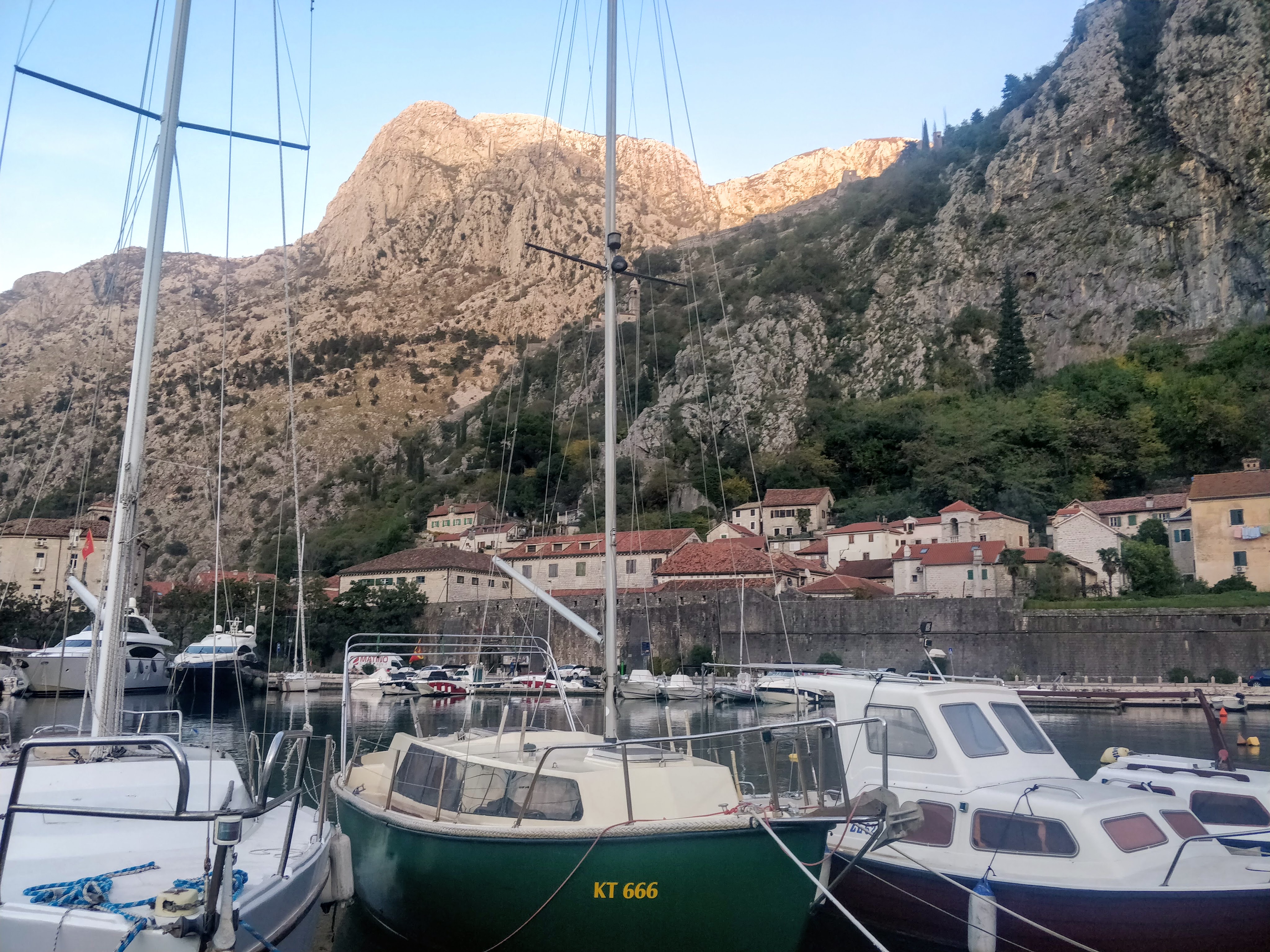
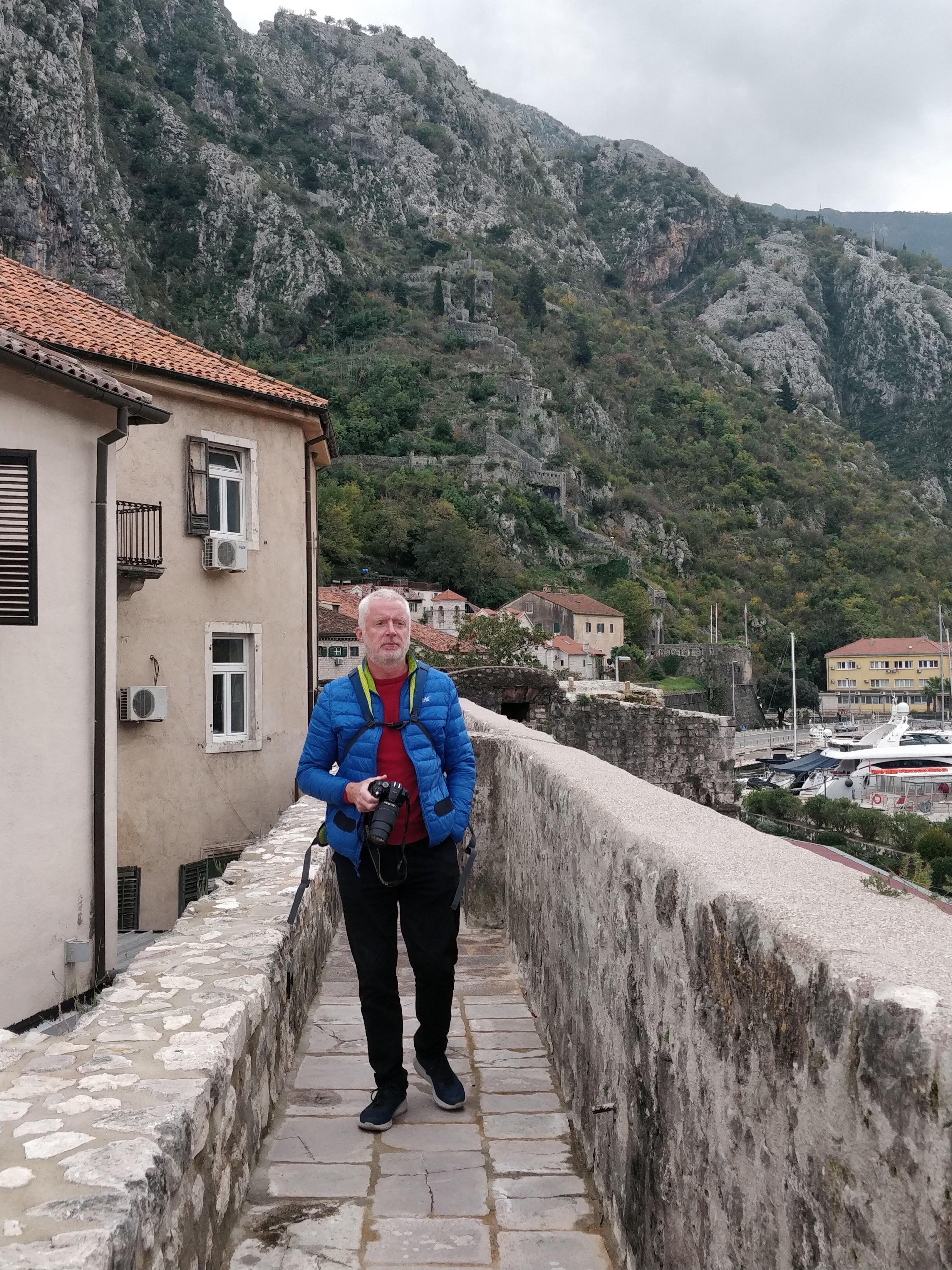
Kotor was so very beautiful, perched beside a submerged river canyon surrounded by dramatic-rising mountain cliffs. The stout walls of St Ivan’s fortress wrapped around the cobbled streets and stone walls of the old town. But there was a subdued air in the old town and most people were too fed-up to be friendly (or couldn’t be bothered, Montenegrins have a reputation for being very lazy). During the season, it’s full of tour groups and people from cruise ships so restaurant prices were high – just slightly cheaper than in Ireland but our accommodation was gorgeous and great value – €25 for a large apartment (big enough for 4) in the old town with wooden shutters and thick stone walls and steps…lots of steps.
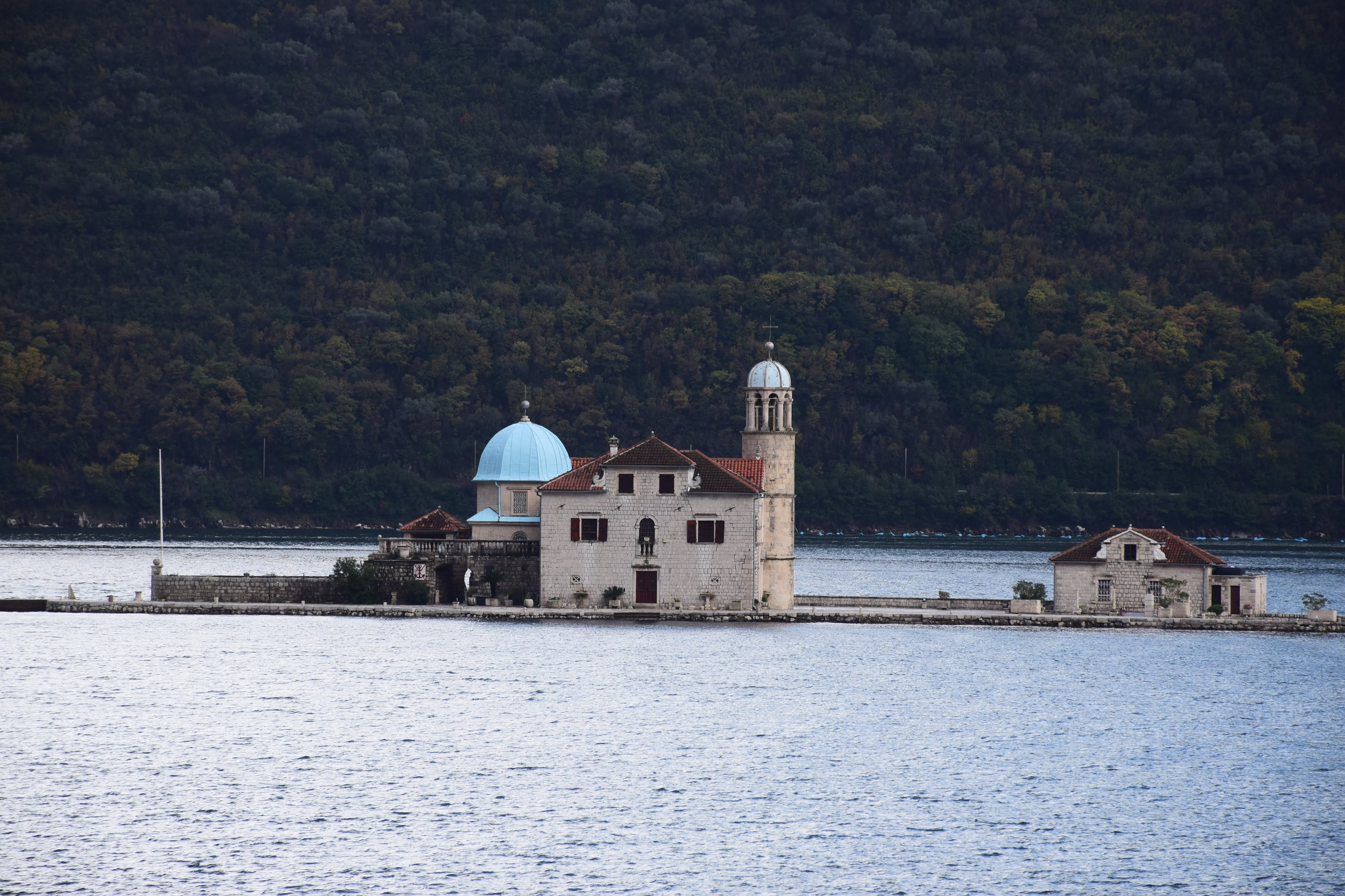
Montenegro was probably the most beautiful country we have ever been in but despite this – maybe our impressions were coloured by our experience at the border -after three nights on a drizzly morning we were happy to head to Croatia but with a little trepidation. We had got in, would they let us out?
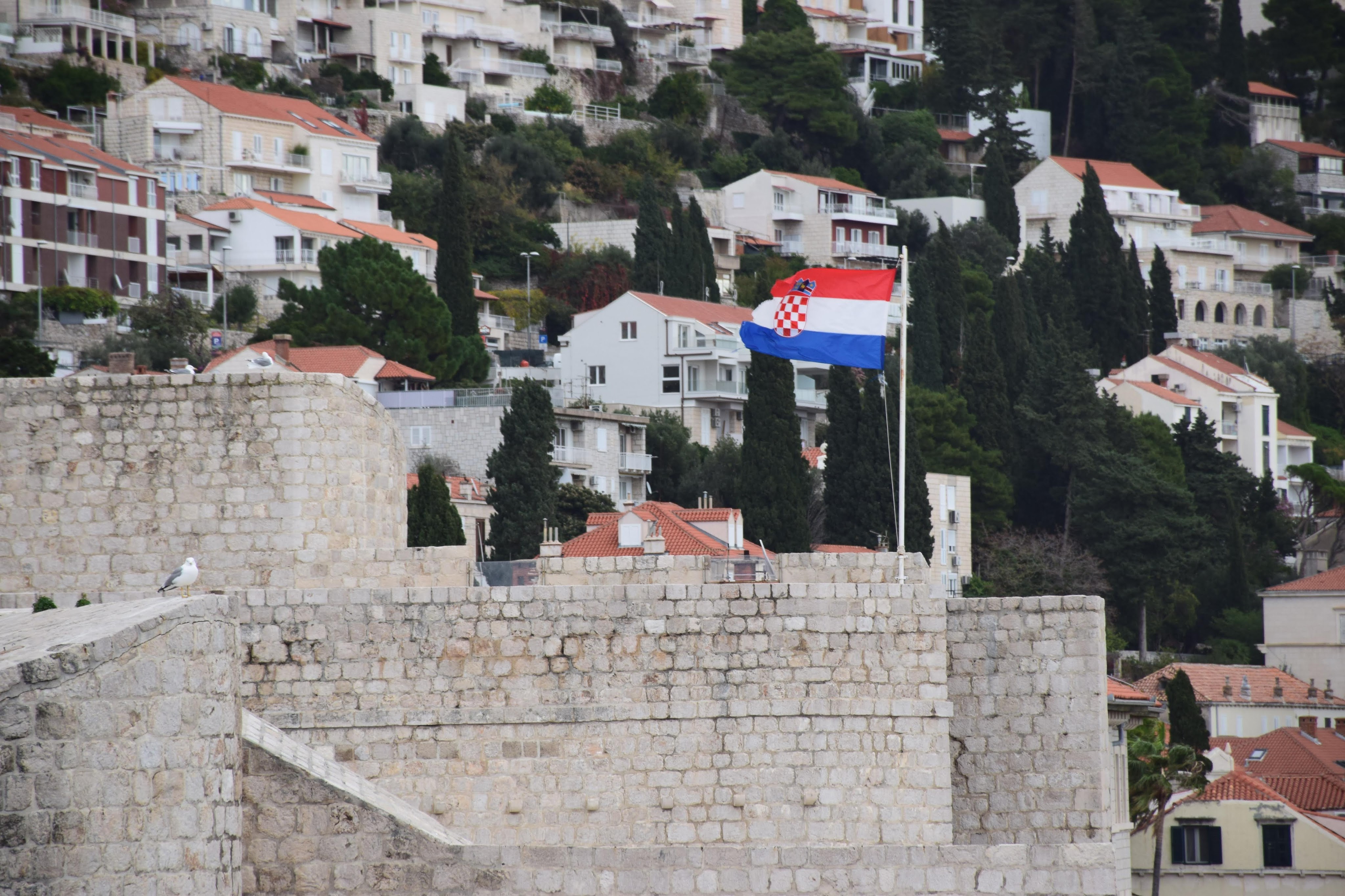
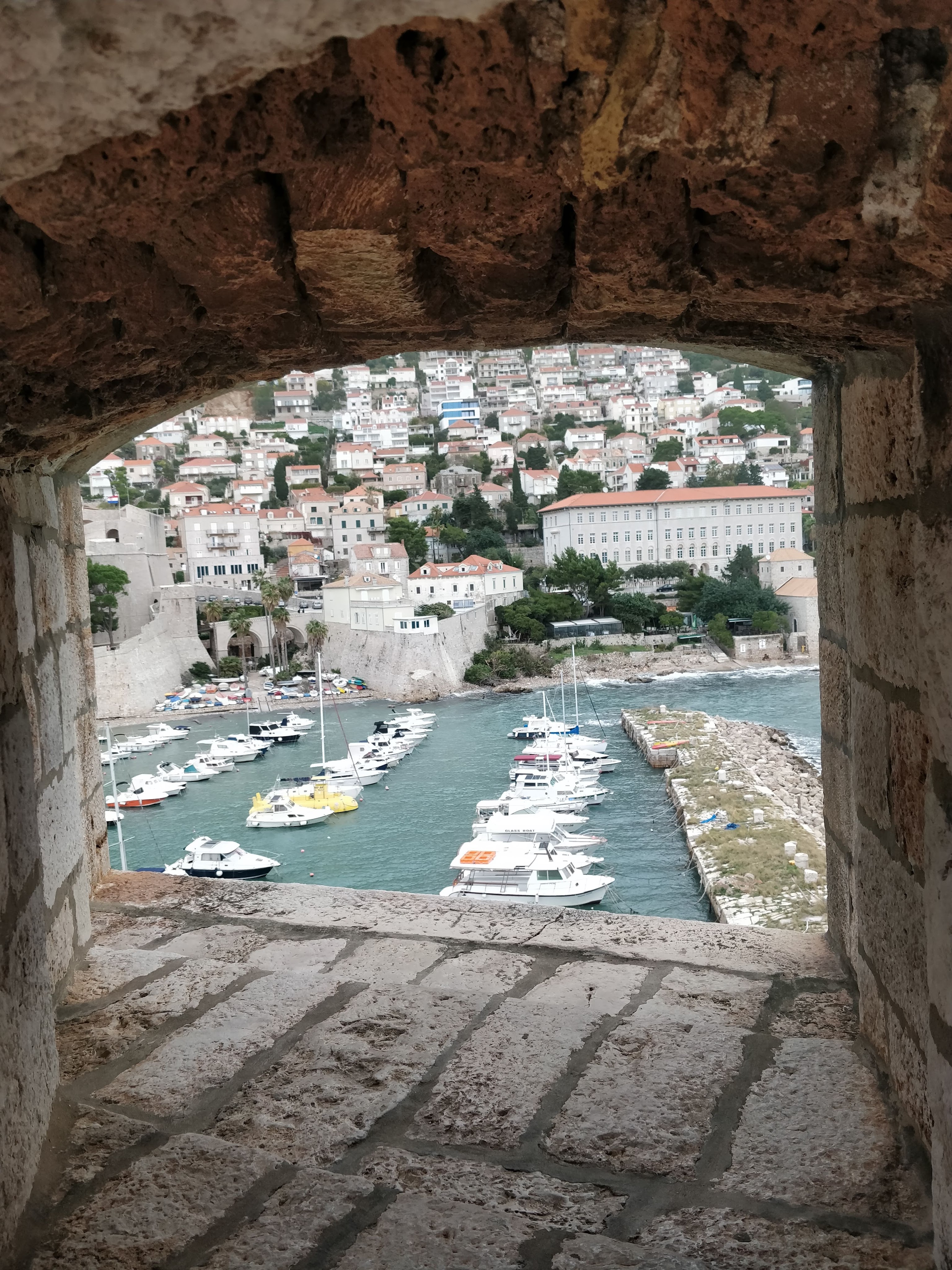
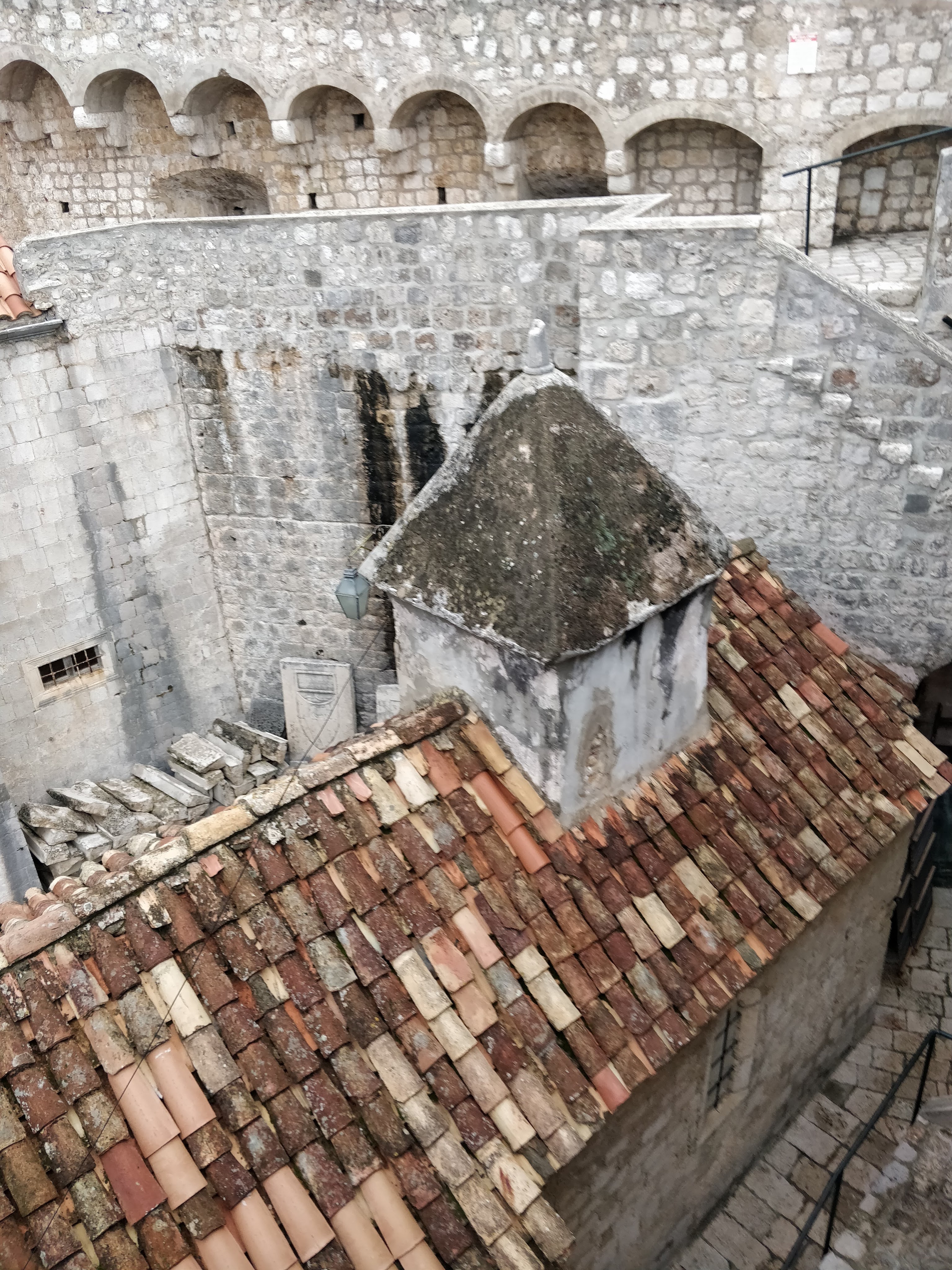
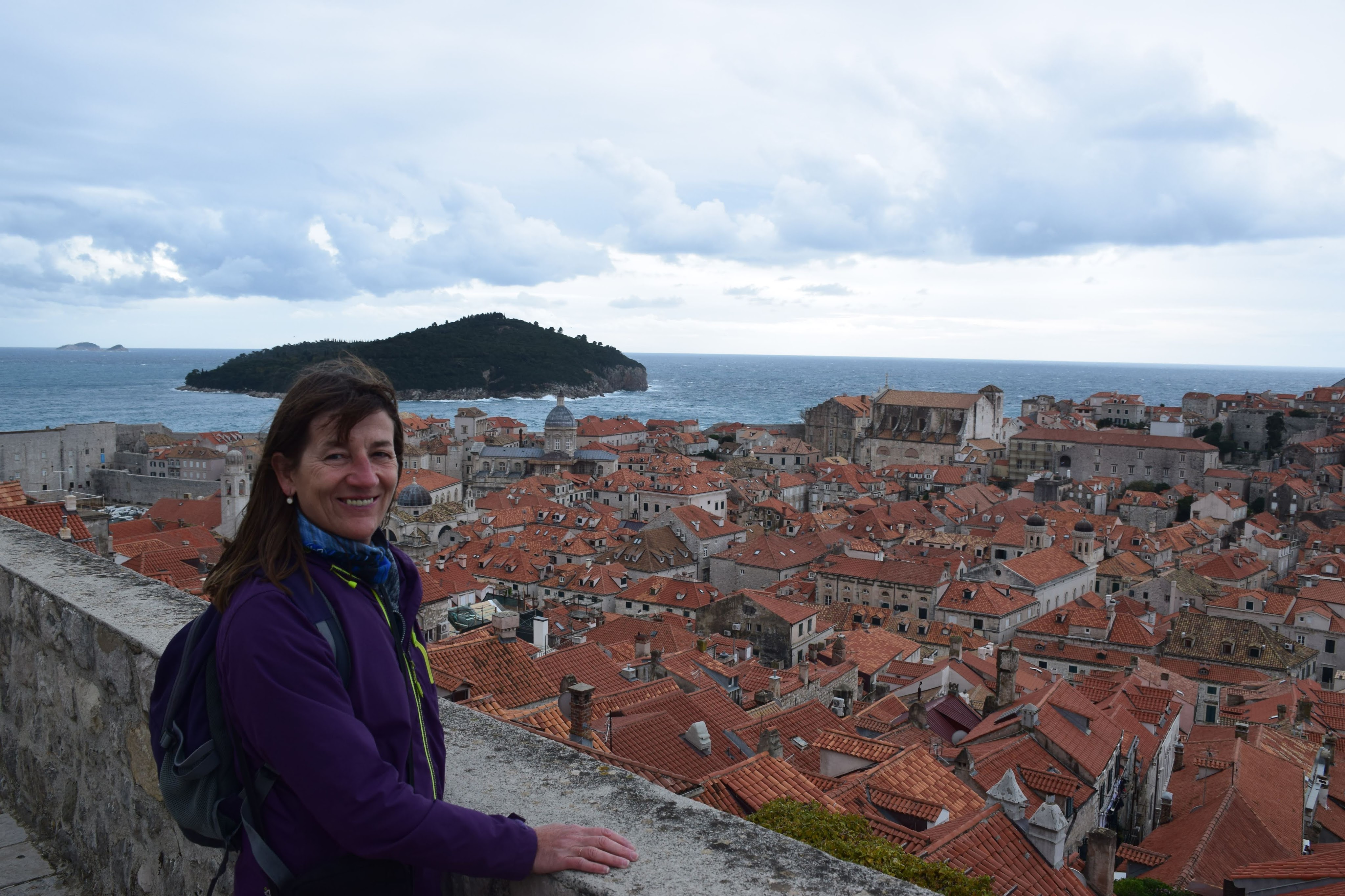
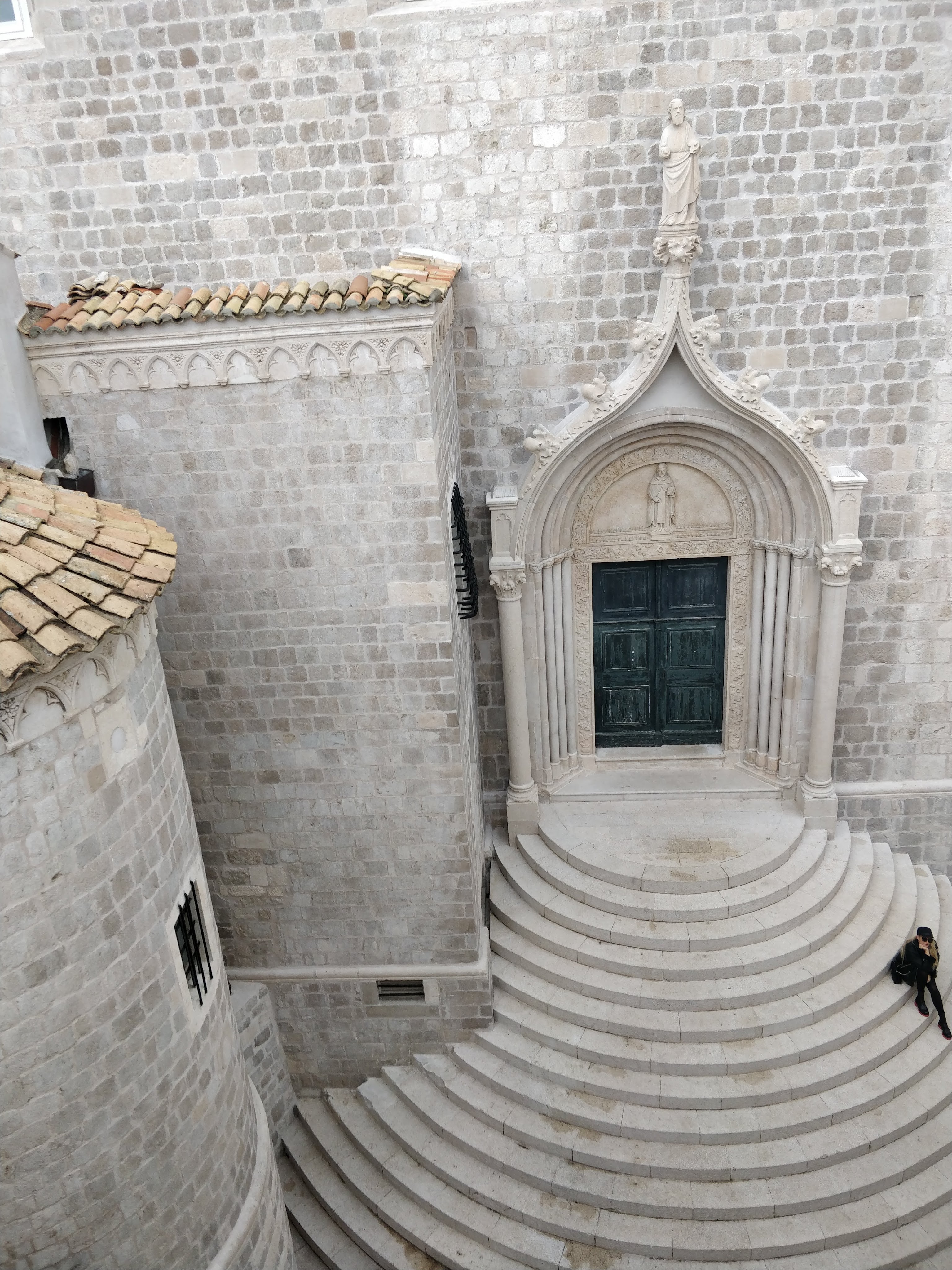
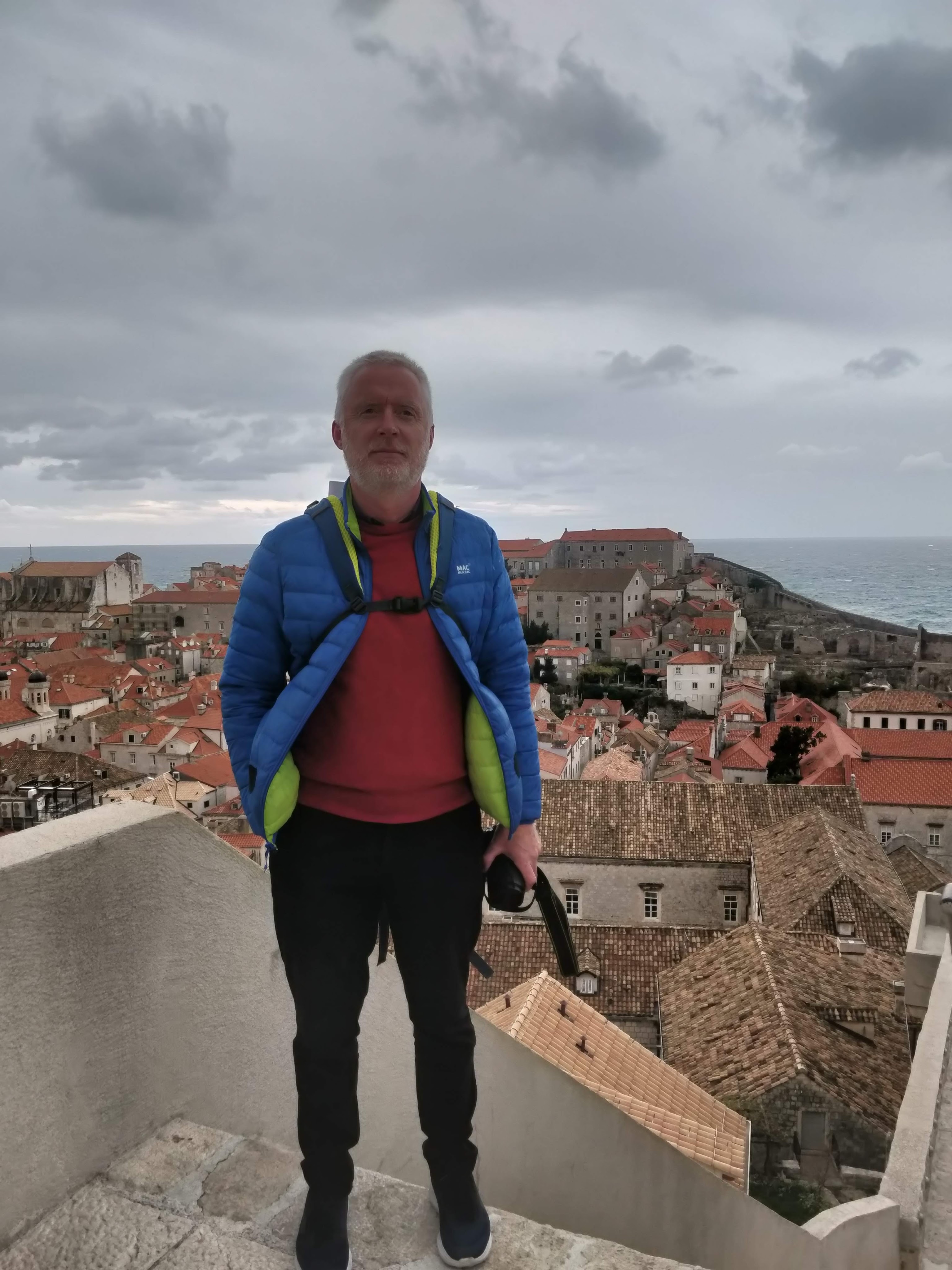
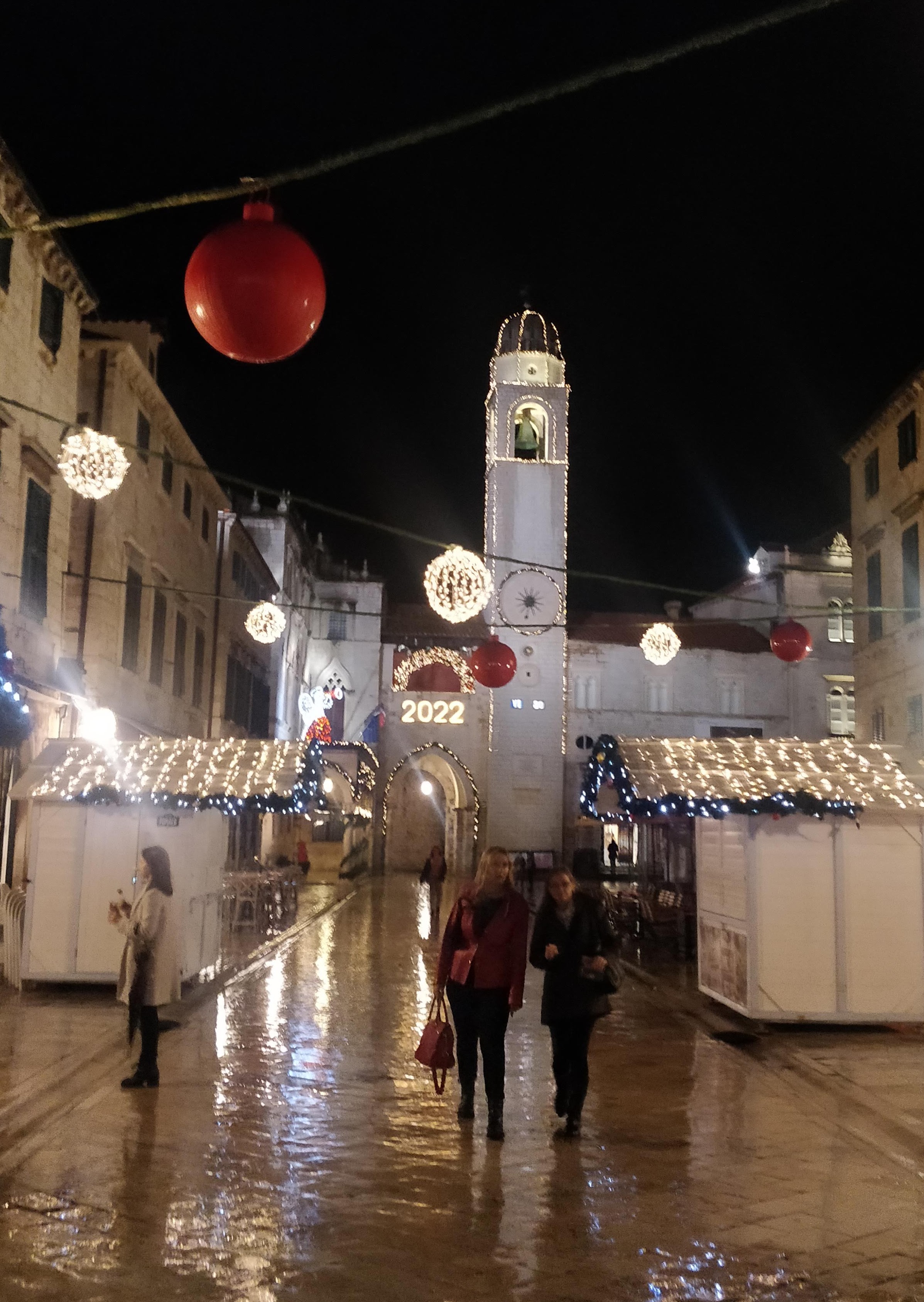
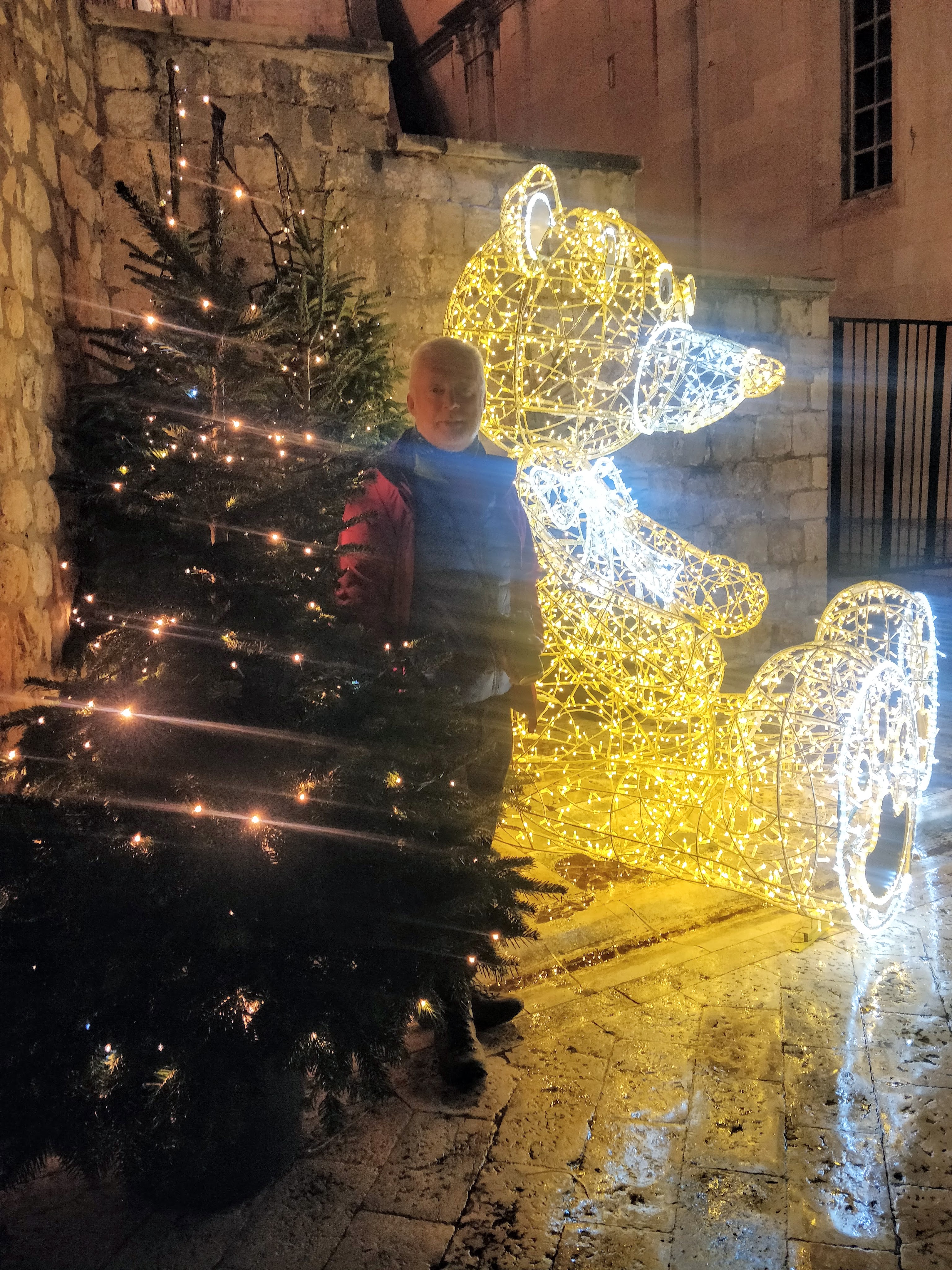
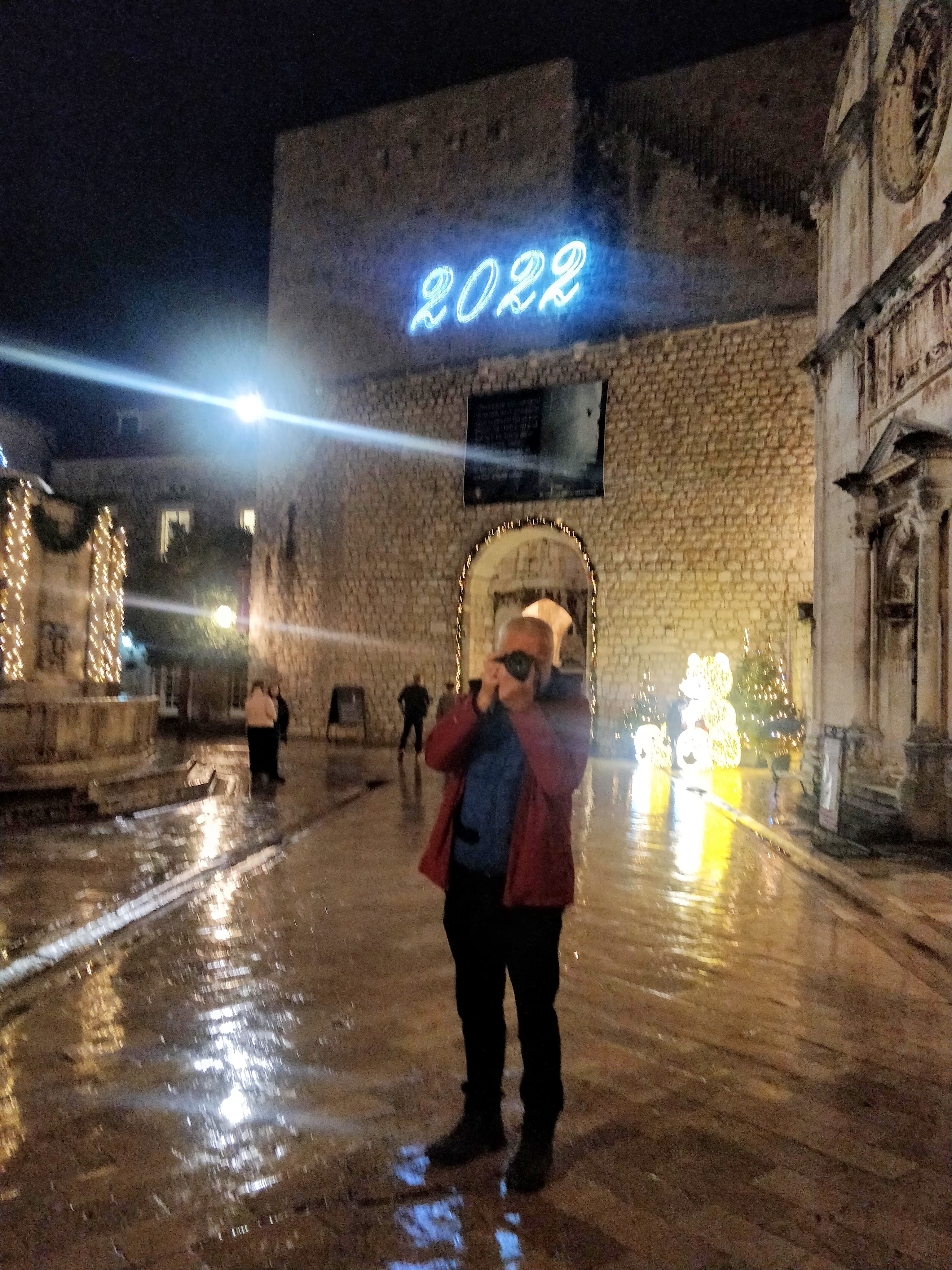
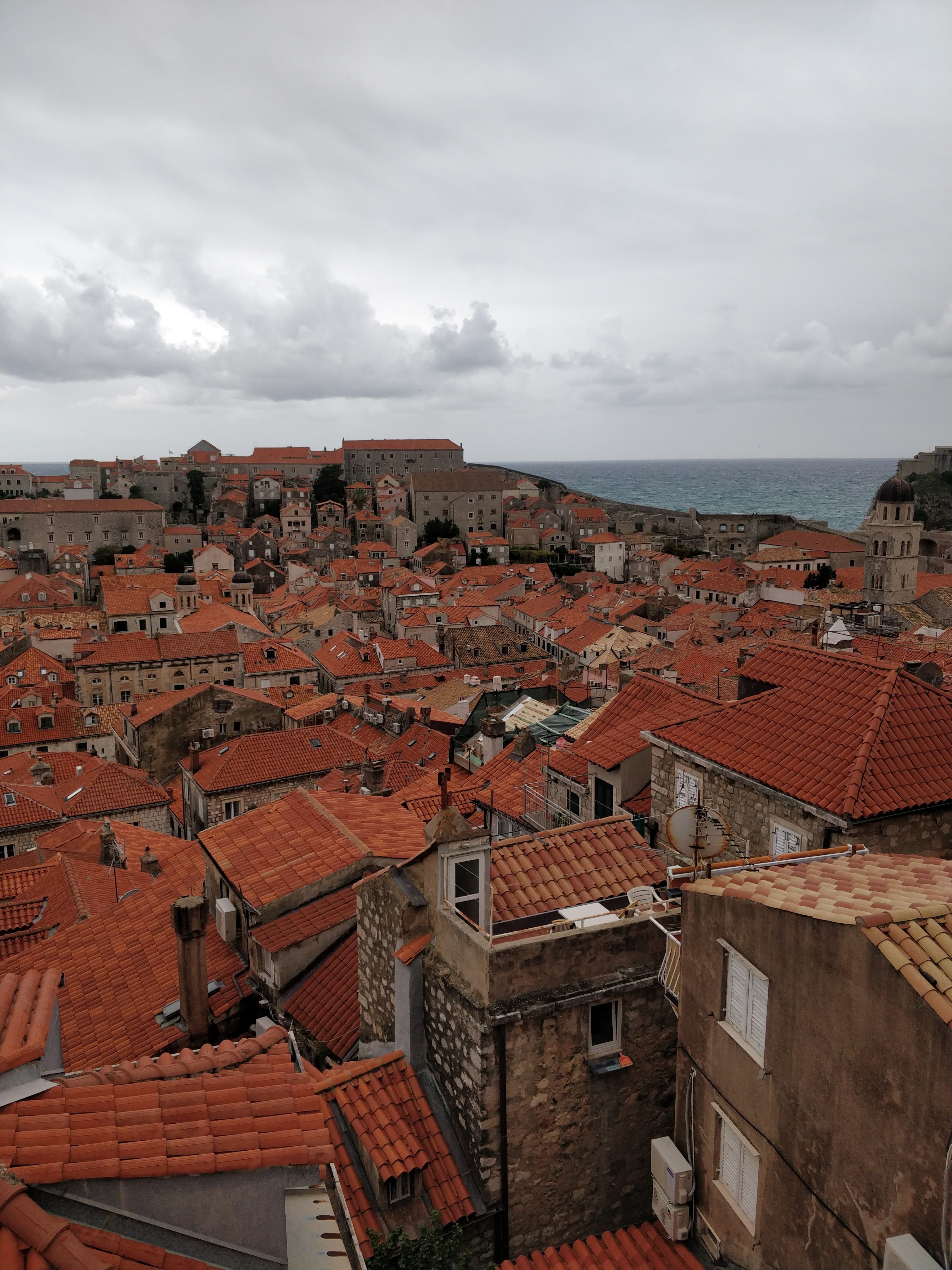
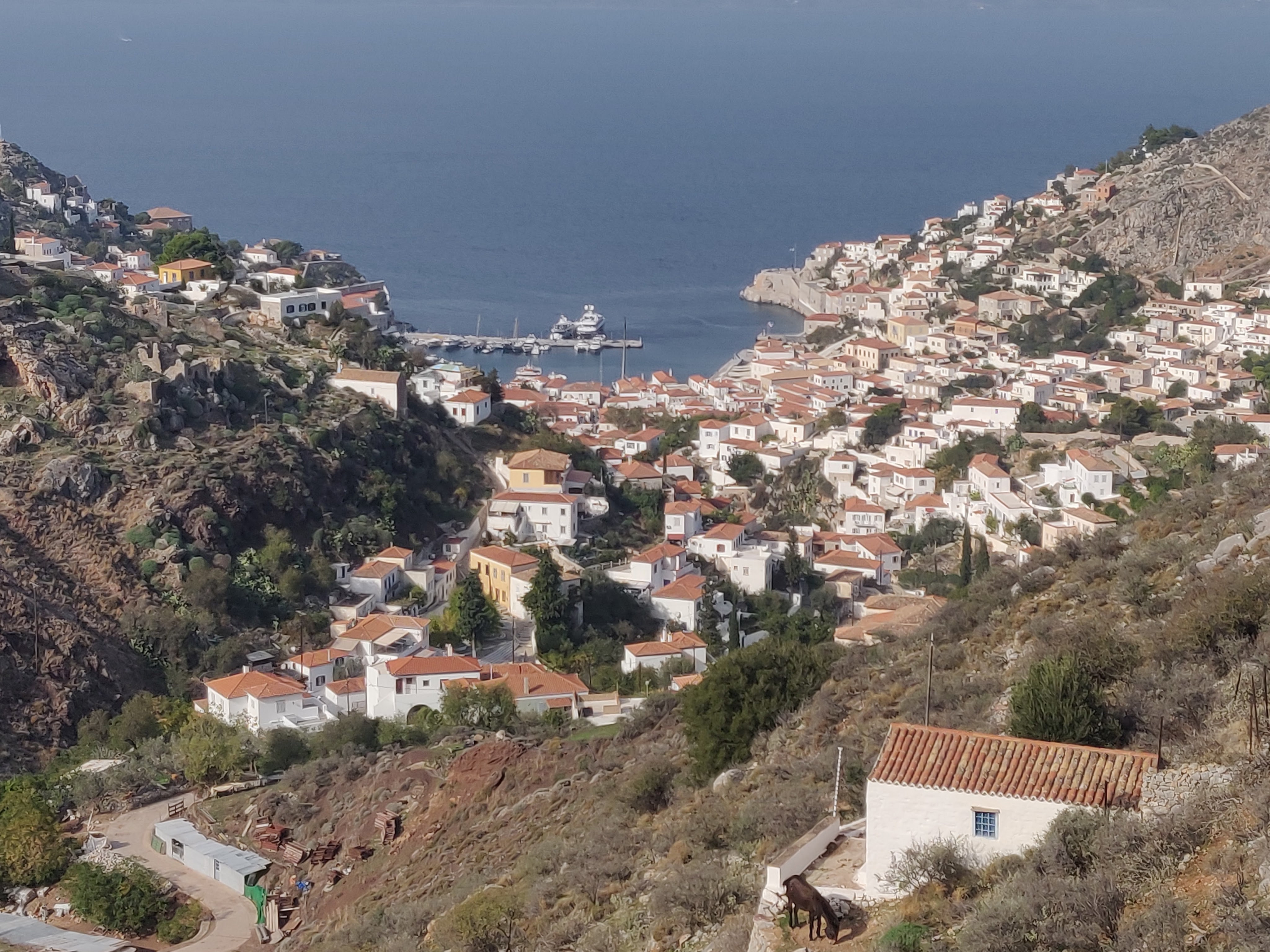
The border crossing went smoothly – although we will never take a border crossing for granted again – and we entered Croatia, another beautiful country that we had never visited. It seemed ironic that Croatia’s currency is the Kuna (7.5 kuna to €) although Croatia is in the EU while Montenegro uses Euro and is not in the EU. We made our way to Dubrovnik, its red roofs shining below us as we approached on the mountain road above. Its vulnerability was apparent even to us. Its stout medieval walls were built to withstand an attack from the sea not from the mountains behind or from the air. Nowadays, it costs to walk the walls of Dubrovnik’s old town – about €30 each – but then Dubrovnik was a tourist town and things were more expensive here than elsewhere in Croatia. Even in late November, there were lots of Americans and Game of Thrones fans.
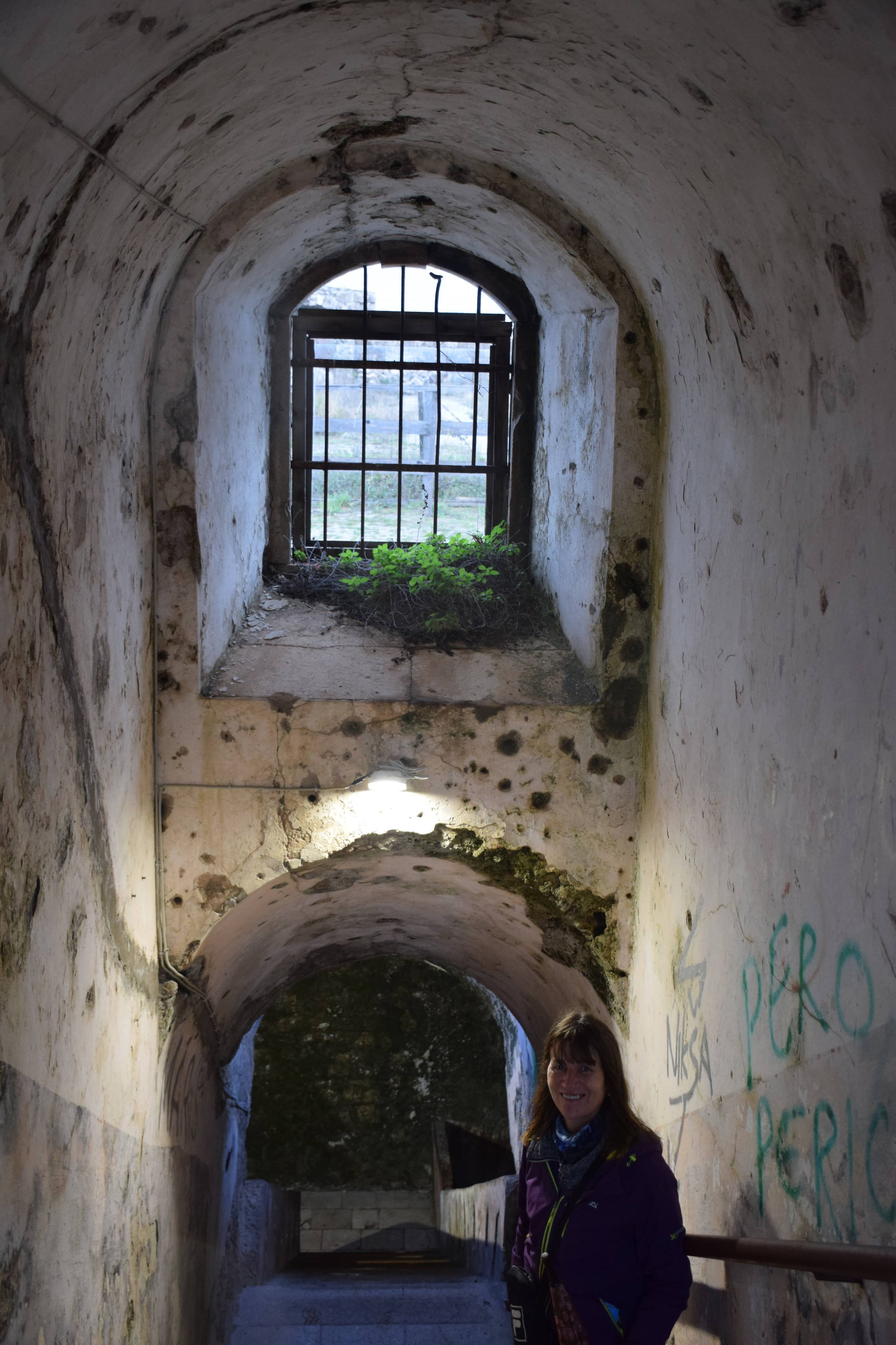


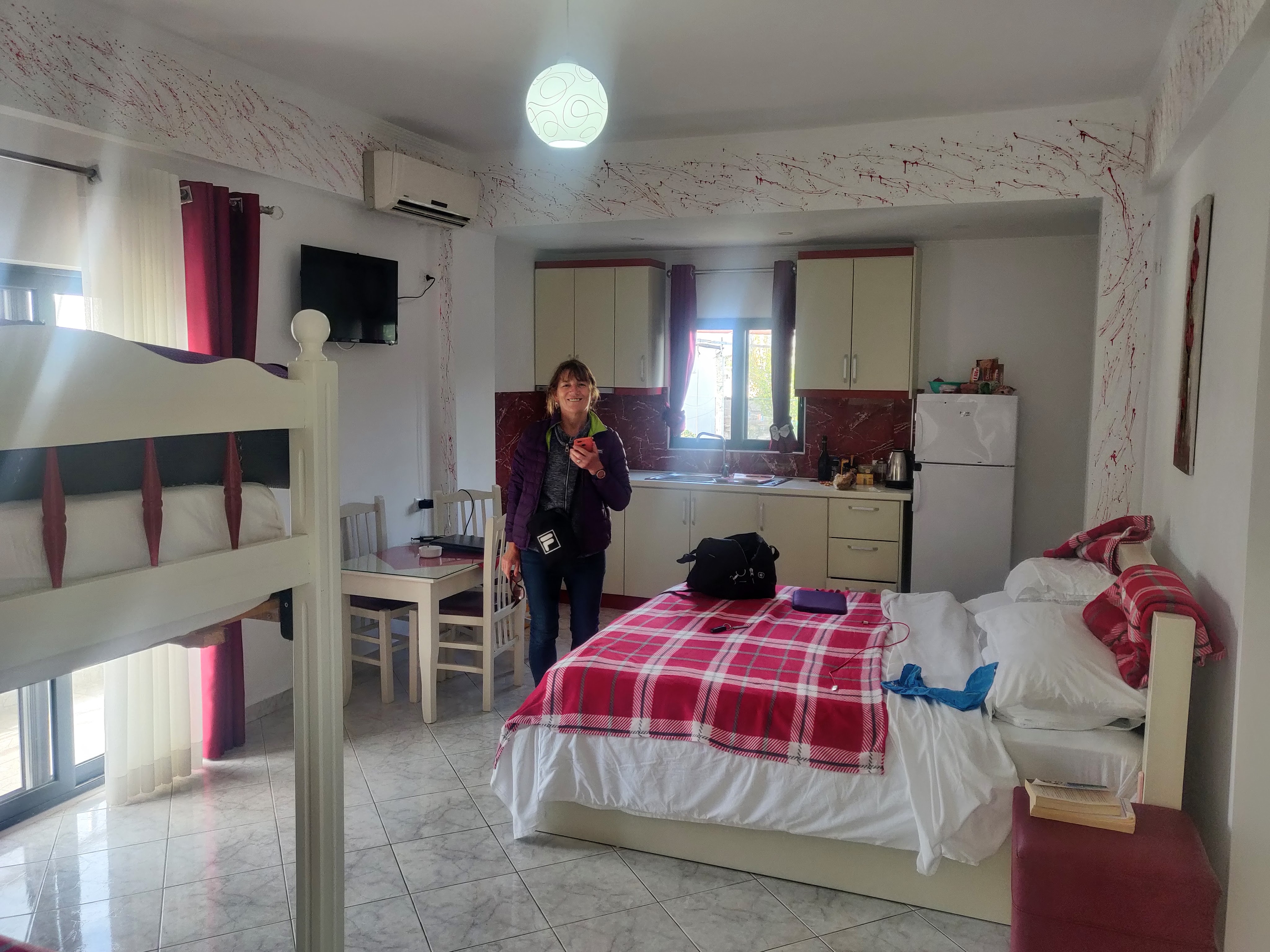
Dubrovnik was also a city of history – quarantine was invented here when the city council decreed in 1377 that all ships coming from infected plague areas had to submit to 30 days of isolation before entering the city. But for us the most poignant was the relatively recent history of the Balkan war of the 1990’s. Our accommodation was a room just outside the old town… it wasn’t fancy but it was clean and comfortable. Neven, our guitar-playing host, a man in his fifties sat in our bedsit drinking homemade wine with us, telling us how his cousin died in his arms during that conflict, how he fought and killed for his country. He showed us the spot where a Serbian shell (or Yugoslav army shell) hit the side of the house we were staying in. The seven people – including his parents and grandmother – sheltering in the basement- bathroom were lucky to survive. We had been to sites of so much ancient history on this trip but this was different…..very different.
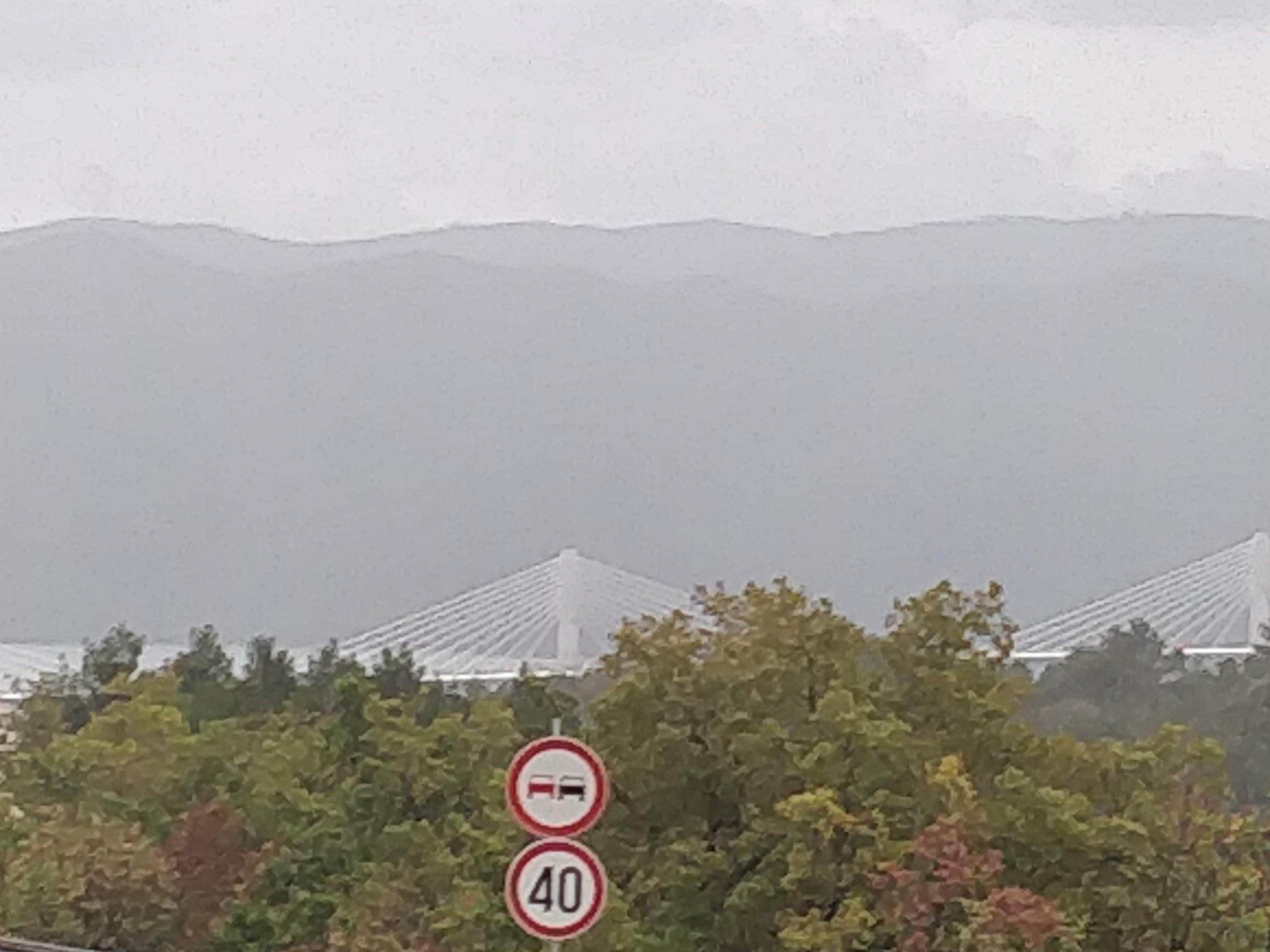
Travelling by car does wonders for your geography – we had to drive through Bosnia Herzegovina to get to northern Croatia because when Yugoslavia broke up in 1991, the Dubrovnik region was separated from the rest of the newly independent Croatia by twenty three kilometres of coast – a tiny coastline for Bosnia Herzegovina who must be envious of Croatia’s stunning coastline and many islands. So more border checks for us but we had to show only passports, there were no questions about the Guzzler’s documents although we were leaving and re-entering the EU. The Croats were building a bridge so that they won’t have to cross their neighbour’s country to reach their own.
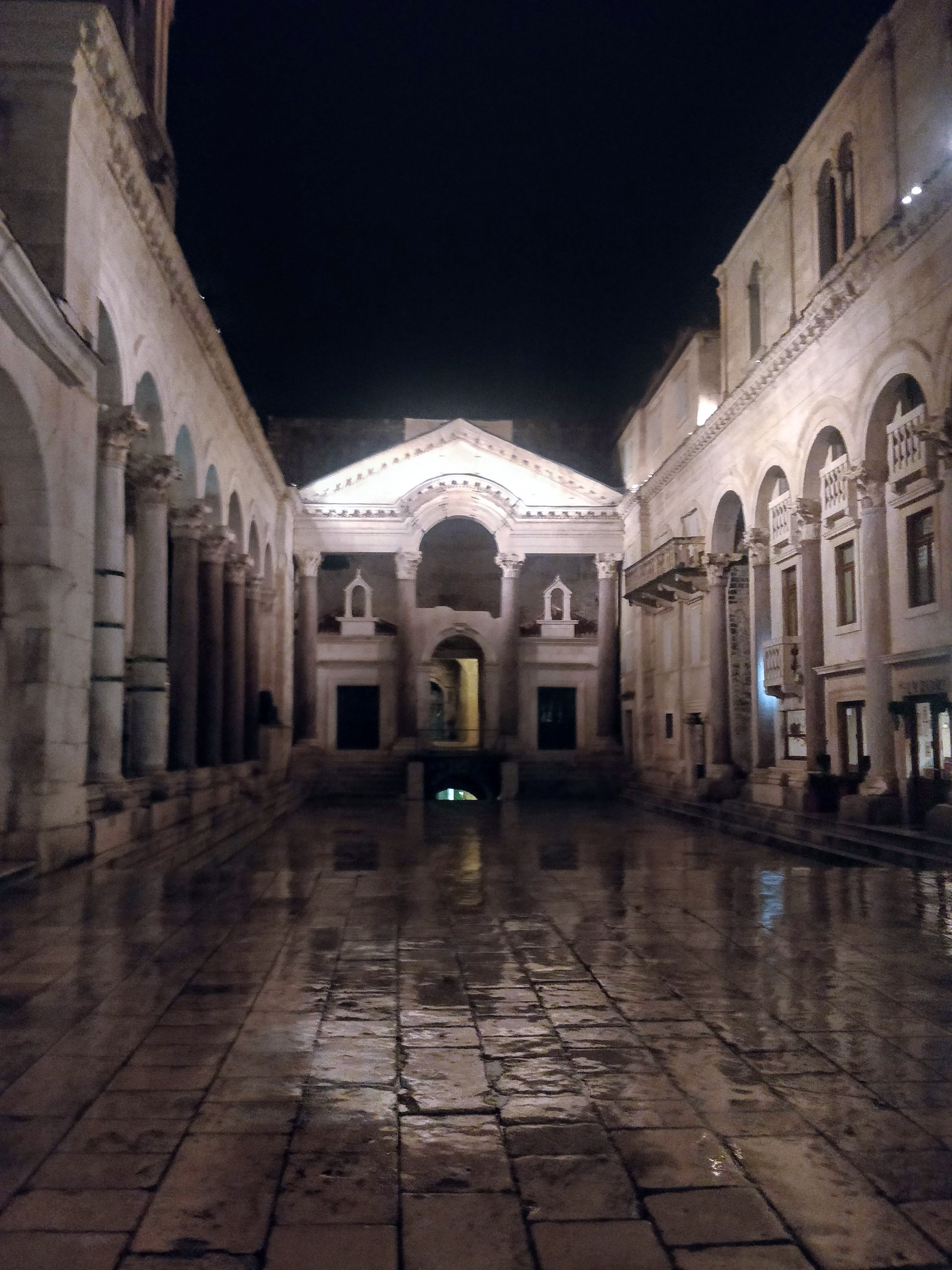
In Split, we stayed in a split-level apartment near the old town (what other kind of apartment would you stay in??). It rained and rained but despite the weather, we enjoyed the beauty of the old town and the friendliness of the people. Its also famous for its huge shopping malls and I admit we spent the afternoon in one of them…dodging the rain. We would have stayed longer in Split but the news is full of ominous rumblings about omicron and the possibility of borders slamming shut. So its time – unfortunately – to head in the direction of home with more haste than planned on the last days of November. Caoimhin is now singing ‘Driving Home for Christmas’ all the time so that will probably be the title of our final post. Thanks for reading





 marienoonanblog