Mexico is beautiful, an enormous country (about 23 times the size of Ireland) with something to enchant every visitor – palm-fringed beaches, red-sand deserts, lush jungles, mountain ranges, coastlines along the turquoise Caribbean Sea, the blue Pacific Ocean and of course the Gulf of Mexico as well as a plethora of archaeological ruins, colourful colonial towns and world-renowned holiday resorts.
Despite all that, the question that we were asked most often about Mexico, and especially when we said that we were hiring a car and driving around was ‘Is it safe?’
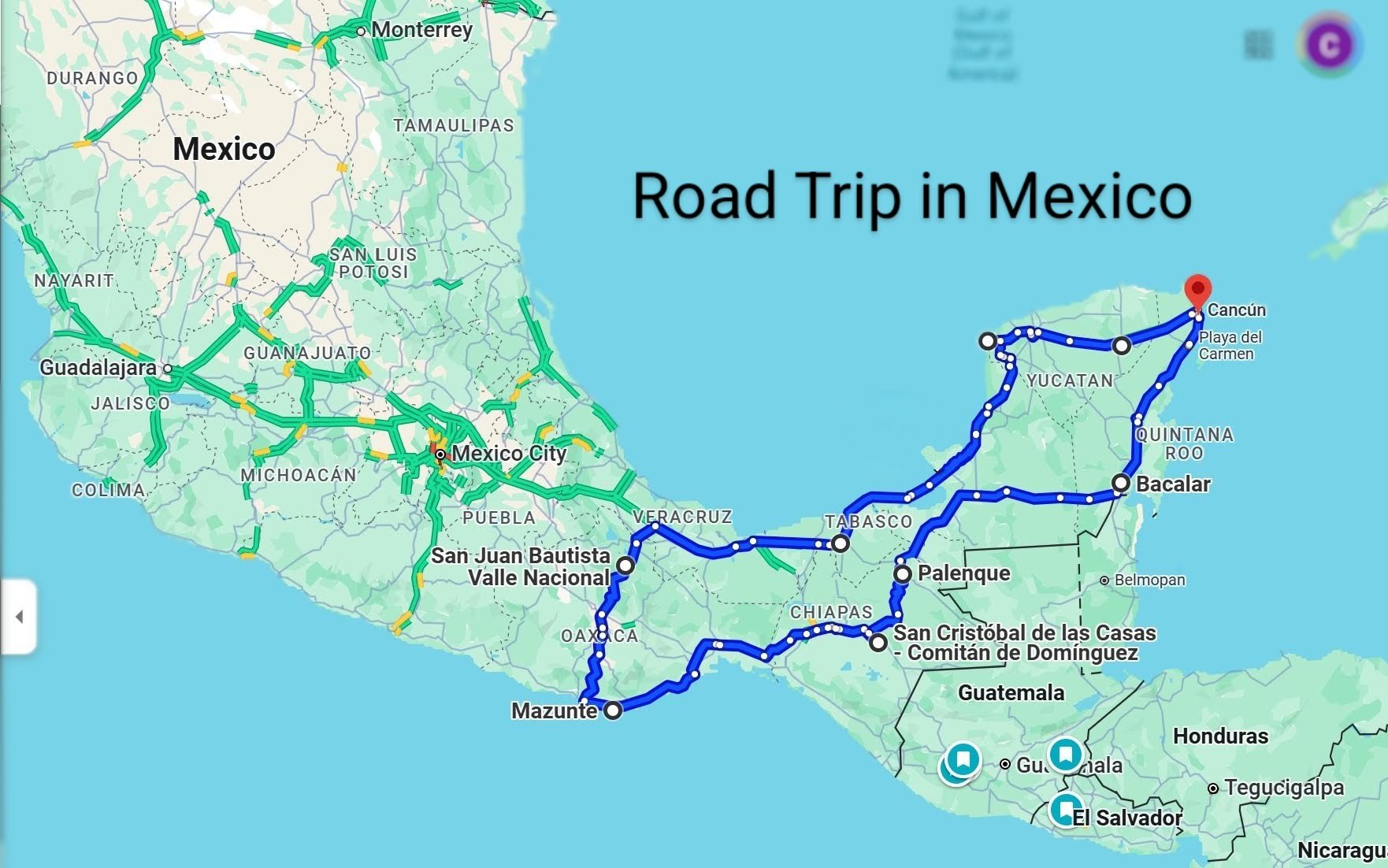
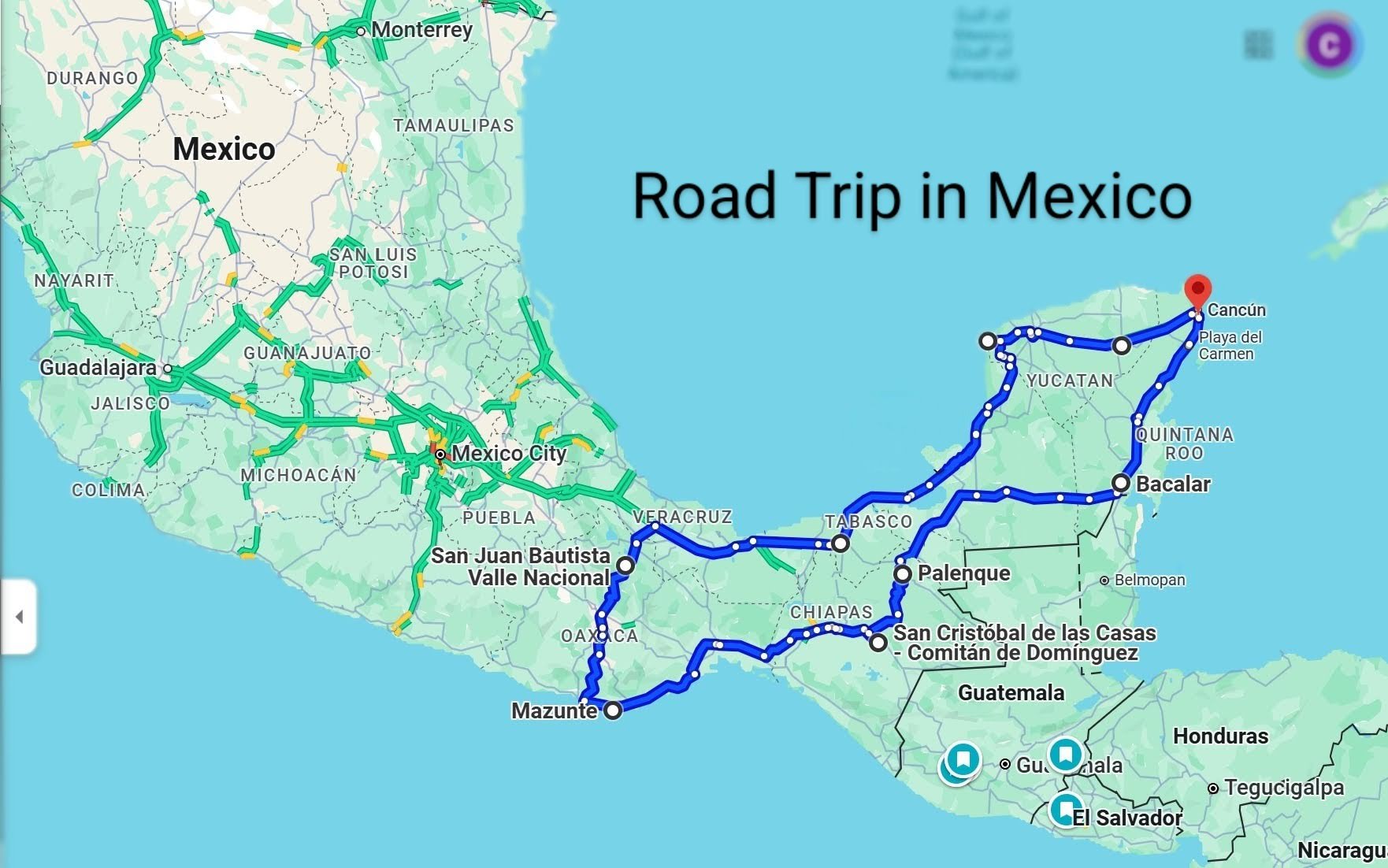
In our five weeks of meandering around the Southern part of Mexico in a big loop through the flat Yucatan Peninsula, mountainous Chiapas and Oaxaca and back along the Gulf Of Mexico to return to Cancun, we never felt unsafe. Along the way, we met three German woman in their seventies who were driving around and their only ‘trouble’ was a puncture when they hit a speed bump. We chatted to a Dutch retired couple, who were doing a similar loop to ourselves, who told us that one late afternoon, just before dark, their car broke down on a lonely road. They had run out of petrol but they didn’t realise that at first because the petrol gauge was faulty. Locals stopped to help them, figured out what was wrong and refused to take the money as payment for their help.
Mexico was such a riot of colour, sounds and smells that we came away with a dizzying kaleidoscope of images and memories. It’s difficult to whittle down our experiences to a few highlights but here is a selection of the highs…… and lows.
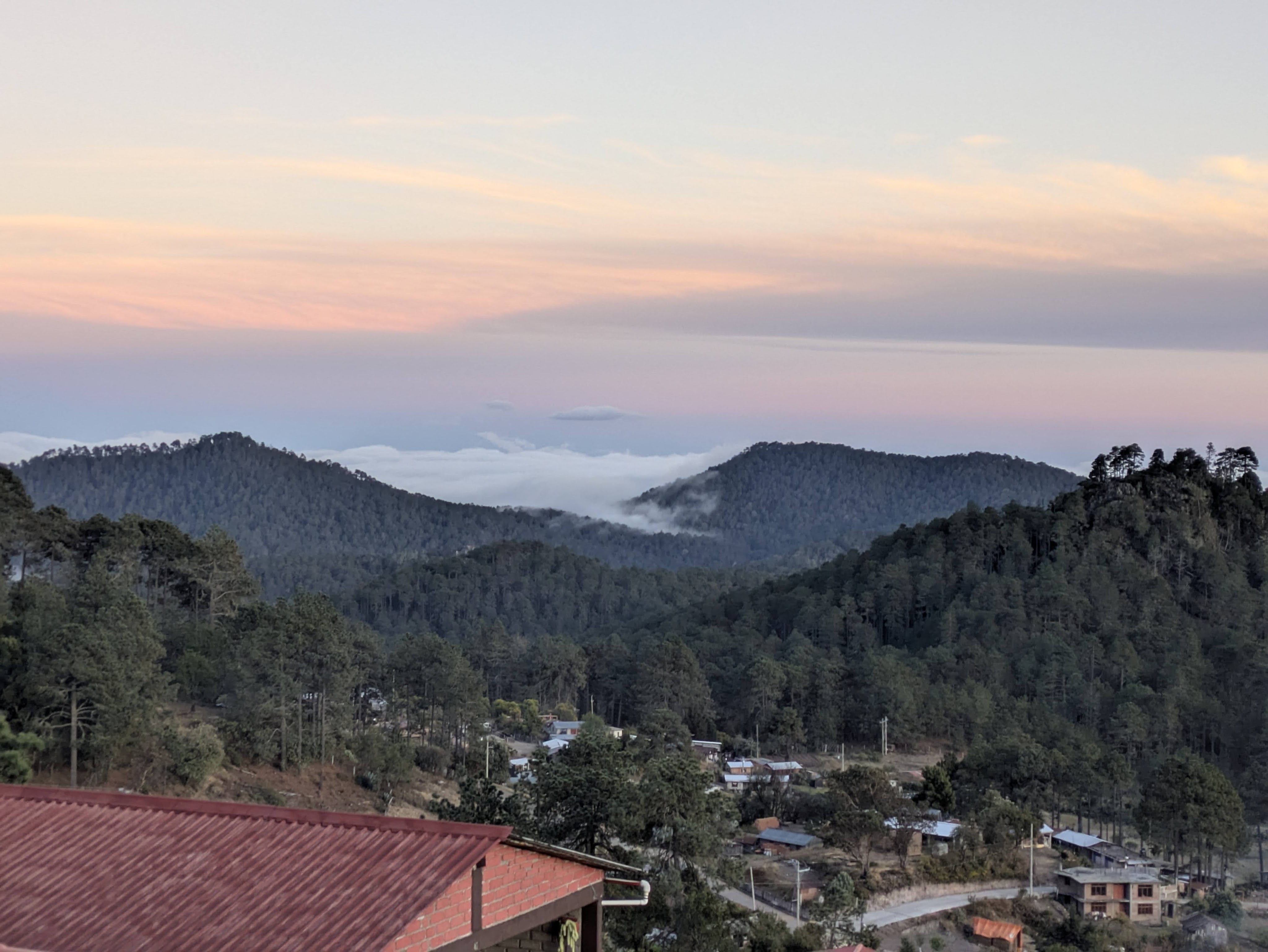
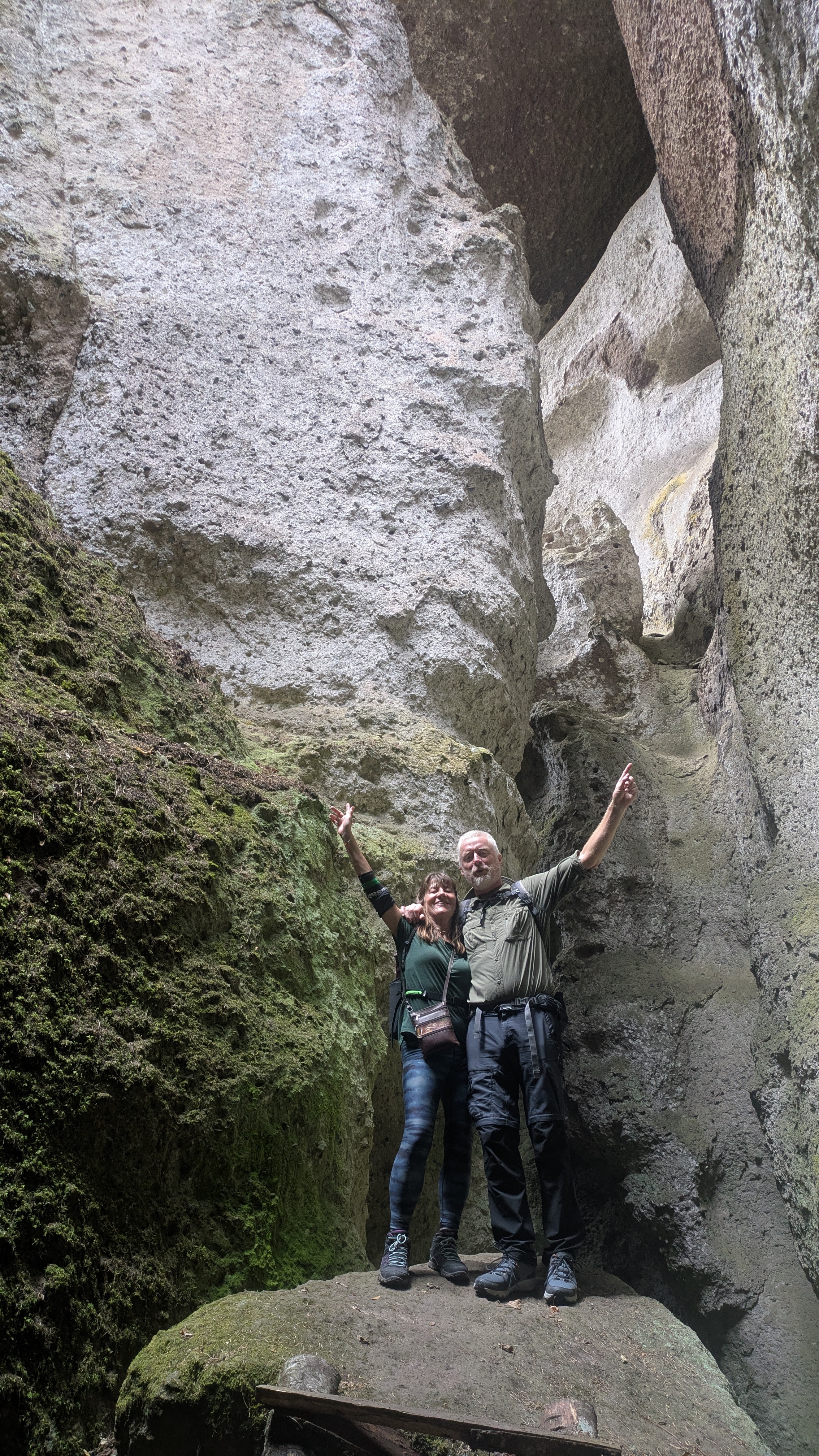
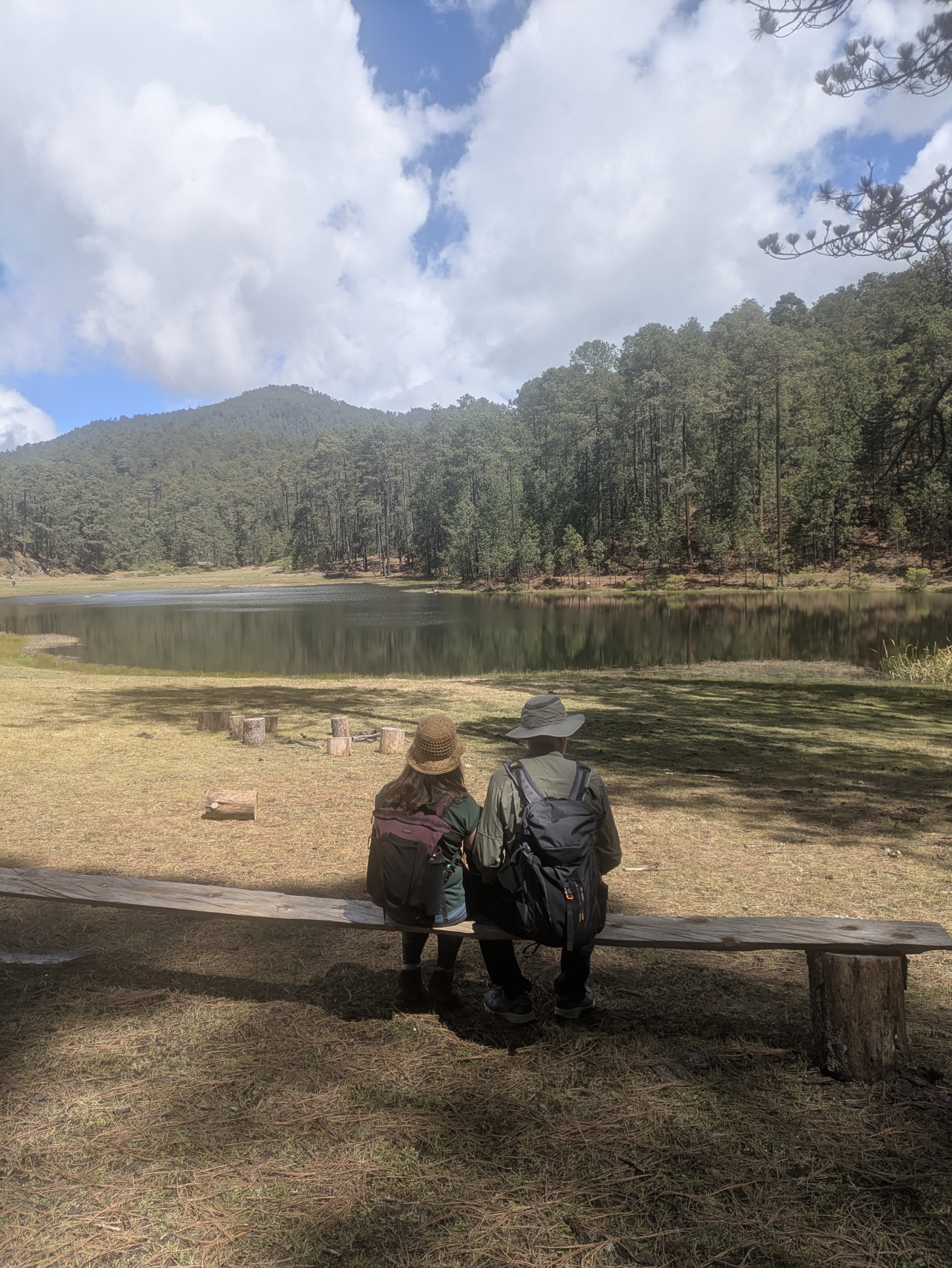
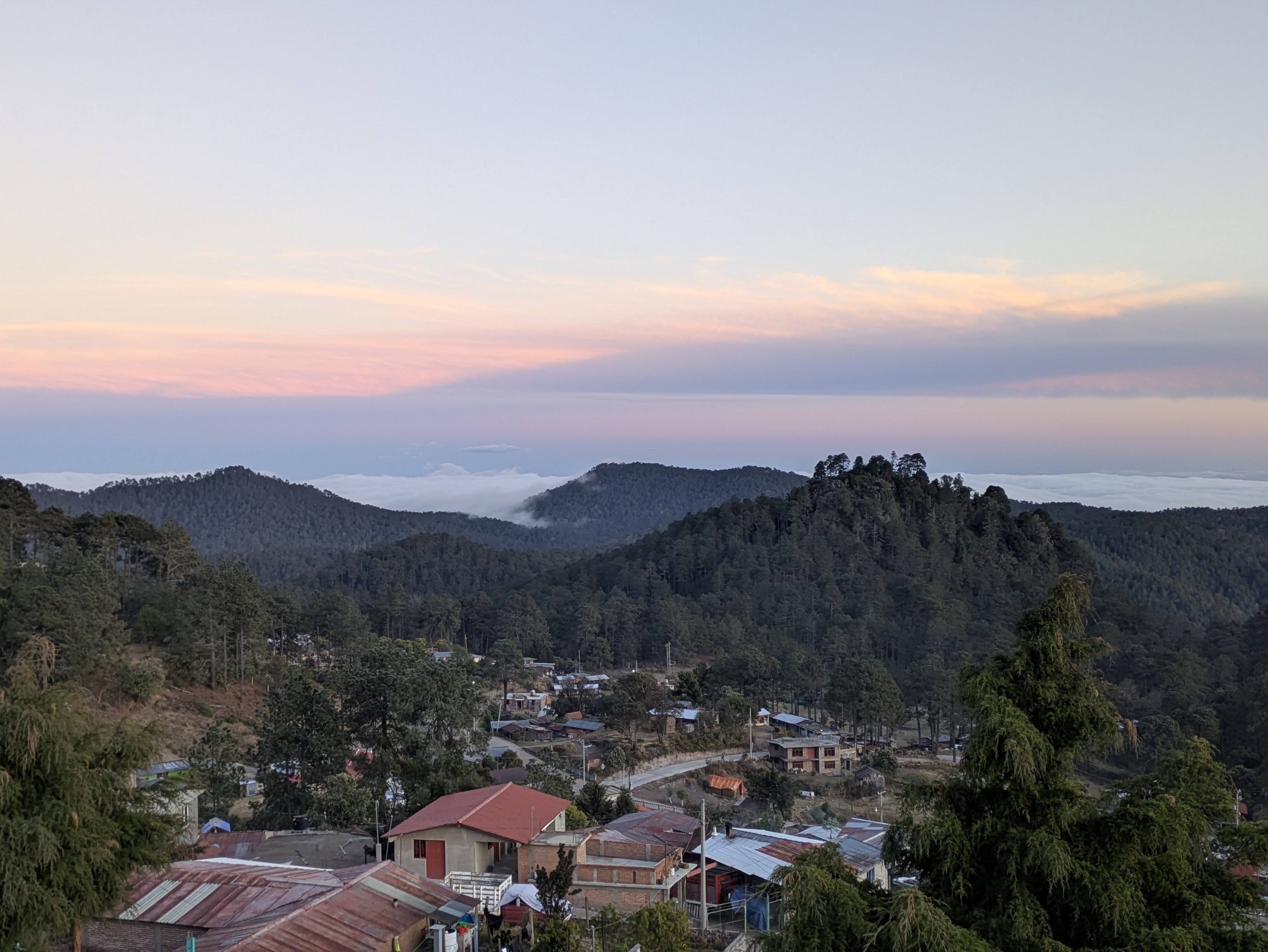
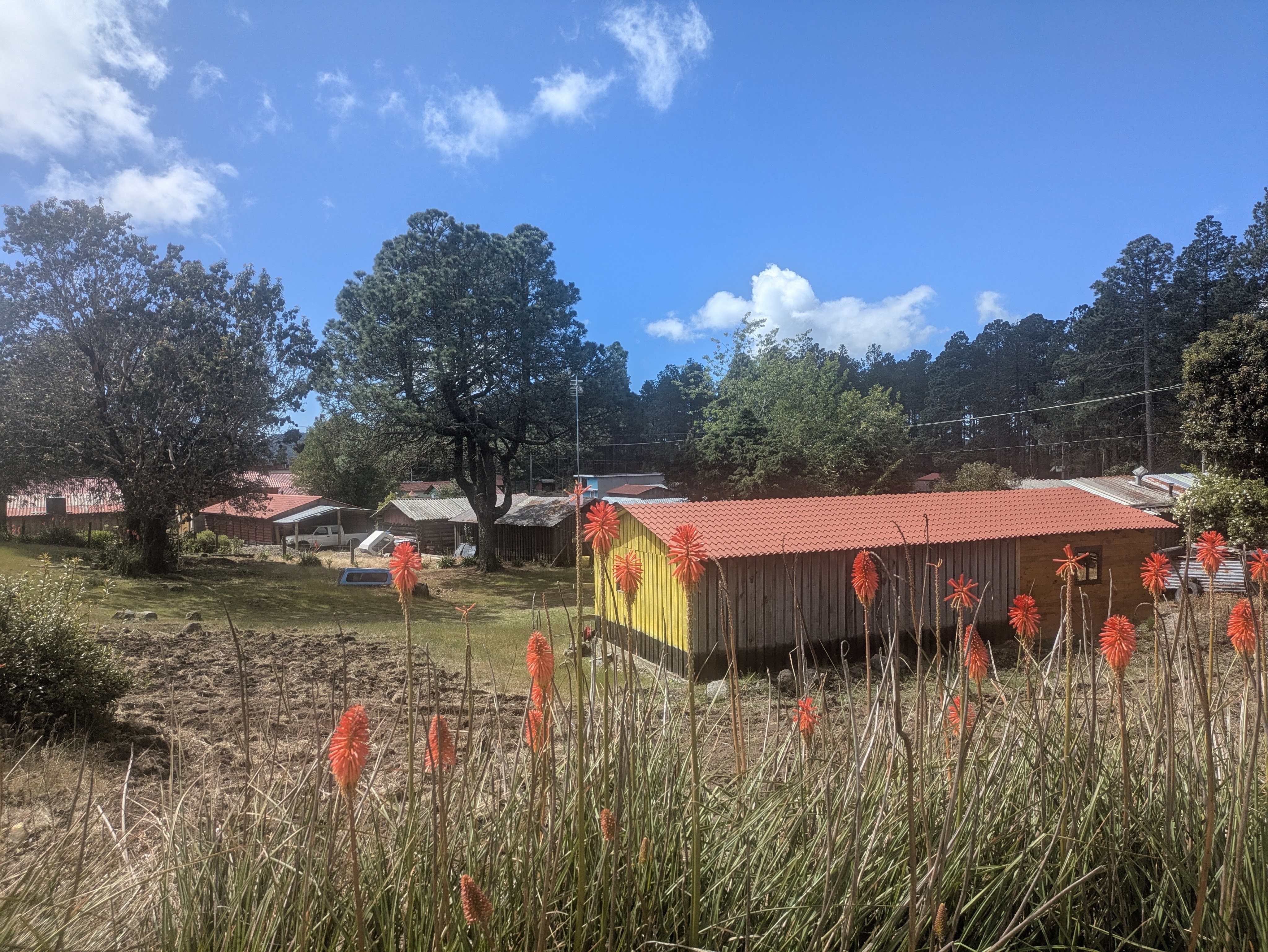
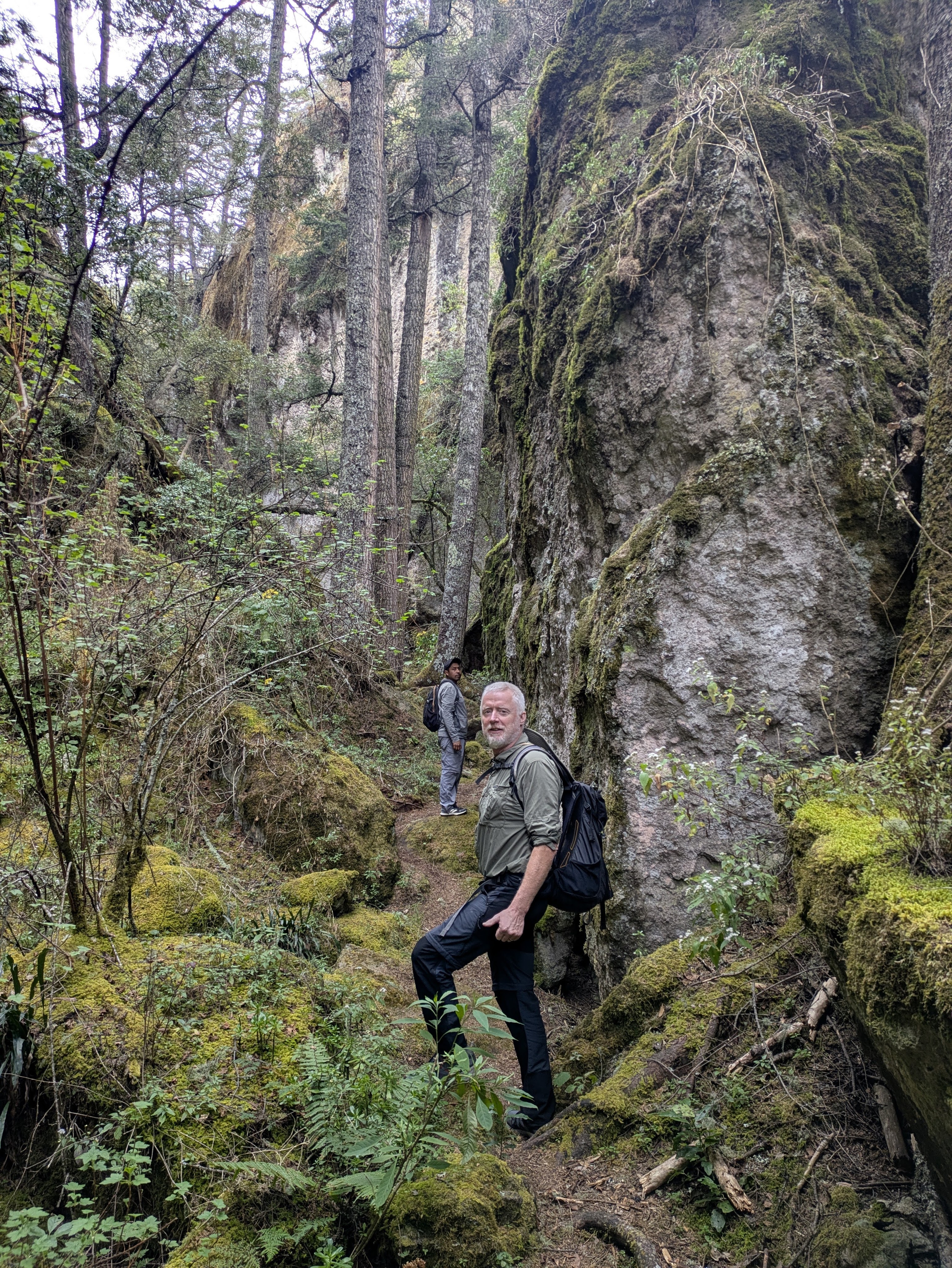
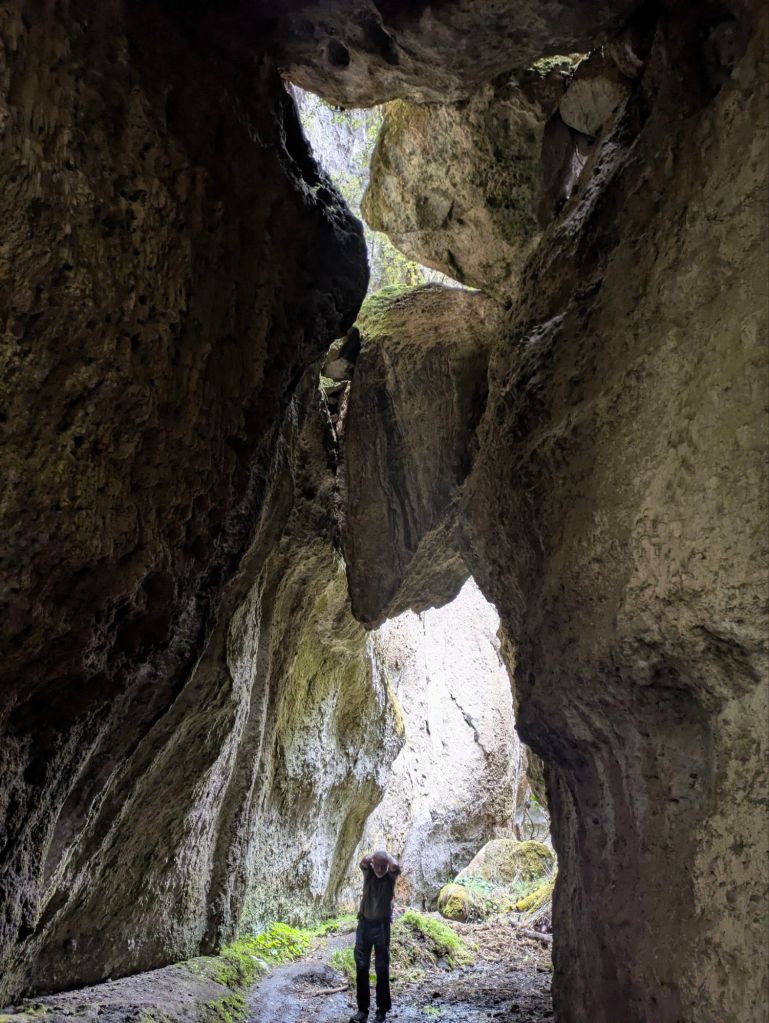
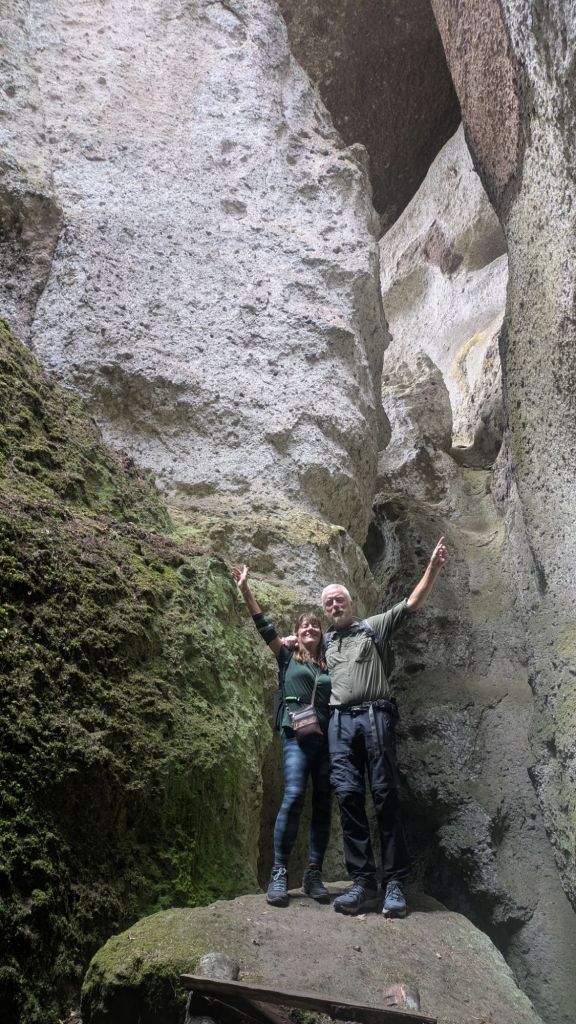
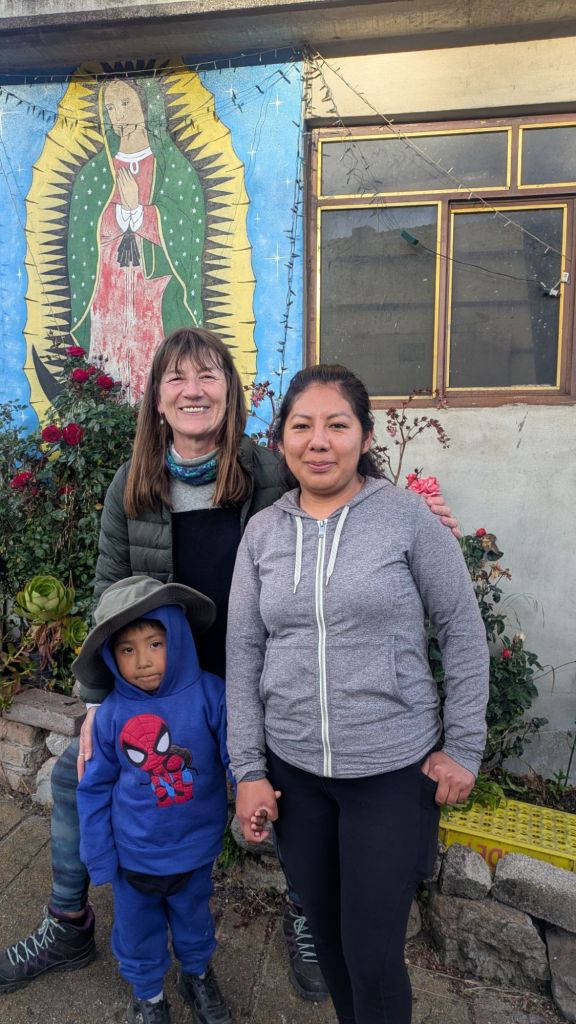
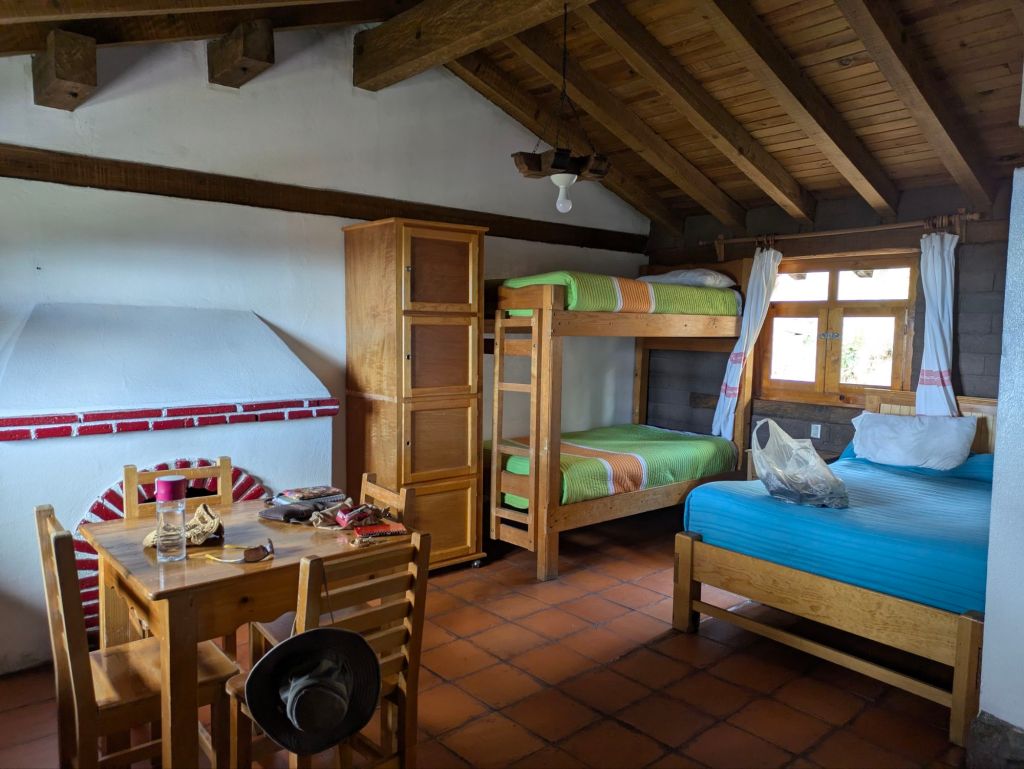
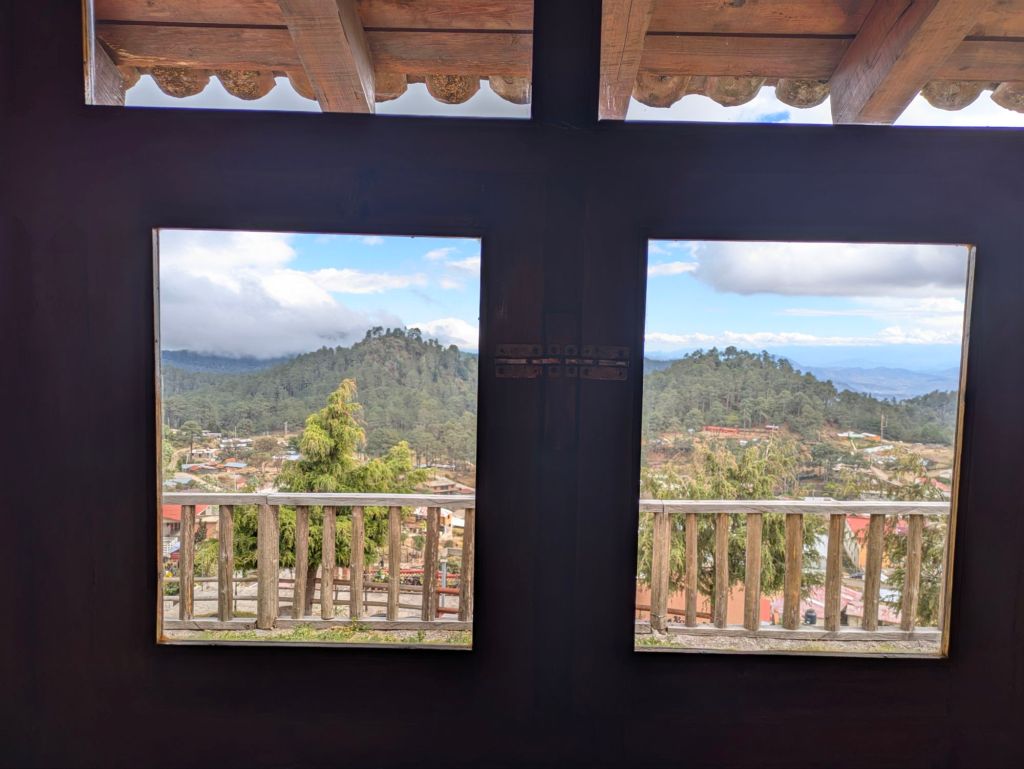
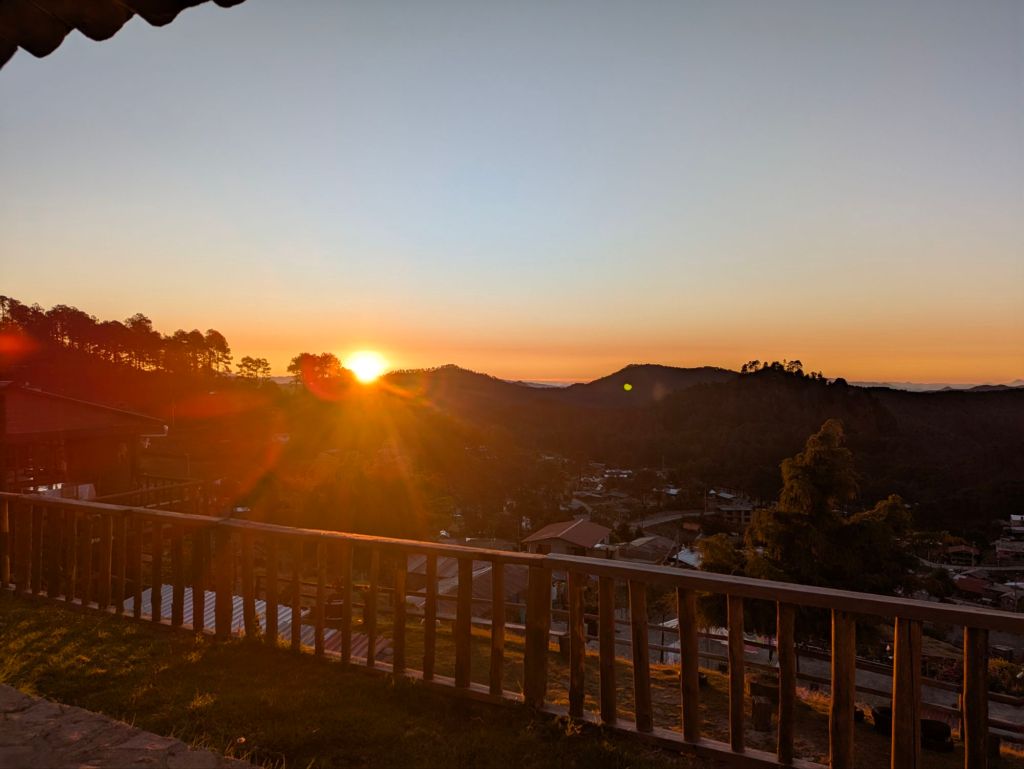
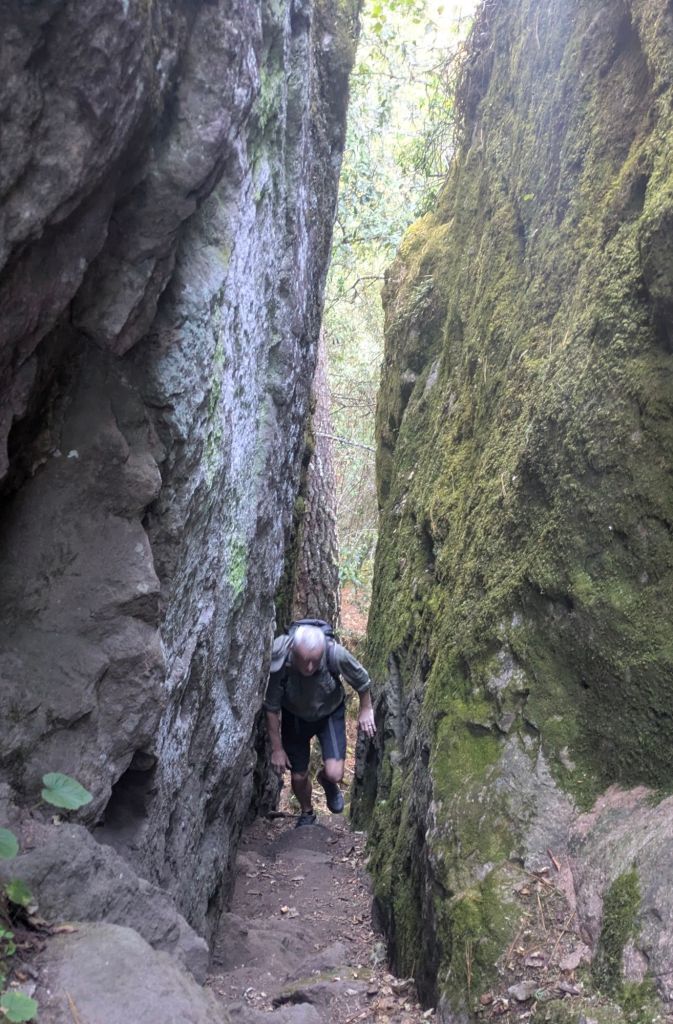
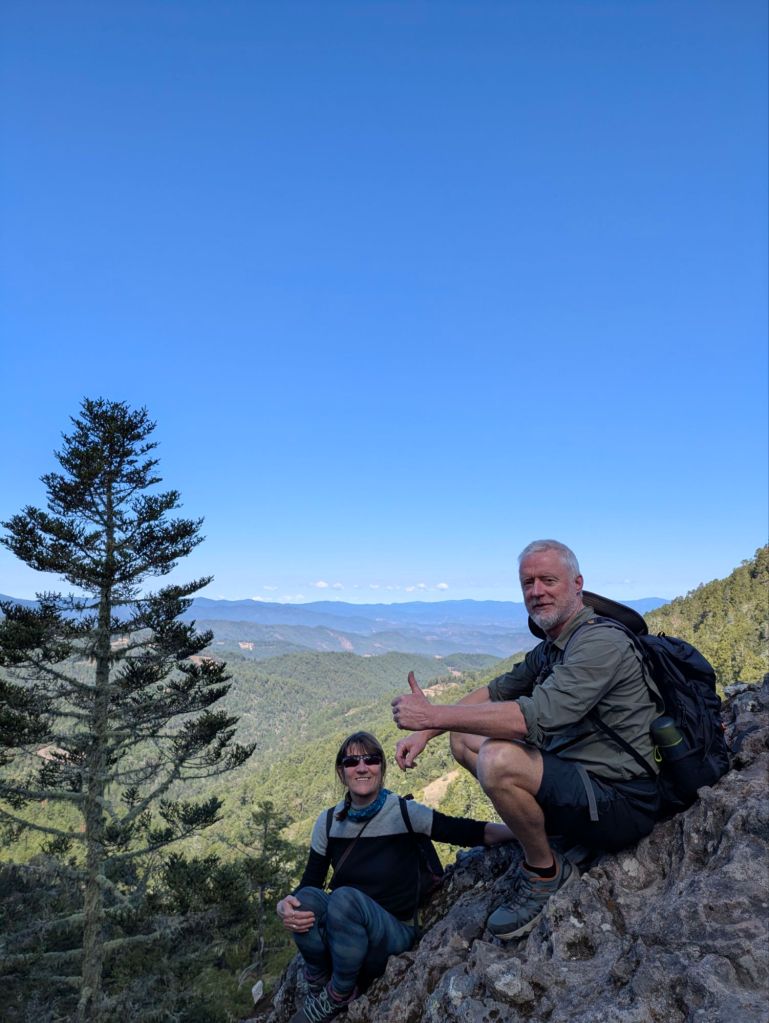
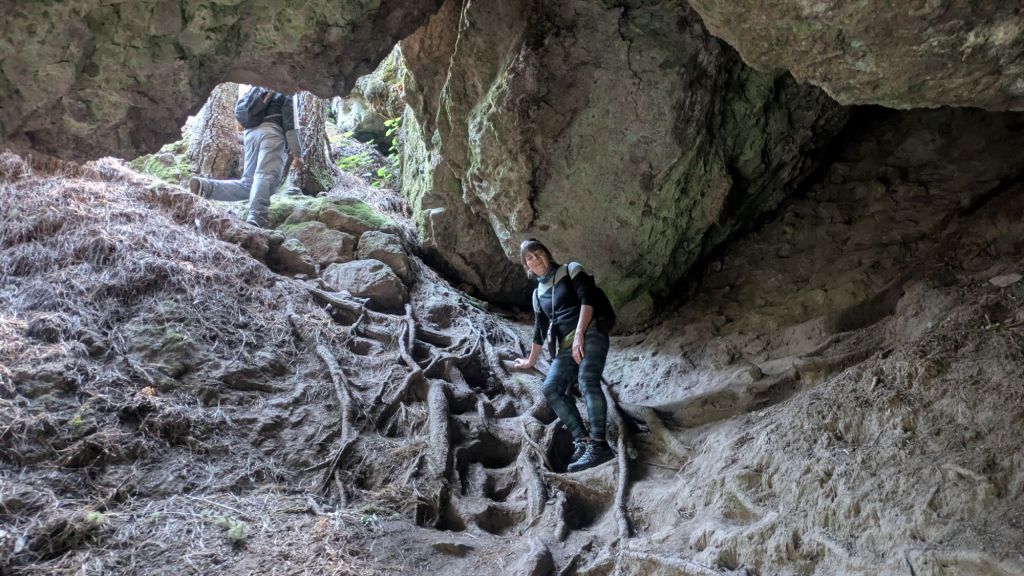
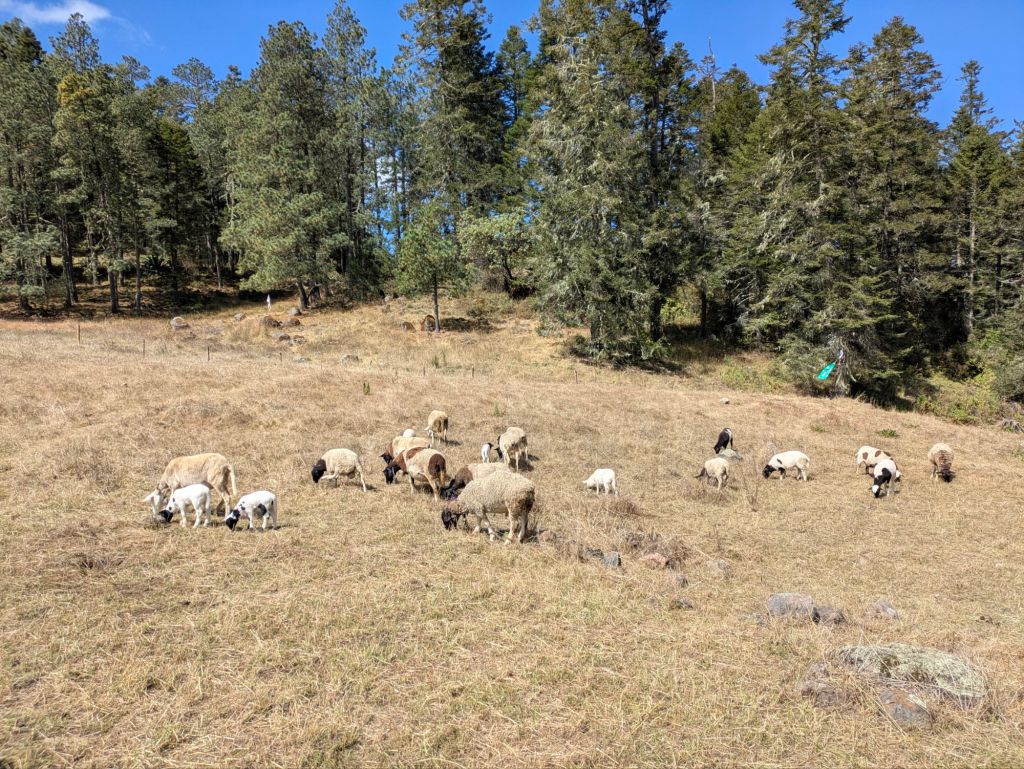
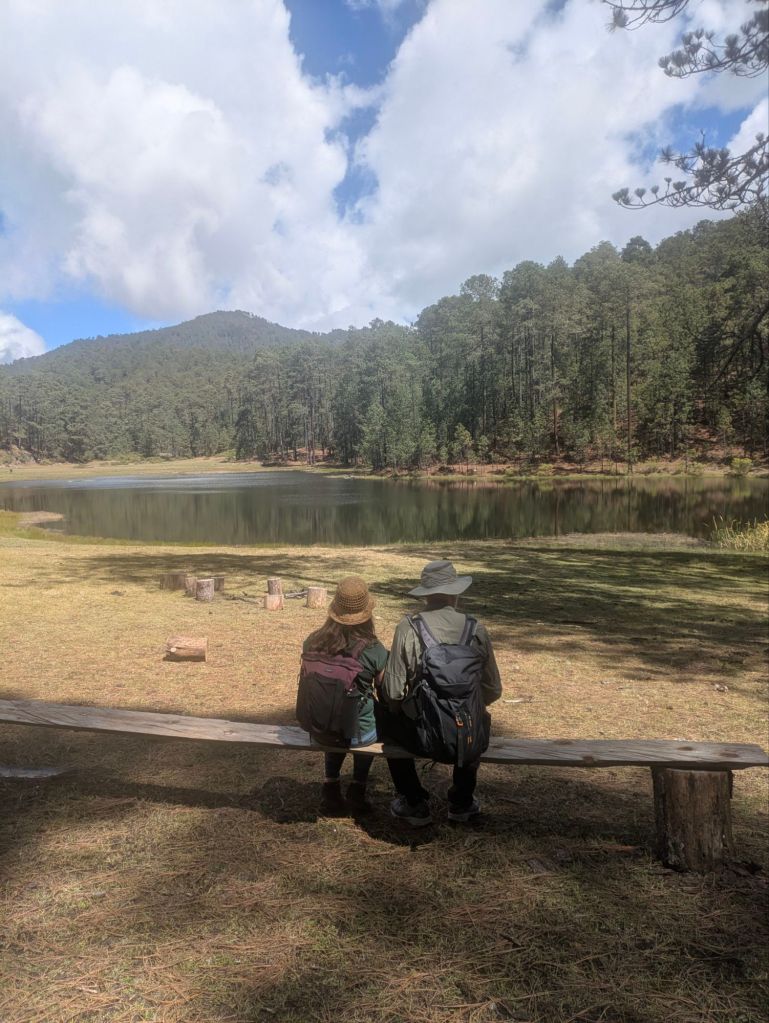
Hiking in the Villages above the Clouds. This was our stand-out experience, partly because of the stunning, high-altitude scenery in the Sierra Norte with caves, canyons and forests of fragrant pine but also because of the friendliness and enterprising nature of the Zapotec, an indigenous people who live there. The villagers came together to form a successful eco-tourism company, Expediciones Sierra Norte, which specialises in guiding visitors along the trails that link these mountain villages. It was a true lesson on the power of community. The villages, although remote, were more prosperous than many others that we have seen in Mexico.
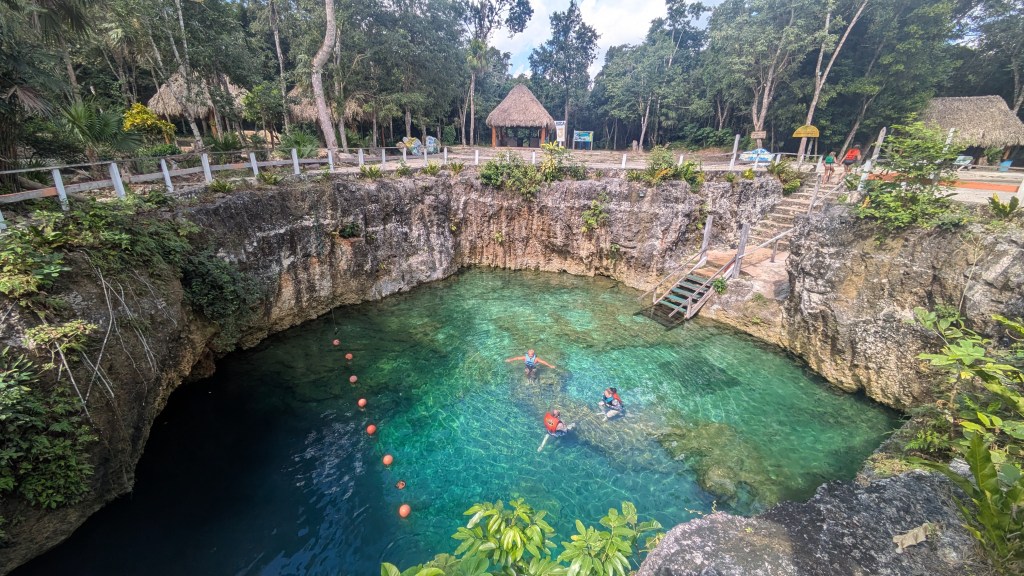
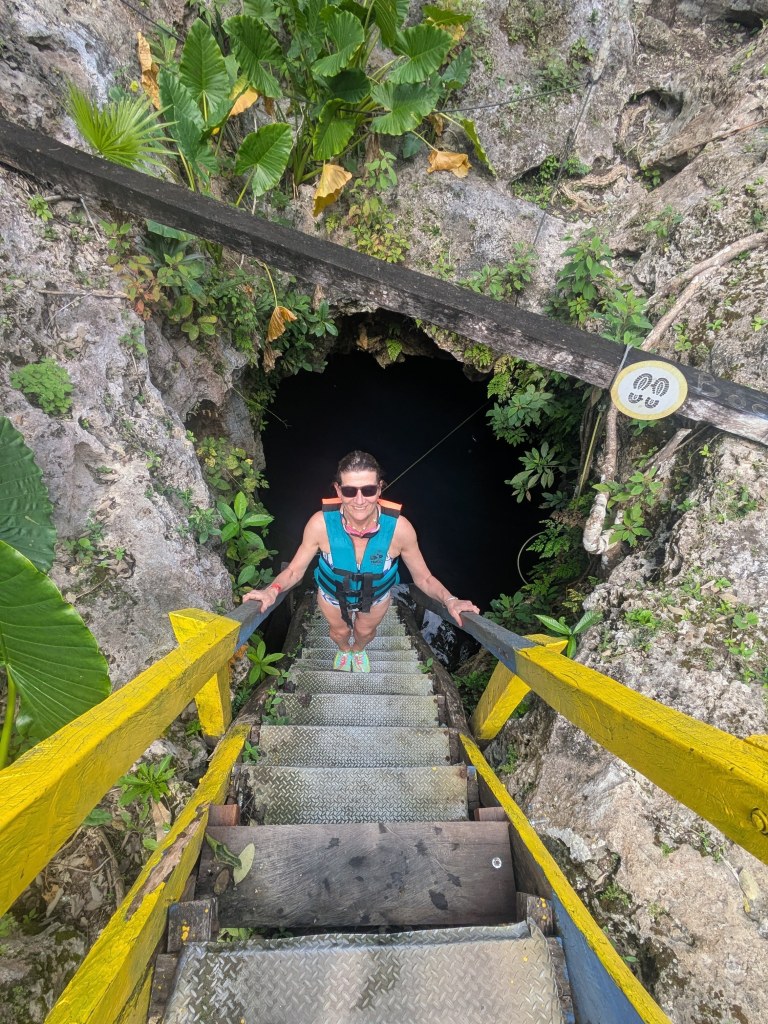
Swimming in Cenotes in the Yucatan. We had never heard of cenotes until we arrived in Mexico. They are natural pools formed by the dissolving of the limestone bedrock over time to form a series of caves and sinkholes. The ancient Maya regarded them not only as a source of water but as sacred portals to the underworld. There was certainly something otherworldly about Cenote 7 Bocas (The Seven Mouths) which was our first experience of a cenote. This cenote was a series of underground pools with seven different access points. We swam from cave to cave as the first five caves were connected by tunnels. The water was the most mesmerising shades of jade and turquoise, especially when the sunshine poured in from above, creating rippling shadows on the surface of the water, the roofs of the caves and the many stalagmites and stalactites. Magical.
The Warmth of the Weather in February and the first week of March in Southern Mexico was glorious. We got one heavy thunderstorm that lasted about 30 minutes in our first week but apart from that it was wall-to-wall sunshine with daytime temperature of between 30 and 35C and nighttime temperature between 22C and 29C (cooler in the mountains). These are ‘wintertime’ temperatures in Mexico which can begin to climb in April to 40C or more. The rain during the summer months usually increases the humidity making it feel hot, sticky and uncomfortable. Flying to Mexico via Toronto, we went from cool drizzle at home to a snowy, freezing Toronto onto ‘shorts and T-shirts’ Mexico with blindingly blue skies, lush jungle and the warm turquoise waters of the Caribbean.
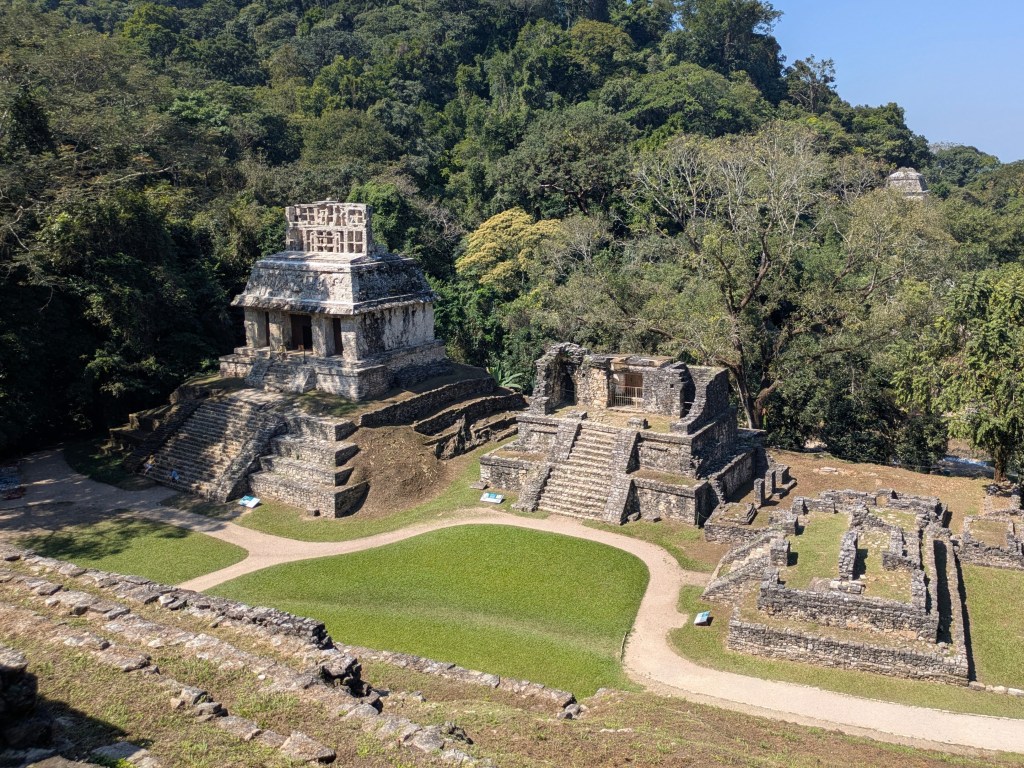
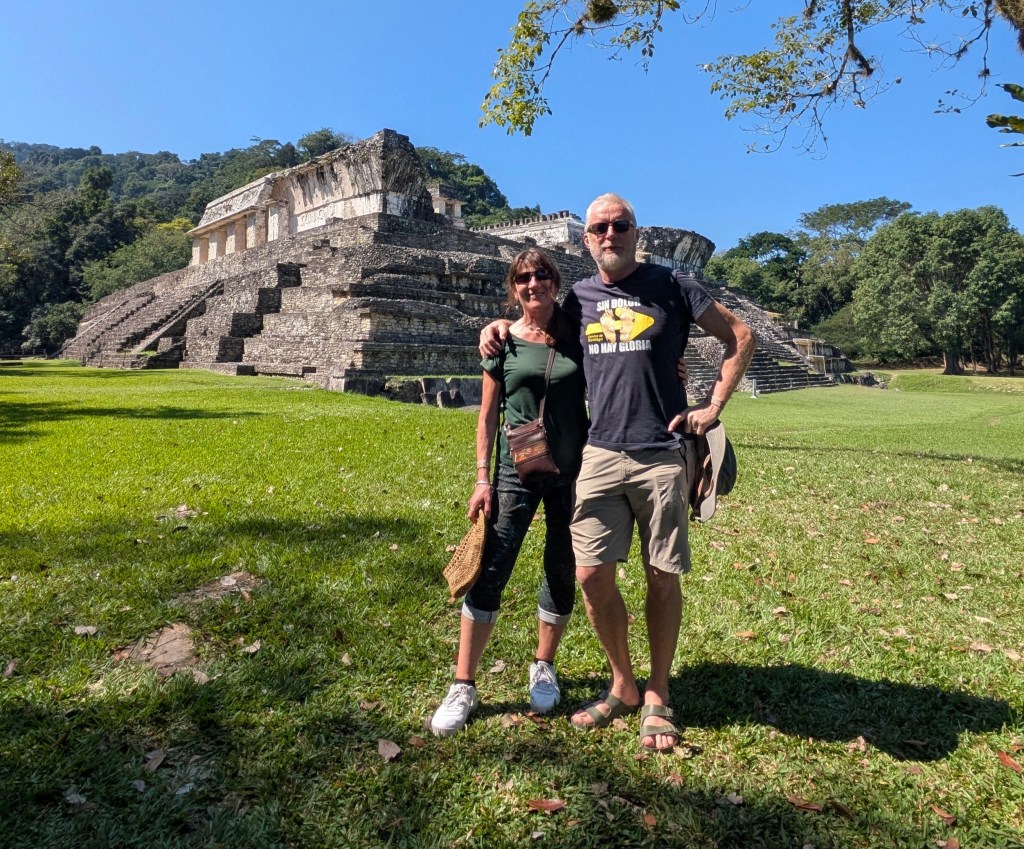
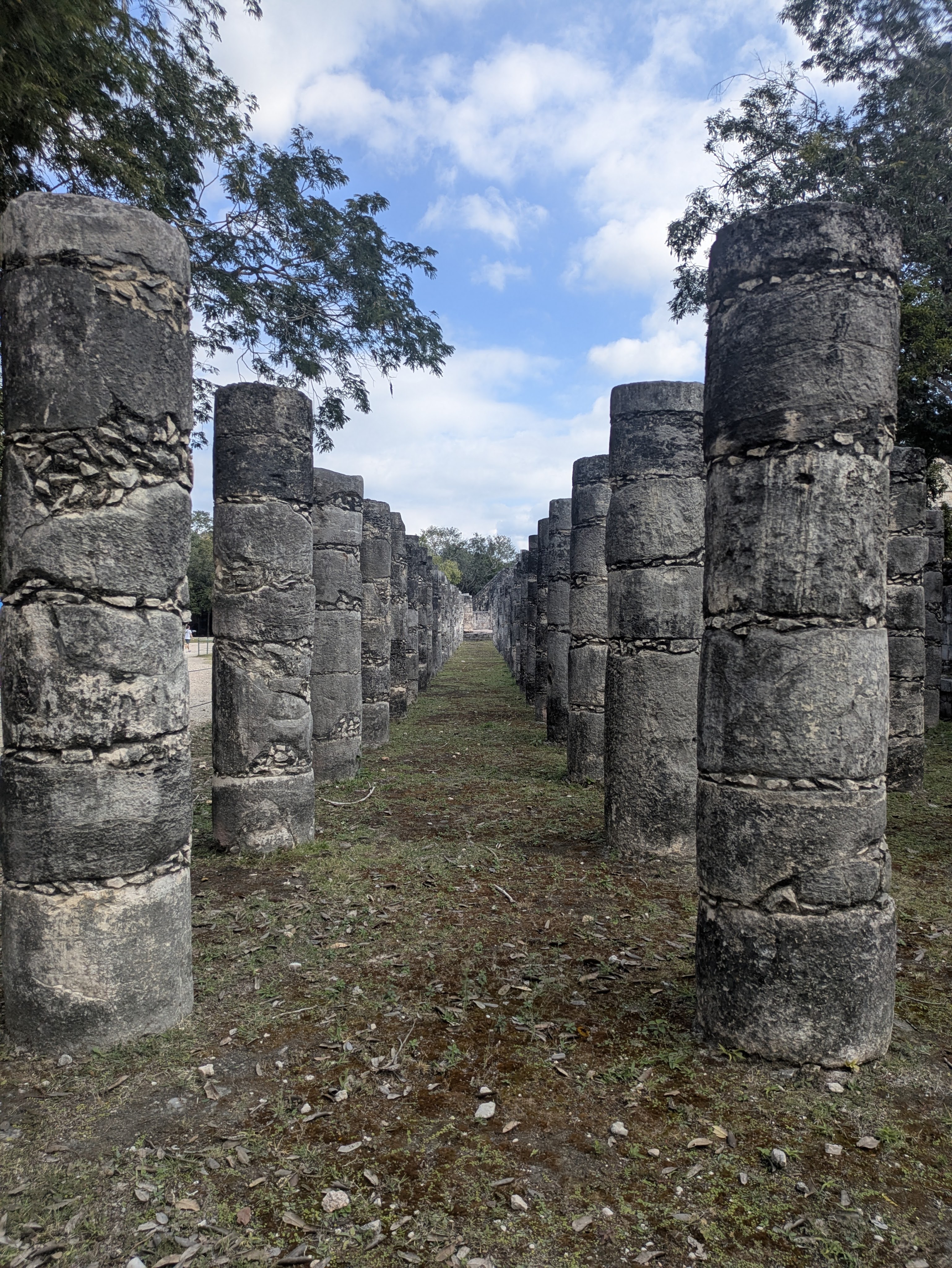
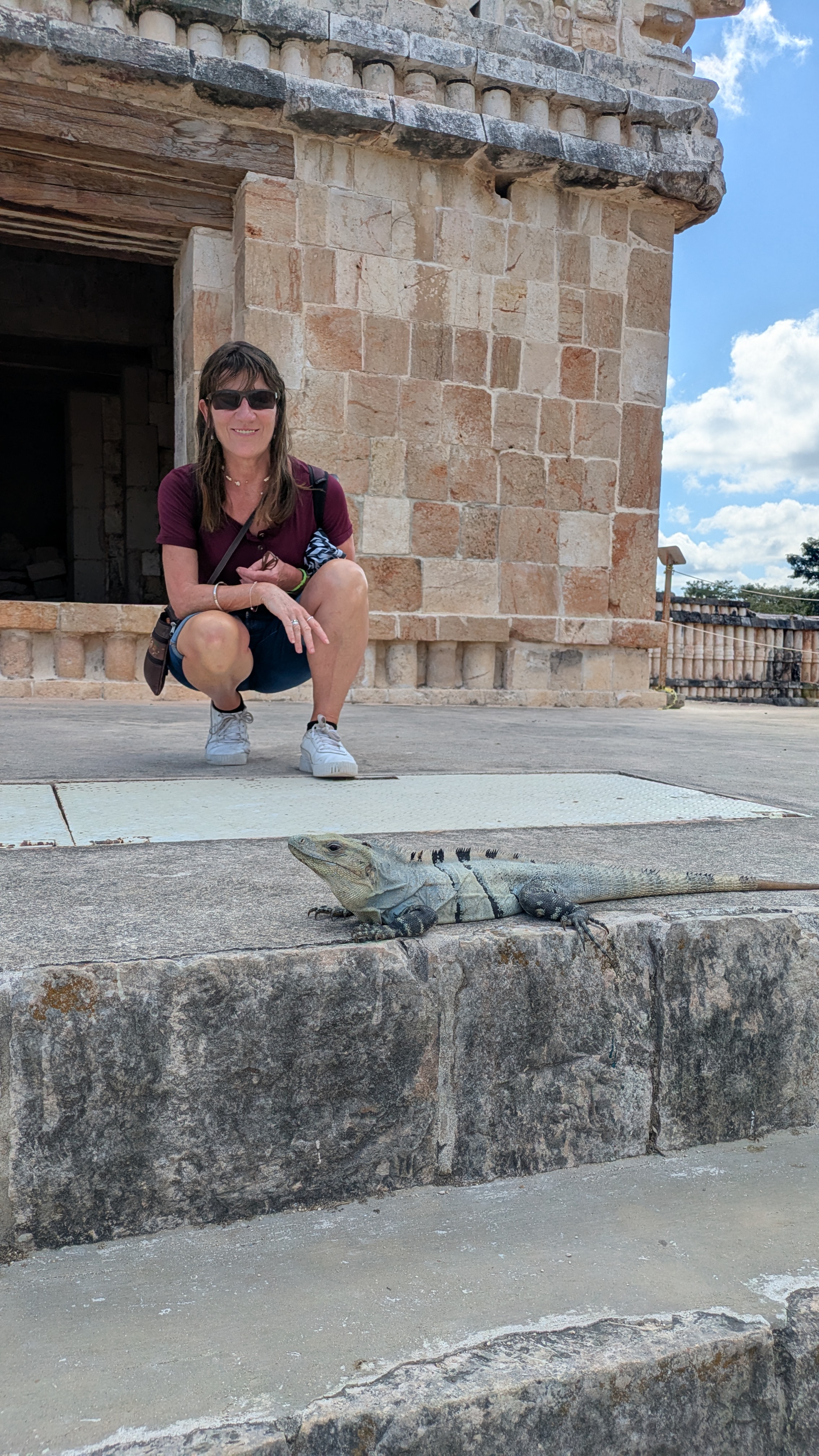
Palenque. In a country where all roads lead to ruin, at least to archaeological ruins, Palenque was our favourite. We walked around the Mayan site in sunshine listening to the howler monkeys (living up to their name in the surrounding jungle), and tried to imagine the building complexes as they would have been fifteen hundred years ago when they were painted a blood-red colour with elaborate red and blue stucco details.
In the excellent museum, we saw a replica of the sarcophagus of the Red Queen which was only discovered in 1994. The Red Queen got her name because of the bright red dust made of cinnabar (a red mineral made of mercury and sulphur) that covered her skeleton when she was discovered. She was also buried with two servants and copious amounts of jade and pearls.
Despite all the grandeur, the site was abandoned, possibly due to deforestation and feuds with neighbouring tribes, and soon swallowed by the jungle and concealed for centuries.
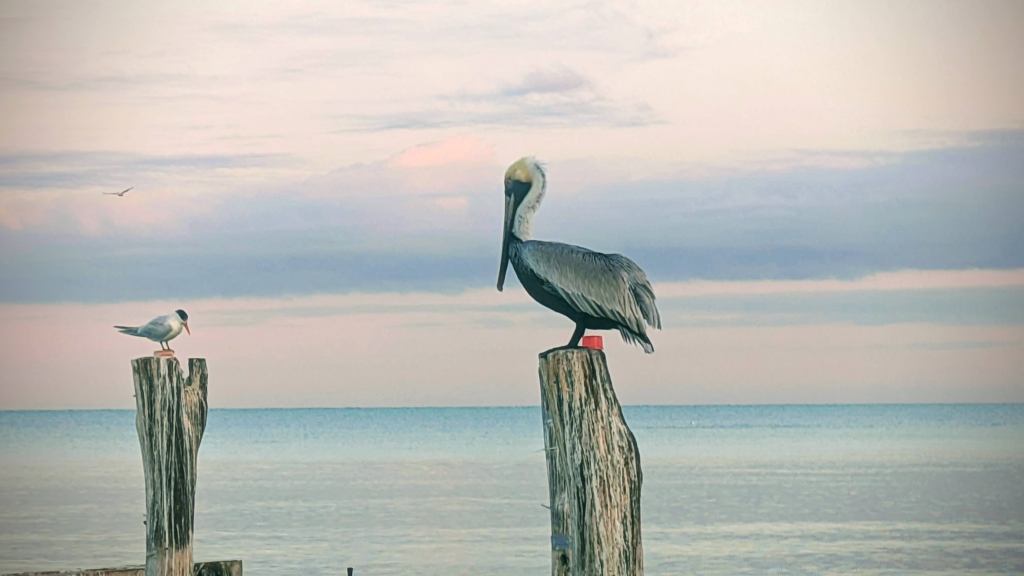
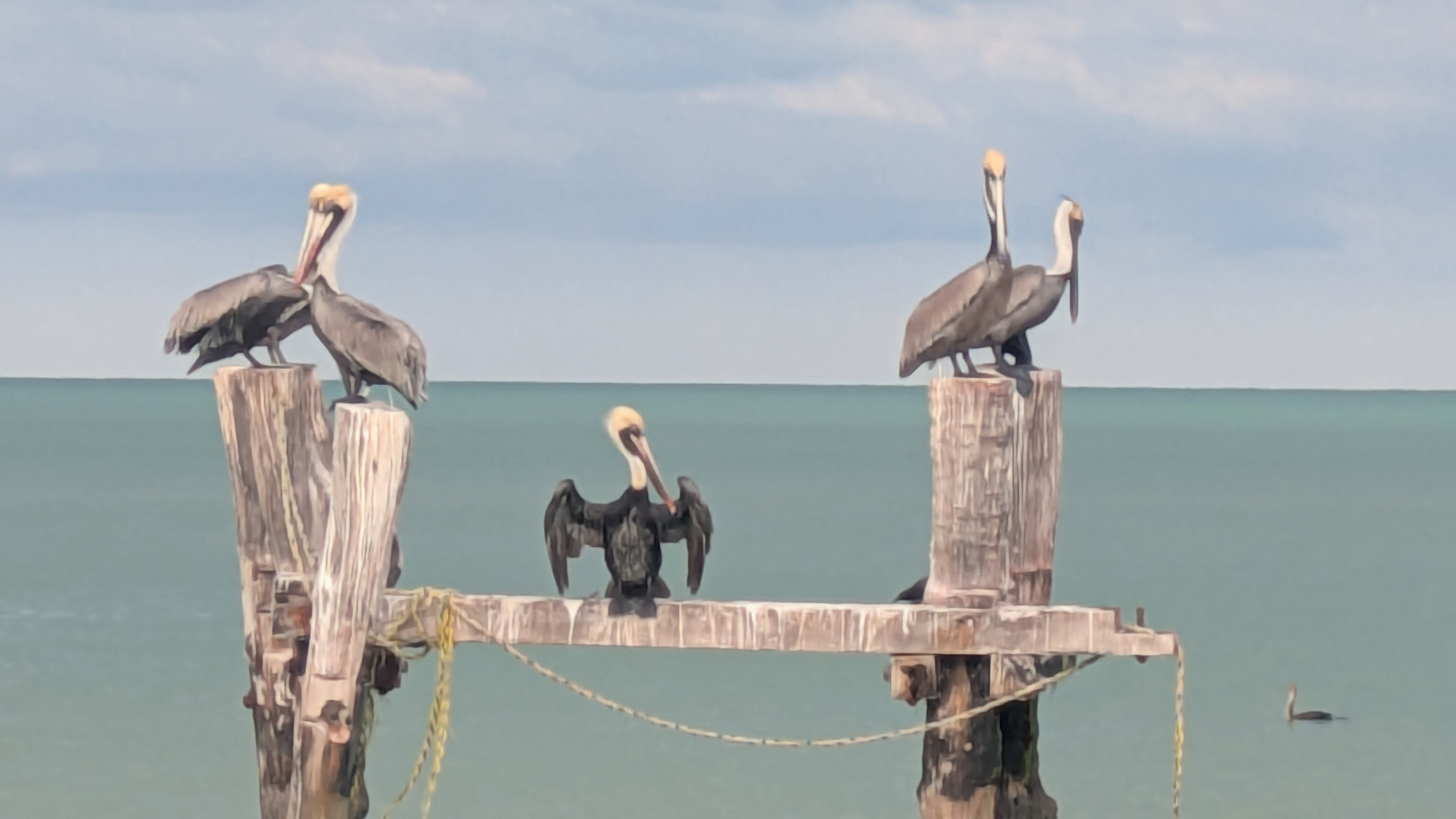
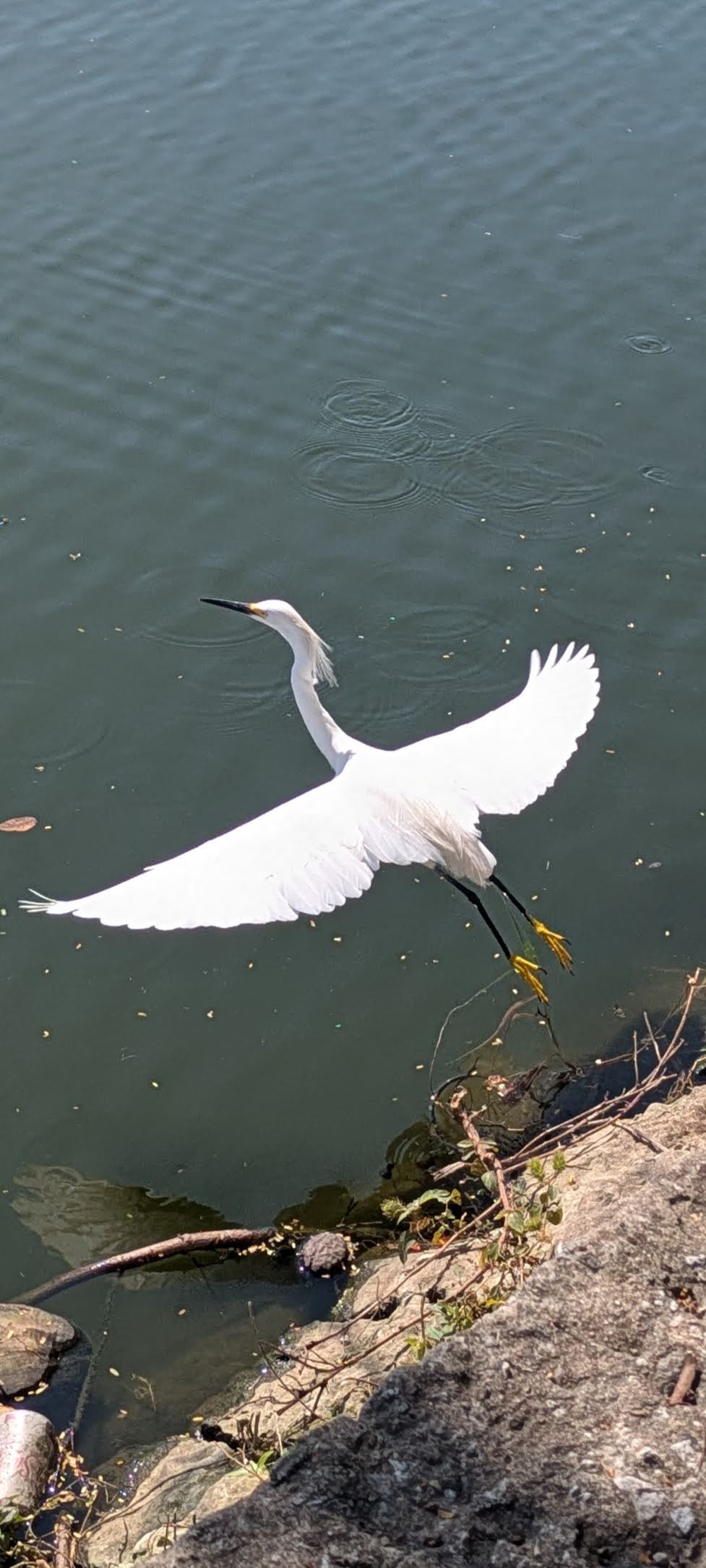
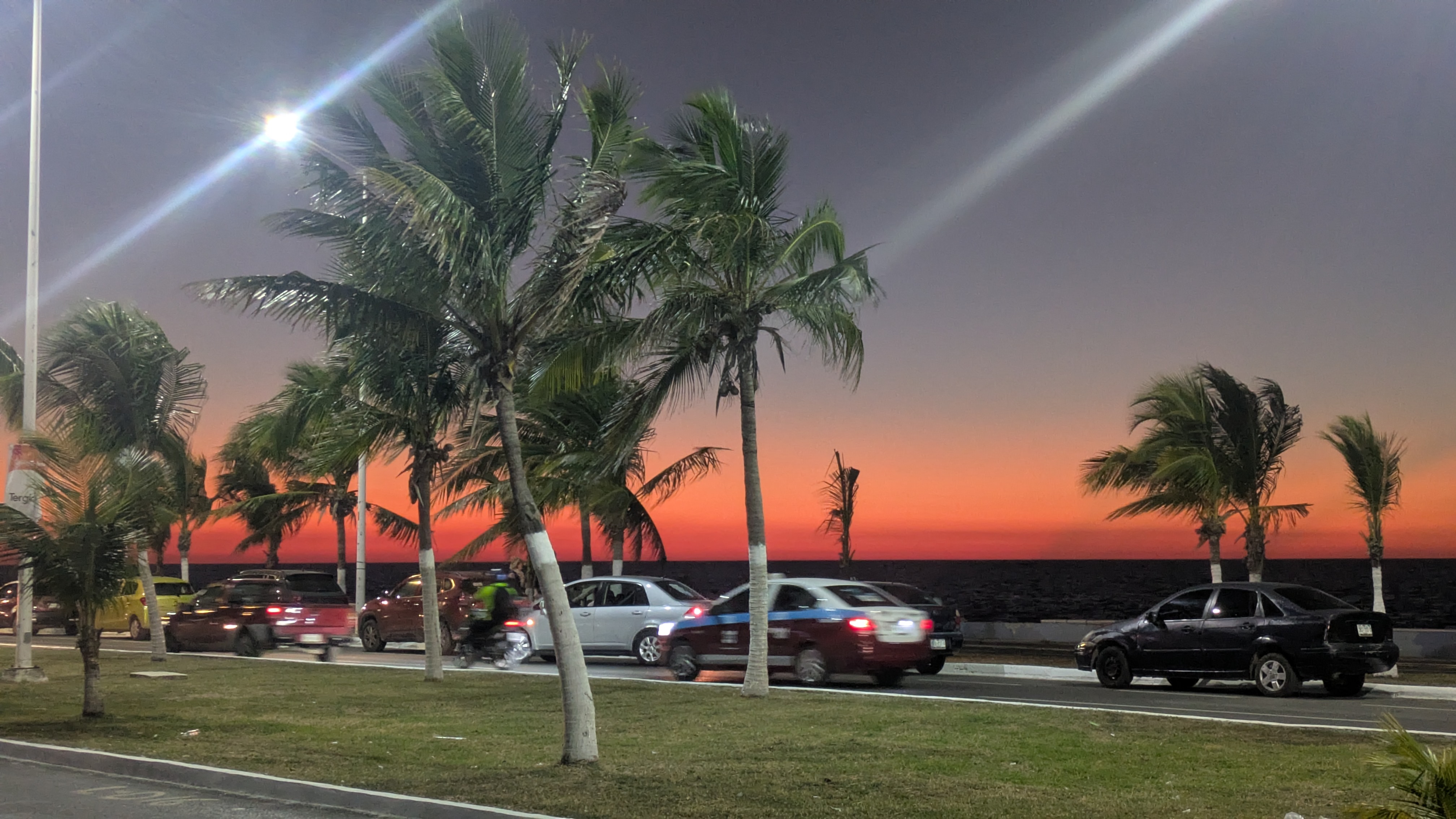
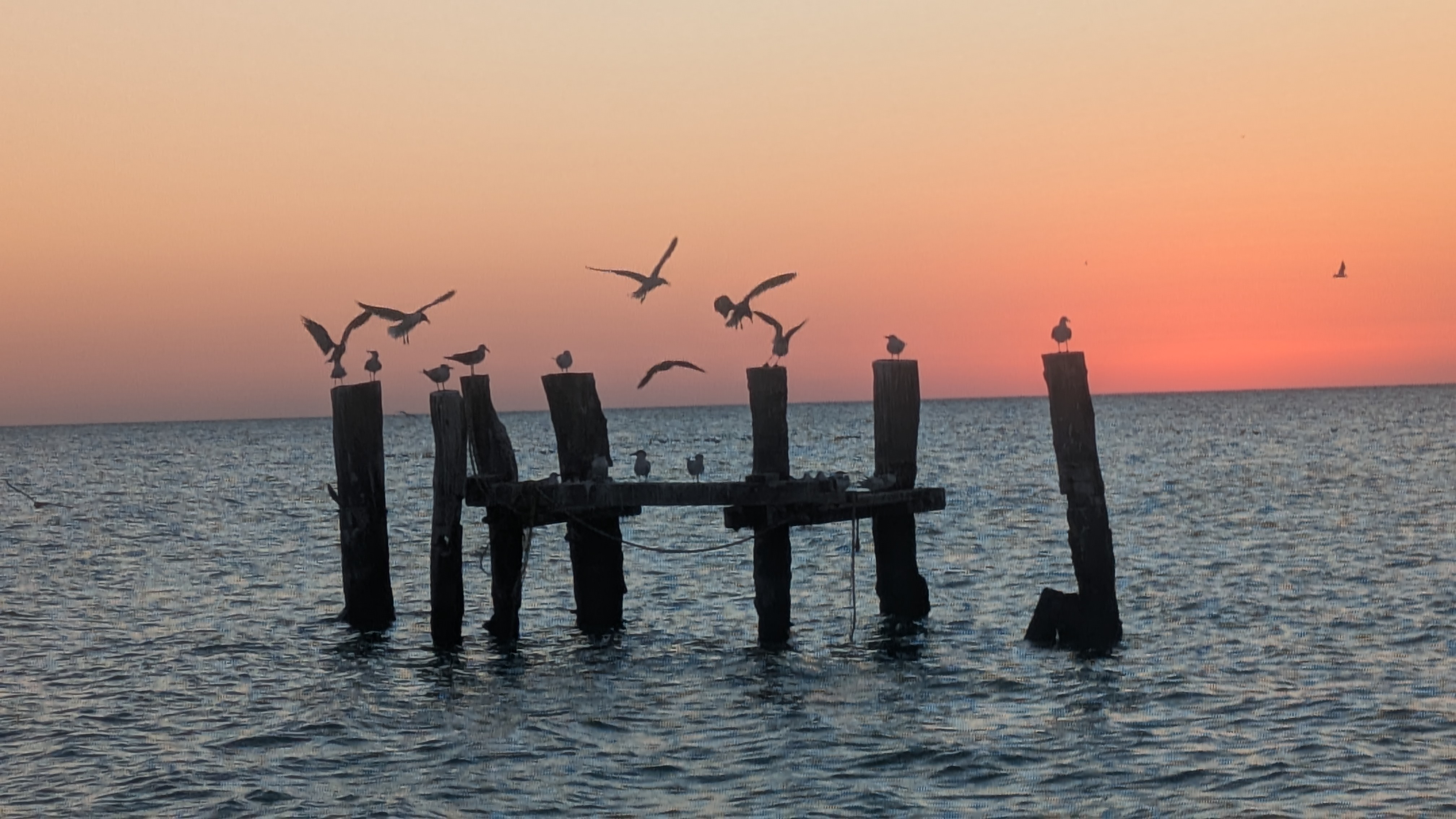
The Birds along the Gulf of Mexico. Driving along by the Gulf, we were accompanied by flocks of pelicans, ducking and diving or sometimes just sitting on the timber poles of jetties, their wings folded and their eyes never still or flying in formation at dusk.
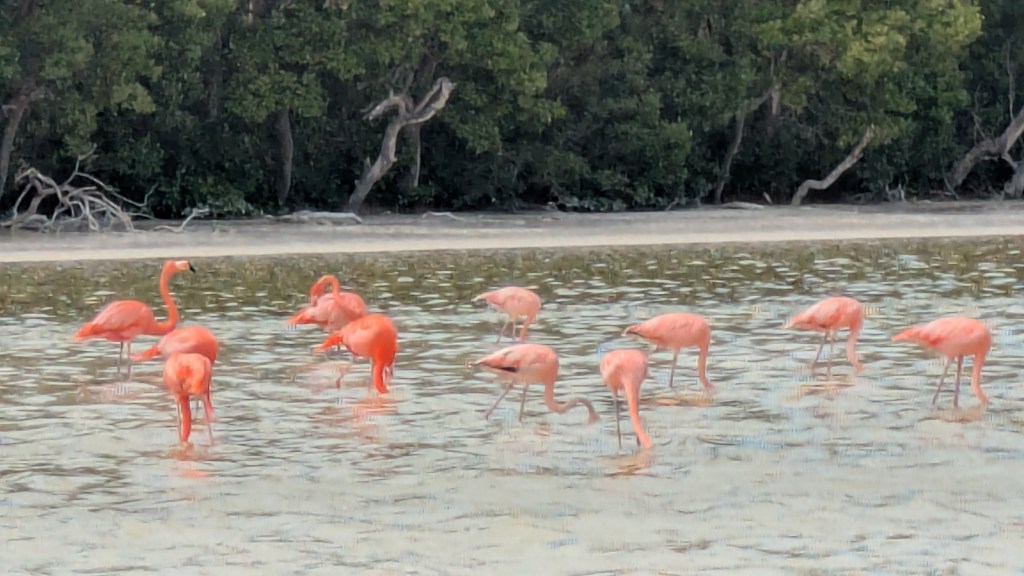
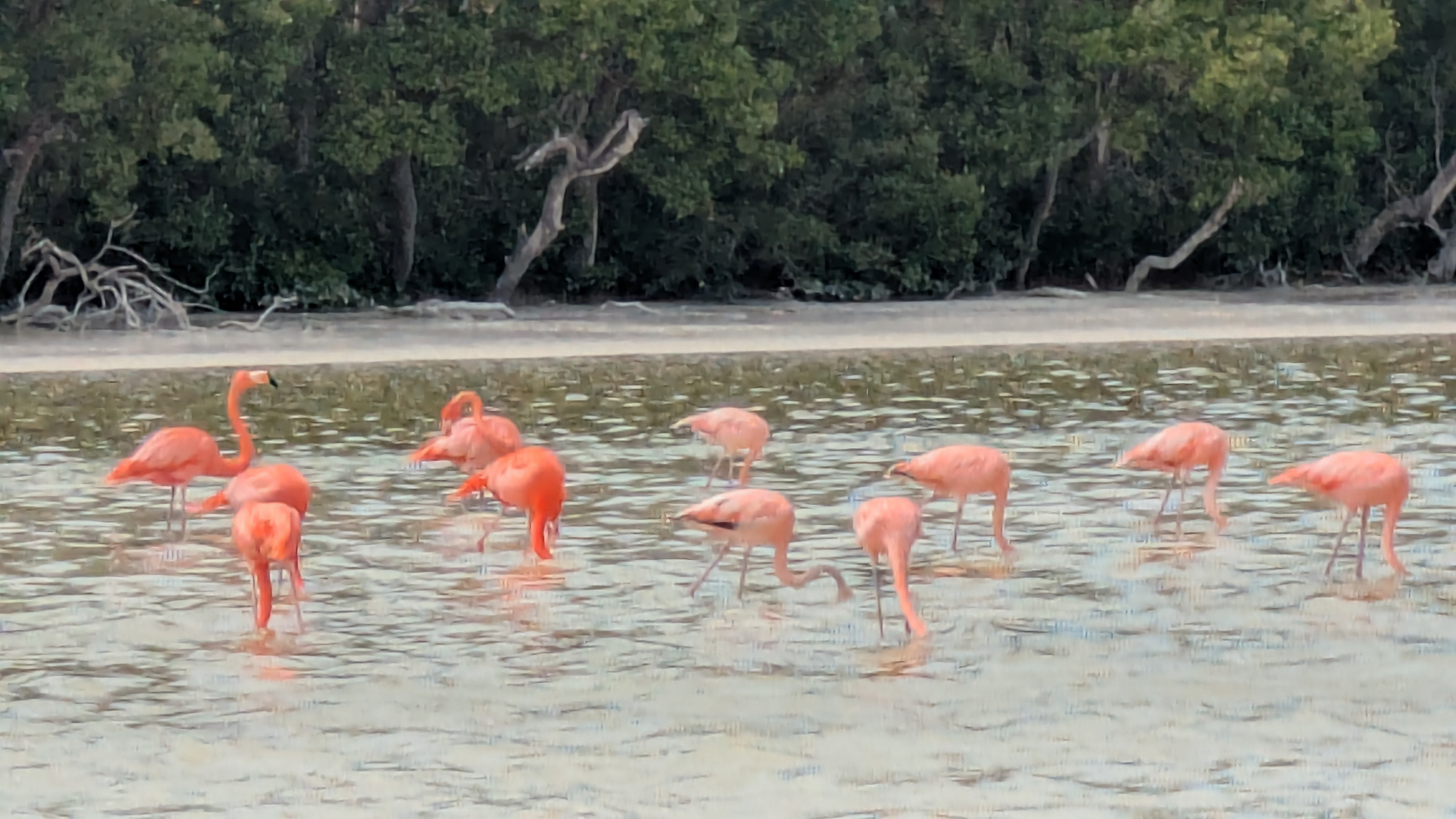
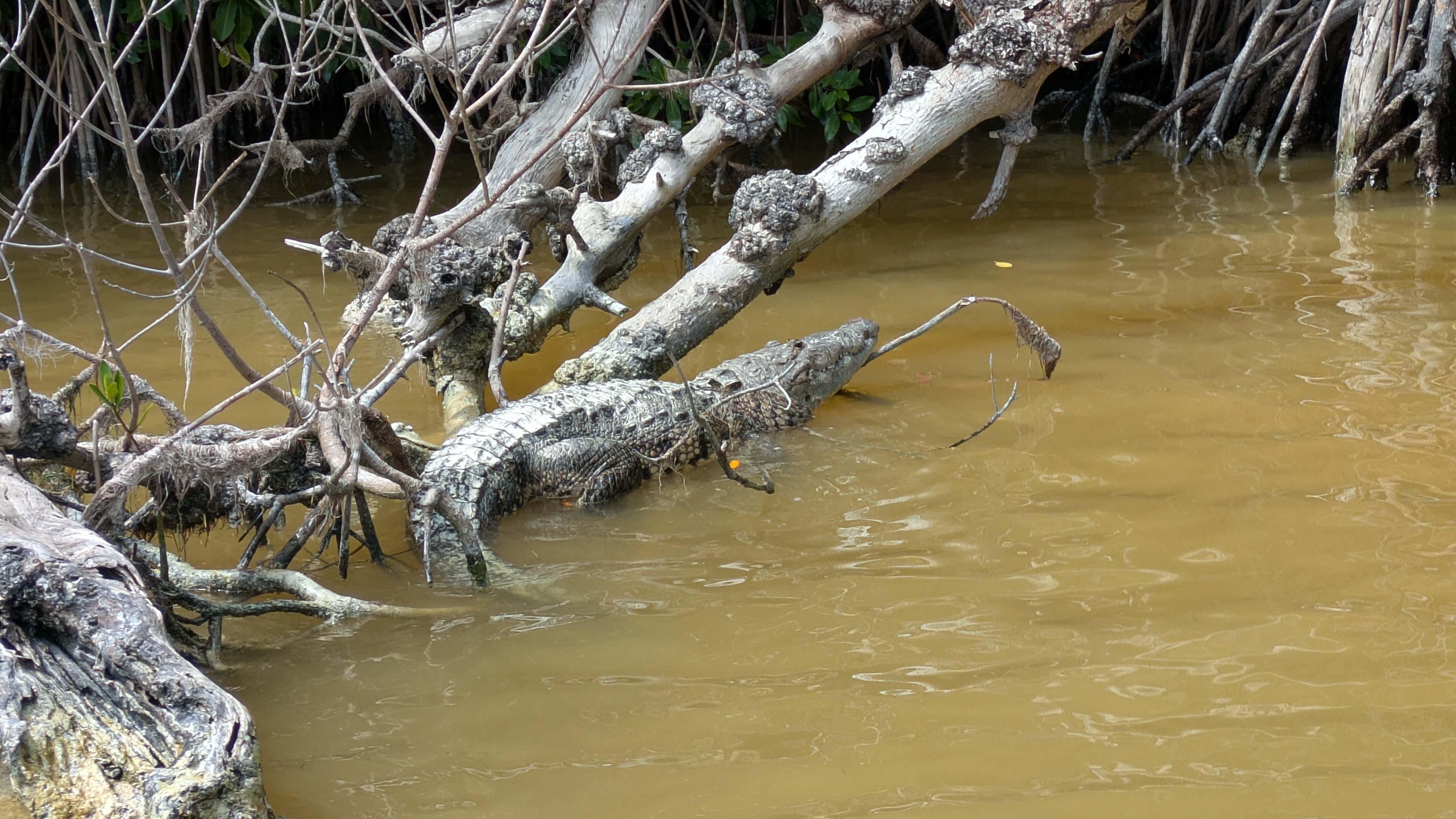
Celestun was mainly a sleepy, sunbaked fishing village, sandwiched between a large lagoon and the turquoise waters of the Gulf of Mexico but it had one great attraction. The combination of salt water from the Gulf and fresh water from the estuary made it a perfect habitat for flamingos and waterfowl. The flamingos were beautiful blobs of colour, wadding and feeding in the shallow waters. The birds get pinker with age as their plumage turned a bright rose-orange colour from their diet of shrimp, tiny crustaceans and seeds. Their only predators were the alligators which were plentiful, snoozing at the water’s edge near the mangroves and doing a great imitation of fallen logs.
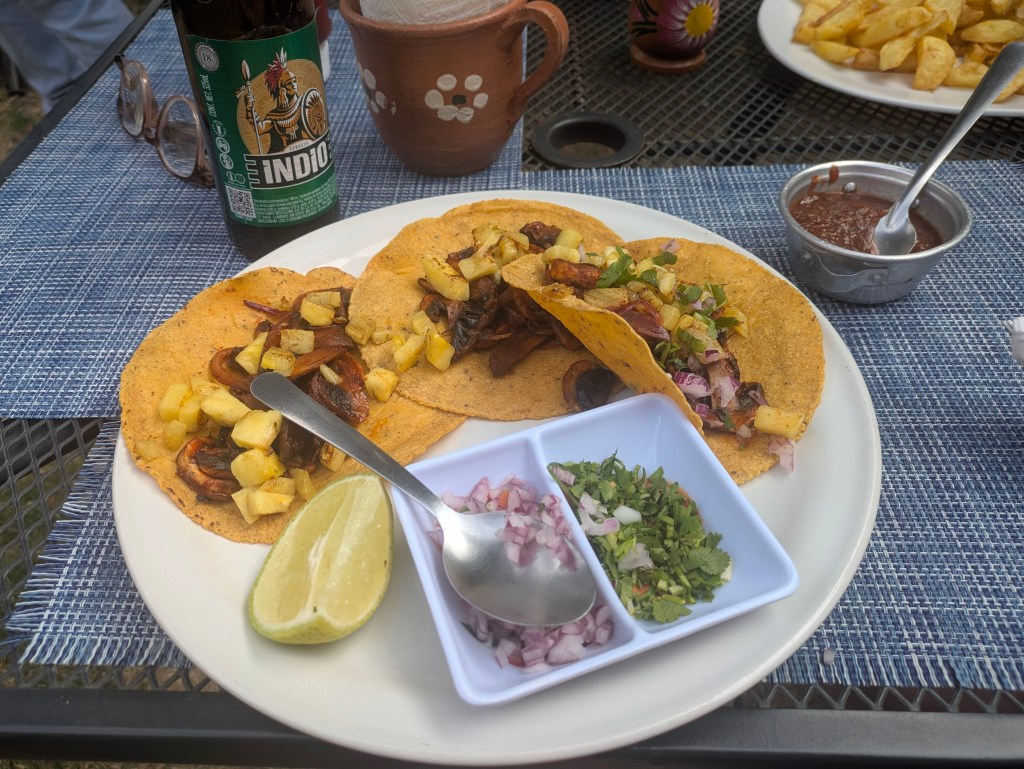
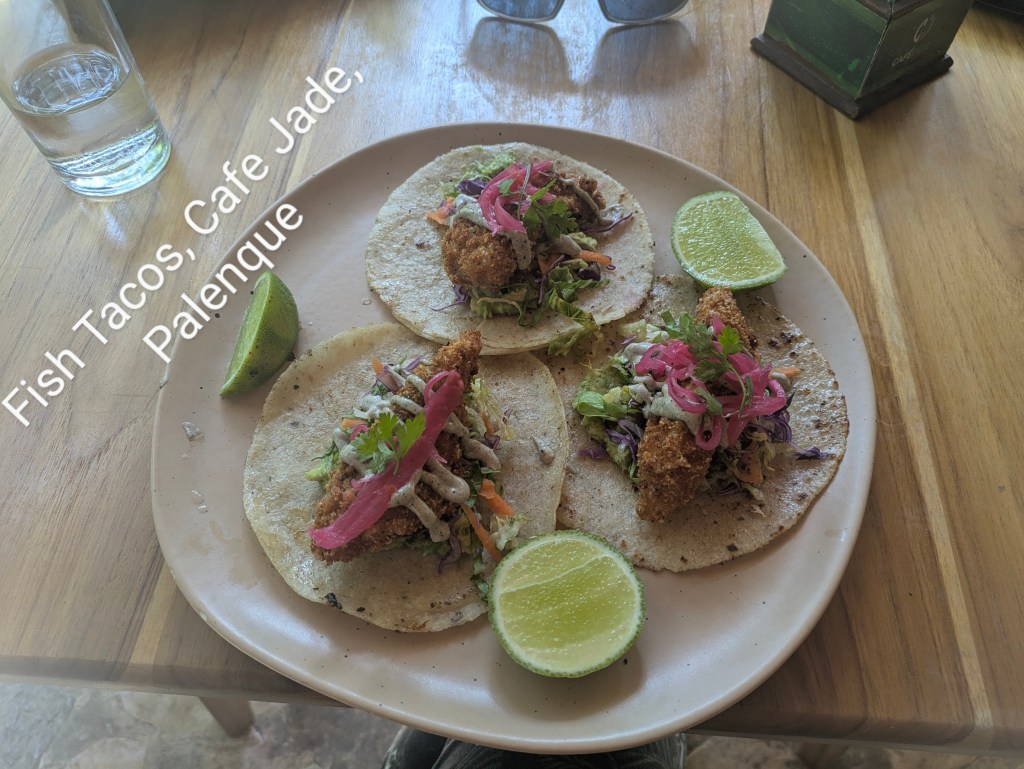
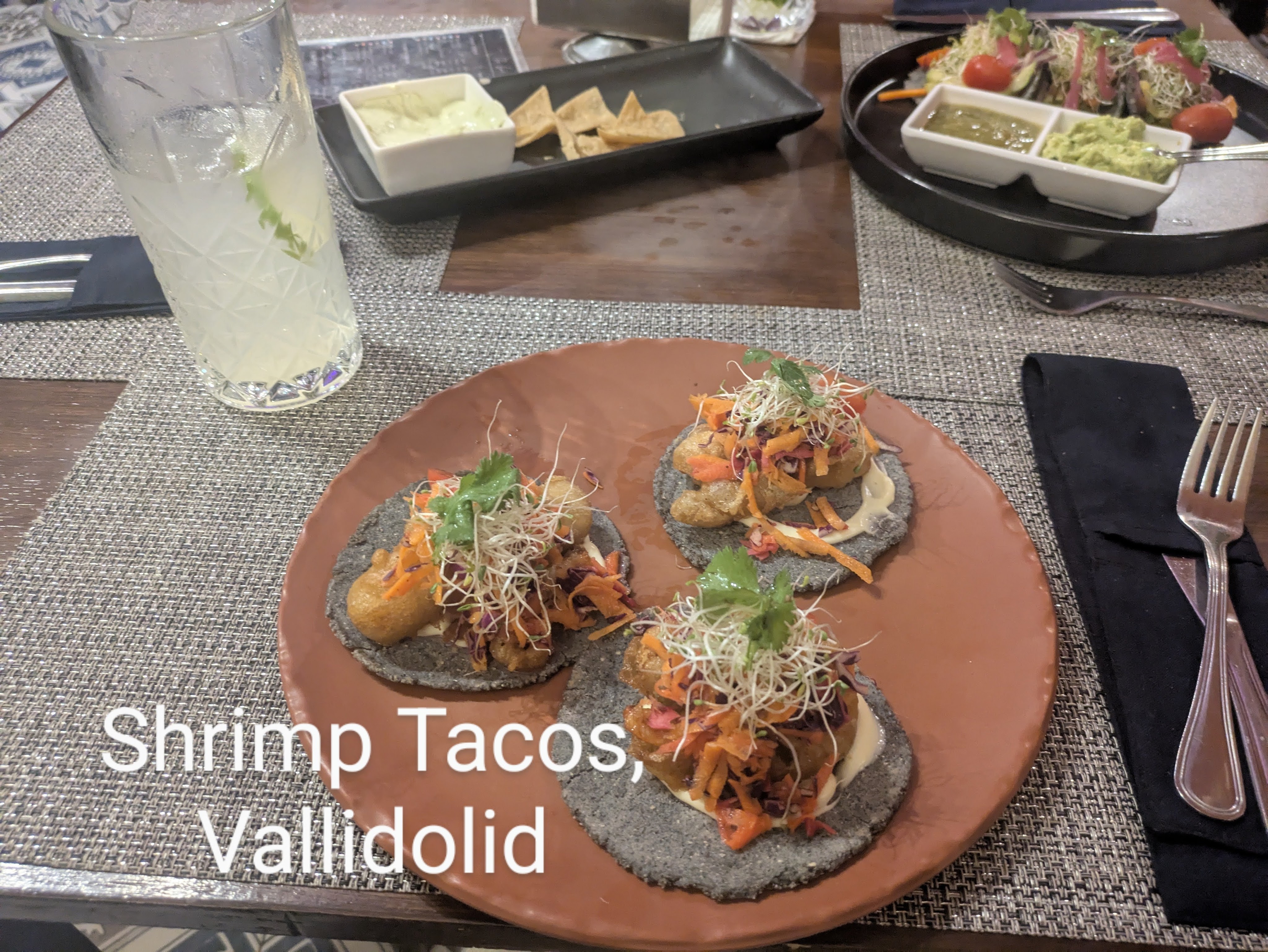
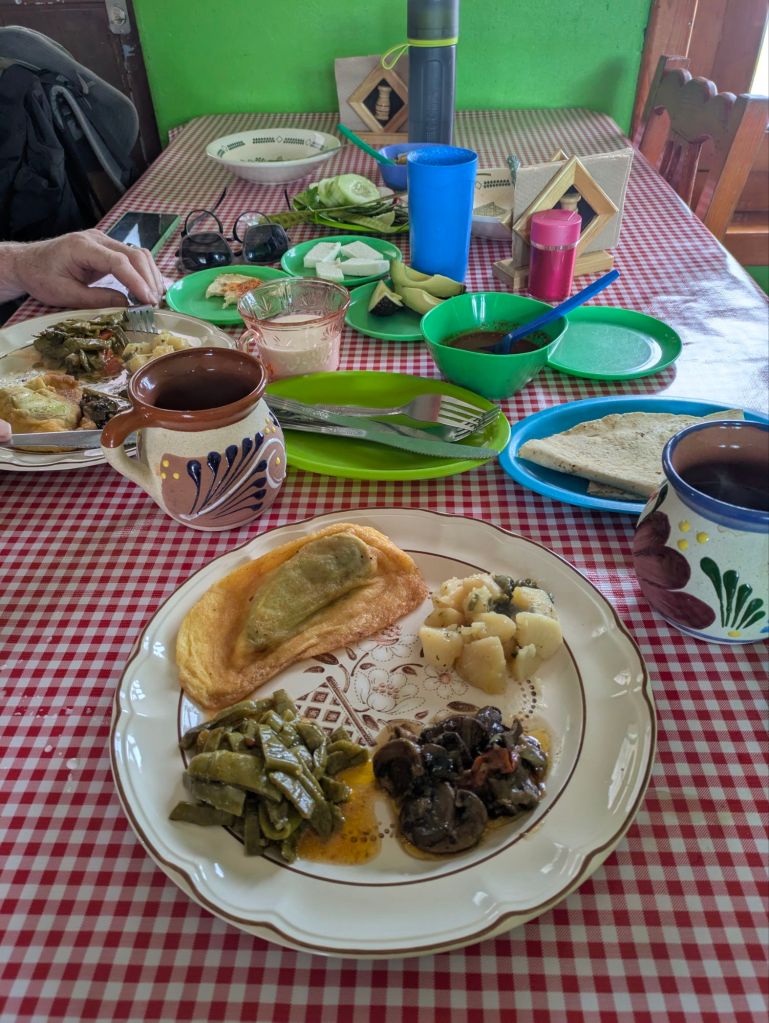
The Food especially the Tacos. Mexico’s cuisine is as vibrant as its scenery, with bold and spicy flavours, the use of fresh ingredients such as avocado, tomatoes, chillies and corn. There was liberal garnishes of coriander (cilantro) and wedges of lime came with everything. We loved the tacos which were cheap , plentiful and widely available and the black bean pastes which were usually accompanied by a crumbly white cheese. In Oaxaca, baskets of roasted grasshoppers were for sale on every street corner, a source of protein since the time of the Aztecs.
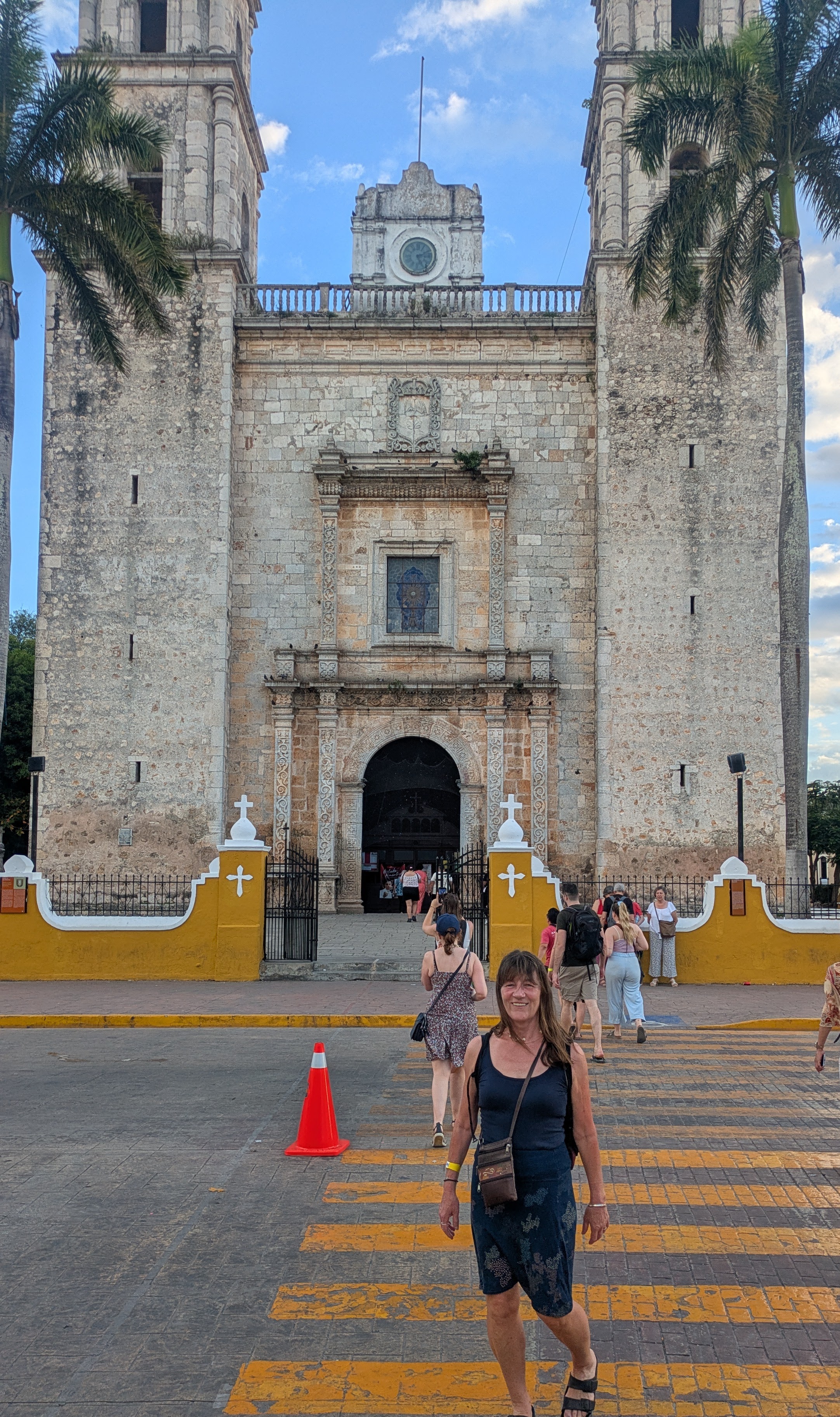
San Christobel de Las Casas (San Chris) The drive from Palenque was only about five and a half hours but there were worrying reports online about the safety of the roads leading to the town. The main risk was road closures because the Zapatistas, an indigenous political activist group in the state of Chiapas, sometimes blocked roads to highlight their grievances to the government. Locals reassured us that the journey was quite safe as long as we drove during daylight hours and we gave ourselves plenty of time. It was a beautiful drive with stupendous vistas of mountains, houses dotted in the valleys and pretty villages. Soon we were smelling the pine from the towering forests surrounding San Chris, which sits at an altitude of 2200 metres in the Los Altos region of Chiapas. It was a colonial town of cobbled streets, fresh mountain air, church bells and good restaurants….and it was also festooned with hearts and ribbons for Valentine’s Day. We arrived, entirely by accident, in the most romantic town in the whole of Mexico
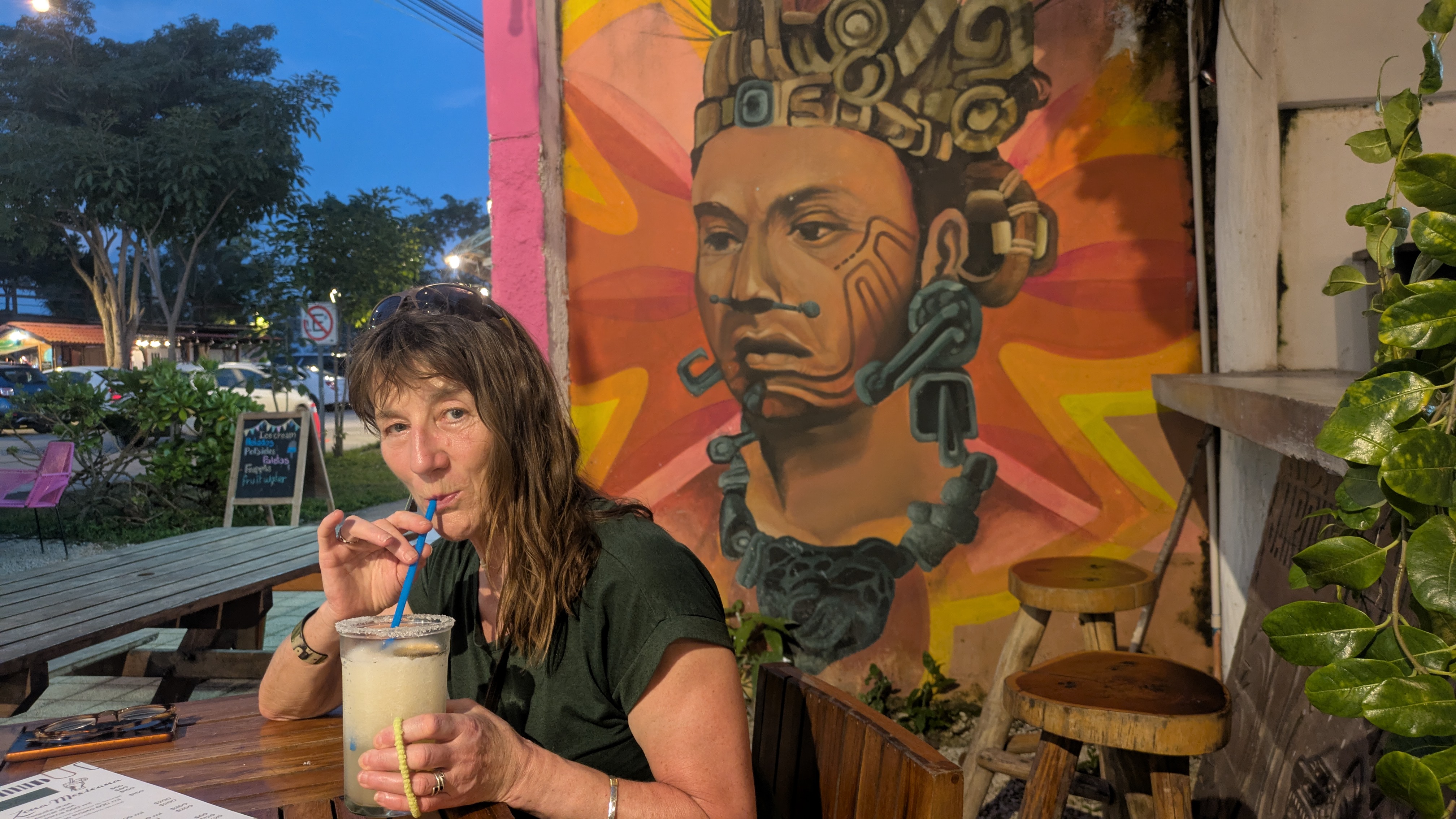
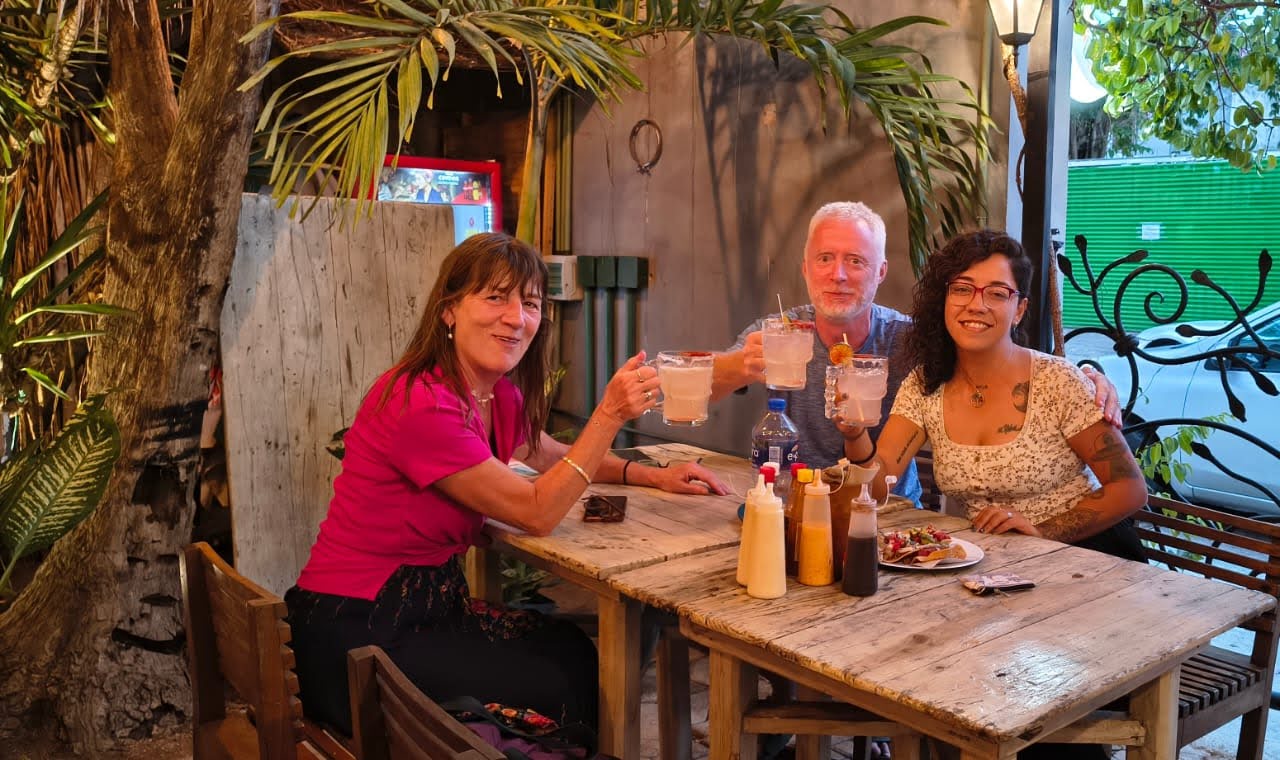
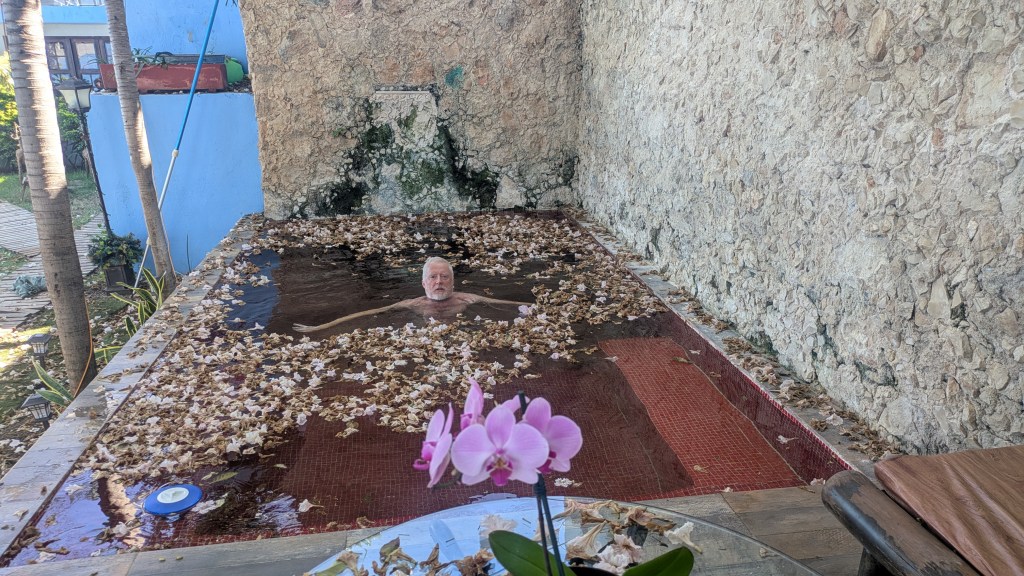
Celebration Margaritas. Mexico is also the salty taste of a margarita cocktail. We drank quite a few but the best was in La Estancia, a hotel in San Chris which had a relaxed elegance and was easily the best ‘value for money’ accommodation on our entire trip. We had to celebrate Valentine’s Day with a margarita toast in one of the hotel’s enclosed courtyards, full of flowering plants and fountains.
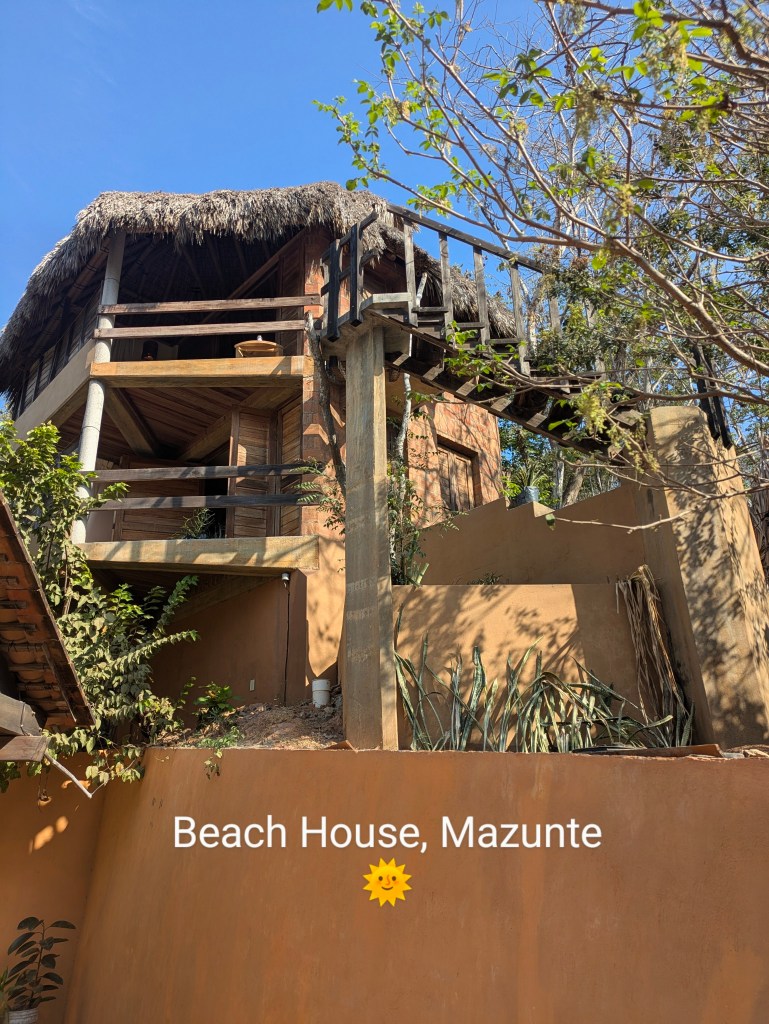
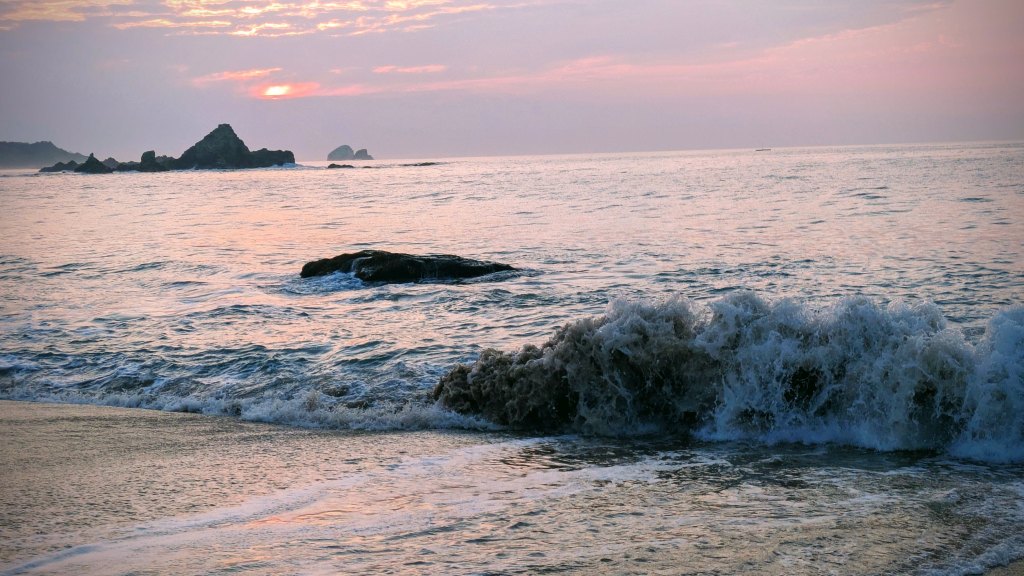
Sunrise Swims in Mazunte. Mazunte was a small seaside town on the Pacific Coast between two beaches, an east facing one for sunrise and the other with spectacular sunsets. Small hotels, bungalows and thatched cabanas stretched up into the hills, half-hidden among the coconut trees and the flowering shrubs.. We stayed in a very unusual place, an architecturally designed cabana, angled to catch the breeze and stay cool without air-con. It had a series of sliding shutters but was open on all sides so we could hear the squirrels scampering in the trees outside and the sound on the waves breaking on the beach down the road. Usually people ambled around in a heat haze but early morning was the special time when the beach was empty except for a few stray dogs, the air was warm, the water turned rose-gold and whales swam past on the horizon.
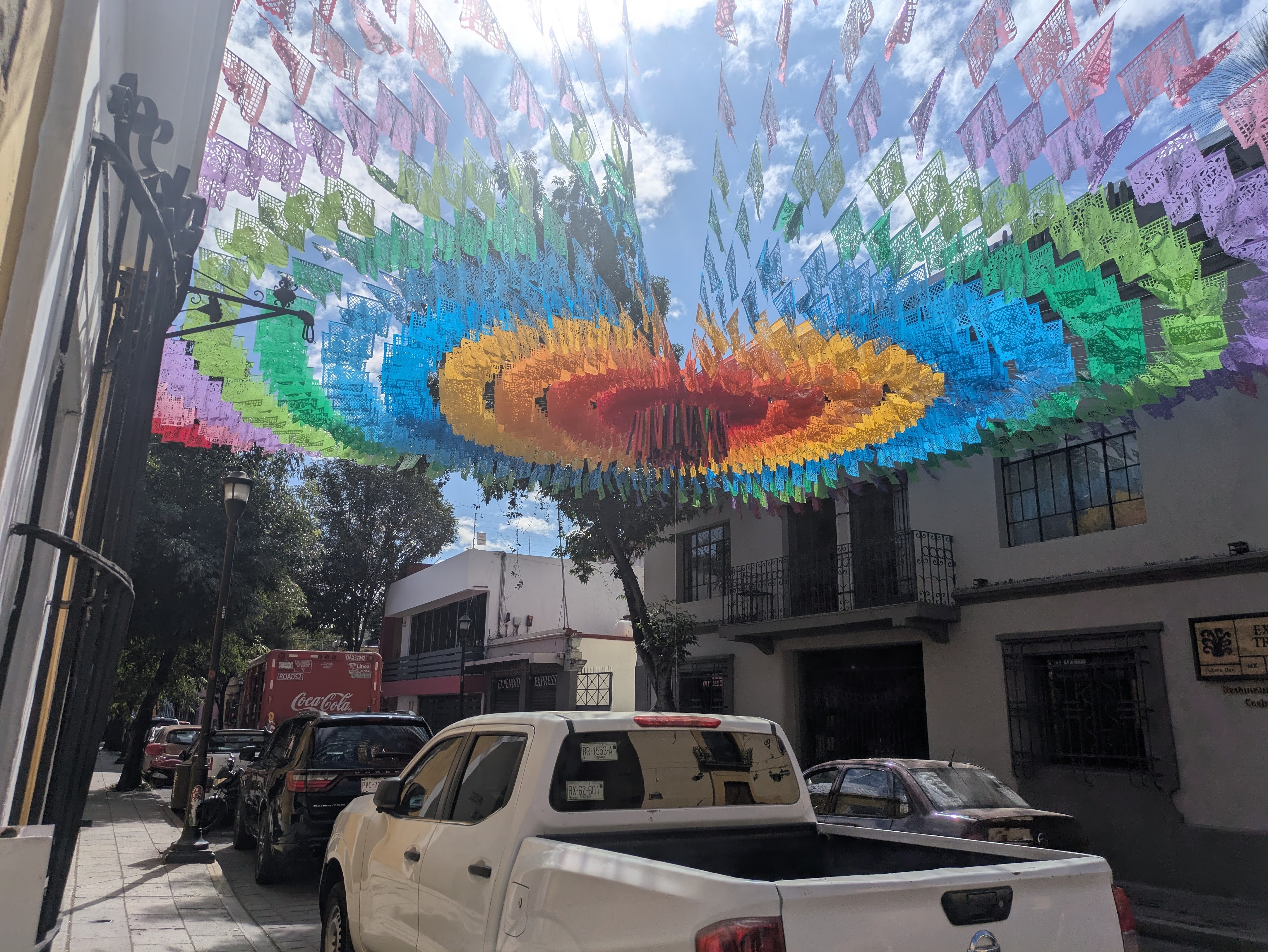
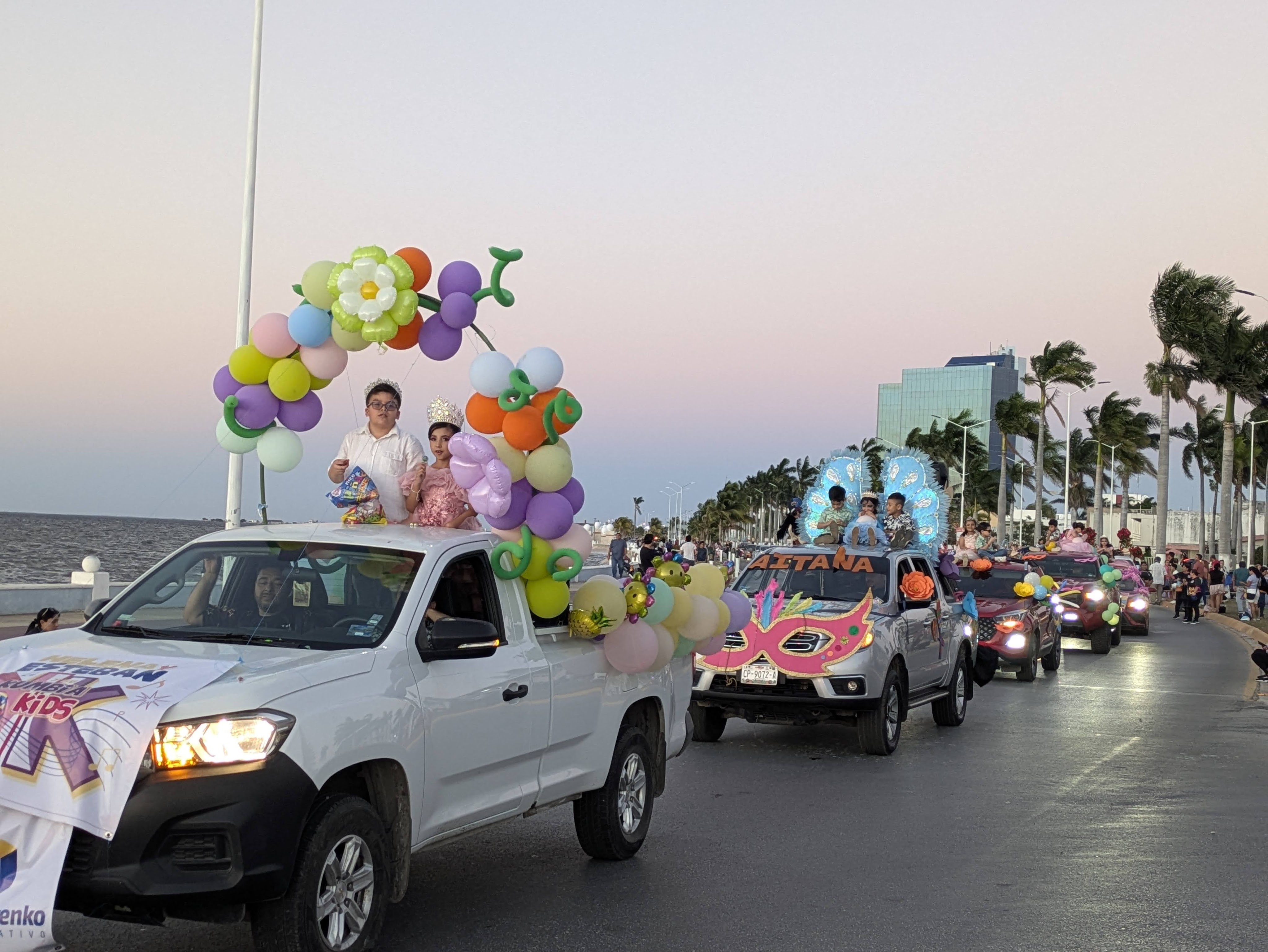
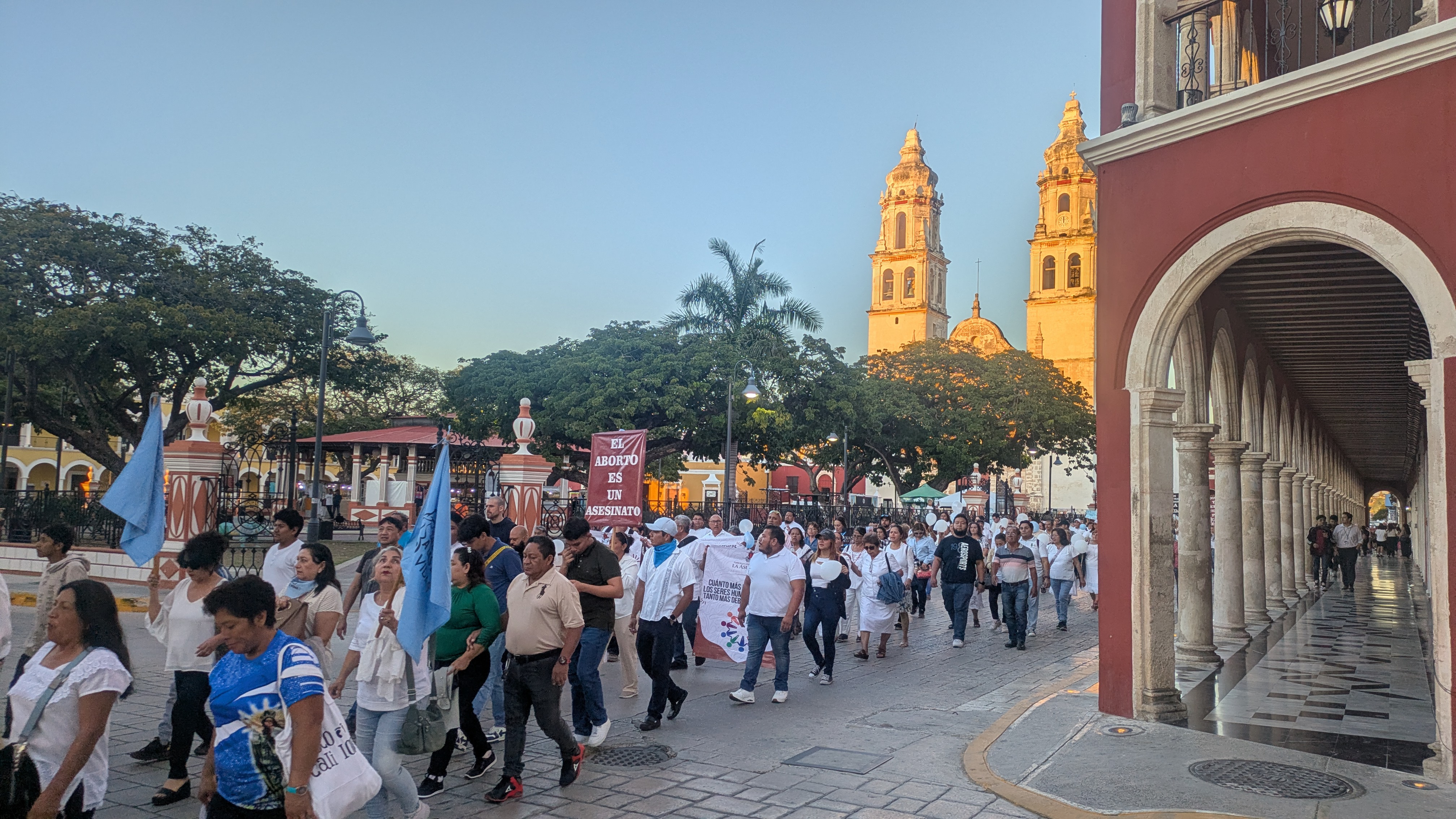
Fiesta Time. Although our time in Mexico didn’t coincide with any major festival, there always seemed to be a celebration going on somewhere, usually with drumming bands, car horns blaring, sequined dancers, clapping and shouting. During the parades, many of the people squashed into the back of jeeps, threw sweets, lollipops and fluorescent crisps to the clapping crowds. Mexicans loved to party and the noisier the better.
And for a few lows……
The Roads. Although many roads in the southern part of Mexico were quite good and there was a phenomenal number of roadworks in progress, there were also pot-holes big enough to swallow a car. The biggest danger was the huge number of speed bumps on a lot of roads. Dappled sunlight and shadows made them almost impossible to see during the day and we were airborne a few times. Between the potholes and the speed bumps, driving at night in Mexico is not recommended. In some areas, there can be also at risk of robbery after dark although we did not meet anyone who had been robbed or harmed in any way.
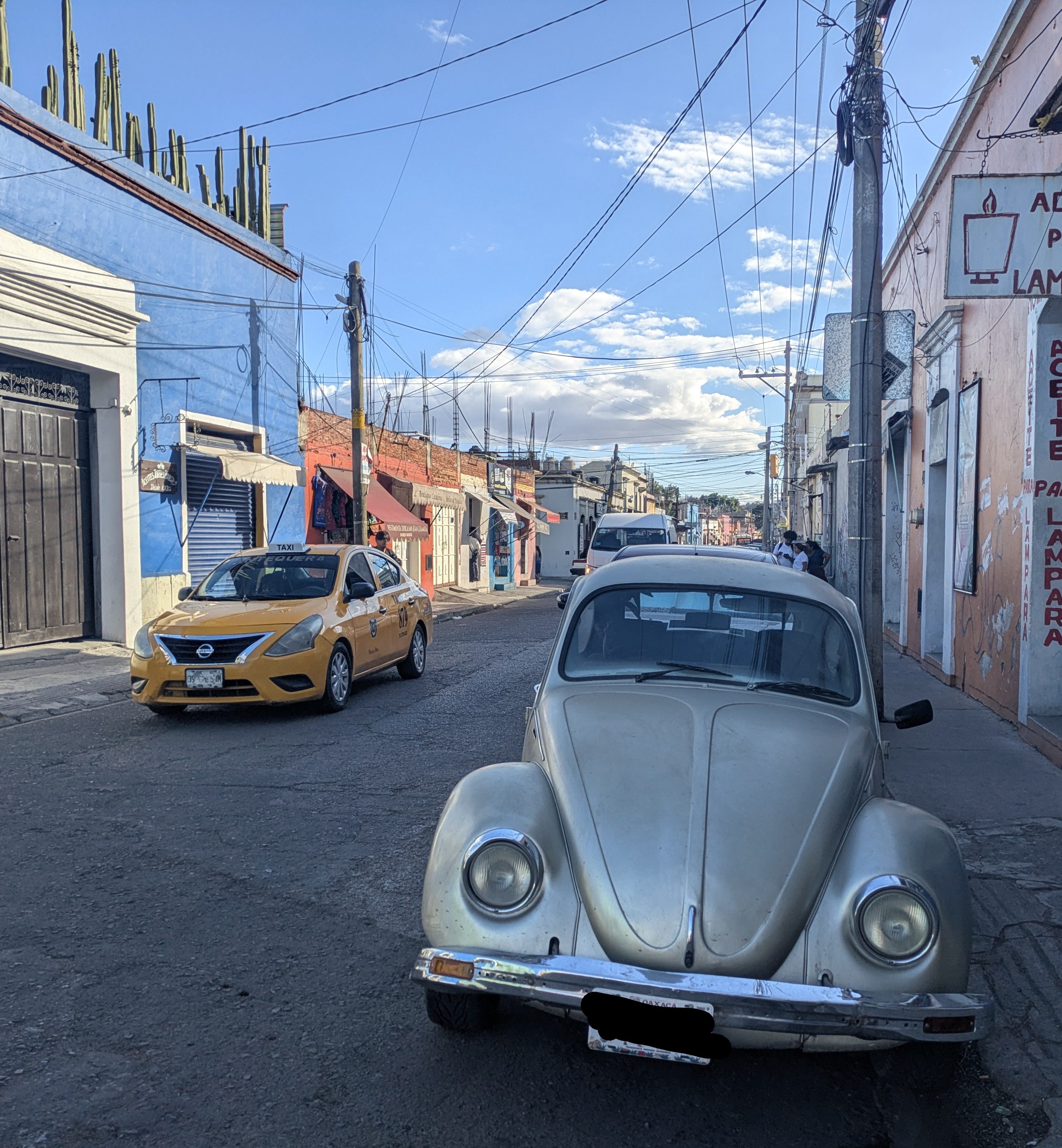
Although there were lots of different cars in Mexico, Volkswagens Beetles were a common sight……the genuinely old ones in all colours and states of repair.
The Snake. Caoimhin had a close encounter with a snake while we were walking in the Sierra Norte. He actually stepped on the snake and I’m not sure which of them got the biggest fright. The snake jumped into the air and disappeared in the scrub, while Caoimhin yelped and also leapt in the air.
The Obesity Problem
It was obvious that Mexico has a severe obesity problem. Ireland has the same issue but it was much worse in Mexico, based on empirical evidence. I don’t know the statistics nor the cause but some parts of Mexico have the distinction of drinking more Cola than anywhere else in the world. It has become so much part of the culture that many life events are celebrated by toasting with Coke Cola and in some of the indigenous ceremonies, it has replaced the original ‘moonshine’ drinks.
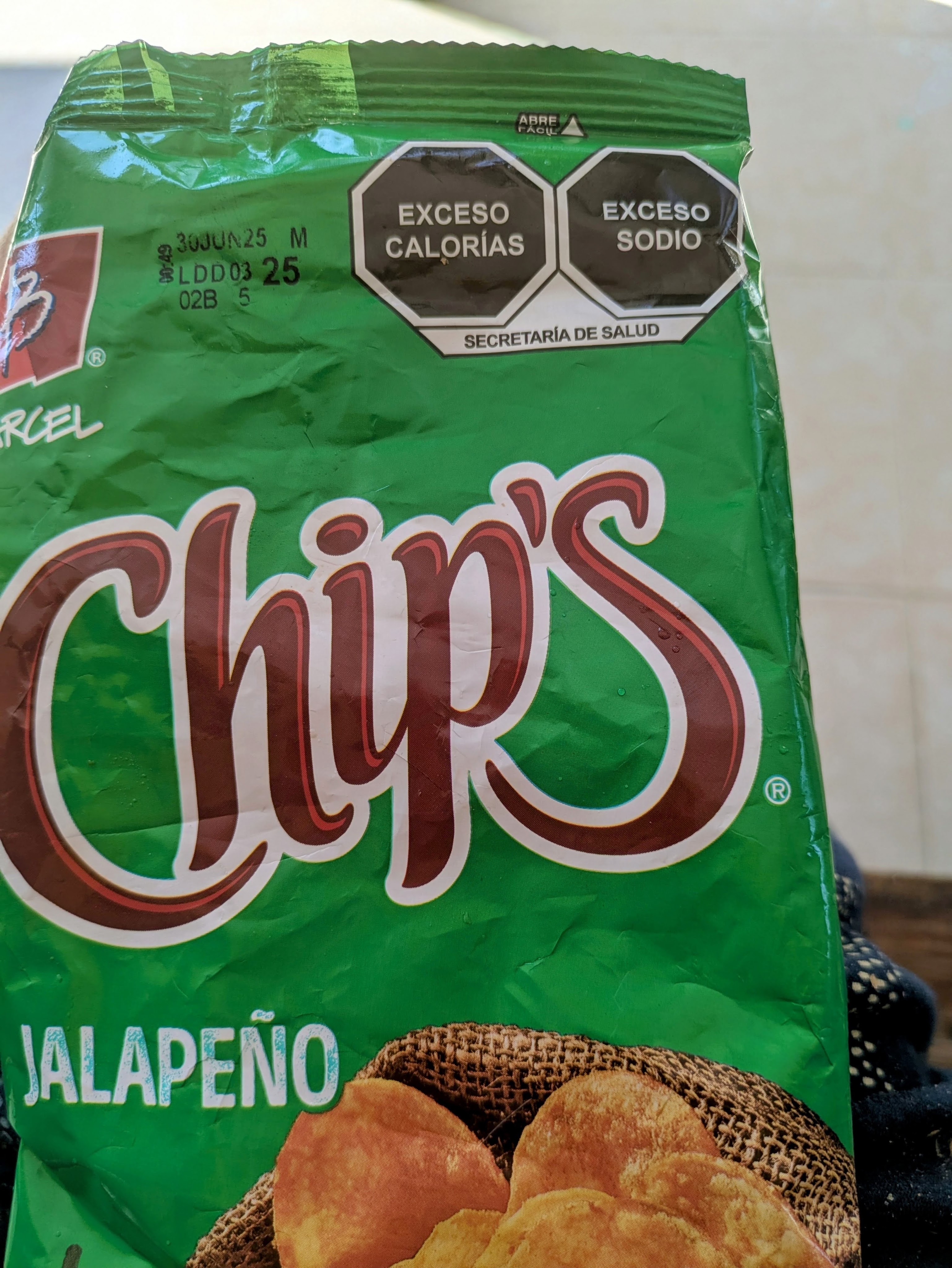
There is an attempt to tackle the problem with food labelling, with crisps and sweets carrying nutritional warnings on the front of the packets.
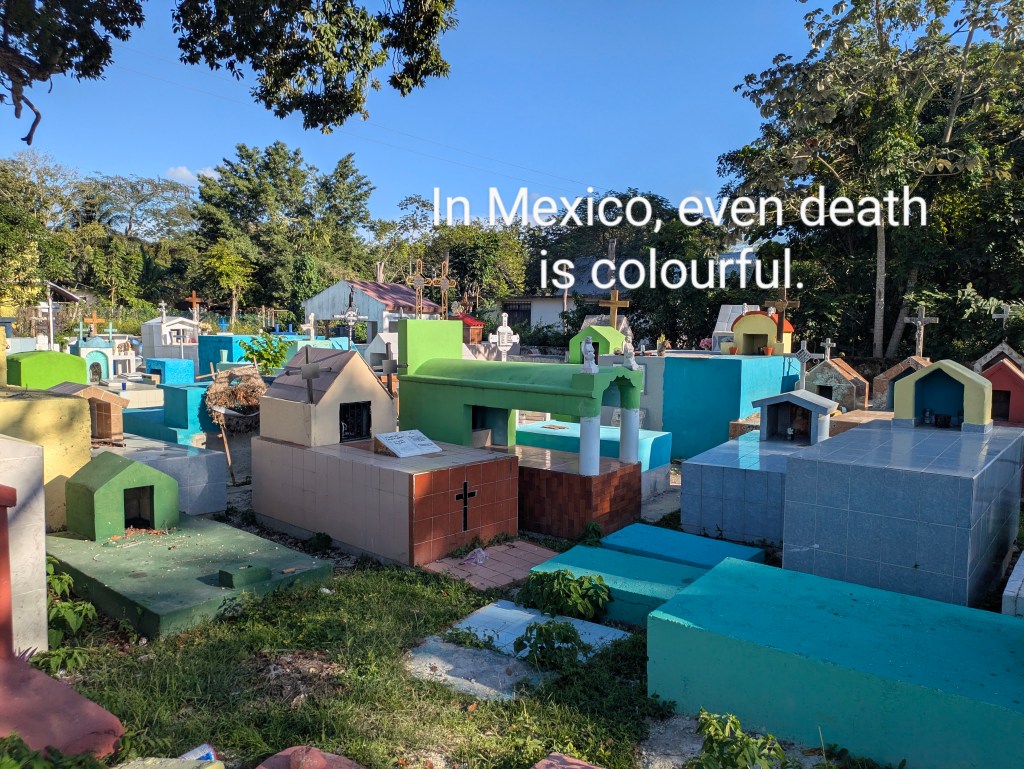
Mexico pulled us in as soon as we arrived with its vibrant intensity, a place with a zest for life and a celebration of death, a place where even the cemeteries are brightly painted and often decorated with flashing fairy lights.
Hasta Luego, Amigos
Thanks for reading🥰🥰🌄

 marienoonanblog