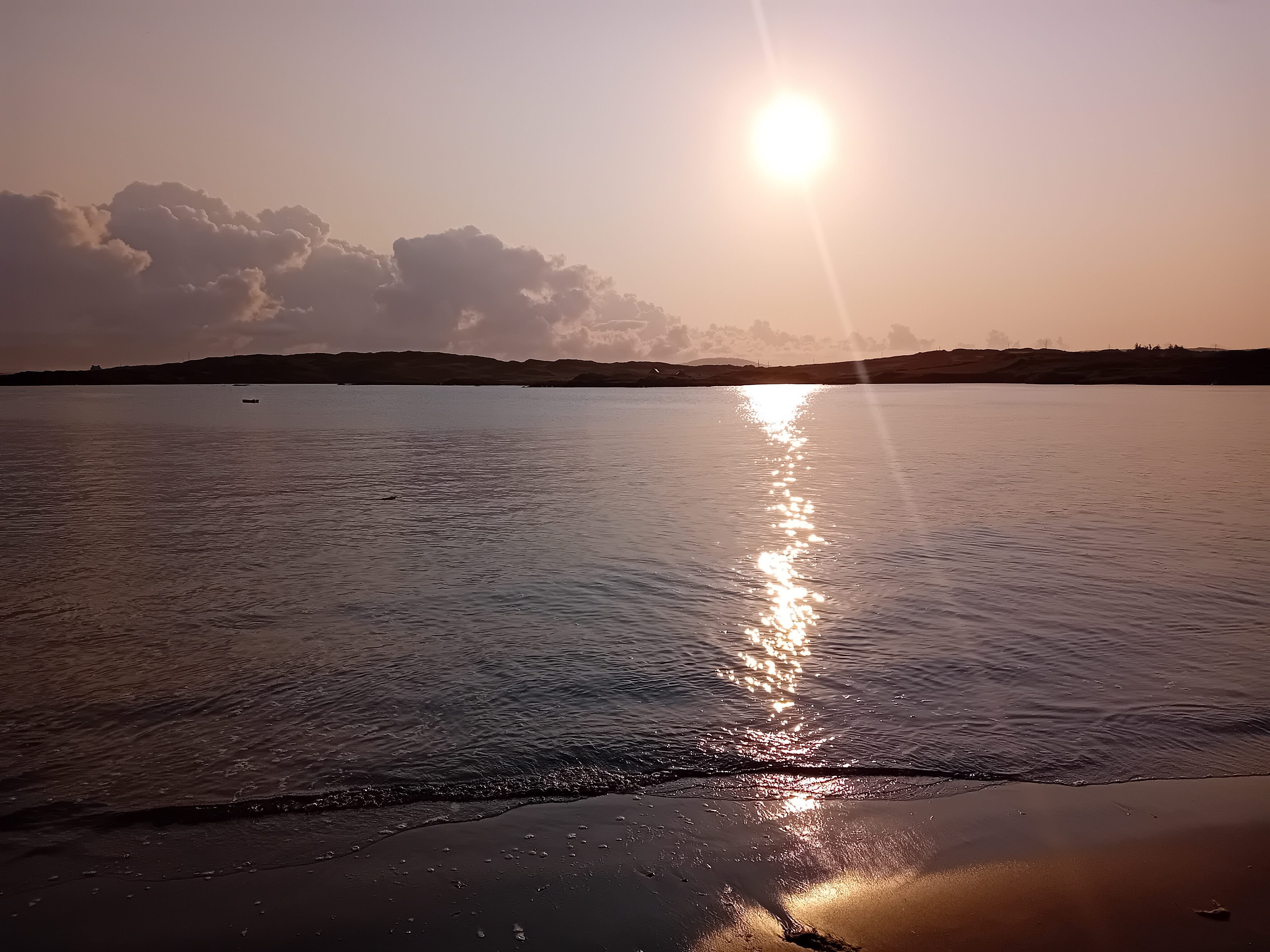
Campervanning in North Mayo: A Scenic Adventure

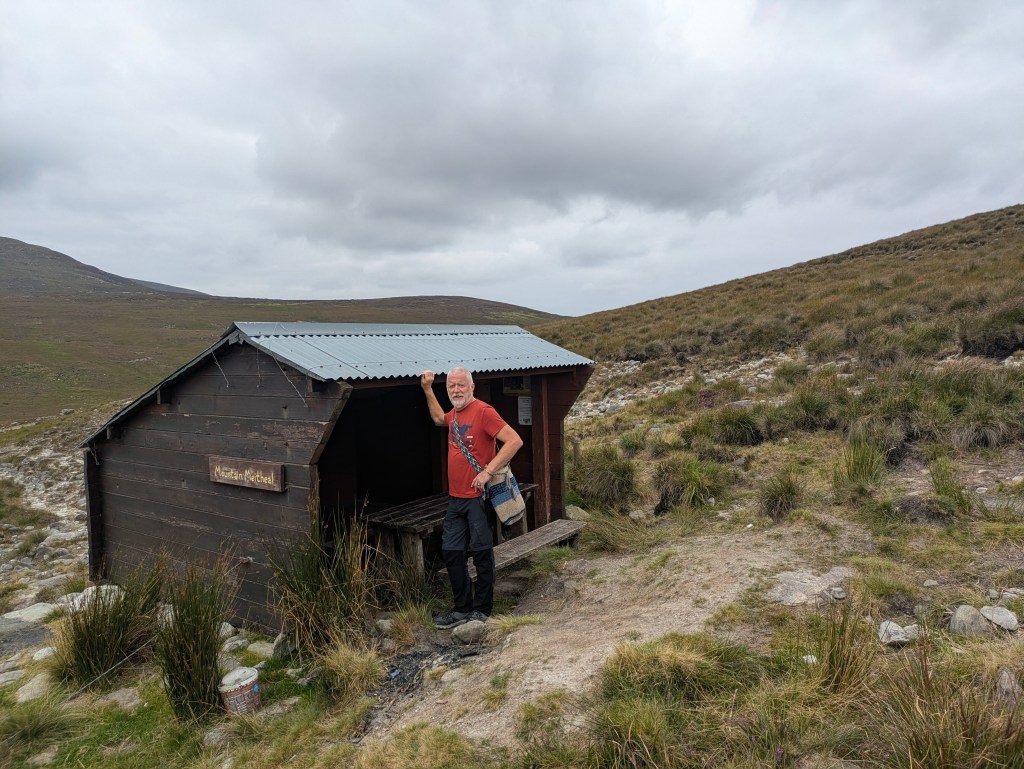
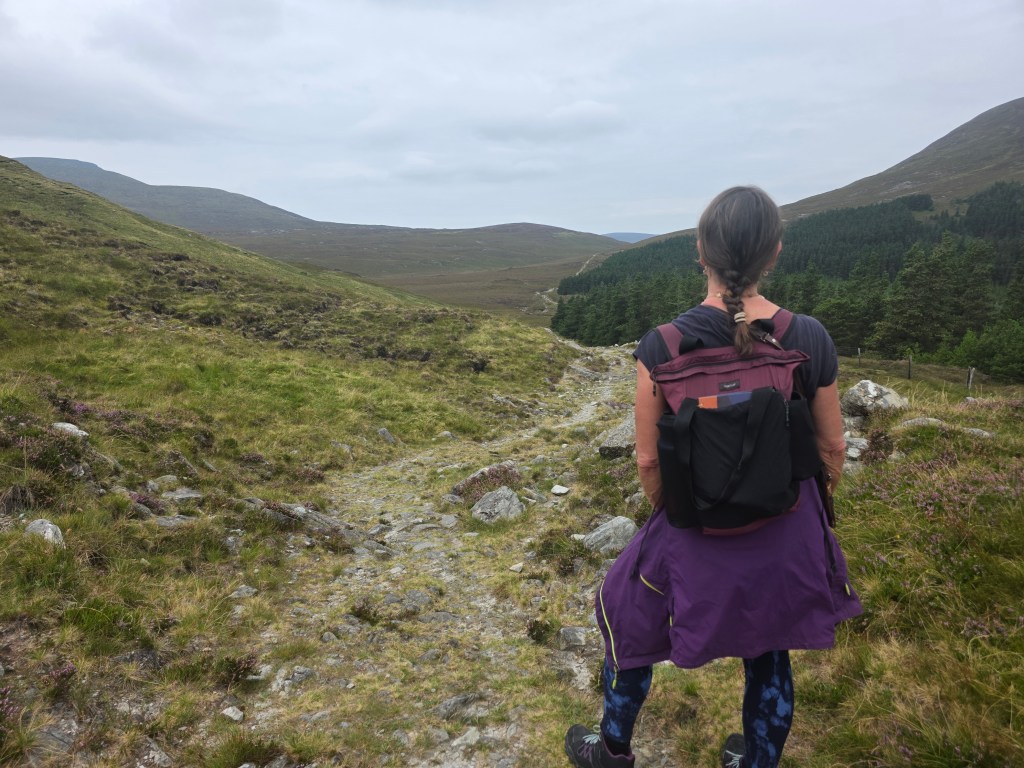
It was a week to remember, a week in late August, spent campervanning around Mayo, a week of spectacular walking on stunning coastal paths, pristine white-sand beaches, lonely bogs and remote mountains and even a pilgrimage route, Tóchar Phádraig,  an ancient druidic path to reach Croagh Patrick.

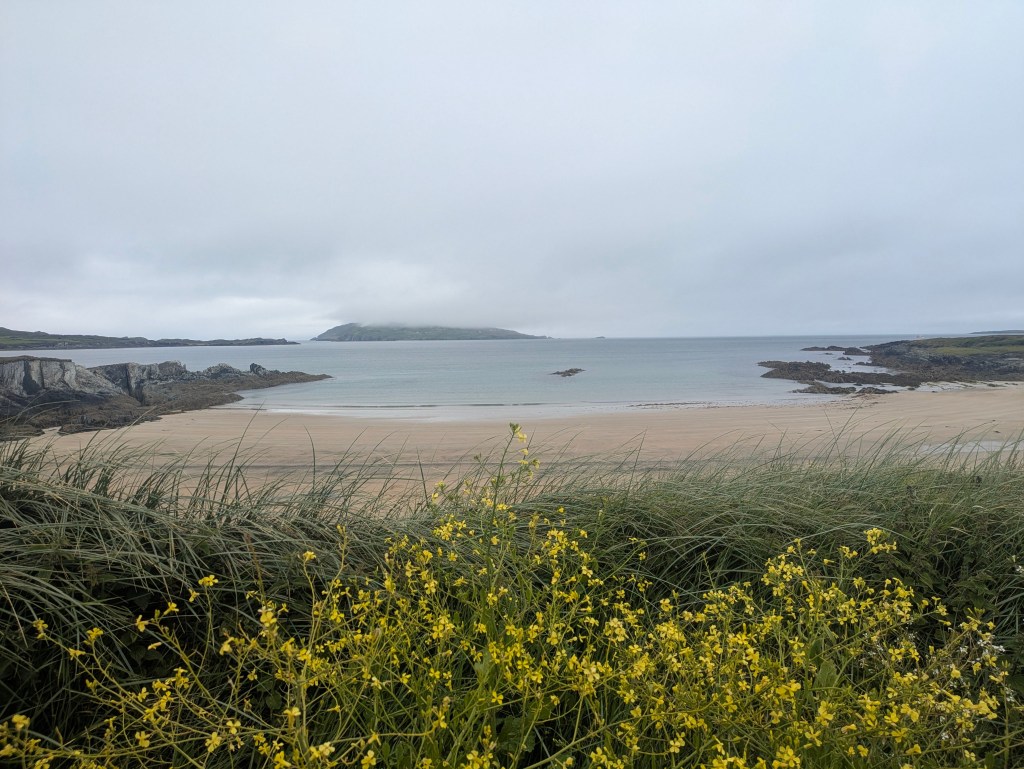
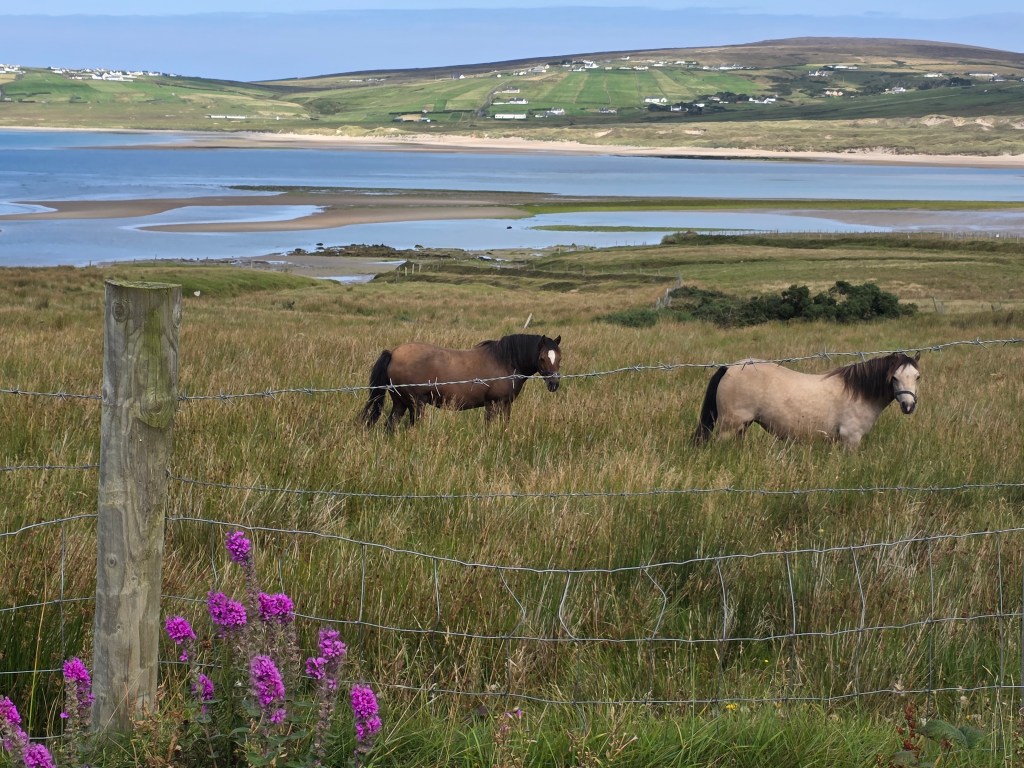
We started at Portocloy Beach on the far North-West Mayo Coast in a Gaeltacht area. If ever the phrase ‘off the beaten track’ was appropriate, it was here. We watched a lone gull, the only sign of life, gliding and swooping over the calm harbour waters.  There were no crowds, cafes, shops or bars, just a picture-perfect beach, isolated by miles of blanket bog and nestled deep into a natural harbour, Carrowteige Cove, a safe haven for swimming or snorkelling and a little pier for fishing boats. There were temporary toilets in place for the summer months which was good news for us as we were sleeping in the van (the ID Buzz).
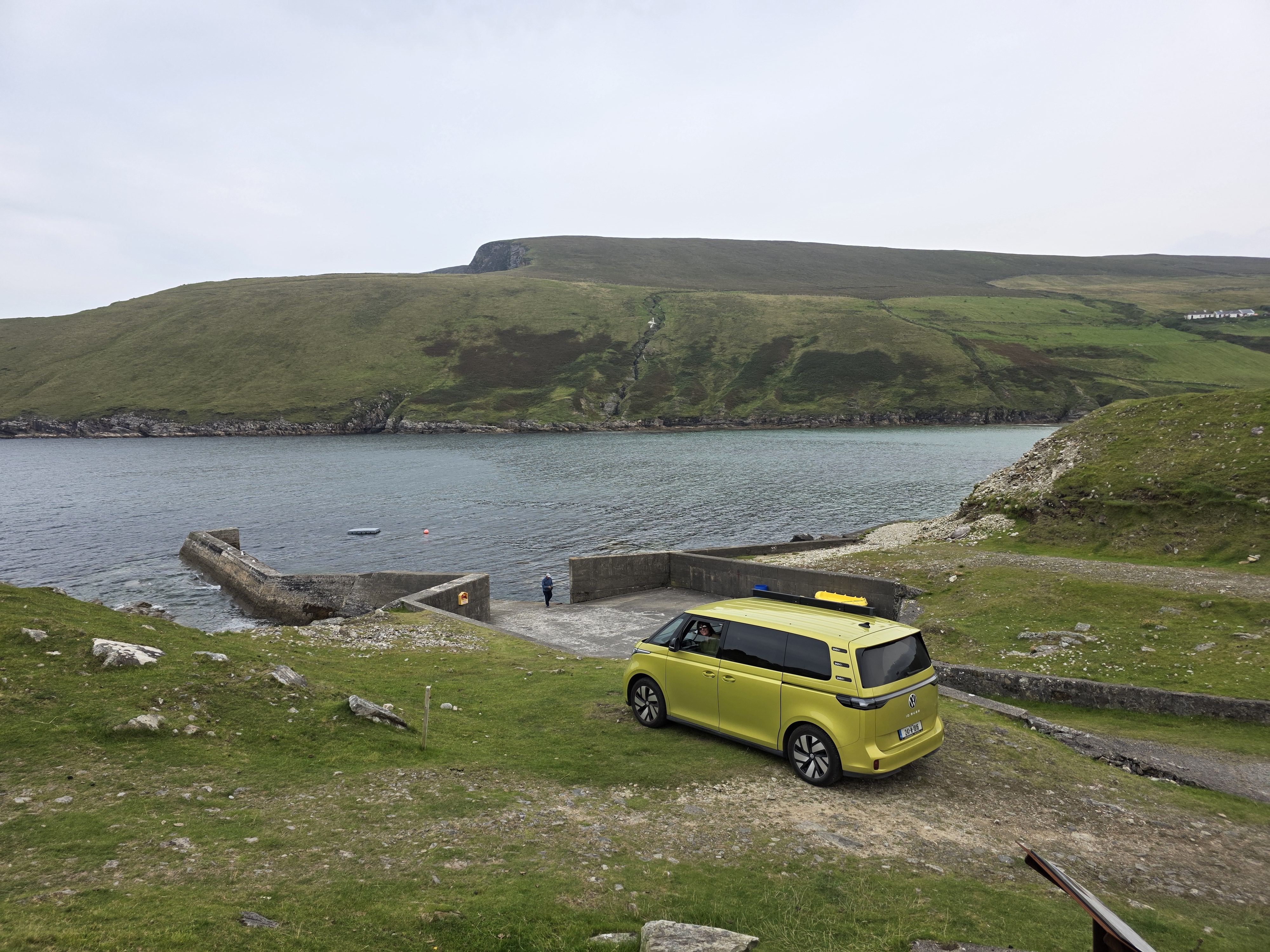
Parked up at Portacloy Harbour

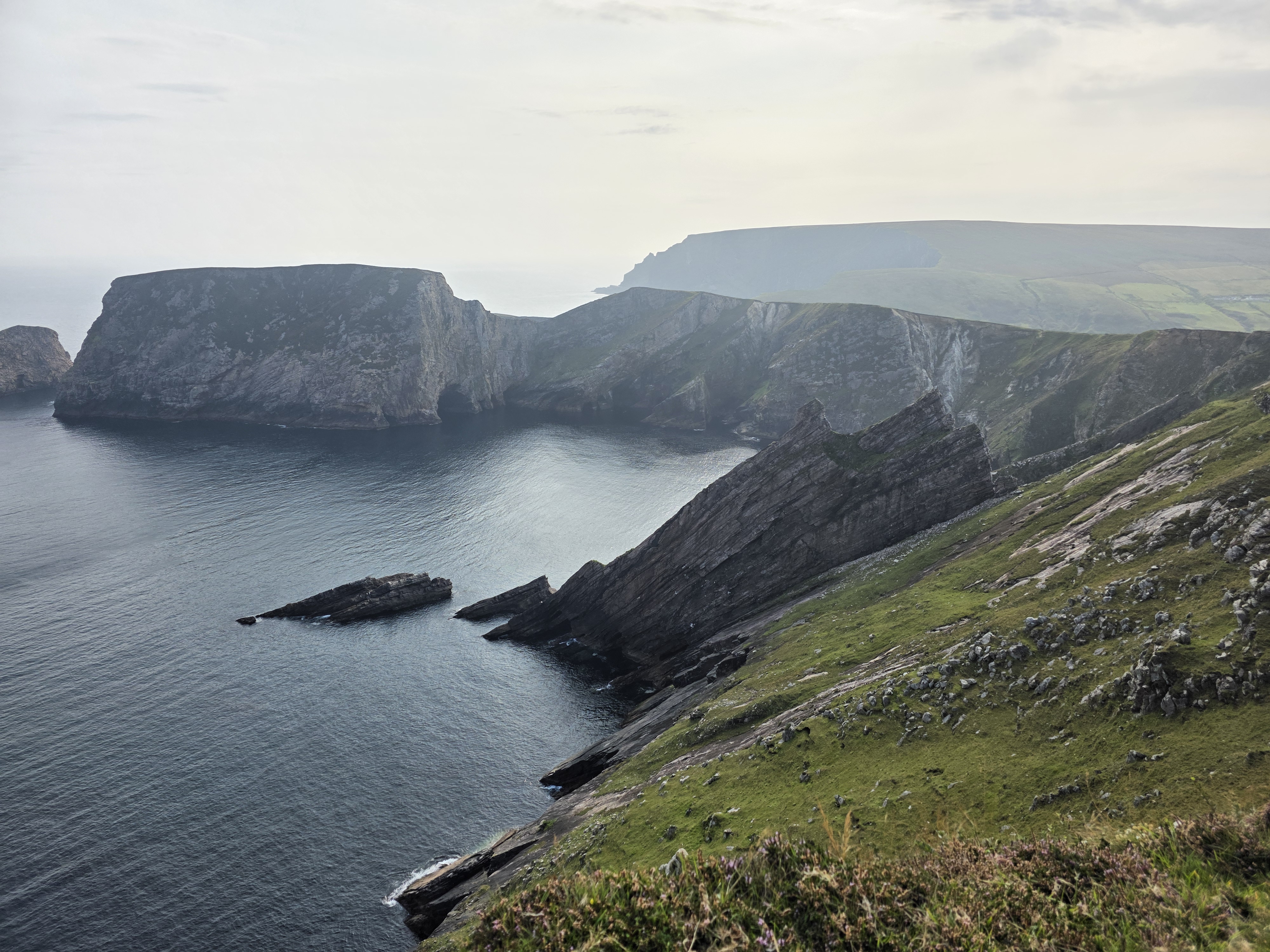
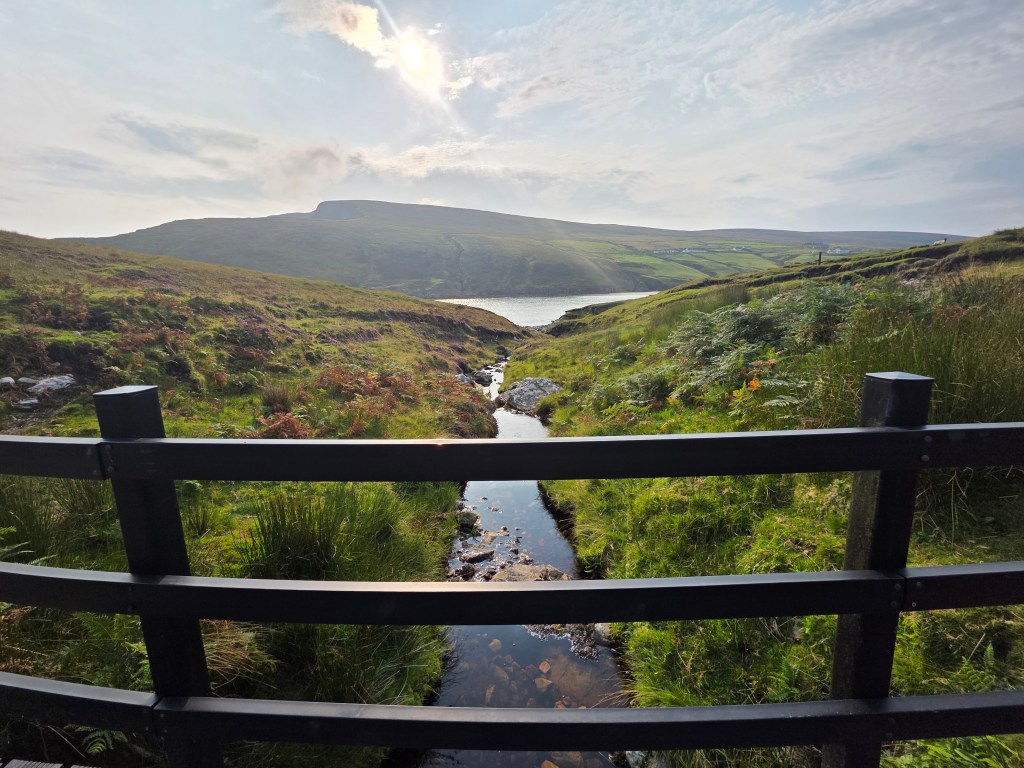
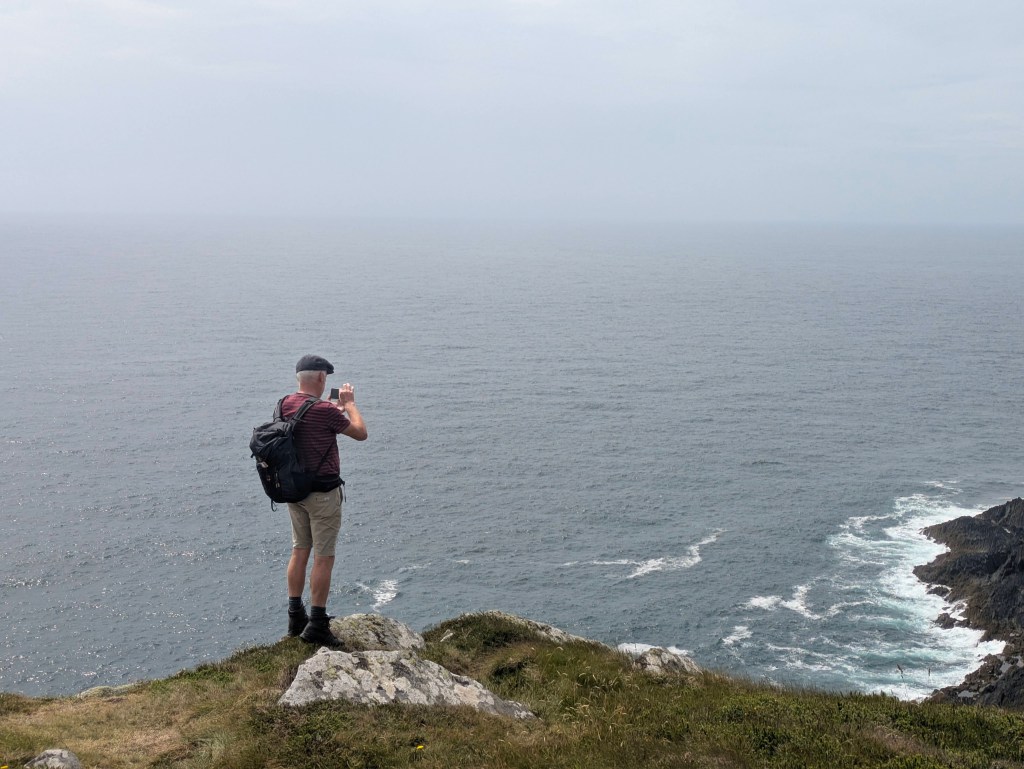
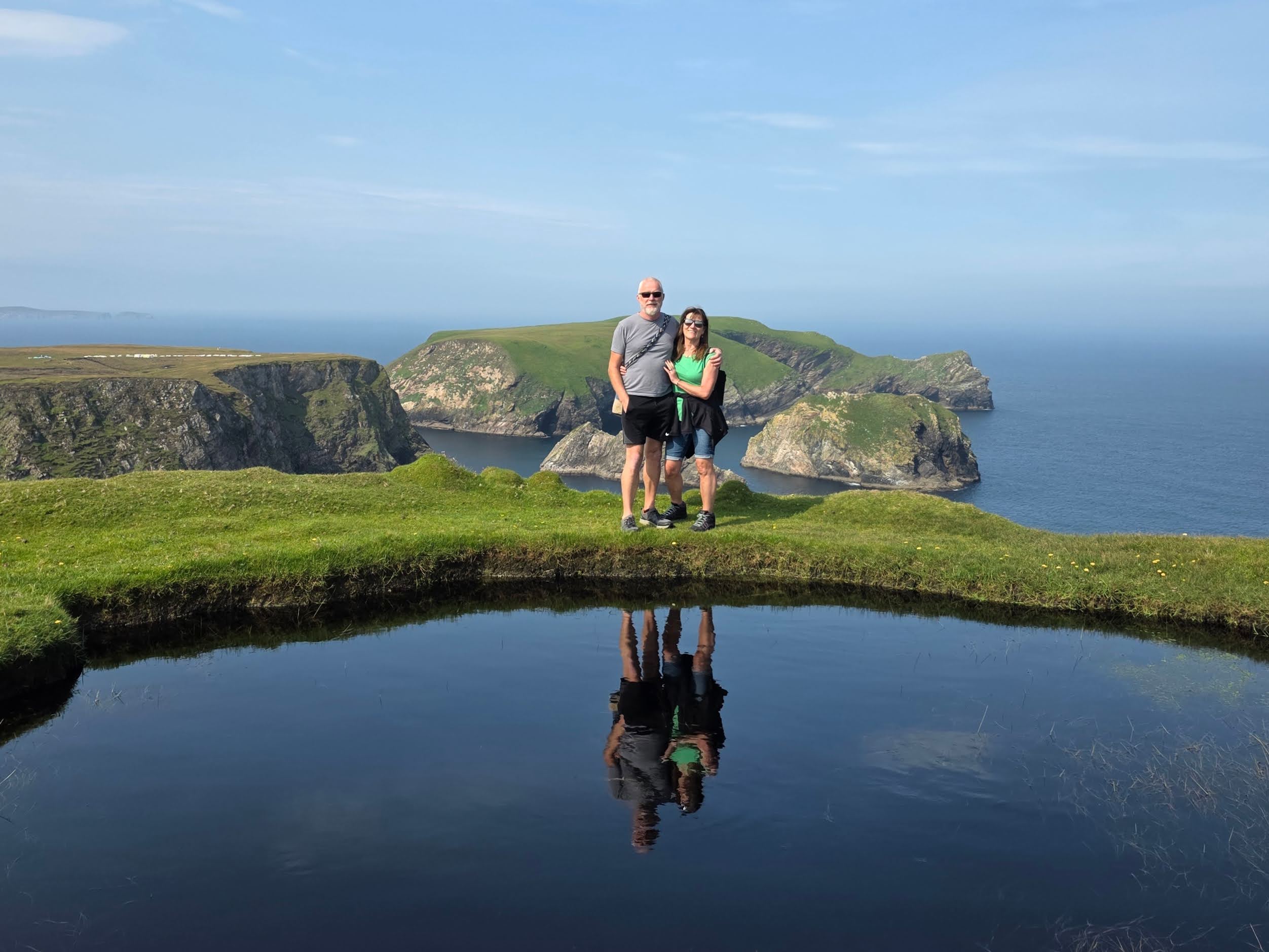
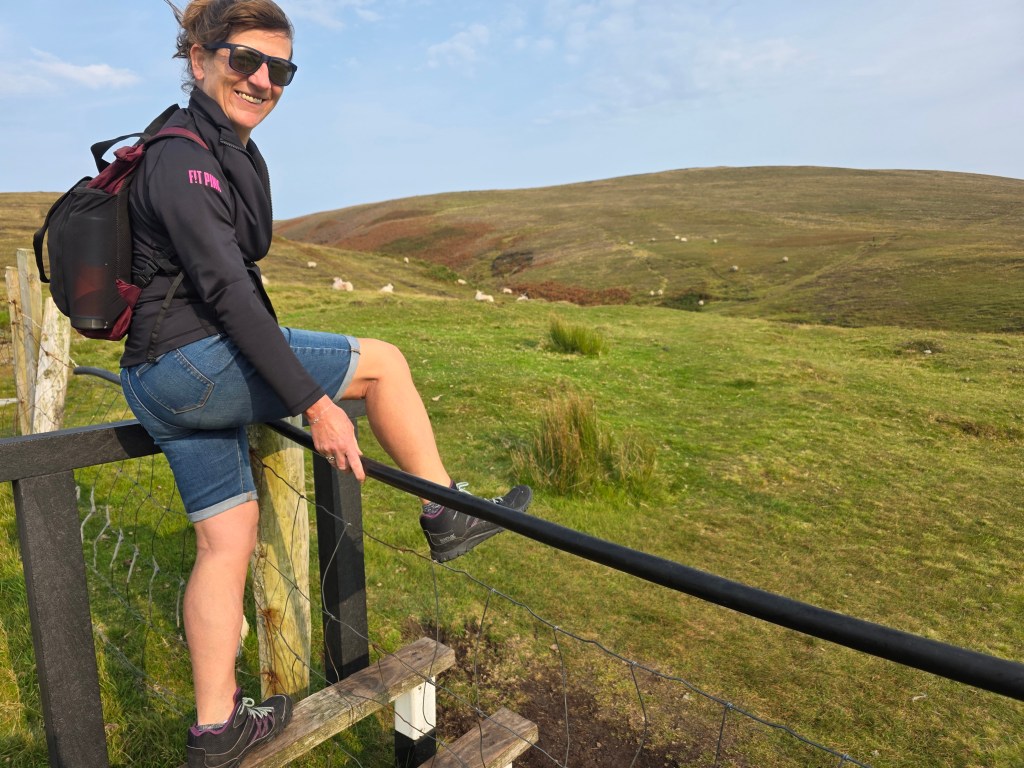
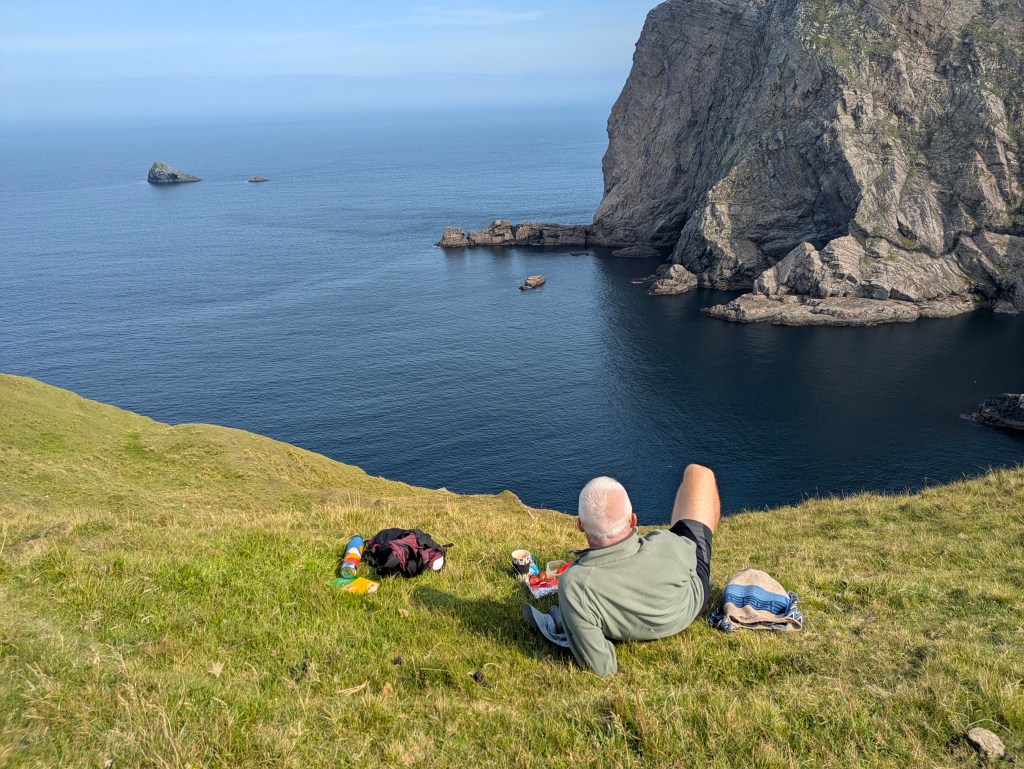
Portocloy Beach is also the start point for a truly spectacular cliff walk along the sea edge all the way to the extraordinary cliff views of Benwee Head (Binn Bhuí). This walk has a combination of rolling hills, expansive bog views, dramatic cliffs, jaw-dropping ocean and sea stack views, and more sheep than we could count. It is a well-marked trail with black poles and purple arrows, clearly visible on a beautiful cloudless day. The weather was perfect for us, blue skies with a light breeze, perfumed from the heathers, but on gusty days, care would be required because of the trail’s proximity to steep cliffs. We hiked an out and back route (about 13kms) but it is also possible to do the Carrowteige Loop Walk, which covers much of the same trail but is looped.
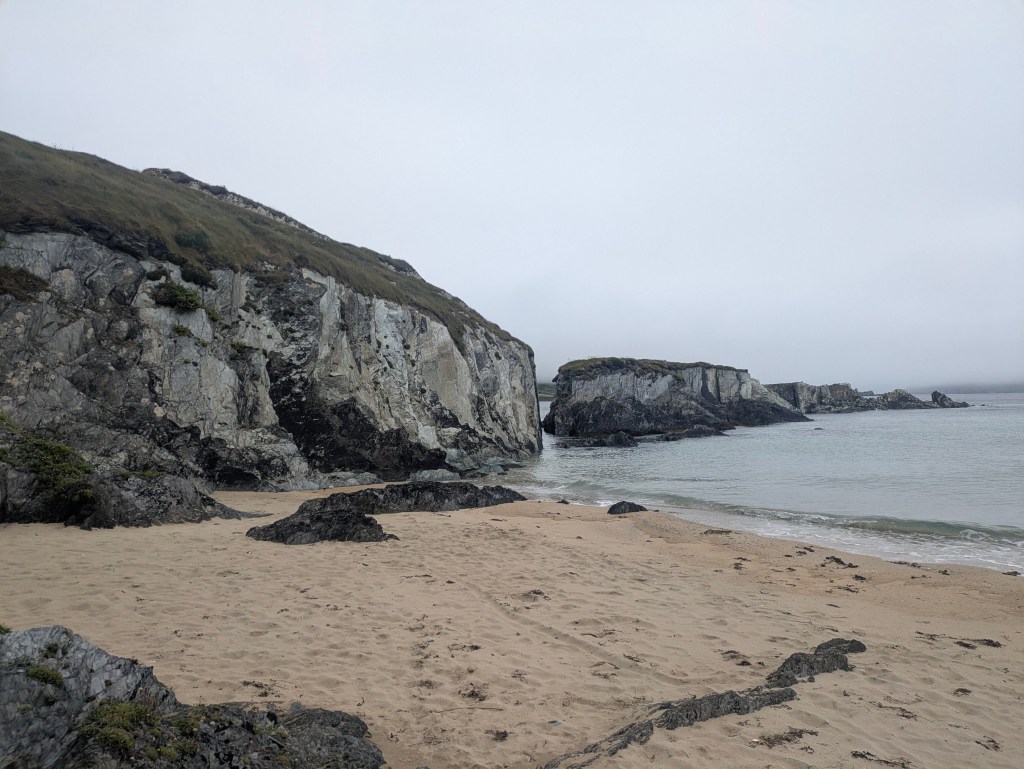
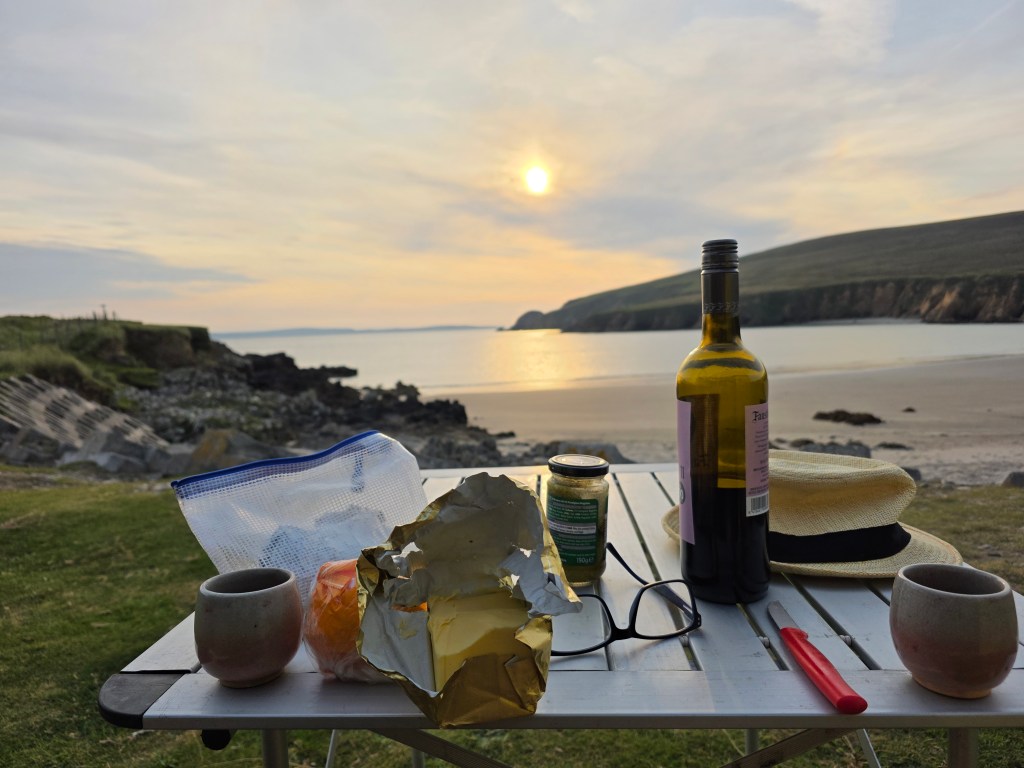
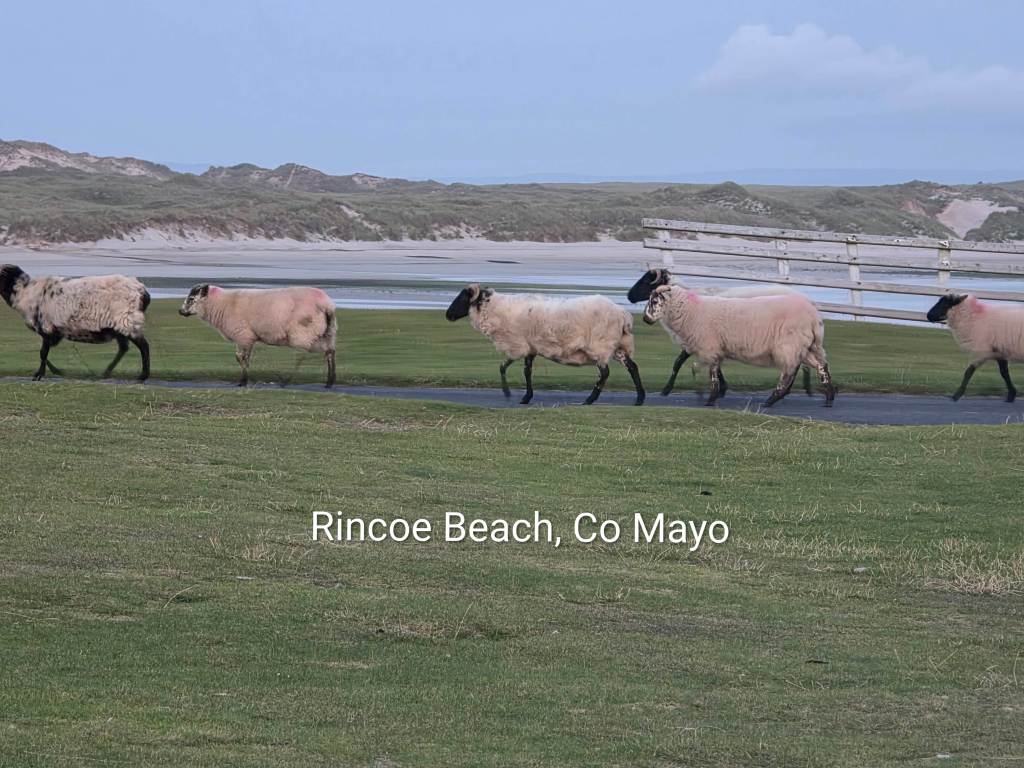
Rincoe Strand was only a ten-minute drive from Portocloy. It looks out across Broadhaven Bay towards the Mullet peninsula with a sandy beach on either side of a small peninsula. There were far more sheep than humans with the sound of bleating mingling with the lapping waves……until two busloads of Irish language students arrived for a swim in the crystal- clear waters… but peace came ebbing back when they scrambled onto their buses after about an hour, leaving a few campervans and the sheep.  We walked uphill past the walled graveyard to Connolly’s Pub (Teach Conghóile), a cosy place with spectacular sea views where a couple of locals were sipping pints. The whole area had a desolate beauty with hardly a tree or bush…it almost felt like we were on an island with the sea and water in every direction. A local man, who now lives in Wexford, told us with nostalgia of the ‘good times’ growing up here, when children ran wild and free, and fishermen travelled to England to find work during the winter months and boys, as young as thirteen, went to Scotland to pick potatoes, known as the tattie hokers.
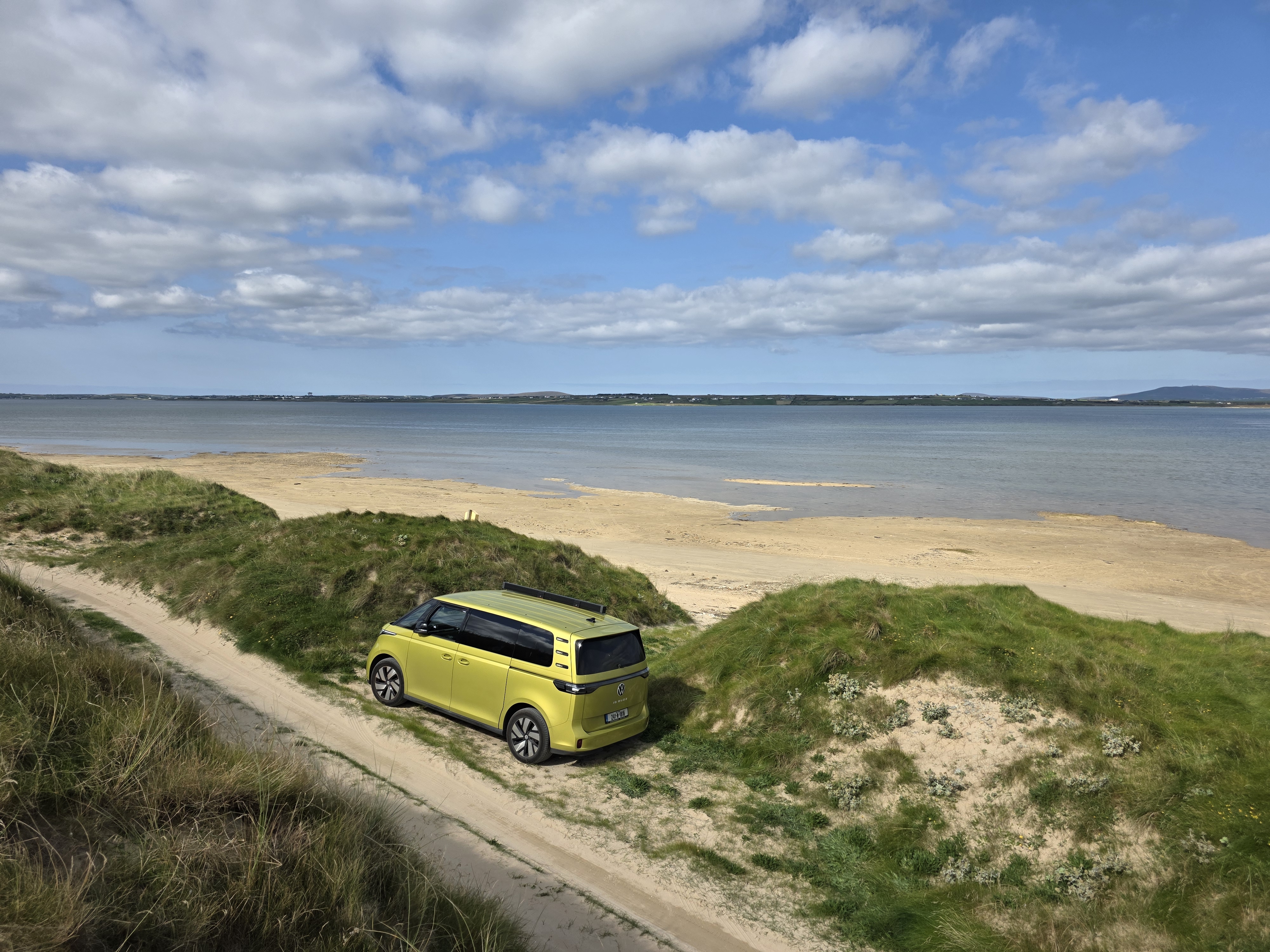
After Rincoe, we headed south along the coast, stopping for lunch in Belmullet before continuing to Claggan Island, Mayo’s newest island, having only being officially declared an island in 1991. The tiny island is situated on the northeastern corner of Blacksod Bay, about 12km from Belmullet. It is linked to the mainland by a narrow, sandy causeway that divides Tramore Bay from Blacksod Bay and it is circled by beautiful sandy beaches in every direction you look with some amazing views of Achill and the Mullet Peninsula. It was easy to spot the first-time visitors…they were the ones driving on the rough sandy road while the locals used the beach.

Driving around the roads of North Mayo, we kept seeing signs for Tír Sáile without knowing what it was. By the time it registered that this was a Sculpture Trail, we had passed most of them. Tír Sáile  originated in 1993 when fourteen site-specific sculptures were installed in spectacular locations around the coast (sáile is seawater). One of the sculpture was on Claggan island, titled ‘Acknowledgment’, a 50m long sculpture of stone and earth, a tribute to the anonymous dead, whose memories have been lost in time. 
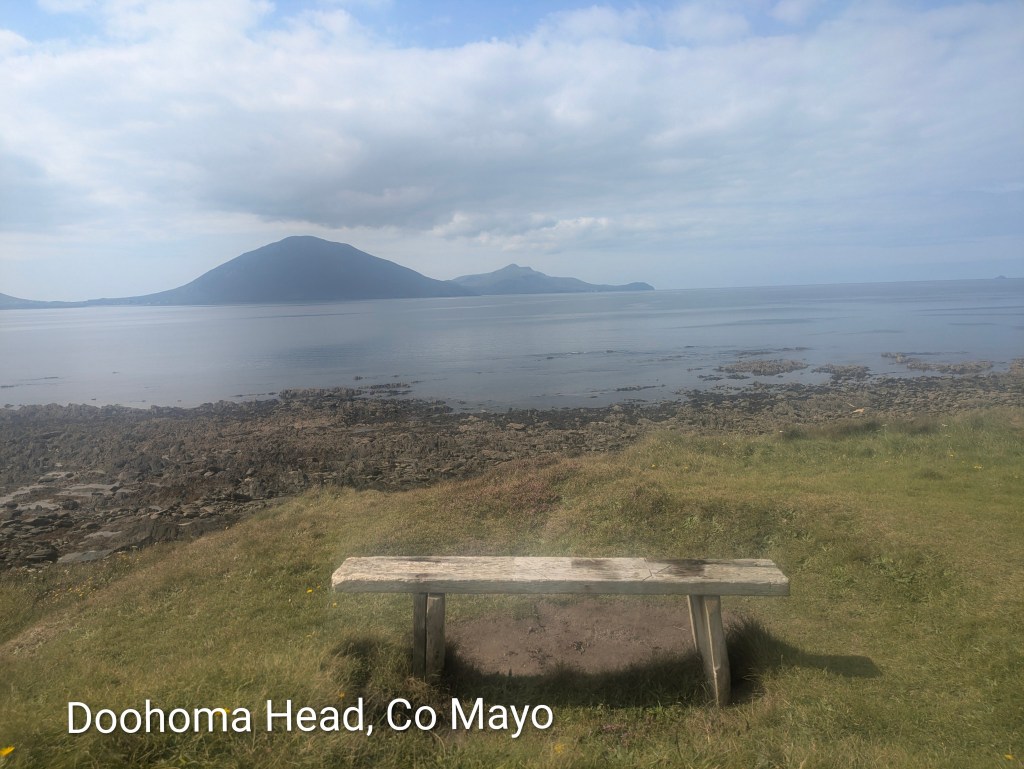
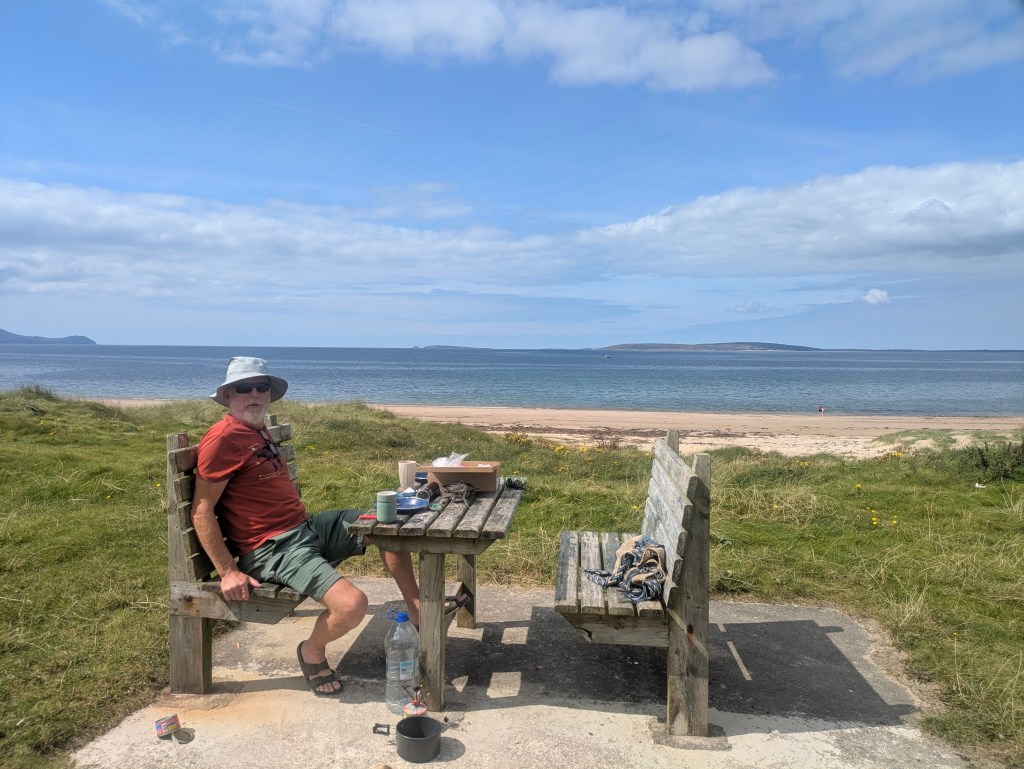
South  of Claggan Island, there seemed to be an unending supply of more white-sand beaches with the distinctive silhouette of Achill Island on the horizon in the distance.  Doolough Beach was empty apart from a man walking five dogs who told us that whales were spotted in the area the day before. Doohoma Head had a wooden seat with a dreamy Achill view but it was time for us to turn inland towards the mountains.

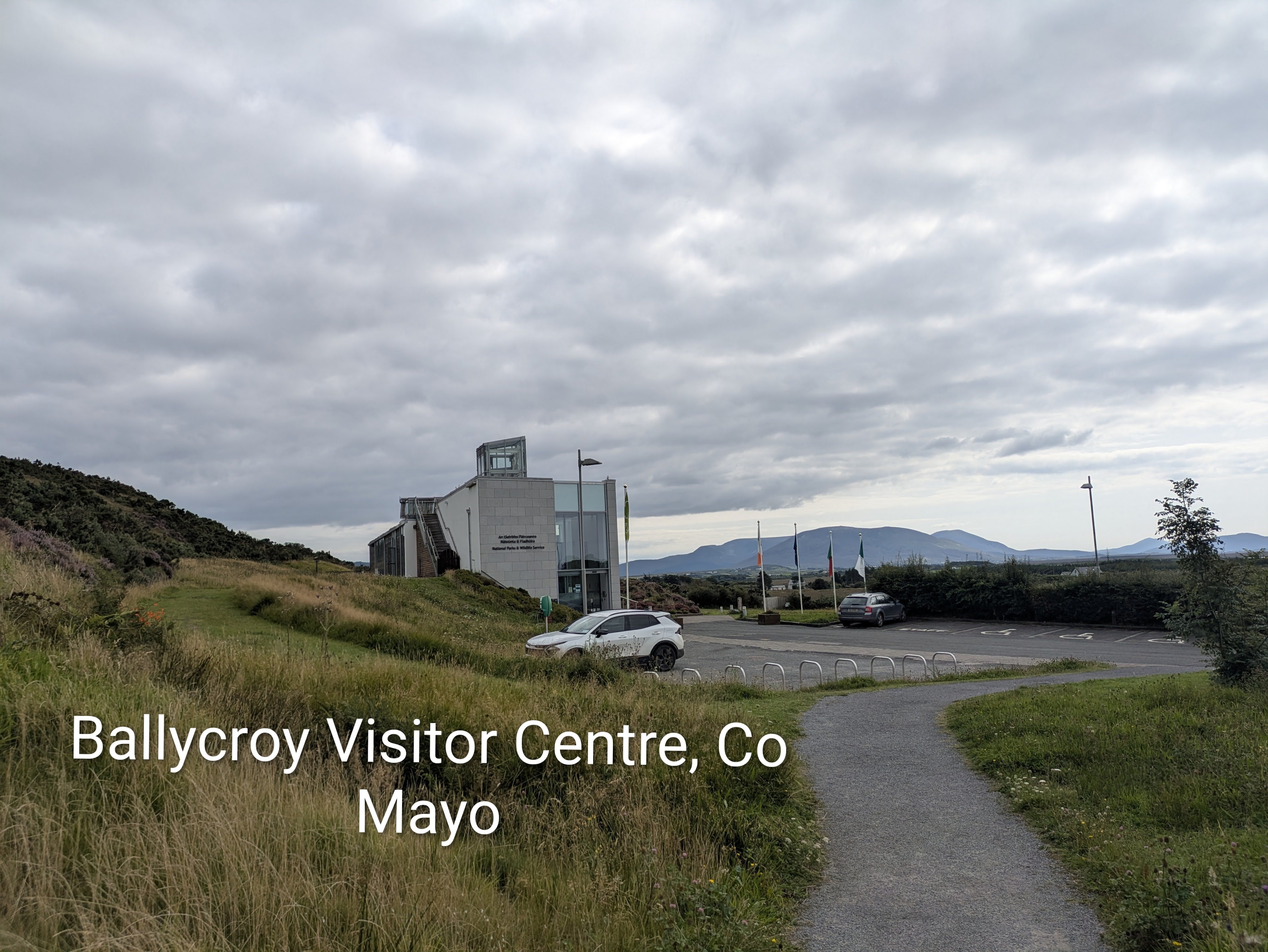
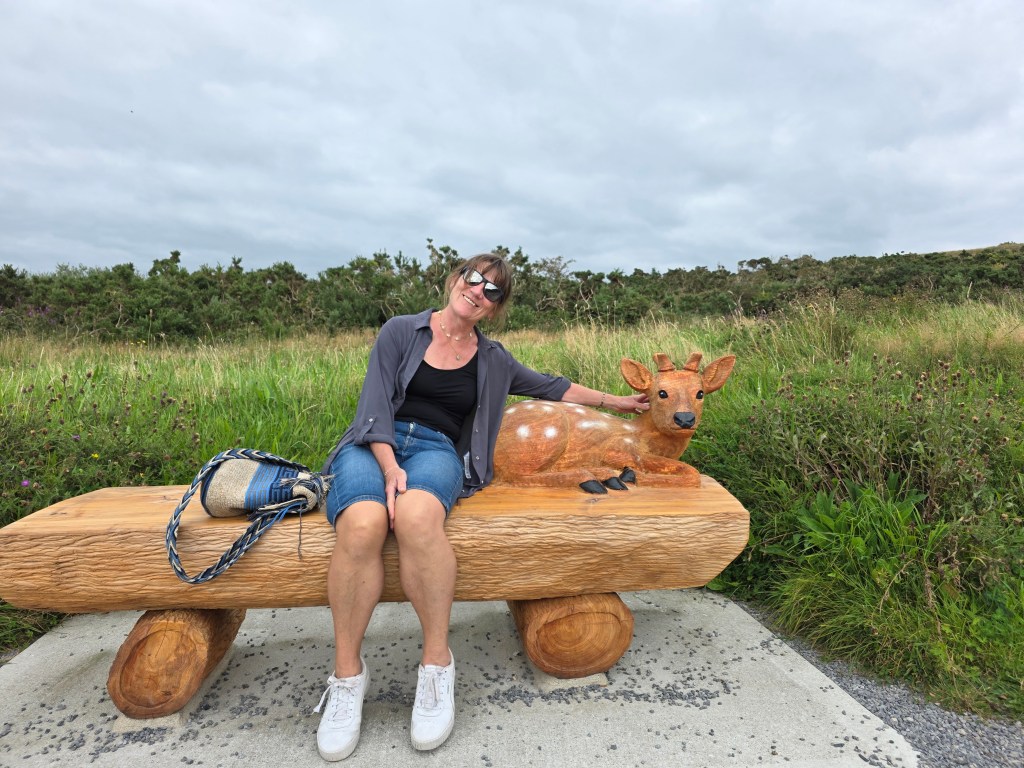
We stopped at the Ballycroy Visitor Centre in Wild Nephin National Park, a modern building full of light and clean lines with knowledgeable, enthusiastic staff and a lovely café. Wild Nephin National Park is huge –  a vast 15,000 hectares of uninhabited and unspoilt wilderness, dominated by the Nephin Beg mountain range and the Owenduff Bog, one of the last intact active blanket bog systems in Western Europe. Martin, who worked in the centre, explained the vision for the future with conservation plans for reforesting the park with native species and  a focus on education.
Just inside the visitor centre was a huge star-studded poster with the caption ‘The darkest skies reveal the brightest stars’ because Nephin has some of the darkest, most pristine night skies in the world and is officially certified as a Gold Tier standard International Dark Sky Park.  The Mayo Dark Sky Park extends across the entire National Park….there was even a viewing platform on the grounds of the visitor centre. The best time for star-gazing is the clear crisp winter months but it is possible on any night for visitors to see with the naked eye thousands of twinkling stars, other planets in our solar system, the Milky Way and even meteor showers…if they are lucky.

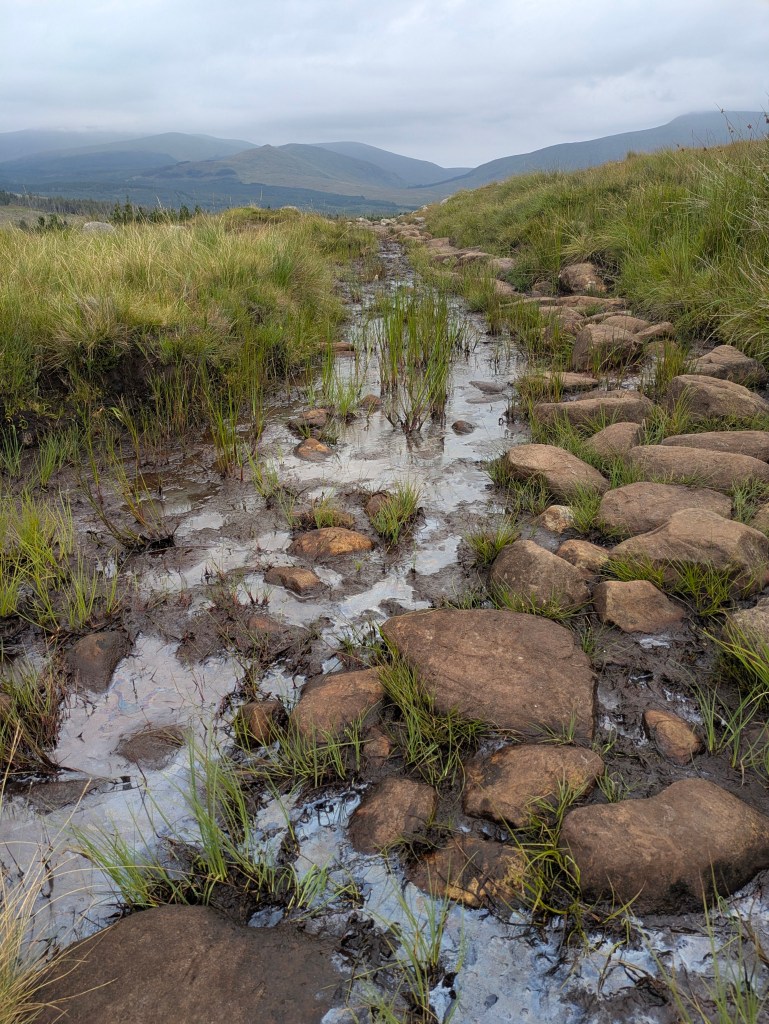
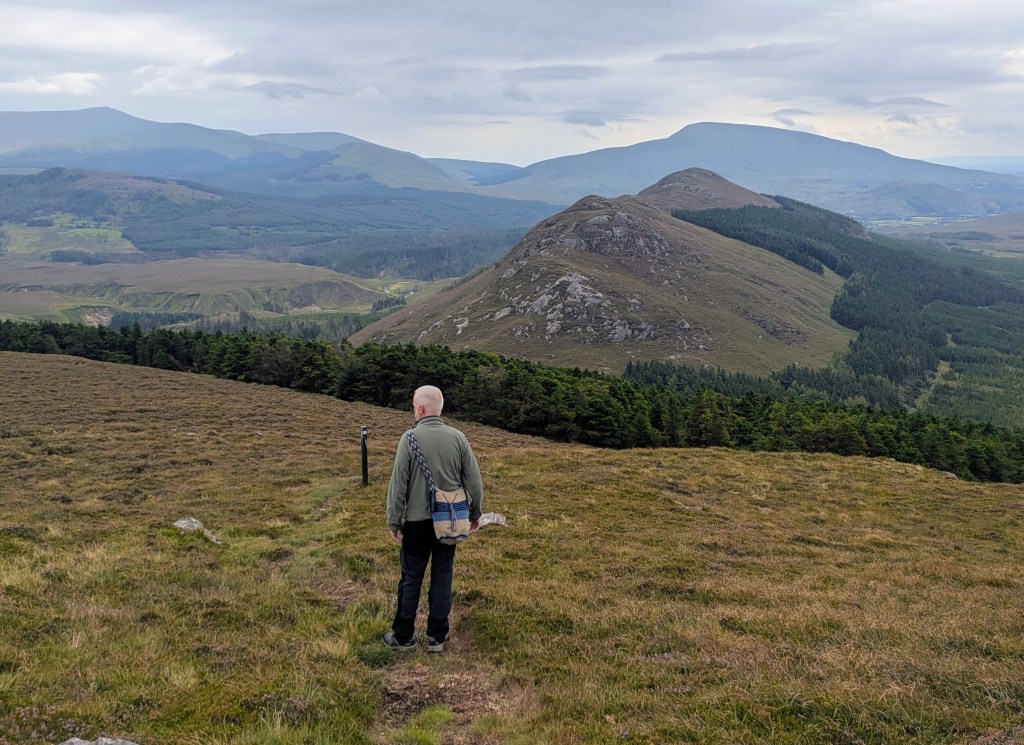
On Martin’s advice we headed to the Letterkeen Trailhead, about a forty minute drive, northeast from the centre,  a trip into wilderness and blizzards of midges at dusk. Unfortunately the skies remained cloudy for us that night with only a smattering of stars but the Letterkeen Loop walk the following morning was gorgeous, with different terrain from stony sheep paths, forest trails to sucking boggy paths where we almost lost a boot. Although the air was thick with moisture, it didn’t actually rain. We enjoyed panoramic views of inky-black lakes, brown streams and a feeling of deep isolation and silence. Nephin has been called ‘the loneliest place in the whole country’ because of the absence of human habitation and mobile coverage is patchy. We didn’t meet a single person on the trail although there were a few cars parked at the trailhead, which also had spotless port-a-loos.  
Our next stop was Ballintubber Abbey, founded in 1216 and one of Ireland’s oldest surviving abbeys and the hub of the ‘Irish Camino,’ and one of the five medieval pilgrim paths of Ireland. It is the starting point for Tóchar Phádraig, an ancient pilgrim path that stretches to Crough Patrick.

Tóchar Phádraig predates St. Patrick, originally built about 350AD as a chariot route from Rathcruachan, the seat of the kings and queens of Connacht, to  Cruachan Aille, as Crough Patrick was called in Pre-Christian times, a mountain sacred to our pagan ancestors.

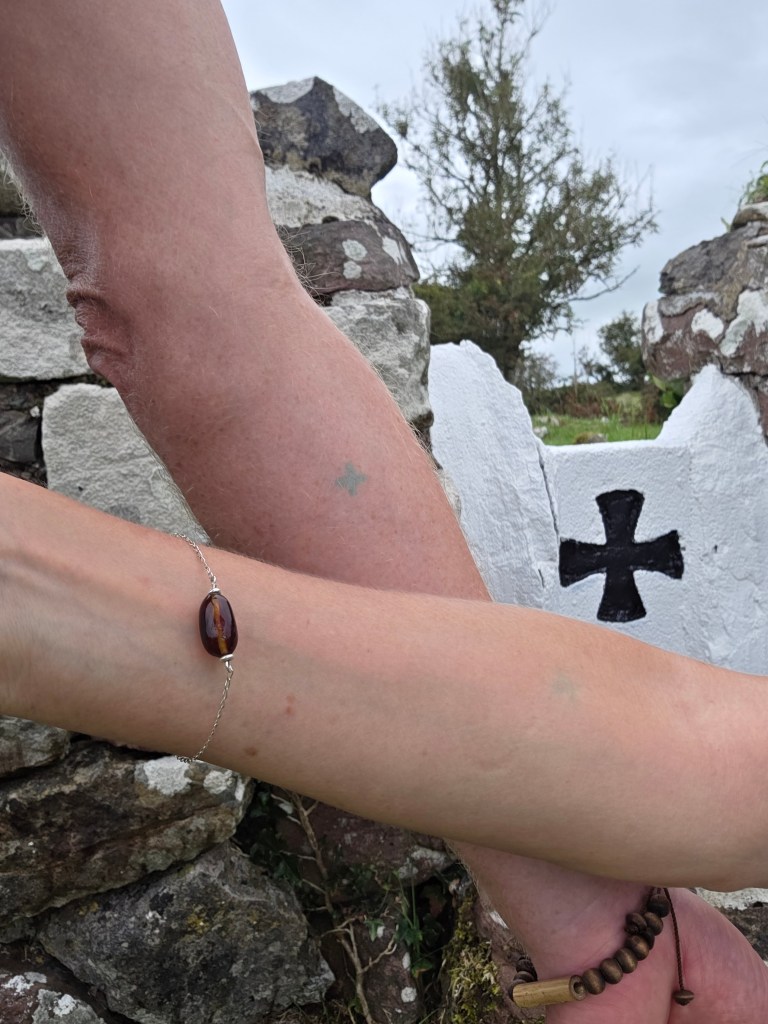
Pilgrims must register in the Abbey before setting out, where they will receive maps, advice and a booklet which gives some information on the many points of interest along the way. We registered on Friday afternoon so that we could get an early start on the 35kms route the following morning as the office opened at 9.30am. The walk can be broken into two parts, the first section to Aghagower with its round tower, and the second section to Crough Patrick but we hoped to complete it in one go.  We were branded on the back of each forearm with a small green cross, evidence that we had registered and paid our dues should any farmer or landowner request proof.

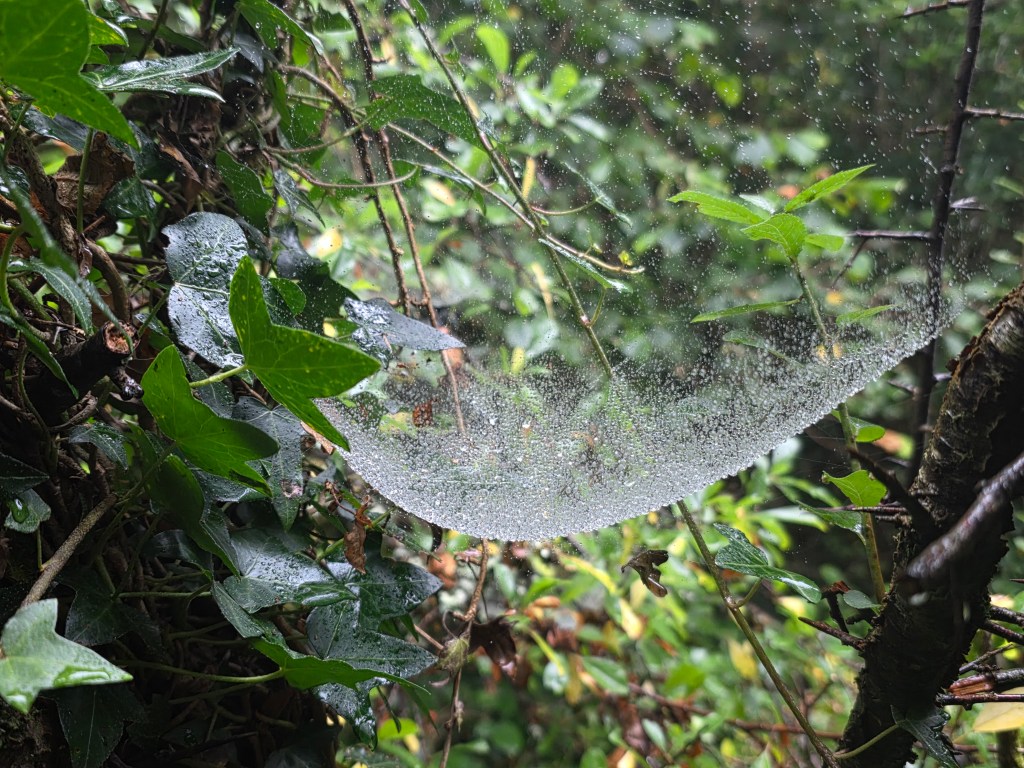
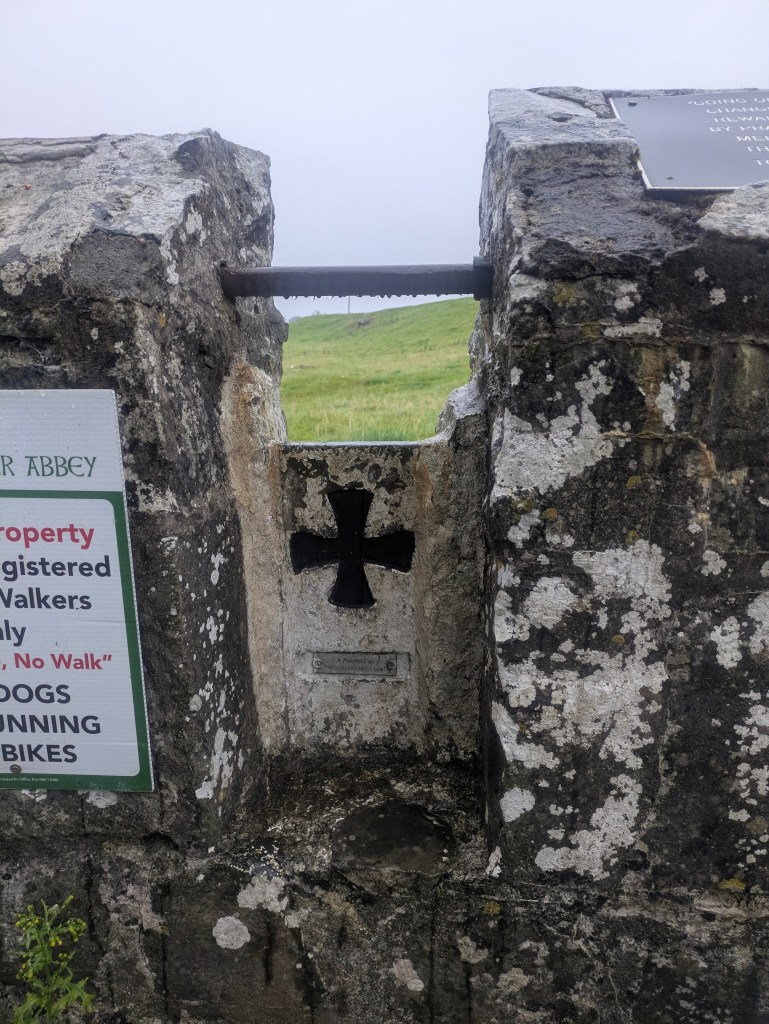
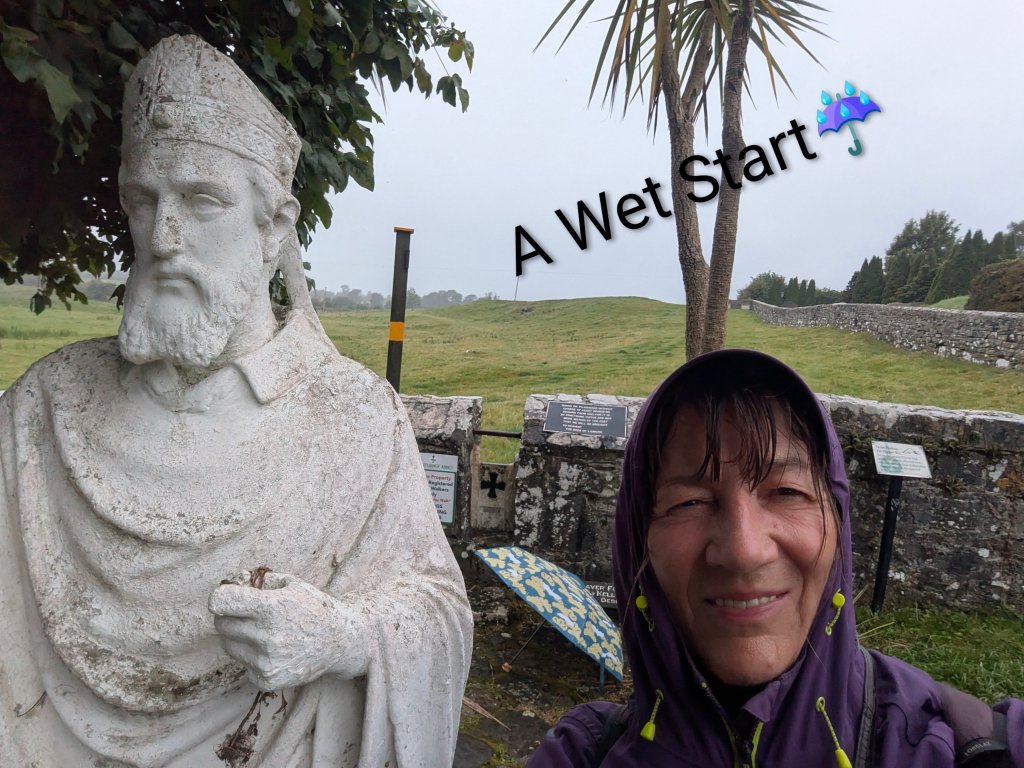
The morning started grey, in a light drizzle, the type of West of Ireland rain that was very wetting but the day cleared after an hour or two. The camino wound its way through open farmland, fields of grazing cattle, sheep and a few horses. We trekked through woodland and forests, stepped over countless stiles with the Tóchar cross sign etched into the stone and tramped along country lanes past hedgerows laden with abundant bounty – blackberries, sloes and haws and moisture drizzled cobwebs.
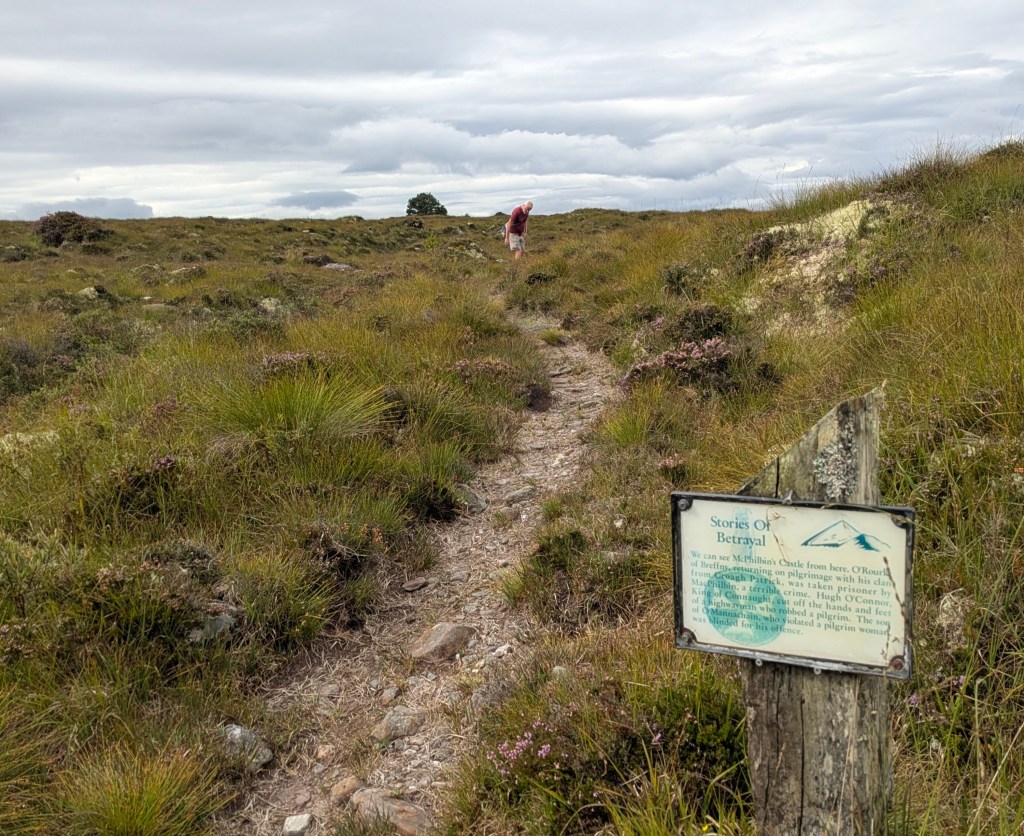
There were numerous storyboards, highlighting points of interest, a welcome opportunity to stop and read. This was not only a spiritual pilgrimage but also a cultural and historical journey through the ages, a fascinating blend of pagan and Christianity, a place of history and pre-history where every tree, stone and rock had a story to tell – mainly of famine, hardship and betrayal but also of healing and goodness. Sometimes in the silence, all I could hear was the beating of my heart and the sound of my boots on the earth. While the first section was predominantly off-road, the second section was mainly on paved country roads and laneways.

With our damp start and the high wet grass, our feet were wet from the very beginning and we contemplated giving up at the halfway point but we persevered. Crough Patrick loomed out of the landscape, a focal point since ancient times,  and seemed to beckon us forward although for long sections, it didn’t seem like  we  were getting any closer as we plodded along. There were signs saying ‘No complaining’ in several places which we tried to obey.

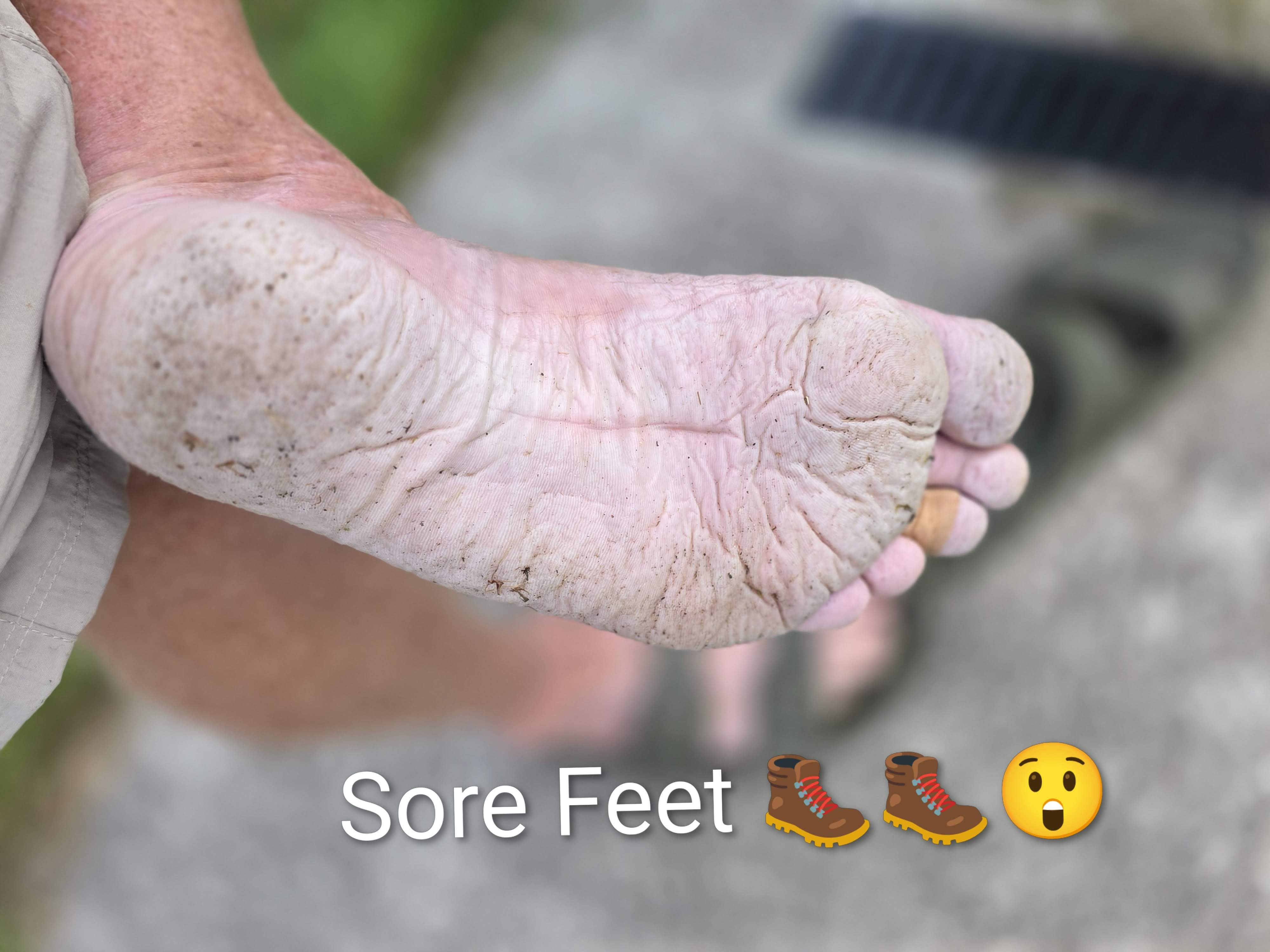
 Although the trail was well-marked, we managed to lose it several times, back-tracking until we picked it up again. There are several guided walks each year, organised by the Abbey, which would be easier as we wouldn’t have to concentrate on finding the markers ourselves but we were a week too early for the August guided pilgramage. We finished with a sense of achievement…. and exhaustion with shrivelled feet… after a long day of blisters and contemplation.
We barely scratched the surface of what North Mayo has to offer but one thing is certain, we will certainly return if we can.  If stunning scenery, amazing deserted beaches, superb hiking  and starry skies are your thing, then Mayo is definitely the place to go. The locals are an added bonus, probably the friendliest people in the whole country and certainly the most talkative.

We had no problem with the electric van, charging it in Ballina and in Westport.  This van trip was so successful that we are considering going further afield. Might it be possible to drive to Istanbul or Casablanca…..and back?

Thanks for reading
Campervanning in North Mayo: A Scenic Adventure

A Tale of Two Islands, Sherkin and Cape Clear

There’s something appealing about visiting islands. Maybe it’s the isolation, the idea of ‘getting away from it all’, the rugged beauty of most islands or the desire to experience  a simpler rhythm of life based on sea and tide. Ireland has a plethora of islands scattered about its coast, more than eighty in total with about twenty of them  inhabited.

A few years ago, we pledged to visit all of them, or at least the inhabited ones, and we have been slowly ticking them off our list.  Last year, we visited Tory, Ireland’s most northerly, inhabited island and last week, we went in the opposite direction towards Sherkin Island and Cape Clear, Ireland’s southernmost inhabited island.

The carpark near the pier in Baltimore was surprisingly full, mainly of small elderly cars. The crew member on the Ferry to Sherkin explained that many islanders keep a car on the pier so that the car park is packed even in the depths of winter when there isn’t a visitor to be seen. The ferries to both islands depart from Baltimore (and during the summer months, there are also sailings from Schull to Cape Clear).

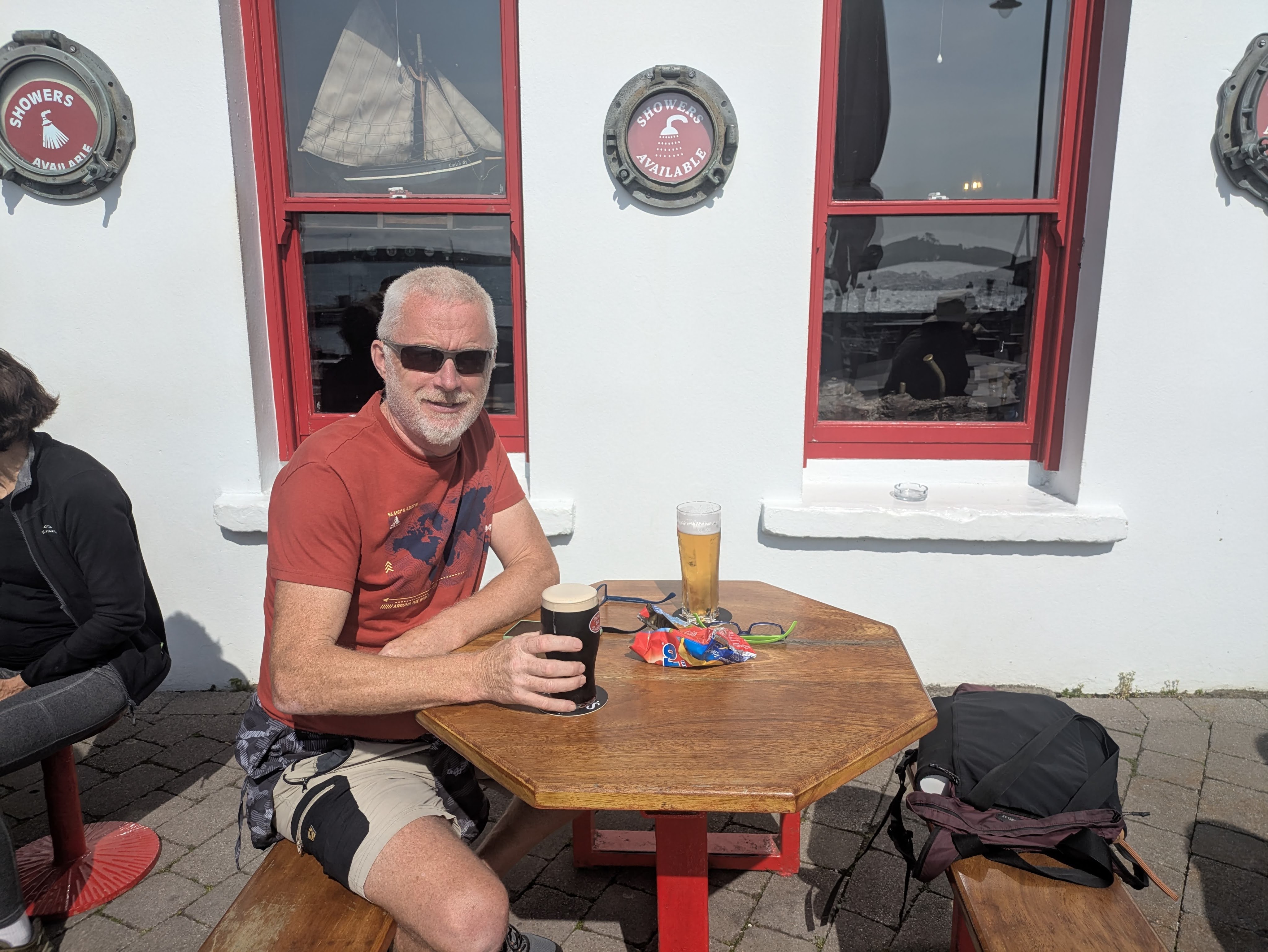
Baltimore is a picturesque village facing a sheltered harbour with pubs, a grocery store, a Michelin restaurant, spotless public toilets and shower facilities but it has a terrifying history. In 1631, Algerian pirates raided this quiet village and carried off about one hundred and forty inhabitants, dragging them from their beds. These poor unfortunates were sold into slavery in the Ottoman Empire. The survivors were so traumatized and frightened that they fled upriver to establish the town of Skibbereen. ( Rte did a fabulous radio documentary on this years ago, From Baltimore to Barbary: The Village that Disappeared). Sipping drinks in glorious sunshine outside Bushe’s pub, this event seems unimaginable.

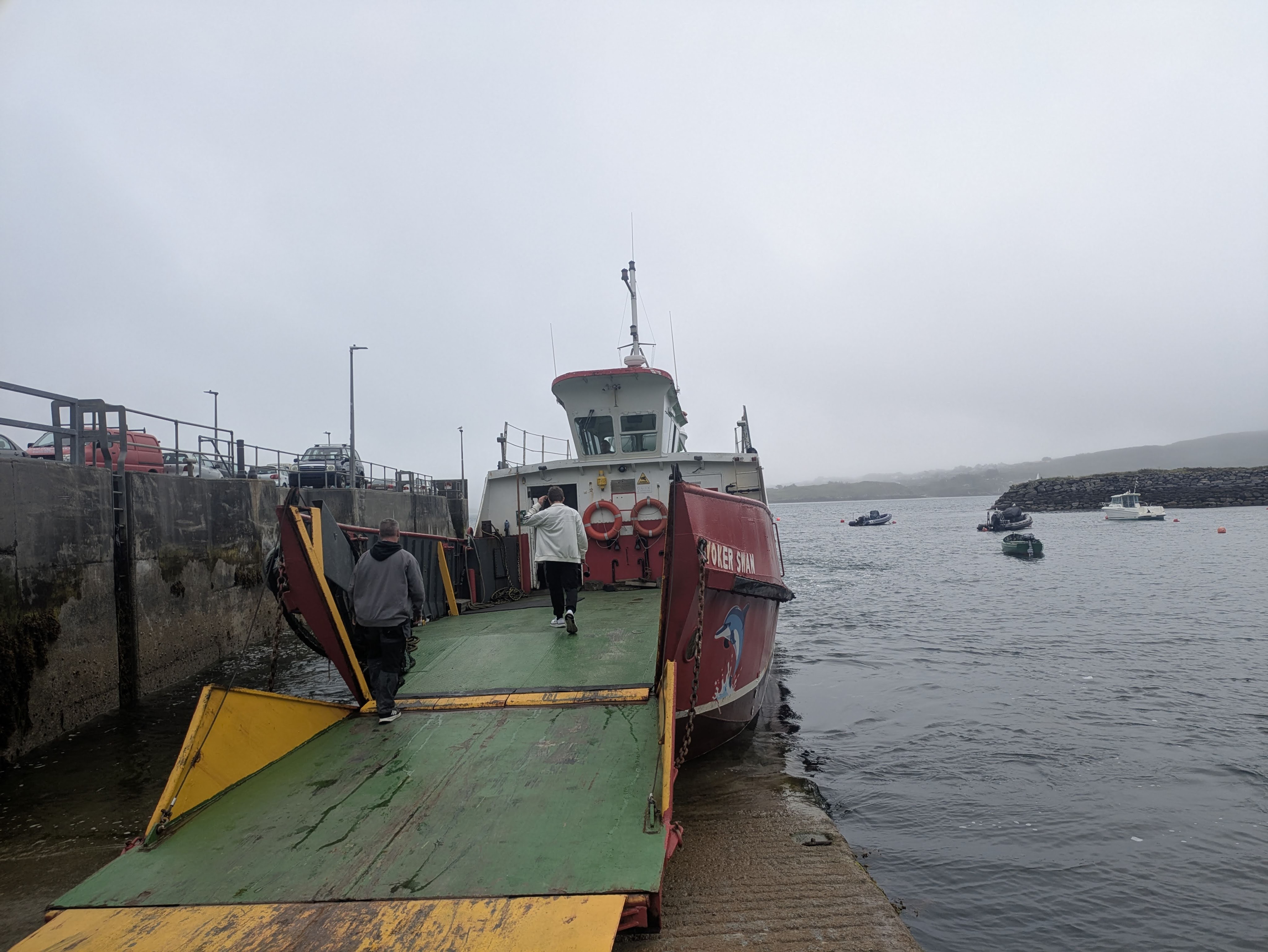
The roll on, roll off cargo ferry to Sherkin was old and rusty but the journey wasn’t long, merely a ten minute trip from Baltimore.  The cost was relatively expensive at €15 a head for a return journey and we discovered later that the price of ferrying a vehicle was an eye-watering €100 with prior booking essential as there is only space for one vehicle at a time.  Apart from us, there was three British sisters and a brother (all in their sixties) who were holidaying in Ireland and visiting a friend on the island for the day, a few other day trippers and two island women with bulging shopping bags, obviously returning from a grocery shop on the mainland as there’s no shops on the island.

The Sherkin Ferry

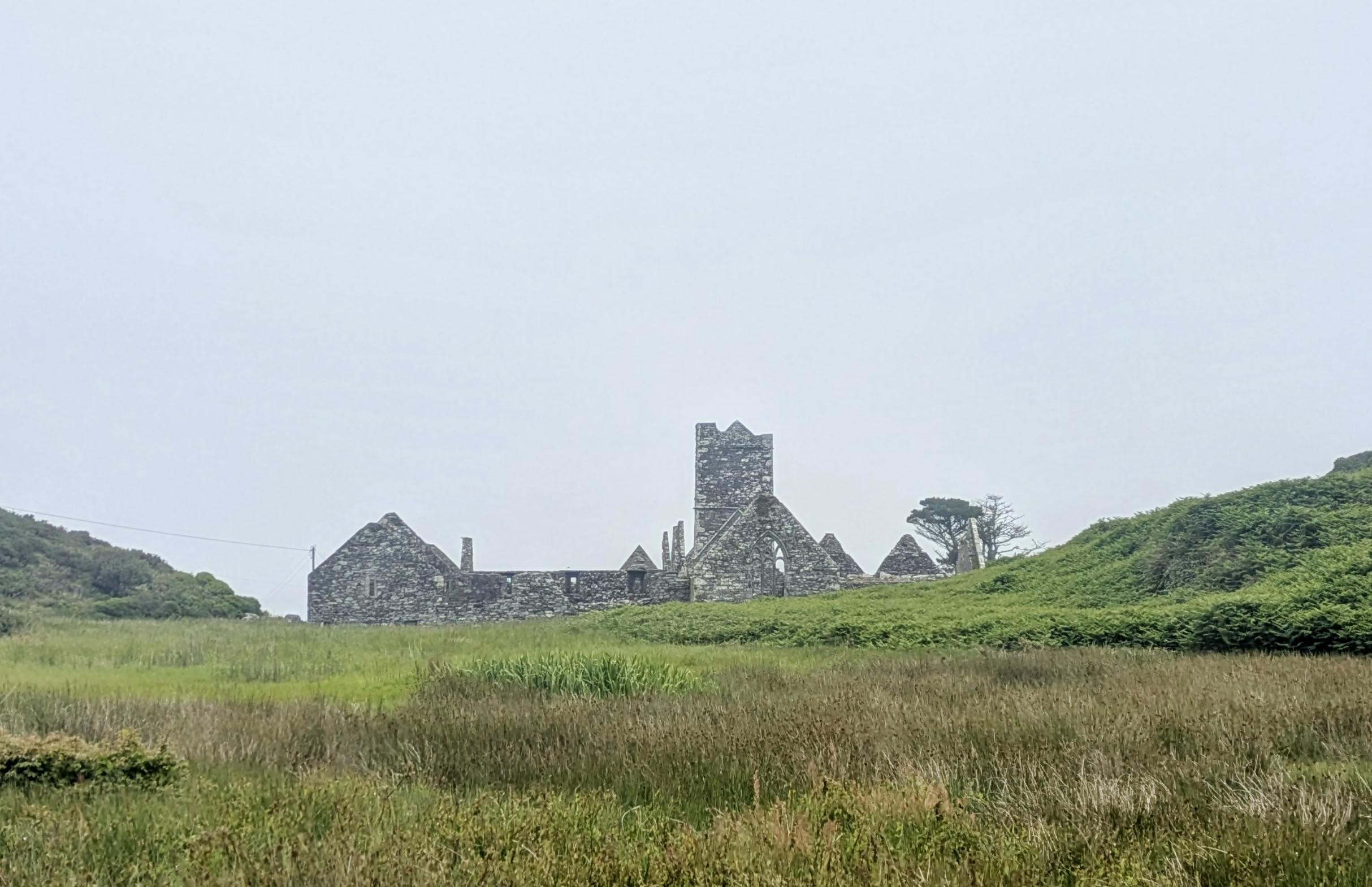
Arriving in Sherkin, we were met by the imposing landmark of the well-preserved ruins of the Franciscan Friary rising out of the mists. It sits on a slight incline overlooking the harbour and was built  back in 1460 by local chieftain Fineen (Florence) O’Driscoll and seems to whisper tales of a bygone era of prayers and bloodshed. In 1537 the citizens of Waterford burned the building in retaliation for acts of piracy (intercepting and stealing boatloads of wine) by the O’Driscolls.  Despite the damage, it continued to function until 1650, when it was confiscated by Cromwellian soldiers. The friary then passed into the hands of the Beecher family, prominent landlords of the island until it was handed over to the OPW in 1895. But the graveyard has remained the traditional burial ground of the island with recent additions among the moss-covered headstones. Quite a few Florence O’Driscoll’s, descendants of the original chieftain, have found their resting place here.

Franciscan Friary

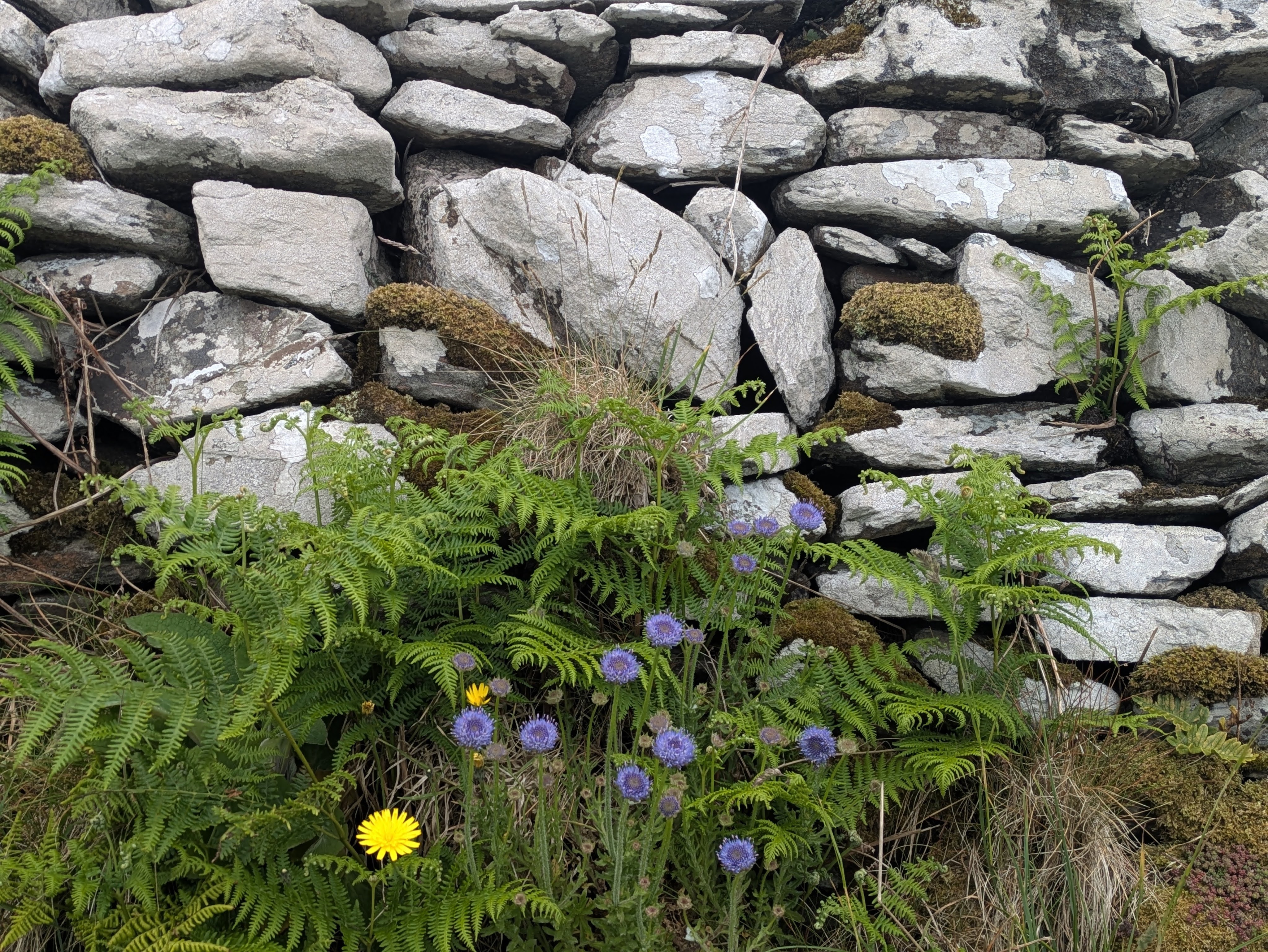
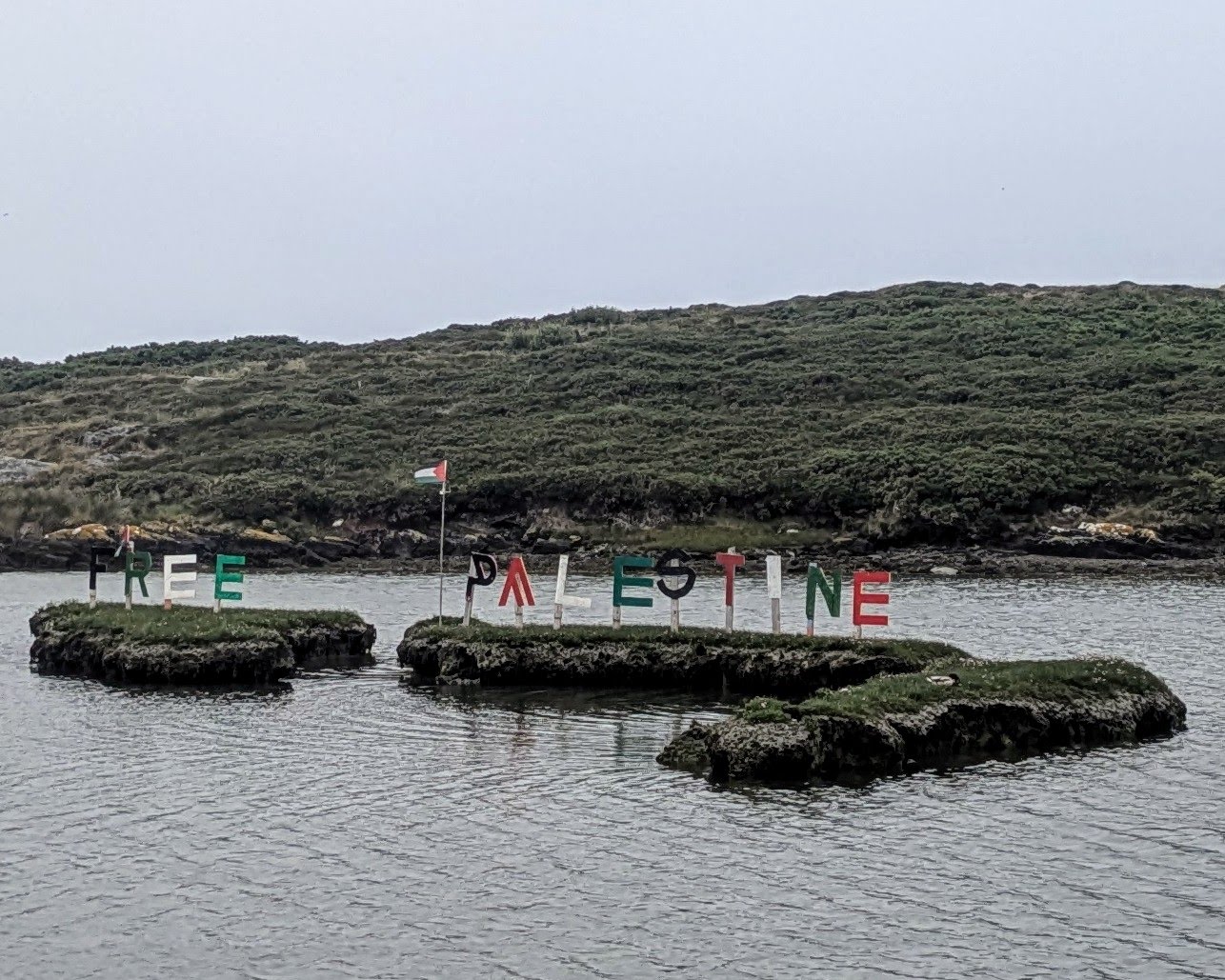
 A small bus meets all the ferries at the pier and we availed of it to take us to our accommodation in North Shore which was only about a forty minute walk away but we were carrying bags for our two-night stay. Sherkin is a small, relatively flat island of narrow, winding roads with verges filled with colourful wildflowers, foxglove, ferns, purple loosestrife and fuchsia. We drove past isolated houses dotted along the landscape, a few herds of cows, a tidal lake with a ‘Free Palestine’ banner, fluttering in the middle and a community centre which housed an impressive art exhibition.

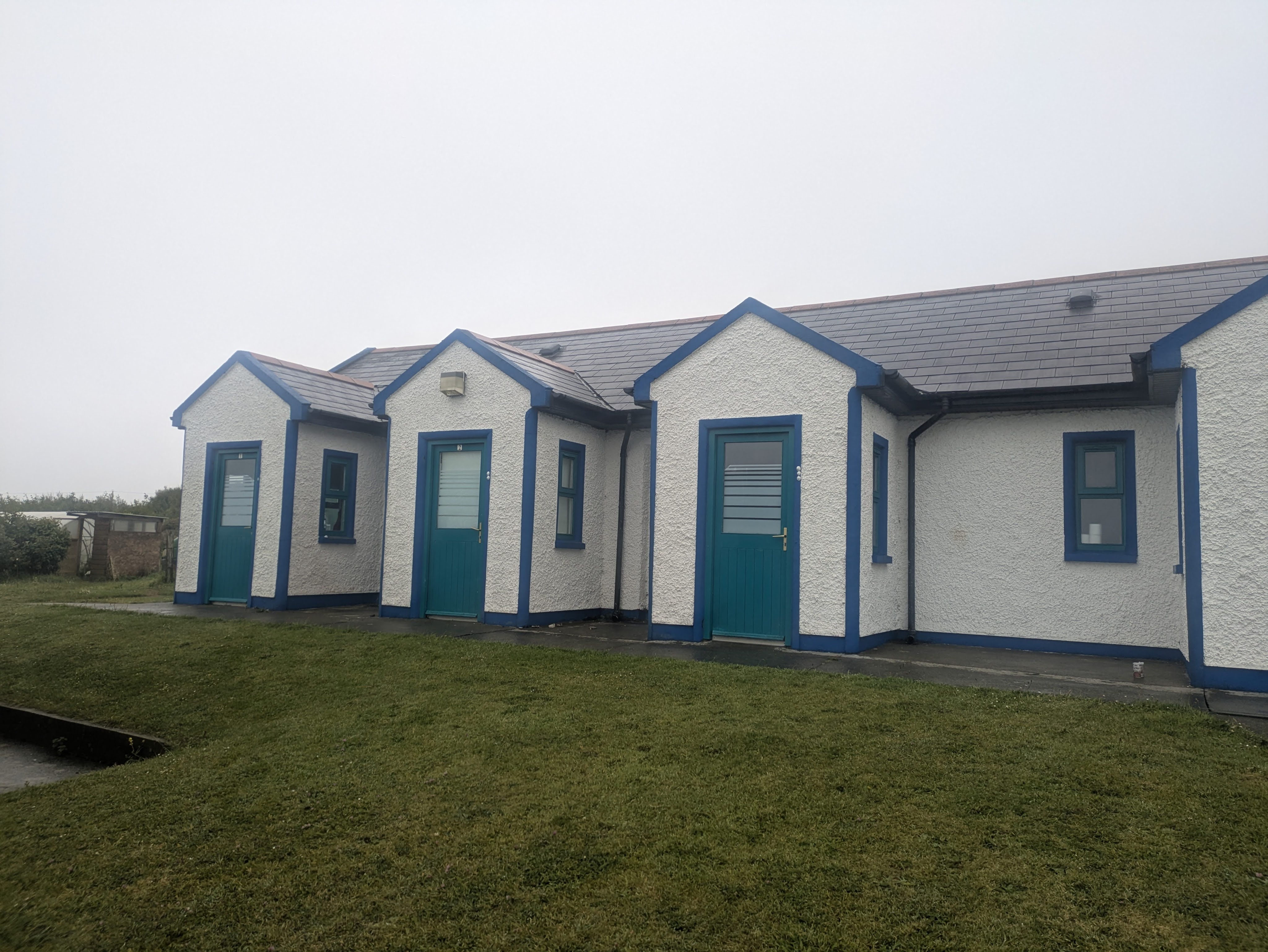
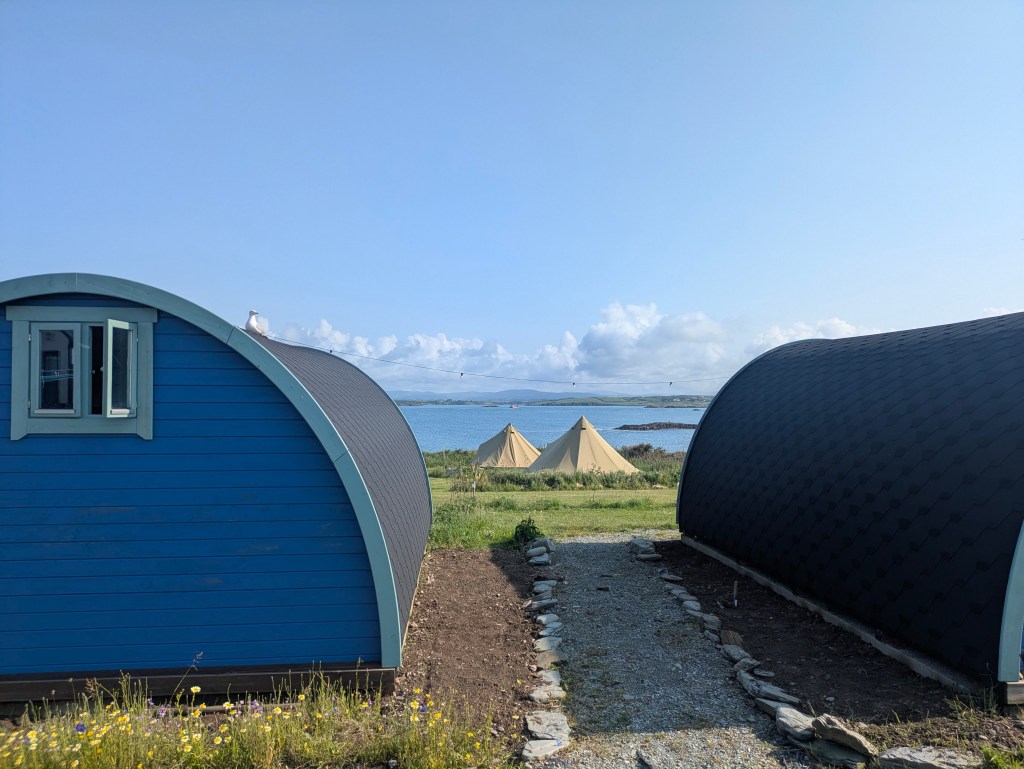
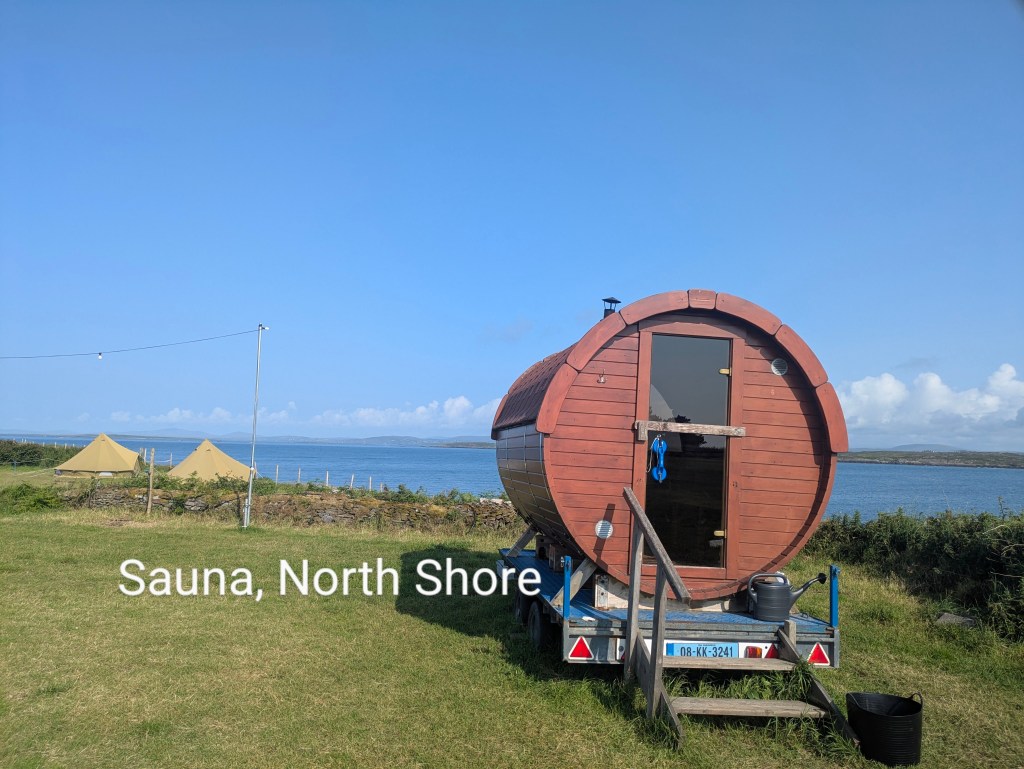
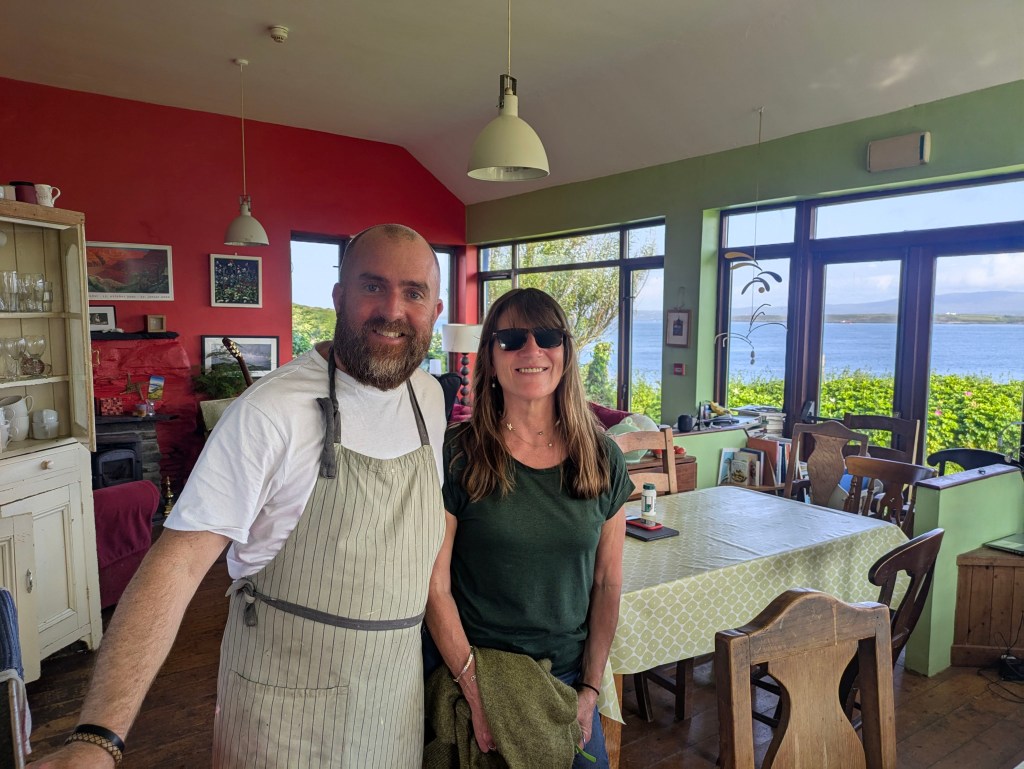
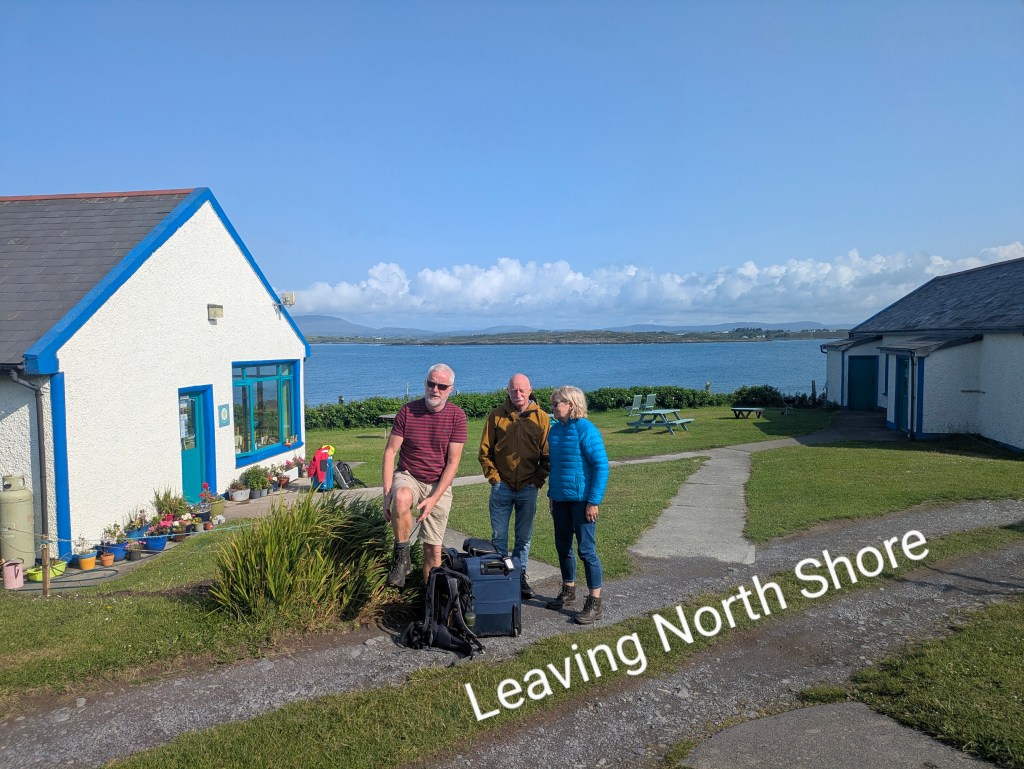
We were welcomed in North Shore with gorgeous sea-views, coffee and delicious homemade brownies by Daniel. The North Shore complex has a huge variety of accommodation – camping, bell tents, glamping pods and cabins. There’s a sauna and a well-equipped communal kitchen.  We stayed in an ensuite room with a bunk bed and a single bed which was quite basic and a shower with scalding hot water, so hot it was almost impossible to stand under.  Apart from a few Airbnb, North Shore is the main place to stay on the island and is the venue for an annual Electronic music festival.  For the last few years, the island hotel has been  occupied by Ukrainians who have been welcomed into the community, swelling the island population from about 110 to 165.

Our Accommodation, North Shore

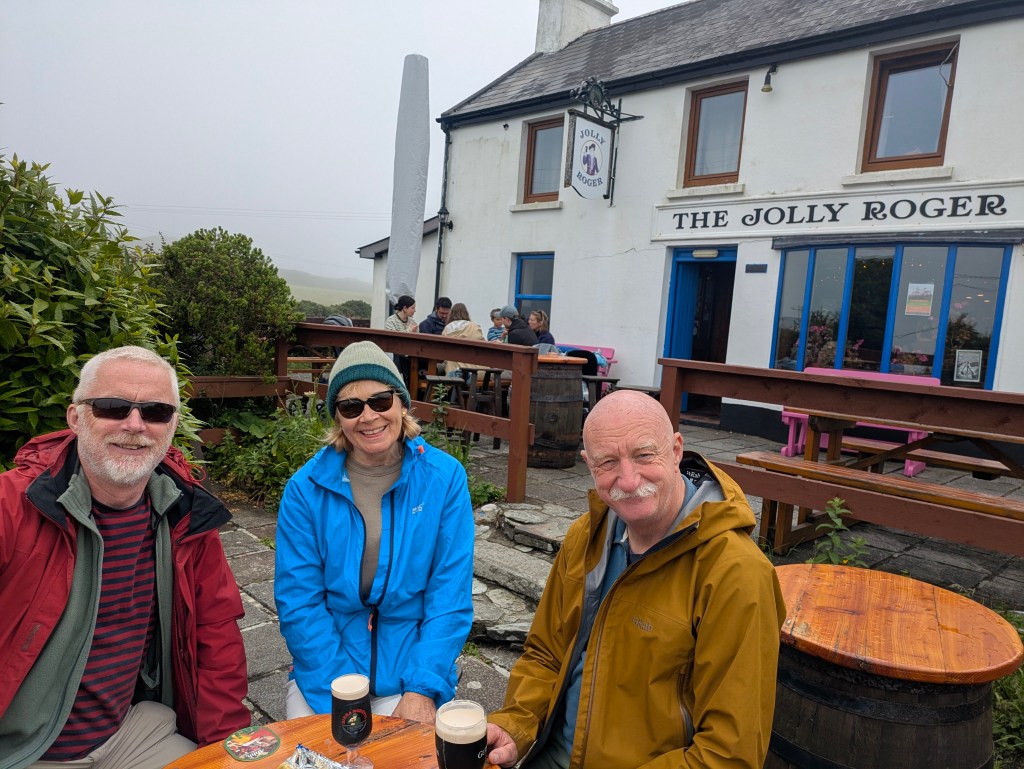
As we hadn’t brought any food supplies with us and there was nowhere to buy anything on the island, we ate our evening meals in North Shore on both evenings. These homecooked meals  were generous, plentiful and delicious. Heaped platters of food were passed around a  table we shared with an American woman travelling around Ireland and a couple of tradesmen from Cork who were doing insulation work on an old island house. Desserts were made by a Ukrainian pastry chef , mouth-watering lemon drizzle cake and baked cheesecake. North Shore does not sell alcohol and as the only pub on the island called the Jolly Rodger, was closed on Tuesdays and Wednesdays, we watched in envy as the Cork tradesmen drank beer with their dinner. They had gone over to Baltimore for some cans having endured a ‘dry’ night the evening before. So take note if you like to have a drink and bring  your own.

Breakfast was equally enjoyable – bowls of fruit, yogurt, smoothies, pancakes, homemade bread and sausages and rashers, enough to fuel us until dinner time. We spent our days  on the island walking and wandering in mild misty conditions, sometimes the sea disappeared completely, hiding in the greyness. The beaches on Sherkin were gorgeous, especially Silver Strand which was sandy,  clear-watered and completely deserted. Everywhere there was the sound of lapping of water and occasionally the hum of the ferry in the distance. A dog on a little rocky inlet wanted us to throw stones into the water for him to fetch. In some ways, it was not really like being on an island because the mainland was so near and  there was a myriad of small islands in every direction.

On our third morning, we awoke to blue skies, birdsong and sunshine. All the greys of the previous days had transformed to bright blues. The waters of Roaring Water Bay were tranquil and quiet as we travelled back to Baltimore to catch a ferry to Cape Clear Island. It isn’t possible to travel directly from Sherkin to Cape Clear.

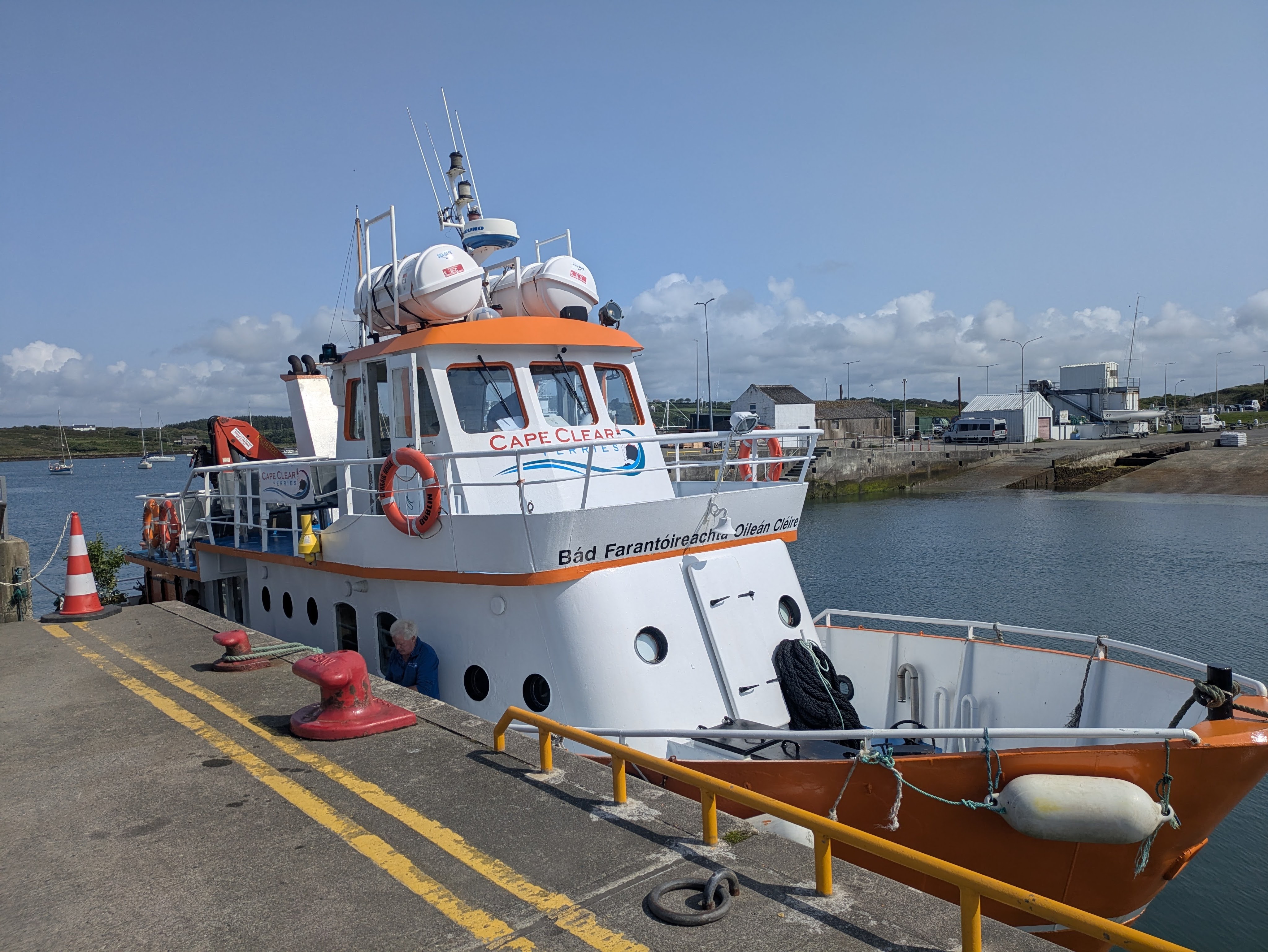
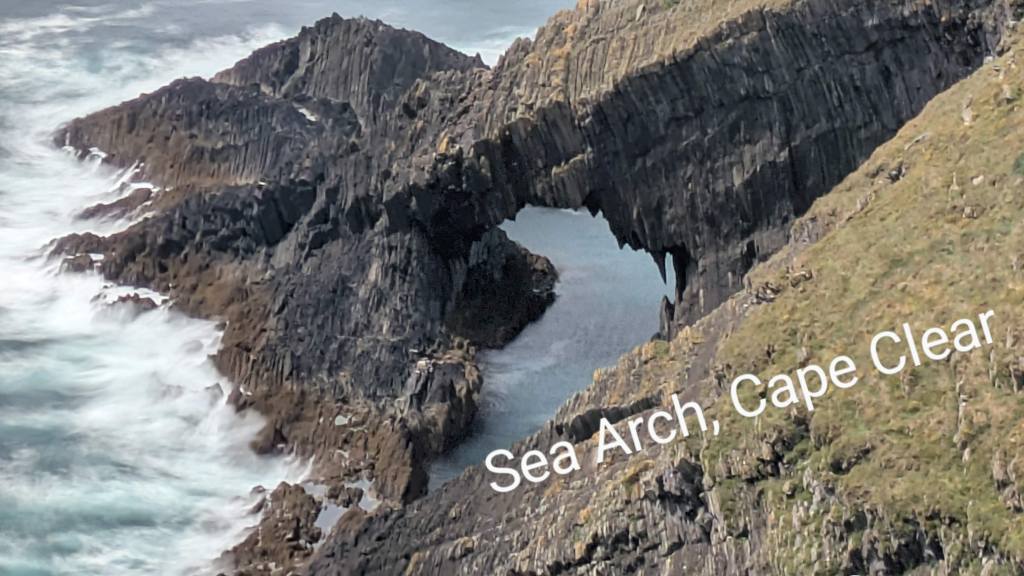
The Cape Clear boat was bigger, newer and shinier than the Sherkin ferry. The thirteen kilometer journey takes about 45 minutes, depending on weather and tide and costs €20 return. Cape Clear Island is slightly larger than Sherkin and although they are alike in many respects and have a similar population, they are also very different – more like cousins than sisters. Cape Clear, or Oileán Chléire is a Gaeltacht area with an Irish College which brings lots of young students during the summer months. It is mountainous with dramatic cliffs and walks that wind through hillsides of gorse and bracken, giving dramatic views of the rocky coastline and the seemingly unending and restless sea.  We could see the white surf swirling around the iconic Fastnet Rock in the distance and would have liked to take a Fastnet Tour but there is a restricted schedule in operation in June and the times didn’t suit us. A little away from the harbour on Cape Clear stood a stone memorial, etched with eighteen names, the victims of the Fastnet Yacht Race in 1979 which ended in such tragic loss of life.

Cape Clear Ferry

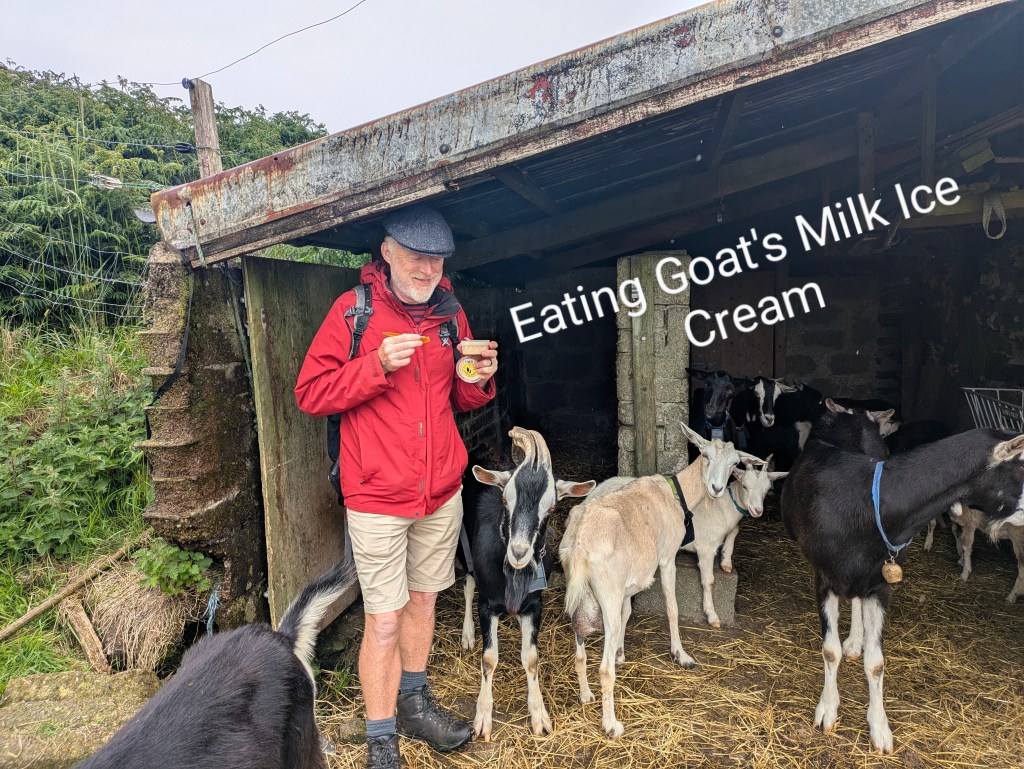
There’s more industry on Cape Clear with three pubs, a grocery shop, a gift shop and a gin factory. A goat farm on an almost vertical hillside sells ice cream and goat burgers while a herd of goats and kids scampered into an open sided shed when the sunshine disappeared and it started to rain.

Our visit to Cape Clear was short, only a day-trip so we didn’t experience any of the accommodation but there were signs for BnB’s, the pub advertised rooms and a hillside was dotted with yurts. We met a retired British couple who were spending their summers sailing around Europe  and a weathered Scottish man from the Hebrides who was sailing a tiny boat. Apparently there is no charge for mooring craft on the island which naturally attracts sailors.

We have really enjoyed ‘our few days of getting away from it all’ and would love to return and do a Fastnet tour sometime. It really was a gorgeous experience, exploring both islands.

A Tale of Two Islands, Sherkin and Cape Clear

Mexico: Highlights

Mexico is beautiful, an enormous country (about 23 times the size of Ireland) with something to enchant every visitor – palm-fringed beaches, red-sand deserts,  lush jungles, mountain ranges, coastlines along the turquoise Caribbean Sea, the blue Pacific Ocean and of course the Gulf of Mexico as well as a plethora of archaeological ruins, colourful colonial towns and world-renowned holiday resorts.  

Despite all that, the question that we were asked most often about Mexico, and especially when we said that we were hiring a car and driving around was ‘Is it safe?

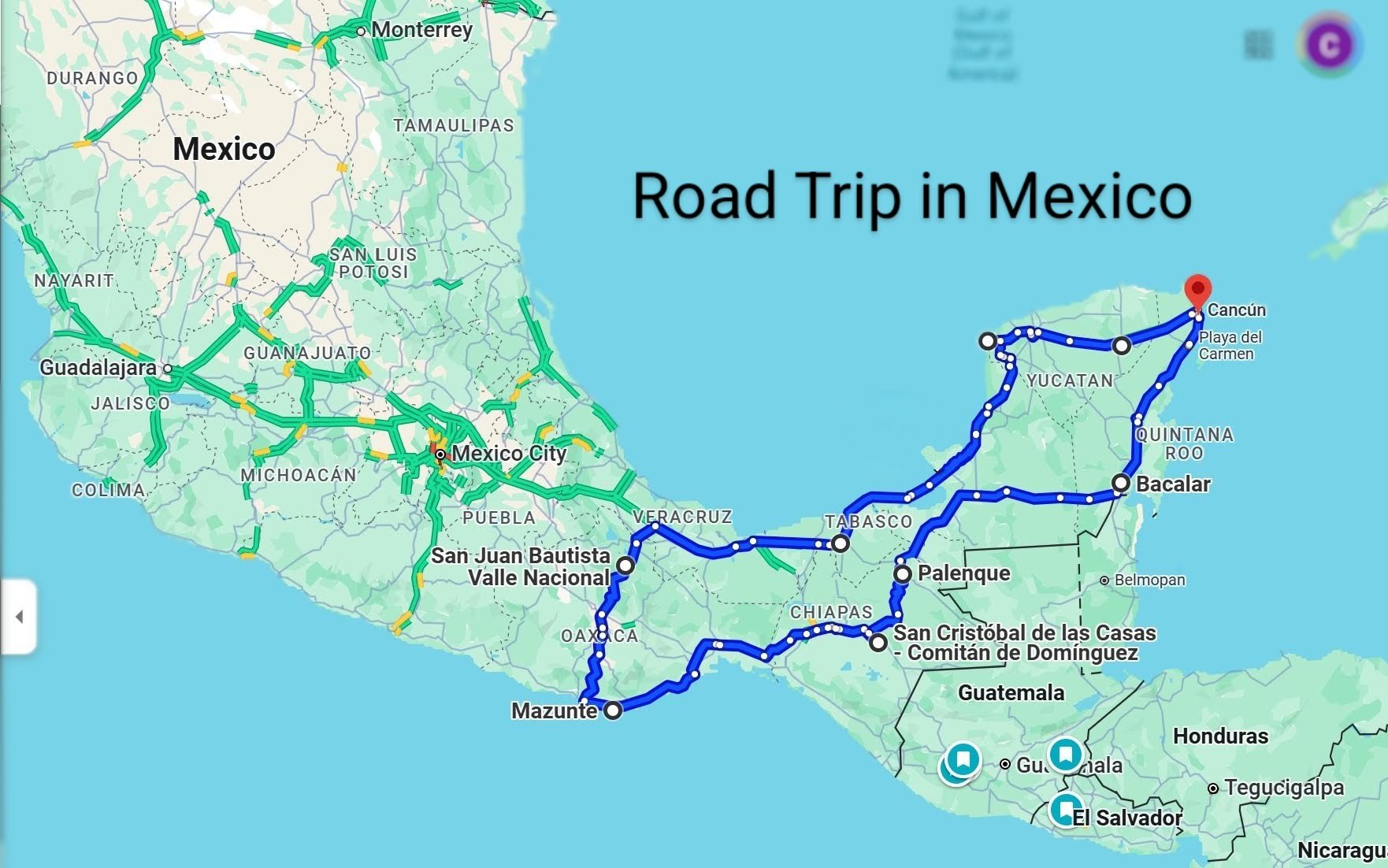
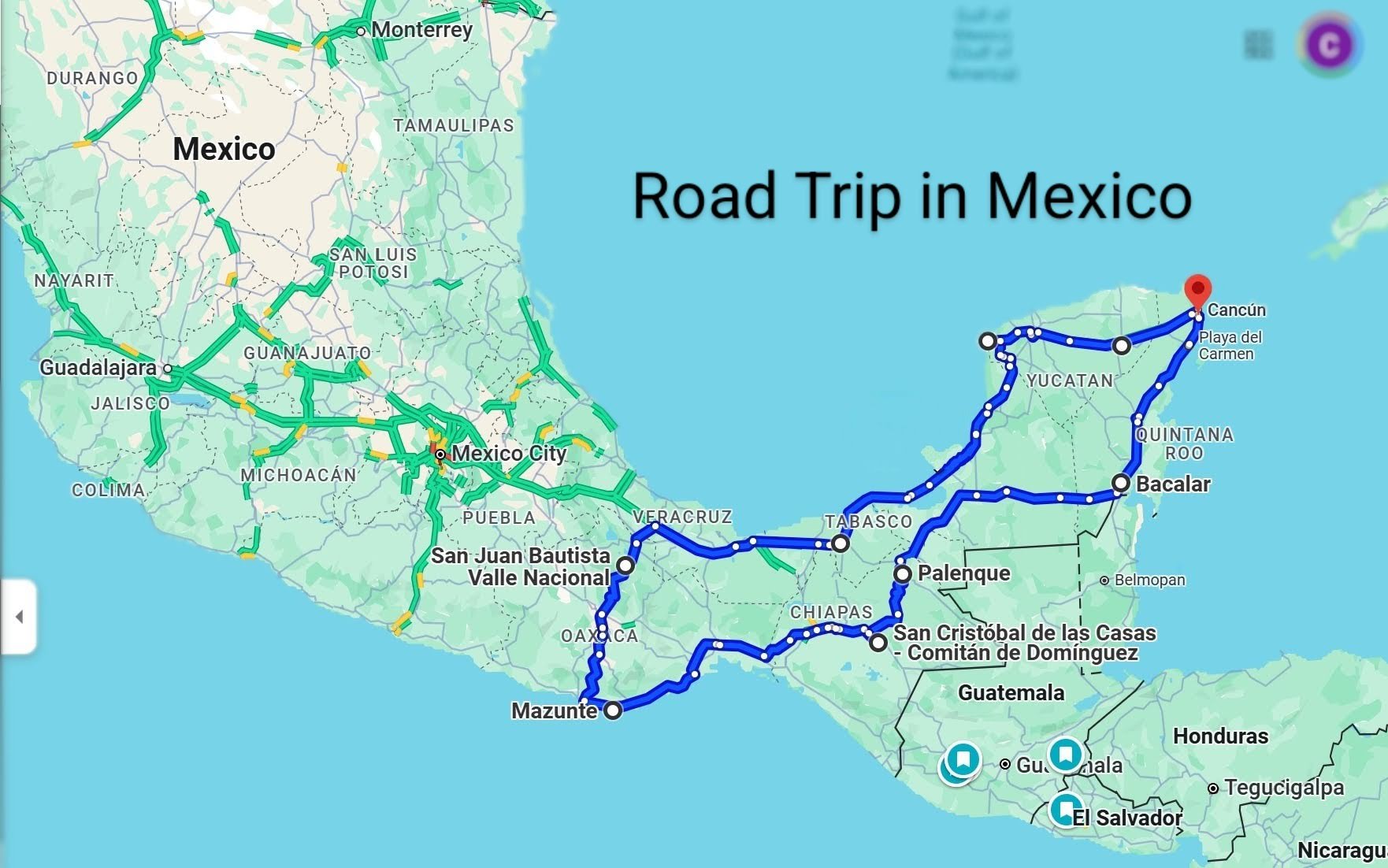
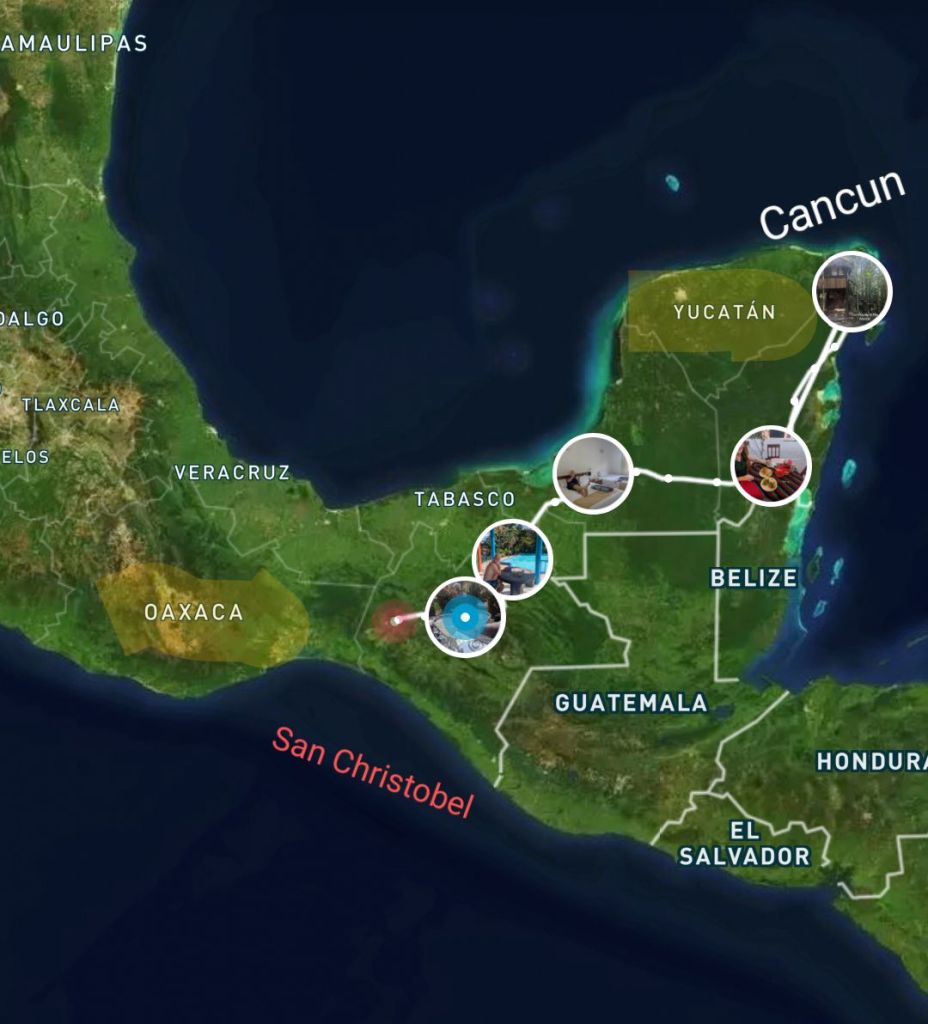
In our five weeks of meandering around the Southern part of Mexico in a big loop through the flat Yucatan Peninsula, mountainous Chiapas and Oaxaca and back along the Gulf Of Mexico to return to Cancun, we never felt unsafe. Along the way, we met three German woman in their seventies who were driving around and their only ‘trouble’ was a puncture when they hit a speed bump.  We chatted to a Dutch retired couple, who were doing a similar loop to ourselves, who told us that one late afternoon, just before dark, their car broke down on a lonely road. They had run out of petrol but they didn’t realise that at first because the petrol gauge was faulty. Locals stopped to help them, figured out what was wrong and refused to take the money as payment for their help.

Mexico was such a riot of colour, sounds and smells that we came away with a dizzying kaleidoscope of images and memories. It’s difficult to whittle down our experiences to a few highlights but here is a selection of the highs…… and lows.

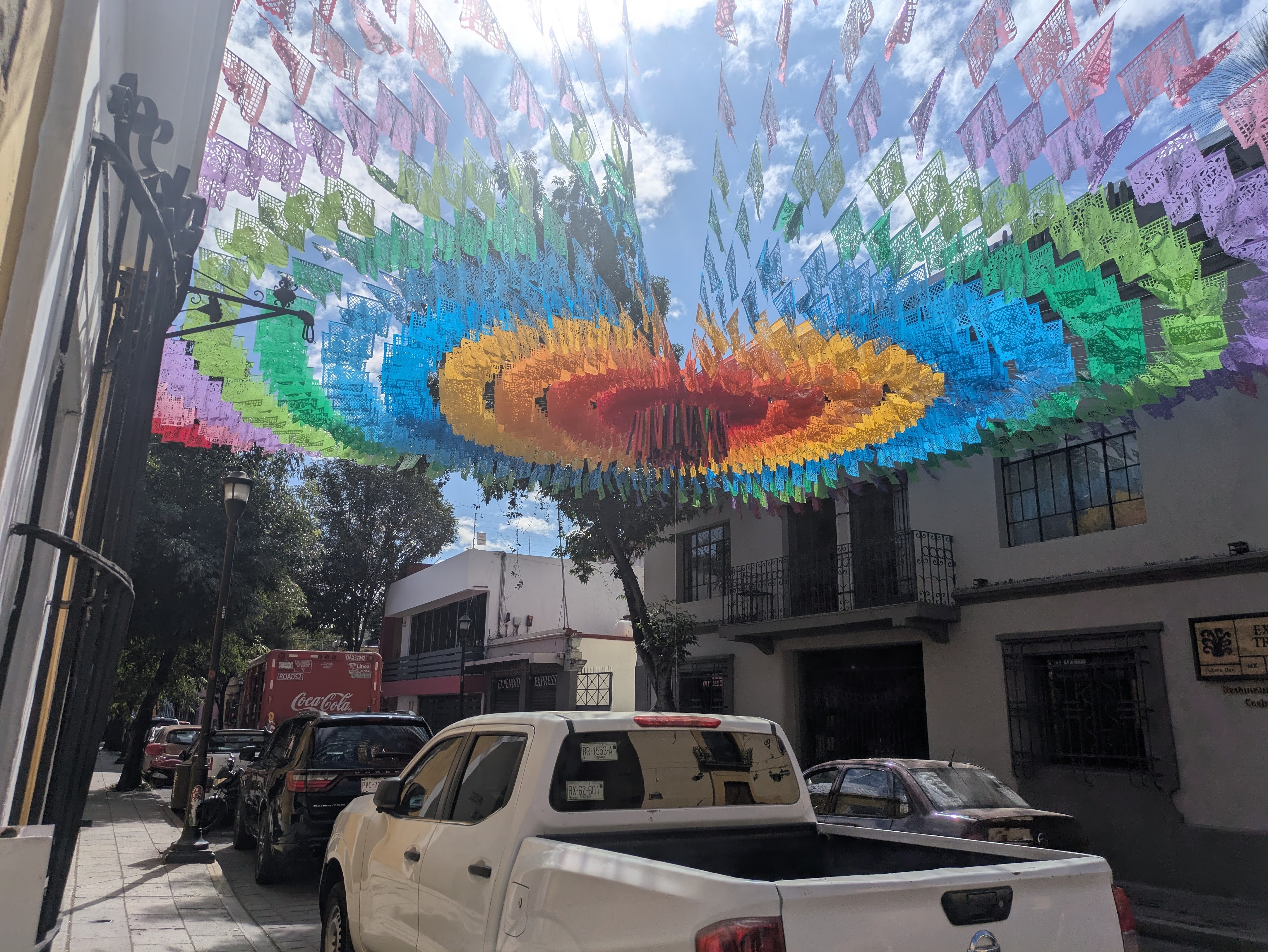
Colour in Oaxaca

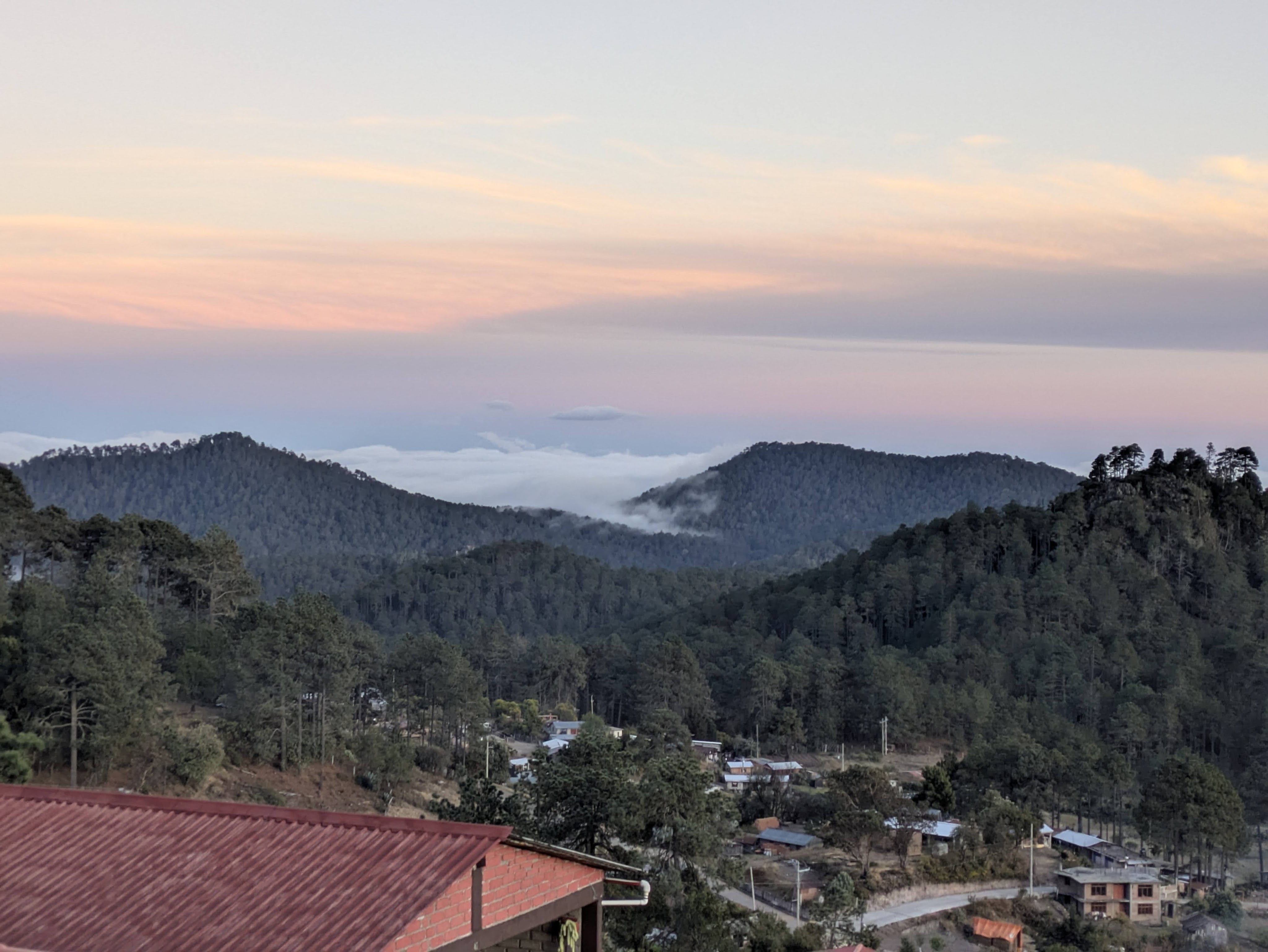
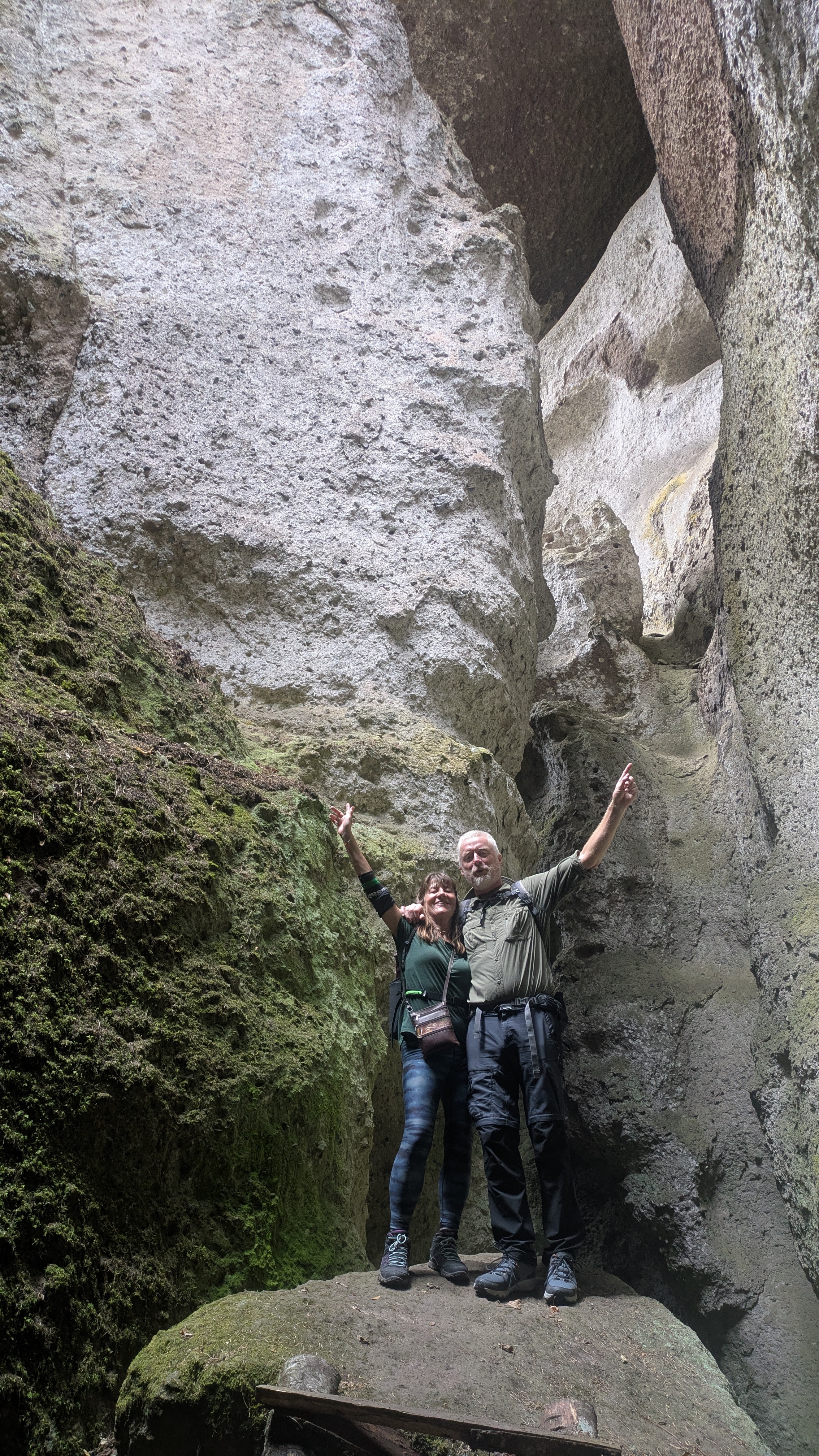
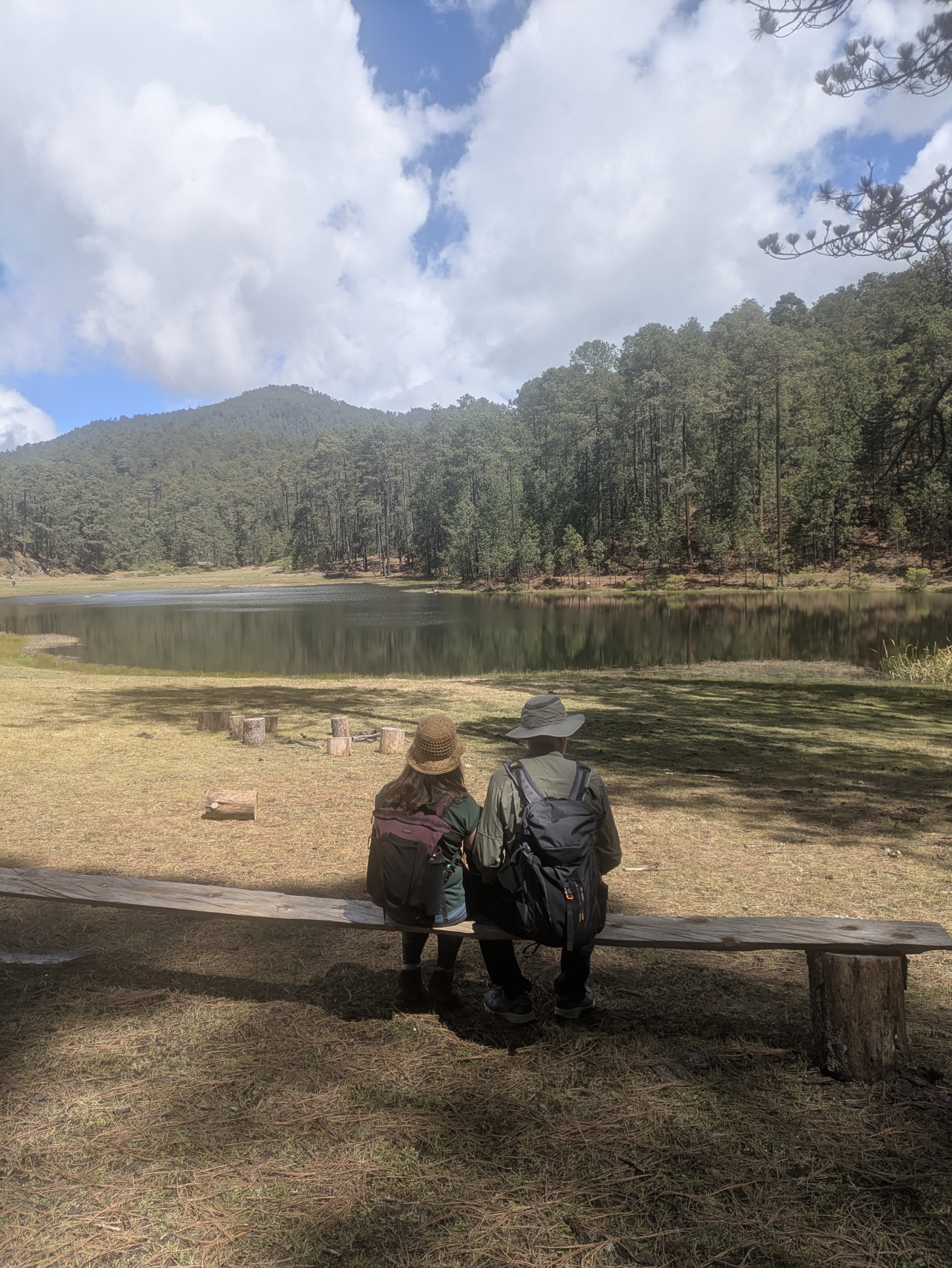
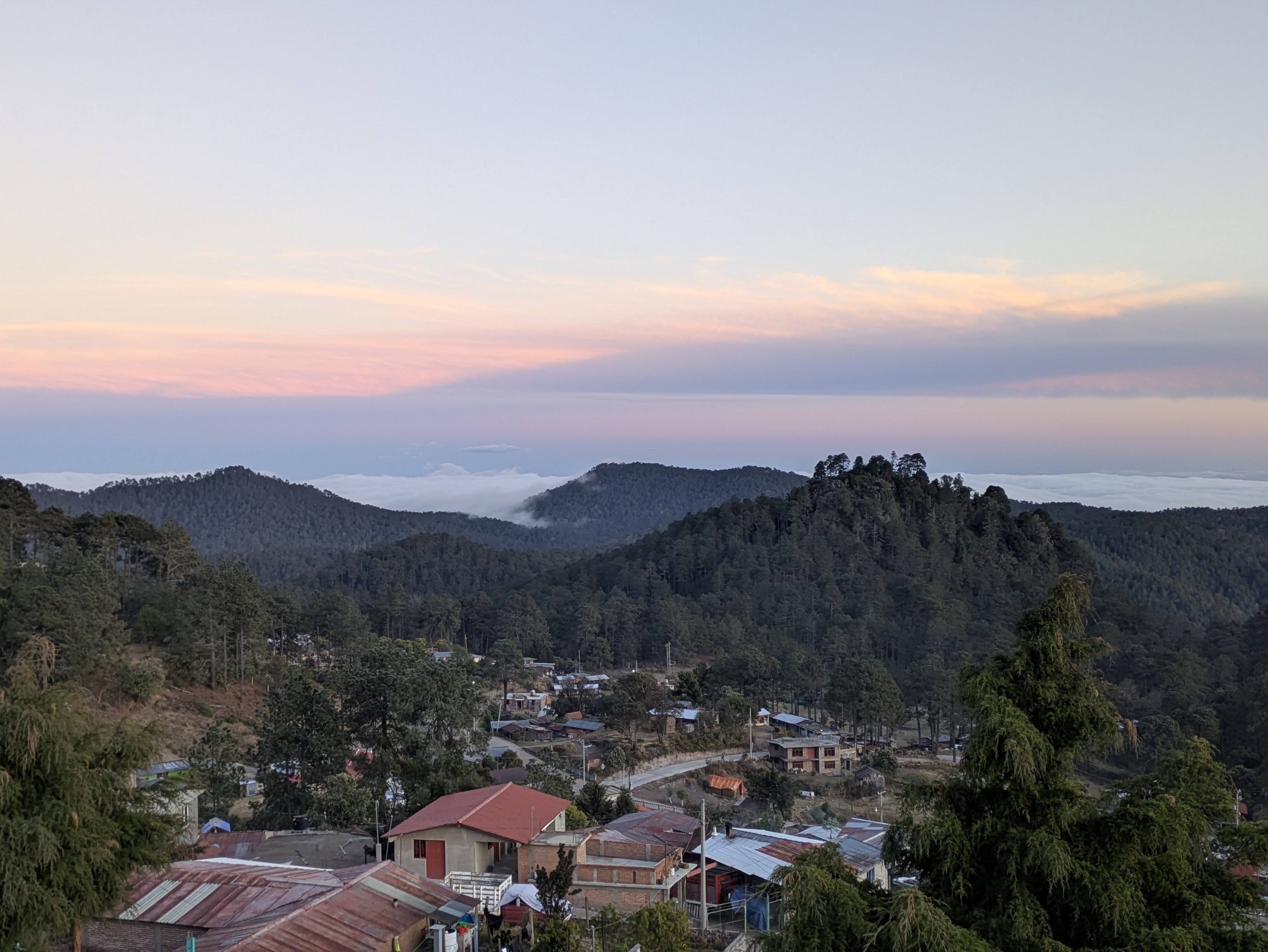
Hiking in the Villages above the Clouds. This was our stand-out experience, partly because of the stunning, high-altitude scenery in the Sierra Norte with caves, canyons and forests of fragrant pine but also because of the friendliness and enterprising nature of the Zapotec, an indigenous people who live there. The villagers came together to form a successful eco-tourism company, Expediciones Sierra Norte, which specialises in guiding visitors along the trails that link these mountain villages. It was a true lesson on the power of community. The villages, although remote, were more prosperous than many others that we have seen in Mexico.

Above the Clouds, Sierra Norte, Oaxaca

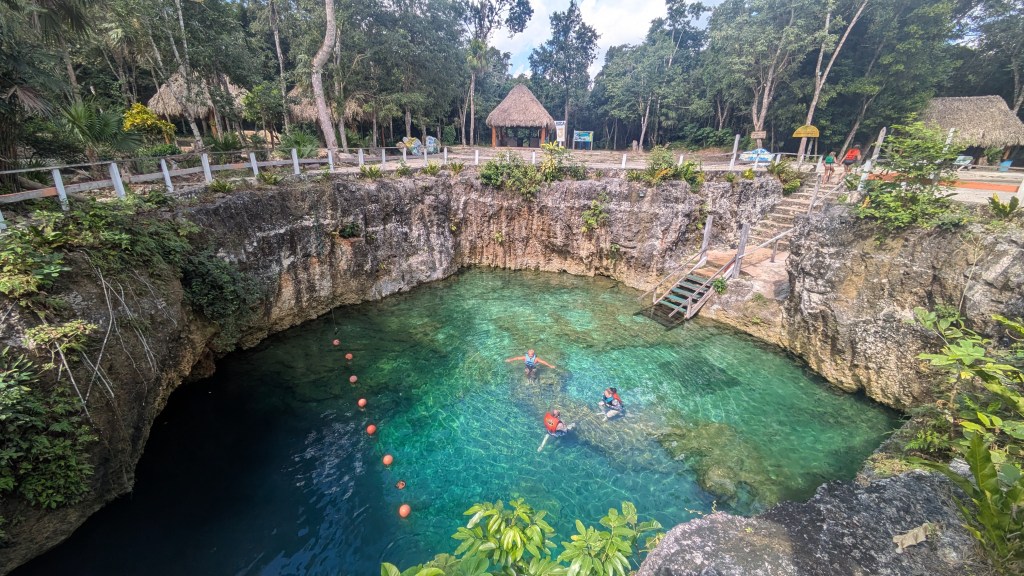
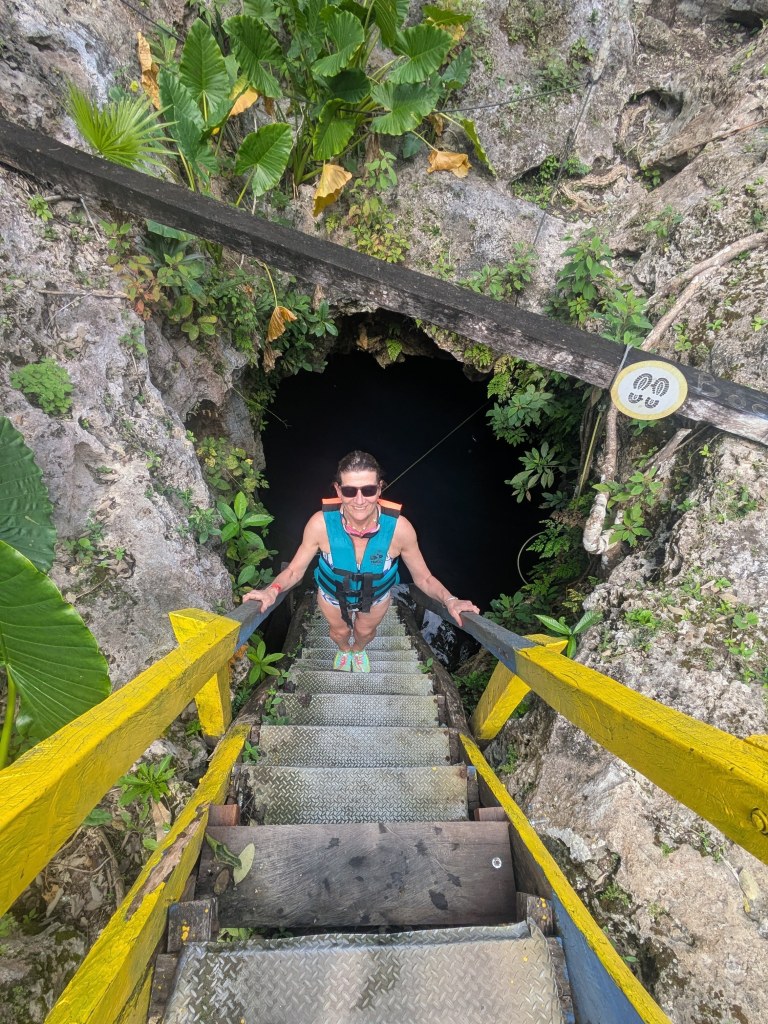
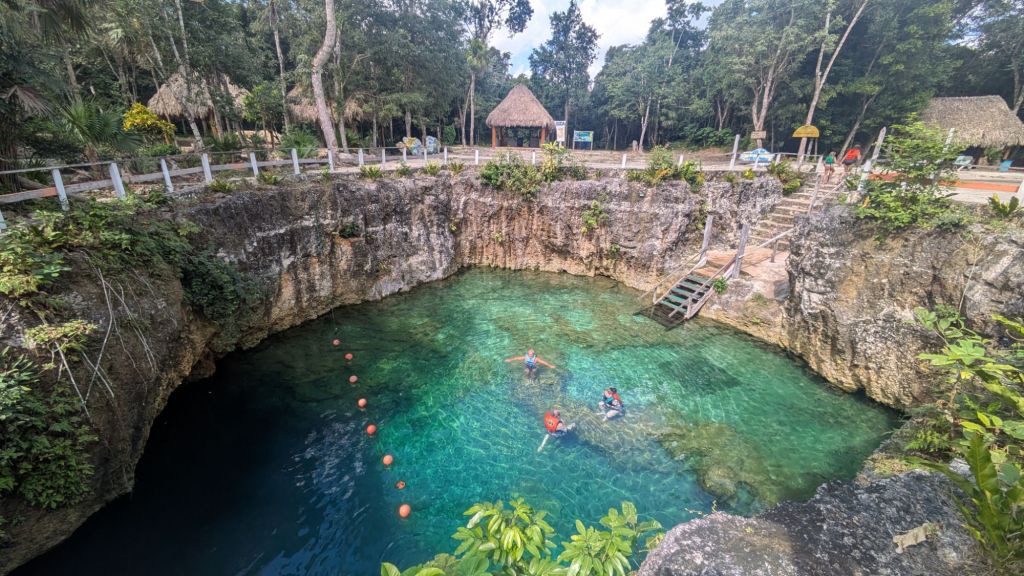
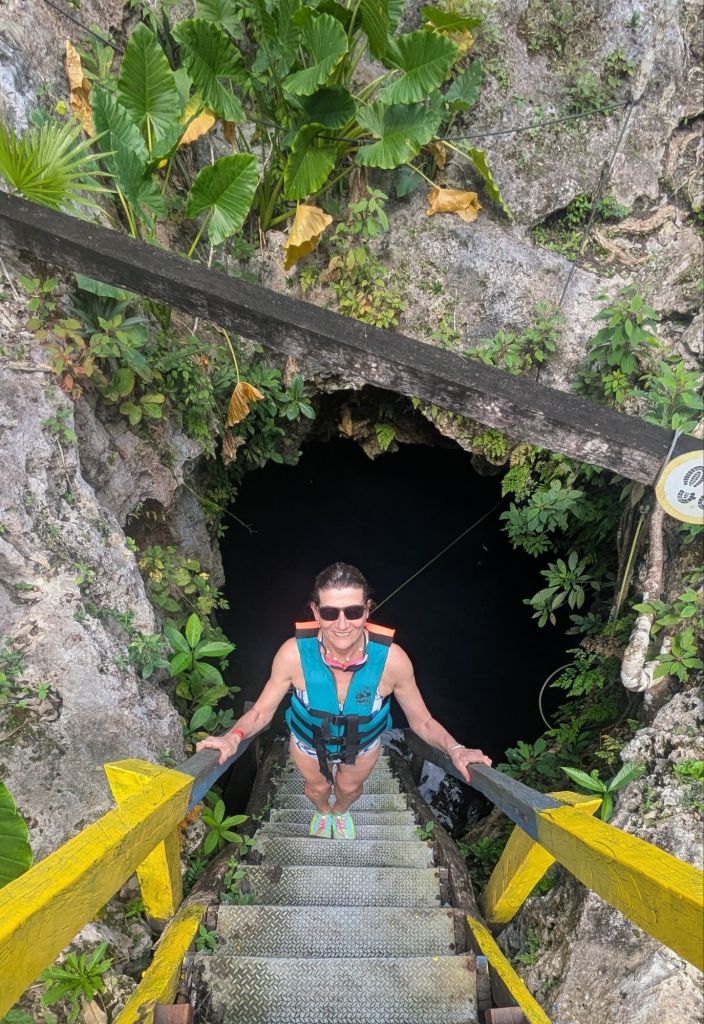
Swimming in Cenotes in the Yucatan. We had never heard of cenotes until we arrived in Mexico. They are natural pools formed by the dissolving of the limestone bedrock over time to form a series of caves and sinkholes. The ancient Maya regarded them not only as a source of water but as sacred portals to the underworld. There was certainly something otherworldly about Cenote 7 Bocas (The Seven Mouths) which was our first experience of a cenote. This cenote was a series of underground pools with seven different access points. We swam from cave to cave as the first five caves were connected by tunnels. The water was the most mesmerising shades of jade and turquoise, especially when the sunshine poured in from above, creating rippling shadows on the surface of the water, the roofs of the caves and the many stalagmites and stalactites. Magical.

Down into the Cenote

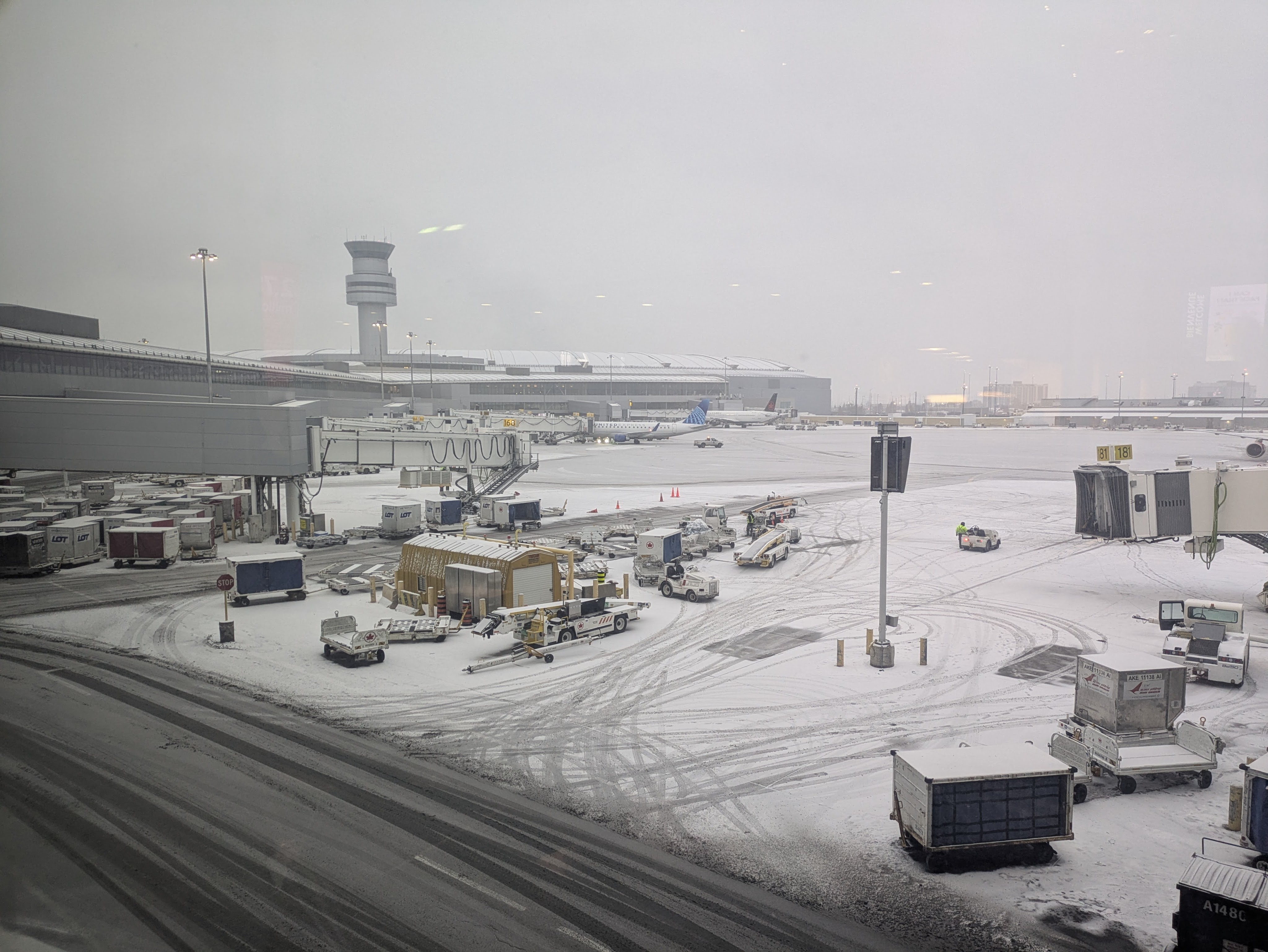
The Warmth of the Weather in February and the first week of March in Southern Mexico was glorious. We got one heavy thunderstorm that lasted about 30 minutes in our first week but apart from that it was wall-to-wall sunshine with daytime temperature of between 30 and 35C and nighttime temperature between 22C and 29C (cooler in the mountains). These are ‘wintertime’ temperatures in Mexico which can begin to climb in April to 40C or more. The rain during the summer months usually  increases the humidity making it feel hot, sticky and uncomfortable. Flying to Mexico via Toronto, we went from cool drizzle at home to a snowy, freezing Toronto onto ‘shorts and T-shirts’ Mexico with blindingly blue skies, lush jungle and the warm turquoise waters of the Caribbean.

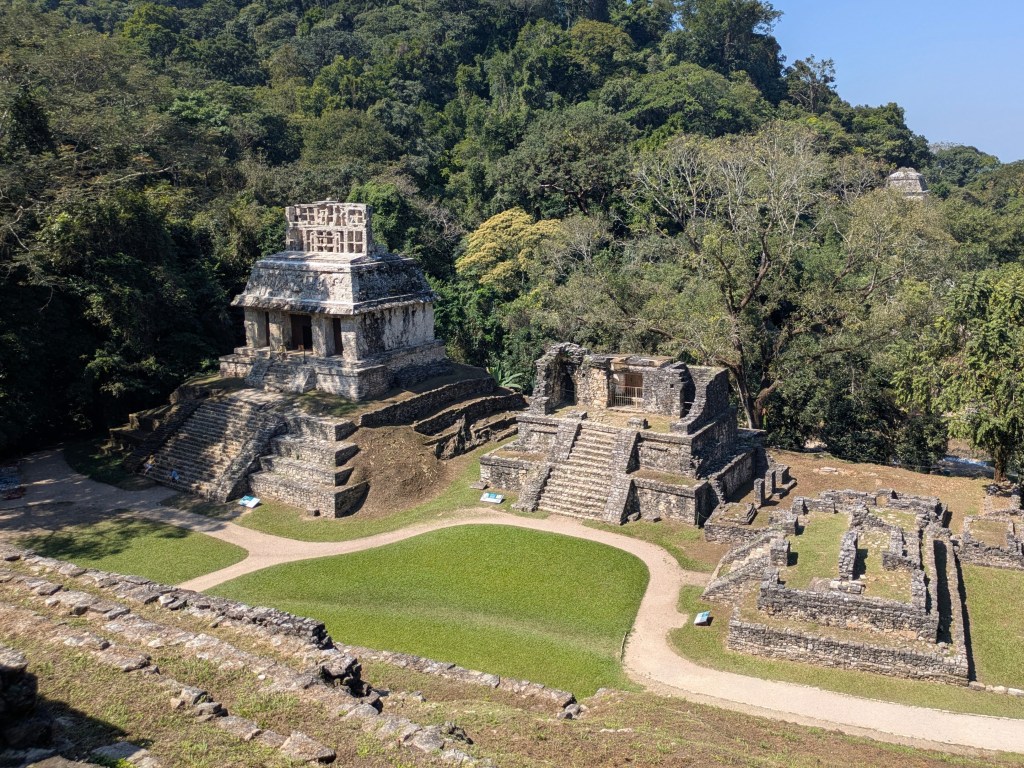
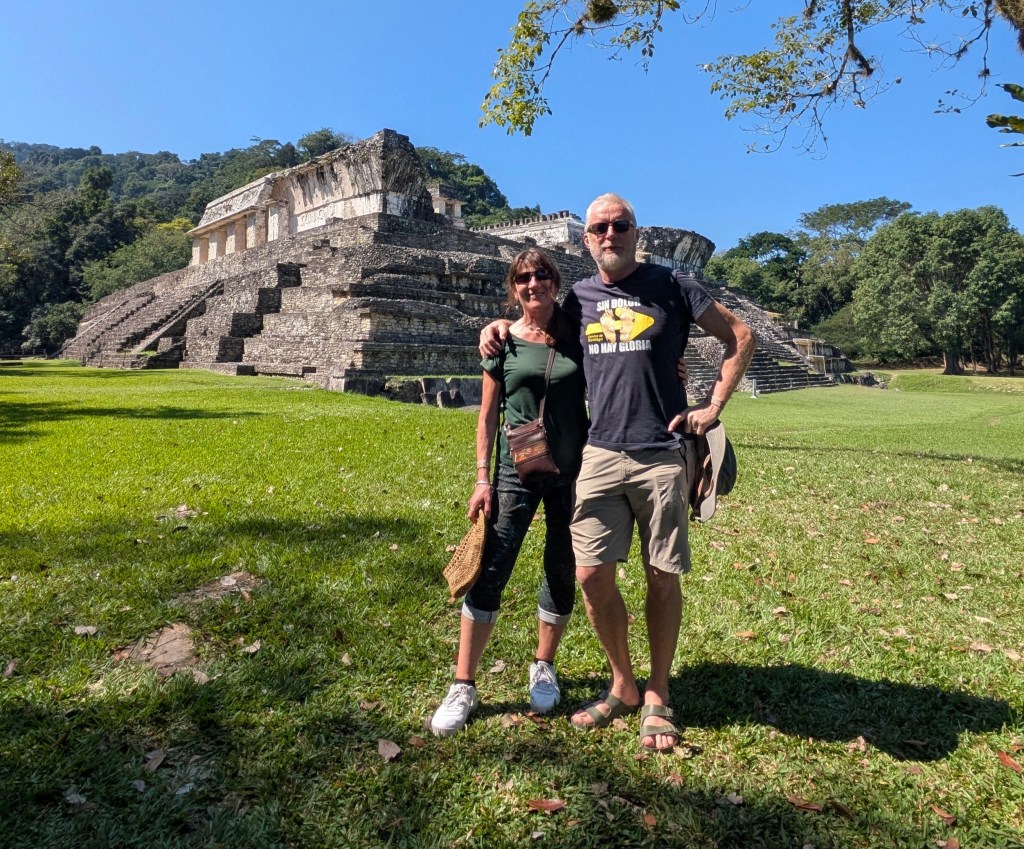
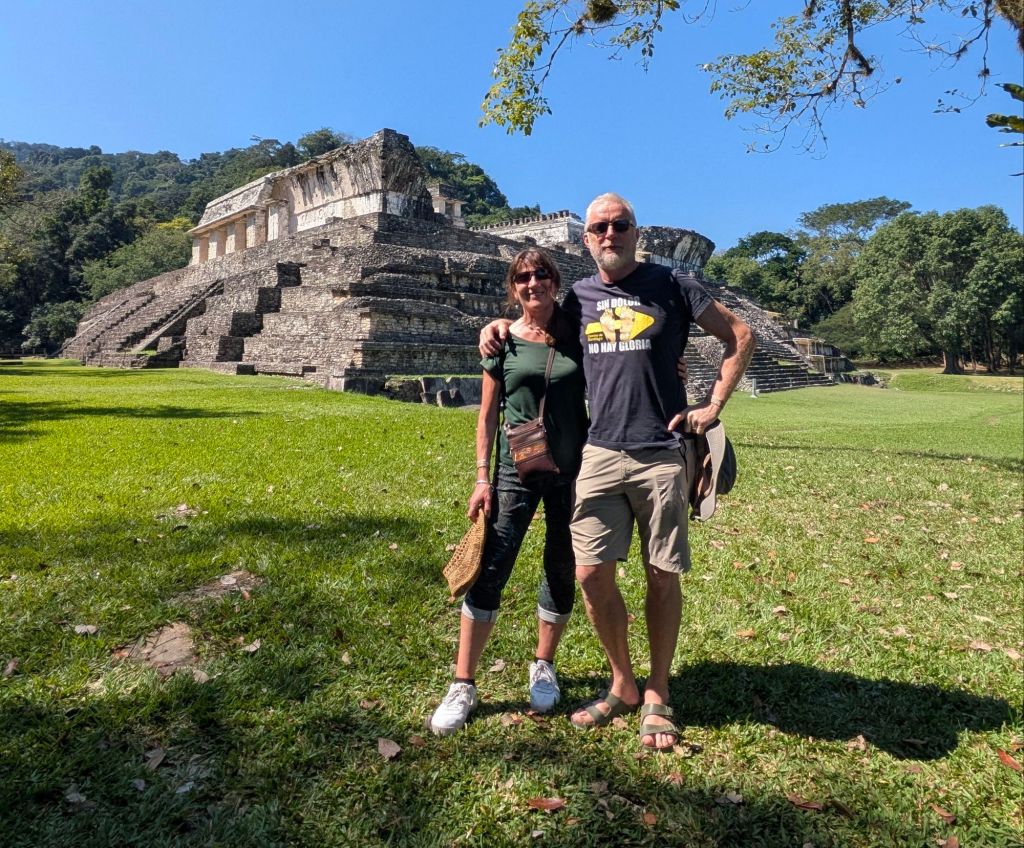
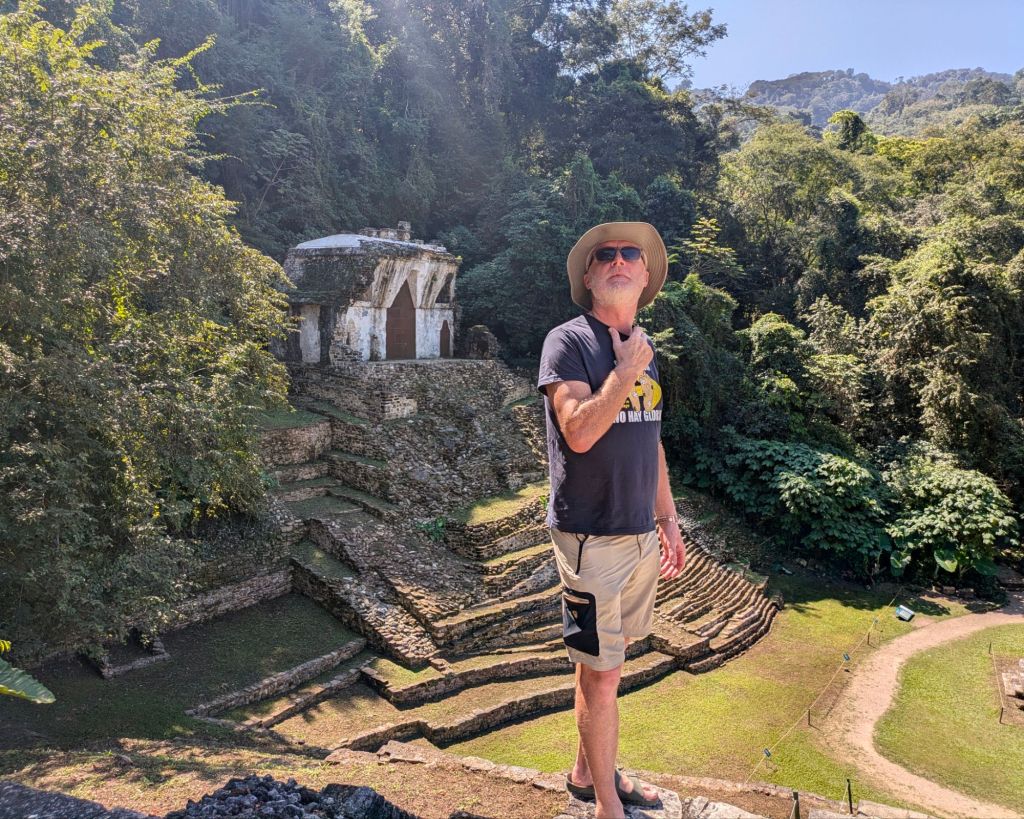
Palenque. In a country where all roads lead to ruin, at least to archaeological ruins, Palenque was our favourite. We walked around the Mayan site in sunshine listening to the howler monkeys (living up to their name in the surrounding jungle), and tried to imagine the building complexes as they would have been fifteen hundred years ago when they were painted a blood-red colour with elaborate red and blue stucco details.

In the excellent museum, we saw a replica of the sarcophagus of the Red Queen which was only discovered in 1994. The Red Queen got her name because of the bright red dust made of cinnabar (a red mineral made of mercury and sulphur) that covered her skeleton when she was discovered.  She was also buried with two servants and copious amounts of jade and pearls.  

Despite all the grandeur, the site was abandoned, possibly due to deforestation and feuds with neighbouring tribes, and soon swallowed by the jungle and concealed for centuries.

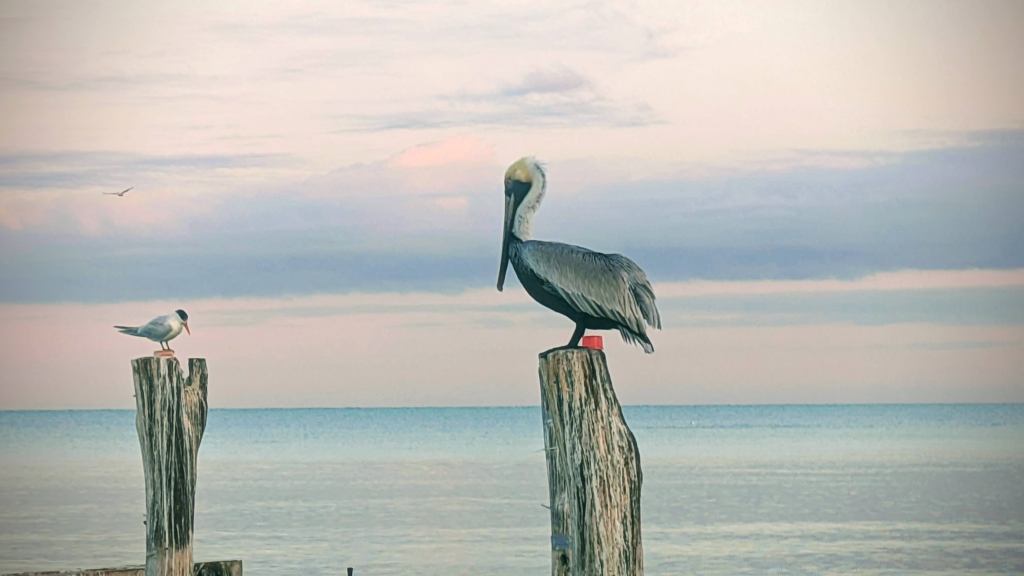
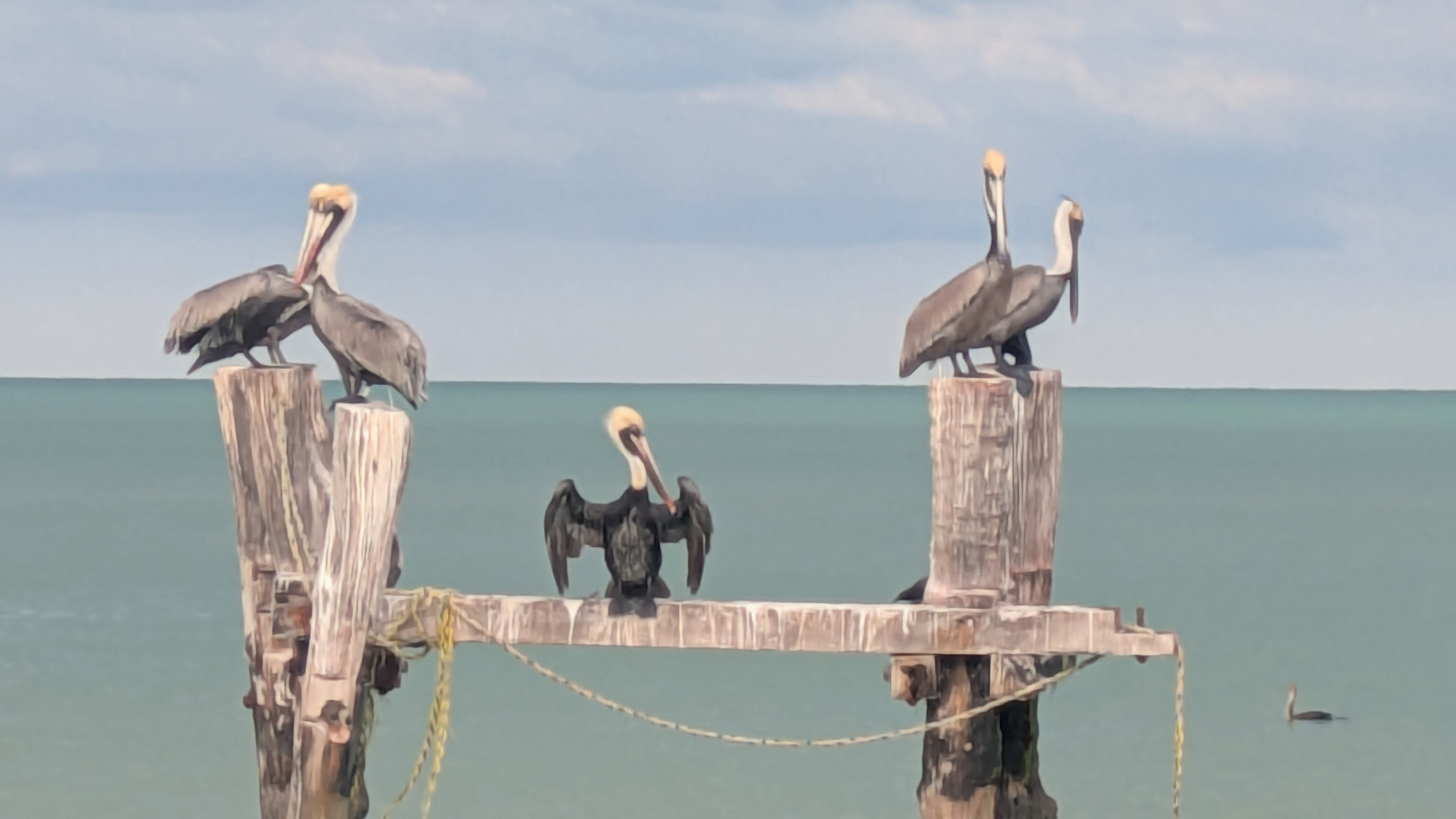
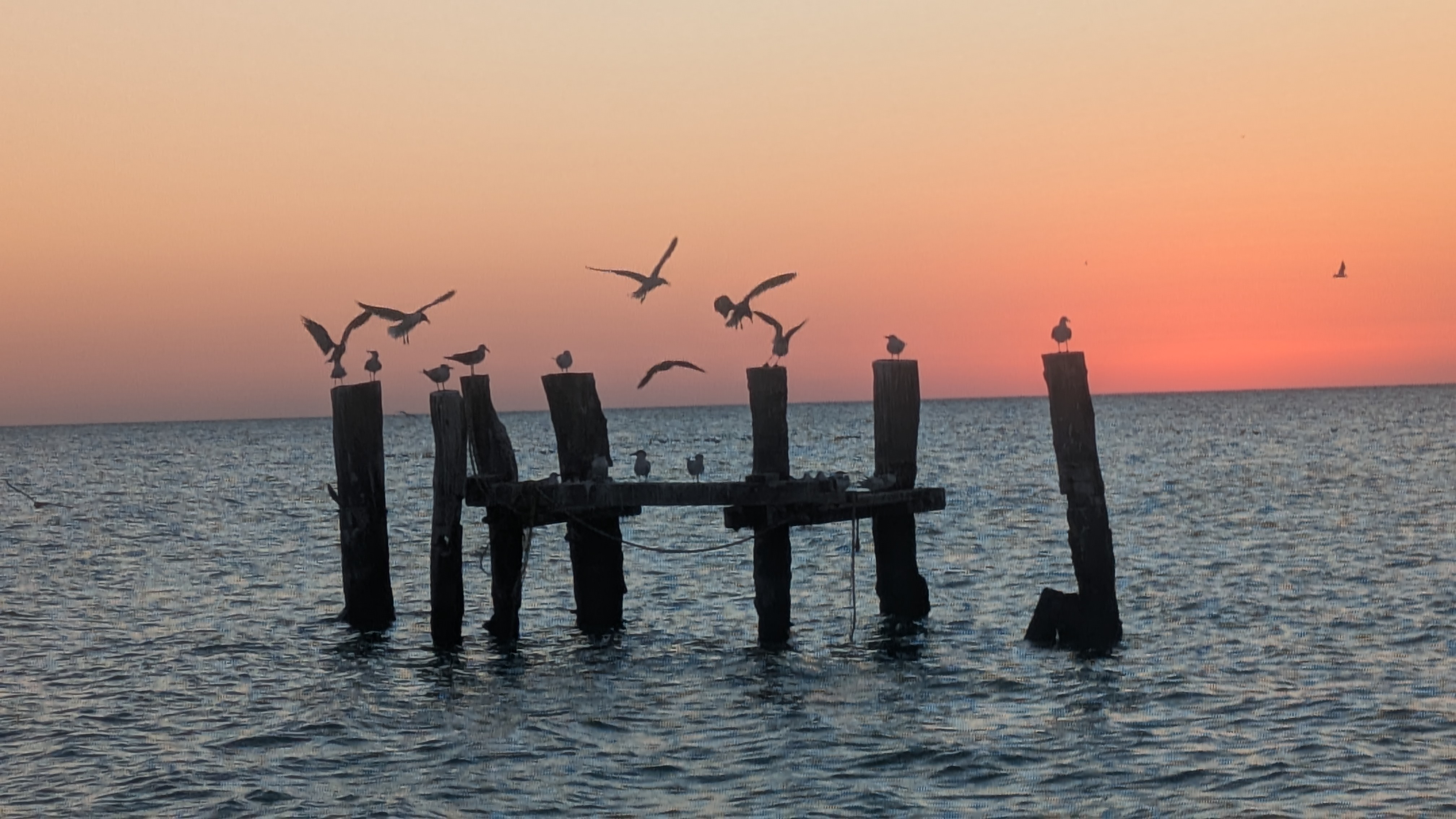
The Birds along the Gulf of Mexico. Driving along by the Gulf, we were accompanied by flocks of pelicans, ducking and diving or sometimes just sitting on the timber poles of jetties, their wings folded and their eyes never still or flying in formation at dusk.

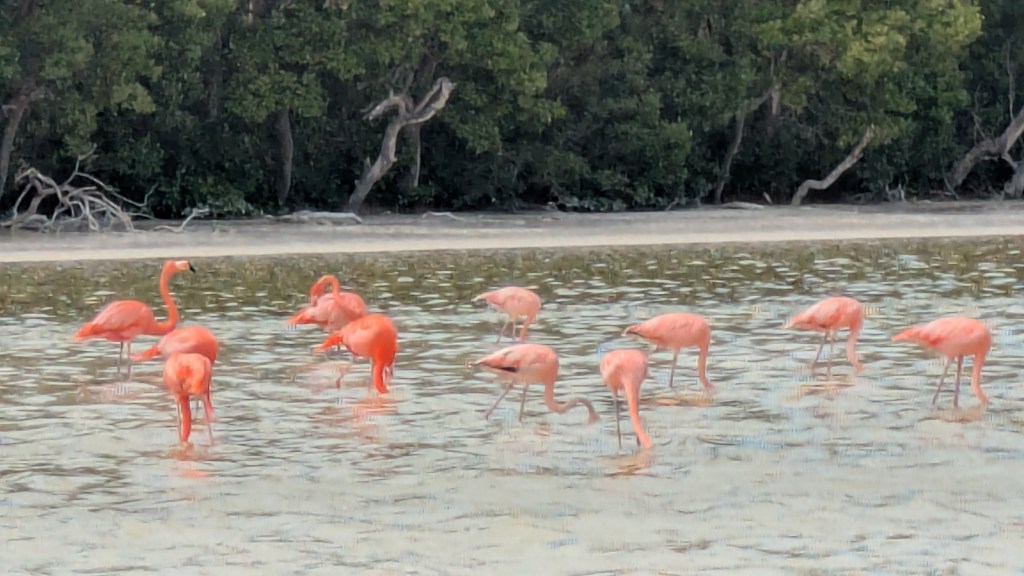
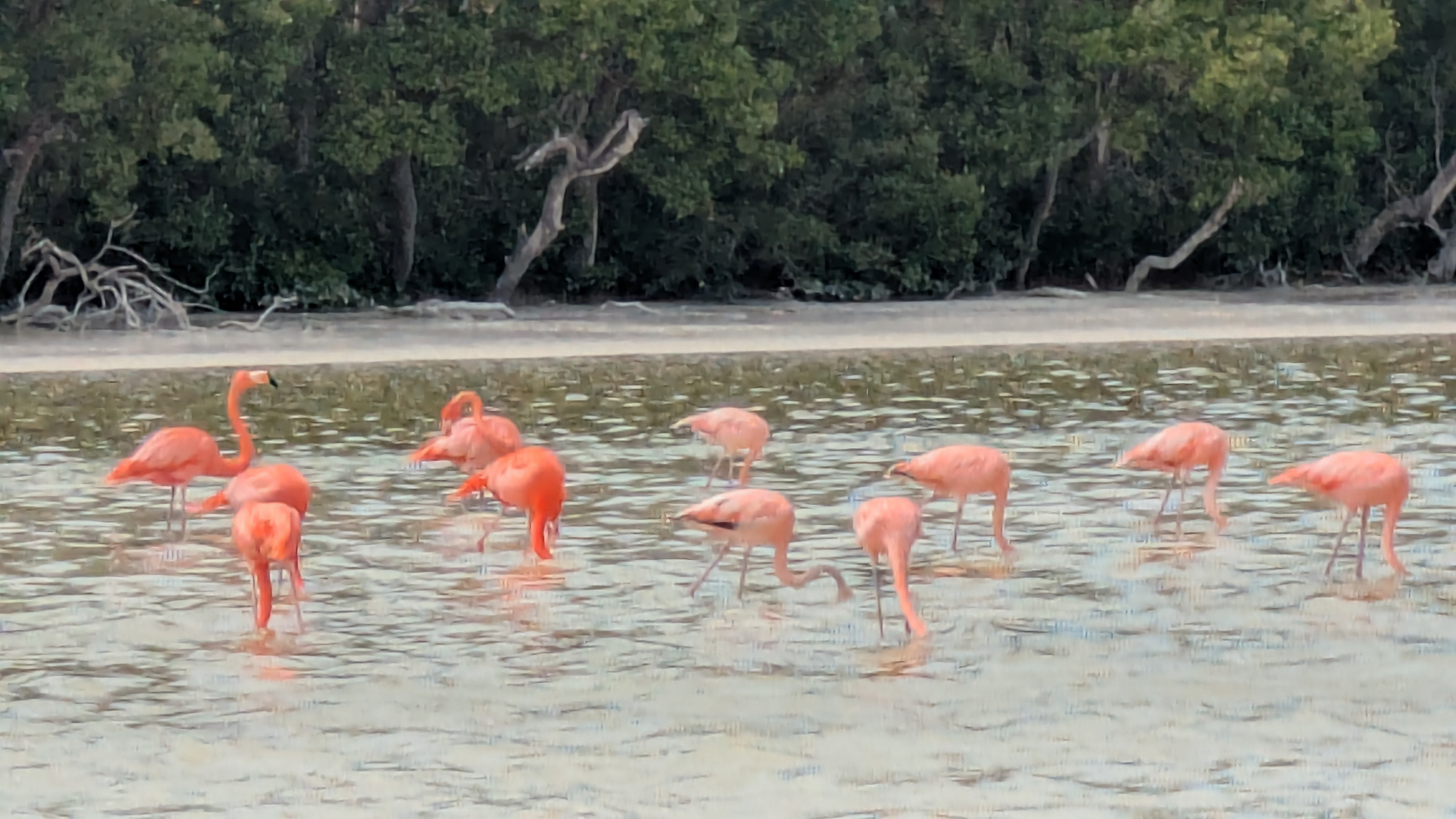
Celestun was mainly a sleepy, sunbaked fishing village, sandwiched between a large lagoon and the turquoise waters of the Gulf of Mexico but it had one great attraction.  The combination of salt water from the Gulf and fresh water from the estuary made it a perfect habitat for flamingos and waterfowl. The flamingos were beautiful blobs of colour, wadding and feeding in the shallow waters. The birds get pinker with age as their plumage turned a bright rose-orange colour from their diet of shrimp, tiny crustaceans and seeds.   Their only predators were the alligators which were plentiful,  snoozing at the water’s edge near the mangroves and doing a great imitation of  fallen logs.

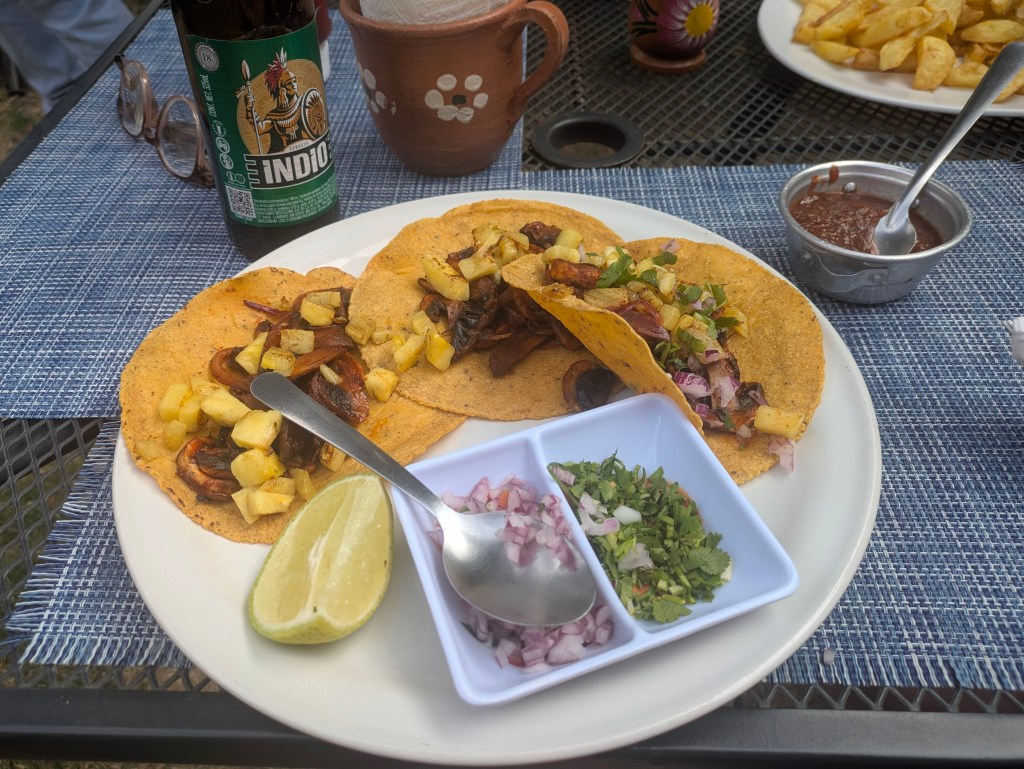
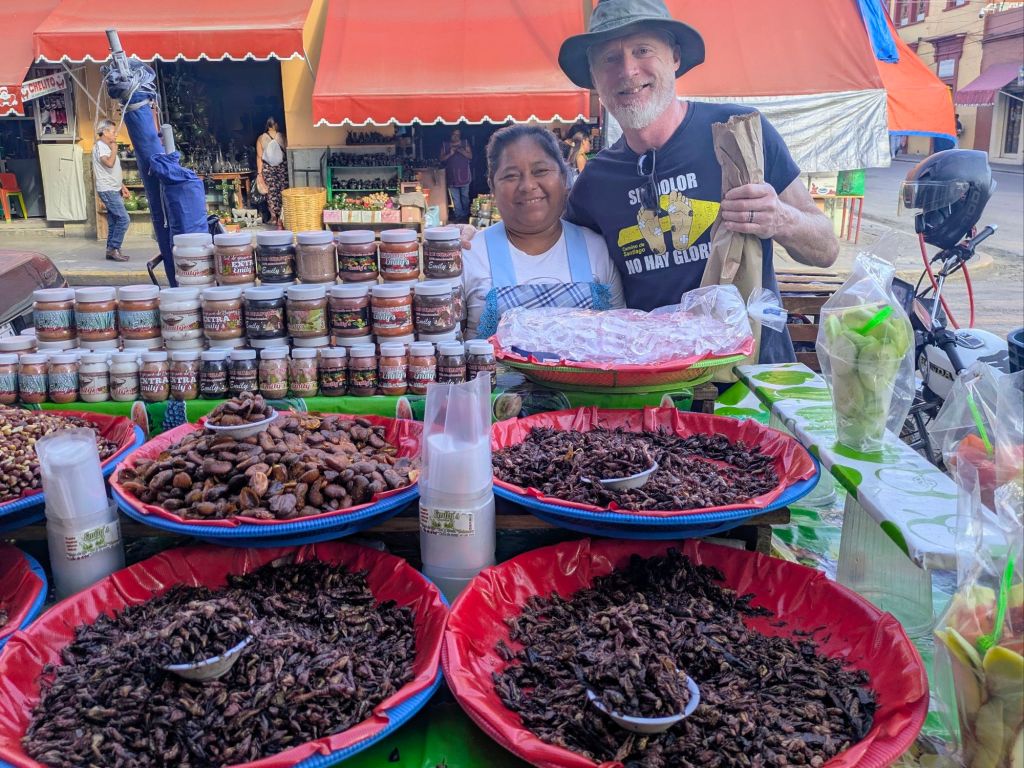
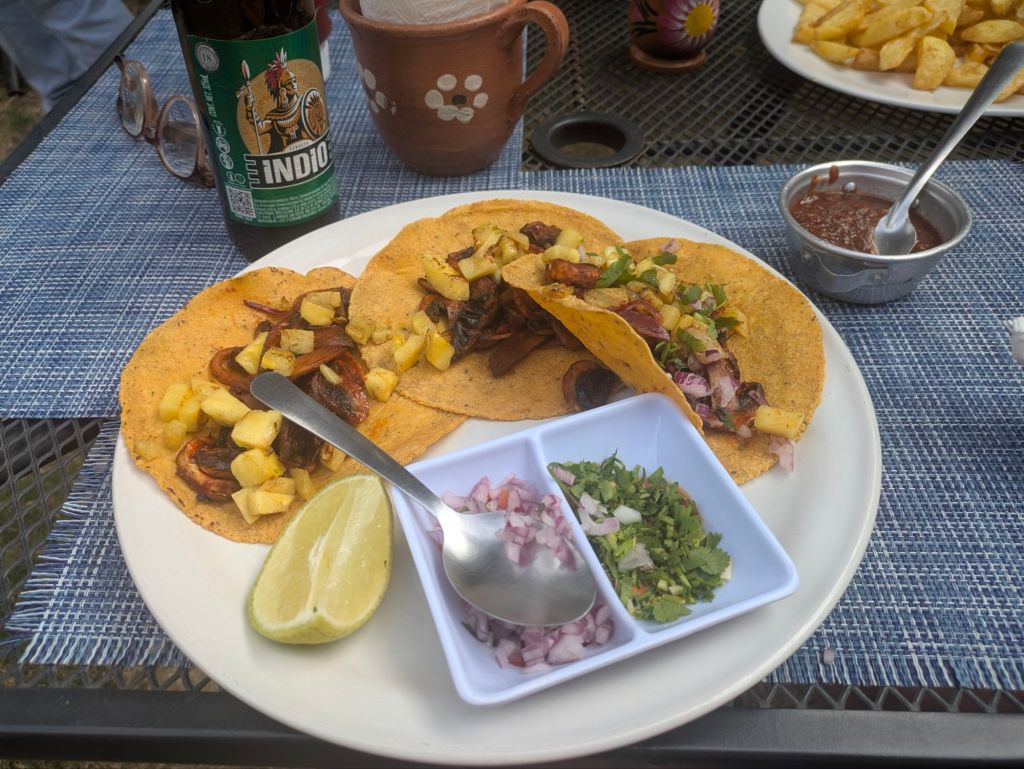
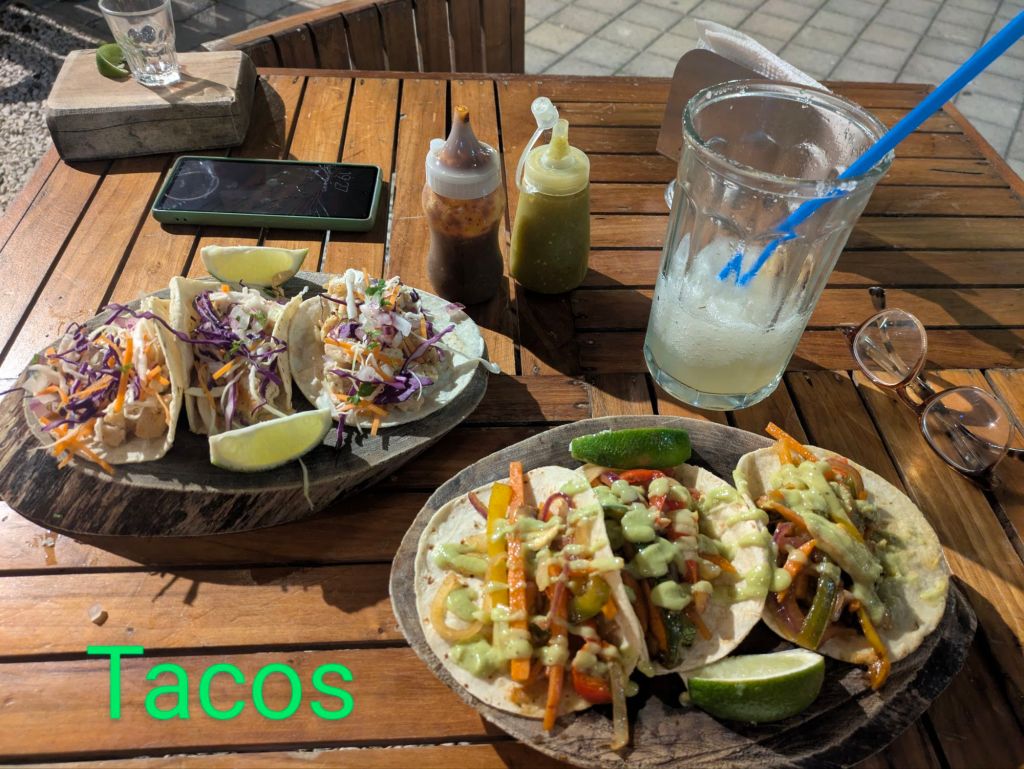
The Food especially the Tacos. Mexico’s cuisine is as vibrant as its scenery, with bold and spicy flavours, the use of fresh ingredients such as avocado, tomatoes, chillies and corn. There was liberal garnishes of coriander (cilantro) and wedges of lime came with everything. We loved the tacos which were cheap , plentiful and widely available and the black bean pastes which were usually accompanied by a crumbly white cheese. In Oaxaca, baskets of roasted grasshoppers were for sale on every street corner, a source of protein since the time of the Aztecs.

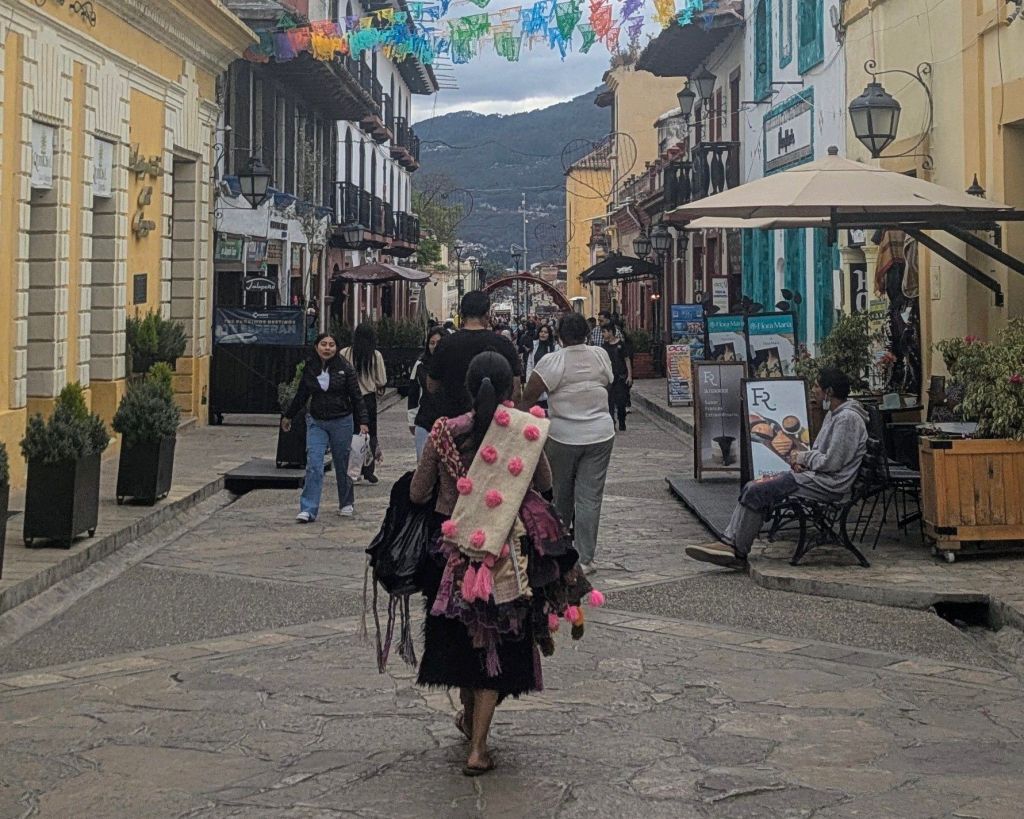
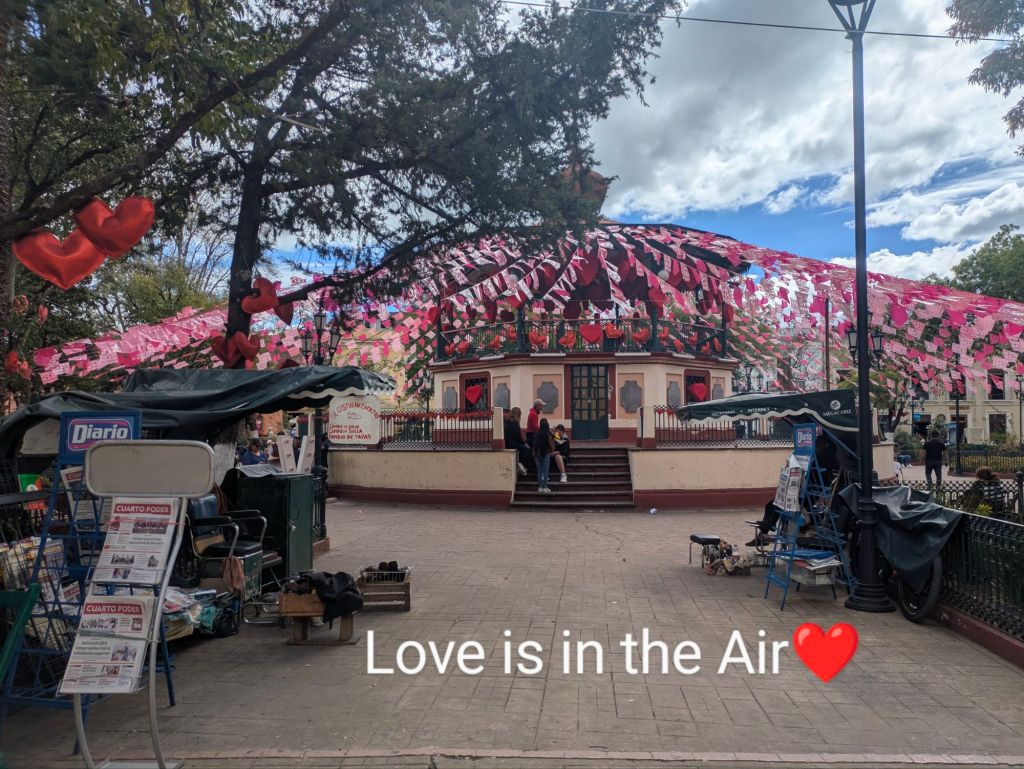
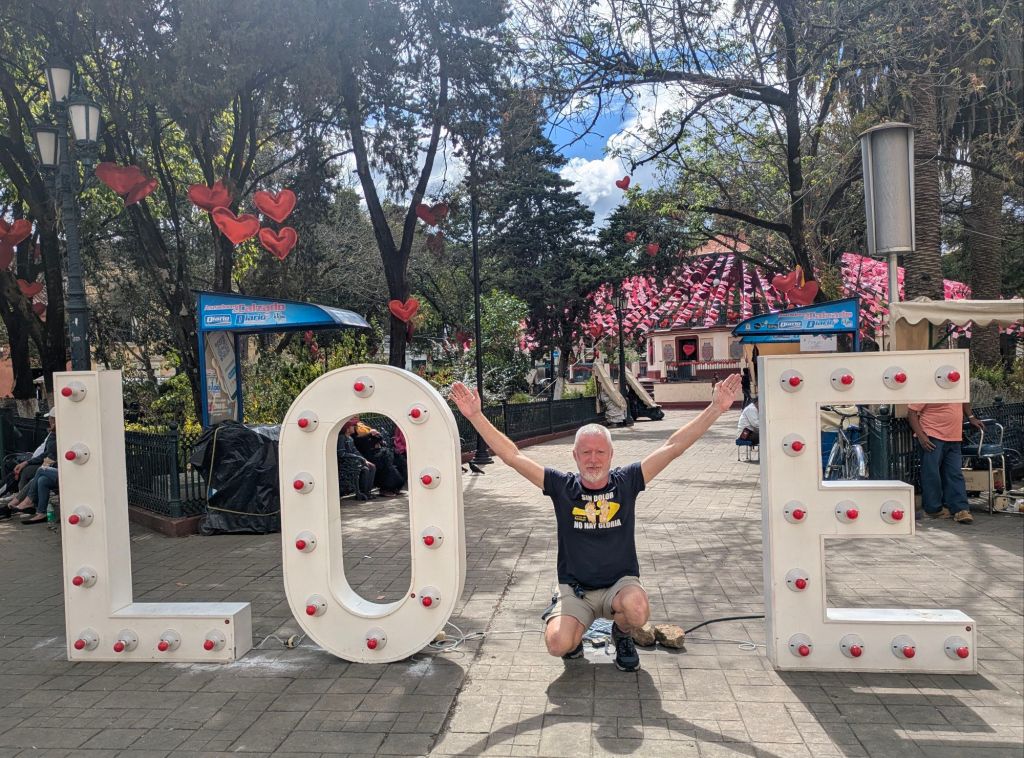
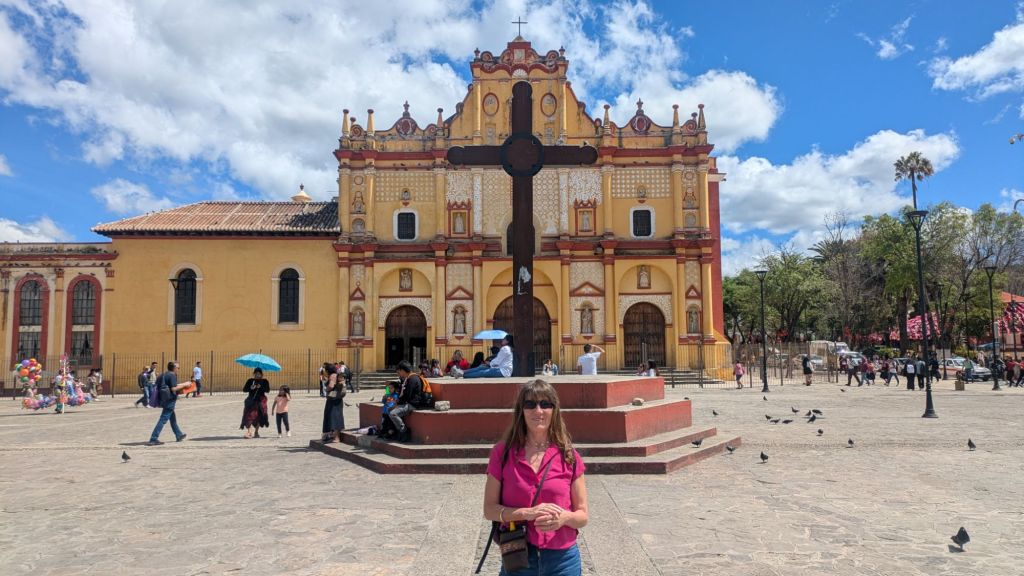
San Christobel de Las Casas (San Chris) The drive from Palenque was only about five and a half hours but there were worrying reports online about the safety of the roads leading to the town. The main risk was road closures because the Zapatistas, an indigenous political activist group in the state of Chiapas, sometimes blocked roads to highlight their grievances to the government.  Locals reassured us that the journey was quite safe as long as we drove during daylight hours and we gave ourselves plenty of time.  It was a beautiful drive with stupendous vistas of mountains, houses dotted in the valleys and pretty villages. Soon we were smelling the pine from the towering forests surrounding San Chris, which sits at an altitude of 2200 metres in the Los Altos region of Chiapas. It was a colonial town of cobbled streets, fresh mountain air, church bells and good restaurants….and it was also festooned with hearts and ribbons for Valentine’s Day. We arrived, entirely by accident, in the most romantic town in the whole of Mexico

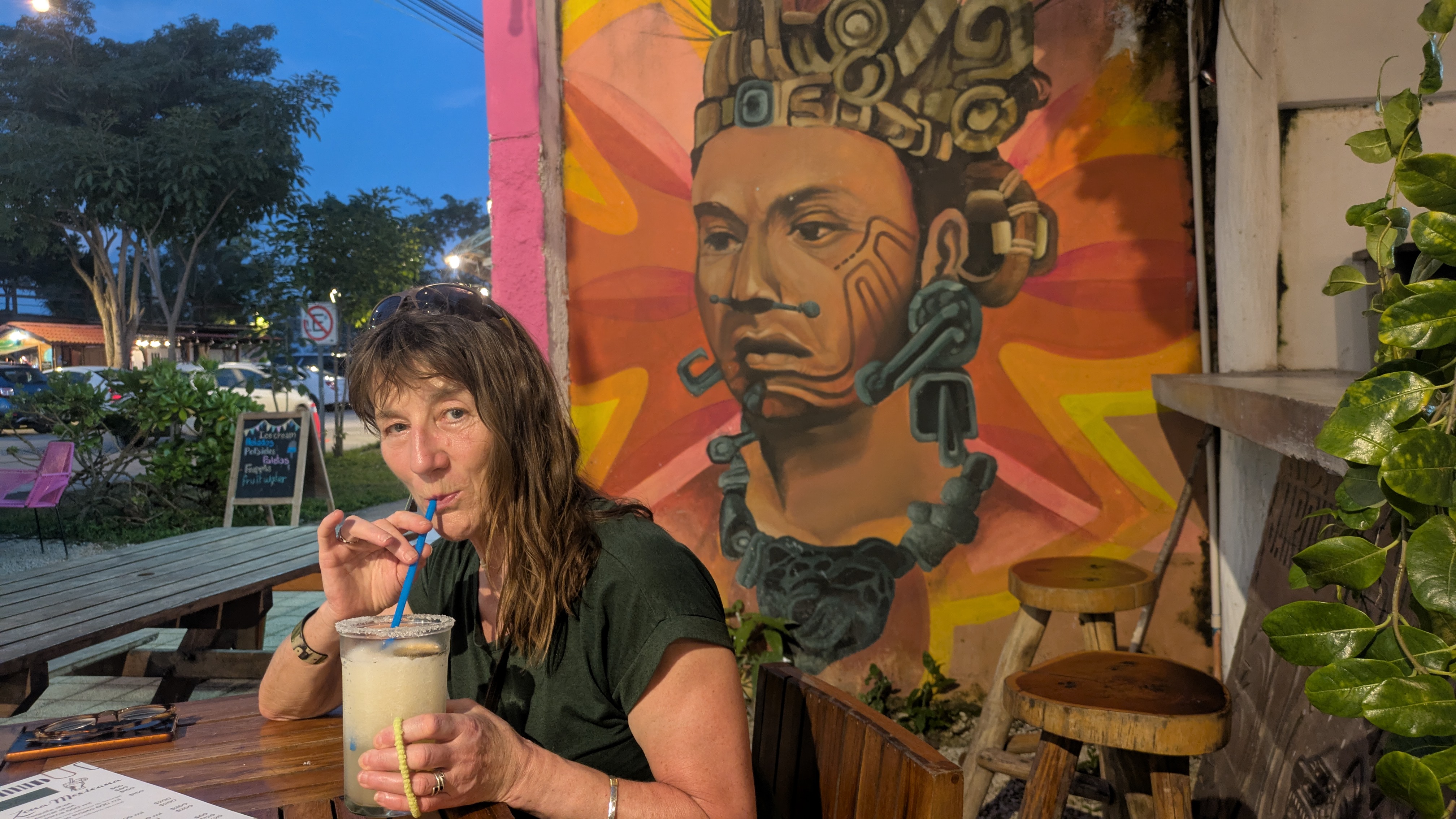
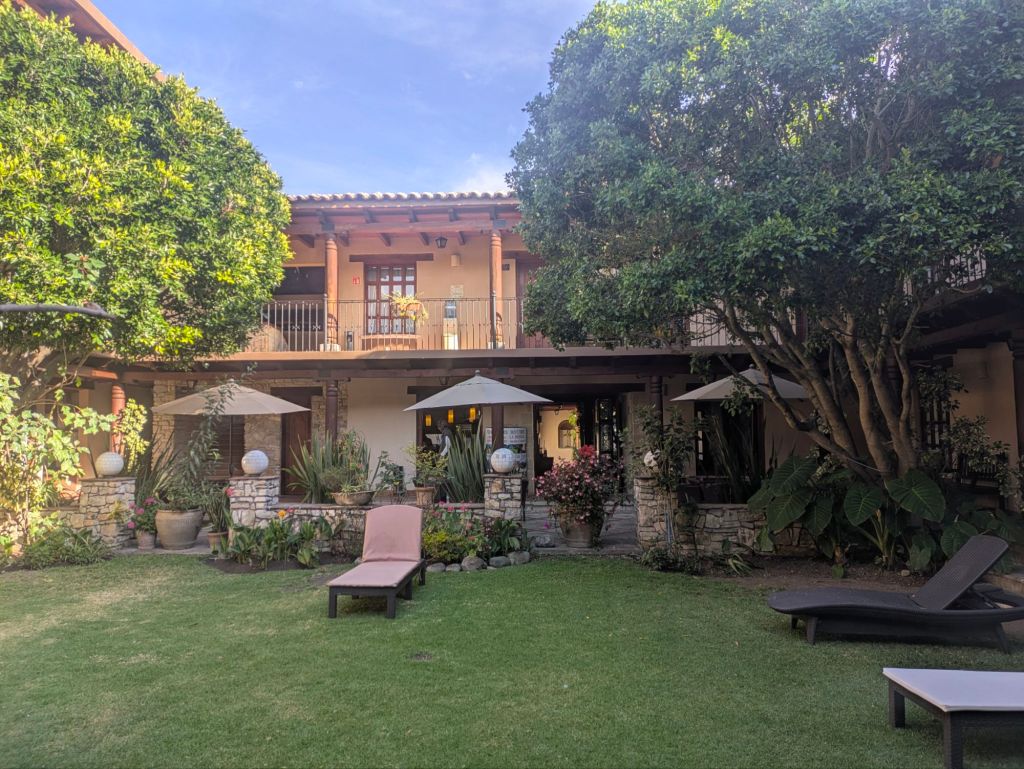
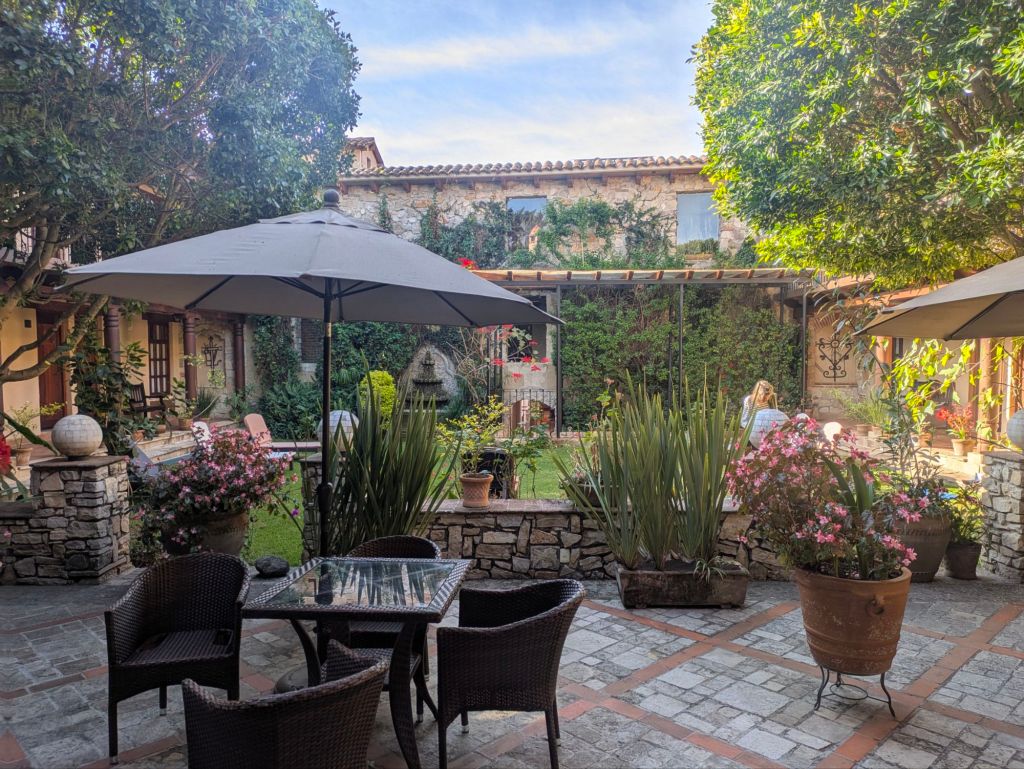
Celebration Margaritas. Mexico is also the salty taste of a margarita cocktail. We drank quite a few but the best was in La Estancia, a hotel in San Chris which had a relaxed elegance and was easily the best ‘value for money’ accommodation on our entire trip. We had to celebrate Valentine’s Day with a margarita toast in one of the hotel’s enclosed courtyards, full of flowering plants and fountains.

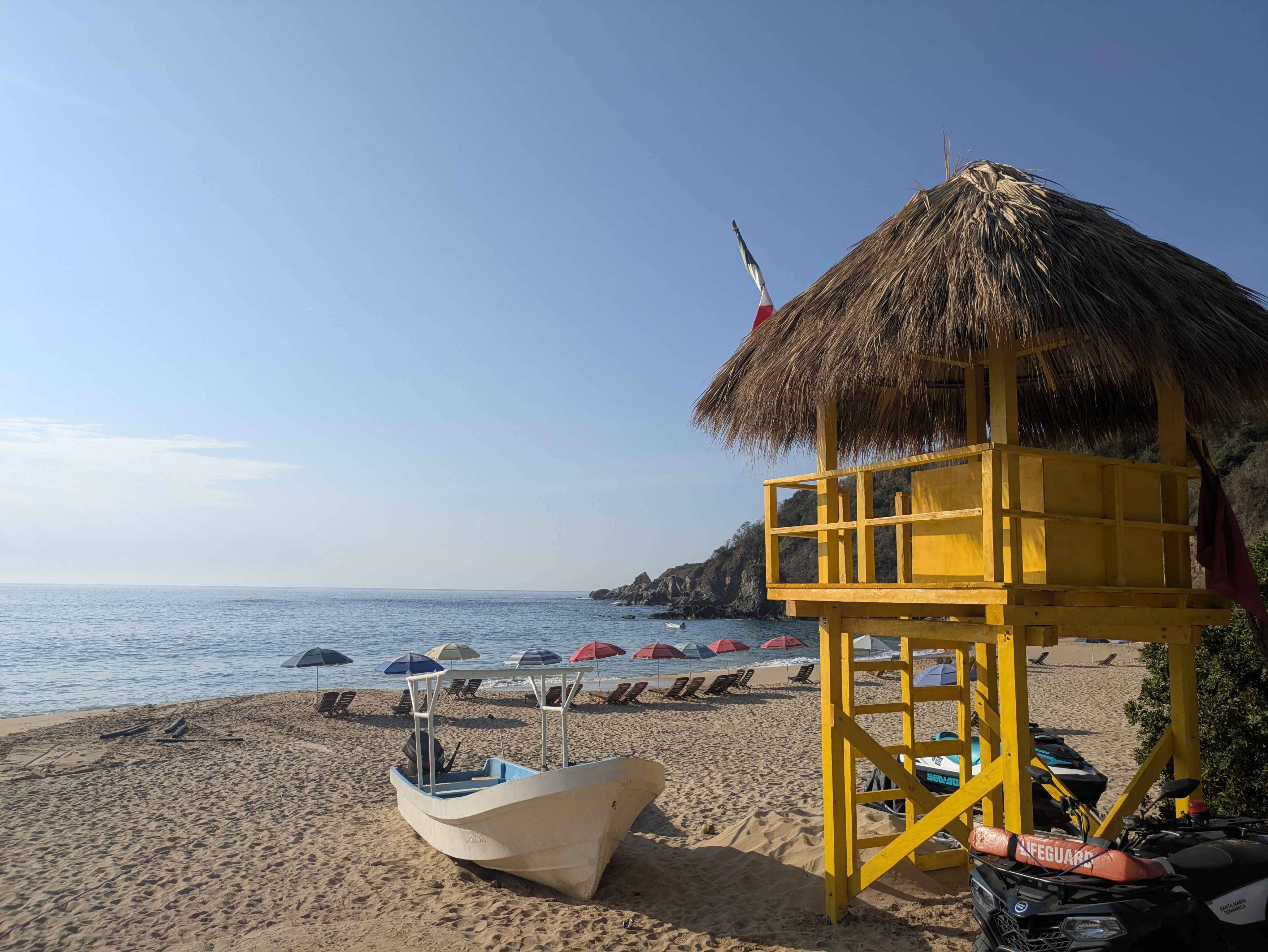
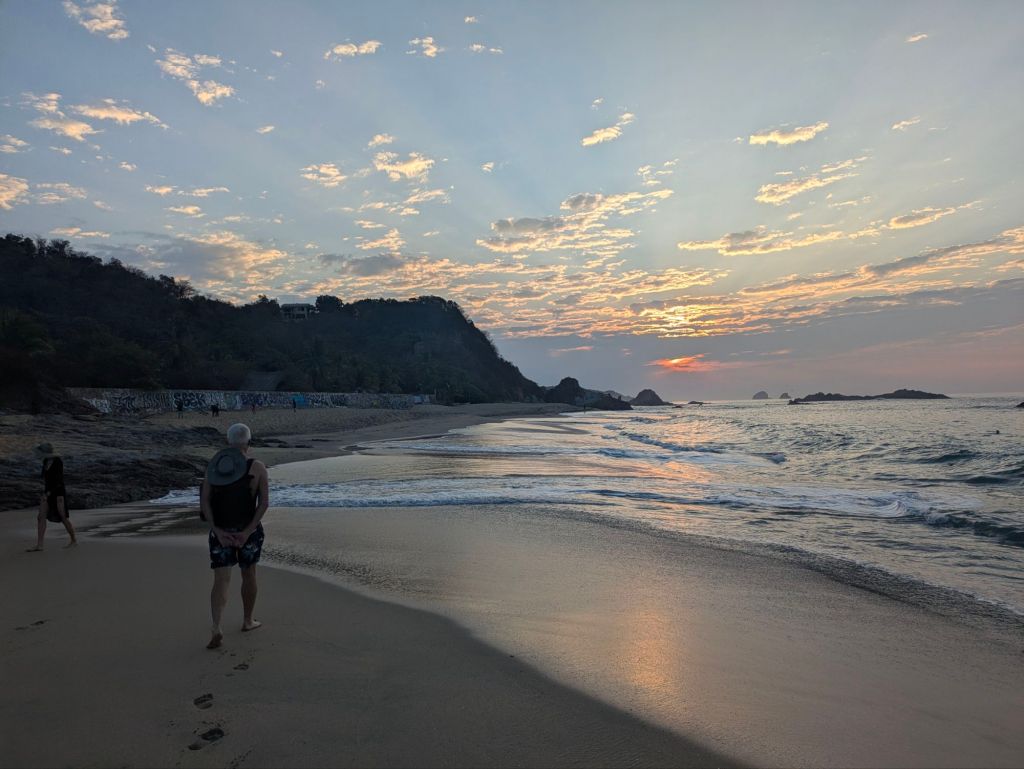
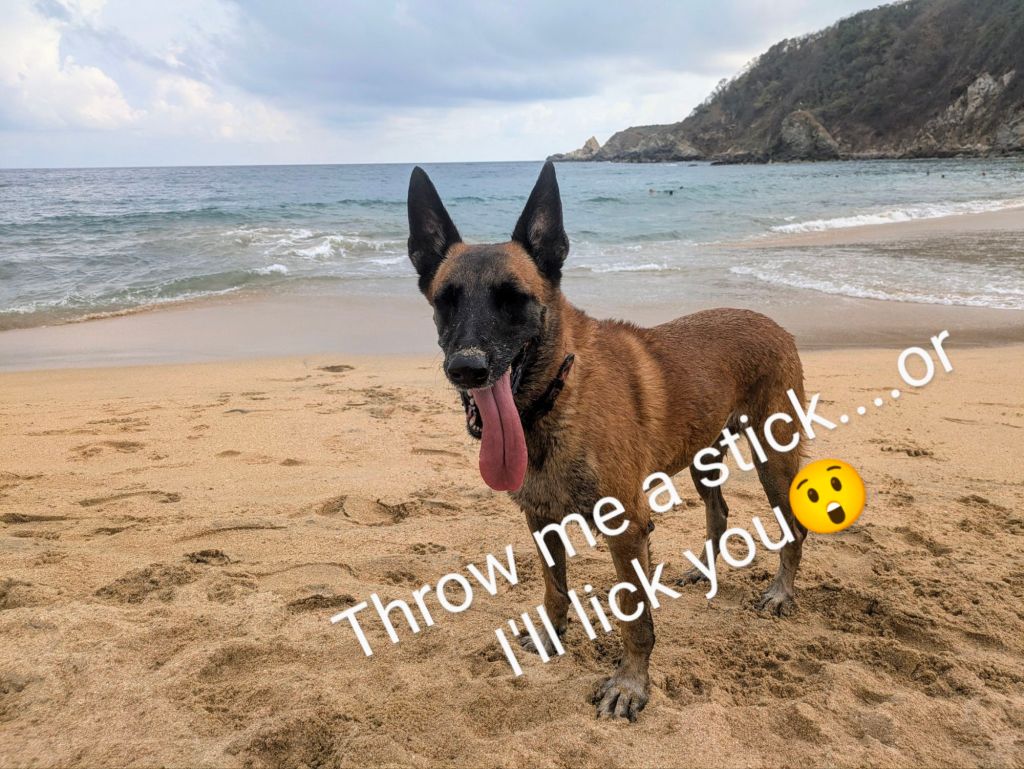
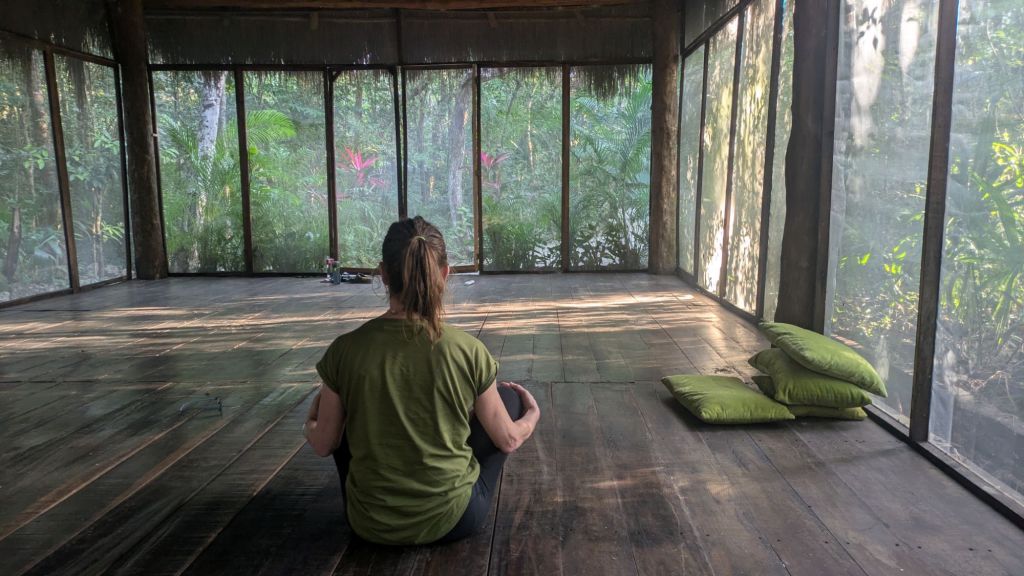
Sunrise Swims in Mazunte. Mazunte was a small seaside town on the Pacific Coast between two beaches, an east facing one for sunrise and the other with spectacular sunsets. Small hotels, bungalows and thatched cabanas stretched up into the hills, half-hidden among the coconut trees and the flowering shrubs.. We stayed in a very unusual place, an architecturally designed cabana, angled to catch the breeze and stay cool without air-con. It had a series of sliding shutters but was open on all sides so we could hear the squirrels scampering in the trees outside and the sound on the waves breaking on the beach down the road. Usually people ambled around in a heat haze but early morning was the special time when the beach was empty except for a few stray dogs, the air was warm, the water turned rose-gold and whales swam past on the horizon.

Fiesta Time. Although our time in Mexico didn’t coincide with any major festival, there always seemed to be a celebration going on somewhere, usually with drumming bands, car horns blaring, sequined dancers, clapping and shouting. During the parades, many of the people squashed into the back of jeeps, threw sweets, lollipops and fluorescent crisps to the clapping crowds. Mexicans loved to party and the noisier the better.

And for a few lows……

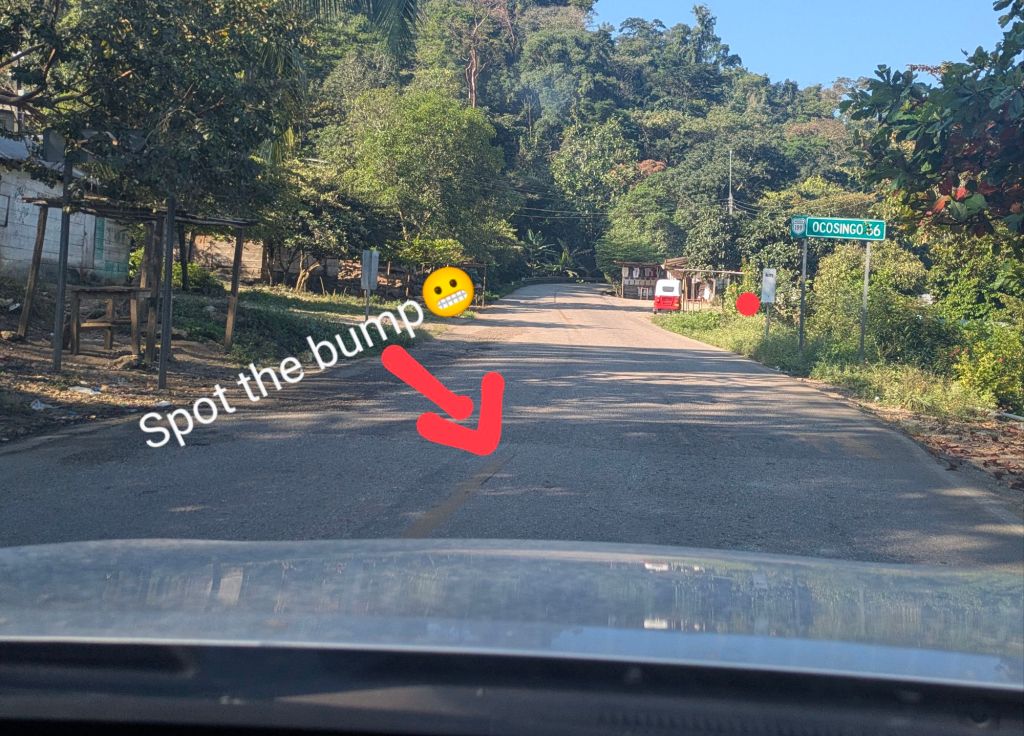
The Roads. Although many roads in the southern part of Mexico were quite good and there was a phenomenal number of roadworks in progress, there were also pot-holes big enough to swallow a car.  The biggest danger was the  huge number of speed bumps on a lot of roads. Dappled sunlight and shadows made them almost impossible to see during the day and we were airborne a few times. Between the potholes and the speed bumps, driving at night in Mexico is not recommended. In some areas, there can be also at risk of robbery after dark although we did not meet anyone who had been robbed or harmed in any way. 

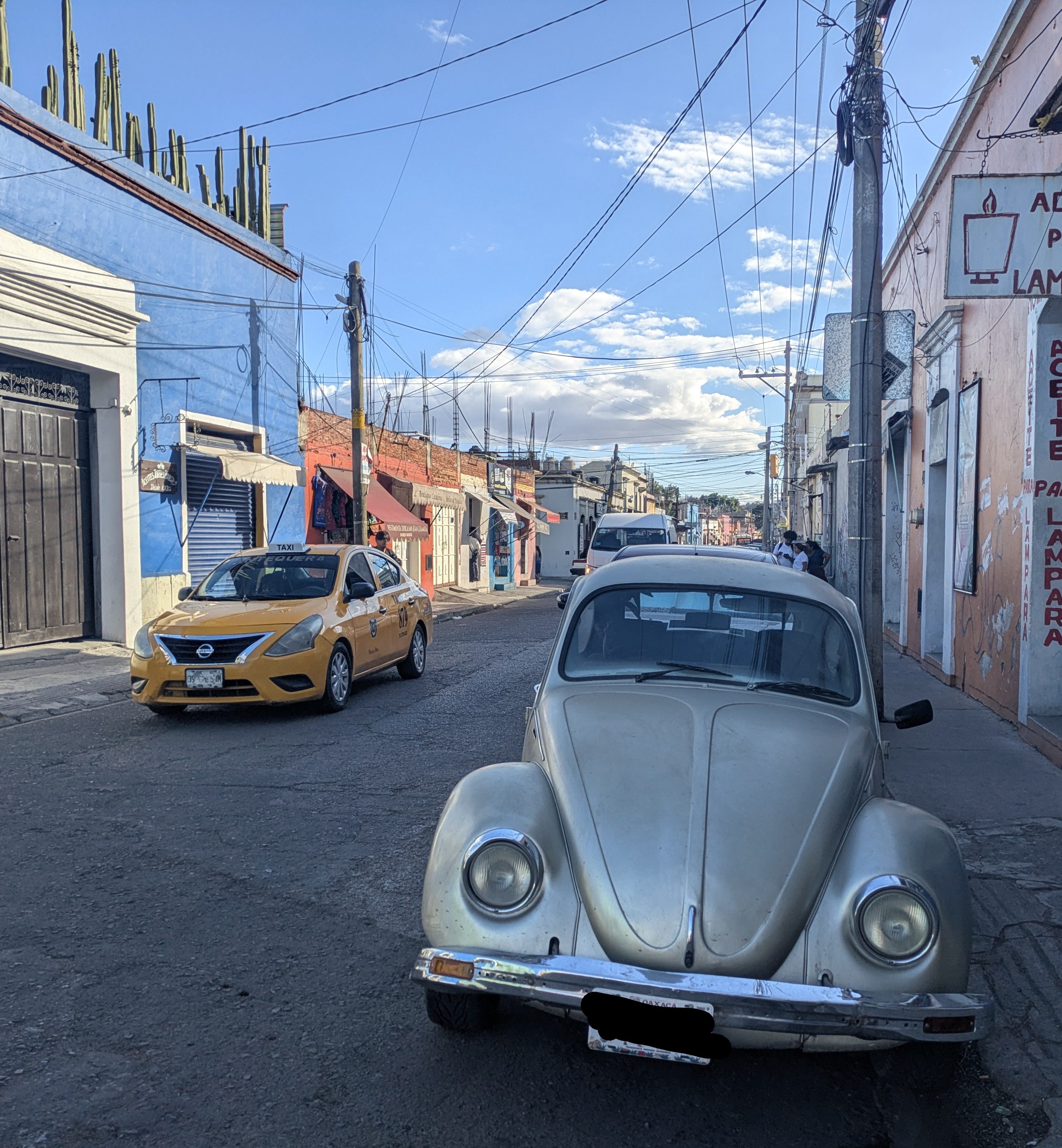
Although there were lots of different cars in Mexico, Volkswagens Beetles were a common sight……the genuinely old ones in all colours and states of repair.

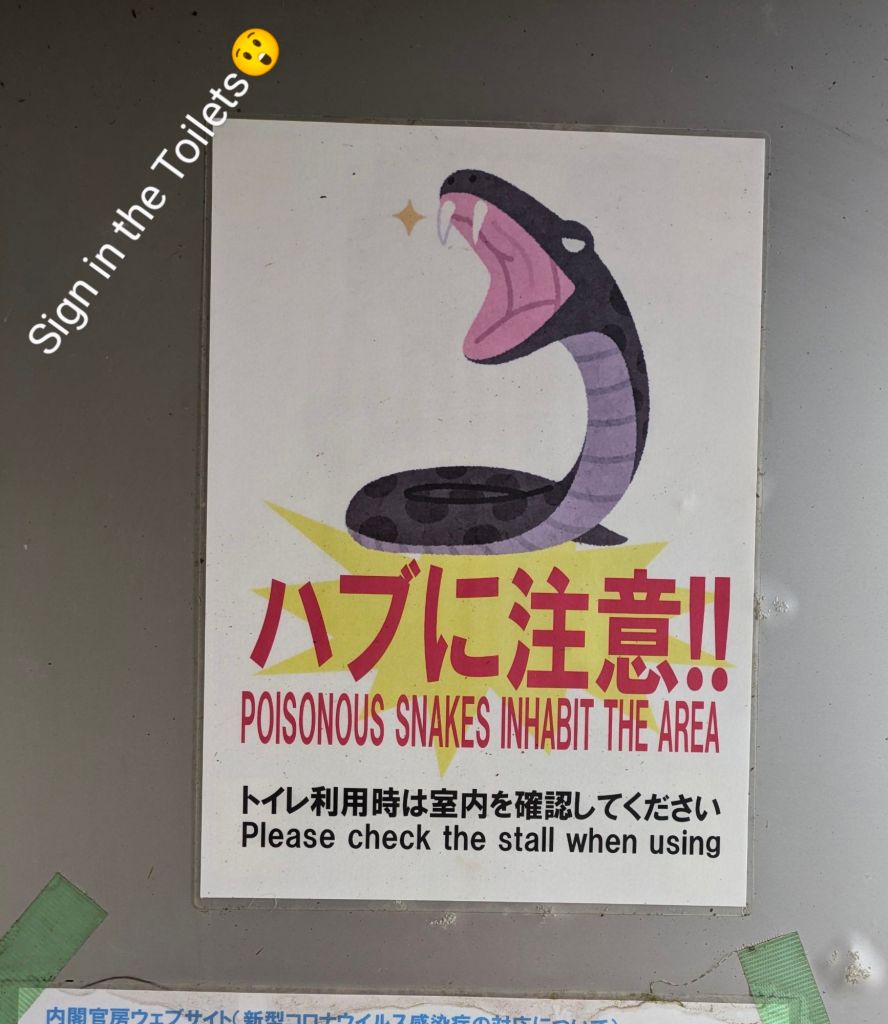
The Snake. Caoimhin had a close encounter with a snake while we were walking in the Sierra Norte. He actually stepped on the snake and I’m not sure which of them got the biggest fright. The snake jumped into the air and disappeared in the scrub, while Caoimhin yelped and also leapt in the air.

The Obesity Problem

It was obvious that Mexico has a severe obesity problem. Ireland has the same issue but it was much worse in Mexico, based on empirical evidence. I don’t know the statistics nor the cause but some parts of Mexico have the distinction of drinking more Cola than anywhere else in the world. It has become so much part of the culture that many life events are celebrated by toasting with Coke Cola and in some of the indigenous ceremonies, it has replaced the original ‘moonshine’ drinks.

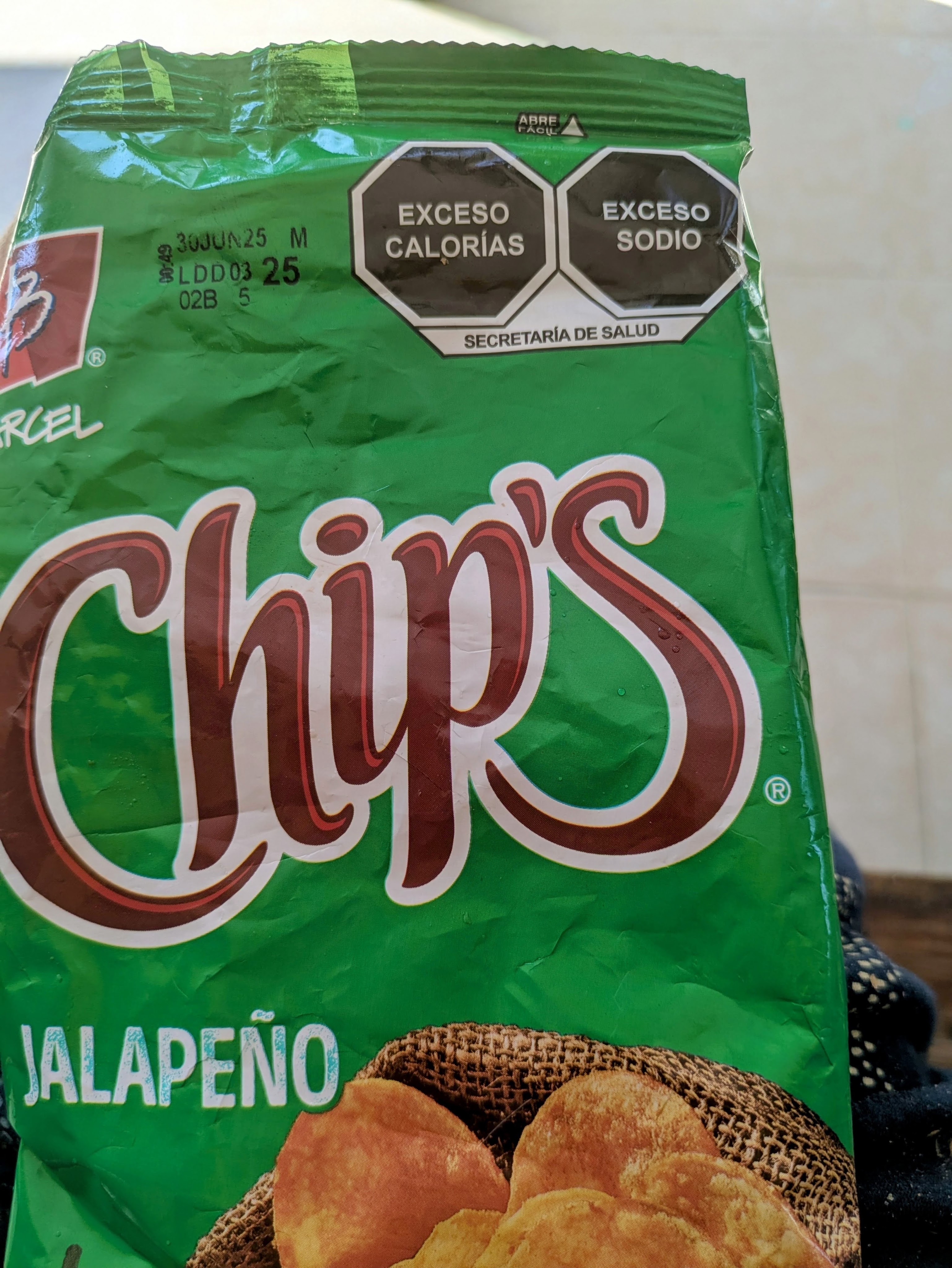
There is an attempt to tackle the problem with food labelling, with crisps and sweets carrying nutritional warnings on the front of the packets.

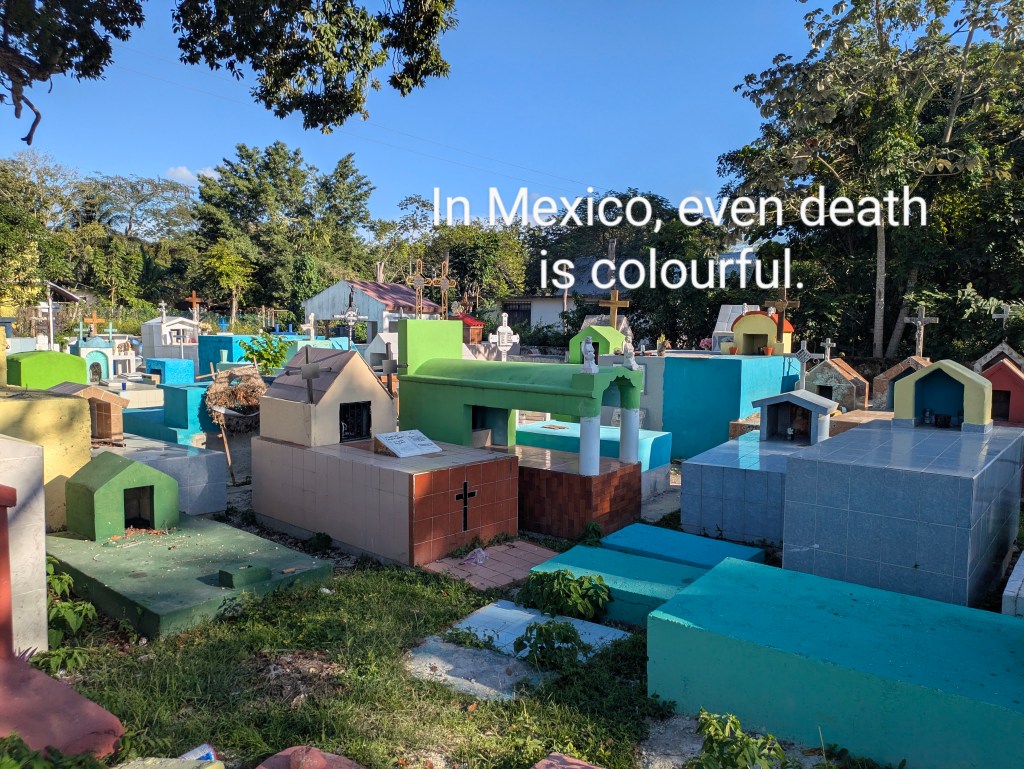
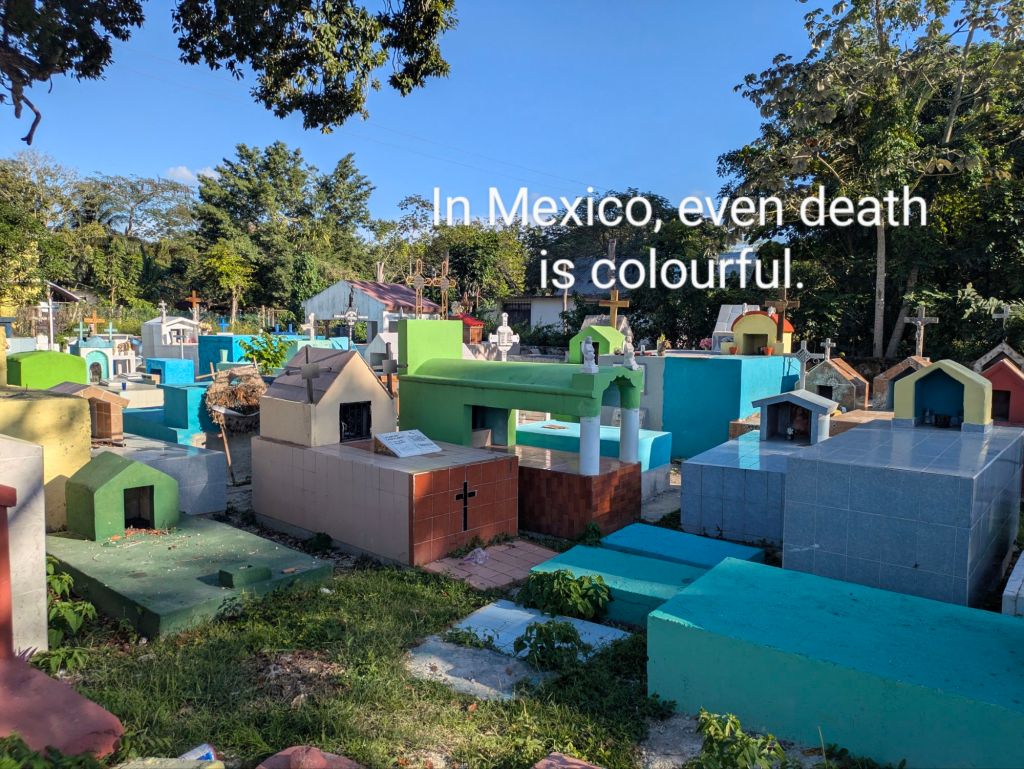
Mexico pulled us in as soon as we arrived with its vibrant intensity, a place with a zest for life and a celebration of death, a place where even the cemeteries are brightly painted and often decorated with flashing fairy lights.

Hasta Luego, Amigos

Thanks for reading🥰🥰🌄

Reflections in the Mountains
Street Art, Bacalar

Mexico: Highlights

Mexico: Completing the Loop

Our Big Loop, starting and ending in Cancun

Time in Mexico flew by and we found ourselves back in the Yucatan driving away from the Gulf of Mexico (definitely still called that), heading inland towards Cancun to complete the last part of our large loop.

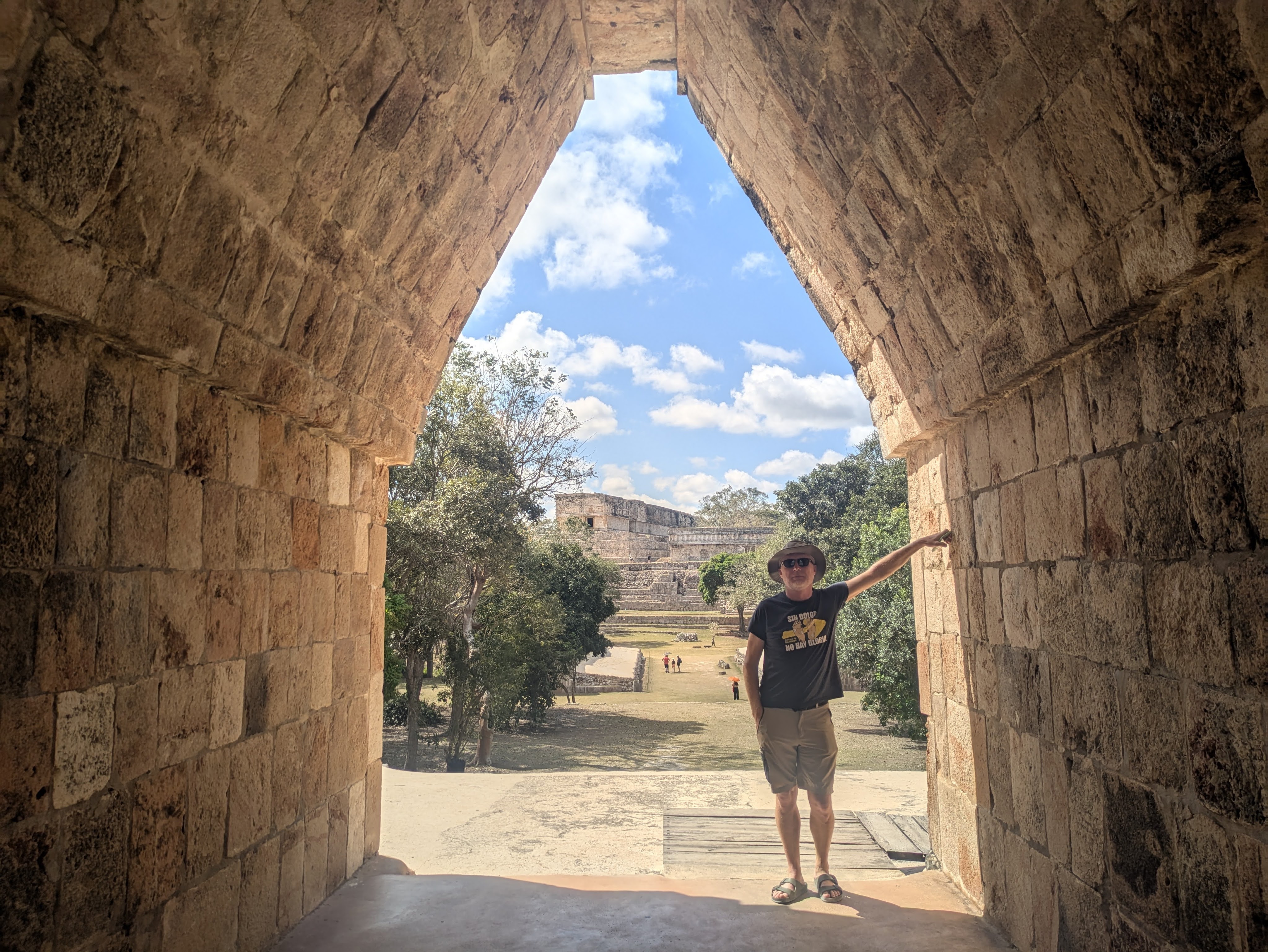
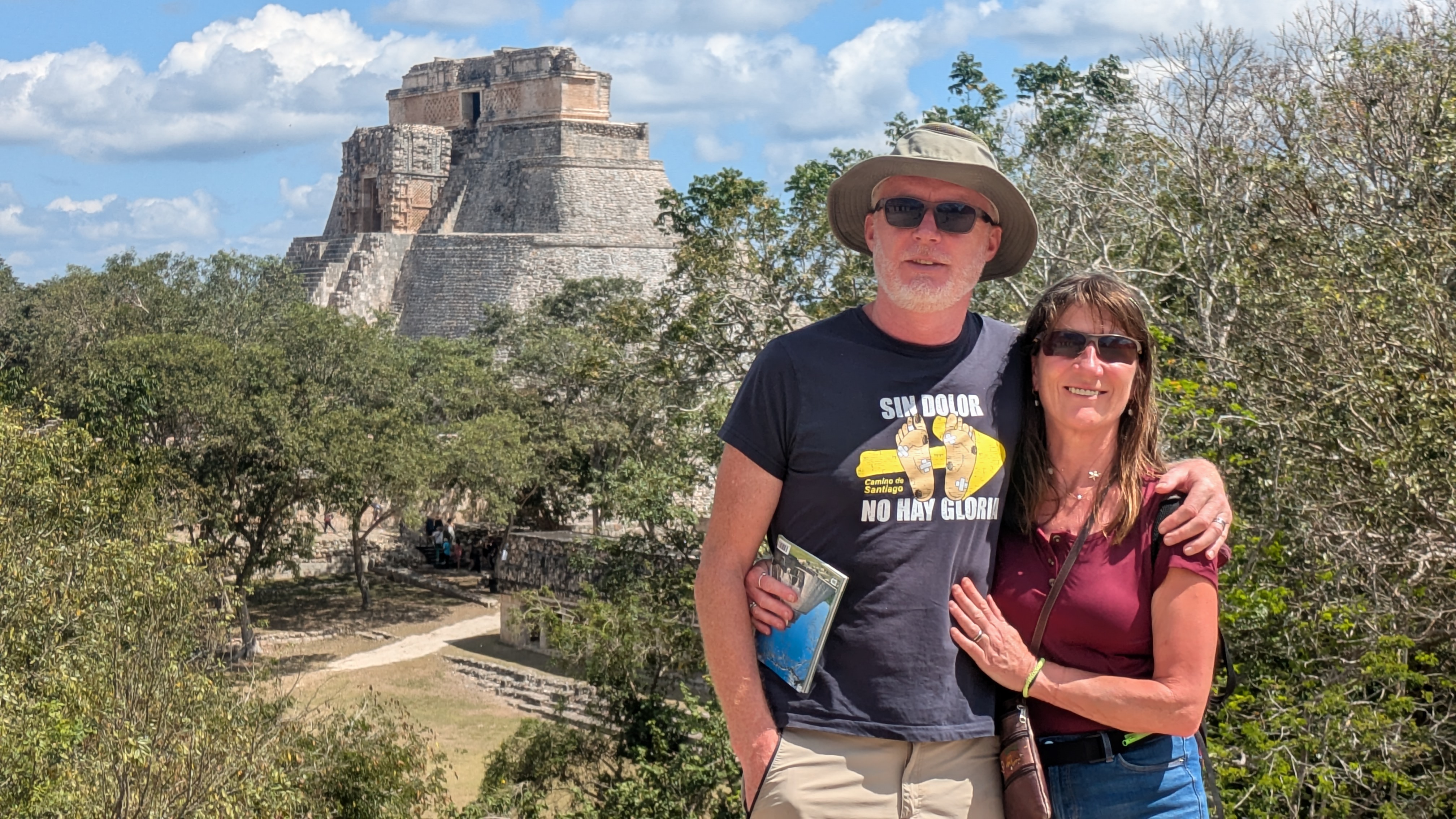
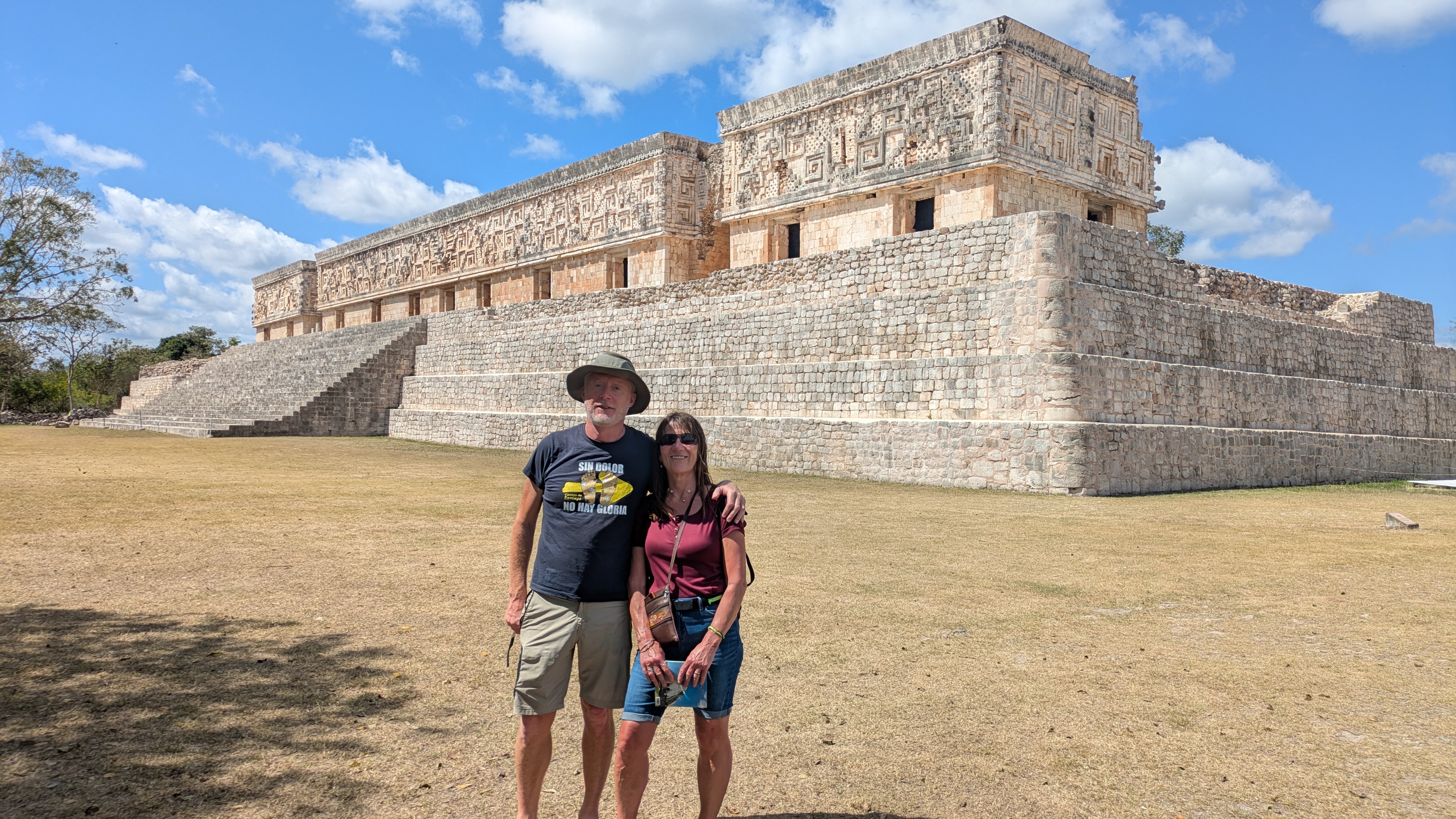
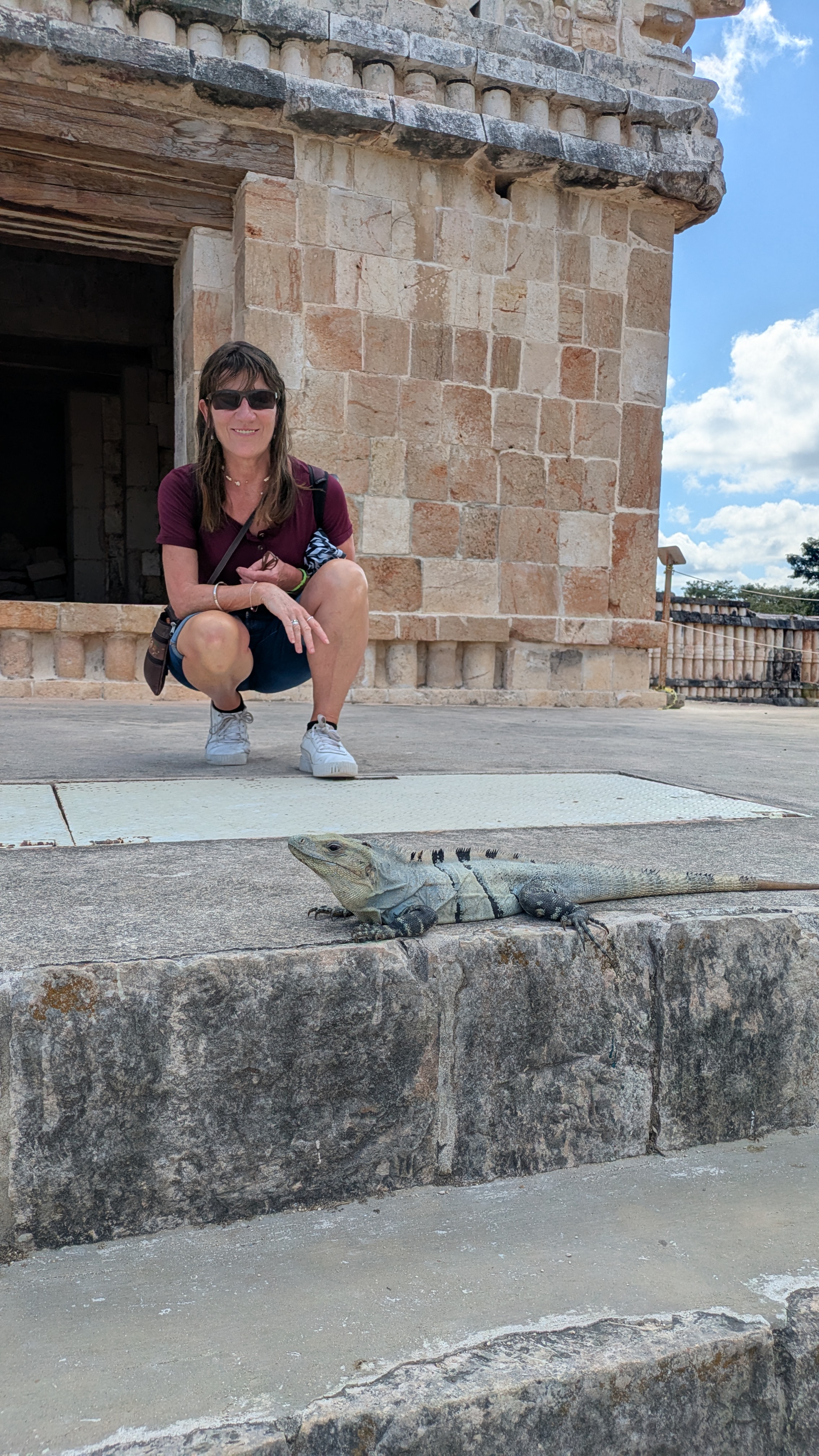
Swallows flew around the quadrangle flanked on all sides by the ruins of ancient monuments.   Bats were hanging upside down in the dark recesses of the buildings while giant iguanas snoozed on the hot stones. We were in Uxmal, another archaeological site where most of the buildings dated from the seventh to tenth century AD and were unlike anything that we had seen before now. Many of the buildings were decorated with intricate bas reliefs and were arranged in several quadrangles around immense plazas, some linked by beautiful arched passageways. It had an almost modern feel  and  was undoubtedly a well-planned city with an orientation along astrological lines.

The massive pyramid, known as the Pyramid of the Magician, was really impressive because of its huge size, considerable height and steep slopes but the myth surrounding it was also pretty interesting. Legend told of a magic dwarf, who hatched from a turtle egg and was raised by a childless witch. Through a series of tasks and challenges, the dwarf outwitted and overthrew the sovereign of Uxmal to become the ruler and used his magic to build the massive pyramid as his palace, building it in one night.

Uxmal is in a dry arid region without rivers or springs so its wasn’t surprising that the most revered god was the rain god, Chaac, often depicted with a human body covered in scales and a fac with  protruding fangs, He held both a lightening axe and snakes that he threw at the clouds to bring storm and rain. Apparently he had a voracious appetite but could be appeased in times of drought by human sacrifice. Despite the lurid tales, Uxmal was an interesting and meditative place, relatively quiet with just a few people meandering around.

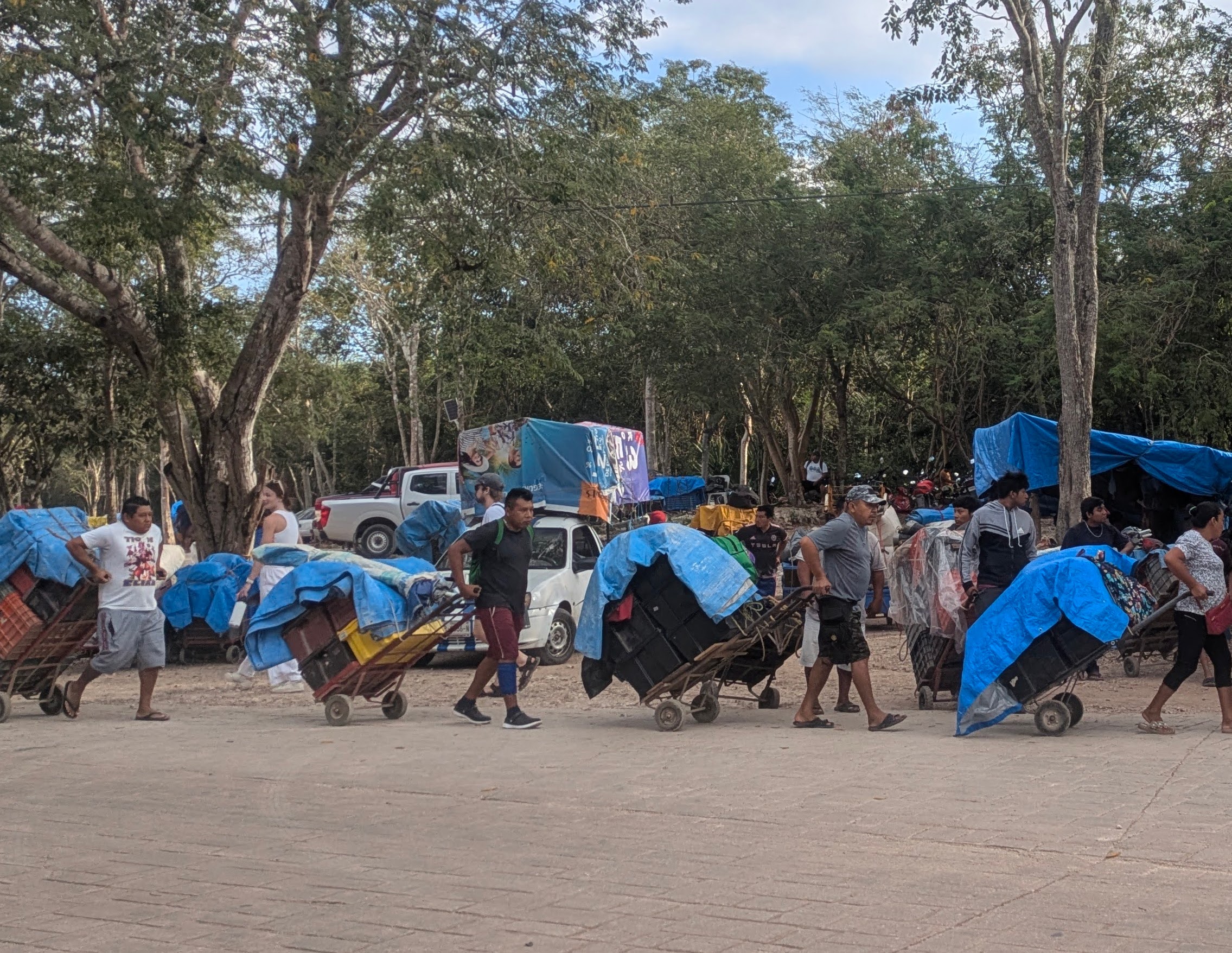
It was a different story when we visited Chichen Itza the following day. In a country with a plethora of archaeological sites, this is one of the ‘big guns’, an UNESCO heritage sire since 1988 and regarded as one of the world’s best preserved archaeological sites. We had been warned to go early as it was really popular.   As we approached the site shortly before eight o clock, we were greeted by the strange sight of a long line of people pushing carts loaded with boxes and bags as if they were refugees, fleeing with all their worldly goods. These were just the stall vendors making their way into Chichen Iza for the 8am opening.

Most of the tour buses hadn’t arrived yet but the queues were long and chaotic and we soon discovered why. The total price was a hefty 671 pesos per person (about €33)  but 100 pesos of this was government tax and had to be paid  at a separate window which wasn’t clearly marked. Only cash was accepted so people were counting out cash and then leaving the queues to find an ATM when they didn’t have enough.

 Chichen Itza was a mixture of fascinating history and commercial tourist trap and definitely the most crowded place that we visited. Hundreds of vendors lined the site selling all sorts of souvenirs, hats, blankets and pyramid replicas as well as jewelry and soft drinks. Just a flicker of an eye in the direction of a stall was enough to make the sellers pounce.

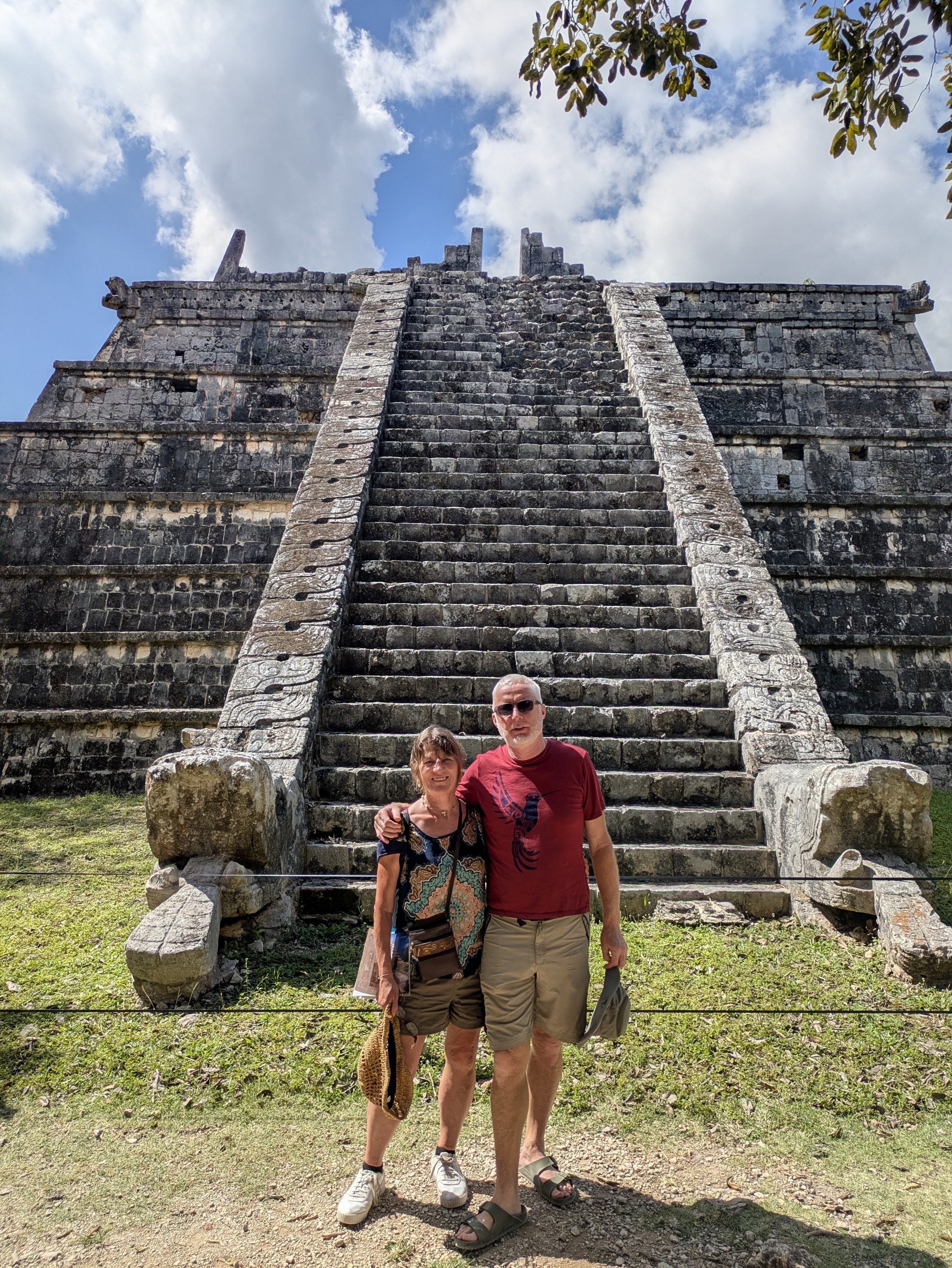
 The site was occupied for thousands of years but was a major power between 800 and 1200 AD. The giant pyramid, El Castilla, a huge stepped pyramid dominated the site.  At sunrise at the spring and autumn equinox, an interplay of light and shadow gives the impression of the body of a rattlesnake slithering down the giant balustrades of the pyramids, becoming reunited with the stone serpent’s head at the bottom. That must be an extraordinary sight. The Maya were really in tune with the skies, with an extremely accurate solar calendar and their ability to integrate astronomy into the architecture of their temples and monuments.

Chichen Itza and the Slithering Rattlesnakes

Sweat was dripping down my back and my left arm was turning a tomato shade of red from the sun as we made our way towards the exit after our three hour visit. My right arm ached from carrying an umbrella for shade. A small umbrella is one of the most useful things I pack when we go away, good for sun or rain but the strong sun in Chichen Itza required the shade of a giant parasol.  Pushing against the throngs of people arriving, we were glad we had gone there but absolutely delighted to leave this hot, overcrowded World Heritage site.

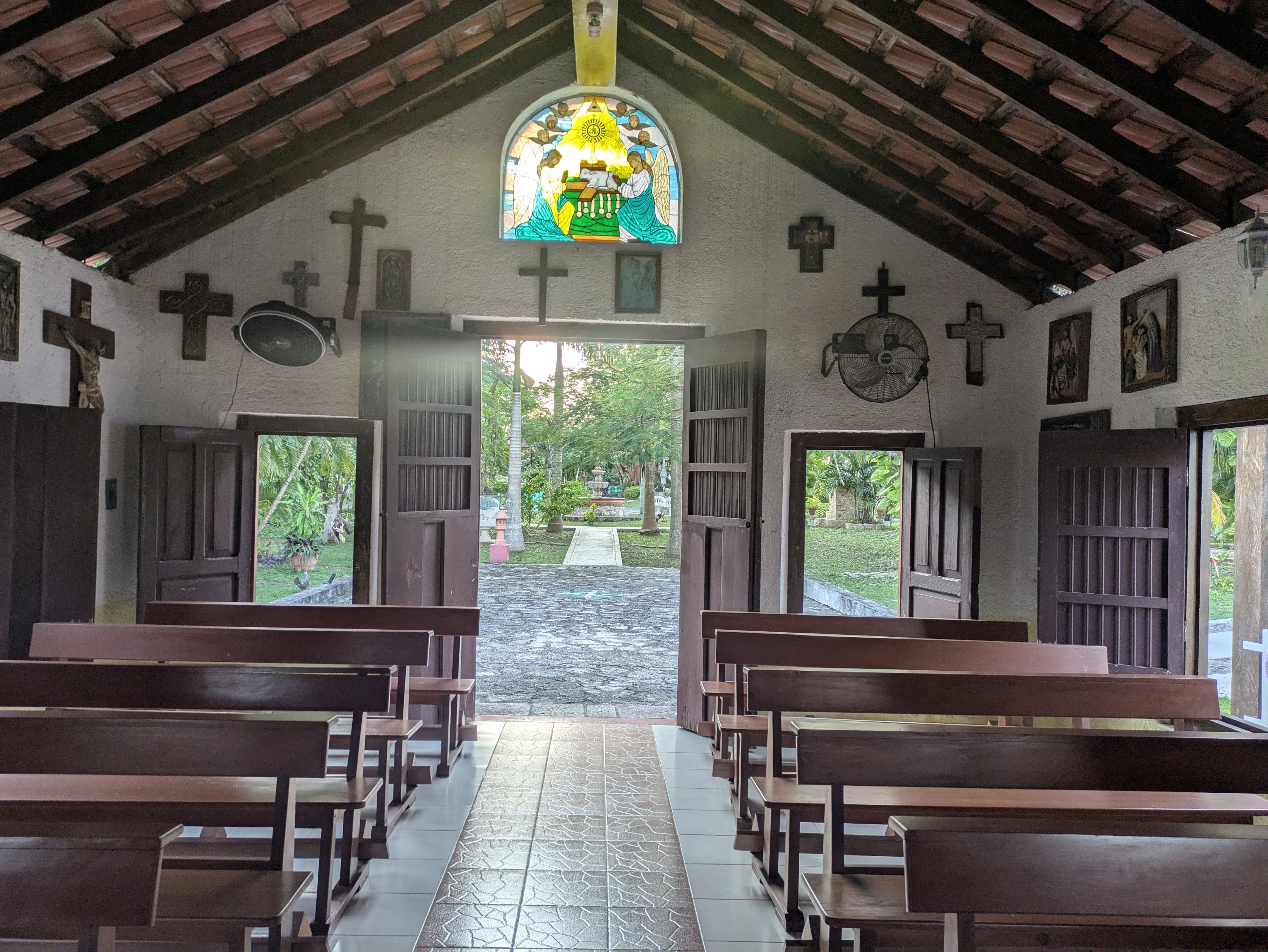
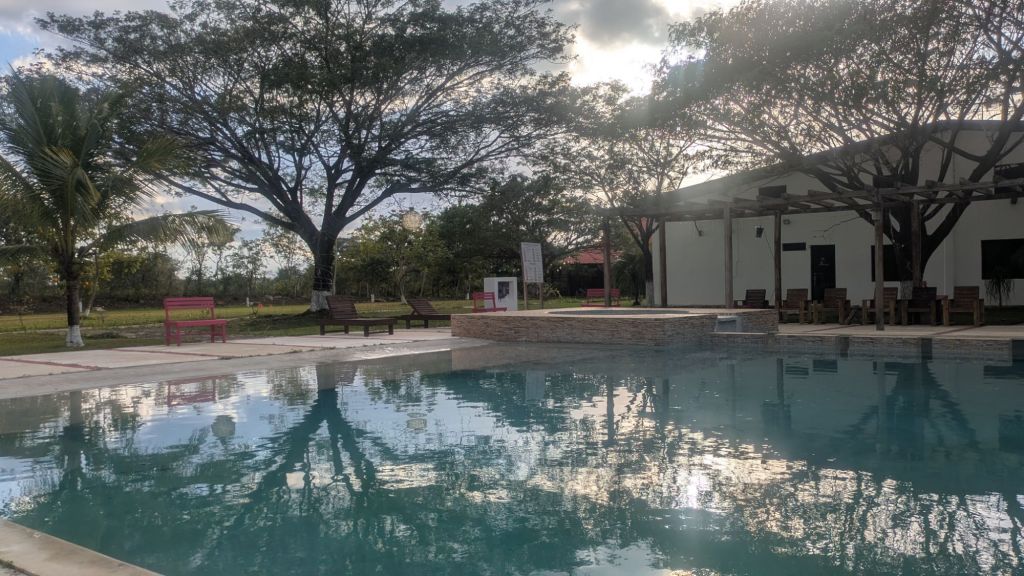
We spent our last few nights in Valladolid, a colonial town of churches and history, about a forty-five minute drive from the madness of Chichen Itza, staying on the outskirts of town, in a hacienda which had a swimming pool and even its own chapel on the grounds. This was a perfect place to escape the heat and relax. We tried not to complain too much about the 35C temperatures as we would soon be at home.  

Church on the grounds of the Hacienda

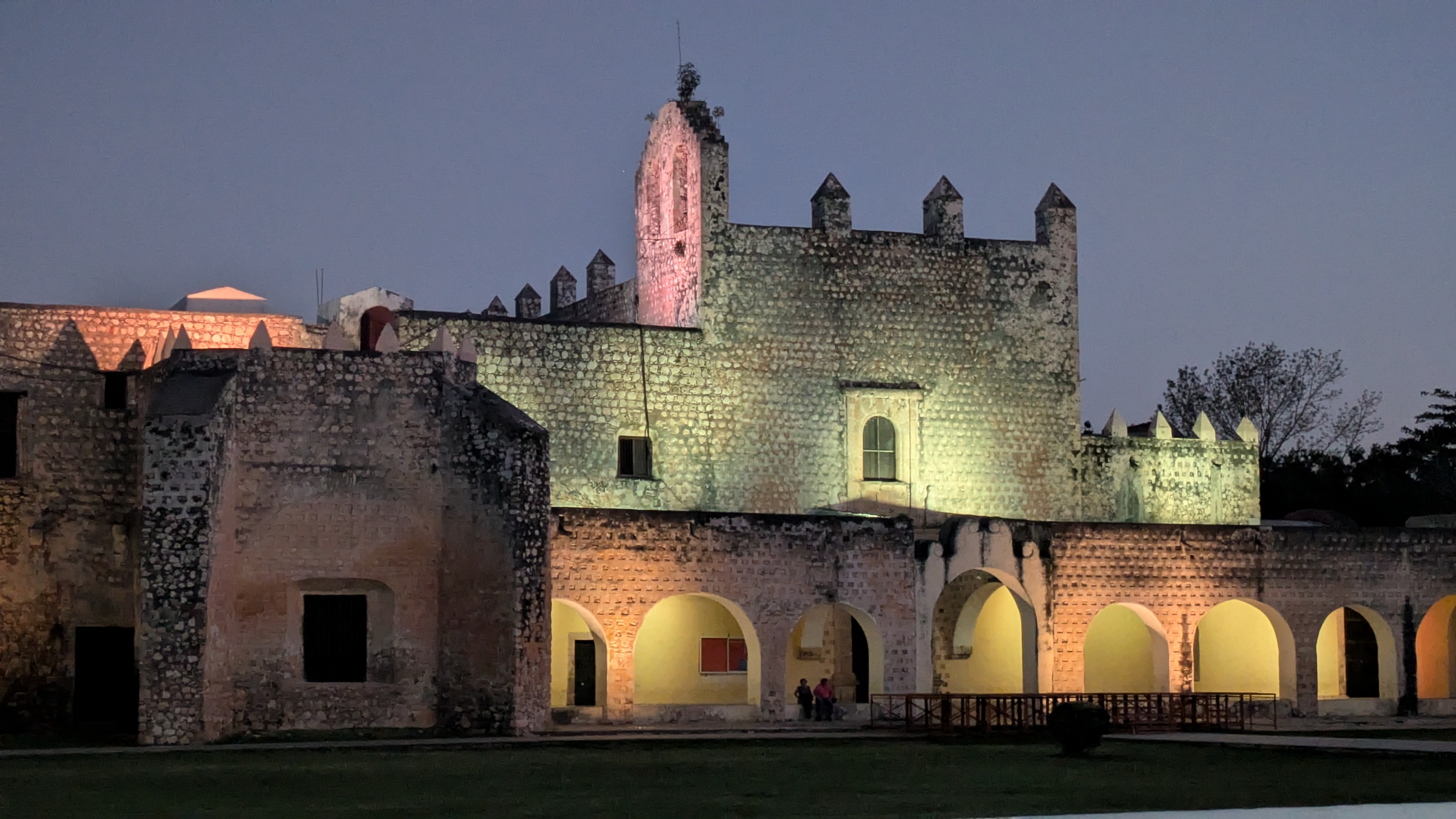
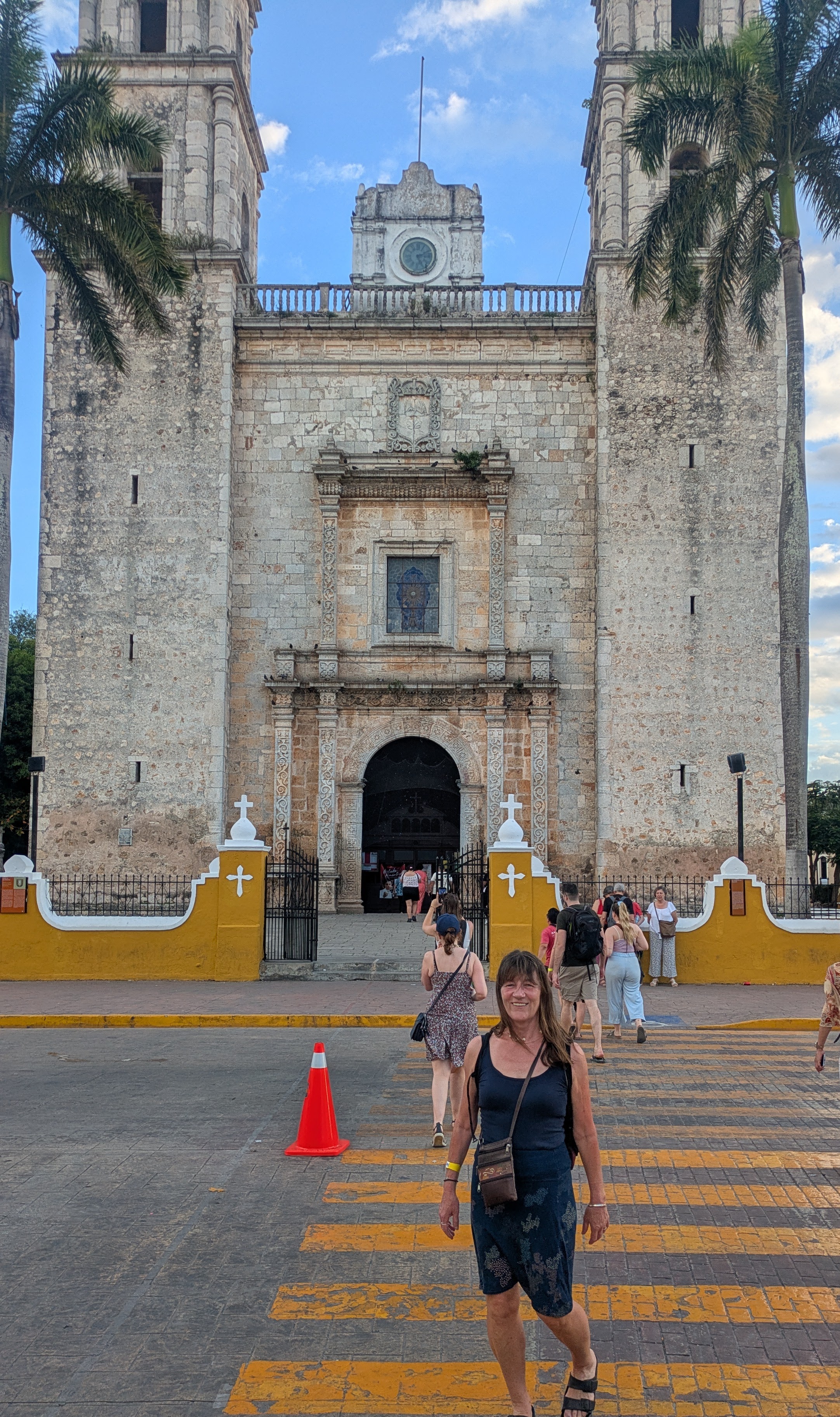
The walking tour of the Valladolid took us from the church in the main plaza to the Convent of San Bernadino, an imposing structure and one of the oldest examples of colonial heritage in the Yucatan.  We sat on the stone wall on a balmy evening watching a sound and light show recreate the history of the building and town in a series of images on the stout walls.

Convento de San Bernadino, Vallodolid
Iglesia de San Servacio, Valladolid

Our last night was spent in downtown Cancun. Although we had flown into Cancun almost five weeks previously on a late flight, we had stayed near the airport, which is south of the city, and then continued on further south the following morning. So this was our first visit to Cancun. It was unlike any other place that we had been in Mexico. It was large and sprawling with two distinct areas. A wide six-lane boulevard connected the more traditional downtown with the hotel area (Zona Hotelera,) which looked as if it had been built – or at least expanded – in the last ten years. A long row of palm trees ran down the middle of the boulevard with enormous hotels nestling among trees and flowering bushes on either side. Driving over a causeway, we caught a glimpse of the Caribbean sea and some beaches and understood why it was such a popular destination. The water was a sparkling turquoise and the sand was talcum-powder pale. Rows of gleaming yachts were moored at a jetty. It was a place made for holidaymakers. We stayed in a comfortable but slightly shabby apartment in the downtown area with parking on the street outside and some nice restaurants nearby.

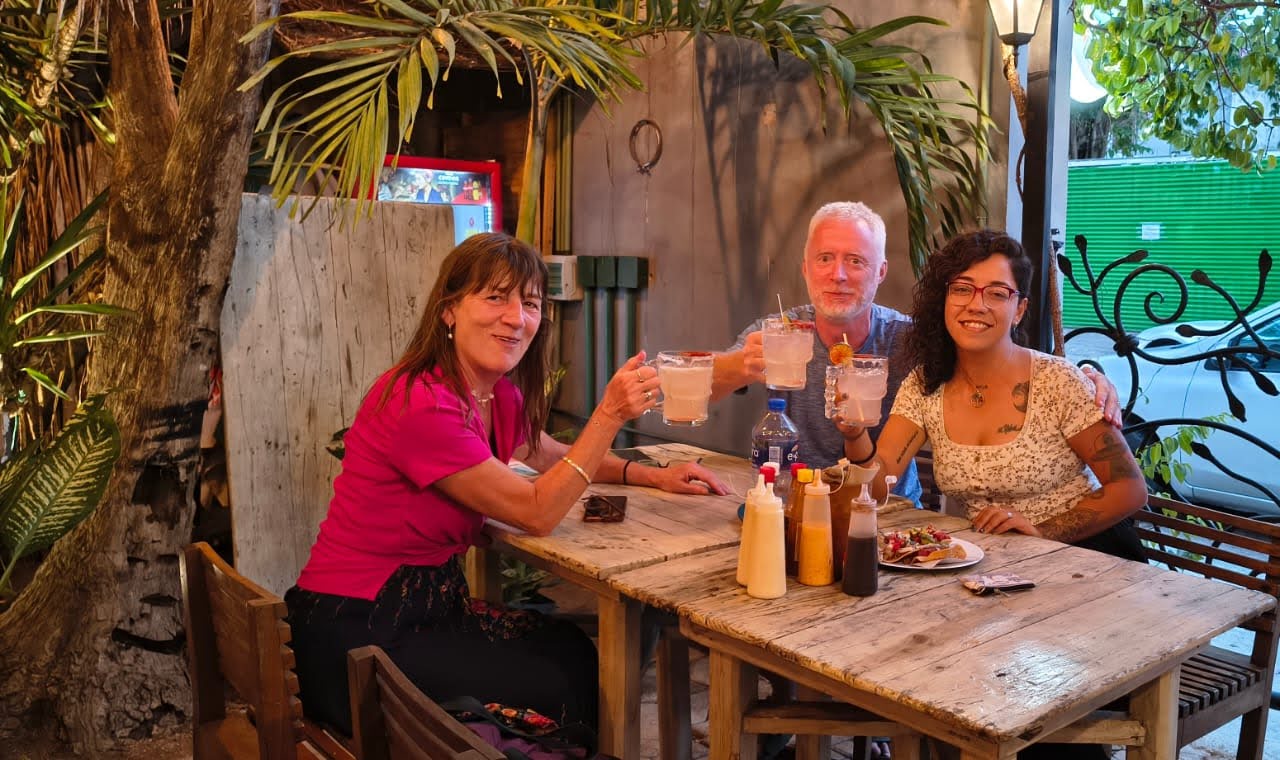
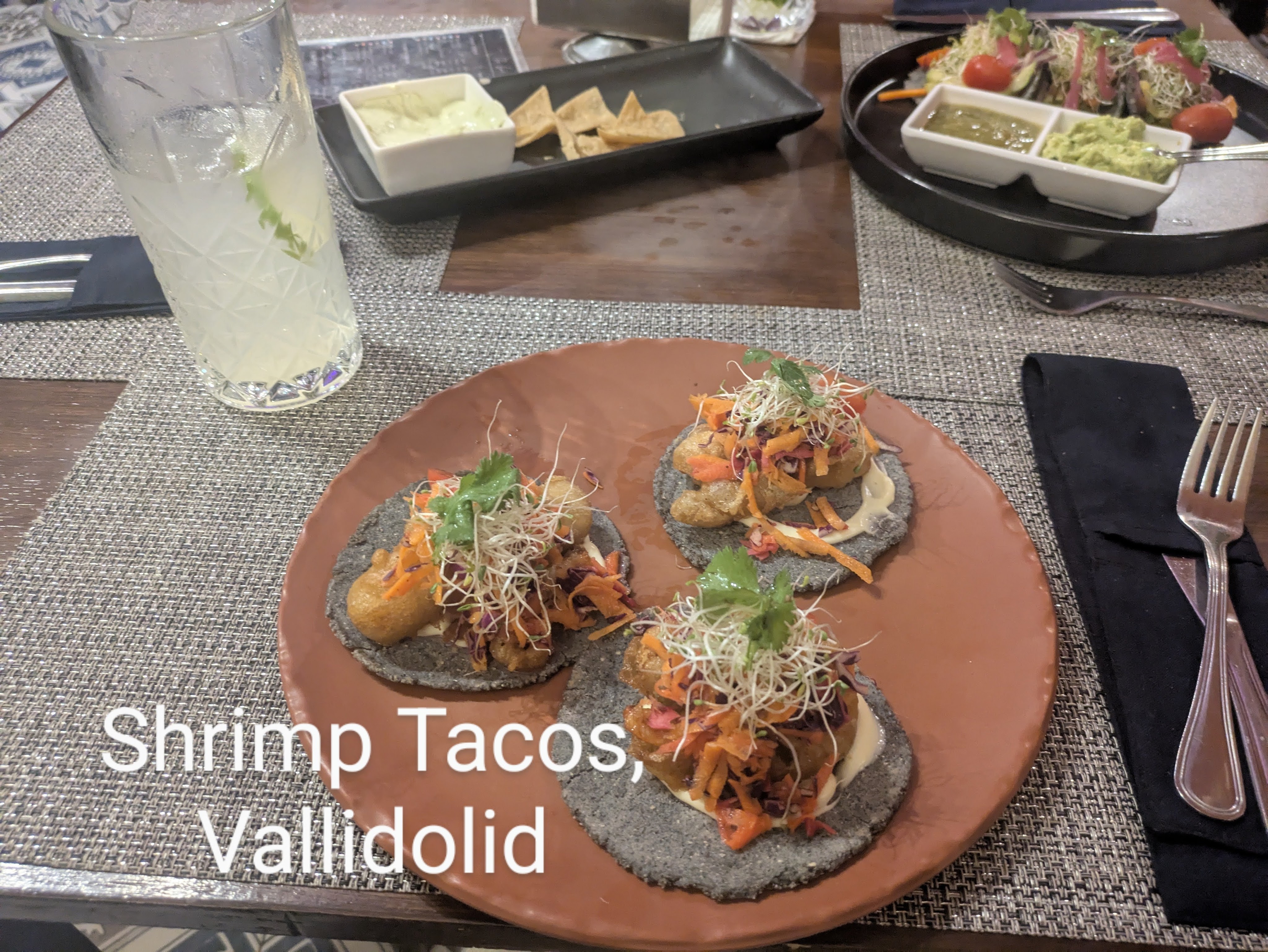
We meet up with a Mexican friend, Diana, who we first met in Colombia this time last year and who  visited us in Waterford last July for a few days. It was a lovely evening. Drinking our margaritas and eating our shrimp and veg tacos which were garnished with succulent avocados and sharp limes, in a buzzy local bar, full of noise and music, we knew we were going to miss Mexico.

Our last morning was bright and sunny, another beautiful day. Dropping back the car, we hoped that all would be well. When we had picked up the car, we had gone for the basic mandatory insurance despite the efforts of the person in the Alamo Car Rental Office to persuade us to get a lot more cover. It had been airborne over the dreaded ‘invisible’ speed-bumps a couple of times and it was covered in a fine layer of dust but it passed all checks and  our deposit was returned. The cost for thirty-three days was €555 which was pretty good value. We opted for the ‘mystery’ compact model when reserving online and mystery turned out to be a very roomy Nissan X-Trail

 The flight from Cancun to Washington was short, less than three hours on United Airways followed by an overnight flight to Dublin, which took about seven hours, arriving on a sunny but cold morning. Five degrees was a shock to our systems.

Thanks to all who came along with us, or dipped in and out….we enjoyed your company.

When we’ve had a chance to think about our dizzying kaleidoscope of memories, I will do another post on the highlights …and low lights ….of our roadtrip around just a small part of this fabulous, energetic country

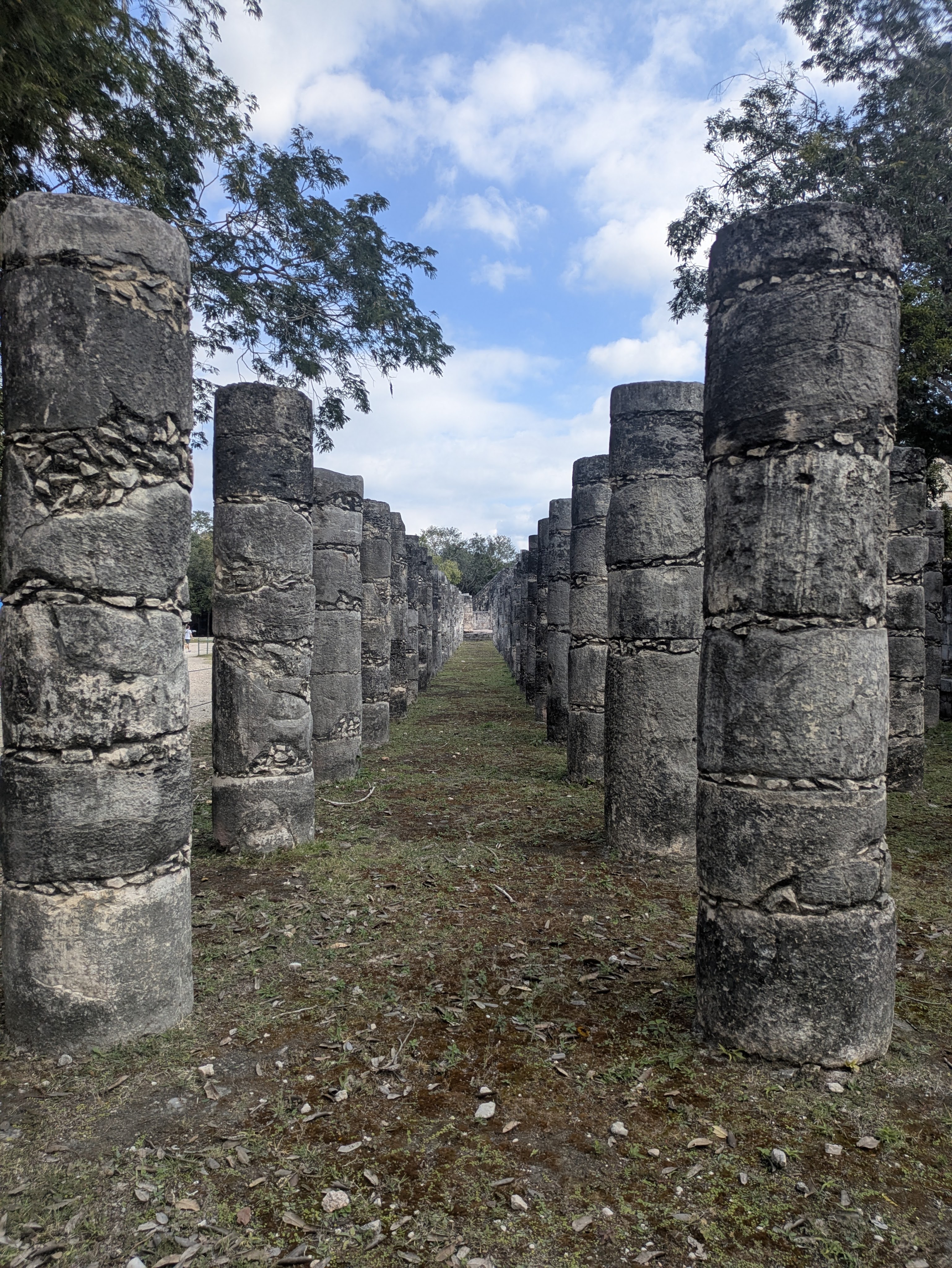
Chichen Itza Pillars

Mexico: Completing the Loop

Mexico: Driving by the Gulf

Celestun, Gulf of Mexico

Everything was pink, flamingo pink. Flamingoes were painted on the walls, plastic birds lurked in the foliage of gardens and even the bridge into the little town of Celestun was painted a soft dusky pink.  Celestun was mainly a sleepy, dusty fishing village, sunbaked and sandwiched between a large lagoon and the turquoise water of the Gulf of Mexico. The combination of salt water from the Gulf and fresh water from the estuary made it a perfect habitat for flamingoes and waterfowl but the flamingoes were the real attraction. The Reserva de la Biosfera Ría Celestún was  a large coastal wetland reserve and wildlife refuge in the northwestern corner of the Yucatan Peninsula covering 146,000 acres beside the town.

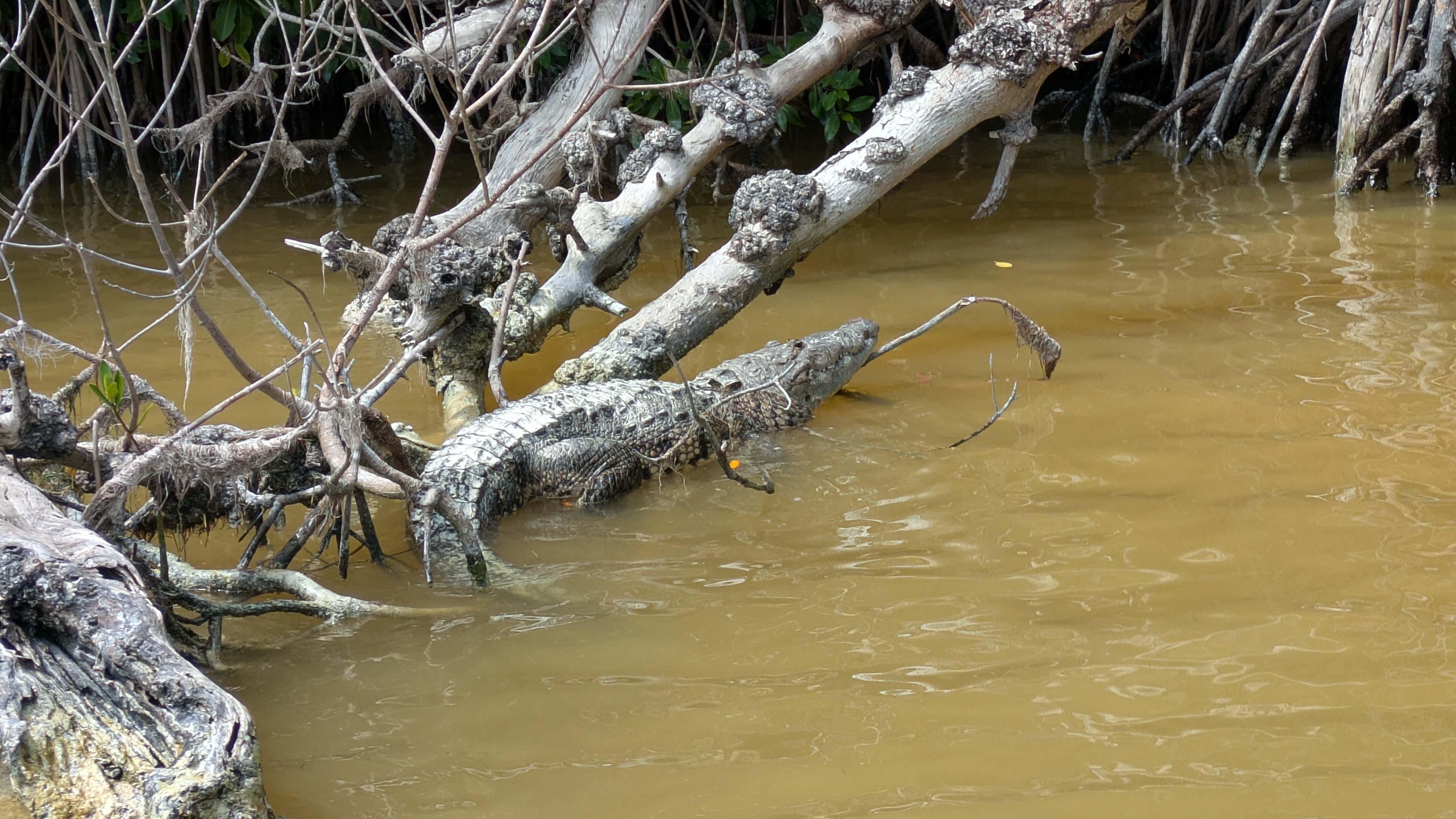
 The breeze was welcome and cooling on our boat tour out on the lagoon, which we shared with two German couples. The air was sulphur-stinky but we didn’t mind. The flamingoes were beautiful blobs of colour, wadding and feeding in the shallow waters. The birds get pinker and more gorgeous with age as their plumage turned a bright rose colour that was almost orange from their diet of shrimp, tiny crustaceans and seeds.  I was so enamored that I even bought a T shirt emblazoned with a flamingo, about the only thing I can fit into my small carry-on backpack.  Their only predators were the alligators which were plentiful,  snoozing at the water’s edge near the mangroves, superbly camouflaged and doing a great imitation of  fallen logs.

Spot the Alligator 😮

There was a carnival parade through the streets on the Sunday night that we were there, People of all ages, dressed in flashing lights and sequins, danced to blaring music and honking horns on the back of  pick-up trucks which were also festooned with balloons and streamers. The people on the trucks threw sweets, lollipops and fluorescent crisps to the clapping crowds. Mexicans love a party, the noisier the better.

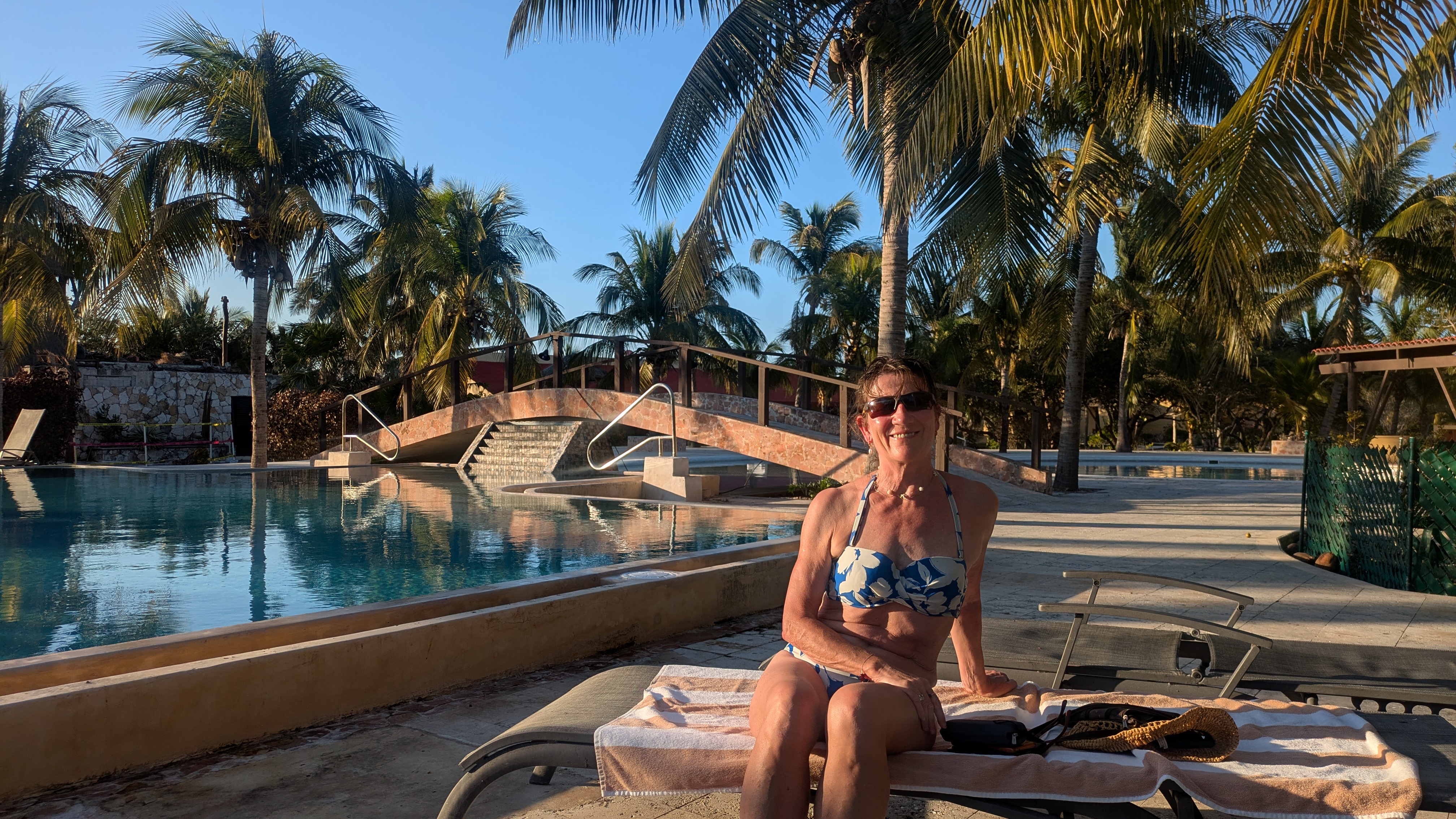
The beaches on the northern side of town were reached along a dry, rutted road but they were  gorgeous, miles of shell-strewn sand, empty except for the many birds. We spent two nights in a beachfront ‘villa’ far from town with a well- equipped kitchen where we rediscovered the joys of cooking after weeks of eating out. It blew out budget but was worth it. We had a large pool outside our front entrance and at the back door, we stepped from a little verandah directly onto white sand, shaded with coconut trees, just a few steps from the water’s edge.  There was nothing to do except take long walks on the beach at sunrise and sunset and watch the birds, pelicans, cormorants, sandpipers and a whole assortment of seagulls flying overhead and vying for space on the wooden poles in the water near our villa. Having driven  the long length of part the Gulf of Mexico over the preceding days , this was certainly a great place to relax.

Pelicans on the Gulf
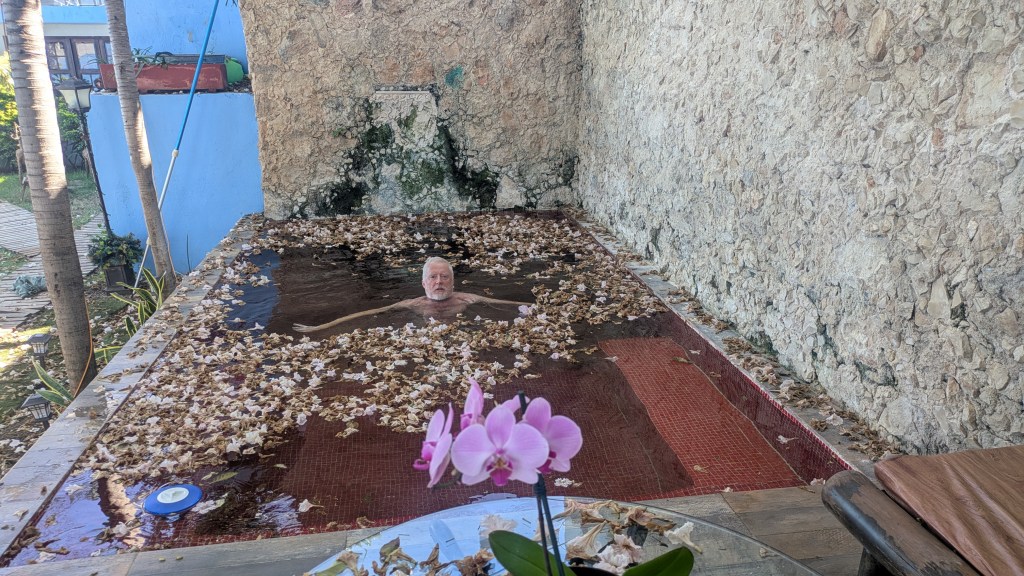
Our pool at the villa, Celestun 😍

Our guidebook told us that Villahermosa wasn’t anyone’s idea of a ‘beautiful town’ (despite the direct Spanish translation} but we found an excellent, good-value hotel and a place of friendly people. Hotel La Venta  gave us  a spacious room on the fourth floor for €32 in total which included an enormous buffet breakfast.  Villahermosa is the capital of Tabasco State (nothing to do with the fiery tabasco sauce  which is made in Louisiana in the US).

 Tabasco State,  a waterlogged and oil rich place, was full of mangroves and pipelines, most from Pemex (Petroleos Mexicanos). Pemex is the long-time, state owned hydrocarbon company which is being privatized in a bid to make Mexico energy, self-reliant even if that means turning way from focusing on renewables. As we drove around Mexico, we witnessed a huge number of newly-opened Pemex forecourts and others which were in the process of opening for business, complete with identical convenience stores (OXO franchise).    

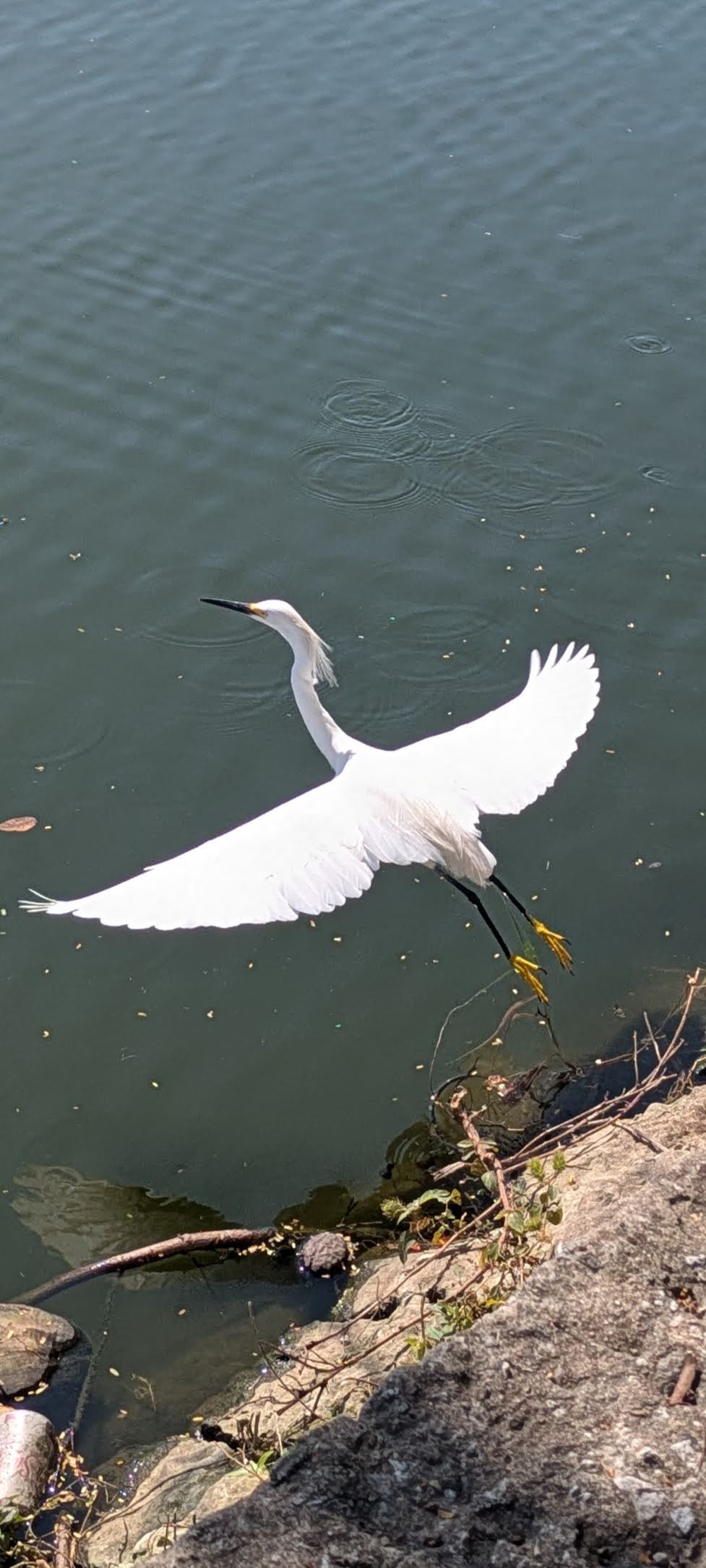
Although Villahermosa was busy with wide lanes of choking traffic, it also had a superb promenade by the wide green Rio Grijalva, an area favoured by elegant egrets and joggers. Our main reason for stopping in the city was to visit La Venta, a pre Columbian archaeological museum  of the Olmec civilization.

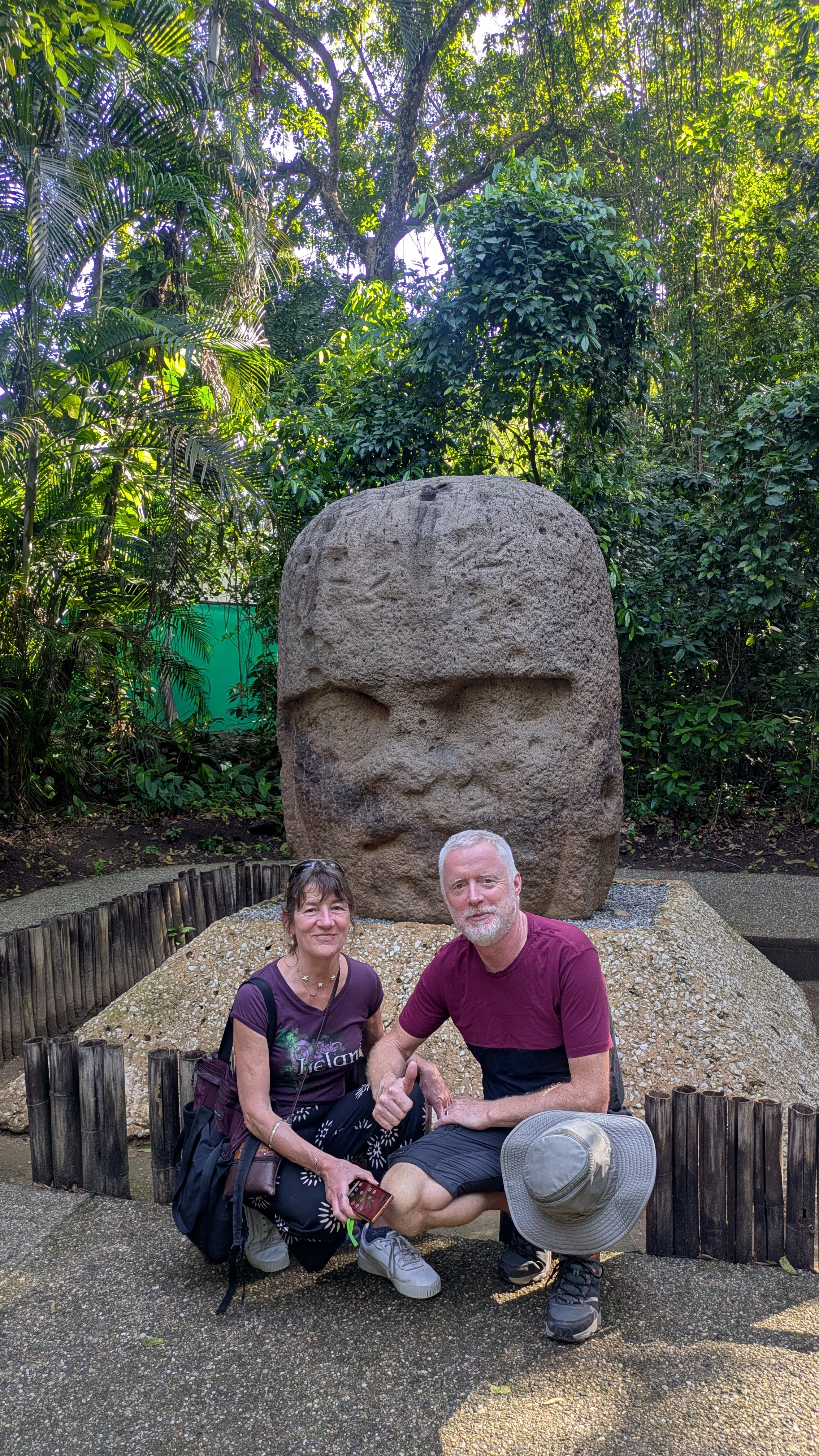
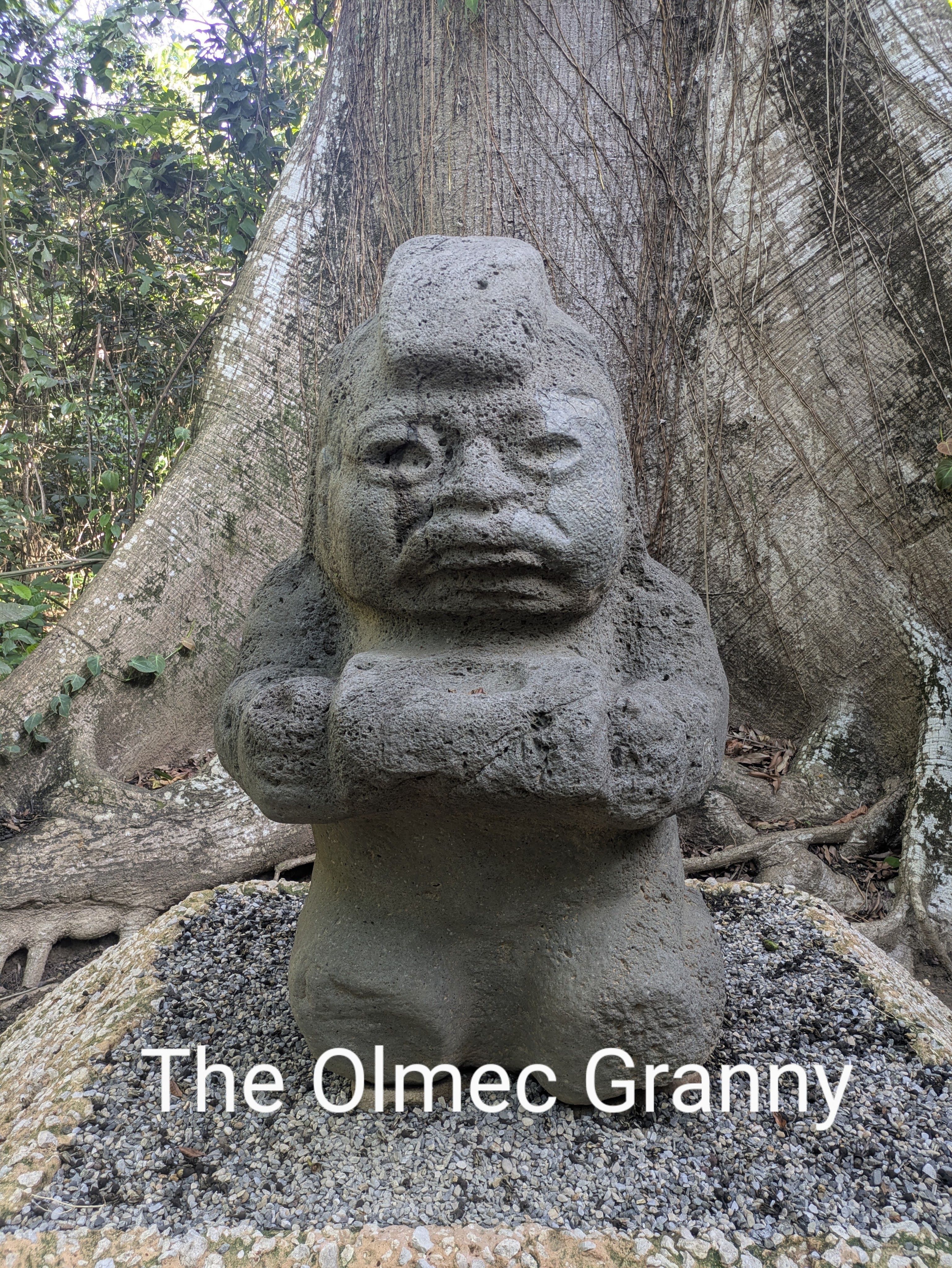
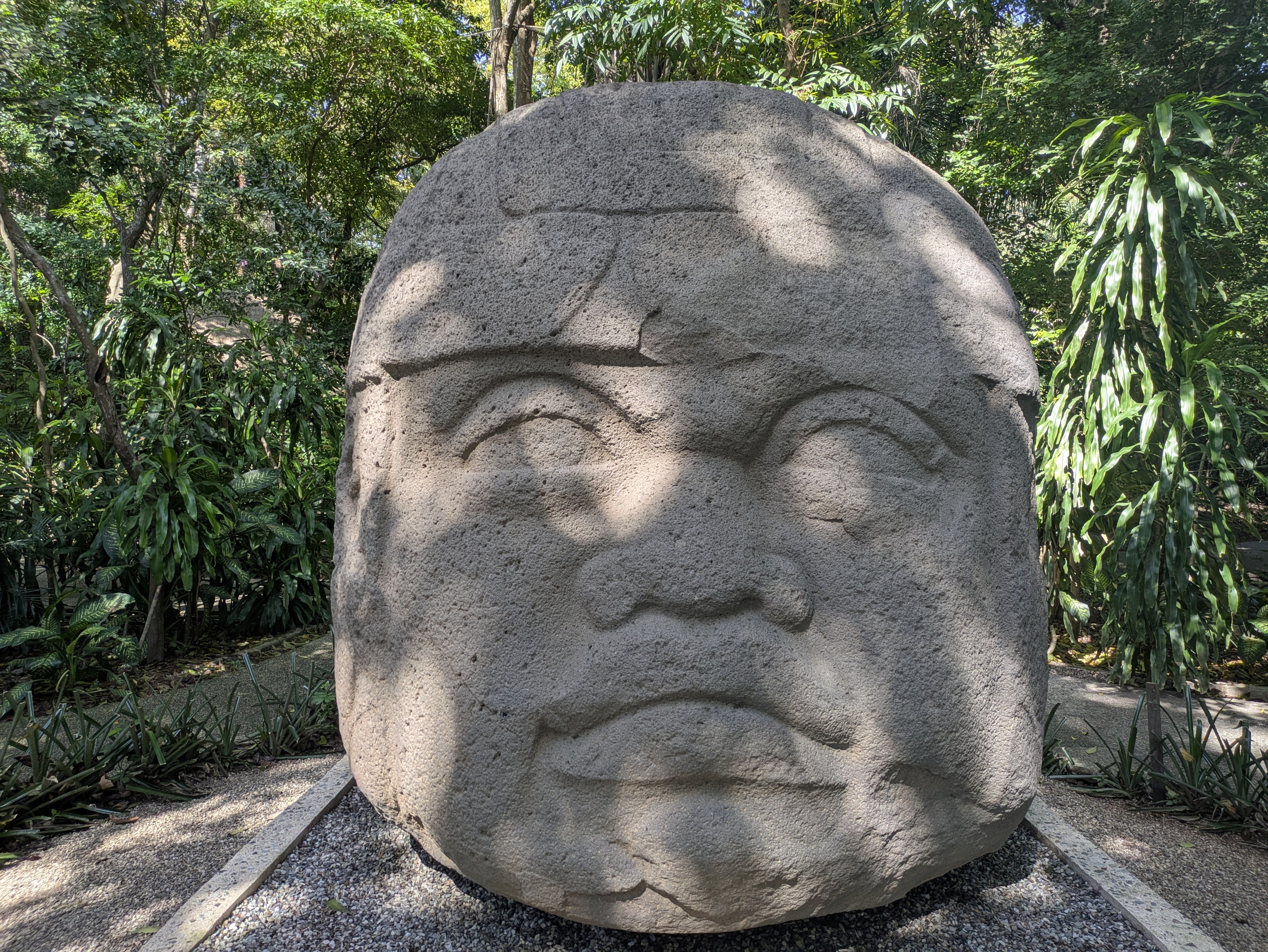
Traffic roared on the highway with fire engines, buses and early morning work-traffic but inside the shady park, all was serene with long-tailed coatis roaming amongst the ancient colossal heads of the Olmecs, who were considered one of the first major cultures of Mesoamerica dating back to 1500BC,  The sculptures were moved from their original location to the open arm museum to make them more accessible. A young archaeology student, called Darek, showed us around. His attitude was refreshing, admitting that most of what was known about the ancient Olmecs, was based on conjecture although it was recognised that they attached a huge importance to their ancestors and that the jaguar was a sacred animal to them. They also had a number system and had the beginnings of scripture, evidenced by marks carved into stone. He may have been looking at Caoimhin and might even have been joking, when he told us with a straight face that the Olmecs didn’t like beards.

Olmec Head in the Background

Leaving Villahermosa behind, we headed for the Gulf coast and got a real impression of just how low-lying Tabasco was, with water in every direction, rivers, lakes, swamps, flooded fields and lagoons. The roads were long, flat and slow-going, busy with huge juggernauts and tailbacks, caused by the frequent roadworks. We crossed bridge after bridge over large stretches of water.  The Gulf was a milky blue on our left hand side, bordered by a line of pylons with oil refineries like a mirage in the distance We stopped at one stage to stretch our legs by a white sandy beach where a mangy, half-starved dog ambled up to us out of a heat haze. He woofed down the crackers we shared with him, eating nervously as if afraid that we might treat him unkindly.

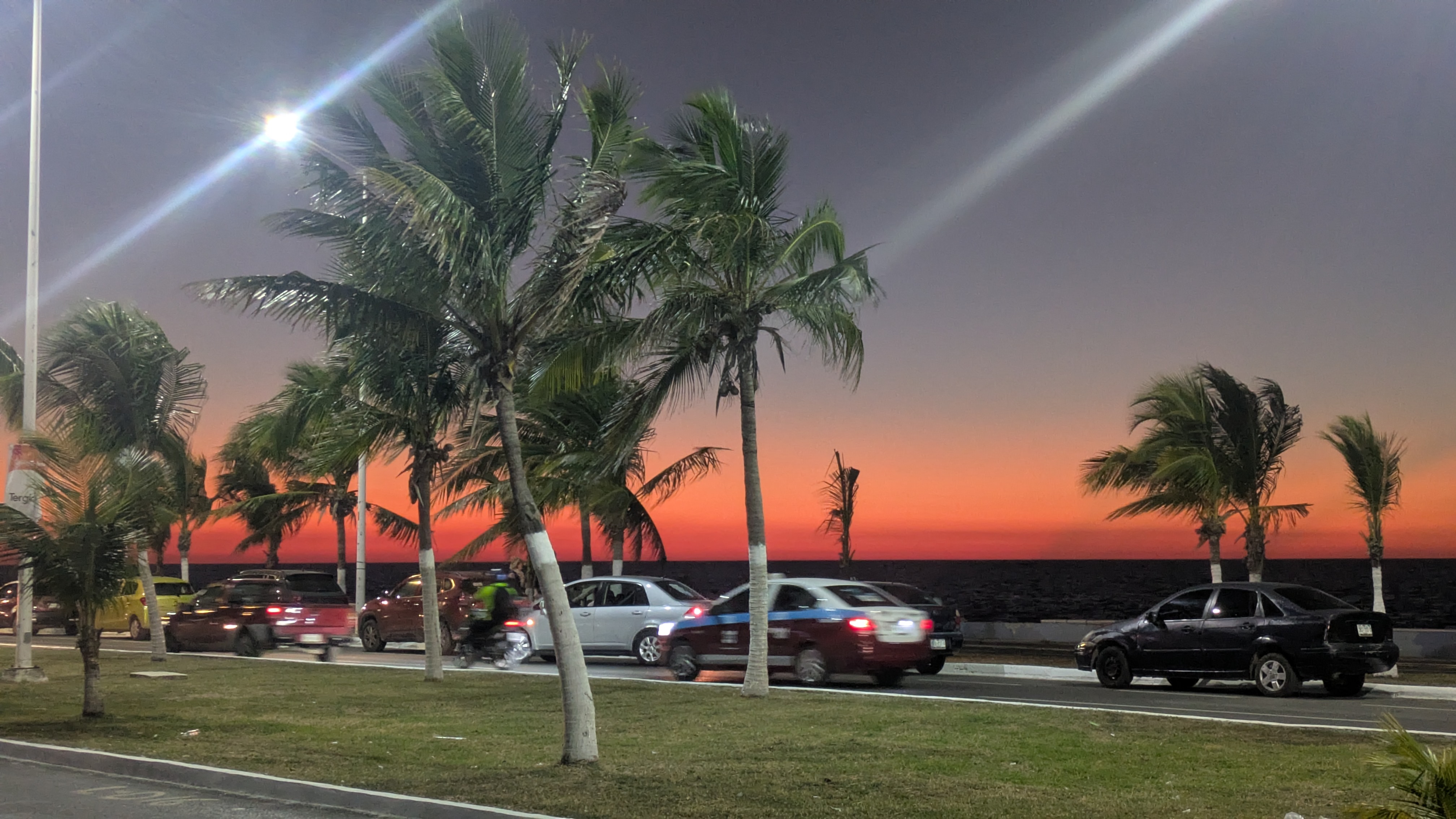
We continue, diverting a few times to nearby towns in the vain hope of finding somewhere  to spend the night but our search continued,  Finally just as dusk was falling, we stopped in Chompoton,  at long stretch of town looking out on the Gulf which should have been idyllic but wasn’t. Traffic roared down the road between the town and the sea, belching fumes and dust, but we ate delicious tacos in a little open-air shack restaurant, popular with the big-bellied truckies, who sat drinking two litre bottles of Coke, Our hotel was relatively expensive (just under €50 for the night) but it had a gorgeous swimming pool and was set back from the road, far enough that the constant traffic was just a bearable hum. The sunsets along the Gulf were really spectacular, a really super intense orange, maybe because of the fumes in the air,

We drove along the Pirates route with fish factories and small, dilapidated towns where the paint on the houses was peeling and blistered. We laughed at a paint shop, which was in dire need of a lick of paint and not much of a advert for its products.  Nowadays, the scourge was not the threat of pirates but the appalling traffic and the relentless sun.

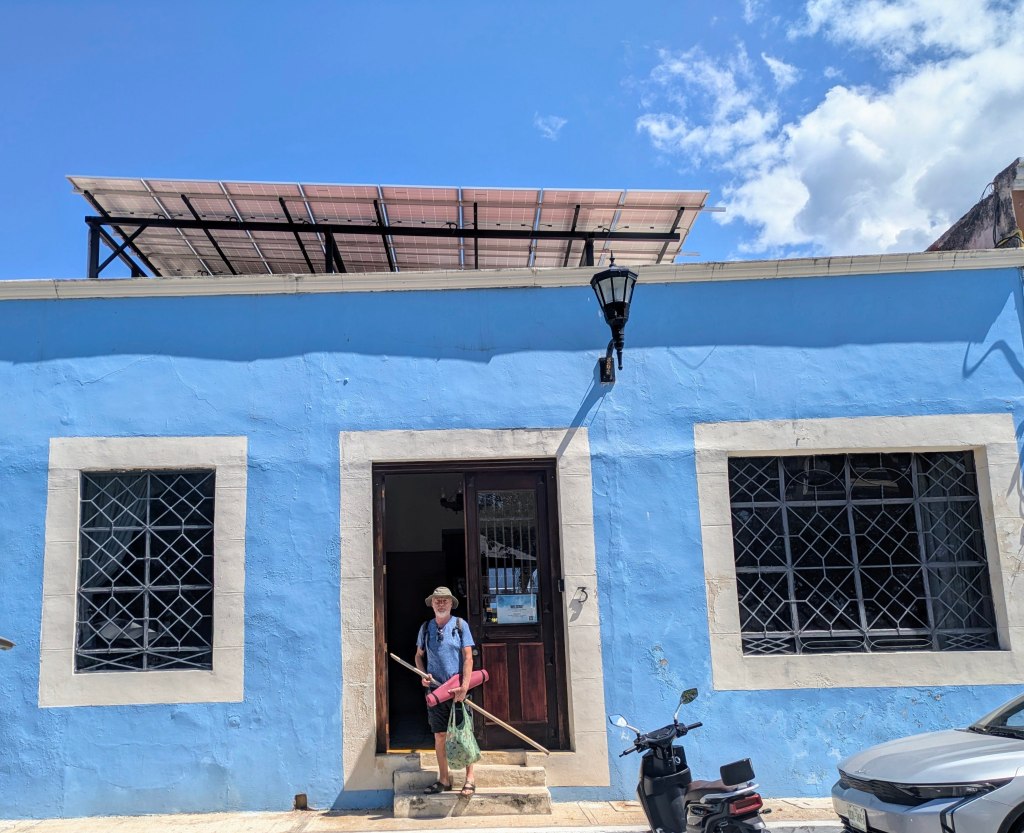
Our next stop was Campeche,  a lovely, colonial town with a siout-walled, historic centre, full of churches and museums. The best part was our accommodation, a haven of serenity with a fountain, shady garden, shared kitchen and free water and coffee. It looked nothing from the outside, a small, blue-painted house, but inside we were greeted with  the smell of flowers and floor polish in the tiled floor and a lovely courtyard. The password was ‘relax’ which was so apt. If you ever find yourself in Campeche, I can recommend Hotel Maculis, situated in a lovely area near the church of the Black Christ(Christo Negro) and beside a park where locals sat out for hours in the balmy evenings and all greeted us with friendliness.

A retired Dutch couple staying at our accommodation were also driving around Mexico for a month doing a similar route to us. They told us that one late afternoon, just before dark, their car broke down. They had run out of petrol but they didn’t realise that at first because the petrol gauge was faulty. People stopped to help them, figured out what was wrong and refused to take the money offered as payment for their help.

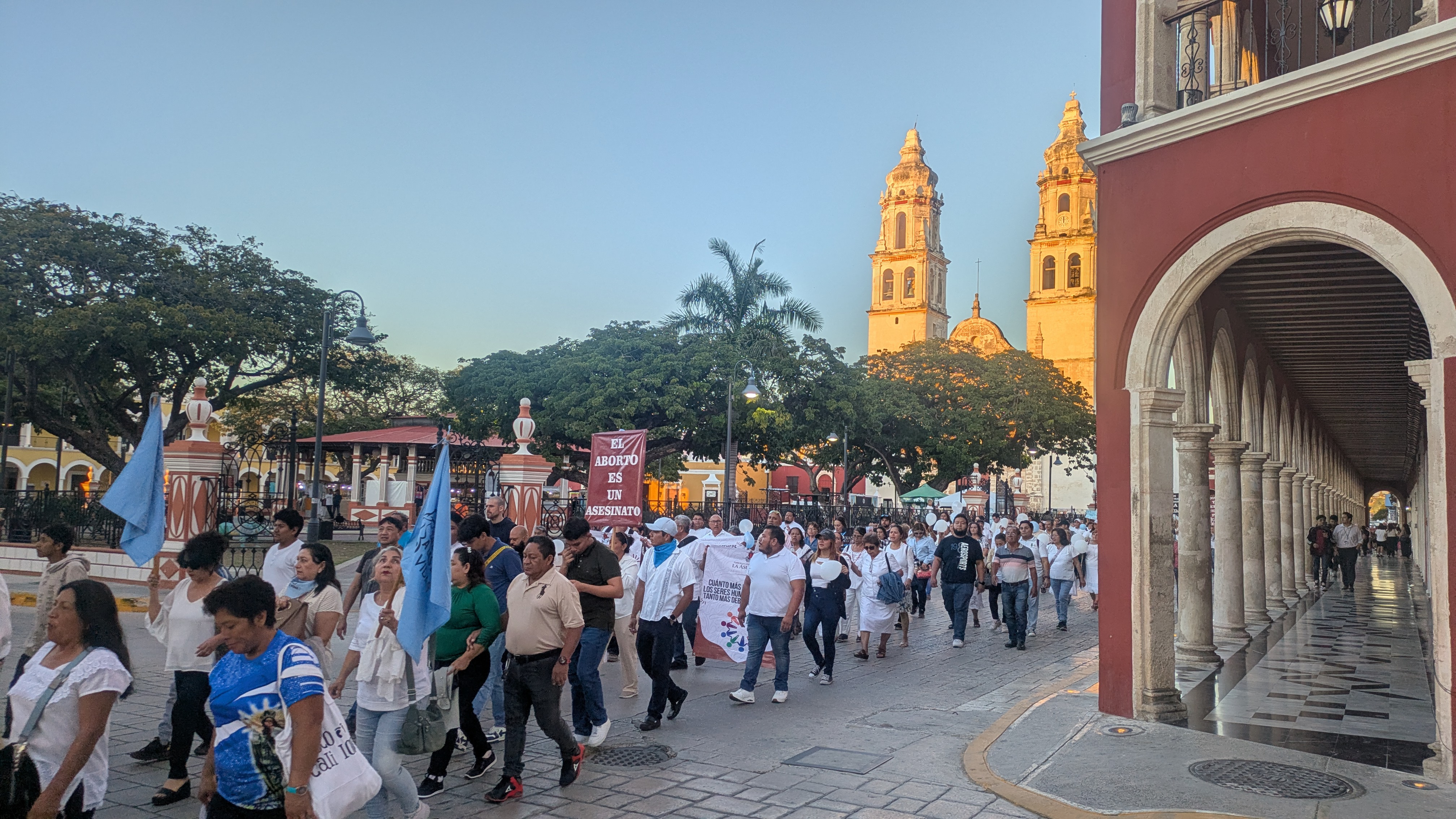
There was a huge demonstration in the streets against abortion with chanting slogans and many dressed in white, which is the colour of mourning here in colourful Mexico. The marchers were mainly women of all ages including schoolgirls and quite a few nuns. Penalising abortion is unconstitutional in Mexico at a federal level since 2021 but abortion access varied from state to state and Campeche was saying a definite ‘no.’

Anti-abortion March, Campeche
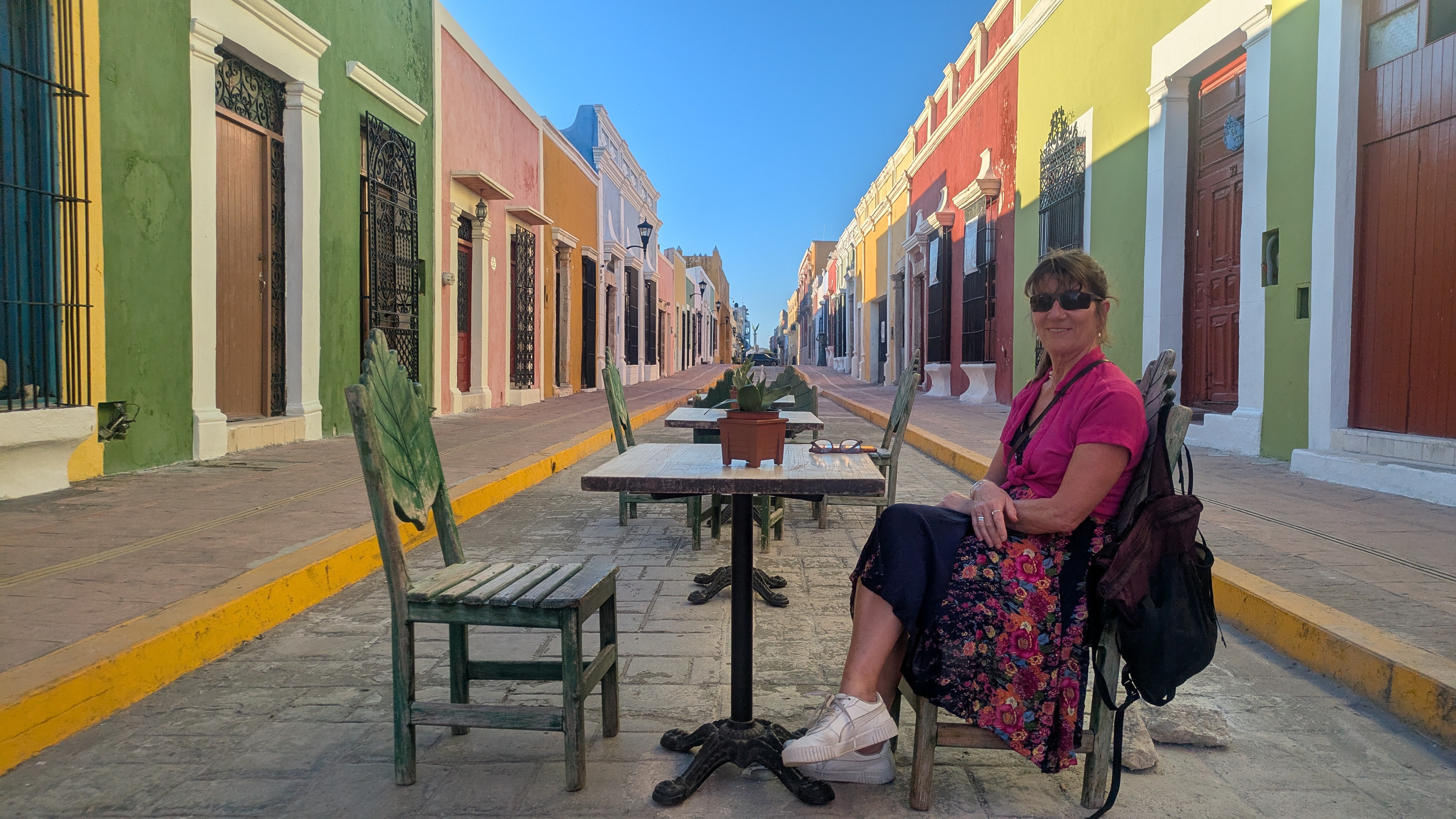
Campeche Street
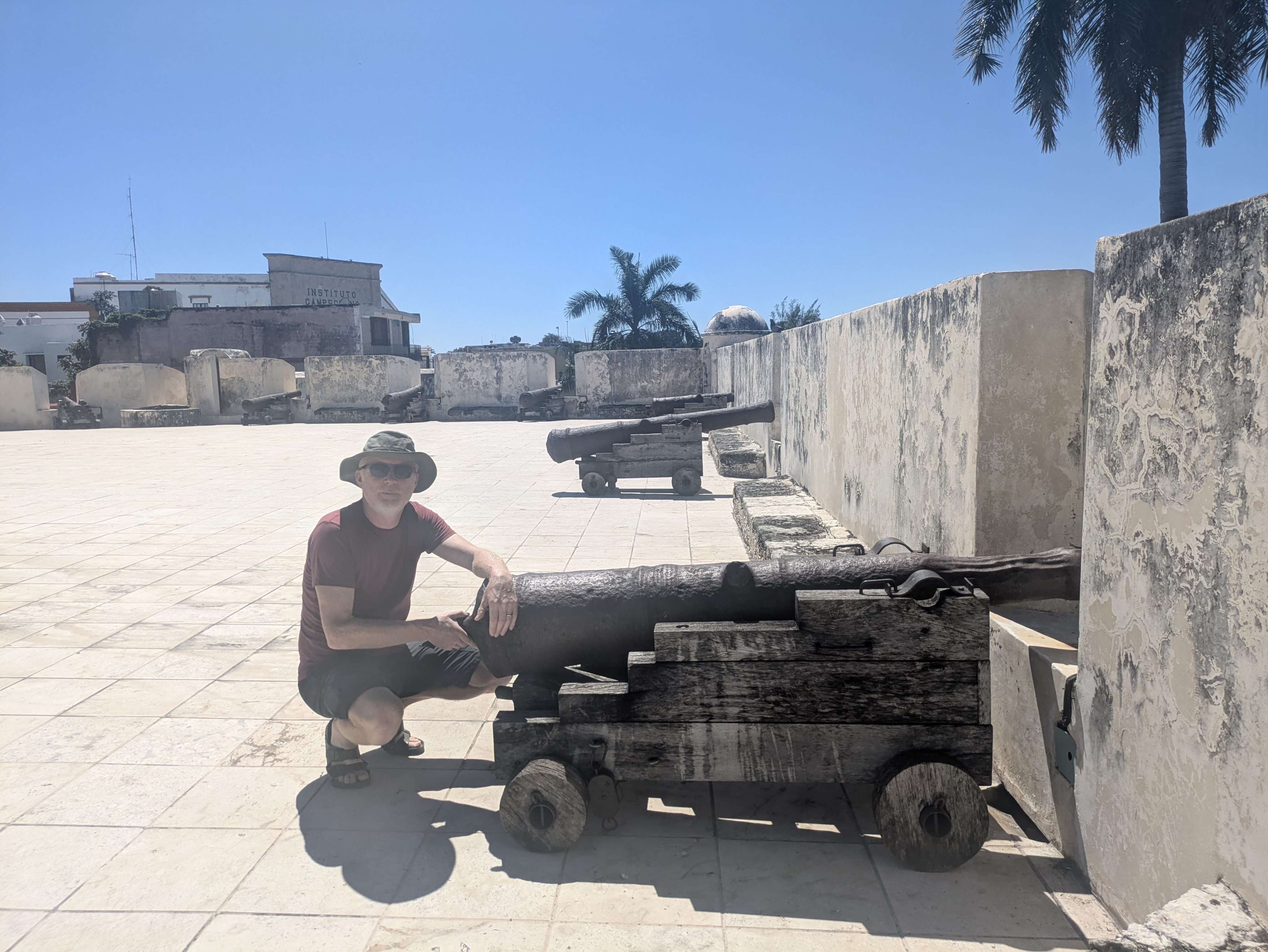
Campeche Walls

But its time to turn away from the Gulf and turn inland back to Cancun and complete our long loop of only a small part of this huge country(twenty-two times the size of Ireland) which has so much to offer the visitor.

Thanks for reading, amigos

Giant Olmec Head

It’s a Bird’s Life

Mexico: Driving by the Gulf

Mexico: Then and Now

Village of Cuajimoloyas, Sierra Norte @ 3200m

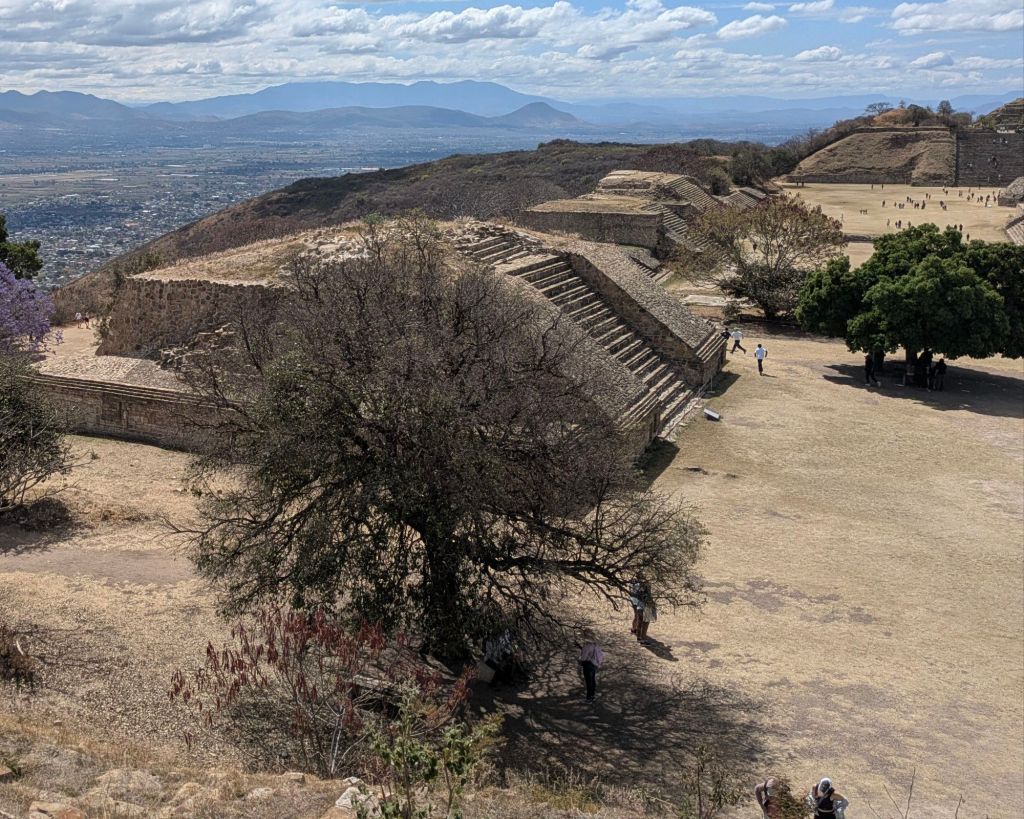
Inhaling clear air, we felt slightly dizzy from the altitude at 3100m and the breathtaking scenery of pine-clad forests. The distant tinkling of bells, worn around the necks of goats and sheep, drifted upwards on a light breeze. We could have been in some Alpine town in Switzerland but this wasn’t Europe, it was the Sierre Norte, a mountain range in the Oaxaca region of Southern Mexico. The idea to visit this remote village was planted in our minds only two days before when we visited Mount Alban, an impressive archaeological site which overlooked the colonial city of  Oaxaca.

Mexico is full of history. There are archeological sites everywhere especially in the southern part of the country in the states of Oaxaca, Chiapas and the Yucatan. Most of these went through the same cycle of growth, decline and abandonment, many  becoming ‘lost’ for centuries.

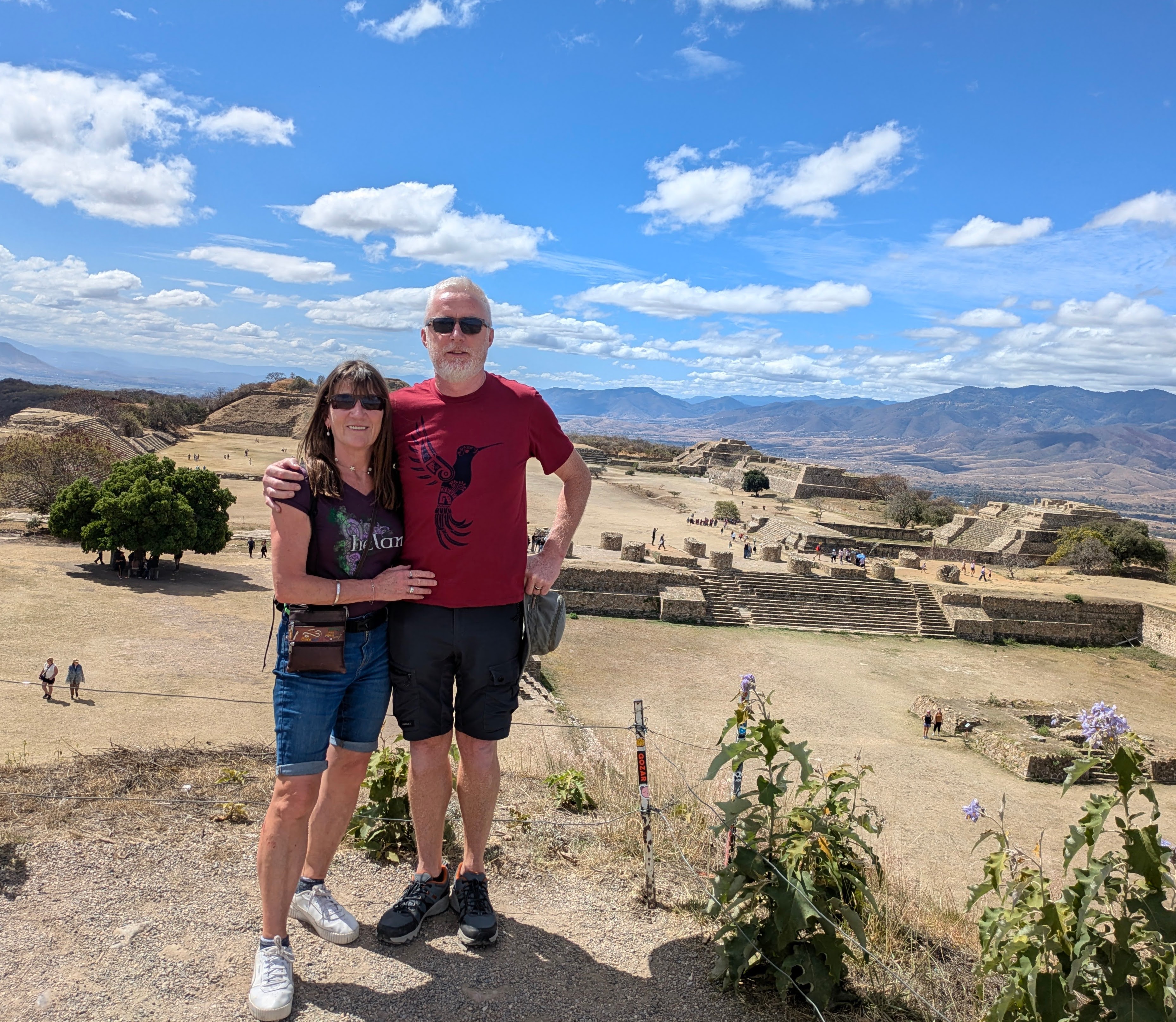
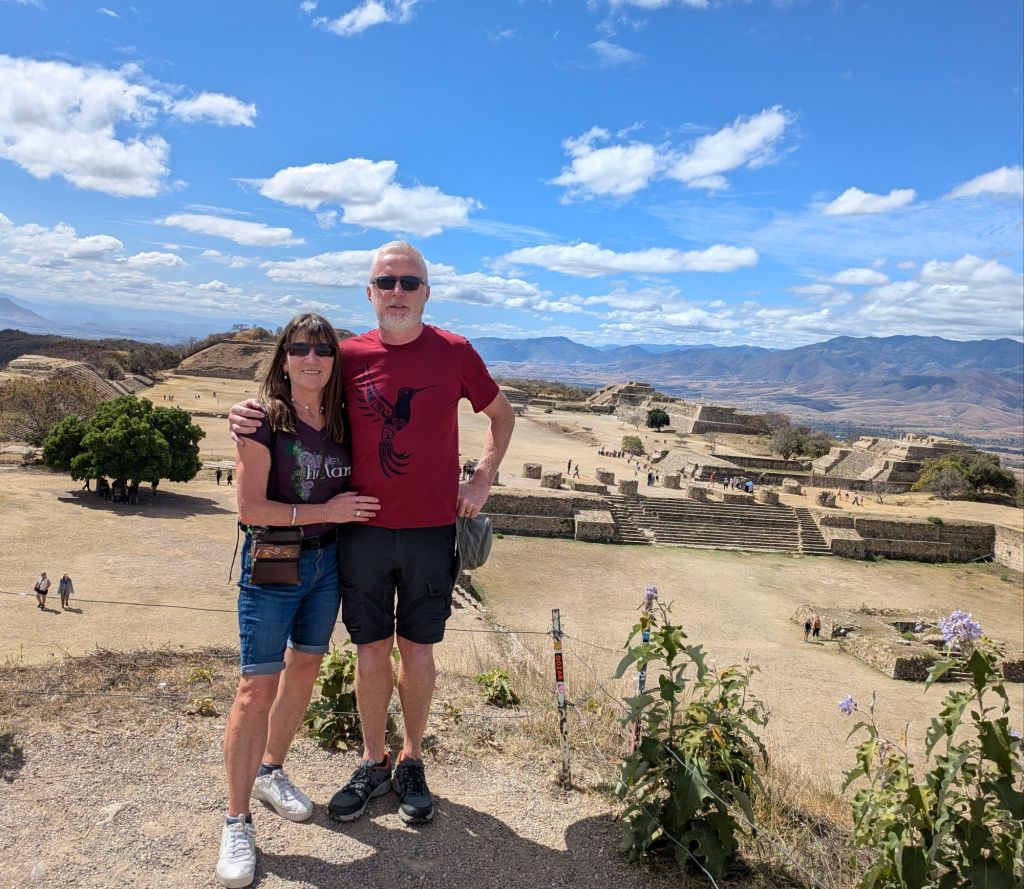
We wondered what happened to the people who built these fabulous monuments as we strolled around the sunbaked ruins of the Zapotec capital at Mount Alban. These were built on the Hill of the Jaguar, a mountaintop that was deliberately flattened to create room for the vast site which kept unfolding and becoming more impressive as we walked.  The temple complexes, the enormous Gran Plaza, the mysterious carvings and the extraordinary astronomical observatory told of great wealth, prestige and domination over a huge area but it was abandoned in about 800AD after about 1300 years of occupation.

Mount Alban, Oaxaca

The Zapotec people hadn’t completely disappeared. The descendants of those who built the metropolis of Mount Alban were living in mountain villages, less than a two hour drive from Oaxaca and so we decided to visit.  Travelling into the cloud-forested mountains of the Sierra Norte on a bright sunny morning, we reached the high altitude pueblo of Cuajimoloyas (I still have difficulty pronouncing it) where we were supposed to pick up a guide for a hike in the mountains.

 ‘You have arrived’ said Goggle. Looking around, we got that sinking feeling. We were outside a boarded up house with no sign of a guide or anyone else and no phone signal to make contact with anyone. The village was larger than expected, sprawling up a hillside with well-kept houses, trimmed verges, flowers and virtually no rubbish . We drove in circles until we spotted an elderly man, leaning on a walking stick who pointed his stick towards the office of  Expediciones Sierra Norte, an eco-tourism company which is entirely Zapotec owned and operated. A smiling Andres, a thirty year old who has lived in the village all his life,  was sitting on a bench outside the office, not in the least perturbed by our late arrival.

Arrangements for our 2 day hike were made in Oaxaca in the city-centre office of Expediciones Sierra Norte, housed in a shady colonial building. The office was manned by four young women, all charming but there was little bargaining in terms of price. When we discovered that having an English speaking guide doubled the cost of the two day/ one night trip from roughly €230 to over €400, Caoimhin joked with Janet, who was an English speaking guide that he wanted her job. She protested, saying that she didn’t earn that much but only received a amall portion. There weren’t any English speaking guides available anyway for the days we wanted,  so we opted for a Spanish -speaking guide.

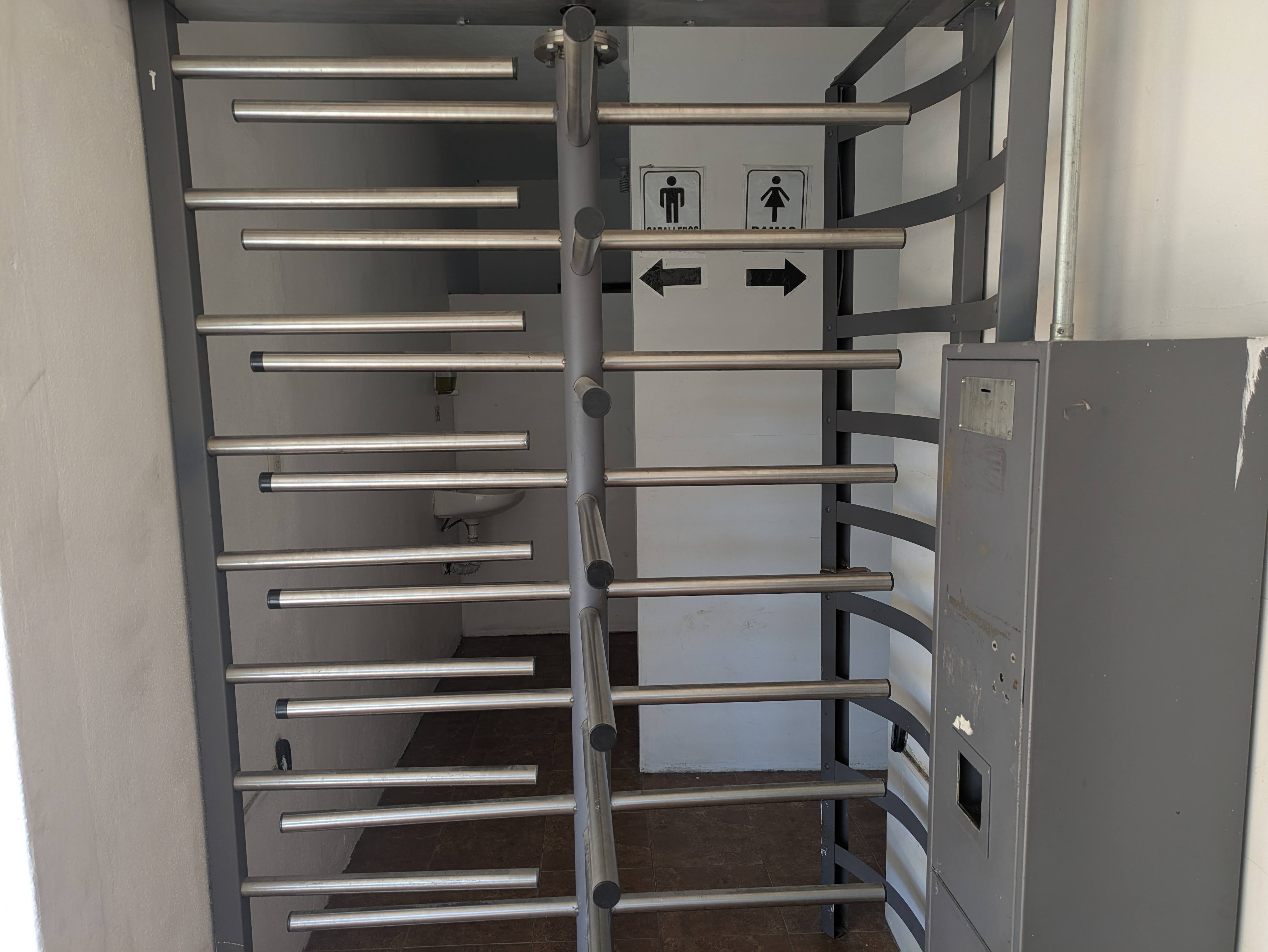
To our surprise Andres greeted us in English and welcomed us to the village but we soon discovered that that was almost the extent of his English. The village was remote but certainly not primitive. The toilet block opposite the Expediciones Office was new and had a  turnstile to get it that required a five peso coin.

Paying for a Pee at 3200m

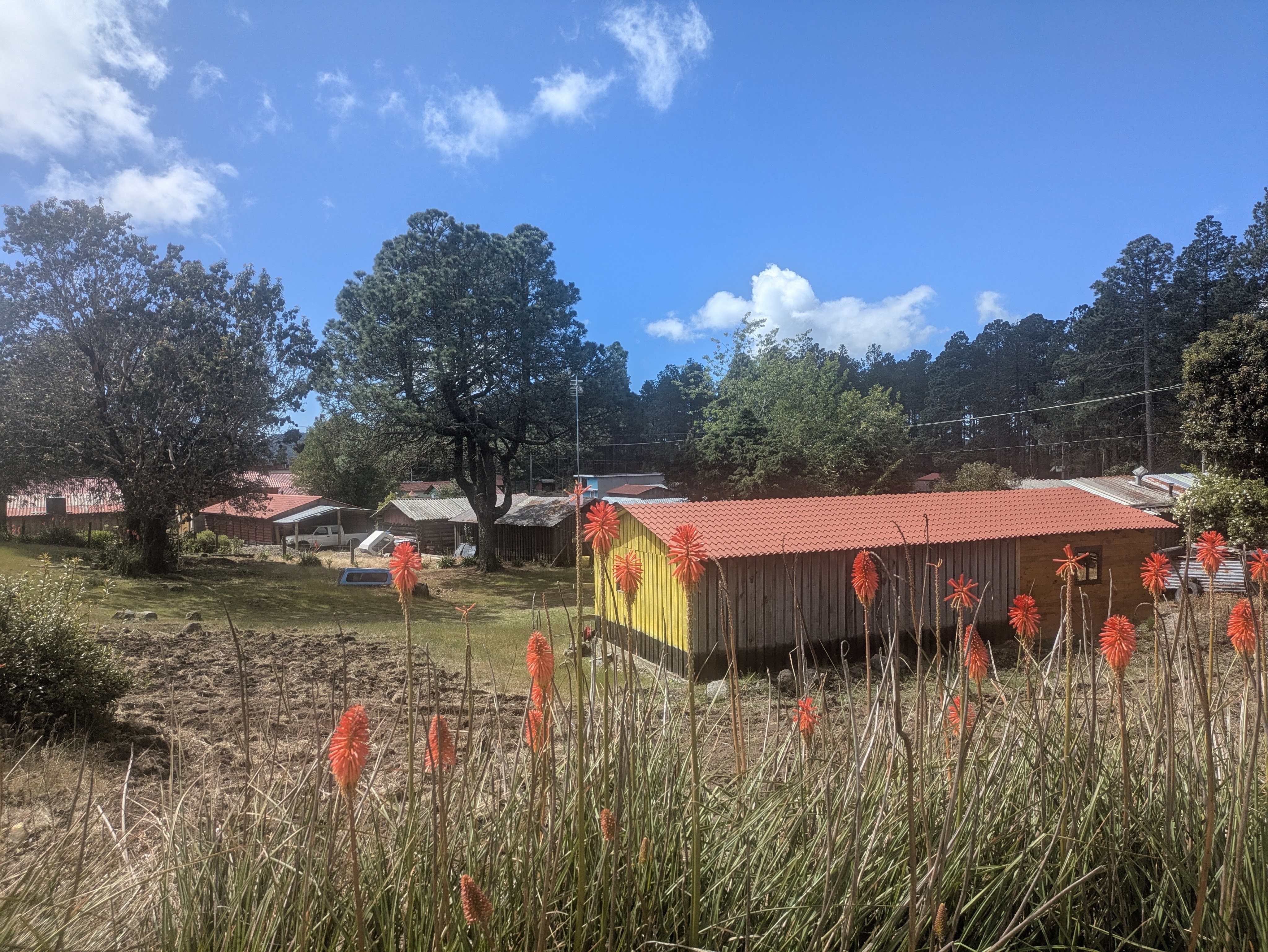
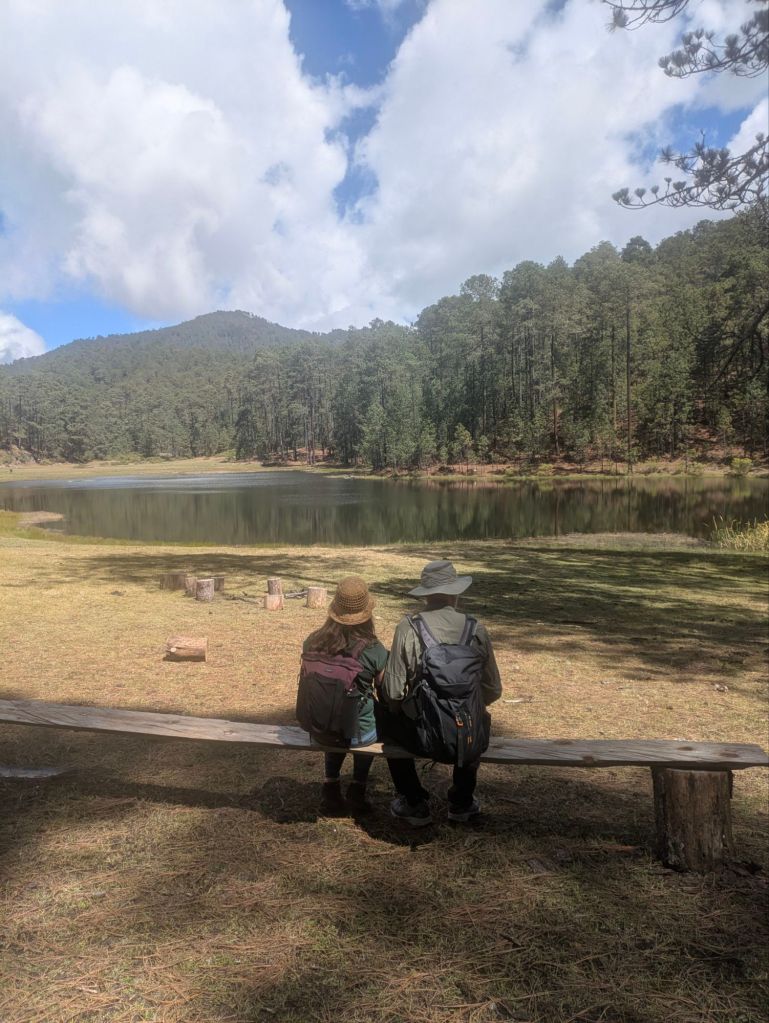
Our hike started in the village of Llanes Grande famous for its flowers, especially an abundance of Red Hot Poker flowers. Andres picked up enormous sandwiches stuffed with cheese, tomatoes, cucumbers and black bean paste at one of the little comedors (restaurants) in the village for a picnic on the way. At the beginning we strolled on a soft carpet of pine needles through forests of towering pines, bordered by huge agave plants. Cattle grazed in open meadows  and a couple of lakes were full of flickering  trout. Andres stopped to explain the medicinal and culinary uses of many of the plants.

Lianes Grande
La Cuvee de La Iglesia

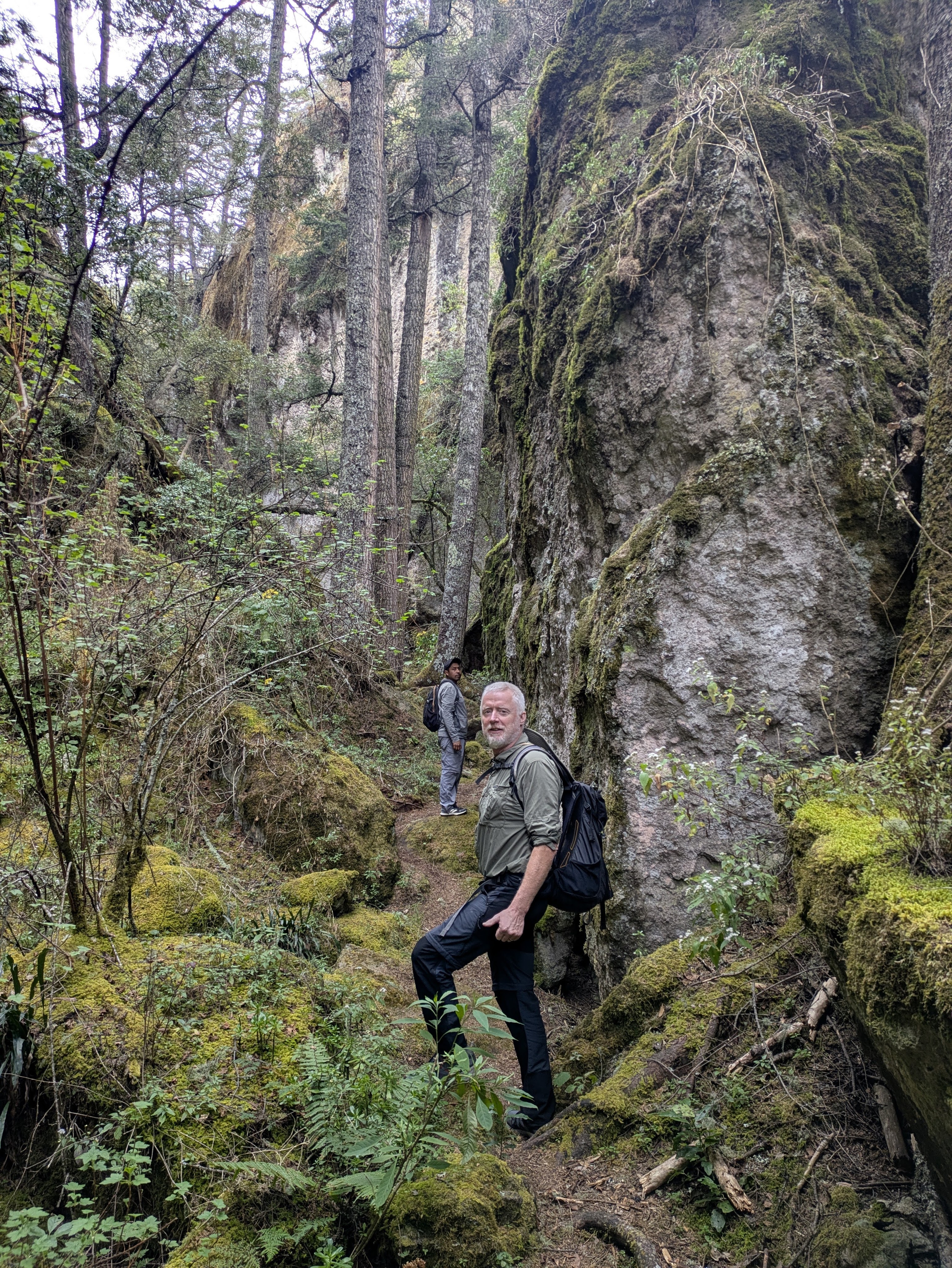
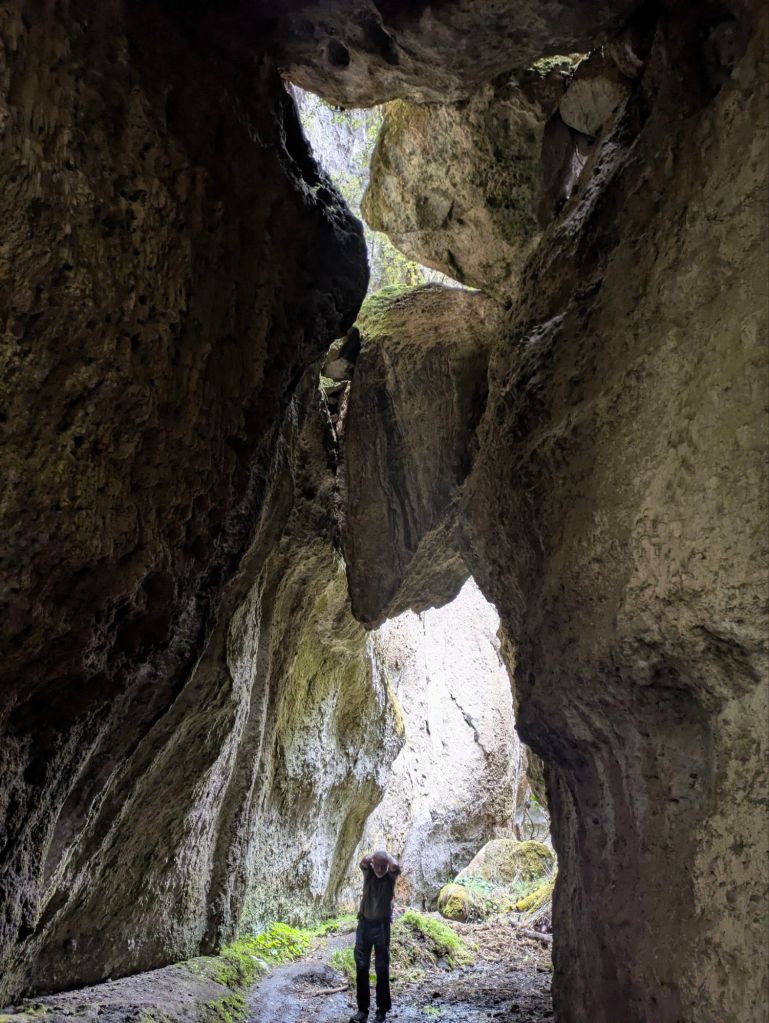
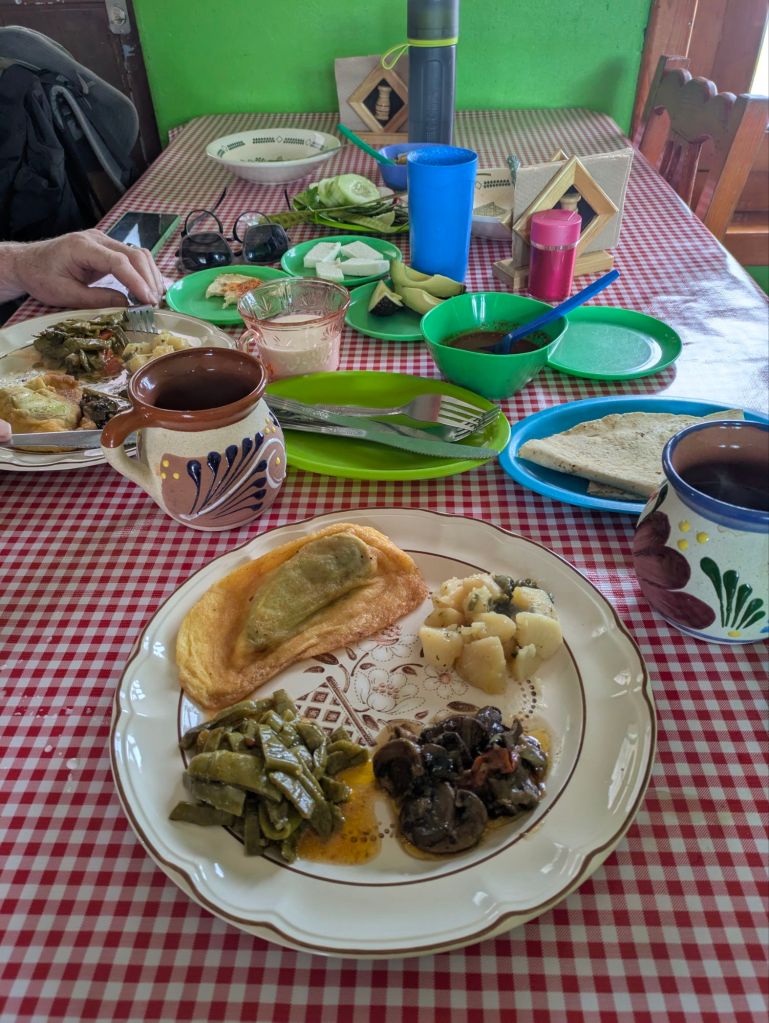
Climbing down into a steep gorge, we were dwarfed by walls of rock until we reached the cave known as the La Cuvee de la Iglesia, a mystical place of legends and phantom horses. Andres led us onwards to Cuajimoloyas where Senora Marlen plied us with so much food that we could hardly walk. We devoured fresh vegetable soup, quesadillas (cheese sandwiches), plates of fried potatoes, chilli mushrooms, green beans, frigoles, and tortillas  garnished with limes, sliced avocados and picante sauces. The kitchen was lovely with a range of saucepans that were so colourful, I had kitchen utensil envy.

Brightly coloured pans on a wood  burner stove
A feast of food

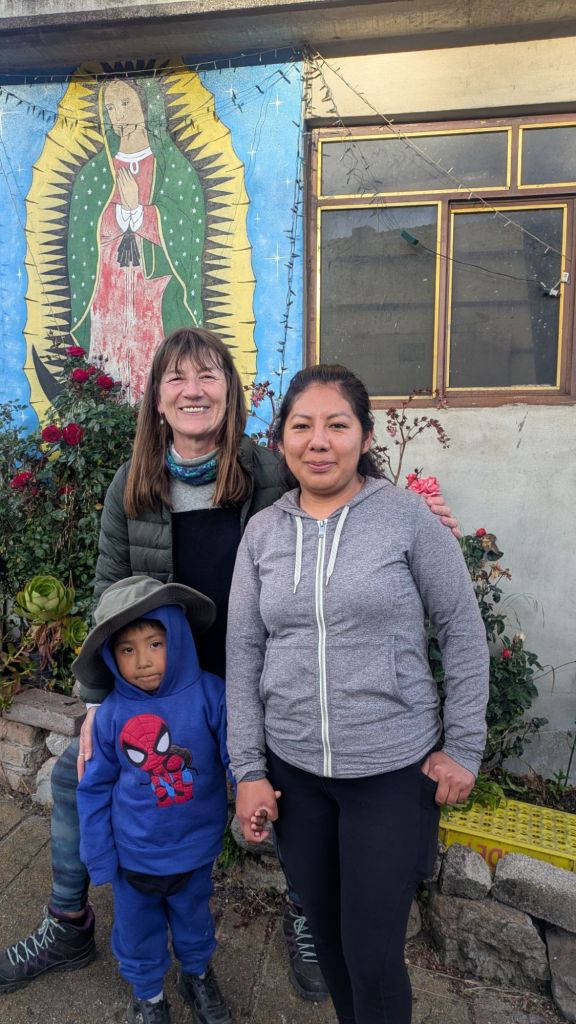
We bumped into Janet, the women from the office in Oaxaca, who lived in the village and discovered that Andres, our guide, was her husband. She persuaded him to guide us knowing that he had a few words of English. She invited us into her home and told us a bit more about the eco tourism company, Expediciones Sierra Norte. It began when eight remote Zapotec villages, (collectively called the Pueblos Mancomunados), came together to protect their land against developers and to provide themselves with a living from ecotourism. All profits are divided between the eight villages who decide individually how the money is spent. The idea of ‘service’ (unpaid voluntary work) is paramount to the success of the operation. One member of each family must do ‘service’, which may involve cleaning, painting or being the rotating president, chairperson and secretary which each of the individual villages have. There are rules and a code of practice and quarterly meetings  

Janet and her nephew

The village was a lesson on the power of community or what people can do when they come together. The villages, although remote were more prosperous than many others that we have seen in Mexico. There was an air of industry and friendliness and a palpable sense of pulling together.

The idea of community cooperation was not new to the Zapotec in the region. They had set up a logging company years before when developers were sniffing around the forests. It was moderately profitable but the eco-tourism venture has been spectacularly successful. Nowadays, they do not cut down trees but only use the dead wood or whatever falls naturally in the storms. We probed Janet, trying to get her to tell us stories of greed, jealousy and disharmony but she insisted that all was well and that everybody abided by the rules which benefited the whole community.

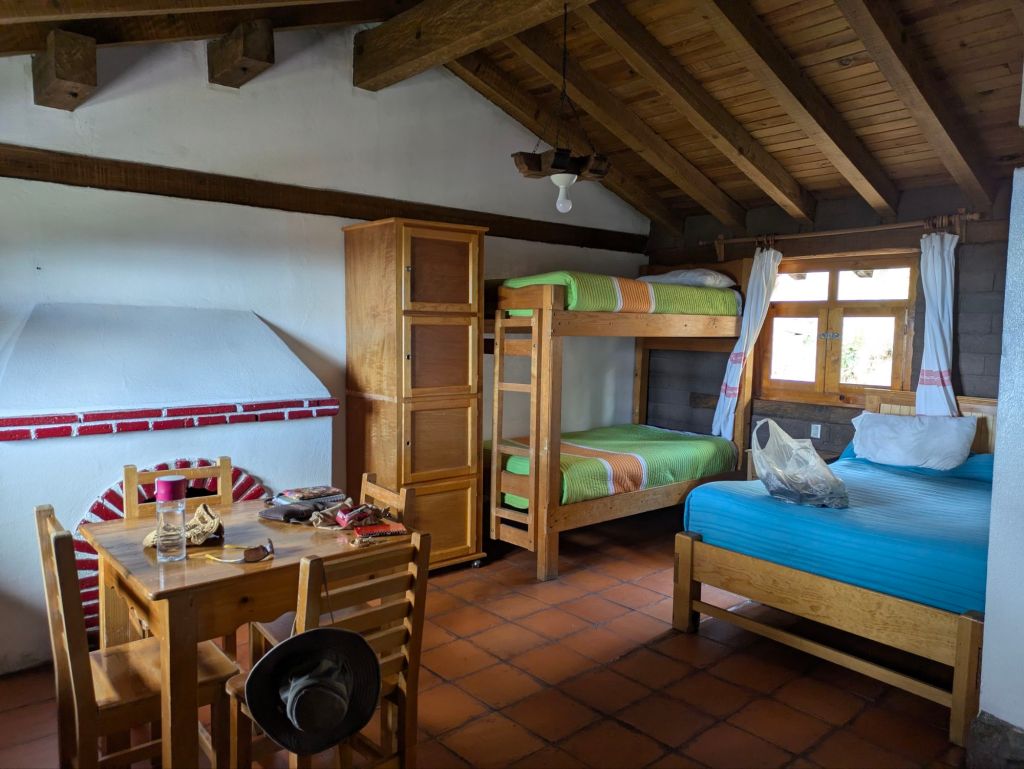
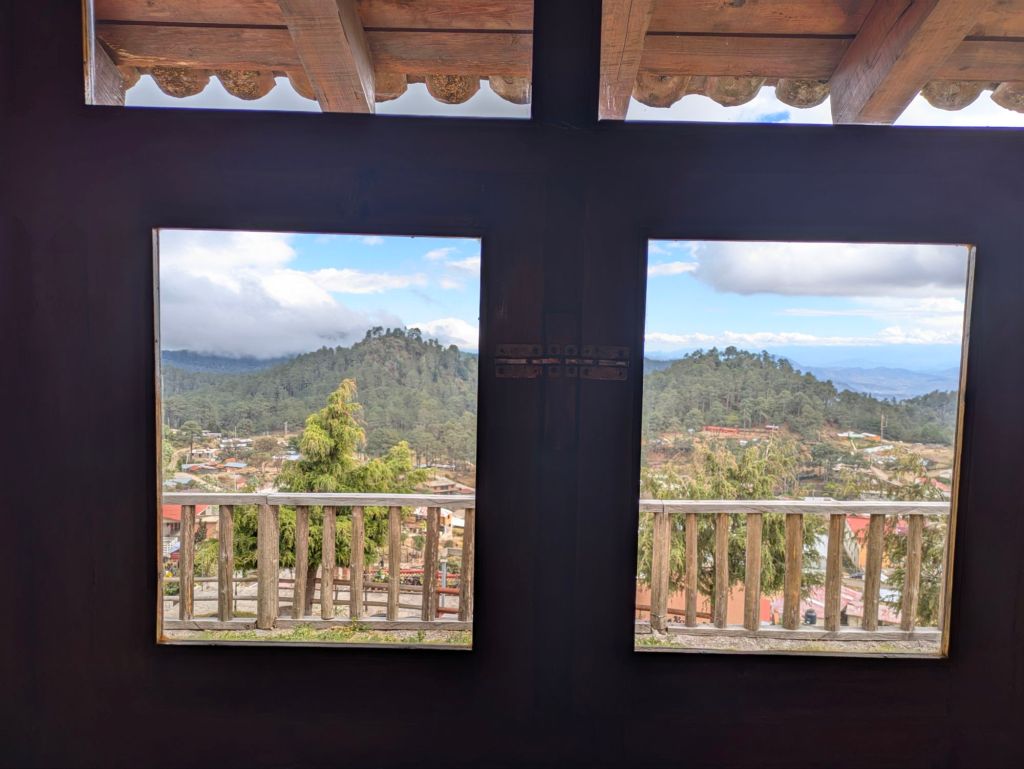
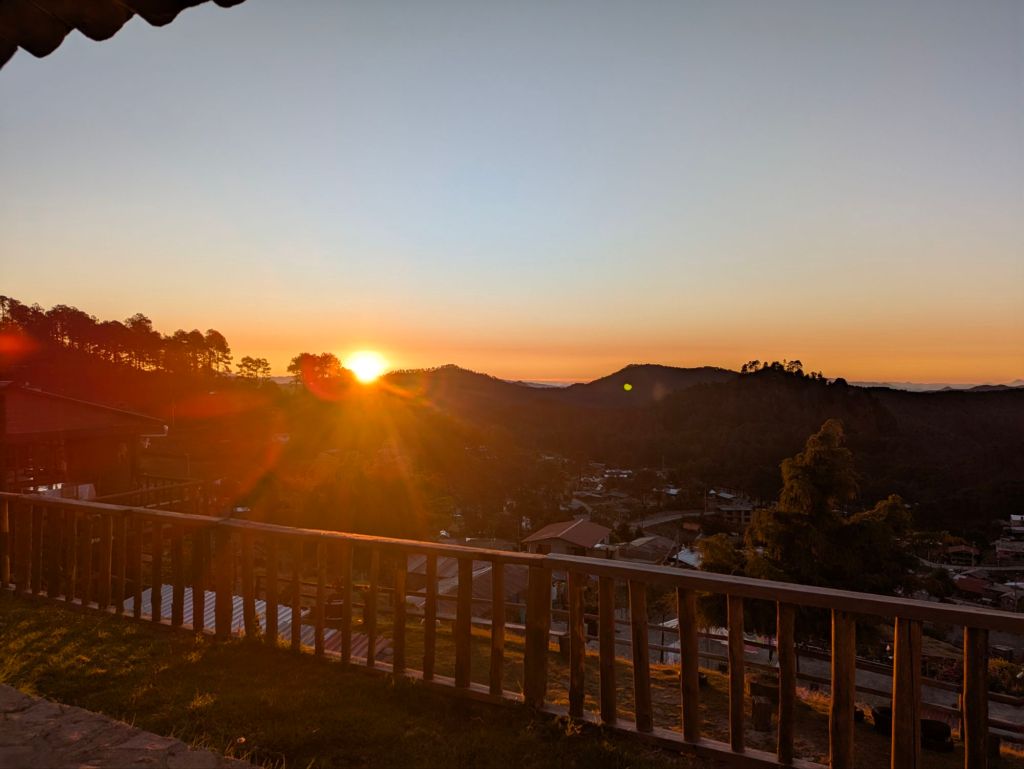
Our cabin for the night was a surprise, It was on the hill overlooking the town and exceeded our expectations with a fireplace, a comfortable  double bed and some bunk beds. Sitting outside in the late afternoon, with sounds of goats and dogs barking floating up from the village below us, it was incredibly peaceful. A retired couple from New York were staying in the cabin next to us and were also really taken by the sense of community in the area.

Our Cabin
View from our Cabin

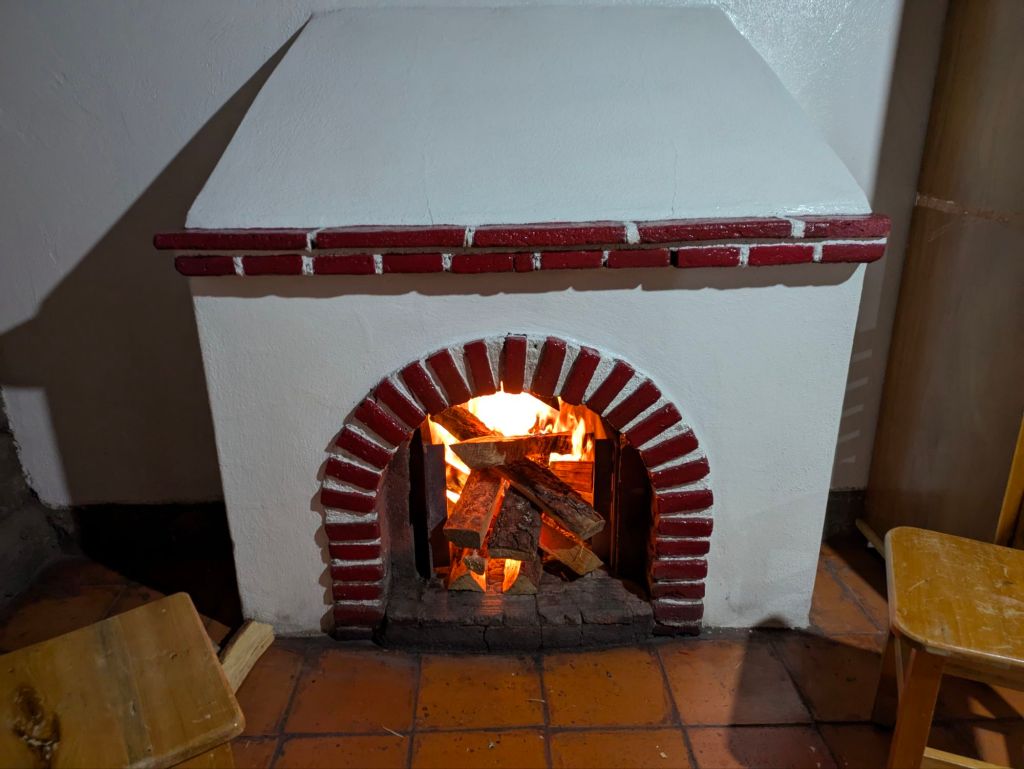
It got cold in the mountains when the sun went down, dipping to almost zero. The cabin, though comfortable, was not well insulated. There were huge gaps under and over the door and  the sides of the windows. After dinner one of the locals came in with an armful of timber logs and lit a huge wood fire in the fireplace using only a natural firelighter to start it (a piece of Colima bark). It was one of those fires where your front was roasting but your back was freezing but at least the bed was piled high with blankets.

Sunset over the Village
A Welcome Wood Fire

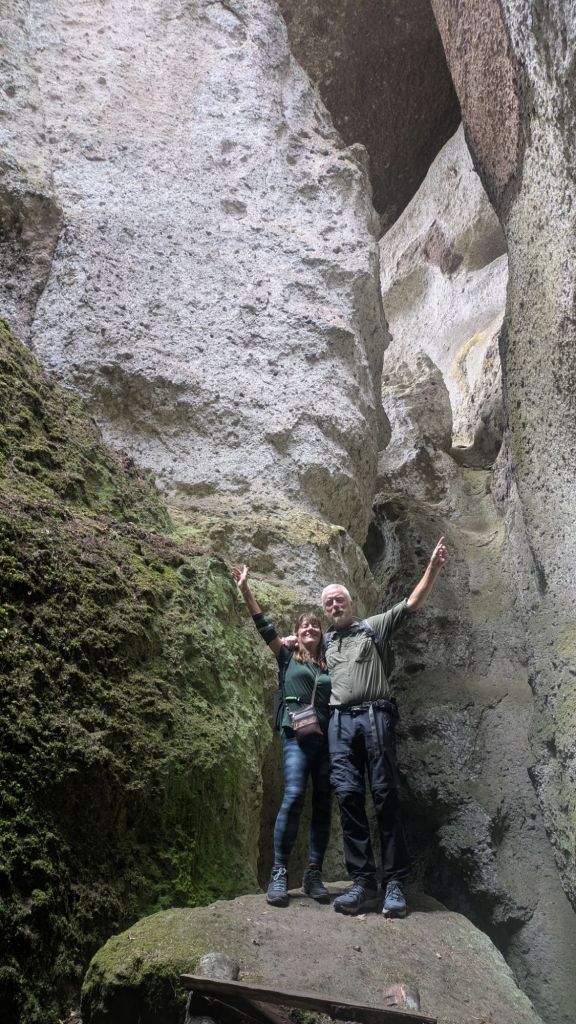
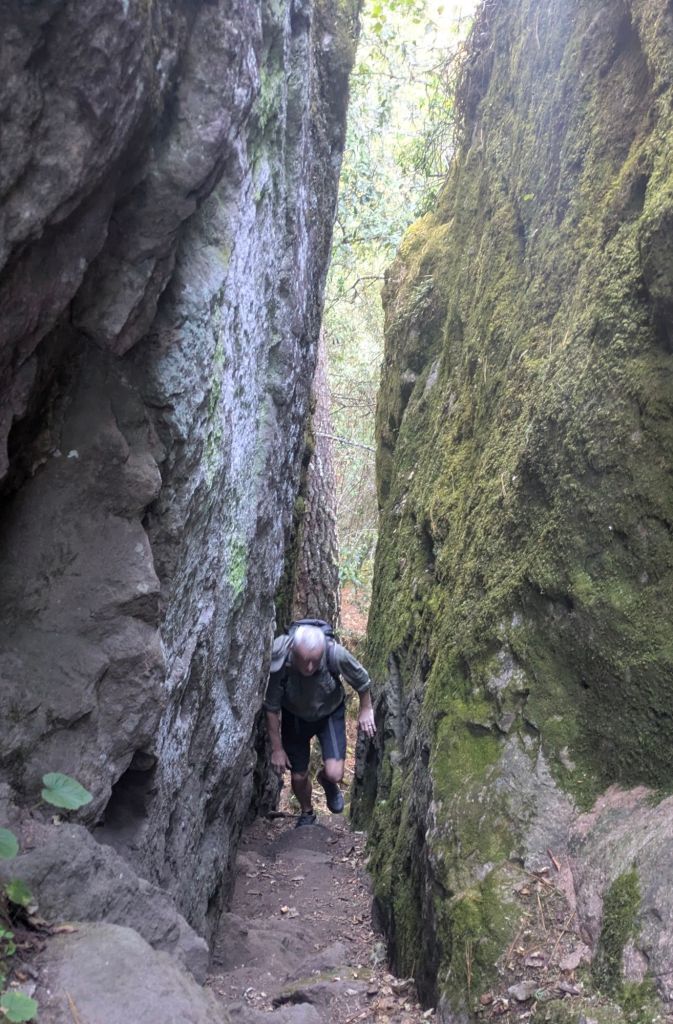
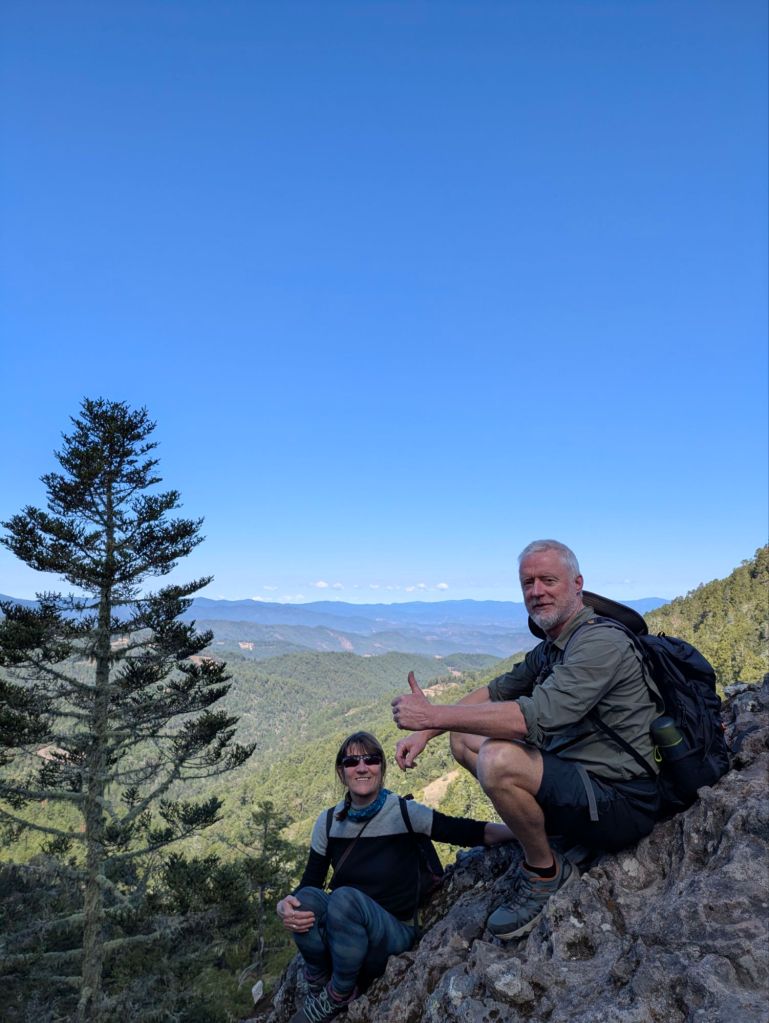
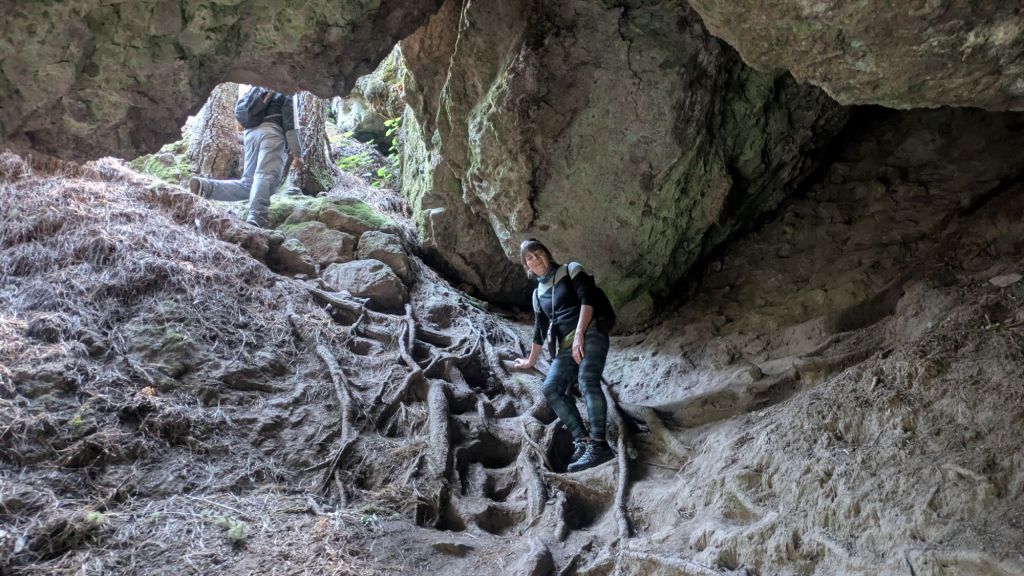
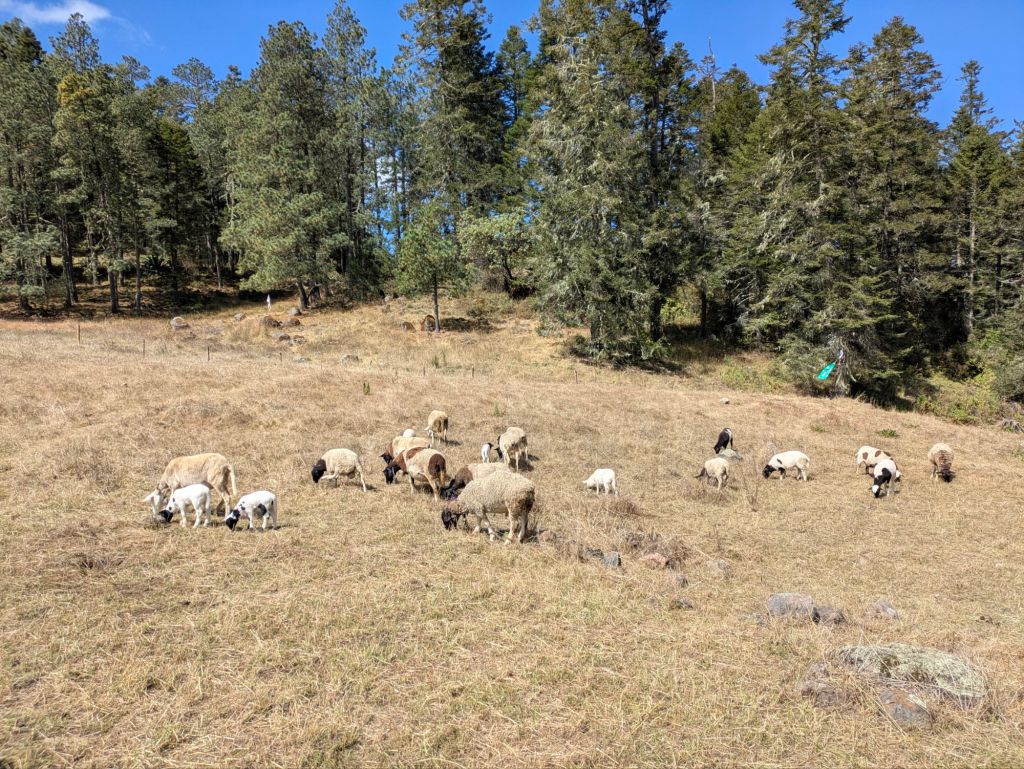
Our second day’s hike was the stunning Canon del Coyote which was even more spectacular than the day before, involving a hike through caves and a scramble up on sheer rock to a mirador (a lookout point) with breathtaking views. We listened to an assortment of birds in the forest,  hummingbirds, jays and warblers and at the lower levels passed steep fields of sheep and lambs.

The sensible thing to do after our hike would have been to return to Oaxaca city and use a relatively major roads through the valleys to get over the Sierra Juarez mountain range.  Of course we didn’t do that. Instead we drove deeper into the mountains, winding our way on dirt roads in remote countryside. A stunning and grueling drive in equal measure, the dirt roads for the first hour passed through gorgeous villages. In one puebla,  two of the most enormous turkeys I have ever seen, gobbled at the side of the road while in another an old woman with long plaited hair and no teeth gave us a cheery wave. For the most part, there was little traffic of any kind.  We stopped at a Mirador to admire the view of  the fluffy clouds laid out  beneath us.

We weren’t quite so enamored when we were driving down through them a short while later. Visibility reduced to almost zero and  the world became a thick opaque  grey.  It was almost impossible to distinguish road from verge on the twisty road. Thankfully the surface was reasonable and there wasn’t a lot of traffic. The mist and fog lightened every so often to reveal gigantic ferns and thick moss covered trees and we were fooled into believing that we almost down, only for it to thicken again and plunge us into grey again. It took almost an hour of white-knuckle crawling, but eventually we were below the clouds although we were still in the mountains and the temperatures rose.

After all that excitement and tension, we needed a place to stay.  The town of San Juan Bautiste Valle National sounded like a bit of a mouthful but it was relatively close. It wasn’t the sort of place that had anything on Booking.com but it looked big enough on a map to have some hotels. Stopping for an ice cream and a look around, we found a friendly town, very friendly. Lots of men looked like they had been working hard all week in the fields, hadn’t had a shower in a long time and had been on a bender for a least two days. Two guys staggered out of the shop after shaking our hands, carrying bags of clinking cans. One got into a battered pick-up and the other ambled unsteadily to a motorbike. Both drove off, still waving to us. We decided to push on.

 A little outside the town, we spotted a sign for Hotel Hniu Li, pointing down a little track off the highway. It looked good, a double story buildings with a breezy balcony on the edge of a field of maize with a few banana trees in front. There was no reception area but an old woman called to us from the doorway of a little shop on the corner. She told us that the room was 500pesos for the night( less than 25 euros), cash, with no signing registers or checking of passport. The room was small bit adequate, spotlessly clean but the bathroom was jaw-droppingly gorgeous, like something out of an upmarket spa, almost as big as the bedroom with polished stone walls and lashings of high-pressure hot water,   It was perfect……just what we needed. A dog called Lala befriended us and the woman in the shop who sold beer but didn’t have any cold ones, put two in the freezer for us.

Cheers

Thanks for reading.

Mexico: Then and Now

Mexico: Gone to the Beach

It was the start of a long day, a very long day. It was barely ten degrees, a bright, chilly and pine-scented morning in the gorgeous, mountain-town of San Christobel de Las Casas. Leaving the town behind us with some regret, we travelled on a wide tolled road, the first toll road we have encountered so far.  Descending rapidly to the lowlands, the temperature ascended just as rapidly and we were reaching for the car air-con within forty minutes.    

We hadn’t a definite destination in mind, just headed in the general direction of the beaches on the Pacific coast of Oaxaca. A French woman we met on a tour of the archaeological ruins at Palenque had raved about  the small seaside town of Mazunte so we thought we might go there. The only problem was that it was at least  an eight and a half hour drive without breaks. So we drove on, seeing how far we would get.

Stopping for something to eat in the middle of nowhere, the simple family-run restaurant was just a few tables covered in bright tablecloths.  An elderly man in a wheelchair and three women of various ages sat watching some soap on the TV when we poked our heads inside the door.  It wasn’t obvious whether it was open for business but they all sprang into action and produced a plate of scrambled eggs, some sort of creamed cheese accompanied by a basket of warm tortillas, a tongue-searingly hot sauce and mugs of black coffee.  

For the first time since we arrived in the country, the terrain became more typically ‘Mexican’, dry and dusty with scrubby red hills under a blindingly blue sky. Our main problem on this journey was not the speed bumps or the threat of protesters, this time it was the sheer number of pot-holes and craters in some sections. At one stage we were behind a police car which was swerving like a crazy drunk to avoid them with oncoming traffic doing the same dangerous dance.

It was well after 4pm and decision time. Mexico was not a country to be driving around in the dark. With no cafes in sight, we stopped at a  ramshackle, roadside shop in a stiflingly hot dusty town to discuss our options. An overweight teenager, swinging in a hammock and playing on his phone, could barely rouse himself  to take our money for a Coke and some chocolate. Mazunte was still at least two and half hours away but with sugar rushing through our veins, we decided to press on and booked a place to stay. The online reviews were good, claiming it was a quiet relaxing place between the two beaches on either side of the town.

Descending from the mountains that stretched almost to the coast, we arrived just after sunset. It was already dark and Mazunte was full of gringos, (many of them barefoot and scantily dressed) wandering in the middle of a narrow street full of cafes, restaurants and jewellery stalls. Turning up the unpaved road to our accommodation, pedestrians streamed down the hill and cars abandoned everywhere. The road was so narrow that we had to reverse to allow the traffic that was coming against us to pass.  We had arrived, not only at the busiest time of the evening but the busiest time of the week. Weekend crowds were returning  after viewing the sunset on the west-facing beach near our accommodation. Thankfully, calm returned within twenty minutes and the traffic disappeared.

Mazunte

 Our landlord wasn’t available because of the short notice and our room wasn’t ready either. We whiled away the time, sitting outside the shop next door and drinking cans of ice-cold beers ….probably the nicest and most welcome drink we’d ever had. It was after 7 pm and still thirty degrees.

Mazunte had a holiday, hippy vibe with many vegetarian and vegan eateries, full of ‘cool’ people of all ages…..our kind of place, at least for a few days. Hotels, bungalows and cabanas with thatched roofs stretched up into the hills, half-hidden among the coconut trees and the flowering shrubs. The pace of life was slow here, people ambled around in a heat haze. The cocktails were always on ‘special offer’, the coffee was strong and stands selling coco frio, cold coconut water drunk directly from the shell were everywhere.

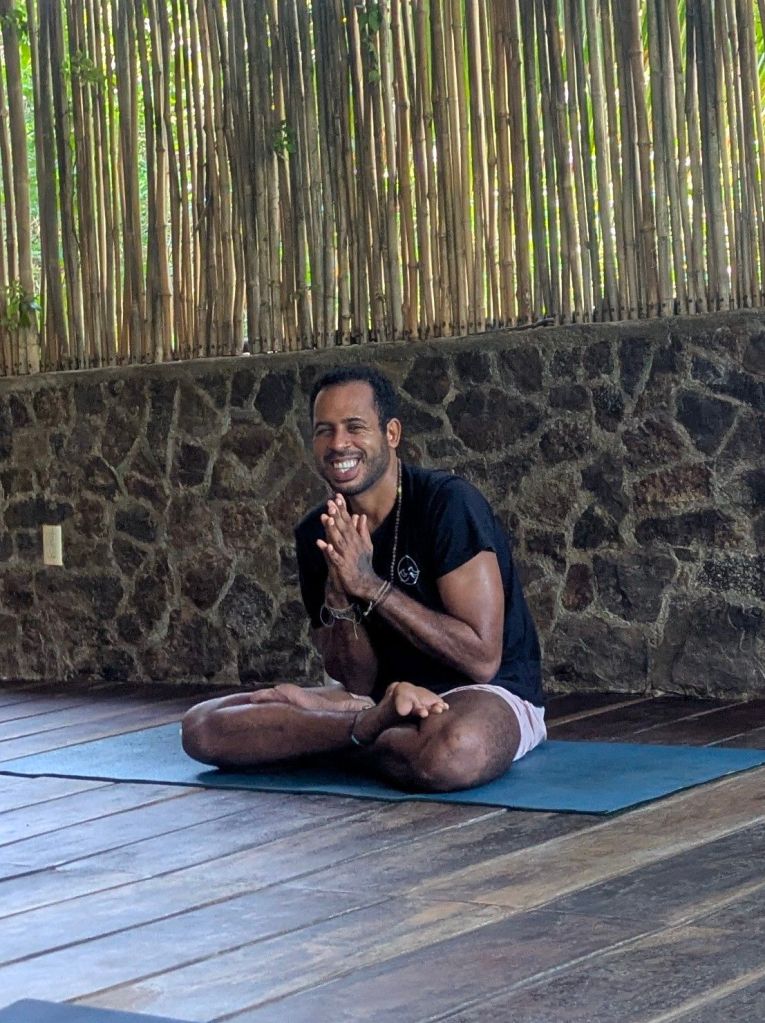
The sweet period in Mazunte was early morning from 6am to 9am. After that it was time to look for shade until the late afternoon. It was a few days of sunrise walks, sunset swims and yoga sessions. Practising  yoga  on a thatched veranda overlooking the beach was like’ hot’ yoga without the need for heaters. Sweat trickled down my face, my hands slipped on the mat and I tried to catch a breeze from the Pacific Ocean. It was 8.30 am and already 29 degrees. Paulo, our instructor was Mexican but had spent five years living in Dublin and still had lots of friends there. On this trip, we have met so many people of different nationalities who have visited Ireland and all have only good things to say about it.

Paulo, Yoga Instructor

The coast to the east and west of Mazunte was gorgeous, full of beaches with something to suit everyone,  some were more suitable for surfing, others were perfect for swimming and snorkelling but all were ideal for lolling around.

It wasn’t just humans that flocked to this dusty, sun-baked stretch of coast. Whales also made their way from the frigid waters of Northern Canada to the warm seas of Mexico’s Pacific coast to breed and nurse their young usually from December to March. Several varieties  of turtles laid their eggs on the sandy beaches and there were several turtle research stations in the area.

It was hard for us to believe but it was winter season here, the coolest  and driest time of the year. The rainy season is between May and October but the temperatures begins to creep up in March until forty degrees is fairly common.  Jonathon, our landlord, pointed out where water runs down the hill between the bungalows and the unpaved road becomes a river. We stayed in a very unusual place, an architecturally designed cabana, angled to catch the breeze and stay cool without air con. It had a series of sliding shutters but was open on all sides so we could hear the squirrels scampering in the trees outside and the sound on the waves breaking on the beach down the road,

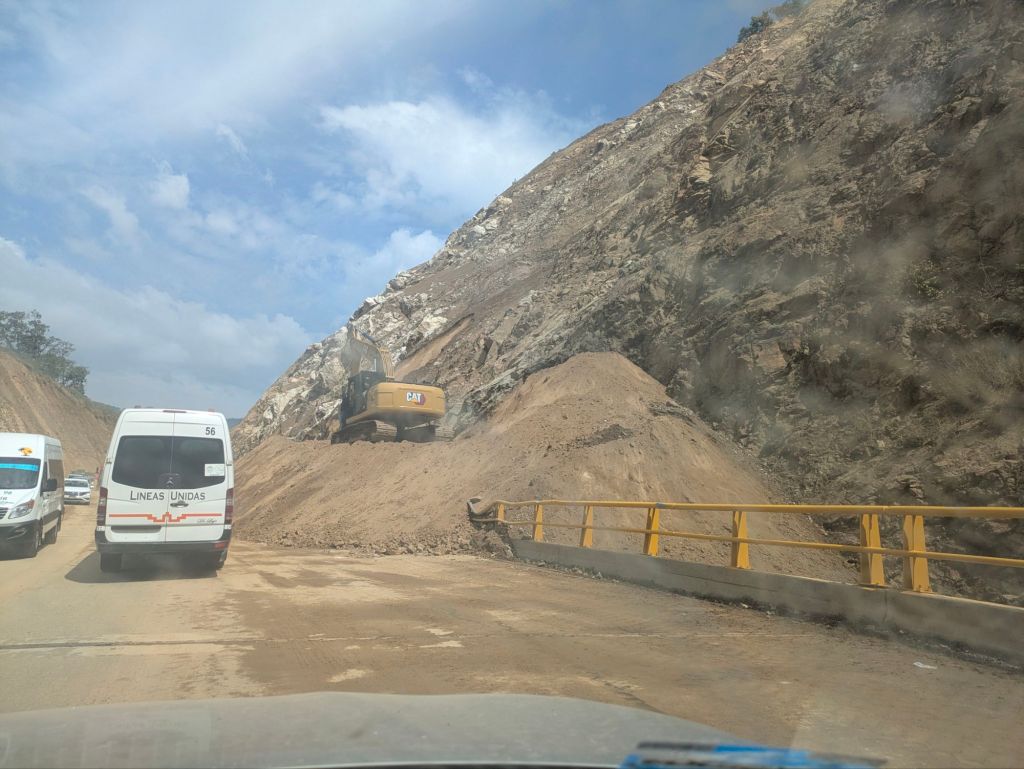
After four nights, it was time to go or we might never have left. The city of Oaxaca, about which we had heard so many good things, was calling us.  We travelled for about an hour on a highway going towards Acapulco with coconut stalls, cacti, flowering shrubs and bridges over (almost dry) river beds. The song Going Loco in Acapulco was going round and round in my head but soon we turned inland towards the hills, climbing again, ears popping and chewing on the dust that seeped into the car. Huge efforts were in progress to stop the steep mountains  from sliding onto the road, There are many  tailbacks as rock falls were being cleared. Road workers climbed like abseiling ants in high-vis jackets up the vertical rocky slopes, trying to secure the sides and prevent more erosion.

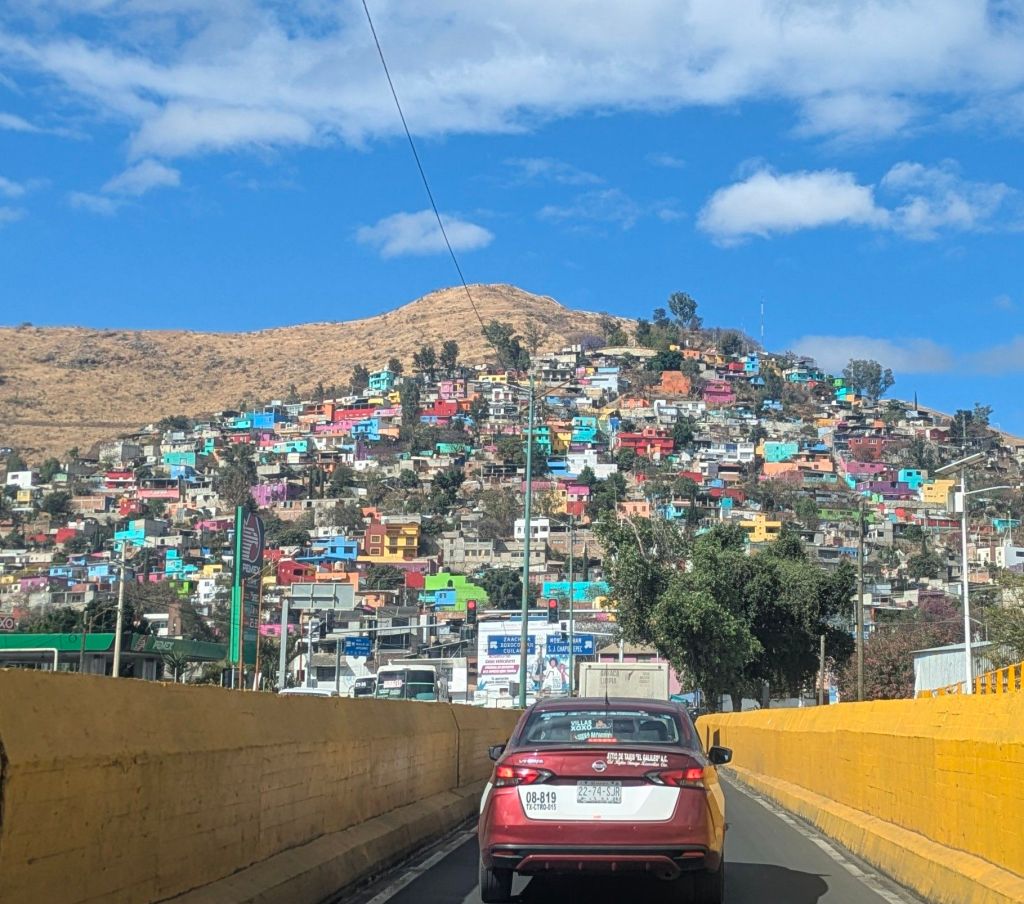
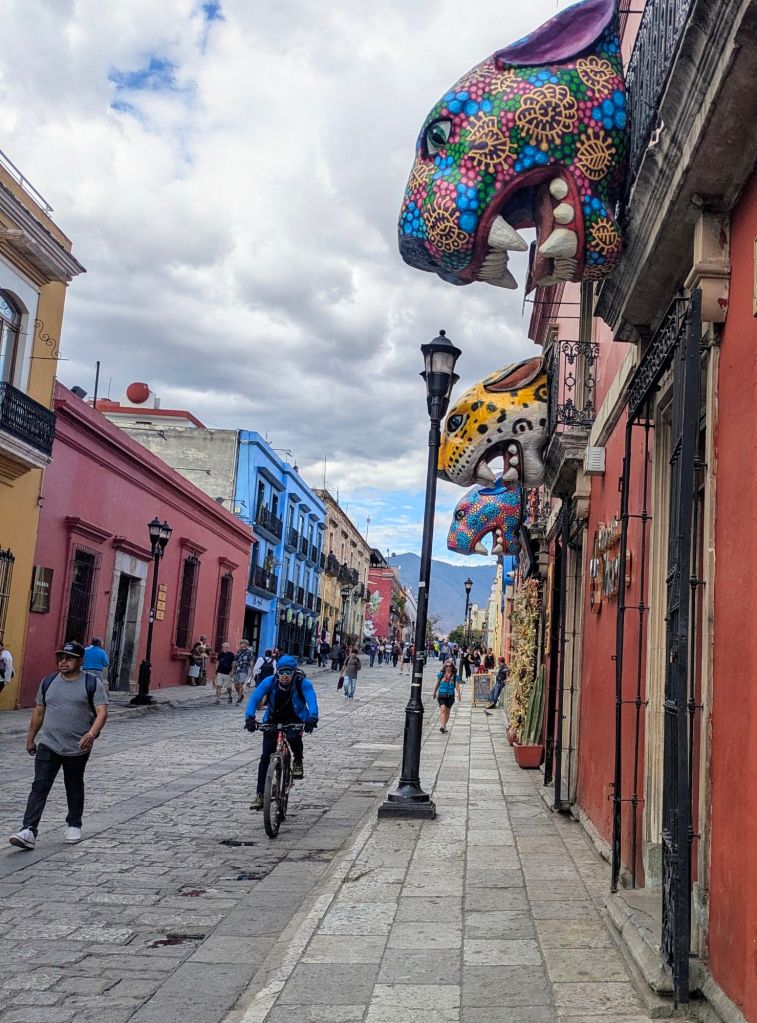
Oaxaca is in a central valley, at 1550m, ringed by mountains with brightly painted houses sprawling up the hills. The historic centre is an UNESCO World Heritage site, laid out on a grid system with handsome buildings, artisan craft shops and art galleries in sixteenth century buildings with stout walls, shady courtyards and subdued signage.

Approaching Oaxaca

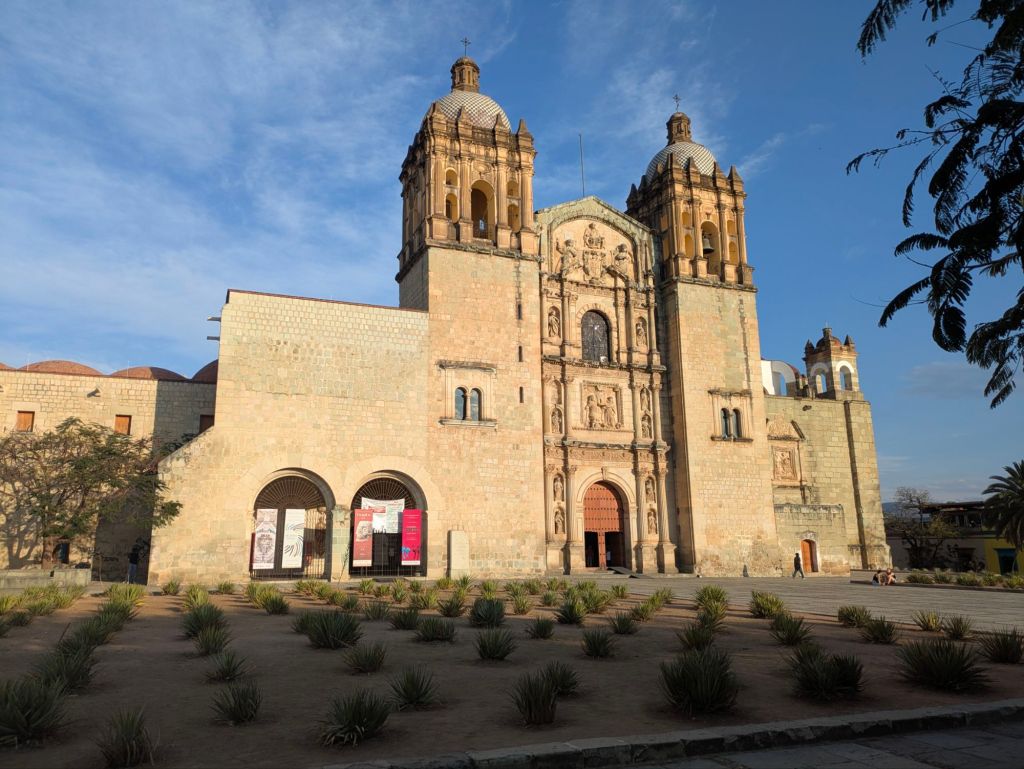
The centre was full of tree-shaded plazas, a magnificent cathedral made of the local rock which has a green tinge. There were churches and monasteries on almost every corner. The church of San Domingo was the most splendid, a solid baroque exterior with a sumptuous interior of gold, gilt and bas reliefs.

Santa Domingo

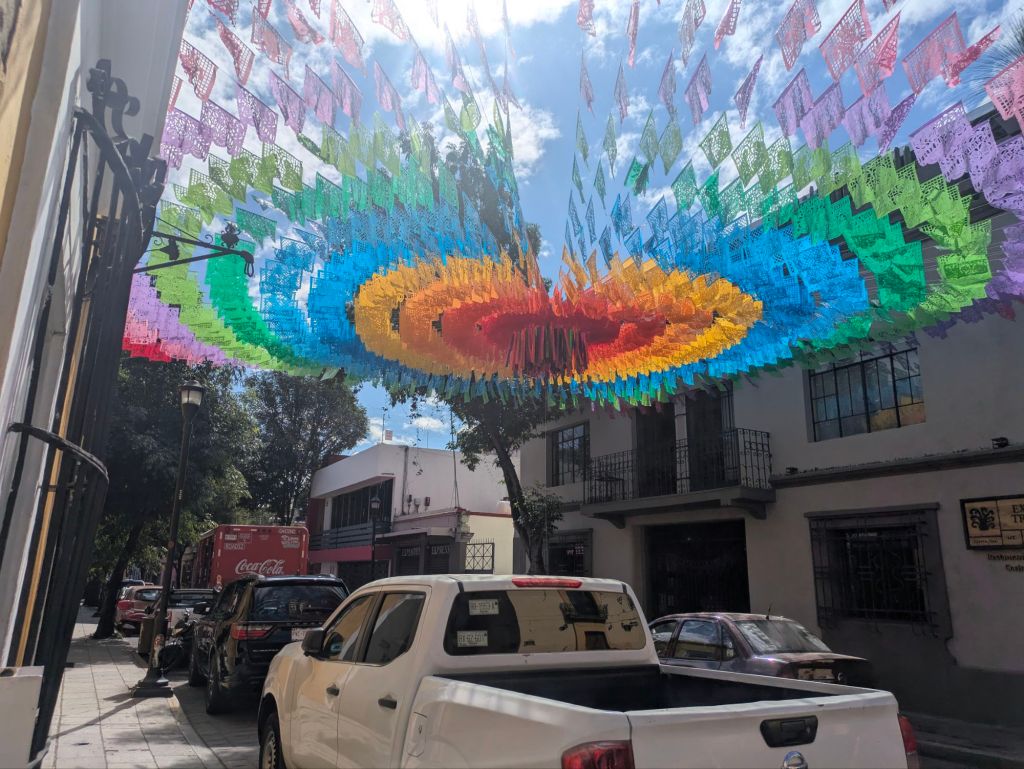
 As we wandered around the breezy, cobbled streets under festive buntings, homeless people thrust clinking cups under our noses, begging for change.  The stench of urine even in the main plazas was oppressive and one street away from the touristy centre, belching buses and honking taxis destroyed the peace. The shoe shine people, who were mainly weather beaten, middle-aged men, ignored us after glancing at our runners.  Oaxaca seemed a beautiful but complex place, with a significant underbelly of deprivation co-existing with the wealth and glamour.

Oaxaca Street
Oaxaca

It was a city of music with buskers of every sort and ability, playing and singing all over the place. A small orchestra set up outside the Santa Domingo church and  we stumbled across a parade of women in swirling  long dresses, dancing to the drumming of a marching band.

Oaxaca is also the culinary capital of Mexico. One of the more unusual ingredients was roasted grasshoppers (chapulines) which were sold in big basins on every street corner and eaten as a snack or as garnish or topping on dishes. They were regarded as a fantastic source of protein and may actually become the food of the future,  at least according to our guide on our walking tour of the city. We haven’t tasted them…..yet.  

Basins of Roasted Grasshoppers

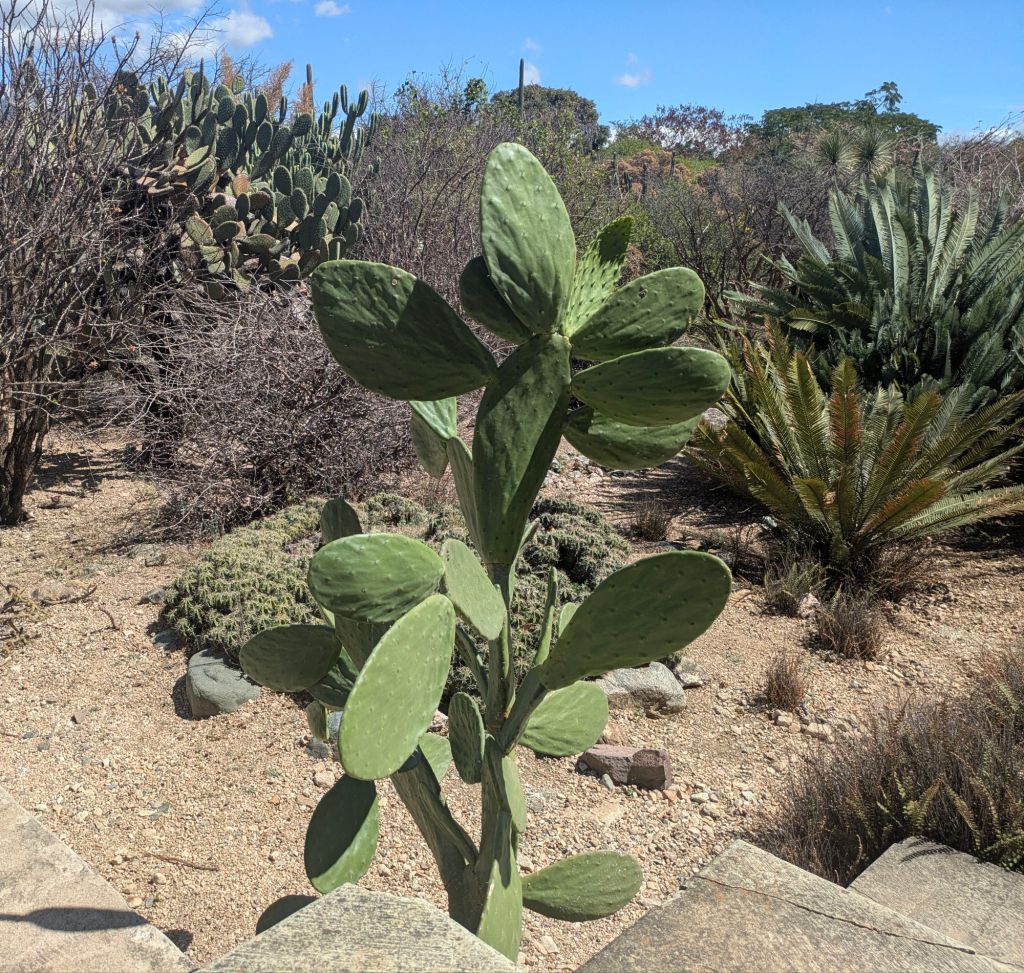
In the botanical gardens which is famous for its huge variety of cacti and local flora from the region, the only available tours were in Spanish as the tours in English had been discontinued.  This is admirable in one way but slightly baffling in a city whose income is almost totally derived from tourism. At least half the thirty people on the tour had difficulty understanding the guide. Although we followed some of what he was saying with our rudimentary Spanish, we would have appreciated being able to fully grasp the intricacies of the garden.

Botanical Garden

Located just a few kilometres from Oaxaca City lies Mount Alban, one of the most impressive archaeological sites in Mexico. It was founded around 500 BC and continued for almost one thousand, three hundred years. It became so influential that it has been called the Rome of the Americas.  

Mount Albán

The location of Mount Alban was spectacular with views of the valleys and surrounding mountains.  Oaxaca was spread out at our feet, looking much bigger than when we were in it. At this time of year, the site was sunbaked and dry with vast open areas between the temple complexes.  Shade was at a premium and people huddled under the occasional trees. Just as in Palenque, the museum was excellent in a beautiful modern building.

The ancient Zapotec built these complexes and ruled vast kingdoms.  They were known as ‘cloud people’ because they believed they originated from clouds and also because they lived at high altitude in areas that are often shrouded in clouds. Now the descendants of the Zapotec live in villages to the northeast of Oaxaca. It is possible to visit the area and hike from village to village.  

We organised a hiking trip in an office in Oaxaca, run entirely by women from the Zapotec. They were helpful and welcoming but drove a hard bargain. Eventually we settled on a price although no English speaking guides were available.

Tomorrow, we head  up into the clouds for some high altitude hiking as the villages are at 3200 m…..it should be an interesting breathless challenge

Thanks for reading
Hasta luego, amigos.

I NEED a hug💕
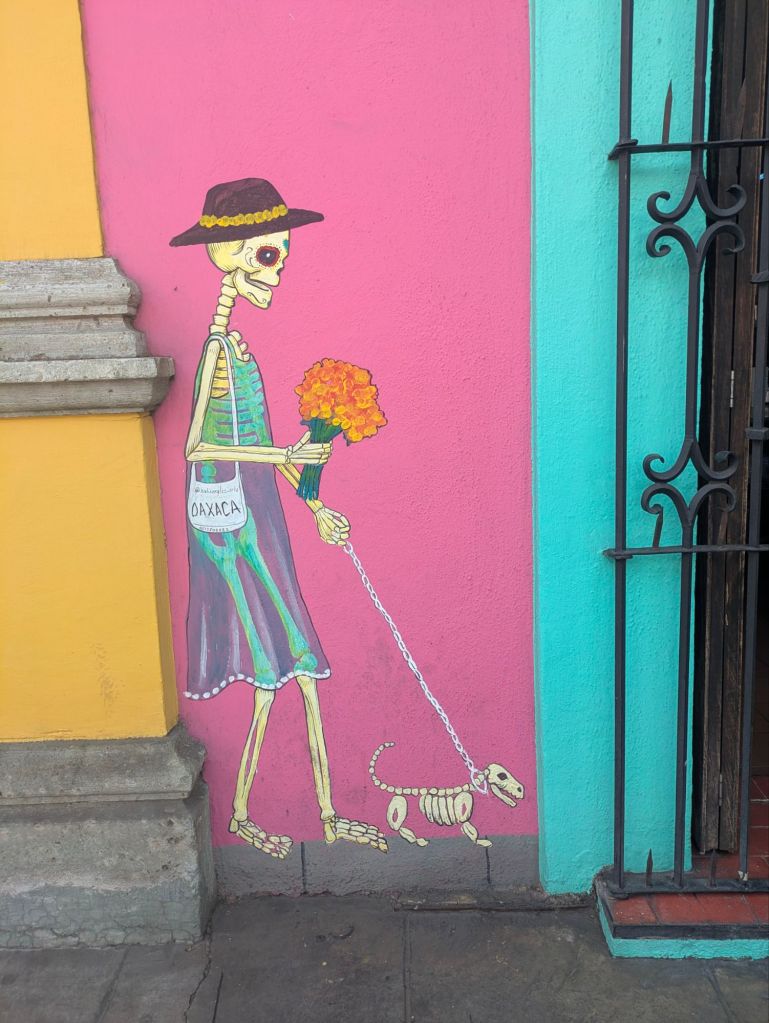
Street Art, Oaxaca

Mexico: Gone to the Beach

Mexico….Ruins and Ruinous Roads

The first rain came in a violent downpour just after Ireland had beaten Scotland in the rugby match which we watched on the laptop in our little apartment in Bacalar, a little town just shy of the Belize border.  It was still midmorning as Mexico is five hours behind Ireland. The morning had been warm, about 28odegrees, but cloudier than usual so we weren’t too surprised when the heavens opened. The rain didn’t last long but increased the humidity.

We love the temperatures here in the Southern Yucatan. Although it can get a little uncomfortable in the afternoon especially if the sun is out, the evenings are gorgeous, long, balmy and  perfect for eating outside. Most of the Mexicans especially in the ‘local’ area away from the lake where we were staying, had hammocks, plastic tables and chairs outside their houses, where they socialised in the evenings, usually with a few beers and some music….loud vibrant tunes.

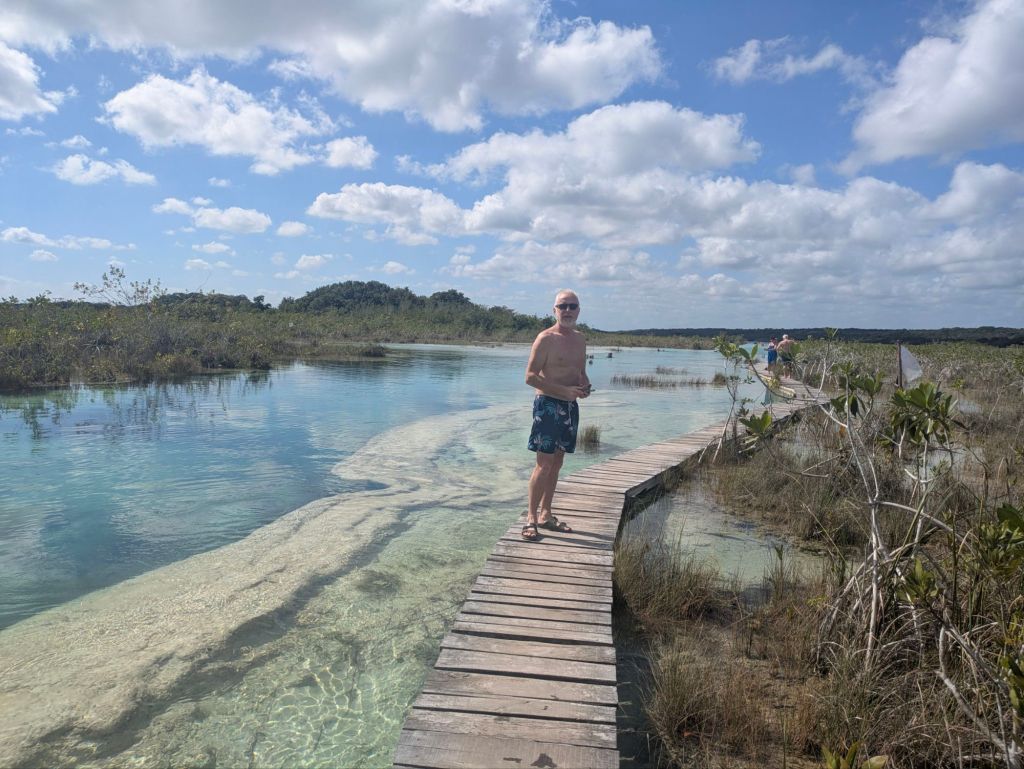
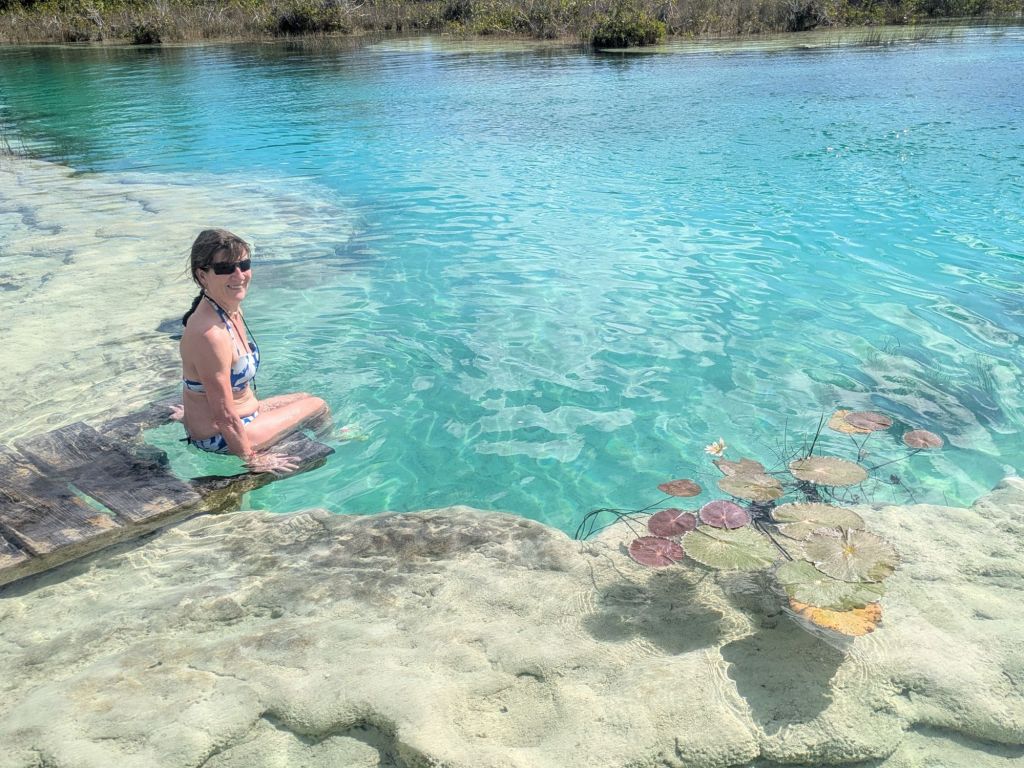
Bacalar Lake is known as the Lagoon of Seven Colours (La Laguna de Los Siete Colores). It’s almost mandatory to take a boat trip out on the lake to fully appreciate it. We chose the sunset tour which was 3 hours on the lake visiting the pirates path, the island of the birds, and cenotes (underwater sinkholes that dramatically changed the colour of the water depending on the depth.) The sun slipped down behind the town, turning the lake-water golden. On the tour, we met three German women in their early seventies who were driving around Mexico for a couple of weeks and having a ball. The only problem they had encountered was a puncture which they acquired when they hit one of those invisible speed bumps. They spent their time on the boat, giggling and trying to get the perfect photos of each other, almost like far younger Instagram influencers.

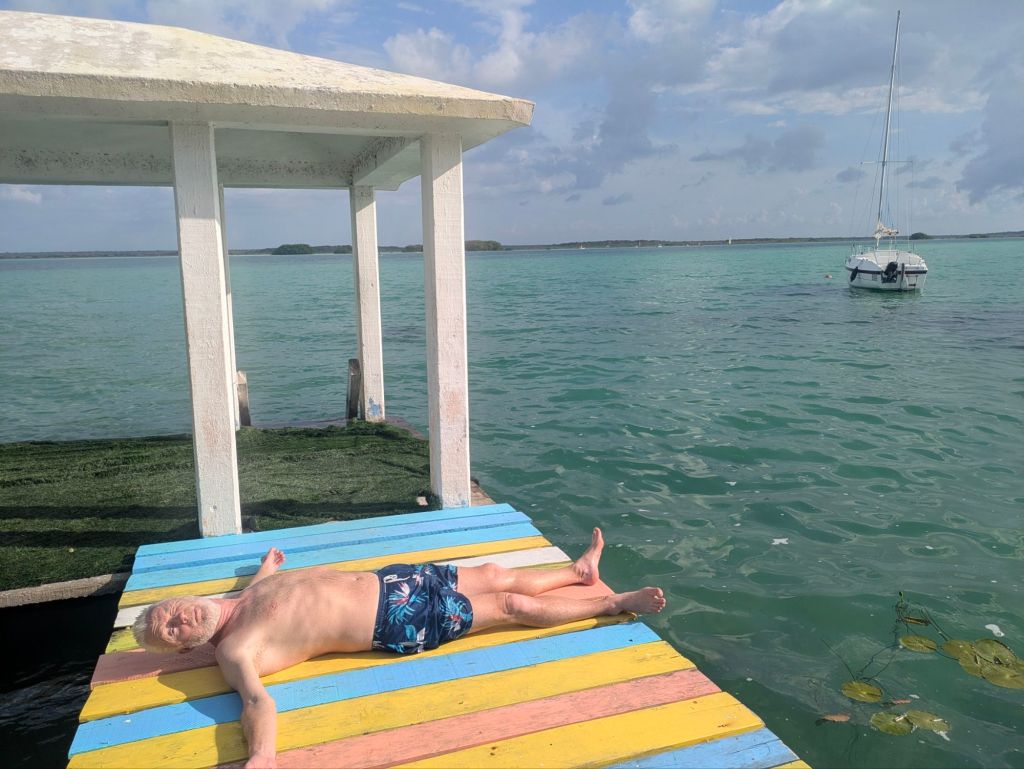
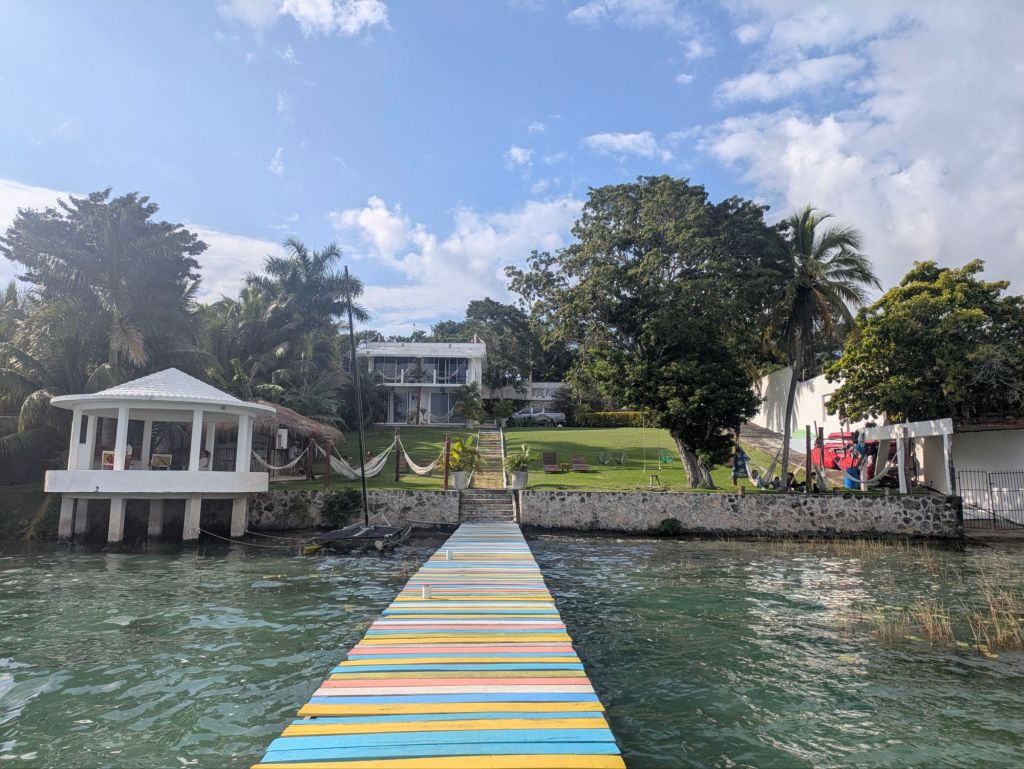
Although our apartment was in the non-touristy ‘local’ area and a twenty minute walk away from the lake, it included free access to the Bacalar Tropic Beach Club which was one of a series of lakefront hotels and houses on the southern end of town.  There was no ‘beach’ but there was a grassy area in front of the hotel with loungers, hammocks, swings and a multicoloured boardwalk – a great place to enjoy the lake.

Lounging by Lake Bacalar

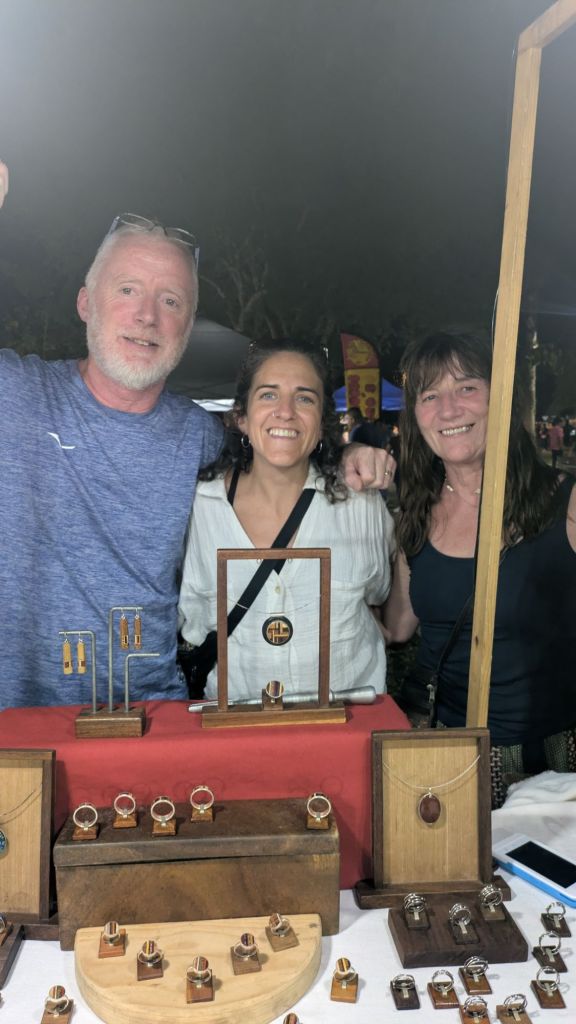
Both of us lost our wedding rings years ago, Caoimhin’s in a swimming pool in Peru  and mine in the sea in Tramore. We kept meaning to replace them but never got around to it. Wandering around the night market in Bacalar, we spotted rings that appealed to both of us, bands of various woods encased in silver. Although they weren’t typical wedding rings and we bought them from a market stall, Caoimhin says that he feels ‘really’ married again after more than thirty years of married life!!!. Our jeweller who was from Uruguay, but living in Mexico, recommended that we go to Palenque in Chiapas State for the scenery and the archaeological ruins. Our trip seemed to be evolving, based on recommendations from people along the way.

Buying Rings

So we travelled across the Yucatan Province almost from coast to coast passing numerous roadworks and not much else. Again the road was long, straight in almost completely flat terrain. It was strange to see so many cherry blossom trees in flower especially as it is so much hotter than home. We stopped for an ice-cream at a garage shop but it melted almost before we could eat it.

Hotel Real Primavera Campeste was relatively expensive  (€49 for the night) for a hotel that was really in the middle of nowhere but we needed somewhere to break the journey to Palenque. The hotel avenue was long and lined with trees, the gardens were landscaped and the rooms were spotlessly clean. It was a place that could accommodate a crowd but the only other residents were three men driving from Monterey in California to their home to Belize. They were also breaking their journey at the hotel. Apart from us,  a flock of long-tailed Grackles made good use of the pool, dipping and  diving at dusk

.

Swimming Pool, Hotel Real Primavera

The countryside was still really flat the following morning until we reached Palenque, with its backdrop of mountains and its hilly streets. This time we booked into a hostel, which had a large pool, an outdoor kitchen  and a ramshackle garden.  Although everything was a little shabby, Alex, the proprietor  and his father were friendly and welcomed us to Villas del Carmen Hostal. It was also pretty cheap at €22 a night for an ensuite room. Security seemed to be an issue in the area. We were a bit perplexed when the shop across the road, one of the Six convenience stores that were so common in Mexico, only served customers through shutters passing out the goods through vertical bars. We walked into town at dusk but the lighting was so bad and the pavements so cracked that we got a taxi back to prevent us from falling down a hole by the side of the road.

The Palenque Ruins opened at 8am and we were in the queue shortly afterwards. We paid a fee for the ruins and another to enter the National Park where the ruins were located.  English speaking guides were available, most vying for our attention, especially as the number of visitors was quite low.  The prices were fluid and bargaining was expected. We settled on Tito, a young Mayan who had good English and a nice manner teamed up with a  French mother and son duo who were also looking for an English speaking tour. 

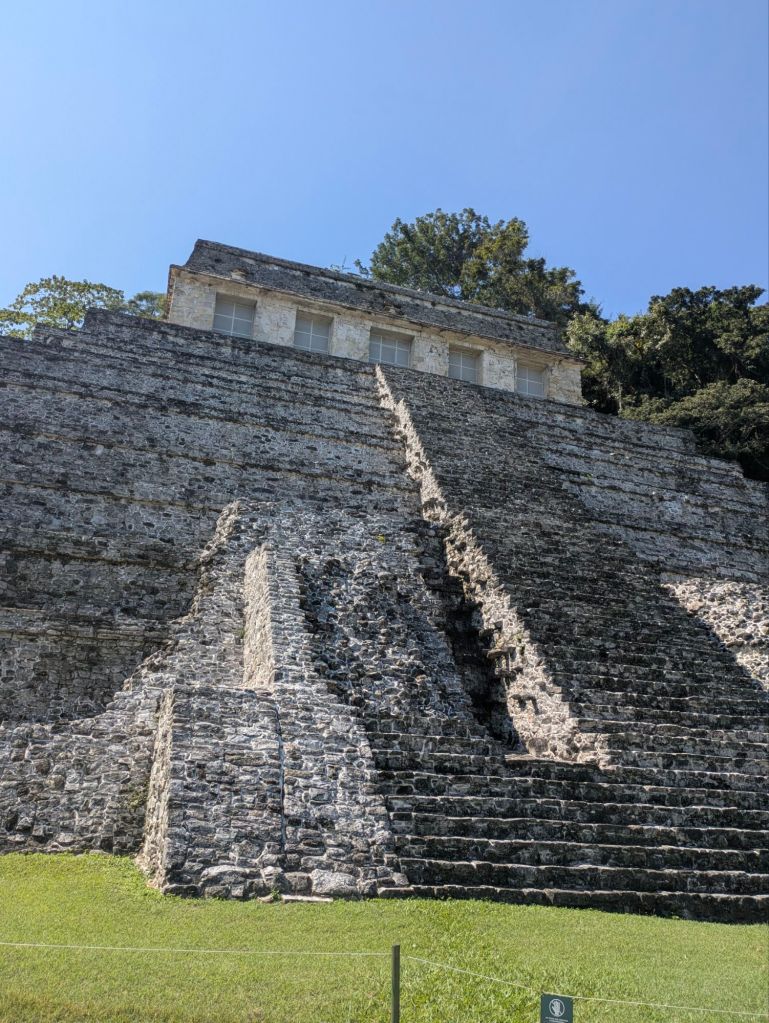
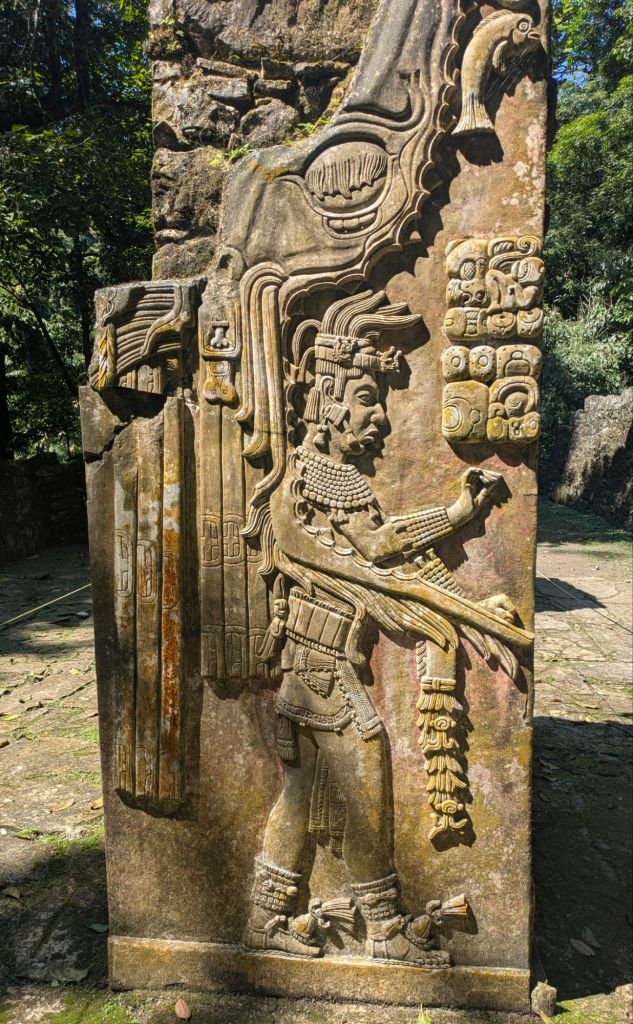
This was our first Mayan site in Mexico and it was really impressive, with several clusters of enormous buildings, most of them with almost vertical stairways. The complex was surrounded by cedar, mahogany and sapodilla trees which provided shade for visitors, the locals selling crafts and the many birds. In the jungle beyond, howler monkeys were living up to their names and creating a racket. The site was all the more impressive because all the structures were built about one thousand, five hundred years ago  with human sweat alone and without the use of the wheel or with machinery at all. The settlement flourished in the seventh century under the rule of Pakal, who lived until he was eighty years old which was a phenomenal age at the time. We walked around in sunshine listening to the monkeys, and tried to imagine the buildings as they would have been in Pakal’s time when they were painted a blood-red colour with elaborate red and blue stucco details. Magic mushrooms were reserved for the noble classes and we’re used in many Maya ceremonies  as a means of communing with the gods and ‘waking up the mind.’  Mayan idea of beauty was totally different to ours, they favoured an elongated head and cross-eyes.

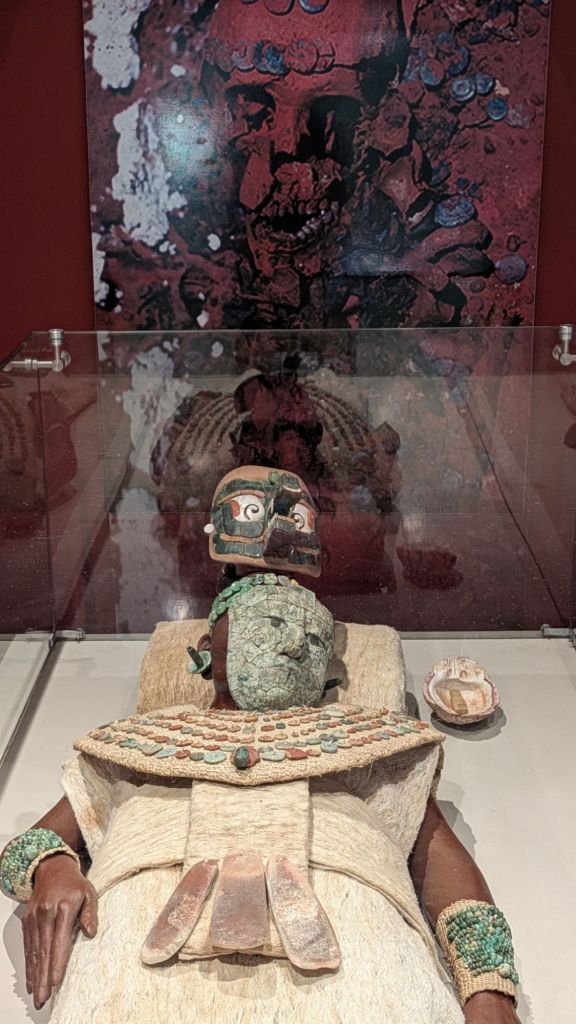
In the excellent museum, we saw a replica of the sarcophagus of the Red Queen which was only discovered in 1994 in a temple beside the large Temple of the Inscriptions where Pakal was laid to rest. The Red Queen is believed to be Pakal’s wife and she got her name because of the bright red dust made of cinnabar (a red mineral made of mercury and sulphur) that covered her skeleton when she was discovered.  She was also buried with two servants and copious amounts of jade and pearls. 

The Red Queen

Despite all the grandeur, the site was abandoned, possibly due to deforestation and feuds with neighbouring tribes, and soon swallowed by the jungle and concealed for centuries. It is entirely probable that many more buildings are  still hidden under the rampant growth.  In some places away from the main clusters, fallen walls were covered in moss, just like any abandoned cottage in Ireland.

Our next stop was problematic. We wanted to visit Saint Christobel de las Casas, a beautiful colonial town in the mountains about a five and a half hour drive from Palenque but there were  worrying reports about the safety of the roads leading to the town especially the Ruta 199 from Palenque. At the ruins, we met a young German couple who travelled in the opposite direction the day before without any hold-ups.  Locals also said that  the journey was quite safe as long as we drove during daylight hours and we gave ourselves plenty of time.  The main risk was road closures.   the Zapatistas, an indigenous political activist group in the state of Chiapas sometimes blocked roads to highlight their grievances to the government.

It was a beautiful, sunny morning as we packed up in Palenque and headed for the hills, feeling a little apprehensive. The distance between the towns of Palenque and San Christobell was only 210kms but Goggle Maps was giving us an estimated time of five hours and twenty minutes. At first traffic was heavy and soon we were climbing along winding steeps roads with curving bends in a convoy of trucks, minibuses and motorbikes. There were small herds of cattle grazing in the fields, maize growing everywhere, at the sides of the road and crawling  up the vertical mountain sides.  Children walked to school and women sat at roadside stalls, selling drums of diesel and petrol as there seemed to be no gas stations.  It all seemed very normal,  a beautiful drive with stupendous vistas of mountains, houses dotted in the valleys and pretty villages. Soon we relaxed although it was impossible to relax completely…but not because of bandits or protesters.

The biggest danger was the  huge number of speed bumps on the roads. The dappled sunlight through the trees cast shadows on the road making it almost impossible to see  them and there were very frequent and sometimes on blind bends. It was easier when we were travelling behind a vehicle as we had some warning as they braked.

Beware of the hidden Speed Bumps
Hard working Women on the Road

Soon there was the smell of pine in the air from the towering forests as we approached San Christobel de las Casas. The town sits in a valley in the highlands of Chiapas in the Los Altos region at an altitude of 2200 metres. It was sunny but there was a tinge of coolness in the breeze even in the mid-afternoon which soon had us reaching for our jackets which we haven’t needed since we arrived in Mexico.

San Christobel was entirely different to any other Mexican town we have visited so far with its cobbled streets, pastel coloured houses and refreshing mountain air. There were churches on every corner, a baroque cathedral  that was damaged by flood and earthquake, (the most recent earthquake was in 2017). Several long pedestrianised street were full of cafes, restaurants and high-end shops with hardly a broken pavement or litter anywhere.

Chiapas is one of the poorest state in Mexico with the highest concentration of indigenous people, about 40 % of the population being indigenous. Despite their high numbers, they feel marginalized    The protests were about inequalities, discriminations, land rights and  destruction of the environment . Like most disputes, it was complicated. For example, Coca Cola have a large factory on the outskirts of town but some believe that the production is detrimental to the environment and uses so much water that it changes the natural landscape. But the state of Chiapas drinks more coke than anywhere else on the planet. It is even incorporated into many of the ceremonies and rituals of the indigenous people, taking the place of the local moonshine, a drink called pox (pronounced ‘push’ which means ‘medicine’ in the local language.)

There was no sign of unrest or political activism  on Valentine’s day. Love was in the air in the Central Plaza which was festooned with ribbons and hearts to celebrate the day.

We booked into La Estancia, a hotel in a central location. It didn’t look much from the outside, a green door in a low single story building but inside, it opened up into a series of courtyards full of plants,  shady sitting areas and lots of rooms with balconies overlooking the courtyards. We were delighted with the luxury, 5 star accommodation at 2 star  prices (€40 a night). They also had an offer of 2 cocktails for 140 pesos (about€7) which was something we availed of seeing as it was Valentines Day and we were now wearing  matching wedding rings. There are tourists here but many are scared away by the simmering political tensions which probably explains the low prices.

Our Hotel, San Cristobal de Las Casas

Our next step will be to the  neighbouring region of Oaxaca with beaches, another colonial city and trekking between villages in the mountains, But that’s for tomorrow. In the meantime we are enjoying luxury in the romantic city of San Christobel de las Casas, or San Chris as it’s known locally.

Till next time, thanks for reading.

Our Journey so far
San Chris
Cathedral , San Christobel de Las Casas
Mexico….Ruins and Ruinous Roads

Hola, Mexico

Our journey to Mexico was longer than expected…much longer. The first seven-hour leg from Dublin to Toronto was very pleasant. The Air Canada flight was more than half empty, leaving plenty of space to spread out, the food was good, the drinks were complimentary and there was an endless supply of chocolate biscuits and pretzels. ‘Take as many as you want,’ said the steward and we took her at her word.

There was a long wait (about six hours) in Toronto for our connecting flight to Cancun in Mexico but this was scheduled, part of our cheap, last-minute flight deal and we had chocolate biscuits to nibble on. We entertained ourselves by reading our books, working on our laptops and watching an impressive fleet of snow ploughs spring into action to clear the runways that were turning white as the snow became heavier and the temperatures outside dipped to minus 4 degrees.

A snowy Toronto Airport

As we approached our departure gate, there was an announcement that the Air Canada flight to Cancun, Mexico was overbooked and they were looking for two volunteers to spend a night in an hotel near the airport with meals provided and a seat on the same plane the following day plus $1000 in travel vouchers with Air Canada. The inducements kept increasing until they were offering $2000 voucher to each of the volunteers. At that stage, Caoimhin and I looked at each other, both deciding that it was an offer we couldn’t refuse.

The flight left without us and shortly afterwards we had a heart-stopping moment when it seemed that we mightn’t get a seat on the flight the following day. The airline woman was very cranky, kept muttering under her breath about the guy who had made the deal with us. Eventually seats were found but we then had to argue with her to increase our allowance for meals while she sighed,  gave us fake smiles and acted as if our vouchers were coming out of her own pocket.

Standing outside the terminal, we inhaled ice-cold air and felt our fingers go numb while we waited for almost an hour for a shuttle bus to take us to our hotel. Although we were travelling with just carry-on luggage, we had some packable jackets and hats (in case we did some mountain hiking in Mexico).  These clothes were no match for the Canadian cold so we shivered and waited and wondered about the wisdom of our decision.

The Holiday Inn had a faded, tired look but the room was large, the bed was comfy, the shower was hot and it had a swimming pool. We didn’t do any sightseeing in Toronto, just walked in the snow around the Holiday Inn area  which was a pretty dreary strip of fast food joints, hotels and conference centres. We had some fun studying Air Canada flight destinations to see where we might go to on our next trip.

The flight from Toronto to Cancun was in complete contrast to the Dublin leg. It was crowded, there was a struggle to fit bags in the overhead lockers. The only thing complimentary was water and there wasn’t even a TV screen to watch a movie.  The good news was that the flight-time was only four hours.  It seems that everyone was escaping the Canadian cold. The woman next to us had flown in from Halifax and was on her way to a school reunion in a holiday complex in Cancun.

We were sweating even before we left the terminal building. It was 9.45pm and 27oC (Toronto and Cancun are in the same time-zone but with totally different climates). Passport Control was very smooth, we were given an automatic visa for 120 days which was far more than we needed and made our way to the Alamo office to pick up the car that we had hired online. Caoimhin had done quite a bit of research and this company seemed to offer the best deals. He had opted for the ‘mystery car’ in the compact range. The mystery turned out to be a very roomy Nissan X Trail.

Our accommodation, Closetotheairport was certainly near the airport but as there was a one-way road system, we did an extra lap before we were travelling in the right direction. The traffic was light but the roads were atrocious – even the fast lane on the highway was pot-holed. But that was nothing compared to the craters when we turned off onto the side roads near our accommodation. I had messaged Closetotheairport about our delay in Toronto and they had kindly changed the booking without any additional charge.

Outside the accommodation which was a series of white, double storey buildings, we studied the photos that Booking.com, had sent us, trying to locate our room. A tired-looking woman leaned over an upstairs balcony and asked what we were doing. When I said my name, she put her hands to her face and groaned. She had forgotten completely about the changed booking and there wasn’t a room ready for us. It was almost midnight at this point and I’m sure we looked as exhausted as our host who set about making up a bed and cleaning a room.

The room was fine but the intense smell of damp and mould that permeated the whole building was awful. We slept after turning off the aircon and opening the windows as wide as we could despite the warm temperature. Looking out the bedroom window in the morning, we could almost see the trees and plants growing, vines tendrils climbed telephone poles and weeds grew everywhere. I would not have been surprised if the car had disappeared overnight under a cloak of greenery. We left home with bare trees and little growth so the rampant green-ness and ‘jungle feel’ was almost a shock. After a surprisingly good shower in the huge bathroom, we googled accommodation, booked a spot  for two nights and  headed off in our rented car, travelling south.

 Driving in Mexico required some adjustment. We were on the ‘wrong side’ of the road, surrounded by some erratic drivers  and then there were the speed bumps, a huge number of them. These had no distinguishing road marks to alert drivers although there were some faded signs right at the speed bump (when it could be too late to brake). We soon found ourselves airborne over an invisible bump.  Thankfully no damage was done.

We made  a minor detour to Puerta Morelos to eat breakfast and to see the Caribbean, which was a gorgeous, shimmering turquoise. The intensity of colour in Mexico is mesmerising, not only in nature with the sea-blues,  the greens of the jungle, the multi-coloured flowering shrubs but the houses are also painted in vibrant shades. We even visited a cemetery which each crypt was painted in different colours, making it as colourful as a West Cork village.

Mexican Breakfast
Carribbean Sea💕
Mexican Cemetery

We turned inland to stay in a little wooden cabin in the jungle(Madre Tierre Eco) near the little town of Leona Vicario.The air was full of birdsong and the cabins were almost hidden by the tall trees. There was a yoga studio, an outdoor kitchen and very few guests. Birds flitted around the small pools , dipping to eat the insects floating on the surface. The only downside was that there was no fridge.

Jungle Yoga Studio

This area of Mexico is full of cenotes. We had never heard of the word until we came here but they are natural pools, formed when the limestone bedrock was dissolved by acidified rainwater and seawater. The rock sometimes collapsed in on itself, creating a system of caves and sinkholes. These provided a vital source of water but cenotes were more than a water supply to the ancient Maya who regarded them as sacred portals to the underworld.

There was certainly something otherworldly about Cenote 7 Bocas (The Seven Mouths) which was  near our cabin and our first experience of a cenote. We drove down a rutted road, passing small thatched houses hidden in the tree thicket with black pigs snoozing outside. A large iguana blended seamlessly with a tree trunk until he blinked.  The cenote was a series of underground pools with seven different access points which allowed the light to enter. We swam in cool water from cave to cave as the first five caves were connected by tunnels. The  water was the most mesmerising shades of jade and turquoise, especially when the sunshine poured in from above, creating rippling shadows on the surface of the water, the roofs of the caves and the many stalagmites and stalactites. Magical.

Cenote, Boca 5
Into the Deep (Cenote Entrance)

In our cabin in the woods, we met up with a friendly guy from Liverpool, the only other resident during our two-night stay. Clark had lived in Mexico for a few years and gave us some suggestions on places to visit.  He loved  Bacalar, a town by a lake of the same name about four and a half hours further south near the border with Belize. It sounded as good a place as any to visit, even if  we had never heard of it before.

Ruta 307 was long and straight_ very straight. At one point, Google maps was showing a  straight line with the caption ‘ Turn right after 110 kms.’ Although the Caribbean was just to our left for a lot of the journey, we never caught even a glimpse of it. The road had high dense foliage on both sides with huge billboards for holiday complexes, popular for package holidays and of course, lots of speed bumps. This part of Mexico is almost completely flat so there’s no panoramic vistas on the crest of hills because there are no hills.

Our little apartment in Bacalar was on the far (but cheaper) side of town, away from the lake. Wandering downtown, we were a little underwhelmed by our first experience of Bacalar, the lake was hidden behind buildings, there was a dead rat on the cracked pavement opposite where we ate tacos and tortas (which were admittedly delicious) and we were (almost) attacked on the walk home by a series of growling dogs.

But this morning, we visited Los Rapidos Bacalar, a natural lazy river and floated effortlessly in crystal clear water along a narrow section of the lagoon lined with white, gleaming stromatolites and mangroves. (Stromatolites are layered sedimentary formations created mainly by photosynthetic microorganisms). We also visited Laguna Bonanza, which was a beautiful, quiet place to hang-out near a stunning section of the lake.

Bacalar, Mexico
Los Rapidos Bacalar

 So now, we have had a change of mind and have booked an additional two nights in Beautiful Bacalar.

Thanks for reading
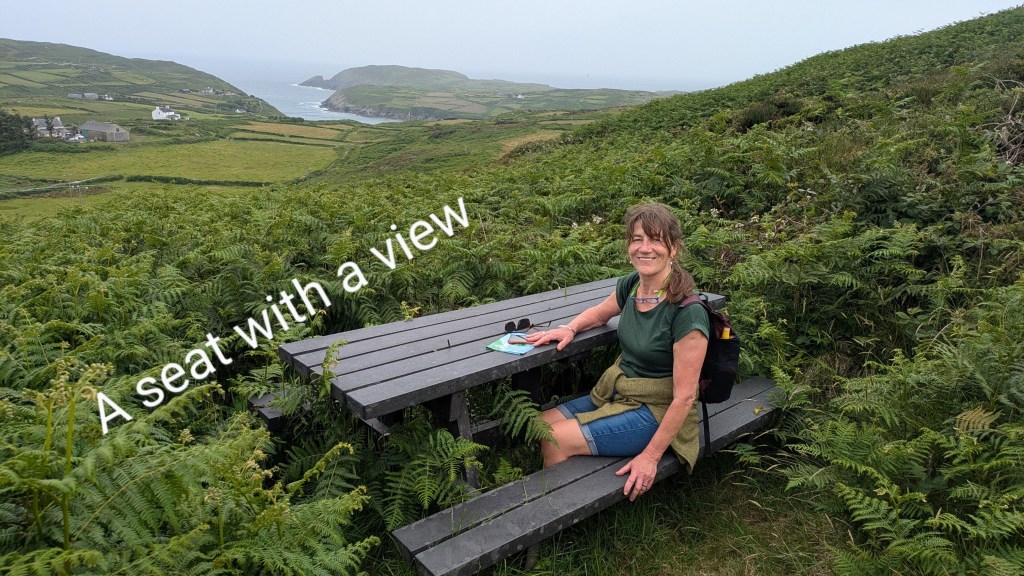
Hasta Luego ,😘

Laguna Bonanza
Hola, Mexico

Japan: Highs and Lows

screenshot_20241130-101223~34194303731757339452.

Now that we are back home from our six-week trip in a campervan around fascinating Japan, it’s  time to reflect on our experience. We flew into and out of Osaka and in between travelled a circuitous route in South Western Japan  through the large islands of Sikoku and Kyushu, often changing course because of the weather. Japan is about five and a half times the size of Ireland but feels much bigger, stretching from within touching distance of Russia in the extreme north to islands in the East China Sea that almost nudge Taiwan.

I’ve included a dozen highlights but I could easily have included a dozen more. So here we go…..

Climbing a Holy Mountain .Japan is a mountainous, heavily-forested country with many sacred mountains but for us, the most special was Mt Hiko in Kyushu, a place where hundreds of years ago, white-clothed monks trained in strenuous physical activity, believing that this was the path to enlightenment. We hiked past countless, moss-shrouded shrines towards misty summits on a glorious Autumn day with the leaves dressed in their burgundy and golden finery. This was truly a spiritual experience especially as we seemed to be the only two people on the mountain. On the way, we also paid homage of the resilience of  Onisugi, a huge cedar tree estimated to be around 1,200 years old.

Hell on Earth. Nagasaki could be in the category of lowlights but it belongs here in the highlights. We spent two days here, the first with torrential rain which felt like it might never stop and the second with skies so blue, it almost hurt our eyes.  This was almost a metaphor for Nagasaki, a beautiful city which exuded a firm belief in hope and brighter days after tragedy. Visiting the Atomic Bomb Museum was harrowing, so harrowing that I don’t think our minds were able to comprehend the immensity of it all. I will just copy here an inscription on a bridge near the centre of devastation.

At 11,02am on August 9, 1945, an atomic bomb exploded in the skies over Matsuyama. The stream, Shimonakawa, flowing through the eastern part of the neighbourhood, was soon filled with the corpses of victims who died groping for a drink of water, or mortally burned and wounded, collapsed and perished there. A survivor who witnessed the scene the following day described it as follows. ‘I crossed the half destroyed Maysayama Bridge over Shimonakawa. There were so many corpses under it that they formed a dam in the stream. It was like a vision of the Apocalypse, a living hell on earth. Not a speck of cloud tainted the sky above, but the earth below was a panorama of carnage and destruction.’

Getting high on Mount Ishizuchi Mount Ishizuchi, the highest mountain in South Western Japan, was an entirely different experience to our Mt Hiko hike. We trekked on a blue-skied Sunday, it was the Sports Day public holiday weekend which promoted an active lifestyle and we weren’t alone. The climb started on gradual paths that became steeper, much steeper.  In some nearly- vertical sections, steel chains were embedded into the rock as an aid to haul ourselves up. It was exhausting but fun, surrounded by many friendly Japanese.

Stairway to Heaven We visited the charming little town of  Kotohira, famous for its proximity to the Shinto shrine, Konpira-san, which is dedicated to sea-farers. In a country of islands, this is a very popular shrine, nestling in the forests of Mt Zozu above the town and requiring a climb  of a whooping 1340 steps.   Arriving in the early morning, there was an air of serenity, broken only by the clattering on each step of a man wearing wooden clogs.  Little birds chirped and landed on our outstretched hands looking for seeds. We passed a stable of beautiful white horses which were considered so divine that they could only  be ridden by the gods.  

Tea and Shade We were charmed with a visit to  Ritsurin Gardens in Takamatsu with it’s beautiful teahouse of bamboo, screens and cushions. The windows framed the outside view like serene paintings and we drank tea to the gentle sound of flowing water from the small waterfall outside. In the coolness of the teahouse, we began to appreciate the Japanese fascination with light, shade and symmetry and to understand the philosophy that ‘less is more’

Island Hopping by Bike  The Shimanami Cycleway is an island hopping adventure by bike, traversing several islands in the inland Seto Sea which are linked by magnificent bridges. The 75kms route joins the town of Imbari in Shikoku Island with the town of Onomiche in Honshu. Cycling along the Kurushima Bridge which has a span of almost 5 Kms was a memorable experience.  Ships passed in the turbulent  waters beneath us while traffic whizzed by on the bridge. There were sublime views in every direction of mountains, islands, sea and the bridge itself.  

Glorious Beaches of Amami Amami Oshima is the largest of the Amami Island Group, a sub- tropical, nature-lovers’ paradise in the East China Sea, halfway between Okinawa and mainland Japan. Camping by the white-sand beaches here was truly wonderful, topped only by swimming in the clear turquoise water with lots of colourful, flickering fish.

Food, Glorious Food– the food in Japan was a pleasure, a delight and a taste sensation. We had so many gorgeous meals from simple bowls of noodle soup to trays of tempura with a multitude of side garnishes. Good quality ingredients coupled with attention to detail made it special. The Japanese were very proud and fond of their ice-cream which was delicious. However, we were served raw cabbage and soy sauce to go with own beer 😁. It wasn’t as bad as it sounds but it may be an acquired taste.

Relaxing Baths Onsens are public thermal baths, which are part of daily life in Japan, a place to cleanse and destress, to socialise and relax. The idea of stripping off and sharing a bath with naked strangers was an intimidating prospect at the beginning but we grew to love our immersions and appreciated their therapeutic power. Our favourite onsen was high in the hills outside Nagasaki with an outside section and gorgeous views over the city. It was so relaxing lying up to my chin in hot water, fanned by a cool breeze, watching leaves drifting down from the trees and trying to process all that we had seen in that lovely, vibrant city which has witnessed so much sorrow. (no cameras allowed inside the onsens for obvious reasons)

Path of Philosophy….Kyoto, the ancient city of history and dreams, was full of national treasures, World Heritage Sites, countless shrines and temples ….. and visitors, lots and lots of visitors. We shuffled along in crowds at most of the attractions except one. The Path of Philosophy in the Northern Higashiyama neighbourhood was tranquil and meditative. The path meanders along by a canal carrying murmuring water from Biwa Lake with the occasional family of paddling ducks and temples peeking through the foliage that borders the path. It’s very popular in spring when the overhanging cherry trees are in blossom but for us, it was blissfully quiet on a chilly November morning. Along the way, we chatted with a lovely Australian couple who enquired if they were actually on the path….none of us knew for sure where the path began or ended but maybe that was the true philosophical question.

Temple in the Clouds  All over Shikoku, we saw pilgrims on the Pilgrimage Trail of the 88 Buddhist Temples. This is a long route, over twelve hundred kilometres, which circumnavigates the entire island of Shikoku. Most pilgrims do it in sections but we met a few who were devoting six to eight weeks to completing the entire pilgrimage in one go. Many had sore feet as the majority of the route is on hard road surfaces. Although we didn’t do the pilgrim’s trail, we visited several of the temples. Our favourite was Unpen-ji, the highest of the 88 temples and often called The Temple in the Clouds. Hundreds of life-sized statues of Buddha’s disciplines lined the walkways among the cedars. It’s said that if you look hard enough, you will find your likeness among them. Although I searched and searched, I couldn’t find mine

Making Connections  ……No matter where you go in the world there are always connections to home. We visited the Lafcadio Hearn Museum in the city of Kumamoto. In the mid 1800’s having an Irish father and a Greek mother,  Lafcadio spent many boyhood summers in Tramore, Co Waterford just a few miles from our home. The gorgeous Lafcadio Japanese Gardens in Tramore were established in his memory.  He was enthralled by Japan, setting up home there and he is still reversed in his adopted country because of his writings and translations.

We met another man from Tramore, who has also made Japan his home, making fine craft beer in the beautiful Kamiyama area. We can certainly vouch for the quality of his produce. Manus and his Japanese wife, Sayaka, welcomed us, introduced us to some locals and gave us lots of tips, particularly about the etiquette of using the onsens. Strip completely, wash thoroughly before soaking in a bath, no splashing, no swimming, hair tied up, no tattoos.

LOWS

Dramatic Weather –We endured several bouts of torrential rain for days on end each time although it wasn’t the rainy season. Japan is green and gets a lot of rain but this level of rainfall in October and November was unusual. We had numerous phone alerts warning of typhoons, mudslides and flooding.

Packaging The amount of plastic packaging on everything but particularly on food items made us weep. Carrots were individually wrapped in plastic. I know that in Ireland we are guilty of using too much plastic as well but this was a totally different level. All food bought in a convenience store/supermarket/restaurant came with a wet wipe wrapped in plastic and some disposable chopsticks and that’s just for starters.

Disposing of Garbage….The contradiction is that the streets are super-clean with rarely even a scrap of paper on the ground and all this without a trash bin in sight.  Getting rid of our rubbish was certainly an issue until we started discarding it in pieces. When we shopped in supermarkets, we disposed of excess packaging before we left the shop. Convenience stores (konbinnis) had some segregated bins (meant for items bought in the shops) which we used. Motorway stops also had some segregated bins.
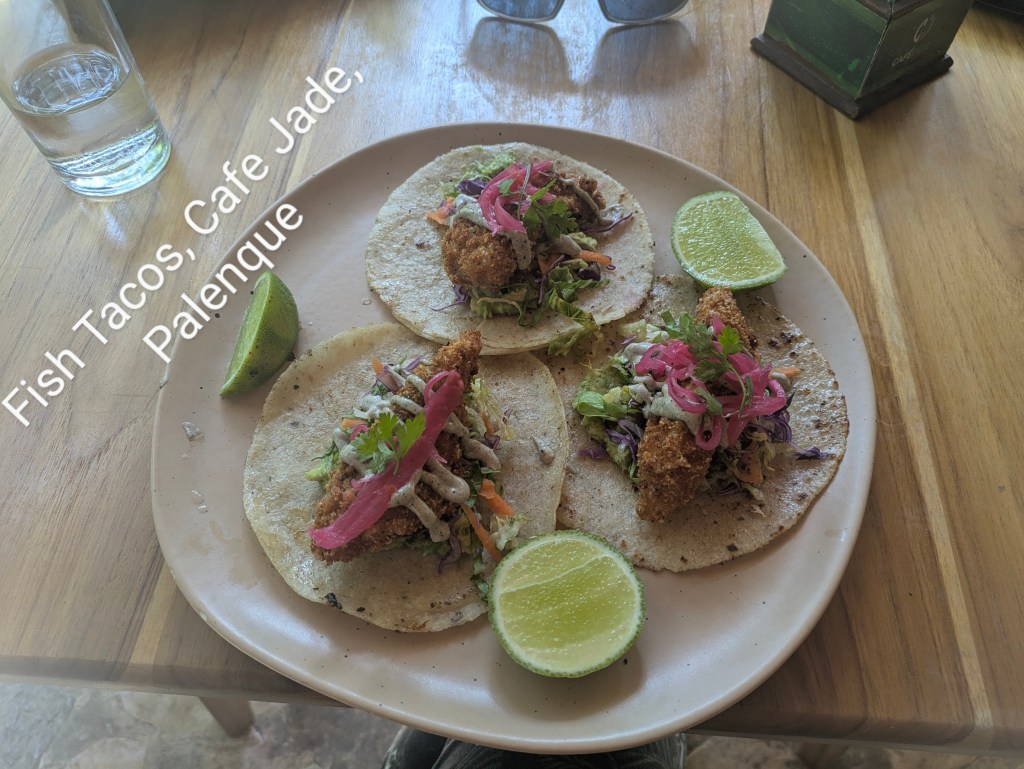
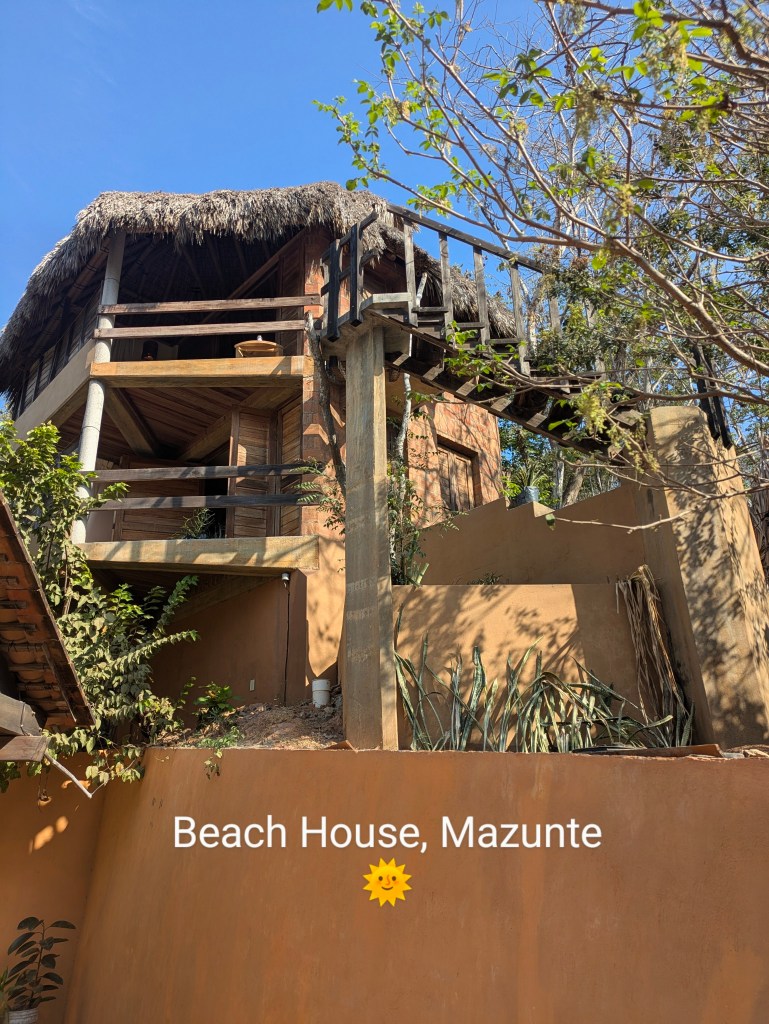
Campervan Sulks…. Our van wouldn’t start when we were in the queue to board the ferry to leave Amami. The rain was torrential and we didn’t even know how to open the bonnet. After trying several times, we were getting desperate. One last try and the engine turned over and we got on the overnight ferry. We didn’t have any more trouble.
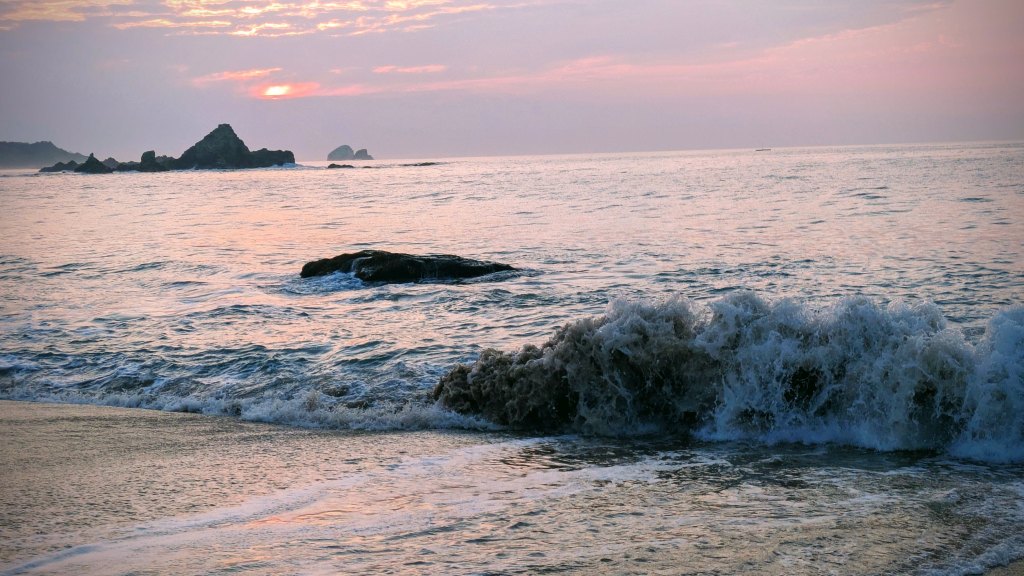
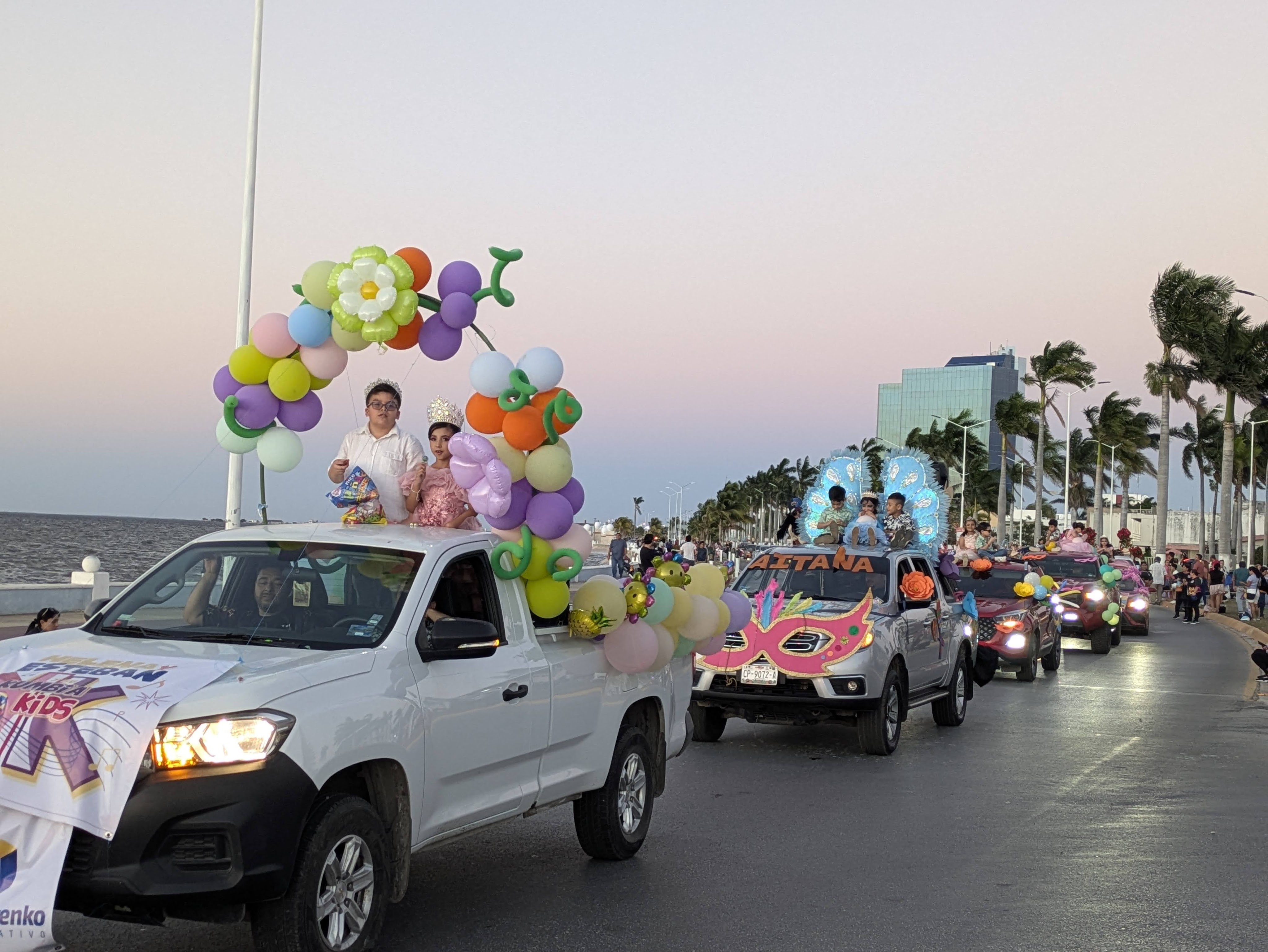
Parking in Kyoto…..Mainly we availed of free wild camping in scenic spots in the countryside but  in the cities we parked in city centre carparks which usually cost about €5 to €10 for overnight parking. In Kyoto, we misread the tariff board , and  discovered that we could easily have stayed in a nice hotel for the price of the parking charges😲
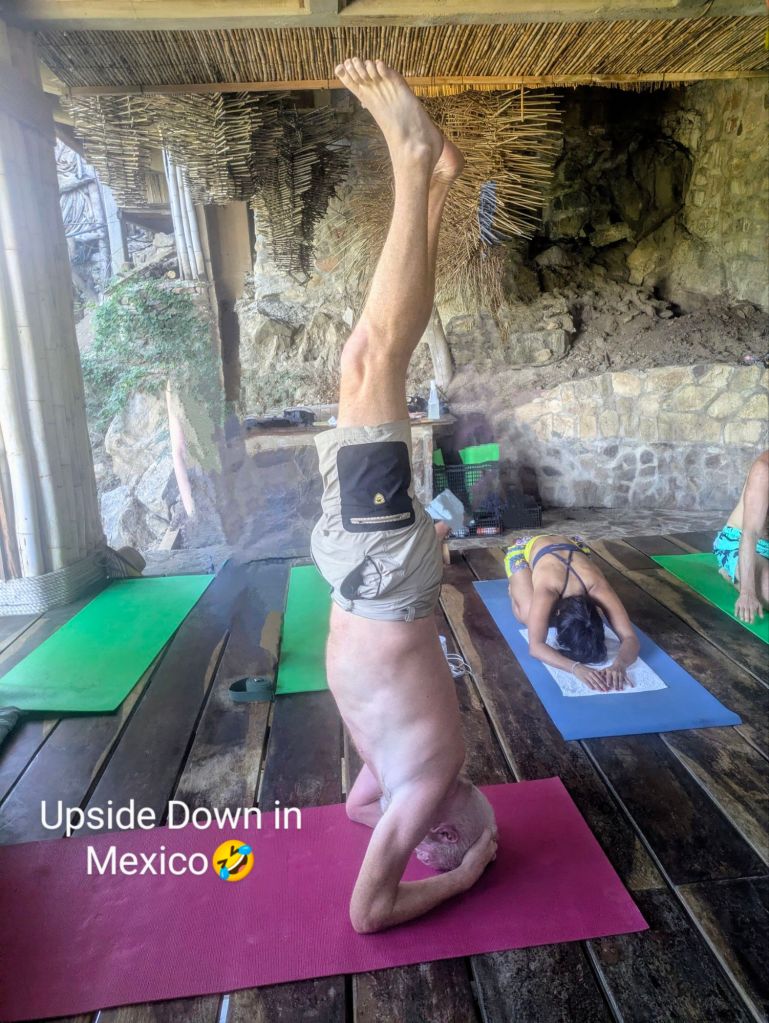
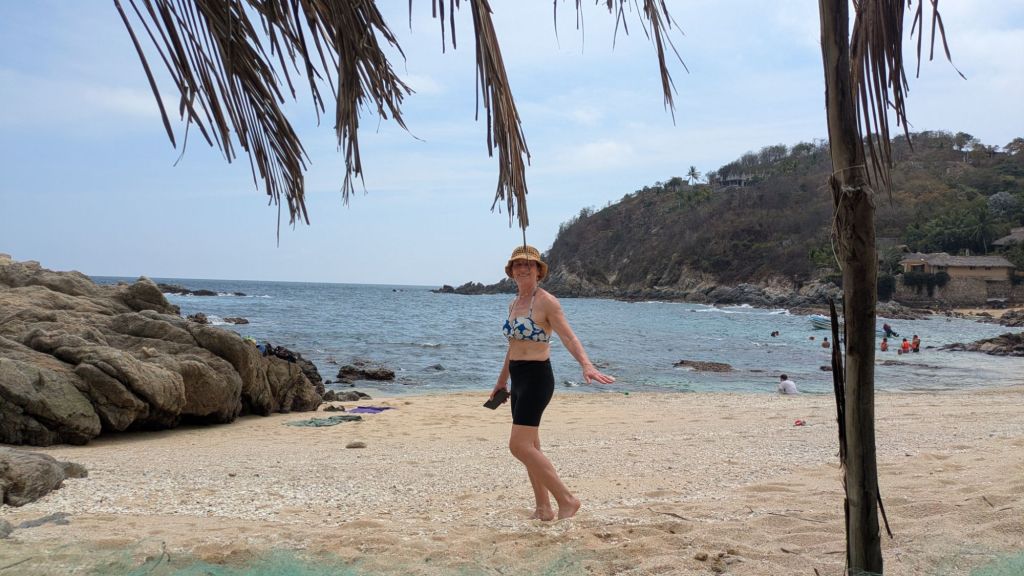
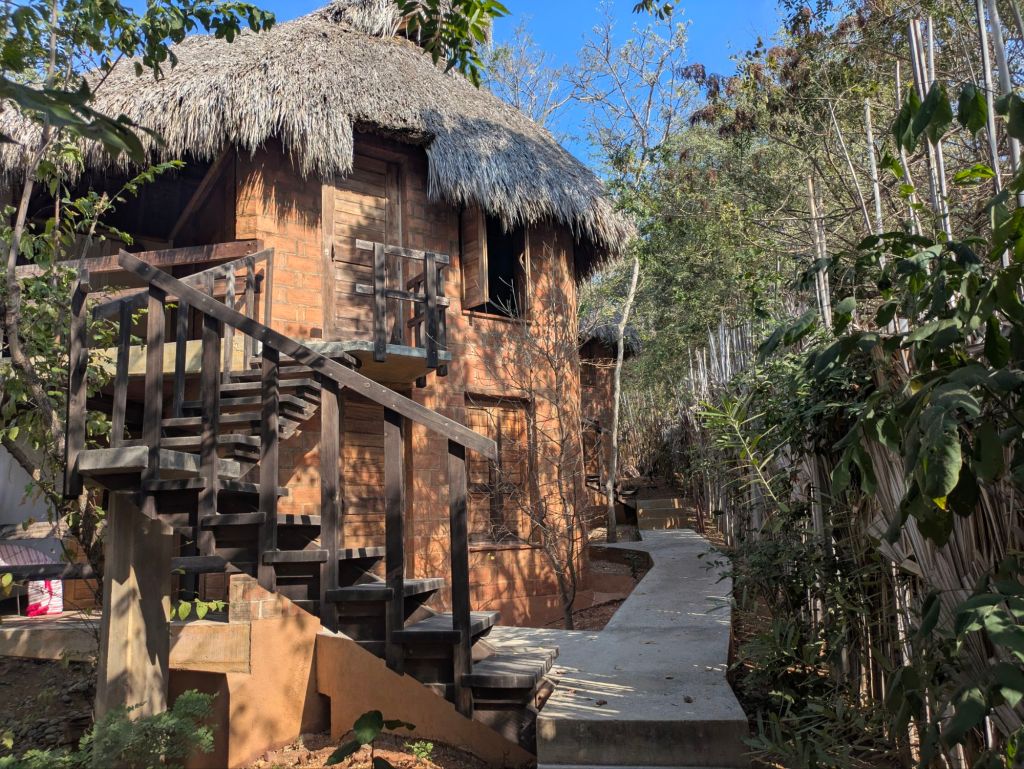
Encounters of a Small Kind Japan is an extremely hygienic place with a huge emphasis on cleanliness , partial to the liberal use of disinfectants and  wearing face masks. Neither of us had any issue with tummy upsets or health concerns. One morning, I woke up in the van feeling like I had a brick over my partially closed left eye. I expected Caoimhin to say it didn’t look too bad but his reaction was one of horror. It took two days to subside. I’m still not sure what caused the spectacular inflammatory reaction but suspect a mosquito.

On Amami Island, we were warned about the viper snakes everywhere we went…..by the locals and by the many warning signs. Thankfully we never saw one or heard a slithering sound of one.

So many things surprised us about Japan from practical things like the abundance of public toilets and the people of all ages who use bicycles as a means of getting around to the greenness of the countryside and the enormous number of trees. Most people profess to have no religion but mark key life events with Shinto rituals and visits to Buddhist temples. The people are polite and reserved but welcoming and love to laugh, especially the women, and we gave them plenty of opportunity for amusement.

We covered less than a third of the country, we didn’t go anywhere near the big-ticket tourist items like Tokyo or Mt Fuji and barely scratched the surface of the places we did visit. We came anyway, changed in some indefinable way, fascinated by the blend of traditional and modern, mesmerised by the natural beauty of the country and perplexed by the contradictions. Japan still remains an enigma. We may have to return for a deeper dive, to breathe in the mystery of this fascinating country.

Japan: Highs and Lows