Of course, there was last minute drama at the very start of our journey😮.
All was going really well until we were at the boarding gate in Dublin for our flight to Istanbul – the first leg of our Turkish Airlines flight to Manila. The steward asked me what was our final destination and when I said ‘Manila’, he wanted to see my Covid vaccination cert and my e-travel document. I had the vaccination cert but I didn’t have the e-travel, didn’t even know I needed one. Meanwhile, Caoimhin who was in a different queue was allowed through with just the vaccination cert but he was hauled back when they discovered that we were together. We were told that we couldn’t board without the e-travel!
The e-travel document is an online form that needed to be filled in, submitted to Philippine health immigration who then generated a QR code. It’s not difficult but it’s long, cumbersome and VERY stressful when under pressure. There were lots of questions about dates of vaccines and type of vaccine. The airport staff advised making up dates if we weren’t sure….just don’t leave anything blank. The relief of getting on the plane, even if we were the last people to board. Phew🙄.
Nobody asked to see the e-travel when we boarded the second leg _ an eleven hour flight from Istanbul to Manila but we needed it on arrival in Manilla but there staff were on hand to help you fill it in if you didn’t have it.
The warm feel of the tropics wrapped around us when we stepped outside the airport with noise, cajoling taxi-drivers, darkness, humidity and heat (about 27C at 8pm). The taxi driver who brought us to our hotel kept touching the crucifix dangling from a rosary beads draped over his rear view mirror. Not very reassuring….when the traffic was appalling, horns blaring, motorbikes dodging through the cars, buses and jeepneys (a type of long open jeep). Our hotel – Manila Prince Hotel – was large, comfortable and bland until we had breakfast which was included in the price of €35 a night.. This was a buffet style feast that made the Irish fry-up look like a snack. There was fried fish and fried fish heads, mounds of noodles, fried rice, steamed rice and congee (a type of rice porridge), vats of pulled pork, teeny grey sausages, omelettes or scrambled eggs, chips, green salad and lots of sauces. There were also lots of different breads, juices and pastries and to cater for all tastes, cornflakes and something that looked vaguely like coco-pops. Most people piled high a couple of plates and tucked in. The morning feeding frenzy was appreciated all the more as there was a lack of nice restaurants around the area we were staying unless you were a fan of fast food and fried chicken.
Manilla is ENORMOUS and is really made up of a conglomerate of several cities with no real centre. It is officially the most crowded city on the planet since 2022 and as the birth-rate is alarmingly high, it is likely to get even more squashed. Our hotel was in an area of universities and museums with wide leafy boulevards where the tree roots were destroying the footpaths like some huge underground spiders on a mission. There was obvious wealth – shopping malls with designer labels, big shiny cars and high rise buildings but there were whole families sleeping on the street on layers of cardboard, one family with a little mosquito coil burning beside them. There were children begging and the stench of human waste was nauseating. People searched with bare hands through mounds of rubbish that was strewn all over the place. Between the wide boulevards were narrow lanes of shanty-style houses where those lucky enough to have a house lived. Rows of potted plants provided shade and a modicum of privacy outside some houses but really, privacy was a foreign concept in this crowded metropolis. We couldn’t understand why there were so many roosters tied to posts (while the hens wandered freely) until we discovered that cock-fighting is very popular. But still children laughed and made sandcastles from the mud in the gutters.
Jetlag hit us surprisingly hard and in different ways. I couldn’t seem to wake up and Caoimhin couldn’t sleep for more than a few minutes at a time. The Philippines is eight hours ahead of Ireland and apparently the body finds it more difficult to adjust forward rather than backward. So we walked around, dazed as if plodding through soup. We visited Intramuros, the historic walled area within the city, built in Spanish colonial times for defence in the sixteenth century. The walls still stand but most of the buildings were destroyed in the last days of WW11. One of the only buildings to survive was the church of San Augustin which was busy when we visited with a baptism going on, followed by a wedding. The aisle was adorned with masses of fake white flowers, flickering candles and sheets of gold were laid on the floor leading all the way to the altar. The poor bride, when she arrived, looked a little overwhelmed by the lavishness of it all. It may even have bankrupted the family who did not have the look of extreme wealth. Meanwhile we watched a fat rat run around in the side altar under a statue. But a wedding in San Augustan Church is prized as a symbol of steadfastness and endurance.
That church could also be a symbol of the endurance of the Philippine nation. They had just got rid of the Spaniards after three hundred years when they were occupied by the Americans in 1898 (mainly as part of the settlement terms of a dispute over sugar in Cuba between Spain and USA). They eventually asserted their independence in 1935…..just in time for WW11 where they became a pawn between the Japanese and the Americans. Then along came the Marcus dynasty with corruption and scandal followed by more corruption and exploitation. Forgive the simplified history lesson And then, there is the long list of natural disasters – volcanic eruptions, earthquakes and the risk of cyclones for six months every year. It’s an understatement to say that the gods have not smiled on the Philippines but that doesn’t stop its people from smiling and having a mostly sunny disposition.
On Sunday morning, we checked out of our hotel at 6.30am (after breakfast, of course) and with a chorus of ‘Good Morning, ma’am’, Good morning, sir’ ringing in our ears from the many staff. We stepped outside and were surprised by rain – soft warm drops falling on drenched pavements. The traffic to the airport was heavy – no lazy Sunday mornings for the residents of Manila. We have a ‘plan’, sort of, fly south and island-hop back to Manila by boat. We decided to go to Dumaguete where we can get a ferry onwards to the island of Siquijor. We investigated getting a ferry to Dumaguete from Manila but it only ran once a week and took thirty two hours. We didn’t relish spending more time in Manila – we were glad we visited but we were eager to leave.
Dumaguete is a pleasant university town on the island of Negros, much less frantic than Manila (where isn’t?) with a nice waterfront where we stayed in a hostel (€14 for the two of us) but our room was like an oven with a fan swirling hot air. We also enjoyed a lovely lunch in a Japanese restaurant -the Filipinos don’t hold any grudges against the Japs. The electricity flickered and faltered all evening at a waterside bar, much to the annoyance of the musicians whose speaker volume went from deafening to silent which suited us better 😁 Tomorrow, we get the ferry to Siquijor Island, recognised as a centre of mystic power. We are not sure what that means but we hope to find out. It is also reputed to have more tangible assets like white-sand beaches and good snorkelling.
Just a quick post to let you know that our bags are packed (very lightly🤣) and we are heading to the Philippines tomorrow for a few months.
We have never been there before but really looking forward the trip. We know very little about the Philippines – but that’s about to change🤞 We have been told that it’s one of the most beautiful country in the world with more than 7000 islands with stunning white- sand beaches and warm turquoise waters. It’s people are also renowned for their warmth and friendliness.
But we have also been told that it’s very ‘americanised’, that it’s economy relies on the money sent back from the millions of Filipino people who work abroad mainly in caring roles ( I’m sure that most of us know Filipino carers and nurses working here in Ireland), that in many ways, it is a country ‘without a soul’.
Keep in touch to see how we get on and what we discover We are flying with Turkish Airlines from Dublin to Istanbul and on to Manilla, where we have booked a hotel for the first three nights. Nothing booked after that….but will probably head south for some Island-hopping😎😎
Looking forward to having you come along with us on the journey😘
Eleven Weeks, six Countries, (Costa Rica, Guatemala, Belize, Honduras, El Salvador, Nicaragua), two hurricanes, many boat trips, numerous bus journeys, eye-watering natural beauty, some minor stomach upsets, lots of rice and beans and adventures. Central America is a region shaped by fire and still has several active volcanoes, it has been devastated by many earthquakes and is lashed by annual hurricanes and tropical storms. The tempestuous weather matches the turbulent history and political instability of the area and some say it mirrors the character of the people. We barely scratched the surface of this fascinating region whose reputation had us quaking in our boots before we arrived but we found only kindness and welcome….once we adjusted to the prevalence of guns😁 and we never met anyone visiting in any of the countries who had been robbed, attacked or intimidated in any way.
Central America is washed by the Pacific on one side and the Caribbean on the other. It is blessed with an abundant fertility where even the boundary posts at the side of the road sprout leaves and become trees. Plants that only grow as cosseted houseplants in Ireland thrive here by the roadside. Most regions can harvest three crops of maize a year and there were lots of small holdings of mixed crops on mountain slopes (coffee and avocado grow well together) and farmers with machetes were common…a bit intimidating until they greeted us with a nod. We saw the region at its greenest, arriving in late September and leaving in mid December. The wet season runs for half the year roughly from May /June to October/November and the dry season for the remainder of the year. But regardless of the time of year unless you are at high altitudes, cold will never be an issue. Our days were around 30C and the nights dipped to about 23C, warm tropical velvety nights. No need to burn wood for heat, the beaches were strewn with driftwood and everywhere we went – even the dingiest hostels – had gorgeous hard-carved wooden furniture.
On this trip we rediscovered backpacking and the freedom of travelling lightly without the weight of luggage or the pressure of time. We meandered around with only small backpacks, deciding where we were going on a whim and booking our accommodation as we went along, crossing borders between countries on foot or arriving by small boat. Time is elastic in Central America, meals are served when they are ready, buses arrive when they come – best not to be in a hurry. Weather and landslides can derail plans so a flexible approach avoids frustration. But this is not a bad approach to life in general. You might think that backpacking is just for the young but it can can also be a rite of passage for the newly-retired🤣
We flew back from a warm San Jose in Costa Rica into an Arctic winter in mid December. The sub zero temperatures in Dublin Airport were a shock to the system. Between the freezing temperatures, the jet-lag and the tiredness, I don’t think I have ever felt so cold. But we quickly adjusted to being able to flush toilet paper…a big no-no almost everywhere in Central America and enjoyed the luxury of hot-water showers which were a rarity during much of our travels.
Its very difficult to pick the best bits from a region that has Mayan ruins, volcanoes to climb, lakes to jump into, historic cities, enchanting Nature Parks where the trees seem to whisper, hummingbirds as common as sparrows and flowers blooming at the side of the road like a florists shop. But here’s a few brief highlights from each of the countries
Costa Rica Highlights
Costa Rica marked the beginning and end of our trip as we flew in and out of San Jose, the capital city. We spent eight days here at the beginning and a week at the end when we hired a car (at all other times, we relied on public transport to get around). Costa Rica has the reputation of being the safest of the Central America countries….and also the most expensive….and is well set-up for visitors. Almost one third of the country is protected , making it a wildlife wonderland with bountiful biodiversity. Pura Vida is its motto which translates to ‘the pure life’ but really means something like Take it easy, life IS good. (We fully agree)
Monteverde Cloud Forest – where there’s more biodiversity than anywhere else on the planet, where we could almost feel the forest breathing and growing around us, a cloud forest shrouded in shifting, swirling mists. We caught a glimpse of the rare Quetzal bird with its scarlet, green and turquoise feathers. This was the place where we were charmed by the dozens of hummingbirds flitting around the giftshop, whirring past our ears and dazzling us with their gorgeous looks and ceaseless activity.
Staying in Cecropia Ecolodge, a simple eco- lodge in the La Fortuna region of Costa Rica, run by a young Costa Rican couple. Our little rented car shuddered up the unpaved road and came to a stop outside a cabin surrounded by an exotic wilderness of flowers, with bird feeders, binoculars and telephoto lens aimed at the rainforest. We knew that we were somewhere special.. We slept in a comfortable cabin with leaves tapping our windows, we ate great food grown locally and hiked at night in the dark. There were bats, slithering snakes, frogs devouring each other, hunting lizards. mating moths, colonies of leaf-cutter ants working hard and a sleeping hummingbird in the trees.. All this under clear starry skies without any light pollution. Magic.
Caribbean Coast – My first-ever sight of the Caribbean with its warm turquoise waters, coconut freckled beaches fringed by forests, trembling with monkeys. We cycled bicycles with no gears to Playa Uva, a beautiful isolated beach with crystal clear sea and sheltered under trees during the impressive thunderstorms.
Guatemala Highlights-
Guatemala is an amazingly diverse country with Mayan sights, volcanoes and rainforests – it is about one and a half times the size of Ireland but its interior is very mountainous with corkscrew roads.
Tikal Ruins – a lost Mayan city of temples and pyramids, abandoned more than a thousands years ago and swallowed by the jungle until it was ‘discovered’ in the 1840’s. We clambered to the top of some of the towering ancient temples that smelt of age, dust, damp stone and… mystery. No-one knows why for sure this vast complex was abandoned but that adds to its mystique of the place
Antigua and hiking Pacaya Volcano – Even the ruins in charming Antigua are picturesque. The city is a testament to resilience, a place that has been destroyed by floods and earthquake, abandoned numerous times but still has managed to resurrect itself as the number one tourist destination in Guatemala. Volcano Pacaya, an active volcano, was the closest of the many volcanoes that ringed the city. Horses followed us on the lower slopes on a windy Sunday when the remnants of Hurricane Julia screamed around us and we ate marshmallows, toasted on the glowing embers of red-hot lava coals.
Lake Atitlan –a lake in a huge volcanic crater ringed by steep tree-lined volcanoes and picturesque villages in southern Guatemala. Small boats ferried locals and visitors around the lake but it was the interplay of light and cloud on the lake water that made it so special… it’d said that the lake never looks the same twice. We spent six days in a cabin near the village of San Marcos and never got tired of ‘staring at lakes’.
Belize Highlights,
Belize is an English speaking country, an anomaly among its Spanish speaking neighbours. It is small – less than a third the size of Ireland – but it has jungle, Mayan ruins and the second largest barrier reef in the world after Australia. It also has an incredibly ethnically diverse population that seem to get on well together. It is considered the second most expensive country to travel in (after Costa Rica) and the southern part is a very popular holiday destination for Americans.
Caye Caulker – a small paradise island off the coast of Belize where people walk or cycle – there’s no motorised traffic apart from golf buggies. We went snorkelling and saw multi-coloured tropical fish, swam with nurse sharks and mantarays and really got up and close and personal with the wildlife in the area…..including the huge ghostly crabs that clattered across the roads at night.
Kayaking in the Mangroves – this was our first introduction to kayaking among the mangroves, dim and shaded with white egrets, birdsong and the interplay of light and reflection on the trees and the water surface. It was like being under a magic spell of tranquillity and beauty.
Running from a Hurricane,..it should have been a lowlight but it was exciting and we it showed us how people live with the threat of hurricanes. We were advised to leave the island of Caye Caulker and go inland. We moved about 2 hours inland to a cabin in San Ignacio and then moved again to an upper-floor hotel room because of the danger of river flooding. The schools were closed, the shops and restaurants were all shut. All public transport was suspended. The streets were deserted. The whole of Belize was in a state of anticipation ….and trepidation….waiting for Hurricane Lisa.
Honduras Highlights.
Honduras has the reputation of being the ‘bad boy’ of the region, topping the charts for murders, violence and political corruption. It is often avoided by tourists for this reason. But the mayhem seems to be confined to drug gangs and we found it a peaceful place. The country is about one and a half times the size of Ireland. Infrastructure, especially in the north, is poor so getting around can be challenging. We only spent a weekend here but regretted not spending more time, especially not visiting the Bay Islands, Caribbean islands renowned for snorkelling and scuba diving…….maybe next time.
Copan Ruins– atmospheric Mayan Ruins with complex hieroglyphics, hidden temples, impressive stellae and colourful macaws. Some of the history of the site has been pieced together by the deciphering of the hieroglyphics but like all good mysteries, the reasons for the abandonment of the site are still conjecture. Deforestation, consequent soil erosion, severe flooding and crop failure were the likely reasons. Worryingly, this is not very different to what is happening now and the Mayans, who were a very advanced people, believe that life is cyclical and that history repeats itself😮.
El Salvador Highlights,
El Salvador is the most densely populated but smallest of the countries in the region – less than a third the size of Ireland. It has had its share of political upheaval and bad press over the years but we received our warmest welcome here – old men shook our hands and thanked us for visiting their country. A street stallholder refused to take any money for some bananas, giving them to us as a welcome gift. Apart from the surf beaches on the Pacific coast, visitor numbers to this beautiful country are low, English is not widely spoken or understood and most of the cheaper accommodation was not available on Booking.com or AirBnB making it difficult to find affordable accommodation outside the main cities.
Church of the Rosary, El Salvador – one of the most unusual and stunning churches we have ever visited. From the outside, it looked like a utilitarian concrete building in need of maintenance but inside the interplay of light from the coloured stained glass in the domed concrete walls was sublime. It sent a rainbow of colour across the floor. The light gave the illusion of steps up the walls and has been called a staircase to the heavens. Unique, understated and awe inspiring creativity.
Santa Ana Volcano....we got a local bus to the National Park Cerro Verde to climb the Santa Ana Volcano. This was a gorgeous hike through forests up to the top of the volcano. When we peered over the rim, there was a lake of the most exquisite turquoise and views over the countryside and I kept thinking that El Salvador was a beautiful country with such a bruised and battered past.
L’Espirit de Montana – a trip to Volcan Conchagua in the back of an old army truck up -a bit surreal when you consider the stories that such a vehicle might tell. The views over the Gulf of Fonseca and all the islands scattered in it were breath-taking and the air was cool and fragrant with pine. The area was called the L’Espirit de Montana, the spirit of the mountain and some university students told us that if you had belief, the spirit might reveal herself to you as a white butterfly or maybe an eagle.
Nicaragua Highlights,
Nicaragua is the largest of the countries -about twice the size of Ireland. It has colonial towns, stunning beaches, forests, volcanoes and lakes. The people are renowned for their revolutionary spirit and poetic souls. Daniel Ortega, the president is a complicated man who had gone from revolutionary figure with cult status in the 1980s to someone who wants (allegedly) to hold onto power at all costs. And the costs are high….ruthless crackdown on rivals and reduced freedoms of the press. People told us that crime was low in Nicaragua with no big organised drug gangs, unlike their neighbours. There was a belief that everyone was watching everyone else. But for us, it was the easiest country to travel around with a wonderful standard of accommodation, great food and interesting people. It was also the cheapest country that we visited.
Ometepe Island and our Bamboo House…the island of Ometepe in Lake Nicaragua is a tropical island with twin volcanoes, lush jungle and lots of monkeys. We rented a bamboo cabin by the lake, made entirely of wood and bamboo by an almost blind Argentine man called Che (believe it or not)…even the shower and sinks were made of wood in a very rustic jungle setting. The cabin had no glass in the windows, was open to let the breeze through – but also insects and possums and the occasional monkey so all food had to be kept in sealed containers. It was lovely lying under a mosquito net, lulled to sleep by the night sounds outside, the rustlings and creepings of foliage and critters. Definitely, the most unique accommodation we stayed in
Ferry to Ometepe
Leon – a gorgeous energetic city with plazas, good restaurants, museums and the most fabulous art gallery. The gallery was housed in a beautiful colonial house with courtyards, turtles swimming in tranquil pools, fabulous art- even a few Picasso’s. The city isn’t far from beaches either and is surrounded by mountains,
.
Leon Lights
San Juan del Sur Sunsets – The sunsets were spectacular in San Juan, a little town on the Pacific Coast where the locals played volleyball on the beach as the sun went down and La Gigantona, a huge doll, danced on the streets accompanied by drums, noise and laughter. The enormous statue of Christ on the hill make it feel as if we were in Rio de Janeiro…and it was a carnival time.
Carnival Time
.
As we close out the old year and enter the new, its time to look back. 2022 has been our first full year of retirement and retirement has been great. The freedom to travel (on a budget), to experience new people, places and things in this beautiful world. The year started with three months island-hopping around the Canaries, lots of camping and campervanning trips around Ireland during the summer and ended with our Central American trip. We realize how lucky we are and mostly can’t believe our luck.
To quote Bilbo Baggins Not all those who wander are lost 😋(T.R Tolkien, The Fellowship of the Ring)
Wishing you all peace, prosperity and above all, health in 2023. Thanks for reading- we enjoyed your company on our travels.
Why do you stay in prison when the door is wide open?Quote by RUMI
We couldn’t drag ourselves away from Nicaragua so we lingered for another day in San Juan del Sur before heading to Costa Rica and home. The joys of flexibility when traveling😎.
After our experiences entering Nicaragua (army searches, long delays, forensic scrutiny), we booked a shuttle bus to take us to Liberia in Costa Rica from a lovely young man in an office in San Juan. A shuttle was usually a small minibus that took passengers (mainly tourists) door to door but not this time. It started well enough -a taxi collected us at our accomodation in San Juan and then drove through town to collect an Australian girl. There was just the three of us so it was a car instead of a minibus. The driver stopped twice on the way to have a look under the aging bonnet, pretty normal for Nicaragua. He dropped us about a kilometre from the border where he told us to wait for our shuttle and he zoomed off. After 40 anxious minutes(when we could have walked across the border ourselves), two big Tica buses rolled up and we pushed onboard. We had to stand as there were no seats available. The bus drove the short distance to the border where the luggage of the 70 passengers on each bus was unloaded from the hold and all seventy collected their bags and dragged them to the customs office. A Tica representative took our passports because we weren’t on her list and told us to join the queue for exiting Nicaragua..but when we finally reached the top of queue, we couldn’t get into the building because we didn’t have passports. Eventually our passports were returned, and then we queued to pay departure tax ($3 dollars) and our exiting stamp. All 70 passengers were loaded back onto the bus and their copious luggage put back in the hold, We drove 200 metres to the Costa Rican side where the process was repeated, all luggage off, all people off, queue up to enter Costa Rica, then waited for everyone to get through and of course three people were missing and had to be found before we could set off. A lesson in frustration and patience. We were gritting our teeth by the time we finally left the border, still standing as we had no seats all the way to Liberia. We had been well and truly hoodwinked. We should have done what we usually did, got a local bus to the border, walked across and then board a local bus on the other side. Beware of charming smiling salesmen!
Although we hadnt hired a car anywhere on this trip, we decided to do so for our last six days in Costa Rica. The prices quoted on the Payless website were very attractive until we got to the office and found that insurance, taxes and charges tripled the quoted price. Payless may be spectacularly misnamed😁. Between the delays at the border and delays at the car-rental office(most customers were argueing about the price), it was almost 5pm before we set off in our silver Suzuki Celorio. But it felt like freedom to have our own wheels. We were seduced by good roads for the first hour but then we headed for the hills towards Monteverde, a popular tourist destination. Darkness descended, there was a beautiful full moon until we climbed into mist and fog. It was hard to know if the poor visibilitity was from the fog or dust from the road which were unpaved for the last two hours – narrow, twisty with huge rocks and potholes big enough to swallow our little car. We dodged the craters by erratically driving from side to side. Thankfully, there was very little traffic, it wasn’t advisable to drive in Costa Rica after dark and it seemed that most people heeded this advice. The roads reminded me of the back strand in Tramore beyond the offical car park but with bigger pot holes and we are doing this in the dark with mist and fog. By the time we arrived in Monteverde (elevation 1330m), we needed a stiff drink and jackets and raincoats (and a woolly hat would have been nice) The wind was fierce and howled around the town and our chilly guesthouse where the windows didn’t close properly. We needed blankets on the bed – for the first time in months….which would have been cosy if they hadn’t smelled of damp. Every surface was covered with Christmas decorations, cushions, wall hangings and tablecloths. I even had difficulty finding the flush handle in the bathroom😆. But dampness and wind was part of life in Monteverde, home to cloud forests,shrouded in swirling mists. The Continental Divide passes through here – its a geographical line drawn over the earth, marking the boundary between two hydrographic watersheds i.e rain falling on one side will flow into the Pacific and on the other side of the line into the Atlantic.
Our ‘Christmas’Guesthouse, Monteverde
Walking in the Monteverde Cloud Forest was wonderful, lots of trails with a huge variety of plants that seemed to grow even as we watched them – more biodiversity here than anywhere eles on the planet. It was relatively uncrowded so we had the privilege of silence – human silence. We had the rare opportunity to be still and really listen, to almost feel the forest breathing, to hear the wind in the canopy and the swaying of leaves. Such tranquility, beauty and abundant life. We caught a glimpse of the rare quetzal bird – resplendent is the most appropriate word to describe it – and a better look through a long lens telecamera of one of the guides. Coatis (a type of racoon) ambled around with their pointed snouts and long tails waving in the air like flags. At the highest point was the Elfin Forest, windblown dwarf trees and views of the Continental Divide but right on cue, the mists rolled in.
Elfin ForestThe Quetzal
Perhaps the highlight of our day in the clouds was a visit to the Hummingbird Café at the Park entrance. Despite the name, we didn’t expect to see a charm of hummingbirds dipping their beaks into the feeders on the garden deck of the cafe. (A charm is the name for a collection of hummingbirds😍)We were certainly charmed. Theres just something about these tiny birds and their ceaseless activity that was so captivating. So many varieties, so many colours, such constant motion, their survival against all odds. They need to eat constantly to maintain their high metabolic rate – that means eating the equivelent of half their body weight in nector or small insects every day. One of these tiny birds flew past my ear, a swift whirring movement of air and I knew why they were called hummingbirds. Enchanting.
Hummingbird Magic
One of the main attractions in La Fortuna were the hanging bridges, suspended walkways high in the canopy giving a birds eye view. The bridges swayed in the breeze and tilted a bit when more people walked on them or when Caoimhin jumped up and down to make them shake and vibrate. We could see where ants and insects had eaten holes in the leaves so that they resembled lace and light poured through the patchwork. There were ants and monkeys, wild boar and toucans but the real stars were the living breathing trees, which provided an anchor for the earth as well as a refuge, a restaurant and a hotel for so many creatures. Everything connected in the ecosystem….including us humans
When we moved on to La Fontuna, a town near the Arenal Volcano that reupted in 1968 and 1992, we had a little resident hummingbird in the garden outside our container apartment (yes, it was a container that had been converted into a really lovely living space.) Sitting on the patio watching this tiny creature defending his territority was pure entertainment. He drove off any other hummingbirds that came into his patch, these flowers were his…sharing scarce resources could mean starvation.
Container House
We may have kept the best till last. We booked a simple eco- lodge, called Cecropia – in the mountains, run by a young Costa Rican couple. Our little rented car shuddered up the unpaved road and came to a stop outside a cabin surrounded by an exotic wilderness of flowers, with bird feeders, binoculars and telephoto lens aimed at the rainforest. We knew that we were somewhere special. There was the constant sound of insects and birds, falling twigs and giant leaves tapped on our cabin window. We went on a night hike …..if you thought that darkness was the natural time for sleep, think again. There were bats and owls, snakes waking up to slither in the undergrowth. But there were also red-eyed frogs, and a large frog devouring a smaller one(the victim’s still squirming outside the predators mouth while the rest of it was being eaten). There were hunting lizards. mating moths, colonies of leaf-cutter ants still working hard and a sleeping hummingbird in the trees- they go into a torpor to sleep reducing their temperature and metabolic rate to a minimum. All this under clear starry skies without any light pollution.
We had a bird watching breakfast, munching on cinnamon pancakes with homemade guava jam and drinking watermelon juice while birds squabbled over bananas a few metres away. And what a variety of birds – toucans, honeycreepers, mottmotts and so many more. Even the magpies were more colourful in Costa Rica than home but just as curious – one perched on our car door and refused to move. With such an enormous choice of exotic birds, we were surprised that the national bird is an unremarkable -looking brown (clay-coloured) thrush, but this was chosen for its melodious voice. So looks ain’t everything🙂 But if it was up to me, the hummingbird would be the national bird❤️.
Magpie-Jay
Costa Rica is different to the other countries in the area – more affluent and politically far more stable but also far more expensive than its neighbours. Remarkably, it is also a country without an army, astonishing especially in this region, known for violence, dictators, protests and unrest. Although it was conquered by the Spanish, they considered it a backwater with little strategic value and with no exploitable resources and largely ignored it. There’s little old colonial architecture here…the emphasis is on nature and the Great Outdoors. There is dedication to environmental protection and mind boogling biodiversity. In many way, this little country was.saved by not having riches of gold and silver. Its natural resources are priceless.
We are about to go to San Jose International airport now, leave the heat of Costa Rica (it’s 7am and already 28C) and head into an Irish winter with the shortest day of the year fast approaching. It’s been a fabulous jaunt around Central America – eleven weeks, six countries(Costa Rica, Guatemala, Belize, Honduras, El Salvador, Nicaragua), two hurricanes, lots of boat trips, two international ferries and numerous buses. It’s been too short …..we have barely skimmed the surface of this turbulent, fascinating region.In my next post I’ll give a summary with highlights and favourite bits.
But until then, thanks for coming with us on the journey, it’s been a pleasure to have your company
Have a great Christmas. or as they say here in Central America Felix Navidad 🤶🎁🎁🎀🎀🎀
In the last post, we were just about to set off on a hike to Volcan Maderas on the tropical island of Ometepe. It was quite an experience – far more challenging than expected. We considered ourselves reasonably fit and thought it would be ‘a walk in the park’but pride comes before a fall, and there was a lot of falling – or at least slipping and sliding on this hike. The roundtrip, walking from our tree house took over eight and a half hours with very few breaks. We trekked with our guide, Enrico, through dry forest with bananas, cacao trees and humid forest into cloud forest and huge swathes of ferns-with water dripping from every single leaf. Damp misty conditions hid the amazing views and we were drenched from humidity and sweat. The going was tough – rocky, muddy, slippery…although Enrico seemed to glide over the mud. My boots were soon caked with sticky mud. The monkeys were elusive although we caught glimpses of all three types, the howlers were at their loudest before daybreak. Butterflies flew past in a blur in the lower parts – we couldnt really look at them as putting one foot in front of the other took all our concentration. There were all sorts strange fungi growing on the tree trunks like exotic flowers. Volcana Maderas means the Volcano of wood and it certainly lived up to its name – entirely tree-clad even at the top so it wasn’t even obvious that we had reached the pinnacle. Then we descended a treacherous path down the side into the crater and there was an echo of home, a grey lake with rushes and partially obscured by mist. It did NOTfeel like we were inside the crator of an extinct volcano in Nicaragua, we could have been in the Comeraghs. The descent was even more challenging and that was where the slip-slidding really happened. Emerging Cicadas made ear-splitting sounds on the way down and birds flitted overhead.
Our bamboo house was unique and we loved it but it was very rustic….it felt as if we were sharing the space with all sorts of critters. Caoimhin flushed the toilet and a little frog jumped out. The same thing happened to me a few times. Prepare for the unexpected! We also found the occasional scorpian nestling in the towels and I had a cockroche in my shoe. I put my foot in without realising and was wondering what was the hard thing leaning against my toe. It ranks as one of my most disgusting animal encounters
Che fixing somethingBamboo House
We also kayaked along the lake and up the river where the mangrooves grow. We have kayaked in Guatemala, in Belize and now in Nicaragua and each time it has been a beautiful experience of reflection and tranquility. It was late morning and the monkeys (even the howlers)were resting, we could see them high in the trees, some with their arms wrapped around each other. There were lots of egrets – so elegant – and several types of heron. Small turtles rested on stones or logs and slid into the water as we approached although we were whispering and hardly making a splash. We glimpsed a shy kingfisher before he too took off . But soon it was time for us to drag ourselvesaway from the magic spell of Ometepe Island and our bamboo house. The morning was overcast with the threat of rain as we boarded the ferry to the mainland – a tranquil hour on the water- and then onwards to San Juan del Sur on the Pacific coast to the surf, a mecca for surfers.
We had been warned that San Juan del Sur was overpriced, overrun with tourists and was not a nice place. But it was also on the way to the border with Costa Rica so we went there anyway. We booked a hotel about three kilometres outside town (away from the mayhem) and while it was definitely overpriced, it certainly wasn’t overrun with guests – we were the only people staying there. The room we booked was small, damp and had no view and cost $67 (phenomenal money in Nicaragua – we had expected luxury for that price). Caoimhin complained and bargained hard and we were moved to another room overlooking the pool and with distant views of the sea. The food was also overpriced and not even very good so we spent our time there complaining about the price of everything. We were marooned there as well as it was about an hour to walk to town on an unpaved road and there was nothing nearby with few buses and no taxis. We attempted to go to the beach that we could see in the distance from the hotel but it was private and access was a eye-watering $20 each so of course we didnt go there. We had lunch in a restaurant about a kilometre in the other direction away from town and to gain entry to the restauaant, we had to pay $10 each which was then taken from our food bill, i.e. there was a minimum speend of $10 per person. This was a very different side of Nicaragua. But the enforced seclusion and isolation was good, we rested, we swam in the pool, watched a couple of movies and I read a book (Trespasses by Louise Kennedy, absolutely fantastic book with great characters set in Northern Ireland during the Troubles).
Dead Snake on the roadLiving in Luxury
We moved to the outskirts of San Juan on the southern side to a little cabin, with views of the sea, cooking facilities and a trio of cats. in a garden on the hills. The rain came and went, mist descended and brought torrential rain – a blocked gutter meant it was like a waterfall outside our cabin – and then it cleared to blue skies and sunshine. The temperatures were balmy – 30C during the day and about 22C at night with a light breeze. The sunsets were spectacular and the locals played volleyball on the beach at low tide. There was a huge statue of Christ on the hill as if we were in Rio de Janeiro….and of coursewe climbed up there where mansions dotted the hills with private pools and balconies. But the poverty was never far away. Kids did the rounds of the restaurants and bars selling bracelets, chewing gum or wooden carvings, many as young as six. One little boy about 9 years old, slept on a piece of cardboard in the street at midday There were Karioke bars and procession of the Virgin through town on Saturday evening accompanied by drums and a brass band.. Such noise and life for our last days in Nicaragua. It just shows that you can visit a country and depending on where you stay and who you meet, you can have a totally different experience.
San Juan del Sur, Nicaragua
Despite all its contradictions, we will be sad to leave Nicaragua. Tomorrow we move on to Costa Rica – back to the beginning – but for now, we sit outside our cabin in December sunshine, watching birds drifting on the wind, dressed in shorts and tshirts and marvel at our good fortune🧡
It was our last morning in El Salvador before heading to Nicaragua by boat. As we hoisted our bags onto our backs at about 6.30am, the sun was already hot. The caged parrot who had talked and mumbled outside our door for much of the night, seemed to be glad to be rid of us, squawking what sounded like curses. Martha, our landlady, called us for a photo before she left for work at the local hospital. She was a small good-humoured dynamo who worked as a nurse, made bracelets and craftworks in the evening and ran the guest house called Santa Marta (Saint Marta😀 after herself presumably)
Mario, the captain of the little boat to take us to Nicaragua, was a small wiry man. He met us outside the immigration office in La Union at 7 am when it opened but it was still almost 8.30 am before our passports were stamped. Mario then sheparded his nine passengers to the jetty where we donned lifevests and set off across the Gulf of Fonseca. But about 100 metres from shore we stopped suddenly and Mario and his sidekick poured petrol into the engine tank from two big drums. The engine then coughed and spluttered, the boat bobbed, the sun blazed and we wondered if we had made a mistake but no money had changed hands yet. After nearly choking us with fumes, the engine caught and we were on our way. The journey should have taken less than 2 hours but it took more than three….as one of the two engines never worked. It was a very pleasent way to travel in calm seas -very relaxing and scenic, almost hypnotic with the engine drone. It was also relatively expensive at US$55 each
The Boat from El Salvador to Nicaragua behind me
As we neared Nicaragua, another small boat flagged us down. They had run out of fuel and needed a top-up and some help with their engine. Mario went to their rescue in the helpful spirit of the seas and a curious pelican came over to investigate. Our boat finally reached Nicaraguan soil, well almost….we had to take off our shoes and wade ashore for the last metre or two to a pebbly beach with a little pier in tiny Potosi. There was a welcoming party – the Nicaraguan army was waiting for us with guns. They ordered us to put our bags on the ground in a line – a straight line! – in the dirt. We were told to open them, a soldier pulled out some of the contents and a sniffer dog did his sniffing. It was all quite intimidating. we were too afraid to take proper photos. We were given the usual forms to fill out and told to go to a dirty office, about a hundred metres from the beach where we handed in our actual passports plus three passport copies and three copies of our Covid Certs (Mario had already told us that we needed the copies of our passport and Covid certs). If anyone didnt have vaccination certs, they had to have proof of a recent negative PCR test, And we waited, looking for shade under the trees outside the office for about two hours while half starved dogs begged us for food. This was the first time in all our the border crossings that we have had our luggage checked or had to produce evidence of Covid vaccination or had to wait SO long for clearance. And apparently, we were lucky, the process can often take four or five hours. Nicaragua never went into any Covid lockdowns, had a very low vaccination rate but still had a strict Covid policy for entry tto he country. We found out that masks were mandatory in a lot of supermarkets but not on crowded public transport and the contradictions kept on coming.
The Journey – Caoimhin RelaxingThe ArrivalThe DogsThe BorderThe Waiting for Clearance
Nicaragua is the second poorest country in Central America(after Honduras) and about 50% of people live below the poverty line. It also has appallingly low literacy rates but the mini-bus that took us to Leon drove on excellent roads with horses grazing in the fields and although there were some horses and carts on the road but our first impression of Nicaragua was of a prosperous country. We loved the feel of Leon as soon as we arrived. Our accommodation was gorgeous, an old colonial house with high ceilings, an inner courtyard, a huge bedroom with wooden floors, a plant-filled balcony and a breakfast of granola, fruit and yogurt or a rice and scrambled eggs ….and it was inexpensive (€23 in total per night). I also found that I was missing two T-shirts when we unpacked, probably left in the dirt in the confusion of the border… thats half my wardrobe🙄. On the Friday evening that we arrived, there were kids dance classes going on across the street and karate classes next door. The plaza was festoomed with Christmas trees, lights and decorations. Bicycle rickshaws pedalled past along the flat streets – the only place that we have seen bicycle rickshaws so far in Central America. A woman outside our accommodation cooked up delicious street food – gallo pinto (rice and kidney beans soaked in garlic and herbs), breaded chicken and pork, rice balls, potato cakes, meats wrapped in banana leaves and tortillas. She gave us a real plate and proper cutlery and said that we could eat it in our accommadation and return- she had already spotted where we were staying.
Street Art, LeonArt Gallery. LeonOutside the Museum of RevolutionPlaya Las Penitas, LeonChristmas, LeonOur Bedroom, Leon
Leon was a gorgeous city with churches, museums and a fabulous art gallery in a beautiful colonial house with courtyards, turtles swimming in tranquil pools, water fountains, fabulous art- even a few Picasso’s. It’ wasn’t far from beaches and was surrounded by mountains, Leon was also known as the revolutionery heart of Nicaragua. Revolution was never far from the Nica psyche – the latest protests were those in 2018 when hundreds of people died and many more were imprisioned. On a walking tour of the city, our young guide said that Nicaragua was a country of lakes and volcanoes. He told us that the people were also like volcanoes but with a poetic soul, erupting into protest and violence and then writing romantic poetry about it….a bit like Ireland! Daniel Ortega, the president was a complicated man who had gone from revolutionary figure with cult status in the 1980s to someone who wanted to hold onto power at all costs. And the costs were high….ruthless crackdown on rivals and reduced freedoms of the press and the universities. Many said that he had come to resemble the Somaza dictator he despised and deposed. He made changes to the constitution that allowed him to run for a second, then a third consecutive term in office and more changes so that he could rule for life, sparking the 2018 riots. People told us that crime was low in Nicaragua with no big organised drug gangs here, unlike their neighbours. There was a belief that everyone was watching everyone else and that there were informants everywhere. But for us, it was the easiest country to travel around with a wonderful standard of accommodation, great food and interesting people. But maybe we were travelling in a ‘gringa bubble.’
Images of Granada, Nicaragua
Leaving Leon for Granada, we didn’t think that we would find another city we liked as much. We were wrong. Managua was the capital city but we skirted around it and just changed bus there, It was the capital only as a compromise solution because the intense rivalry between Leon and Granada (both felt they should be the capital) nearly destroyed them both. Granada was grander with a huge central plaza, old churches, tree lined streets and horse-drawn carriages (a bit like the jaunting cars in Kilarney.) I also had another gastro bout which kept me incapitated for 24 hours. Caoimhin was fine so thats it – I’m just going to have to develop a taste for rum for health reasons. Nicaragua has a reputation for the best rum in the world (Flor de Cana). But sitting outside at 8pm on a warm November evening (26 degrees) on a cobbled street, listening to Latin music and watching the world go by, life felt good. We took a day trip to nearby Apuya Lake, the largest volcanic crater in Nicaragua in a Nature Reserve. The famed blue waters were a dull grey and blustery when we arrived but they soon became calm and we kayaked on the deep blue waters.
Apuya Lake, Nicaragua
Nicaragua continued to delight as we made our way south to the island of Ometepe in Lake Nicaragua, a tropical island with twin volcanoes, lush jungle and lots of monkeys. Nicaragua truly lived up to its promise of a land of lakes and volcanoes We rented a bamboo cabin by the lake, made entirely of wood and bamboo by an almost blind Argentine man called Che (believe it or not)…even the shower and sinks were made of wood in a very rustic jungle setting. Che roasted his own coffee beans(gave us some to try), had two rescue dogs(a bit temperamental) and a fondness for wine and recyclying. He took us on a tour of the jungle surrounding the cabin with all the fruits and herbs growing wild there. He was a eccentric lovely man whose next project was to make a bath from a tree felled by one of the hurricanes this year. The cabin had no windows, was open to let the breeze through – and insects and possums and the occasional monkey so all food had to be kept in sealed containers. It was lovely lying under a mosquita net listening to the night sounds outside, the rustlings and creepingsof leaves and critters and we slept really well.
Sailing to Ometepe Island
Tomorrow we plan to hike up one of the twin volcanoes, through cloud forests where there are lots of monkeys and parrots and down to the crater lake, if we have the energy. I’ll let you know how we get on…we are setting out at 5am before dawn. The rainy season should be over but there has been really heavy showers today and we have been told that the going will be slippery and tough. So far, despite a shaky start and against all expectation, Nicaragus is becoming one of our favourite countries in Central America with all its beauty and contradictions🐵🐵
Honduras has been the ‘bad boy’ of Central America for a long time, topping the tables for all the wrong reasons – murders, poverty, corruption and extortion. After the crowds and chaos at the borders with queues of people leaving Honduras, we walked up the hill and found a clapped-out minibus which was going to Copan Ruinas, our destination. We had a wad of lempera in our sweaty hands, changed at the border on the black market – i.e.men with satchels of cash giving a very competitive rate. The currency of Honduras was named after Lempera, a national hero because of the resistance he put up against the Spanish. The countryside didn’t feel any different to Guatemala but the first surprise was the driver putting on a seat-belt – we hadn’t seen any bus drivers using seatbelts in Guatemala or Belize. He didnt read the paper whilst driving either…..always a good sign😁
Copan Ruinas was a small town with cobbled streets, a lovely central plaza and lots of flowers. It was also very hilly, some of the streets were almost vertical and we struggled and sweated up to our accommodation in the dense afternoon heat. The big attraction in Copan Ruinas was the Mayan site just outside the town. The scarlet macaws flitted about the entrance, enteraining everyone who walked through the gates – loud, raucous and brillantly coloured. These birds were sacred to the Mayans who saw the fire and power of the rising sun in their feathers. While the site was not as big as Tikal in Guatemala and the excavated structures were not as large, it had very impressive hieraglyphics, stellae and stone carvings. Our guide, Francisco, who was dressed in a brightly cpoloured shirt (like a macaw) had lived in Canada for about six years and really missed the cold Canadian winters and scampered under the shady trees as much as possible. Archeologists found layers built on layers here, as the Mayana had a tendency of destroying existing buildings when a new ruler took over and they building on top of the past. Some of the history of the site had been pieced together by the deciphering of the complex hieroglyphics but like all good mysteries, the reasons for the abandonment of the site was still conjecture. Deforestation with consequent erosion, severe flooding and crop failure were the likely reasons. Worryingly, this is not very different to what is happening now and the Mayans, who were very clever and advanced in mathematics and astronomy, believed that life was cyclical and that history repeated itself😮. Without a doubt. the Mayan Copan dynasty from the second to ninth centuryAD was the heady glory days of Honduras, Since then Spanish invasions, British pirates, American interference, corrupt governments and severe weather events have all taken a toll.
Cacao beans were also grown around Hondorus and that meant one thing – chocolate😊. Our trip was turning into a chocolate tasting one. We met a Belgium man living in Copan who made delicious chocolate and visited a Tea and Chocolate Place which specialised in selling an incredible variety of tea and chocolate, set in a garden with a large verandah with views over the trees and a welcome breeze. Bliss!
Chocolate Beans to Powder
After a couple of days in Copan, we had decisions to make. We felt that our time was running out (although we had about a month left but we wanted to visit El Salvador and Nicaragua on the way to Costa Rica to fly home). Hondurus was temping with a lot to offer, fabulous islands in the Carribbean and mountains in the interior. We met an elderly Canadian couple who winter every year in the Bay Islands of Hondurus but travel was slow because of the poor infrastructure. Hondurus has a woman president (Xiomara Castro) since January 2022 and people told us that they were optimistic that things would change for the better. Lets hope that’s true – the human capacity for hope is powerful – but the crowds exiting the country was a worrying sign. In recent years, Honduras ceded the mantle for the country with the most murders per capita to El Salvador, the country that was next on our list 😮.
We decided to get to Santa Ana in El Salvador by shared shuttle ( a minivan). It cost about $50 each ( a lot of monney in these parts) but it was worth it especially as we were the only two in the van. We felt really privileged as we bypassed queues at the border back into Guatemala (just as crowded and chaotic and confusing as crossing in the opposite direction) and drove through Guatamala to the border with El Salvador, a quiet organised crossing. The countries are quite small – San Salvador is about a third the size of Ireland. The journey took little more than 4 hours including the two border crossings.
Santa Ana, El Salvador
In El Salvador, the roads were straighter with a blue haze on distant hills. We drove past lakes and green forested hills. Our shuttle dropped us at the door of our accommodation in Santa Ana and thats where the luxury ended. Our room was very cheap (about €12 a night) but it was like a prison cell, windowless with a tin roof that trapped heat and a swirling fan which rotated the hot air and there was a padlock on the door. Lily on ‘reception’ – a chair and small bench inside the door – was friendly although we struggled to understand her rapidfire Spanish. We didnt meet anyone in Santa Ana who spoke English. There was a restaurant on one side that blared music (torture by noise) on the first evening but thankfully was closed for the next two nights. The basic Mexican restaurant on the other side had a friendly man with a gun as security. But then men (and some women}with big guns were very common. The cleaner in the bus station had a sweeping brush in one hand and a gun in the other, the bus driver had a gun, most shops and all bars had men with guns outside. Most of the litte grocery shops(corner shops) have huge iron grids pulled down and sold their produce through a small hatch.
We got a local bus to the National Park Cerro Verde to climb the Santa Ana Volcano. This was a gorgeous hike through forests up to the top of the volcano. When we peered over the rim, there was a lake of the most exquisite turquoise and views over the countryside and i kept thinking that El Salvador was a beautiful country with such a bruised and battered past.
Cerro Verde National Park
The longer we stayed in Santa Ana, the more we liked it..although we never quite adjusted to the sweatbox conditions of our accommodation (Hostel Casa Luna). We became accustomed to the level of security and guns. There was wealth too, evident in the shiny new shopping malls with Christmas trees and designer shops at the southern end of town. The central plaza towards the north, had seen better days but retained some old grandour with fine faded buildings, street vendors and park benches. In between these two areas were the markets selling everything, a riot of colour with the smell of poverty. Here, everything was repaired and reused, from TVs and electric fans to clothes and bicycles and all this among a pile of rotting veg, blowing plastic bags, discarded styrafoam cups, broken footpaths and unpaved roads. But going through the market one early morning to catch a bus to take us to the mountains, the street vendor wouldn’t take any money for two bananas…that El Salvadorean welcome that we experienced over and over.
We ate pineapples so sweet and golden, it was like eating sunshine🌞. The snack food of El Salvador wass the pupusa. …a ball of maize or rice dough slapped into shape by women with large biceps, stuffed with fillings of your choice, flattened into a circle, cooked over a hot plate and eaten with a spoonful of fermented peppers and onion, hot enough to make you cry and reach for water. We ate ears of corn barbecued over smoky fire and doused with of fresh lime juice and a sprinkling of salt Fried chicken was popular and VERY fresh… chickens ran around pecking the ground under the fryers without realising that their days were numbered. Of course, chips (patas fritas) were everywhere, cooked in vats of oil at the side of road and eaten with grated cheese, ketchup and a few jalapenos. We also visited Bam Bam, a confectionery cafe selling the most delicious chocolate tartlets and flaky pastry puffs. Bam Bam was a chain that originated in Santa Ana and much as we searched in other places, we never found another one in El Salvador. Breakfast was similar in all of Central America – scrambled eggs, refried beans, rice or tortillas, fried bananas or fried yucca. It wasn’t really a surprise that a significant number of the population of Central America were so very generously proportioned.
Puposa Women
The bus service was really good in El Salvador. We got a local bus. which was comfortable and cheap, from Santa Ana to San Salvador, the capital city for a dollar, a journey of one and half hours on good roads. The currency of El Salvador was the US dollar.
San Salvador with its noise and fumes had us reeling. Certain streets looked like they had been bombed…last week. To be fair, there were lots of roadworks going on. But the heat was intense enough to make us dissolve…even the pigeons were seeking shade. Music blared at full volume from all the shops as we dodged belching buses, forced to walk on the road because of broken footpaths and street vendors. We didn’t like it much and realised why it was often avoided by visitors. The church (Iglesia de Rosario), reputed to be the most spectacular in all of Central America and our reason for visiting the city was closed when we got there although Google was saying that it was open😮. A man on the plaza told us that it only opened at the weekend. I found the Facebook page of the church and sent them a message, Disappointed, we sweated back to our hotel to rest but as soon as we hit the WiFi, I saw that I had a message , the church was opened between 2.30 and 4.30pm. It was now 3 pm so out we trudged out again and this time we had a totally different experience. We avoided some of the more congested streets, the heat had abated and the afternoon was a little cloudy There was music and dancing in the Plaza, lots of noise with competing bands of musicians but wonderful ambience. Old men shook our hands and welcomed us. Christmas was coming and a team of workmen were putting up lights and Christmas trees in another plaza outside the Metropolitan Cathedral. This contained the crypt of Monsenor Romero who was assassinated in 1980 for speaking out against the government.
Ambulance – Dont get sick!!!!!!Metropolitan Cathedral, San Salvador
The church of the Rosary was incredibly spectacular. From the outside, it looked like a utilitarian concrete building in need of maintenance but inside the interplay of light from the coloured stained glass in the domed concrete walls was sublime. It sent a rainbow of colour across the floor. The light gave the illusion of steps up the walls and has been called a staircase to the heavensl. Unique understated simplicity and awe inspiring creativity.. The stations of the cross were simple structures using leftover concrete and iron from the building as the budget was tight. We stopped into a lively bar – more like a barn really – near our hotel where customers greeted us and welcomed us, pleased that we were visiting their country.
But few tourists meant that there was little traveller infrastructure for people like us ( that is, backpackers who want to travel relatively cheaply) All the accommodation websites. Booking.com, Airbnb, Hostelworld were quoting crazy prices for accommodation on the coast or in the mountains, much higher than we could afford so we had no choice but to leave ….ironic when El Salvador was an inexpensive country. There was a ferry departing from La Union in eastern El Salvador to Potosi in Nicaragua so we booked that online and asked the ferryman to recommend accomodation in La Union as there was very little online. We messaged his recommendation and they had rooms, $15 a night with a fan and $25 with A/C😀. So accommodation was available but not on the accommadation websites. Our guidebook described La Union as an unattractive place where even the dogs on the street whimper at noon with the heat….so we reserved the room with A/C, not really knowing what to expect.
Although La Union was hot as hell, it’s location was unexpectedly heavenly, looking out at the Golfo de Fonseca where three countries meet – Honduras, Nicaragua and El Salvador. We took a trip in the back of an old army truck up to Volcan Conchagua -a bit surreal when you consider the stories that such a vehicle might tell. The views over the Gulf and all the islands scattered in it were breathtaking and the air was cooler and fragrant with pine. The area was called the L’Espirit de Montana, the spirit of the mountain and some university students told us that if you had belief, the spirit might reveal herself to you as a white butterfly or maybe an eagle and might even provide you with solace and peace. We met a family who were holidaying in El Salvador, the parents were born in El Salvador but emigrated in the early 1980s as teenagers to the United States to escape the fear and the death squads. The woman kept repeating that El Salvador deserved to experience peace after all the suffering the people had endured not only from the civil war but also the drug gangs, She was also hopeful for the future and a white butterfly fluttered past as she spoke.
So after three days in Hondurus and six days in El Salvador, we hope to cross the Gulf of Fonseca in a small boat to Nicaragua tomorrow.Thanks for staying with us ….its been a bit hectic….we hardly know what country we’re in but we plan to spend two weeks or more in Nicaragua, the largest of the countries in Central America.
The first person we met in Punta Gorda, a small, rambling port town in Southern Belize, was Delphin, a Garifuna man who swore that Queen Elizabeth appeared to him on the day she died. Queen Elizabeth seemed to be universally loved in Belize but this was ‘devotion’ at a higher level. He even showed us the very spot by the sea where this event happened.The Garifuna are descendents of kidnapped West Africans brought to the New World on slave ships and Punta Gorda had a high density of Garifunas. Punta Gorda was a town at the end of the road- literally, the road ran out here. It was surrounded by jungle and had a reputation for more rainfall than anywhere else in Belize.
Delfin and me at the spot
We arrived on Friday afternoon after two bus journeys, one from San Ignacia (where we were holed-up from Hurricane Lisa) to Belmopan, the capital. Ten minutes into that journey, the bus broke down with rear wheel axle trouble but a replacement soon arrived. Then a 5 hour journey south by the beautifully named Hummingbird Highway. The buses were crowded especially as movement had been suspended for 2 days due to hurricane fears. Our bus had a large number of army personnel passengers who were on leave and in high spirits….empty coke bottles (possibly laced with rum) moved up and down under the seats like a tide depending on gradient and the army got noisier as the journey progressed. Our intention was to leave Punta Gorda the morning after we got there on a ferry to Guatemala or maybe Honduras.
That was before we found out that the ferries didn’t run at the weekend and that the next ferry was on Monday morning at 9am. 😮 so we had an unexpected weekend in Punta Gorda. It lived up to its weather reputation with torrential rain, thunder and lightning all night and well into Saturday and again on Sunday but the days were hot and very humid.
The Mayans believed that chocolate was a gift from the gods😀 and it was usually reserved for the elite. Much of the chocolate making process remained unchanged to this day.The seeds — or beans — were first harvested from cacao trees, fermented, dried, roasted, removed from their shells and ground into paste. The region around Punto Gordo was a prime cacao growing region and the town had two small family-run chocolate-making factories which we visited. We really enjoyed their delicious samples …..and of course bought some….and had to eat them before they melted. I agree with the Mayans – chocolate is truly a gift from the gods and so glad that it’s no longer reserved for the elite.🎁
The ancient Mayan idea of beauty was interesting – a cross-eyed person with a long sloping forehead. They sometimes pressed a baby’s head between two planks of wood trying to achieve this ‘perfection’ which might even result in death. They also dangled a piece of wood between the baby’s eyes to induce cross-eyedness, an early form of plastic surgery. The quest for perfection is not just a twenty first century phenomenon 🤣🤣
NOT a wrong spelling but CreolePunta Gorda, a.k.a PG
Our hostel was empty apart from us. We ate by ourselves in the upstairs restaurant with its cooling breezes and they ran out of beer…..after we had just one each. We spent our time wandering around town- lots of bars and restaurants were shut down and were being reclaimed by the jungle…..covid has hit the town hard with many businesses not surviving.. There was a clean-up going on with lots of chopping and strimming for a major festival, the Battle of the Drums at the end of the month when there will be crowds, dancing and drumming all weekend. Plenty of drumming practice going on in the meantime. We got a laugh from some of the signs, especially the one advertising coffins (see photo above).
Leaving Belize
On Monday morning, there was more of a buzz about PG with children going to school and more people out and about. The small boat ride to Livingston in Guatemala across the Gulf of Honduras took less than an hour. Belize is a beautiful laid-back country with some gorgeous beaches, turquoise waters and wild jungle but the thing that struck us most was the diversity of the people and how they seemed to get by without racial tensions. Waiting at the bus station in Belmopan, there was two Mennonites, (tall, spare and bearded with trouser-braces and straw hats), a man with an African headdress that looked like Madge Simpson’s hair, petite Asian women, a blue black man in a singlet with a huge silver cross hanging down his chest, men that could be sumo-wrestlers, a glamorous woman with two toddlers whose hair was in corn plaits. All local, all Belizean, incredible diversity without tension
Relaxing at Casa Rosada
As soon as the boat docked in Guatemala at Livingston, a town on the Caribbean coast at the mouth of the Rio Dulce, we were bombarded by taxis, tuk-tuks and people wanting to help us. We had our passports stamped by a man wearing a singlet in an office in the fruit market in the middle of town. Guatemala seemed a nation of shopkeepers where everyone was selling something and practically every house was a shop. In Belize, most (or maybe all) grocery shops were run by Chinese. Our hostel in Livingston – Casa Rosada- was amazing. It was like an oasis as soon as we stepped off the busy street through the wooden door painted with butterflies and toucans. It was situated by the water on a long pier with a garden and hammocks. We slept under mosquito nets which always felt exotic especially when there didn’t seem to be anything flying about. It was basic but comfortable and about €20 a night, significantly less than we paid anywhere in Belize. We rented a 2-person kayak to go upriver on the Rio Dulce (sweet river). The river was beautiful and wide but busy with motor boats zooming by. The real magic was the little side tributaries which were dim and shaded with white egrets, birdsong and the interplay of light and reflection on the trees and the water surface. We drifted past a boat graveyard where rusting hulks rested in peace. Honestly, it was like being under a magic spell of tranquillity and beauty. It reminded me of an Mary Oliver poem
The dream of my life is to lie down by a slow river And stare at the light in the trees, to learn something by being nothing Mary Oliver
The following day we walked along some beachrs outside the town. Cononuts and driftwood weren’t the only things washed up on the white sands. There were broken shells and a kalidescope of bottlecaps like smarties, plastic shoes, fibreglass shrads, plastic bags and bottles, plastic everything. Some of the rubbish was being burnt on bonfires on the beach with black acrid smoke billowing among the coconut trees.
Leaving Livingston, we travelled upriver on the Rio Dulce on a small motorised boat to the town of Rio Dulce. Apart from the constant drone of the engine, this was a gorgeous trip on green silk waters with walls of towering trees on both sides. There were houses on stilts along the shoreline and lines of washing blowing in the breeze. The boat made some diversions along the way to deliver some packages to houses in some small tributaries where there were water lilies, white and shocking pink. There’s no postal service in Guatemala but there’s always a way. The river widened into a lake, the water turning silvery blue.
In the town of Rio Dulce we caught a minibus to Morales and a bigger bus to Chiqimula, a town about an hour from the border with Honduras. We had decided not to go all the way to the border with Honduras in case we arrived after dark. The minibus section of the journey was the scariest section mainly because we were sitting up front beside the driver and could see what he was doing – reading the paper as he drove on the wrong side of the road, coughing and spitting out the window, talking and texting on his phone and turning around to look at the passengers in the back😮. There was also some malfunction with the heating system and I thought that my shoes would melt onto my feet. The second leg was better because we were at the back but the traffic was appalling and there was constant roadworks causing delays. We passed by green pasture fields and lorries transporting cattle presumably to slaughterhouses. Shops by the roadside sold saddles and fruit stalls had bags of lychees and oranges. We finally reached Chiqimula at about 4pm and we were glad we weren’t going any further. Chiqimula is known as La Perla del Oriente and was surrounded by forested hills. Some of the streets specialised in making pinatas and there were strange paper mache figures that looked like aliens. We stayed in a friendly airbnb with a dog called Ringo and 11 cats and an enormous breakfast. Juan even walked us to the busstop the following morning to make sure that we got the correct bus to the border.
AirBnB, ChiqimulaAliens, Chiqimula (Maybe, I’m the alien🙃)
So onwards to Honduras which has a terrible reputation for corruption and violence-even worse than Guatemala but Guatemala has turned out really well and we have enjoyed our stay. We had a puncture on the way to the border and had to change buses because of another malfunction but we got there.
I can only use one word to describe the border crossing at El Florida between Guatemala and Hondurus – CHAOTIC. There was constant noise and fumes from huge lorries leaving their engines running, little shade from the sun and huge crowds. Hundreds of people were in haphazard queues but we couldn’t figure out whether they were queueing to exit Guatemala and enter Hondurous or the other way around. Usually this is very obvious with separate buildings, flags and all the signs that countries use to identify themselves. Here, emmigrations and immigration for both countries were in the same small building with the same personnel. We thought that we were going to be stuck for hours but when we asked an official, we were told to bypass all queues and go straight to the desks and after being electronically fingerprinted and photographed, we were through in twenty minutes.
I think Hondurus is going to be interesting. Thanks for reading. Until next time…….
Another early morning when we were up before dawn in Flores to get the bus to take us to Belize. It was 5.30am but the town was anything but quiet. There was a ferocious racket coming from the trees on the causeway side of the island, this wasn’t a tuneful dawn chorus but an ear-splitting, raucous party that make the trees shake and ensured that all windows in the area were firmly shut. We couldn’t see the birds in the dense foliage, but it was probably Grackles, slender, long tailed black birds who are loud and raucous most of the time. We arrived at the border at about 8am, exited from Guatemala and walked into Belize. We weren’t the only ones crossing – there were lots of children dressed in school uniforms crossing as well. School buses were waiting to take them to school on the other side in Belize. At first, there was little change in countryside, hot scrubby jungle but flatter than Guatemala. Several women were walking along holding umbrellas for shade which we hadn’t seen before but an umbrella was certainly useful for both rain and shade. When we stopped for a loo break at a little garage, we found that American dollars were accepted just as readily as Belizean dollars (2 Belizean dollars to one $US. When we bought a tub of Pringles (something about the early mornings made us want to eat junk food), they had no change and made up the balance in tiny packets of biscuits -which were stale- instead of our change of 50cents. The Belizean banknotes had Queen Elizabeth on them and English is the main language. Belize was known as British Honduras until 1973 and was the last British colony on the American mainland. Most Belizeans liked their close association with Britain. It offered them a sense of security especially as Guatemala was long making claims on their territory. The British army even have a base for training in the Belizean jungles.
Our bus took us to the ferry terminal in Belize City where we got a ferry to Caye Caulker. Belize City was small, full of low buildings and more like a dusty town than a city. It used to be the capital but after being ravaged by a hurricane in 1961, the capital was moved to Belmopan. As we waited for the ferry, we were surrounded by voices speaking English with a lyrical Caribbean lilt and there was a much more multi-cultural mix than in Guatemala with lots of different ethnic groups, Garifunas, Blacks, Creolos, Mayans, European, Asians and more.
Caye Caulker, Belize
We sat on deck on the small passenger ferry to Caye Caulker , a small island off the coast. The trip on calm turquoise waters took about a leisurely hour. Everything about Caye Caulker was leisurely. There were signs No Shoes, No Shirt, No Problem but there was a caveat No Money, Big Problem. The staff at a popular cafe wore t-shirts with GO SLOW on the back. Arriving at about 1pm, the whole place had a sleepy air, and the heat was energy-sapping. We walked -slowly- along the white sand of the beachfront and through paths by mangroves where lizards and large iguanas rested, some were still as statues with only their eyes moving. Our accommodation was in the south end of the island, about a kilometre and a half from the village. There are no cars on the island, so most people get around on golf-buggies or on bikes, the ones with no gears and that you pedal backwards to stop. Our lodgings provided us with bikes and we also had use of a 2 man kayak. On the first evening, we cycled into the village which was quite small with unpaved streets, lots of low timber housing, palm trees and sandflies, lots of sandflies which became the bane of our stay on this paradise island. Cycling back in the dark through the rough mangrove paths with only weak beams from our headtorches to light our way, we heard loud rustlings coming from the bushes on both sides. We caught glimpses of enormous crabs, white ghostly creatures about the size of a man’s hand, crossing the path on their nightly excursions to the lagoon. Spooky and not shy. They stood upright on their hind claws with front claws ready to attack when our wheels touched them….although we did our best to avaoid them.
In the early mornings, we kayaked around the island a few times. At the southern end, paddling through the mangroves with the stench of swamp, the flicker of fish in the water and the shimmer of leaves reflected on the surface, truly it was like being transported to the book/movie Where the Crawdads Sing. We stopped for a while in the shade in the bobbing kayak and listened to the silence which of course wasn’t silent at all, plops and ripples, the sounds of nature and occasional almighty splashes as pelicans divebombed for fish near us.
Pelicans also showed up at the Iguana bar most days at about 5pm. They waddled from the water purposefully to a young man with a white bucket. They opened their great beaks, wide in expectation and followed him to the waters edge where he threw them some fish. But the pelicans, imposing and entertaining as they were, were not the main attraction for the gathering crowds with theit phones on camera and video mode. The main event were the stringrays that circled in the shallow waters in increasing numbers, flapping and curling their large flat bodies. They, too, knew that 5pm was feeding time – some of them were hand fed by the man with the bucket of fish. The pelicans, frigate birds and seagulls all hovered, waiting to grab some dinner. And then the sun went down in a blaze of glory on a perfect day ……..apart from those pesky sandflies which were turning my legs into a pin cushion and even getting through my clothes.
Although we thought that this spectacle would be the highlight of our stay in Caye Caulker, it wasn’t. That came when we took a snokelling trip to the barrier reef, a short way from shore. The weaving coral was spectacular, an underwater garden with speckled and striped fish swimming about us and beautiful jelly fish floating past. But in one section, the buzz of the boats engine acted like a dinner bell and soon we were surrounded by a fever of stingrays and a shiver of sharks (I had to look up the collective names for a group of stingrays/sharks but SO appropriate). The sharks were young nurse sharks, small and curious. We swam amongst both species. I will never forget the velvety feel of a stingray brushing against my leg while a nurse shark glided under my stomach. We also fed some large silver fish called tarpons from the boat. I held a sardine in my hand over the water and got a shock when a tarpon leapt from the water and the grabbed the sardine. Although we enjoyed it all, the feeding of wild animals, fish and birds in their natural environment gave me an uncomfortable feeling because it must interfere with their behaviour…..although the guides insist that it doesn’t and that they are not dependent on humans for their food.
Caye Caulker was once just one island but a hurricane in the sixties caused a rift and opened up a small channel that it was possible to walk across but which separated it into two. The only gas station was on the west of the island and as most people lived on the east, the fisherman thought it would be a good idea to further dredge the small channel so that the fishing boats could pass through and save themselves from having to go the long way around the island, So the channel was dredged and has become wider with every season due to erosion, hurricanes and the strong currents that developed. The island is very low lying and even at king tides, the southern end of the island is often under water. We cycled the bike trails wading through through knee-high muddy waters. The seas are extremeely salty here, great for staying afloat but the air was so salty that much of the cutlery in our lodgings were rusty.
On Monday, the day before we were due to leave the island, we were trying to decide where to go next, looking at buses/ferries to take us further south in Belize and maybe onto Hondurus. There was a knock on our door and it was Abel, our landlord, calling in to warn us that a tropical storm and possibly a hurricane was approaching and due to make landfall in Southern Belize. Buses, water ferries and other transport would not be running for two or three days. He said that going south was not an option. Caoimhin was keen to stay put, to wait it out in a boarded up house but I preferred to leave as planned and head inland instead. Abel dropped us to the ferry terminal in his golf buggy on a beautiful calm sunny blue-skyed morning. There were long queues with people trying to get off the island and a siren blaring as a warning to either get out or get ready to batten down the hatches.
We ended up in San Ignacio, a little town about two and half hours inland from Belize City. We took a local bus there which stopped everywhere picking up schoolkids and dropping the old boys who were sipping rum and coke in the back of the bus at their doors(this was morning, before midday). We had booked a cabin on the edge of San Ignacio in a lovely camping spot where there were parrots in the trees. We arrived in stifling heat and tranquil conditions and were delighted with our new lodgings until the owner said that we had to move to higher ground the following morning. There was the danger of flooding from the nearby river, ironic when we had moved inland to avoid possible sea flooding. So we packed again and found ourselves on the second floor of a hotel waiting..
We were waiting, waiting for the hurricane in a hotel room in Belize. There was the sound of hammering as windows were bordered up and the squeal of metal as iron grids were pulled down on shop fronts. Lots of house didn’t look like they would withstand a light breeze, never mind a hurricane. But all was calm. We had been running from Hurricane Lisa for two days, but it had almost caught up with us on Wedneday, November 2. The schools were closed, the shops and restaurants were all closed. All public transport was suspended. The streets were desserted. The whole of Belize was in a state of anticipation ….and trepidation. We tracked the hurricane on our phone as it came near Belize city on the coast, blew inland and unexpectedly veered more north. The rains started at 3pm, the internet were down at 5.30 pm (no more tracking on our phones) and the power went out at 6.30 just after we had got some hot water from reception for our Pot Noodles (dinner). The wind picked up about 8pm and the rain continued on and on. The silence woke me at about 2am – the rain had stopped and the wind had died.
It was over. Hurricane Lisa was less intense than predicted. There was damage to houses in Belize City, there were trees down, damage to bridges and some flooding but the general concensus was that Belize had escaped……..this time. Welcome to life in the tropics where hurricanes are a threat for six months every year. Public Transport was still not operational on Thursday so we had another day in our hotel with some other ‘refugees’ – an English couple who were trying to get to Caye Caulker, a Belizean from Belize City who came here because he didn’t want to go to the shelters, an eccentricAmerican who walked around barefoot all the time because he only sweated through his feet and a receptionist/manager who worked 48 hours straight because another member of staff couldnt get to work. But thankfully a few restaurants opened in the late afternoon just when we thought we might have to resort to Pot Noodle again.
Thanks for reading……see you next time from whereever the buses and ferries take us…..undecided yet😎😎⛱
The bus creaked, stalled and missed a gear on the first hill outside Panajachel – not a good start on a nine-hour journey that would take us from the shores of gorgeous Lake Atitlan through the mountainous highlands to Lanquin. We drove through small villages with tiny shops selling everything from crisps to plastic basins, along by tree-clad mountains, fields of cabbages and rows of onions drying on sackcloth outside humble shacks. Everywhere there were chickens crossing the road 🤣and docile dogs that looked half-starved. The road was twisty but the surface was resonable most of the time except where there were mini-landslides and rough patches that five months of rains had worn away. About halfway through the journey, we began driving through mist and cloud that turned to heavy rain.The journey stretched to eleven hours with a few stops along the way, one at McDonalds in Coban, the most modern town that we have seen so far in Guatemala with a shoppping centre and traffic lights. The bus stopped outside Lanquin in the dark and pouring rain at a garage forecourt, very much like the Applegreen service stations at home. The bus couldnt go into Lanquin because there was major roadworks going on. We were picked up at the garage by David from the accommodation we had booked. Despite the rain and darkness, it was quite warm, maybe 23C.
Casa Mary, Lanquin
Casa Mary was a family run establishment on a narrowalleyway that rented out four of five rooms to guests, mainly foreign tourists and had a small shop attached. The ‘reception’ area had a mud floor and galvanised roof. The dining area was also mud floor and open on one side and the small garden had bananas and avocado trees and bright umbrellas for shade but which were handy shelter for rain as well. Our small bedroom had a fan, a concrete floor with a large beautifully tiled ensuite bathroom …and not a scorpian in sight. We have taken to checking shoes, bedclothes and shaking out towels at this stage…just to be on the safe side. Our accommodation cost about €23 a night and dinner of quasadillas, salad and chips was about €4. But the welcome and friendliness of the family, especially Mama Mary, was priceless.
Our main reason for going to Lanquin was its proximity to Semuc Champey, a nature reserve with a limestone bridge and a series of stepped pools of the most stunning turquoise. Half the fun was getting to Semuc Champey from Lanquin and back . The road was narrow, unpaved, rough with huge boulders and the only way to get there (apart from hiring a 4×4 and driver) was standing up in the back of a pick-up truck. The views were incredible of the churning brown-water rivers, the jungle, the ramshackle houses….yes, it was rough and we had to hang on tightly to the bars and duck to avoid being slapped by overhanging branches, but it was also incredibly exerhilating. The pools were every bit as turqoiuse and photogenic as the pictures we had seen on the brochures. We hiked up to El Mirador, a hot sweaty jungle hike, to see the pools in all their glory from a height, stopping on the way down to buy cocunut milk from a little girl, who wielded the axe to behead the cocunut with impressive but slightly alarming dexterity. Then we swam in the waters and dipped under waterfalls, listening to the screeching of birds in the trees and the falling of leaves into the water….truly a special place. Back in Lanquin, we visited a cave outside the town at dusk to watch thousands of bats emerging to feed on the insects and not one got caught in our hair…..a fear that an aunt of mine had and passed onto me. I passed it on to Claudia, a German woman who was tucking her hair inside her sweatshirt in the cave.
Another long bus journey beckoned to take us from Lanquin to Flores, the island of Flowers which is connected to the mainland by a causeway. The journey started late and stretched to ten hours over hills and into humid lowlands. We crossed the river Rio de la Pasion at Sayaxche on a flimsy ferry, no more than a few planks strapped together and numerous ferry operators clamouring for business. Queues and chaos but eveyone crossed safely. Through the bus window, we watched men carrying incredible burdens on their backs, building materials, sticks and sacks. We didn’t see any mules or donkeys anywhere in Guatemala so far.
Flores
In Flores, we spent a few nights on the far shore of Lago Peten Itza, not on the island proper. There was a courtesy boat to take us to the island anytime we wanted. Flores was a former Mayan capital and the Maya state that held out longest aginst the Spainish invaders. But it was finally conquered and destroyed in 1697. It was peaceful on the edge of the lake, not as dramatic as Lake Atitlan in the south with its towering mountains but here it was all hills, rampant growth and humidity and a heavy sleepiness in the buzzing heat of the afternoon. Flores was a pictureque little town with brightly coloured buildings and with rising lake waters, it was also sinking at the northern end with submerged streets. It is also the gateway to nearby Mayan ruins. The biggest and the most visited of these ruins is Tikal, one of the reasons we wanted to visit Guatemala.
It had seemed like a good idea to start our journey to Tikal at 4.30am, to get there early before the human crowds, when the birds and animals in the park were at their most active and the air was at its freshest. So our alarm went off before 4am. The son of the owner of the hostal was sleeping on an old sofa inside the door but he got up and gave us bread, peanut butter and bananas at that ungodly hour. Walking through silent Flores to get the bus, we thought that we should get up this early in the morning more often – the air was warm, about 24C, but it was soft and energizing, once we had wiped the sleep from our eyes. We arrived at the entrance to Tikal at about 5.45, the office didnt open until 6 am so we were first in the queue. This was just as well as it was a slow process, involving having our passports scutinised, entries made in a big book and tickets issued by a dot matrix printer – the sound sounding like the chattering of some prehistoric bird. We drank black bitter coffee with swirling sediment – only drinkable by dissolving a lot of sugar in it. There was a slight early-morning haze hanging over the jungle, adding to the mystery of Tikal, a Mayan city of pyramids, temples and palaces abandoned around 900AD after 1500 years of habitation. It was swallowed by the jungle until it was ‘discoveded in the 1840s by men climbing tall sapodilla trees to extract gum and glimpsing the tip of stone buildings among the treetops. The grass was damp with dew and the Howler monkeys were doing their thing – howling🤣. A family of wild turkeys, with extraordinaryly iridescent feathers, ran among the trees and pisotes (a type of racoon) ambled about, completely unconcerned by our presence. We clamboured to the top of the temples that we were allowed to climb with the smell of age, dust and damp stone, some of it covered in green moss. The heat and humidity was rising by the minute until we were wet with sweat before 9pm. Nobody knows for sure why this vast complex was abandoned, there are theories of droughts and famine, deforestation and war but all this is conjecture. Human sacrifice was probable and it’s thought that the people to be sacrificed were chosen by competitive ball games where the winner was given the honour of being sacrified. The gods deserved only the best! The towering ruins – some 60 metres high – in such a jungle setting, the effort involved in building them and their abandonment speak poignantly of man’s ability – and folly- and the power of nature to reclaim its territority. What other lost worlds, once full of self-importance, lie hidden in jungles and mountains and beneath the seas?
We had considered visiting Belize, where English is the offical language but we changed our minds deciding that as we will visit El Salvador and Nicaraguay on our way back to Costa Rica, that would be enough countries and border crossings for us on this trip. But we heard such good reports about Belize from other tourists and it seemed very easy to get a bus there from Flores that we changed our minds again. So……… next stop Belize.
We may return to Guatemala again or we might get a boat to Honduras. But as we are about to leave, just a few thoughts on Guatemala. It is a small country (Ireland is about 2/3 the size of Guatemala) but its diverse landscapes from Pacific to Carribean coasts with mountain ranges, active volcanos, highlands, lakes and jungles makes it seem much larger…..and of course at the tail end of the wet season, getting about by road is more difficult. The people have an incredible work ethic and are always busy with practically all tasks – farming, road-building and construction done my hand. We stayed in a lot of modest family-run accomodations and in people’s homes with little sound-proofing and never once did we hear a raised voice, an angry word. I’m sure that people argue – just like anywhere else – but we never witnessed it. Despite our trepidation at the beginning, we never felt unsafe at any point – well, maybe the scorpian in the bathroom gave me a shiver😁 – but in the tourist areas, there was no evidence of corruption, drug mafia or gang brutality nor did we meet anyone that had been robbed or harmed in any way. Everywhere we stayed supplied drinking water in large plastic reusable drums free of charge – this is a fantastic inititive in the fight against the use of single-use plastic bottles. So adios for now but hasta luego, gorgeous Guatemala.
Bienvenido a Belize and until next time, Happy Halloween👻👻👽
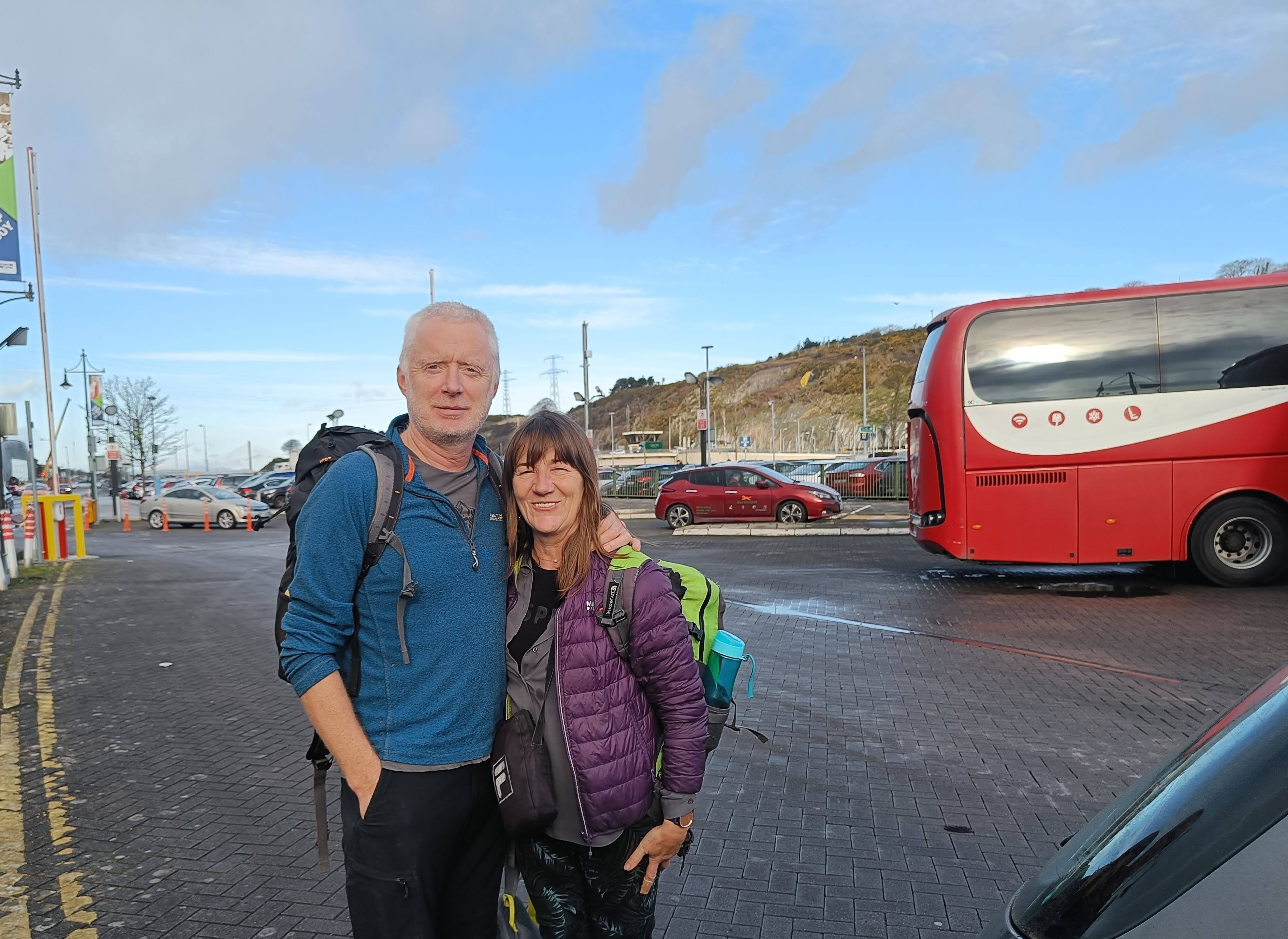
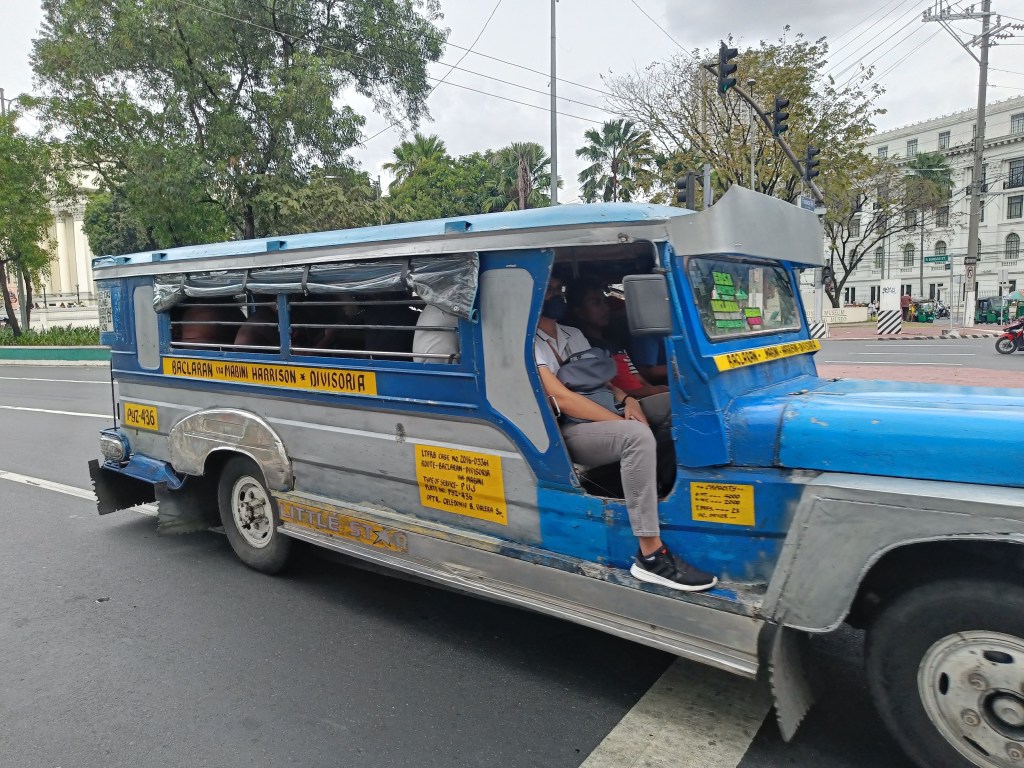
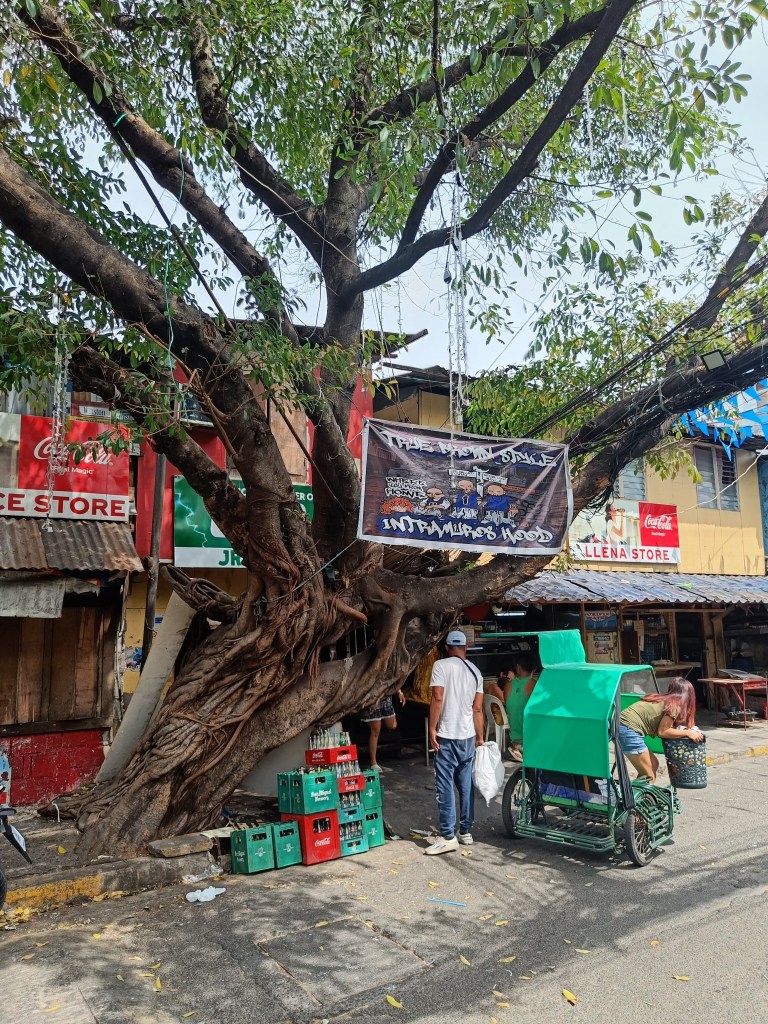
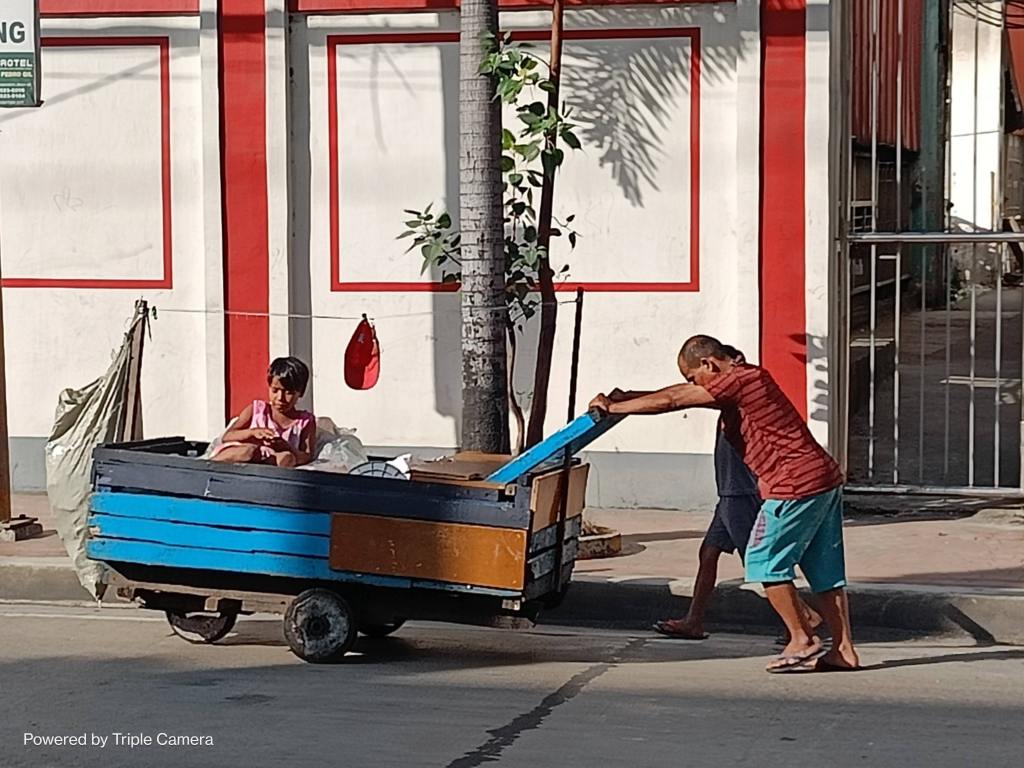
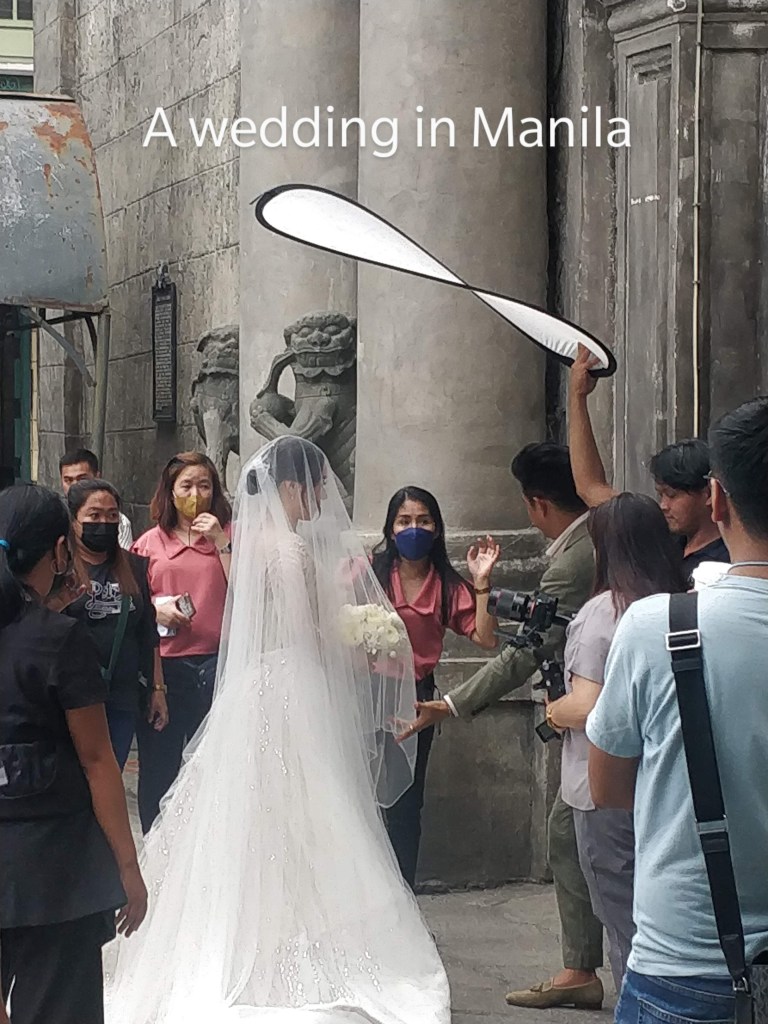
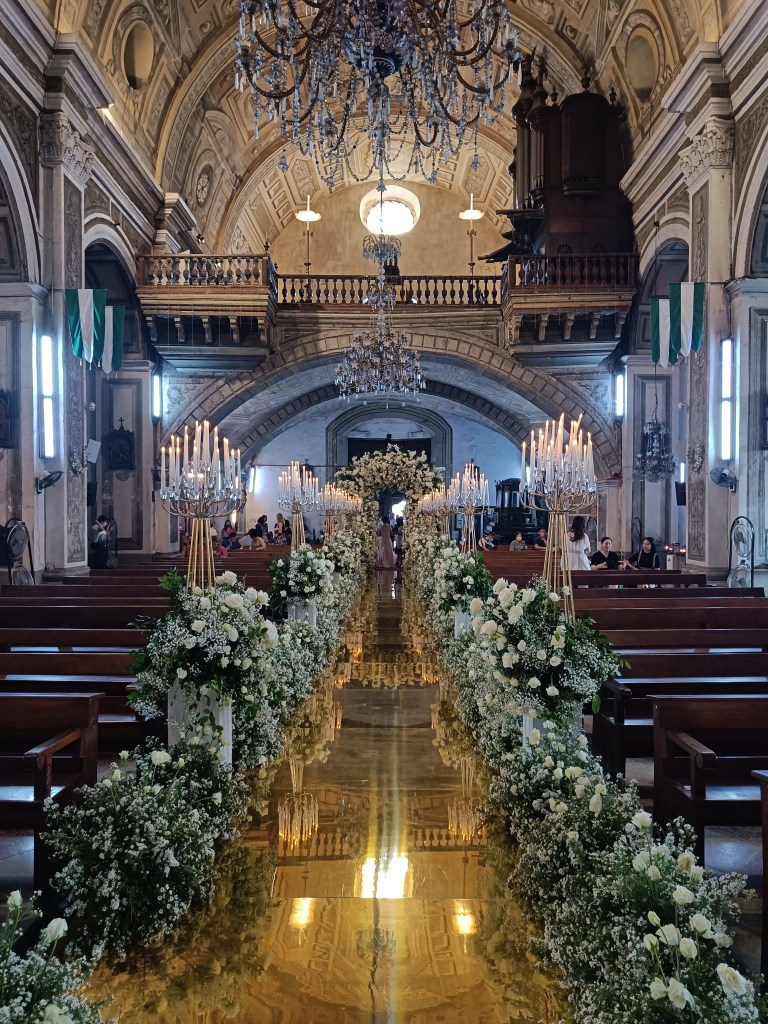
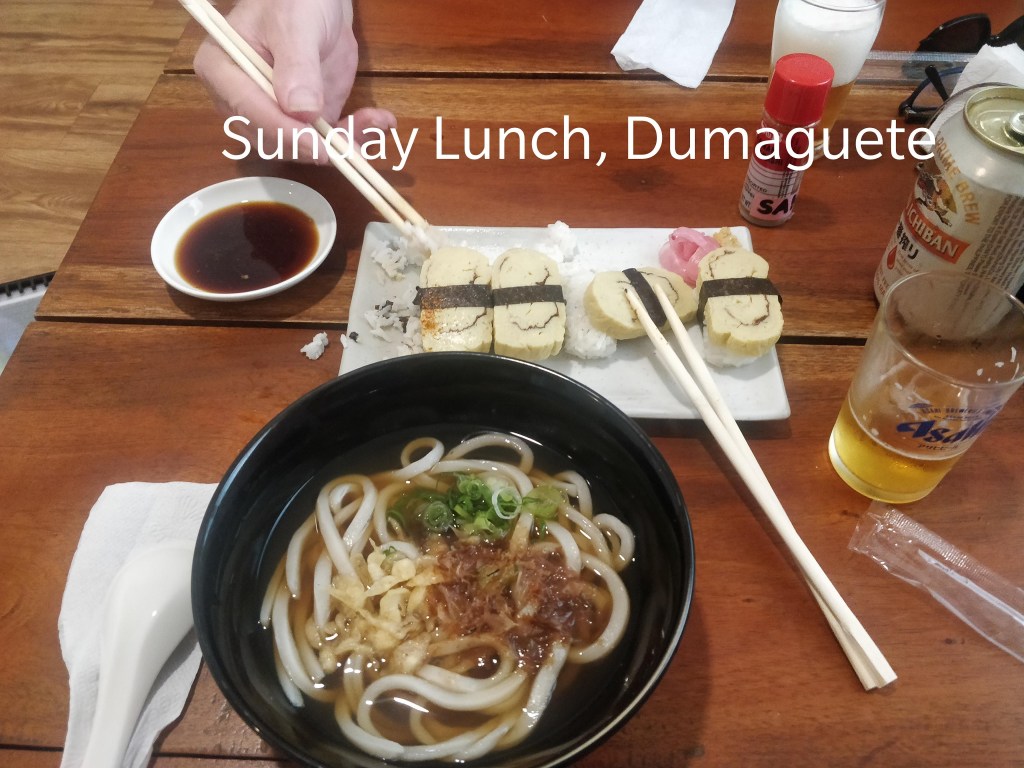
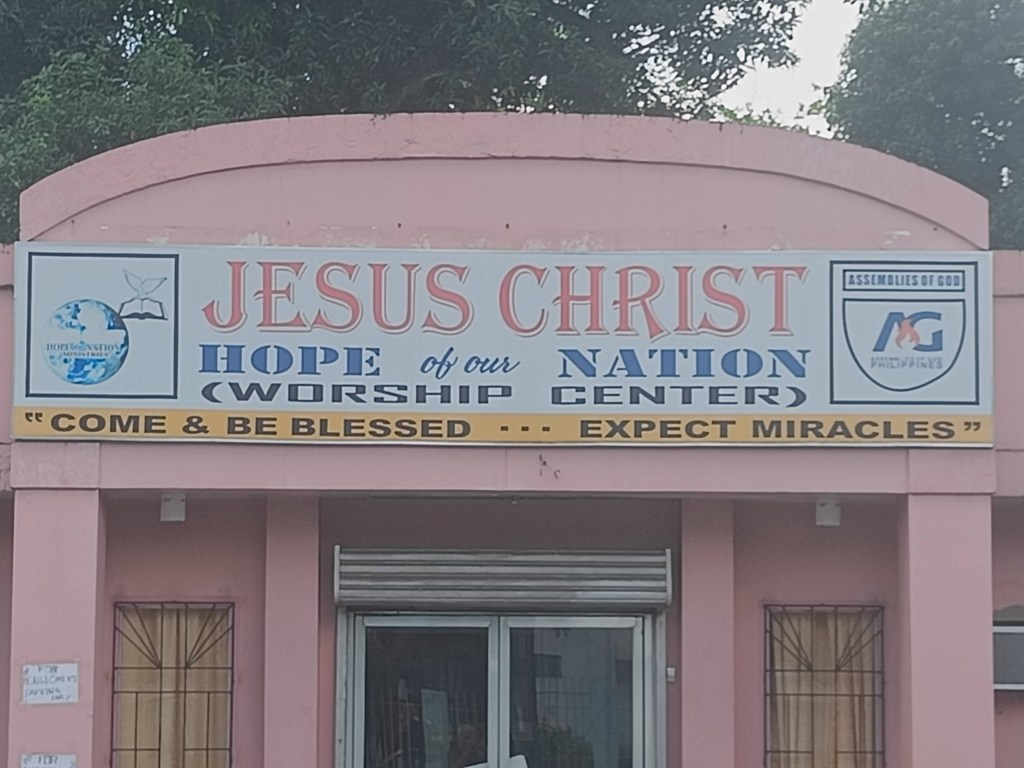
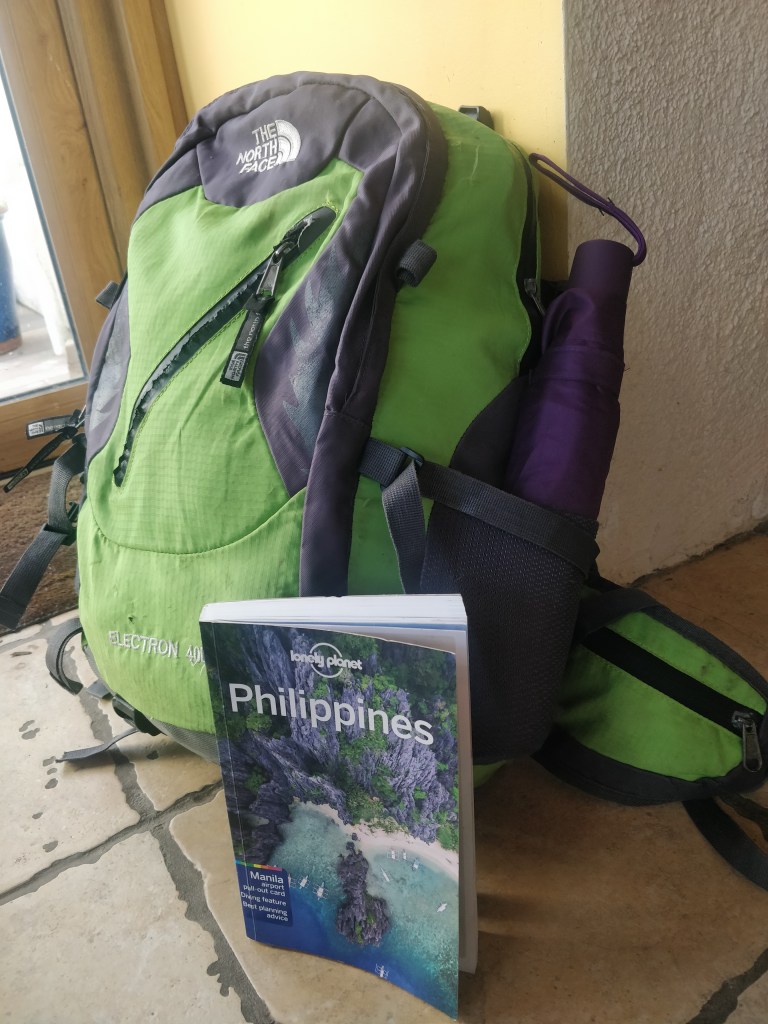
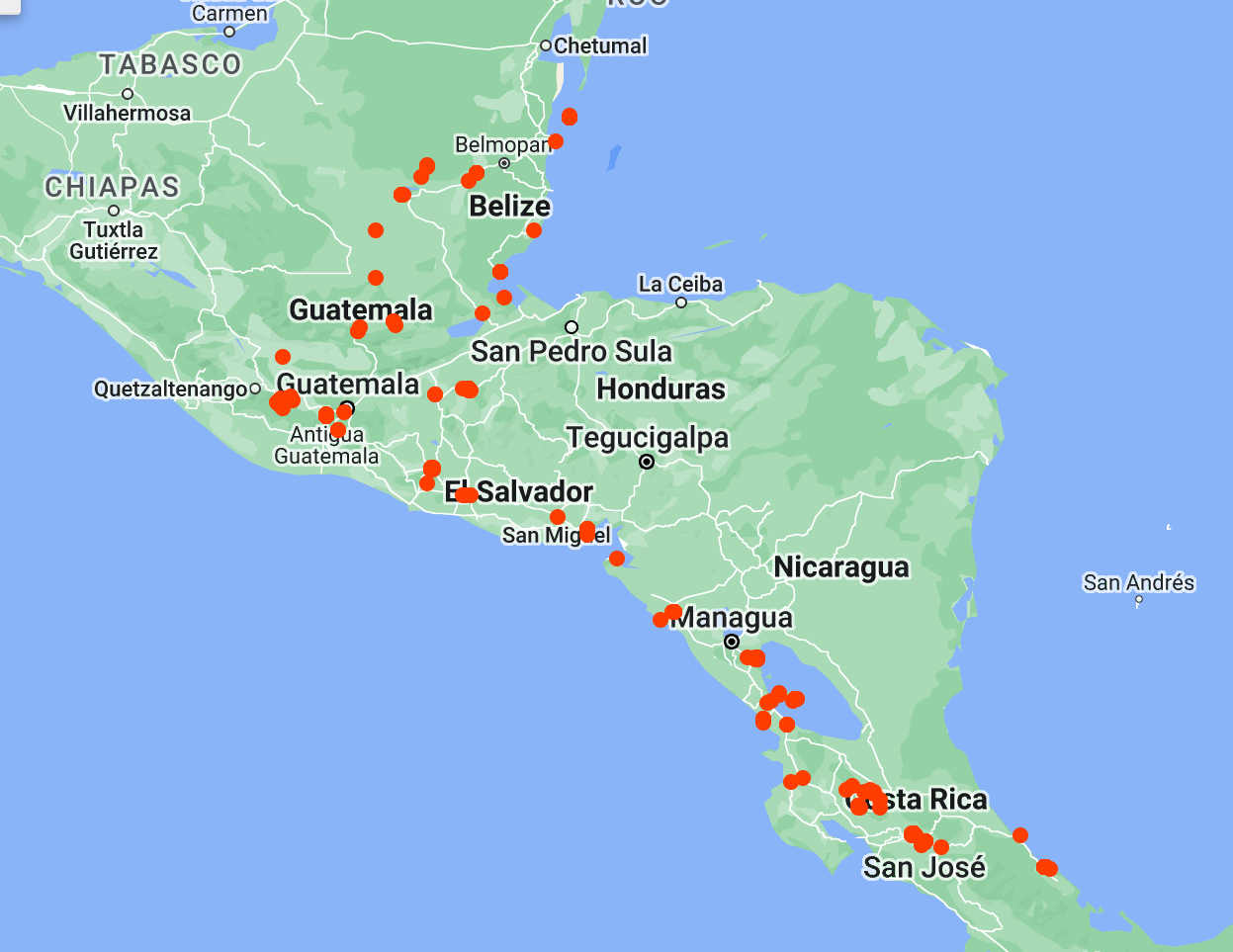
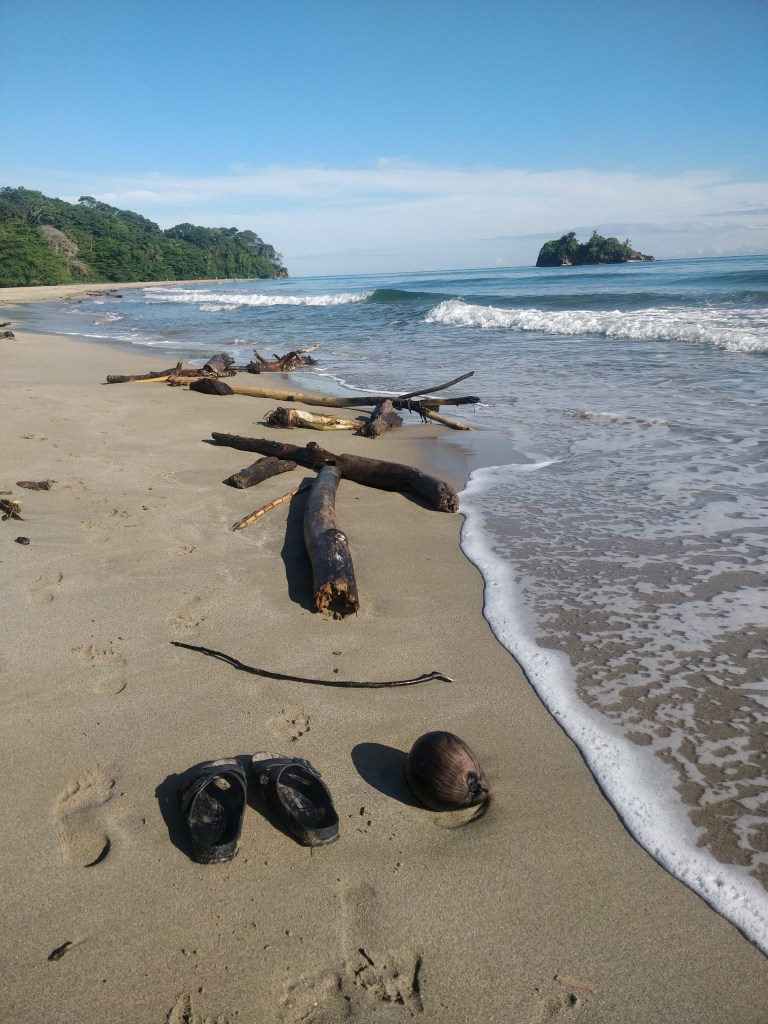
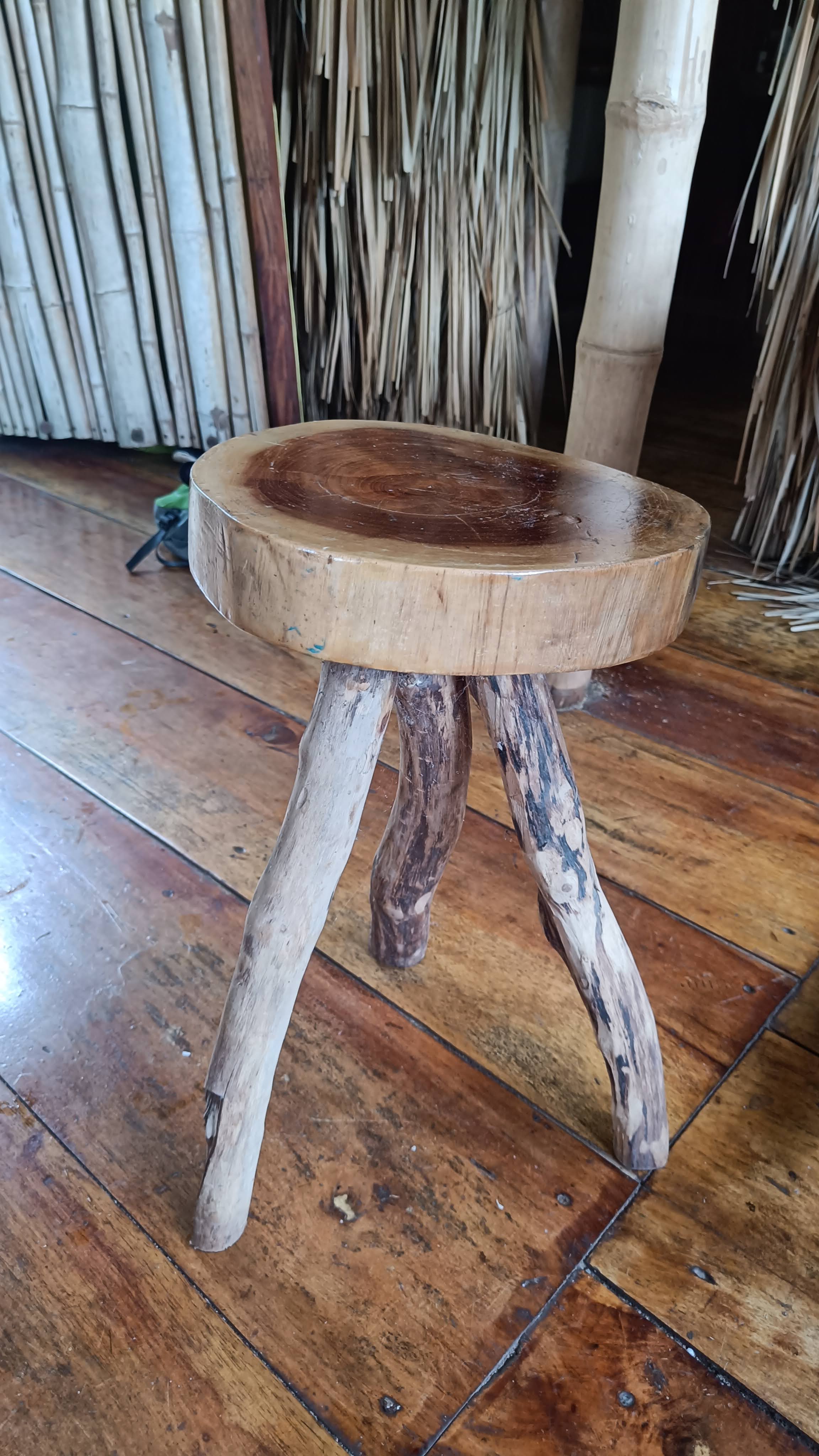
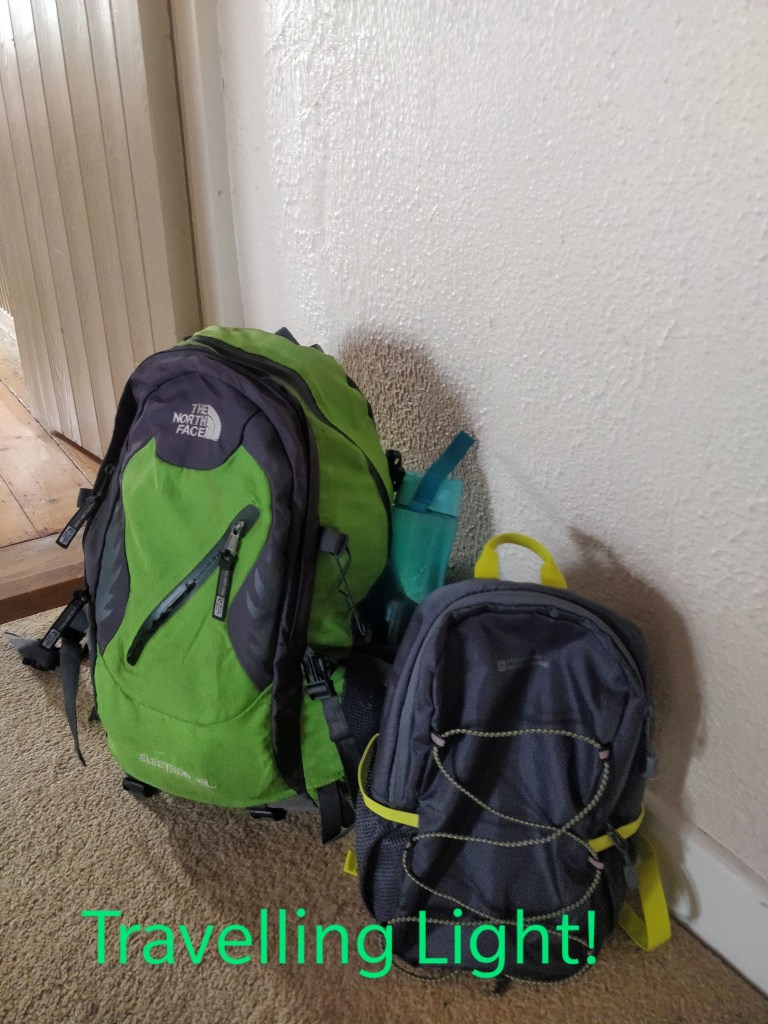
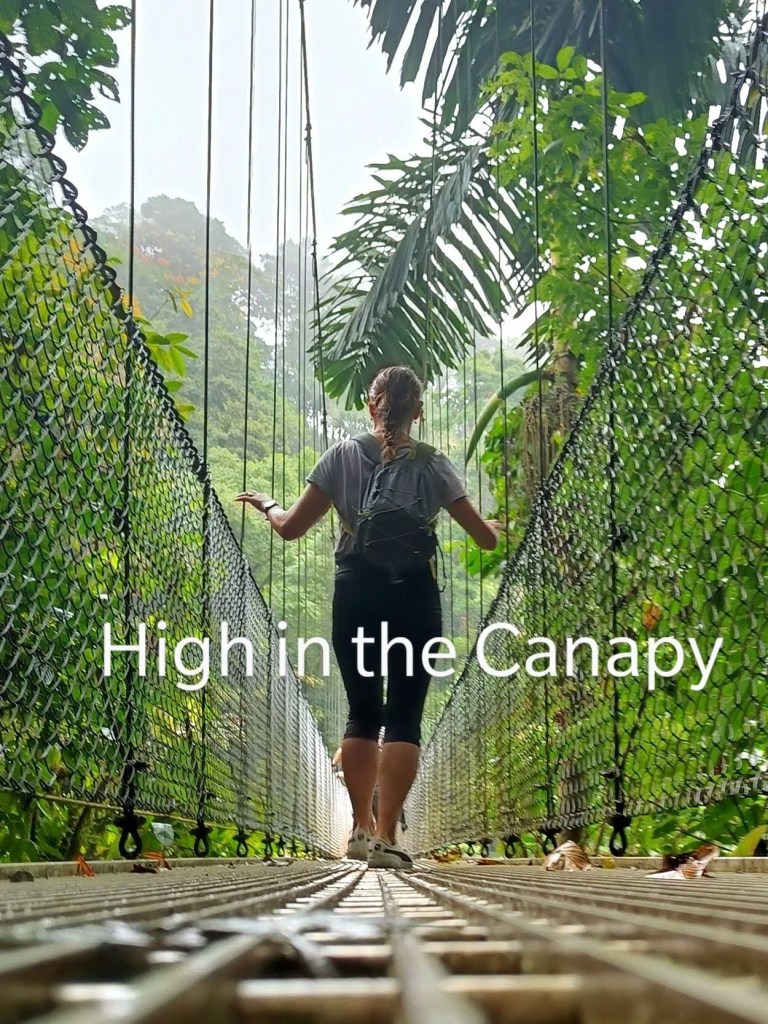
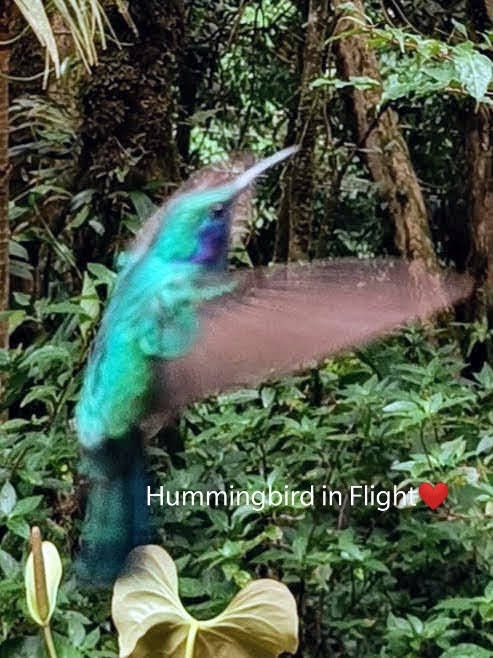
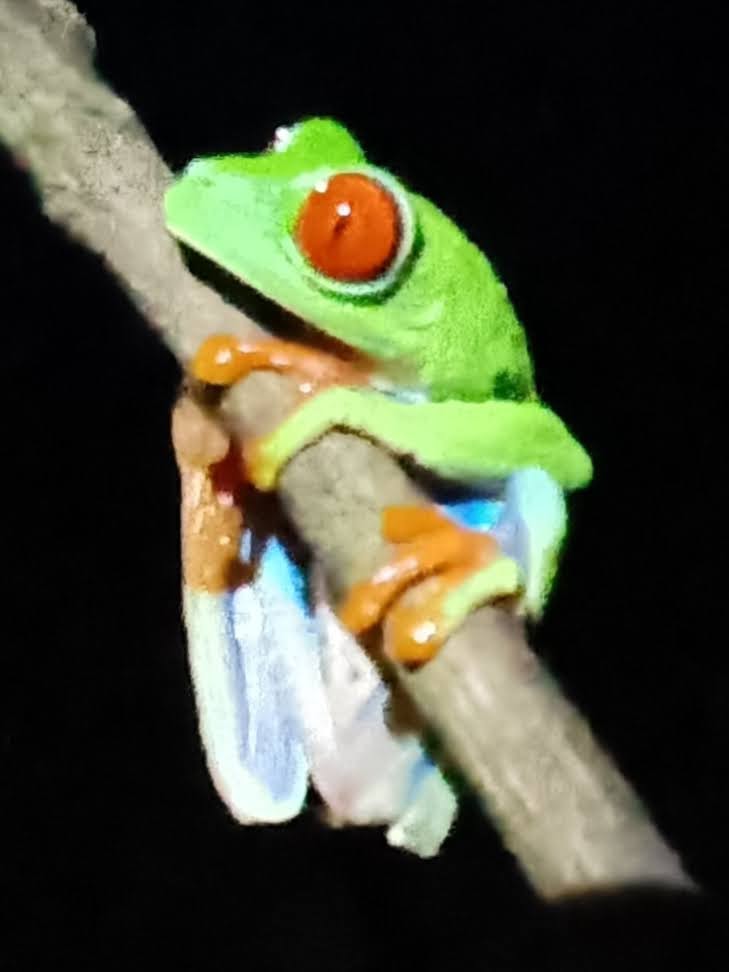
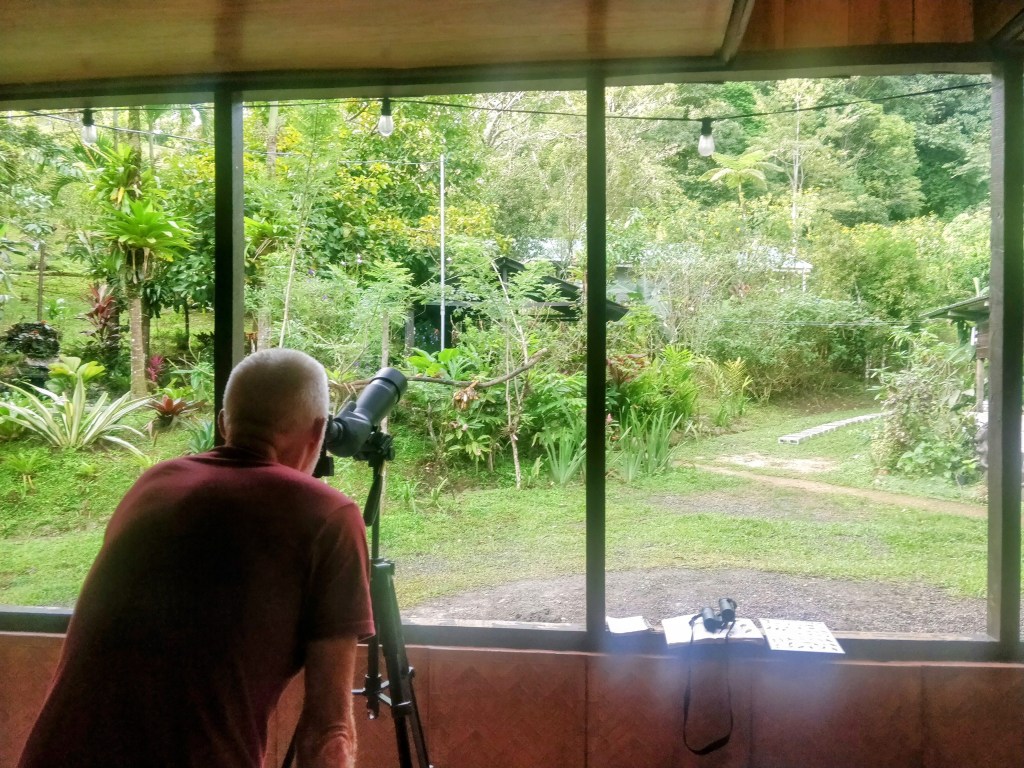
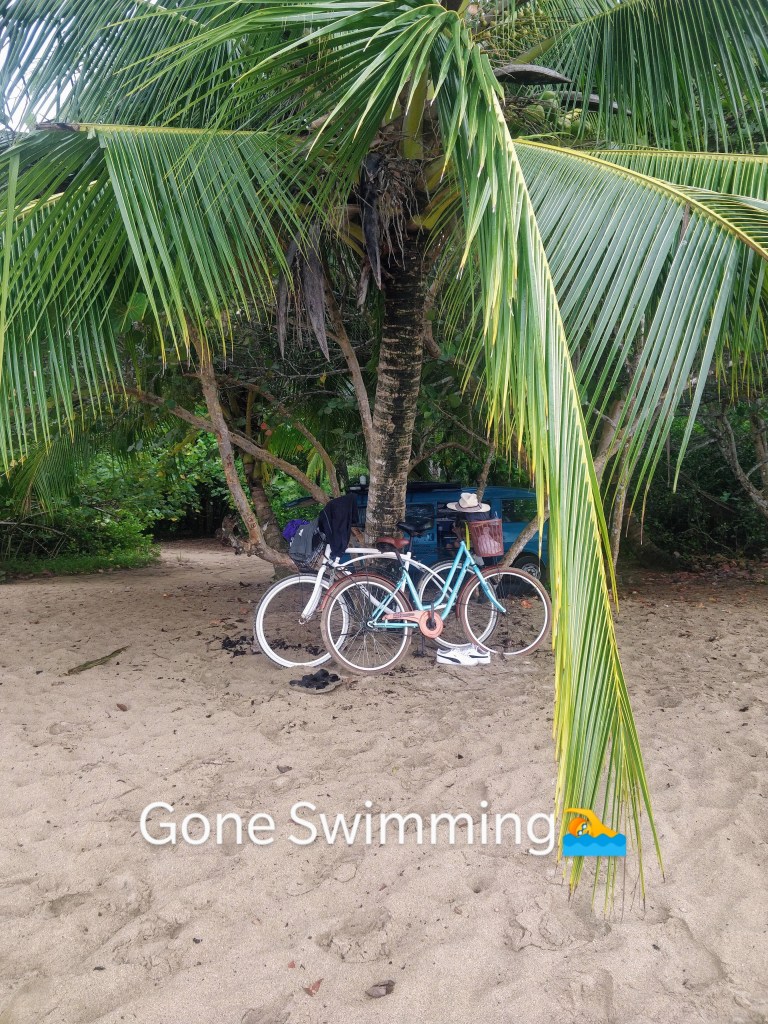
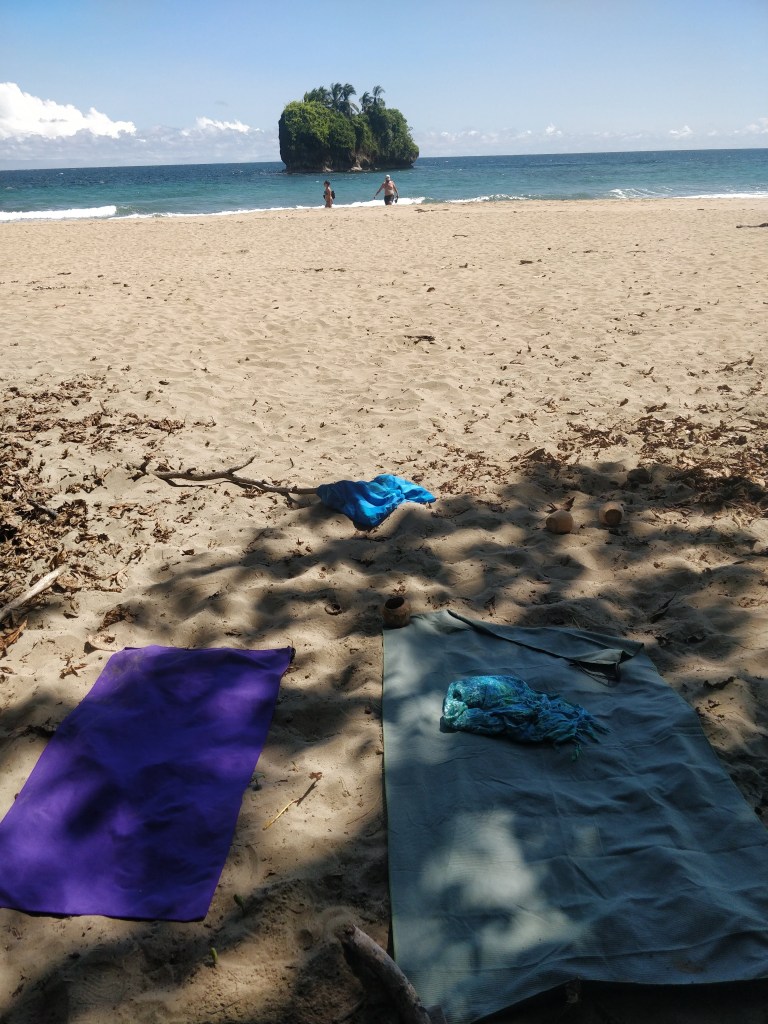
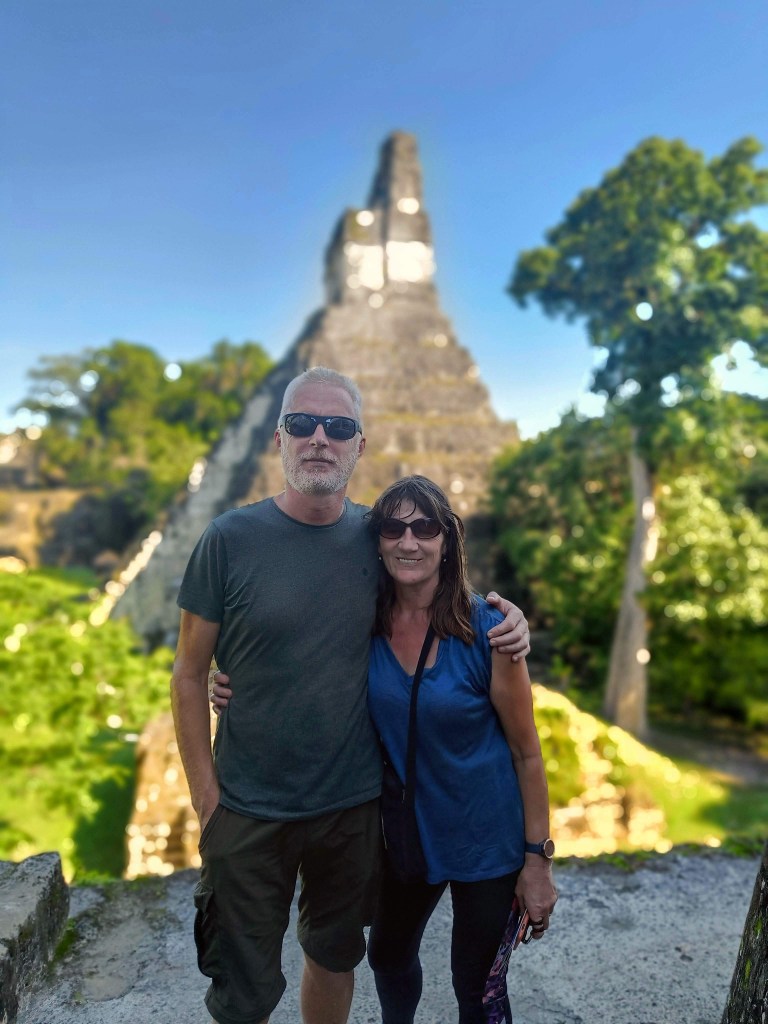
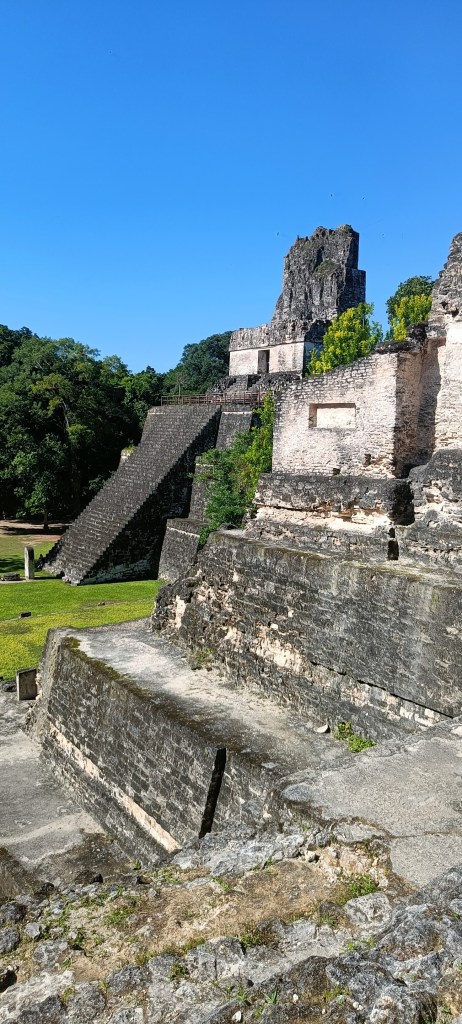
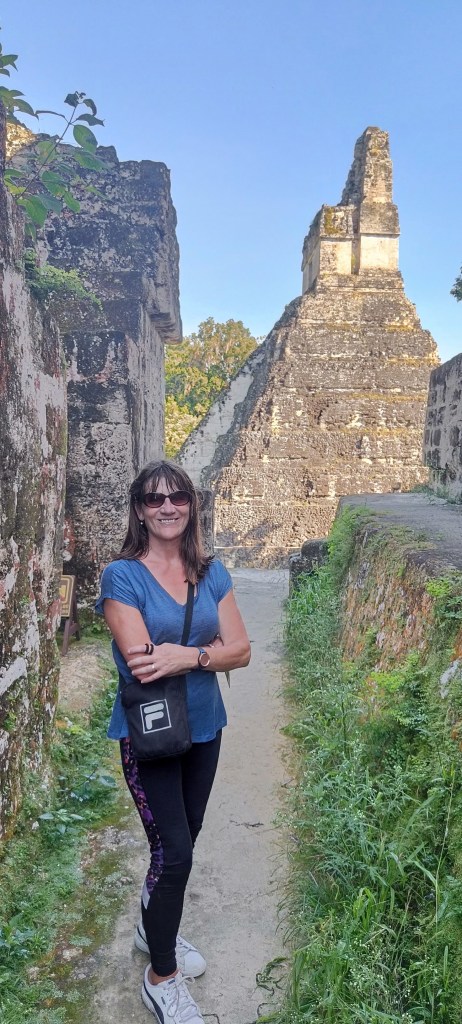
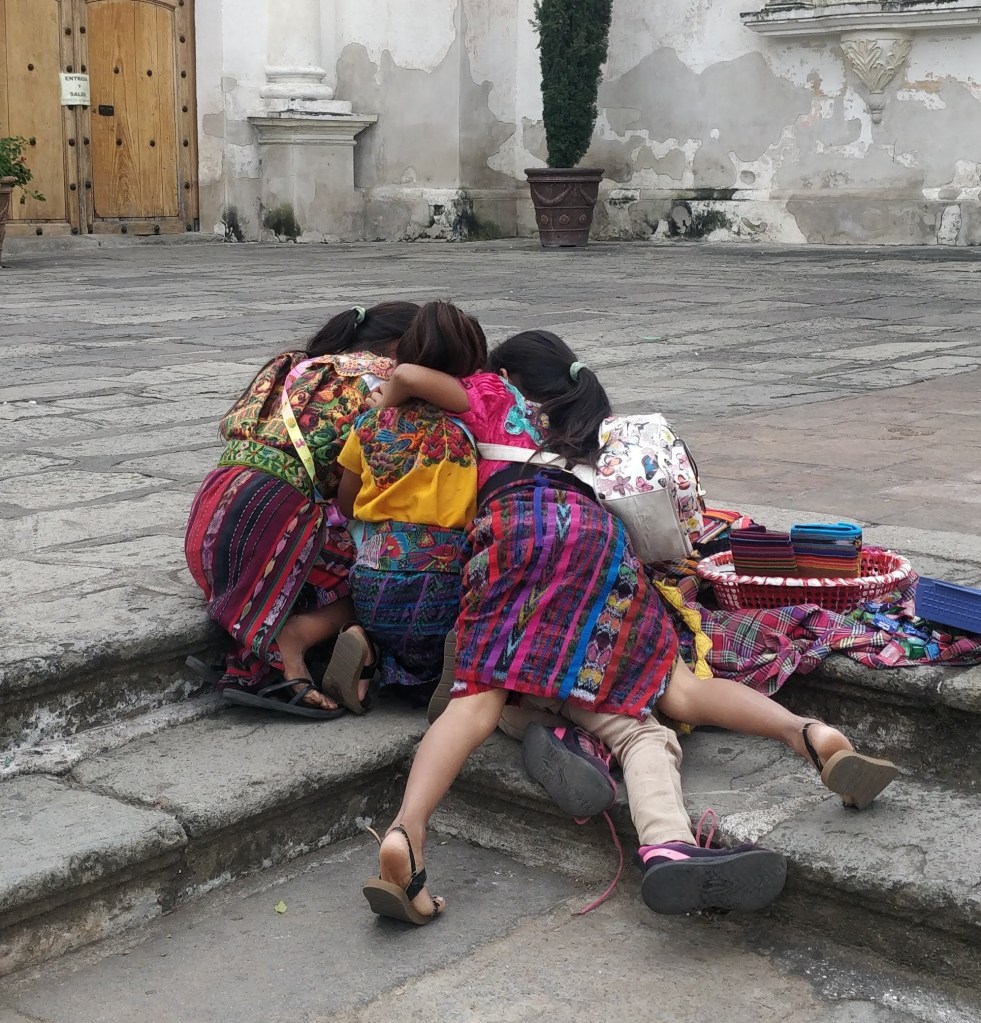
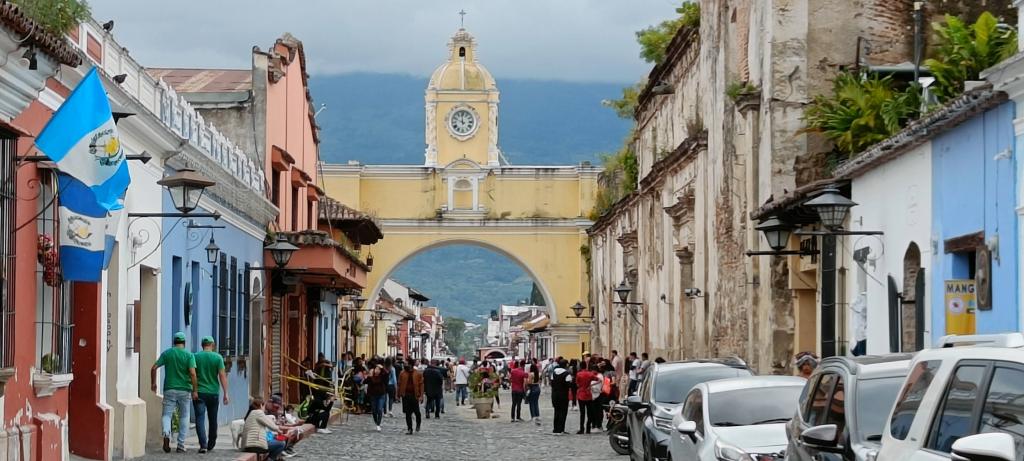
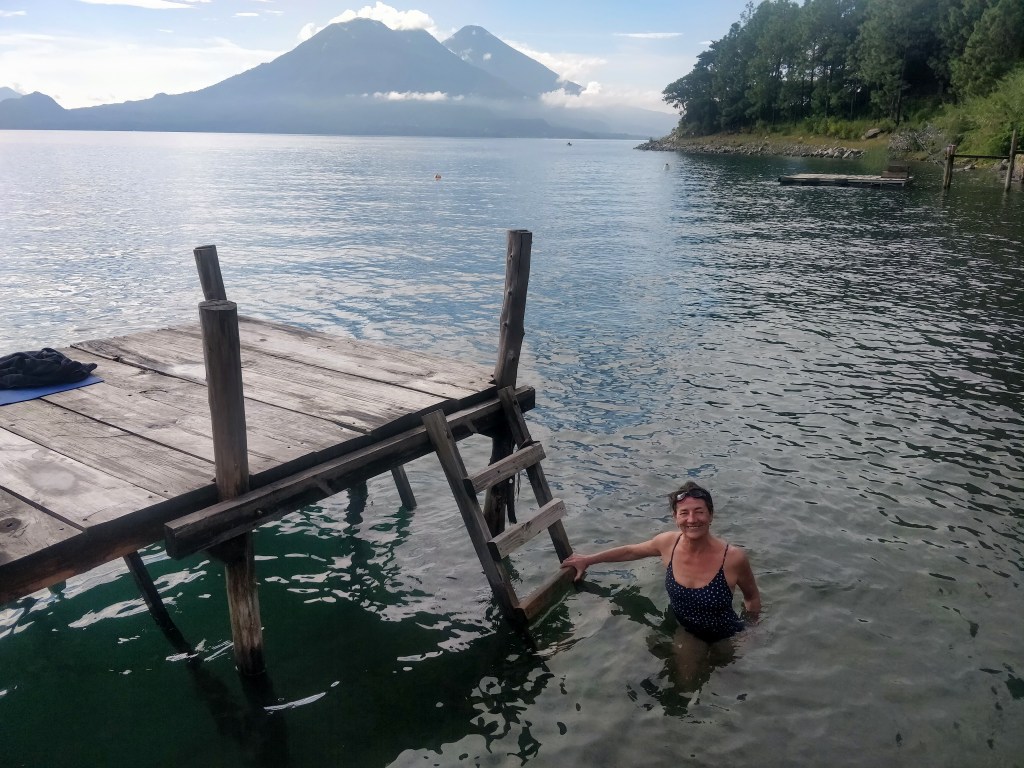
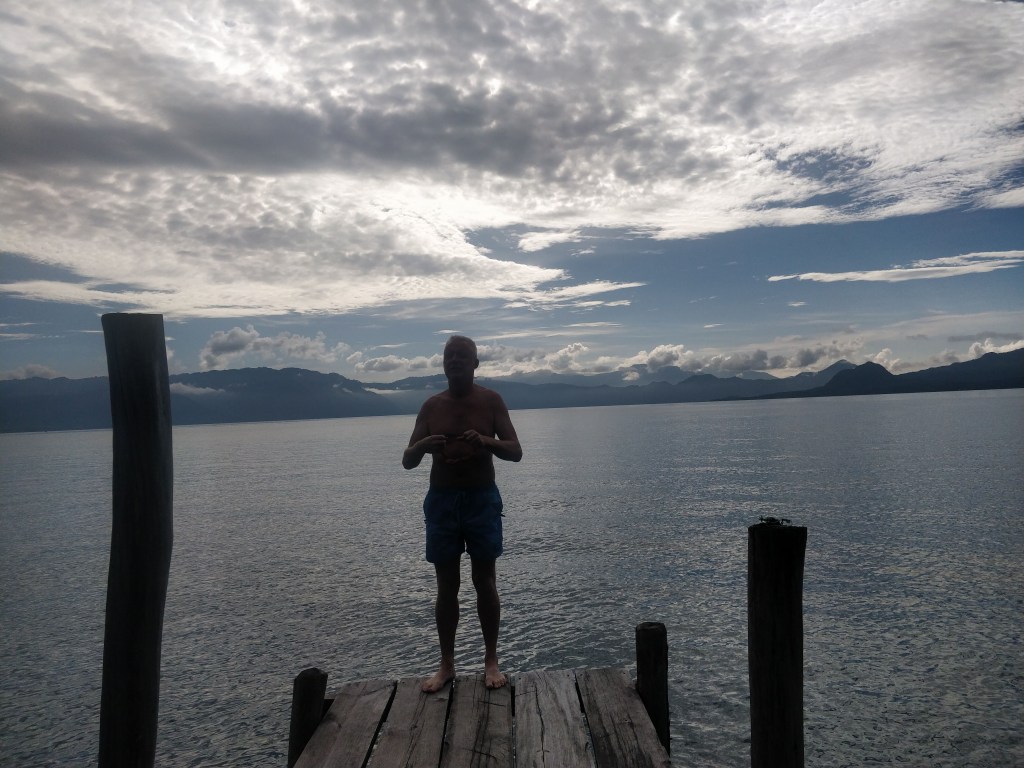
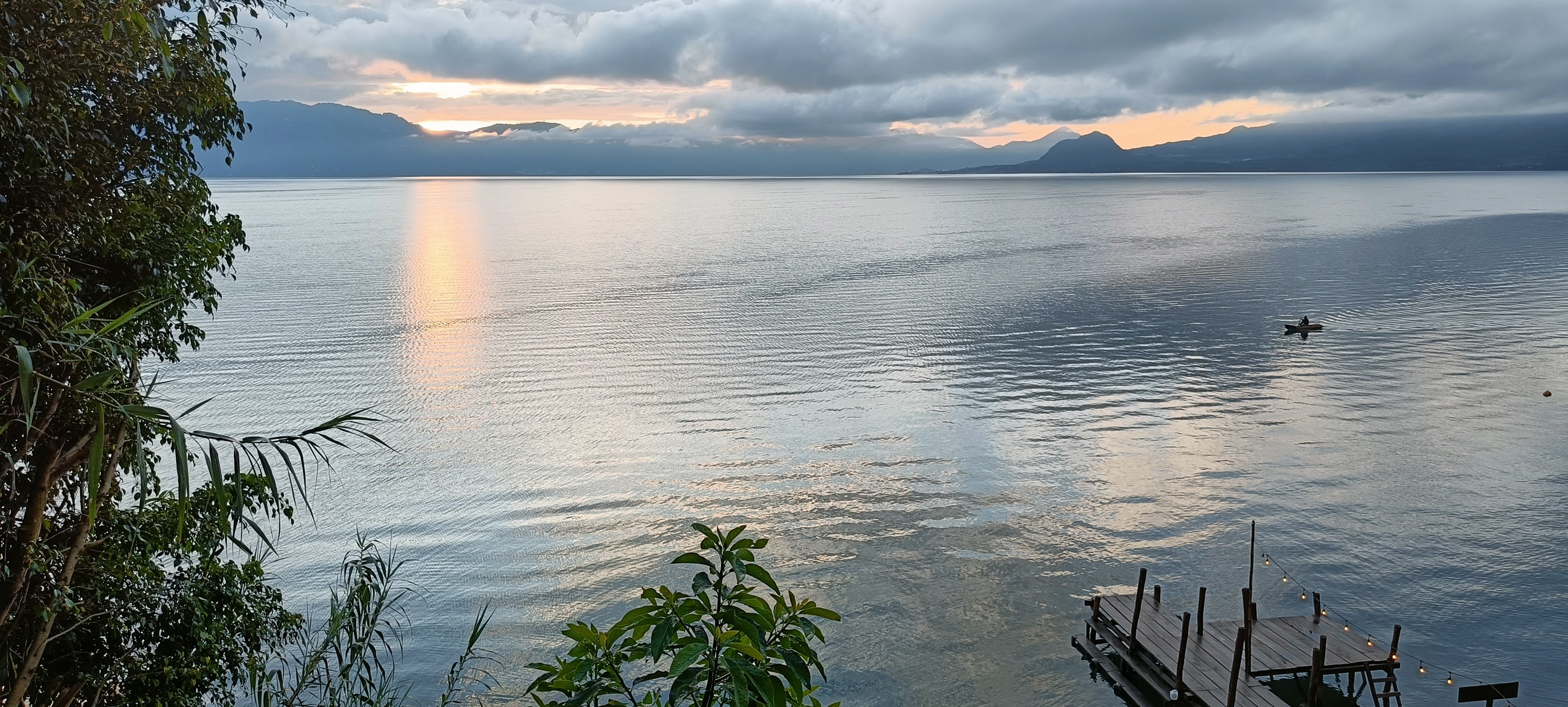
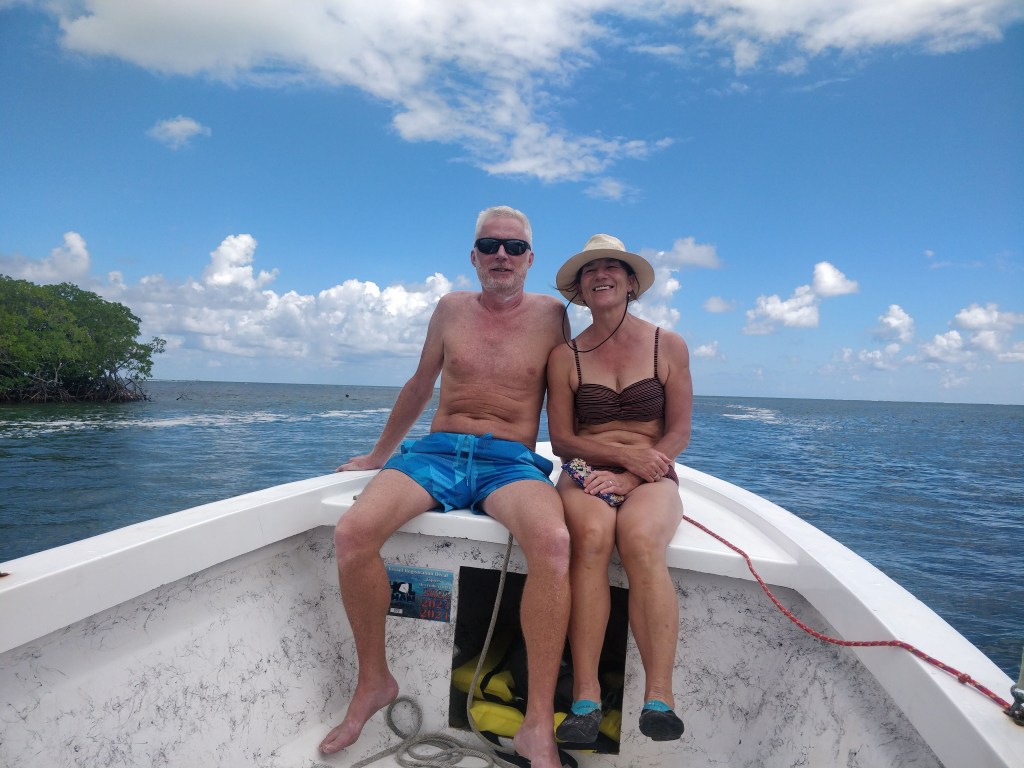
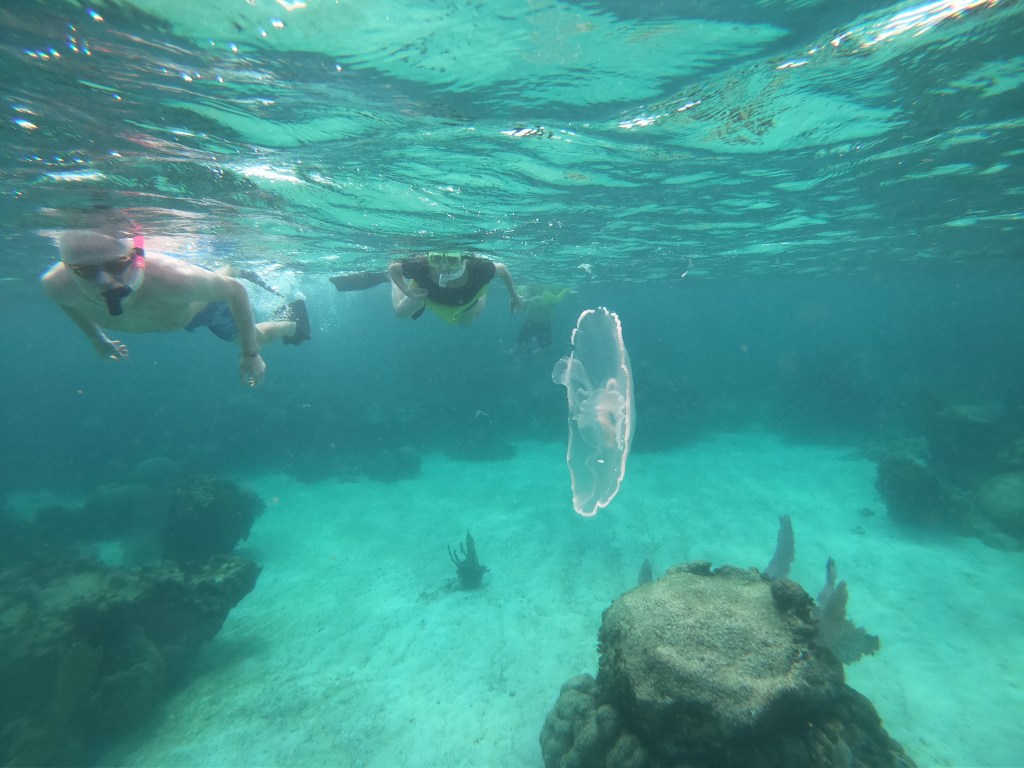
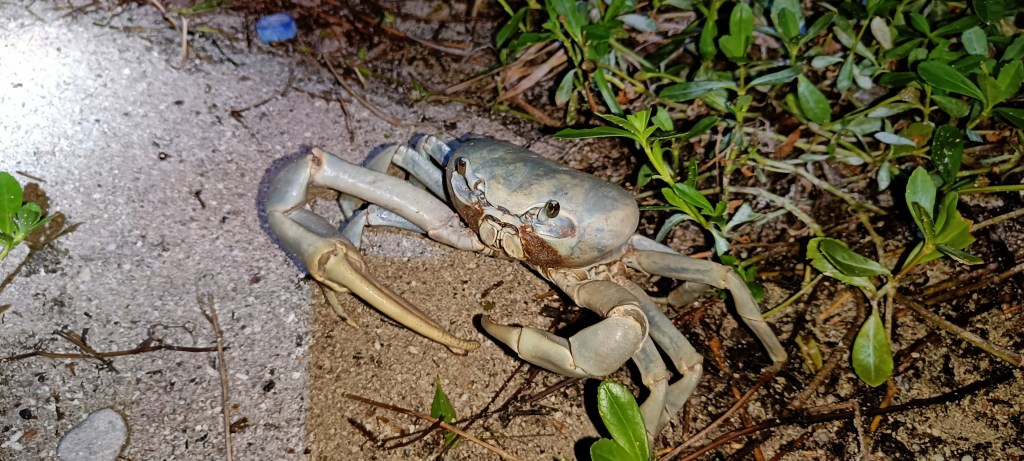
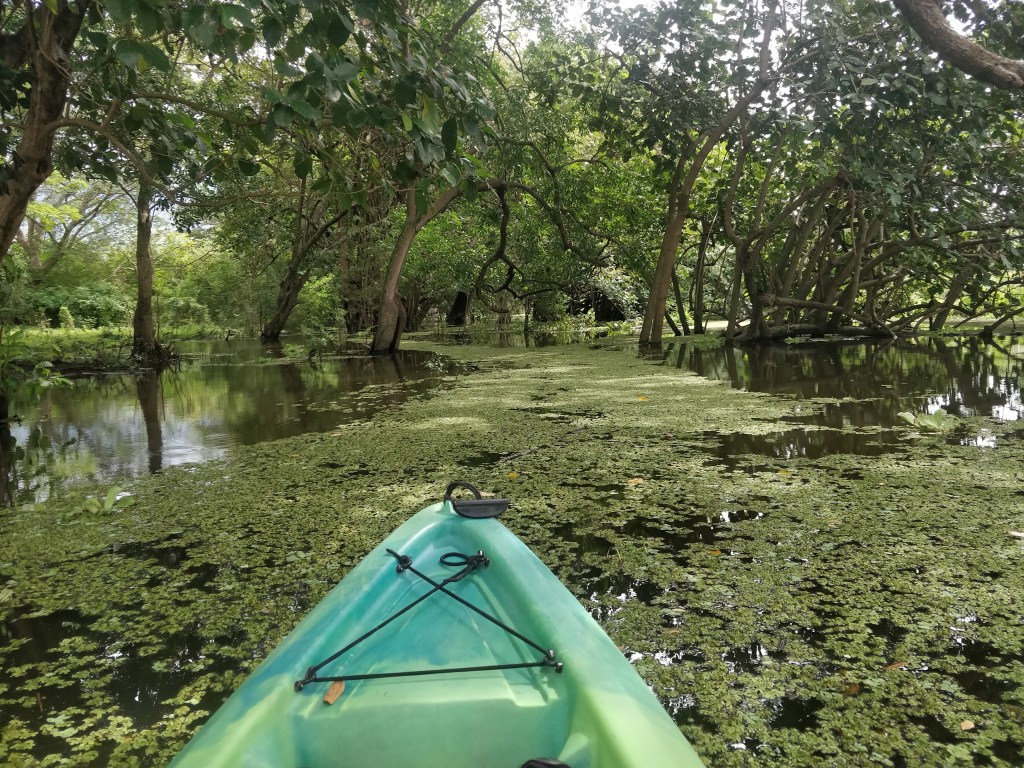
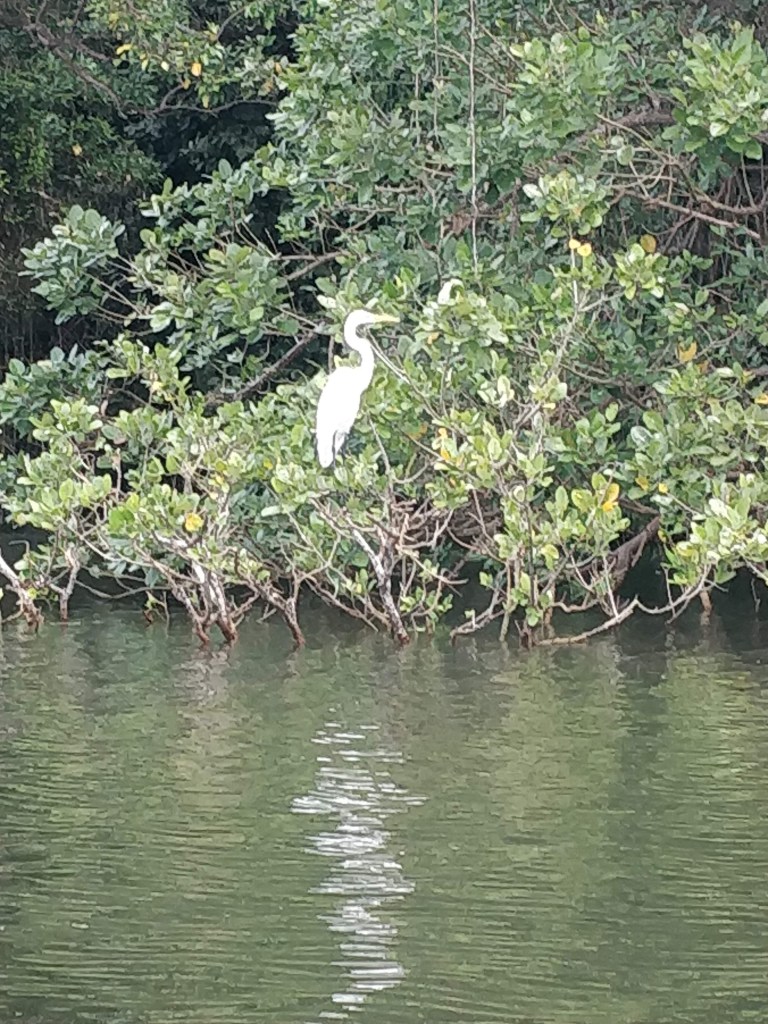
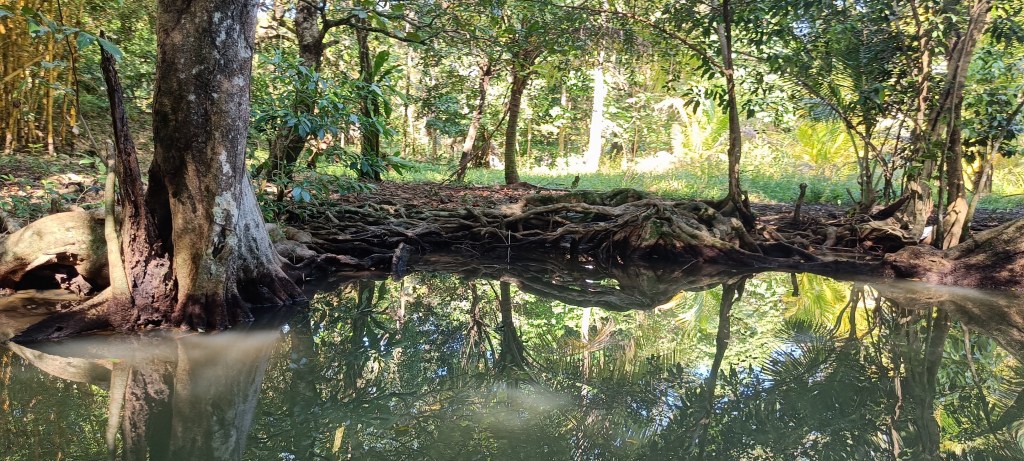
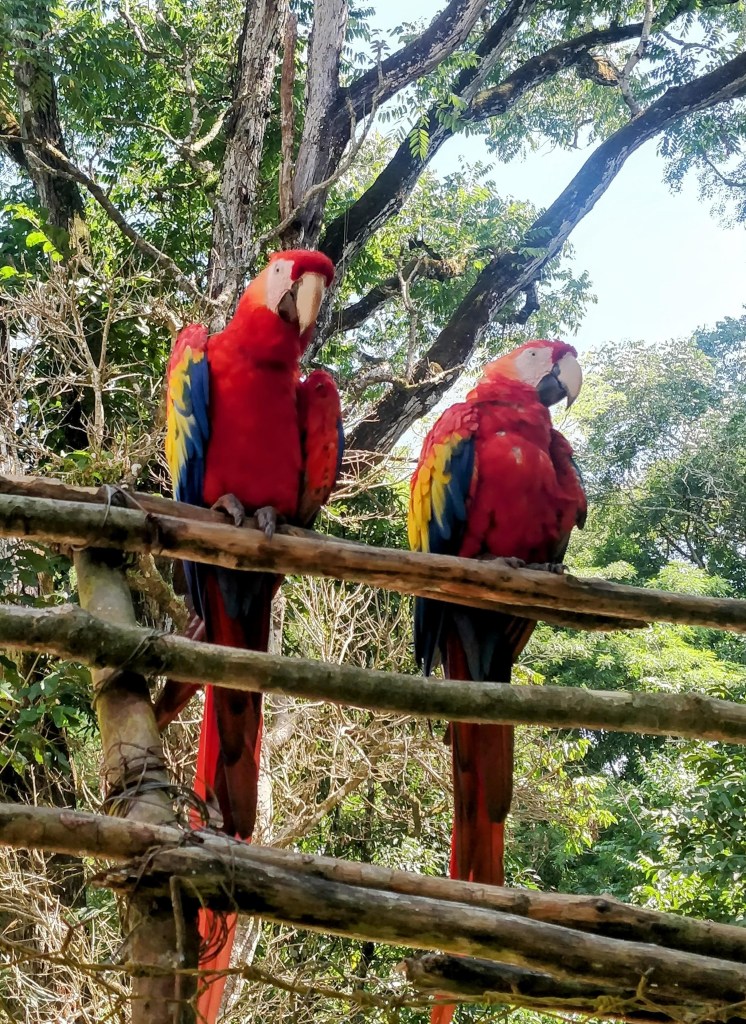
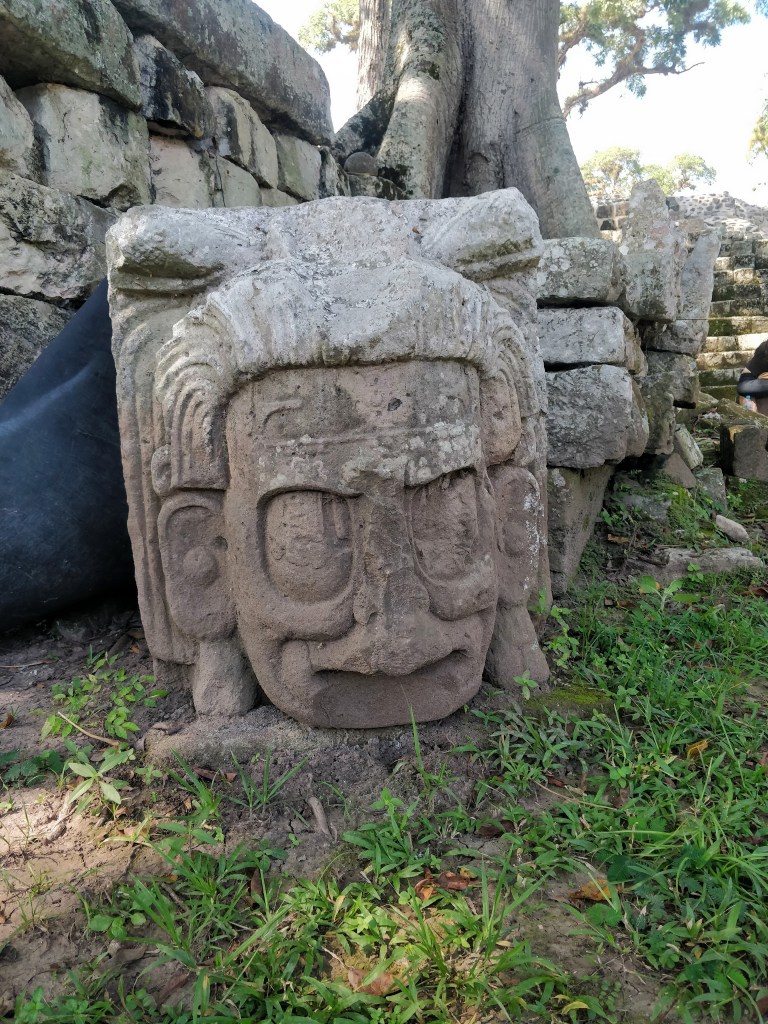
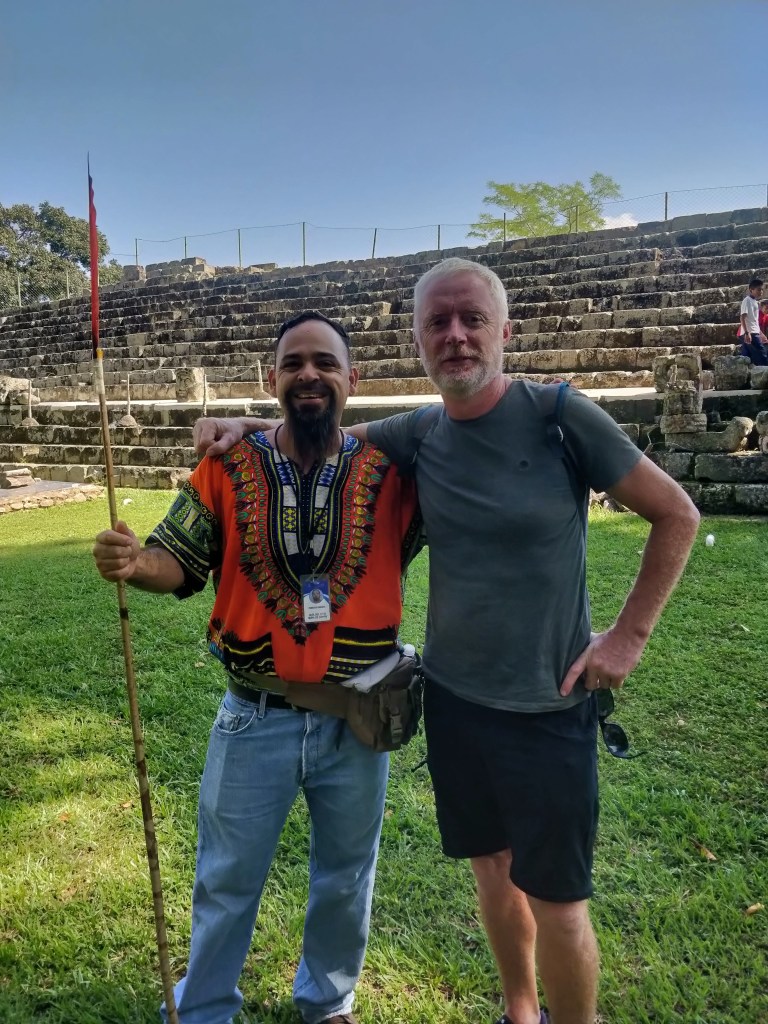
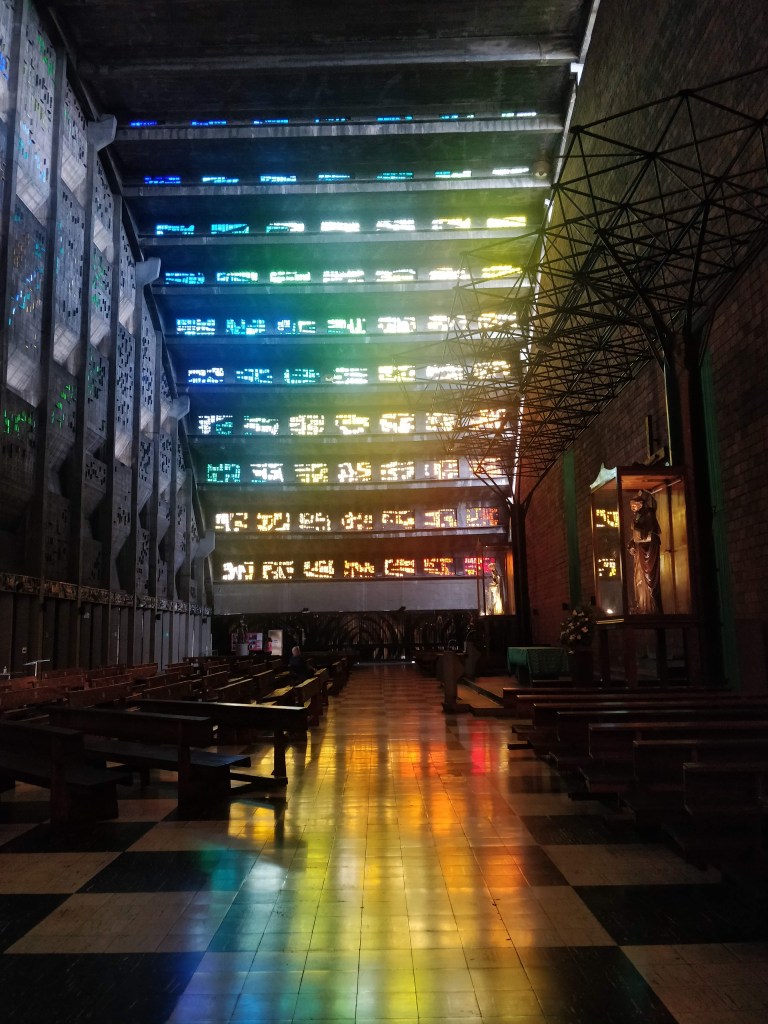
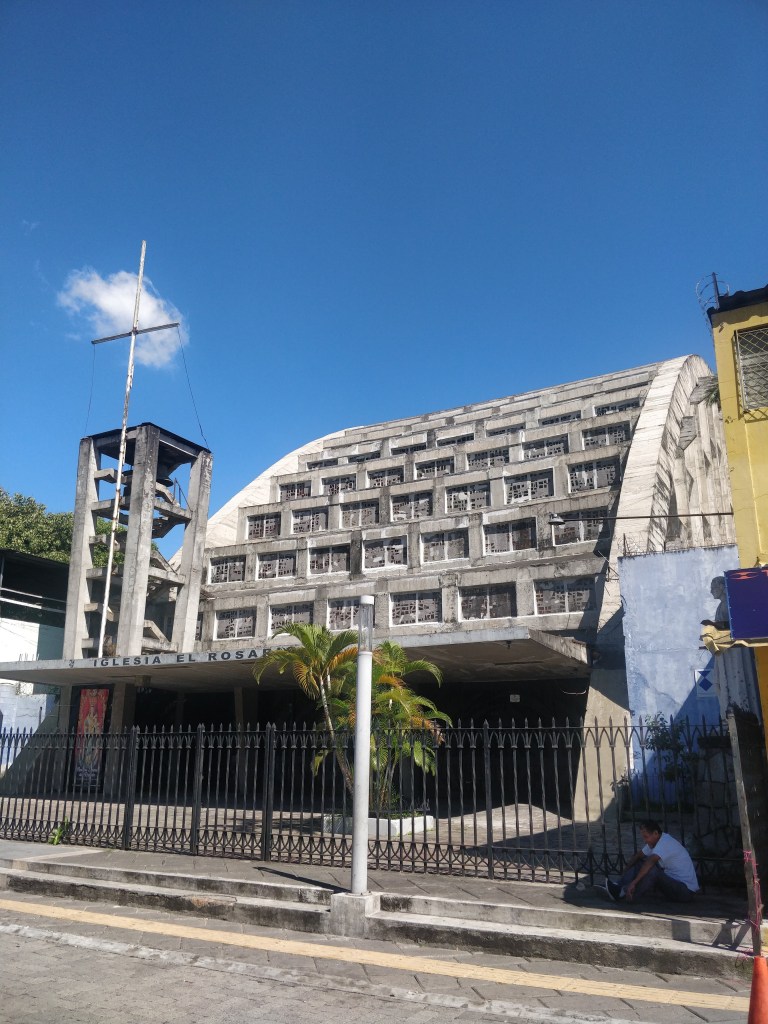
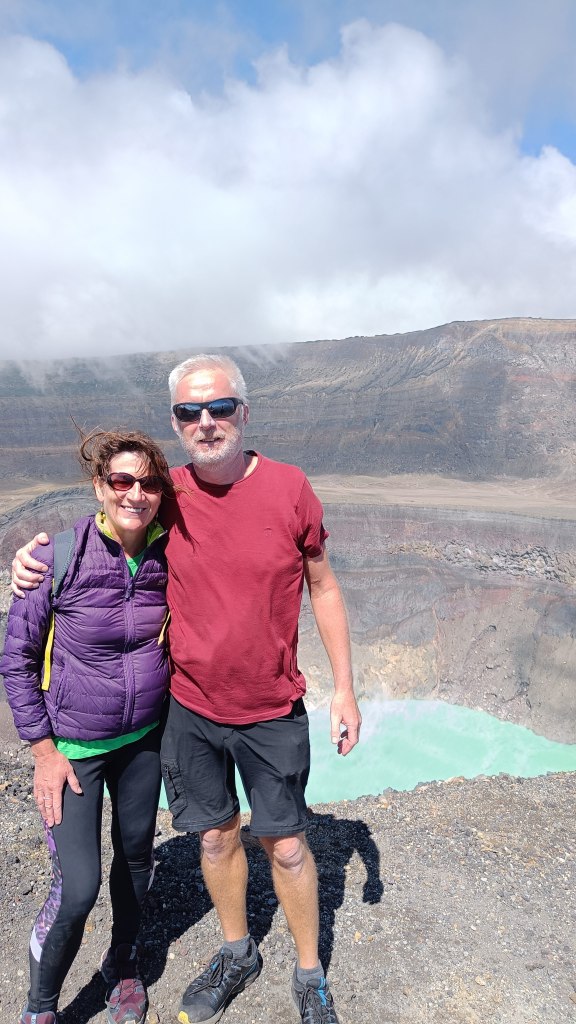
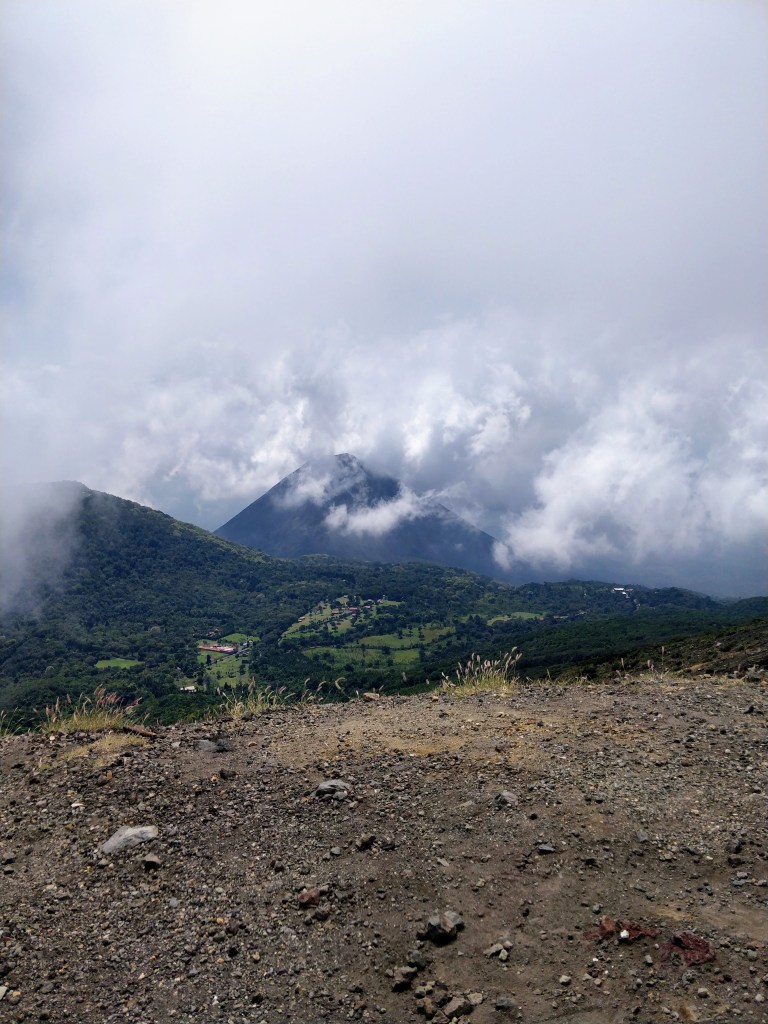
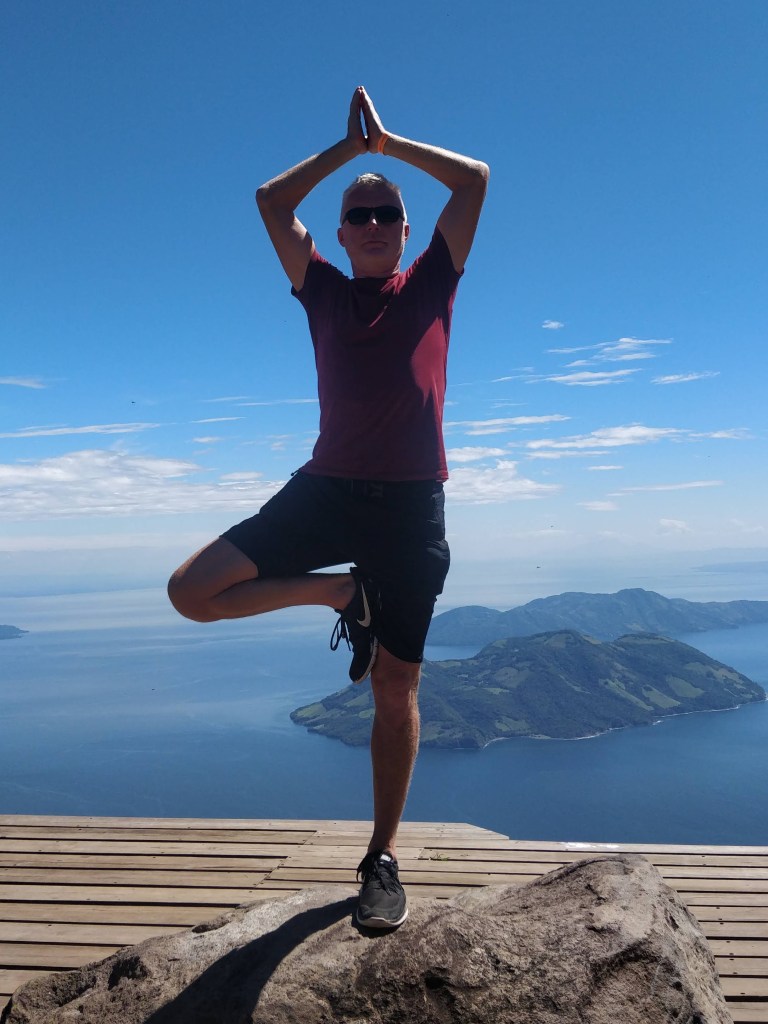
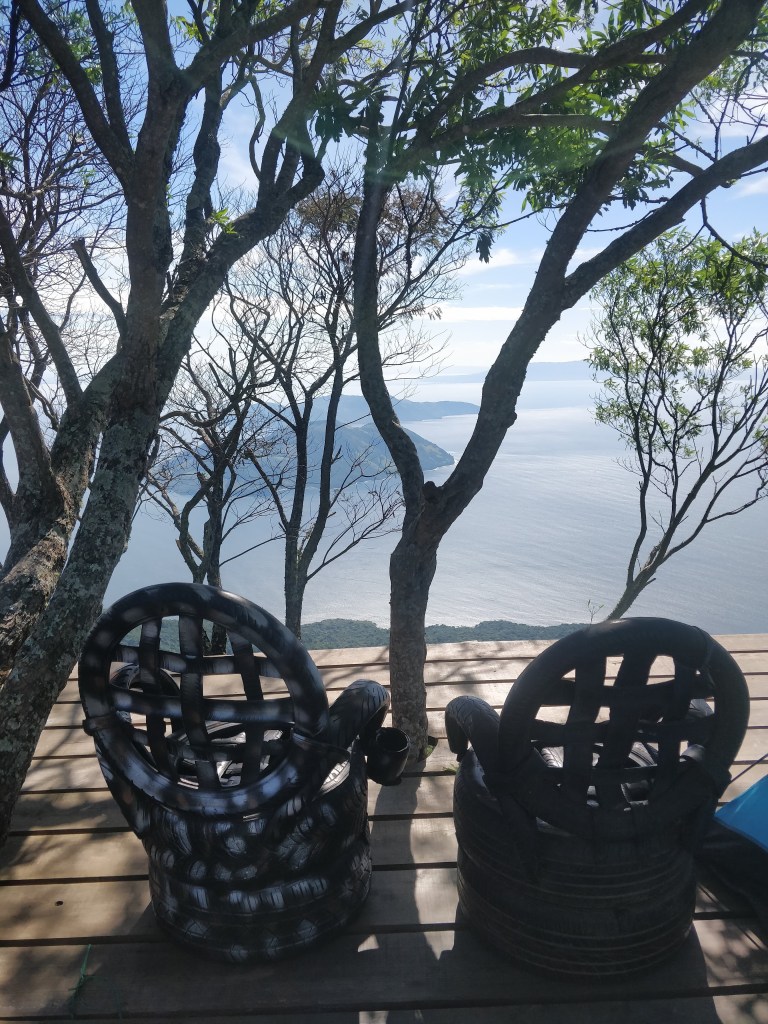
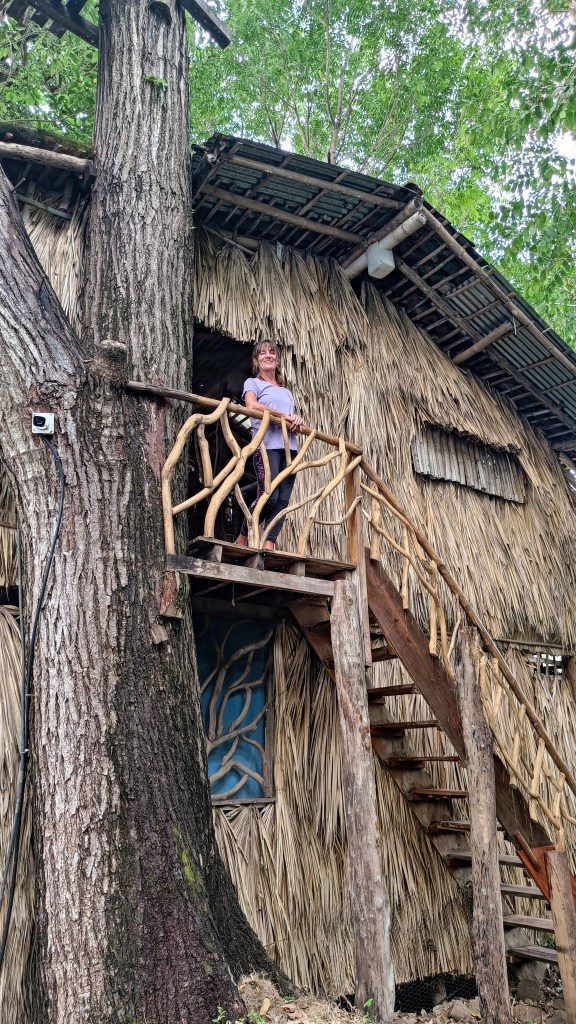
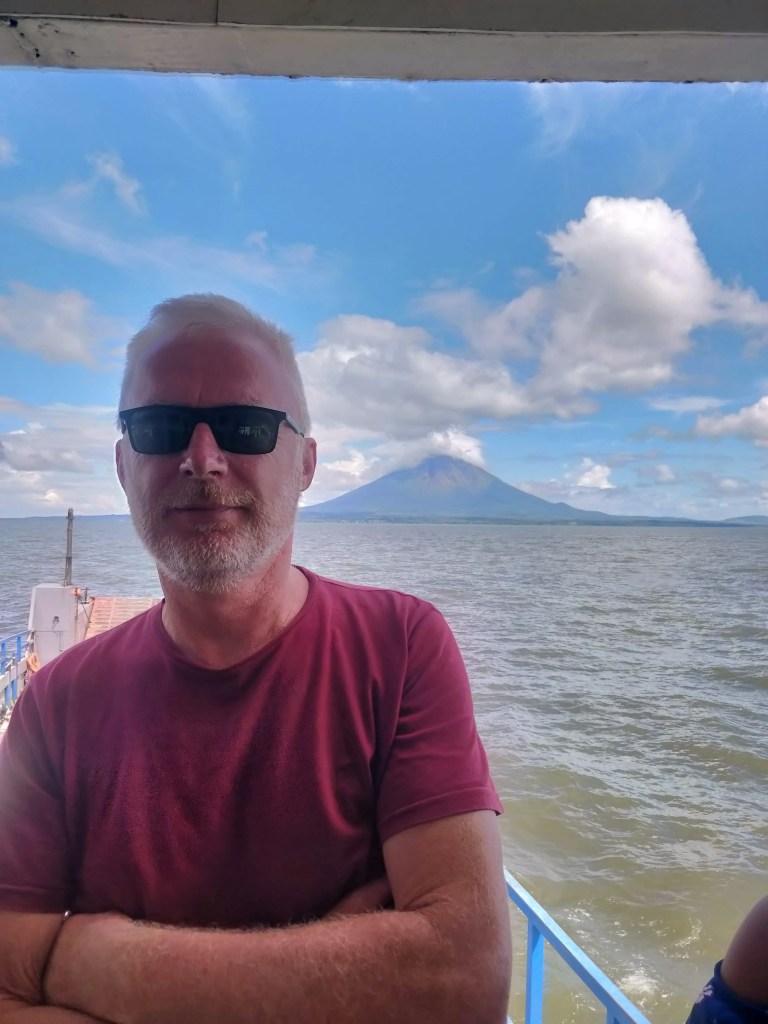
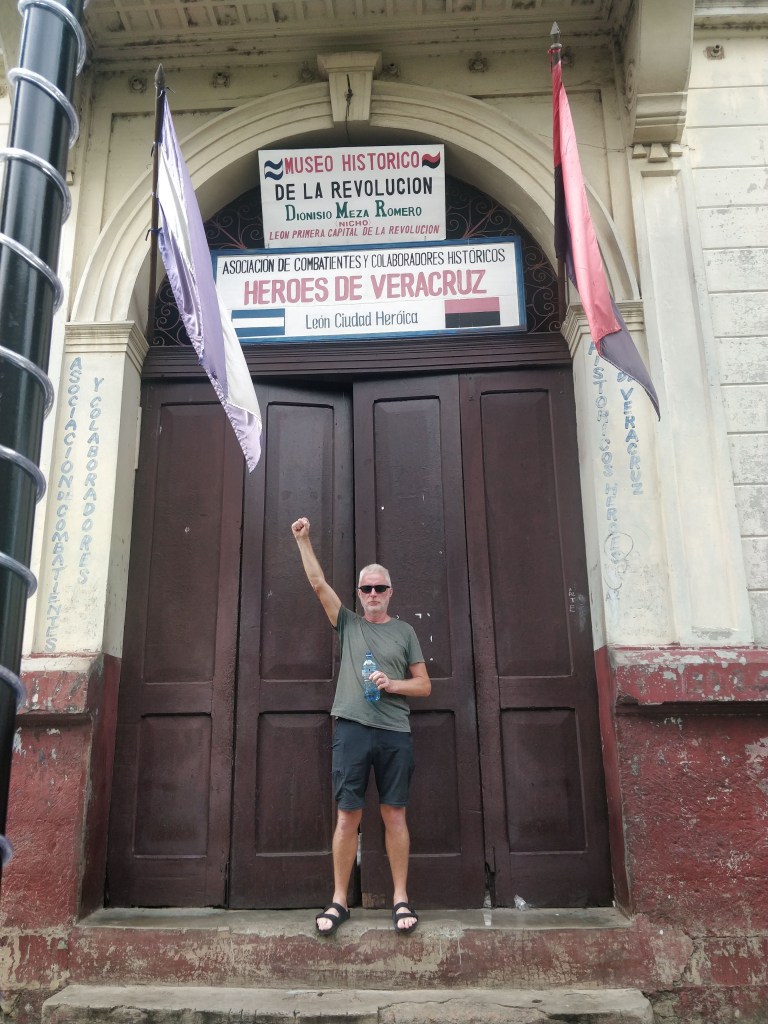
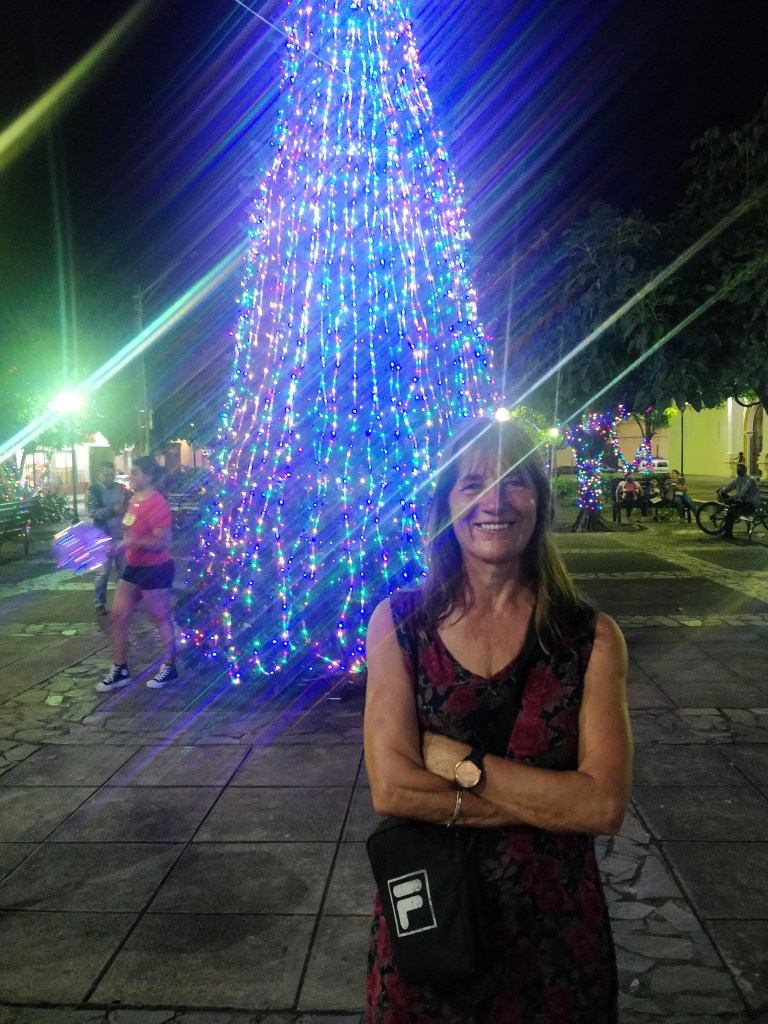
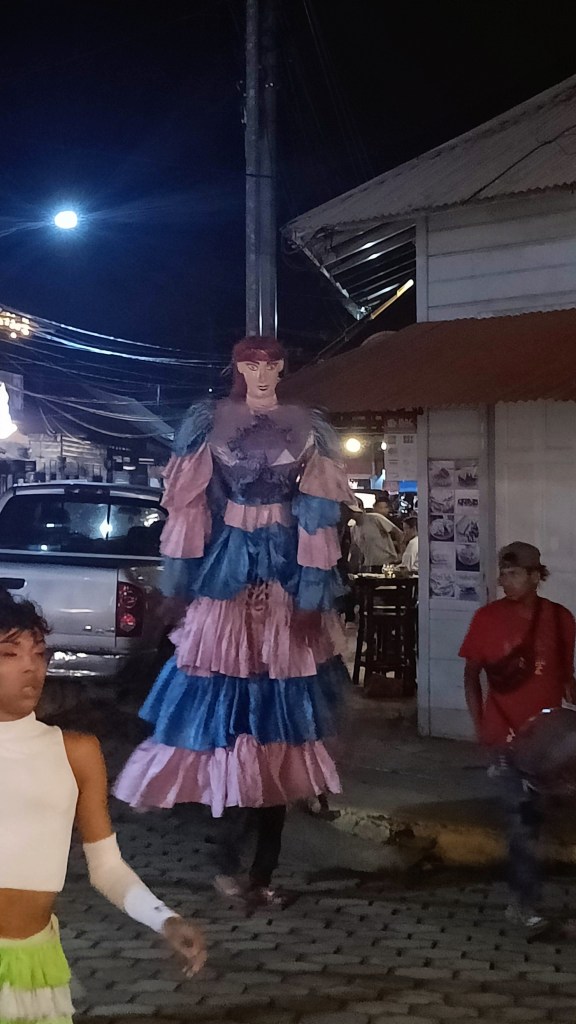
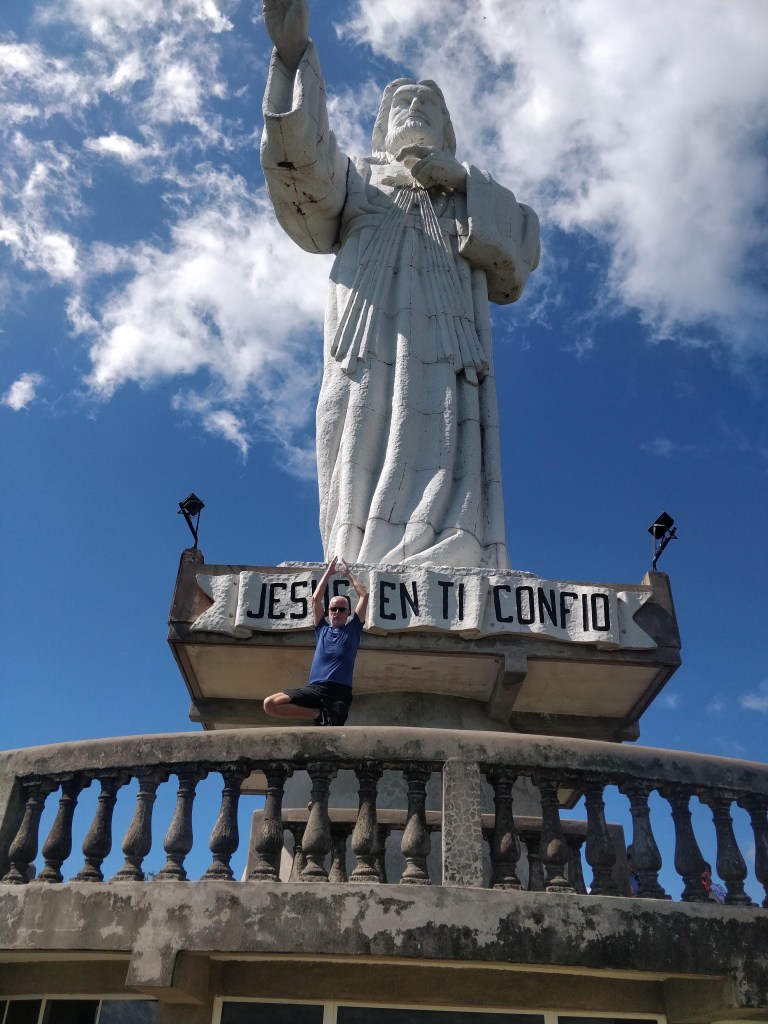
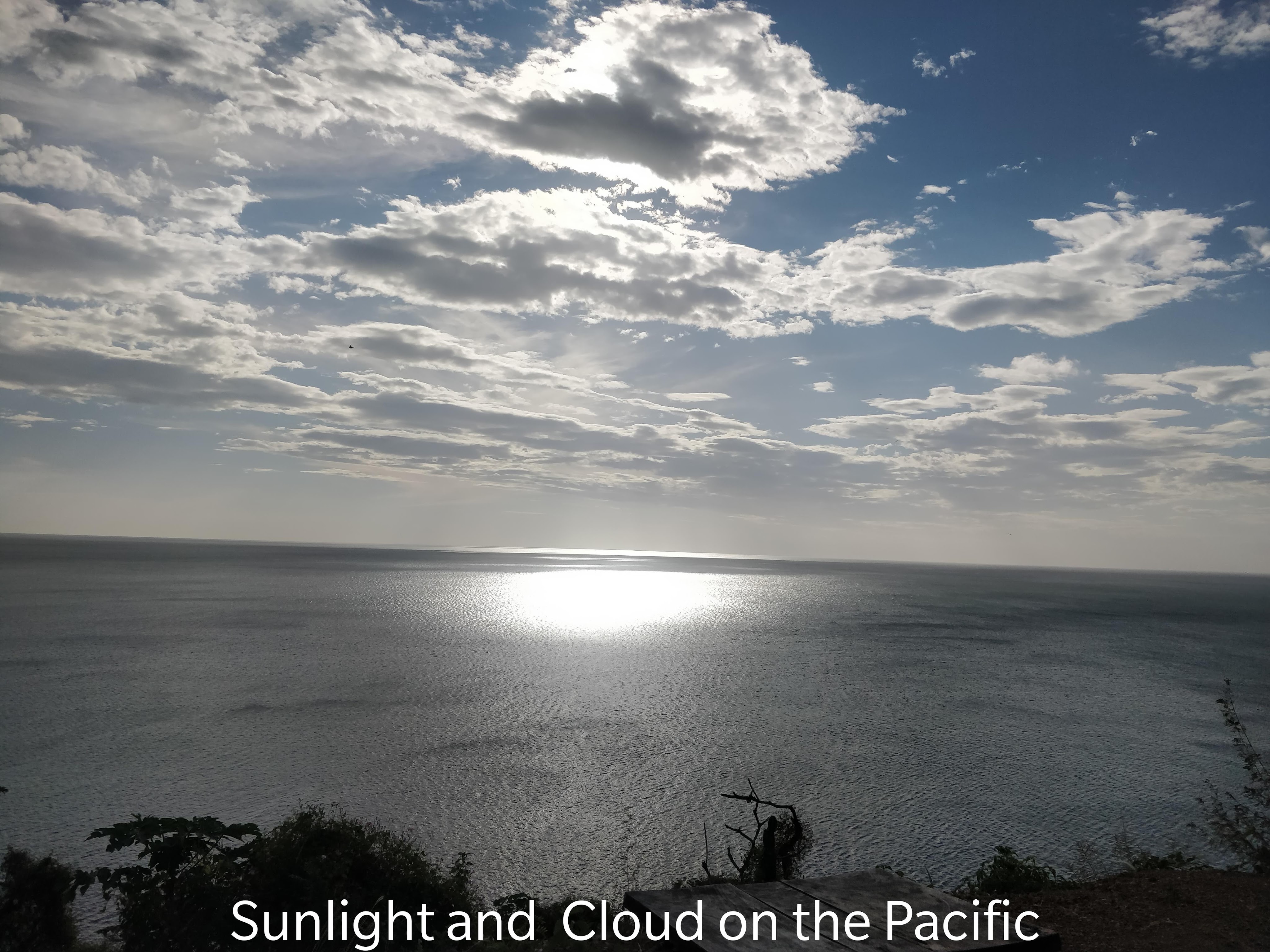
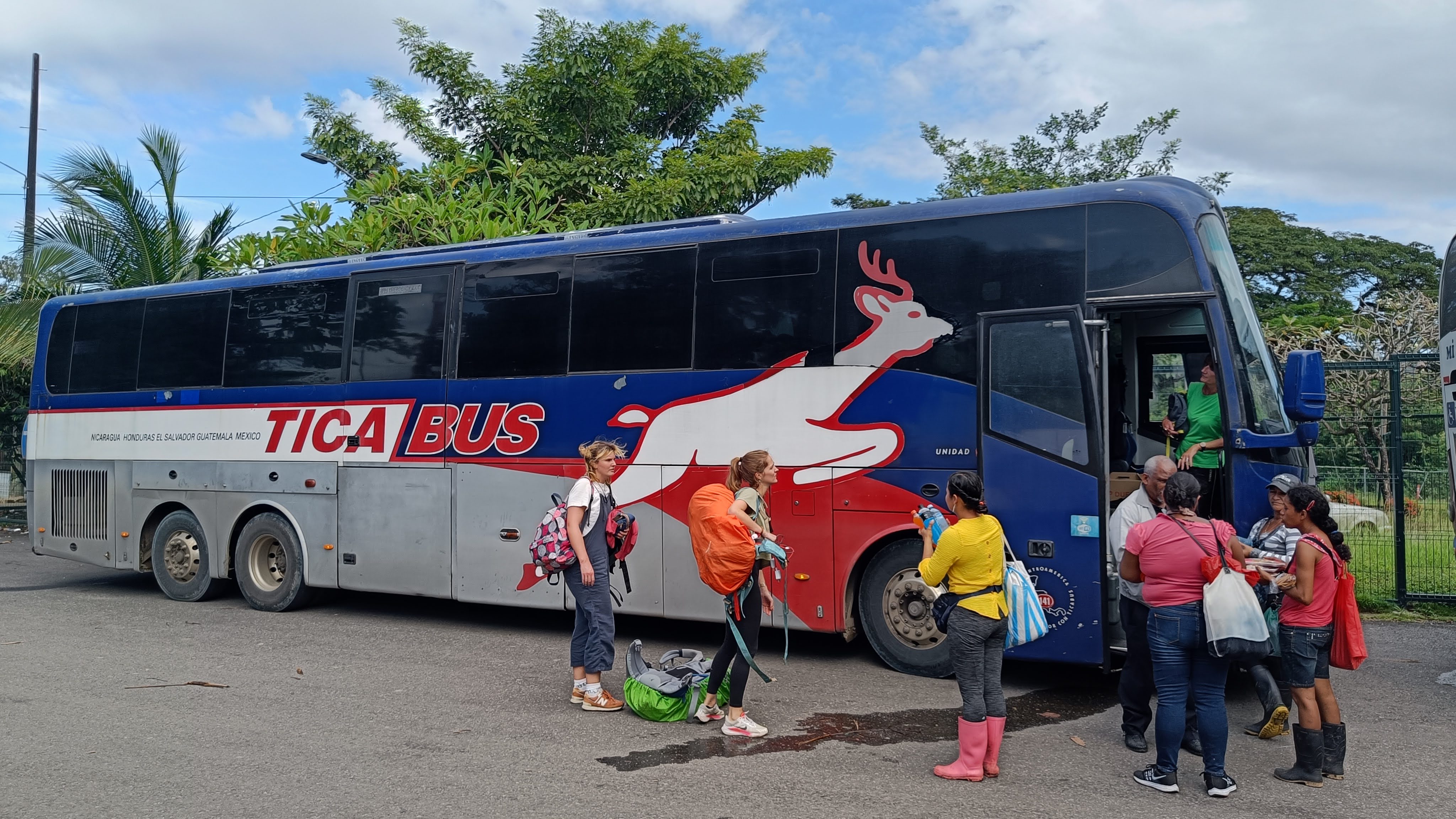
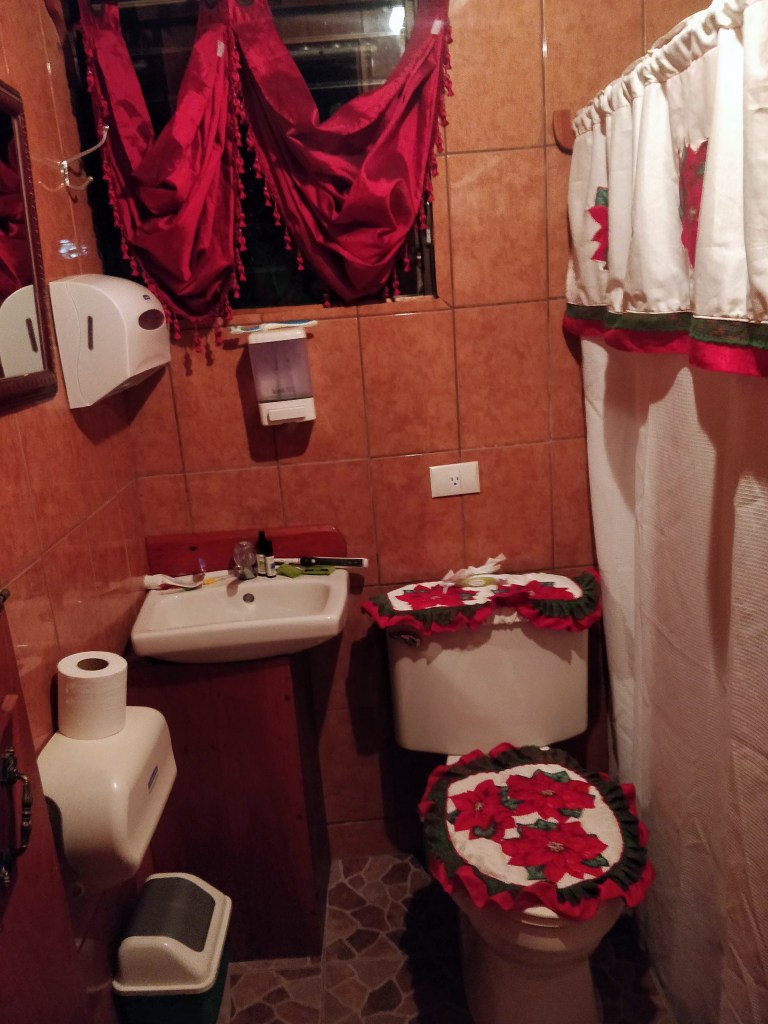

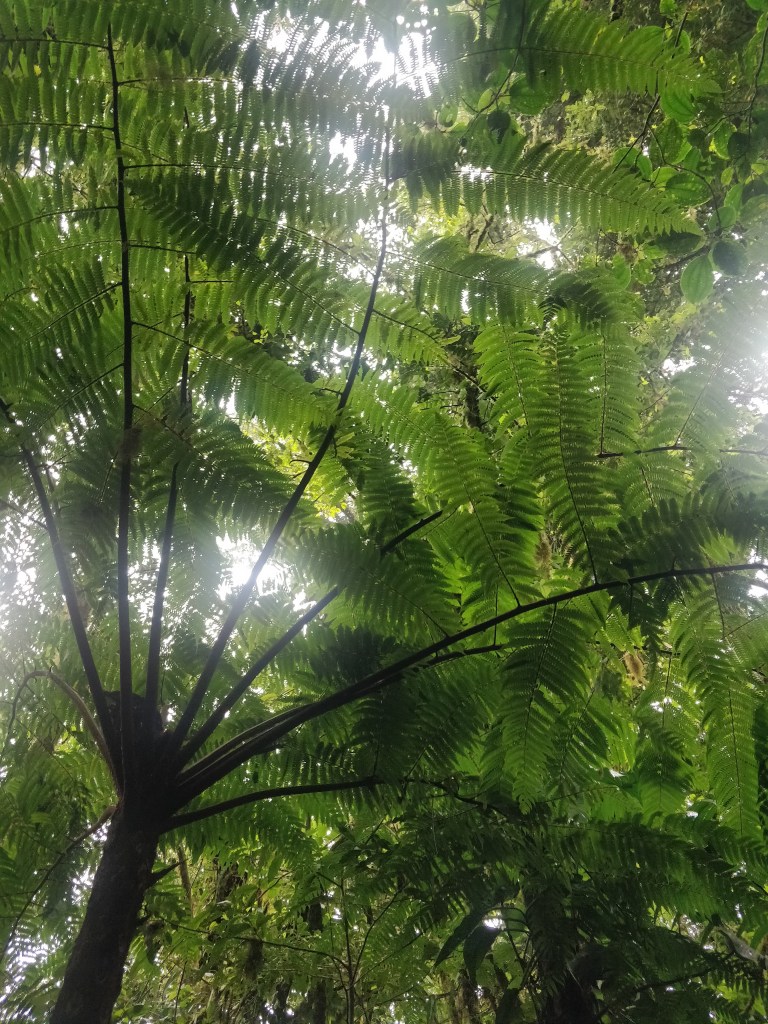
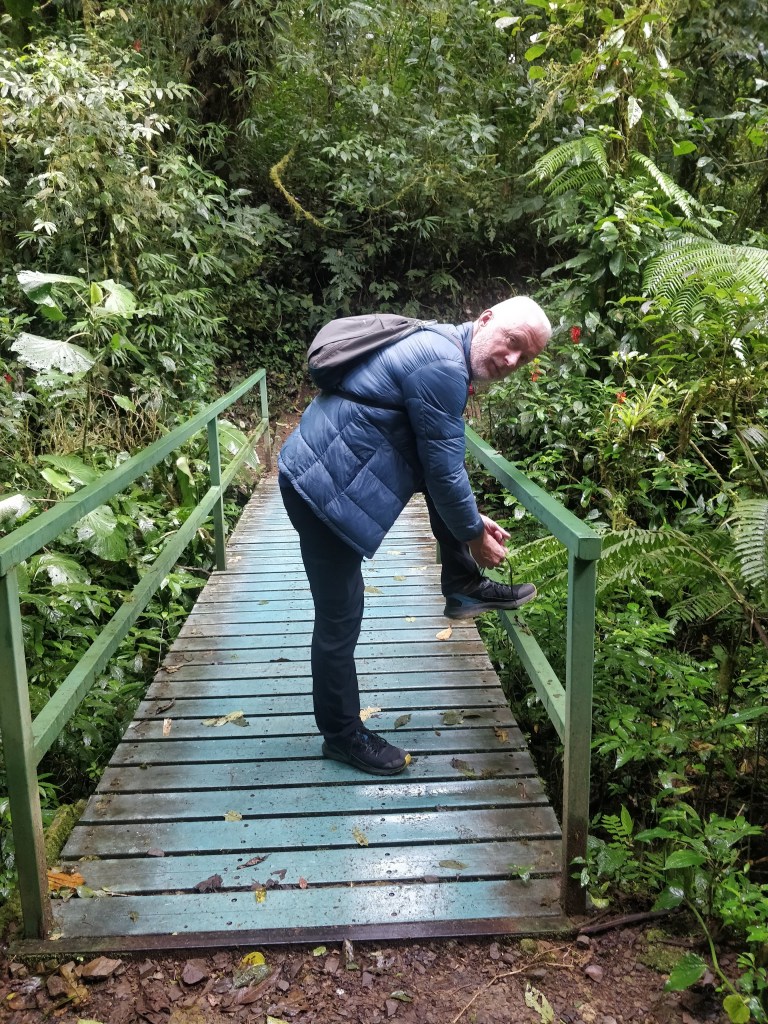
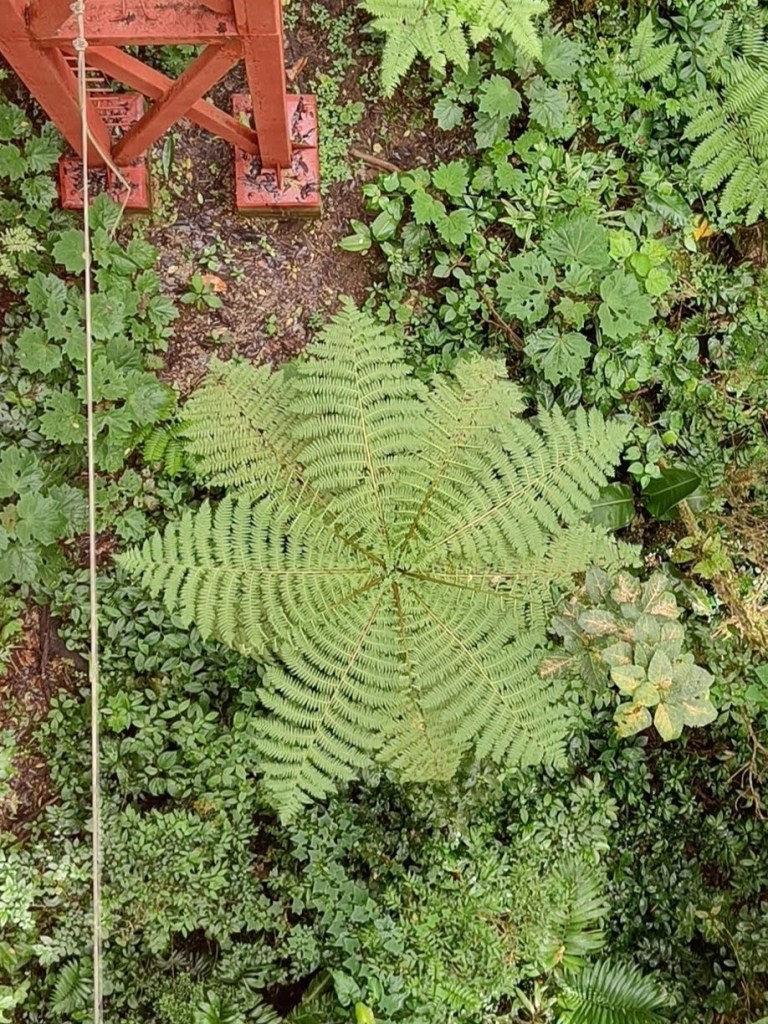
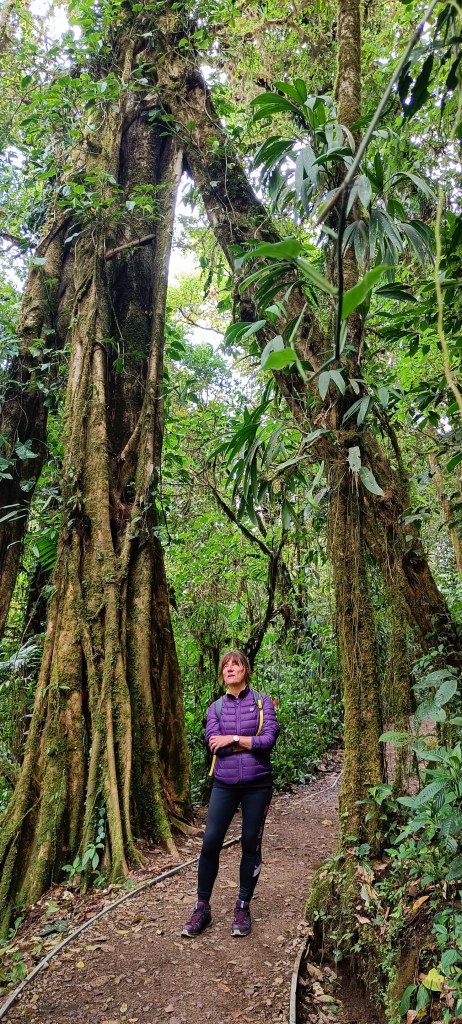
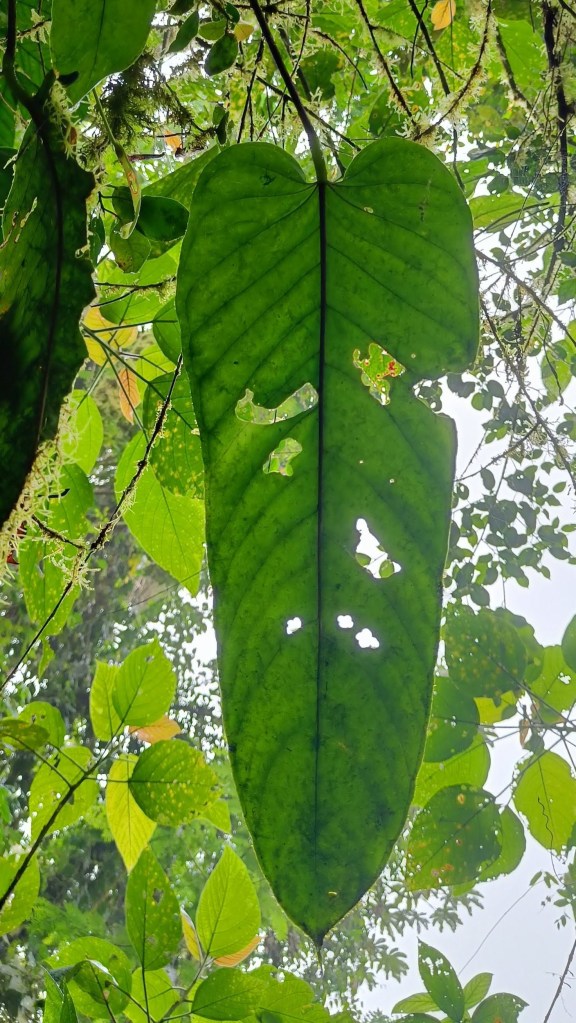
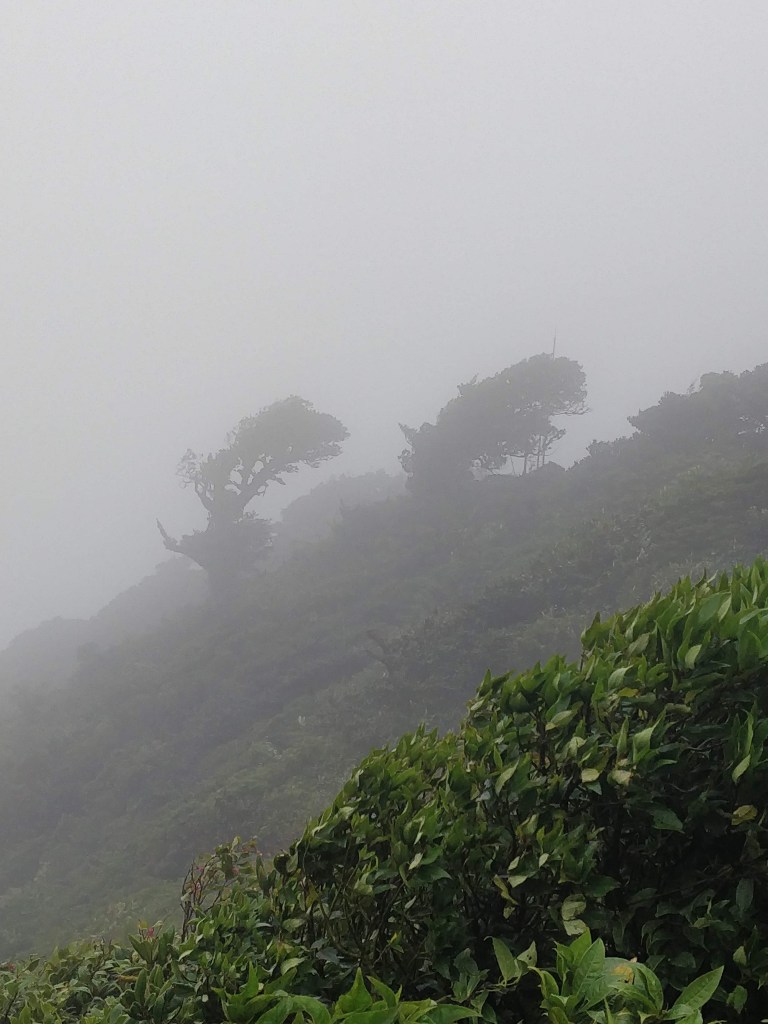
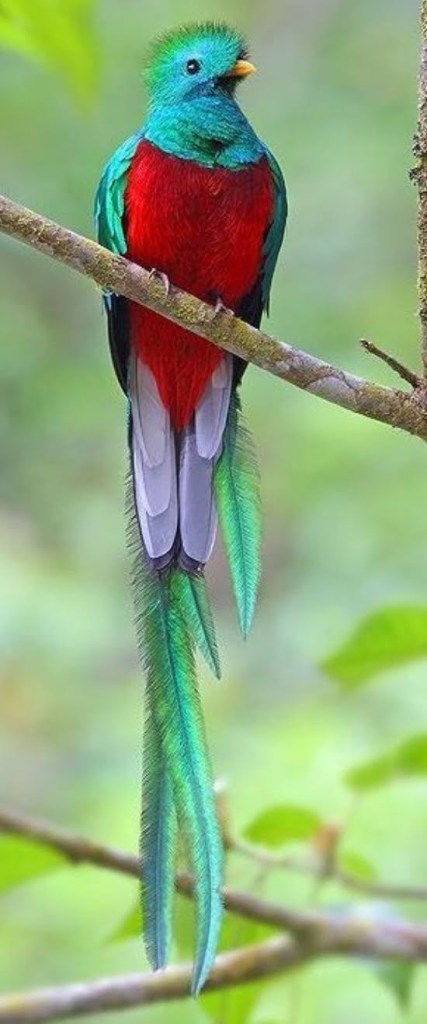

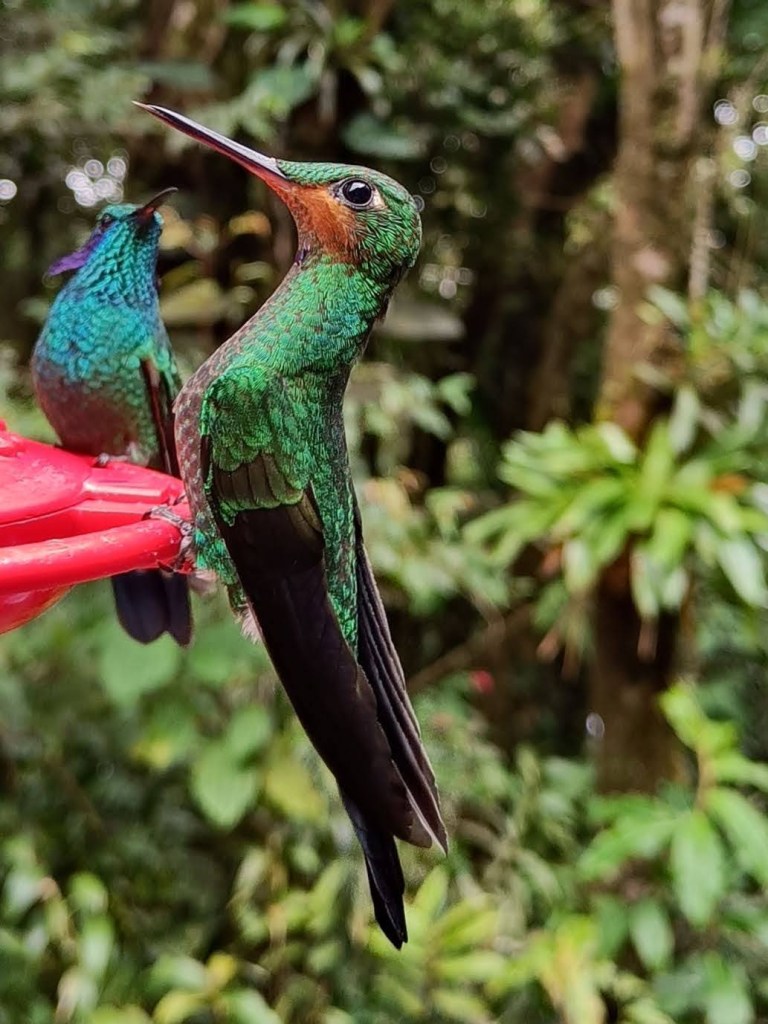
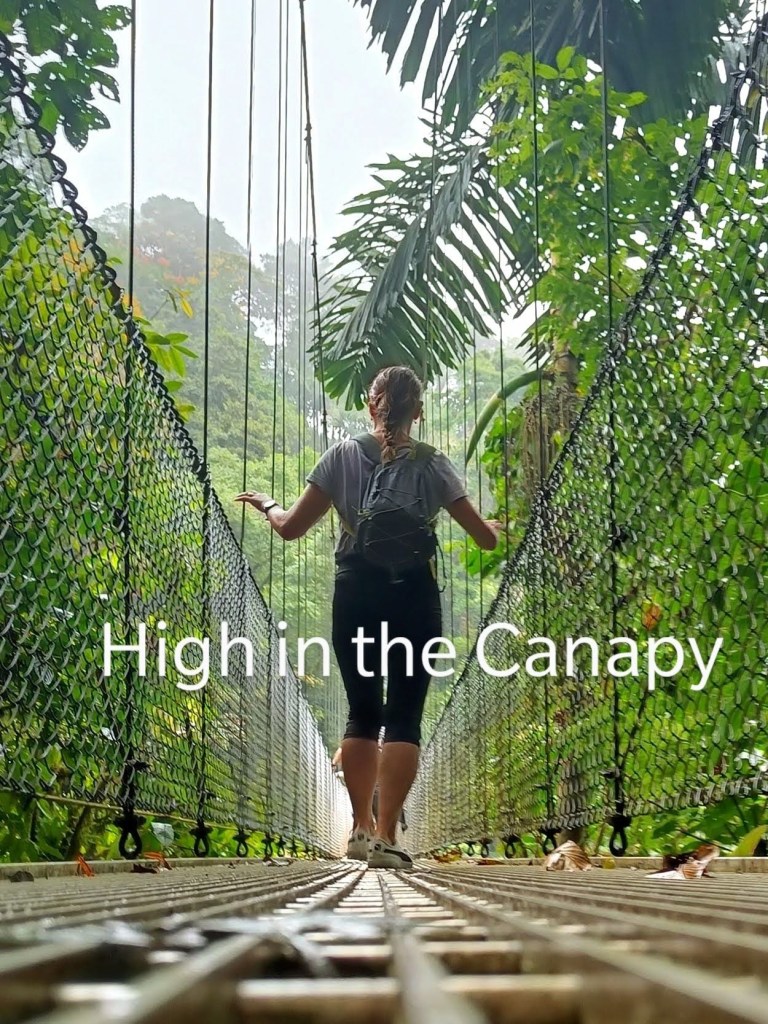
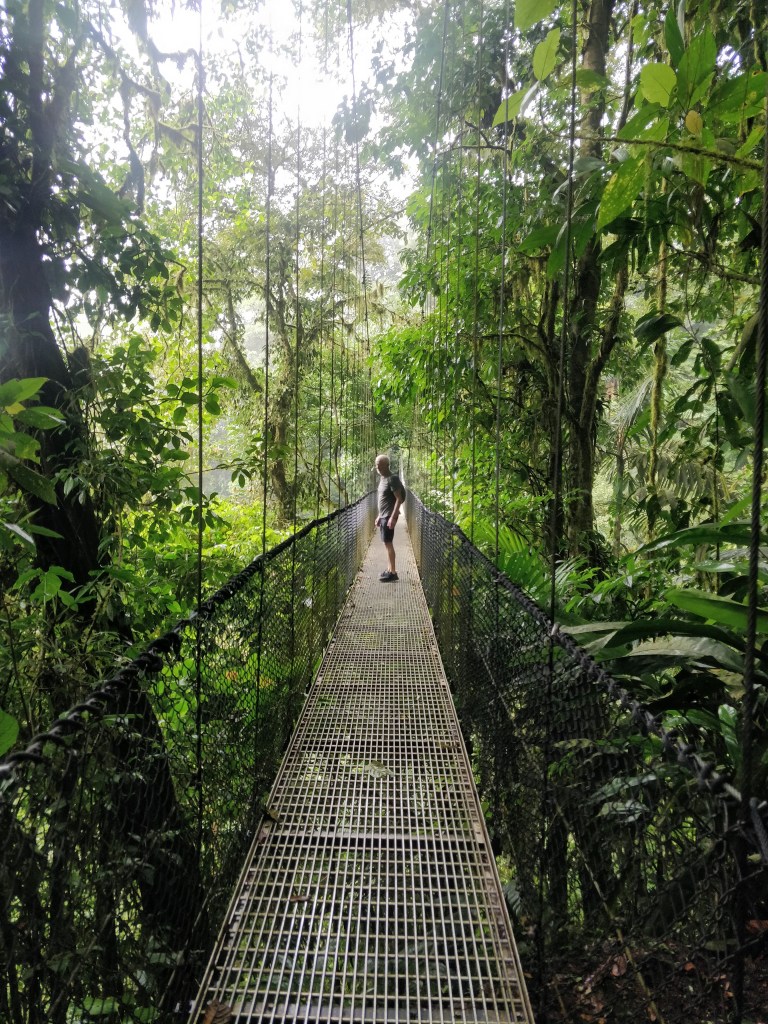
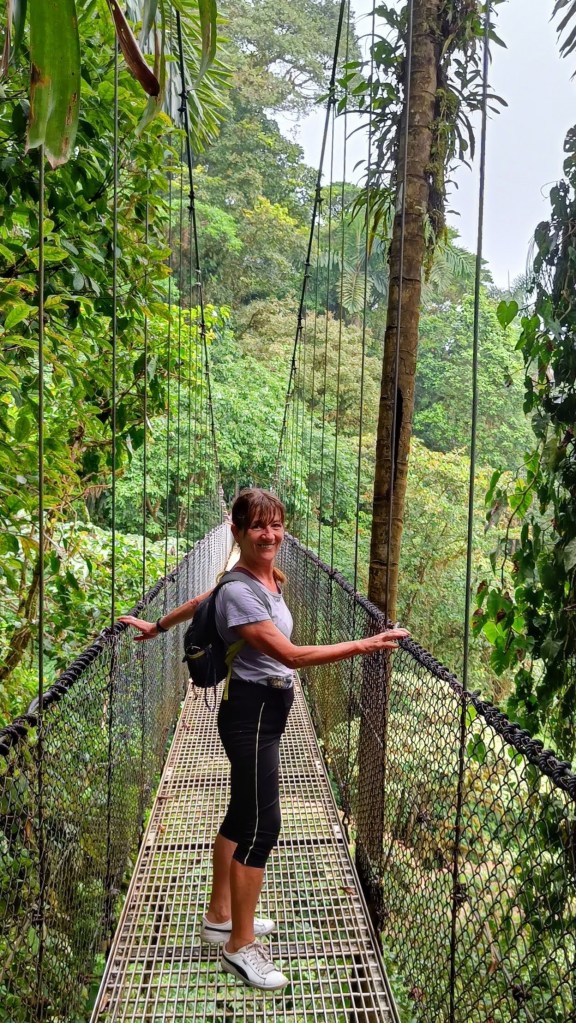
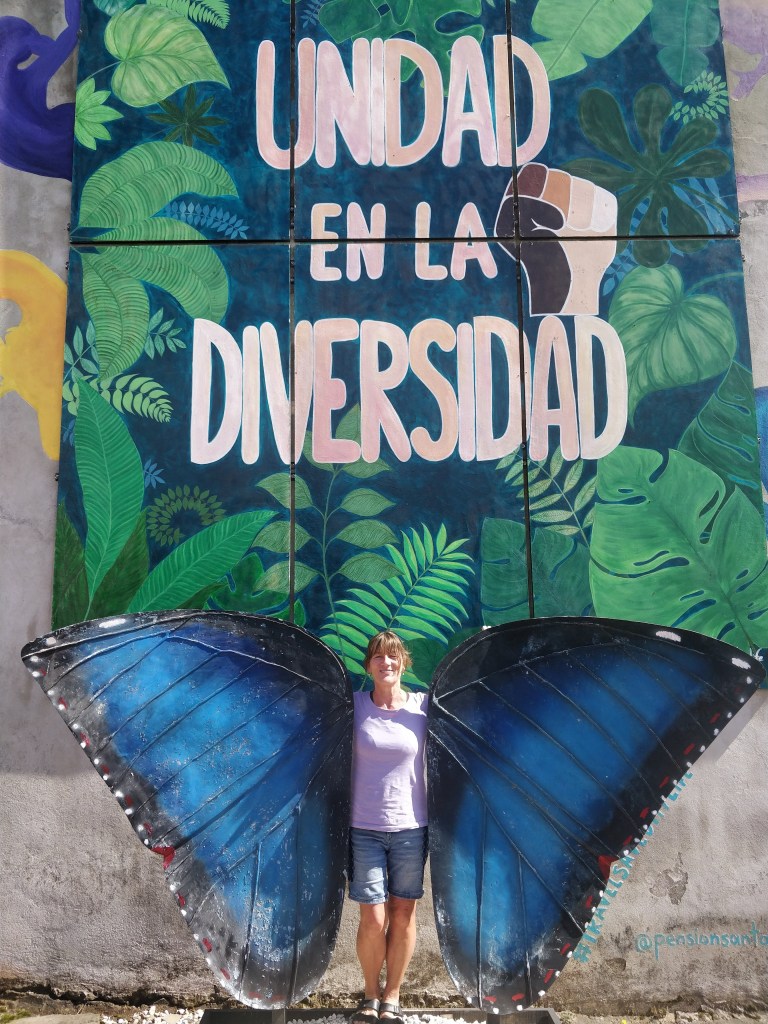
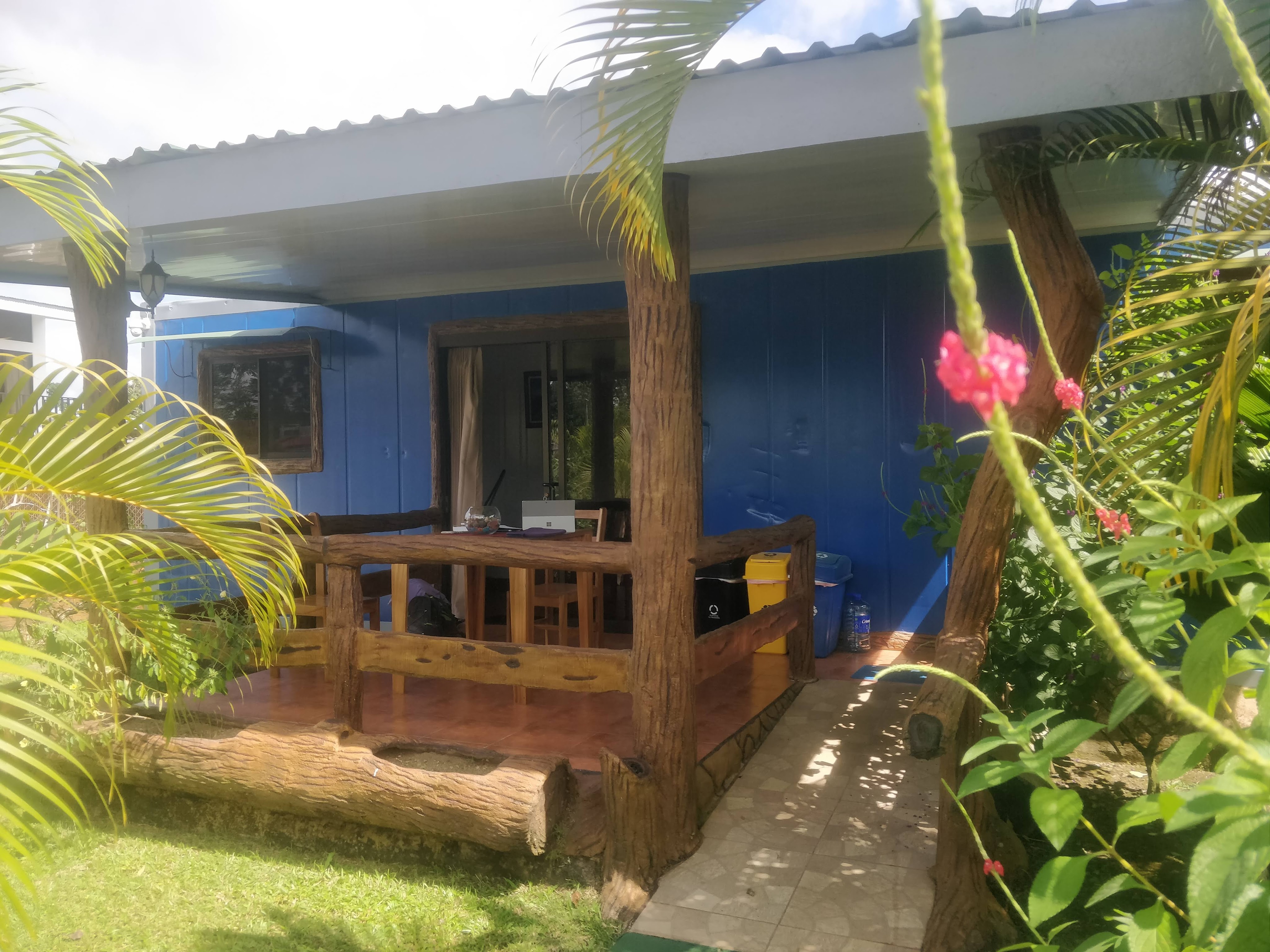
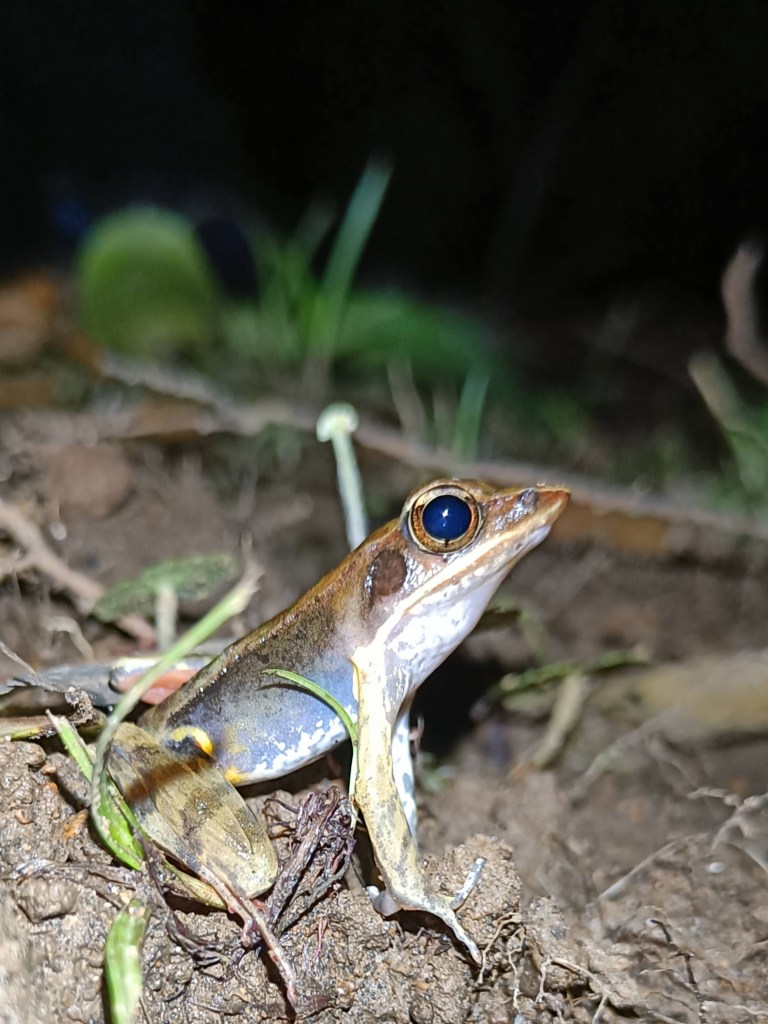
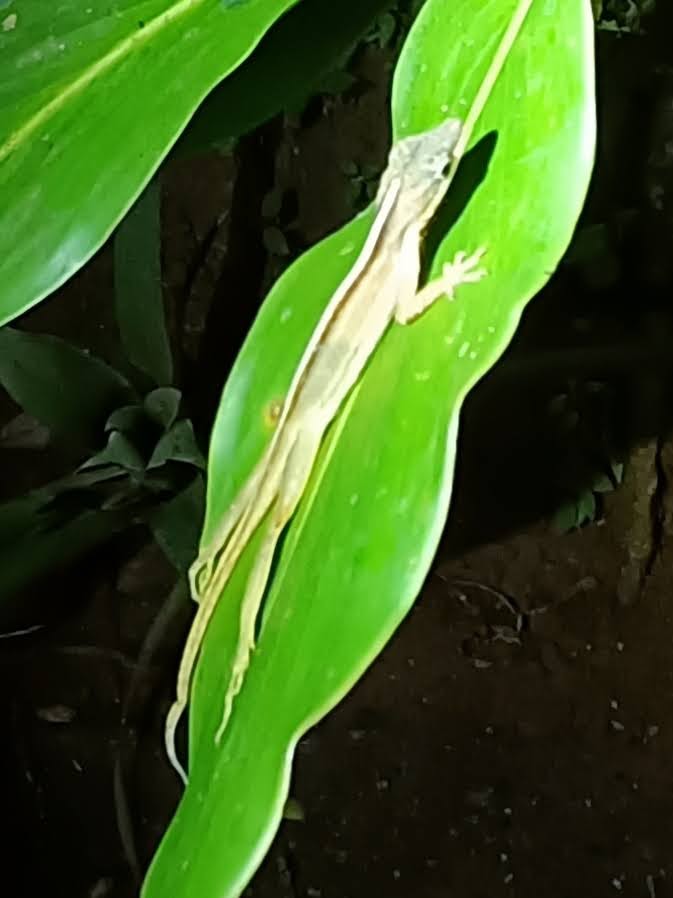

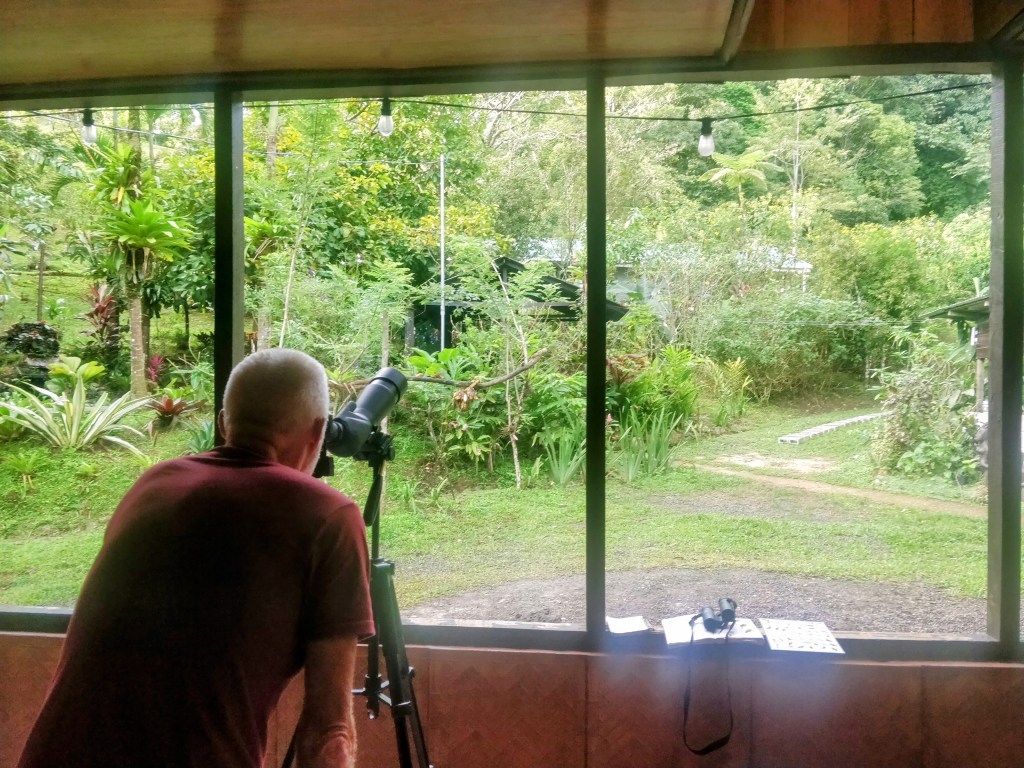
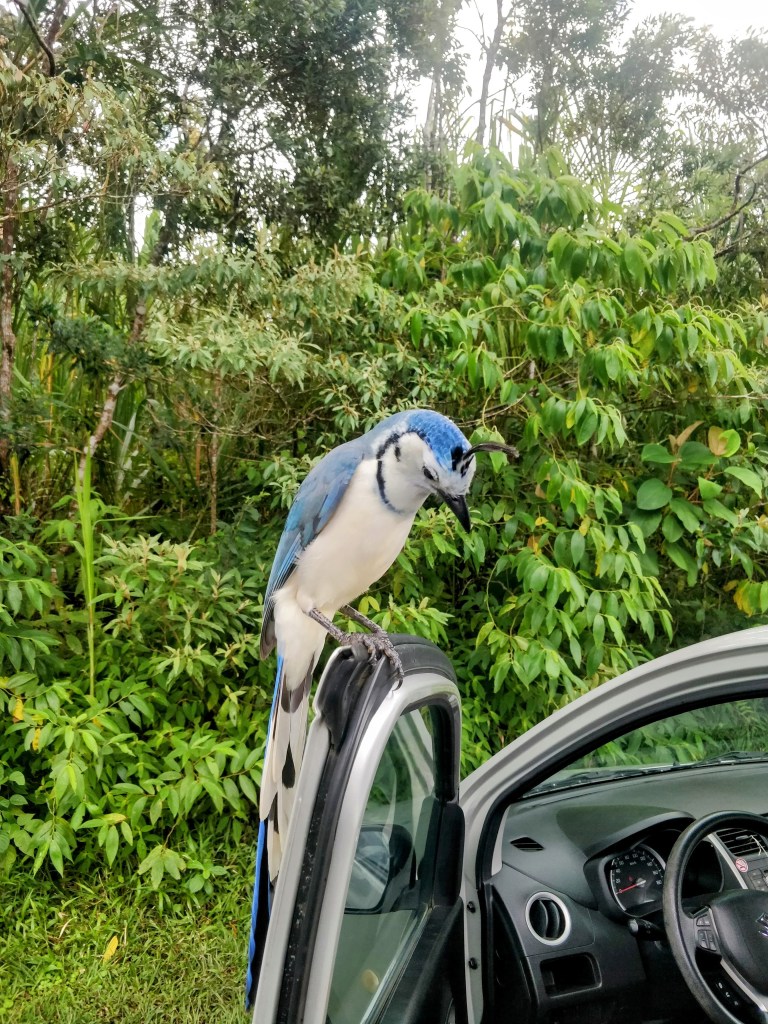
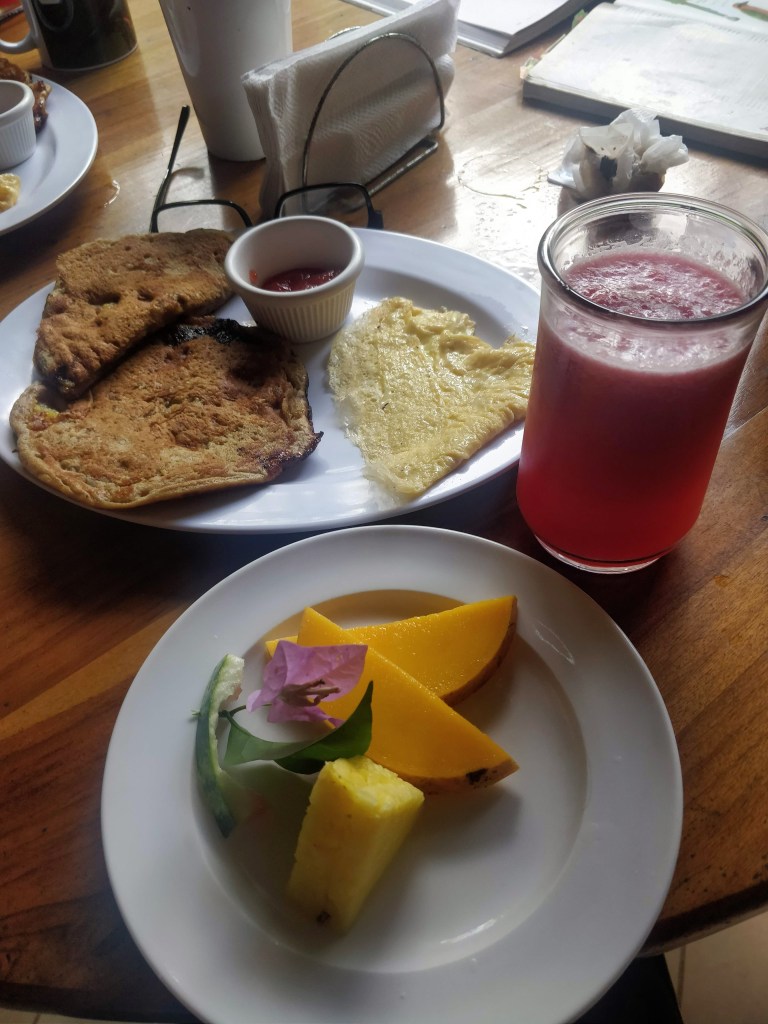
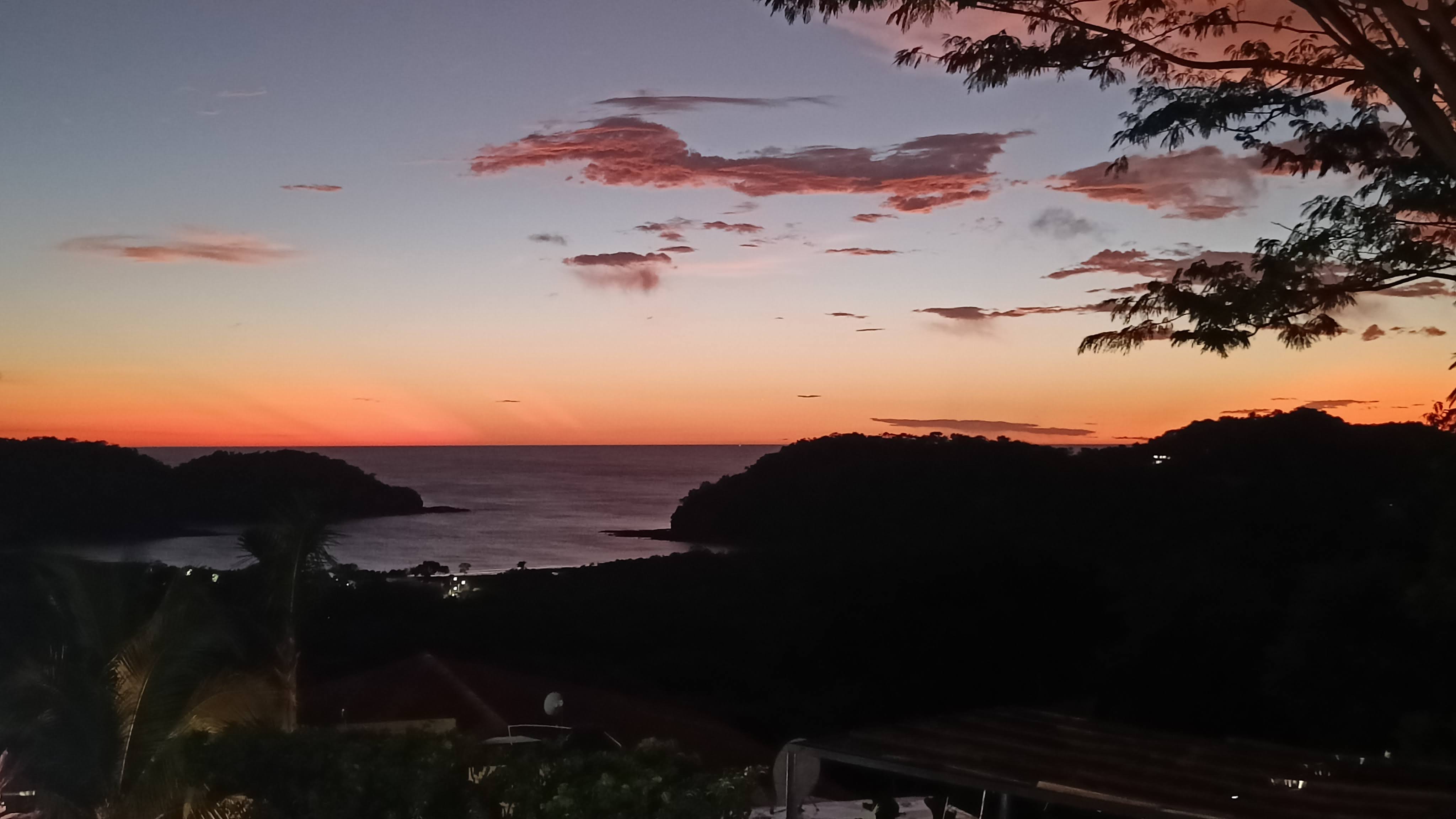
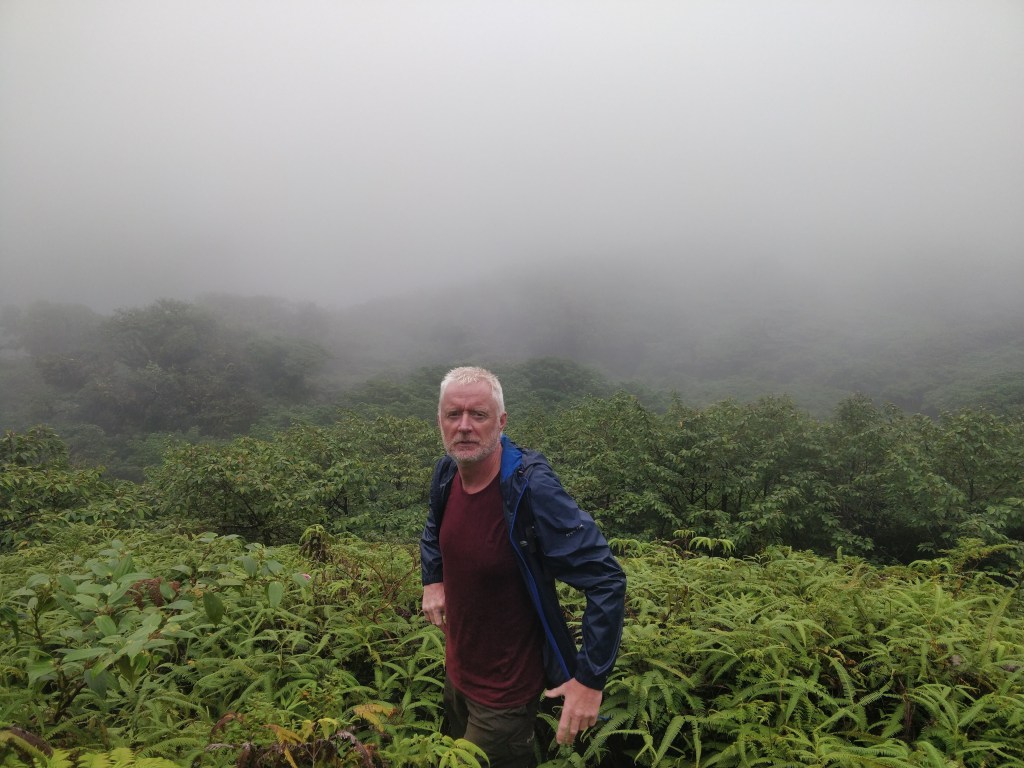

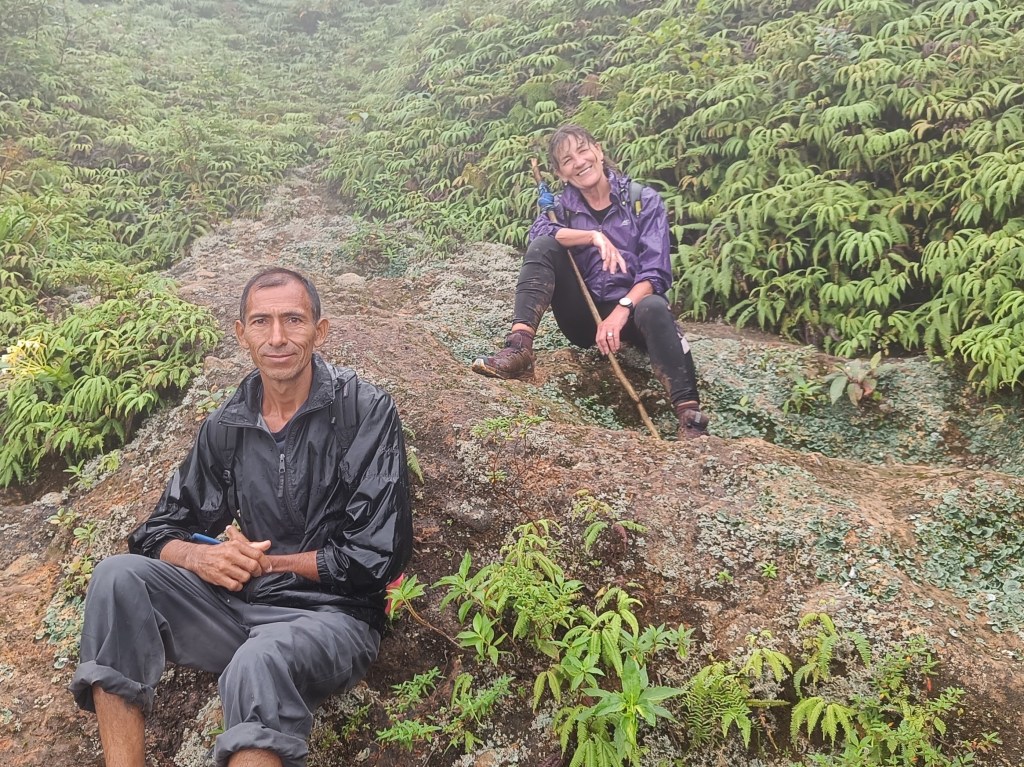
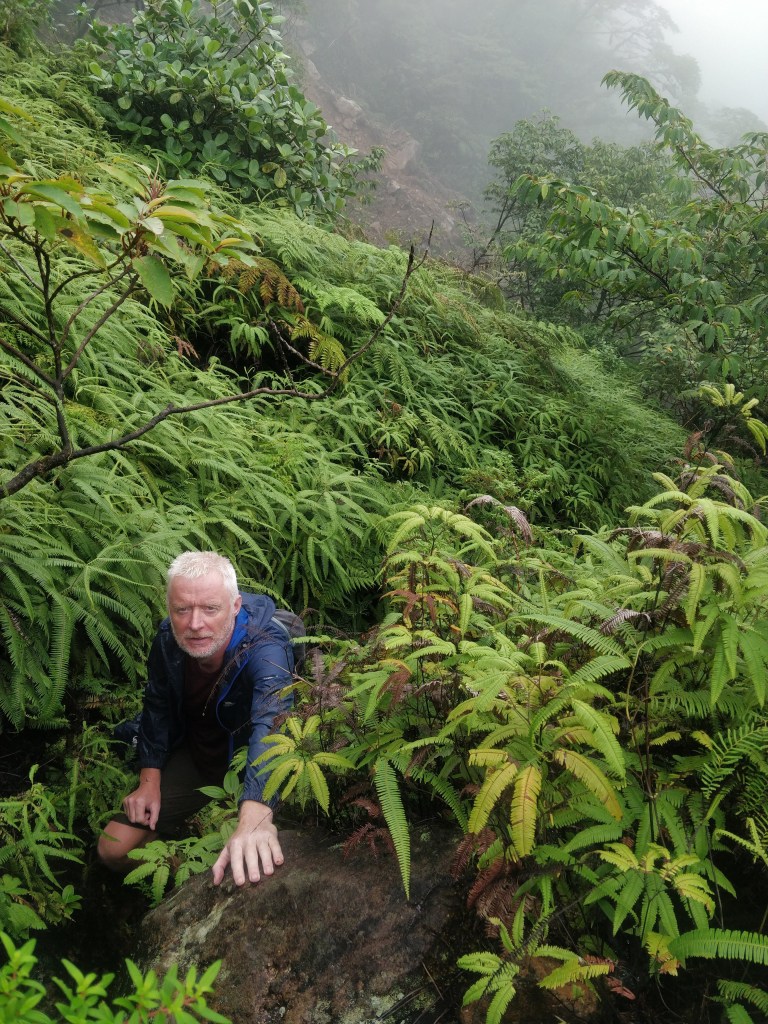
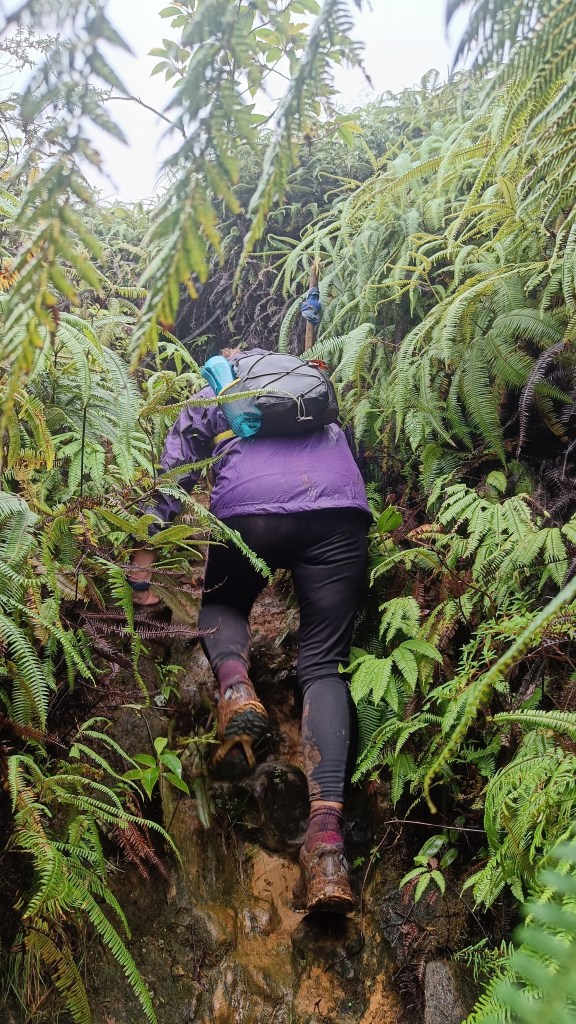
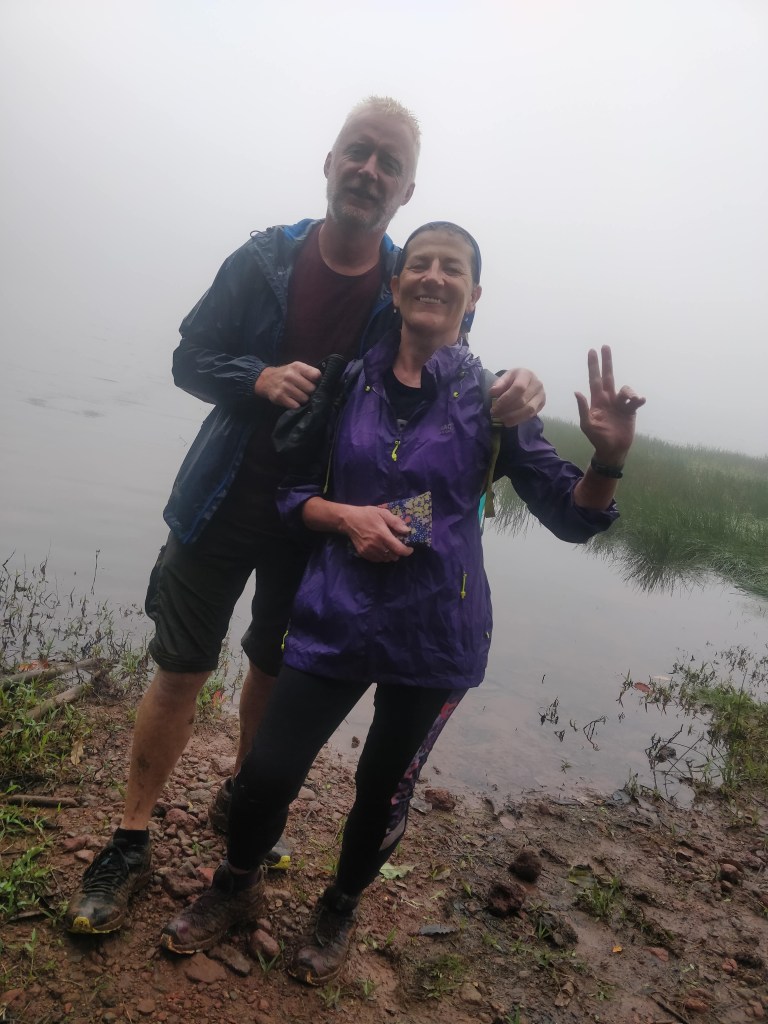
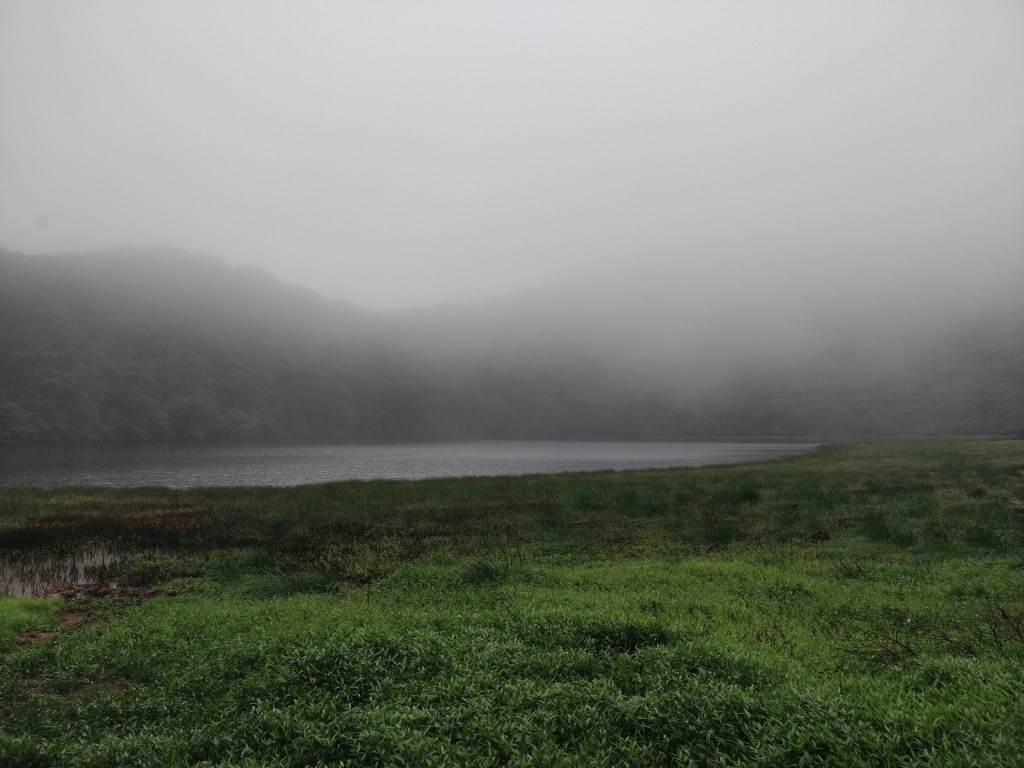
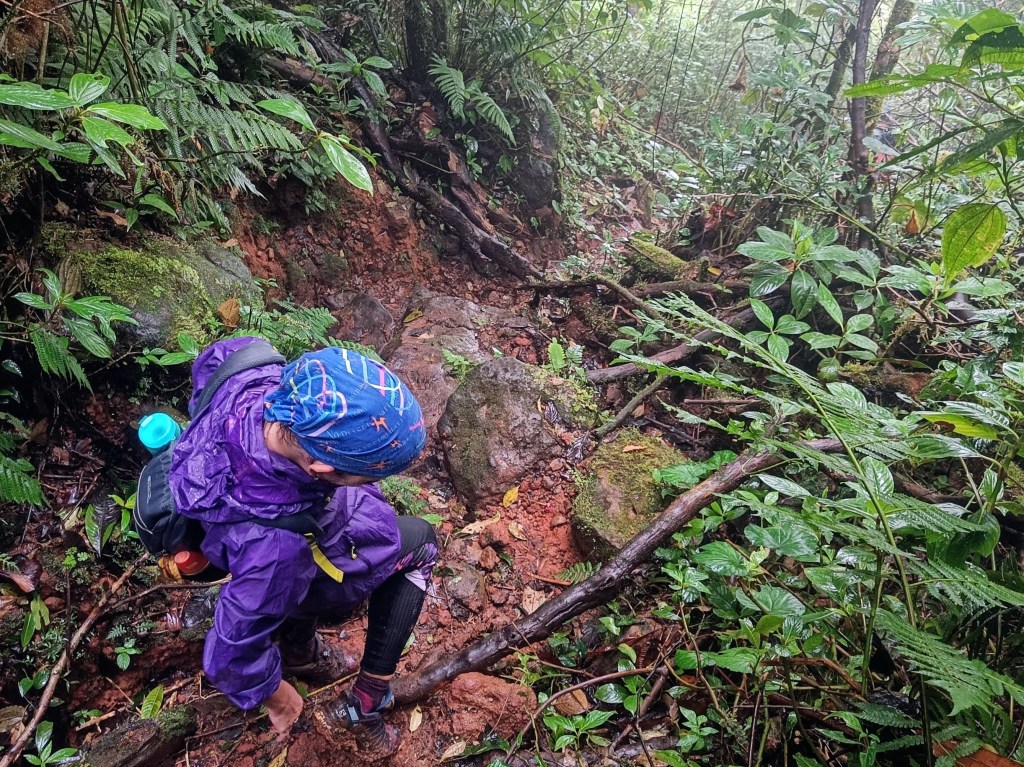
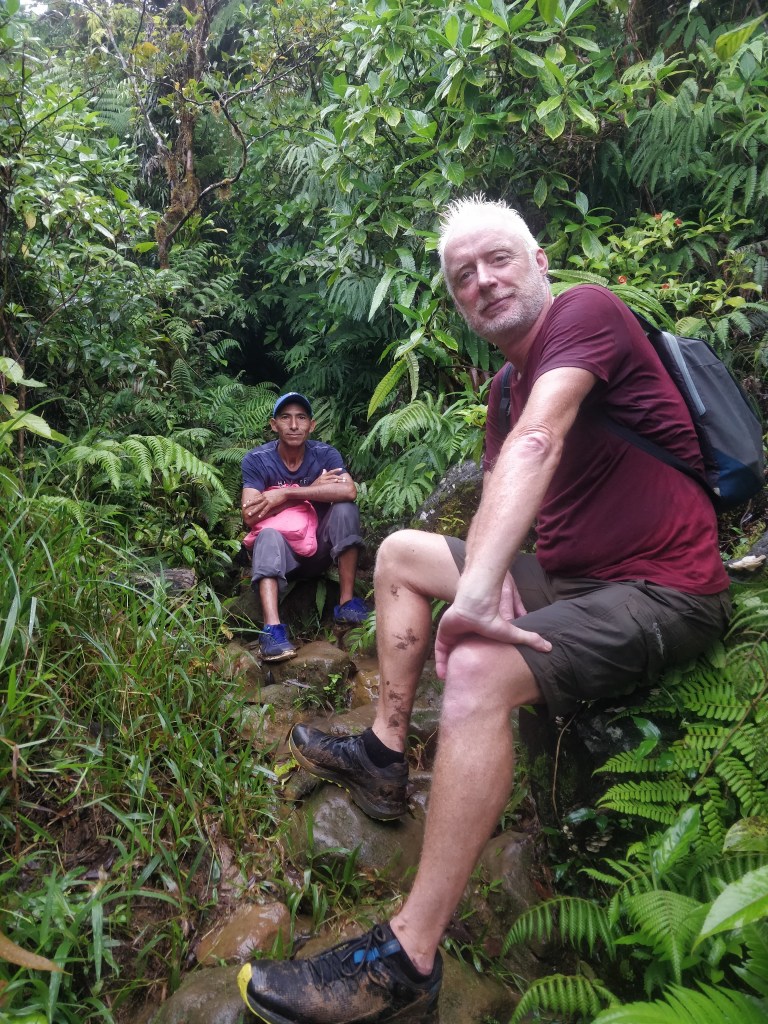
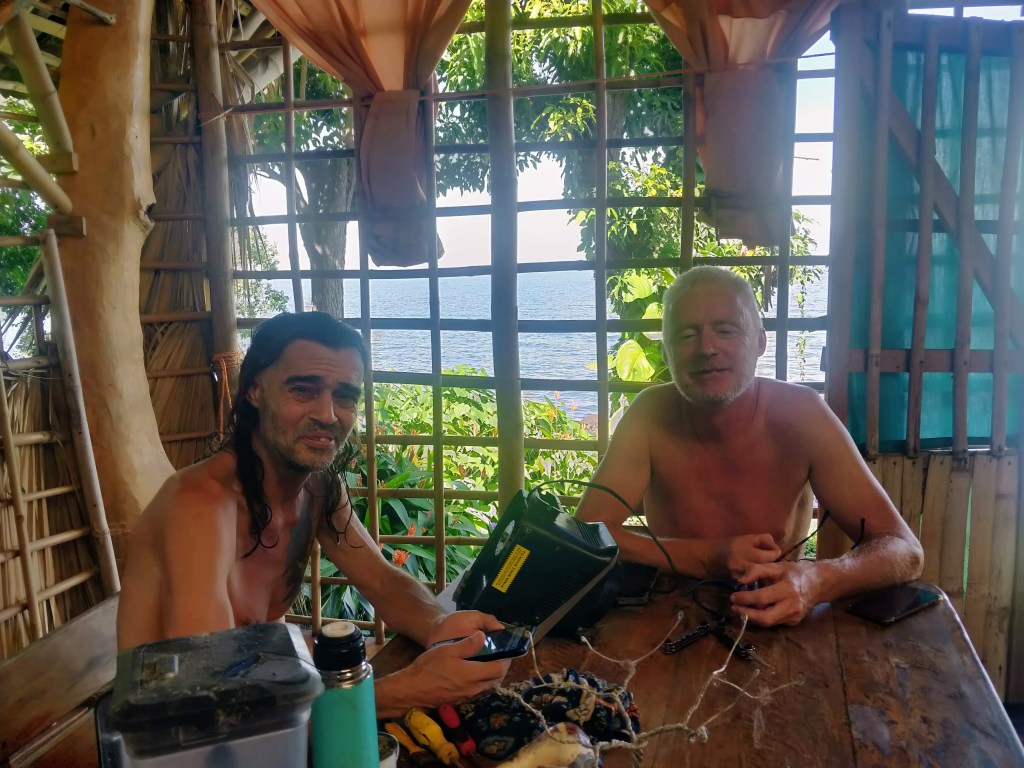
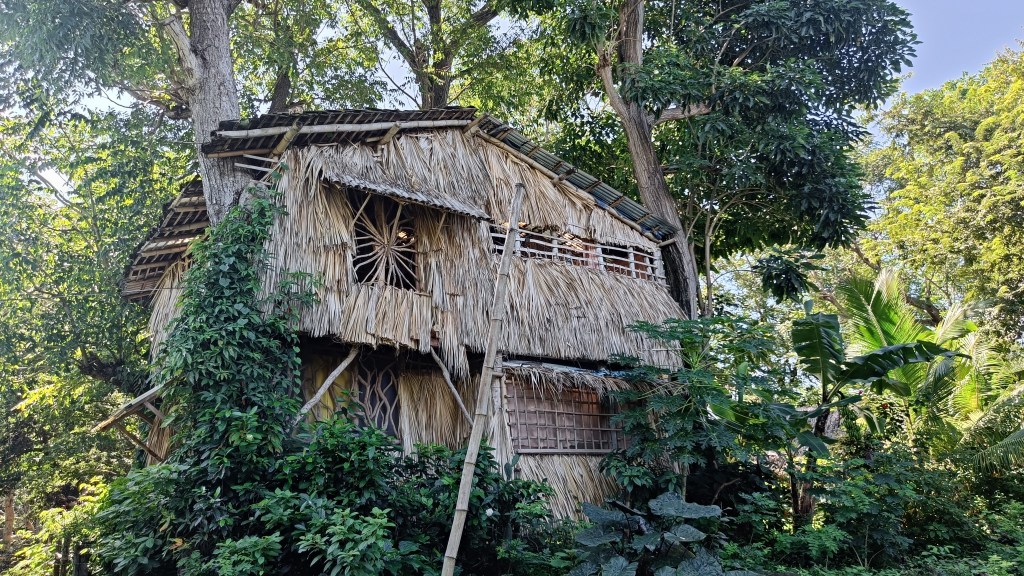
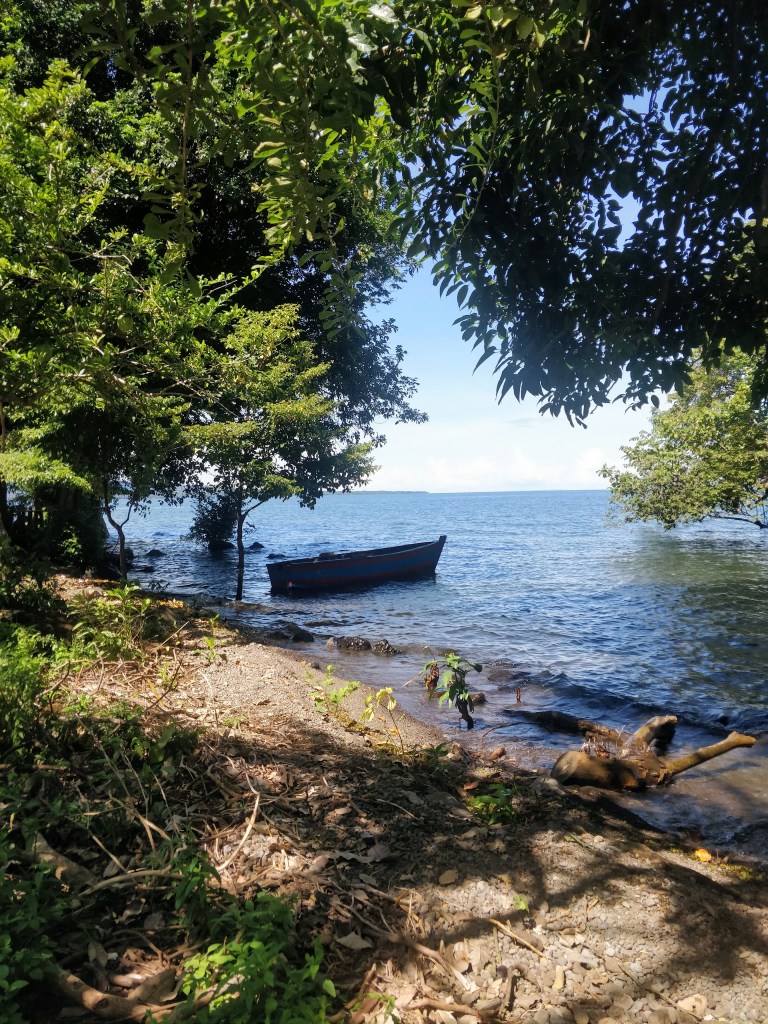
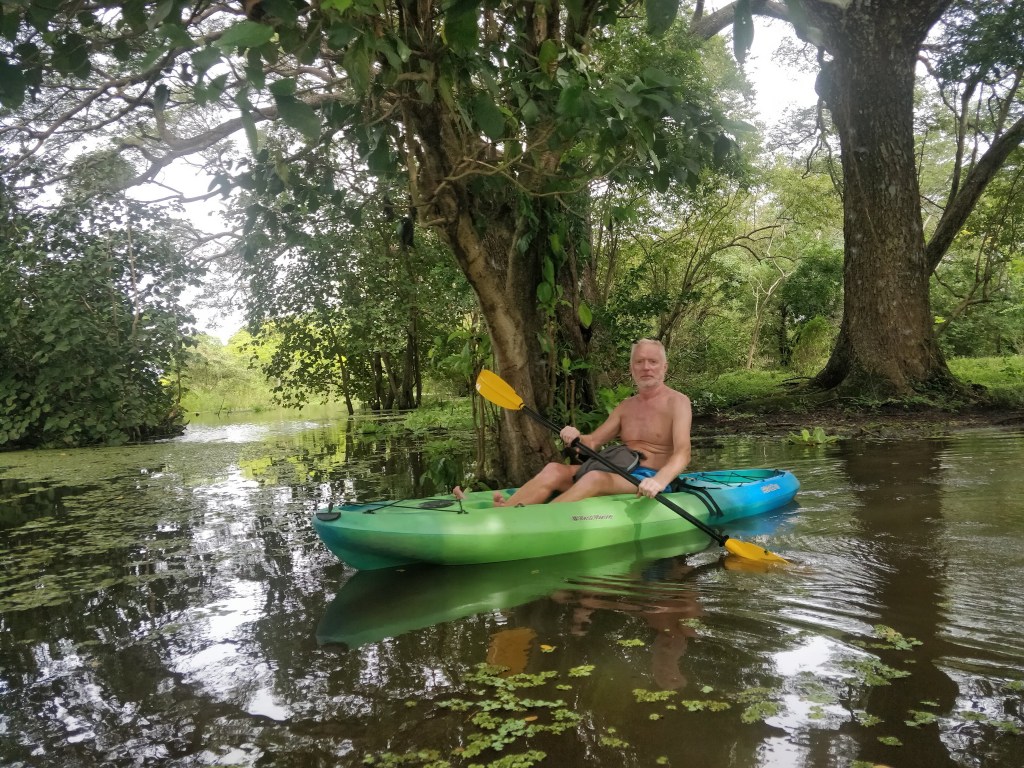
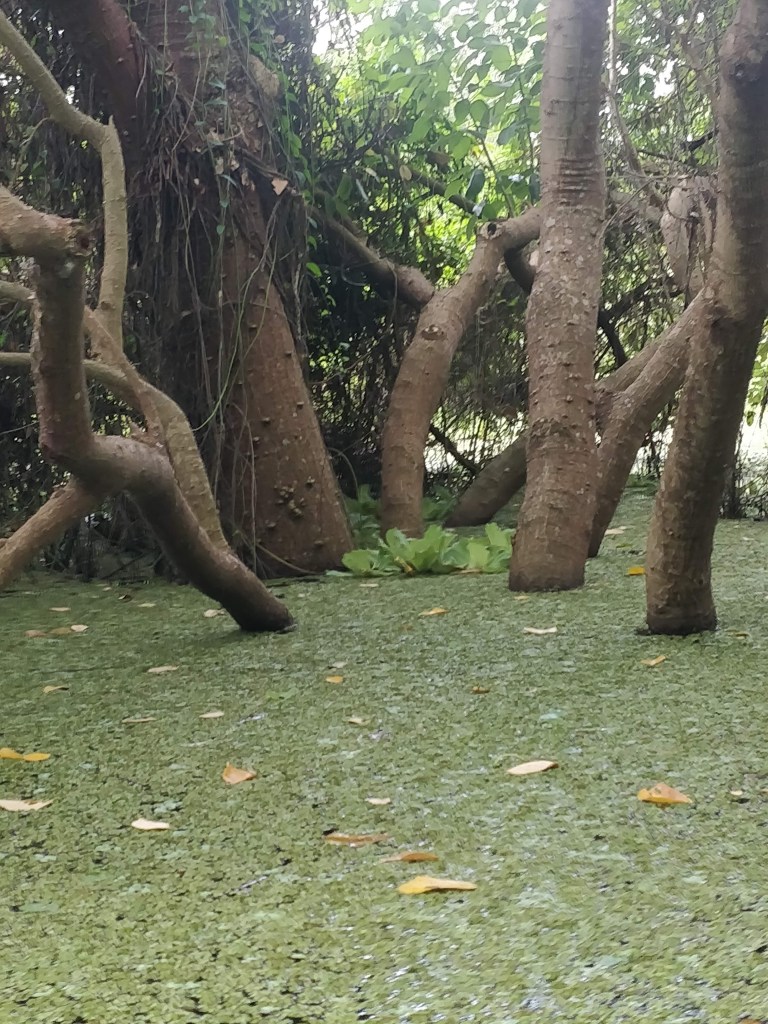
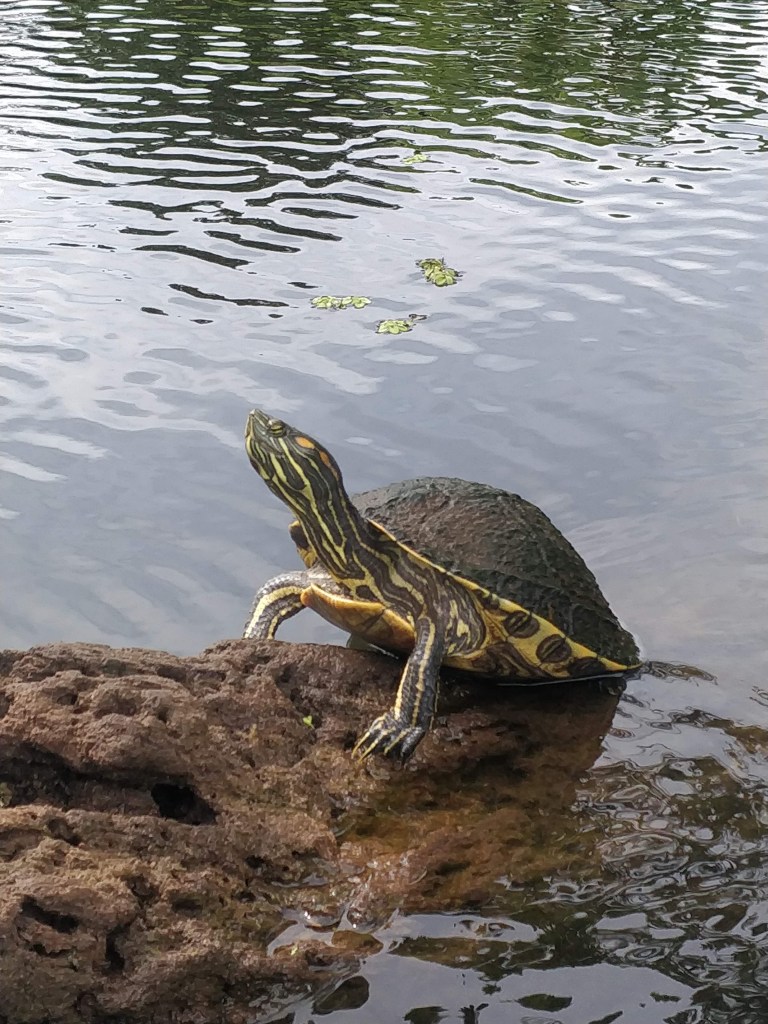
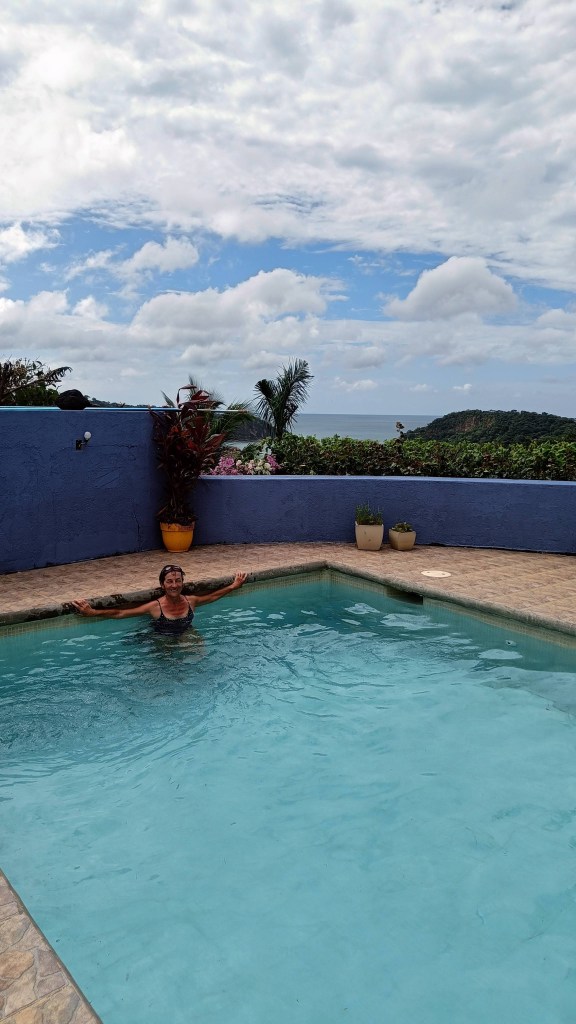
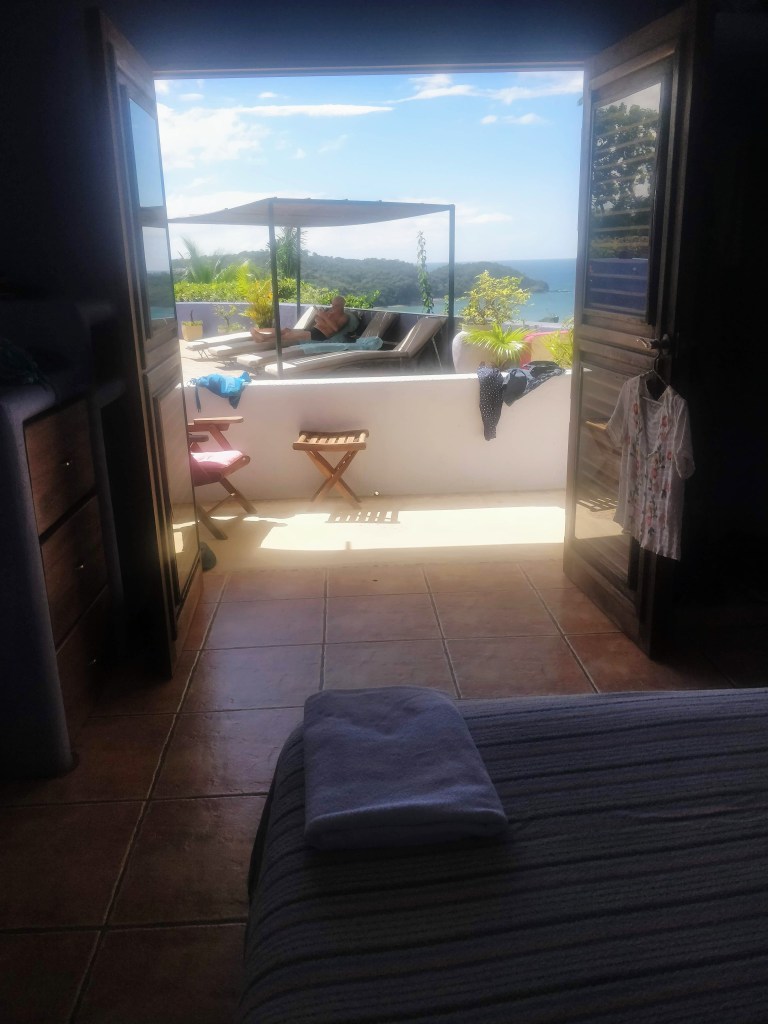
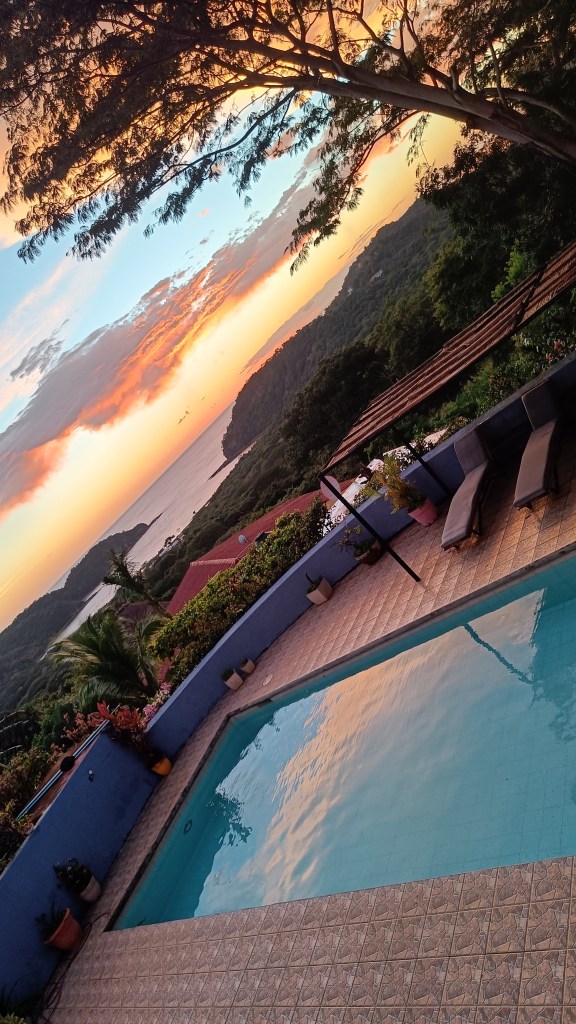
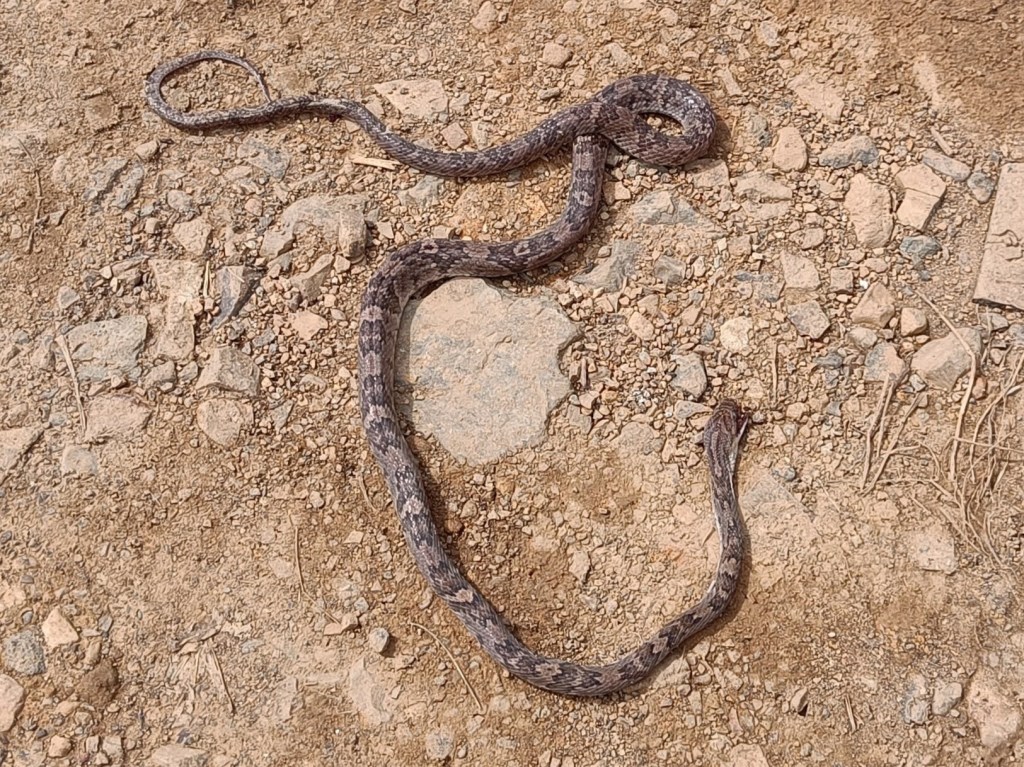
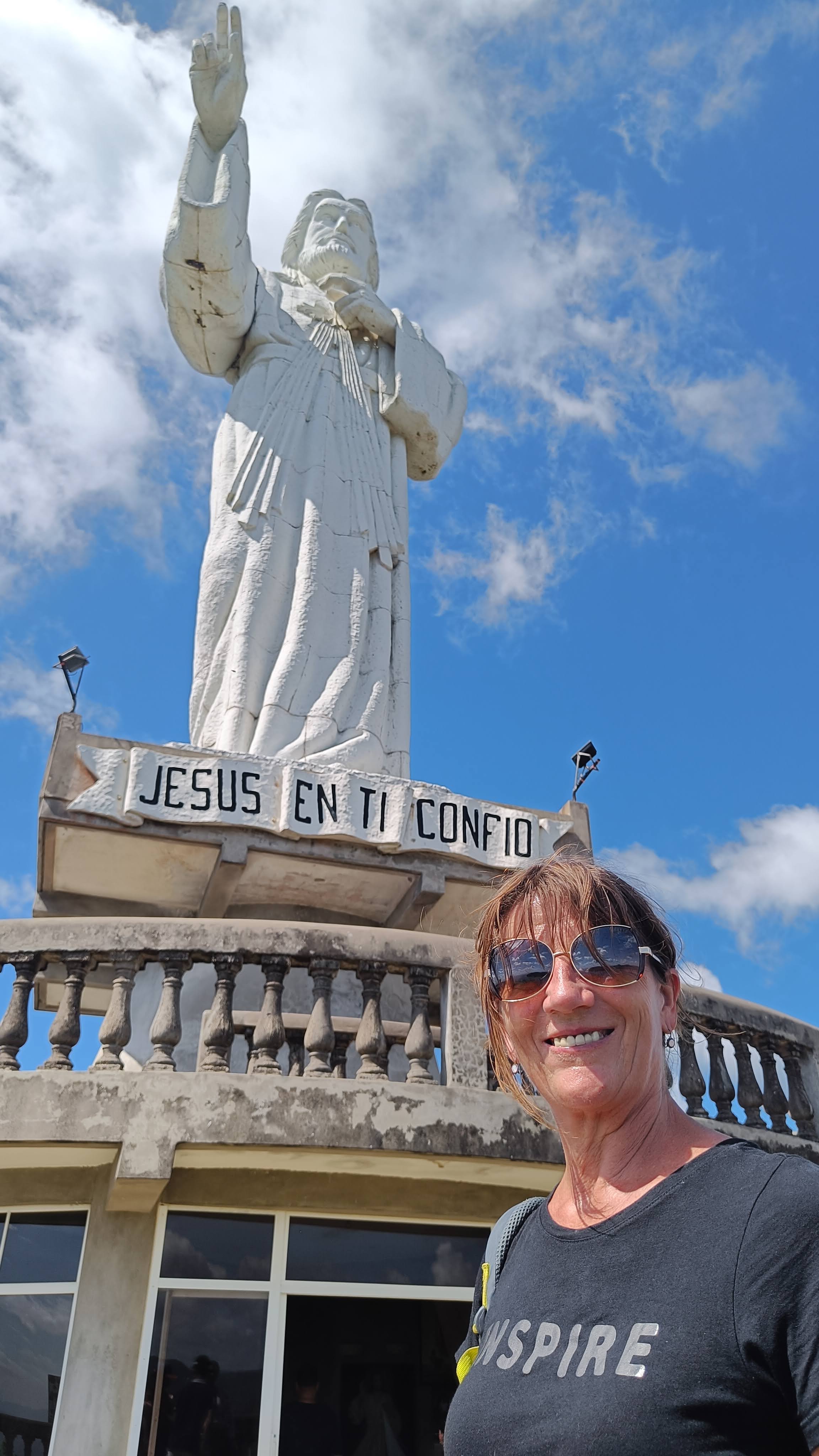
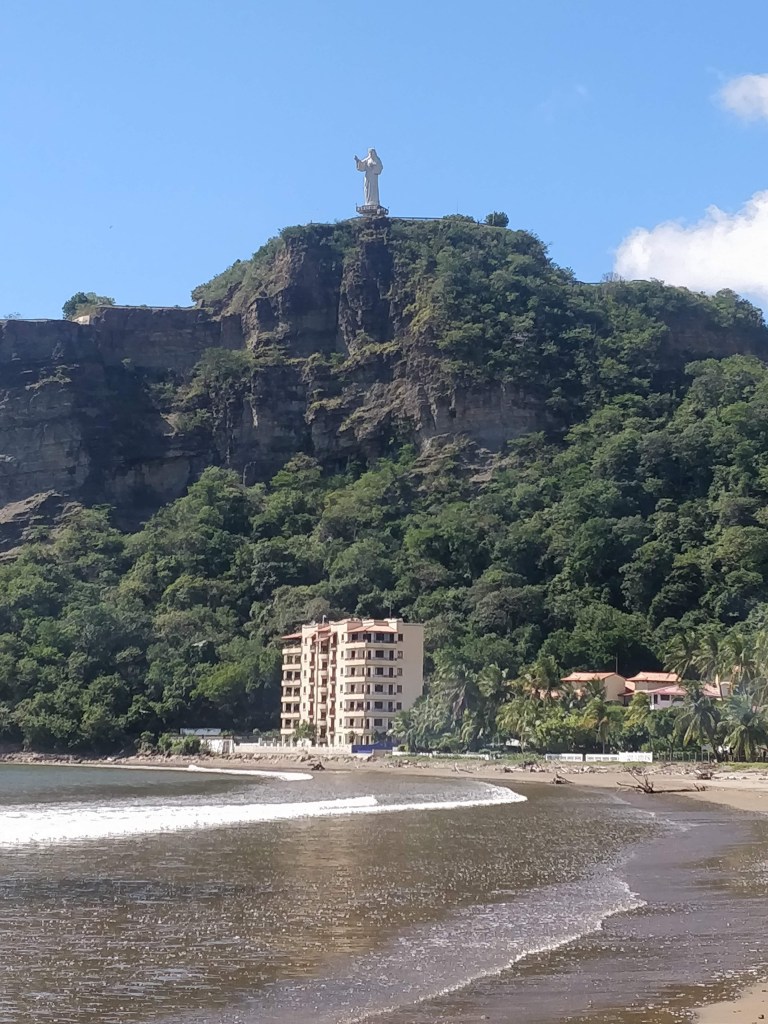
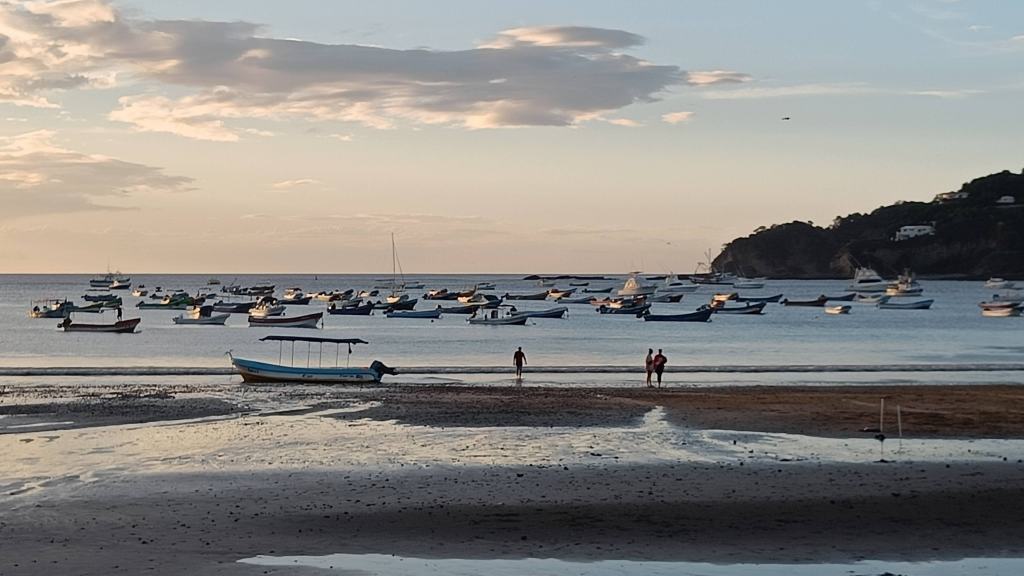
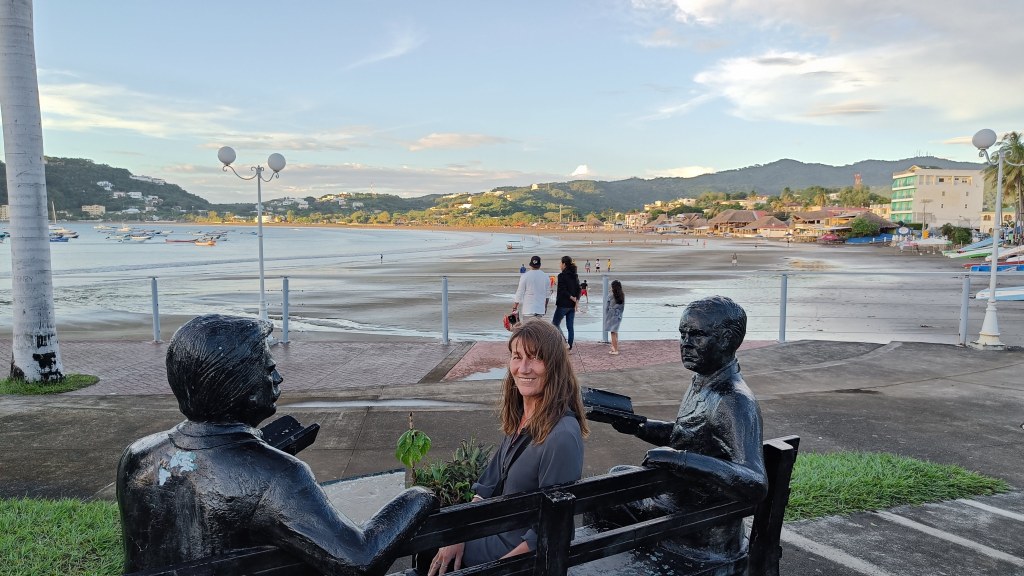
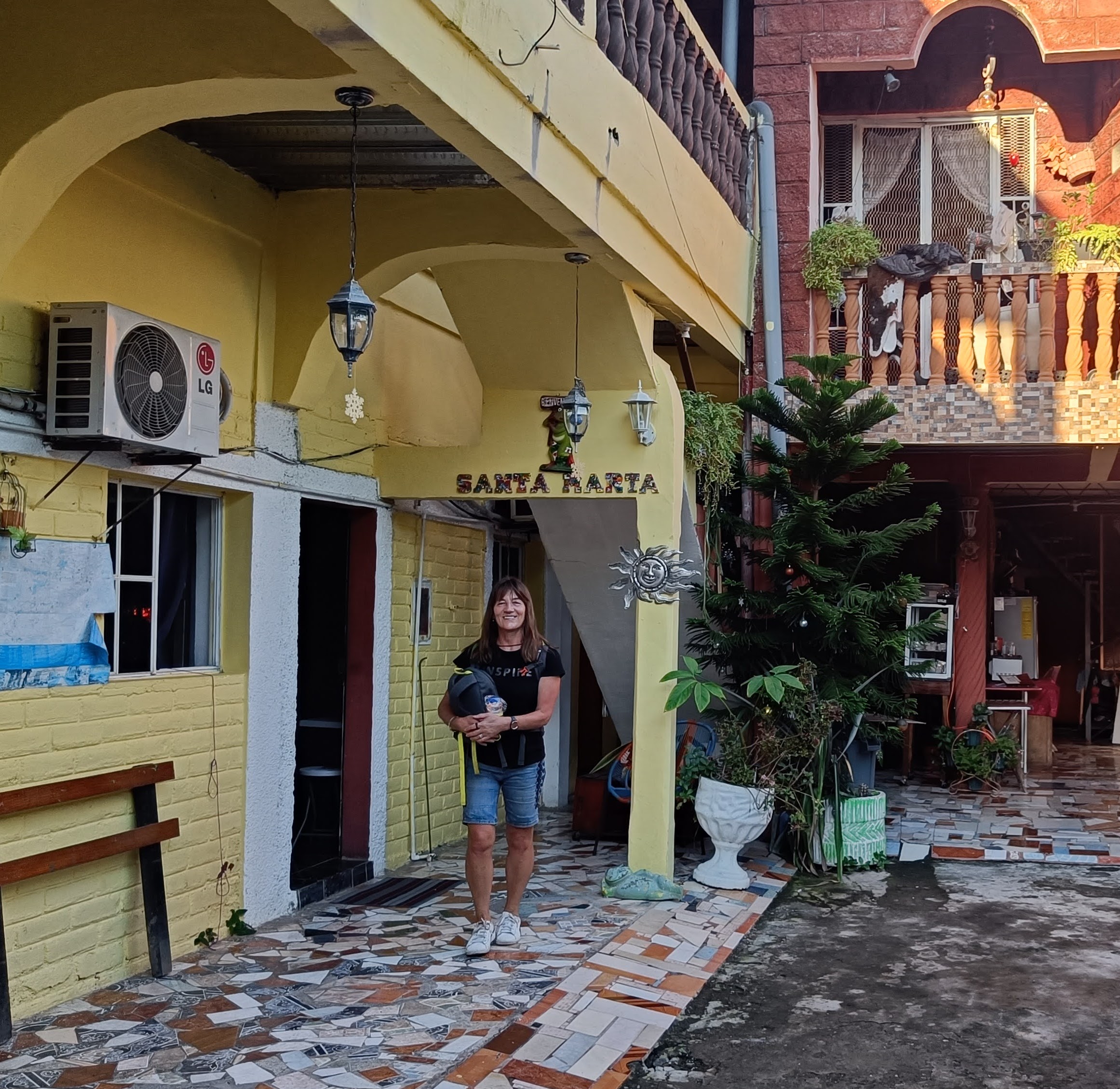
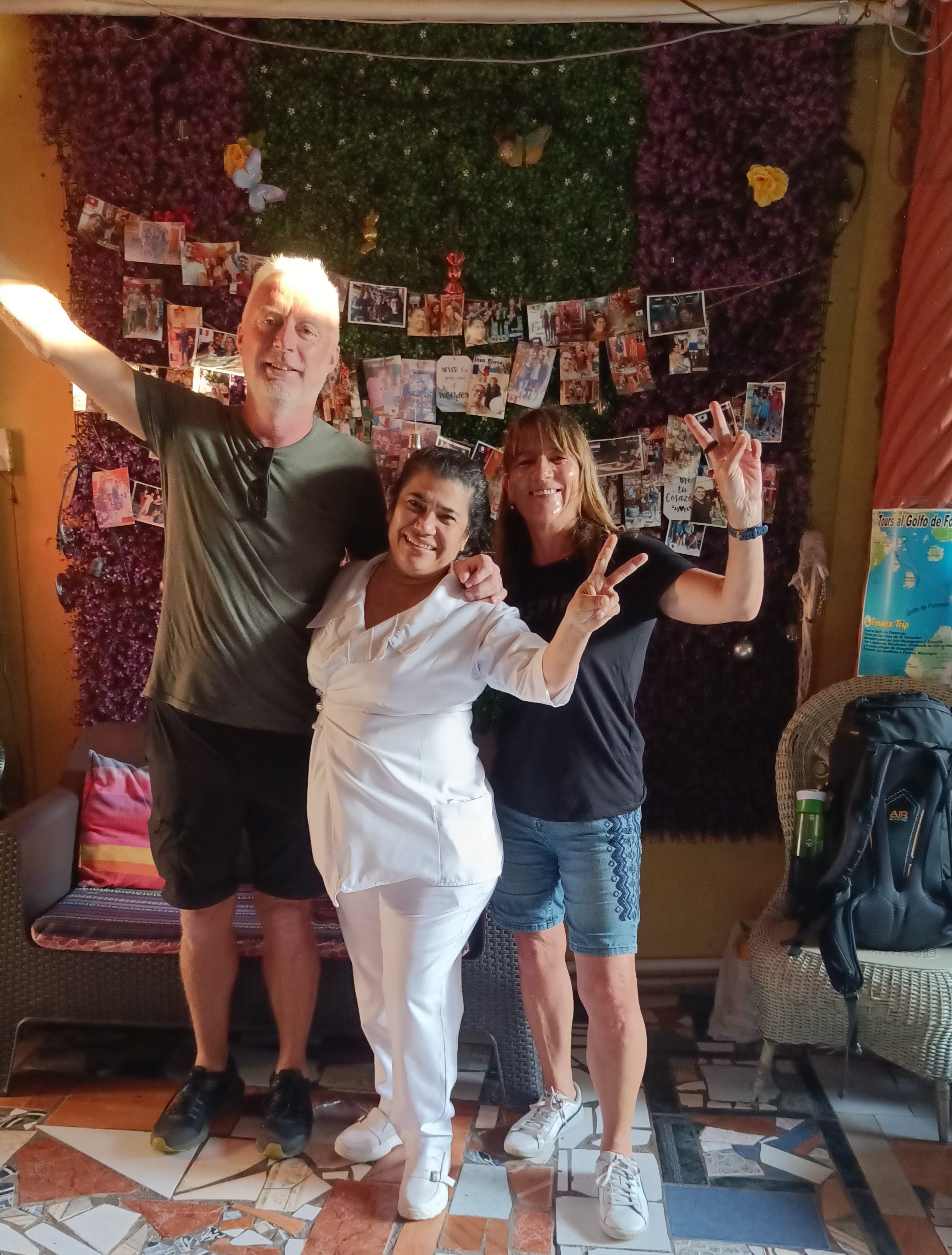
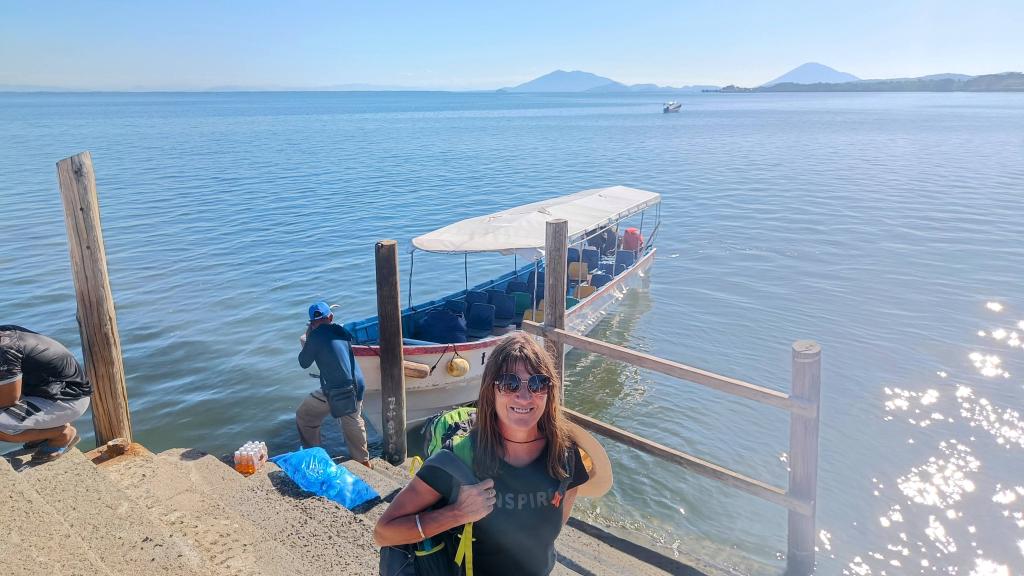
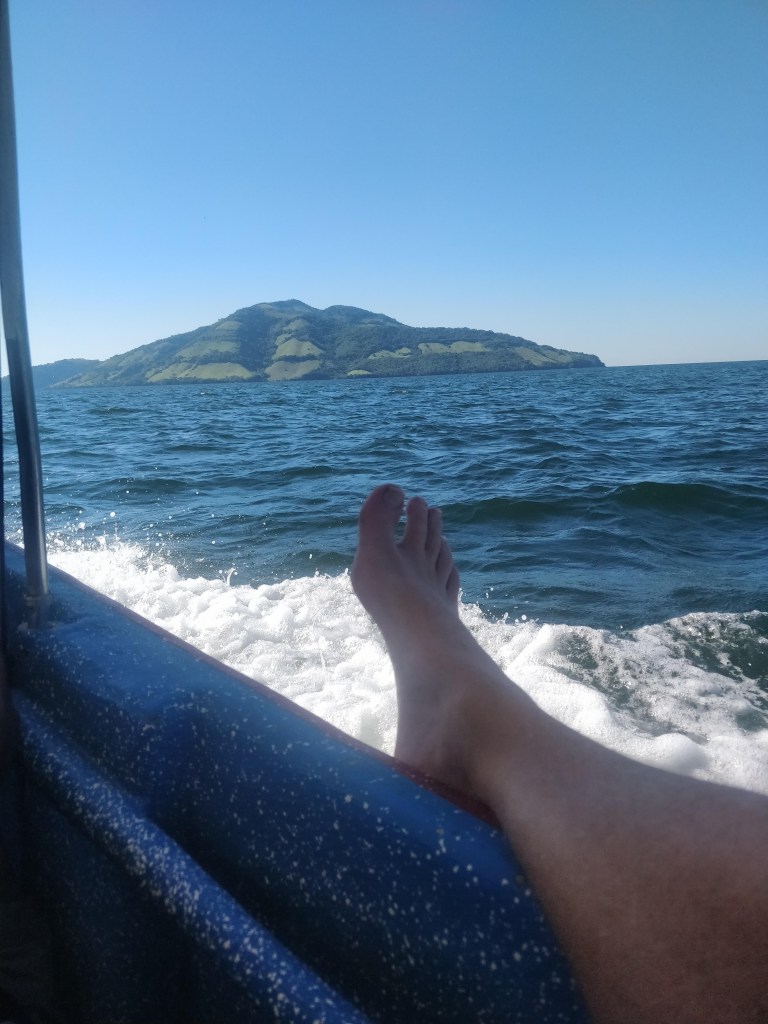
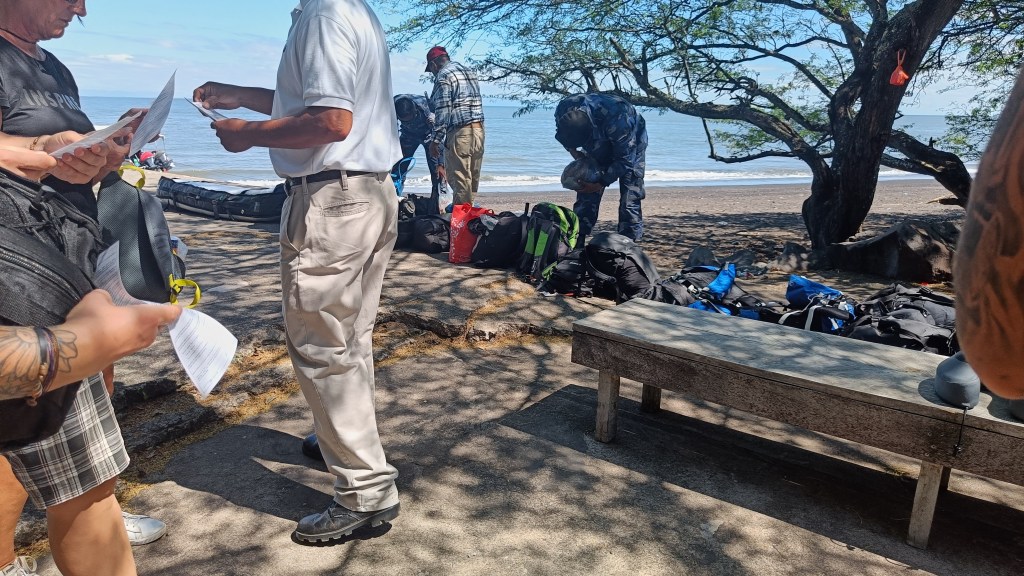
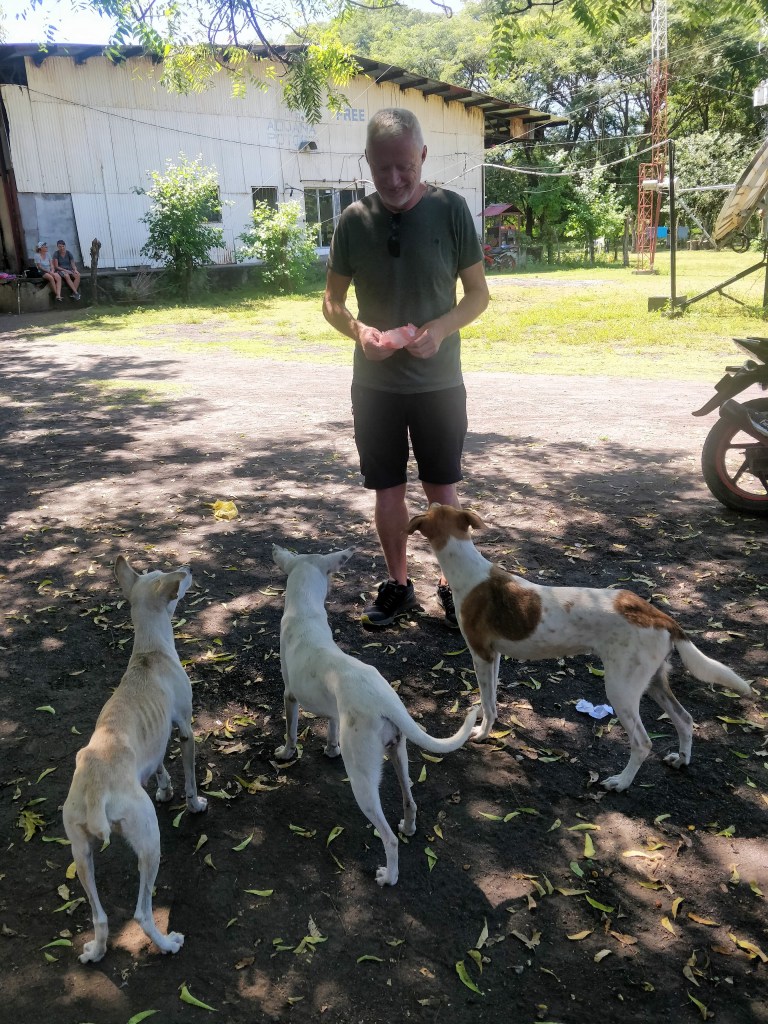
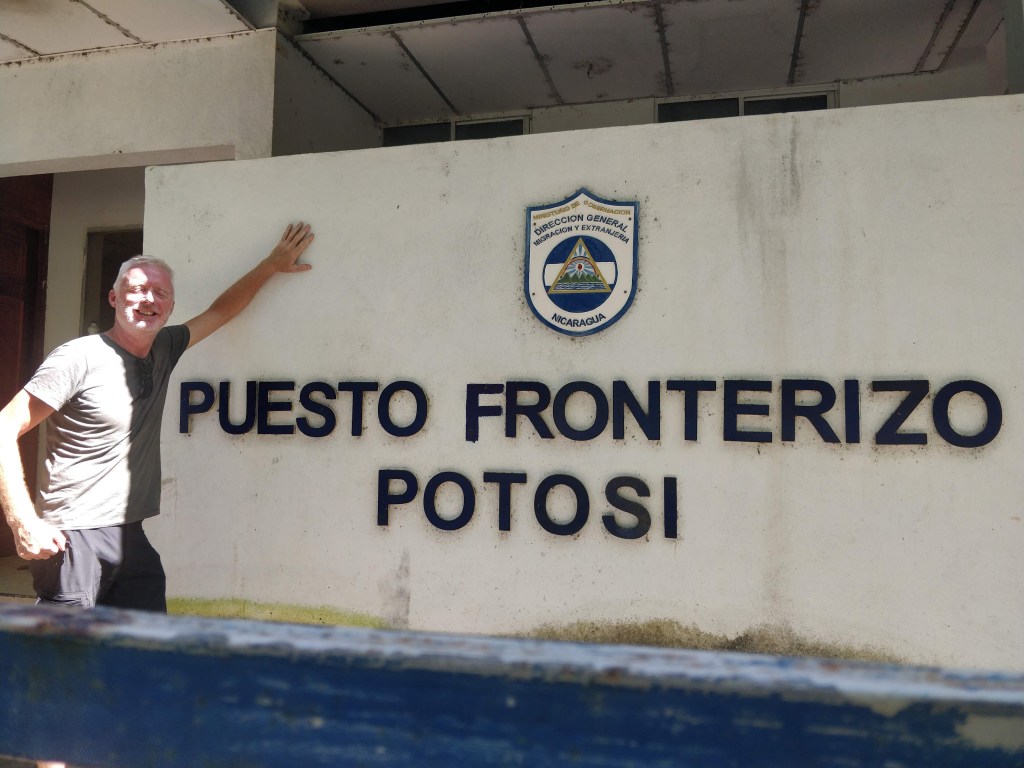
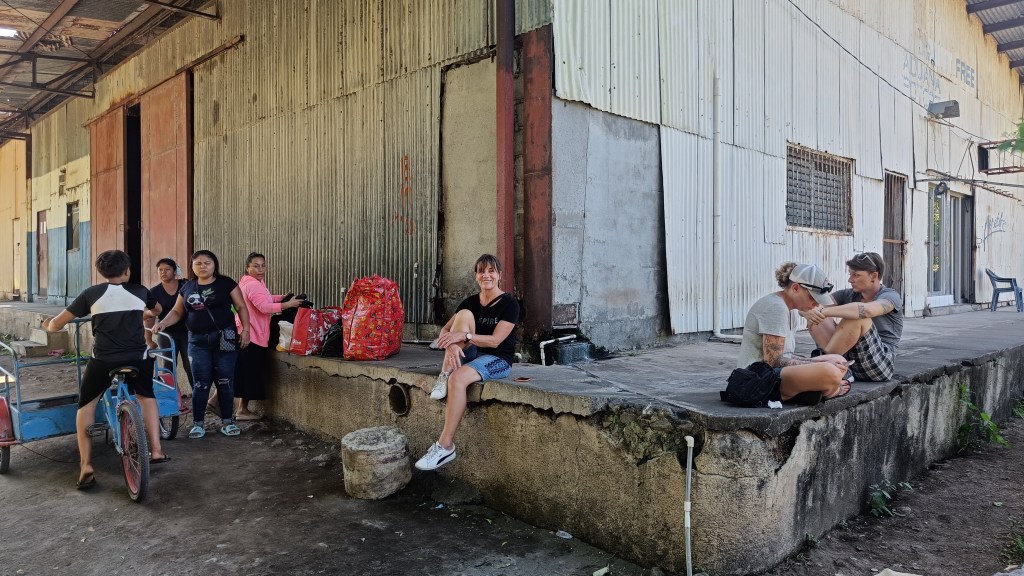
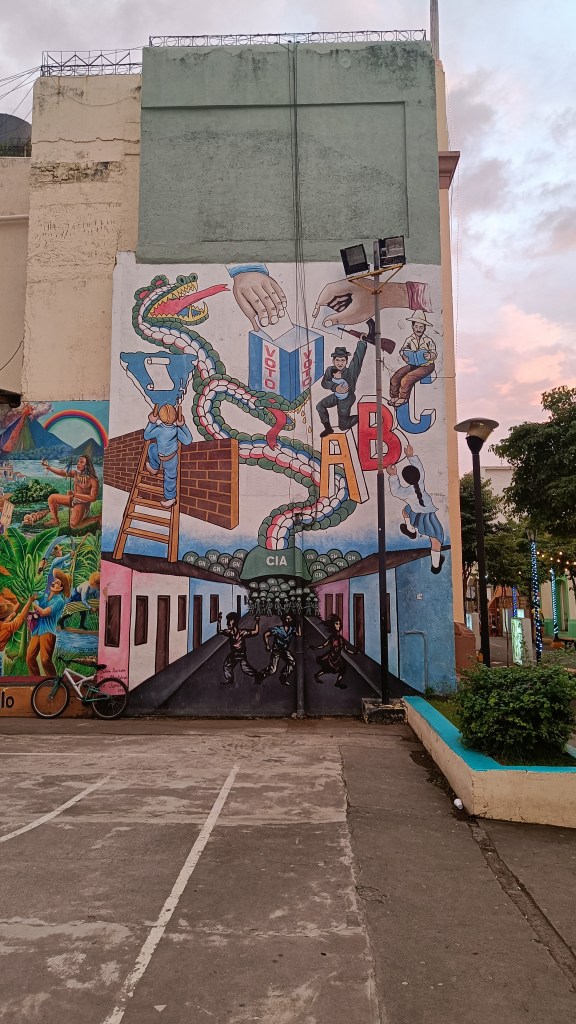
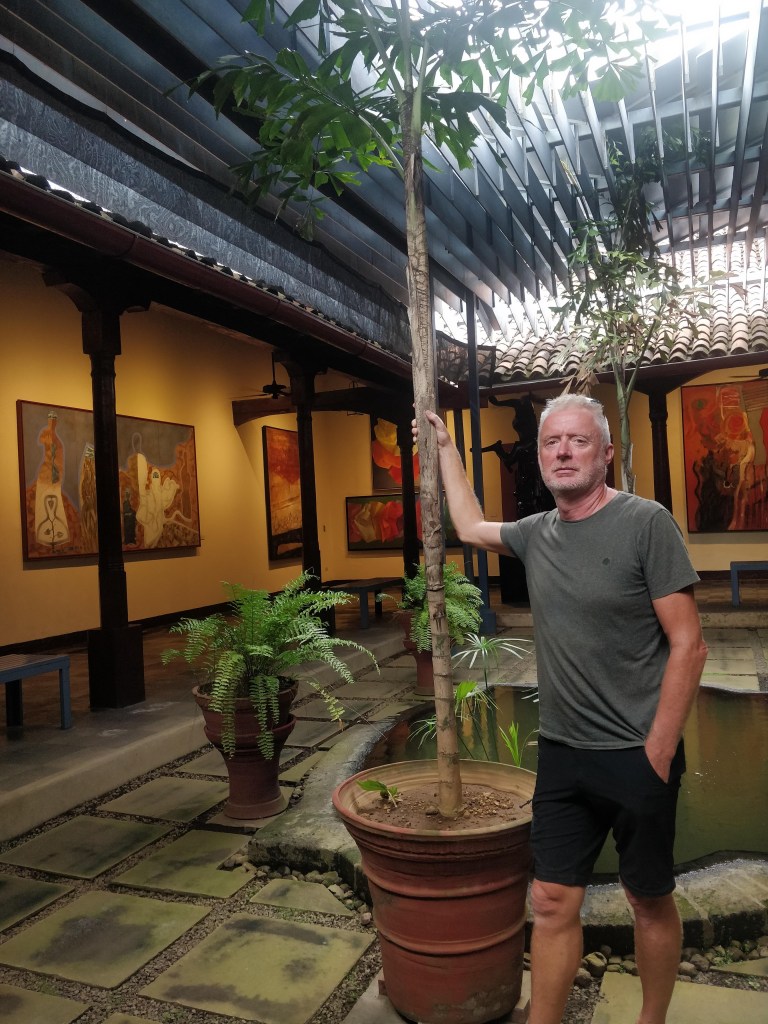
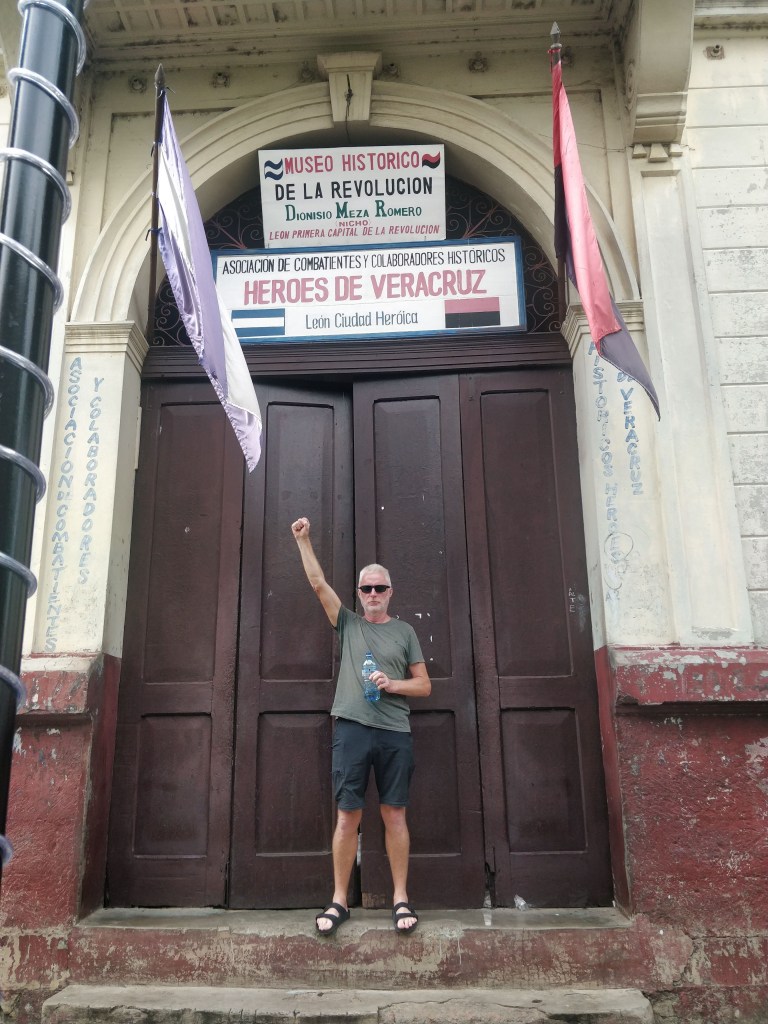
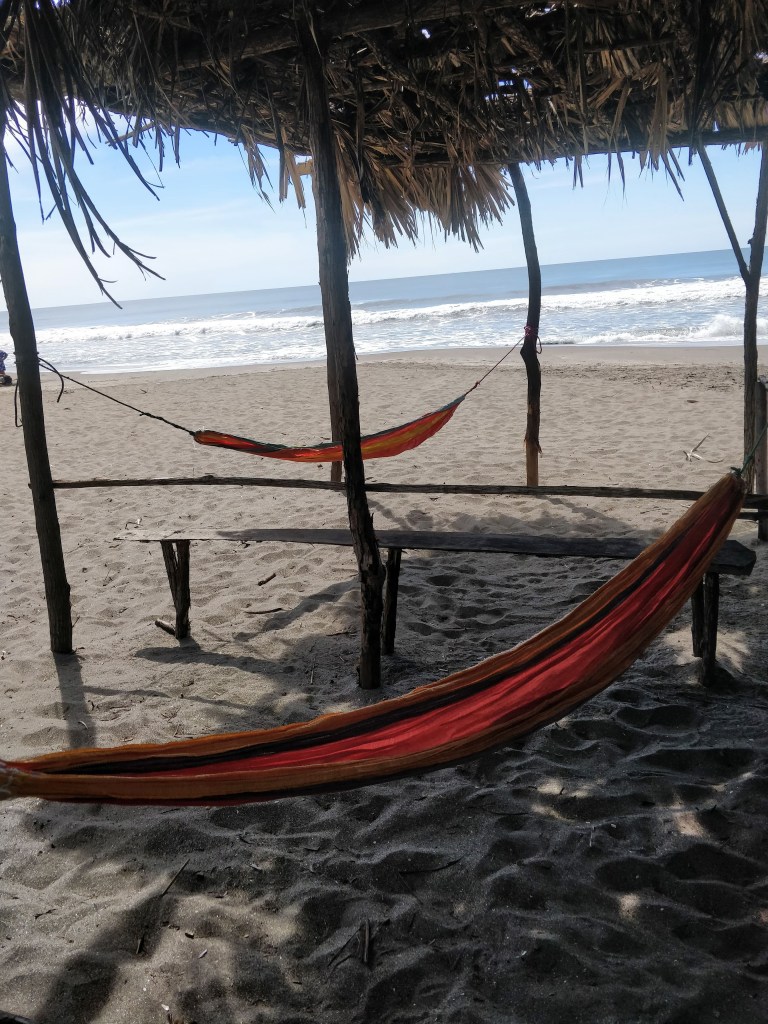
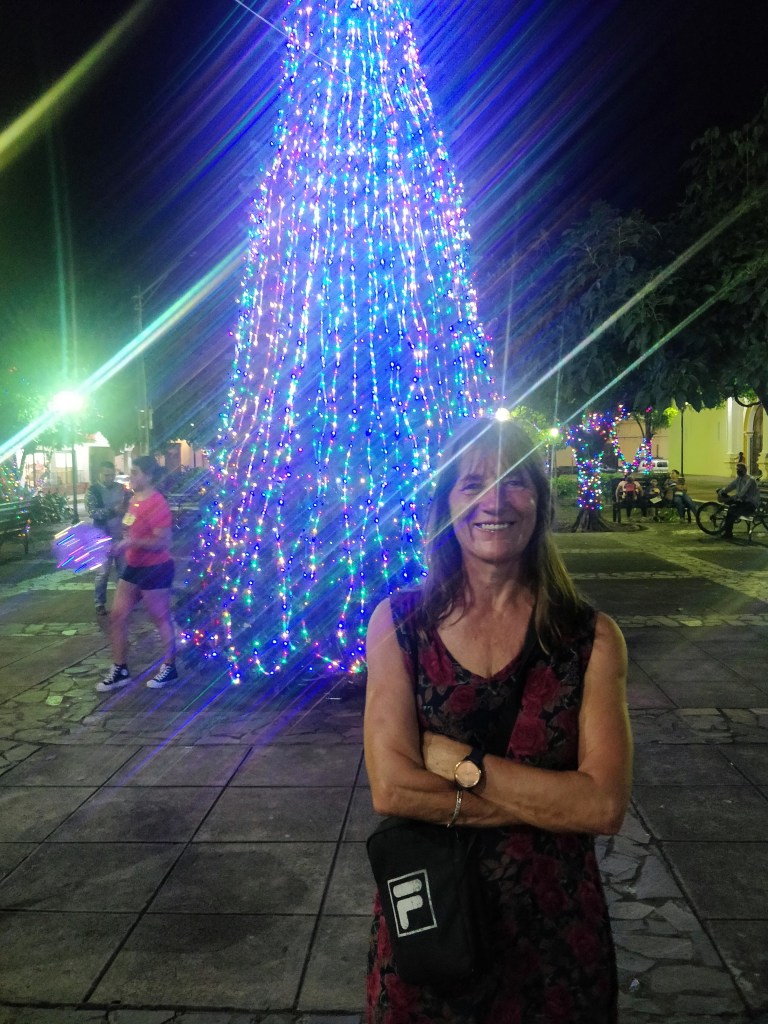

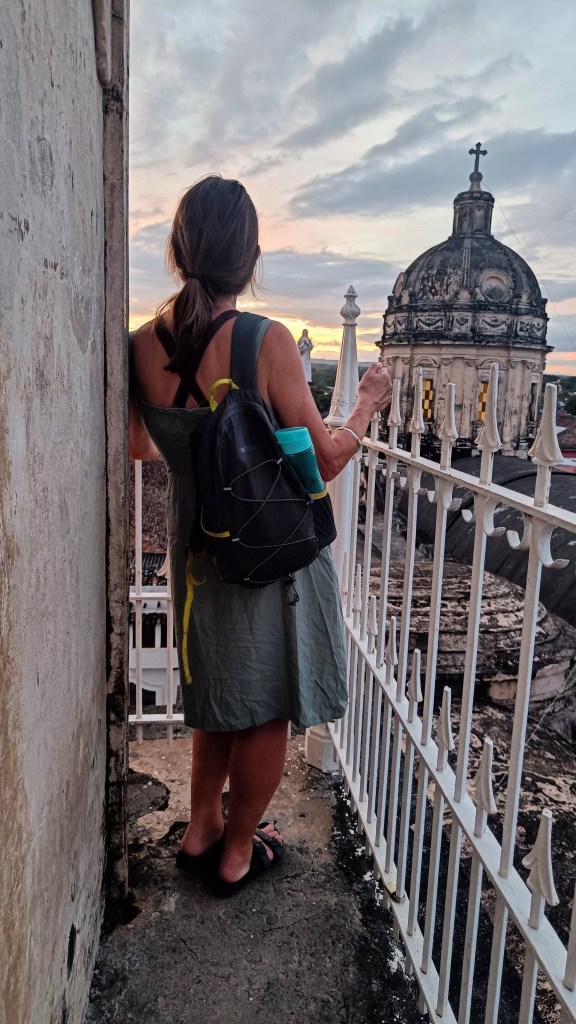
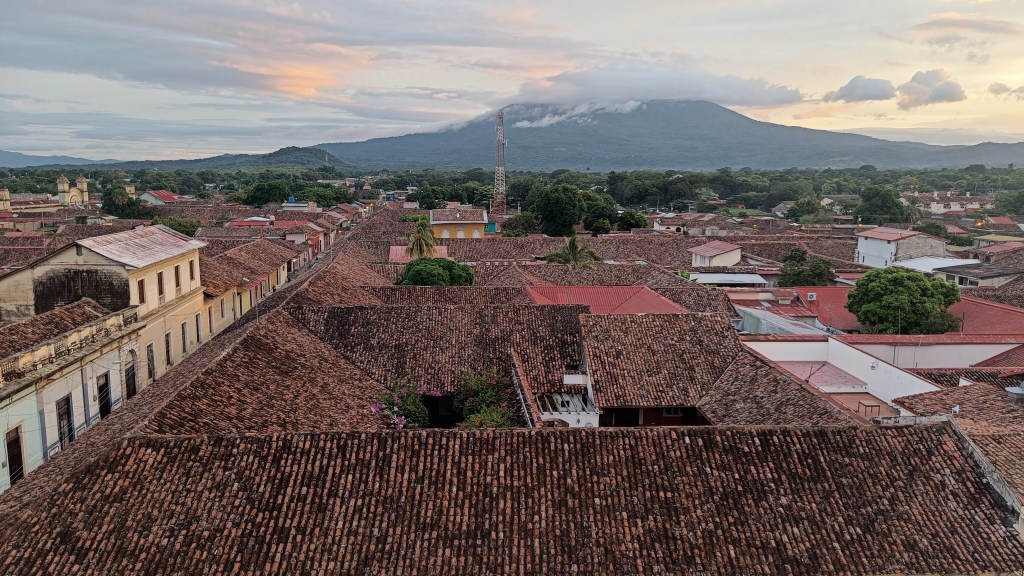
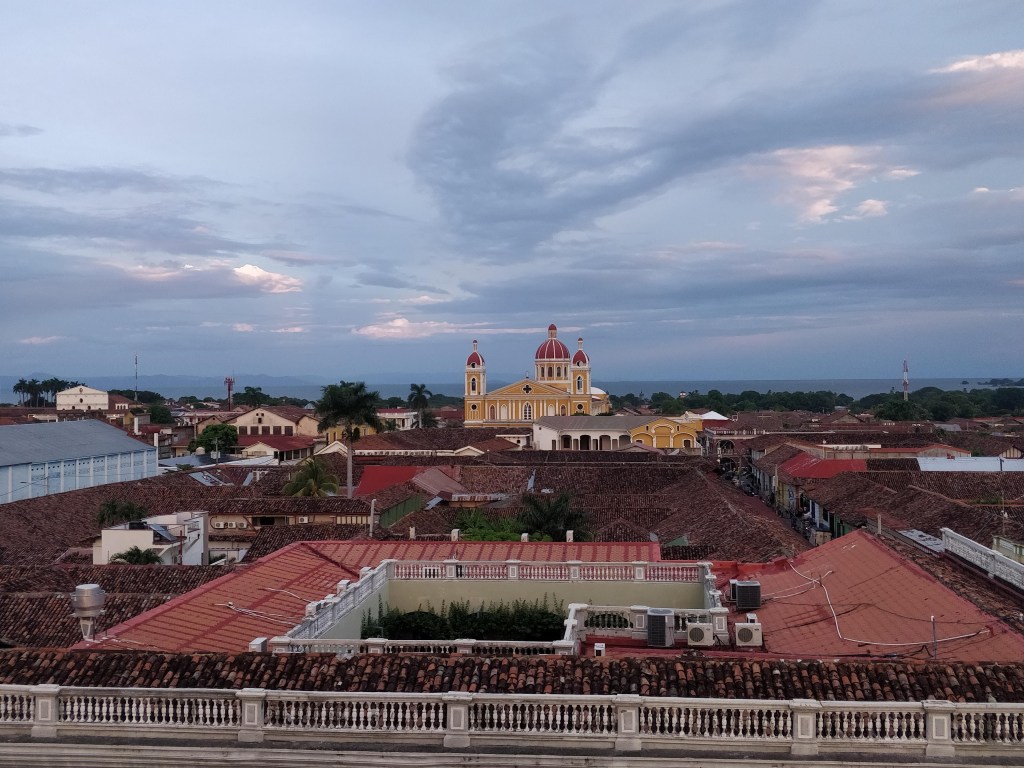
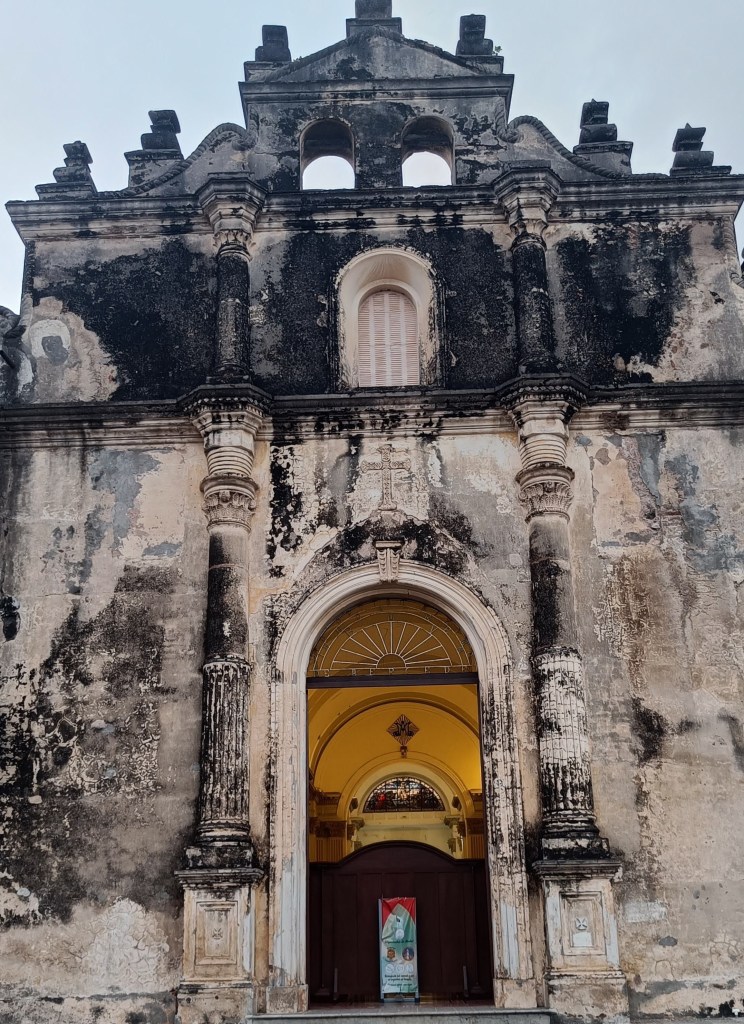
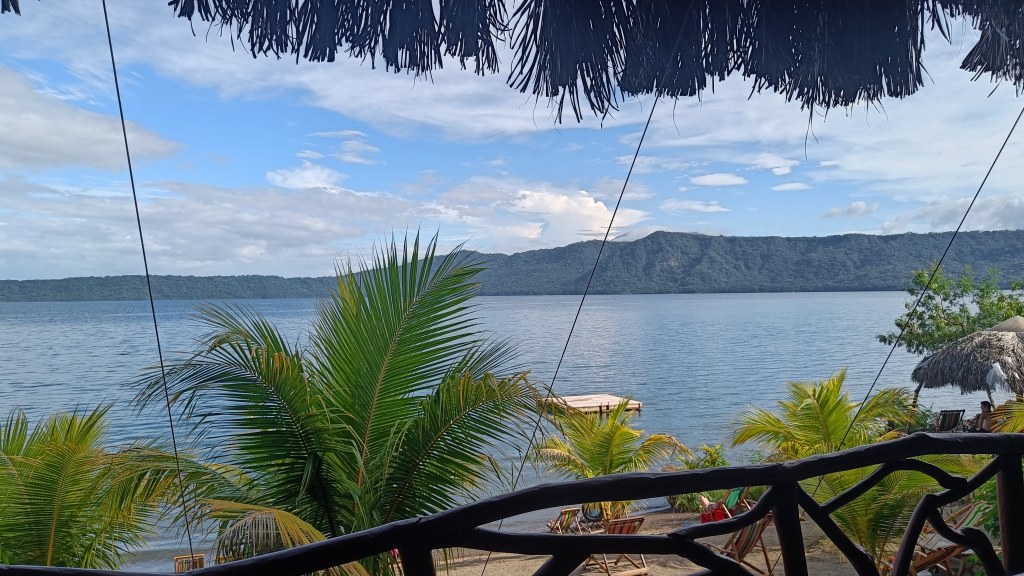
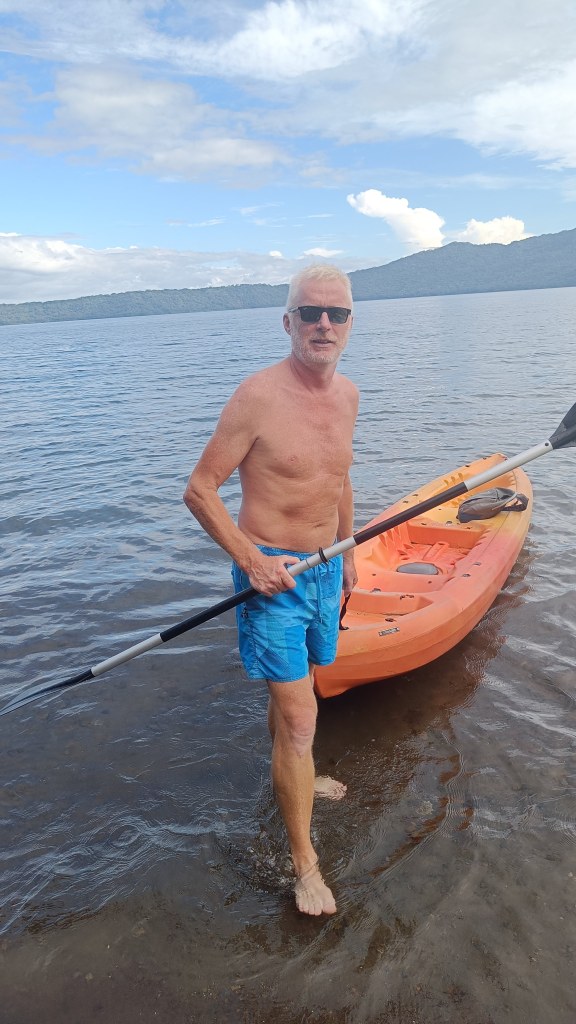
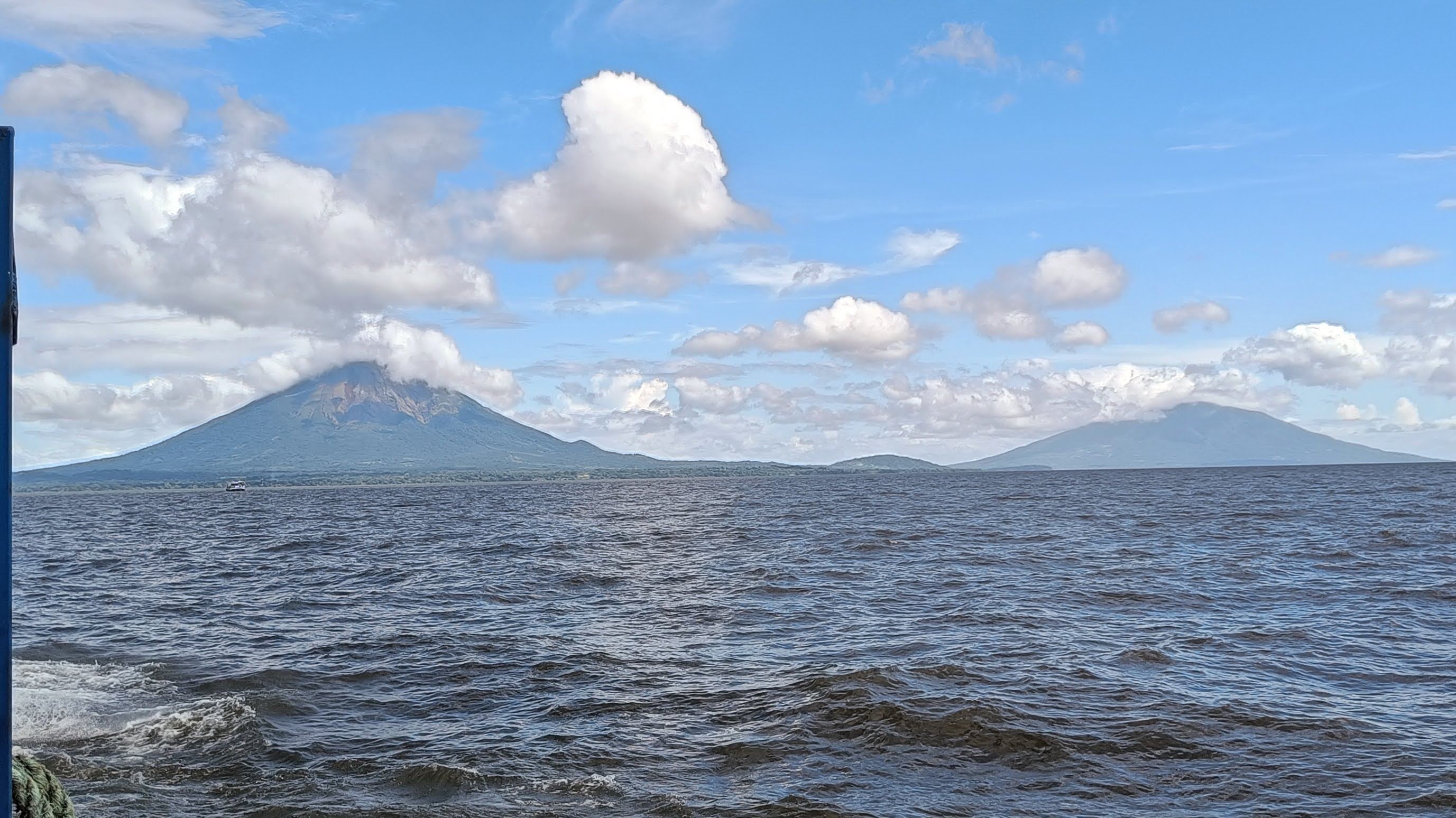
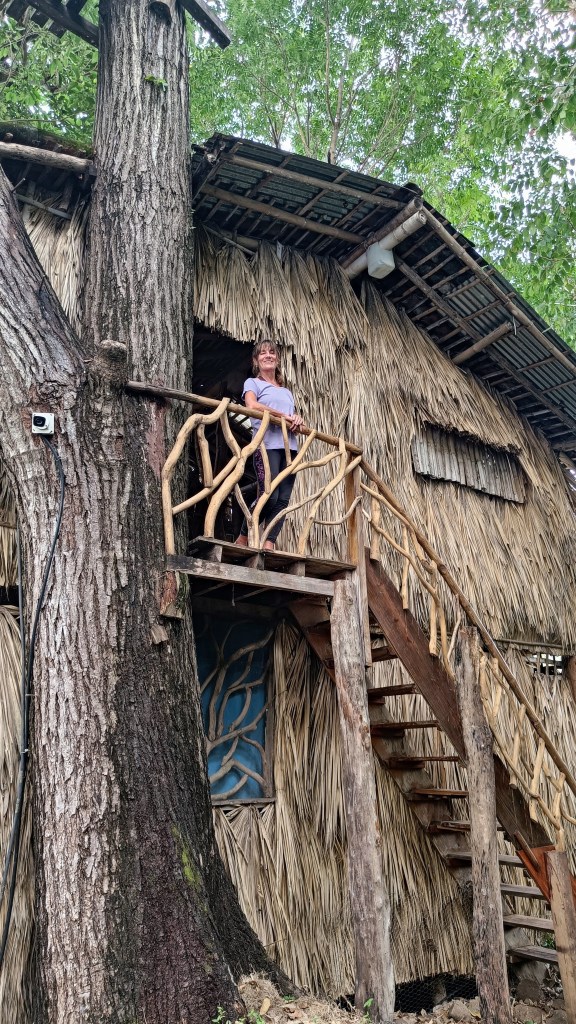
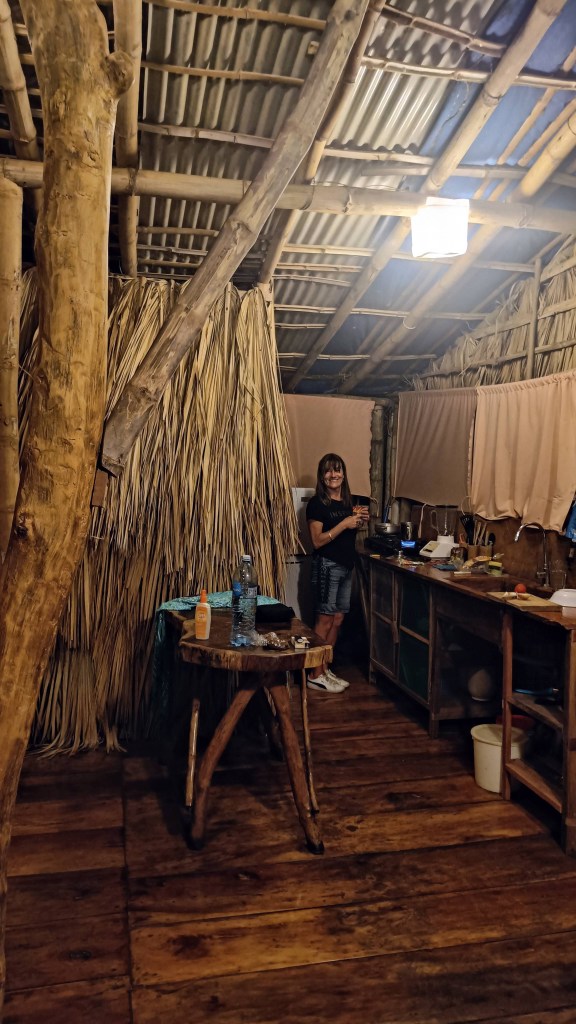
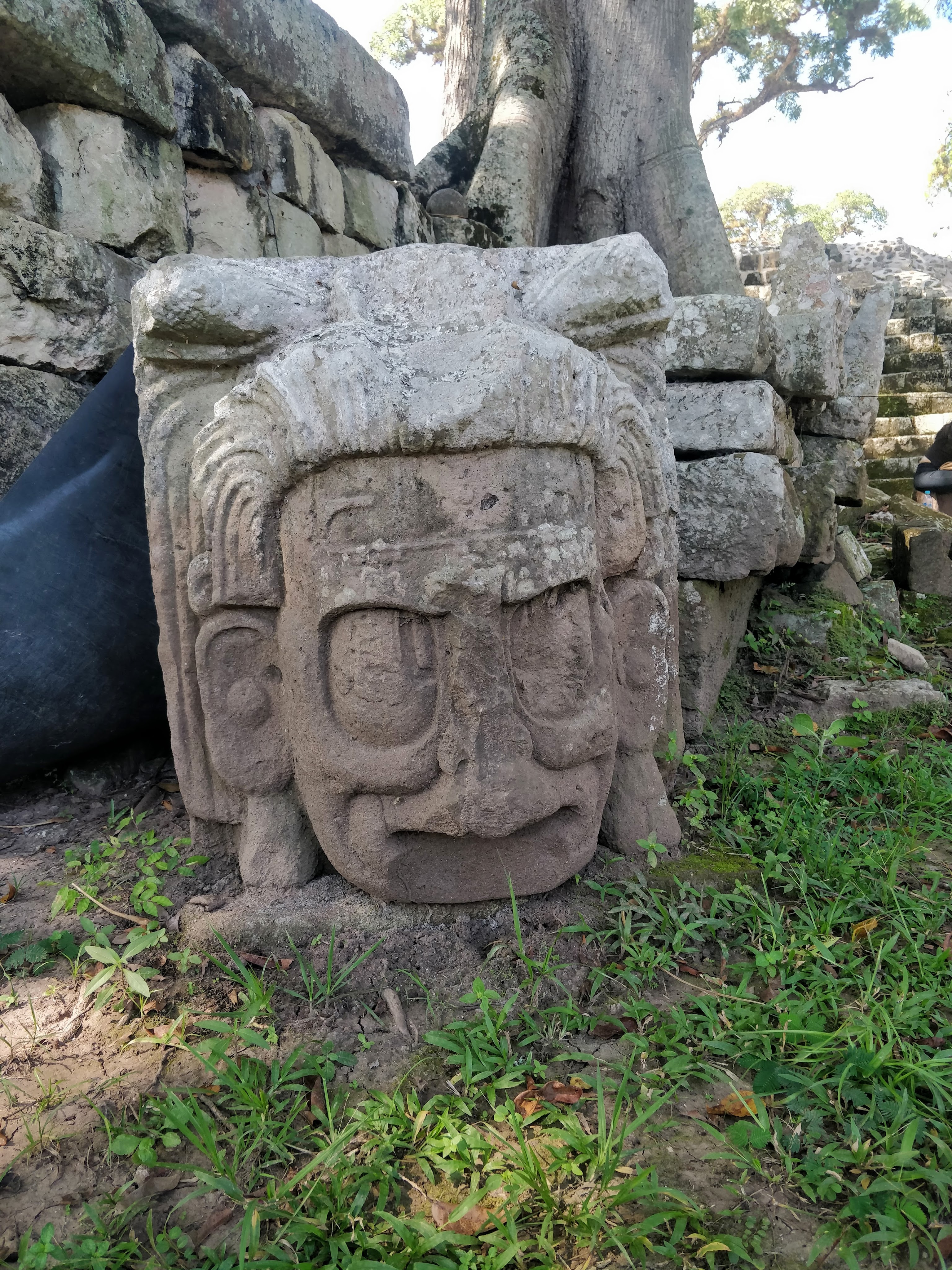
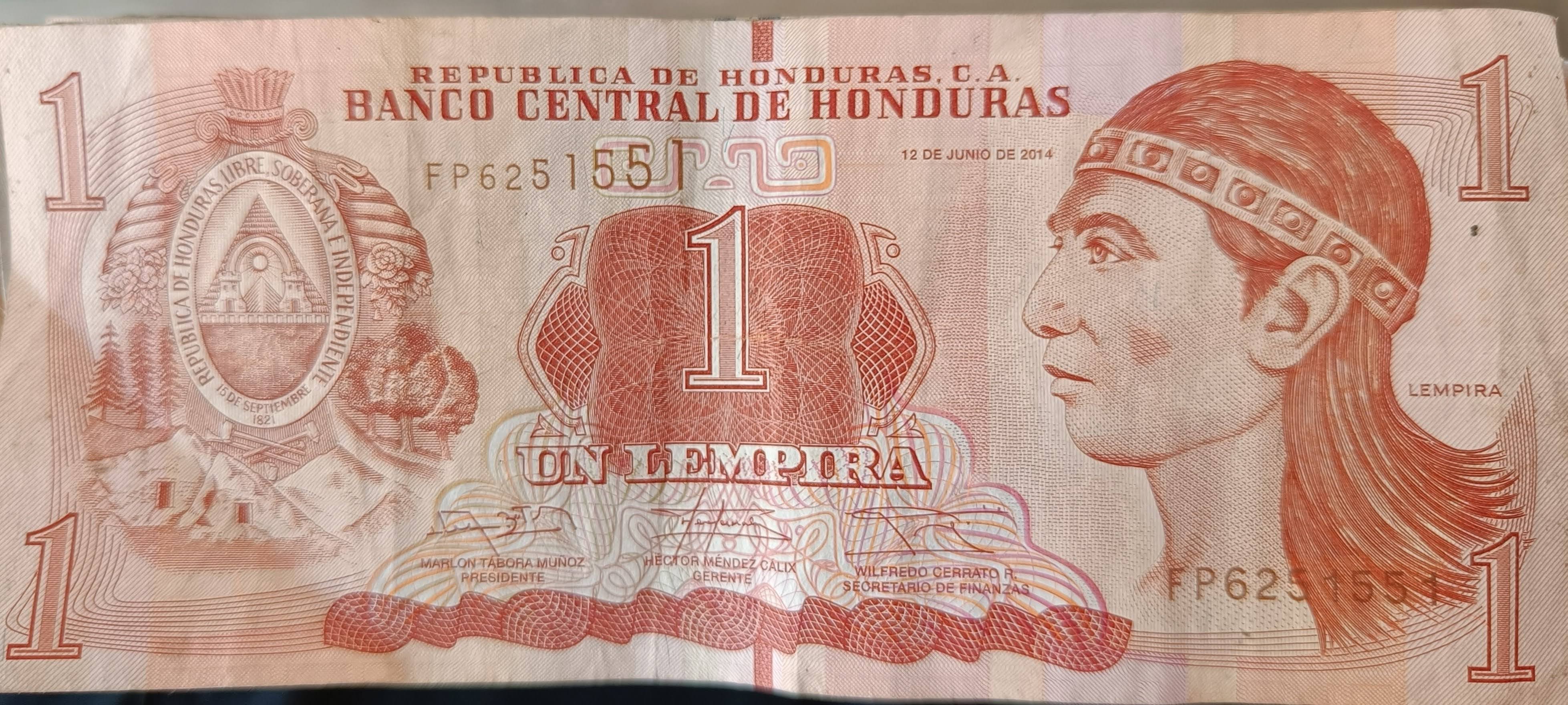
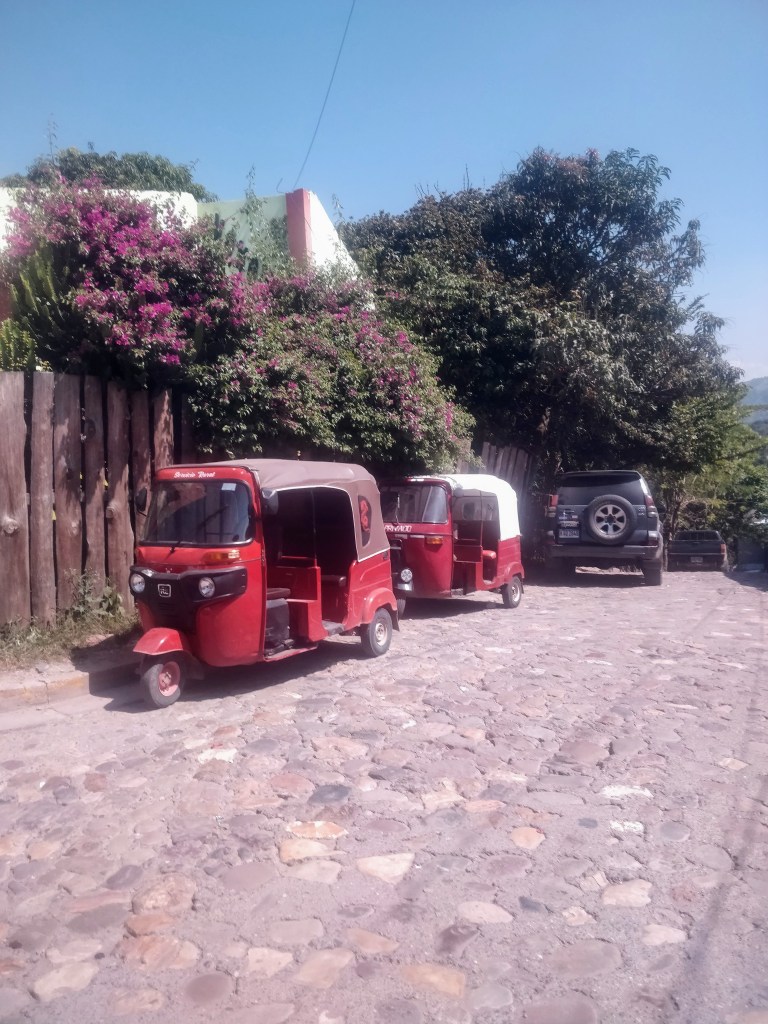

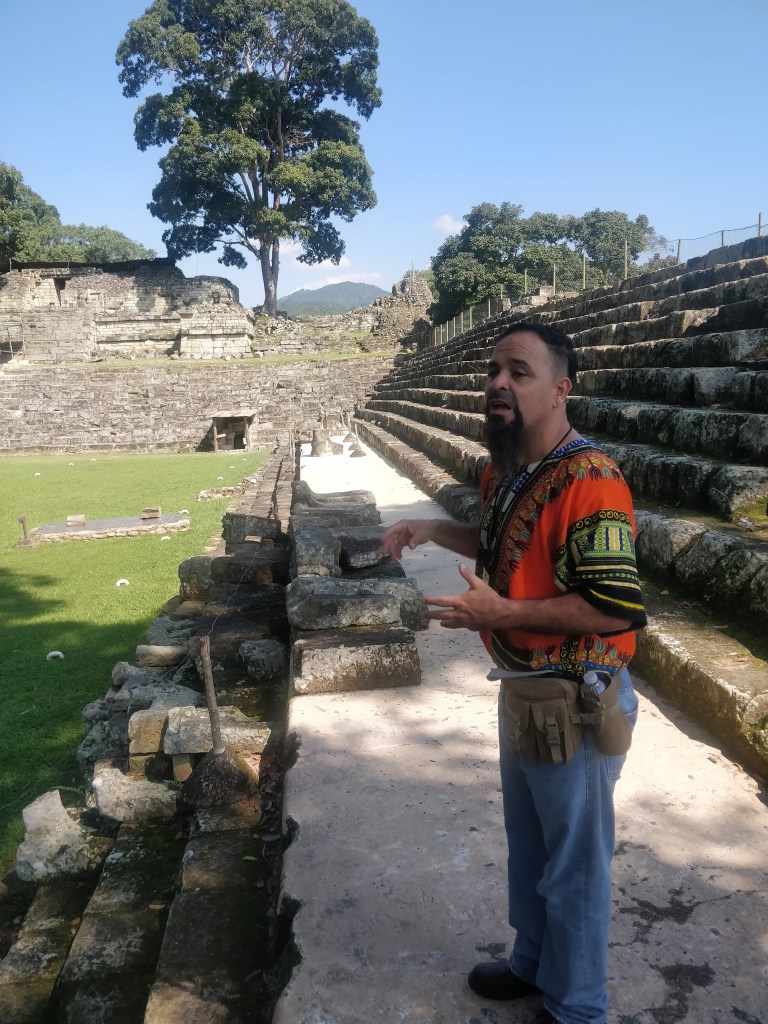

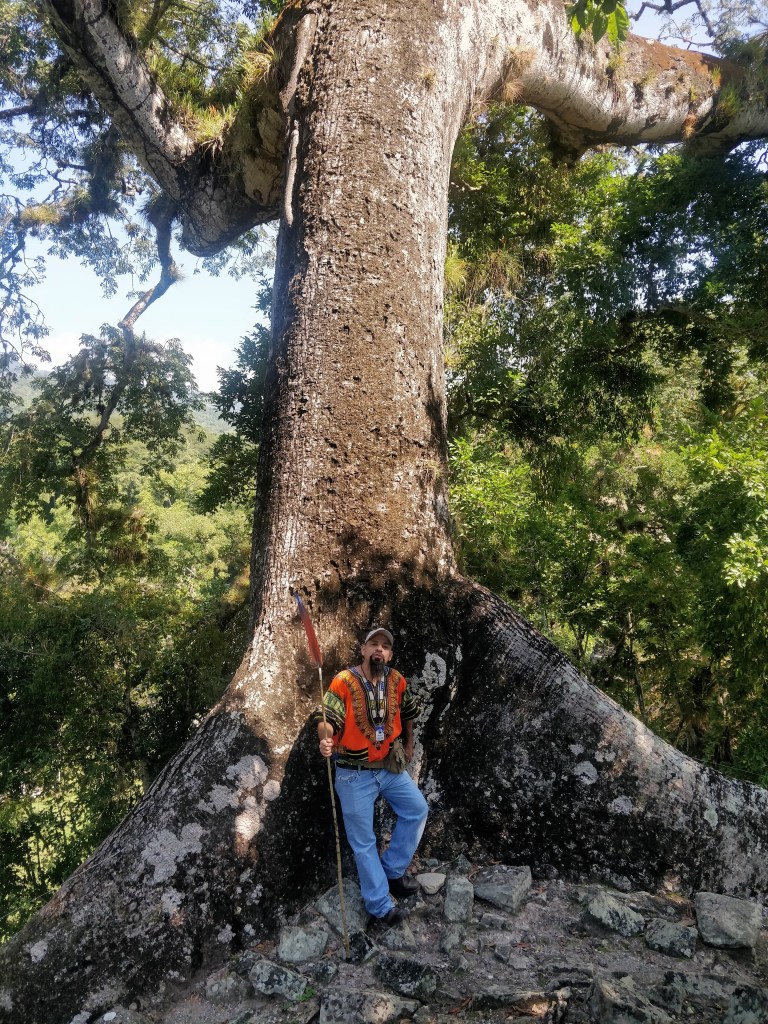
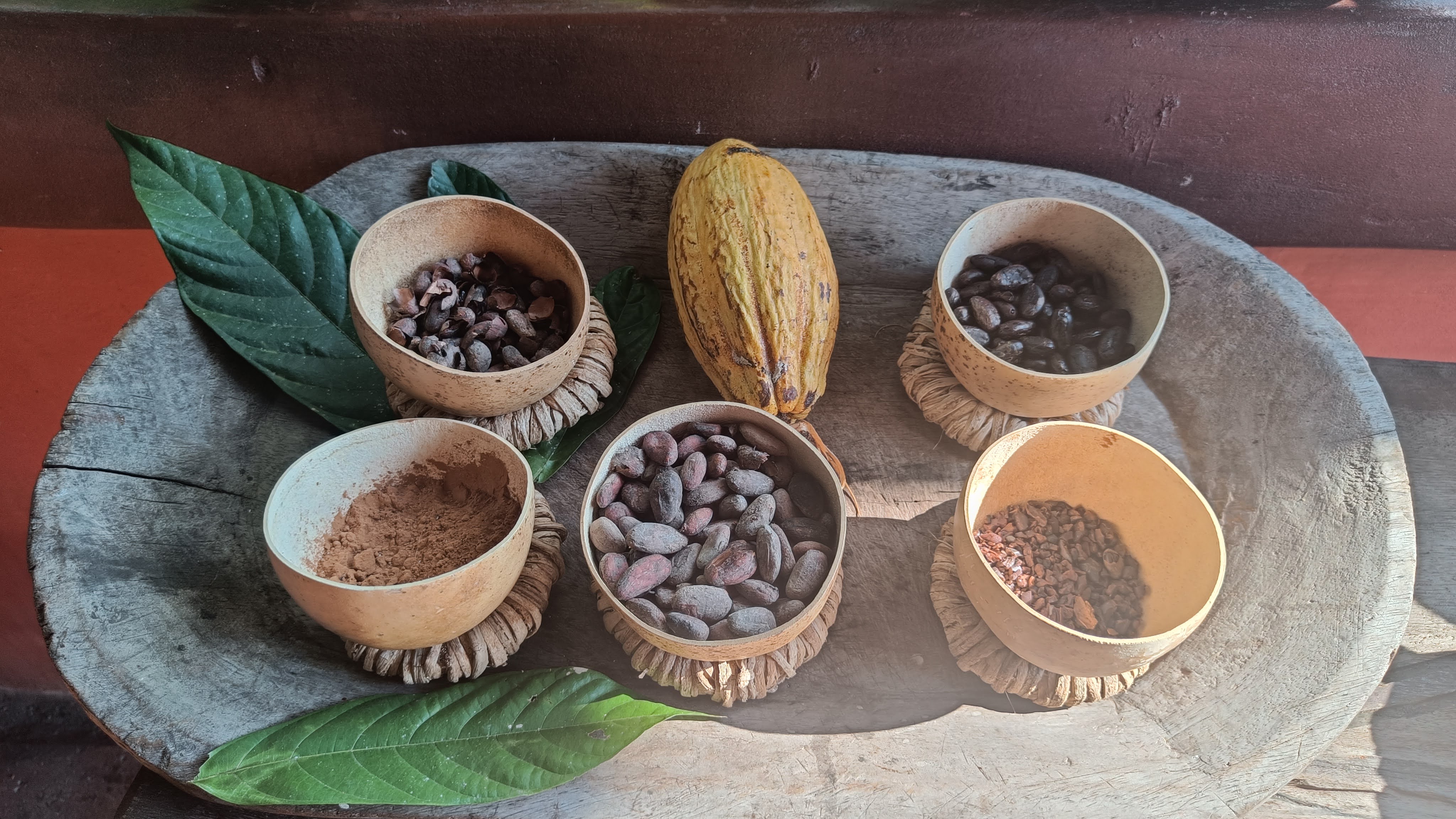


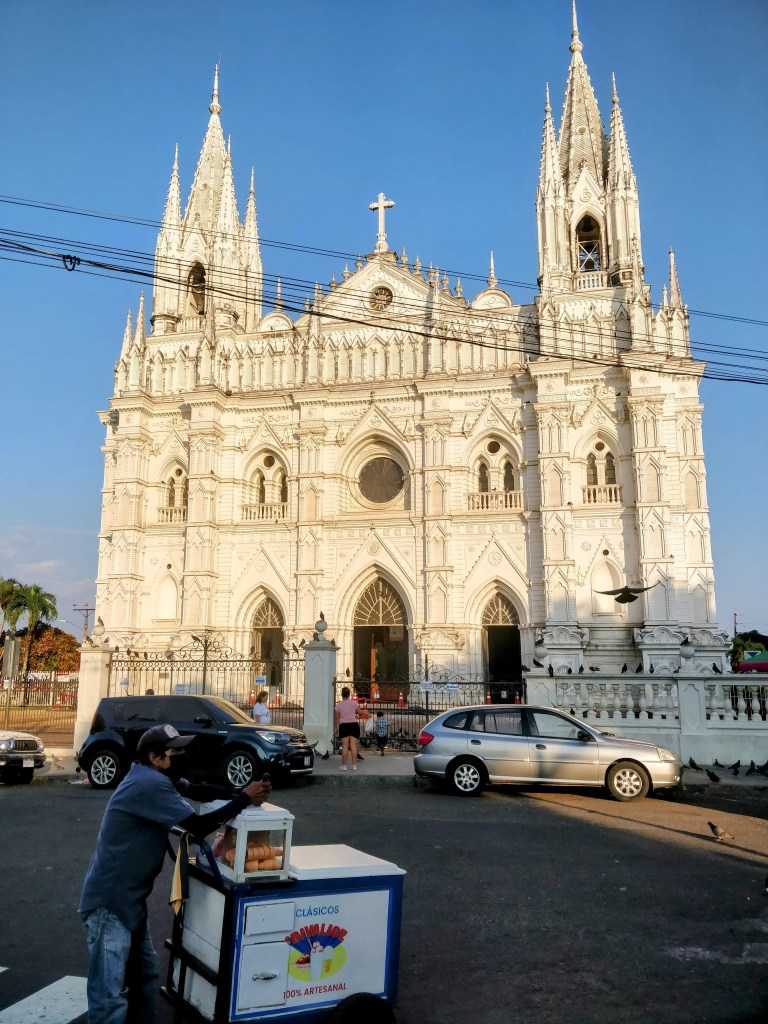


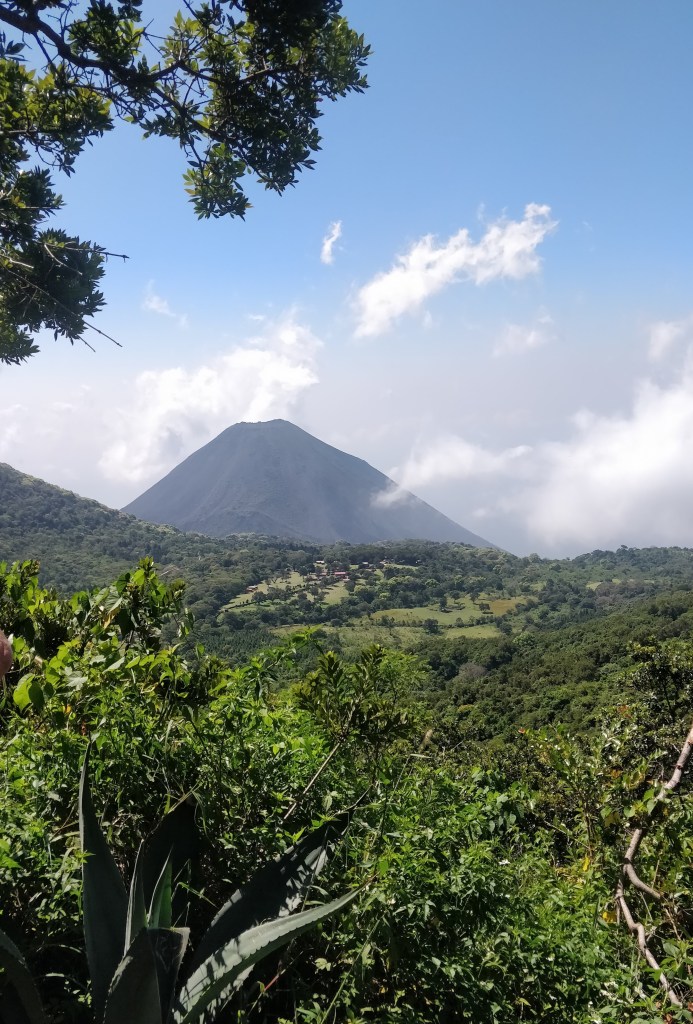
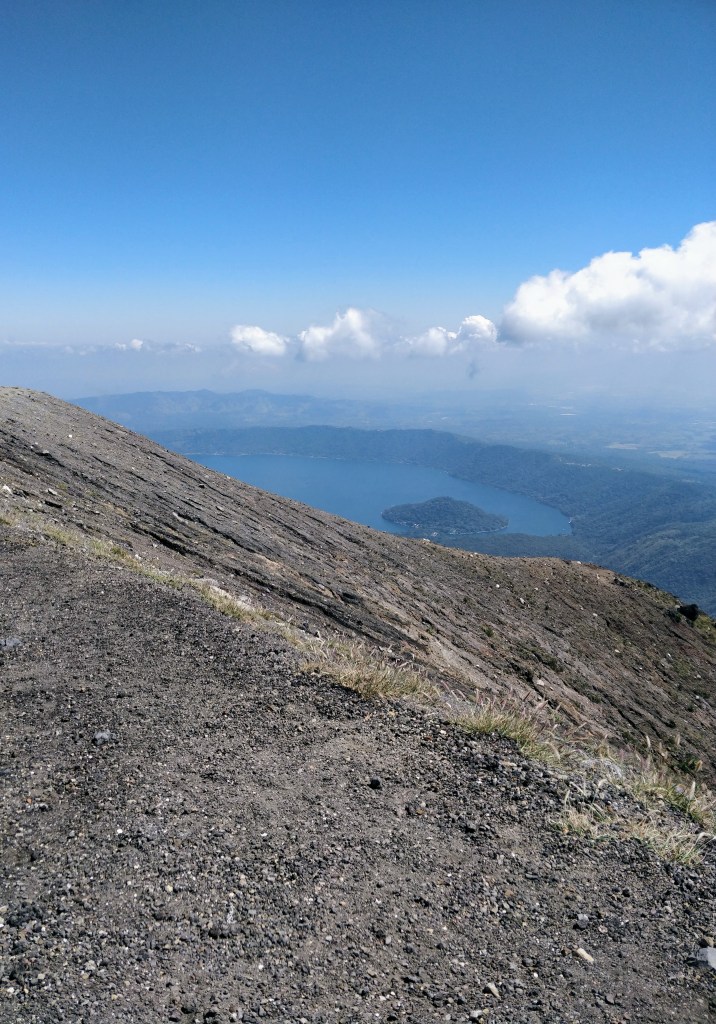
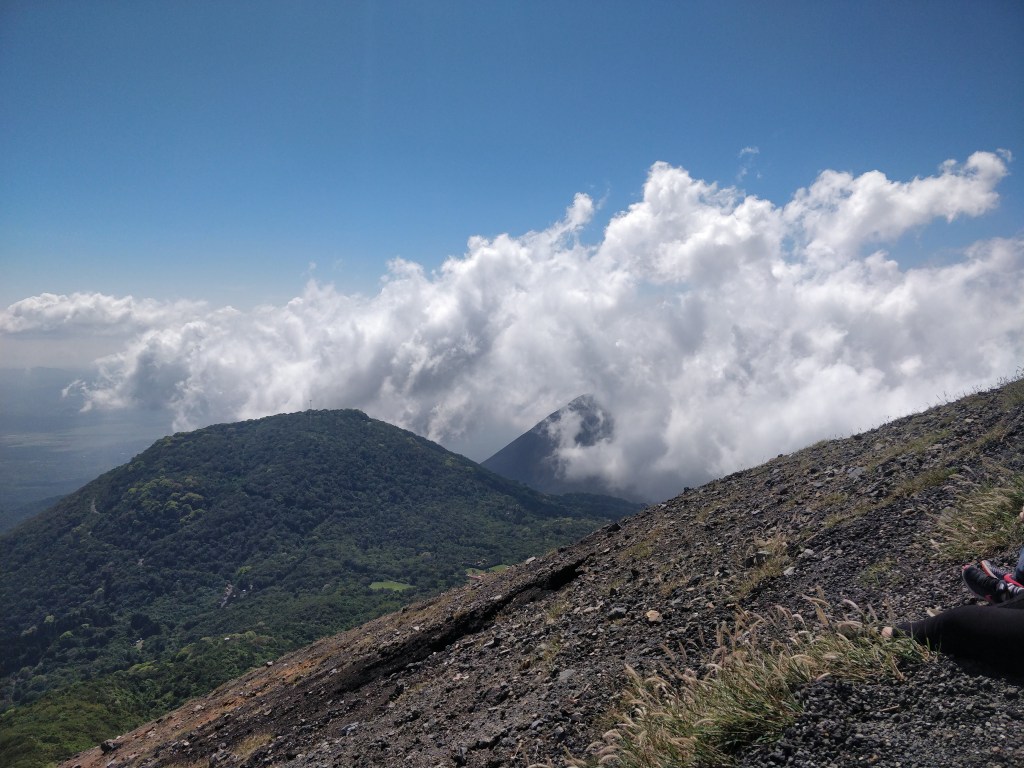
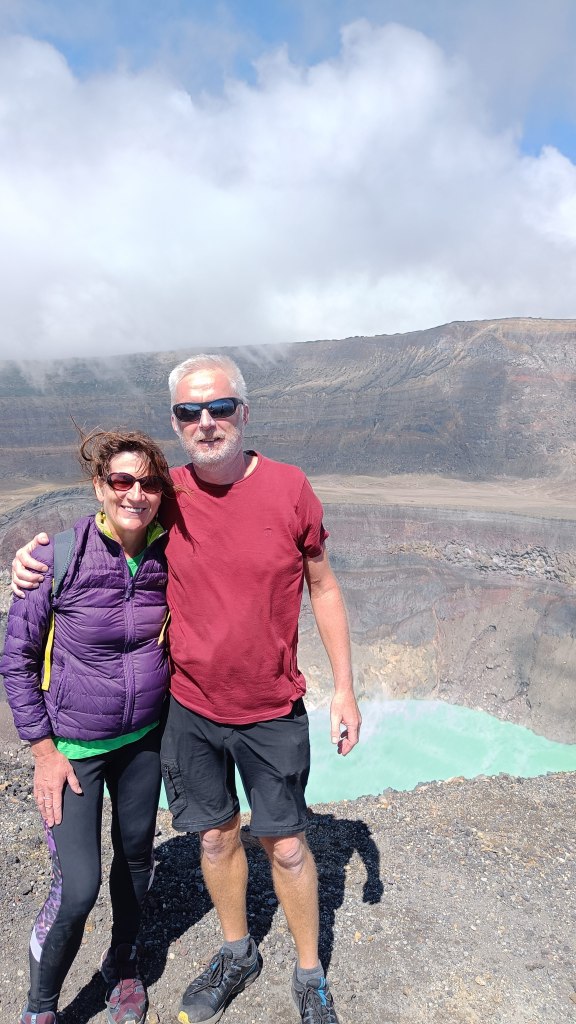
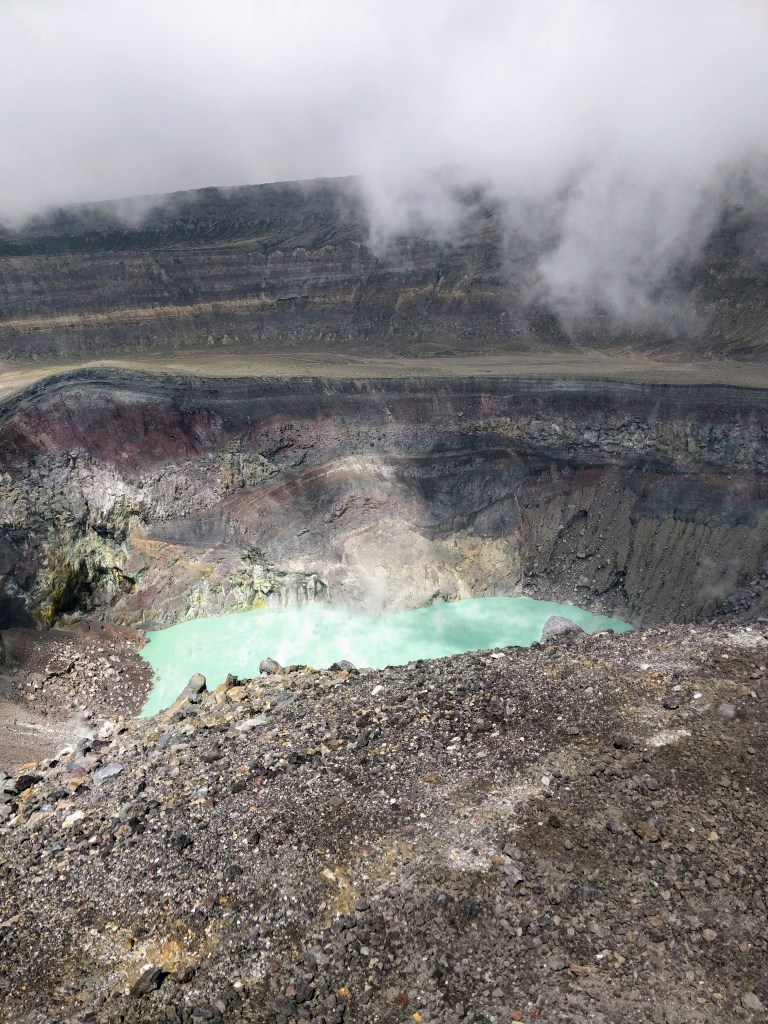
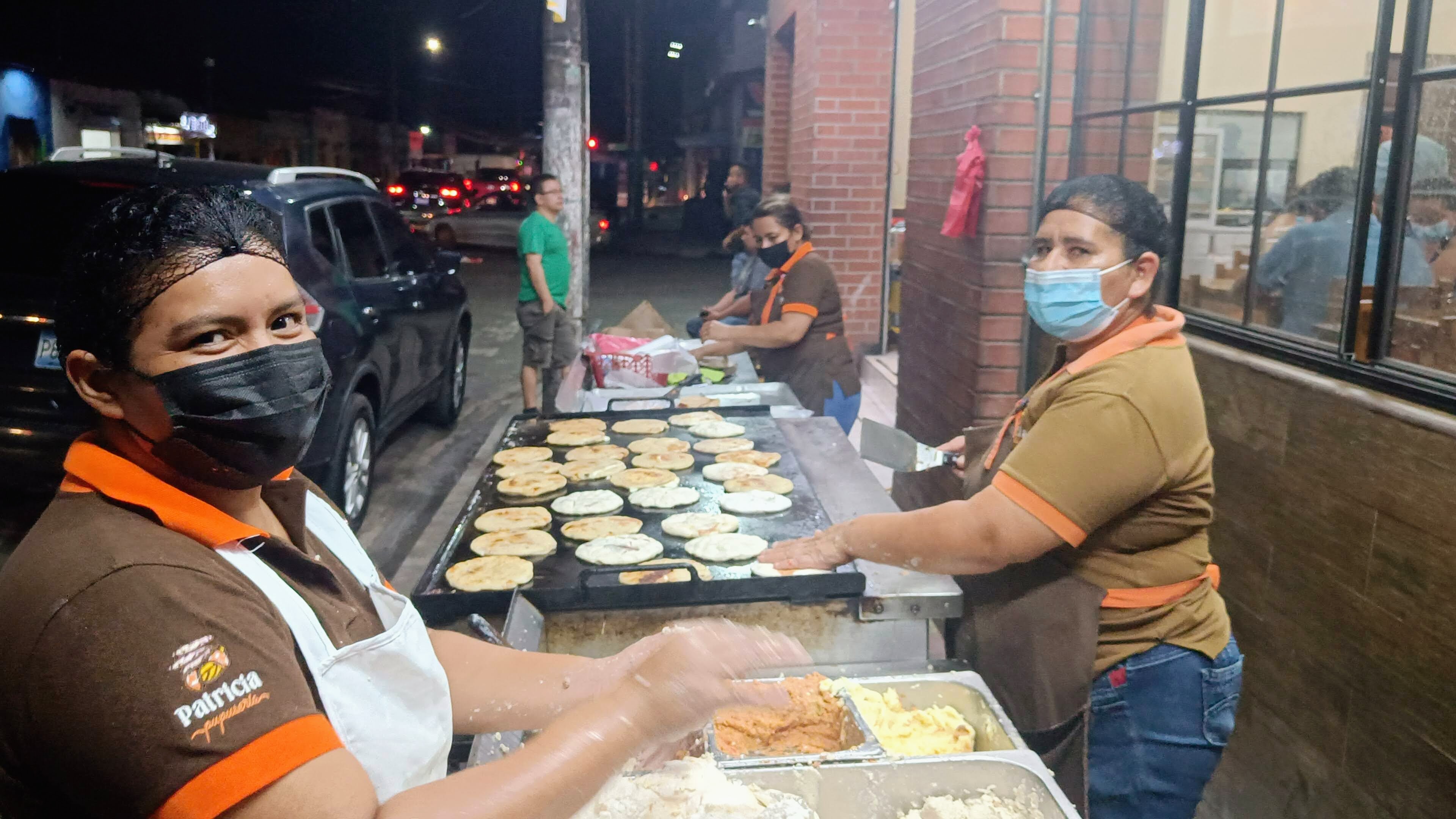
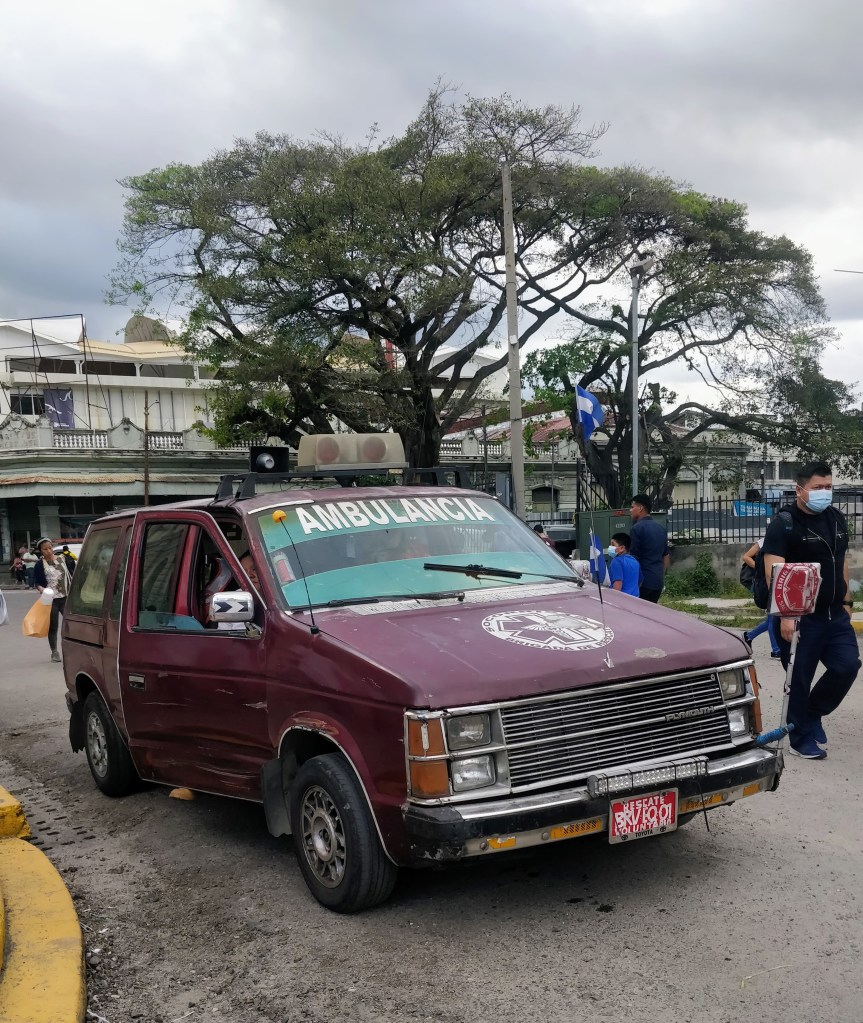
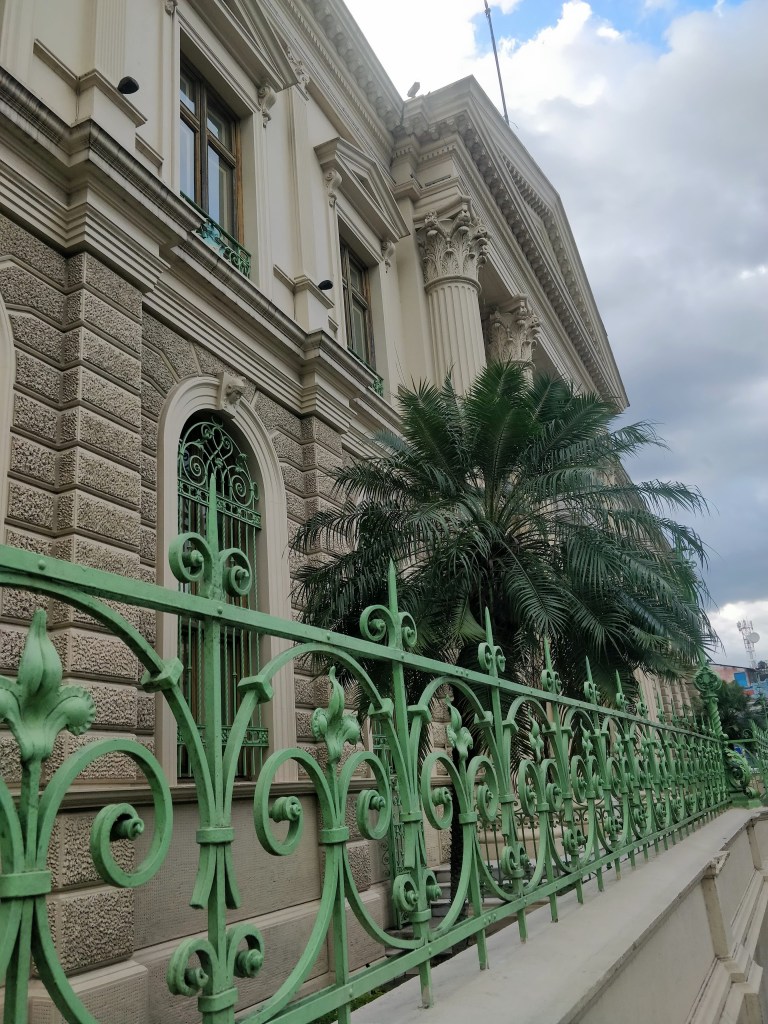
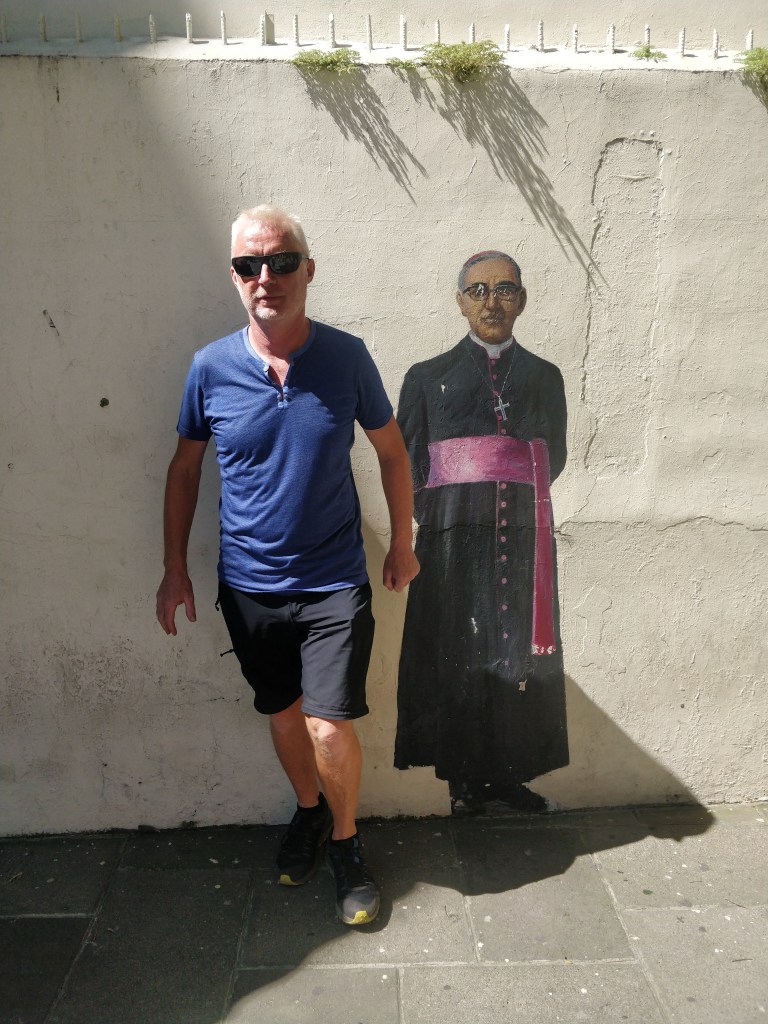
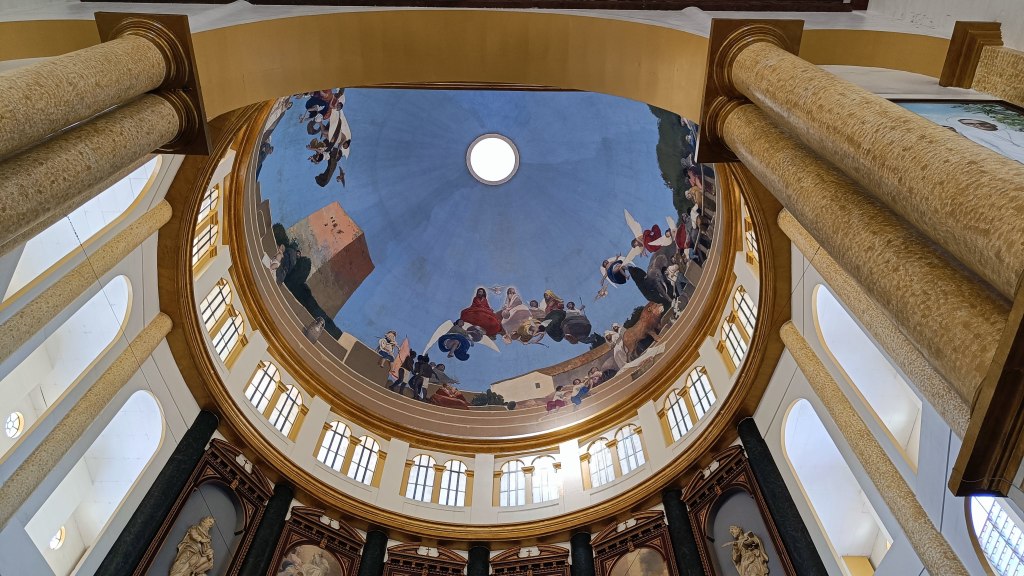
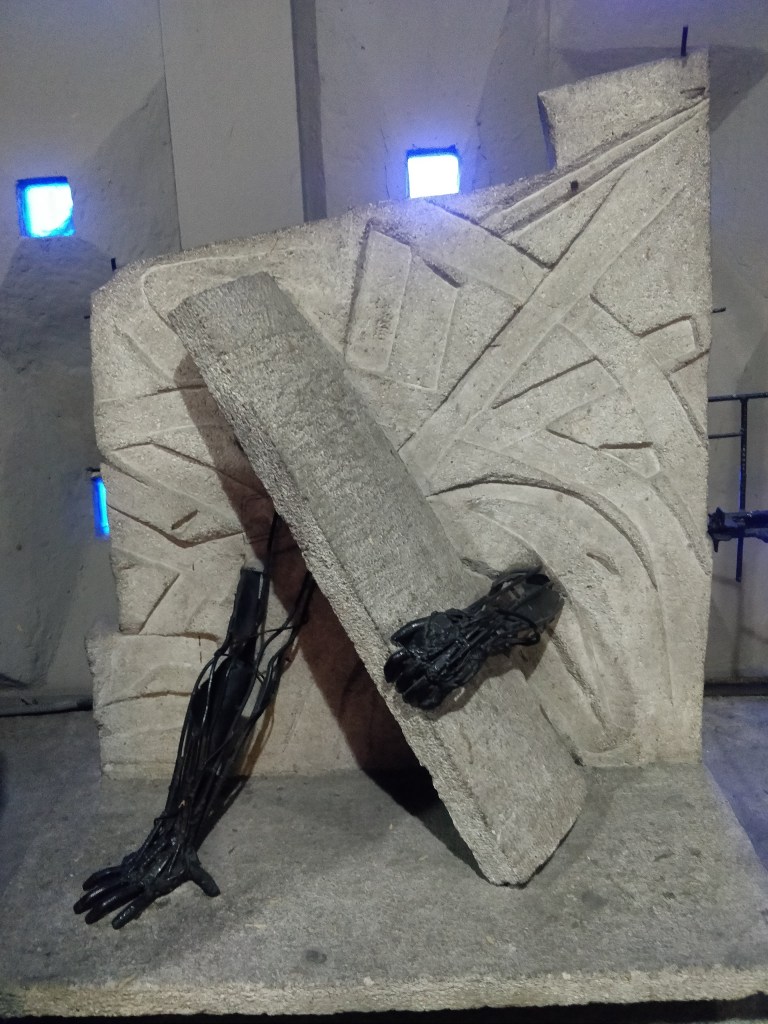

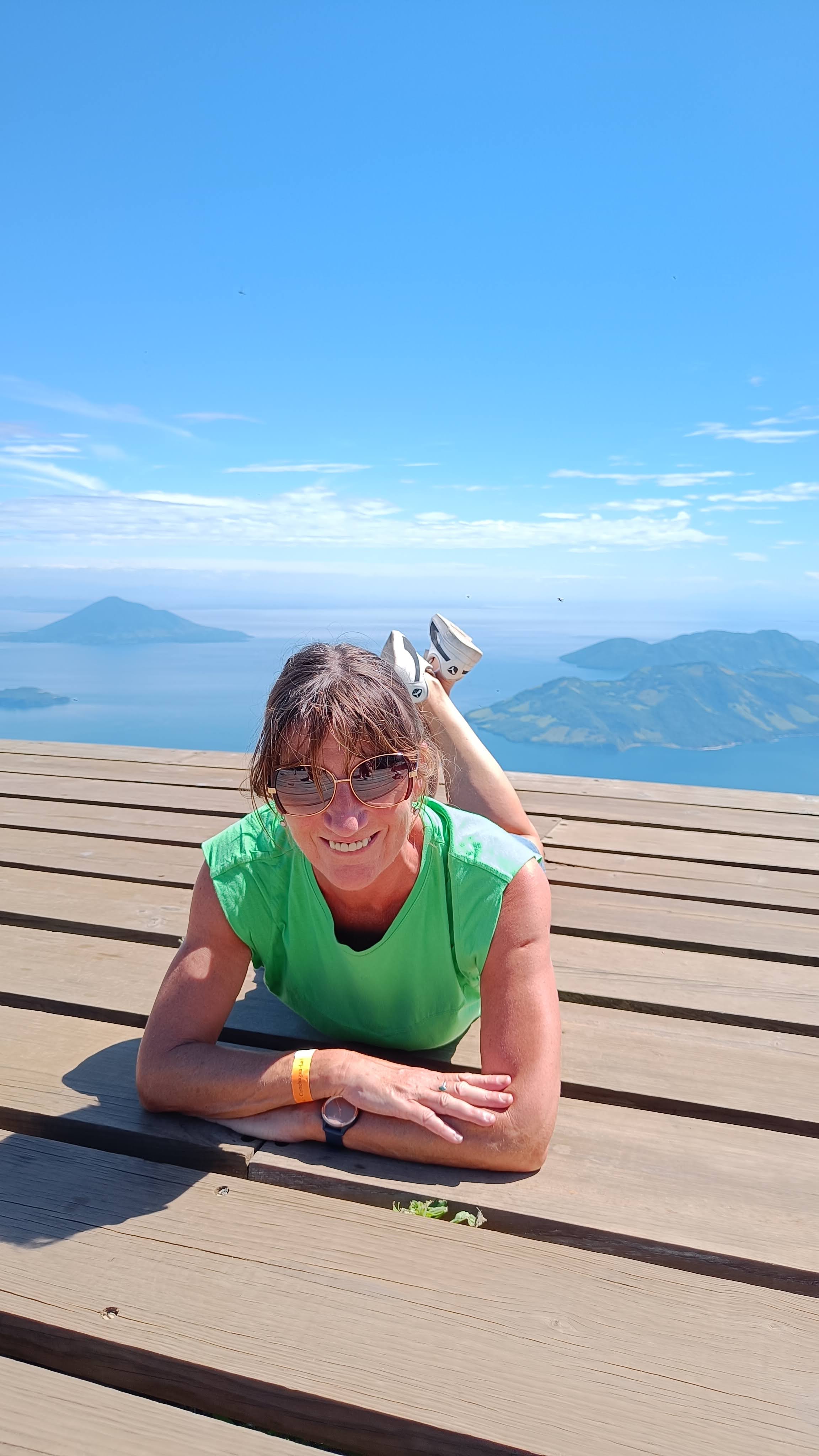
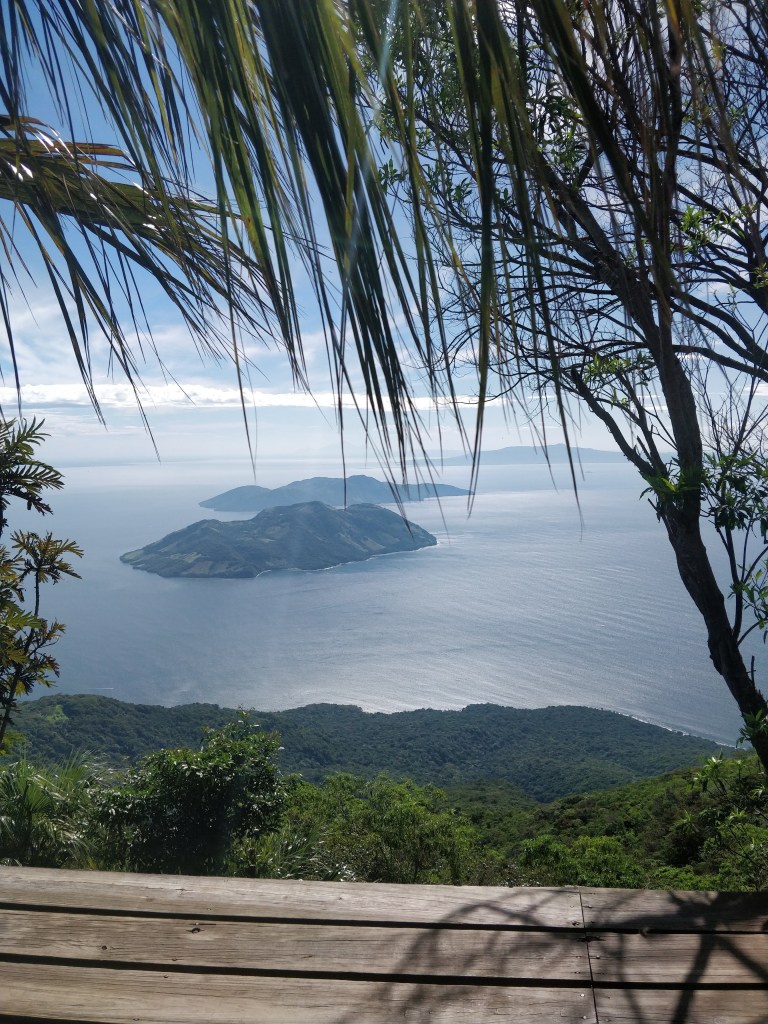
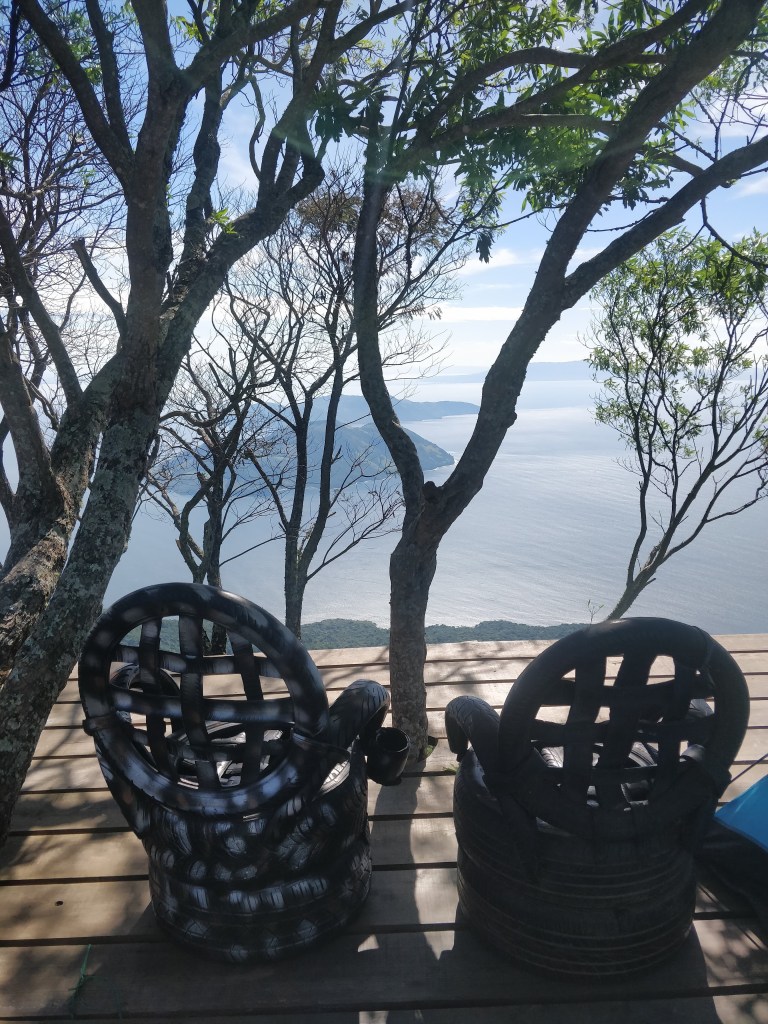


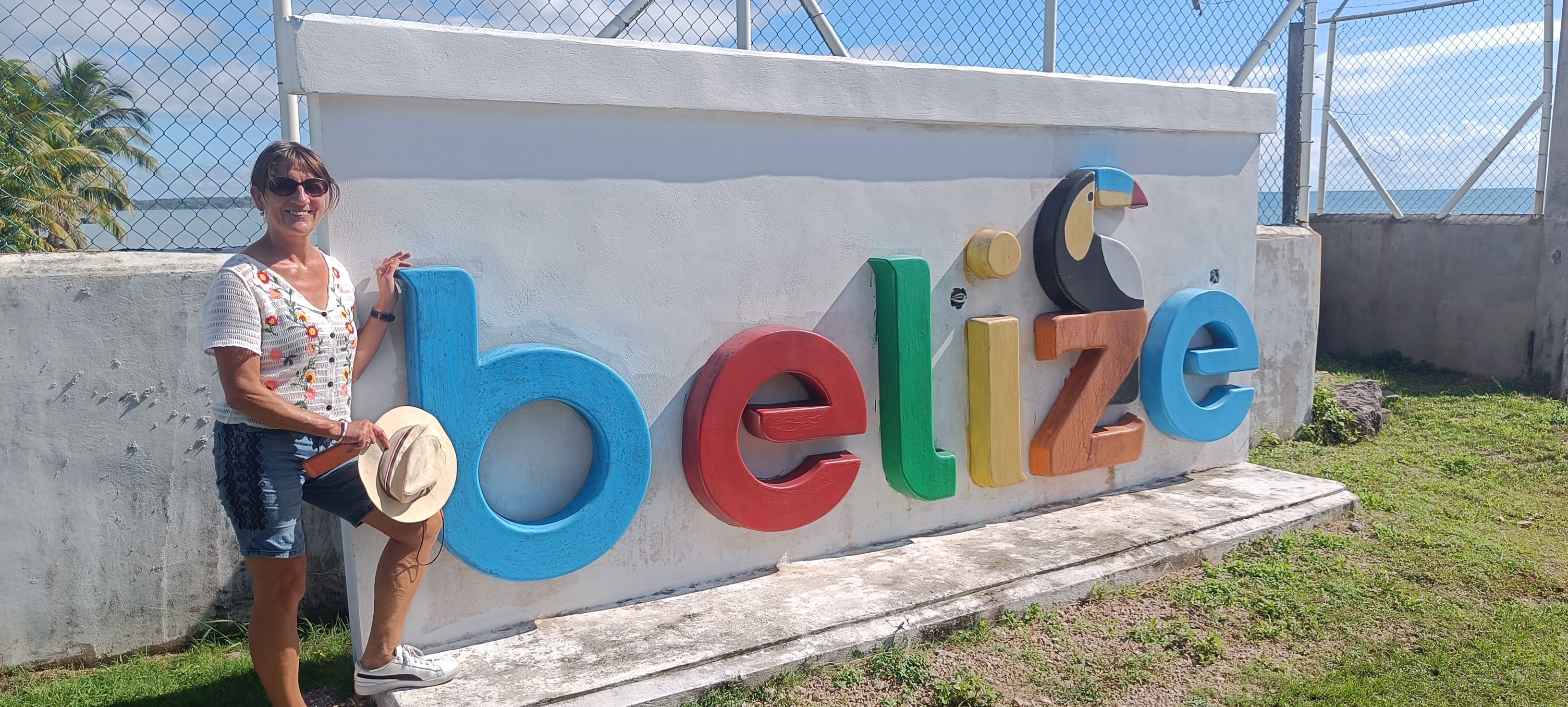
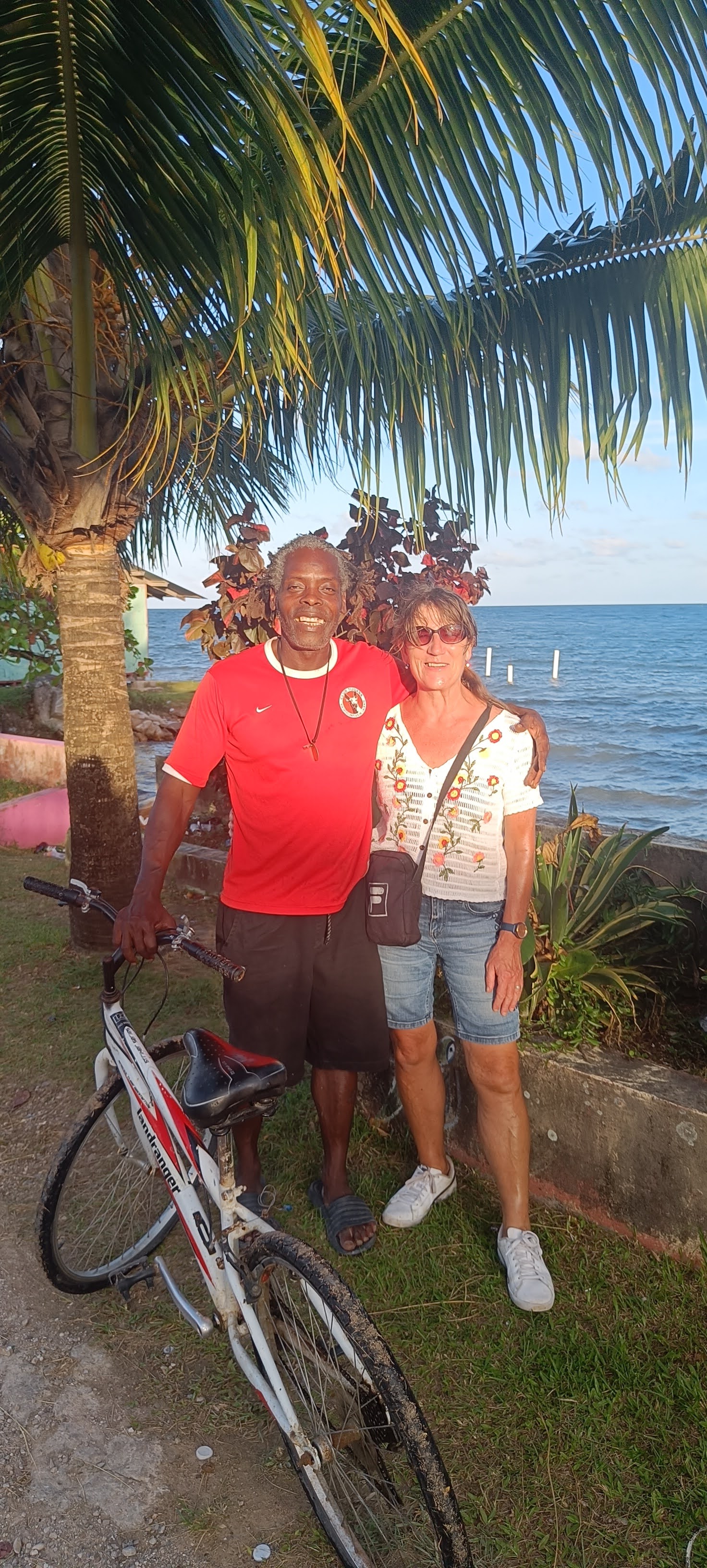
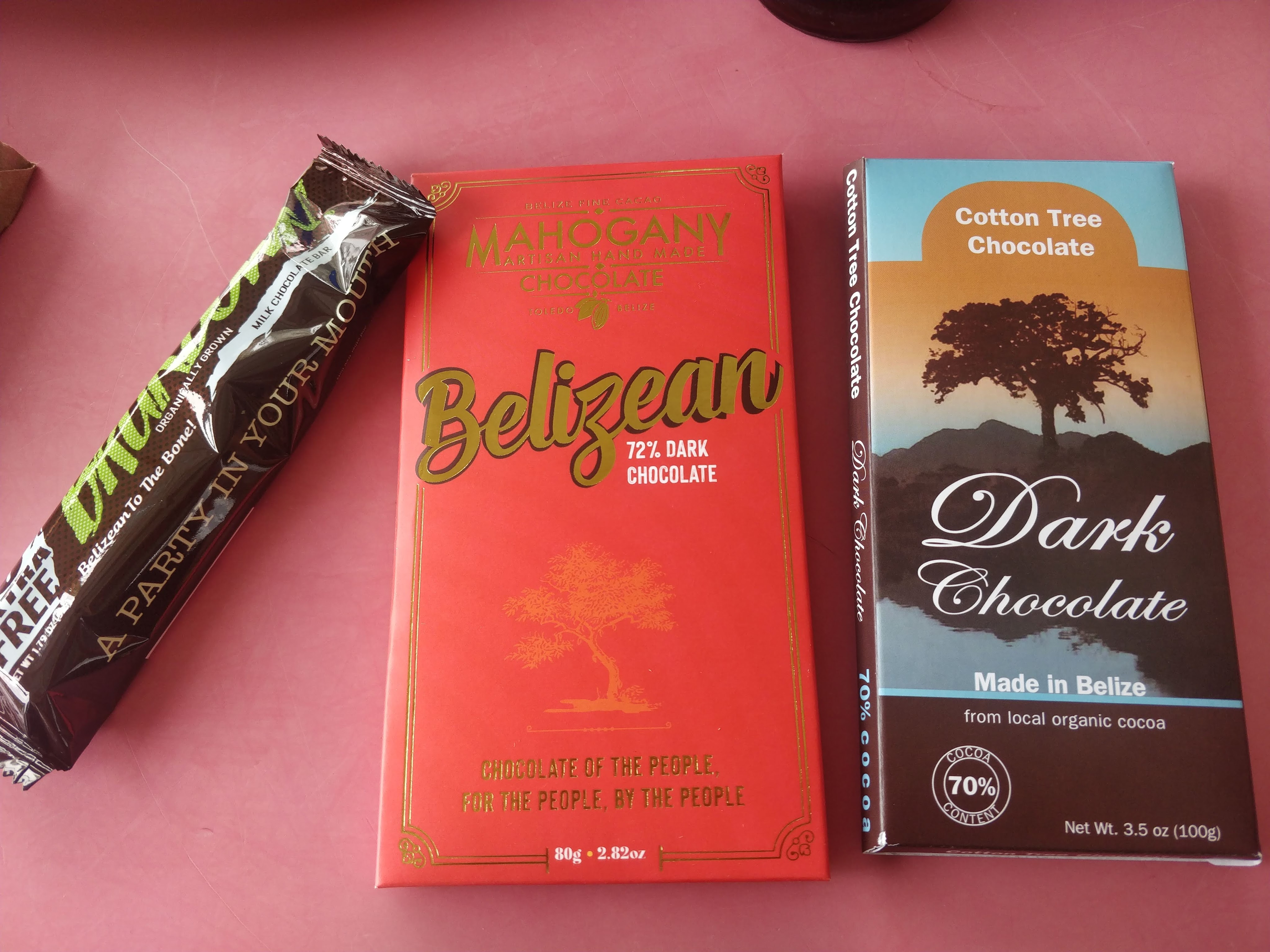
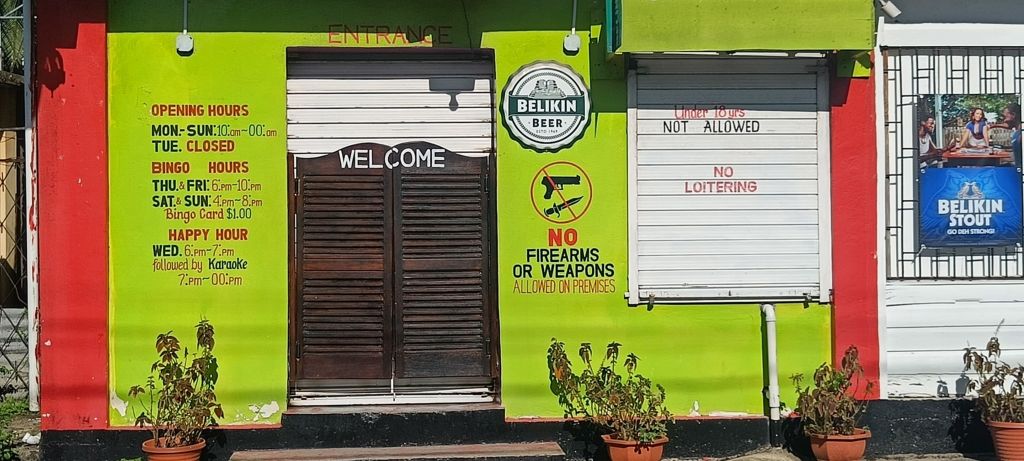
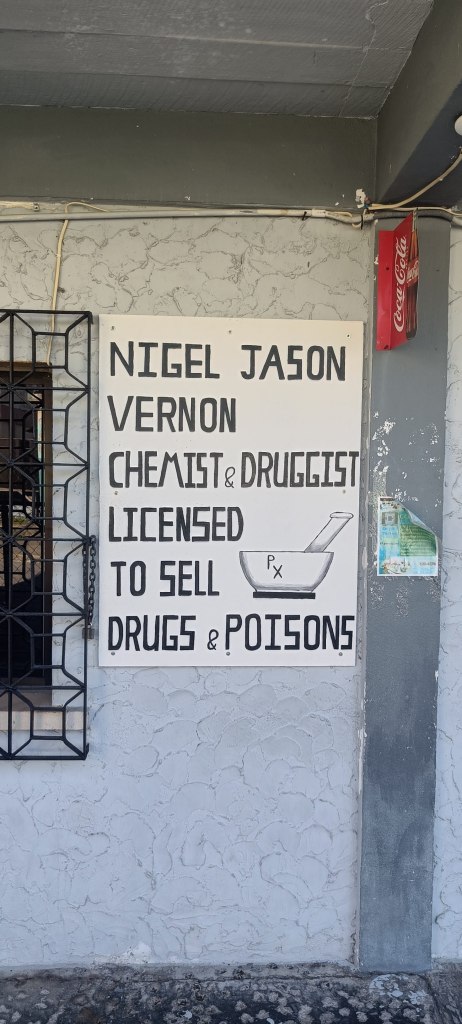
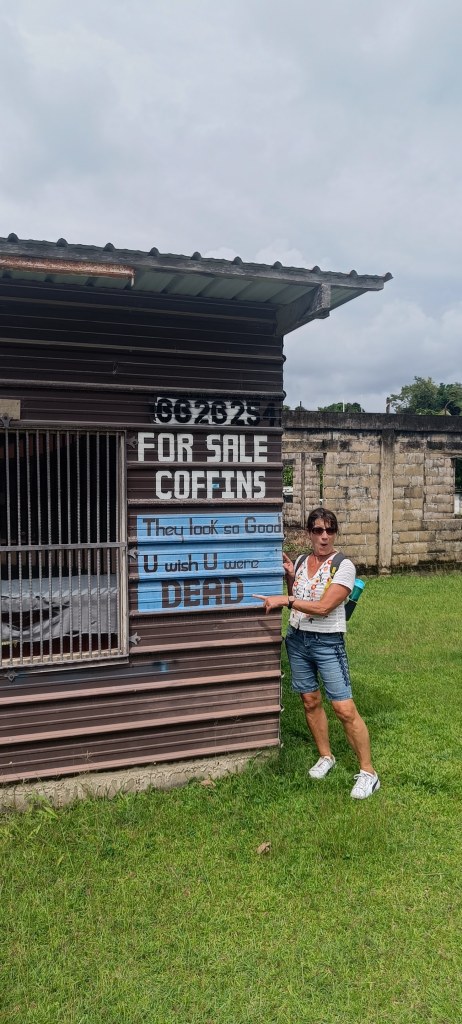


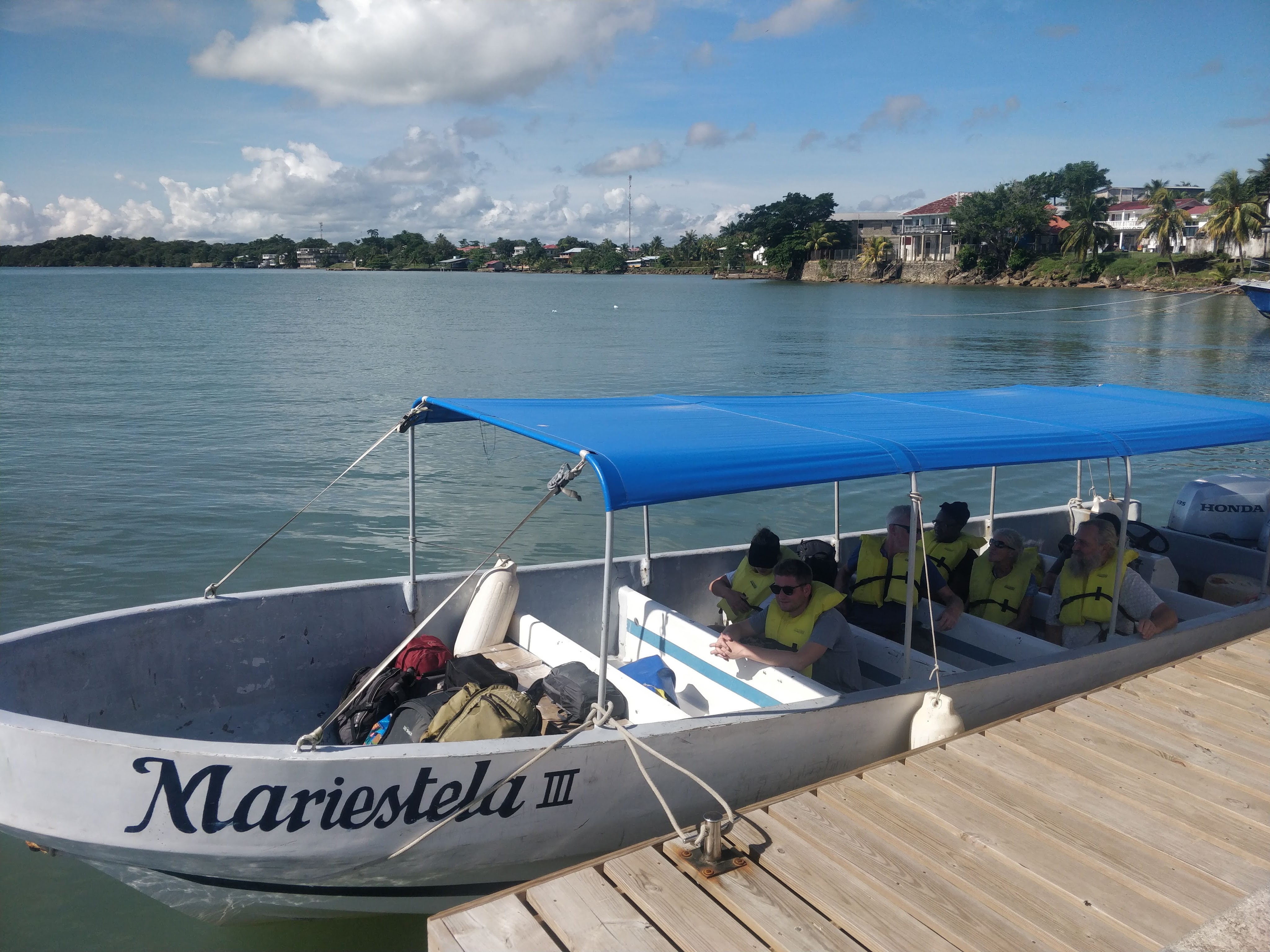
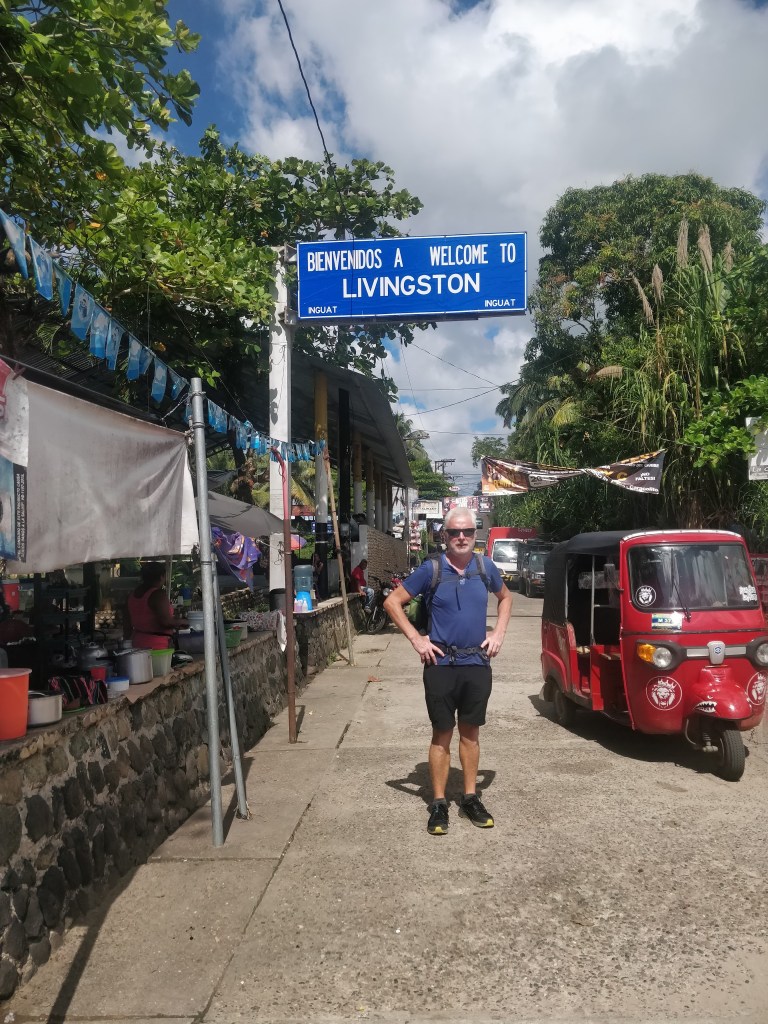
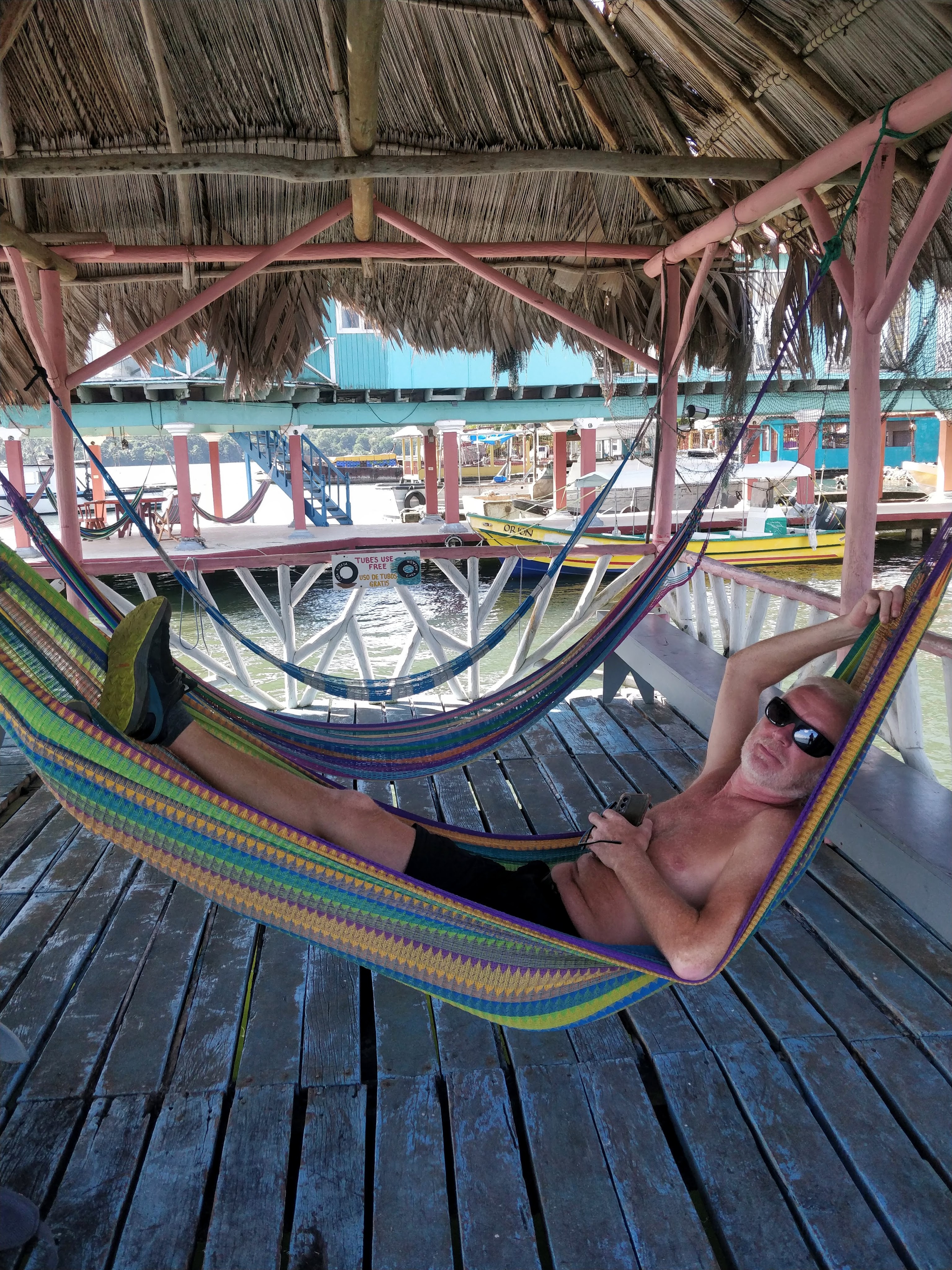
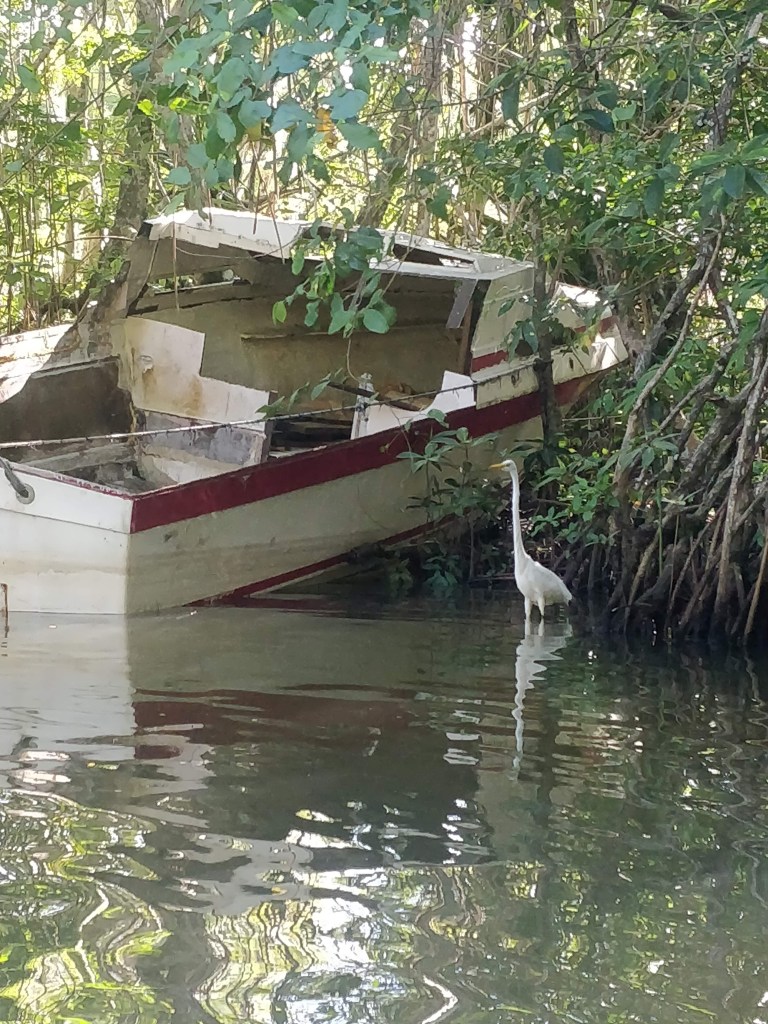
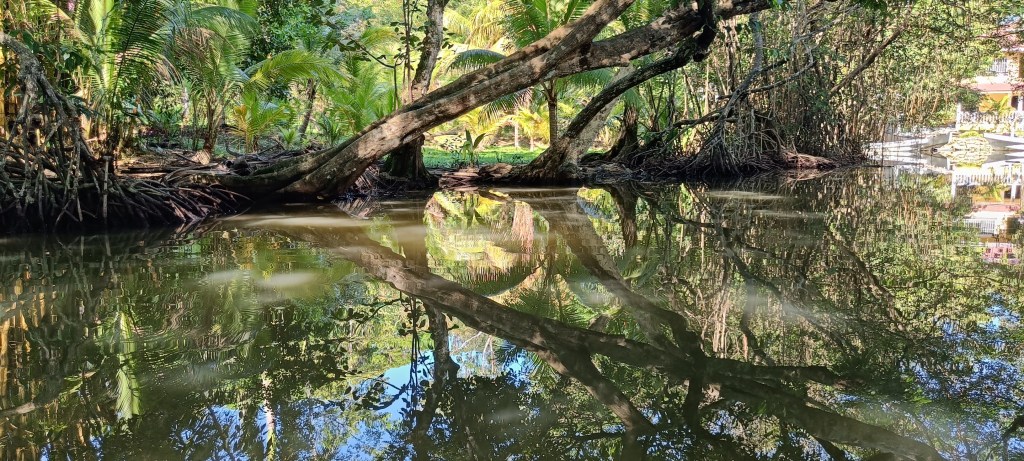
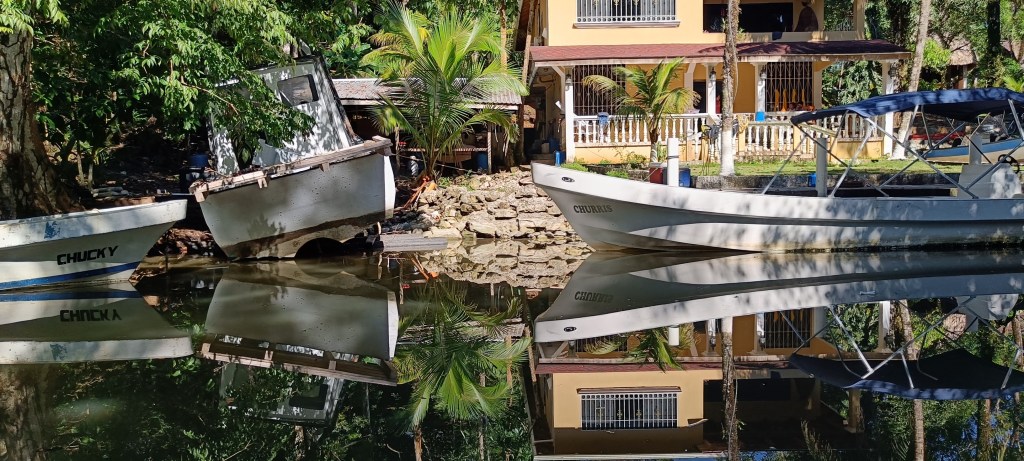
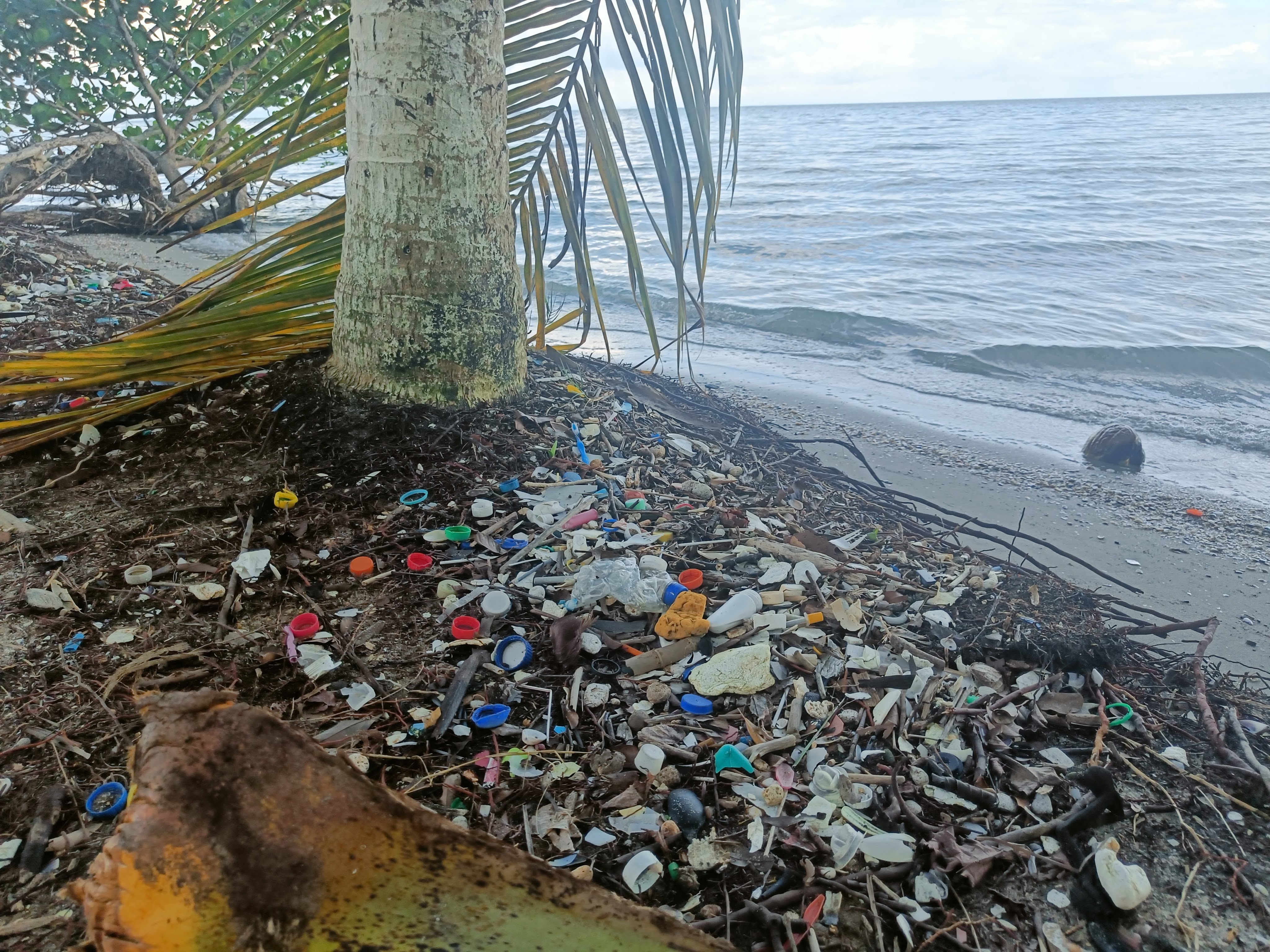


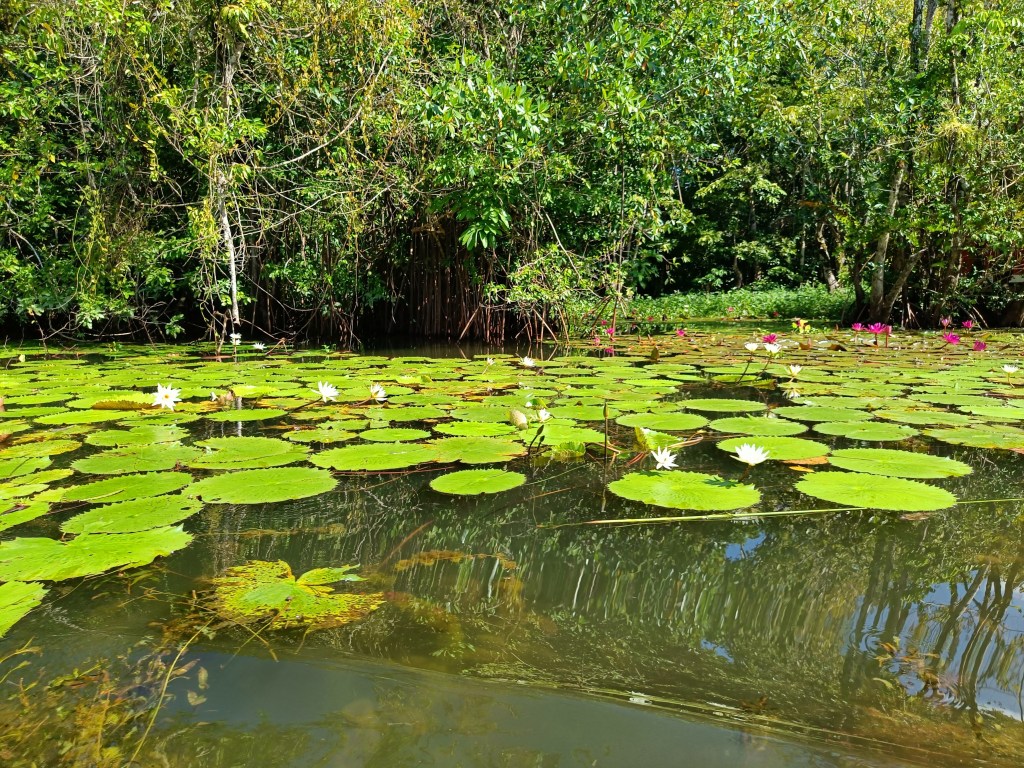

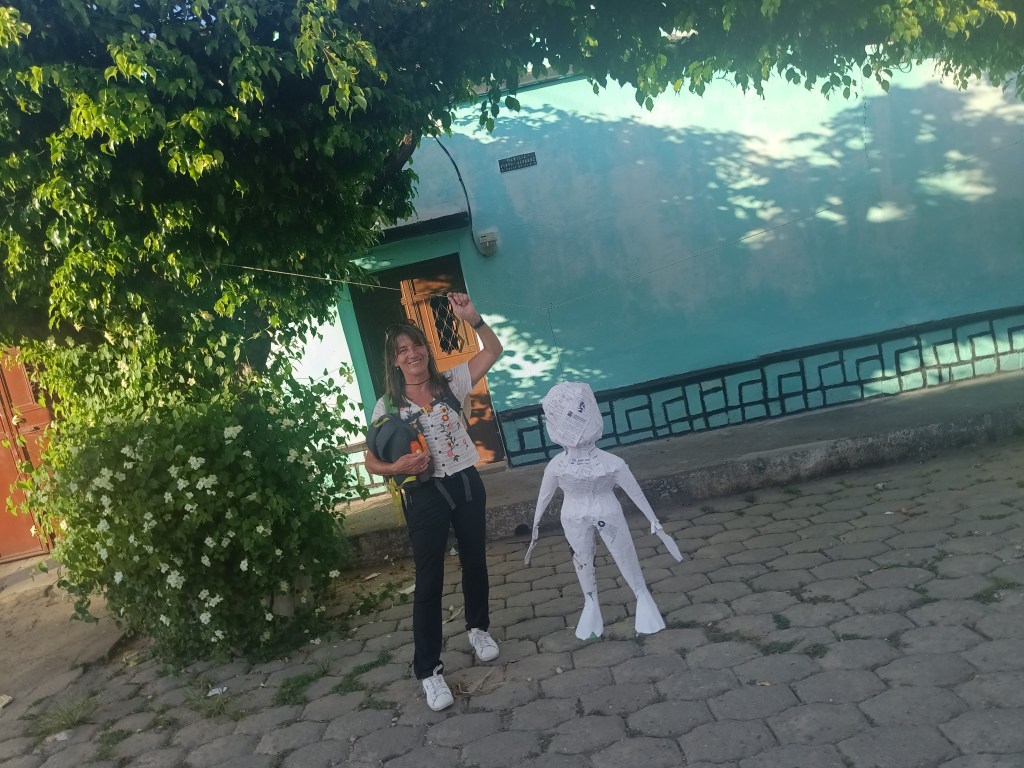
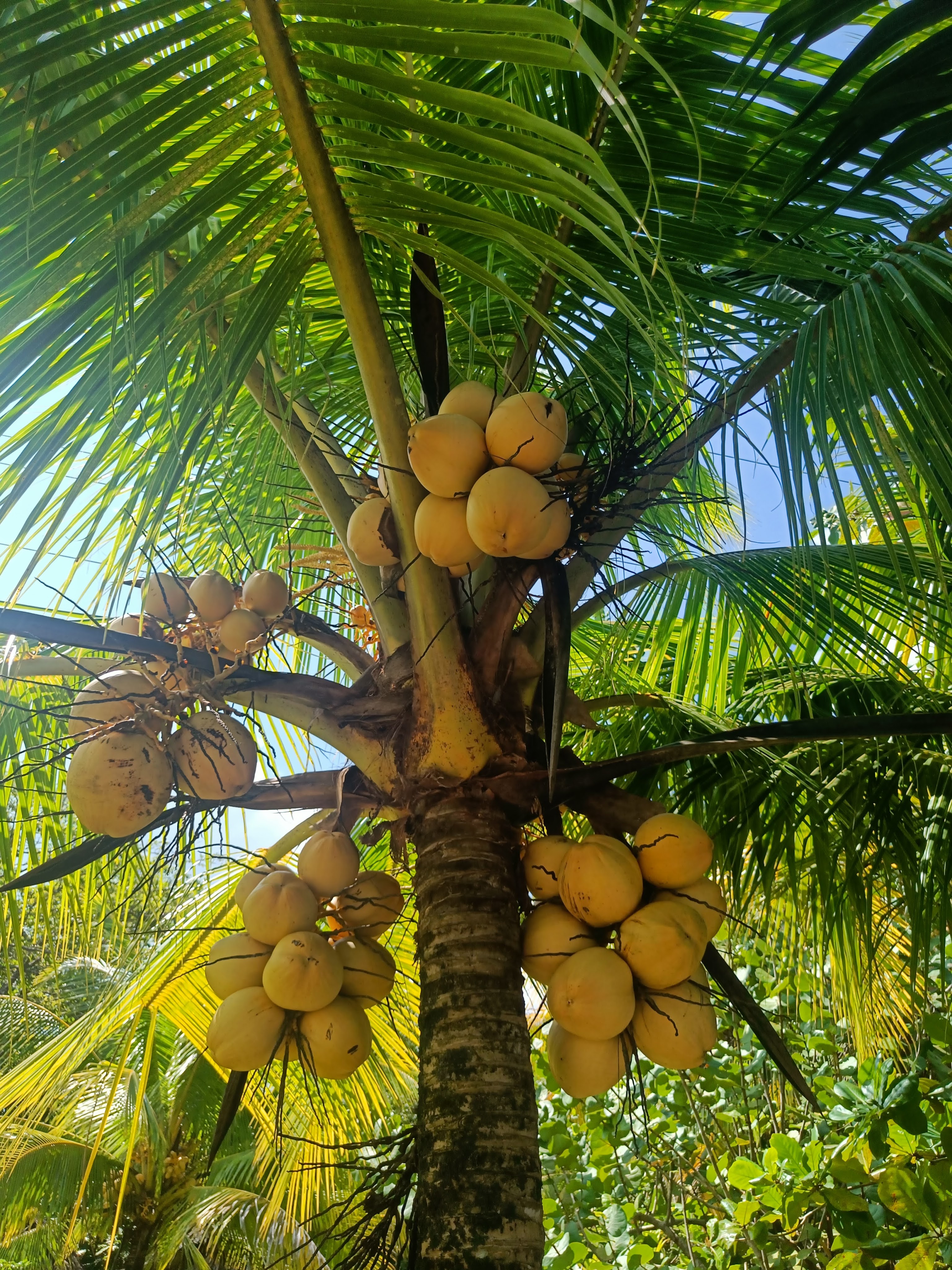
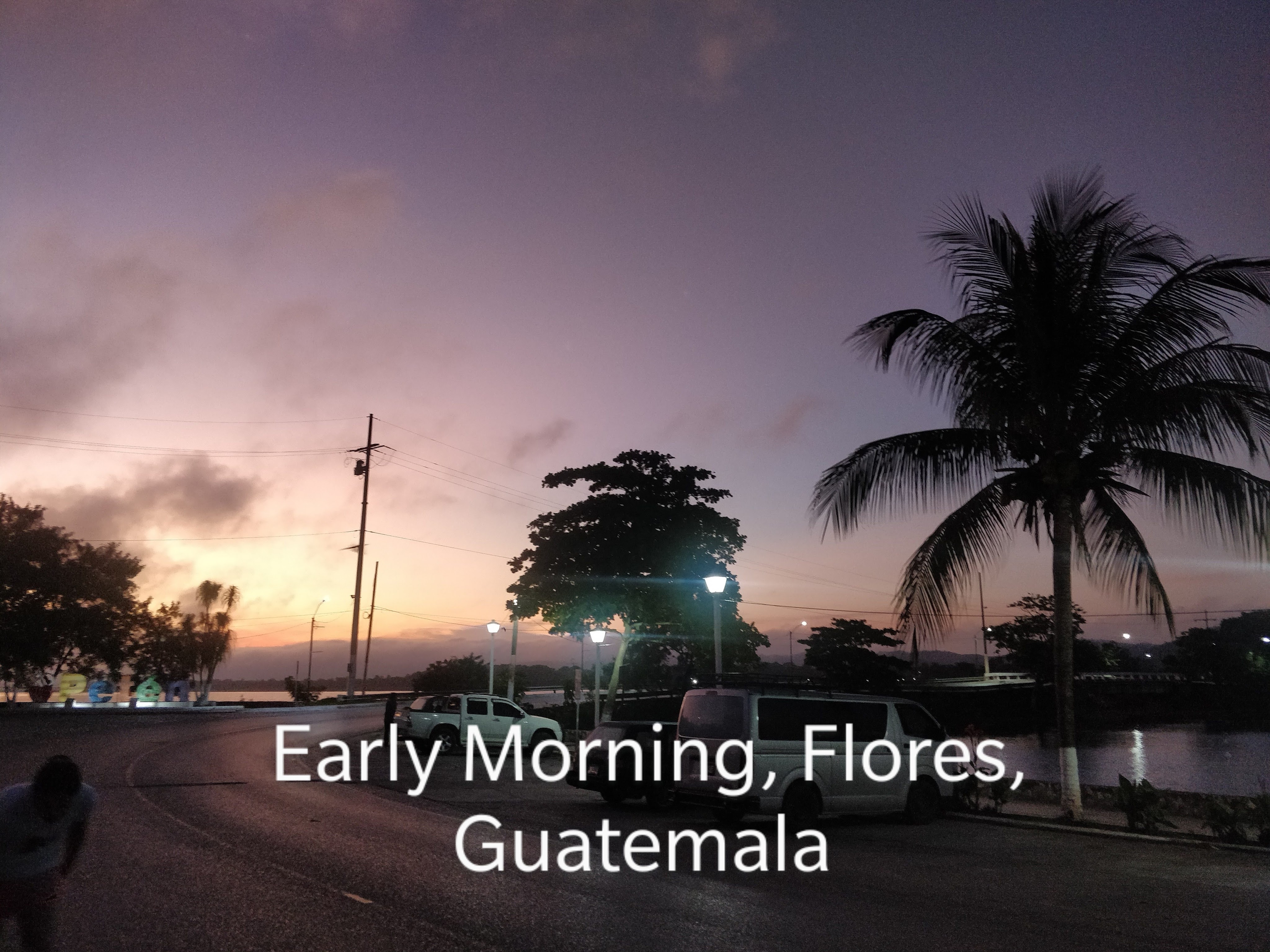
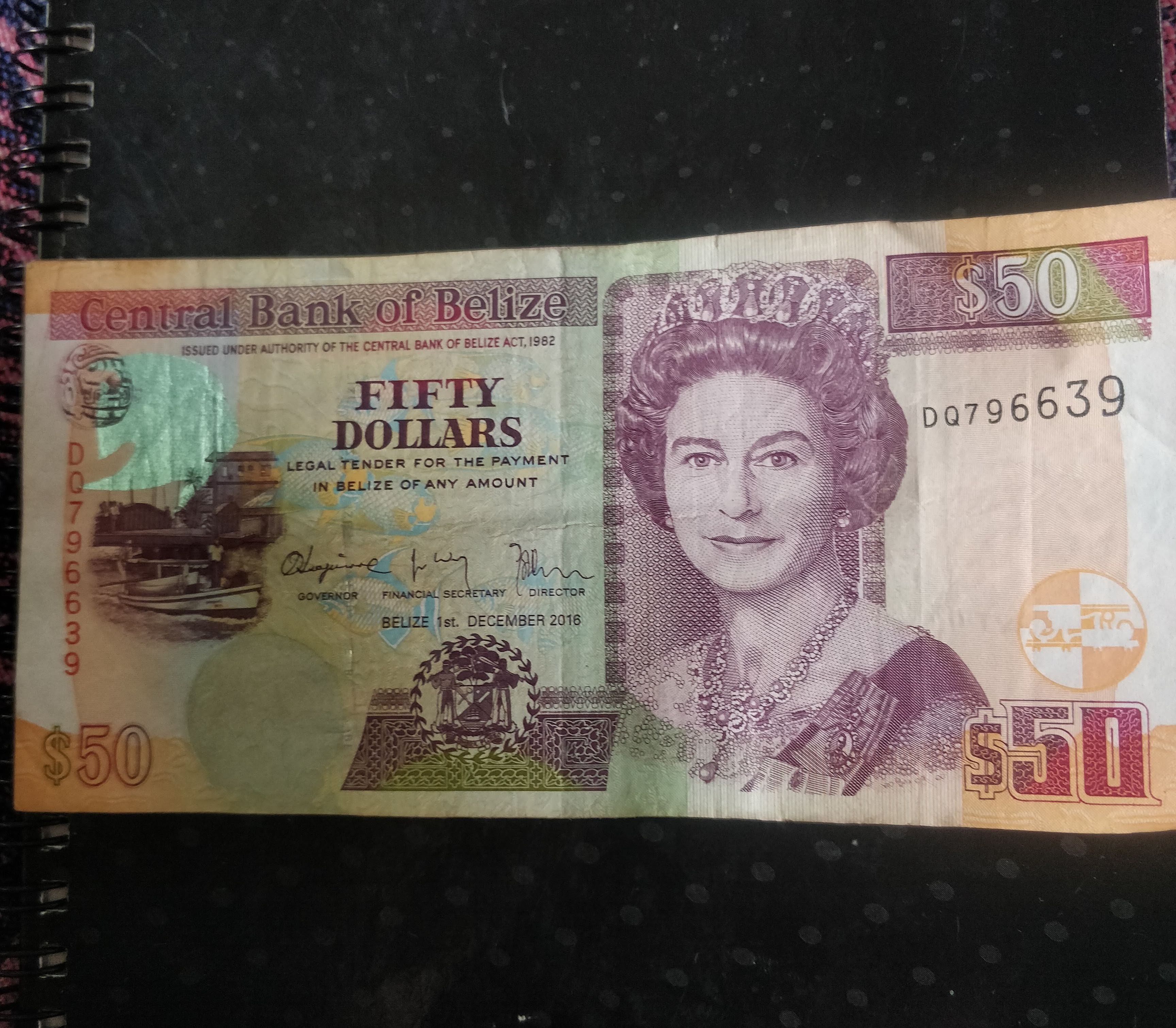
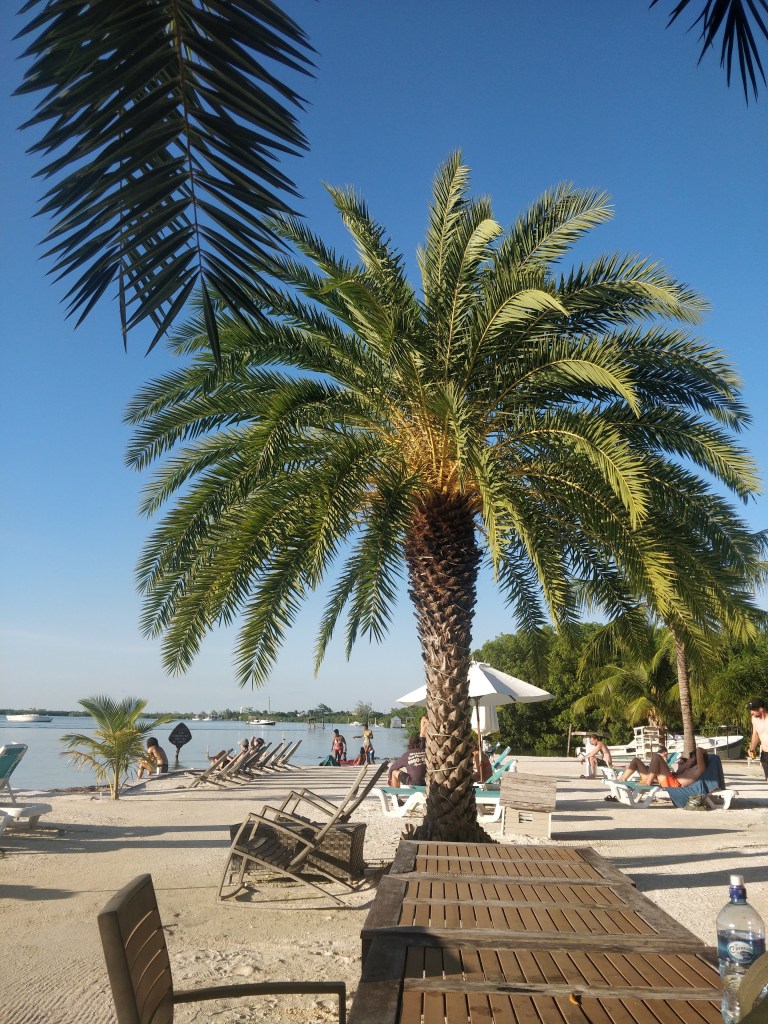
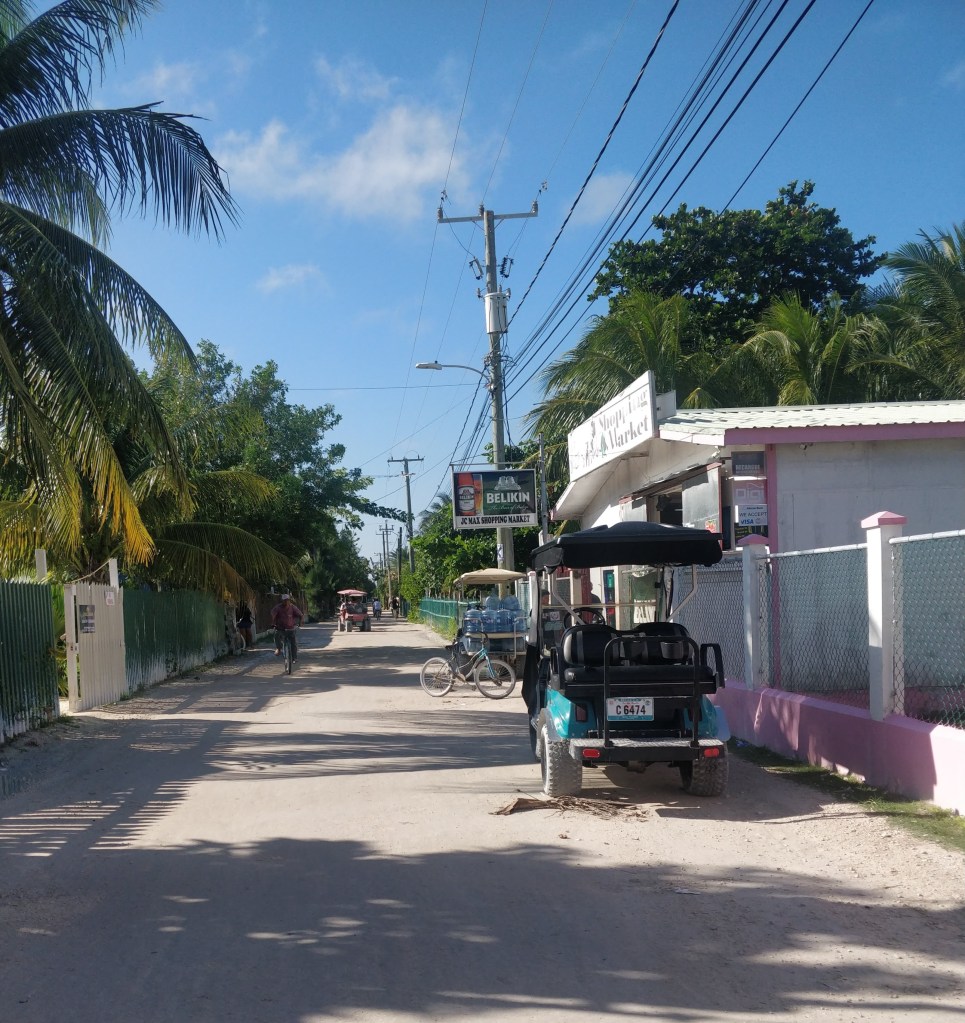
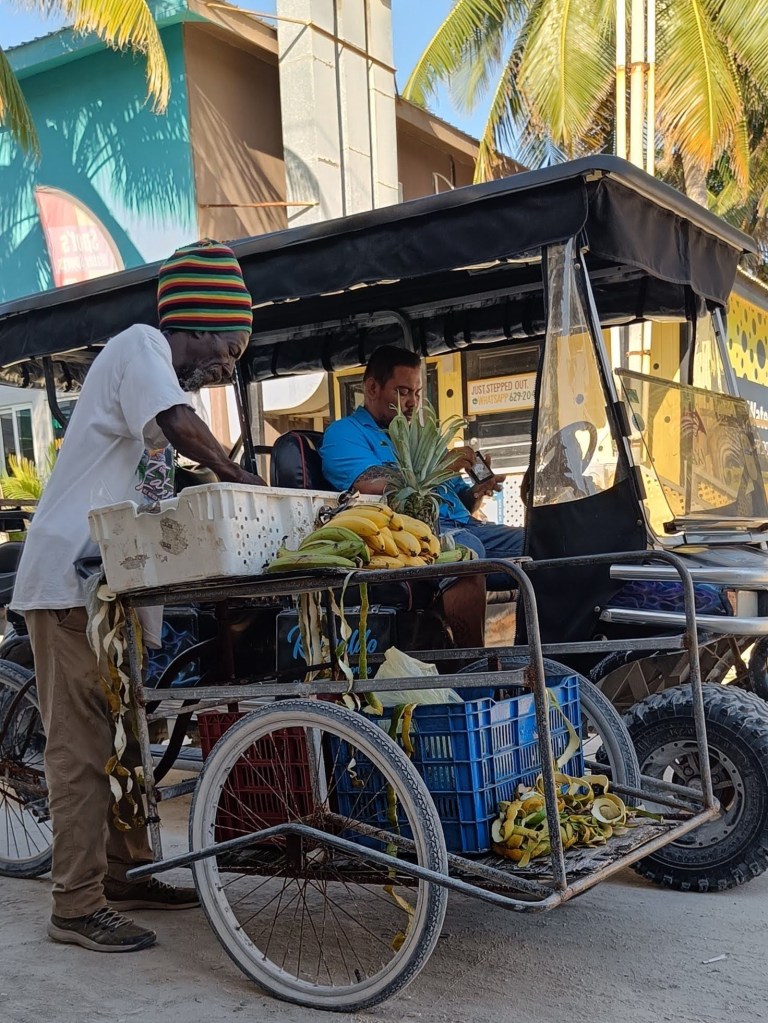
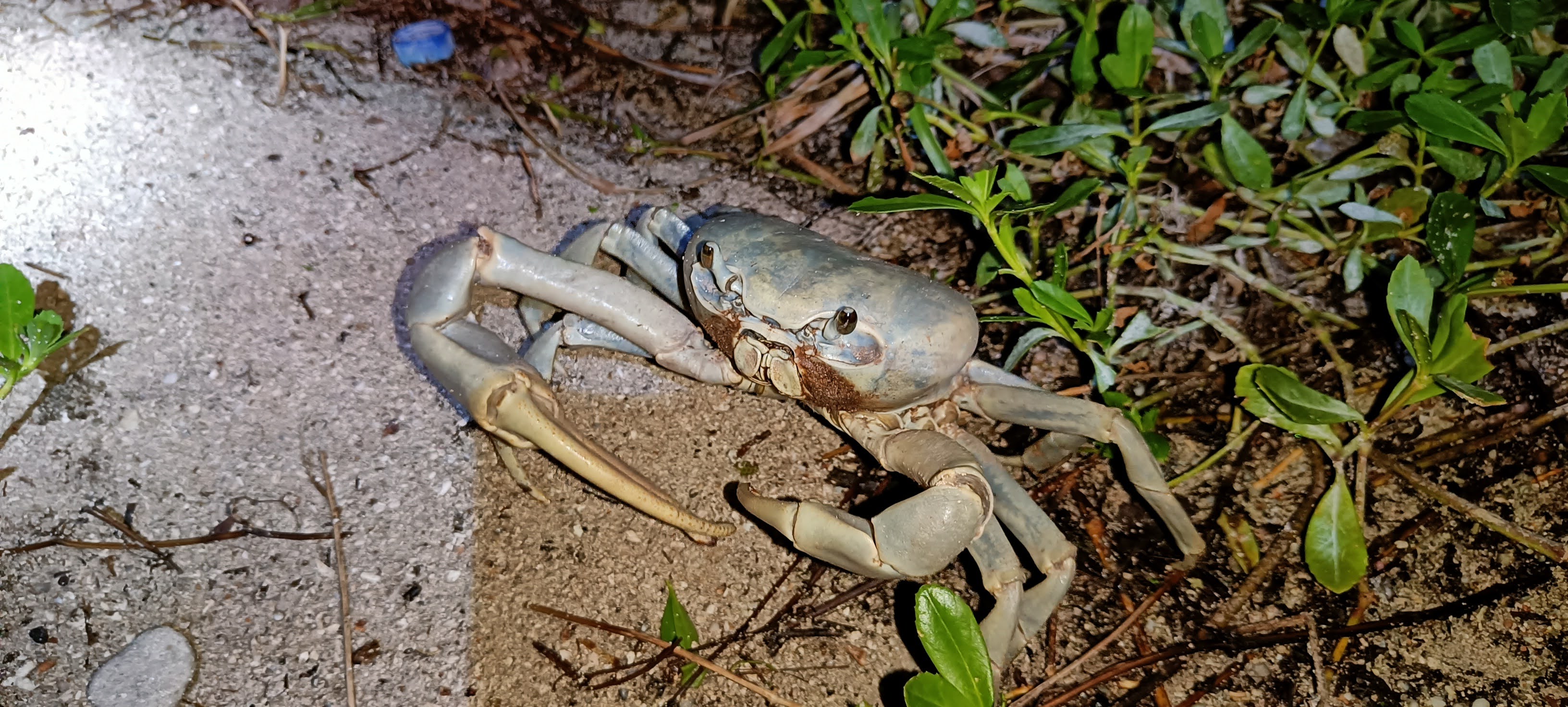
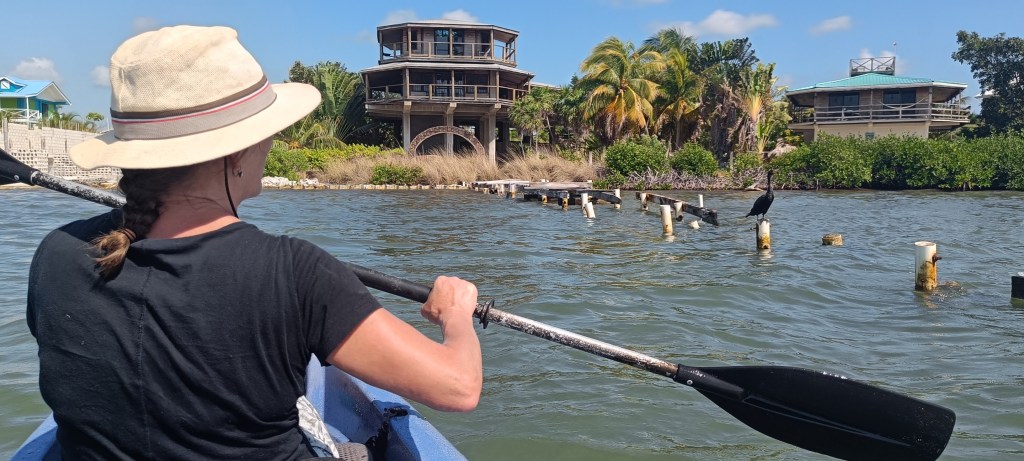
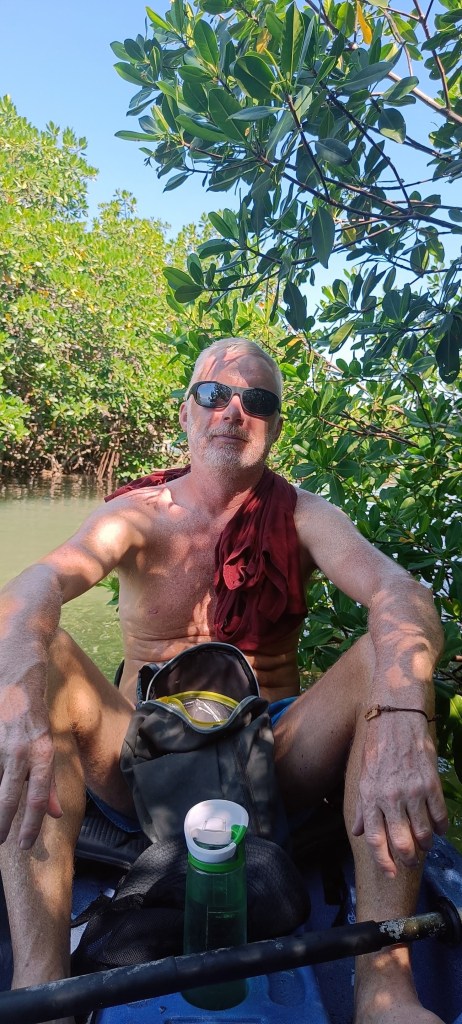
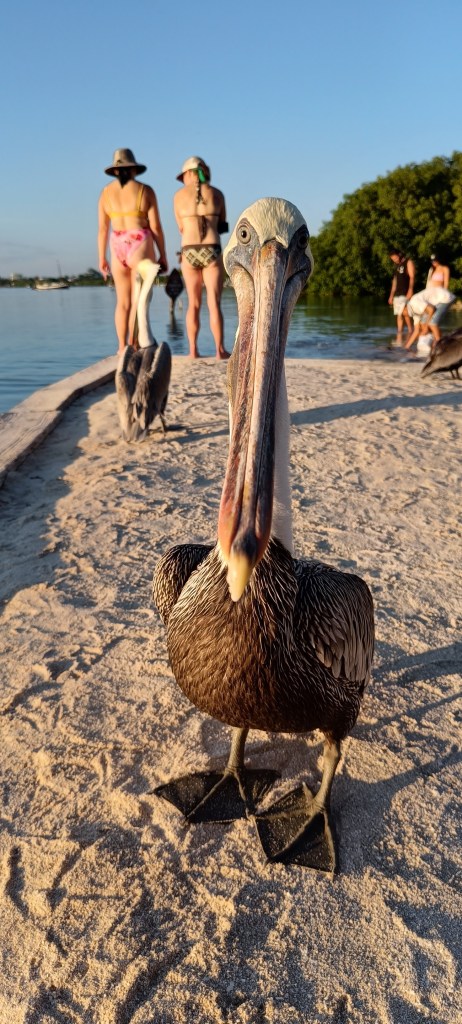
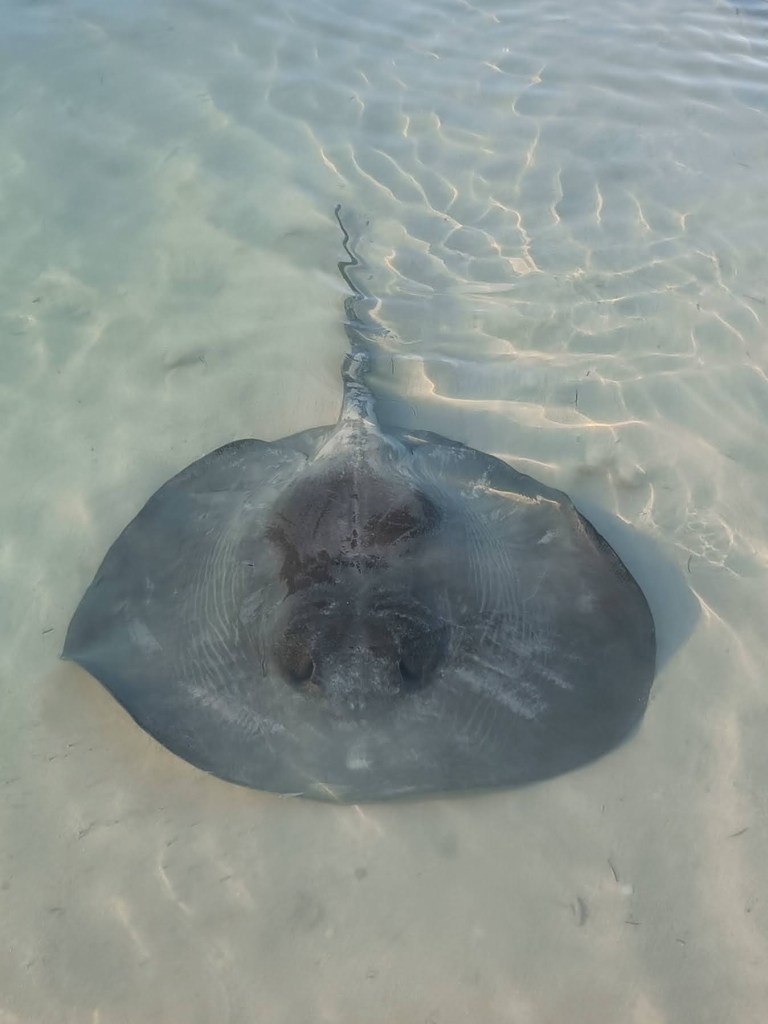
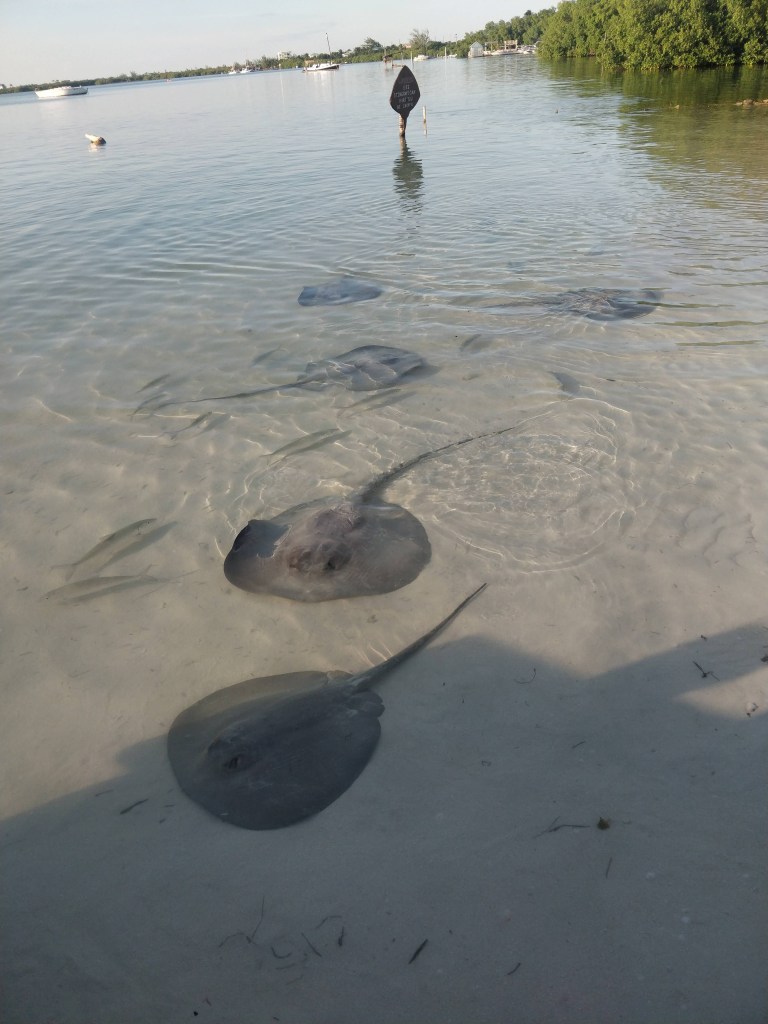
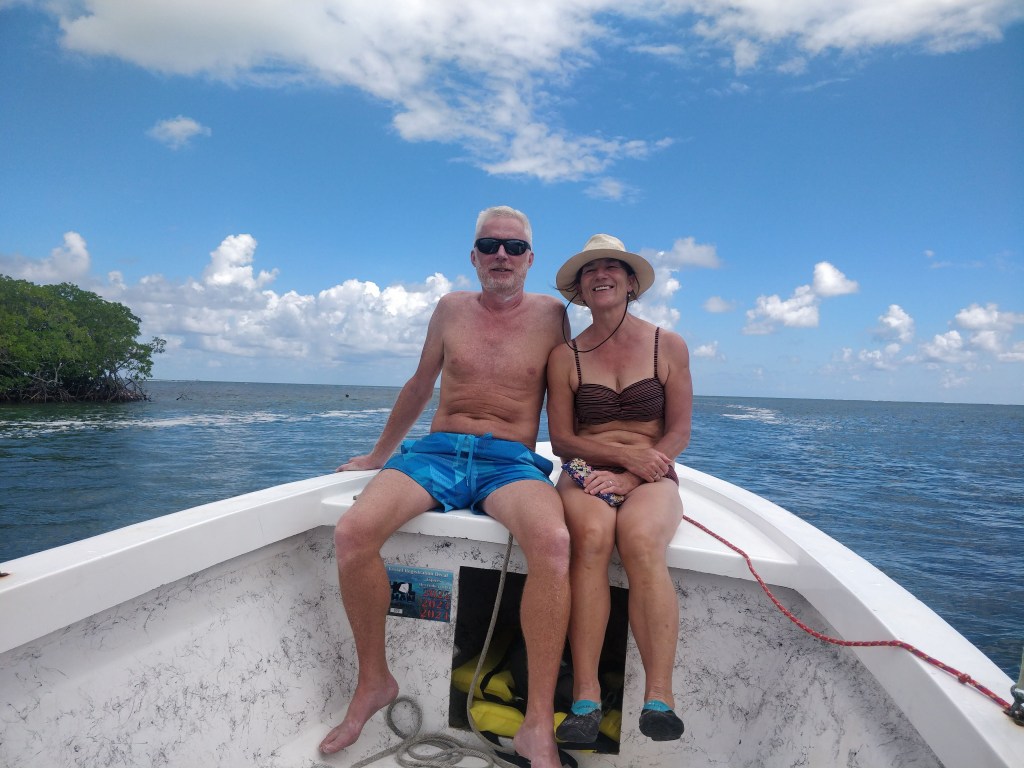
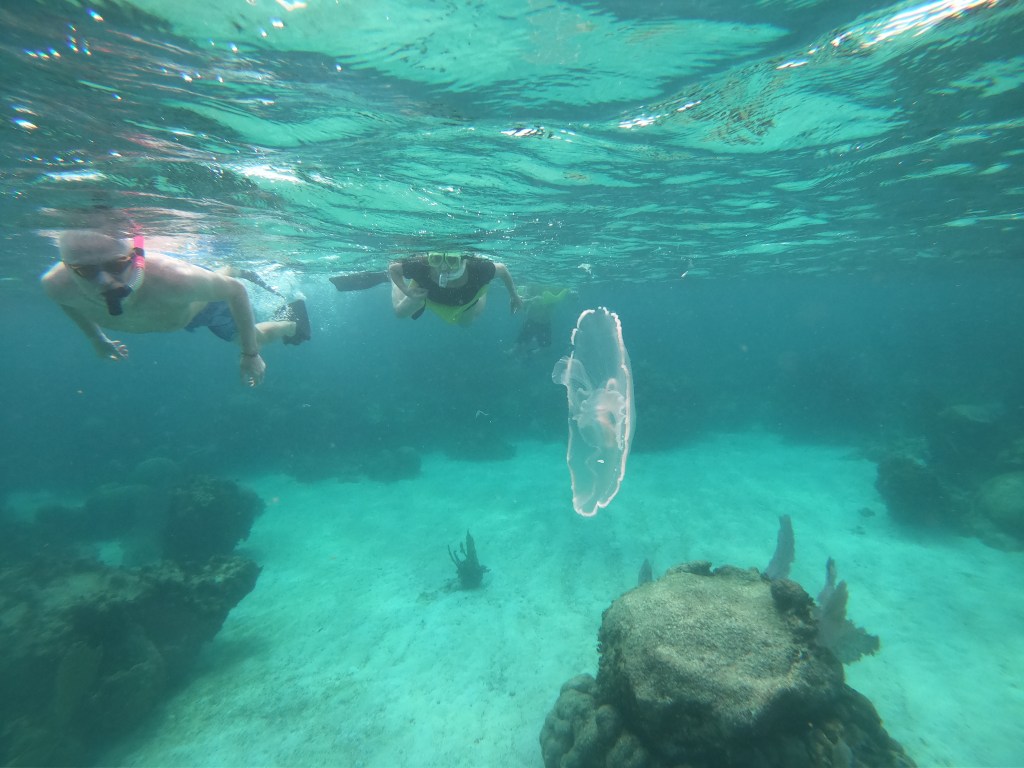
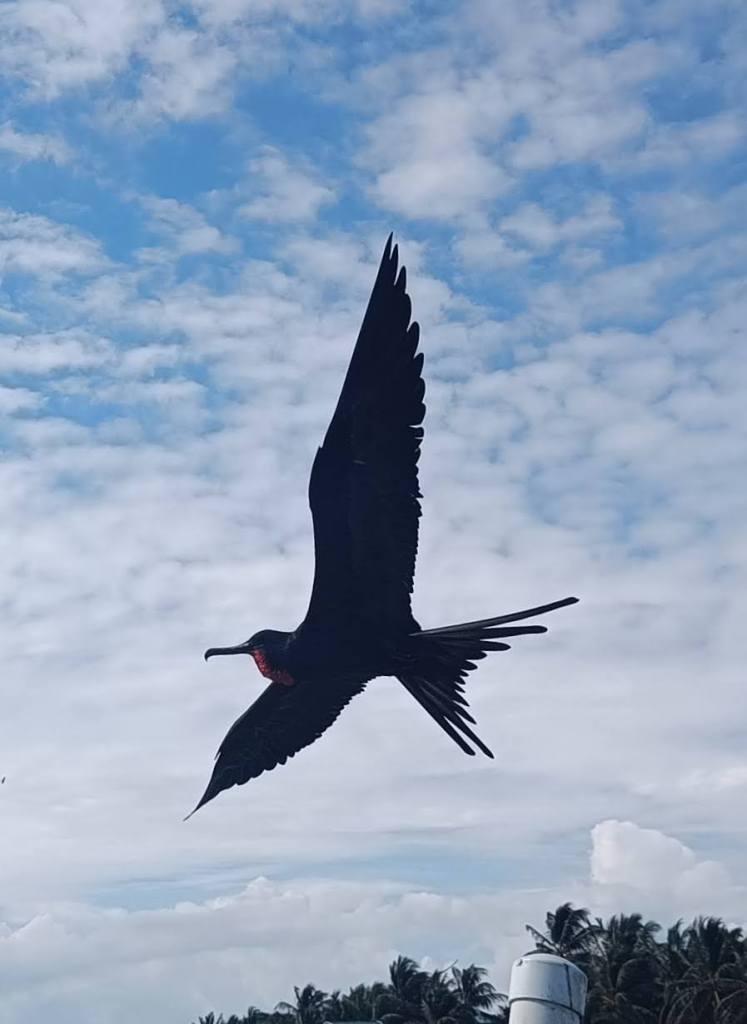

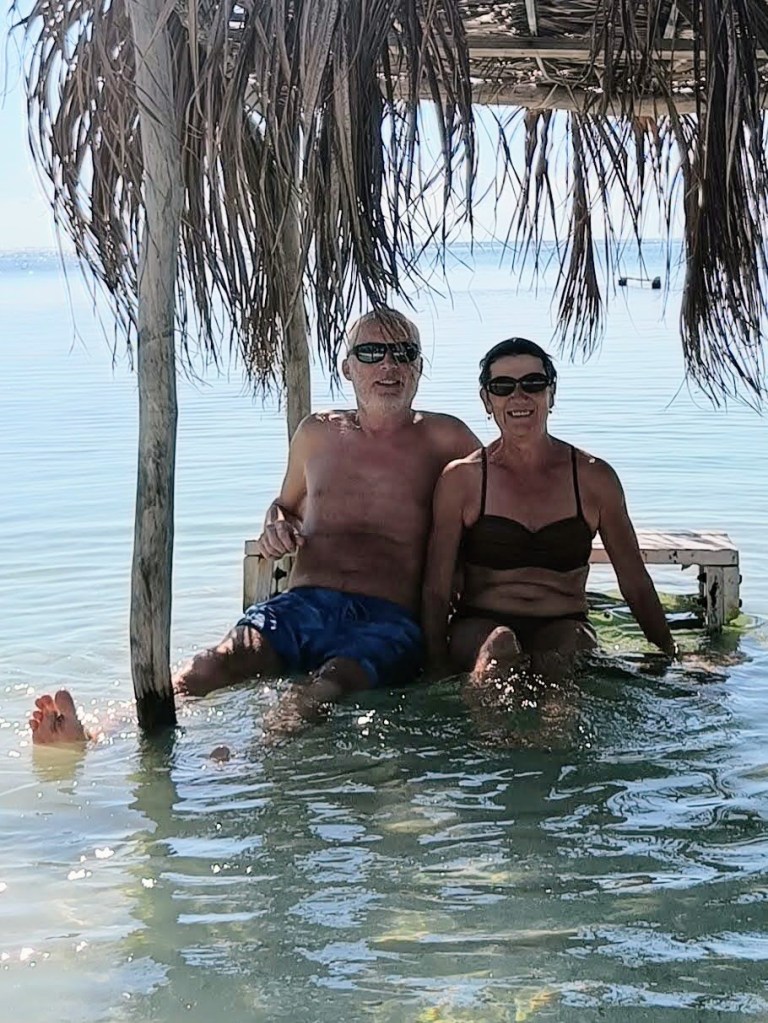
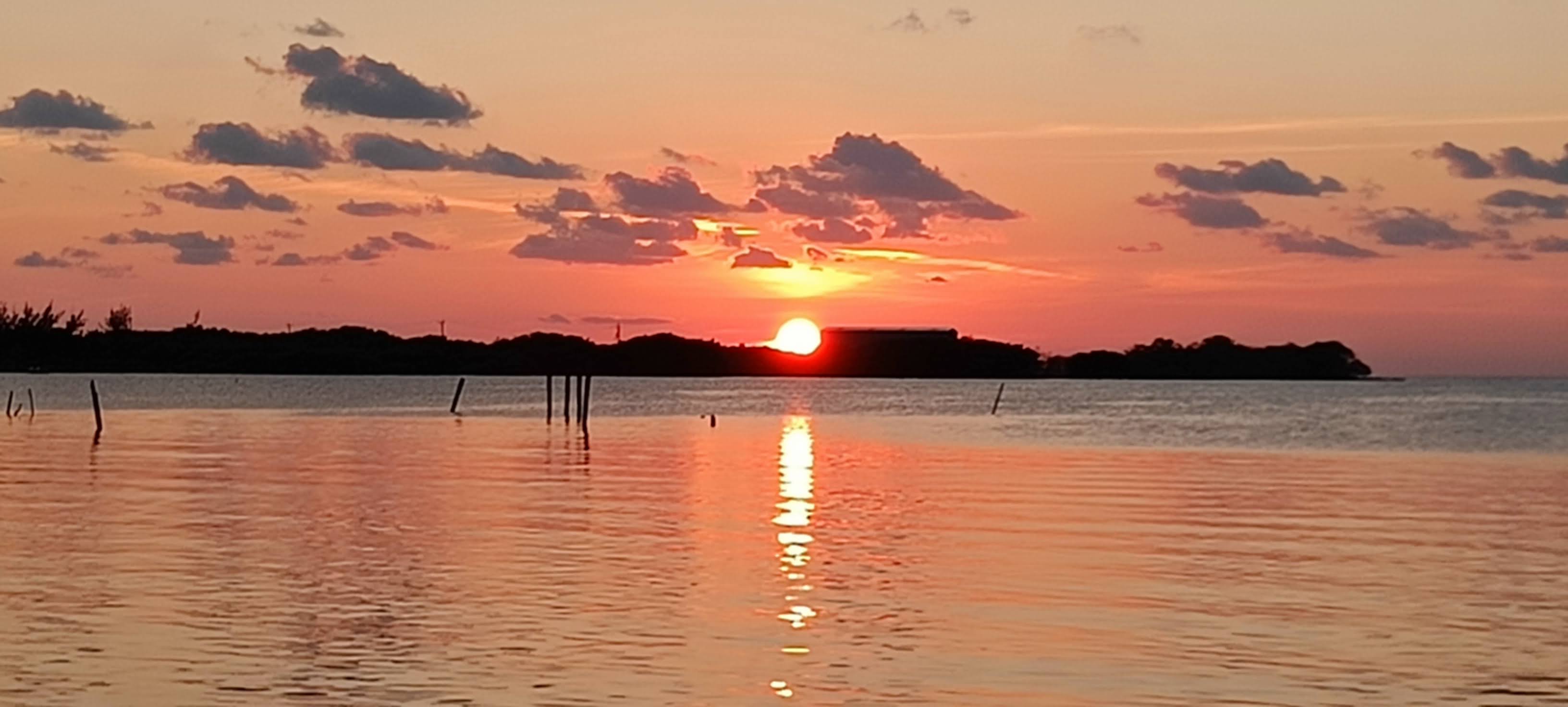
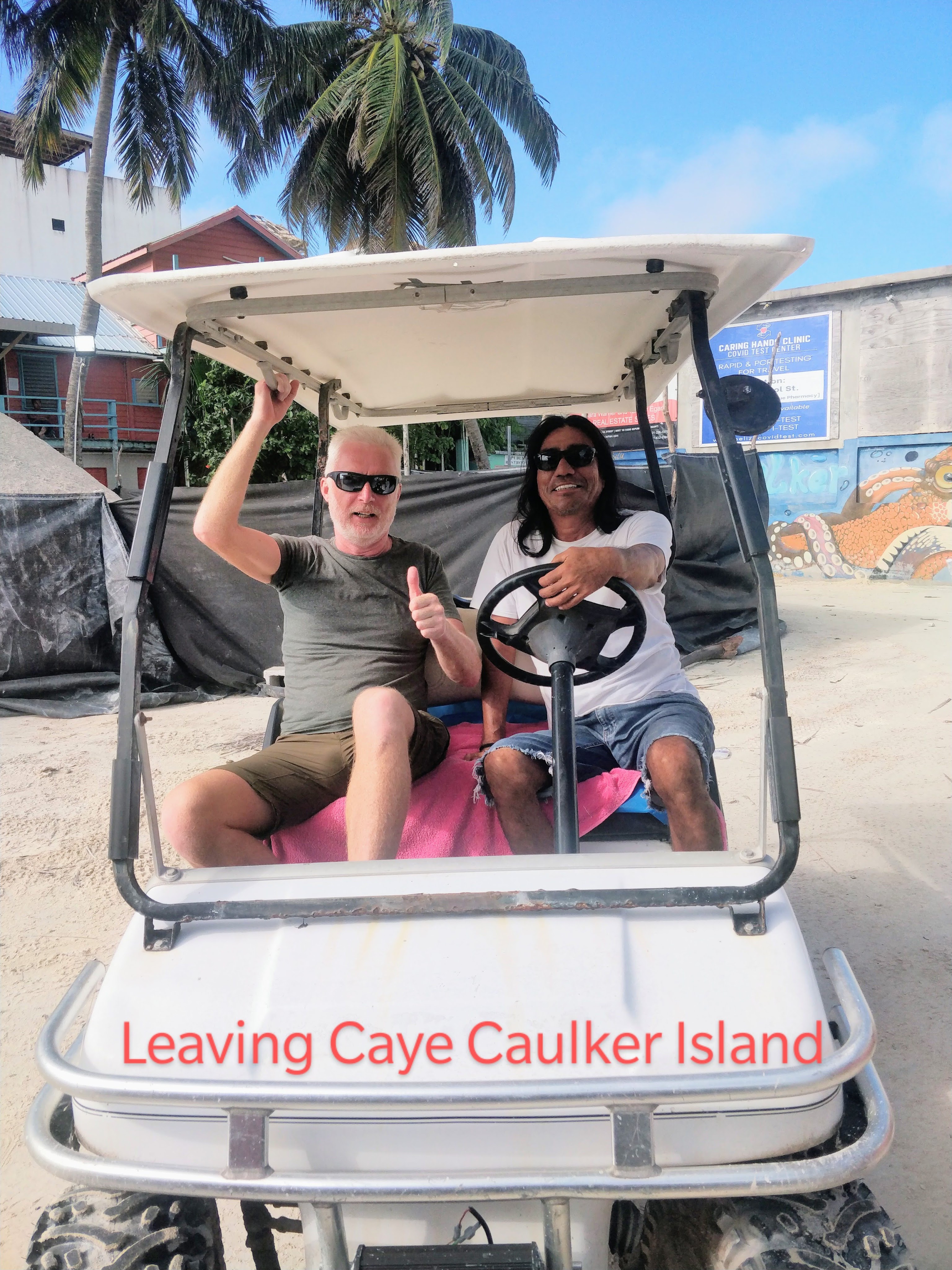
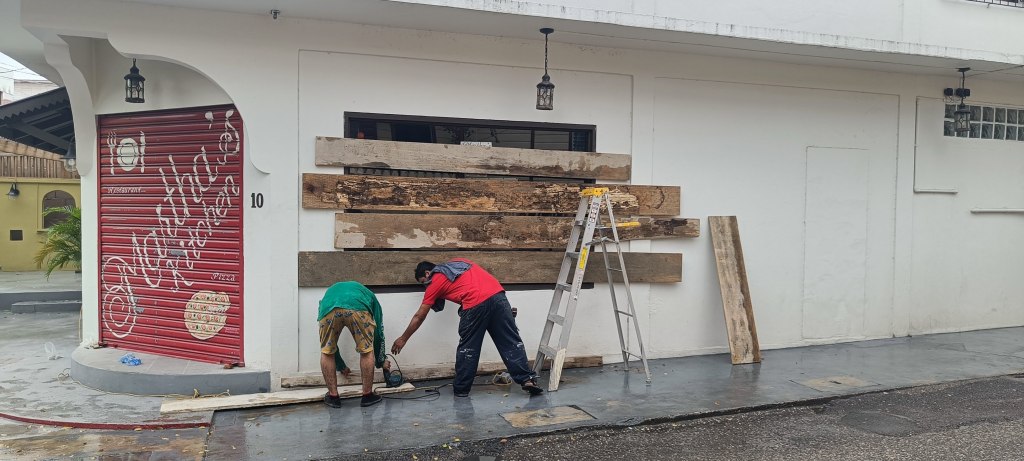
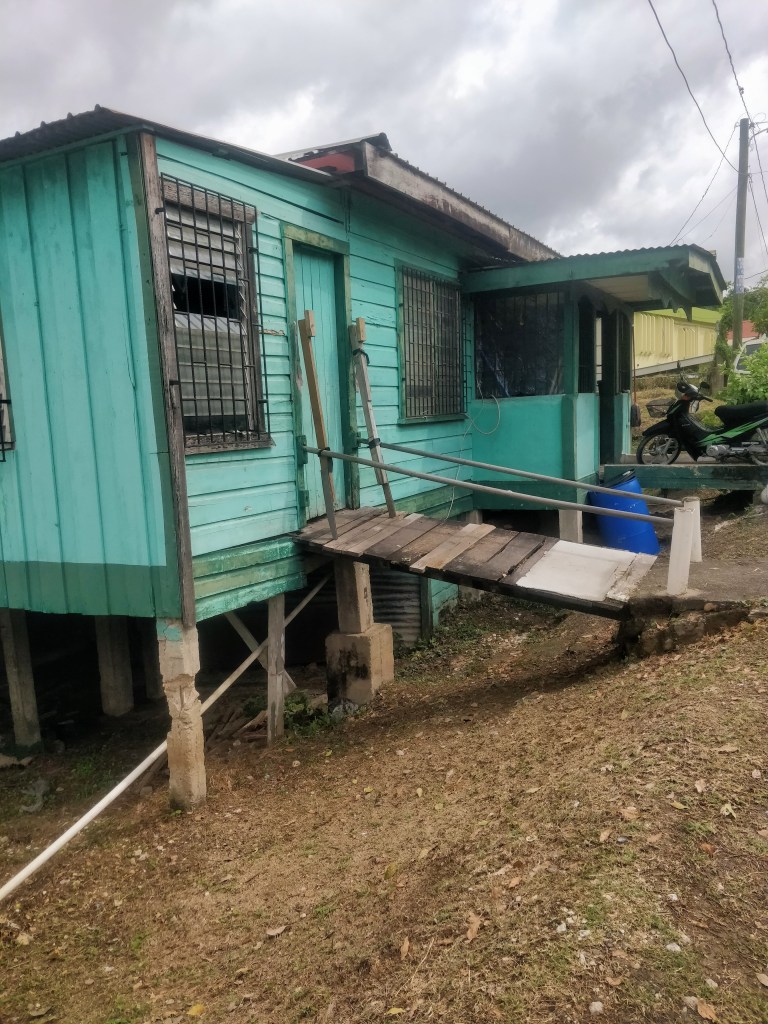
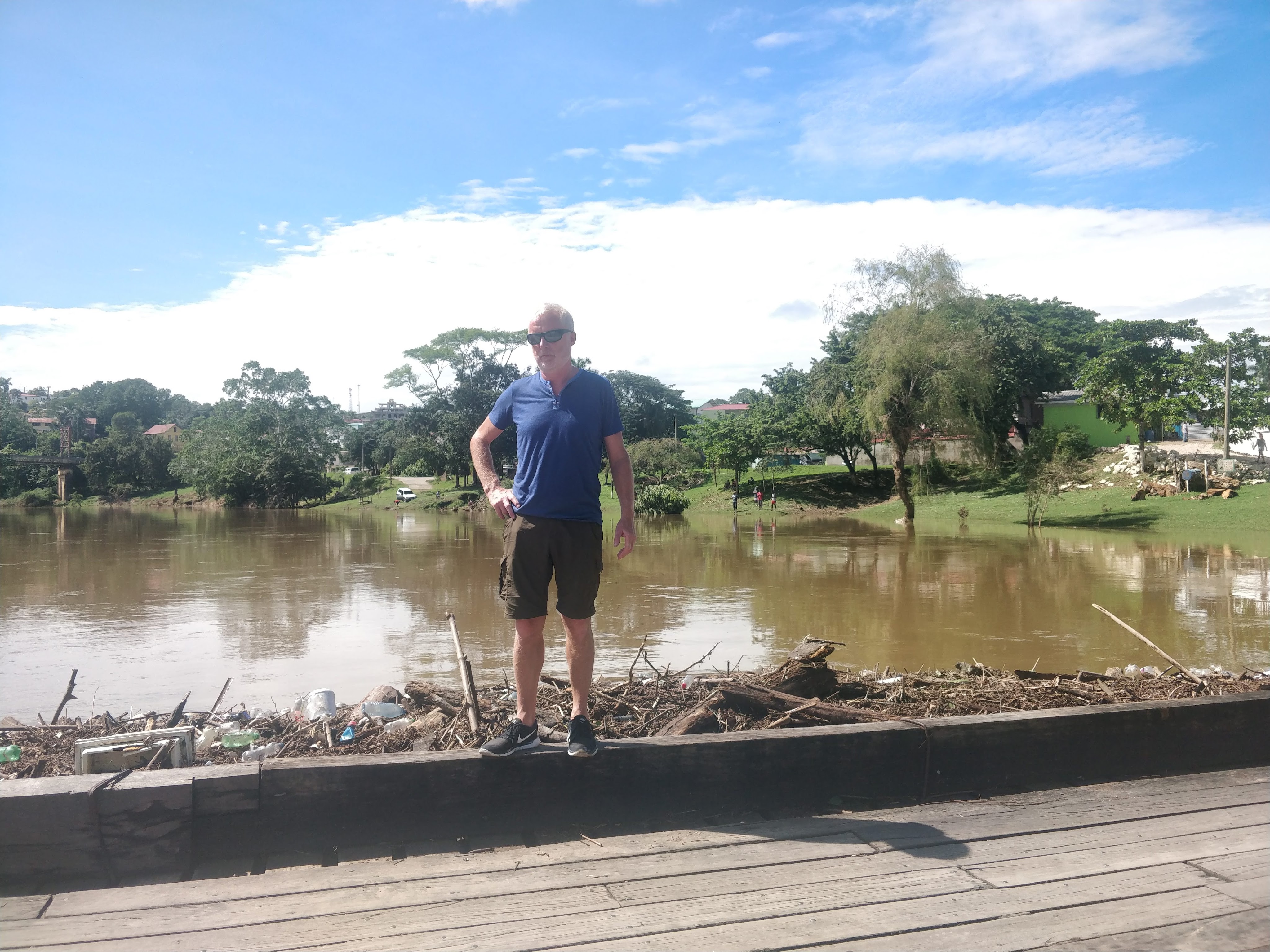
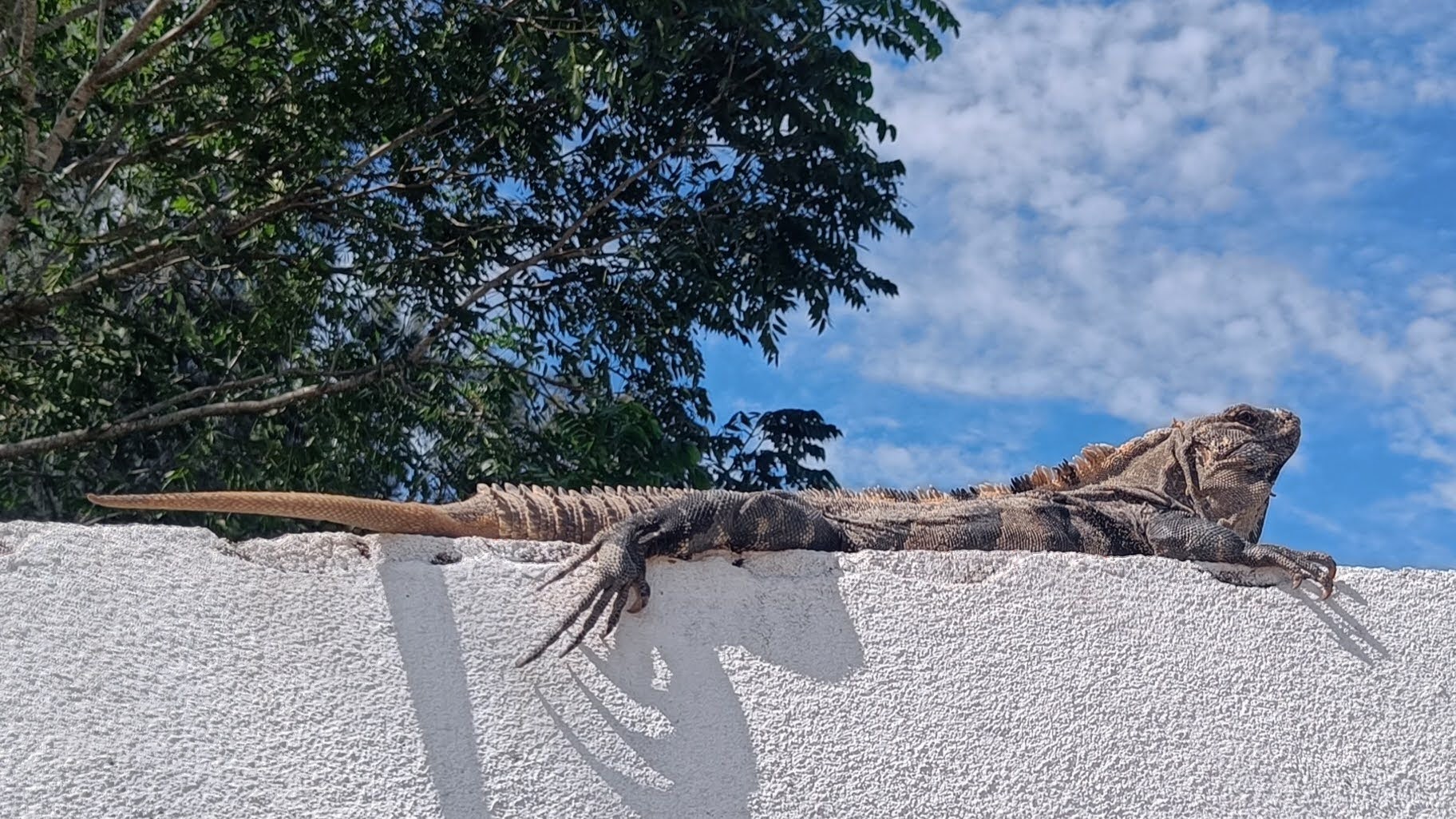
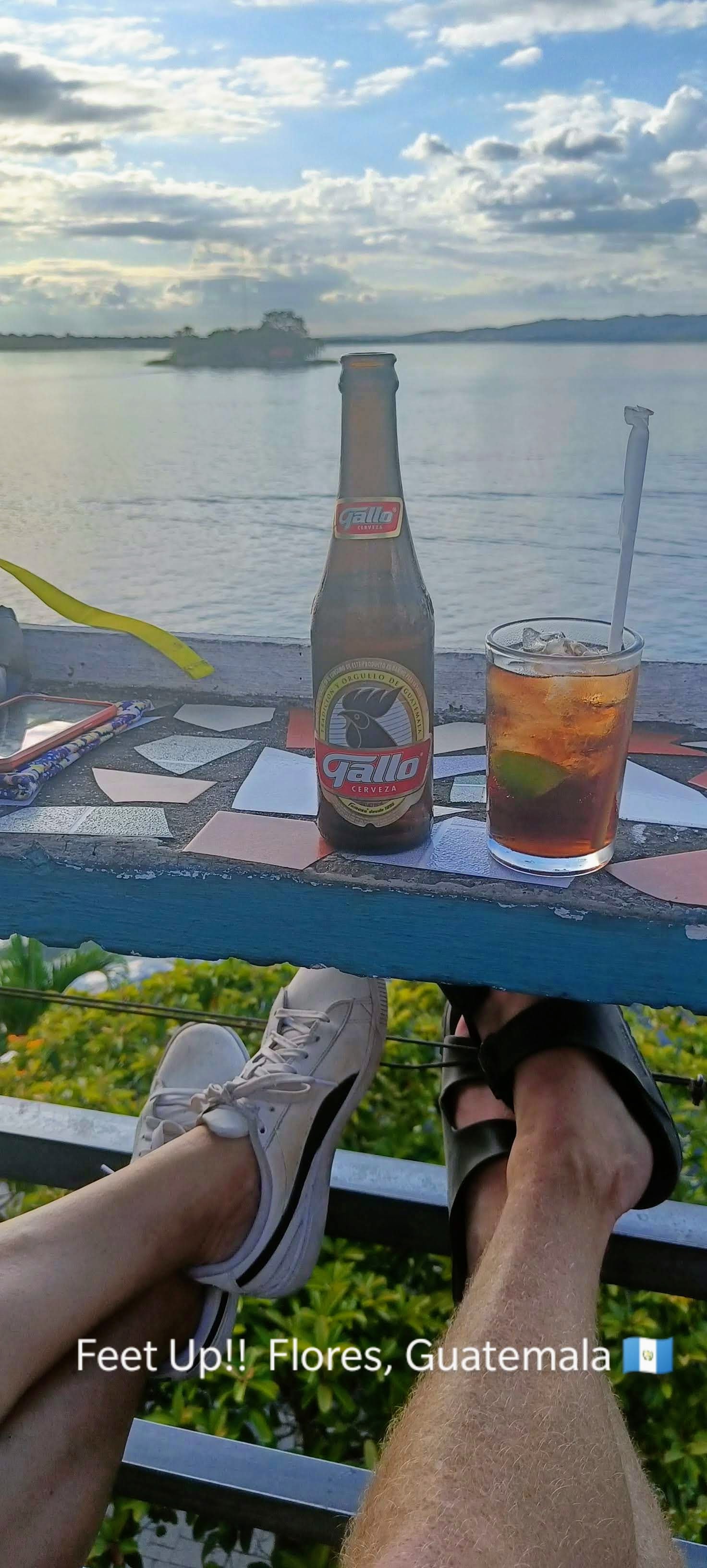
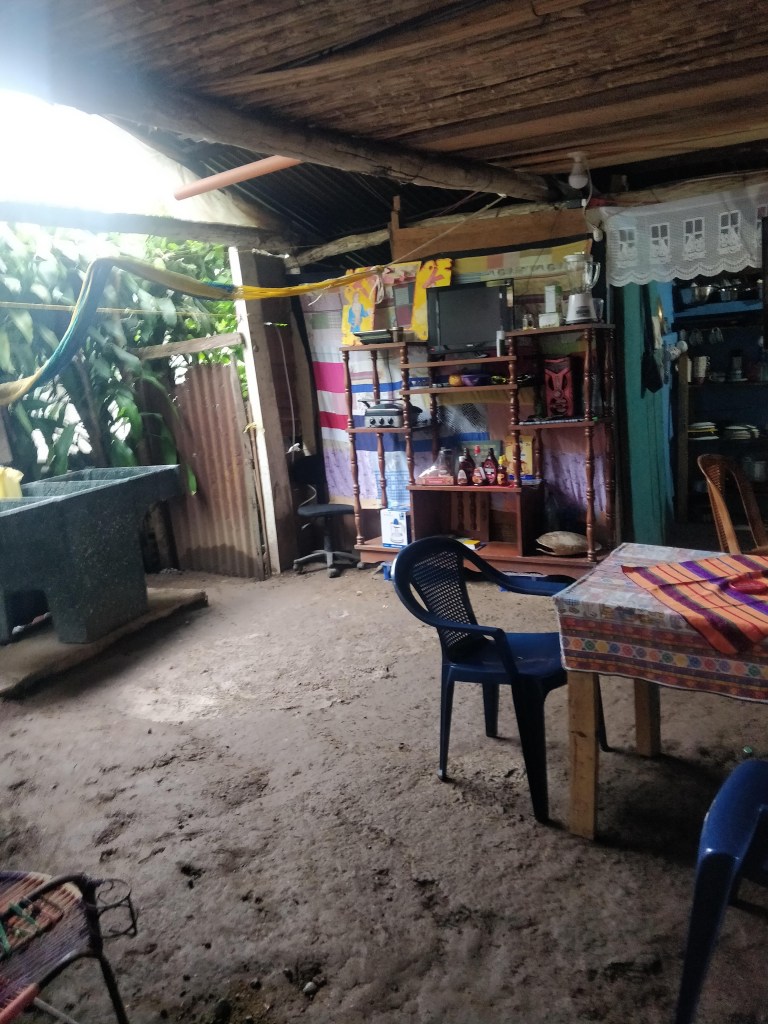
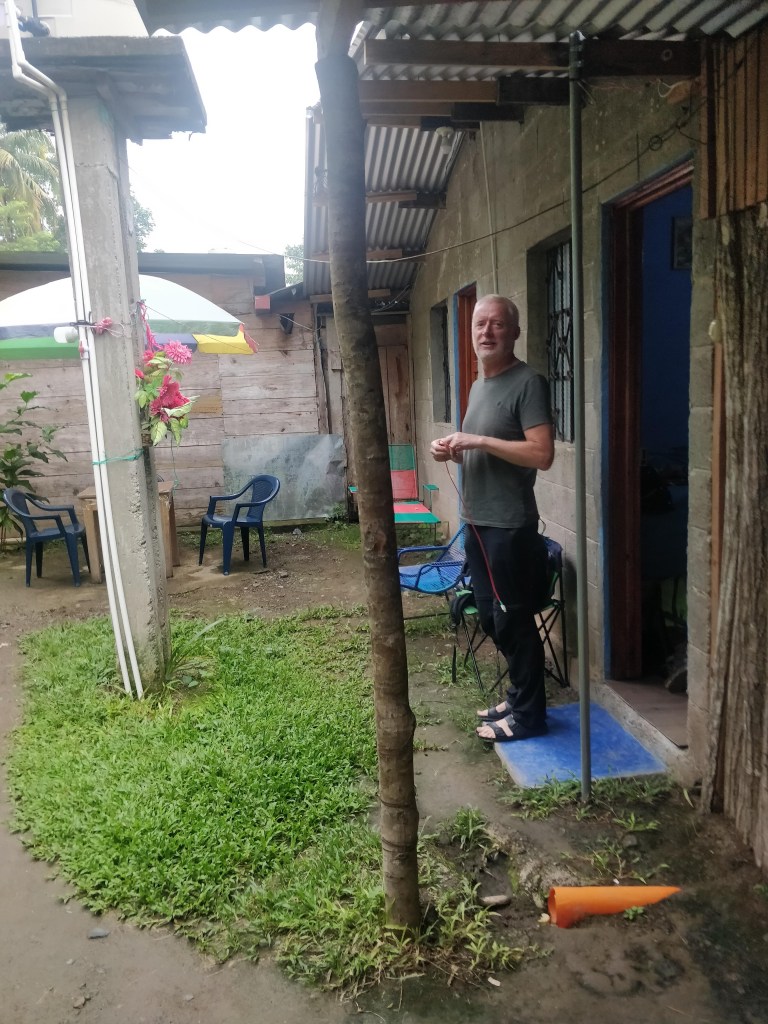
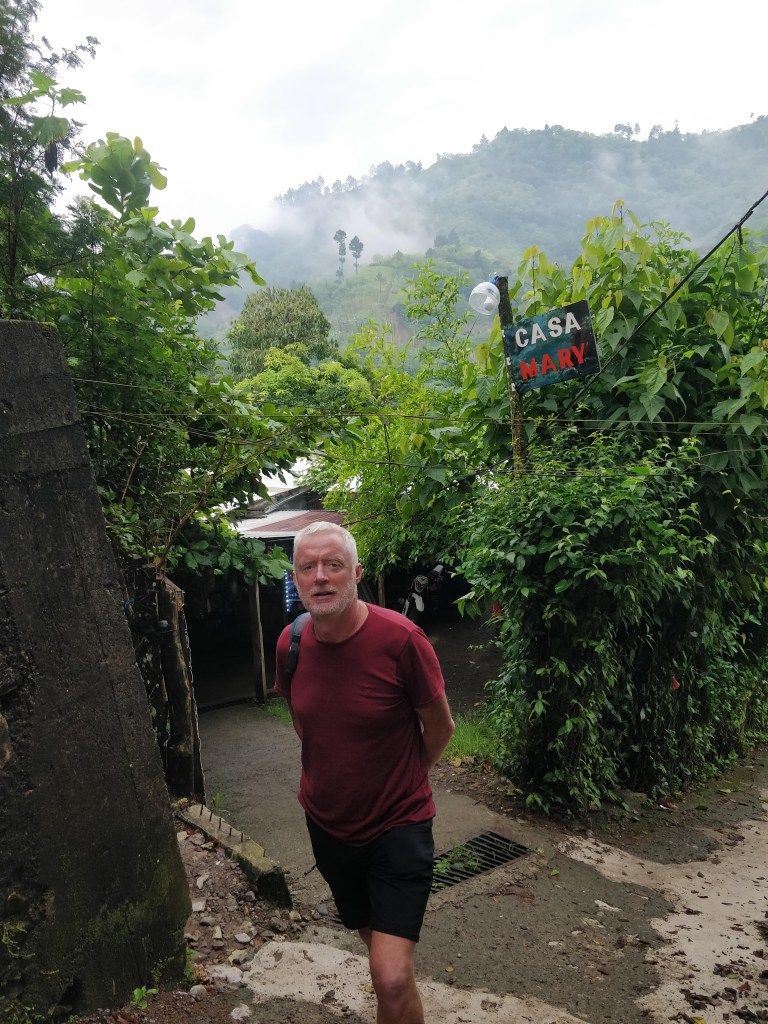
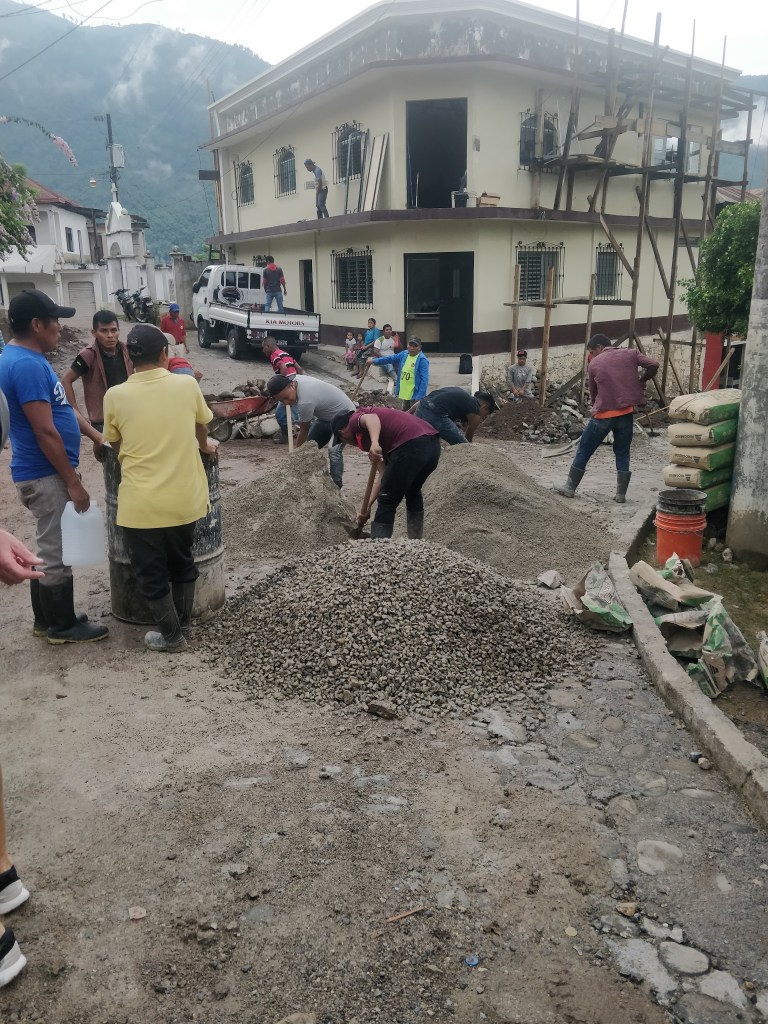
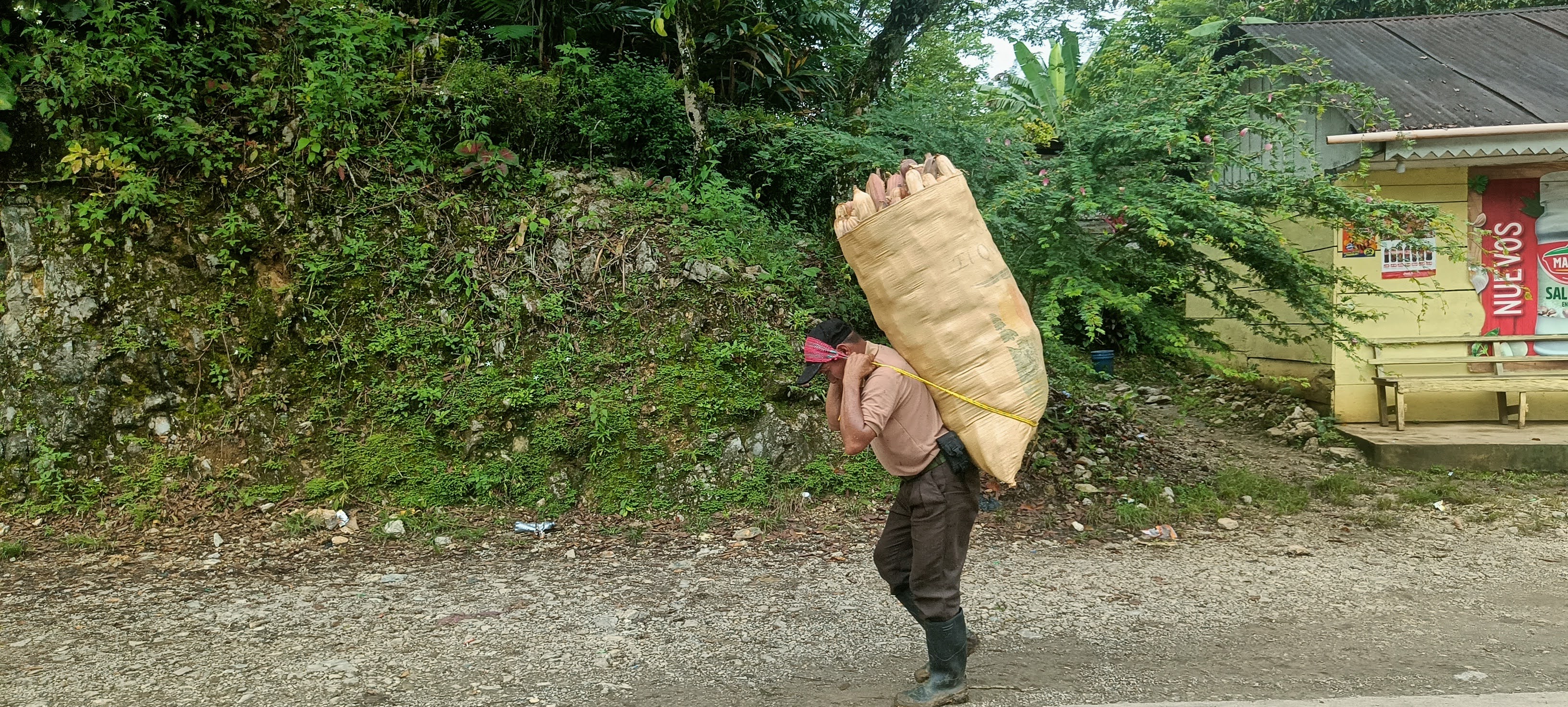
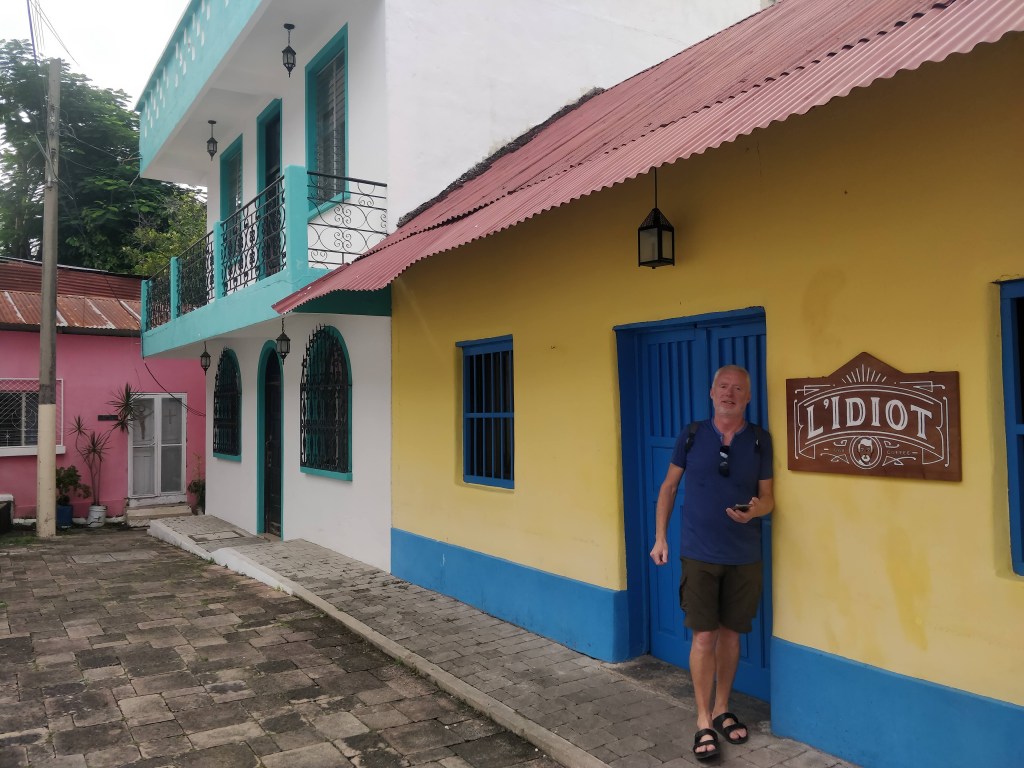
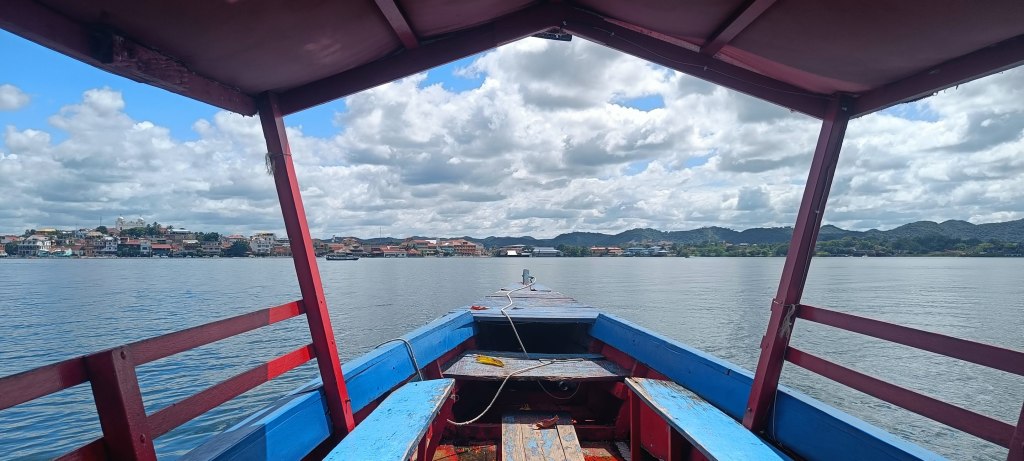
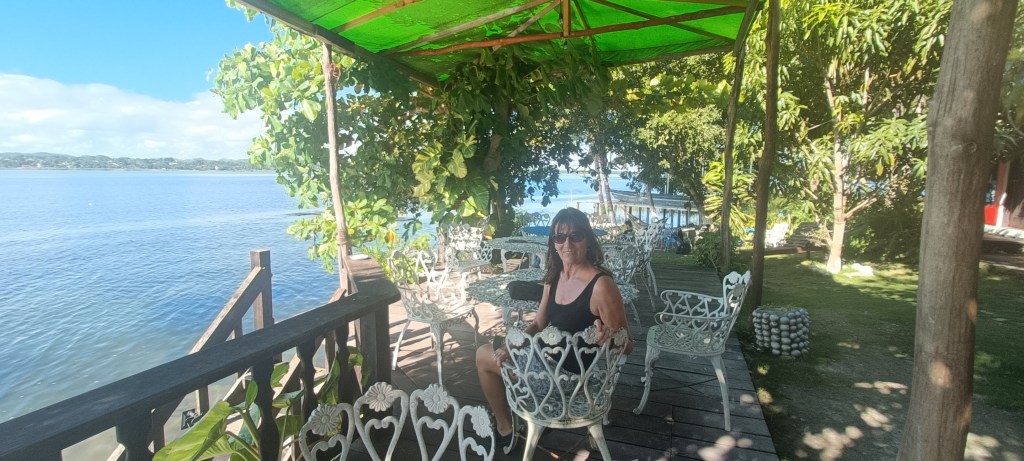
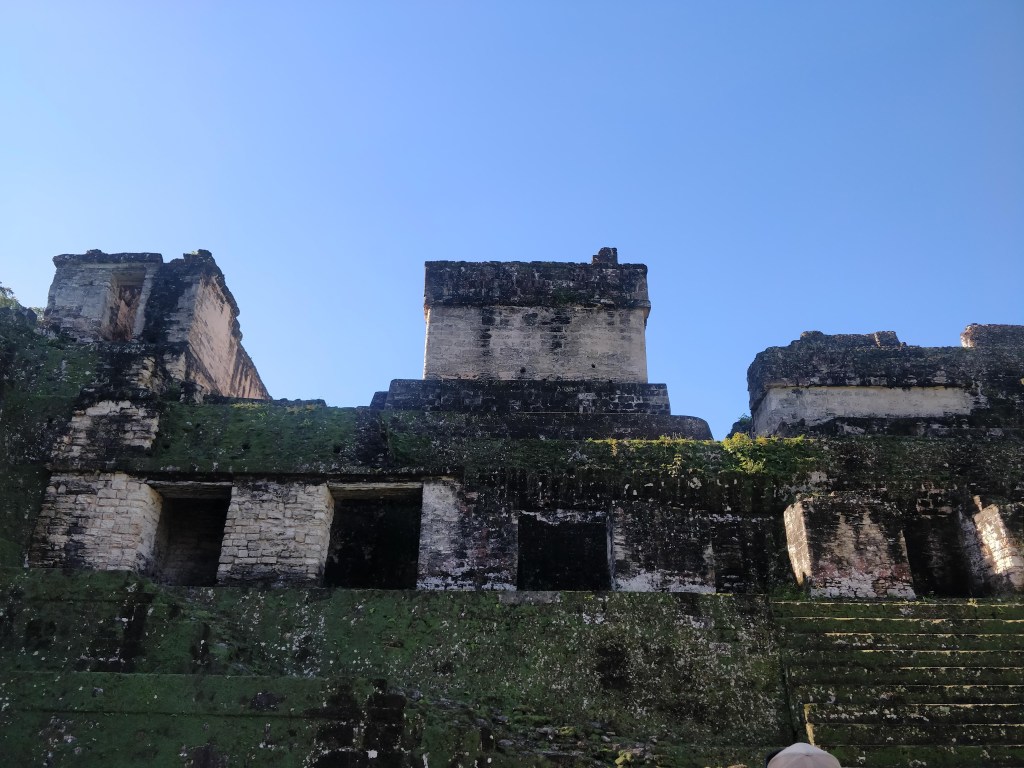
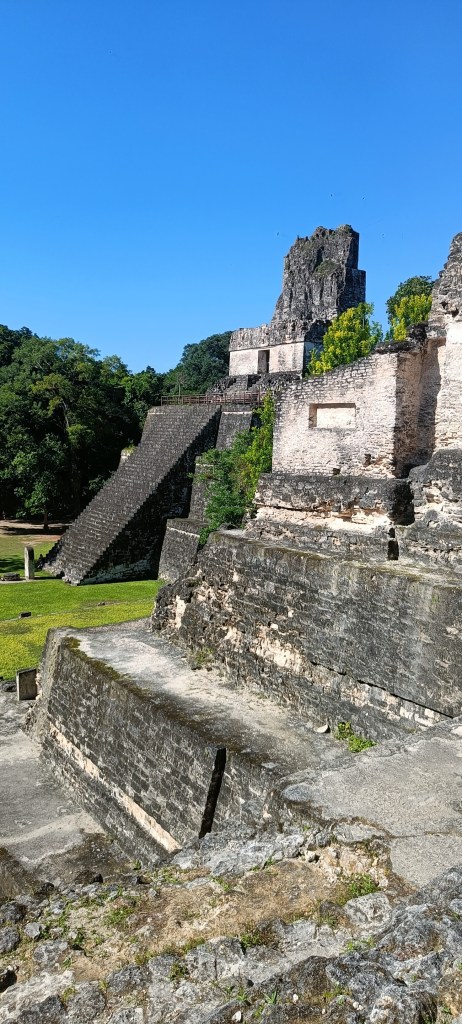
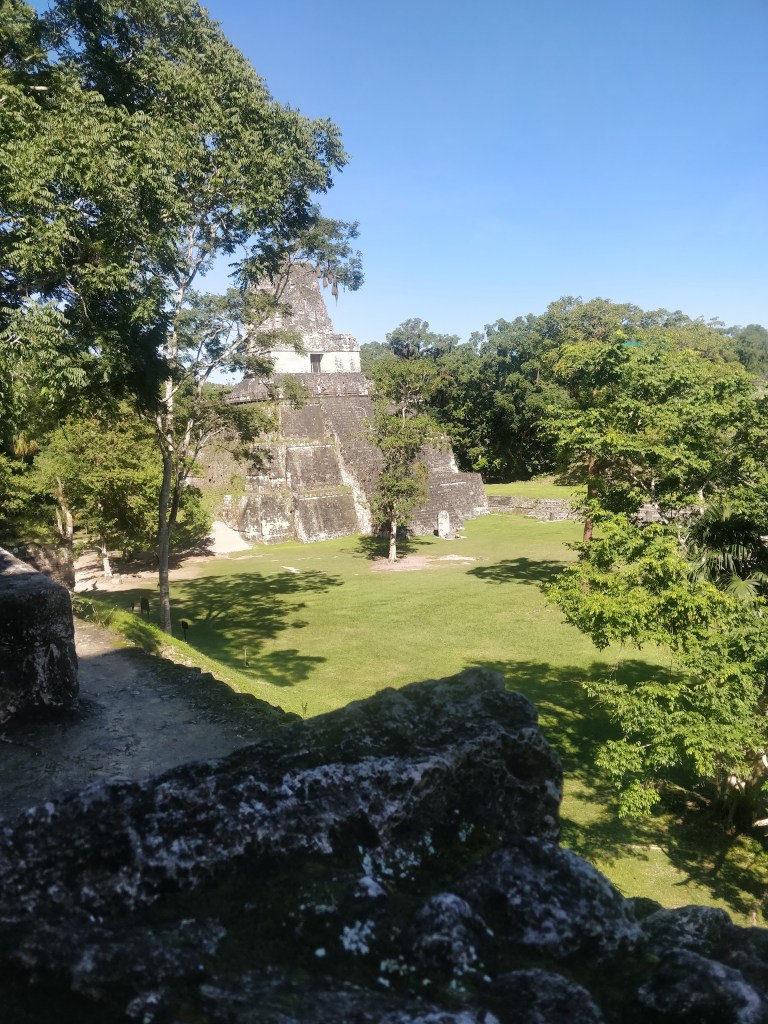
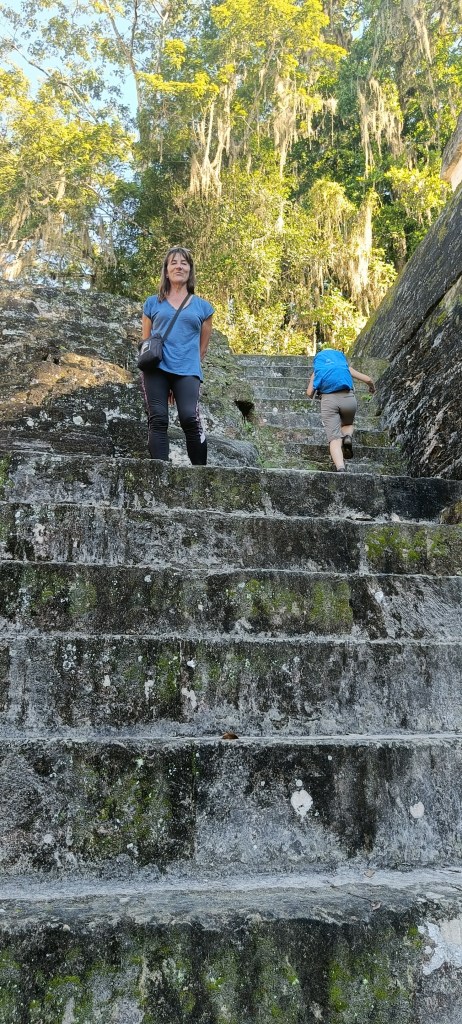
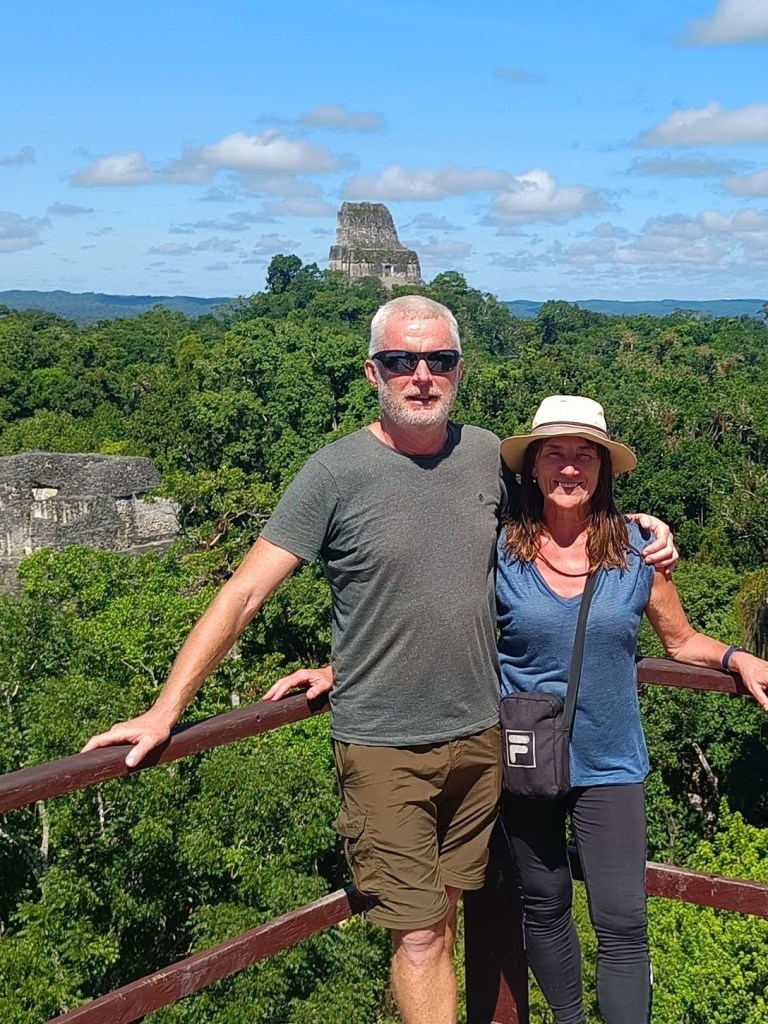
 marienoonanblog