Galicia – Following the Light

Chasing Lighthouses

After inland Vilalba with a new car battery and some camping chairs and a camping table, we headed to the coast and the most northerly point in Spain. We went here on the advice of a English woman that we met in Vilalba (the tourist office was really unhelpful here but this woman overheard our queries) who told us that there were some wonderful hikes in this region, and it was sound advice. It’s a beautiful area of winding roads, forests, and little, sand-sand beaches but maybe we should have done more research because there weren’t any campsites – so we ‘wild’ camped in the forest among the eucalyptus trees and ferns.
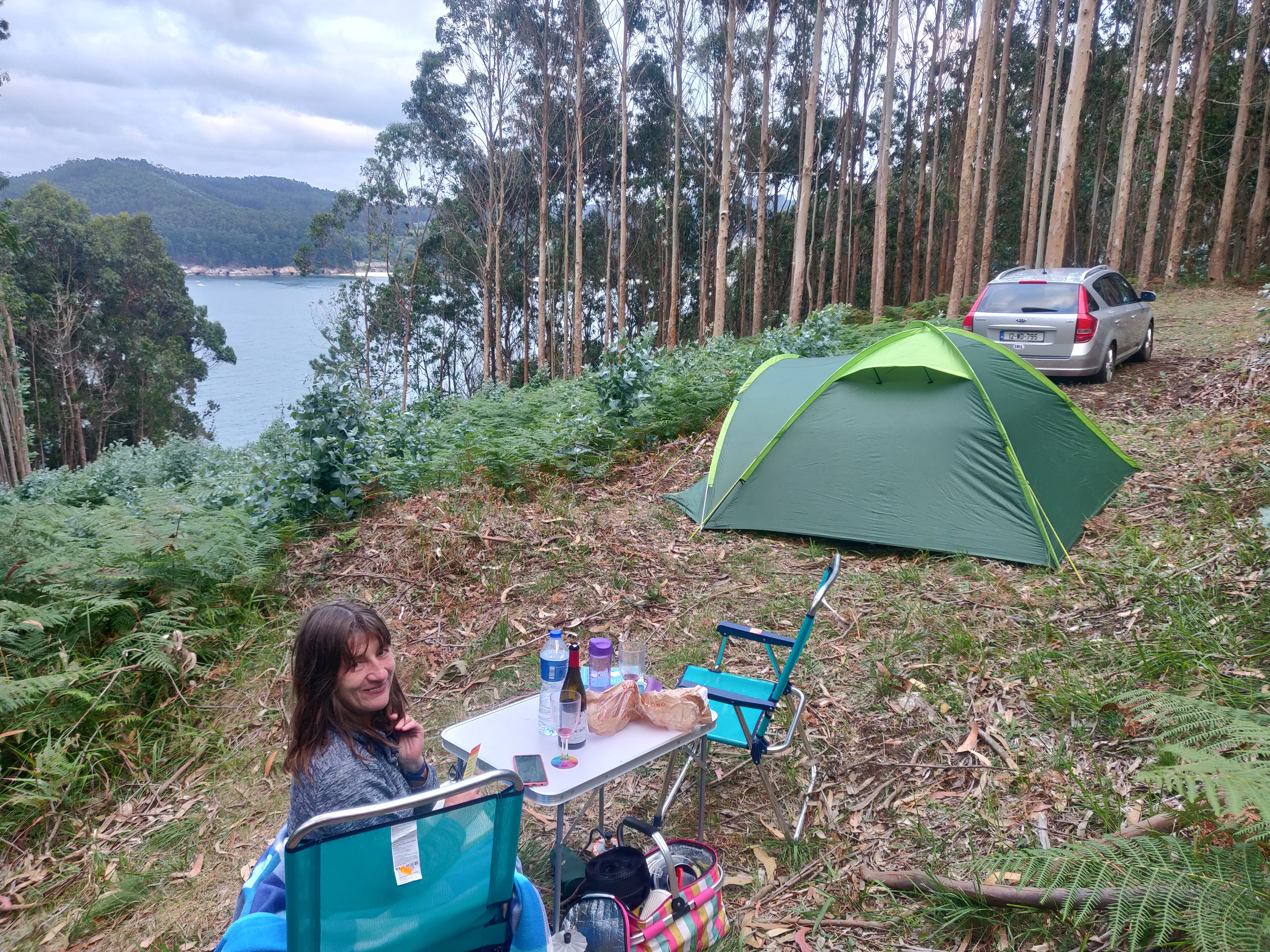
The high swaying branches of the eucalyptus overhead sounded like waves crashing on the sea. It was soothing until some twigs and leaves landed on the tent during the second night when it became windy….and then I hardly slept, my imagination in overdrive….. while Caoimhin snored beside me.  

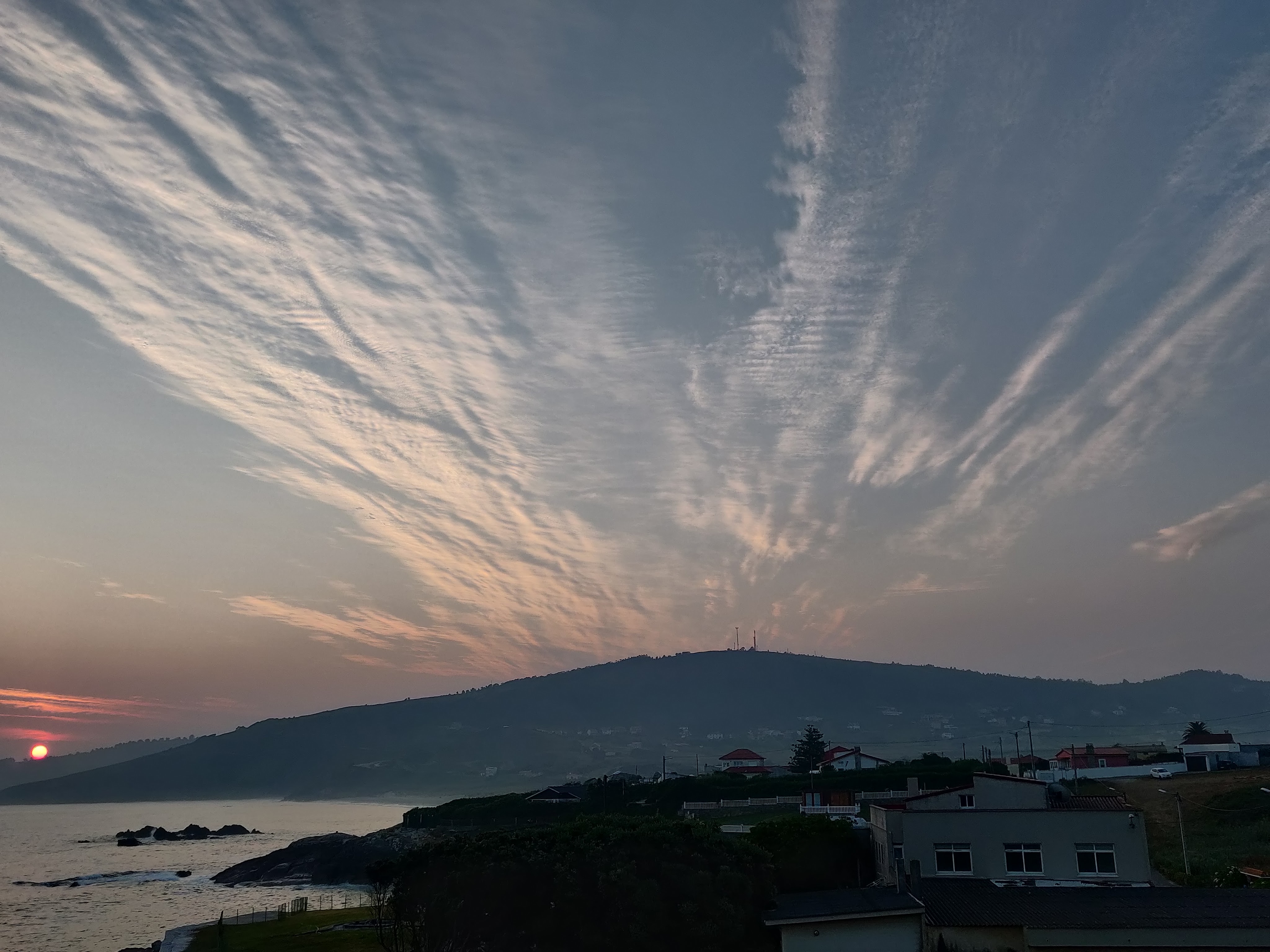
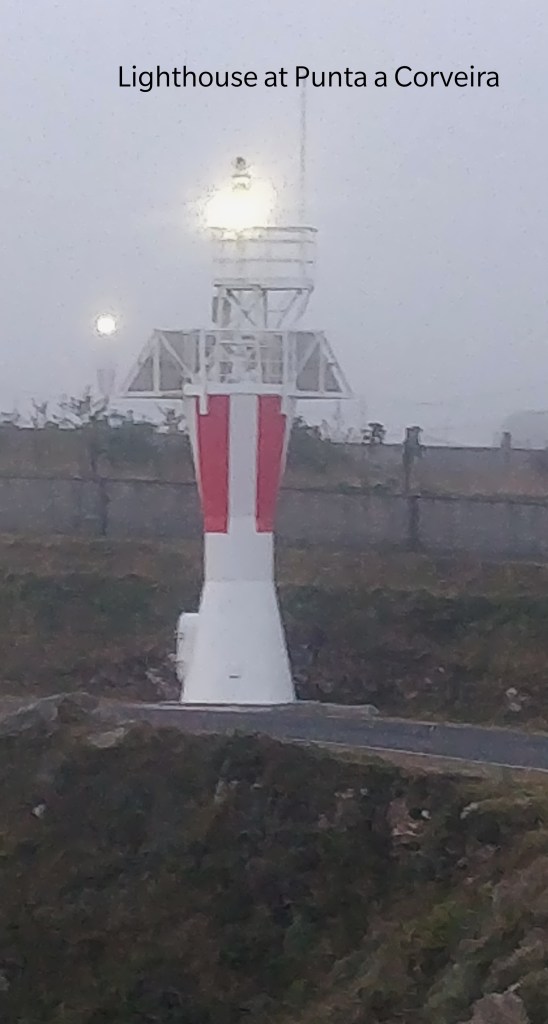
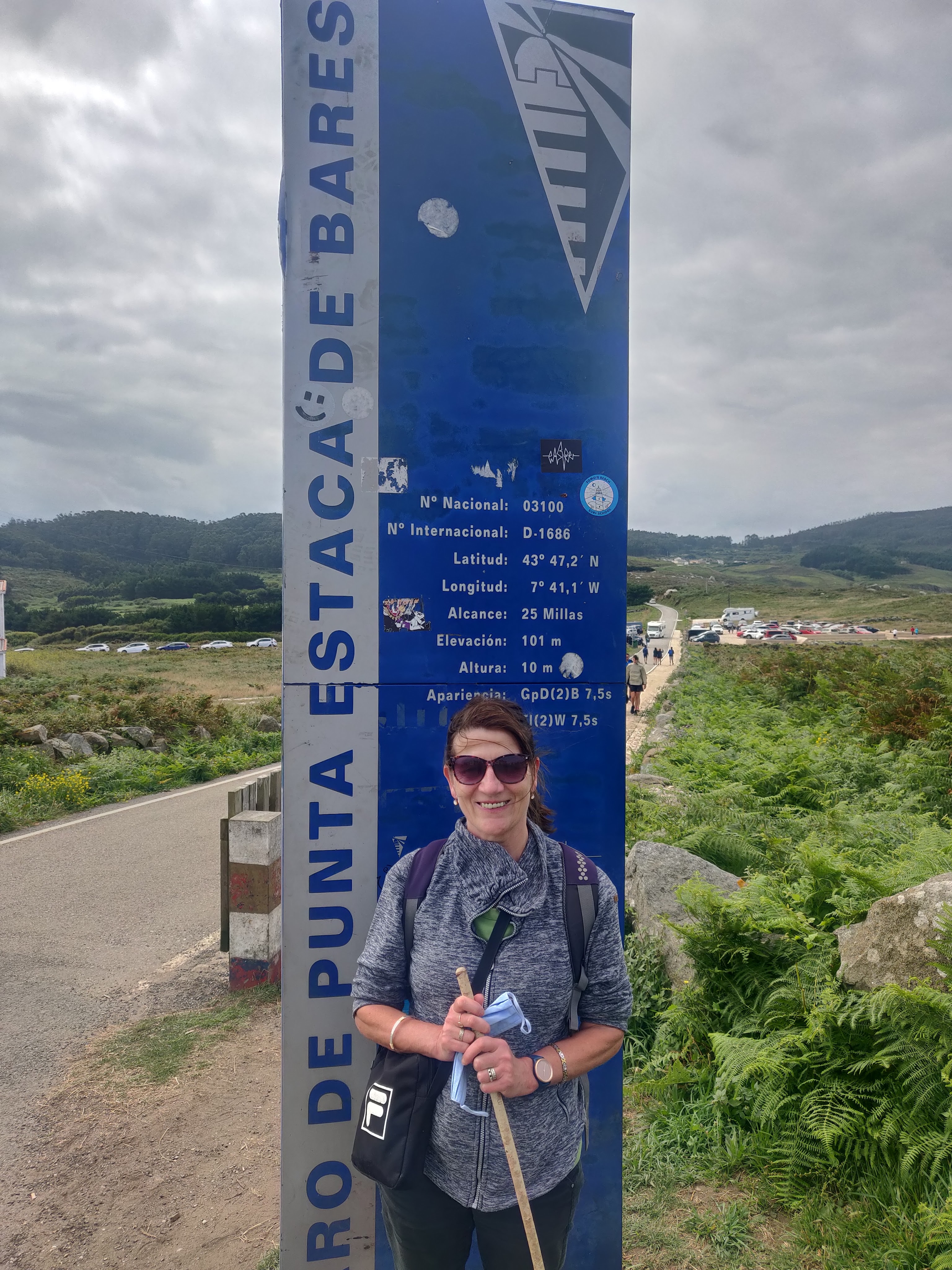
On a bright, breezy day, we walked out to the lighthouse, Faro de Punta Estaco de Bares at the most northly point of the Bares peninsula. The lighthouse was small and ugly with unpainted concrete, but the area was wild and beautiful with pods of dolphins in the rough sea
After two nights in the forest, we packed up and headed west (with no set destination apart from the need for a campsite and a shower) until we came to Valdovino, a small, hilly town with a long sweeping beach and a lagoon which was a protected area for wildlife and biodiversity (a bit like Tramore). We liked the feel of the place straight away, looked for a campsite and found A Laguna with views of the sea and hot showers (aah, the simple pleasures).
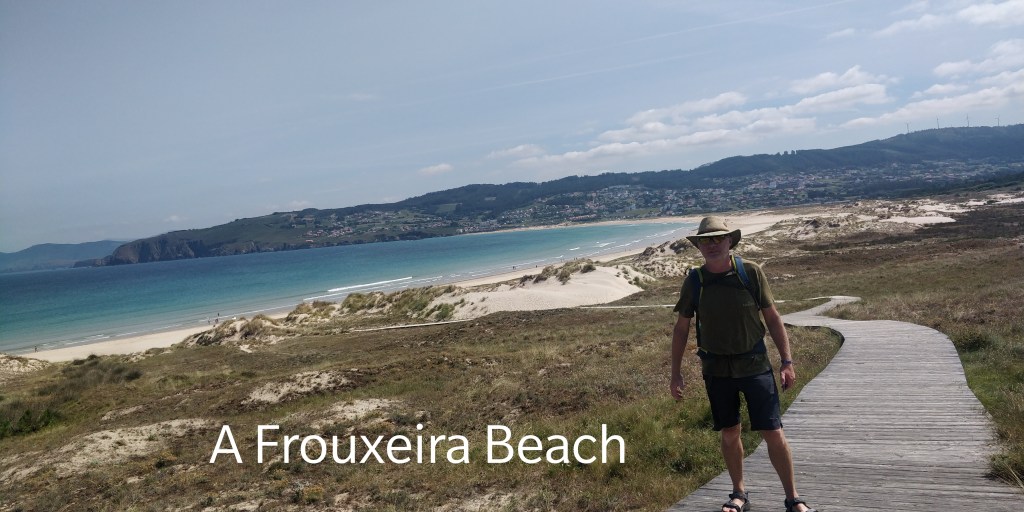
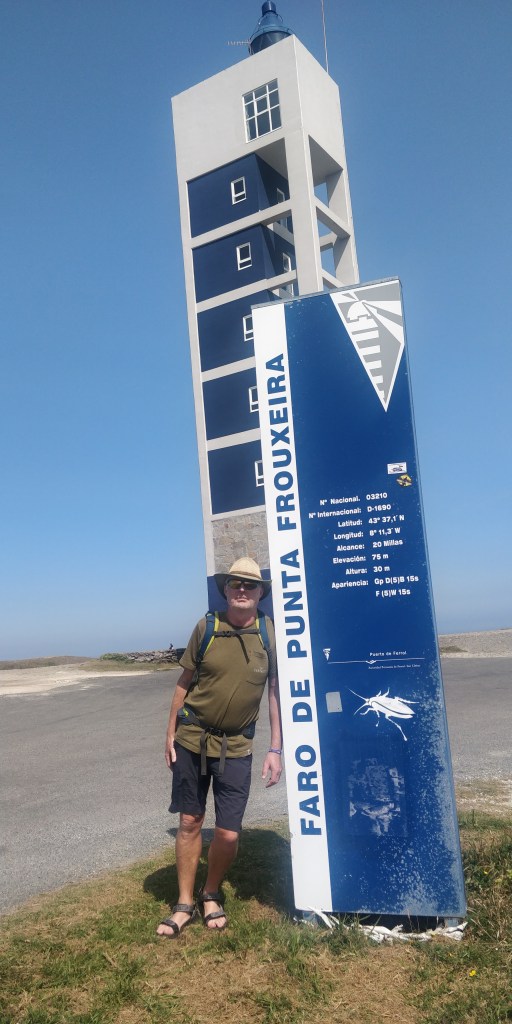
We liked it so much – and the weather was a glorious, sunny 28C every day – that we stayed for three nights. We did some yoga sessions on the beach and we hiked lots of coastal paths and cultivated the art of doing very little(not as easy as you’d think). We trekked to another lighthouse along beaches and trail paths, Faro de Punta Frouxeira, a very modern rectangular building of blue and white blocks in a stunningly beautiful area. Honestly, we got tired of saying ‘Wow!!’ as we rounded another corner.
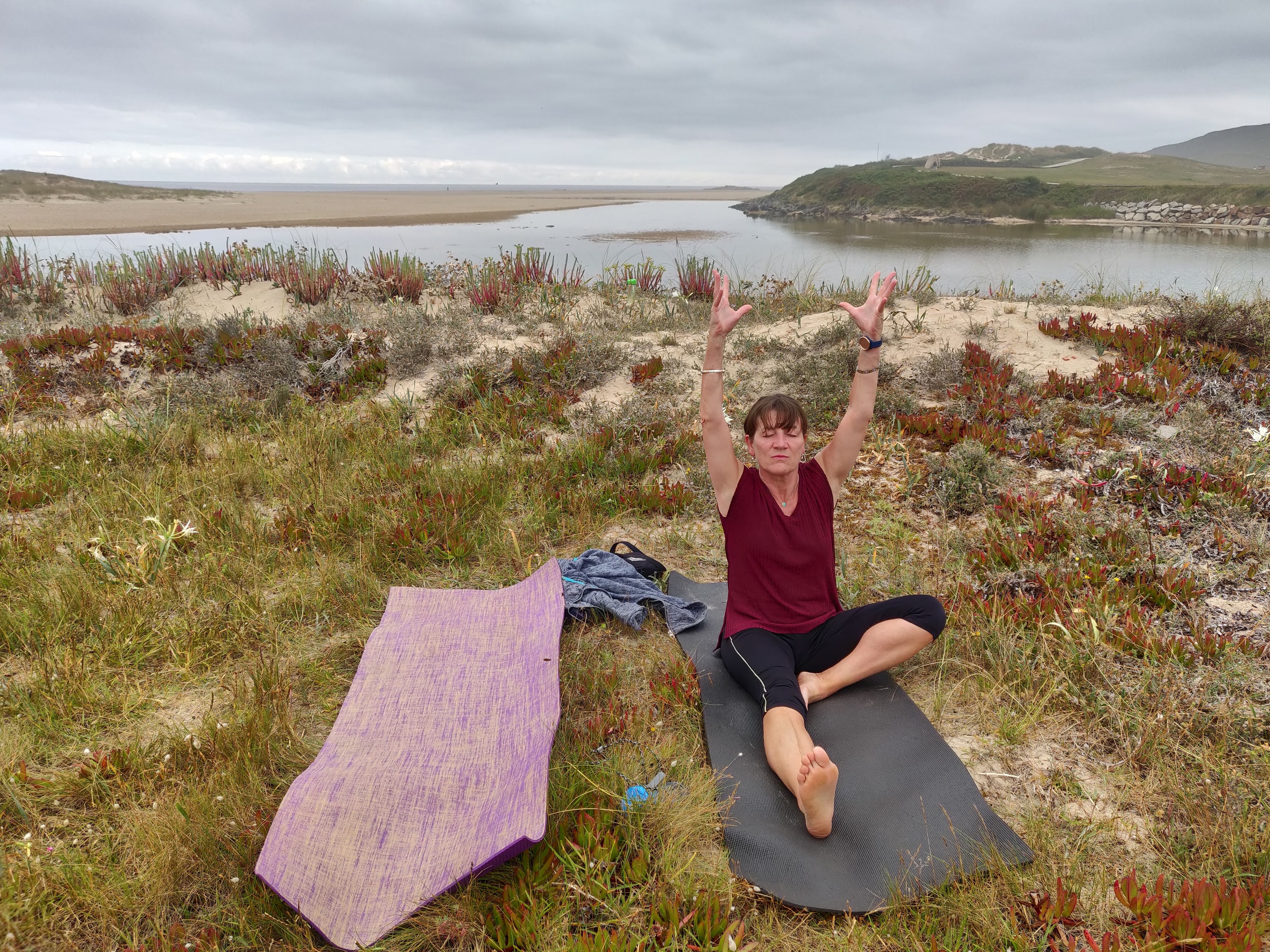
Yoga by the Lagoon

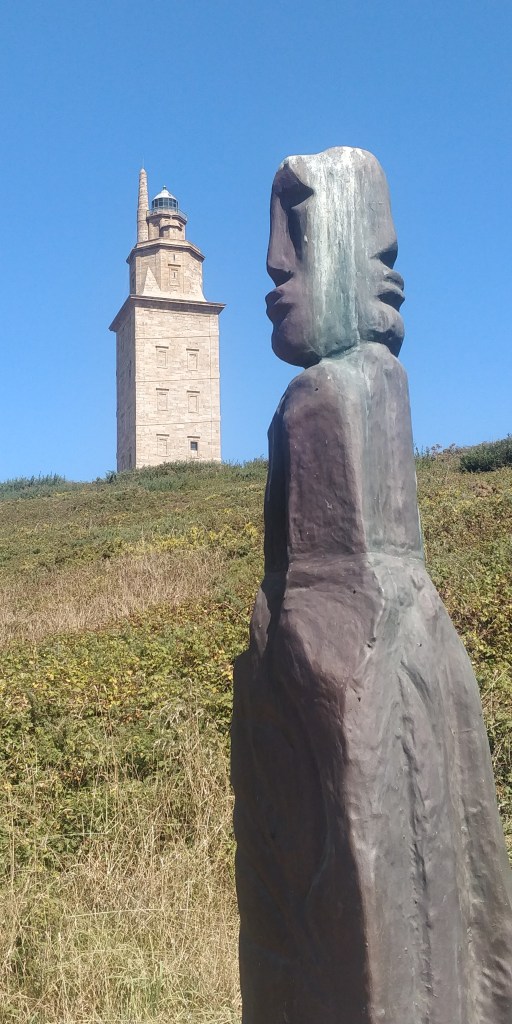
A few days later, we were in A Coruna to look at a very different lighthouse, the Roman lighthouse known as the Tower of Hercules which sits on a headland just at the edge of the city.  This is the oldest surviving lighthouse – it was magnificent both for the building, the location, and the sculptures on the paths leading up to it. I don’t think that it would have the same appeal if it had simply been called the Roman lighthouse instead of the Tower of Hercules. It was so popular an attraction that we had problems finding parking – for a while it seemed that the closest we would get was a distant view from the car window as we drove round and round the streets but eventually we found a parking space. There are some great walks here along the headland near Hercules.
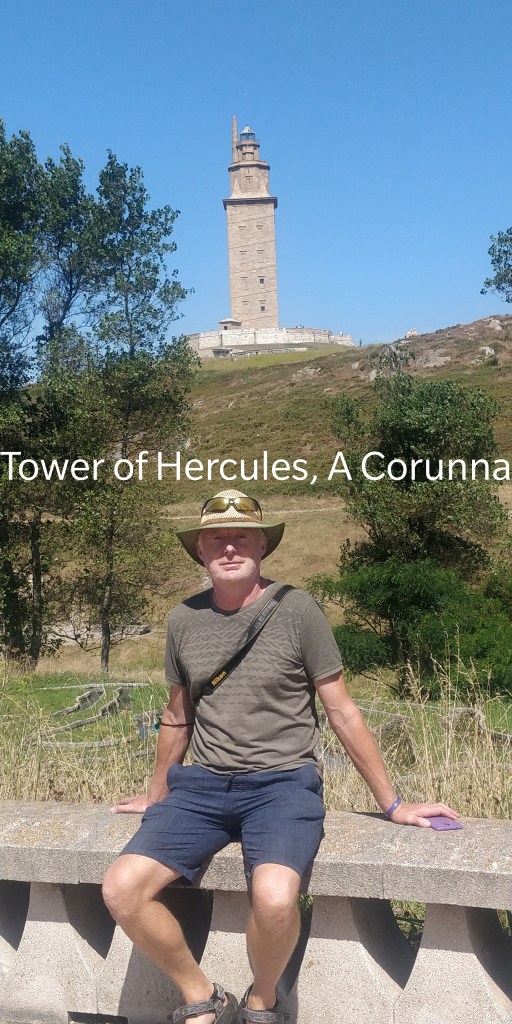
After admiring Hercules, we headed off to another campsite still going west….or we tried to… but Google, usually our reliable friend, kept rerouting us around the streets of A Coruna, round and round we went along one-way streets, missing our turn-offs.  We were hot, tired, hungry and a bit frazzled – so much so that we pull over at a Burger King. Junk food never tasted so good or so restorative! And we found our way with ease after that.

We keep acquiring things, a clothesline and pegs, a fly swatter, a cool box bought in Ferrol, the birthplace of Franco (his statue is no longer on public display but is confined to a military barracks in the port area). The cool box had a 12-volt socket so that it can be plugged into the back of the car which is great for keeping things chilled – especially the white wine. But we discovered how hard this was on the car battery especially if left plugged in for most of the day and night when we were camping at Camping Balcoba, a hilly campsite shaded by sycamore trees overlooking the sea.  The car battery was dead as a dodo and the car was facing the wrong way – it would need to be pushed uphill first. We looked around – our nearest neighbours were a helpful young couple in a van but they were slight and we needed more muscle and fortunately another couple down the hill spotted our predicament and lent a hand. They were travelling with two dogs (something like pitbulls) and a set of dumbbells and bench press – I think the woman could have pushed the car uphill on her own. Despite the pushing, the engine simply coughed down the hill and refused to turn over – it required jump leads. Hopefully, this will be the end of the car trouble.

 Camping in Galicia was great – we camped in three different campsites – all shady – along this stretch of the Galician coast from Fares to Paia Vilcovo, west of A Coruna. We hadn’t booked any of them in advance, but we had no problem finding a site to camp. Prices averaged around €22 euro a night for 2 people, a tent and a car.
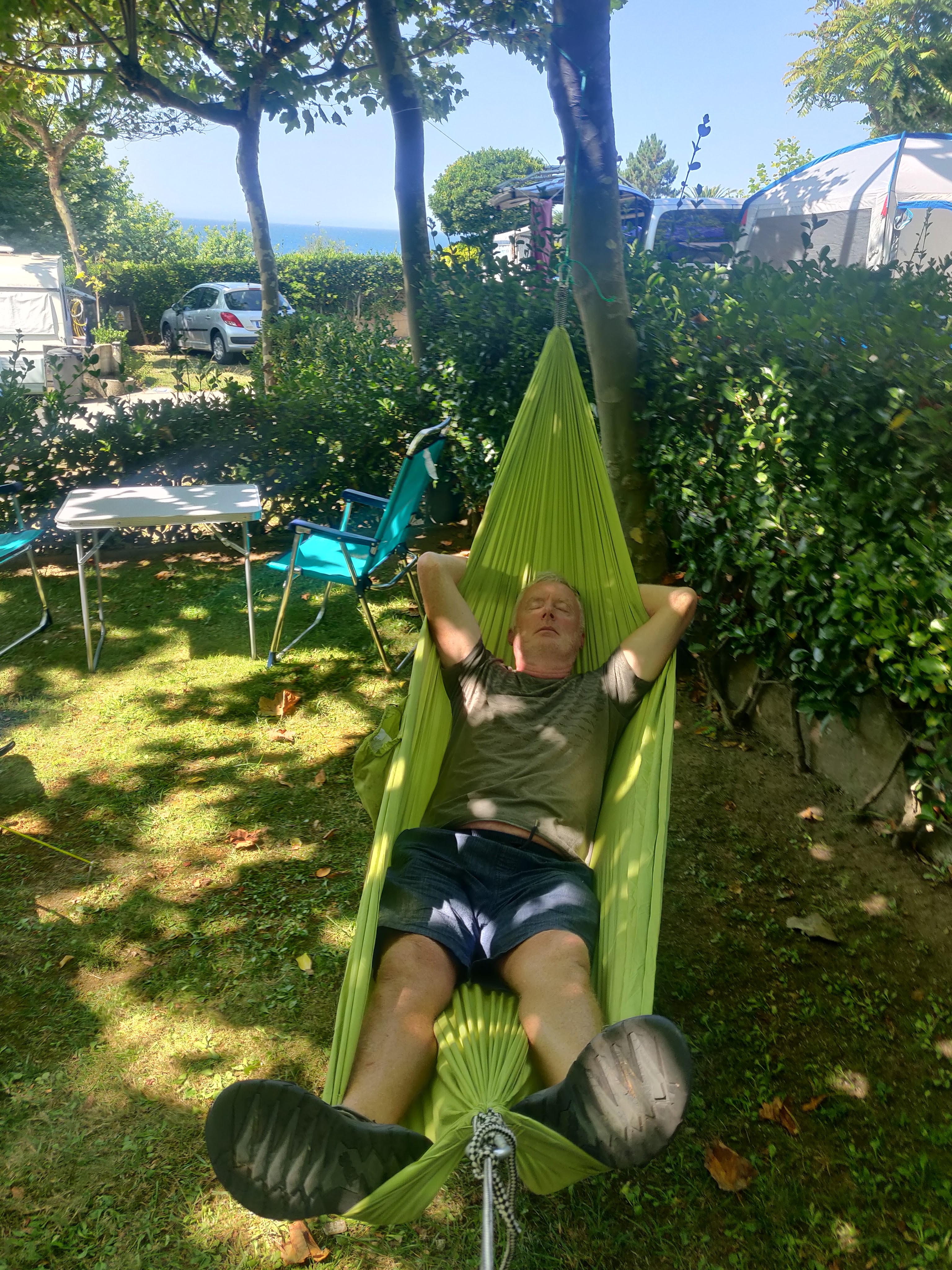
Life is good – chilling by the sea

Walking in Galicia is wonderful – suitable for everyone even those with dodgy knees.  The coastal paths are really amazing with signs, maps, good surfaces, boardwalks, and lots of picnic benches. Most of the beaches have showers, toilets and foot wash taps. In the early mornings, the beaches are raked smooth with tractors and all the rubbish bins are emptied. We didn’t do any established walks but merely walked for two or three hours along the coast from wherever we happened to be.

Although we followed our own version of a Lighthouse Camino, there is an established walk called The Lighthouse Way (Camino de Faros), a 200 km hike along the Costa del Morte section of the Galician coast which sounds really interesting – a walk from lighthouse to lighthouse along the coast of death. It begins a little further west from where we were …. And is worth googling. I think that we will have to come back this way again.
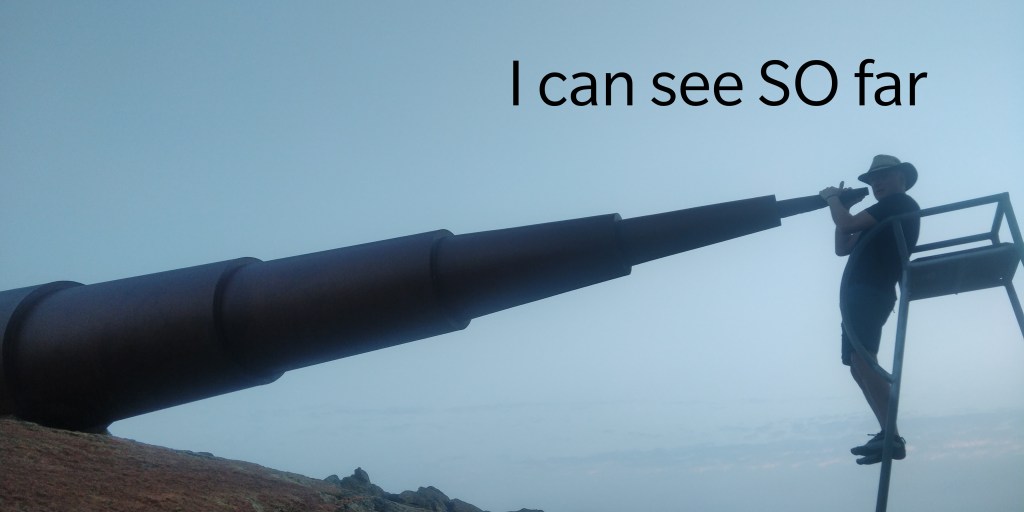
Giant Telescope on the coastal path near Valcova, Galicia.
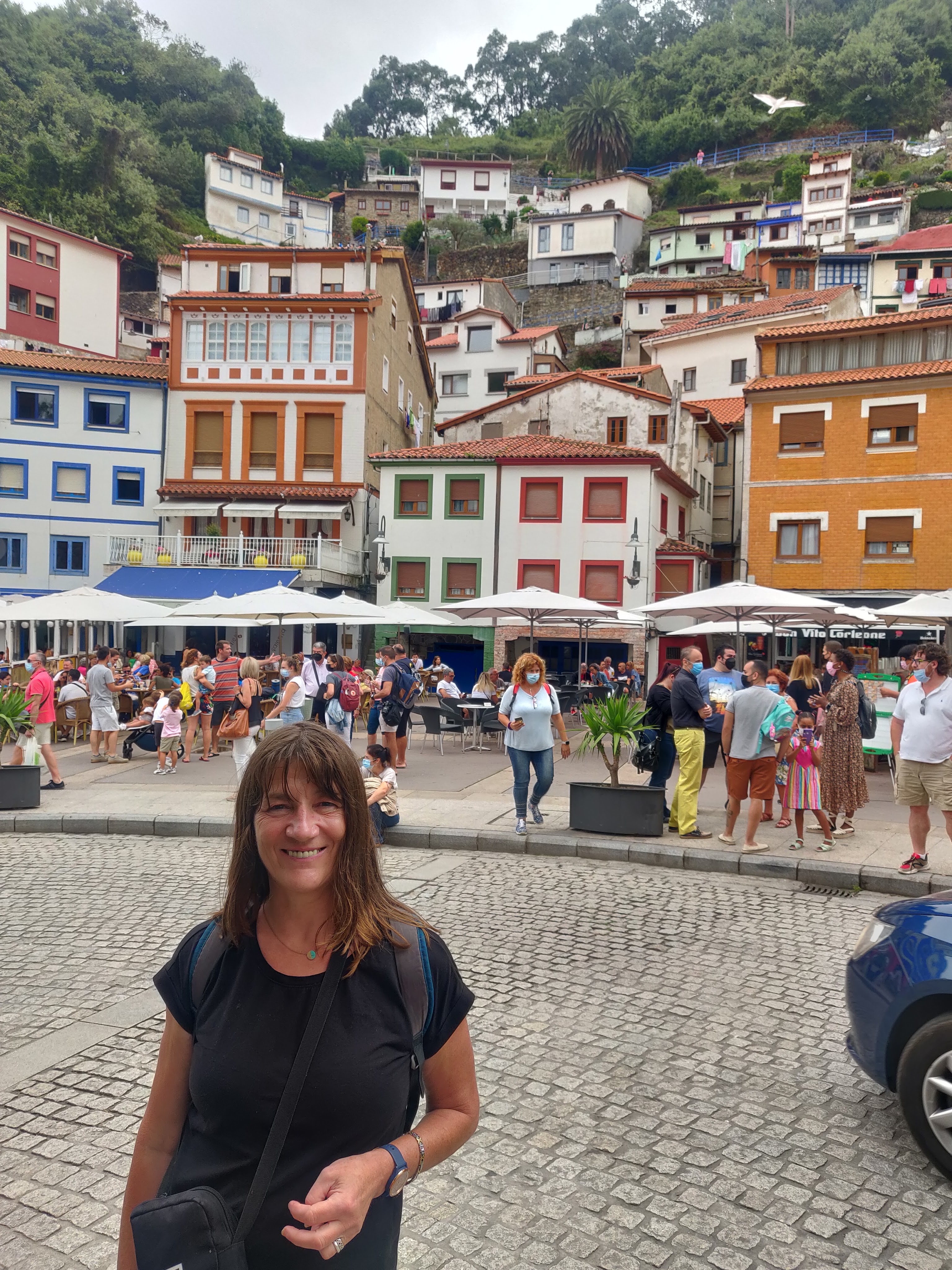
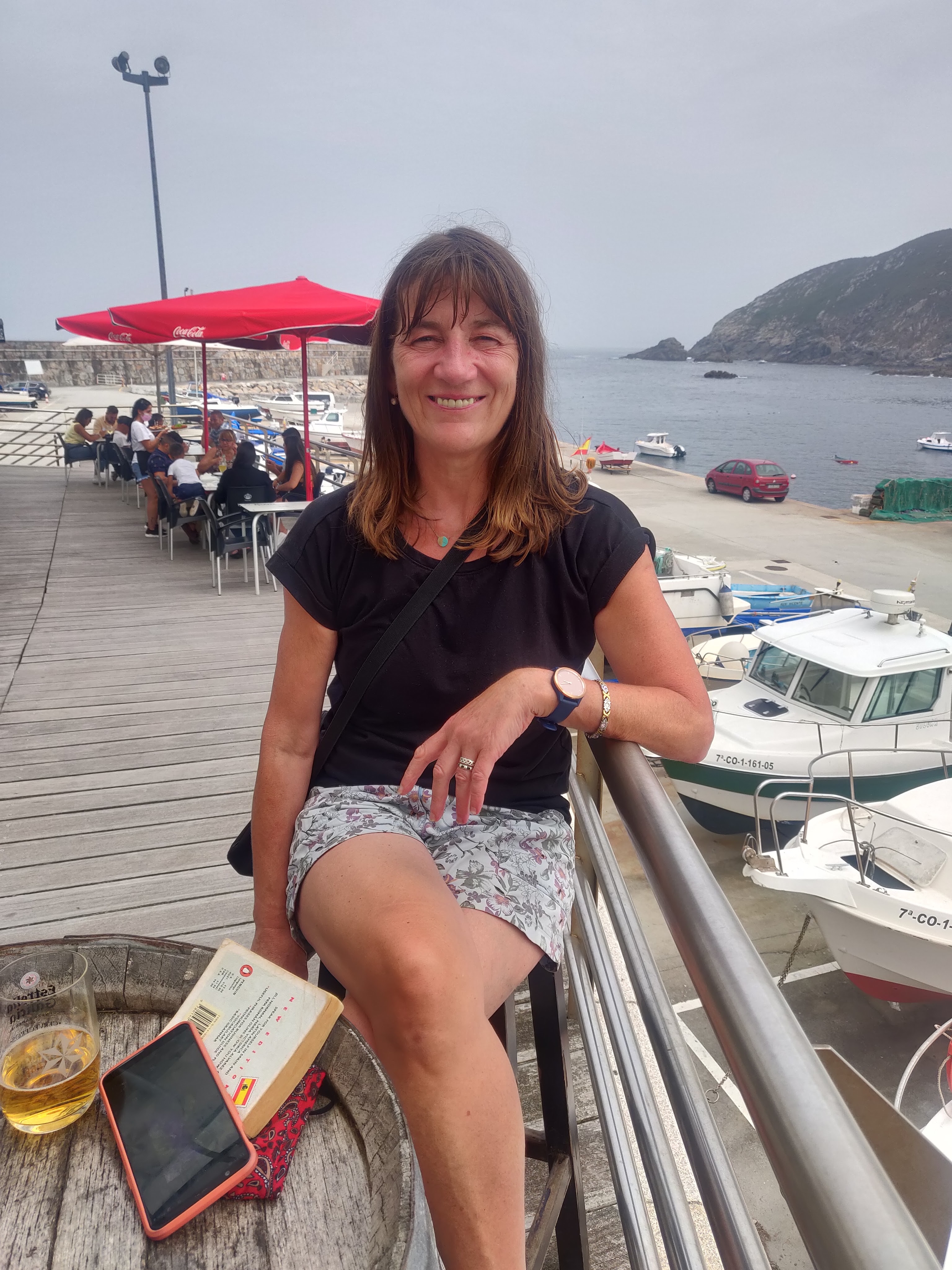
Caion, a beautiful fishing village in Galicia.

Galicia – Following the Light

Beyond Bilbao

After a few days in Bilbao, it was time to hit the road west and what a road.

Jaw-dropping scenery from Bilbao to Santander to Gijon and beyond. The road is high with sea and white sand beaches to the right and forests and mountains to the left. We drove from Basque country through Cantabria to the region of Asturius. The infrastructure was amazing with viaducts, beautiful bridges, long tunnels and best of all, no tolls, on this route – a truly wonderful drive …..and the car kept going although we have taken to parking on hills in case we have a repeat of the episode getting when we were getting on the ferry.

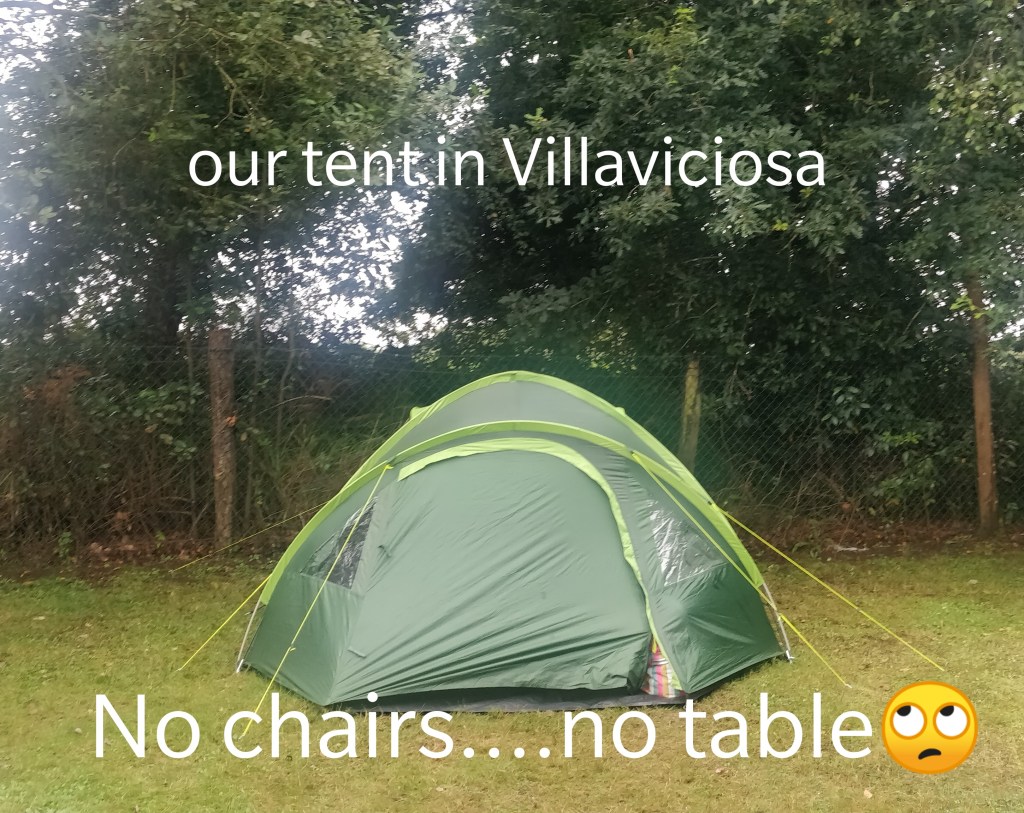
We set up camp for the night outside Villaviciousa in Asturias – some other campsites nearer the sea were full and when I say full, I mean jammed – barely room to walk between tents although they would probably have squeezed us in somewhere. It was mid-August and a holiday weekend. We put up the tent under the trees and then discover that we have forgotten to bring the camping chairs and table – we have left them in our garden shed. We had been complimenting ourselves about how well we had packed. Now we knew why everything fitted so well into the car!

After one night camping and sitting on the wet grass (it rained all night – the only rain for weeks), we moved on, still following the coast with the blues of sea and sky to our right and the greys and greens of mountains to our left with a mist blowing over the Picos. There were tiny coves with towering cliffs and red tiled houses clinging to sloping mountainsides.

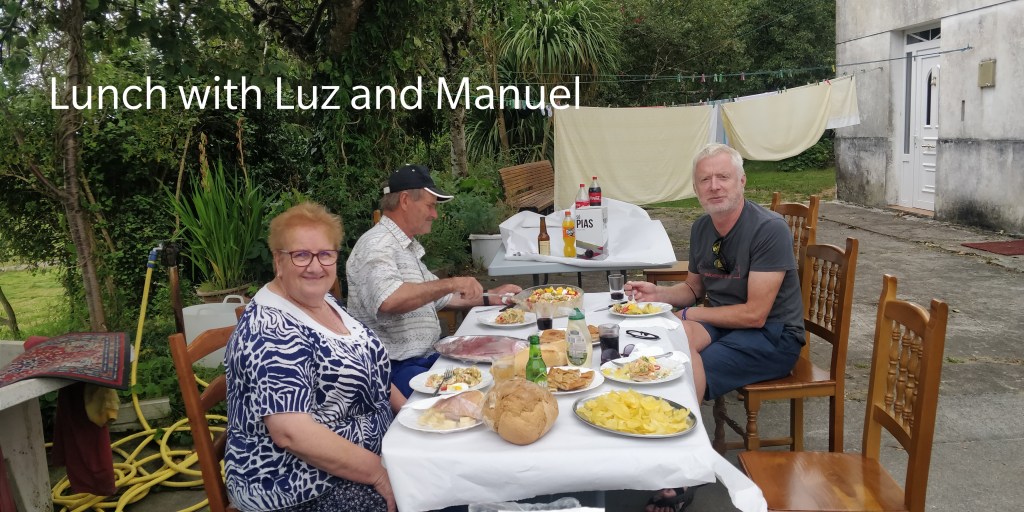
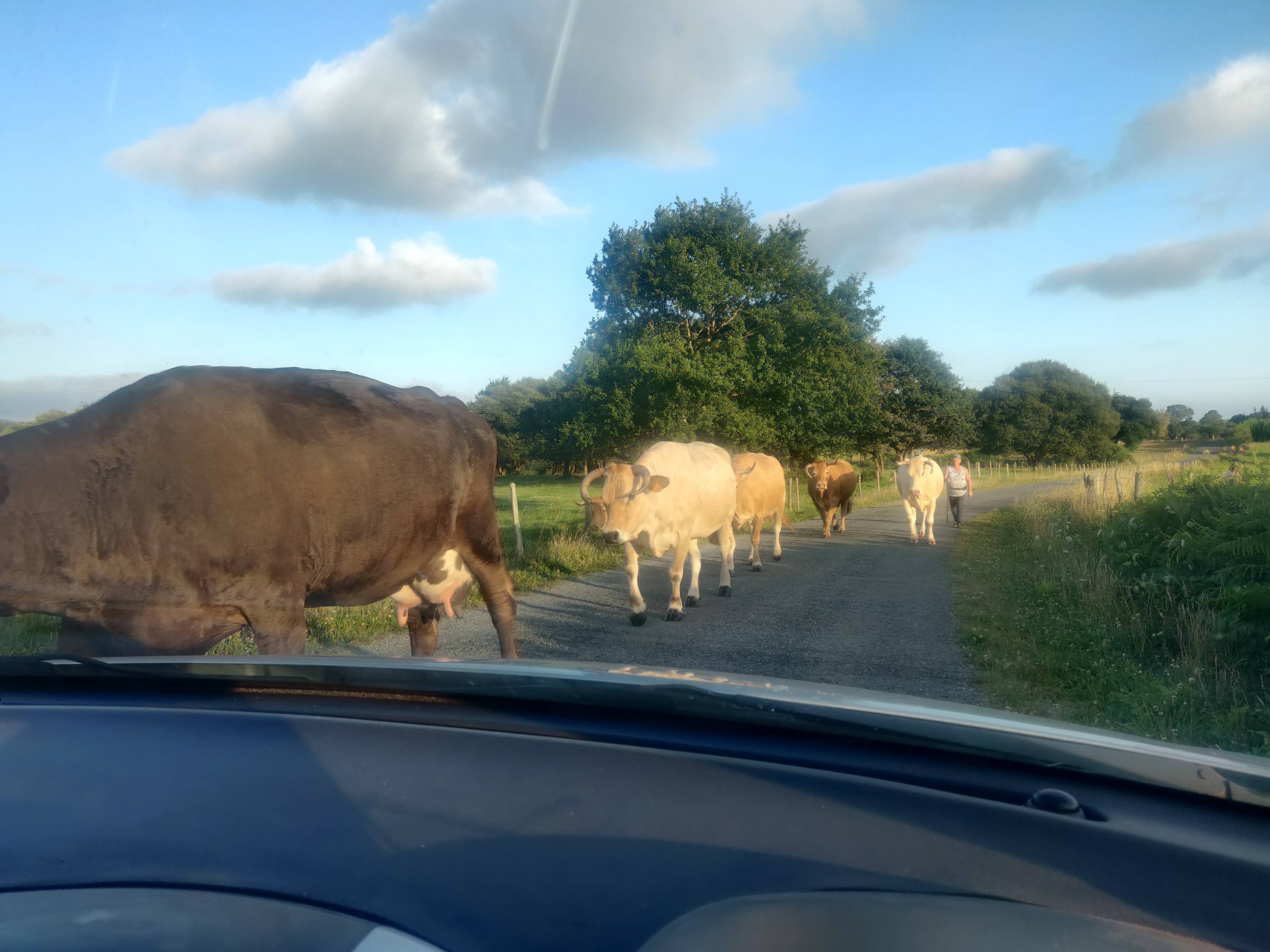
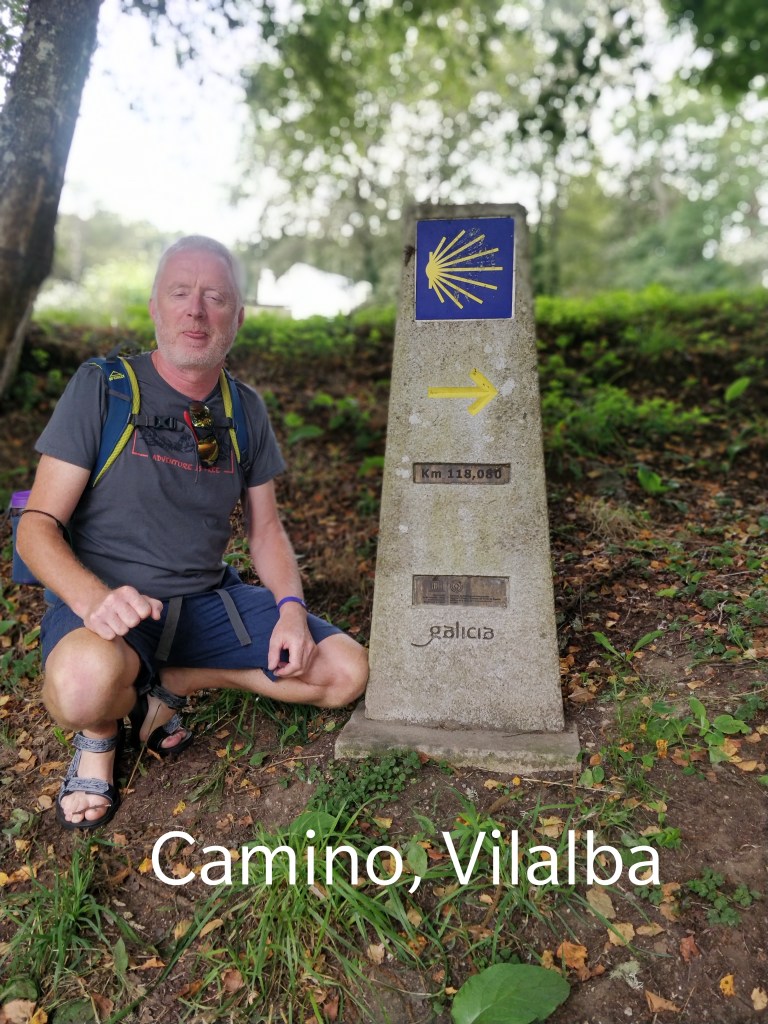
We stayed with a relative – my brother in law’s mother, Luz – for a couple of nights in her house about 10kms outside Villalba, an inland town in Galicia but which is on the Camino del Norte. The countryside around here was green with hedgerows of wildflowers (very similar to home) and small farm holdings with a few cows (with enormous horns) and farmers driving old tractors. There were rows of windmills on the horizon and mixed forestry plantations. But the countryside was also dotted with lots of large, deserted houses – substantial buildings with peeling paint. Sometimes there were several clustered together in small, deserted villages. Fine houses that would be habitable with a little TLC are left to crumble and decay where their (usually) elderly inhabitants die.

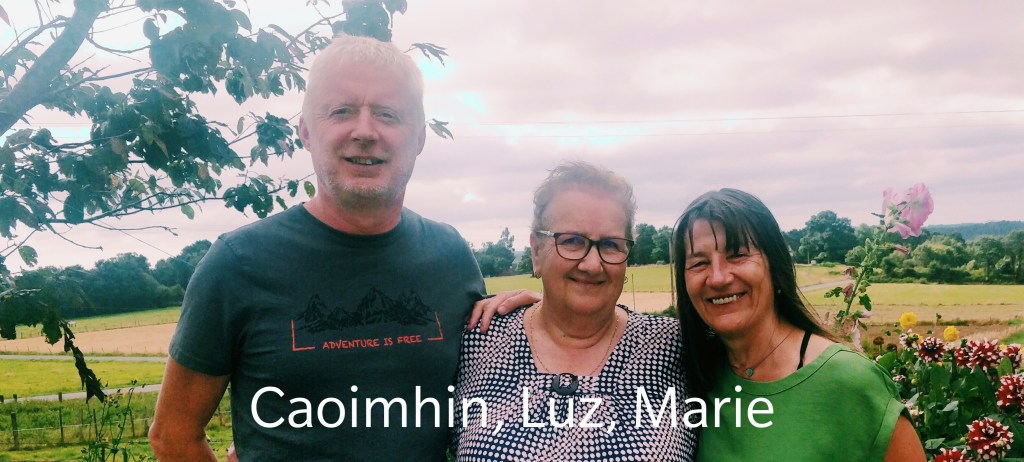
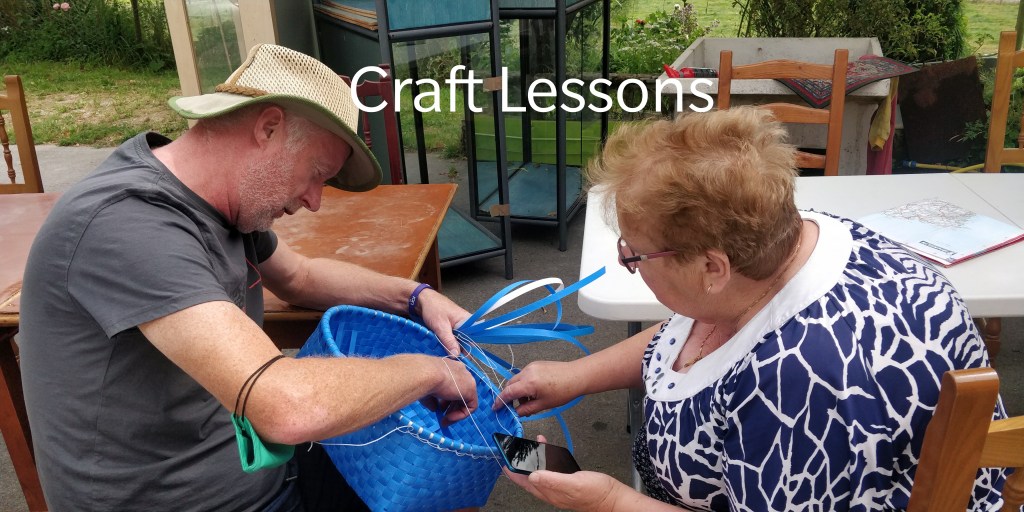
Luz and her partner, Manuel were so welcoming to us. Luz lived in England for about twenty years and has excellent English. She fed us, did our washing (we were travelling fairly lightly and may have packed too few clothes!) and helped us get a new car battery in Villalba, bargaining with gusto so that we got a good price – fingers crossed we won’t need to park on hills any longer and worry about the battery dying. We also bought camping chairs and a table, so the car boot was full again and so we were all set to camp in relative comfort.

Beyond Bilbao

Bilbao – The Masked City

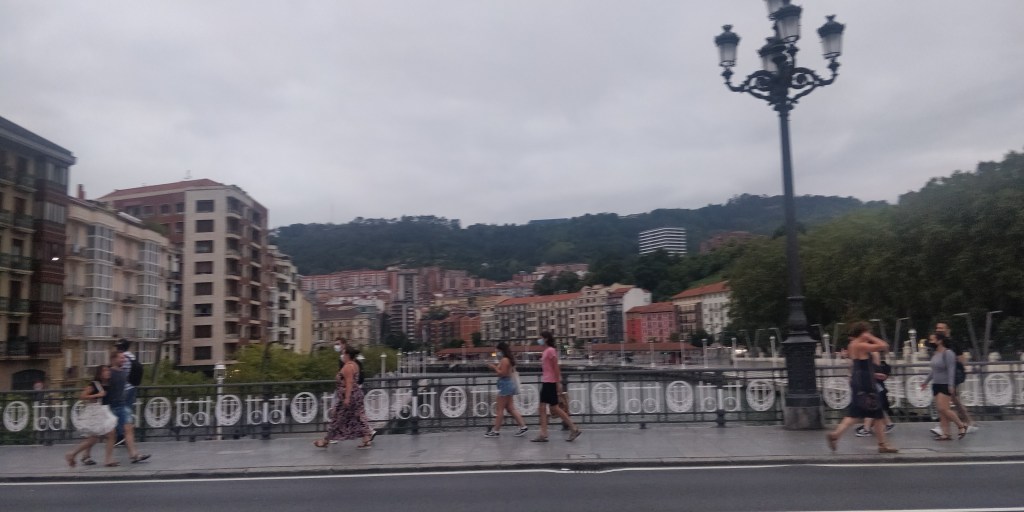
Bilbao is a green city, settled into hills and mountains. The centre fits neatly into the horseshoe shape made by the river. Looking up and down many streets, we could see the surrounding mountains in both directions. But the big surprise was that nearly everyone was wearing masks outside – not just indoors or in shops but just walking down the street. However we were never asked to provide our Covid certs anywhere or questioned about covid tests.

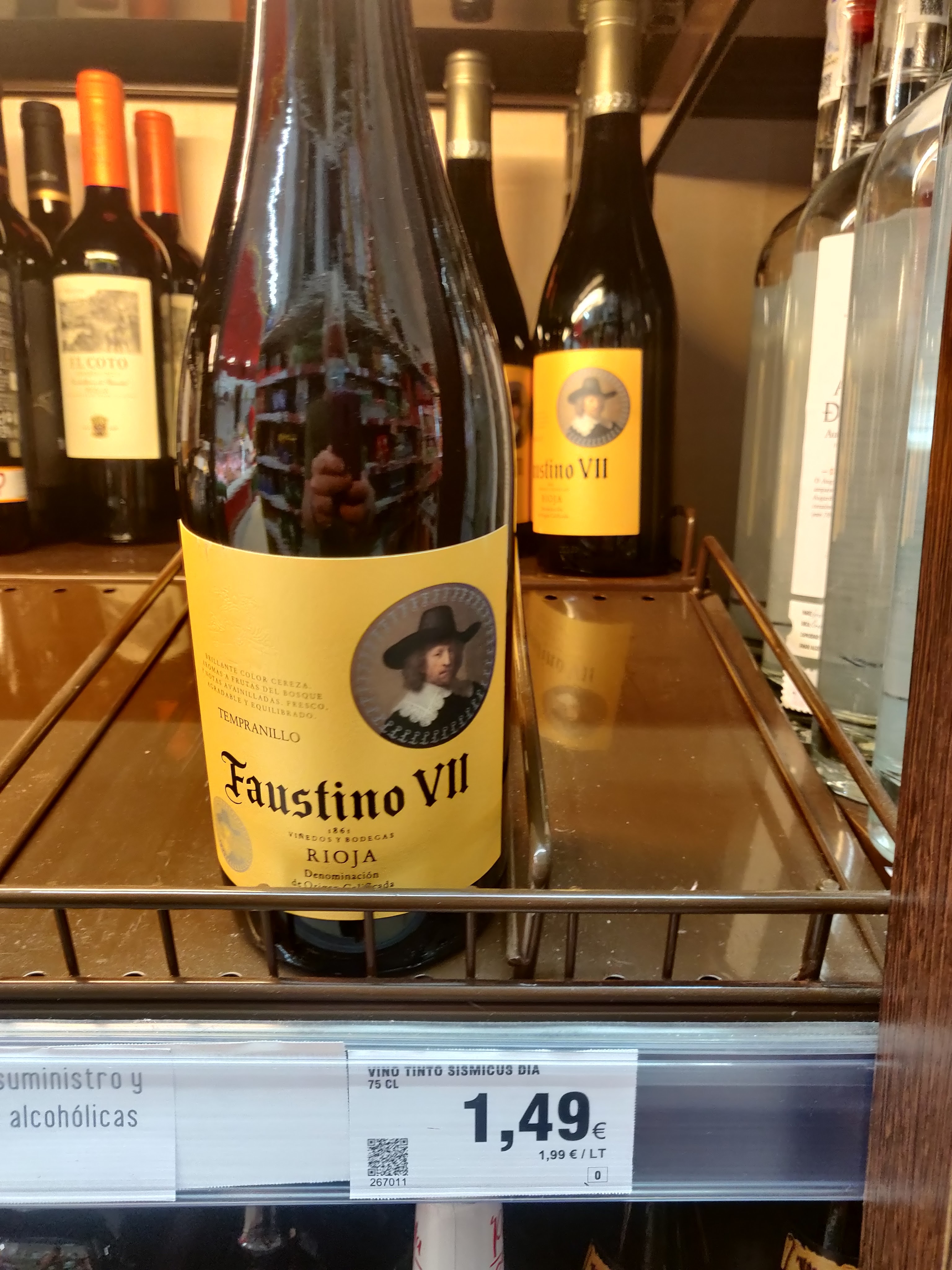
Tapas bars are everywhere, and wine is gloriously cheap – about €2.50 a glass, (sometimes less) and often accompanied by free plates of cured meat and chorizos…even if you don’t want them.  Vegetarianism is a challenging option here as meat is king and fish is queen.

What will I have for dinner???

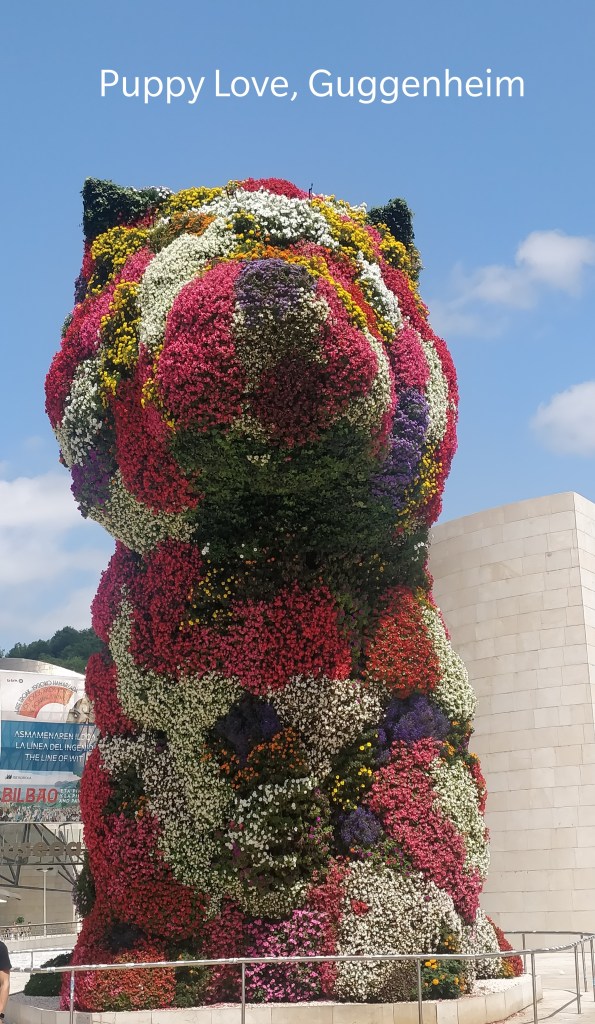
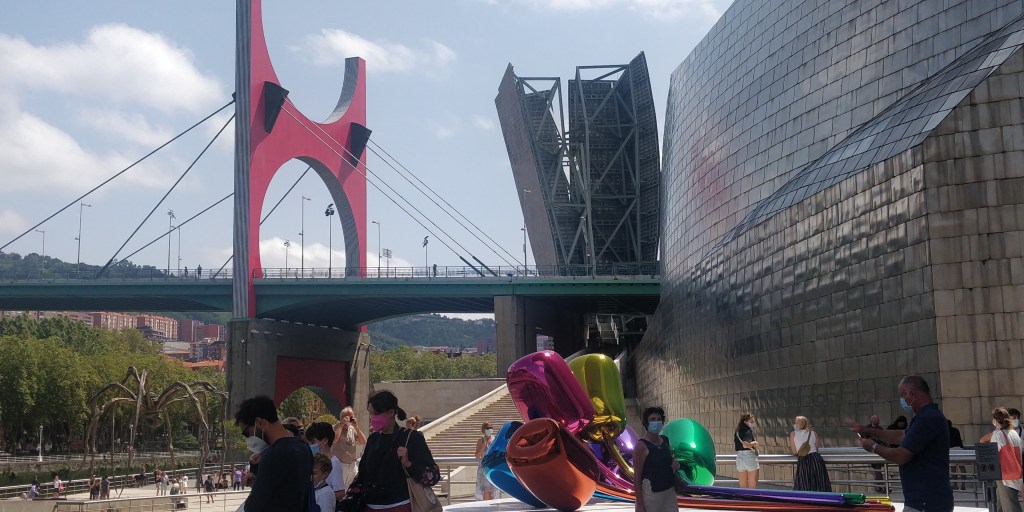
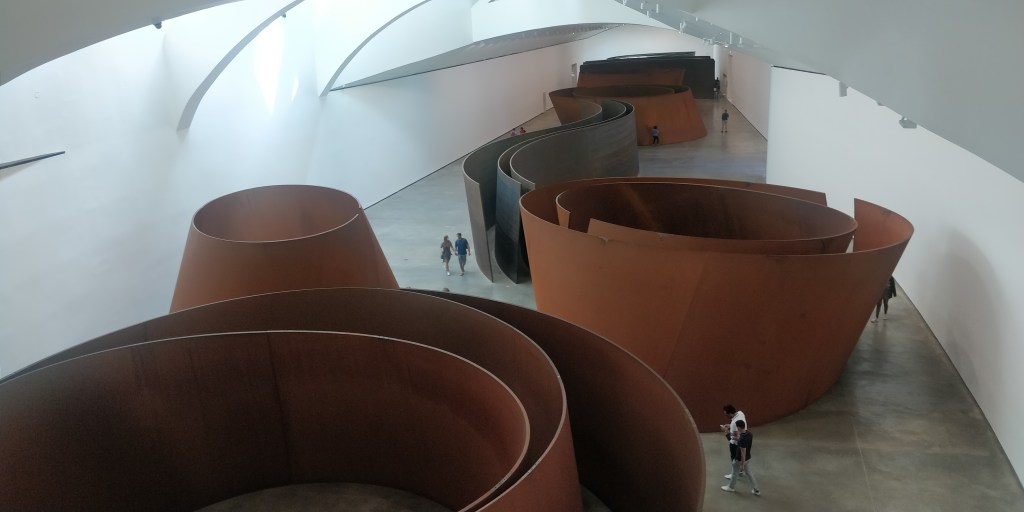
The huge attraction in Bilbao is the Guggenheim and once you lay eyes on it, you see why. This weird floating structure rises out of the river, part boat, part fish and winds under a bridge.  Buskers were playing classical music outside which only added to the gentle craziness of the whole experience. There’s a enormous colourful sculpture of a puppy, planted with real flowers on the plaza outside…defying all perspective. The website said that tickets must be bought online but we decided to see if we could get in anyway – there was a short queue and after about 10 minutes, we were in without issue (again no checking of covid certs). The building inside is just as disorientating as you’d expect – we had difficulty finding the exit.

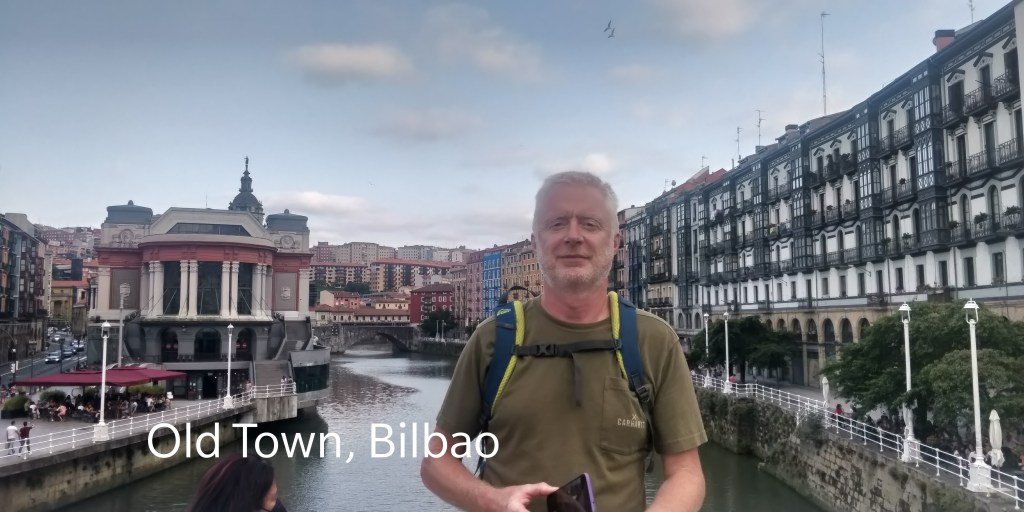
The old town on the right bank of the river is full of cobbled winding streets with dishevelled buildings and tables set out along the streets. It’s a great area to just wander around, browse the shops, people watch and get lost in…and we ate great seafood here.

Our hotel was a ‘no frills’ option called the Ibis Budget Bilbao City which we picked because it had parking but when we arrived, it didn’t have any parking left anyway so we had to drive a few streets over to find parking. This was a budget hotel in all aspects apart from price – it was €130 a night without breakfast (or parking). The room was small, the towels were thin and tiny, Caoimhin kept hitting his head on a shelf, we were on the sixth floor and looked directly into another room across a small courtyard – we could even see their toothbrushes lined up by the sink.

We really liked Bilbao and the weather was perfect for wandering around – about 26C during the day with cool evenings.

Guggenheim, Bilbao

Exhibition in Guggenheim, The Thing with Time

Bilbao – The Masked City

Let the Adventure Begin!

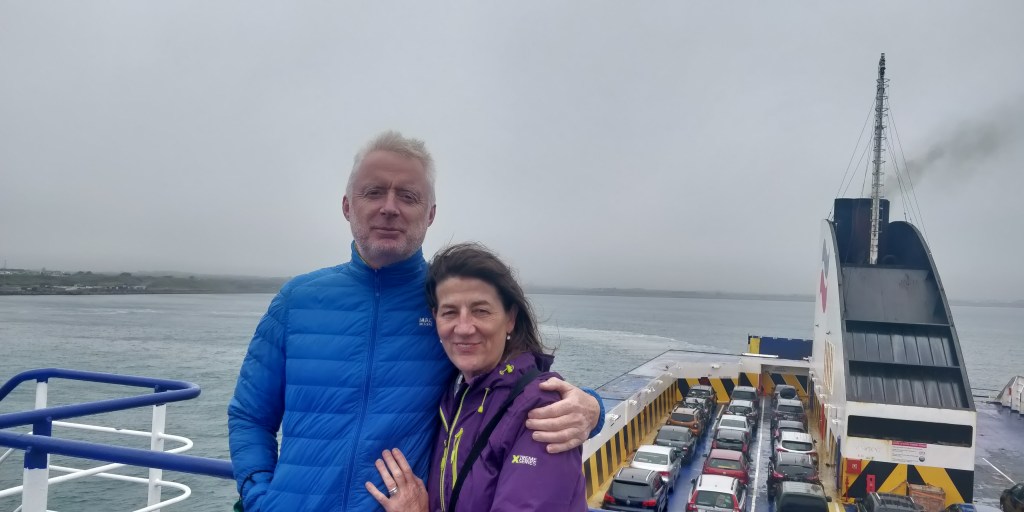
Leaving Rosslare on the Ferry to Bilbao

It’s was a dirty, misty morning on the way to Rosslare for the 10.15 am ferry. There was a reasonable amount of work traffic and we sympathised with all the poor devils making their way to offices and factories.

We arrived at check-in gate in Rosslare, handed over passports, Covid Certs, Spanish QR Health Code Cert that we had got the day before. We thought that we were all organised but there was a problem! We had filled in a group form to get the Spanish QR CODE, inputted both our details on this FCS form and the Spanish Authorities had sent us the QR code which we presumed covered the two of us….not so. It only covered Caoimhin. So I had to fill out a form to get my code sent to me. This form is not the most straightforward as the drop down boxes kept sticking …we had arrived on plenty of time but I was still panicking and my fingers were sticky…with hand cream and sweat but eventually i got the QR code on my phone. But if you are a couple or group, fill out individual FCS forms and ignore the group option to get your Spanish QR code.

Before I could recover from all that excitement, we had more …. we were in the ferry queue and the car wouldn’t start, the battery seemed to be dead😯. Luckily, three burly bikers from Cork and a barefoot German in a campervan gave us a push so we got on the boat. At this stage, I was devouring the food supplies that we brought with us for the journey with the stress.

The boat, the Connemara, was described as a ‘no frills’ service. This ‘no frills’ was on the website and on the tickets. We had to book a cabin, no option to just get a seat or portion of floor. Our cabin was a 4 Beth but the other top bunk beds were folded away giving us plenty of space with a porthole which gave lots of light and views of the ocean. The sheets were clean, the pillows were good and the beds were comfy. Towels were supplied and the ensuite shower was hot and powerful. There was a bar, self service restaurant and a little shop that only opened at a few selected hours and sold souvenirs, wine, spirits and perfume. But not bad for ‘no frills.’ There was no WiFi (there was an option to pay between €5 and €25 depending on data)

This slow transitioning from one country to another was restful. We looked at Google maps and followed our relatively slow progress, a blue dot in the ocean. The rocking motion of the boat and the dull sound of the engine was soothing and it was even restful not to feel the urge to look at our phones. We were lucky that the weather was good, the sea was calm with hardly a ripple except for the dolphins that somersaulted near the bow on the second morning in the Bay of Biscay.

There was a little flutter of unease as we sat into our car after almost thirty hours on board. Would the car start? But the engine turned over without a bother and we negotiated the steep ramp to disembark and head into Bilbao driving on the ‘wrong’ side of the road.

Let the Adventure Begin!

The Big ‘R’ Retirement

What to do next?

June 2021

So the day has finally come to cross the line and move to the farside of my working life to the land of retirement where everyday is a Friday. I’m excited, delighted and sad at the same time. The French intellectual Anatole France said: ‘All changes, even the most longed for, have their melancholy; for what we leave behind us is a part of ourselves; we must die to one life before we can enter another.’

After working in the same place (although it has changed names – Ardkeen Hospital, Waterford Regional Hospital, University Hospital Waterford) for most of my working life, it’s a wrench to go and leave friends and colleagues behind. I started working almost forty years ago in the Biochemistry Laboratory of Ardkeen Hospital and although I have come and gone with numerous leaves for travel, education, more travel and child-rearing, I have always come back. I’m sixty years old and one of the questions that I ask myself is ‘How can I possibly be this age?’ but I am, and consider myself so lucky to have got this far. That big number was looming on the horizon like a black cloud all year but now that I’m here, its all sunshine and rainbows and even a little pot of gold!

Travel is a huge passion – I love the thrill of going to new places and meeting new people. I don’t like to plan too much or have a detailed itinerary – that feels like being sewn into a straitjacket. And luckily I have a husband who feels the same way. I traveled a lot in South East Asia in my twenties and we took a year off in 2007/2008 and traveled around South America, Australia, Vietnam, China and Russia with our three children who were eight, ten and eleven at the time – a journey that evolved as we went along, having started with one-way tickets from Dublin to Buenos Aires, Argentina because this was the cheapest flight we could find to South or Central America. Now my husband, Caoimhin, is going to take another year out from work (he’s four years younger than me) – he’s calling it his gap-year. So with precious time and some money(I don’t have a huge pension because of all the leave I had), we can hit the road. But this is 2021, the second year of the Covid pandemic and there are restrictions and quarantining associated with travel. So we decided to travel in Europe to begin with. We investigated buying a campervan but they are expensive and in high demand at the moment. Ideally we would love to buy and convert a small electric van. We already have an electric car – a 2015 Nissan Leaf – which we love but the range of 125 kilometres on a full change is a bit limiting for long haul travel. So for now we are going to go in our other car (nine year old Kia Ceed which we call the guzzler) with a tent. Keep it simple is our motto. We have booked a ferry from Rosslare to Bilbao (one way) in Northern Spain departing on August 10. We have vague notions of walking part of the Portuguese Camino and maybe driving to Greece and I feel myself drawn o the Balkans but we’ll see what happens. Time will tell

But first we will do some camping in Ireland

The Big ‘R’ Retirement