Electric Travels: Onwards to Morocco

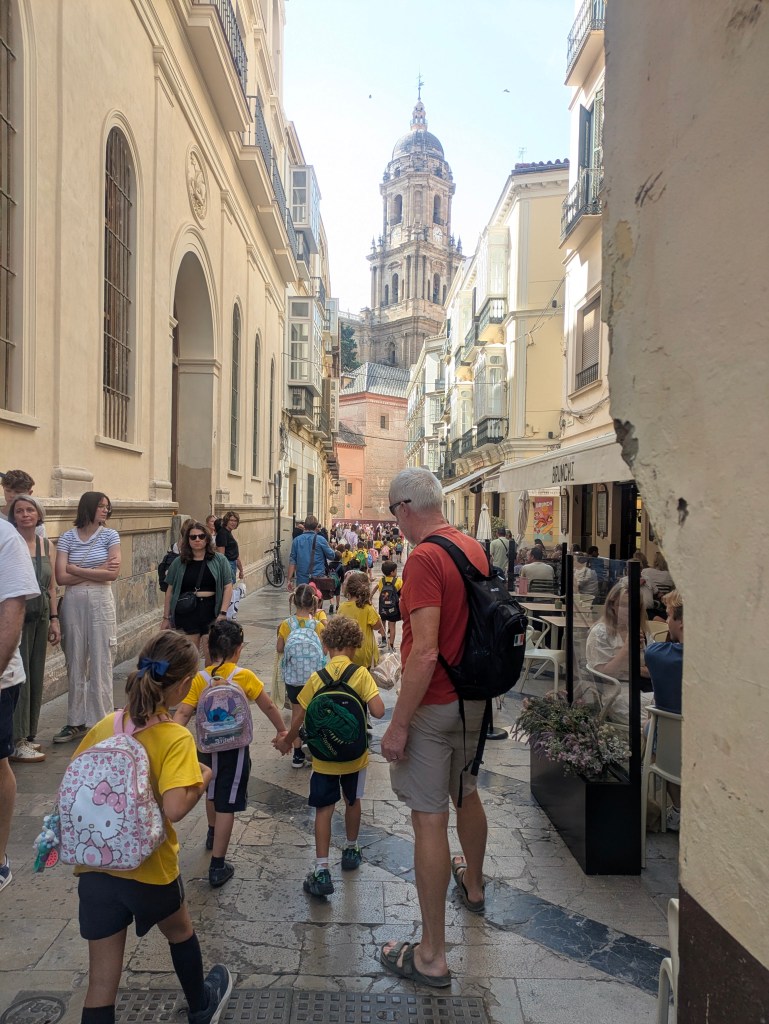
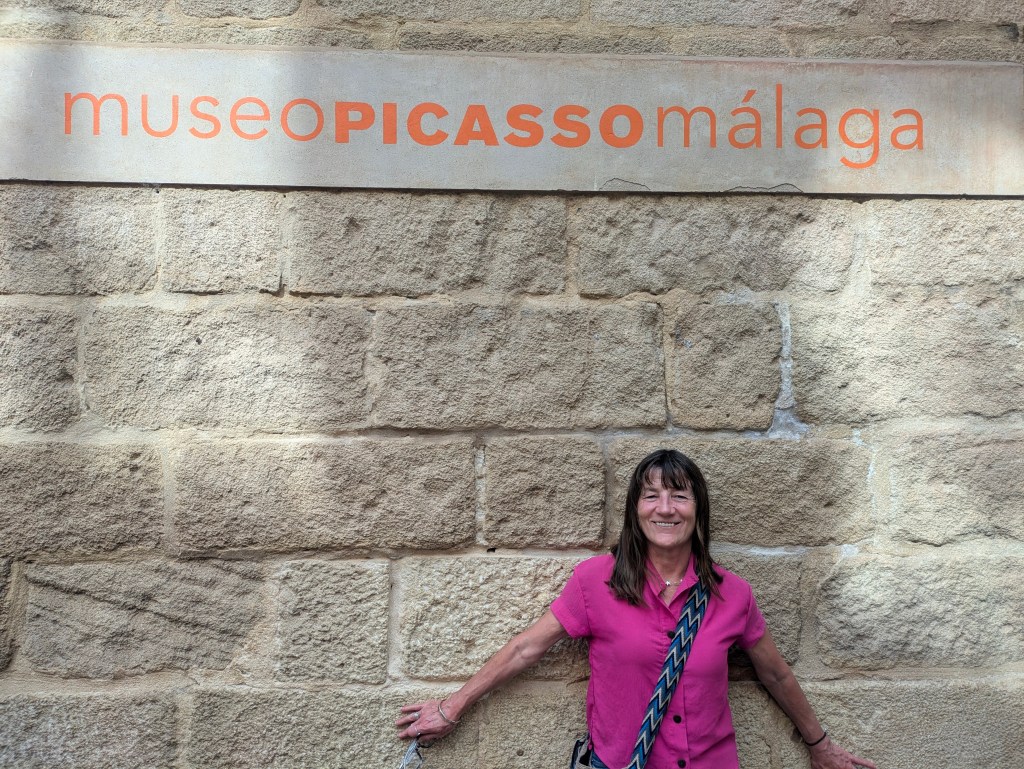
When I left you last, we were waiting to enter the Picasso Museum in Malaga. Picasso was truly a genius, could turn his hand at anything from pottery to sculpture to iron works and was constantly working. I love his quote ‘Everyone knows that art is not truth. Art is a lie that allows us to realize the truth. Definitely worth a visit.
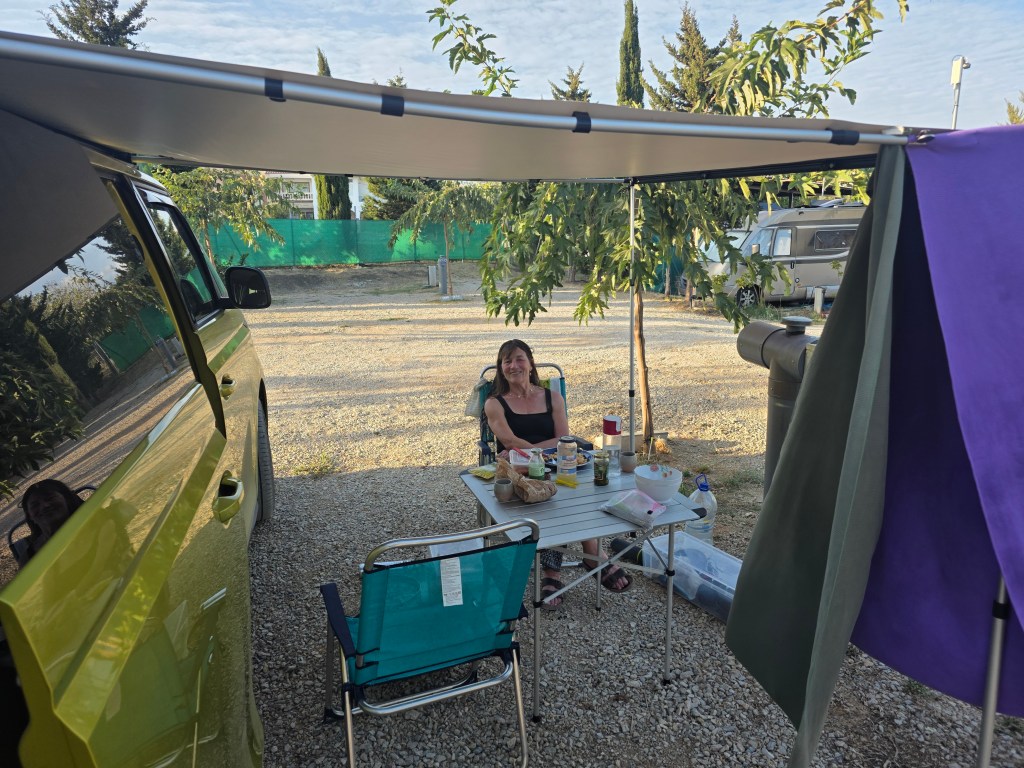
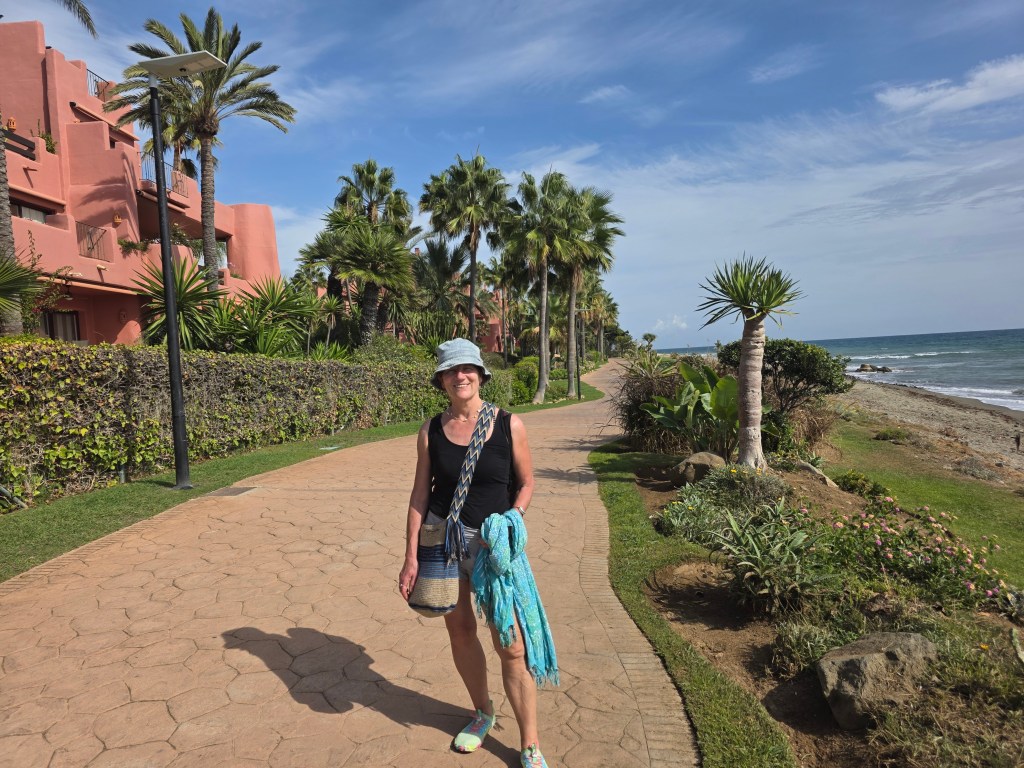
Malaga was gorgeous but too crowded and hectic for us so we continued along the Costa del Sol, past the high-rise holiday complexes to the western side of Marbella where we found a lovely campsite with good facilities, Gregorio Beach Camper Park , about a hundred meters from a quiet beach. The Wi-Fi was strong enough to upload photos and blog and it was cheaper, at €21 a night, than our hellish stay in the hills above Malaga the night before. We have never visited the Costa del Sol before but the beaches were not what we expected- no fine golden sand,  just long stretches of dun-beige but the sun shone and the October temperatures were a comfortable 24C, Ireland has far better beaches…..but maybe not the sun.  Spain was fabulous but Morocco was calling so we drove towards Algeciras, a port town with lots of ferries across the Strait of Gibraltar.
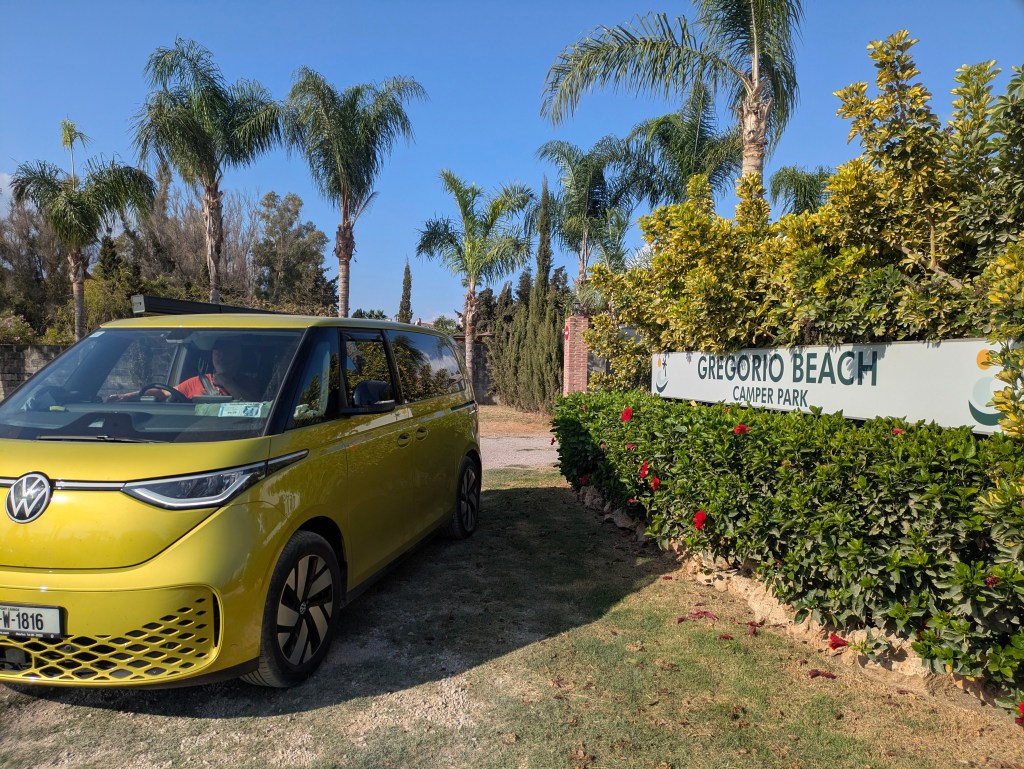
We tried to charge (Cepsa Chargers) in a garage forecourt near a Chino Shop where we bought camping gas canisters but the chargers were powered down and covered in dust. Then on to Ionity chargers down the road. Sun blazed on the screens making them opaque and impossible to read. Sweat dribbled off us and I searched for my umbrella to provide some shade and maybe make the instructions on the charger screen legible.  Although €40 was taken from Caoimhin’s bank card to validate it, we couldn’t get them to work. We next stopped along the road at a casino which had two Tesla chargers…these might have worked but they were only slow chargers so we pushed on and stopped at an Iberdrola charger outside a hotel on the outskirts of Algeciras. The Buzz charged to 100% here without issue and….best of all,  the charging seemed to be free (the cost hasn’t been deducted from my bank card…yet)
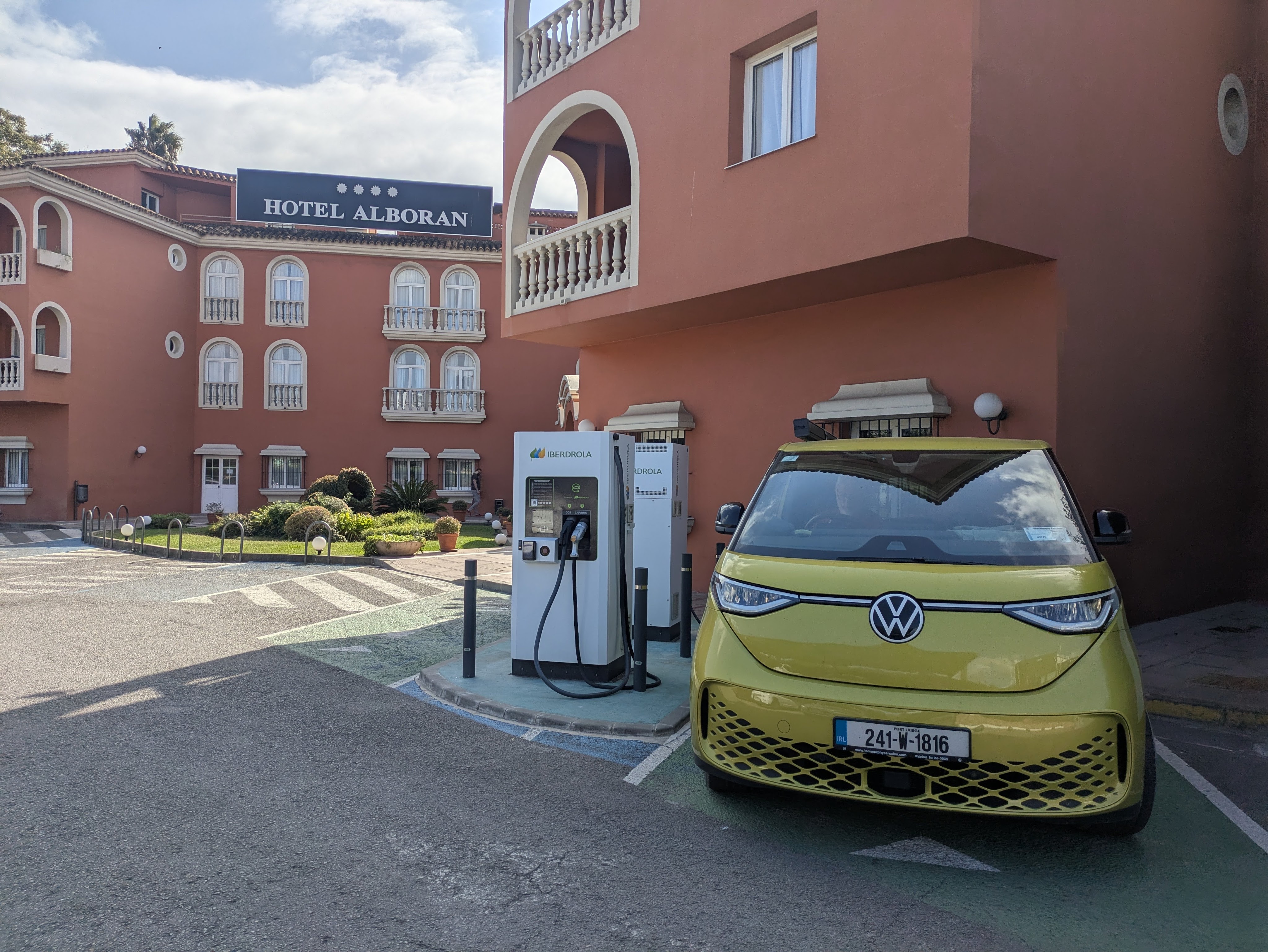
Free’ Charging, Algeciras, Spain

While we were charging, we booked the ferry to Morocco for the following morning. It was a little bit disquieting that the first time we had any charging issue in Spain (which has loads of EV chargers was the day before going to Morocco which has very few (41 chargers in the whole country according to one source and Morocco is about ten times larger than Ireland). Would our travels there be severely curtailed?

We could have sailed  from Algeciras–Tangier (Morocco) but Algeciras–Ceuta was cheaper and sounded interesting. Ceuta is not part of Morocco but is a Spanish coastal city on the African continent. A one-way ticket for two passengers and the van cost €183.

Then we checked into a hotel as there weren’t any campsites nearby– really splashing out at €60 a night. We read our guidebook on Morocco, feeling excited, until we made the disturbing discovery that we had forgotten to bring the Van Registration Documents with us! This hadn’t been a problem in Europe but it would likely be a real issue leaving Europe

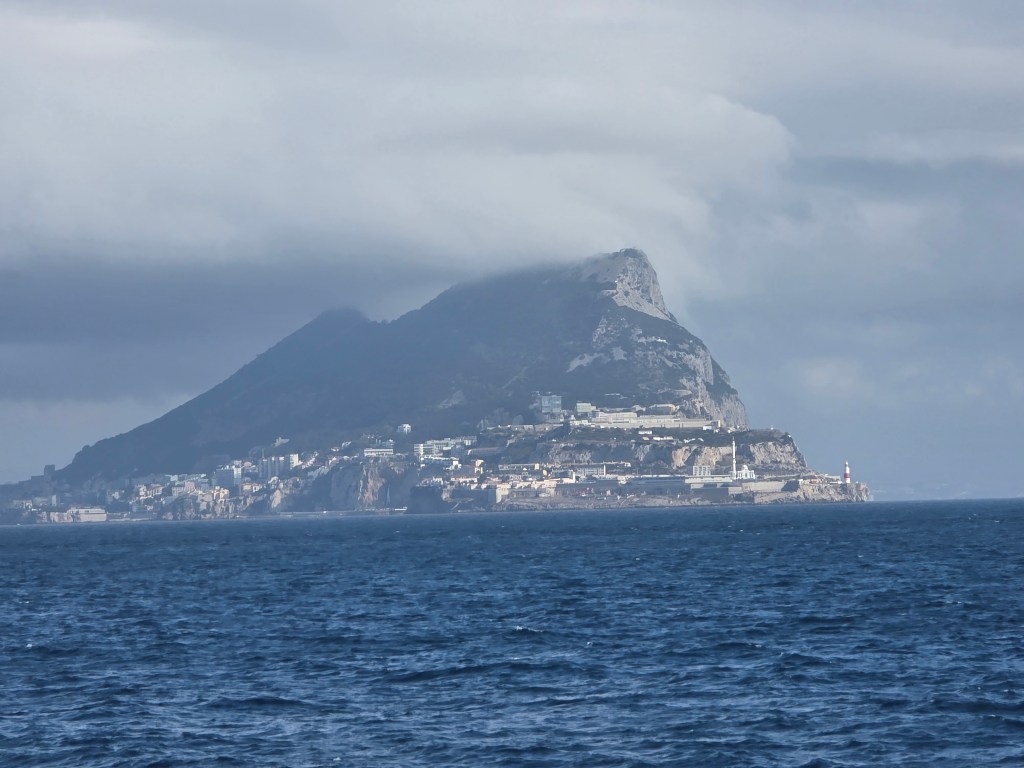
We were early. The woman in the ferry queue  in front of us wore a black burka and a beggar wandered down the row of cars with outstretched hand. The Med glittered in the morning light, although cloud obscured the Rock of Gibraltar  The African continent was tantalizingly close, …a mere 17 kms to Ceuta across the Strait.
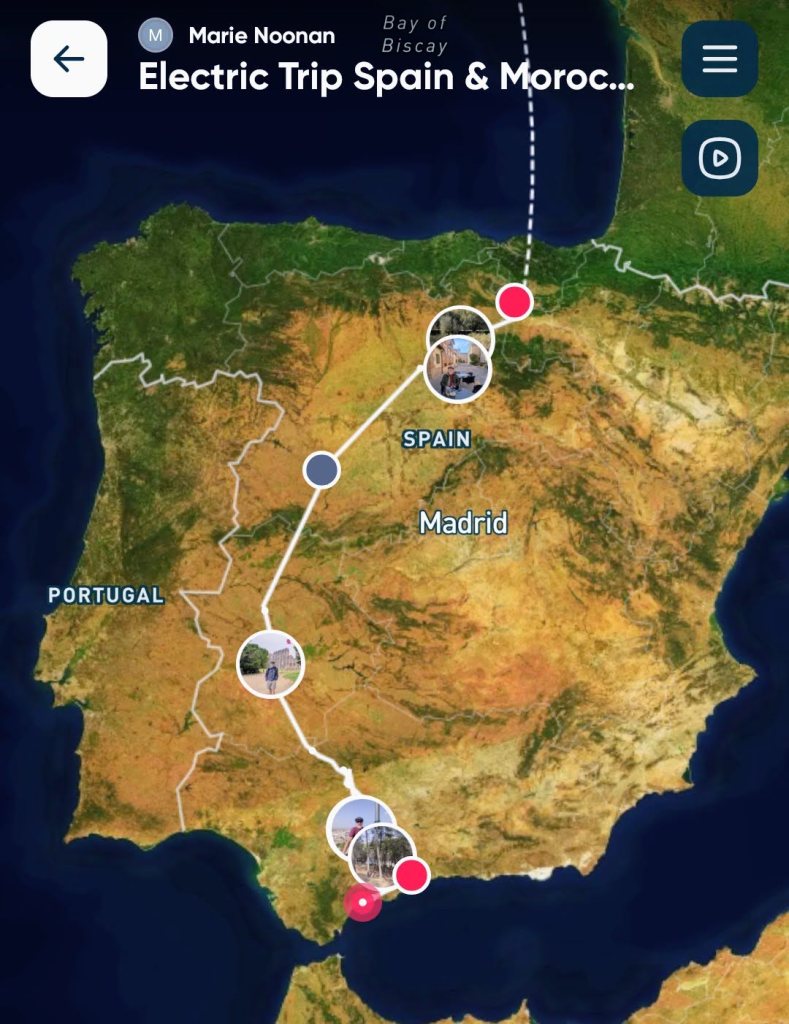
There was a brief custom check in Algeciras port, just a cursory look in the back seats and in the booth, for everyone except for  us. We were waved onto the ferry with a smile. I guess the rationale was that nobody in such a neon-coloured van could possibly be smuggling anything. The crossing was smooth and shorter than expected, about an hour. The time difference gained us an hour so we arrived in Ceuta, at the same time we had left Algeciras.  It felt as if we had departed Spain, crossed the water, only to arrive back in Spain. The city has been ruled by Spanish princes, Moroccan sultans and Portuguese kings down the centuries. Now it is surrounded by high-security barricades to prevent smuggling and illegal immigration to Europe.
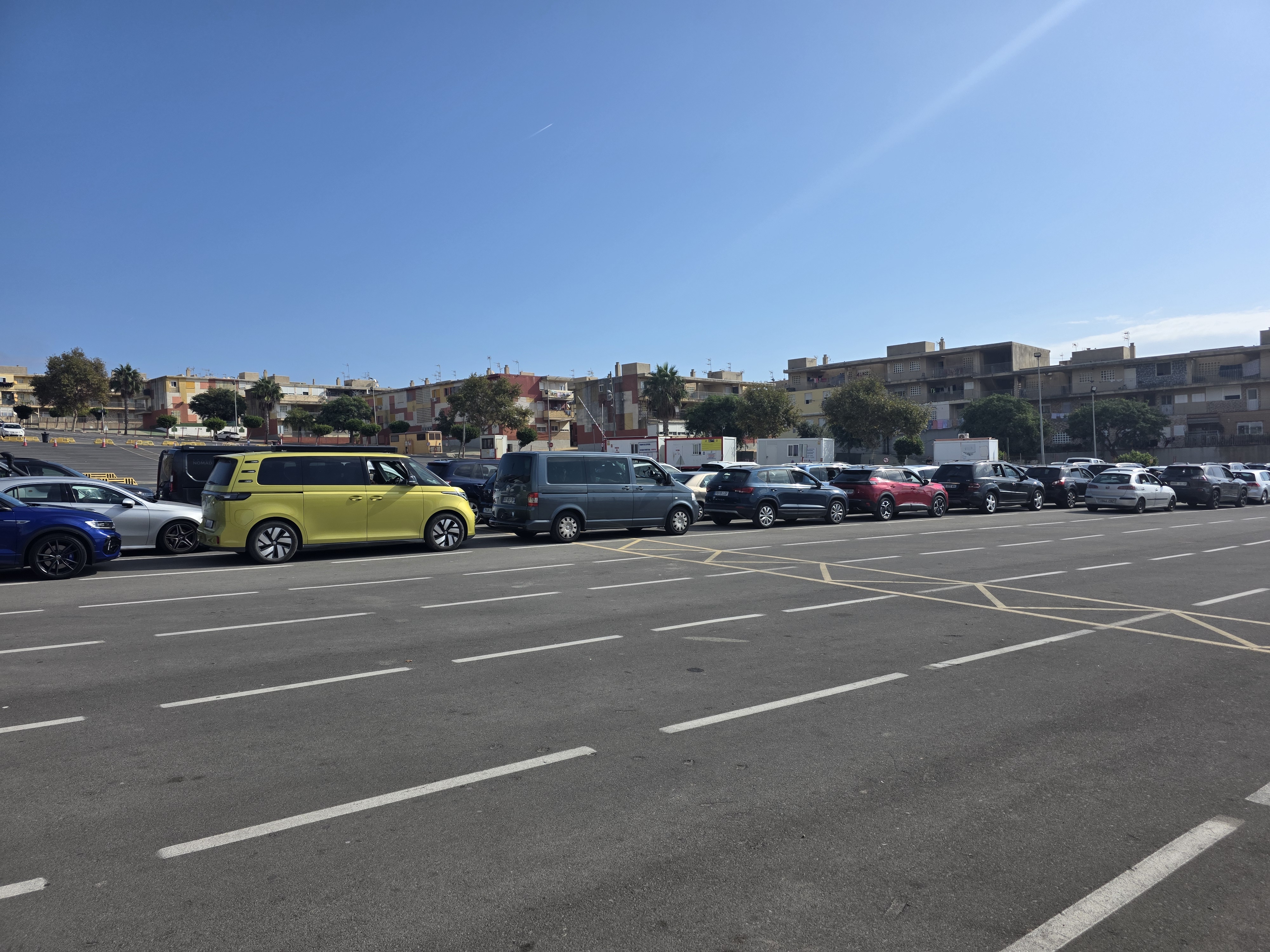
Corralled in Ceuta….border waiting

Ceuta was a handsome town with Spanish architecture, plazas, old city walls and sunshine, we didn’t stop, anxious to get to the border (La Frontera) and discover our fate. An official demanded to see our ‘ticket,’ we didn’t know what he meant but he directed us back into town and uphill to a huge parking lot, where cars wishing to cross into Morocco were corralled before being released in rows to prevent border congestion…..in theory at least. While waiting, we phoned our great neighbours, who hurried over to our house, photographed our van documents (thanks Donal and Anita) and Whatsapp’ed them to us.  After an hour of waiting in the carpark, we approached the border a second time to join snail-like queues of cars, vans and motorbikes.  A further two hours went by before we were at the top of the queue. Our passports were stamped without issue, we were welcomed to Morocco and proceeded to the vehicle window. Like all the vans (no exceptions for the Buzz this time), we were asked to drive to one side where it was searched and then we were asked for the van registration form …and the trouble really began. They needed paper documents, it wasn’t the right document, we wouldn’t be allowed in.

Alternative itineraries were dancing around my head, if we had to return to Spain, we could wander around Southern Portugal….it would be very disappointing but not a calamity. Eventually a senior official was called, an older man, slightly stooped but mild mannered. He agreed to give us a waiver and signed a piece of paper, necessary to enter Morocco. Four and a half hours after disembarking from the ferry, we were in Morocco….by the skin of our teeth.

A row of white taxis hovered around the border gates,  a couple of dogs barked and ran uphill after the van, while several head-scarfed women sold fruit, laid out on the ground on colourful blankets. We kept going, wanting to get away from the border as quickly as possible. Thankfully, the e-sim we purchased from Revolut for Morocco activated, so we had mobile data on our phones without the hassle of haggling for a physical sim.

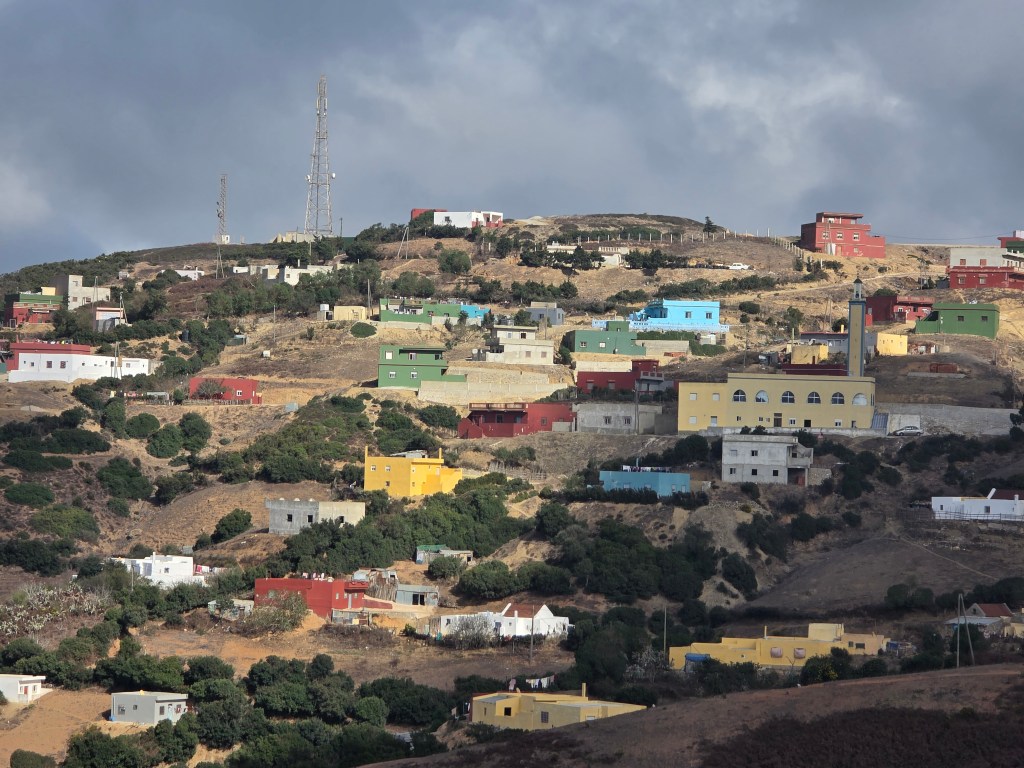
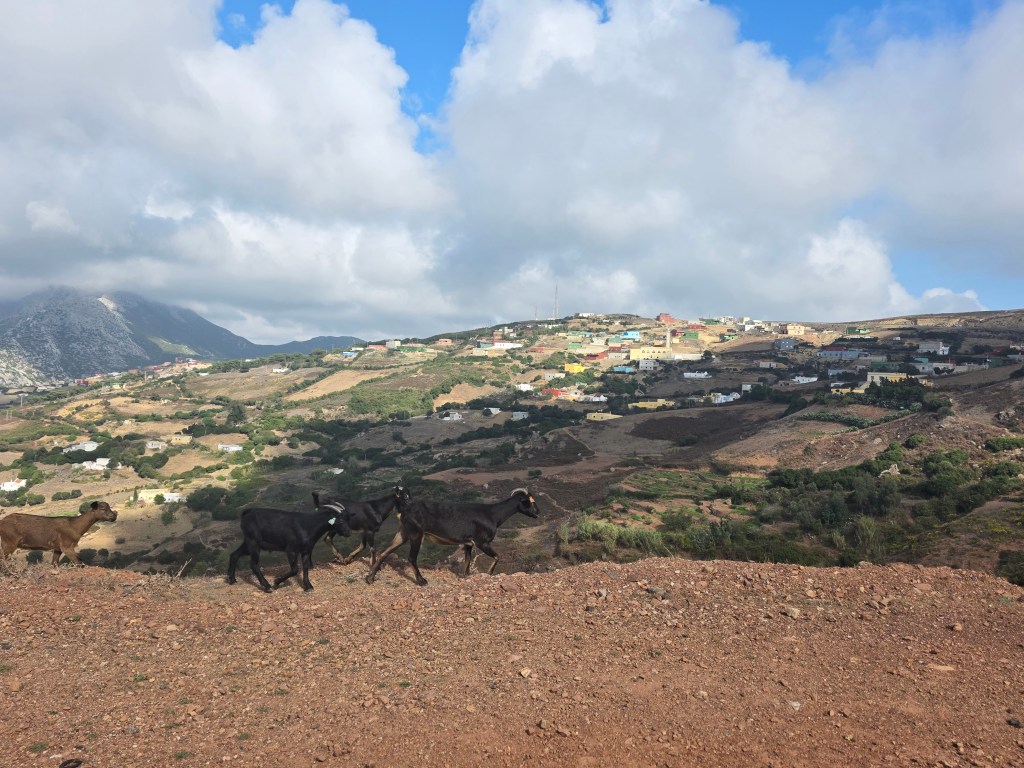
The road surface was excellent and the scenery was ruggedly beautiful with brightly painted, flat-roofed houses with mountains casting light and shadows. Although we were fully charged, we wanted to check out the Moroccan EV chargers, just to see if charging would be an issue so we headed in the direction of Tangier. The drive from Ceuta to Tangier was spectacular with the backdrop of the Rif mountains with small towns and some beautiful white-sandy beaches.
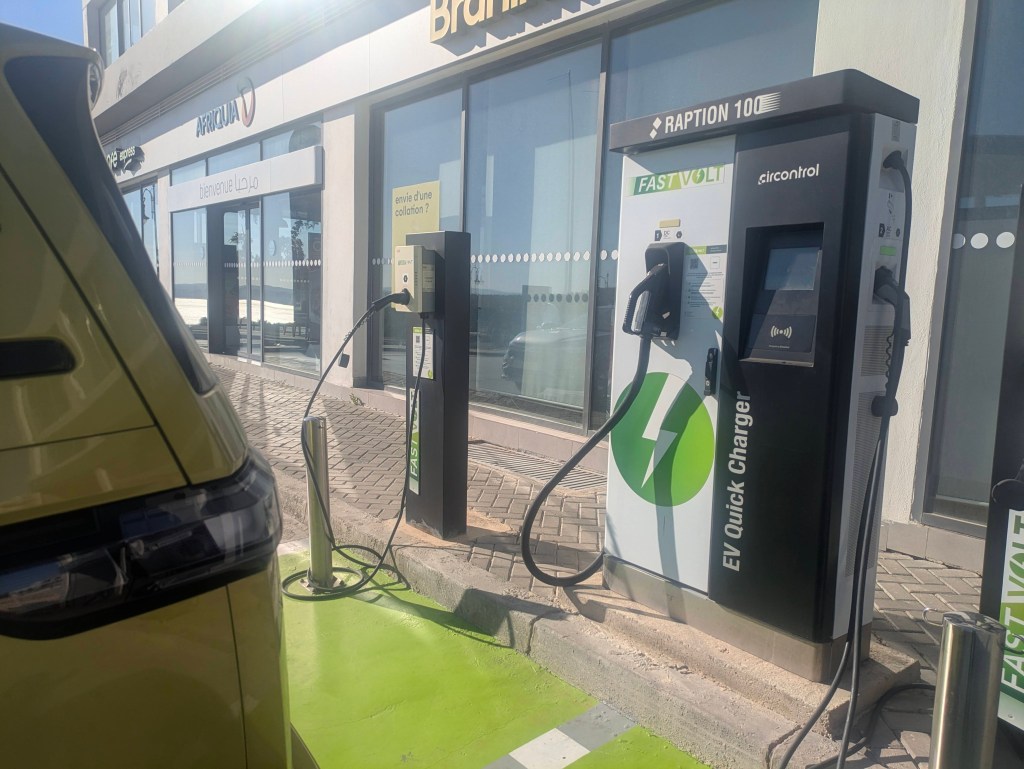
The first chargers that showed up on our map were Fast Volt, the chargers were in a gleaming forecourt and looked impressive. We were hopeful. The instructions, in French, required us to download the Fast Volt App as charging was only available through the app (and not directly using a bank card). No problem, we thought, until we attempted to download the app and kept  getting the message ‘Unable to download as app not available in your region.’ Catch 22. The next chargers on our map were part of a Casino Hotel and their use (behind a manned barrier) was for hotel guests only and we were refused entry  Tangier seemed a modern city with palm lined boulevards, a wide esplanade along the sea-front and buildings on the steep slopes, a city of hills and hollows.
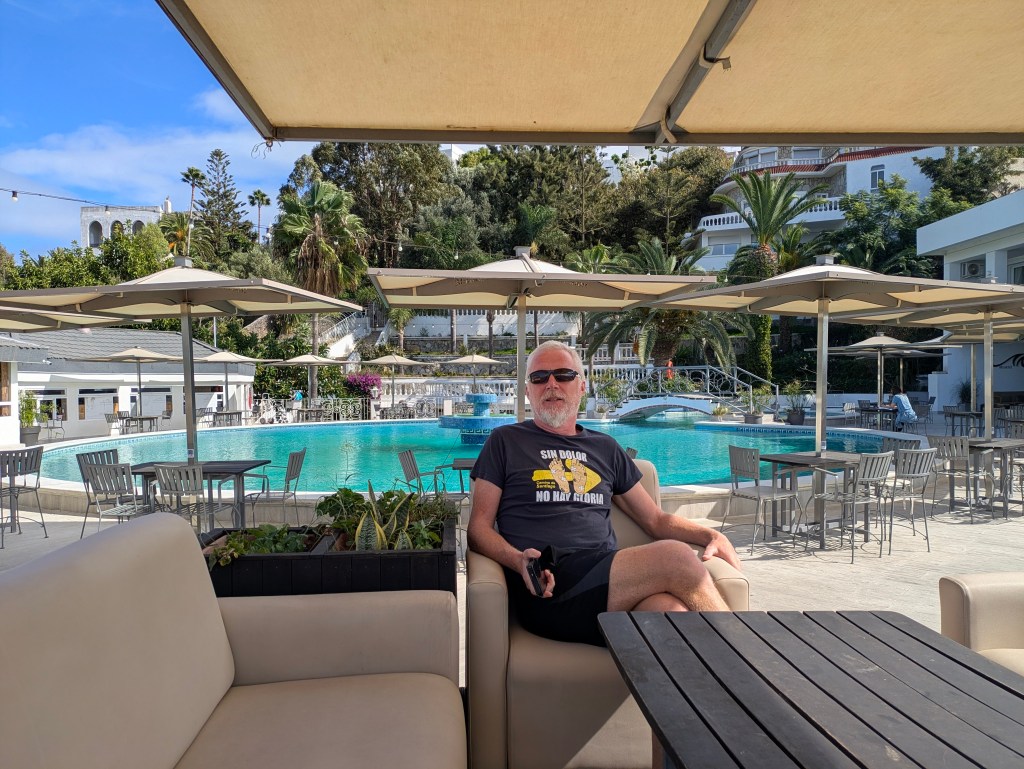
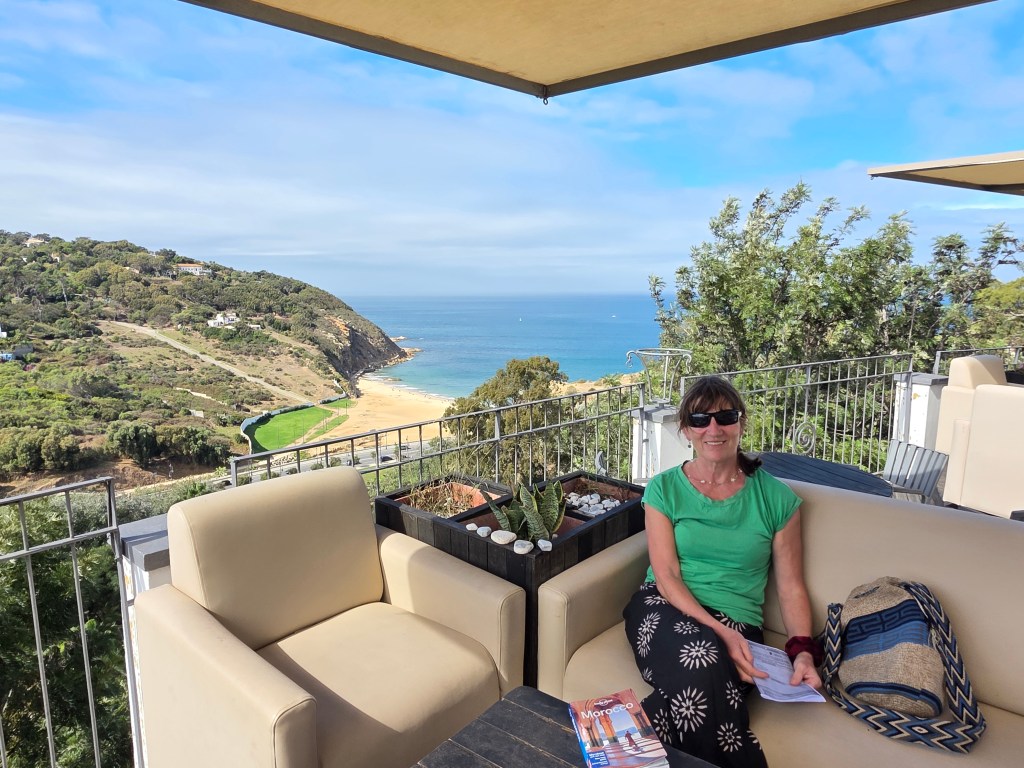
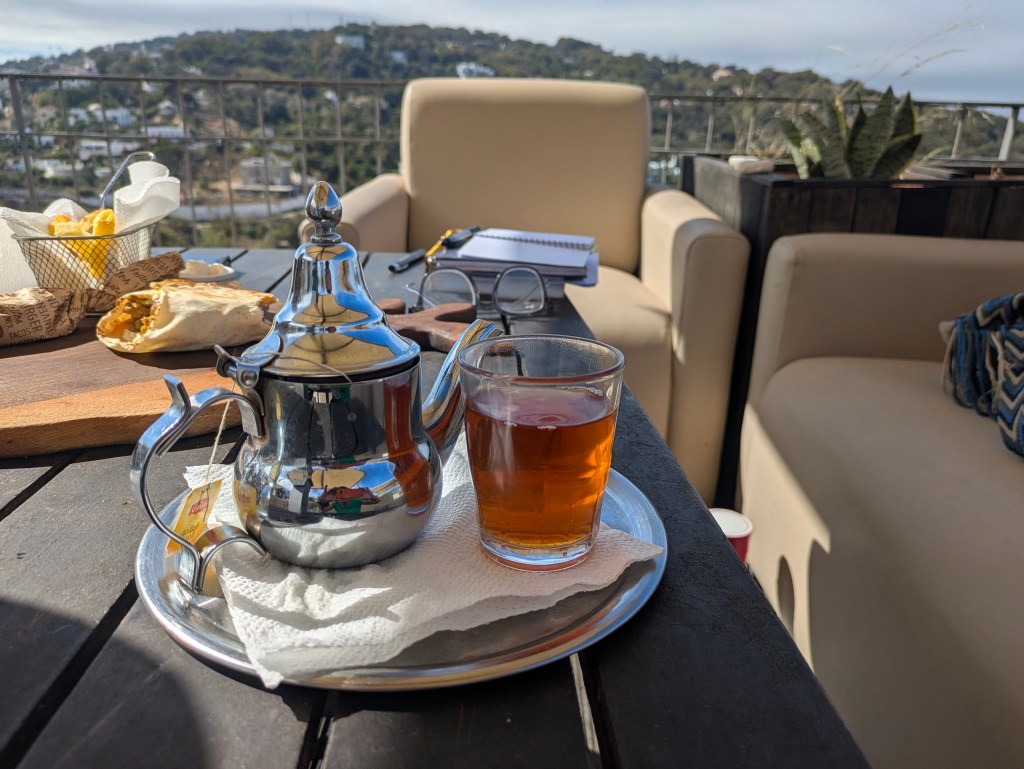
We headed to a Google campsite, Miramonte Camping, in need of a lie-down after the stress of the day and were welcomed by Said, in perfect English The campsite in a hilly location was really a resort complex with three swimming pools and stunning views of the Med. We feared it might be way above our budget but it was about €19,50 a night, which, although expensive for Morocco ,was excellent value for us.
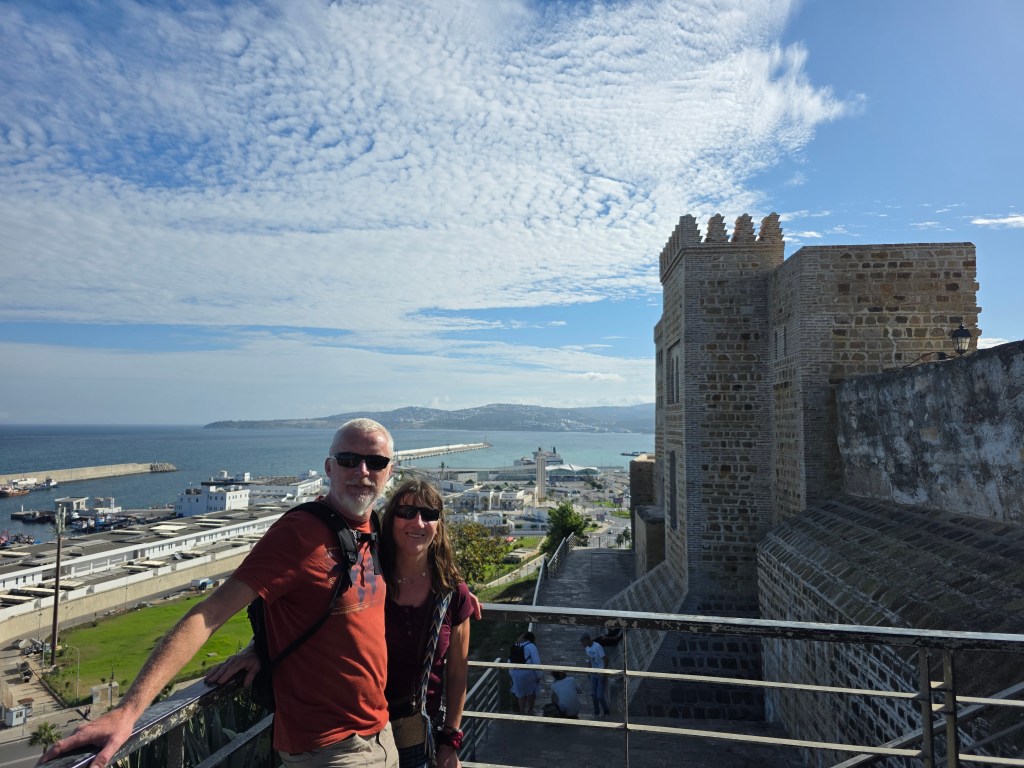
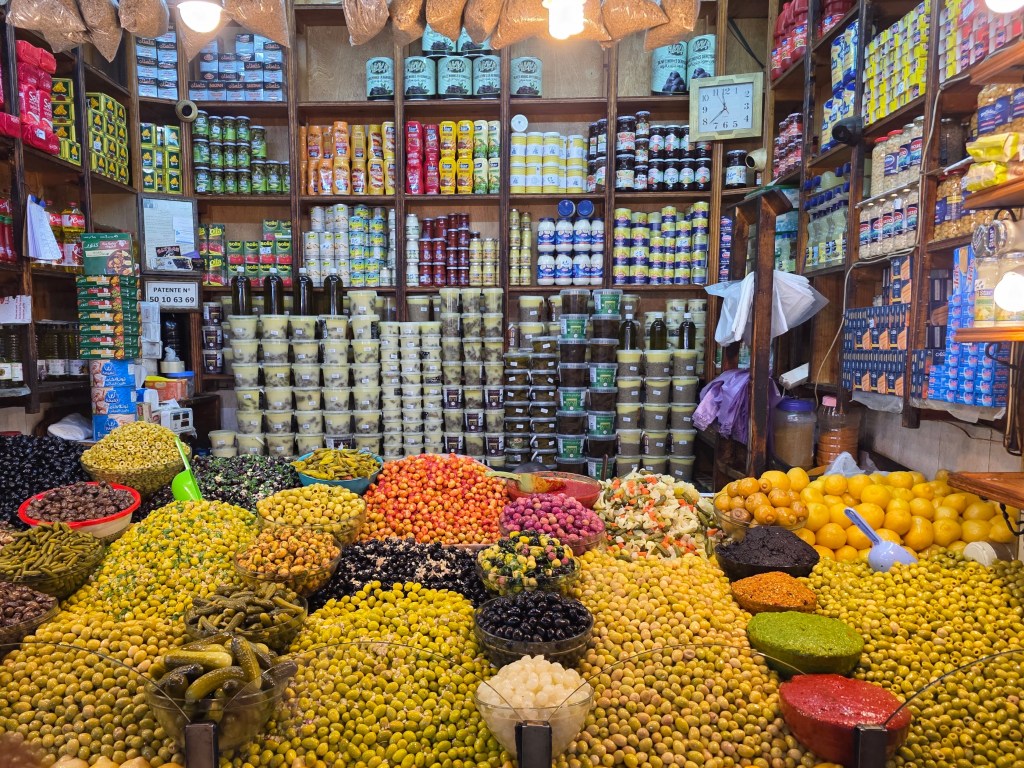
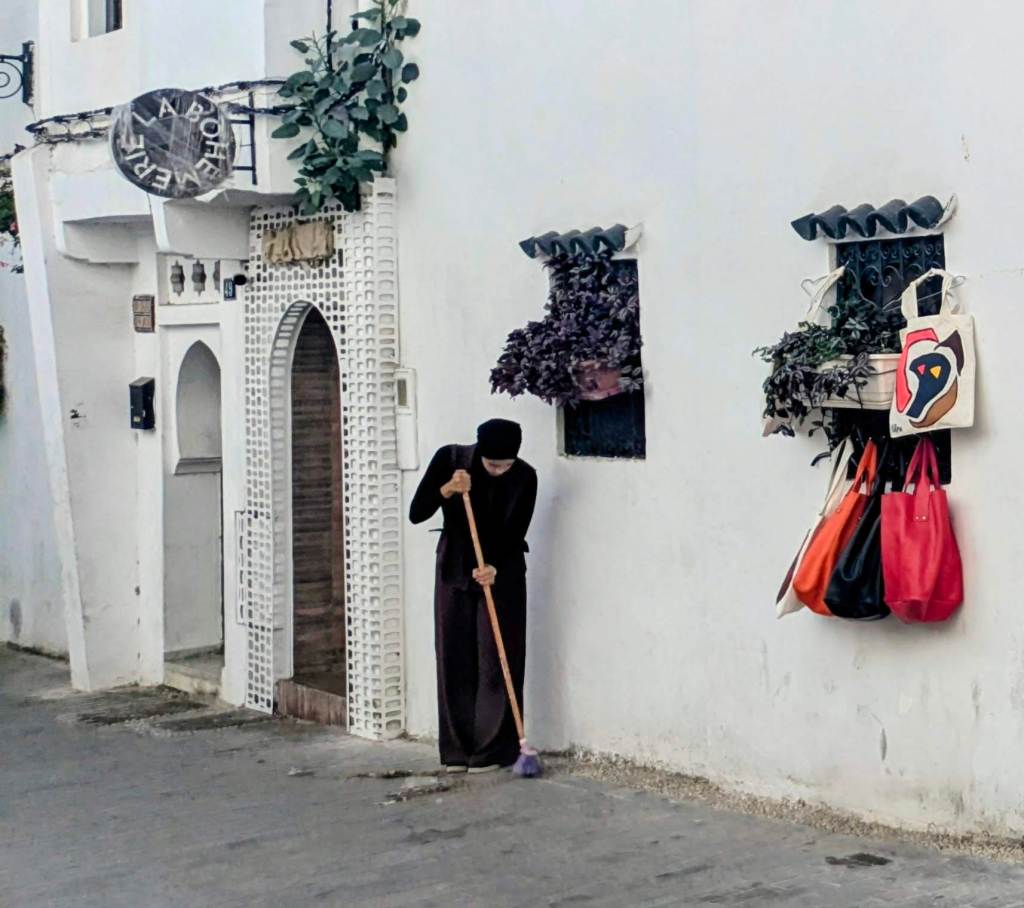
A walking tour of the medina and souk in the old town gave us a flavour of the city, a place where mosques became churches before changing back again, where being the ‘Gateway to the Mediterranean’ was both a blessing and a curse, a pawn and a prize, a strategic position to be coveted and fought over down the centuries.
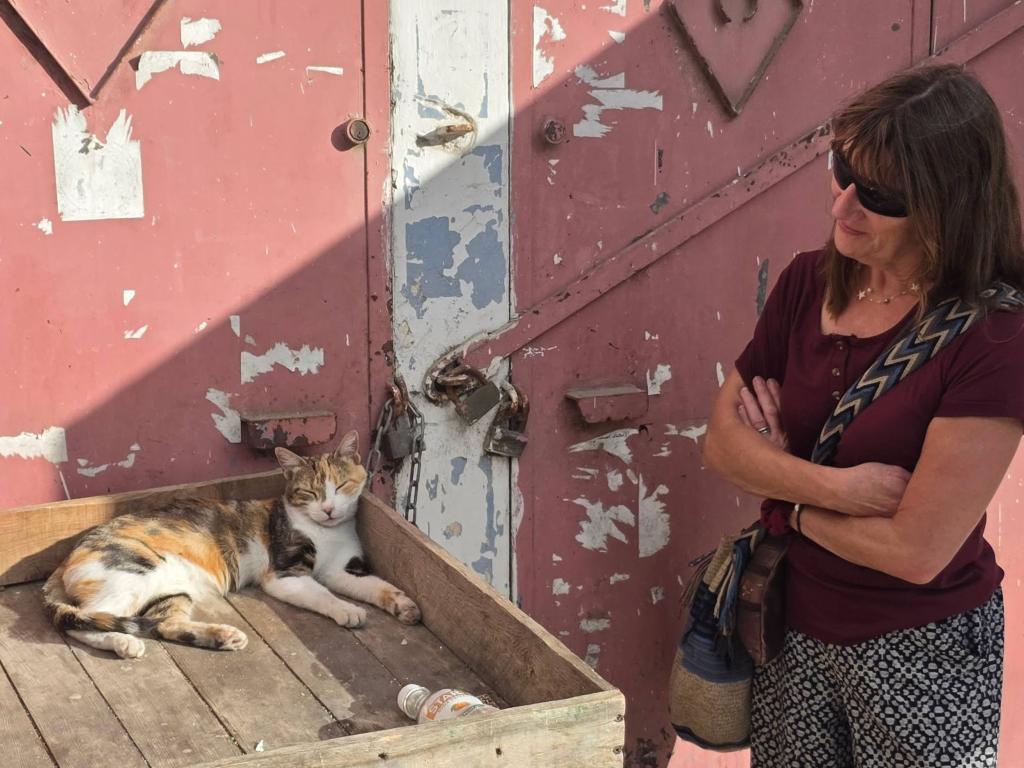
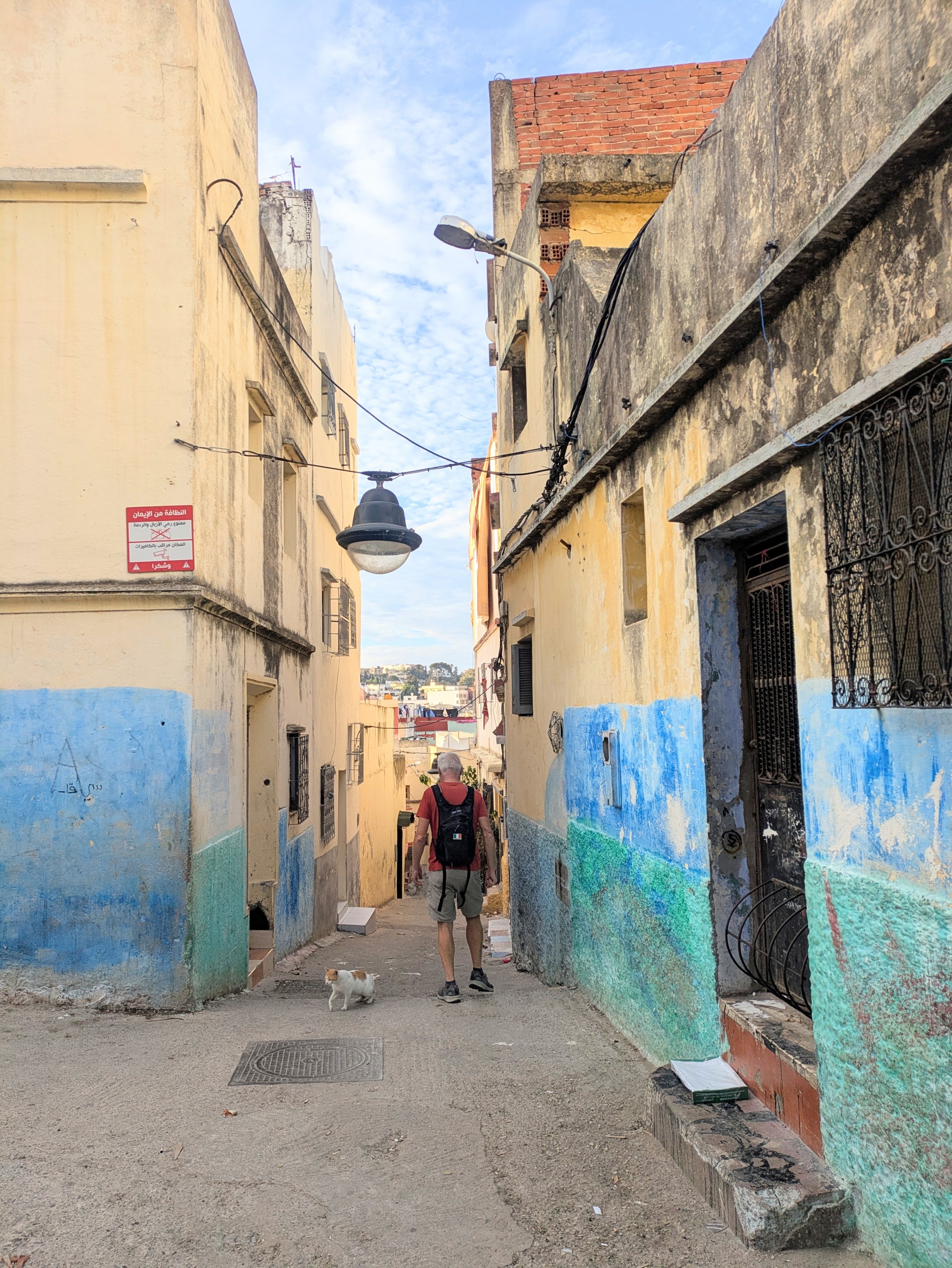
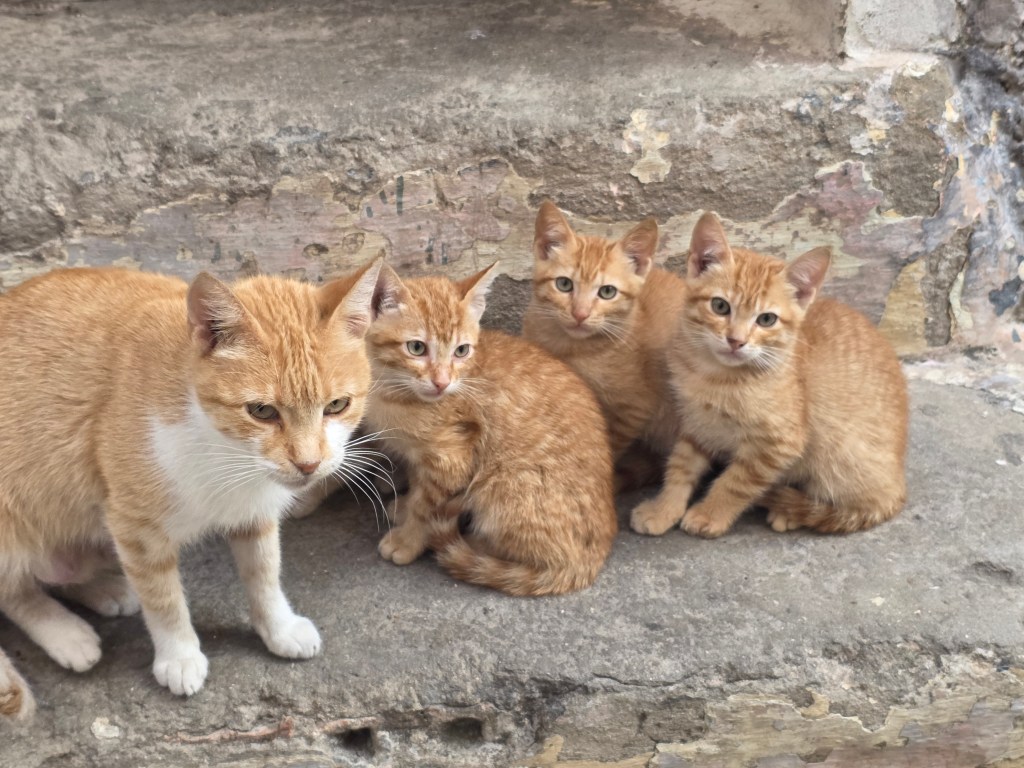
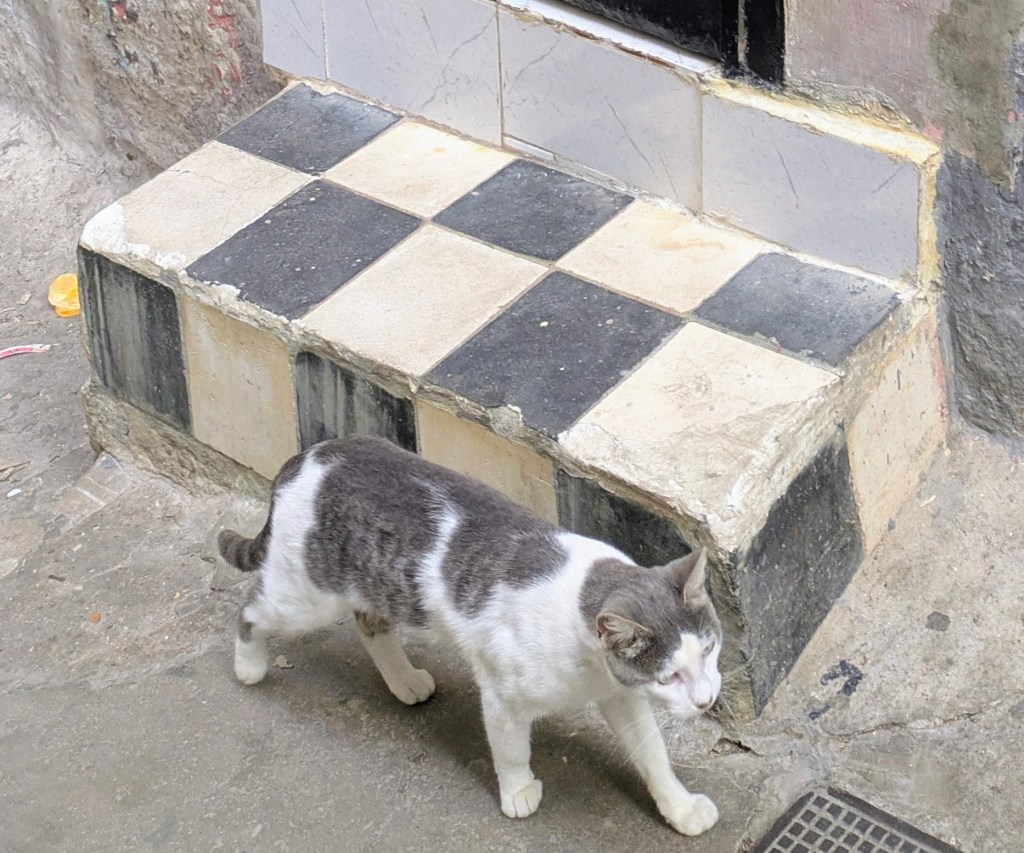
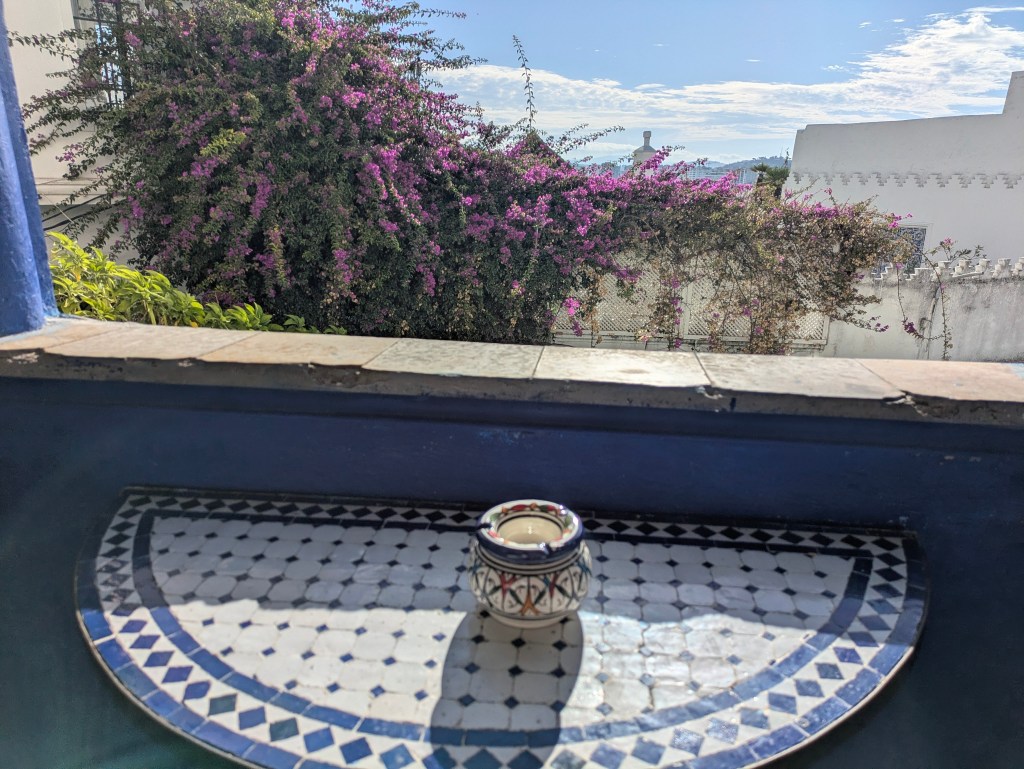
The sleepy back alleys were full of cats, all seemingly related, except for one tabby who blended so perfectly with the black and white tiled step.
We lingered at our luxury campsite for a couple of days. We still haven’t managed to charge the van……but as we have almost 400kms in the tank, we can always drive 200kms and then return if all else fails.

‘Till next time. Thanks for your company

Merci d’avoir lu
Electric Travels: Onwards to Morocco

A Tale of Two Islands, Sherkin and Cape Clear

There’s something appealing about visiting islands. Maybe it’s the isolation, the idea of ‘getting away from it all’, the rugged beauty of most islands or the desire to experience  a simpler rhythm of life based on sea and tide. Ireland has a plethora of islands scattered about its coast, more than eighty in total with about twenty of them  inhabited.

A few years ago, we pledged to visit all of them, or at least the inhabited ones, and we have been slowly ticking them off our list.  Last year, we visited Tory, Ireland’s most northerly, inhabited island and last week, we went in the opposite direction towards Sherkin Island and Cape Clear, Ireland’s southernmost inhabited island.

The carpark near the pier in Baltimore was surprisingly full, mainly of small elderly cars. The crew member on the Ferry to Sherkin explained that many islanders keep a car on the pier so that the car park is packed even in the depths of winter when there isn’t a visitor to be seen. The ferries to both islands depart from Baltimore (and during the summer months, there are also sailings from Schull to Cape Clear).

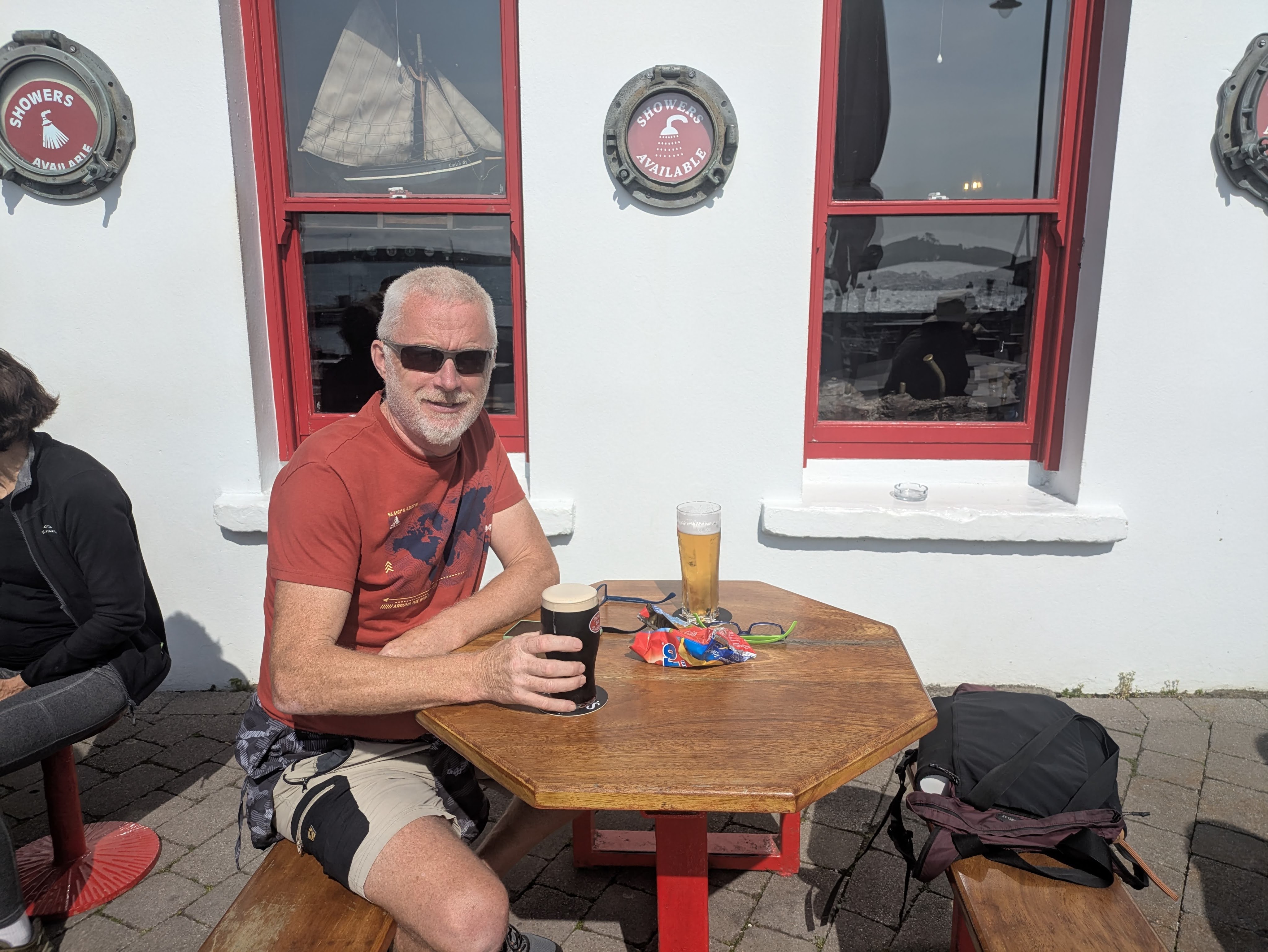
Baltimore is a picturesque village facing a sheltered harbour with pubs, a grocery store, a Michelin restaurant, spotless public toilets and shower facilities but it has a terrifying history. In 1631, Algerian pirates raided this quiet village and carried off about one hundred and forty inhabitants, dragging them from their beds. These poor unfortunates were sold into slavery in the Ottoman Empire. The survivors were so traumatized and frightened that they fled upriver to establish the town of Skibbereen. ( Rte did a fabulous radio documentary on this years ago, From Baltimore to Barbary: The Village that Disappeared). Sipping drinks in glorious sunshine outside Bushe’s pub, this event seems unimaginable.

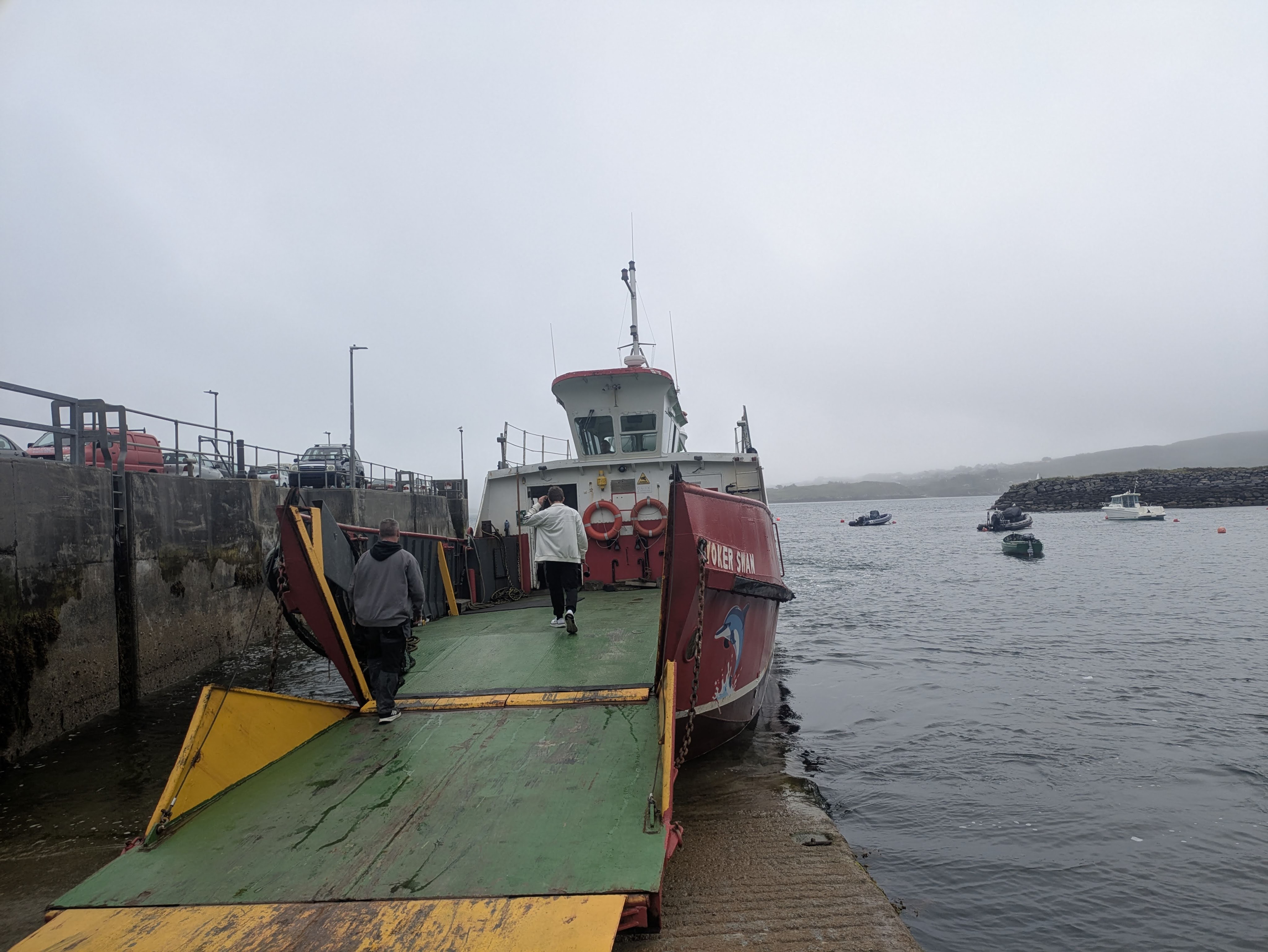
The roll on, roll off cargo ferry to Sherkin was old and rusty but the journey wasn’t long, merely a ten minute trip from Baltimore.  The cost was relatively expensive at €15 a head for a return journey and we discovered later that the price of ferrying a vehicle was an eye-watering €100 with prior booking essential as there is only space for one vehicle at a time.  Apart from us, there was three British sisters and a brother (all in their sixties) who were holidaying in Ireland and visiting a friend on the island for the day, a few other day trippers and two island women with bulging shopping bags, obviously returning from a grocery shop on the mainland as there’s no shops on the island.

The Sherkin Ferry

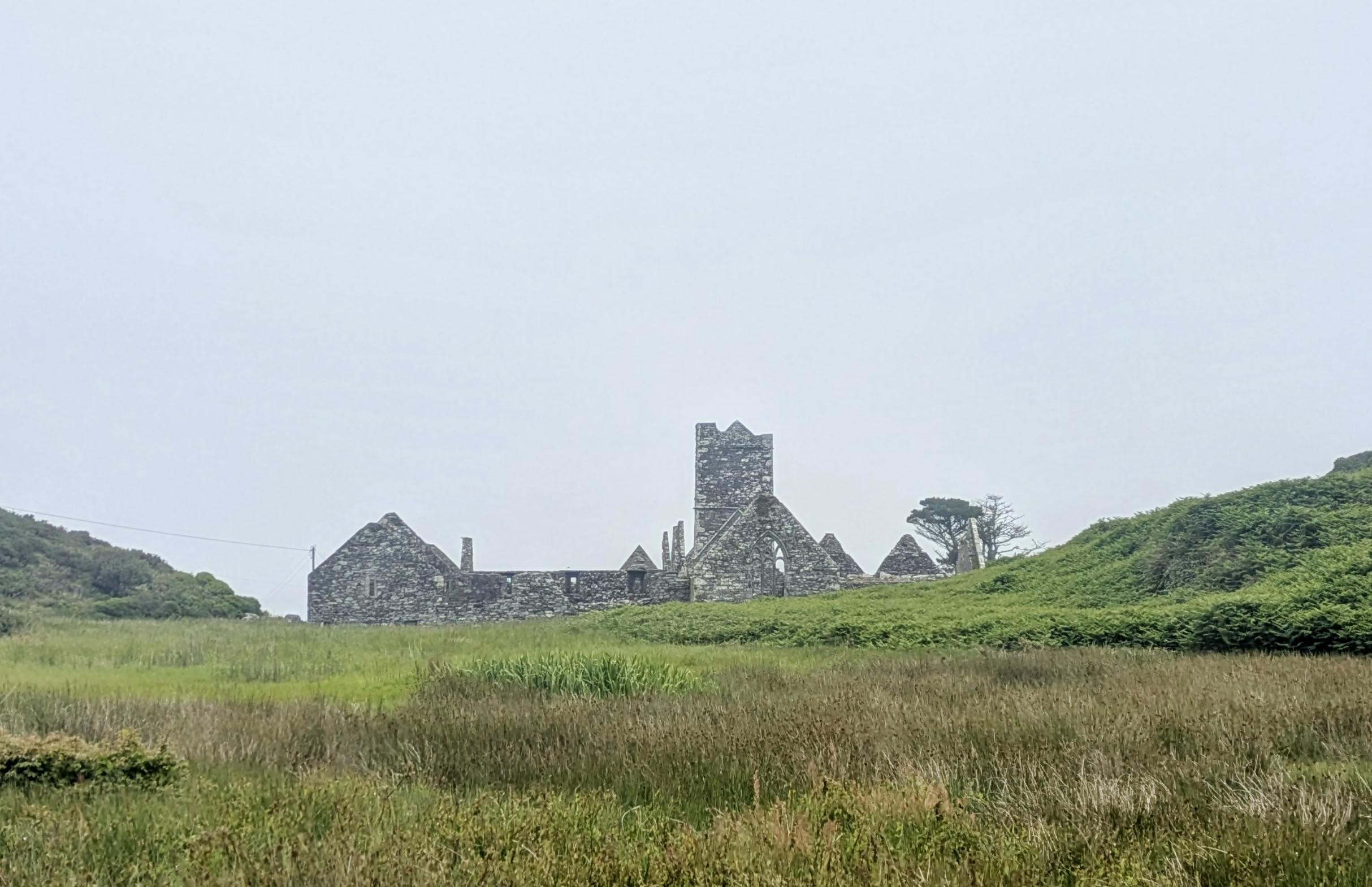
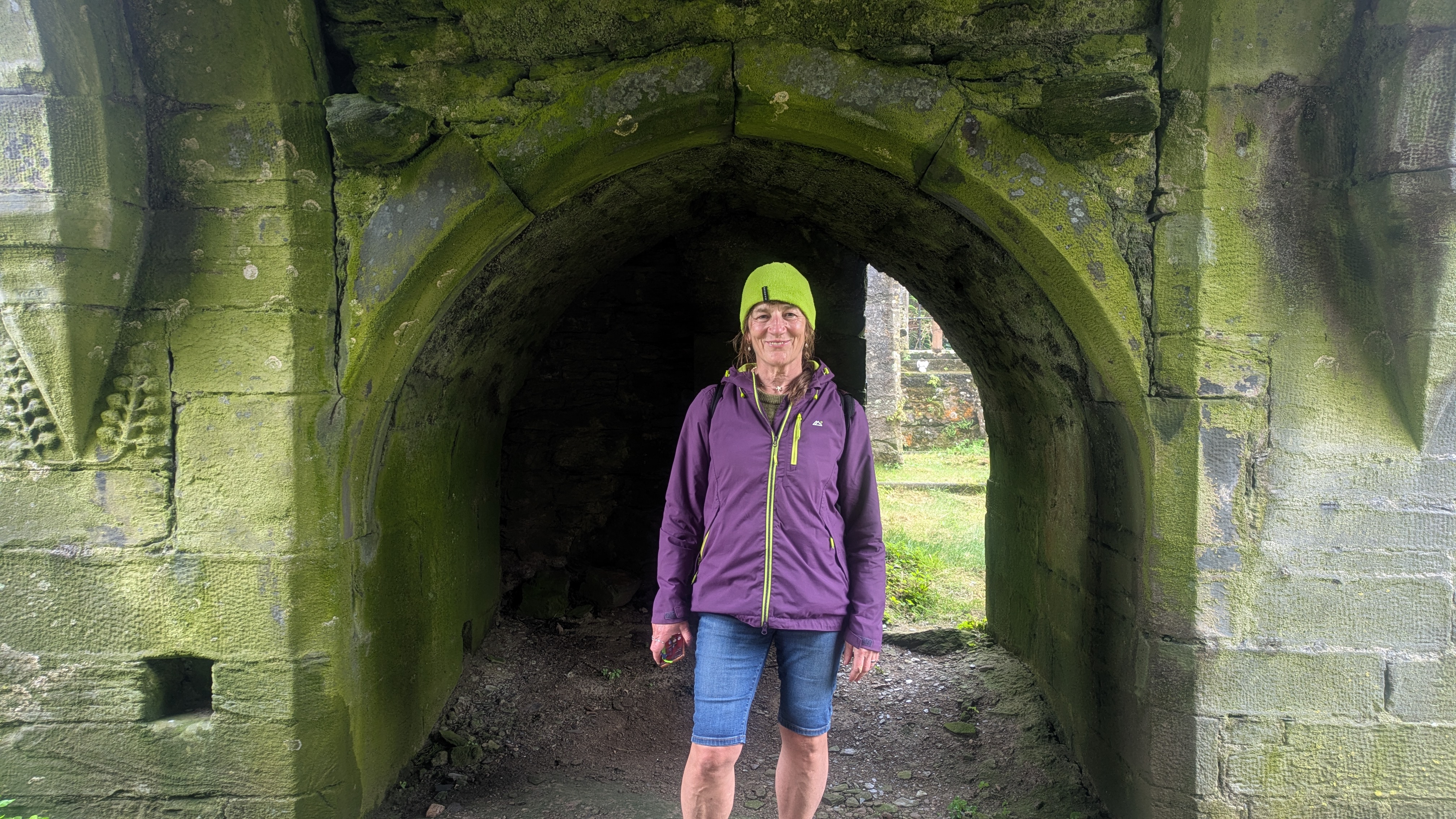
Arriving in Sherkin, we were met by the imposing landmark of the well-preserved ruins of the Franciscan Friary rising out of the mists. It sits on a slight incline overlooking the harbour and was built  back in 1460 by local chieftain Fineen (Florence) O’Driscoll and seems to whisper tales of a bygone era of prayers and bloodshed. In 1537 the citizens of Waterford burned the building in retaliation for acts of piracy (intercepting and stealing boatloads of wine) by the O’Driscolls.  Despite the damage, it continued to function until 1650, when it was confiscated by Cromwellian soldiers. The friary then passed into the hands of the Beecher family, prominent landlords of the island until it was handed over to the OPW in 1895. But the graveyard has remained the traditional burial ground of the island with recent additions among the moss-covered headstones. Quite a few Florence O’Driscoll’s, descendants of the original chieftain, have found their resting place here.

Franciscan Friary

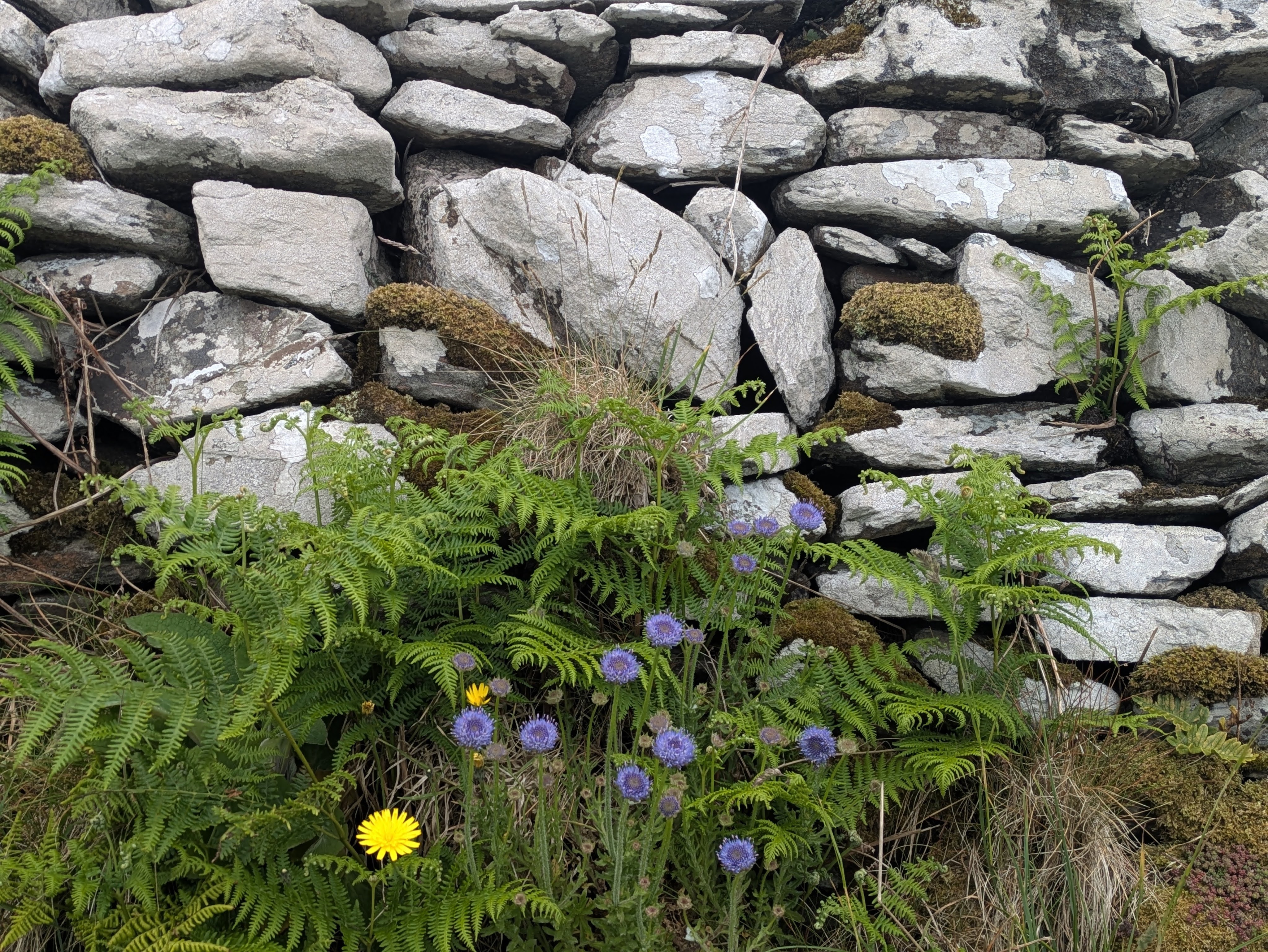
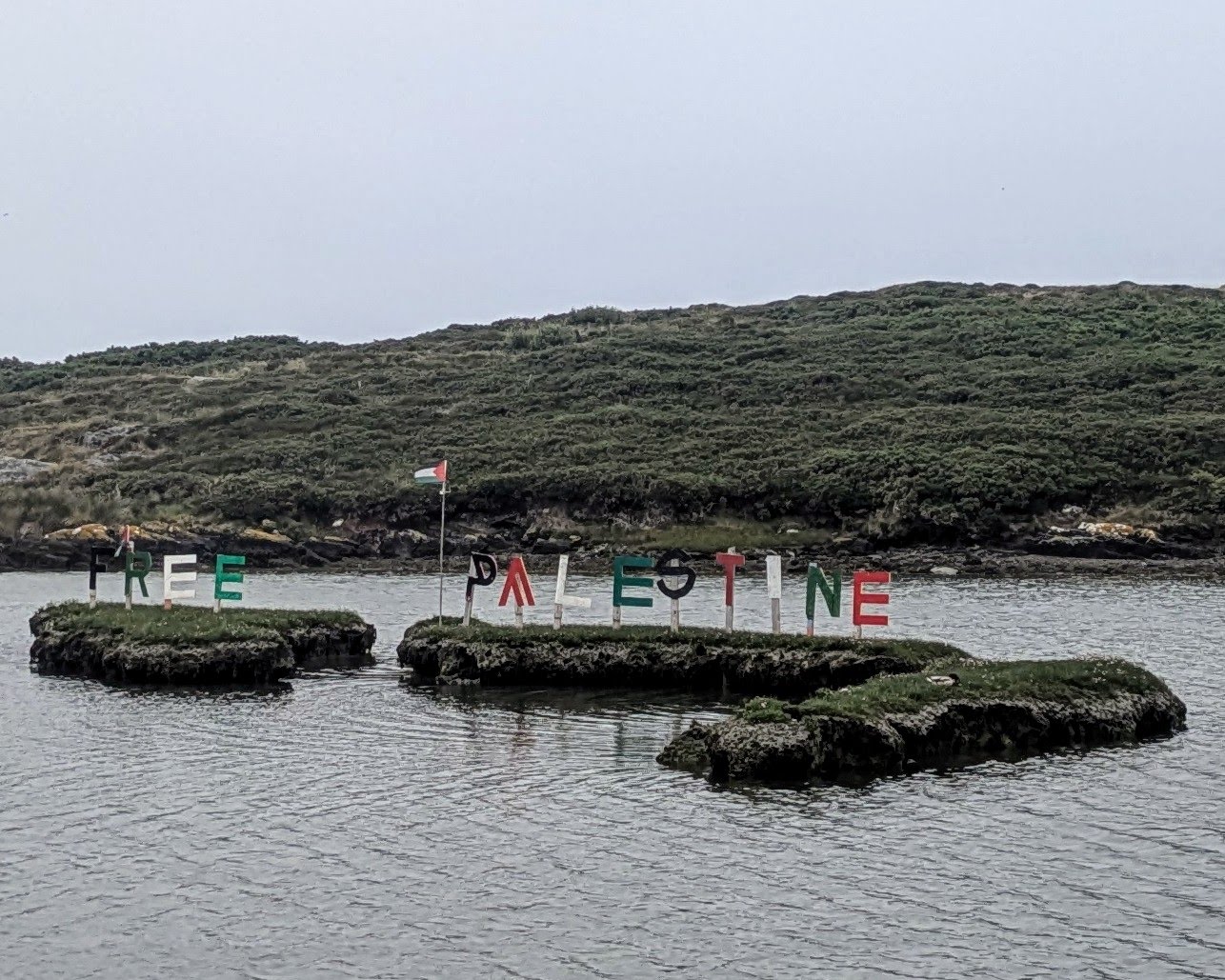
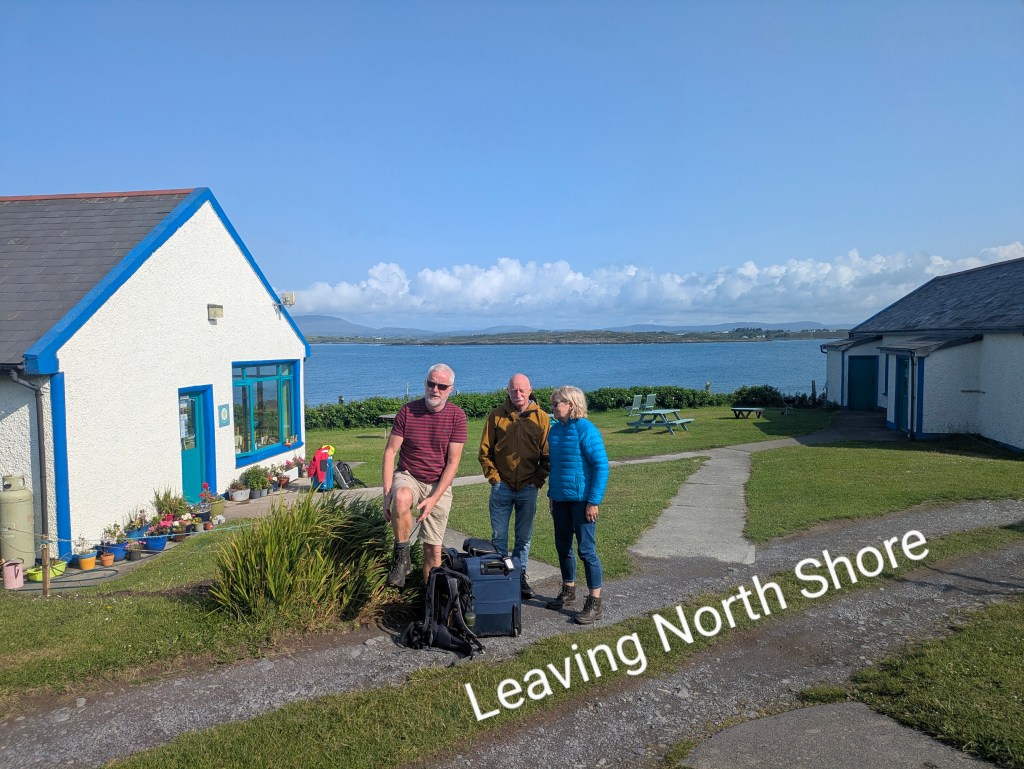
 A small bus meets all the ferries at the pier and we availed of it to take us to our accommodation in North Shore which was only about a forty minute walk away but we were carrying bags for our two-night stay. Sherkin is a small, relatively flat island of narrow, winding roads with verges filled with colourful wildflowers, foxglove, ferns, purple loosestrife and fuchsia. We drove past isolated houses dotted along the landscape, a few herds of cows, a tidal lake with a ‘Free Palestine’ banner, fluttering in the middle and a community centre which housed an impressive art exhibition.

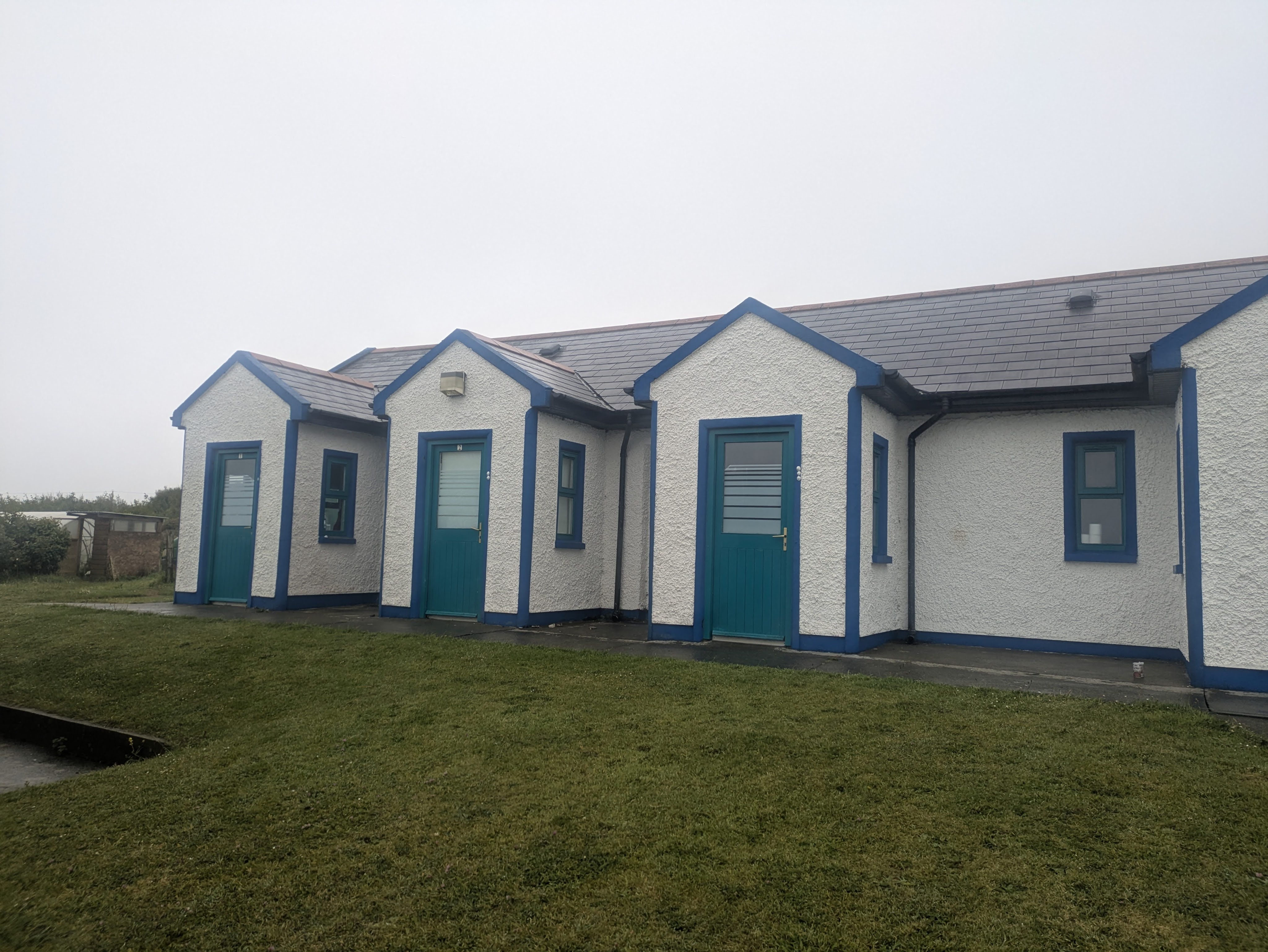
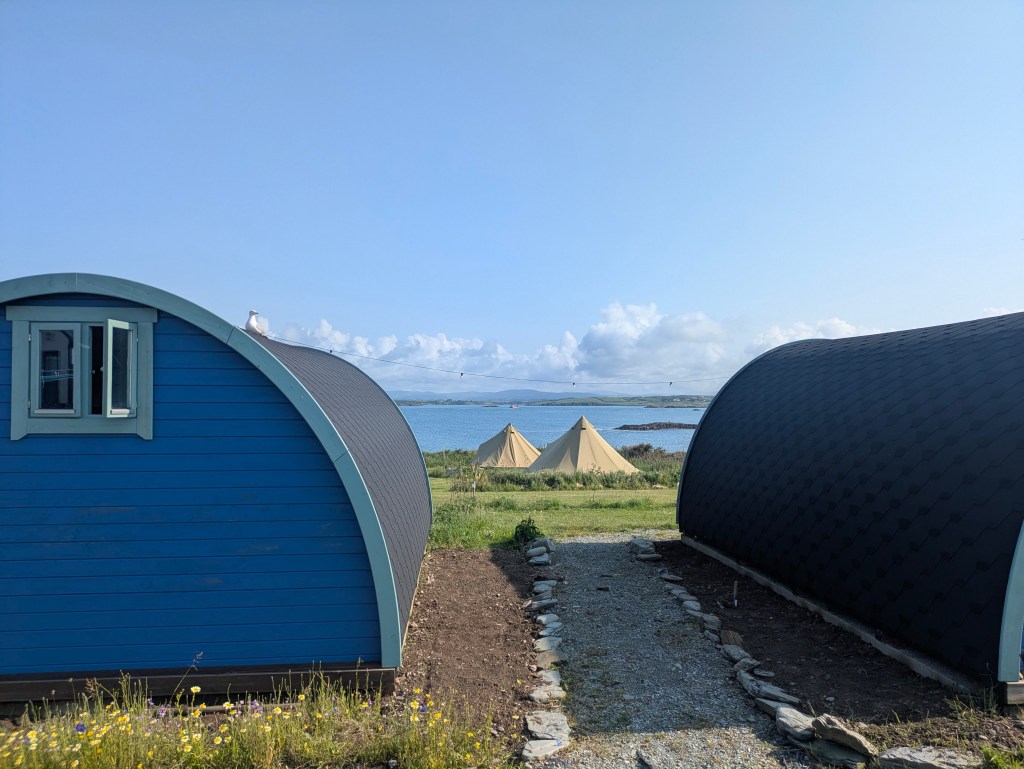
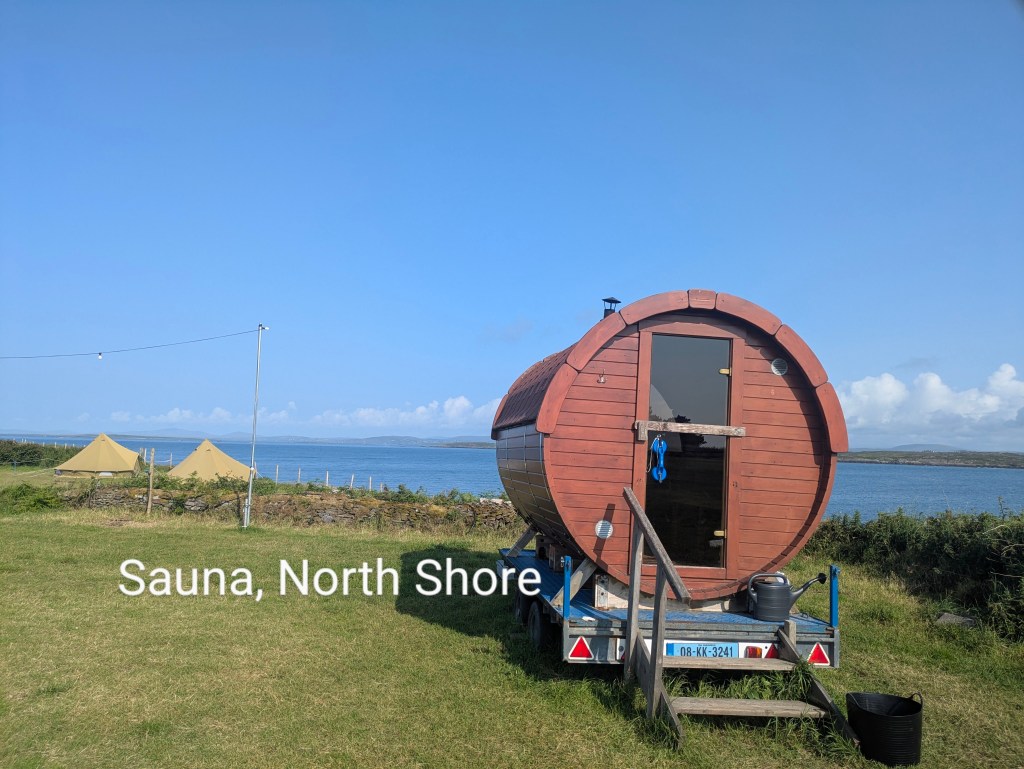
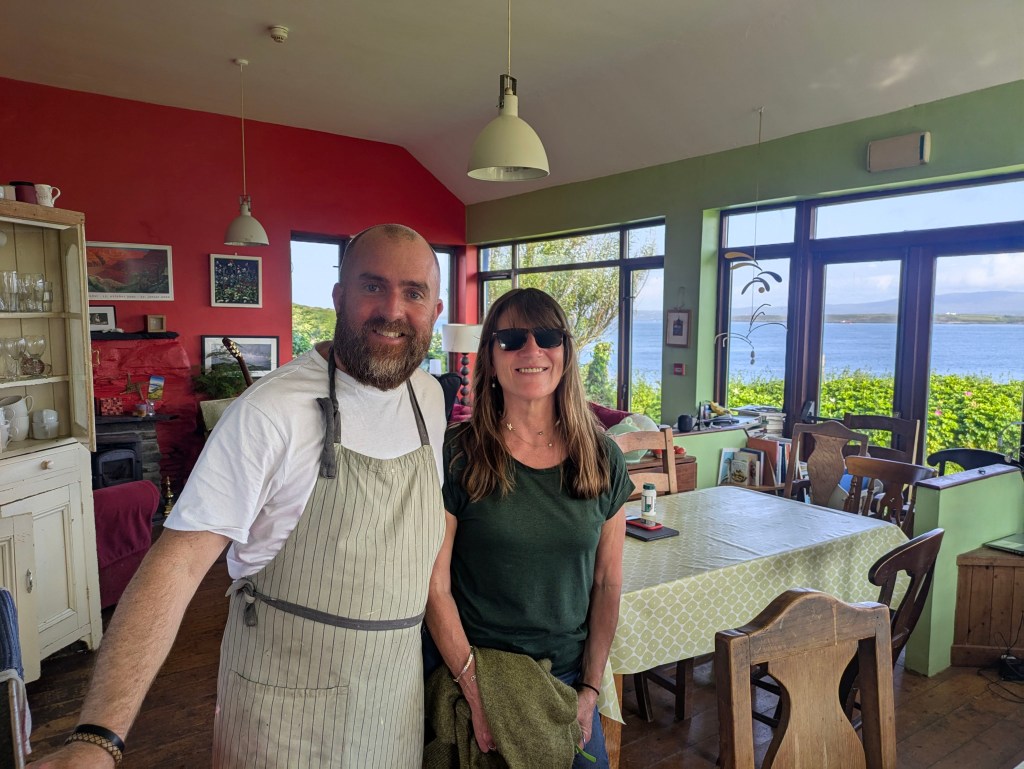
We were welcomed in North Shore with gorgeous sea-views, coffee and delicious homemade brownies by Daniel. The North Shore complex has a huge variety of accommodation – camping, bell tents, glamping pods and cabins. There’s a sauna and a well-equipped communal kitchen.  We stayed in an ensuite room with a bunk bed and a single bed which was quite basic and a shower with scalding hot water, so hot it was almost impossible to stand under.  Apart from a few Airbnb, North Shore is the main place to stay on the island and is the venue for an annual Electronic music festival.  For the last few years, the island hotel has been  occupied by Ukrainians who have been welcomed into the community, swelling the island population from about 110 to 165.

Our Accommodation, North Shore

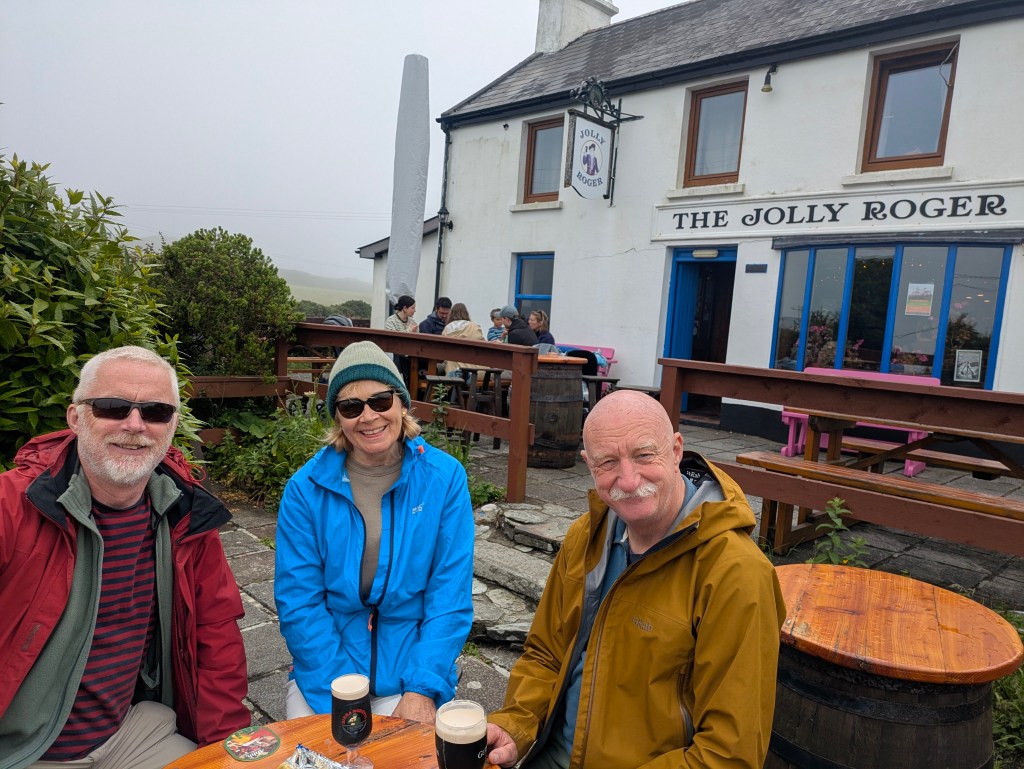
As we hadn’t brought any food supplies with us and there was nowhere to buy anything on the island, we ate our evening meals in North Shore on both evenings. These homecooked meals  were generous, plentiful and delicious. Heaped platters of food were passed around a  table we shared with an American woman travelling around Ireland and a couple of tradesmen from Cork who were doing insulation work on an old island house. Desserts were made by a Ukrainian pastry chef , mouth-watering lemon drizzle cake and baked cheesecake. North Shore does not sell alcohol and as the only pub on the island called the Jolly Rodger, was closed on Tuesdays and Wednesdays, we watched in envy as the Cork tradesmen drank beer with their dinner. They had gone over to Baltimore for some cans having endured a ‘dry’ night the evening before. So take note if you like to have a drink and bring  your own.
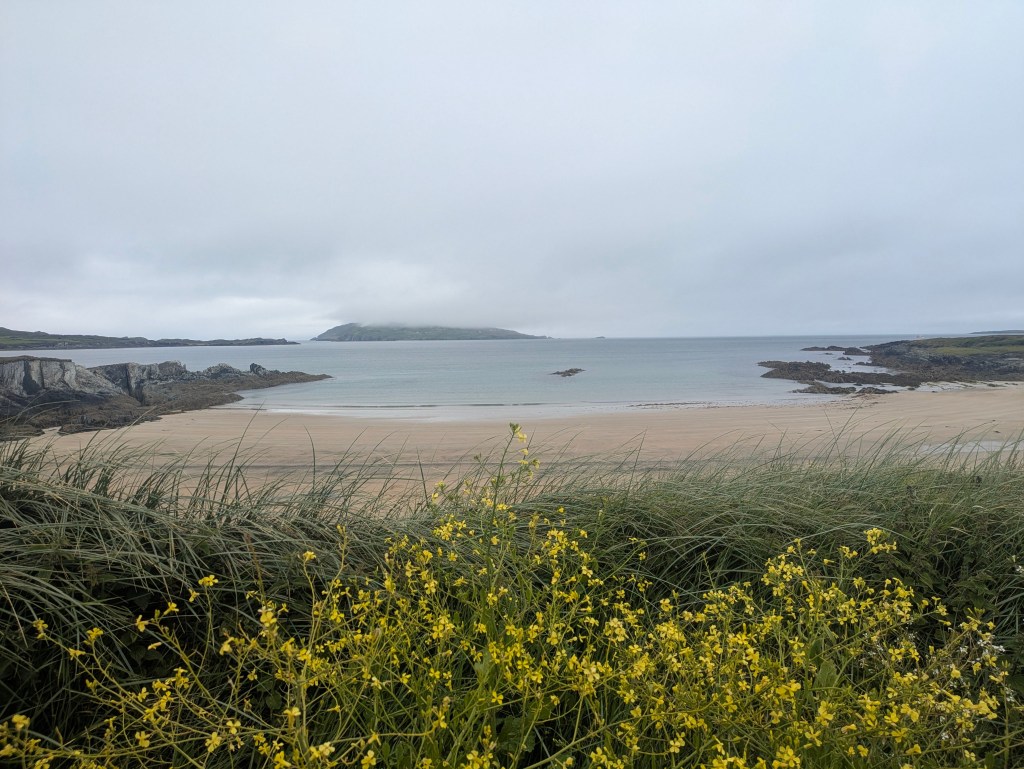
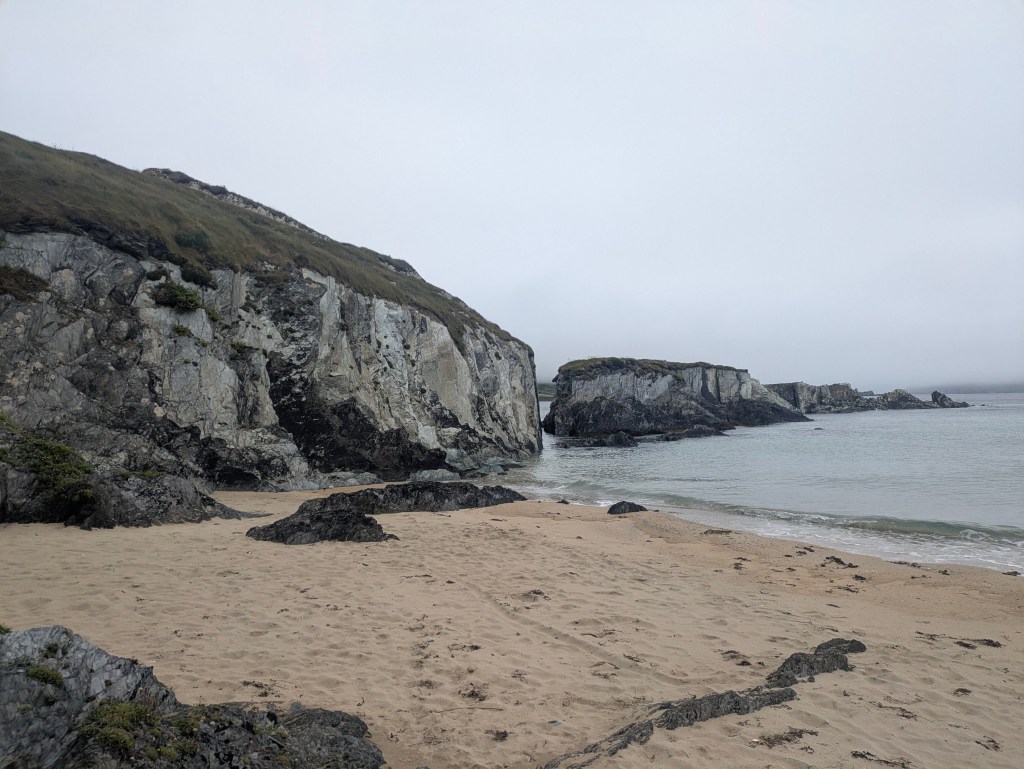
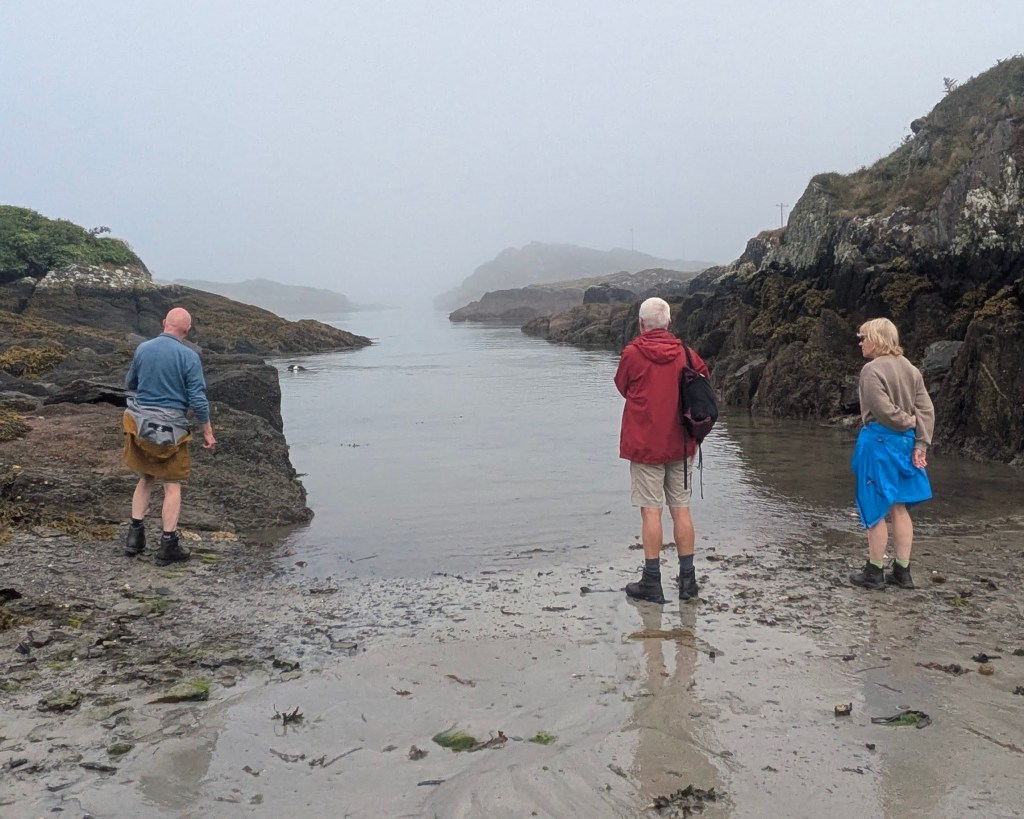
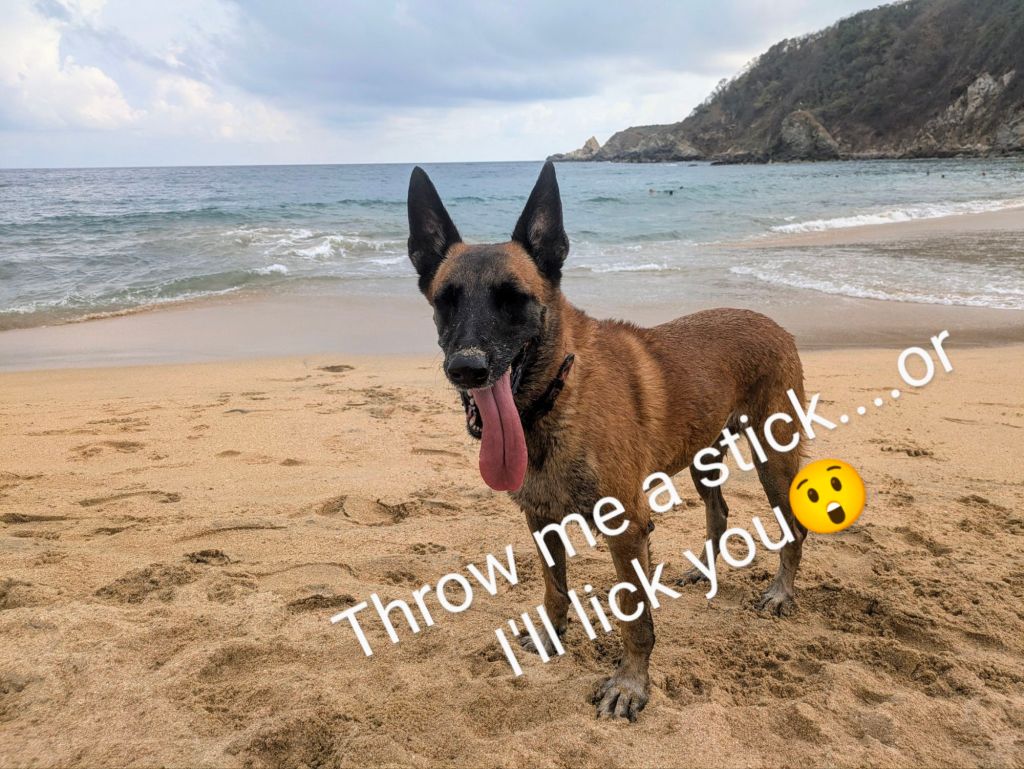
Breakfast was equally enjoyable – bowls of fruit, yogurt, smoothies, pancakes, homemade bread and sausages and rashers, enough to fuel us until dinner time. We spent our days  on the island walking and wandering in mild misty conditions, sometimes the sea disappeared completely, hiding in the greyness. The beaches on Sherkin were gorgeous, especially Silver Strand which was sandy,  clear-watered and completely deserted. Everywhere there was the sound of lapping of water and occasionally the hum of the ferry in the distance. A dog on a little rocky inlet wanted us to throw stones into the water for him to fetch. In some ways, it was not really like being on an island because the mainland was so near and  there was a myriad of small islands in every direction.

On our third morning, we awoke to blue skies, birdsong and sunshine. All the greys of the previous days had transformed to bright blues. The waters of Roaring Water Bay were tranquil and quiet as we travelled back to Baltimore to catch a ferry to Cape Clear Island. It isn’t possible to travel directly from Sherkin to Cape Clear.

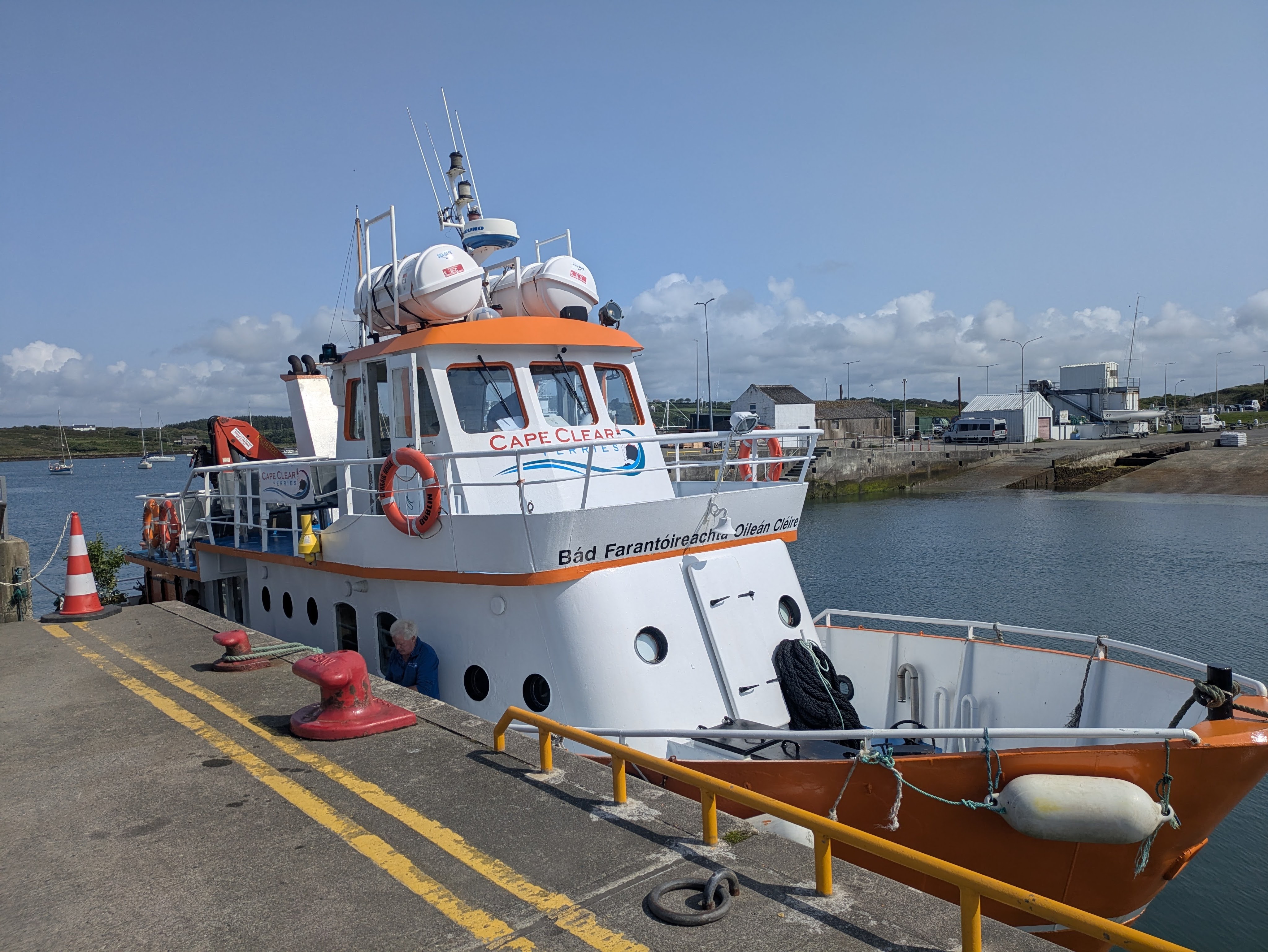
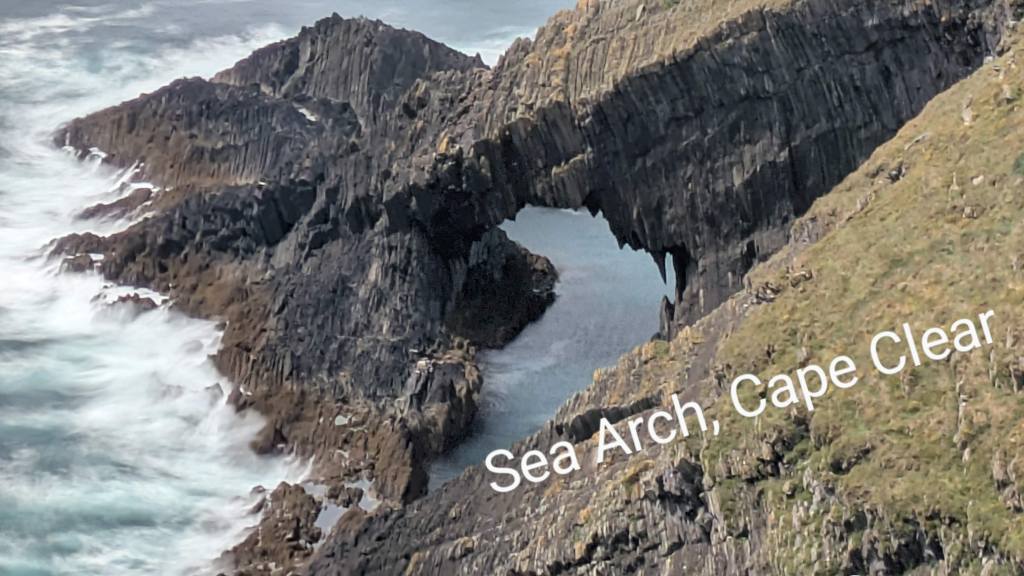
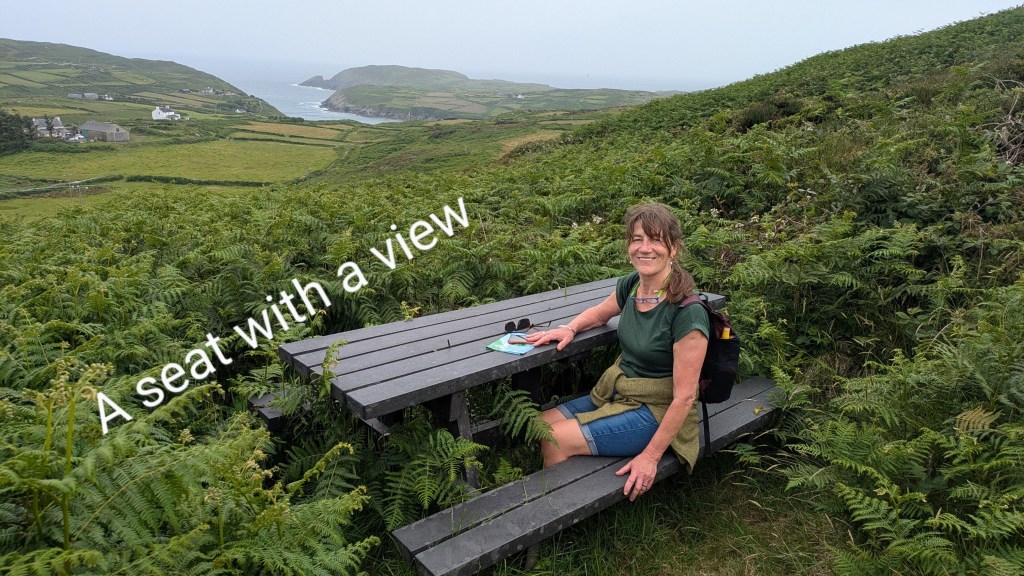
The Cape Clear boat was bigger, newer and shinier than the Sherkin ferry. The thirteen kilometer journey takes about 45 minutes, depending on weather and tide and costs €20 return. Cape Clear Island is slightly larger than Sherkin and although they are alike in many respects and have a similar population, they are also very different – more like cousins than sisters. Cape Clear, or Oileán Chléire is a Gaeltacht area with an Irish College which brings lots of young students during the summer months. It is mountainous with dramatic cliffs and walks that wind through hillsides of gorse and bracken, giving dramatic views of the rocky coastline and the seemingly unending and restless sea.  We could see the white surf swirling around the iconic Fastnet Rock in the distance and would have liked to take a Fastnet Tour but there is a restricted schedule in operation in June and the times didn’t suit us. A little away from the harbour on Cape Clear stood a stone memorial, etched with eighteen names, the victims of the Fastnet Yacht Race in 1979 which ended in such tragic loss of life.

Cape Clear Ferry

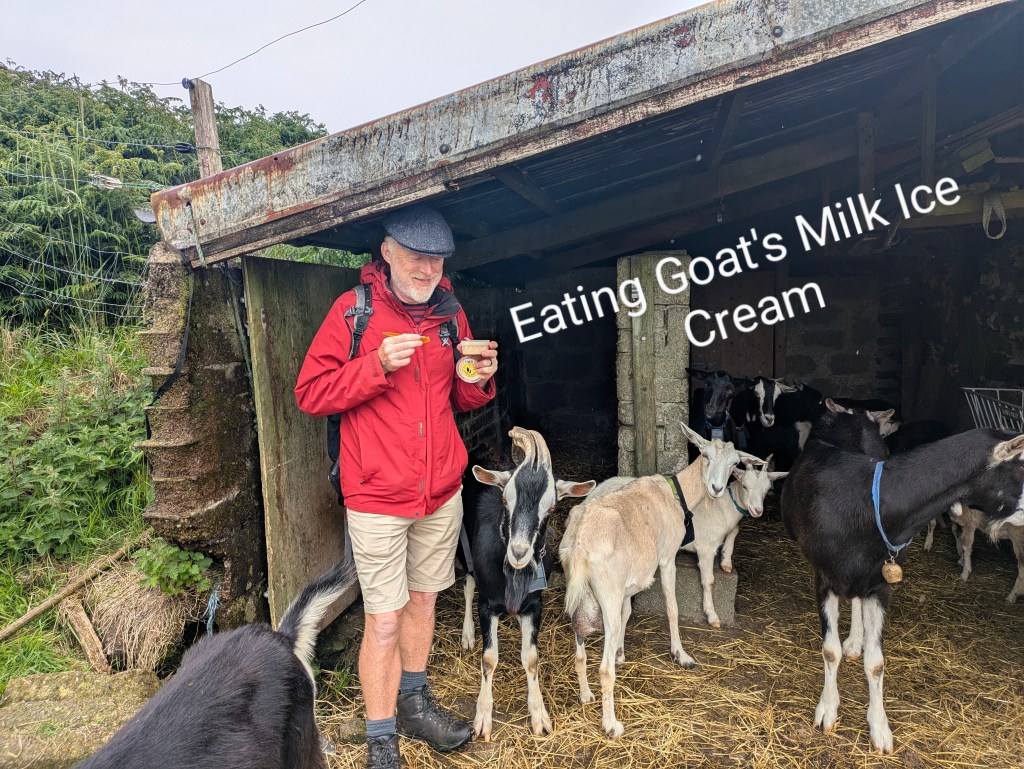
There’s more industry on Cape Clear with three pubs, a grocery shop, a gift shop and a gin factory. A goat farm on an almost vertical hillside sells ice cream and goat burgers while a herd of goats and kids scampered into an open sided shed when the sunshine disappeared and it started to rain.

Our visit to Cape Clear was short, only a day-trip so we didn’t experience any of the accommodation but there were signs for BnB’s, the pub advertised rooms and a hillside was dotted with yurts. We met a retired British couple who were spending their summers sailing around Europe  and a weathered Scottish man from the Hebrides who was sailing a tiny boat. Apparently there is no charge for mooring craft on the island which naturally attracts sailors.

We have really enjoyed ‘our few days of getting away from it all’ and would love to return and do a Fastnet tour sometime. It really was a gorgeous experience, exploring both islands.

A Tale of Two Islands, Sherkin and Cape Clear

Mexico: Gone to the Beach

It was the start of a long day, a very long day. It was barely ten degrees, a bright, chilly and pine-scented morning in the gorgeous, mountain-town of San Christobel de Las Casas. Leaving the town behind us with some regret, we travelled on a wide tolled road, the first toll road we have encountered so far.  Descending rapidly to the lowlands, the temperature ascended just as rapidly and we were reaching for the car air-con within forty minutes.    

We hadn’t a definite destination in mind, just headed in the general direction of the beaches on the Pacific coast of Oaxaca. A French woman we met on a tour of the archaeological ruins at Palenque had raved about  the small seaside town of Mazunte so we thought we might go there. The only problem was that it was at least  an eight and a half hour drive without breaks. So we drove on, seeing how far we would get.

Stopping for something to eat in the middle of nowhere, the simple family-run restaurant was just a few tables covered in bright tablecloths.  An elderly man in a wheelchair and three women of various ages sat watching some soap on the TV when we poked our heads inside the door.  It wasn’t obvious whether it was open for business but they all sprang into action and produced a plate of scrambled eggs, some sort of creamed cheese accompanied by a basket of warm tortillas, a tongue-searingly hot sauce and mugs of black coffee.  

For the first time since we arrived in the country, the terrain became more typically ‘Mexican’, dry and dusty with scrubby red hills under a blindingly blue sky. Our main problem on this journey was not the speed bumps or the threat of protesters, this time it was the sheer number of pot-holes and craters in some sections. At one stage we were behind a police car which was swerving like a crazy drunk to avoid them with oncoming traffic doing the same dangerous dance.

It was well after 4pm and decision time. Mexico was not a country to be driving around in the dark. With no cafes in sight, we stopped at a  ramshackle, roadside shop in a stiflingly hot dusty town to discuss our options. An overweight teenager, swinging in a hammock and playing on his phone, could barely rouse himself  to take our money for a Coke and some chocolate. Mazunte was still at least two and half hours away but with sugar rushing through our veins, we decided to press on and booked a place to stay. The online reviews were good, claiming it was a quiet relaxing place between the two beaches on either side of the town.

Descending from the mountains that stretched almost to the coast, we arrived just after sunset. It was already dark and Mazunte was full of gringos, (many of them barefoot and scantily dressed) wandering in the middle of a narrow street full of cafes, restaurants and jewellery stalls. Turning up the unpaved road to our accommodation, pedestrians streamed down the hill and cars abandoned everywhere. The road was so narrow that we had to reverse to allow the traffic that was coming against us to pass.  We had arrived, not only at the busiest time of the evening but the busiest time of the week. Weekend crowds were returning  after viewing the sunset on the west-facing beach near our accommodation. Thankfully, calm returned within twenty minutes and the traffic disappeared.

Mazunte

 Our landlord wasn’t available because of the short notice and our room wasn’t ready either. We whiled away the time, sitting outside the shop next door and drinking cans of ice-cold beers ….probably the nicest and most welcome drink we’d ever had. It was after 7 pm and still thirty degrees.

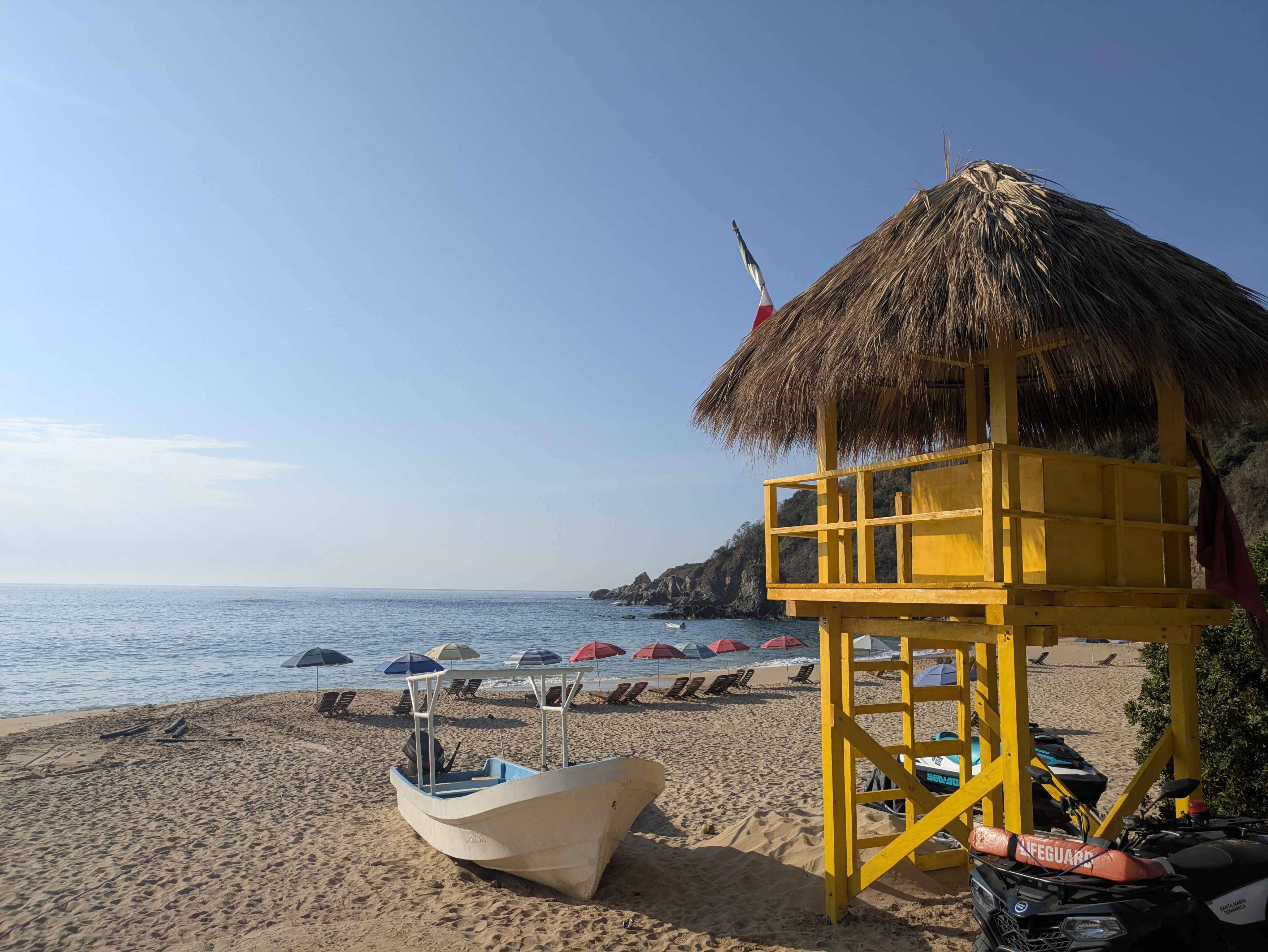
Mazunte had a holiday, hippy vibe with many vegetarian and vegan eateries, full of ‘cool’ people of all ages…..our kind of place, at least for a few days. Hotels, bungalows and cabanas with thatched roofs stretched up into the hills, half-hidden among the coconut trees and the flowering shrubs. The pace of life was slow here, people ambled around in a heat haze. The cocktails were always on ‘special offer’, the coffee was strong and stands selling coco frio, cold coconut water drunk directly from the shell were everywhere.

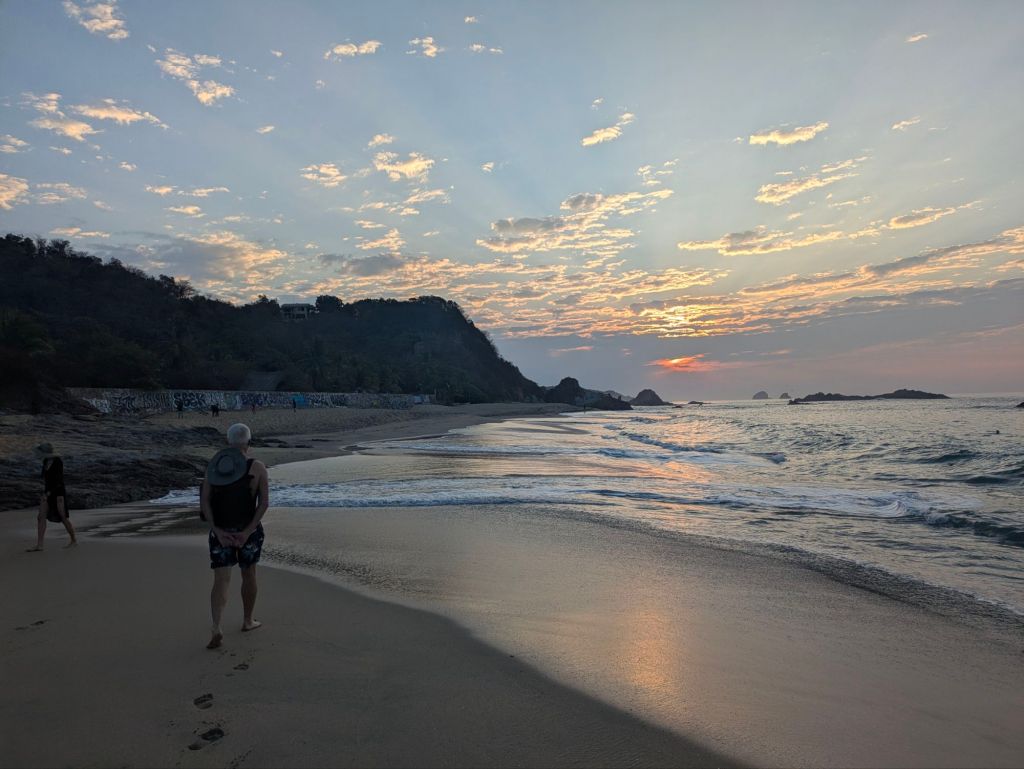
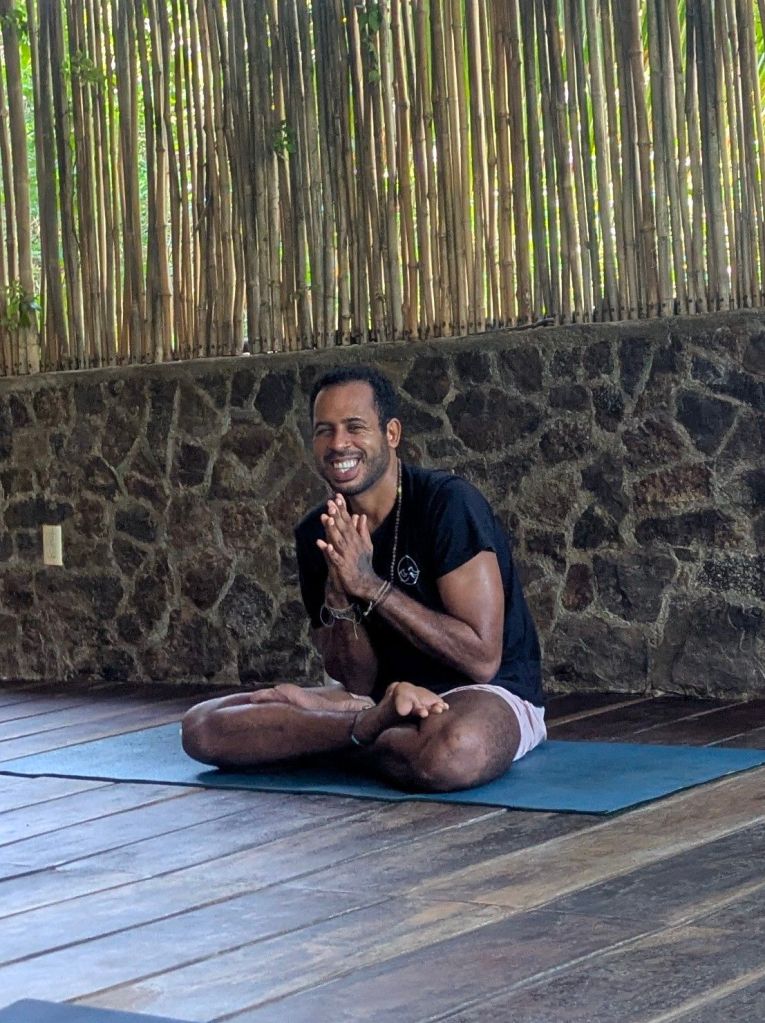
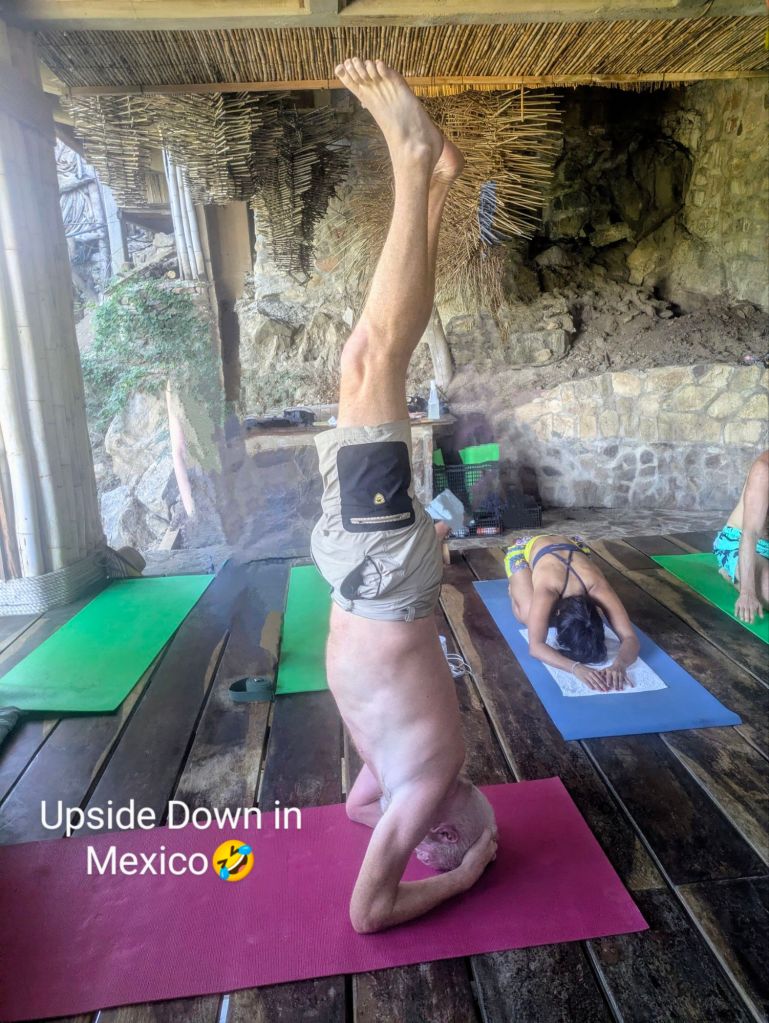
The sweet period in Mazunte was early morning from 6am to 9am. After that it was time to look for shade until the late afternoon. It was a few days of sunrise walks, sunset swims and yoga sessions. Practising  yoga  on a thatched veranda overlooking the beach was like’ hot’ yoga without the need for heaters. Sweat trickled down my face, my hands slipped on the mat and I tried to catch a breeze from the Pacific Ocean. It was 8.30 am and already 29 degrees. Paulo, our instructor was Mexican but had spent five years living in Dublin and still had lots of friends there. On this trip, we have met so many people of different nationalities who have visited Ireland and all have only good things to say about it.

Paulo, Yoga Instructor

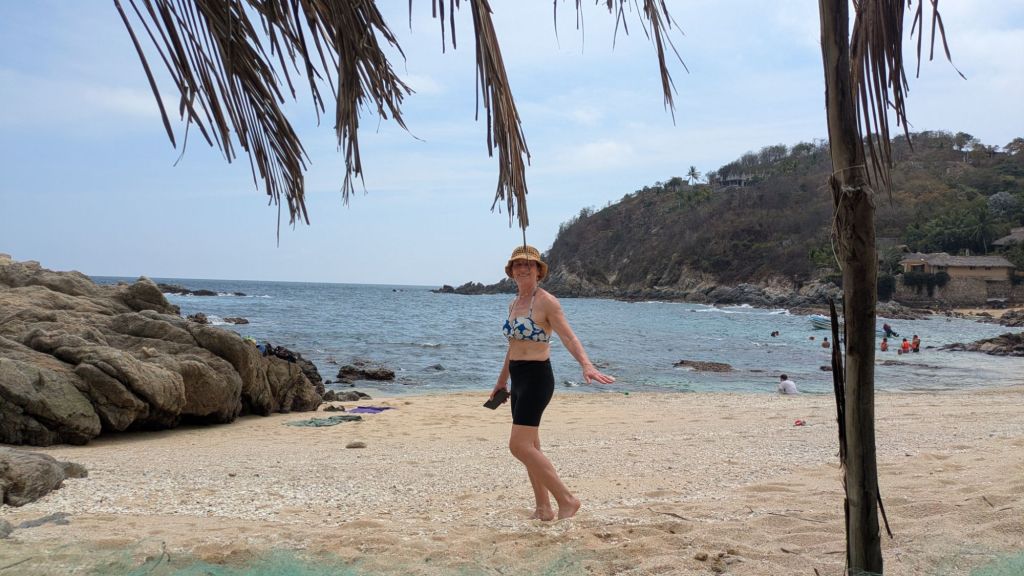
The coast to the east and west of Mazunte was gorgeous, full of beaches with something to suit everyone,  some were more suitable for surfing, others were perfect for swimming and snorkelling but all were ideal for lolling around.

It wasn’t just humans that flocked to this dusty, sun-baked stretch of coast. Whales also made their way from the frigid waters of Northern Canada to the warm seas of Mexico’s Pacific coast to breed and nurse their young usually from December to March. Several varieties  of turtles laid their eggs on the sandy beaches and there were several turtle research stations in the area.

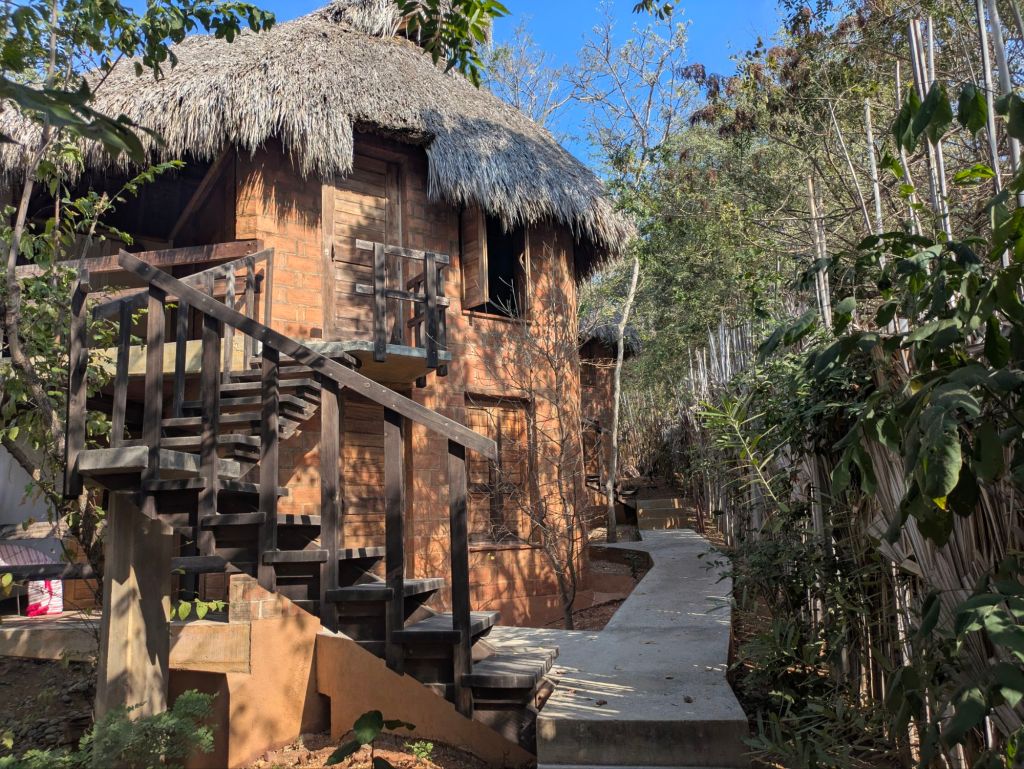
It was hard for us to believe but it was winter season here, the coolest  and driest time of the year. The rainy season is between May and October but the temperatures begins to creep up in March until forty degrees is fairly common.  Jonathon, our landlord, pointed out where water runs down the hill between the bungalows and the unpaved road becomes a river. We stayed in a very unusual place, an architecturally designed cabana, angled to catch the breeze and stay cool without air con. It had a series of sliding shutters but was open on all sides so we could hear the squirrels scampering in the trees outside and the sound on the waves breaking on the beach down the road,

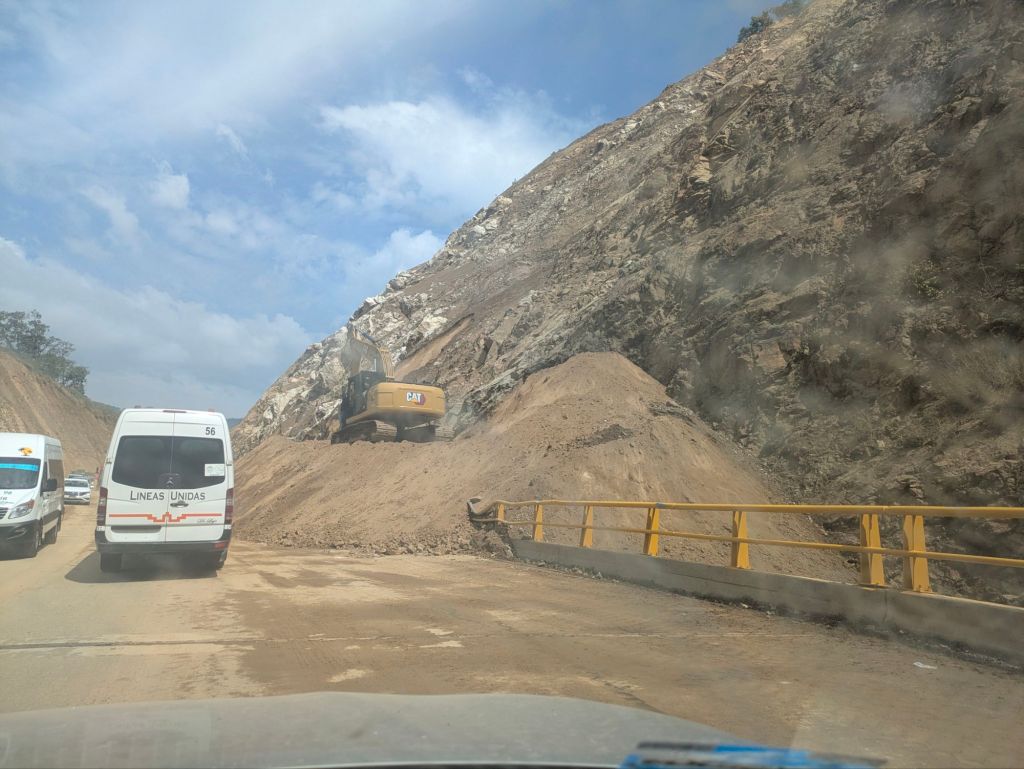
After four nights, it was time to go or we might never have left. The city of Oaxaca, about which we had heard so many good things, was calling us.  We travelled for about an hour on a highway going towards Acapulco with coconut stalls, cacti, flowering shrubs and bridges over (almost dry) river beds. The song Going Loco in Acapulco was going round and round in my head but soon we turned inland towards the hills, climbing again, ears popping and chewing on the dust that seeped into the car. Huge efforts were in progress to stop the steep mountains  from sliding onto the road, There are many  tailbacks as rock falls were being cleared. Road workers climbed like abseiling ants in high-vis jackets up the vertical rocky slopes, trying to secure the sides and prevent more erosion.

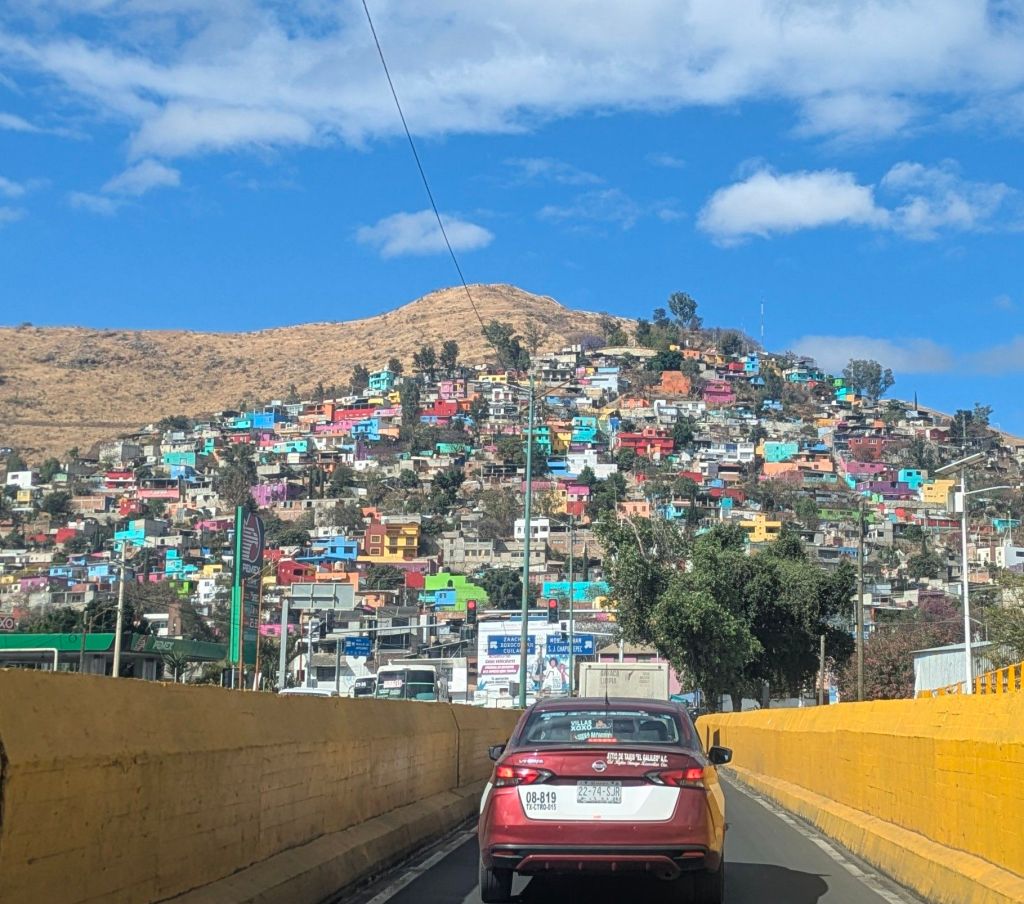
Oaxaca is in a central valley, at 1550m, ringed by mountains with brightly painted houses sprawling up the hills. The historic centre is an UNESCO World Heritage site, laid out on a grid system with handsome buildings, artisan craft shops and art galleries in sixteenth century buildings with stout walls, shady courtyards and subdued signage.

Approaching Oaxaca

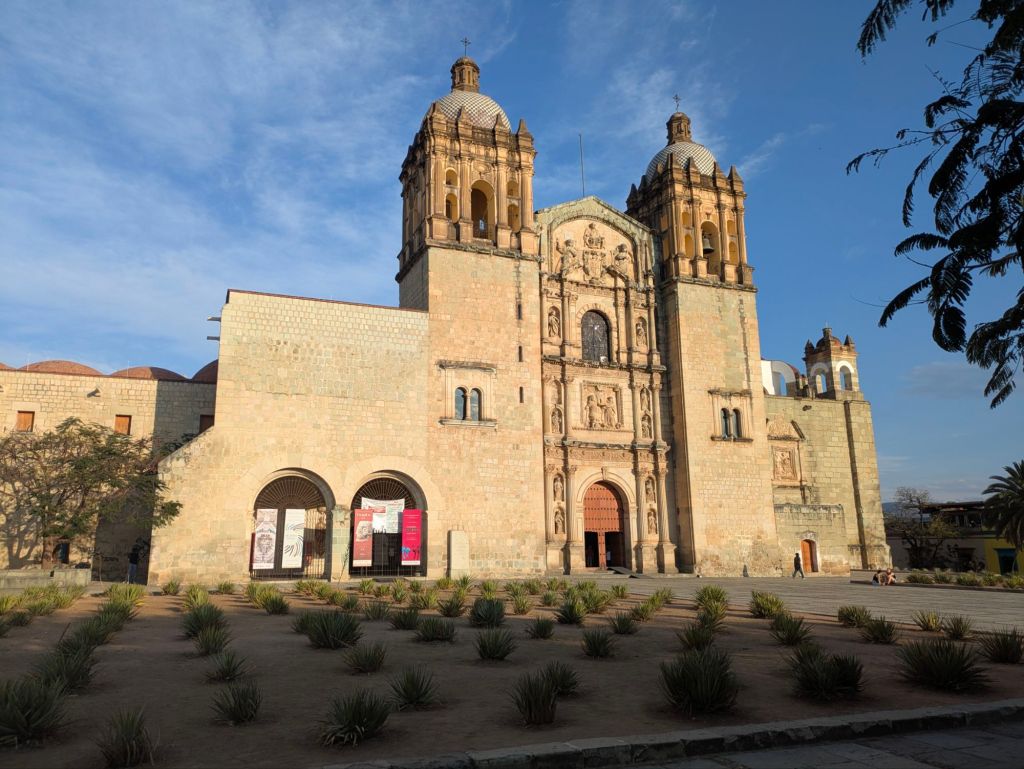
The centre was full of tree-shaded plazas, a magnificent cathedral made of the local rock which has a green tinge. There were churches and monasteries on almost every corner. The church of San Domingo was the most splendid, a solid baroque exterior with a sumptuous interior of gold, gilt and bas reliefs.

Santa Domingo

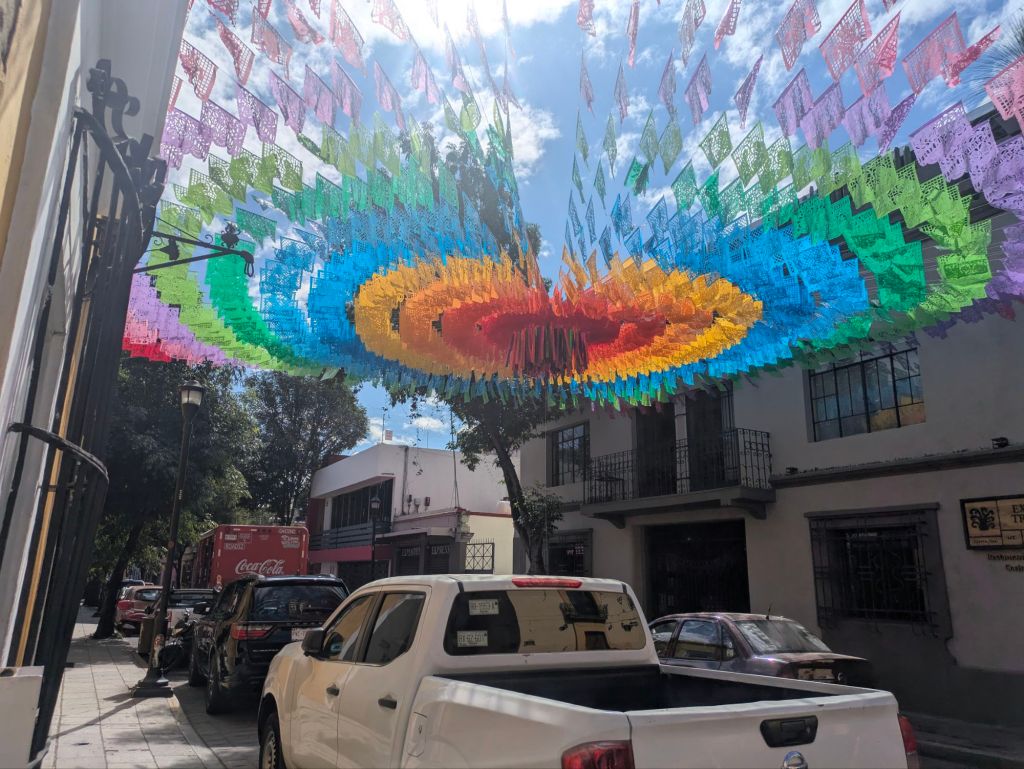
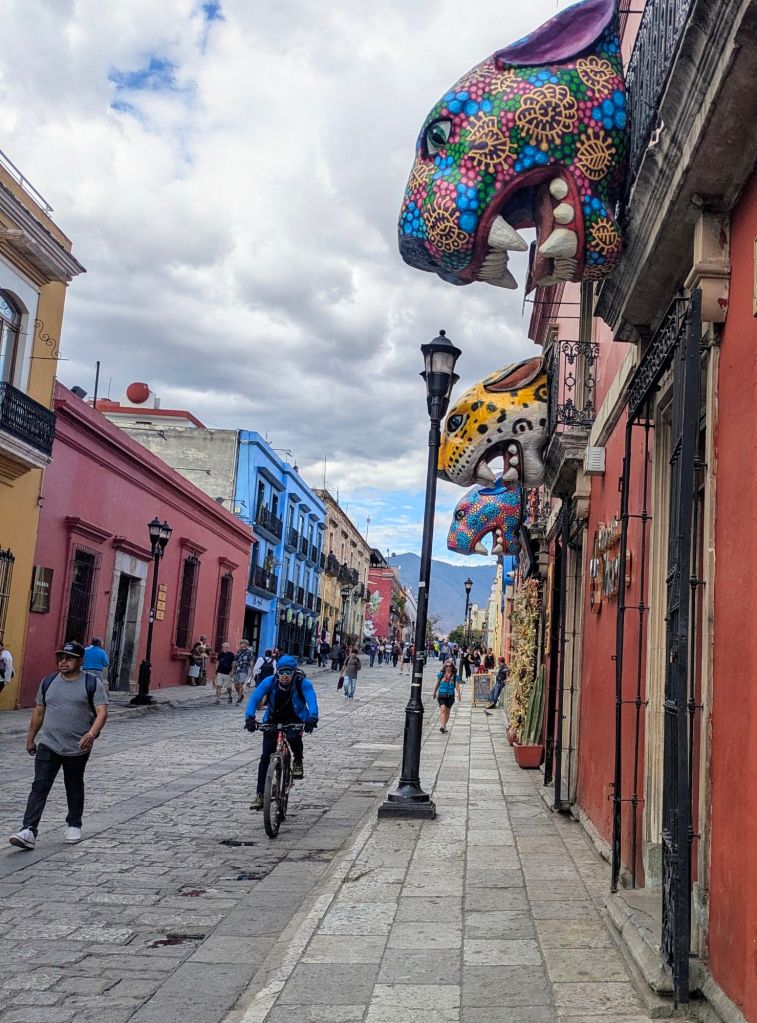
 As we wandered around the breezy, cobbled streets under festive buntings, homeless people thrust clinking cups under our noses, begging for change.  The stench of urine even in the main plazas was oppressive and one street away from the touristy centre, belching buses and honking taxis destroyed the peace. The shoe shine people, who were mainly weather beaten, middle-aged men, ignored us after glancing at our runners.  Oaxaca seemed a beautiful but complex place, with a significant underbelly of deprivation co-existing with the wealth and glamour.

Oaxaca Street
Oaxaca

It was a city of music with buskers of every sort and ability, playing and singing all over the place. A small orchestra set up outside the Santa Domingo church and  we stumbled across a parade of women in swirling  long dresses, dancing to the drumming of a marching band.

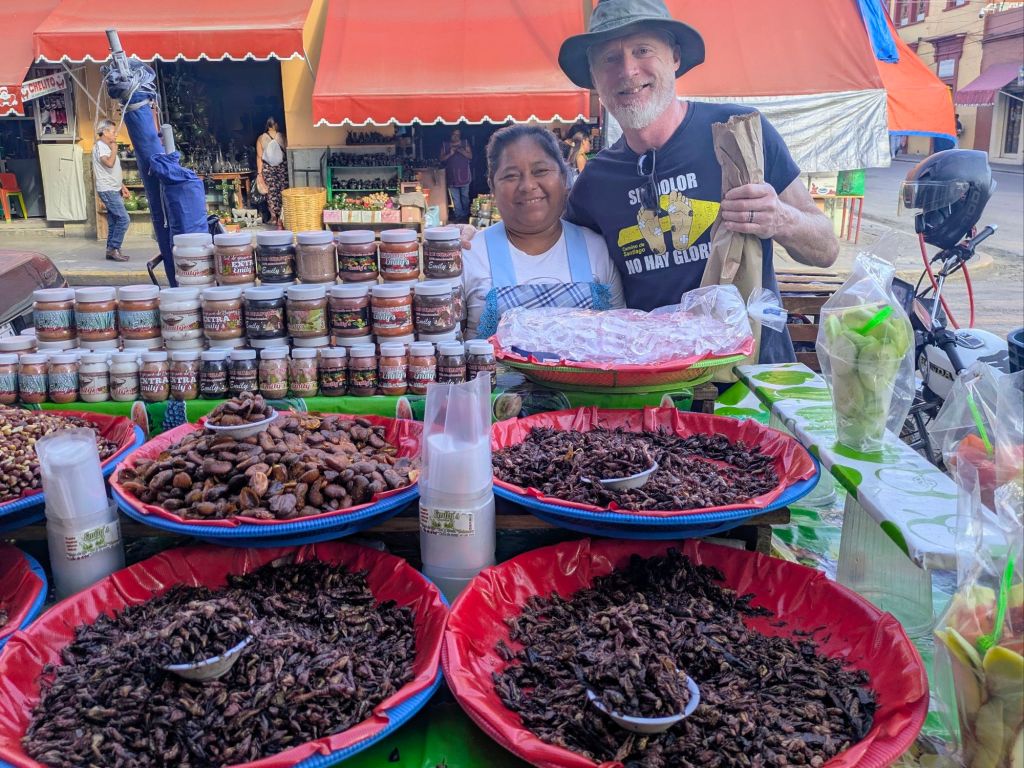
Oaxaca is also the culinary capital of Mexico. One of the more unusual ingredients was roasted grasshoppers (chapulines) which were sold in big basins on every street corner and eaten as a snack or as garnish or topping on dishes. They were regarded as a fantastic source of protein and may actually become the food of the future,  at least according to our guide on our walking tour of the city. We haven’t tasted them…..yet.  

Basins of Roasted Grasshoppers

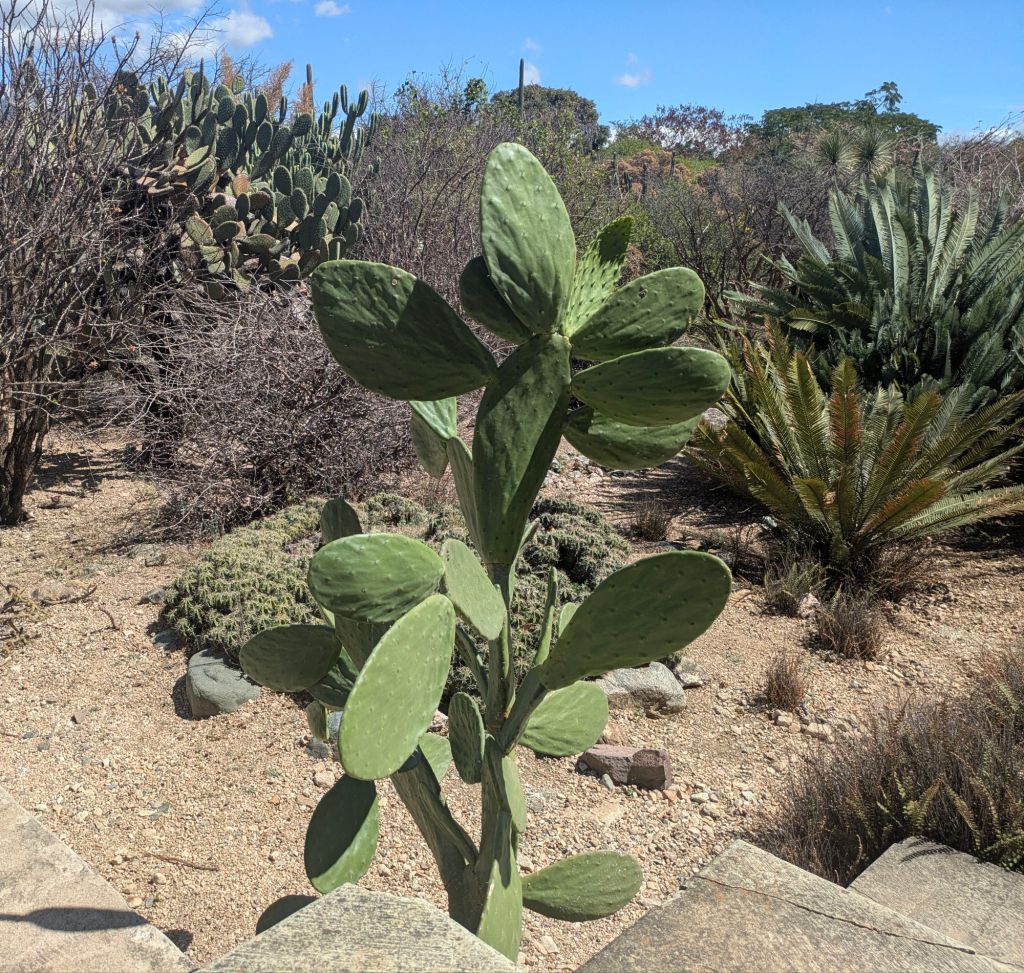
In the botanical gardens which is famous for its huge variety of cacti and local flora from the region, the only available tours were in Spanish as the tours in English had been discontinued.  This is admirable in one way but slightly baffling in a city whose income is almost totally derived from tourism. At least half the thirty people on the tour had difficulty understanding the guide. Although we followed some of what he was saying with our rudimentary Spanish, we would have appreciated being able to fully grasp the intricacies of the garden.

Botanical Garden

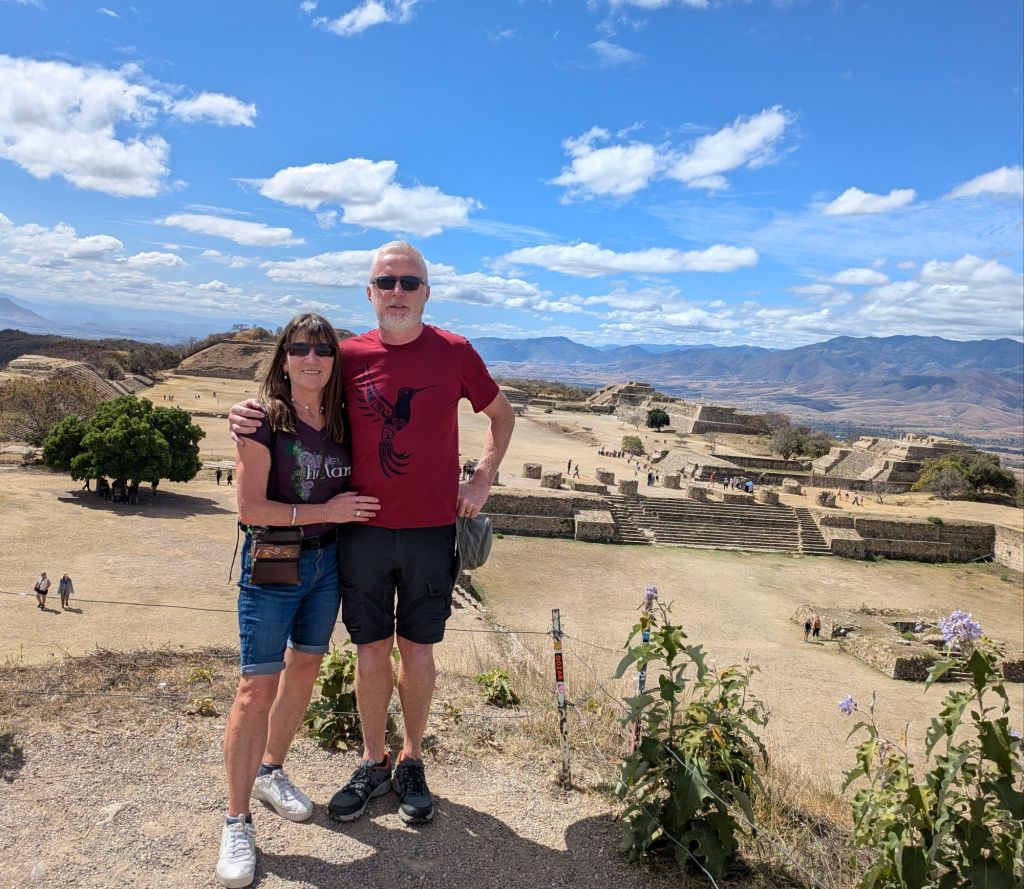
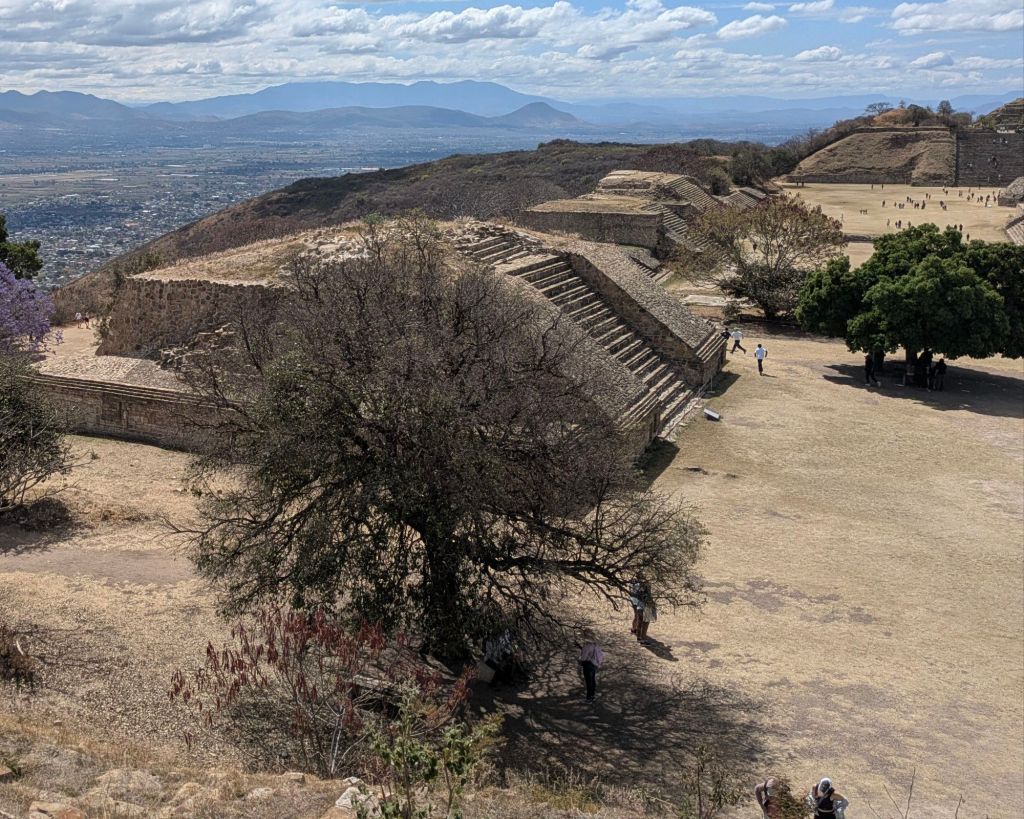
Located just a few kilometres from Oaxaca City lies Mount Alban, one of the most impressive archaeological sites in Mexico. It was founded around 500 BC and continued for almost one thousand, three hundred years. It became so influential that it has been called the Rome of the Americas.  

Mount Albán

The location of Mount Alban was spectacular with views of the valleys and surrounding mountains.  Oaxaca was spread out at our feet, looking much bigger than when we were in it. At this time of year, the site was sunbaked and dry with vast open areas between the temple complexes.  Shade was at a premium and people huddled under the occasional trees. Just as in Palenque, the museum was excellent in a beautiful modern building.

The ancient Zapotec built these complexes and ruled vast kingdoms.  They were known as ‘cloud people’ because they believed they originated from clouds and also because they lived at high altitude in areas that are often shrouded in clouds. Now the descendants of the Zapotec live in villages to the northeast of Oaxaca. It is possible to visit the area and hike from village to village.  

We organised a hiking trip in an office in Oaxaca, run entirely by women from the Zapotec. They were helpful and welcoming but drove a hard bargain. Eventually we settled on a price although no English speaking guides were available.

Tomorrow, we head  up into the clouds for some high altitude hiking as the villages are at 3200 m…..it should be an interesting breathless challenge

Thanks for reading

Hasta luego, amigos.

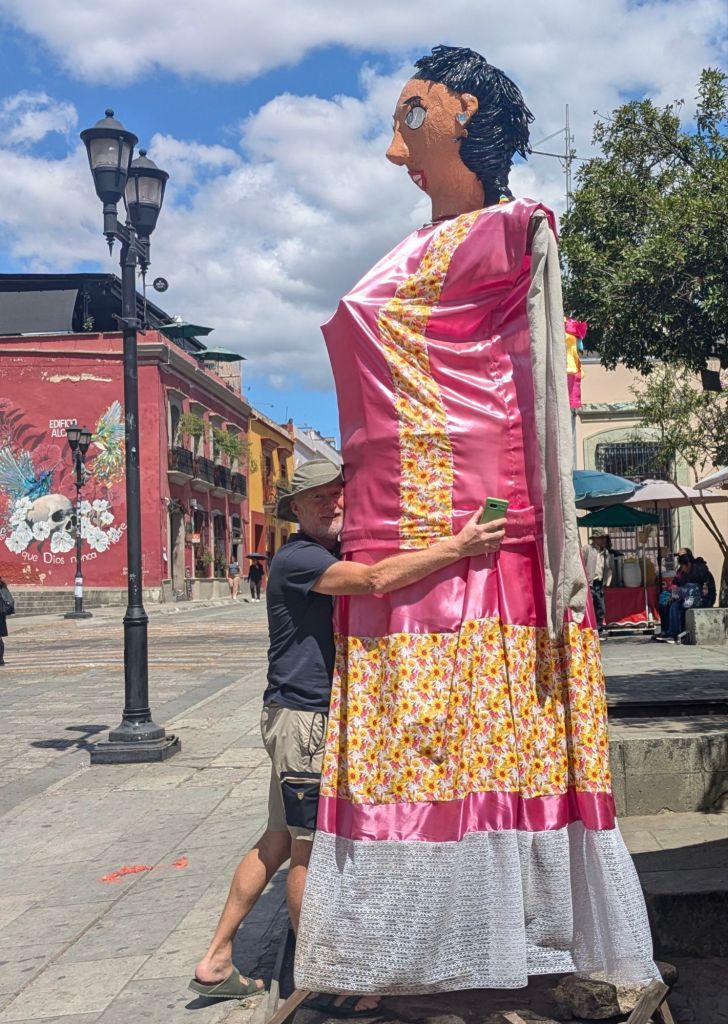
I NEED a hug💕
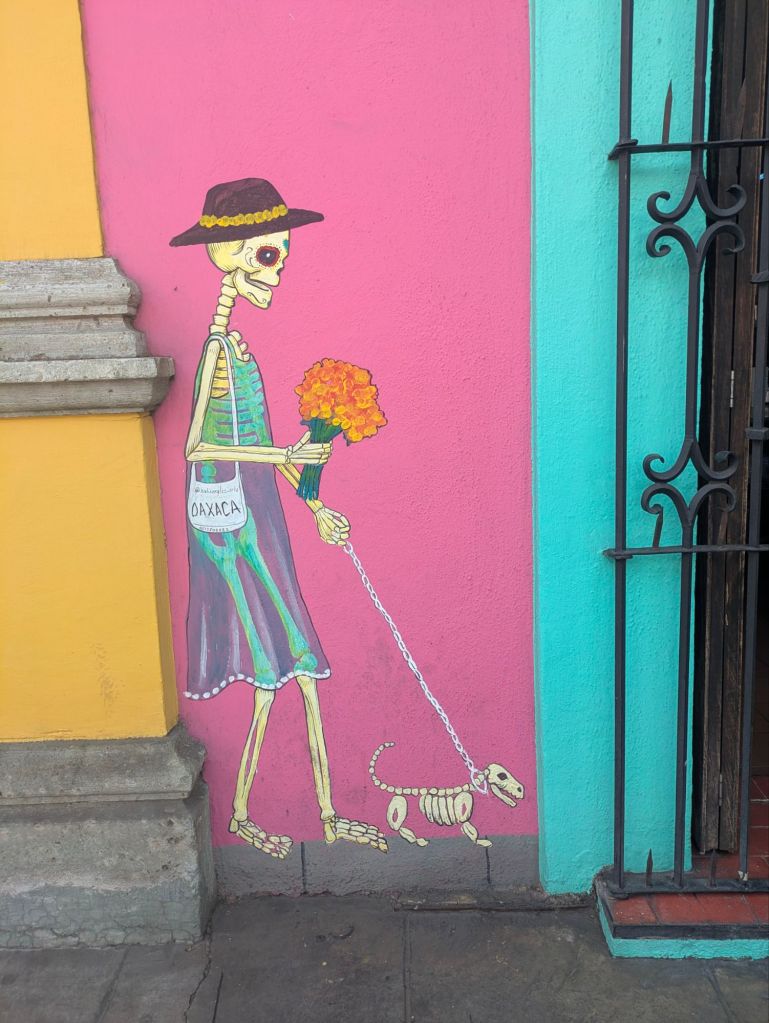
Street Art, Oaxaca

Mexico: Gone to the Beach

Philippines- The Lost Week

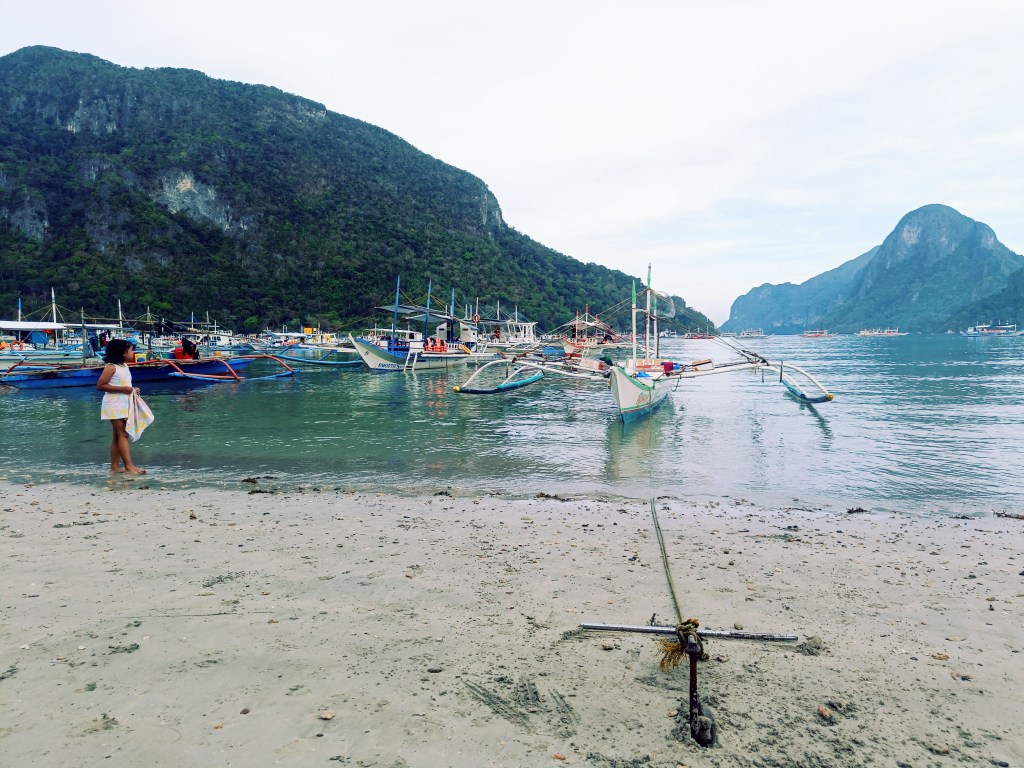
There’s a reason why some places are so popular. The Philippines is so astonishingly beautiful that we had almost become jaded to beauty, but our first glimpse of the Bacuit Archipelago still managed to take our breath away. We were squashed in a little white van, whose speedometer didn’t work and the driver was cautious on the hills when we saw a dreamy landscape of islands spread before us through the rain splattered, dirt splotched windscreen. It was just a tantalising glimpse through a break in the trees. It reminded me of island-studded Clew Bay, another dreamy landscape, when viewed from the top of Crough Patrick on a mist-shrouded day.

El Nido Town

El Nido, the main town for trips around the islands, was everything that people had said – busy with people, traffic and incredibly noisy. Houses, restaurants and bars were built almost directly on the water and obscured all views of the beach from the crowded streets. But it was backed by hulking limestone cliffs, iron grey except where trees and shrubs had taken root on the bare rock. You just have to admire the tenacity of trees to survive and expand. El Nido, which is Spanish for ‘nest’, got its name from the little birds – swifelets- who build their edible nests made from saliva in the limestone karsts.

El Nido Town

When we walked from the street through a narrow passageway (one person wide), there were a hundred tour boats bobbing in the shallow water and hundreds of tiny birds flying overhead, ducking, diving and soaring over the surface of the water. The islands were a constant presence from the waterfront, towering limestone rocks casting shadows in the  jade water, the distant ones shrouded in a blue haze. Splashes of green on the islands  where trees were growing out of the bare rock on them without any obvious soil.

Practically everyone who comes to El Nido, does a tour of the islands. Most tours cost between €20 and €30 for a full day including a sumptuous lunch of seafood, grilled fish, chicken, noodles, rice, salads and fruit. Tourism here was a conveyer belt – we were hustled from our accommodation to the beach where hundreds of tourists were being directed to rent snorkelling gear and then shepherded onto the bobbing boats. Organised chaos …..a scene repeated every morning with a fresh batch of tourists like Groundhog Day. We were separated from our group and sent to another boat because our designated boat was overcrowded. So we were surrounded by Filipinos in holiday mode, who were from the south of Palawan and were on a work outing, courtesy of their employer. Three cooks toiled away at the back of at the boat all morning cooking our lunch on charcoal coals, sweat and heat but delicious smells.  As all  the tour boats left at 9 am and as they basically followed the same route, it was busy of some of the sights, like the Big Lagoon where we kayaked by towering limestone cliffs, the Hidden Beach (not so hidden anymore). The variety of fish and coral was stunning but there were jellyfish floating there too- not the dangerous kind but enough to pack a  mighty tingle –  Caoimhin and I can testify to that as both of us got stung.

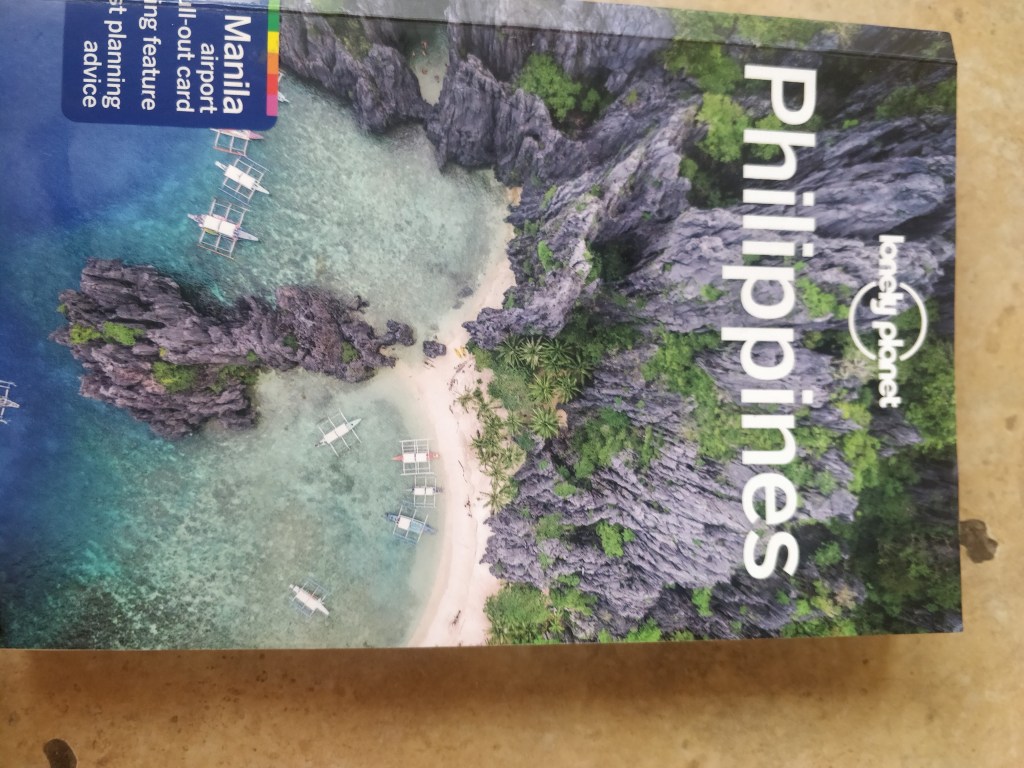
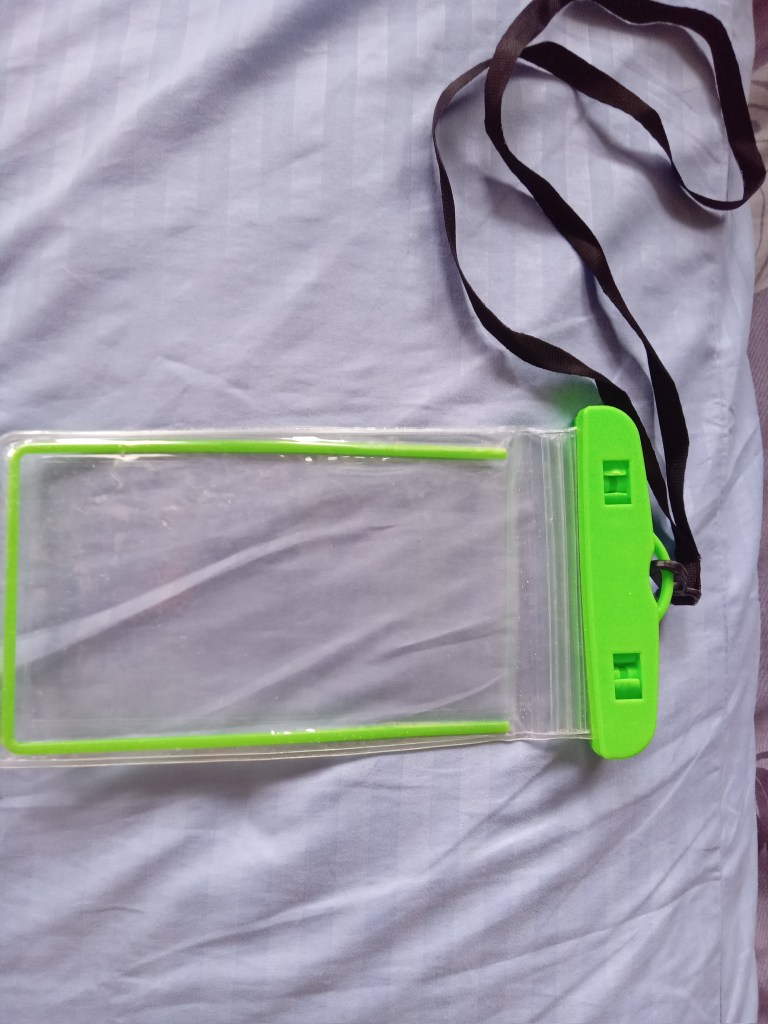
But then the unthinkable happened- both Caoimhin and I got seawater in our phones. It was the last stop in the Secret Beach and Hidden Lagoon – one of the most iconic images in the Philippines and the place that is on the cover of the Lonely Planet Guidebook.  We waded ashore in waist-to-chest deep water and had to climb through a hole in the rock into a ‘hidden’ lagoon,  We brought our phones from the boat in clear plastic waterproof pouches but we had to take them out of the pouches to take photos. Caoimhin was really enthusiastic  about the fabulous photos he was taking. Anyway some water got into the pouches – we put the phones back into the pouches and although I realised almost immediately……it looked like it was too late. The same thing happened to a French guy in the place where we are staying and several other people along the way.

A Scenic Spot for phone immersion 😃

When we went to buy rice from a shop keeper in town who was selling several kinds, his first query was about the size of our phones. No tourist ever bought rice to cook. So the phones went into a bag of rice for three days which is the optimal time needed to dry them out thoroughly. Caoimhin had already researched recovery of a water-damaged phone(due to a phone falling into a hot pool in Albania). At this stage, we were reasonably optimistic…we would never be so unlucky to lose two phones on the same day, would we??  It would be liberating to be without phones for a few days. We would have to ask directions, look at paper maps, take mental pictures of the scenery and not look at everything through the lens of a phone camera. How refreshing!

Beware of these pouches🥲

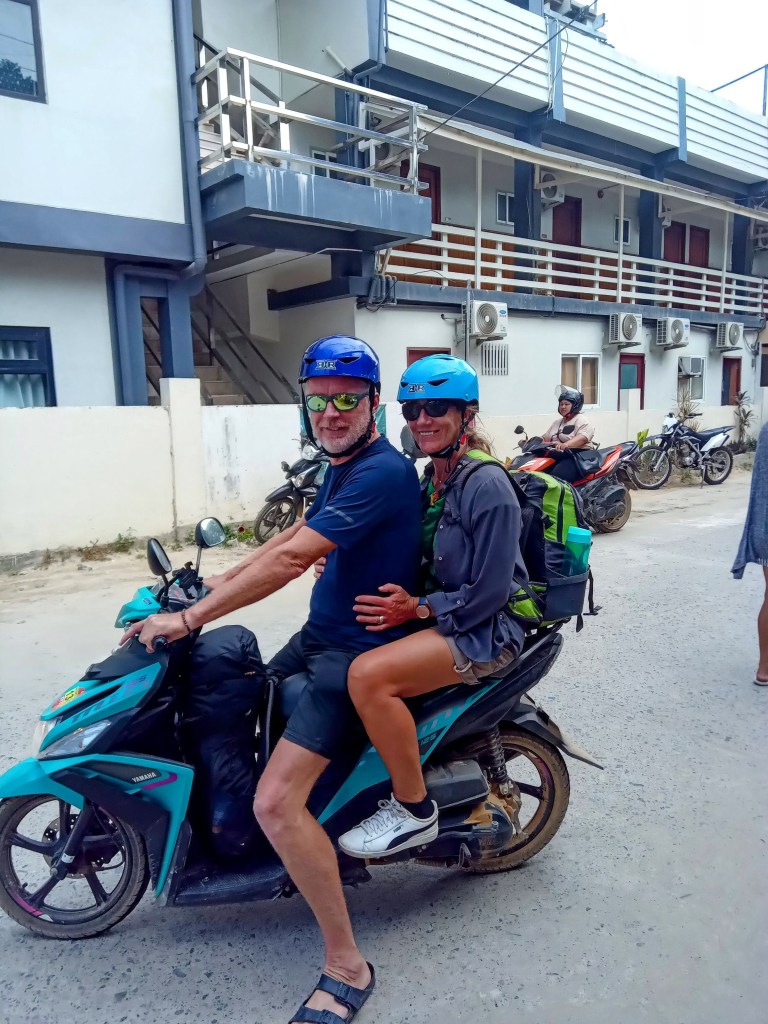
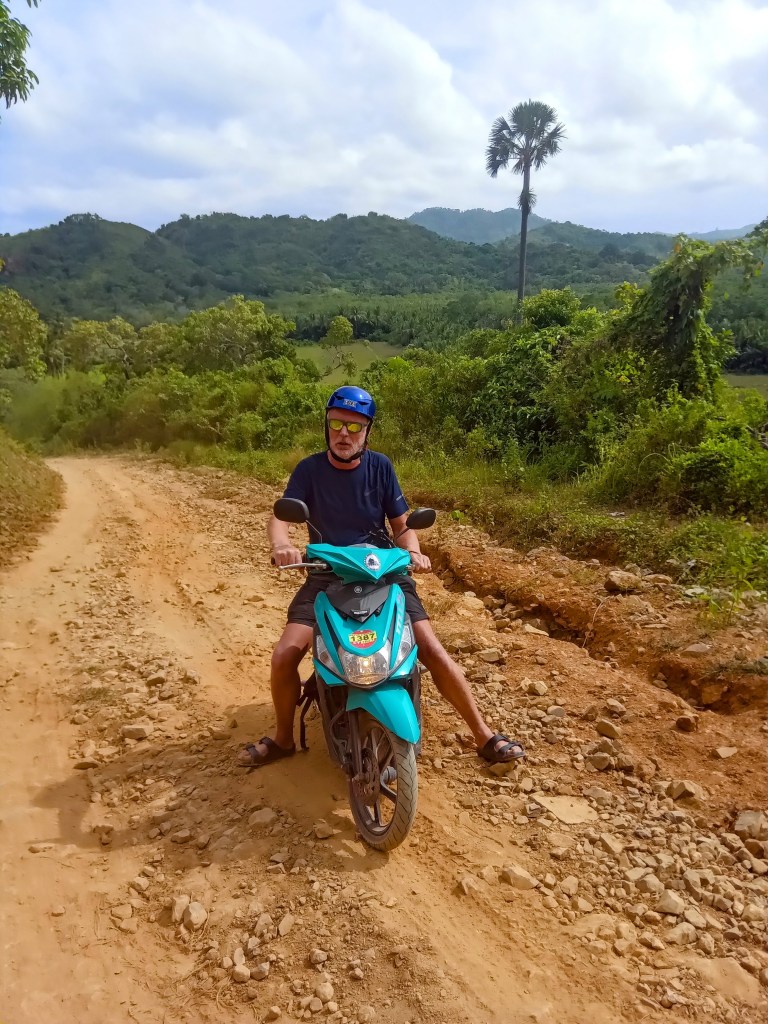
We rented motorbikes and moved south from El Nido town…..with our phones snuggled in rice….. to a place that couldn’t be more different from touristy El Nido although the views of the Bacuit Peninsula were equally stunning. Bebeladan was small dusty fishing village – the last three kilometres were on unpaved roads and probably the bumpiest, most pot-holed piece of dirt track we had been on. There were no restaurants, bars or even much electricity. It was like going back in time…people living in bamboo shacks with  thatch or corrugated roofs, earthen floors. Every second shack was a shop, selling the usual sachets of washing powder, soaps, sweets with a few veg and fruit. Solar panels provided light but there was no aircon or even fridges (really difficult especially when the weather was in the early to mid-thirties). Our accommodation -called Mountainside – was perched in the hill overlooking the village with about a hundred steps leading down. The views from our balcony were sublime – that dreamy landscape again, changing subtly with tide and light and cloud.

Time to cruise🛵🛵

There was a pet monkey chained up outside on a long leash who could reach the edge of our balcony where he begged for food as soon as he saw us. It seemed so cruel to have him chained up all the time but our landlady said that she had inherited him from her uncle. When she tried to let him go free in the forest on an island, he swam after their boat, screaming to go back with them. Our landlady, Christine, was a young woman from Cebu with a Polish boyfriend and a 4 month old baby. She cooked breakfast (fried eggs and garlic rice) for us most mornings and dinner as well (usually rice and vegetables) but her star dish was a squash stewed in coconut milk and spices. Most couples running guesthouses are European men with Filipino girlfriends. The men provide the money for the purchase of the property but it is in the girlfriends name.

🐵Feeding time🐒🐒

 We were back in the land of the rooster, crowing all day and night. We had just missed a big cock-fighting event as part of a festival in the village  by about two days – maybe the roosters left had something to crow about. We walked in the early morning in the hills outside the village where children waved to us but the houses were even more basic, ramshackle and fragile with a few chickens and usually a pig tied up outside, a couple of coconut and banana trees for shade. Cold is never a problem so an ‘airy’ house is a good thing to keep things cool but this is a land that gets a lot of rain and is lashed by typhoons for potentially six months of the year.

We took a boat tour to the islands from the village as well, just a dugout canoe, the two of us and a boatman wearing worn shorts, not many teeth and even fewer English words. But he took us to a small island called the Cathedral, a cave with soaring limestone columns and holes in the rock that let the light filter in like stained-glass windows, something majestic about it that made us talk in whispers even though as we had the place to ourselves. Our boatman kept asking ‘You want photo?’ although we kept telling him that we had no phones.  Tourists without cameras were an anomaly he couldn’t understand.

On Snake Island, the colours of the water were truly amazing, ranging from turquoise to azure to cobalt blue. The island gets its name not from the number of snakes on the island but because a shallow sandy path -walkable at low tide – curved to shore  in the shape of a snake. Truly Instagram-able, if you had a camera,  from the high vantage point on the island.

We delayed checking the phones, living in that zone of hope as long as possible. We tried mine first and although it made some faint buzzing, it was death throes and it refused to charge. Caoimhin’s was next and when his took some charge, hope soared  but then was dashed again when it refused to start. We tried the following day again….and the next day….the liberation of not having phones had worn off. It’s incredible how reliant on the phones we have become, especially when travelling – we use them for booking accommodation, google maps so that we know where we are, transferring money and keeping track of our finances(we can’t even check what’s in our Revolut and N26 accounts),WhatsApp to keep in contact, writing the blog……but they are  also a camera, a torchlight, a calculator. Caoimhin reads on the Kindle app on the phone (I have my Kindle with me). He had also downloaded yoga workouts and Spanish lessons on his phone which were inaccessible without it.

We had the laptop at least –  which we hadn’t been using much because the Wi-Fi in most places wasn’t strong enough to connect. Ironically, the place we are staying in the village had reasonable Wi-Fi but it didn’t have any sockets so we couldn’t charge the laptop….not much electricity in the village. One enterprising couple had extra solar panels on their roof that powered a whole bank of sockets.  In a shack similar to most of the others, a woman, with a kind face and greying hair, watched over a whole bank of phones and laptops as they charged for a small fee.

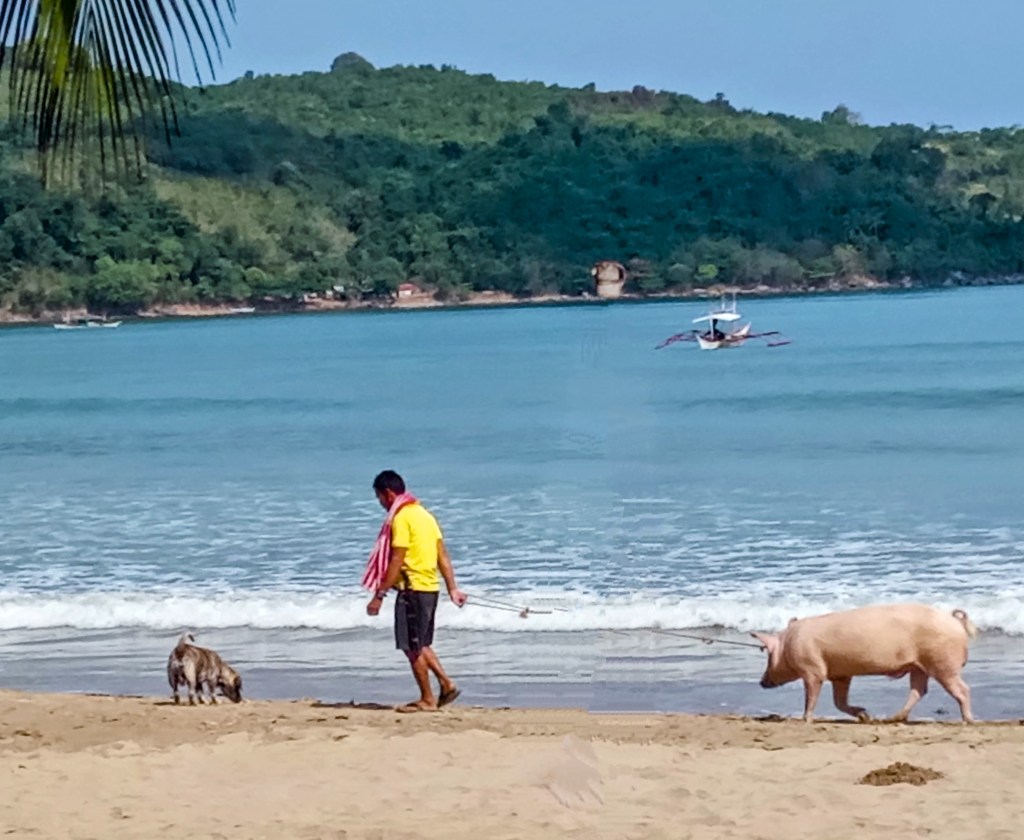
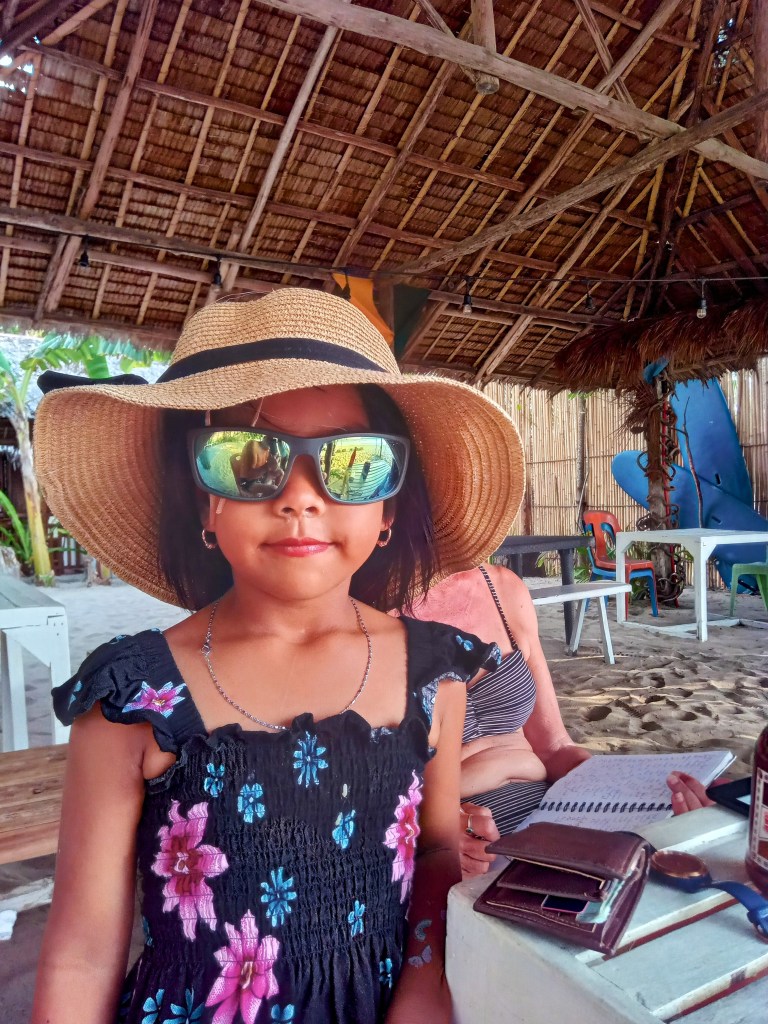
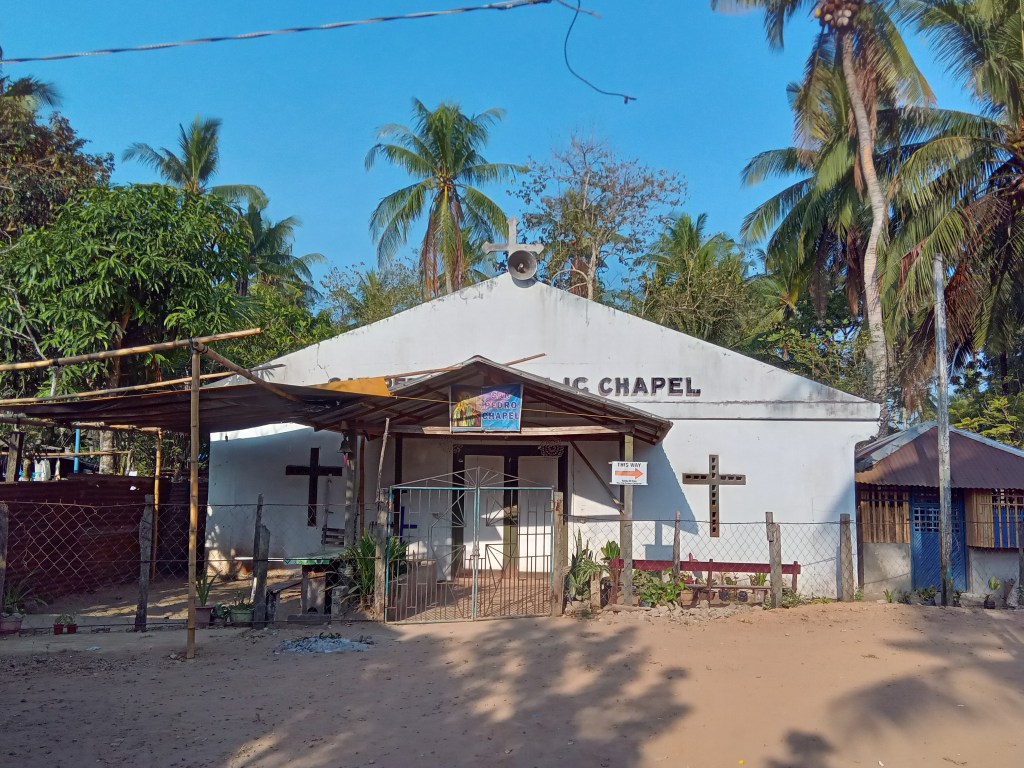
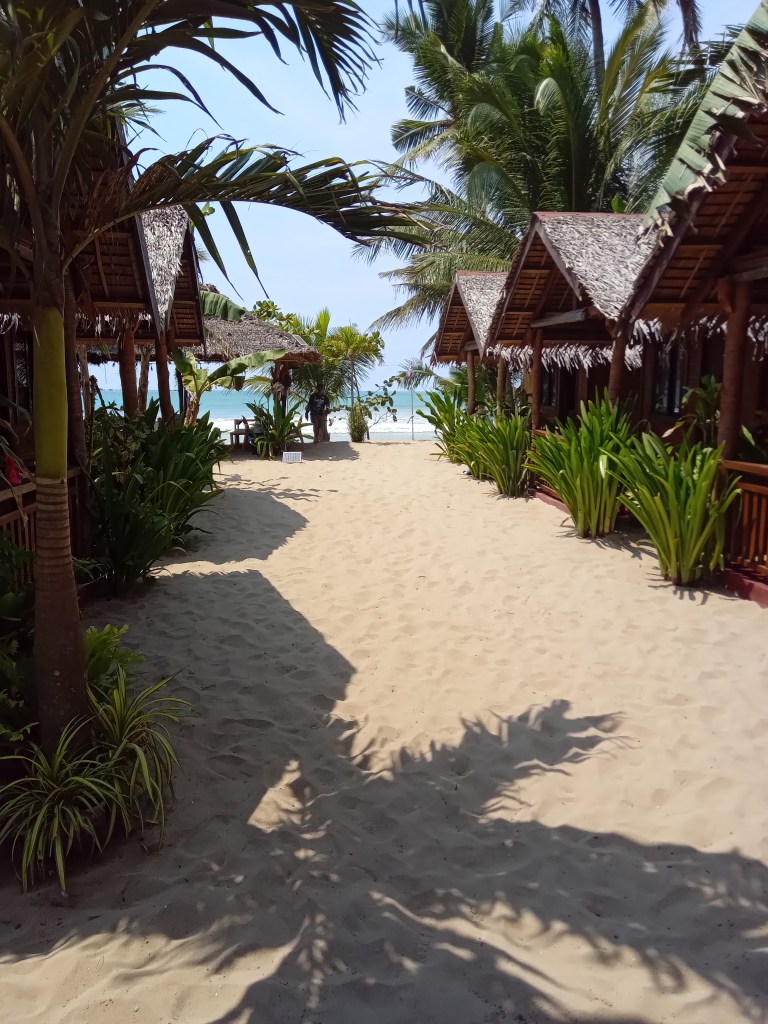
We  tried one more last ditch effort on the phones. We returned To El Nido town on the motorbike and called in to one of the many phone repair shops. If anyone could fix it, there boys could with their vast experience of submerged phones but after a half an hour of cleaning and scraping, they shook their heads. Despite the Easter season, there was no resurrection for our phones. So we bought the best cheapest phones we could find to tide us over and moved north of El Nido to Bucana to a beach-hut which was tranquil, apart from the waves that pounded all night and sounded like they might engulf the hut. It was the sort of place where people took their pigs for a morning walk on the beach and the local children tried on our sunglasses and hats. It was also the sort of place where the Wi-Fi was poor and setting up new phones was almost impossible. On Easter Sunday, we wandered up to the Chapel with the glorious singing from the young choir pulling us in that direction and shared a melted Lindt chocolate bar that I had bought in El Nido.

Beach hut, Bucana

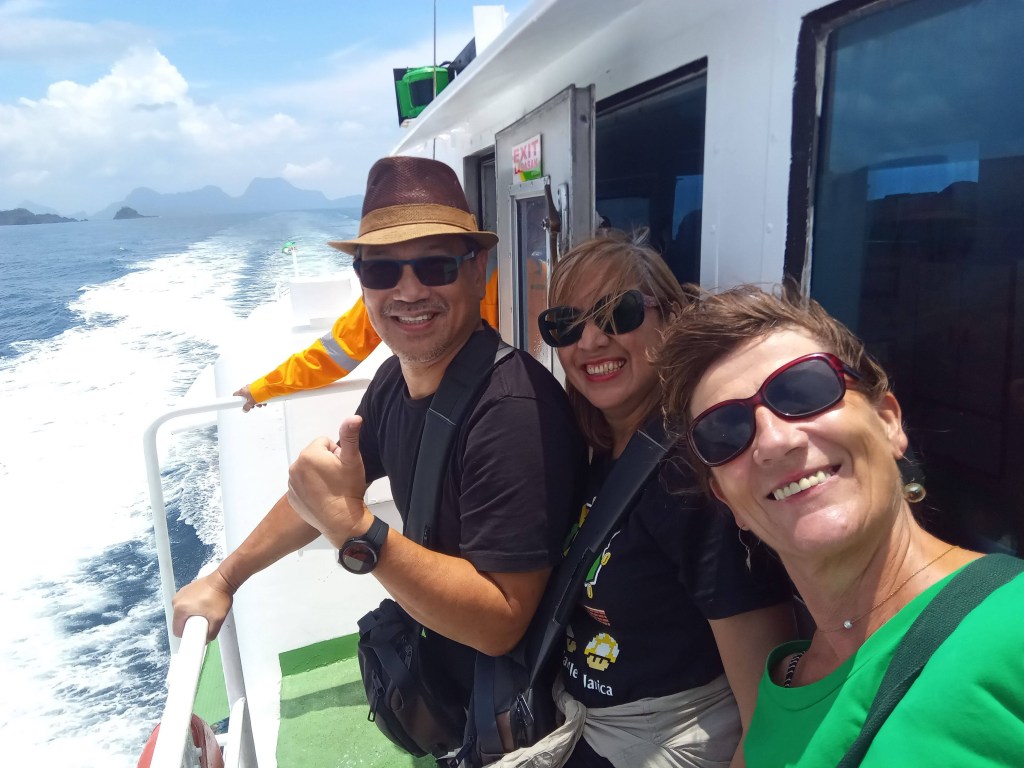
We are now in Coron on  Busuanga Island  where finally we have electricity, Wi Fi and working phones. We took a five hour ferry from El Nido town on Monday, which was fast, comfortable, and uncrowded.  We sat with a friendly Filipino couple who lived in New Zealand now. The boat captain allowed the 4 of us on deck – an exhilarating experience as there was a sheer drop with no safety barrier to get out.

Alfred and Josie on the ferry to Coron

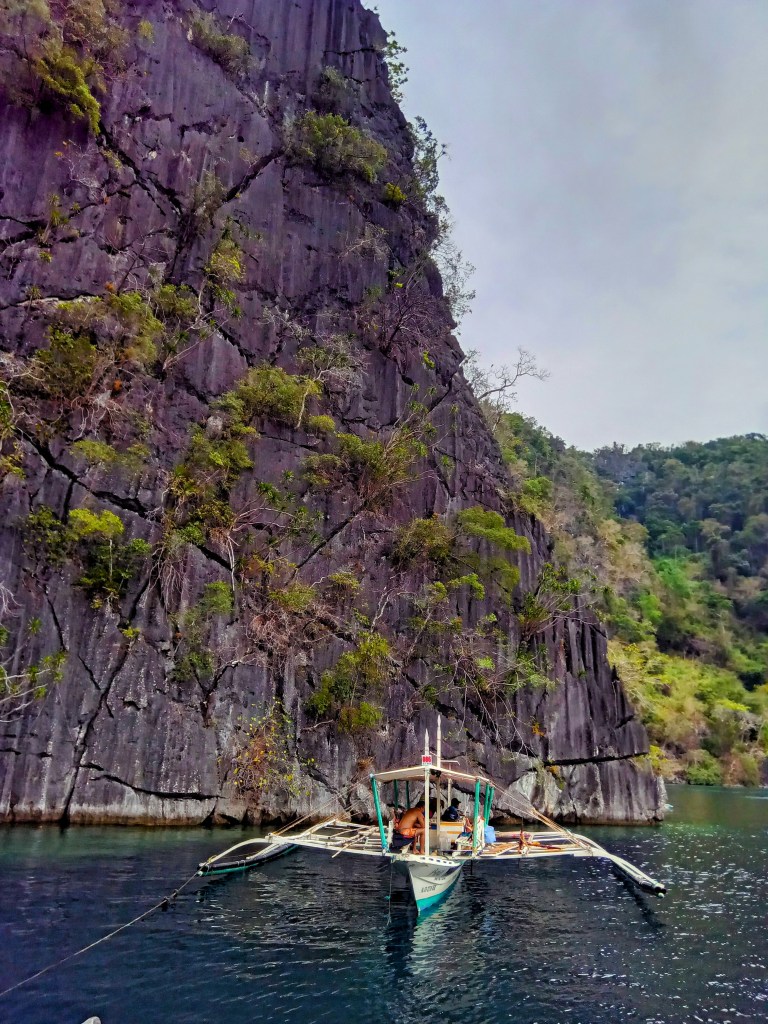
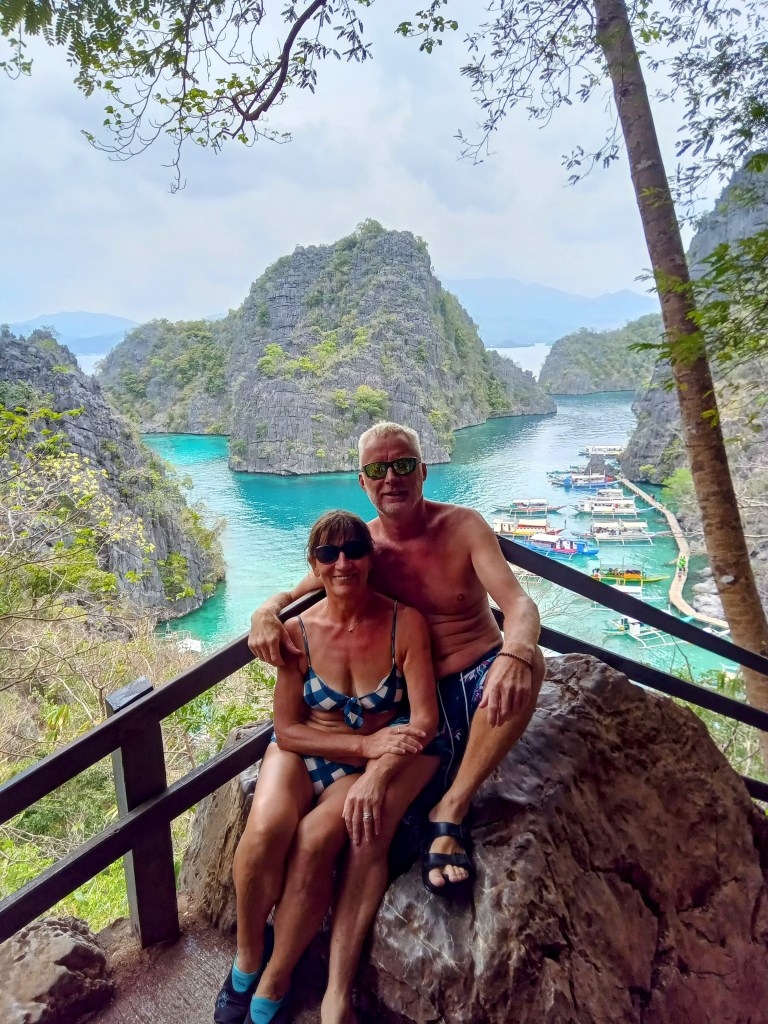
Coron town was a disappointment, noisy, polluted with no beaches. The temperatures have been creeping higher here in April, it was about 30 degrees but now mid -thirties……even the locals collapse in the shade  in the deadness of early afternoons. In Coron, we have had clammy overcast days with high humidity and the threat of thunderstorms that never arrive. If Coron town was a disappointment, the island of Coron, a 30 minute boat-ride away, was incredible with deep lakes, towering jagged cliffs, white sand beaches – a dramatic landscape that should be the movie backdrop to epic tales. Coran town was horrible, but we stayed in a tranquil oasis, Divine Castle, on a quiet street away from the mayhem of the main street. It had hot showers and cold drinking water and aircon. We got a free room upgrade and negotiated a price for two extra nights and got a room with a view of the town, the boats, and Coron Island.

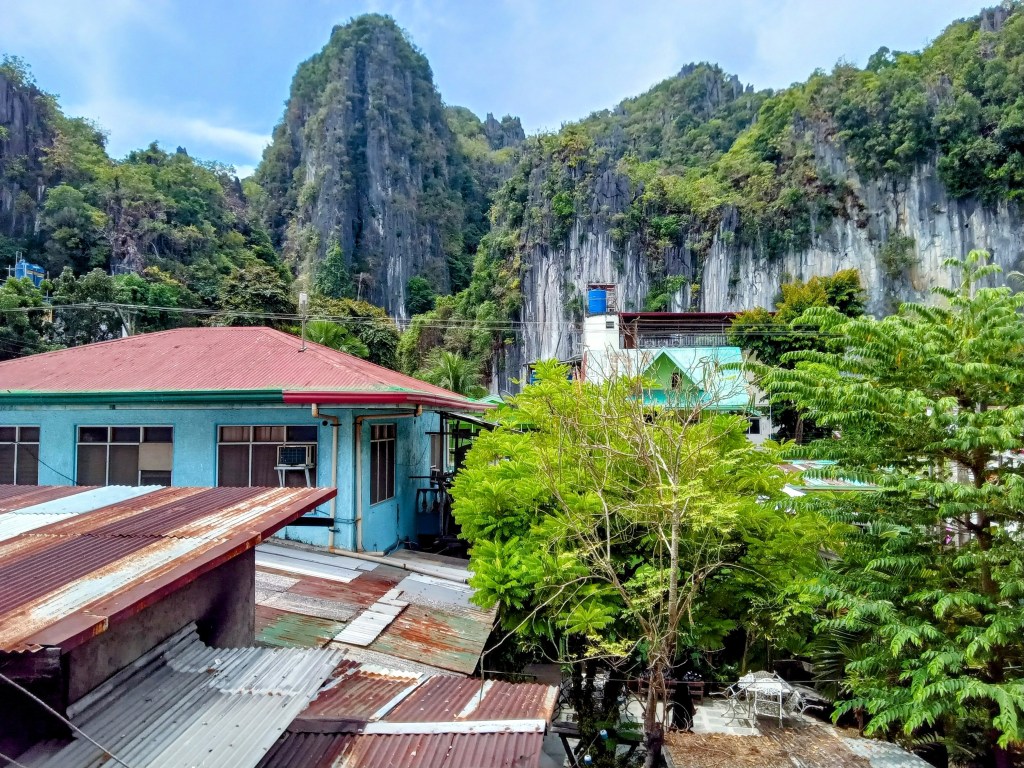
View from our hotel, Coron
Coron Island
Coron Island

Our next stop is Manila. We leave tonight on a 17-hour ferry, fingers crossed that it’s better than our previous long-distance ferry experience😁

Thanks for reading…..till next time,  greetings from the sweltering tropics. Apologies – this post is longer than usual without photos to paint a thousand words 🤣

When the going gets rough…
Philippines- The Lost Week