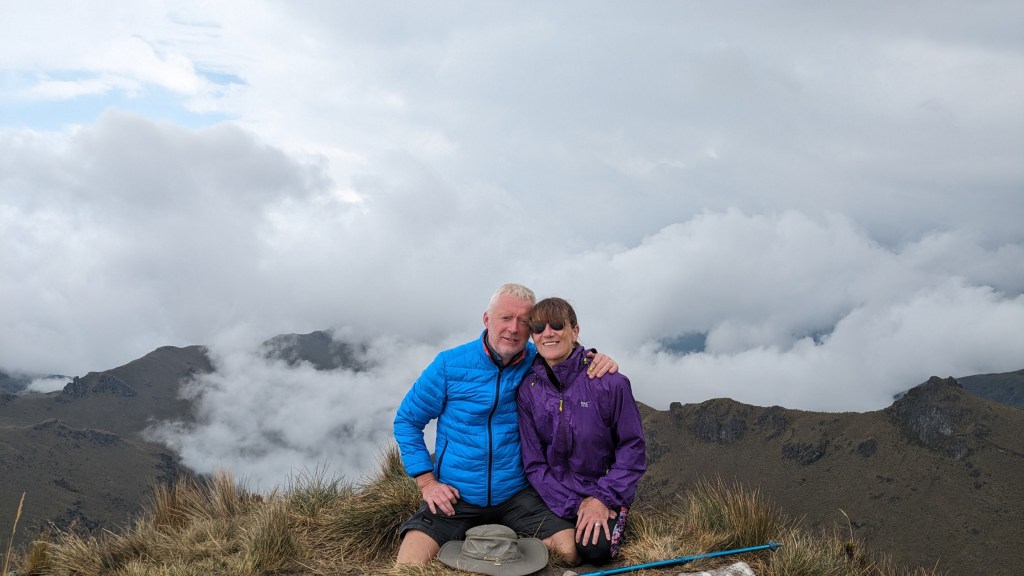
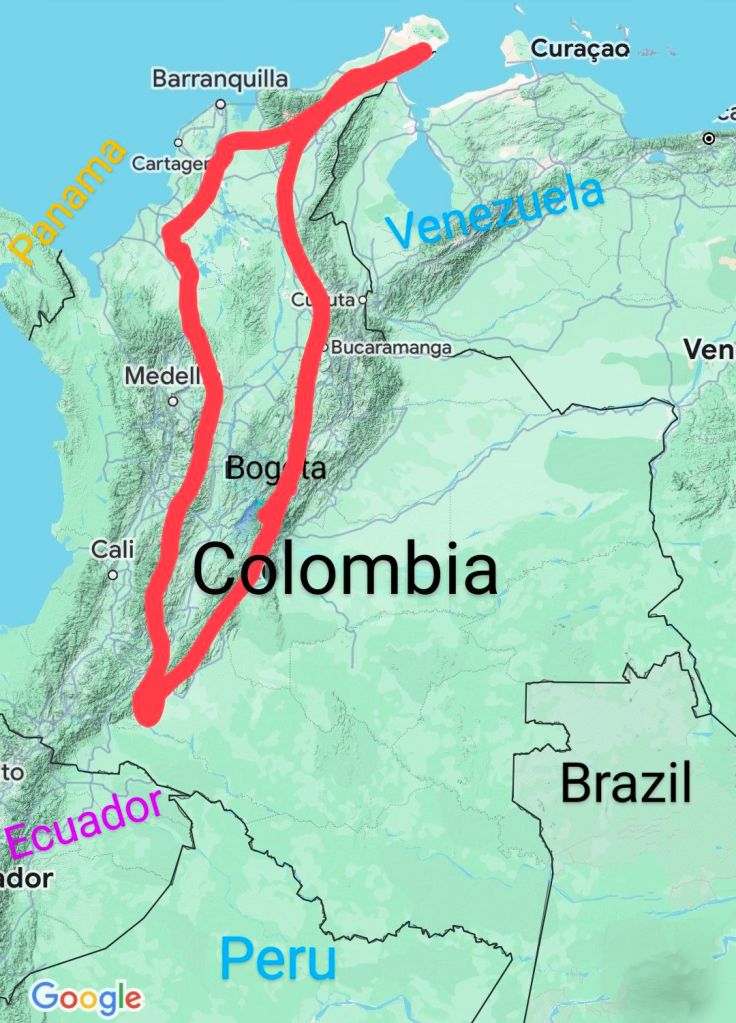
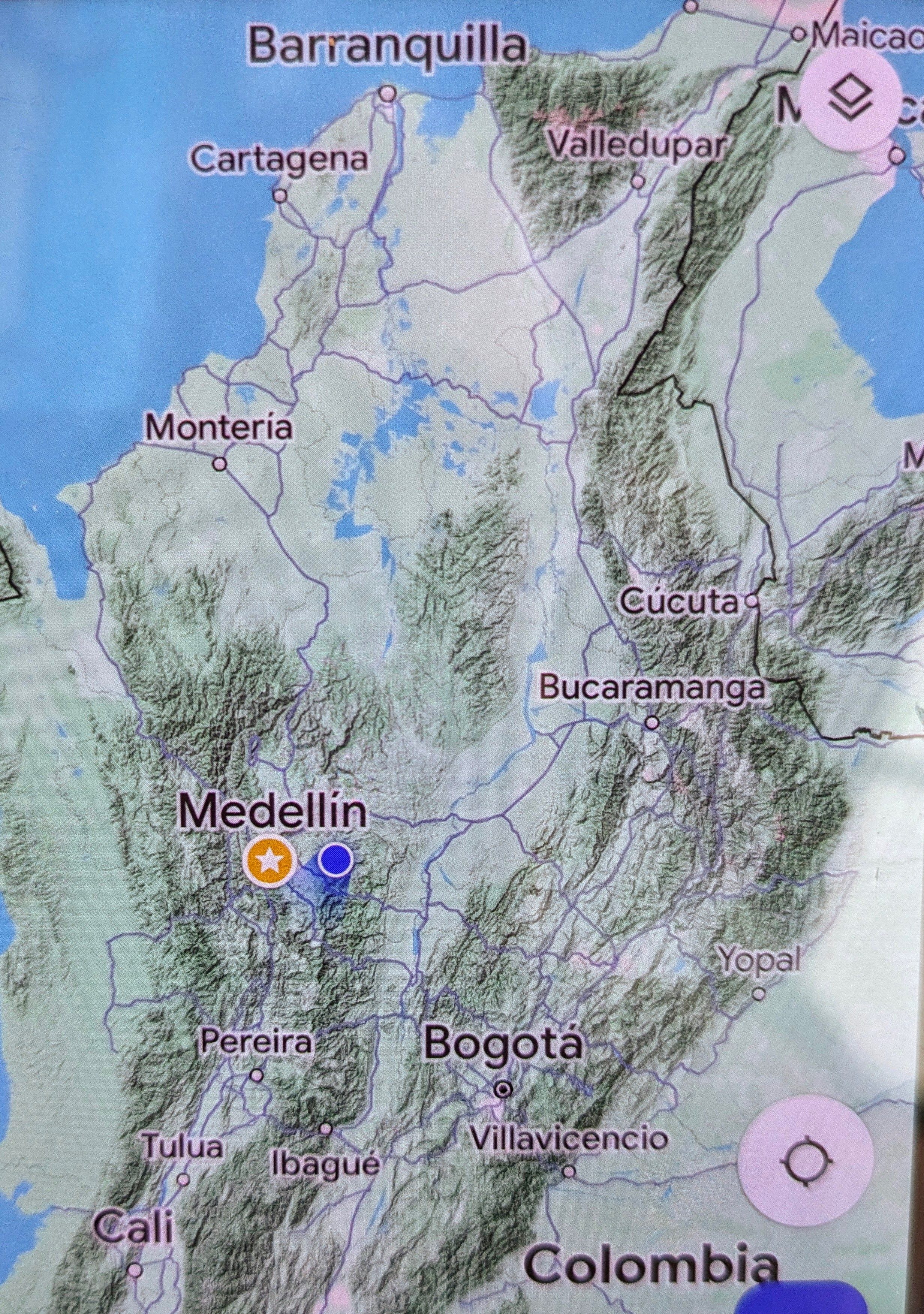
Now that we are back home, it’s time to reflect on our Colombian odyssey and our three months of backpacking around this jaw-droppingly beautiful country. Colombia is a very large country, almost 17 times the size of Ireland (with a population 53 million) so even in three months, we didn’t see it all …or even most of it. It is also a very varied with snow-capped mountains, smouldering volcanoes, sweltering jungle, lush rainforest, white-sand beaches on two coastlines (Pacific and Caribbean), lunar-landscape deserts, coffee plantations, vibrant cities and colourful mountain towns.
For all its beauty, Colombia suffers from an image problem, being synonymous with violence, drugs and corruption and perceived as an unsafe country to visit. However, during our travels, we found a welcoming place with friendly people, good infrastructure and excellent value for money. We never felt under threat and we met quite a few solo women travellers who had no incidents. We meandered independently by bus with no real ‘plan’, booking accommodation as we went along usually the day before or sometimes on the same day, free to stay longer in places we liked…the ideal way to travel.
Favourite Experience – The Lost City (Ciudad Perdida)
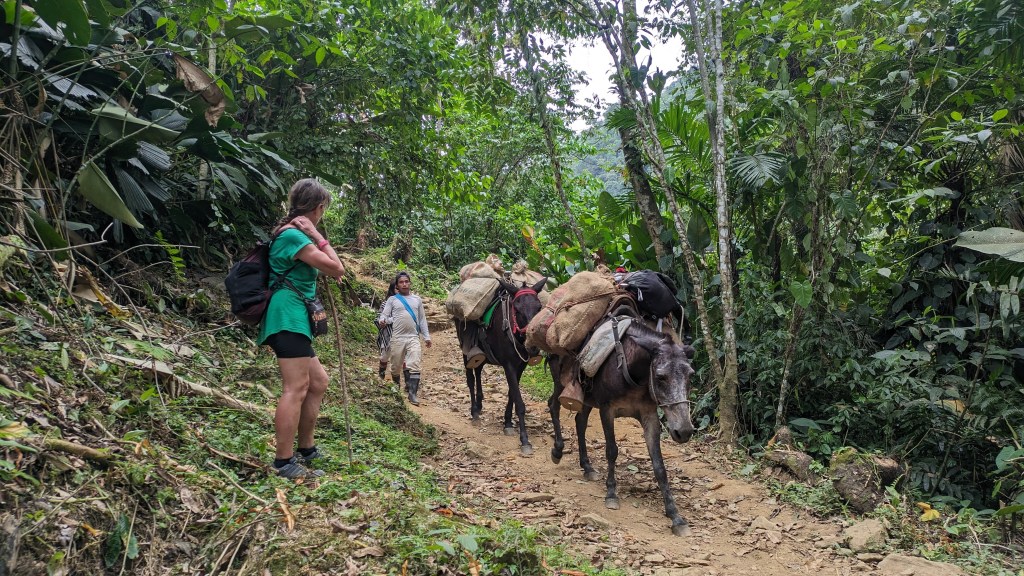
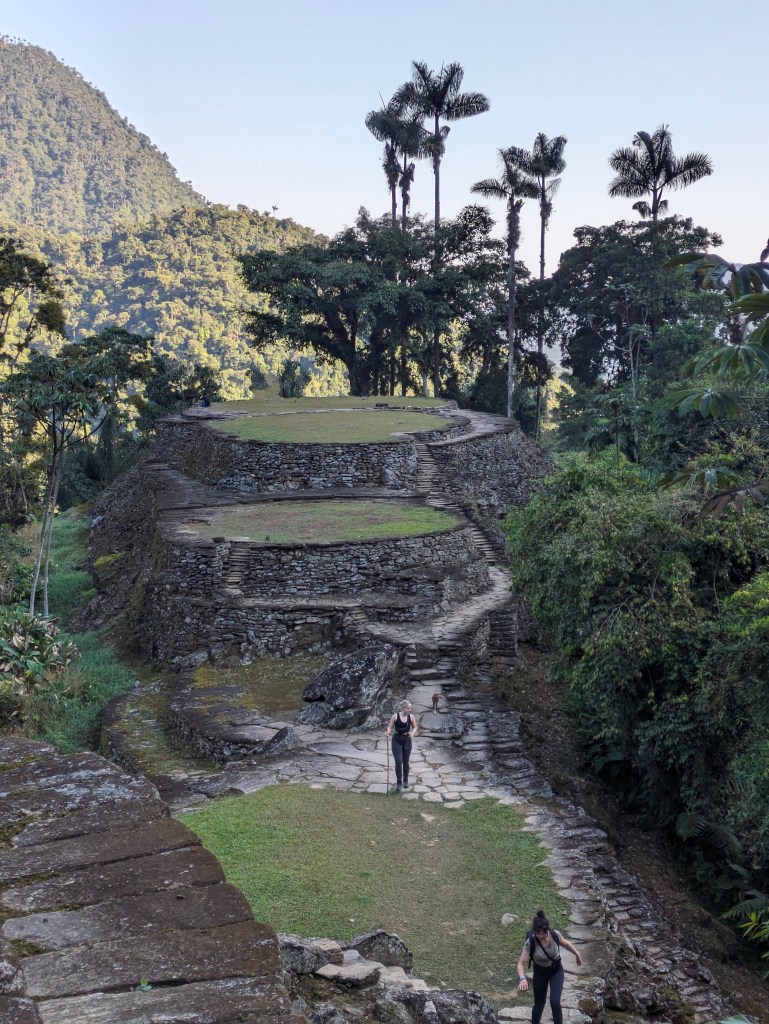
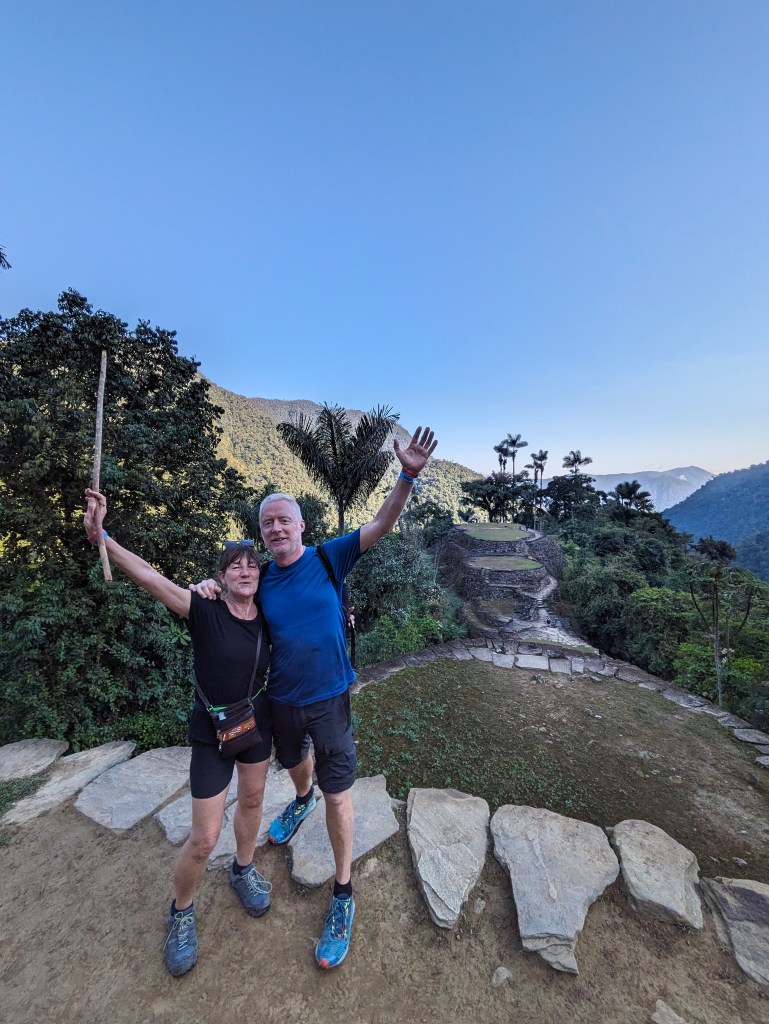
Ciudad Perdida (Lost City) is often billed as Colombia’s answer to Machu Pichu. It is just as spectacular, remote and mysterious but there is only one way to get to the Lost City……and that is, by foot, on ancient paths and tracks hiking through protected indigenous land. It can only be done as part of an organized guided group on a multiday hike, carrying your own luggage. You have to sweat to earn the privilege of visiting the Ciudad Perdida or Teyuna as it is called by the native people. Well worth the effort.
Favourite City – Medellin
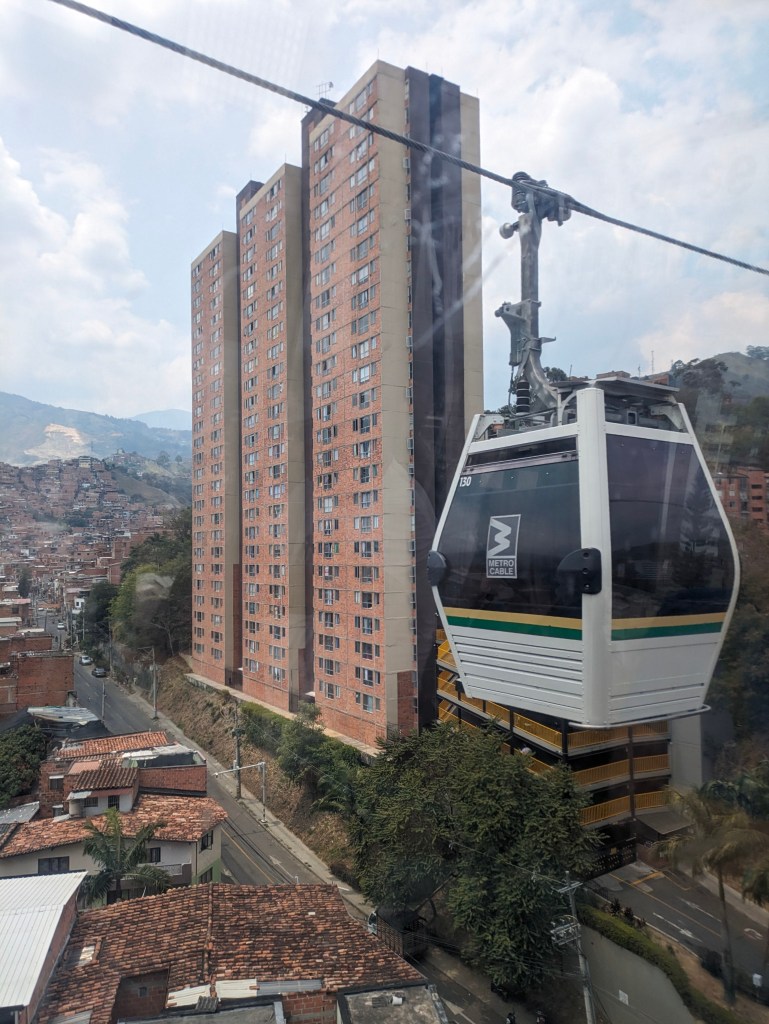
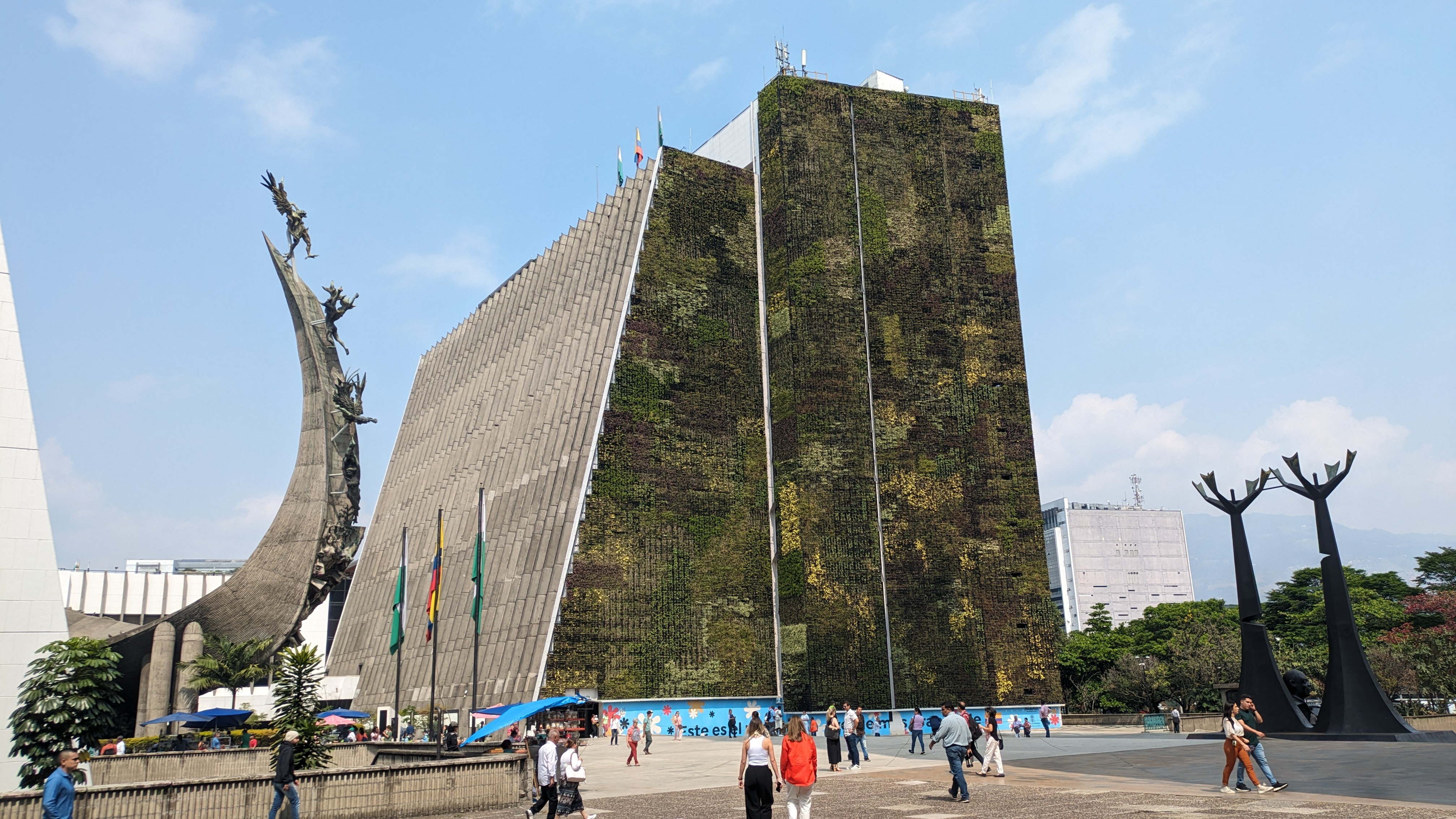
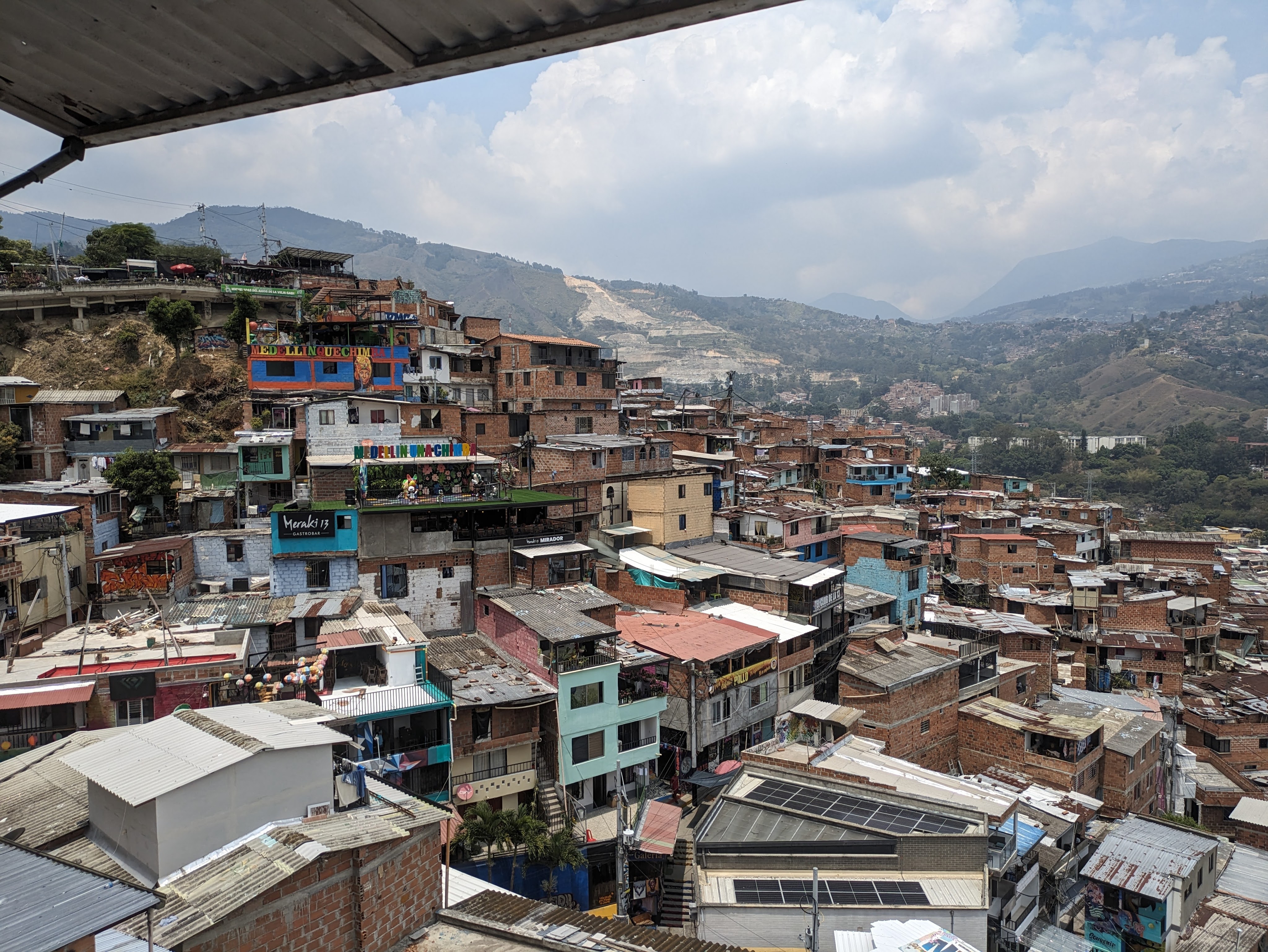
Medellin was the most fascinating and interesting city we visited in Colombia. It is also probably the most well-known Colombian city, famous for all the wrong reasons because of the popular Netflix series, Narcos, a story of corruption, violence, and Pablo Escobar.
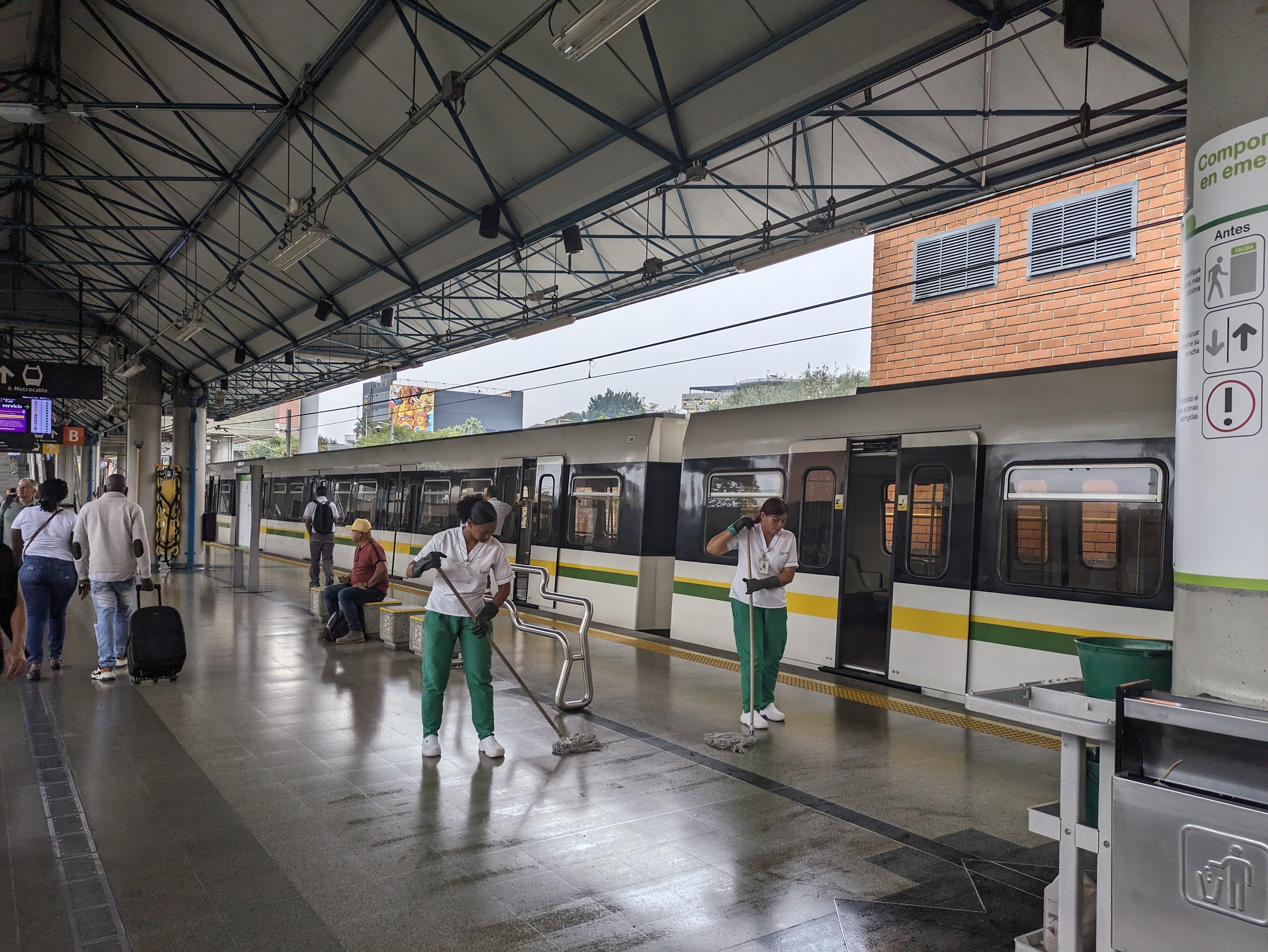
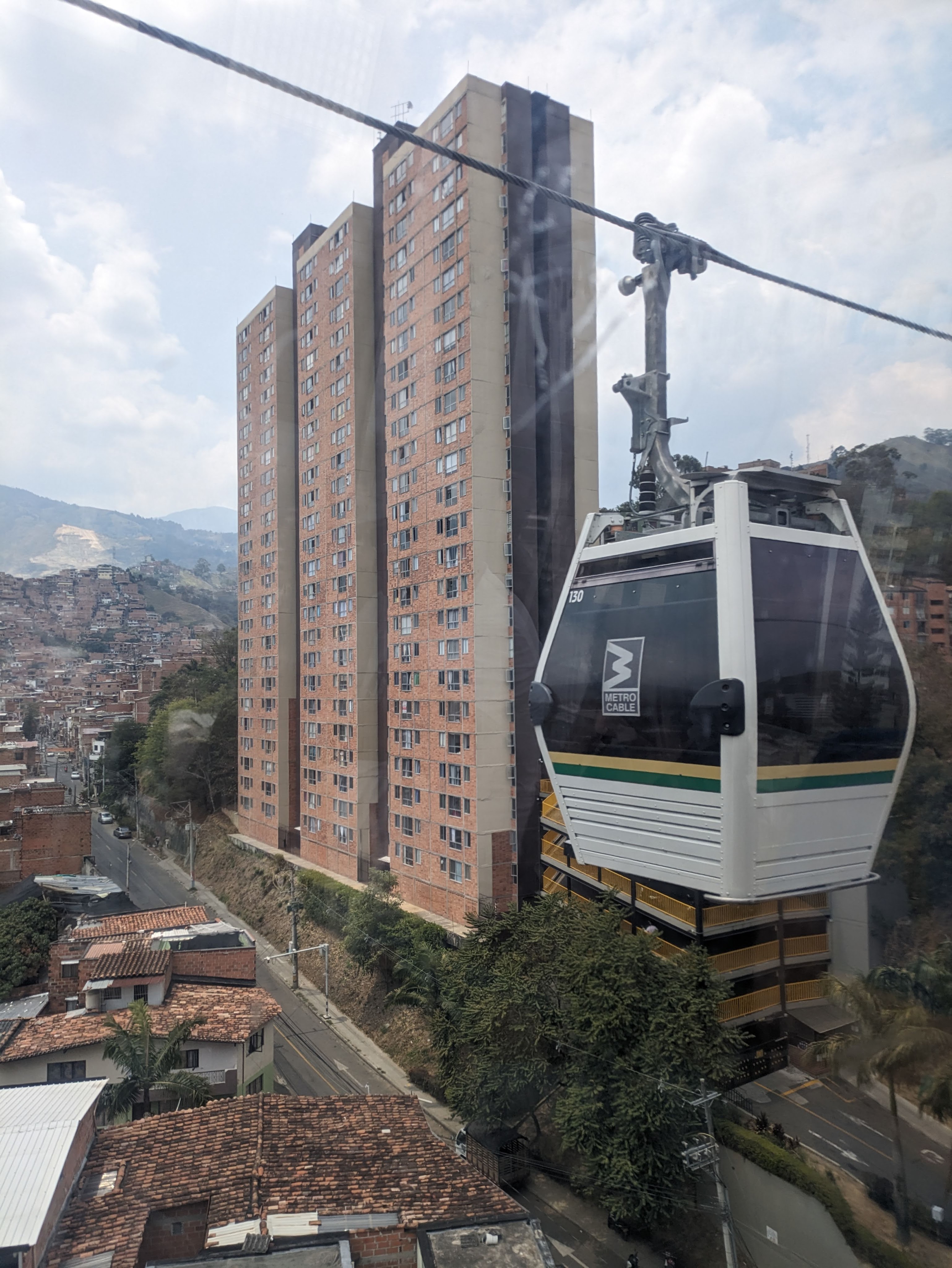
Two words sum up Medellin – tragedy and transformation. It was once the most dangerous city in the world, topping the tables for the highest rate of murder and kidnappings in the 1980s and 1990’s but now it regarded as the most fashionable Colombian city and the one with the best quality of life, attracting tourists and digital nomads. The city sprawls along a narrow valley and climbs steeply into the surrounding mountains with a near perfect climate, often called the place of Eternal Spring (in contrast to the sweltering heat of Cartagena or the chilliness of Bogota). It also has a fabulous transport system with inter-connected metro, cable car and bus.
Best Wildlife Experience….Birdwatching in Camarones
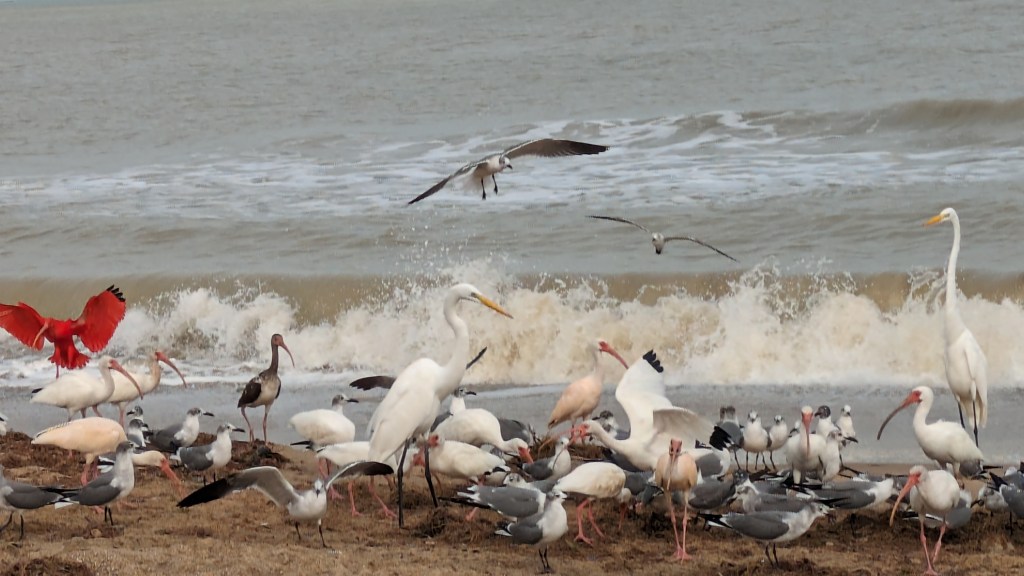
Colombia is famous for its birdlife, more species than anywhere else on the planet. We spent a couple of nights in Camarones, a tiny coastal village on the Caribbean and a bird sanctuary. This was an amazing place, very tranquil with a gorgeous beach but the highlight was the birds who put on a dazzling display in the early morning, fishing, feeding and fighting for scraps from the fishermen’s’ nets. The Scarlet Ibis was such a vibrant red that it looked photoshopped.
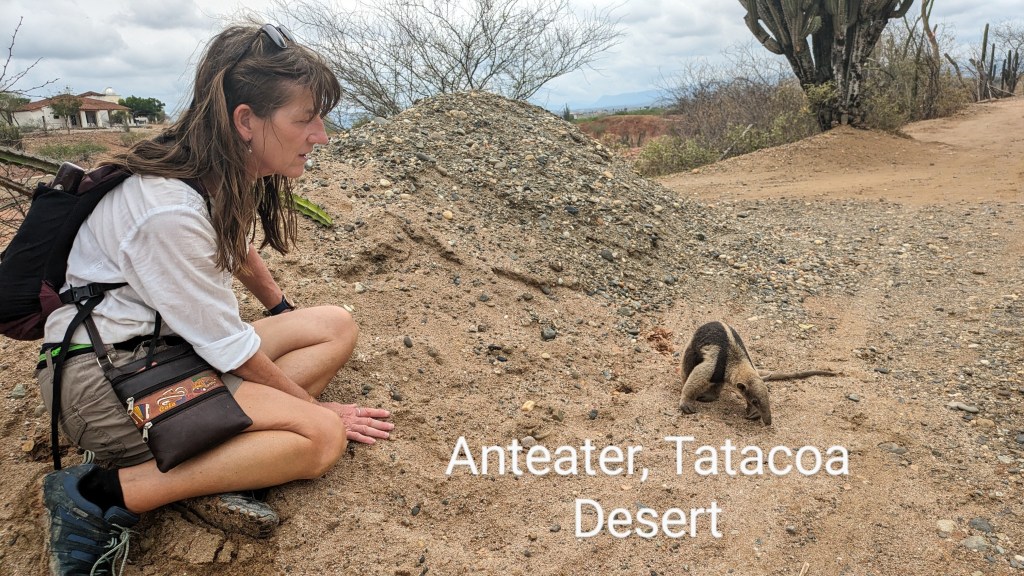
We also had a close encounter with a cute anteater in the Tatacoa Desert and a sighting of a puma on a hike in the Los Nevados National Park near Salento
Best Drink – Cocktails in Cartagena.
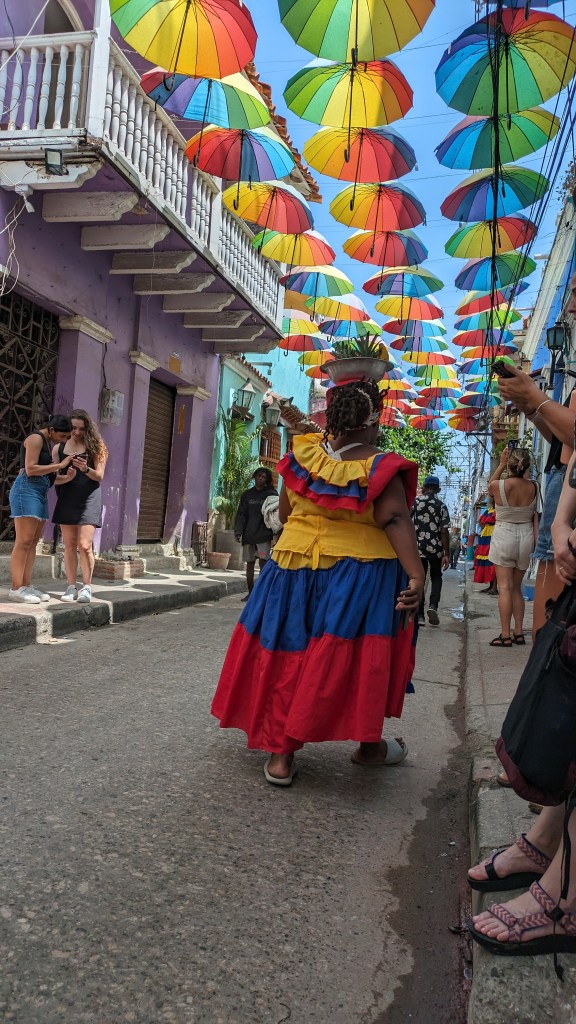
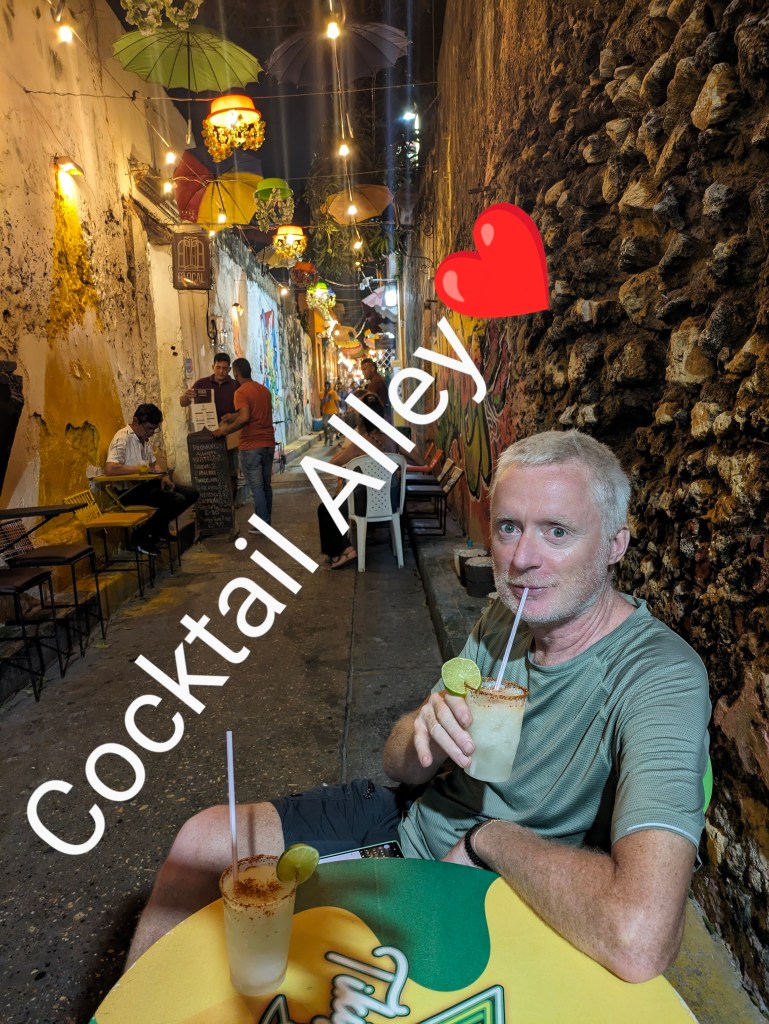
As Colombia is justifiably famous for its coffee, you’d think that our best drinking experience would be coffee-related but alas, no. Most of the best beans are exported leaving the dregs for the home market. But we found something better than coffee in tropical Cartagena where women with mobile carts served up potent mojitos and margaritas (€5 for two😍) . It was also a place of music and dance of every genre, of eating and drinking outside every evening to the beat of buskers, the click of heels and the passing around of a hat for tips.
Best Meal – Ancestral Food in San Augustin
We ate a lot of rice and beans. Lunch is the biggest meal …. Menu del Dia is available everywhere and typically costs about €3.50. It usually consists of a big bowl of soup (usually lentil, veg and bean) followed by a plate of rice, bean (frigoles), salad and chicken/pork/fish and also includes a glass of fruit juice and sometimes an arepa, a cornbread which is eaten at most meals. They will usually throw a fried egg on top instead of meat if you say you are vegetarian.
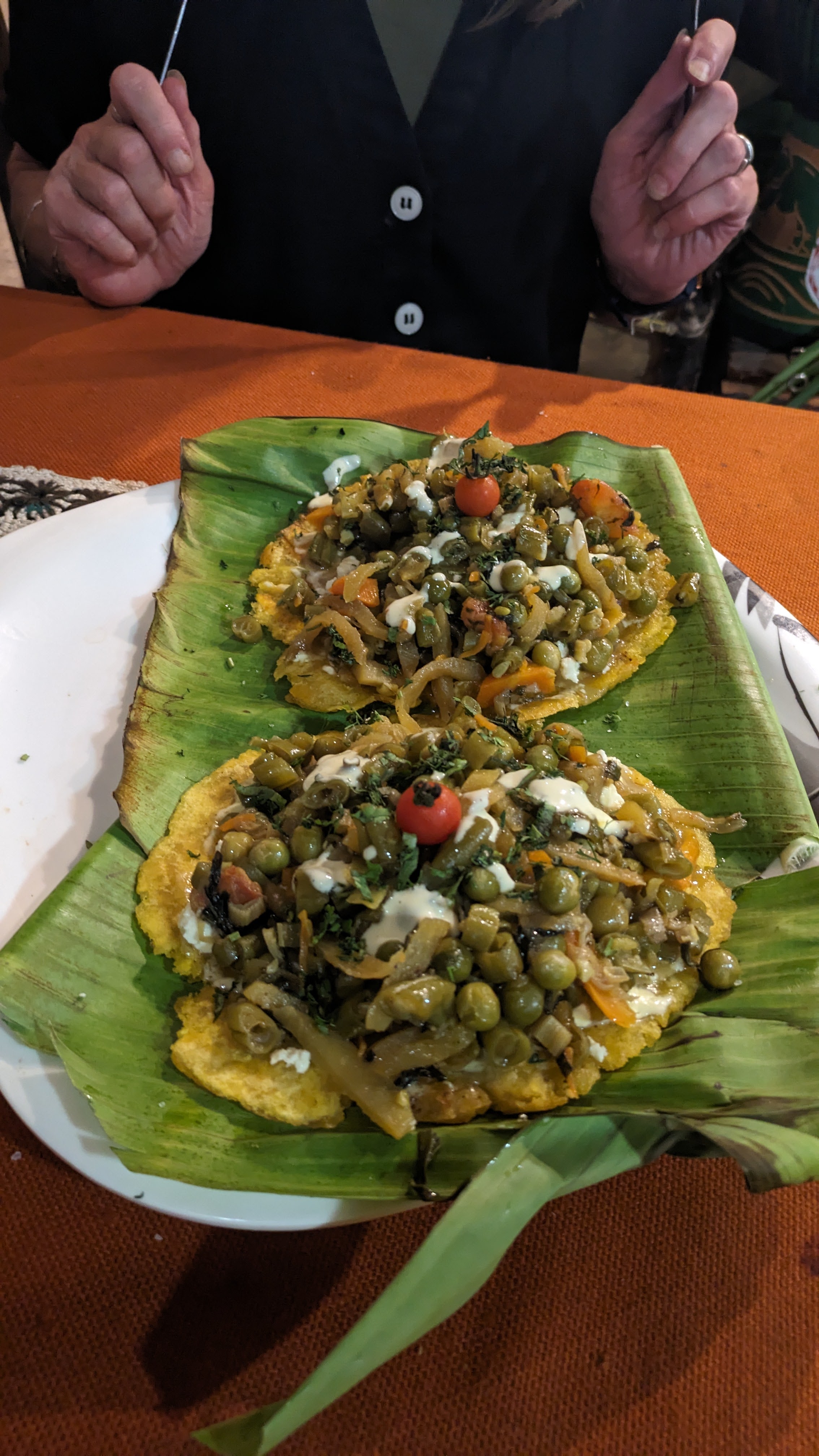
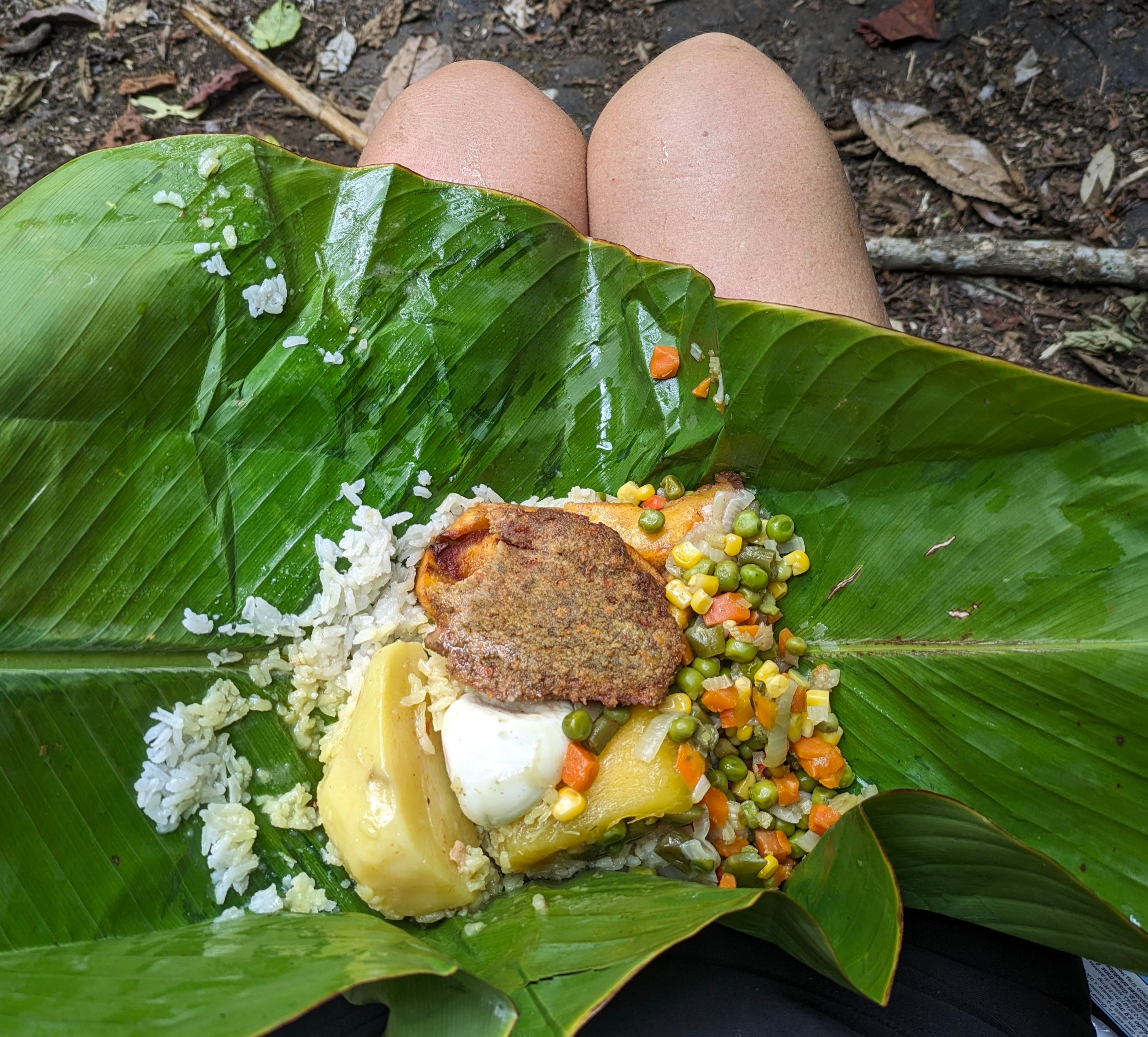
We found good vegetarian restaurants in the big cities and fish on the Caribbean but mainly the food is fine but not mouthwatering. The best meal we had was in San Agustin at a tiny restaurant run by an indigenous family where the mantra was that ‘food is medicine.’ We ate a meal of local vegetables, freshly cooked and lightly spiced, served on a banana leaf, washed down with aromatic herbal tea and followed by a nut and passionfruit cake. While we ate, the owner played the flute and drummed to aid digestion. Unique and delicious and it seemed to cure my rumbling stomach issues.
Best Beach: Rincon Del Mar
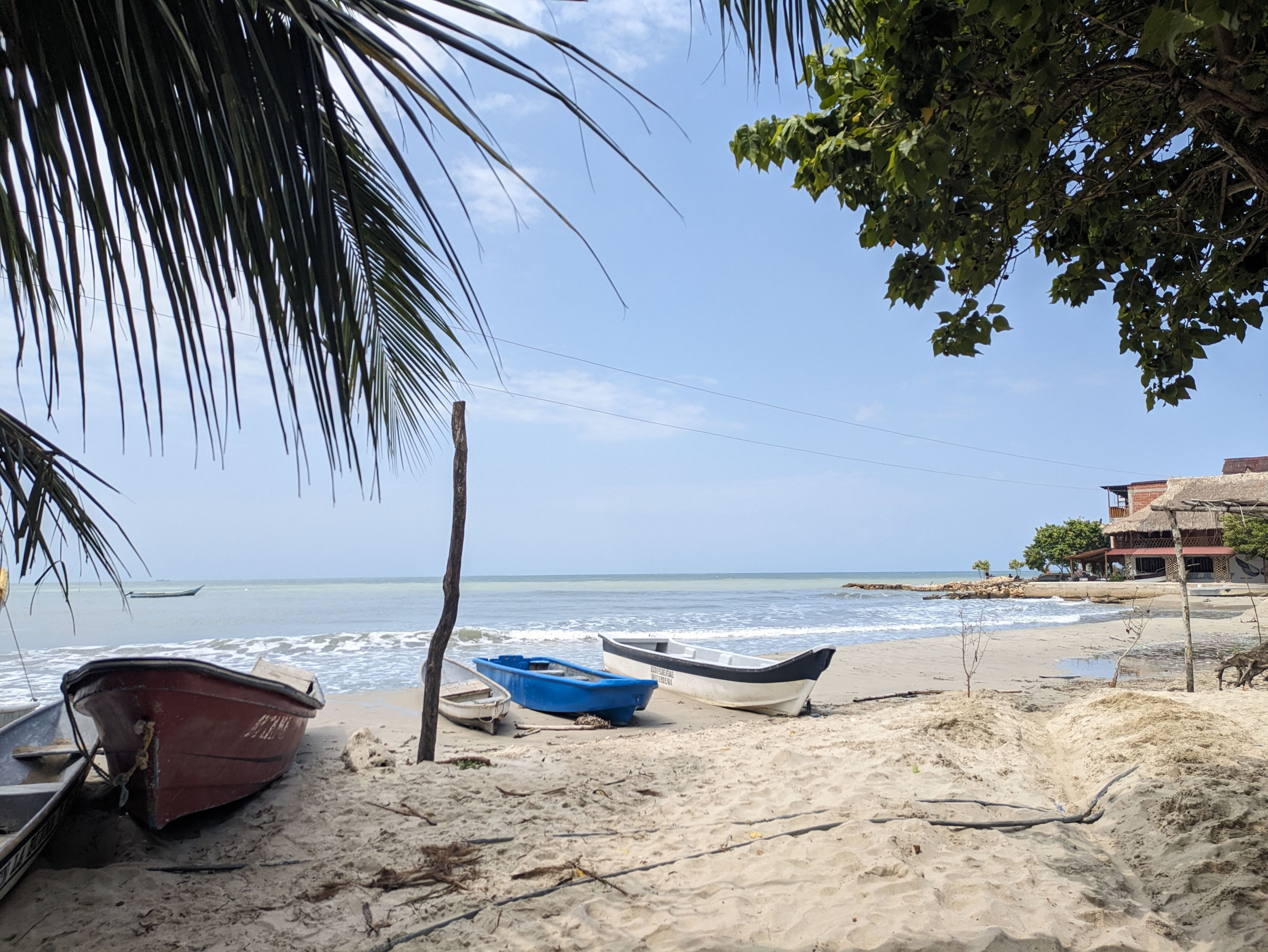
Quiet sleepy Rincan del Mar, a small fishing village on the Caribbean, was our favourite beach. Soft white sand, some shady palms and glorious sunsets
Favourite Water Experience – Bioluminescence
The highlight of our week in Rincon del Mar, a small fishing village on the Caribbean, was a sunset boat trip to swim with bioluminescent plankton. As darkness descended, we made our way through a labyrinth of shadowy mangroves into a secluded, almost secret, area of sea. When we jumped into the water from the boat, something magical happened. Each of our movement created a glittery solar glow of bioluminescent plankton. We were shining in the inky darkness of the water as if we were lit from within. (No photos because we don’t take our phones into water any more after our experiences on our last trip to the Philippines 🙄)
Best Sleeping Experience….Hammocks in the Desert/ High-rise Apartment in Bogota
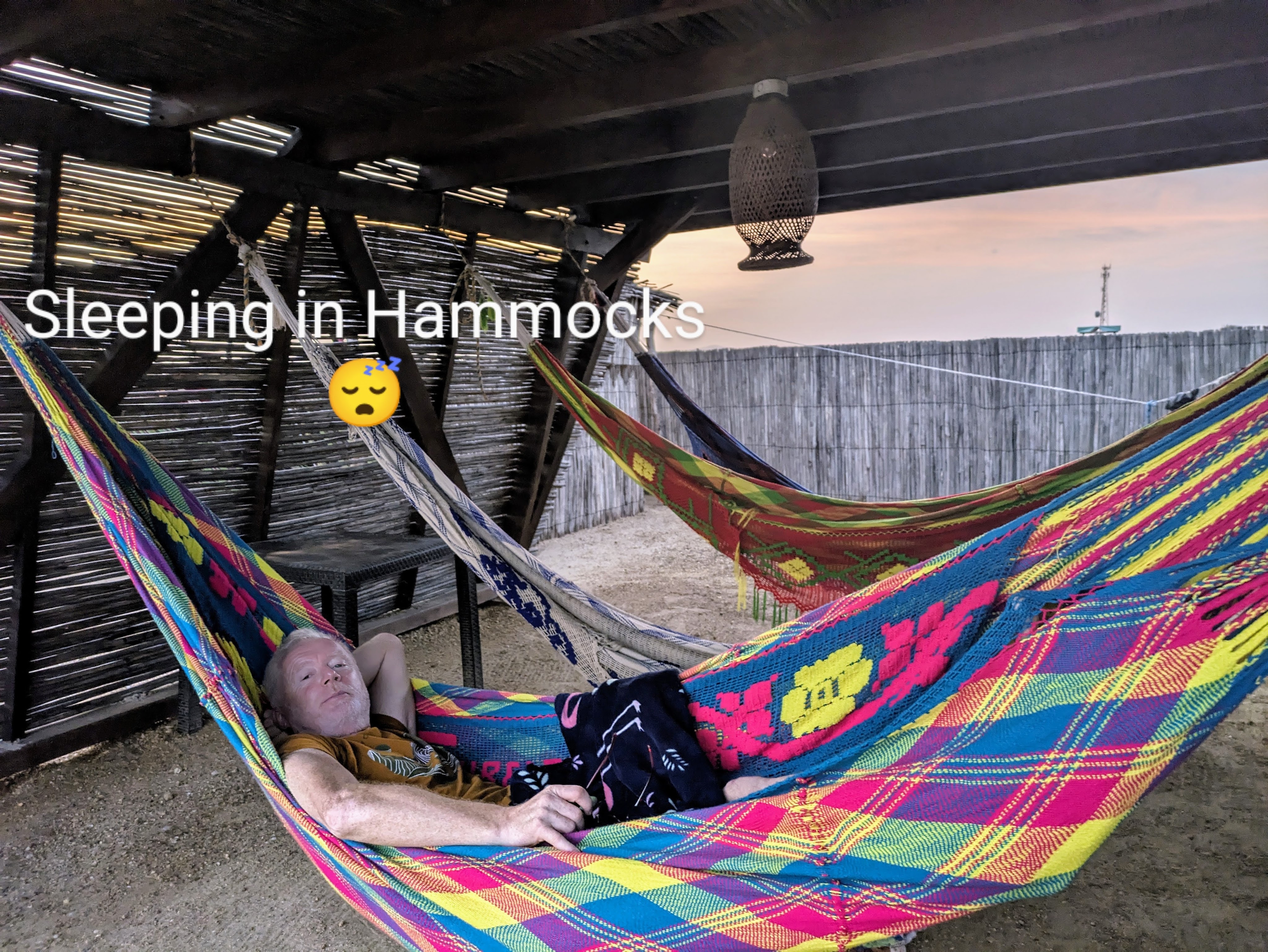
We stayed in a wide variety of places and the standard of accommodation was generally very good. In dusty Cabo de la Velo in the northern desert we slept to the sound of the ocean in hammocks, strung up in a breezy open-sided structure, loving the novelty of sleeping in the open-air wrapped up like hibernating animals. The wind blew strongly, swinging the hammocks and there was a desert chill in the depth of the night but it was surprisingly comfortable.
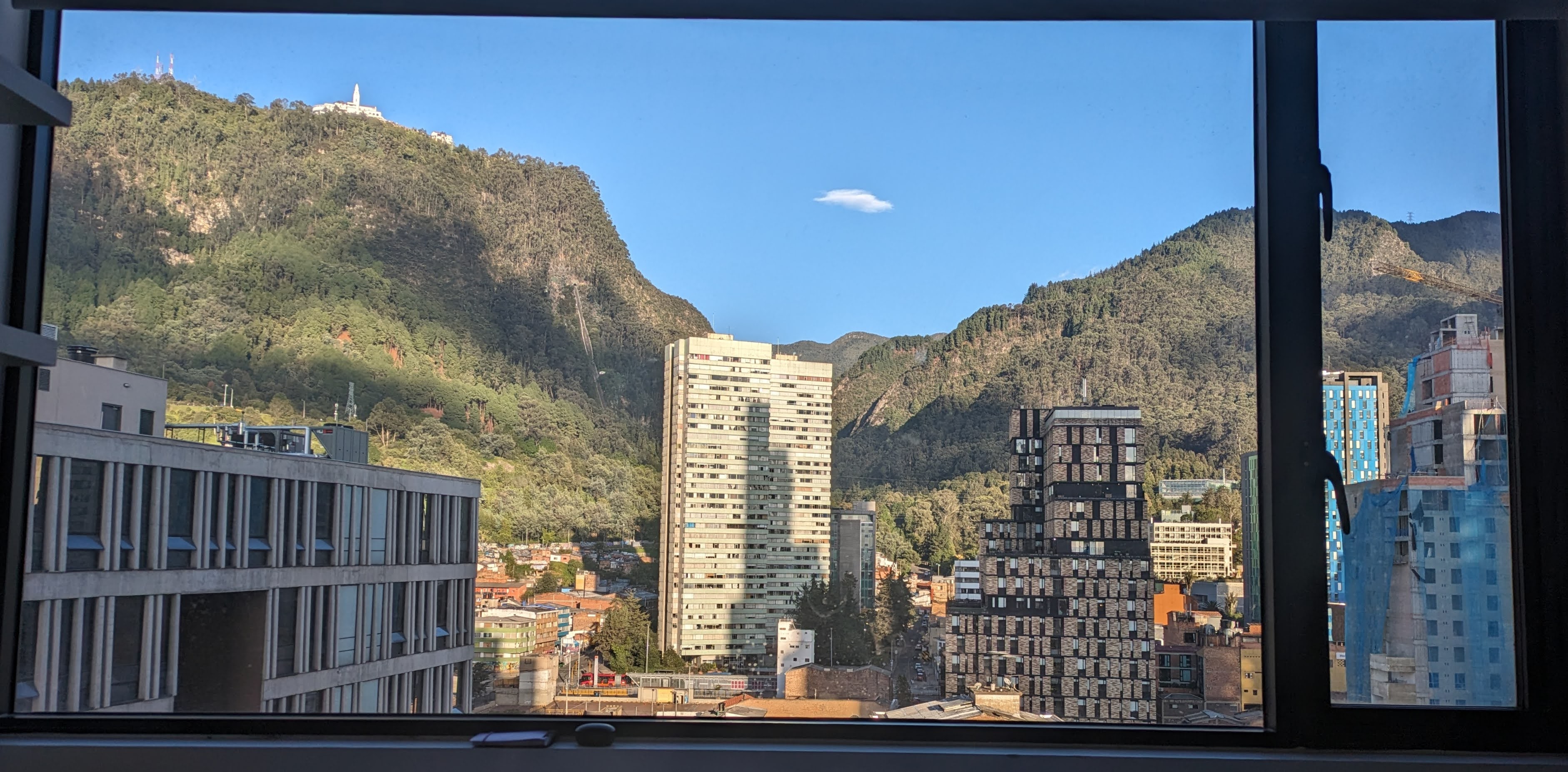
For something completely different, we spent our last nights in a small studio apartment in Bogota on the thirteenth floor in the city centre with stunning views of the city and the surrounding hills and a swimming pool and jacuzzi on the roof. (Our most expensive accommodation by far at €37 a night)
Best Homestay ….Homestay in the Mountains
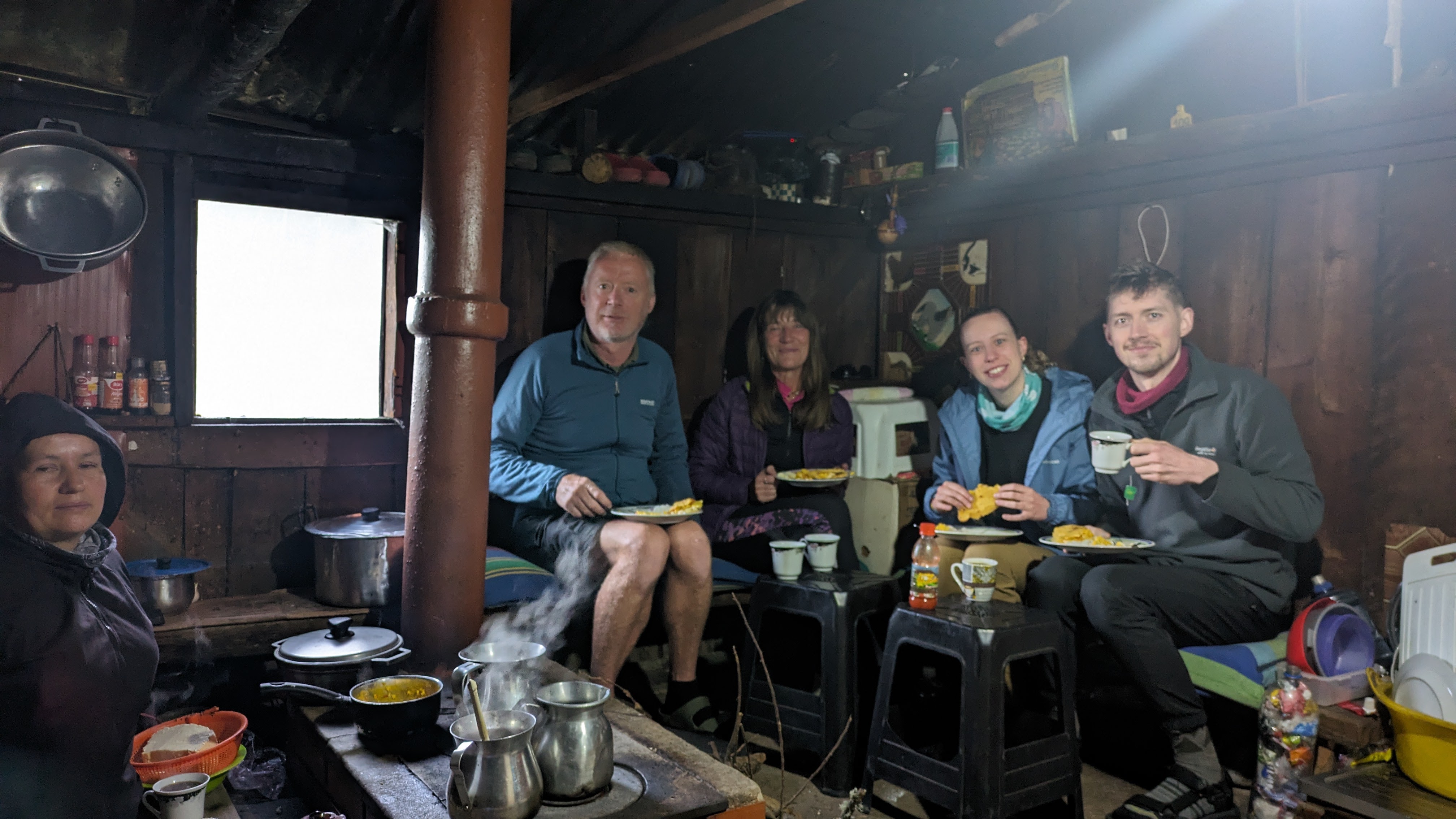
The best hospitality we received was in an isolated farmhouse (Finca Jordan) in the Los Nevados where we stayed on the second night of a 3-day hike. We arrived at about 4pm in heavy fog which lifted almost immediately to reveal the mountains, steep walls of grey rock with a waterfall tumbling down. There was a riot of flowers bedecking the simple house, agapanthus, geraniums, roses, carnations and red-hot pokers. Our quarters were a green and blue shed with an attached bathroom and a shower with hot water (a real novelty). Our host invited us into her warm kitchen, where we sat on a raised platform with our feet level with the stove. She plied us with coffee, tea and hot chocolate and piled our plates high with more food than we could possibly eat, brimming bowls of lentil and veg soup, rice and sliced avocado and vegetables (all of us were vegetarians). She fried long slices of bananas on her stove, covered them with slabs of her own homemade salty cheese, garnished them with spring onions from the garden. Simple but welcoming.
Most thought-provoking Experience…. Jeep tour in La Guajira
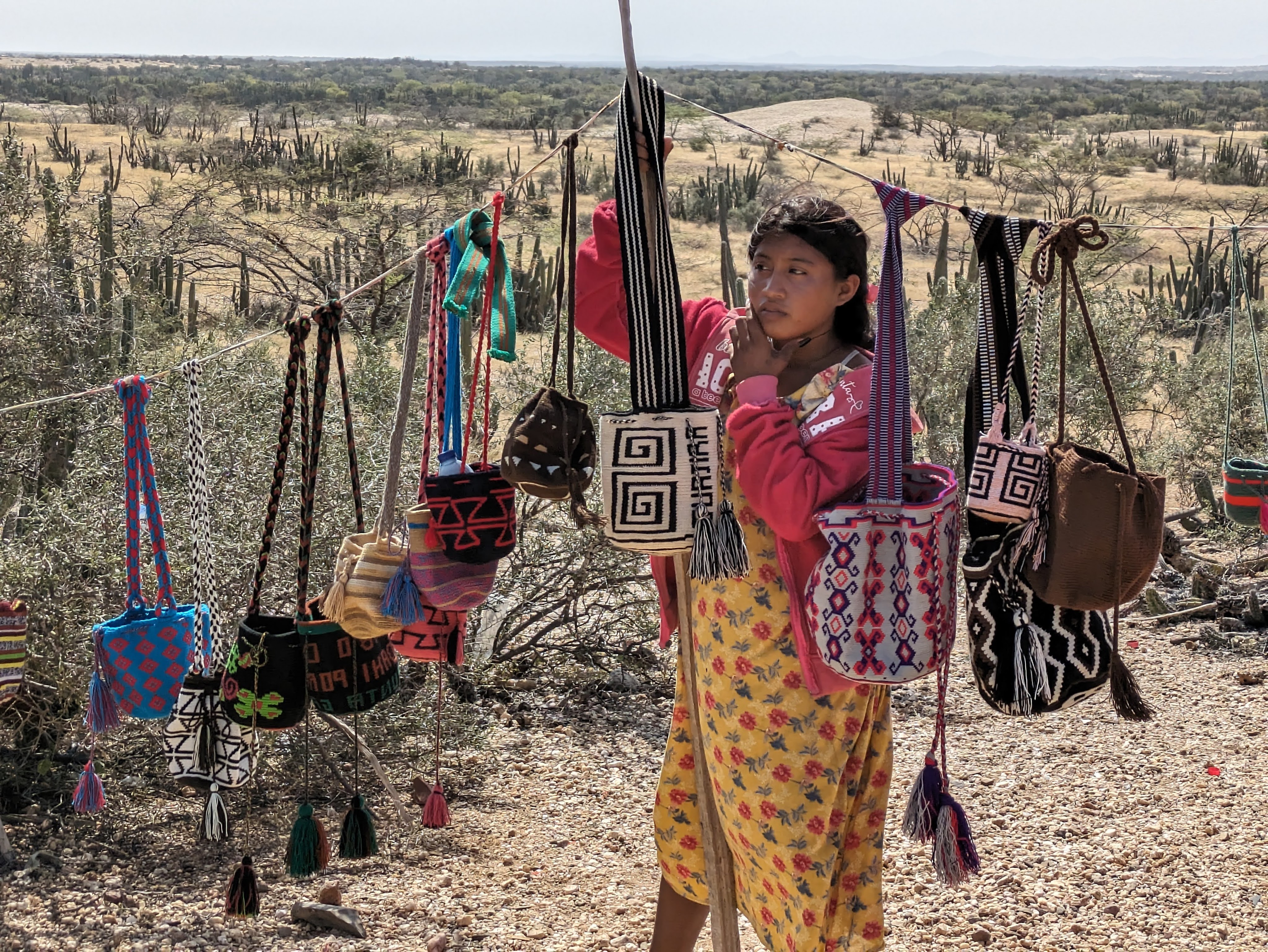
La Guajira is a remote area in the extreme north-east of Colombia, bordered by the Caribbean Sea on one side and Venezuela on the other. It is famous for its surreal desert landscapes, beautiful beaches and giant sand dunes. It is home to the indigenous Wayuu people, who have a tradition of weaving, particularly woven bags.
On our 3-day jeep trip, there were frequent ‘road-blocks’, usually a rope strung across the road and manned by children. The ‘tax’ was a small packet of biscuits or lumps of panela (dehydrated natural cane juice). We had also bought bags of rice as a more healthy alternative to sweet things but what the people really wanted was water. The wild beauty of the area was mesmerizing but it was distressing hearing the kids asking for drinking water. Water has always been a scarce and precious resource here in the desert, even when the sparse rains were reliable and predictable. But prolonged drought has greatly exacerbated the problem as well as the damming of a river in another area and the diversion of water for coal-mining.
Best One Day Hike, Waterfall Hike, Jardin
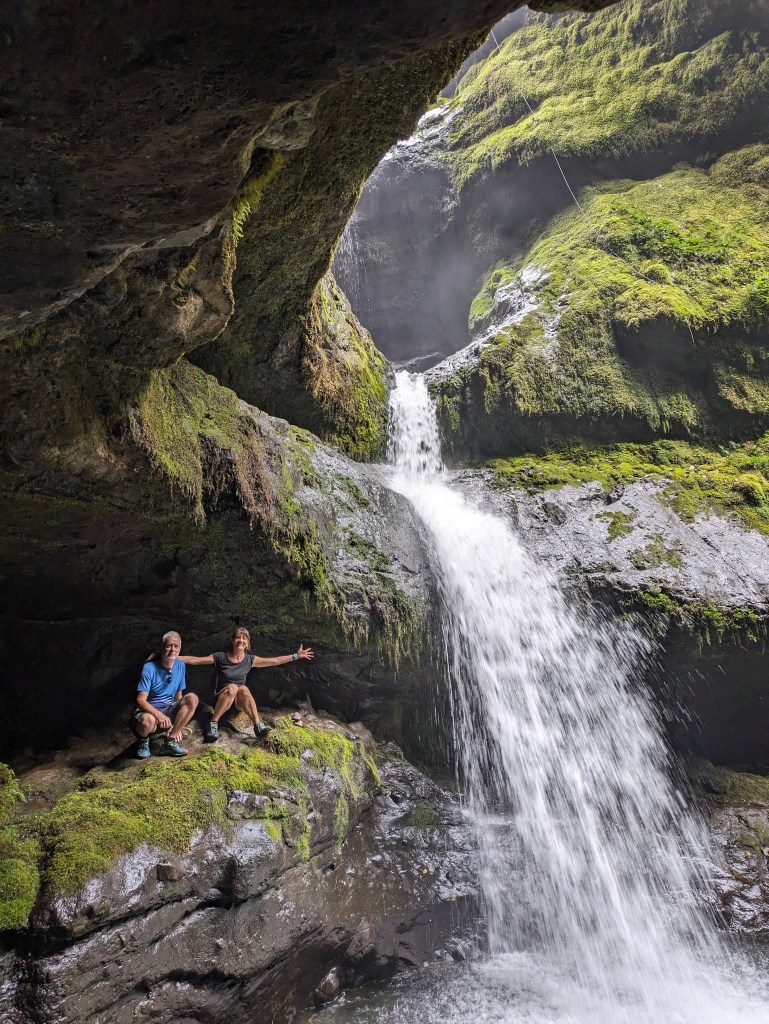
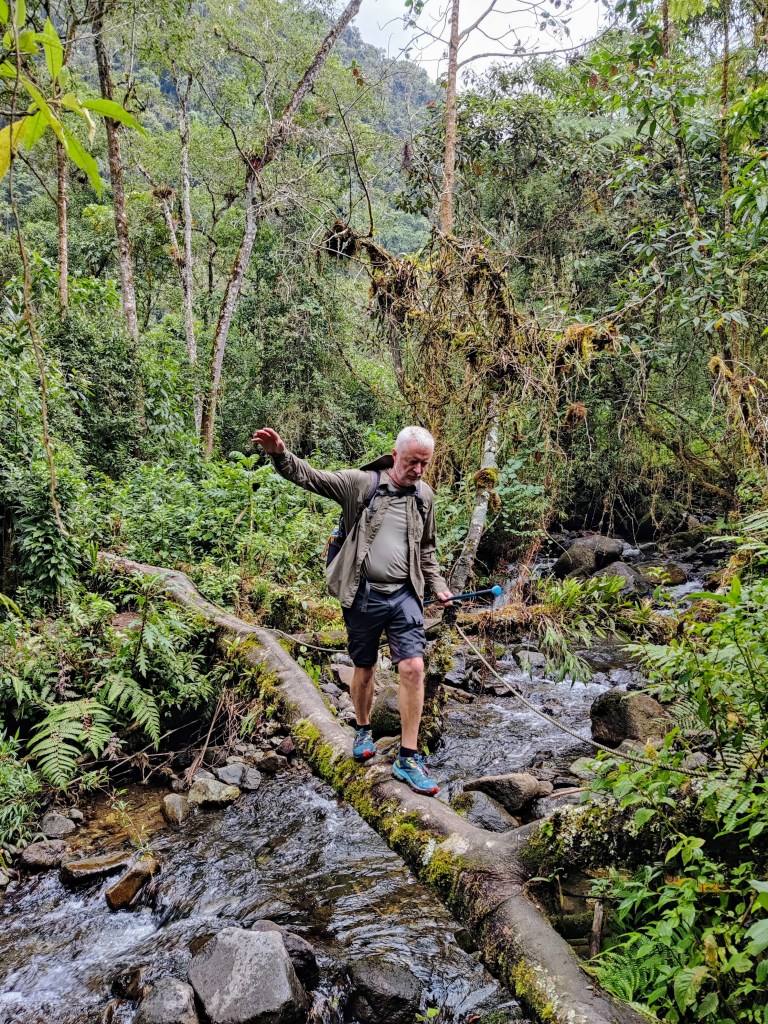
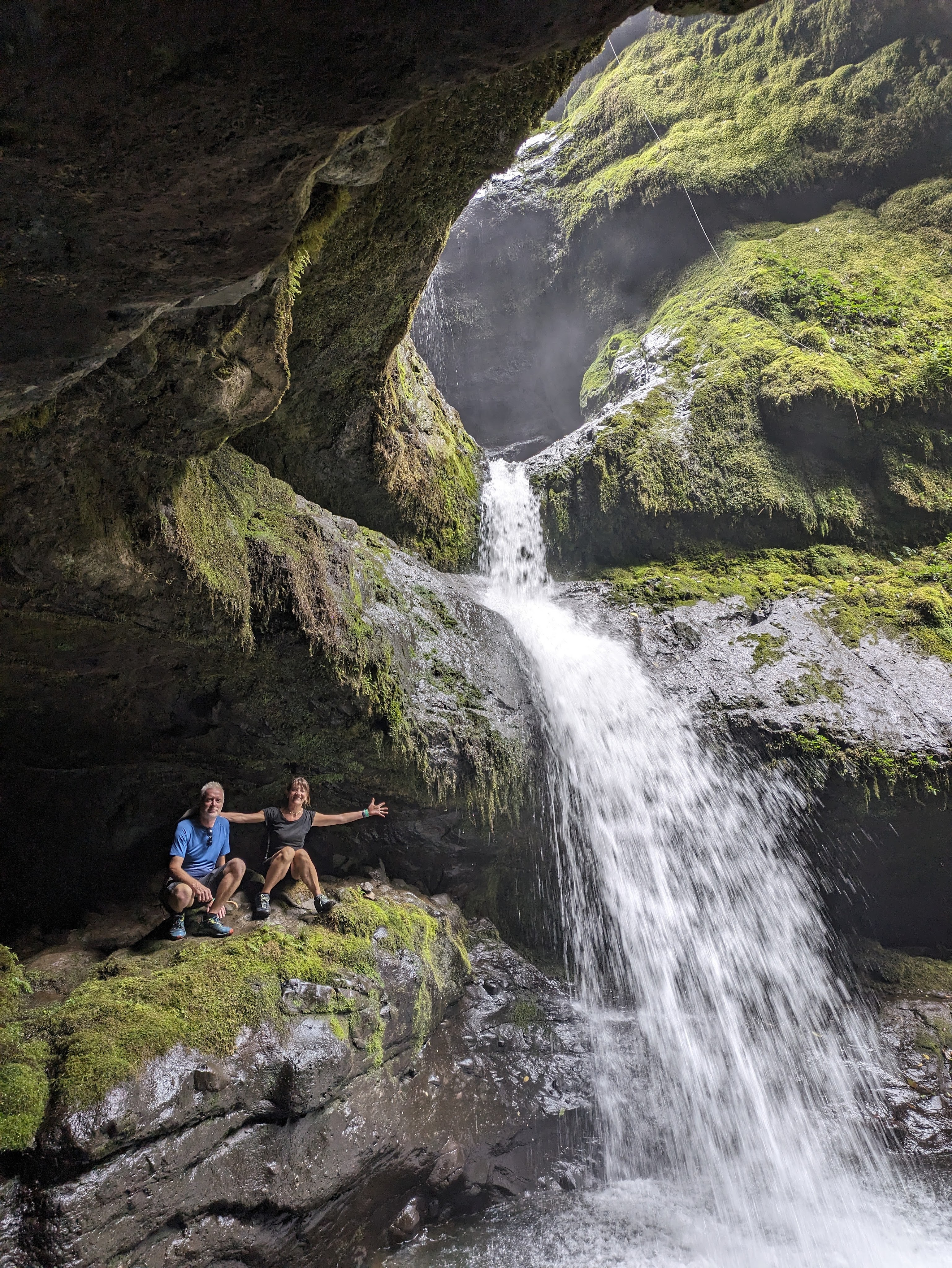
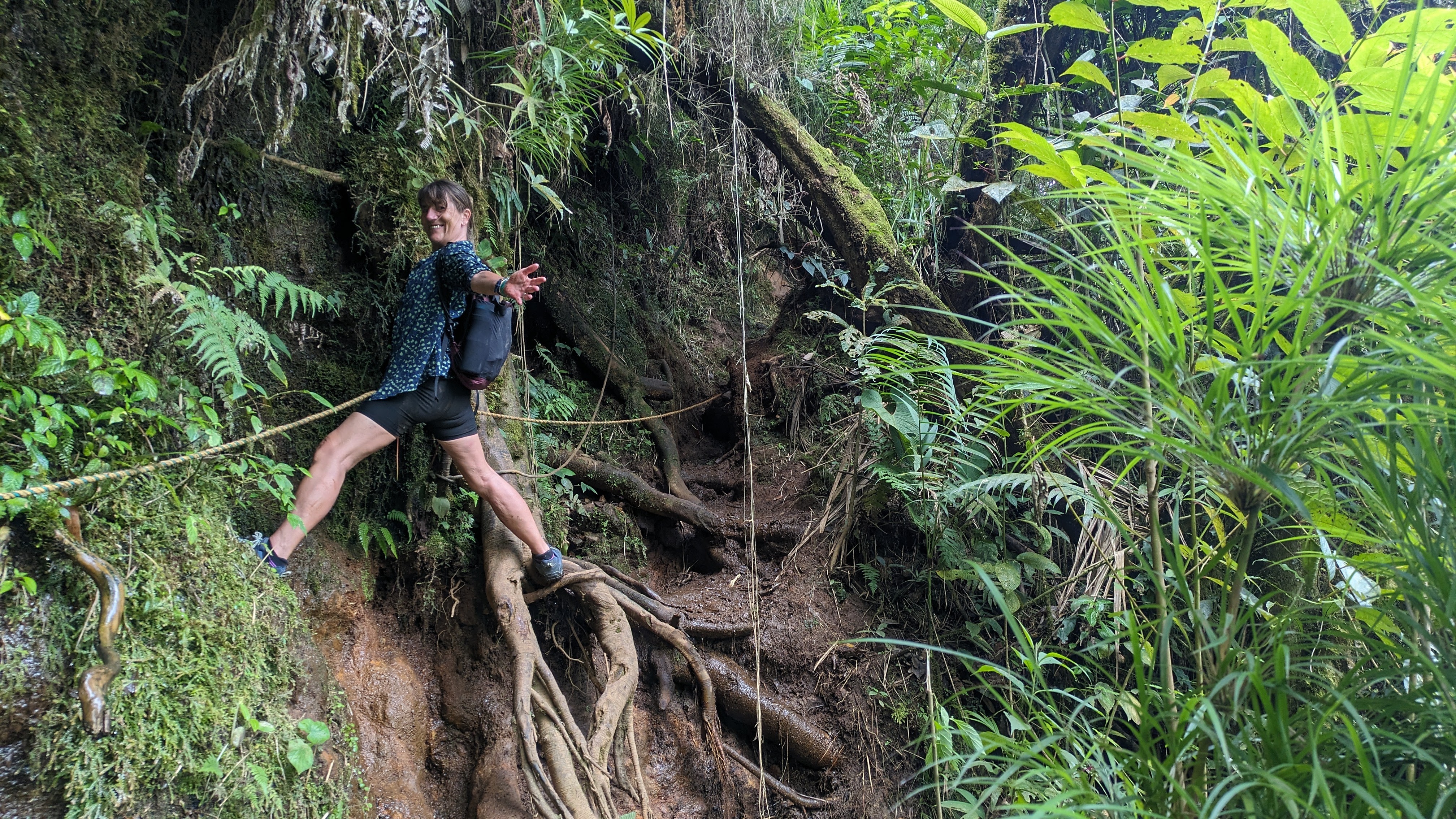
We spent a glorious day chasing waterfalls on the Siete Cascadas Hike (Seven Waterfalls), a looped one-day hike. It was challenging at times with ropes required to haul ourselves up and down some of the steep slippery slopes. It was worth every second for the tranquillity, the bird song and the beauty of the waterfalls that sometimes gushed and other times rippled over green-mossy cliffs.
Most Mysterious Place – San Augustin
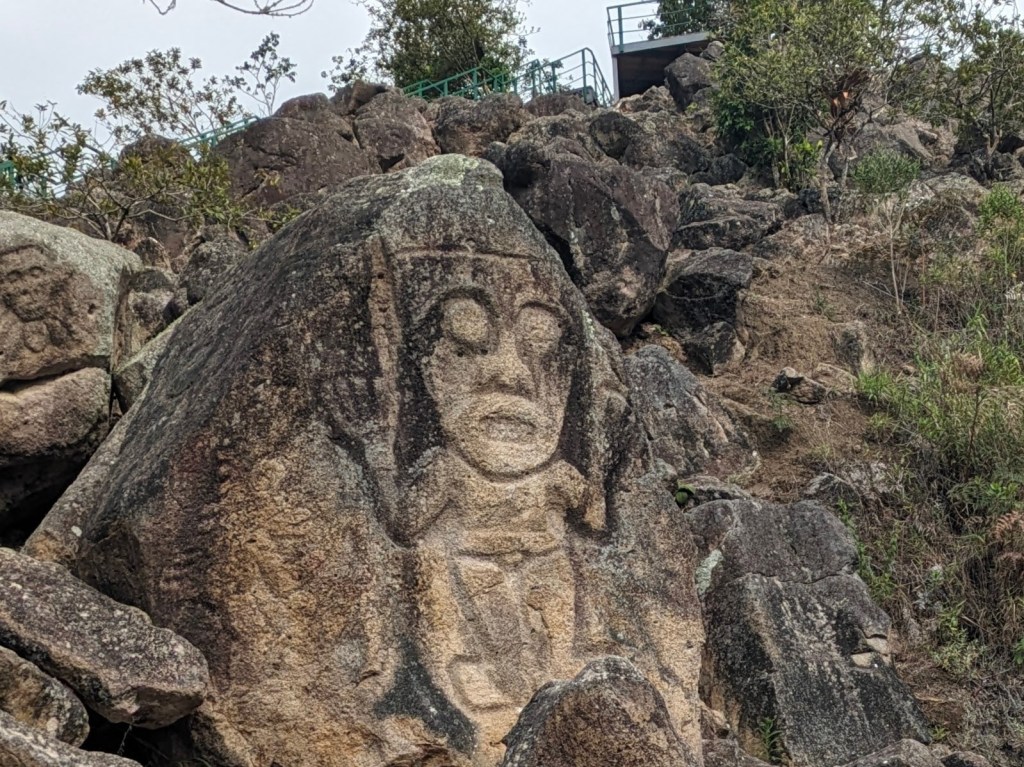
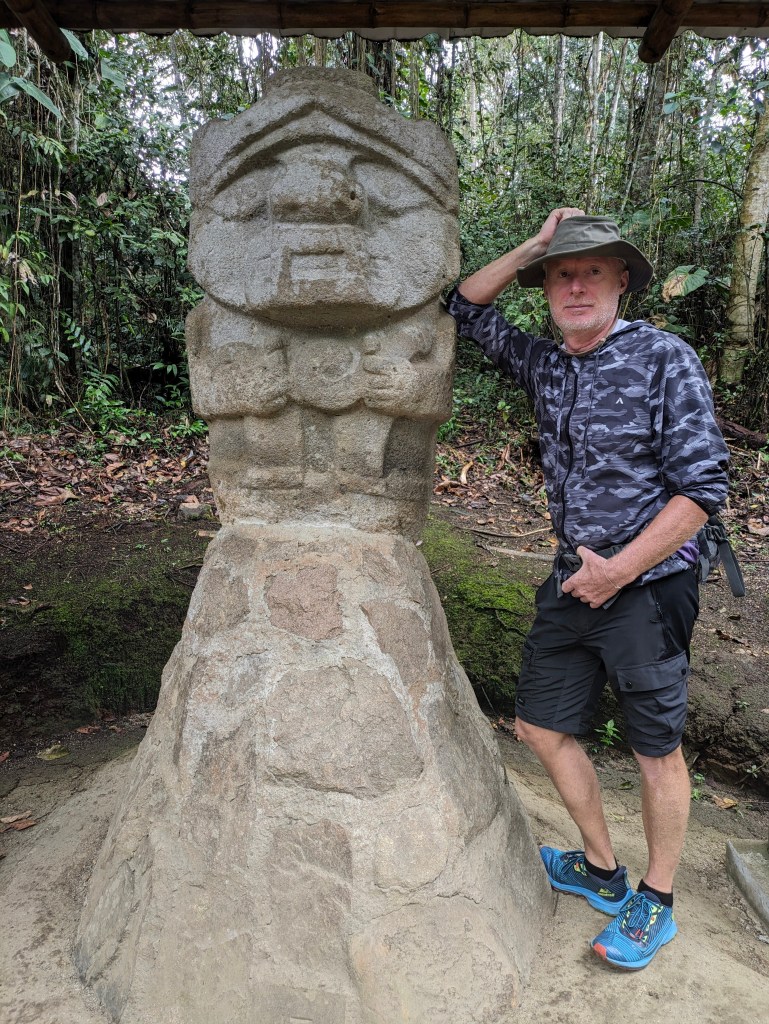
San Augustin’s claim to fame is that it has the largest archaeological site in South America standing in a wild, spectacular landscape overlooking the mighty Magdelana River. There are imposing stone statues and petroglyphs (stone carvings), a series of burial mounds, cobbled paths and terraces. This is all that remains of the mysterious civilizations that disappeared long before the arrival of the Spanish. Archaeologists are still puzzling over the nature and symbolism of the hundreds of stone statues scattered over a wide area. Were they making offerings, a form of protection, a bridge to the spirit world or simply pondering on life and the afterlife?
Favourite Architecture – Basilica Jardin
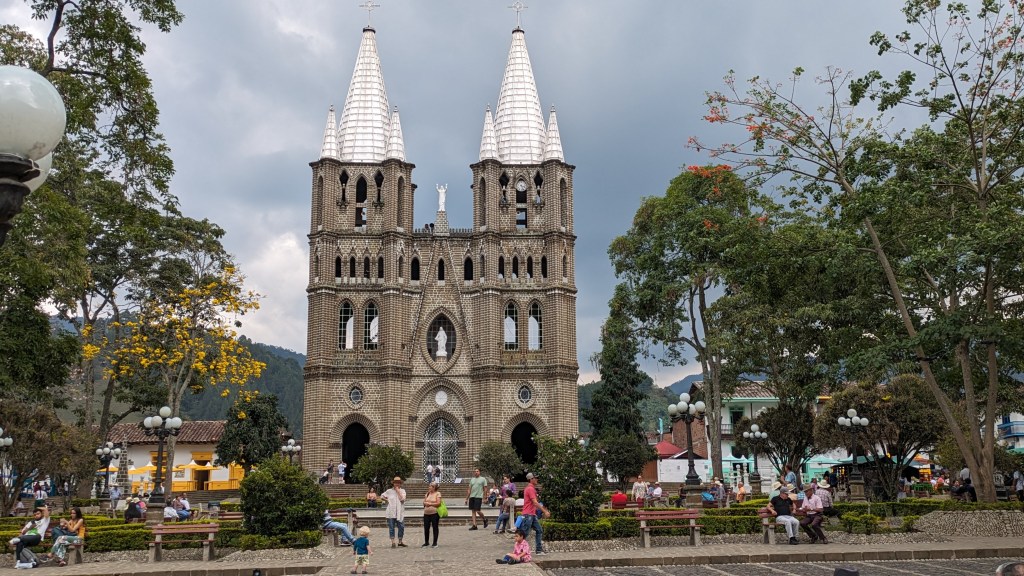
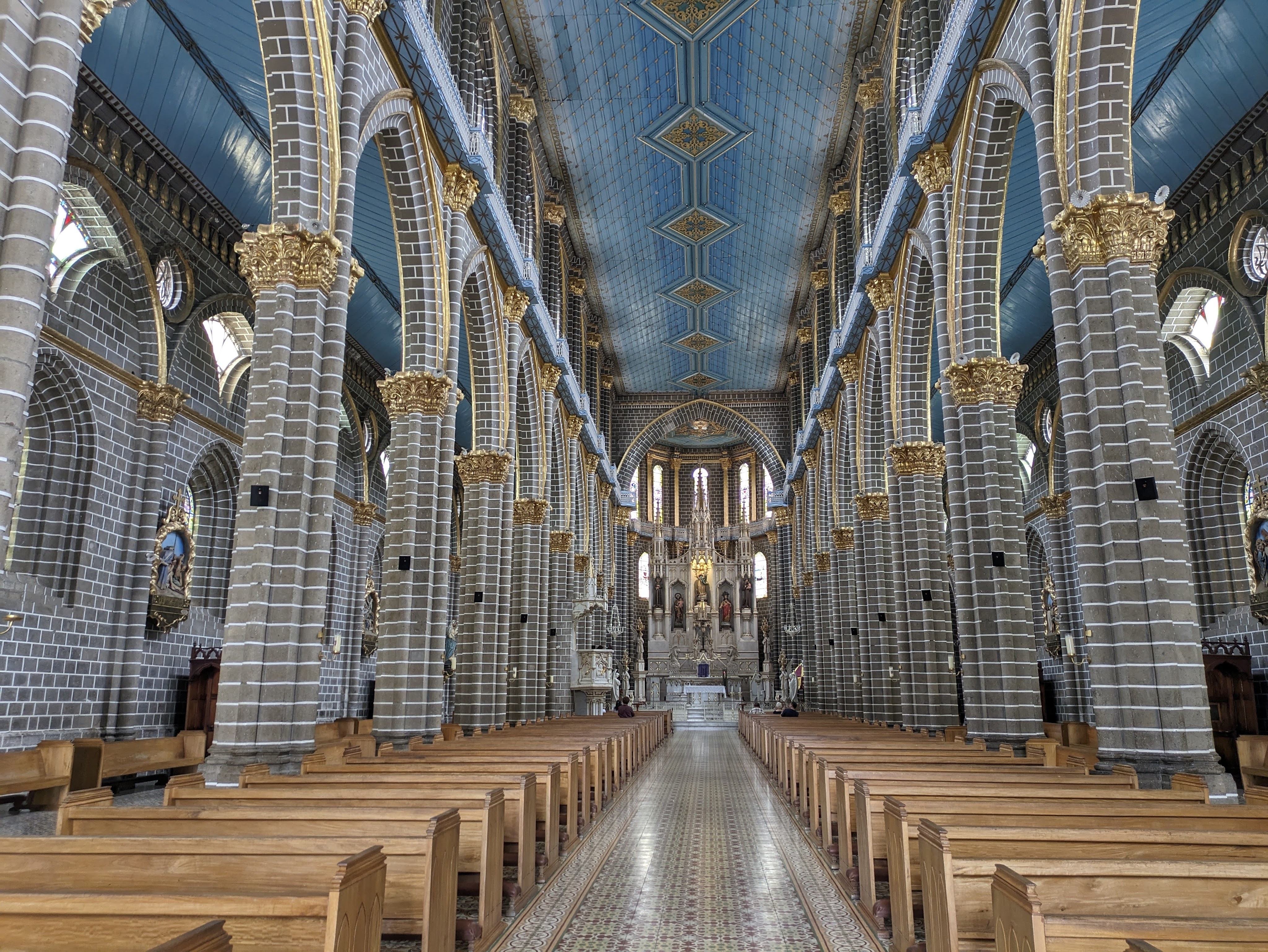
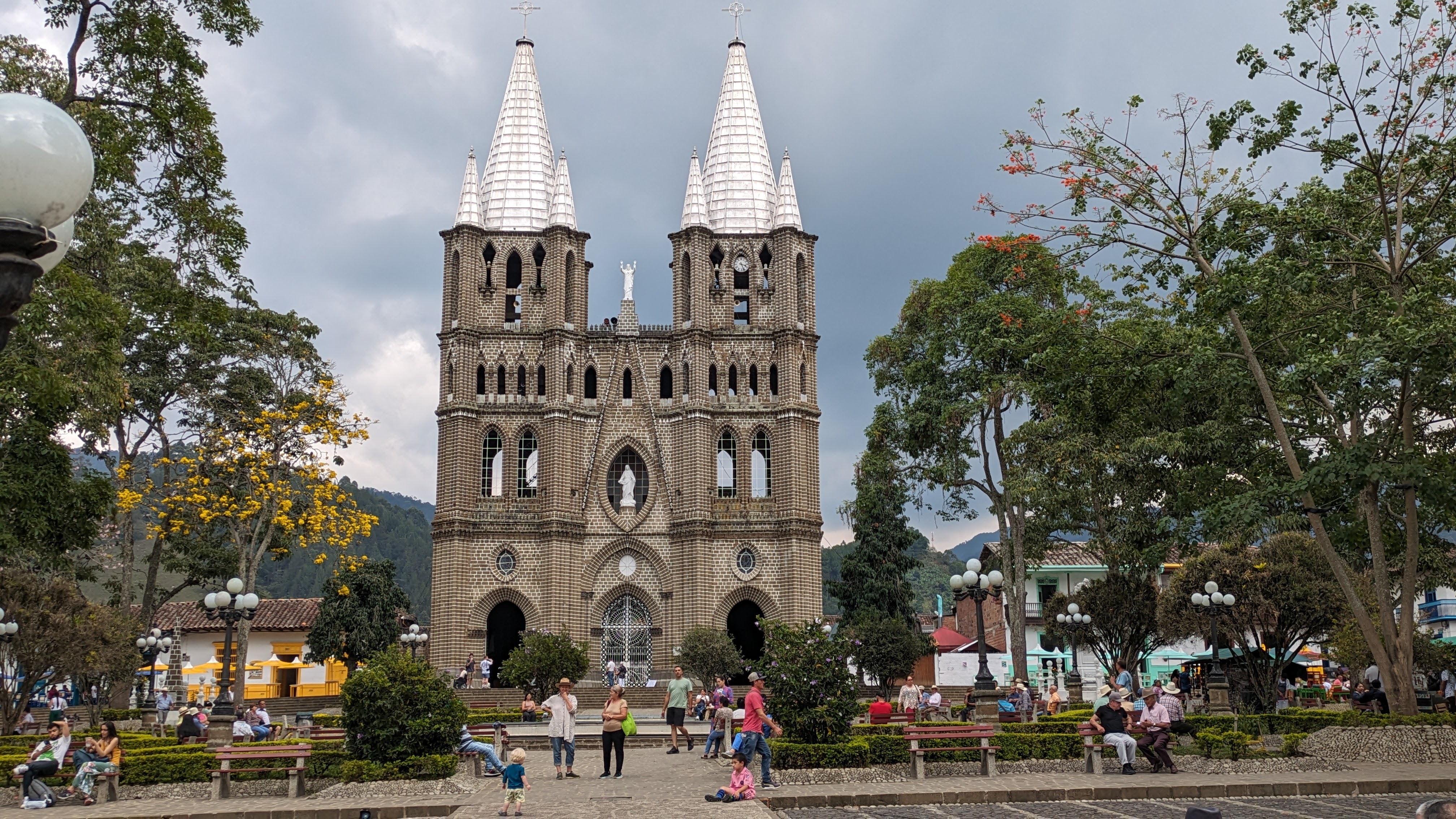
Colombia is a devout country and most of its architecture is religious. Its churches and cathedrals are some of its most impressive buildings in every town but they also tell unique stories. Jardin is dominated by an imposing and very beautiful Neo Gothic church, situated in the central plaza, full of food stalls and music in the evenings. It was built from local stone in 1872 and apparently when it was about to be built, the parish priest asked each of his parishioners to bring a stone equal to the weight of their sins. Obviously a lot of serious sinners in Jardin.
Favourite Art Experience – Graffiti Bogota
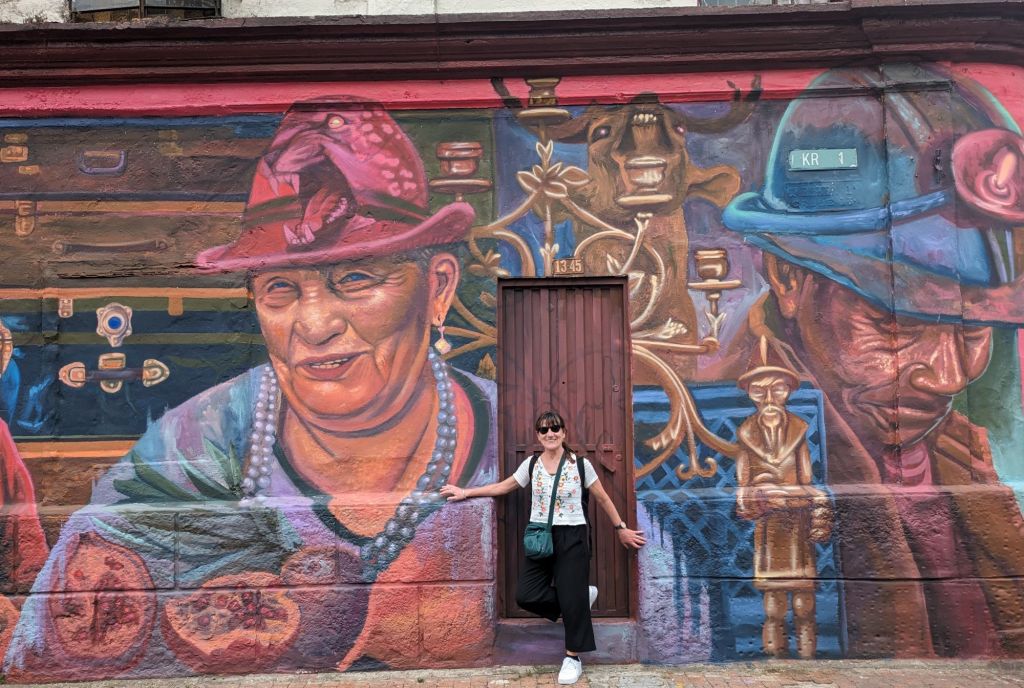
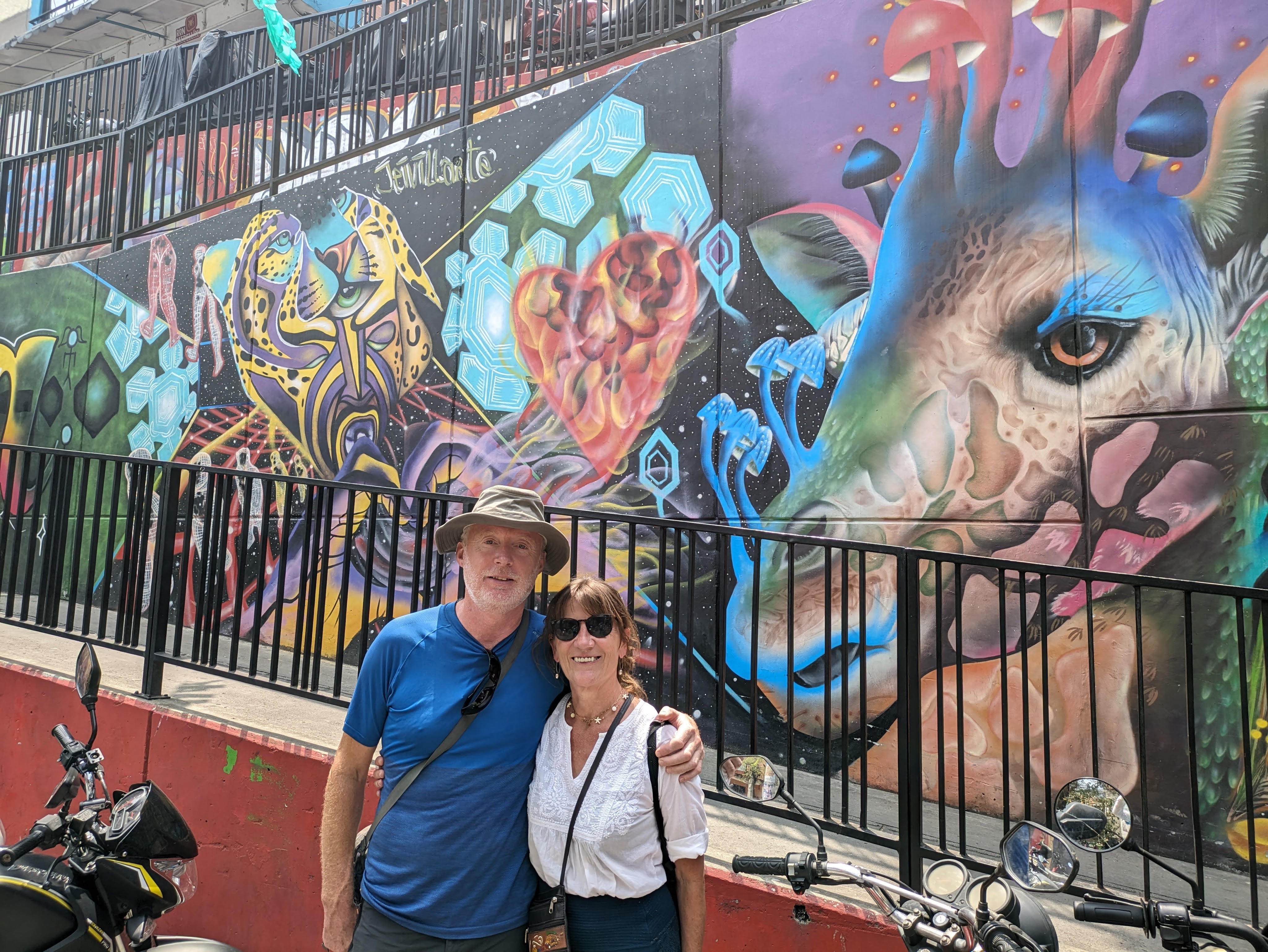
You don’t have to visit art galleries to experience art in Colombia. Graffiti is an integral feature of expression all over the country. Bogota’s walls and buildings are an ever-evolving canvas of brush, paint, marker and stencil, most are spectacularly beautiful, some are political and others are simply art for art’s sake. While Bogota is famous for its graffiti, every town and village that we visited had walls decorated with interesting art.
Favourite Small Town,,,,, Jardin
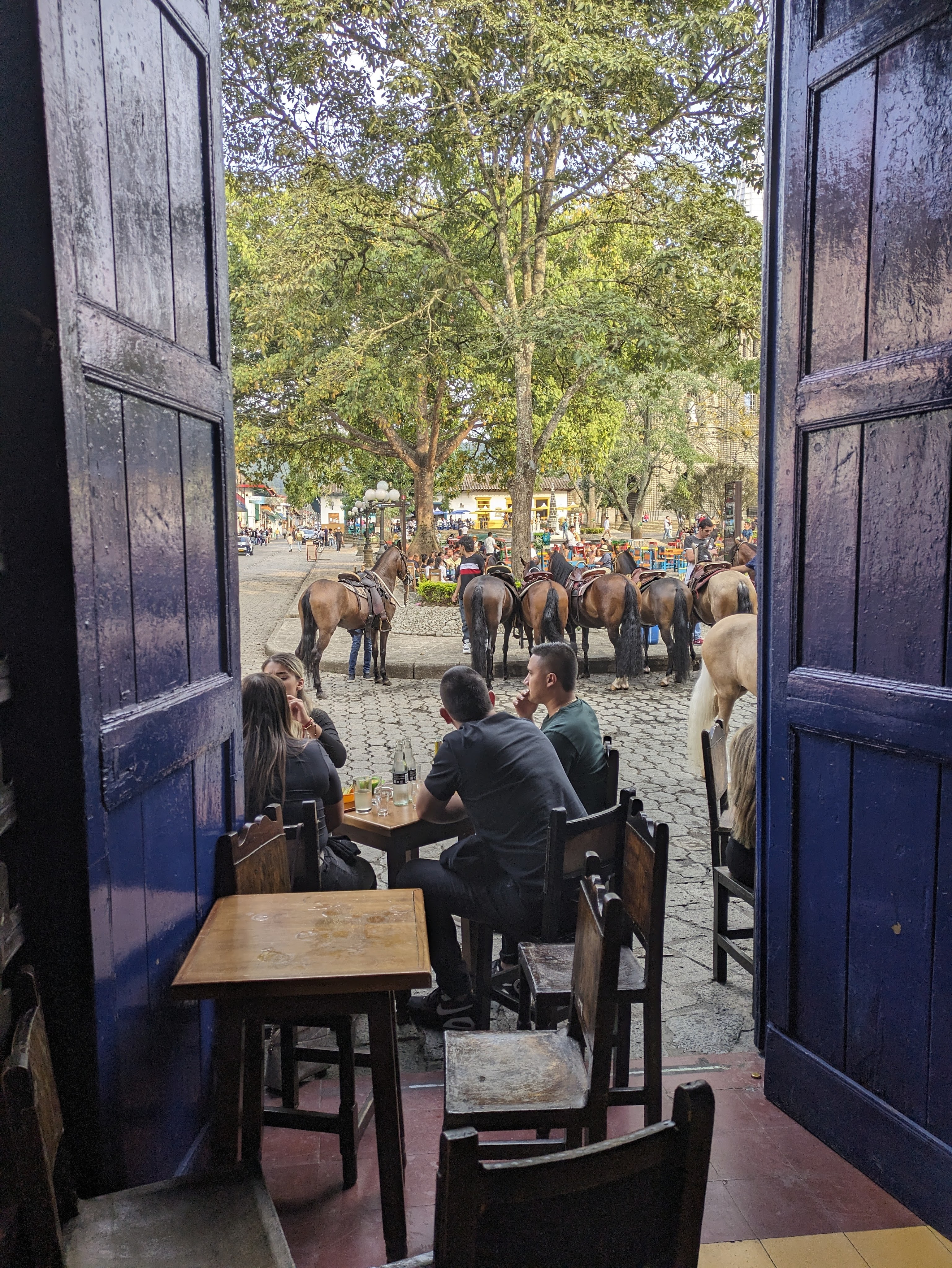
This is a difficult one as we loved most of the small towns in the mountains. Its difficult to pick one but I’m going to choose Jardin, which very aptly translates to ‘Garden’. This quiet place was nestled in the mountains amid small coffee plantations, banana trees, rivers, waterfalls and grazing cattle. The town was brightly painted with a large flower-filled plaza and an enormous neo-Gothic church. Although there were some tourists, it had a lovely laid-back feel with ‘cowboys’ riding into town for a few beers.
Biggest Surprise Ciclovia
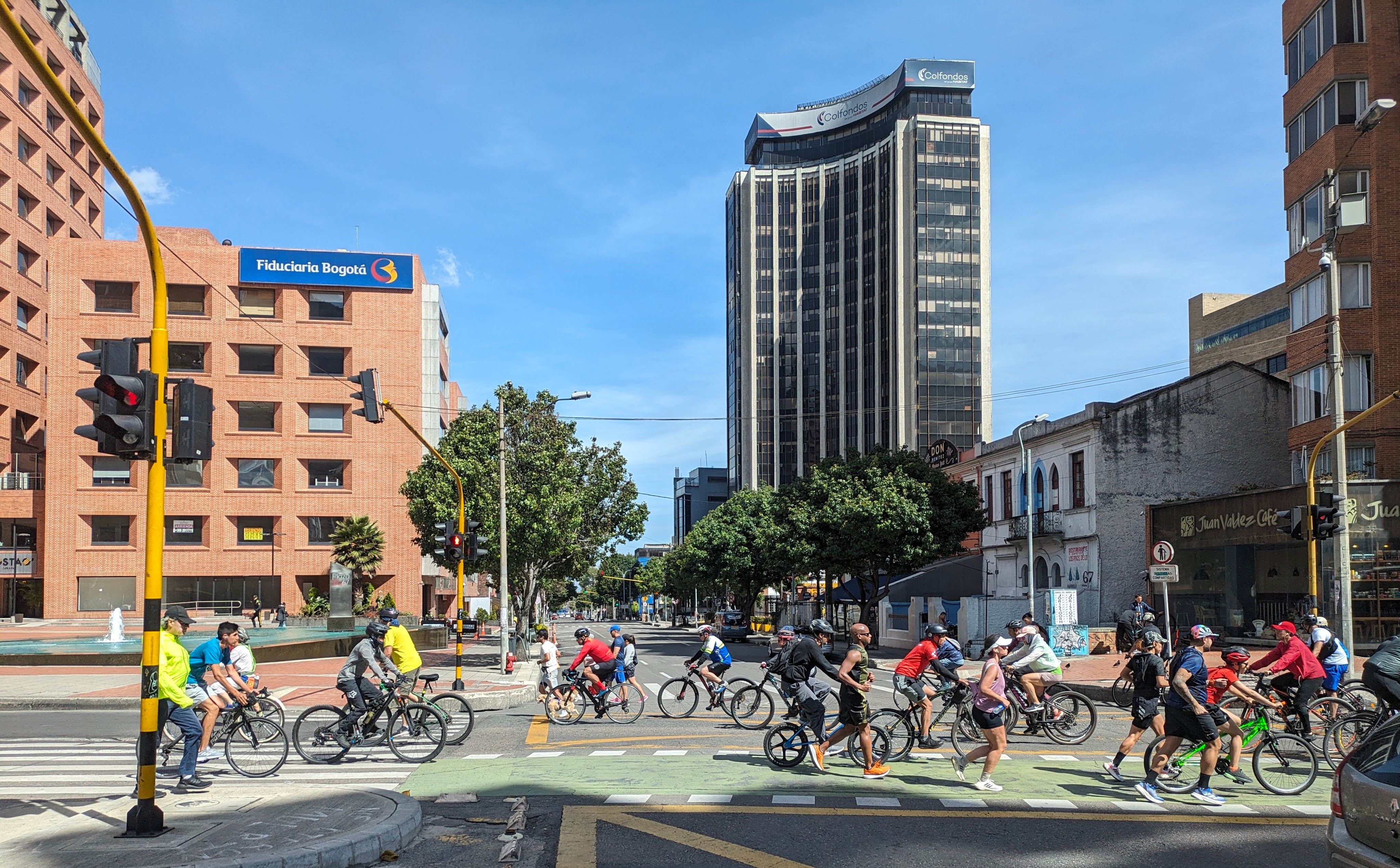
Even Sunday morning, something strange happens in the cities and towns all over Colombia. Large numbers of streets are closed to motorised traffic from 6am to 2pm, leaving the streets free for cyclists, pedestrians and rollerbladers. The people take to the streets in their droves. Nor is this a new ‘green’ initiative, the first Ciclovia (as it is called) happened in 1974 but it has expanded in the last decade.
Biggest Disappointment – Caribbean Sea
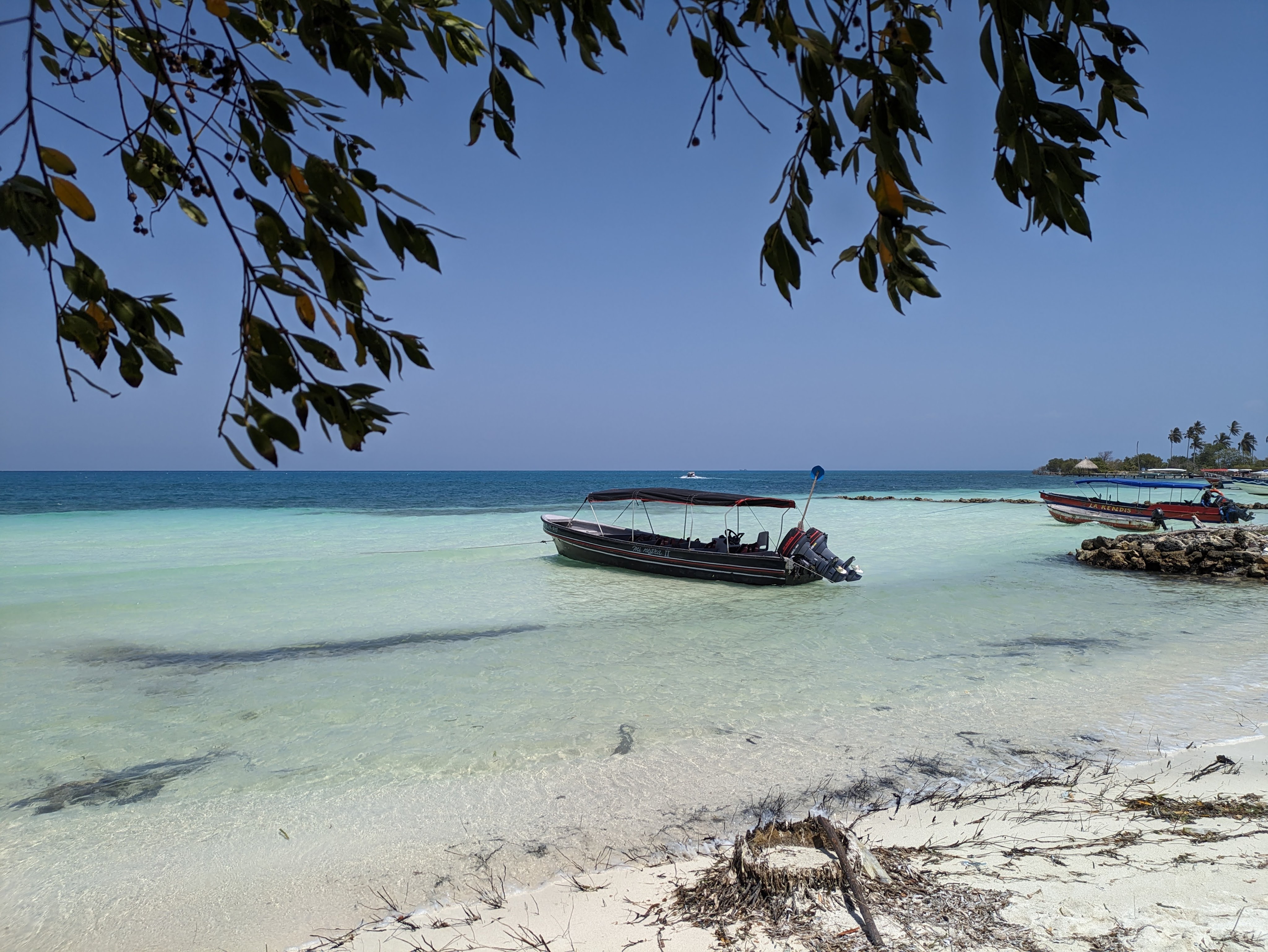
Apart from the coffee, our biggest disappointment was the turbulence of the Caribbean Sea. We expected calm turquoise waters with crystal-clear water which would be perfect for swimming and snorkelling. Instead we got rough, washing-machine conditions with churning sand which meant that visibility was poor and many of the beaches were unsafe for swimming. We were on the Caribbean Coast in January and February which is the dry but windy season and we were told by locals that at other times of the year, the waters are indeed turquoise and tranquil. We took a boat trip from Rincon del Mar to do some snorkelling and here far from the coast, the waters were clear and turquoise but the coral was damaged with very few fish. Several islands off the coast, especially the San Andres archipelago, are reputed to be idyllic but as the only means of reaching them was to fly, we didn’t visit them.
Dogs, Dogs, Everywhere –
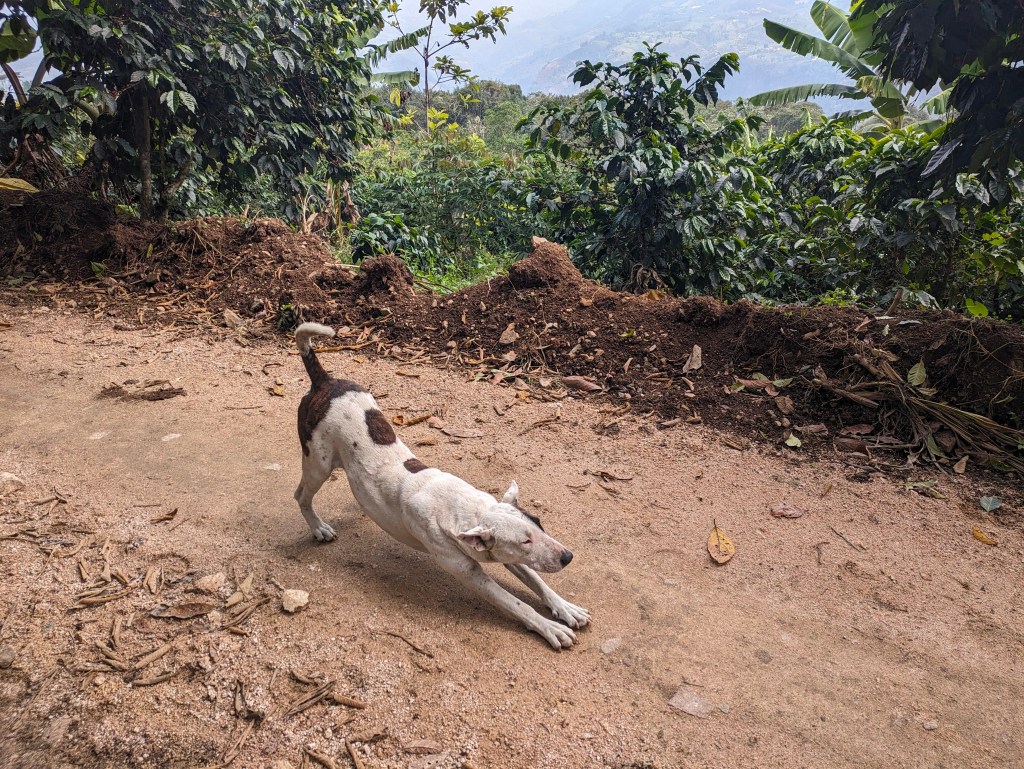
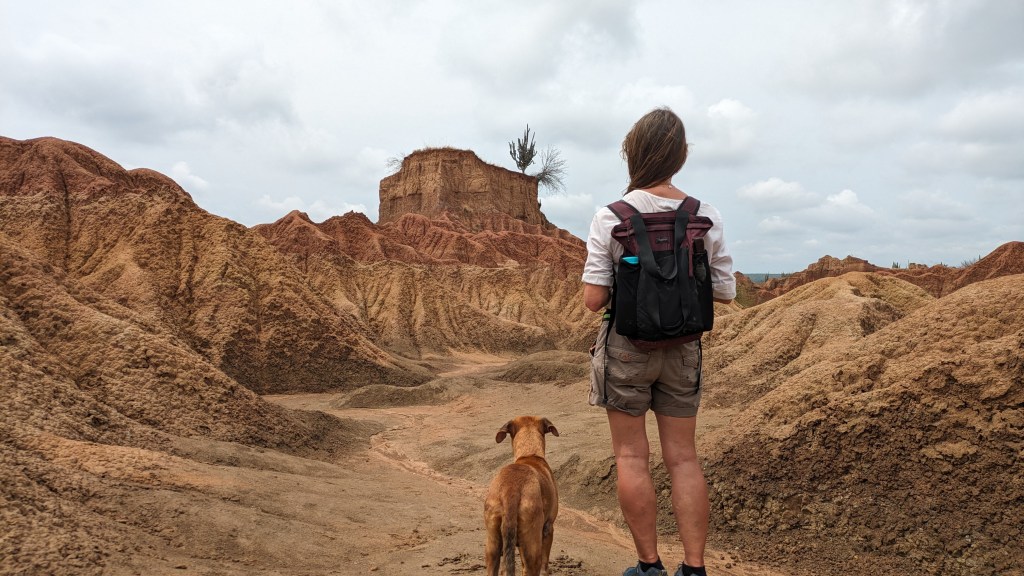
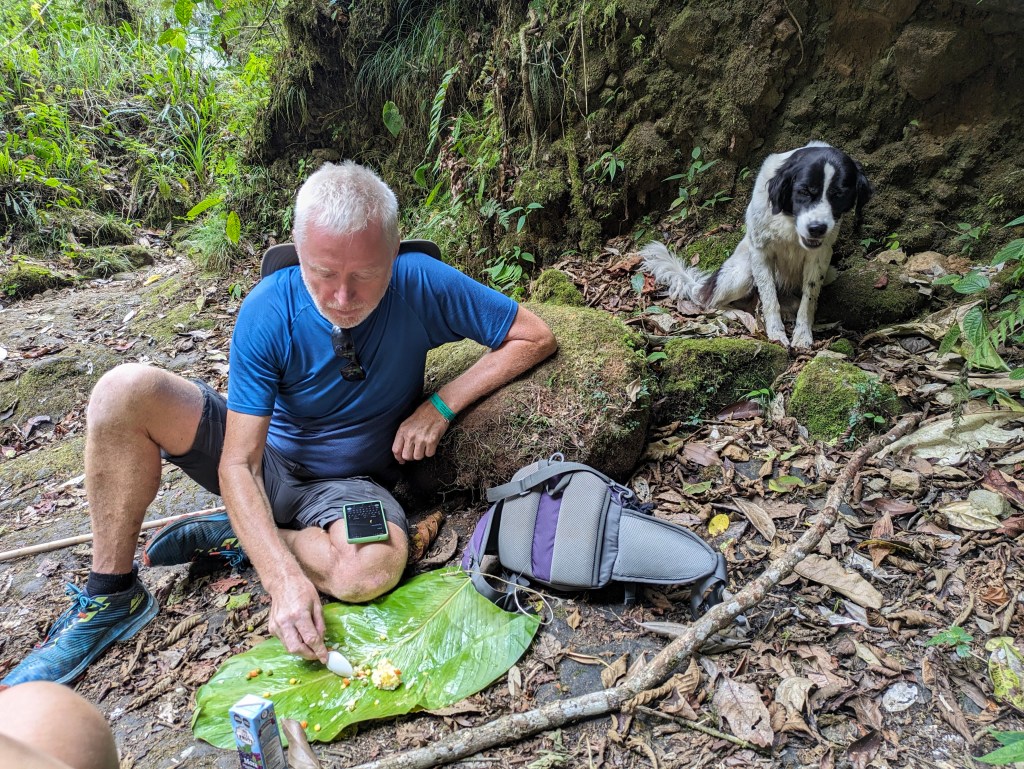
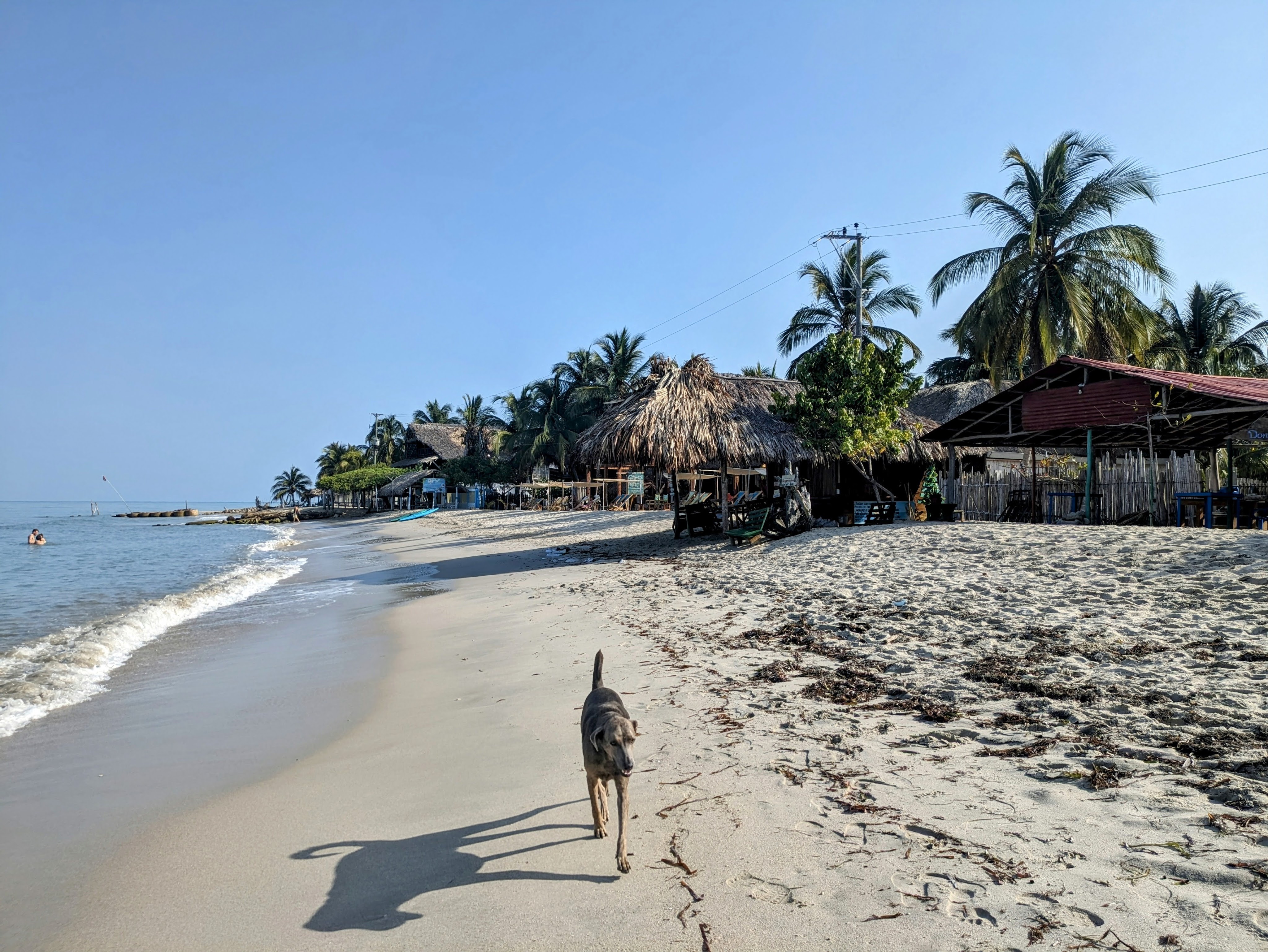
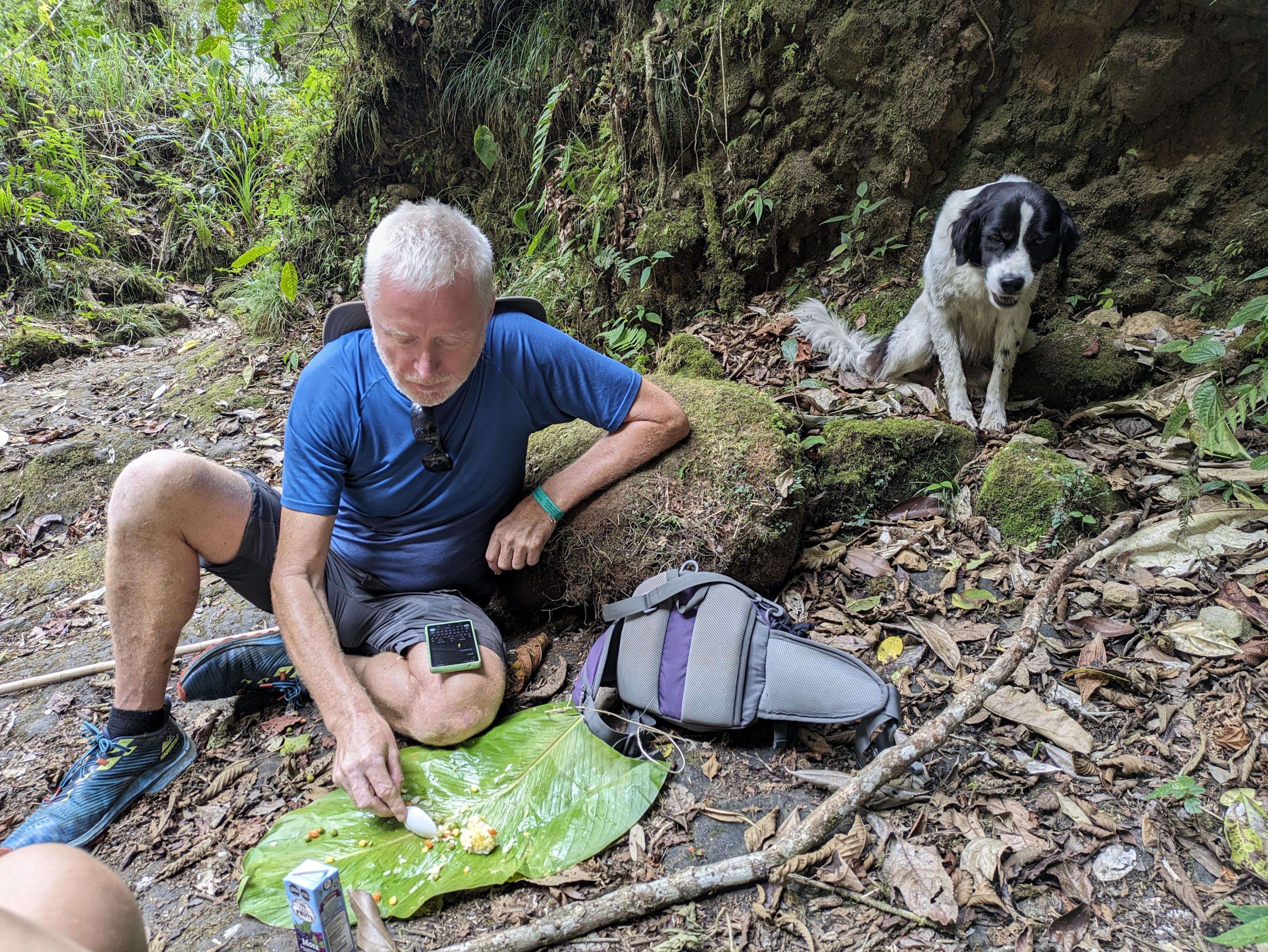
With the death of our beloved Rolo on New Years Eve after his thirteen years of unconditional love, we were particularly susceptible to the charms of the Colombian dogs with their friendly temperaments. We were accompanied by affable dogs on all our hikes and beach walks – self-appointed guide dogs
So another adventure has ended and we avoided a really wet spell of weather in Ireland while we were away. Its always a little sad when a trip comes to an end but the thing that we love about home at this time of year is the gorgeous blossoms and the sense of nature awakening after a long and wet winter and of course the stretching of daylight day by day. In Colombia with its geographical position (the Equator runs through the southern part of the country) the days are always about twelve hours with dawn at about 6 am and dusk at about 6 pm. Here’s hoping that summer 2024 will be a long sunny one.
Thanks for accompanying us on our travels. It was great to have your company.
Until next time – adios amigos🥰🥰

 marienoonanblog