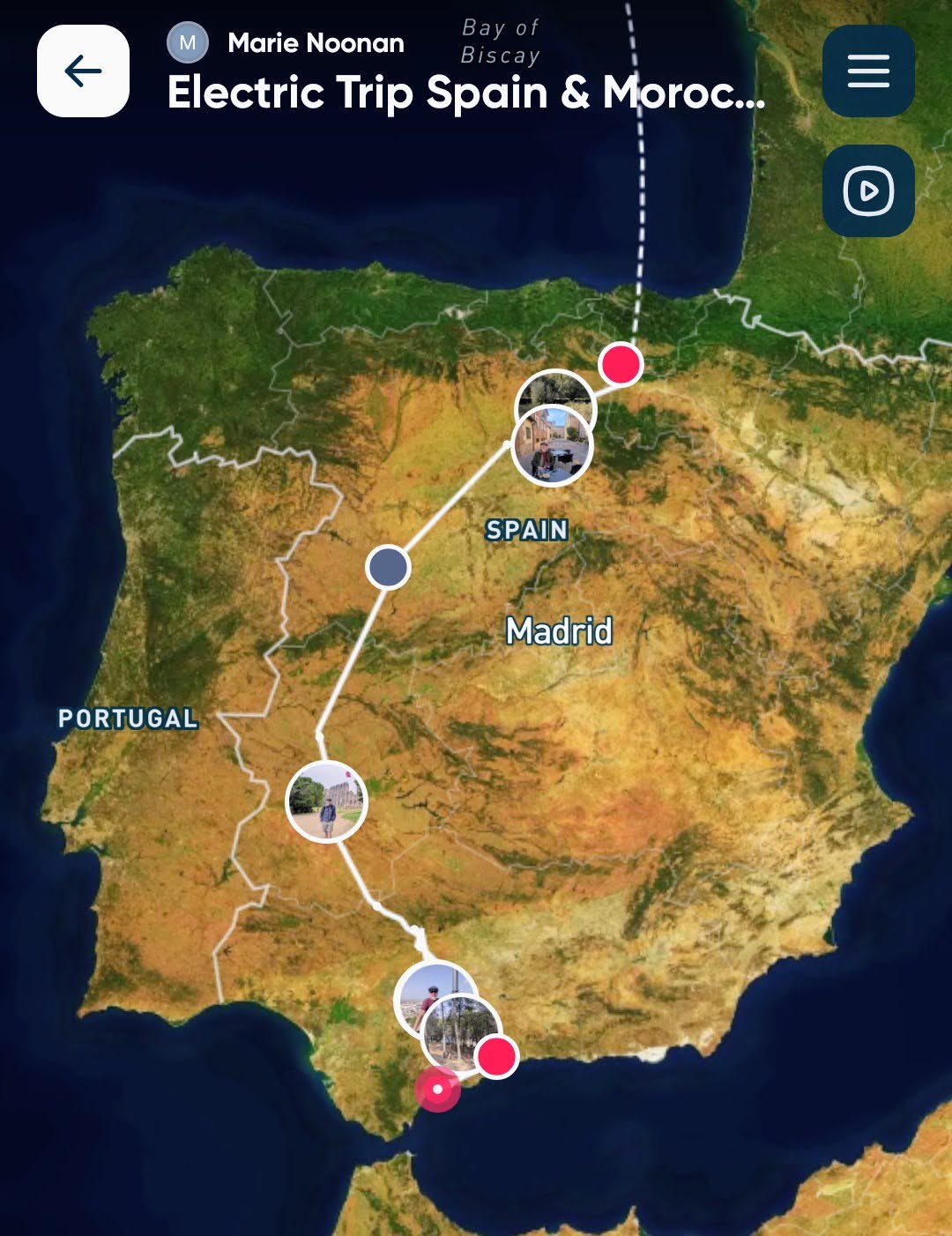
The days flew by, sun-drowsy, as we made our way south through Spain.
After leaving Salamanca, where we were dazzled by the town’s beauty, not just in the famed main plaza, regarded as the most magnificent in all of Spain, where visitors and locals alike burst into spontaneous applause at dusk when the lights were turned on. Although the city was full of visitors, it was still possible to find shady corners and quiet courtyards where there was only the chirping of birds, which nested in the nooks and crannies of the sandstone facades of old buildings.
Driving through the Extramadura Region, with views of valleys and mountains, we reached the outskirts of Merida, which was founded by the Romans, two thousand years ago. We set up in the Merida Campsite about four kilometres outside town. It was a bit ramshackle, outdated and cheap (but that’s the way we like it, especially €15/night). There were stables next door with white horses and a yard with all sorts of fowl, hissing geese, chickens, ducks and a raucous rooster who only crowed during the day. Occasionally all hell broke loose until the pecking order was re-established. There were falling leaves and shade under eucalyptus trees. The only downside was the flies. There weren’t that many but they were really attracted to the Buzz as if it was emitting some fly pheromone.
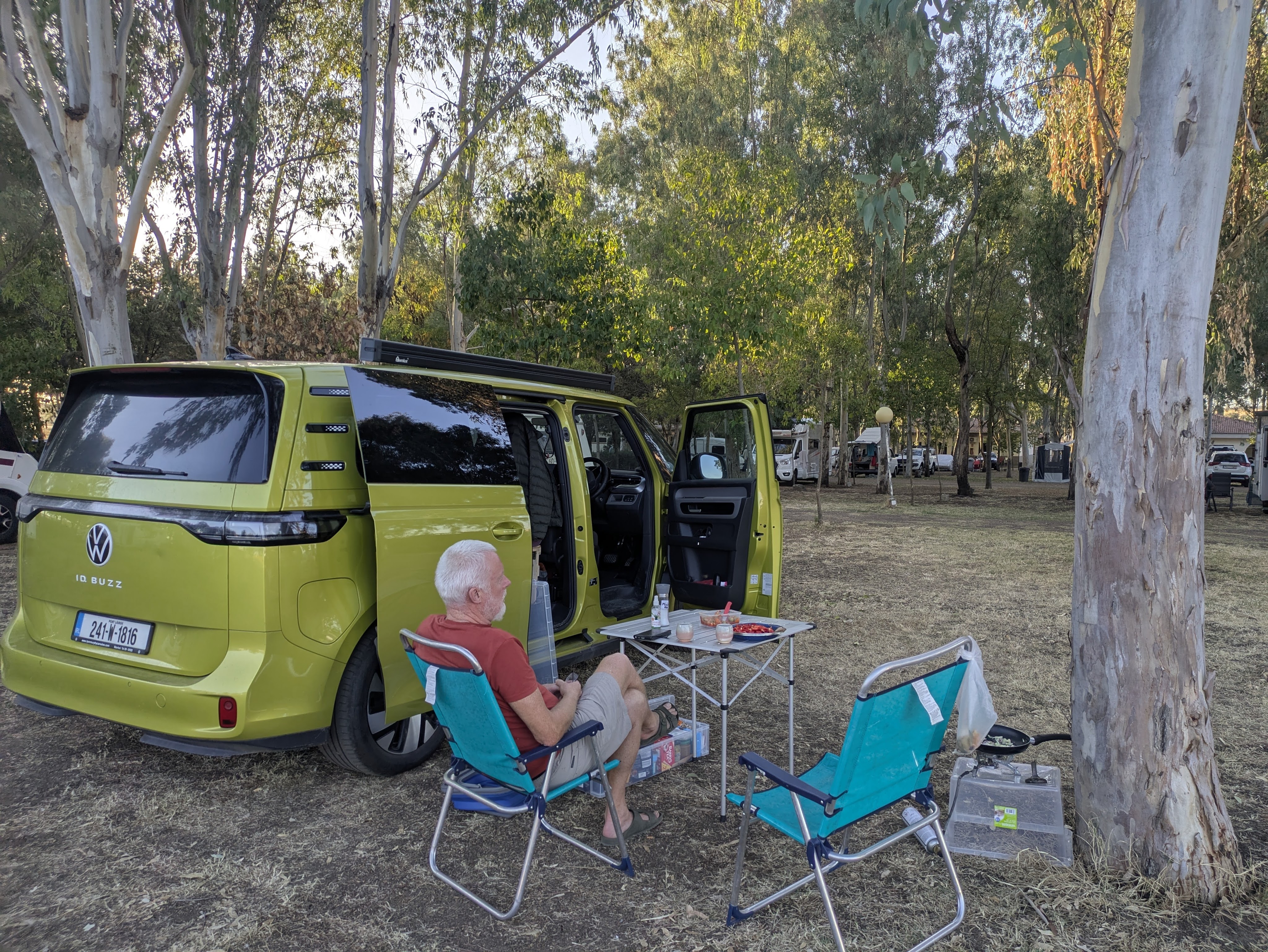
A friendly British couple with a motorbike camped in a tiny tent beside us. They were heading to Morocco, planning to do a huge loop of the country in just fifteen days and then a hurried ride back to Santander for a ferry home. Thankfully, we’re in no such hurry.
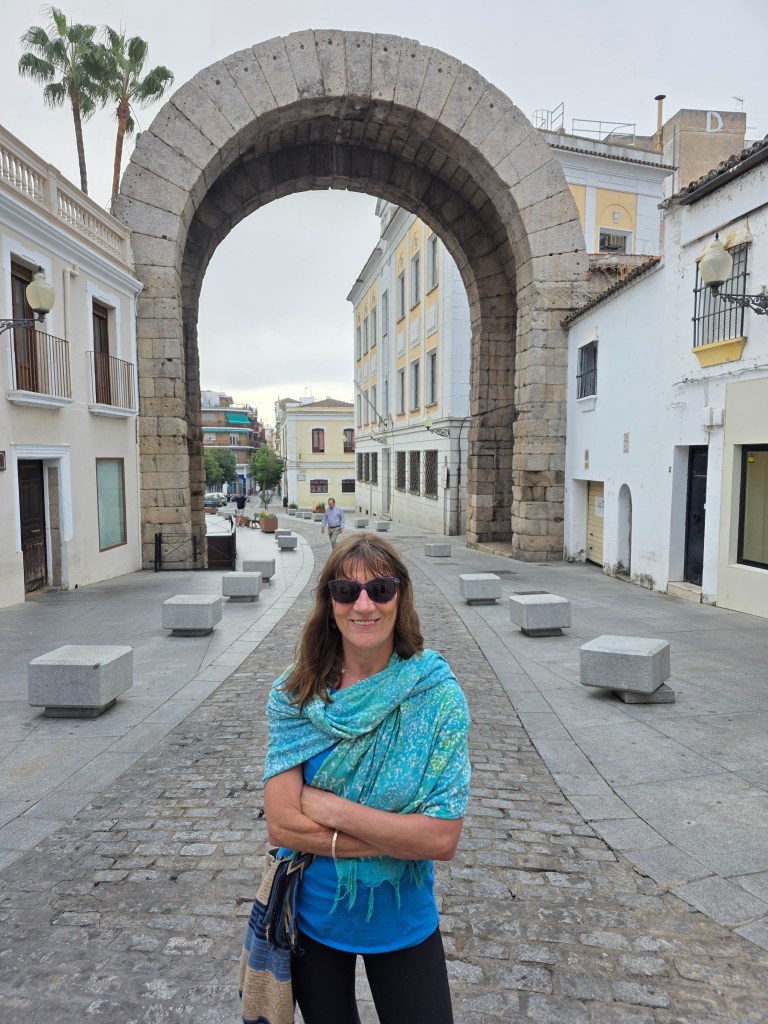
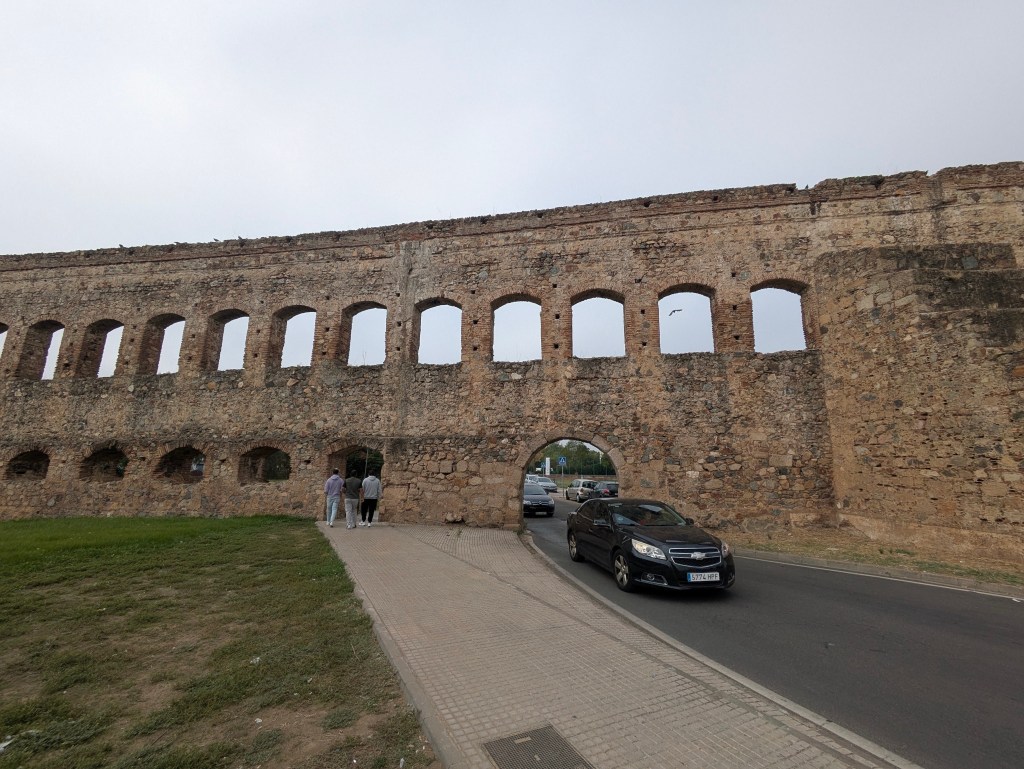
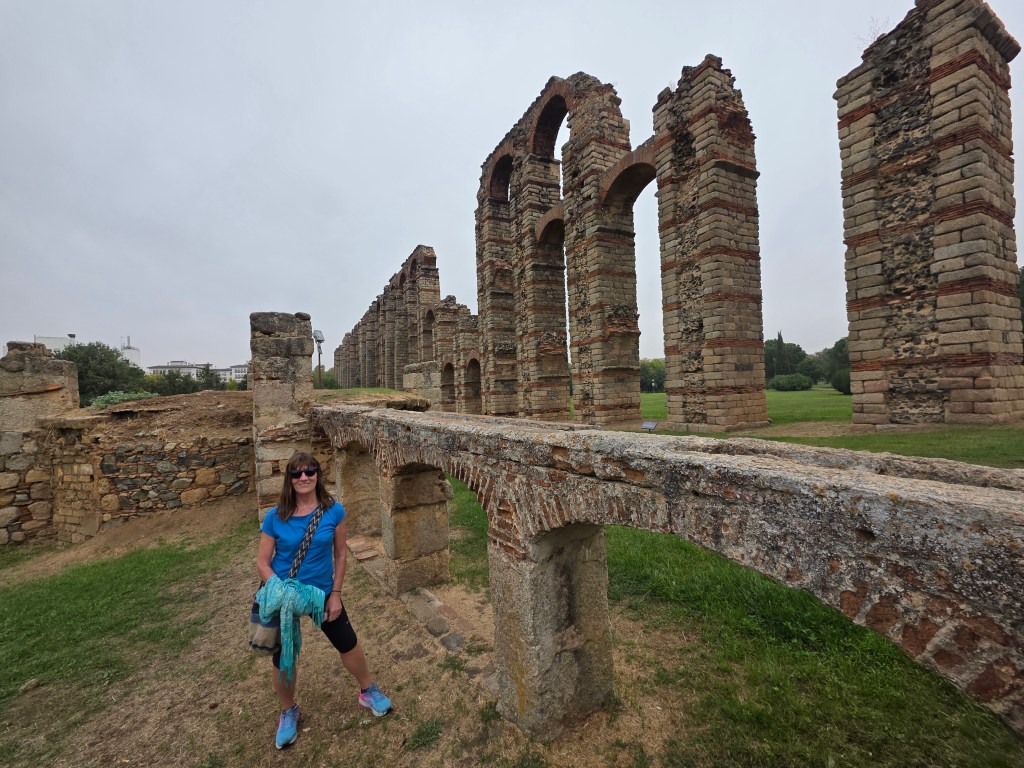
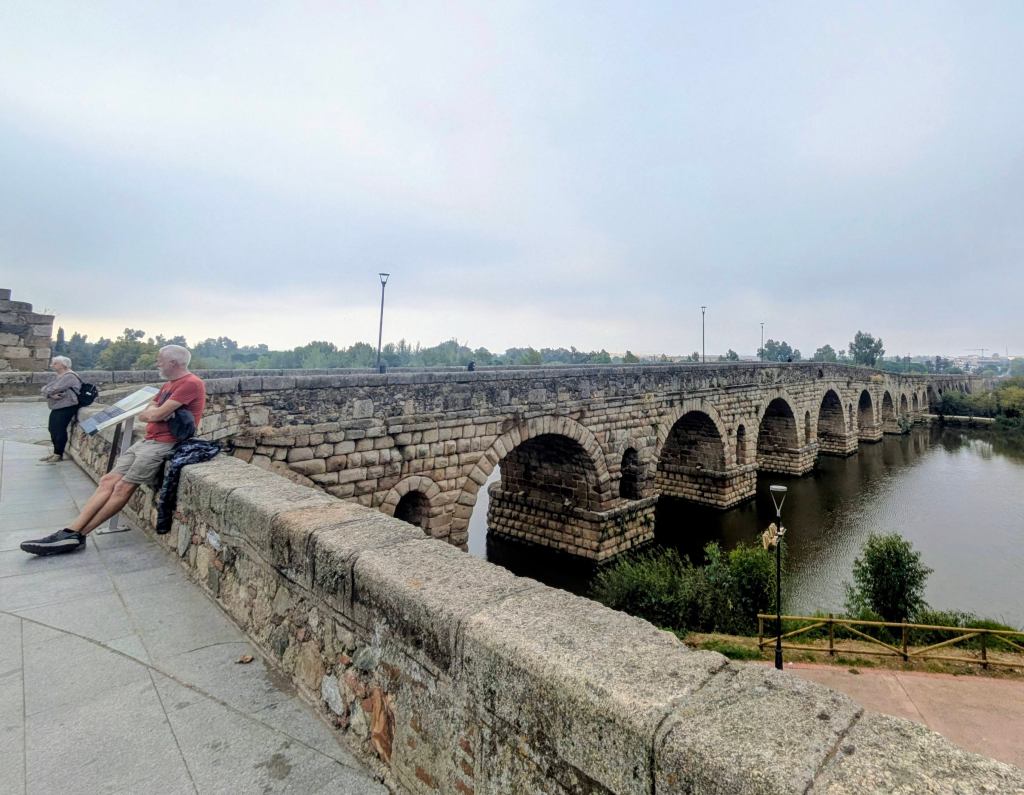
Merida town was also a little ramshackle but its Roman origins were evident in the arches, aqueducts and amphitheatre. Many of the ancient structures incorporated into modern living – cars drove on paved roads under ancient arches and people strolled over the old Roman Bridge which linked the old town with the new. We found a packed café (Joplin Cafe), whose specially was ‘tostada,’ huge hunks of bread plastered with a savoury tomato paste, topped with thin slices of cured ham, or grilled aubergine, cheese and a fried egg. Two coffees, a tea and two enormous tostadas came to €8.40…no wonder it was packed.
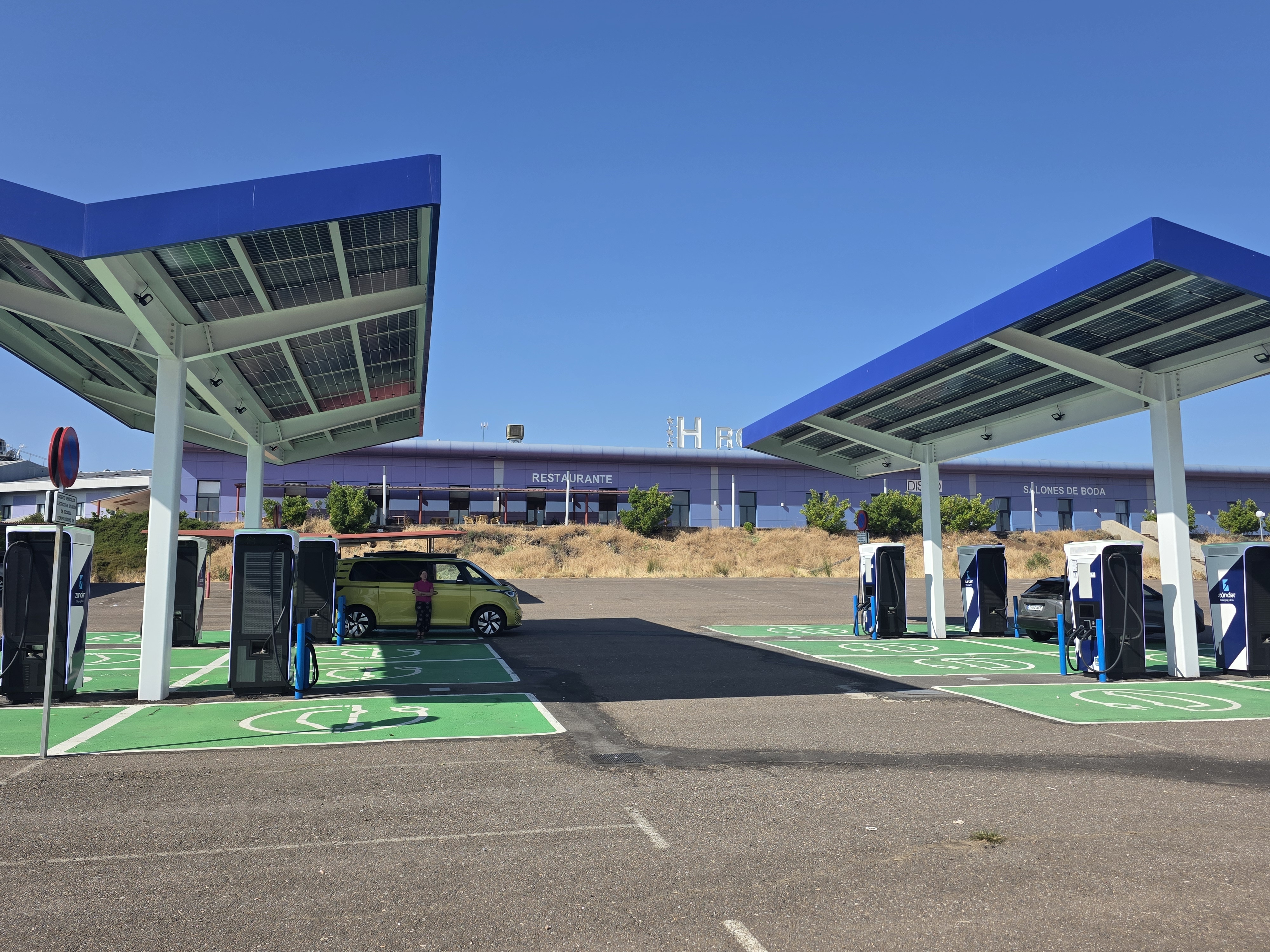
After charging the van at a Zunder EV charging station, where only one other of the sixteen spots available was occupied, we were on our way again. The huge number of charging stations and the lack of queues makes charging in Spain much easier and quicker than in Ireland.
We selected ‘no highways’ in Google maps so we drove through villages and small roads lined with vineyards and olive groves. The hills were topped by ruined castles or villages of red-tiled white houses as we crossed into Andalusia.
In Alanis, a pretty whitewashed village in the Sierra Norte, surrounded by rivers and pine forests, a crowd of teenagers, disembarking from a school bus, were as mesmerised by the Buzz as the campsite flies.
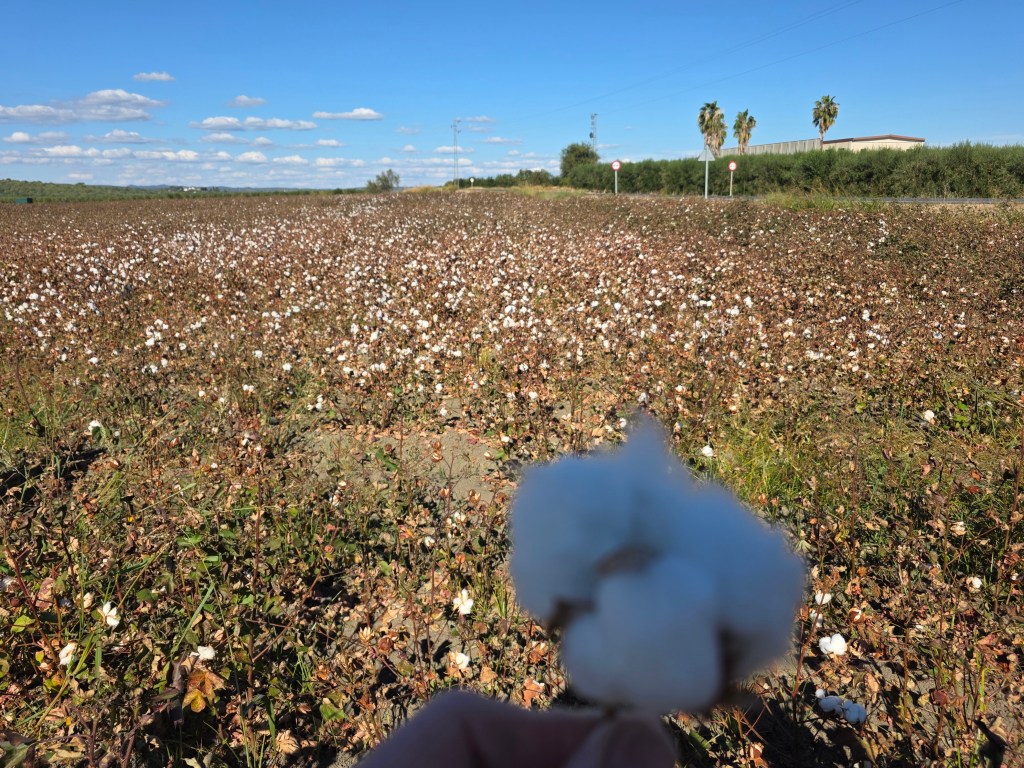
Our next stop was Hornocuelas, a small town in the Sierra Morena in the province of Cordoba where we were welcomed by Luz, my brother in law’s mother and her partner, Andres. We loved staying for a couple of nights in their comfortable, typically-Spanish townhouse with tiled floors throughout a shuttered windows to keep out the light because here, the sun is the enemy. Although, it was a pleasant 26C in October , the temperatures hit a melting 46 C last August. The town is surrounded by olives groves because olive oil is big business as well as almonds and fields of cotton, full of soft white balls, almost ready for harvesting.
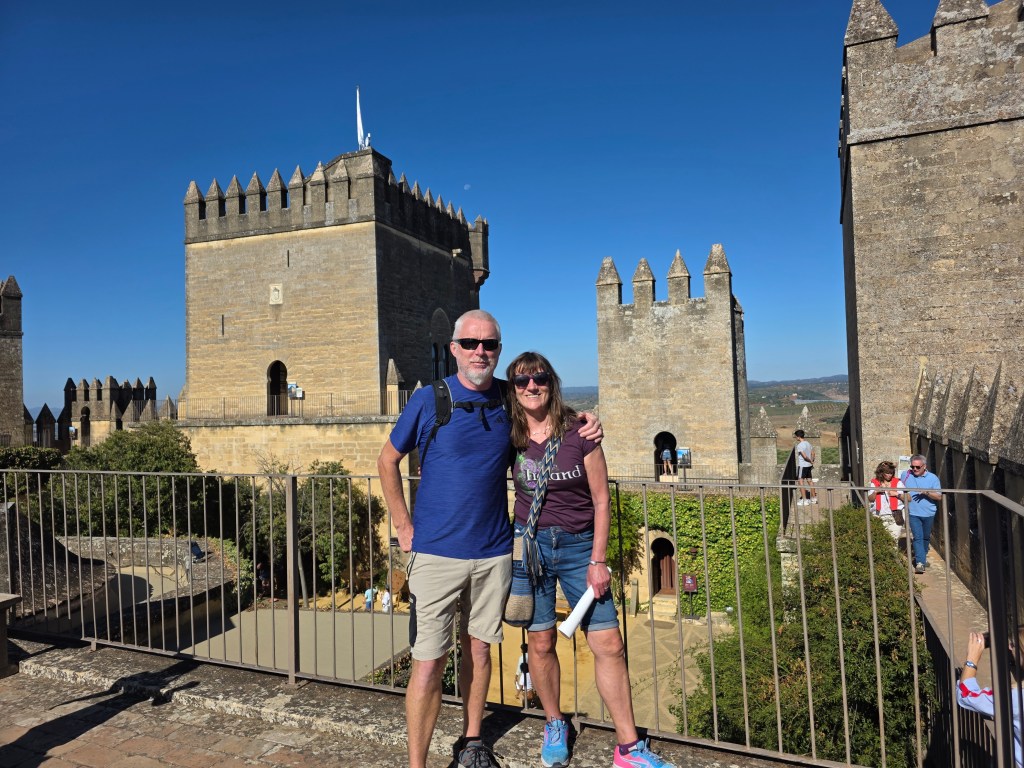
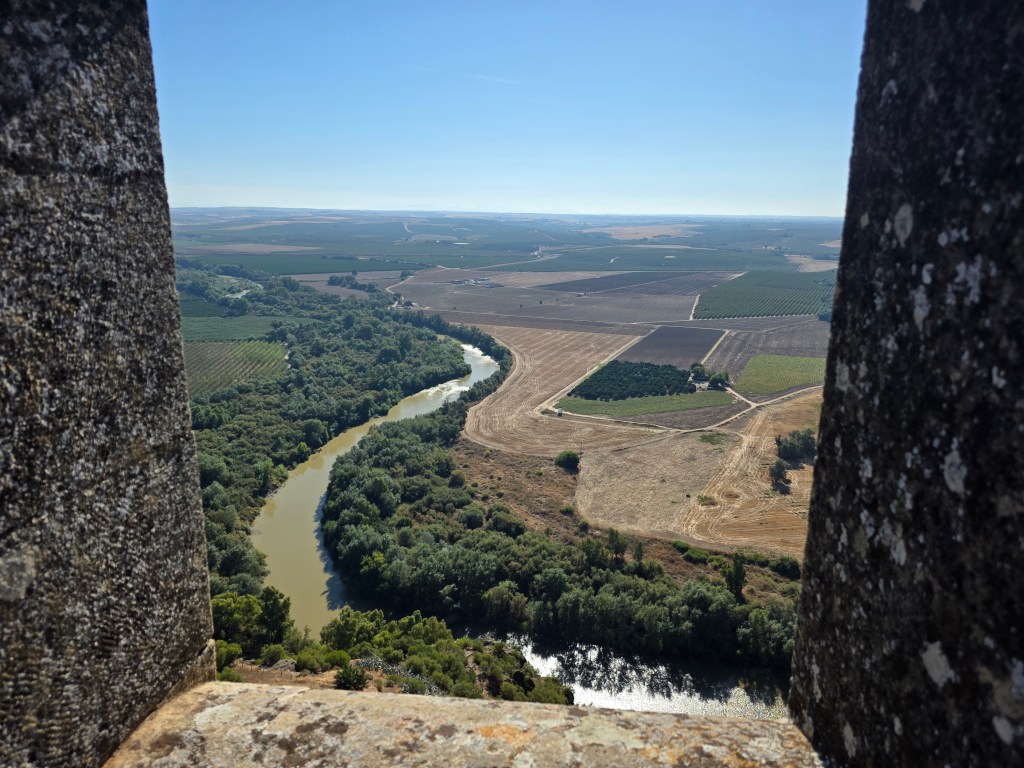
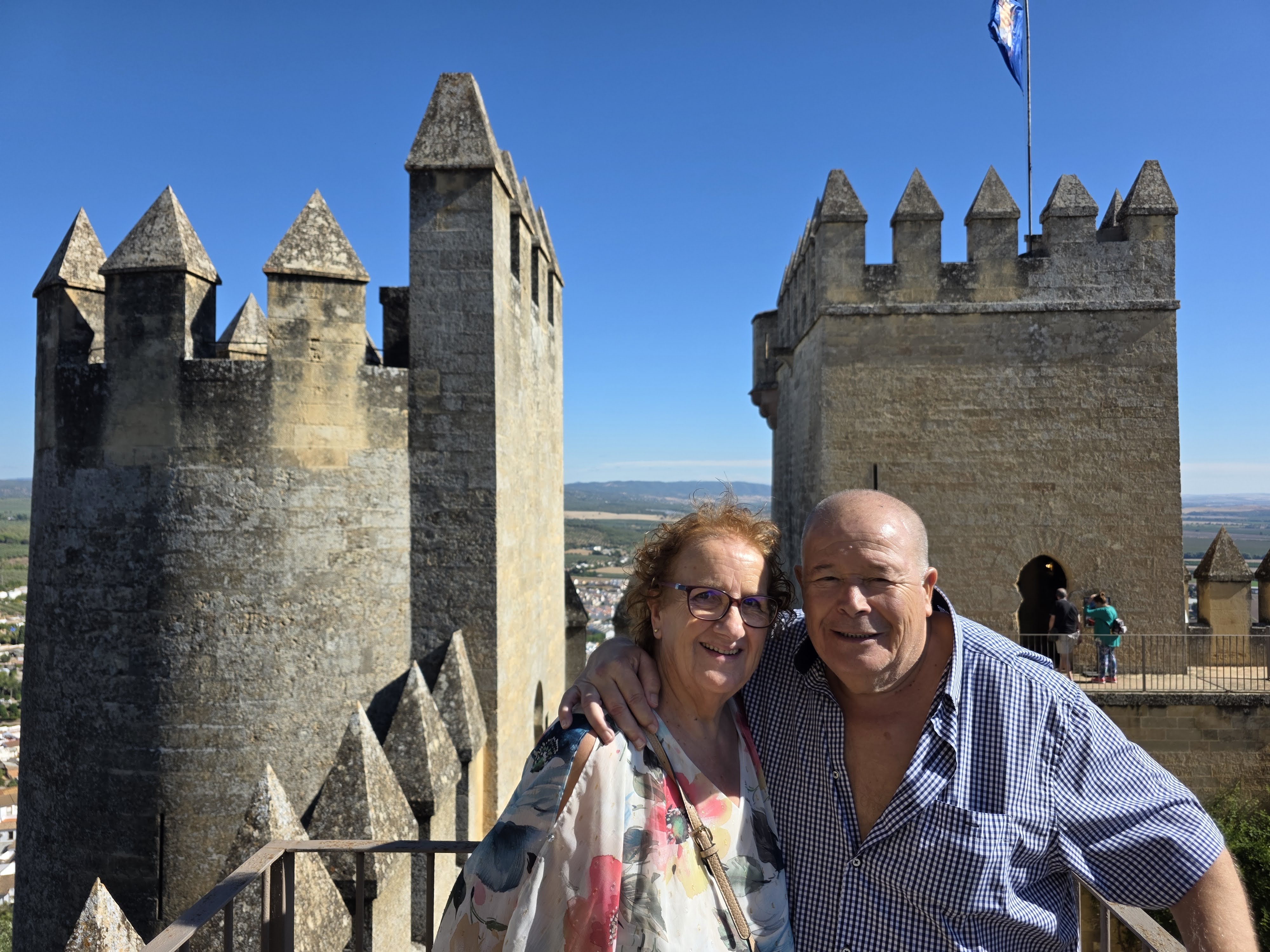
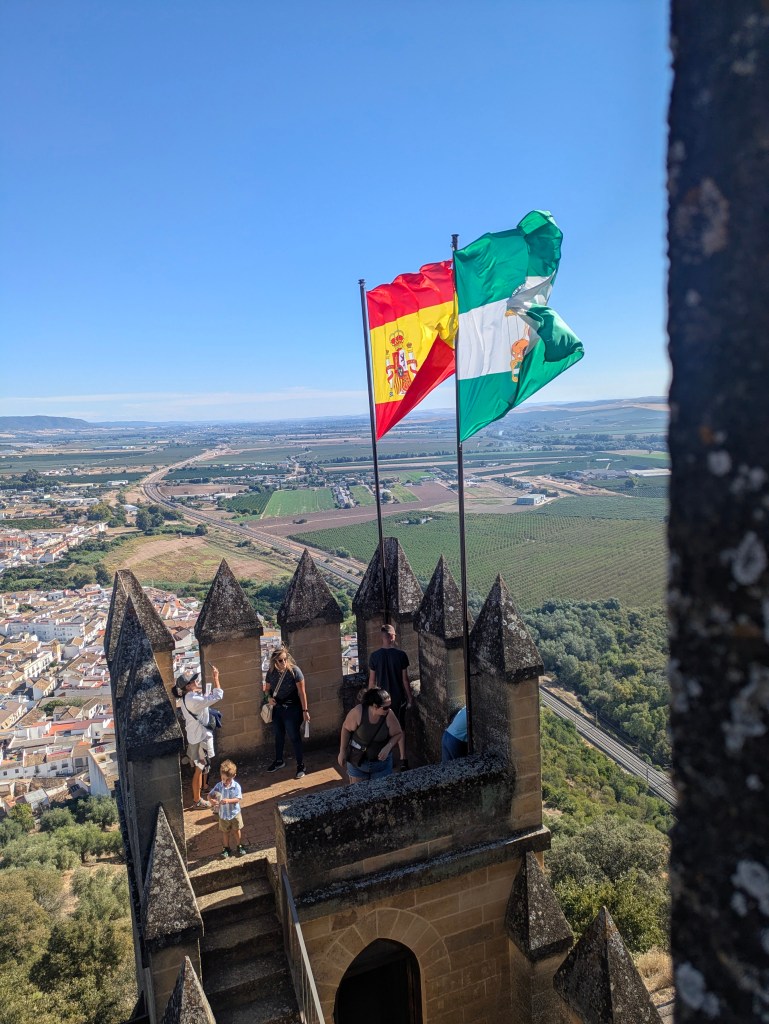
A visit to Almodovar Castle, setting for many Game of Thrones scenes, was a walk through the centuries. Originally the site of a Roman fort, a Moorish fortress was built here in the eight century, overlooking the Guadalquivir River, before being taken over by the Christians. It was extended and remodelled over the years with stories lingering between the cracks in the many towers, torture chambers and courtyards. It’s well worth a visit with an excellent audio-guide.
Saying ‘Adios‘ to Luz and Andres, we left loaded with gifts of cheese, honey, wine and homemade ‘angel hair’ pastries (muchas gracias🥰 ) and headed in the direction of the Caminita del Rey, which is a hike near Ardales in the province of Malaga. Numbers are restricted and it’s so popular that it has to be booked in advance. We reserved a spot two weeks ago (before we left home) and were fortunate to get a spot so soon, as it can be booked out months in advance.
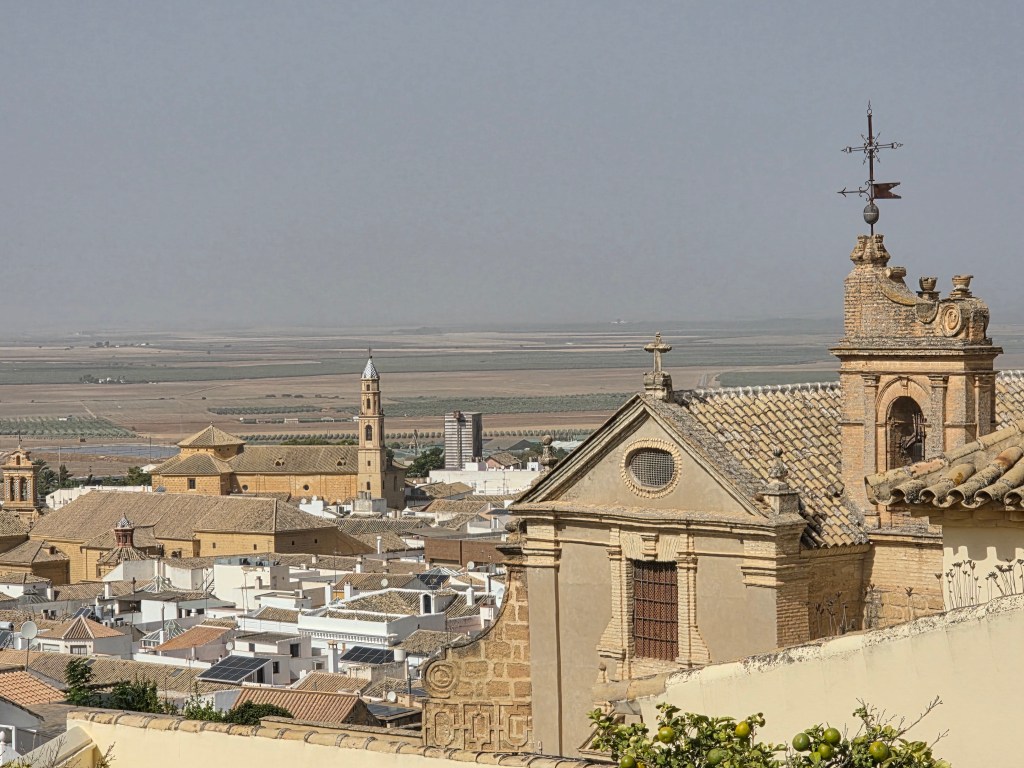
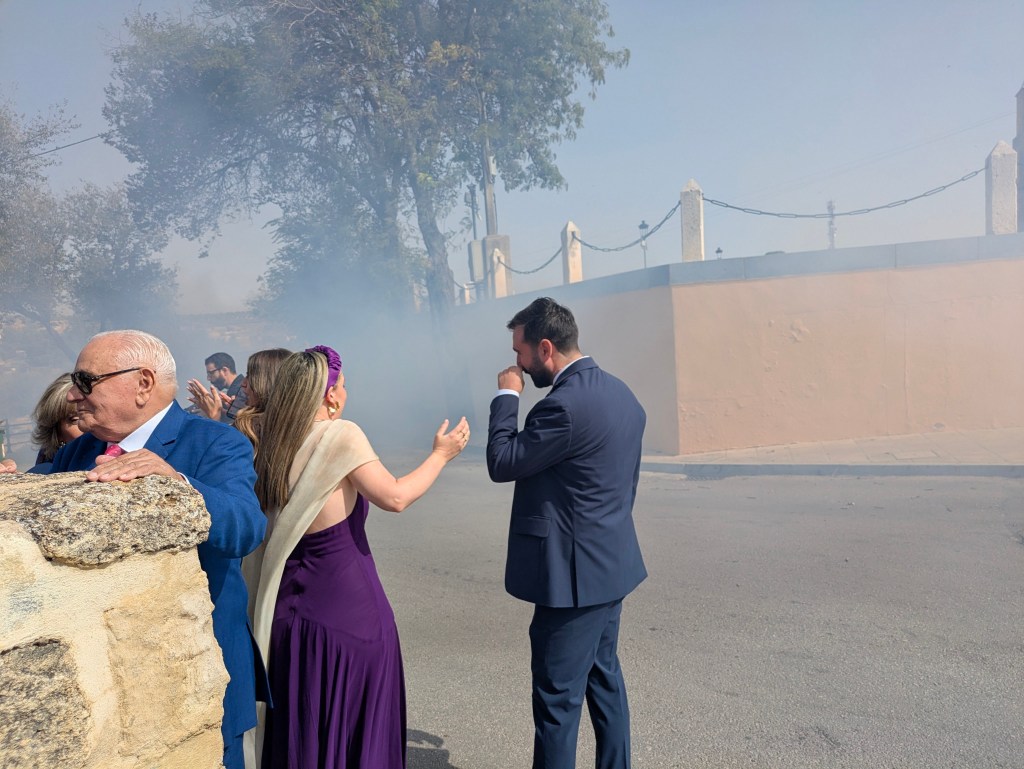
The two hour and a quarter journey from Hornocuelas was mainly through flat, empty countryside. Driving through Osuna, we spotted a large number of cars parked outside the hilltop church overlooking the town. Curiosity made us stop for a look. The church doors opened and wedding guests, as colourful as butterflies, spilled out. When a vintage car carrying the bride and groom drove up the little side road, there was a lot of yelling before a series of ‘bangers,’ arranged in a long row by the edge of the pavement, detonated in sequence sending black smoke everywhere. This custom certainly starts married life with a bang.
The Caminita del Rey is a trek along narrow walkways that are pinned along the steep walls of a spectacular gorge. These walkways were originally used by the workers in the construction of a hydroelectric power station about a hundred years ago. The company employed quite a few sailors with a head for heights from climbing ship’s masts. This is a spectacular walk with stunning views…..and not as scary as the photos might indicate as new reinforced walkways have replaced the original rickety ones….although not for anyone with vertigo. The actual portion of the hike along the gorge is quite short, about 3.5 kms with a couple of kilometres at either end to make up the total kilometres. Although there is no need for a guide (the path is self-evident), the number of unguided slots is very limited. The advantage of being in a guided group was the people we met, some Aussies and a lovely couple from Oregan, who we shared a cold drink with at the end.
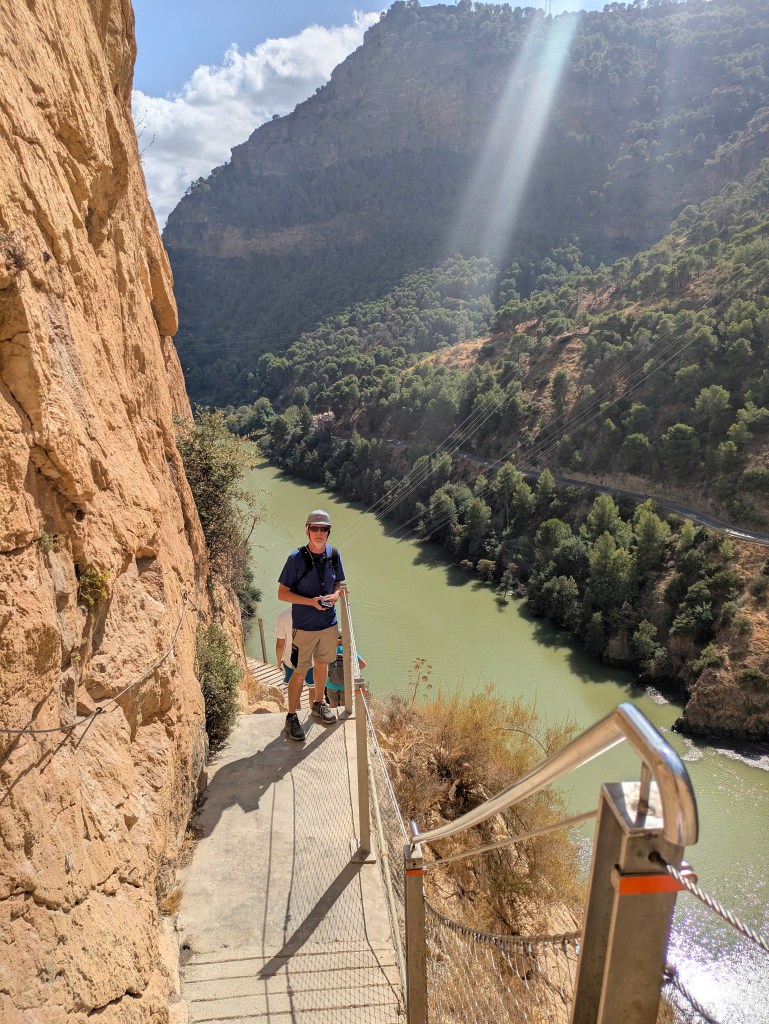
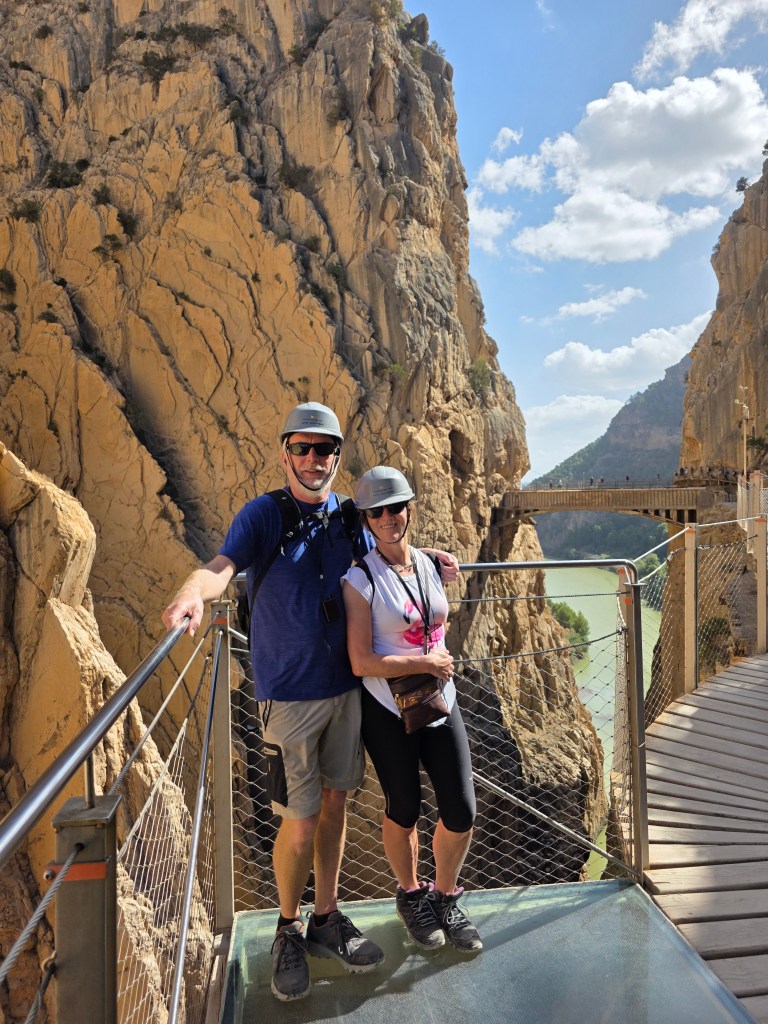
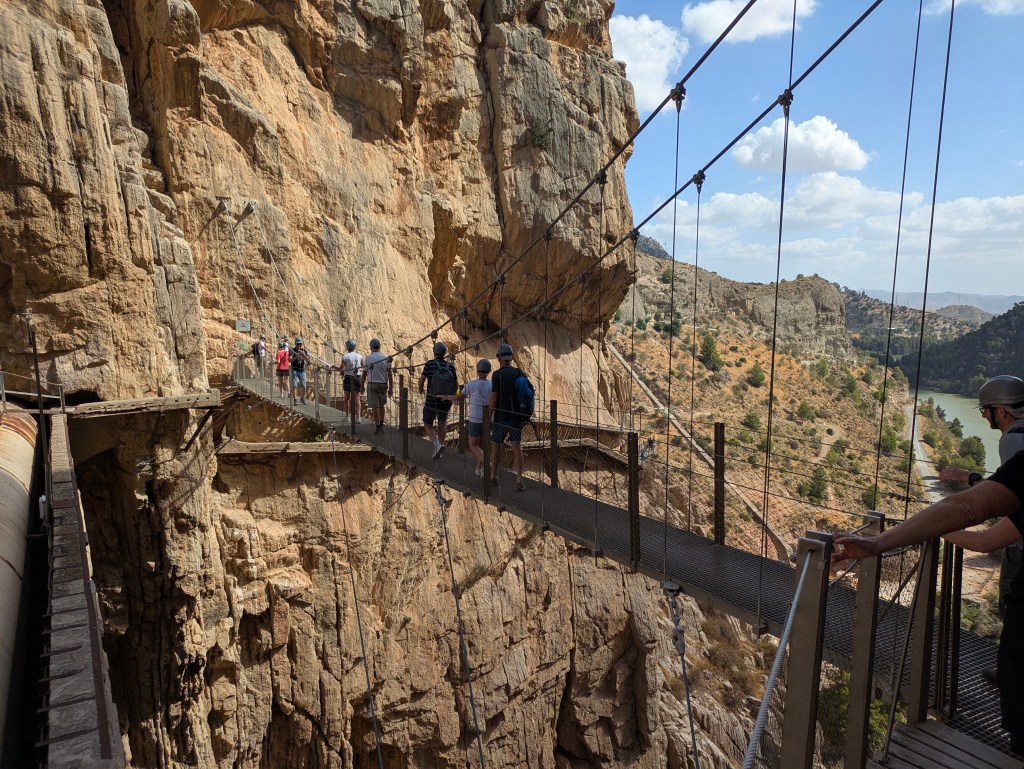
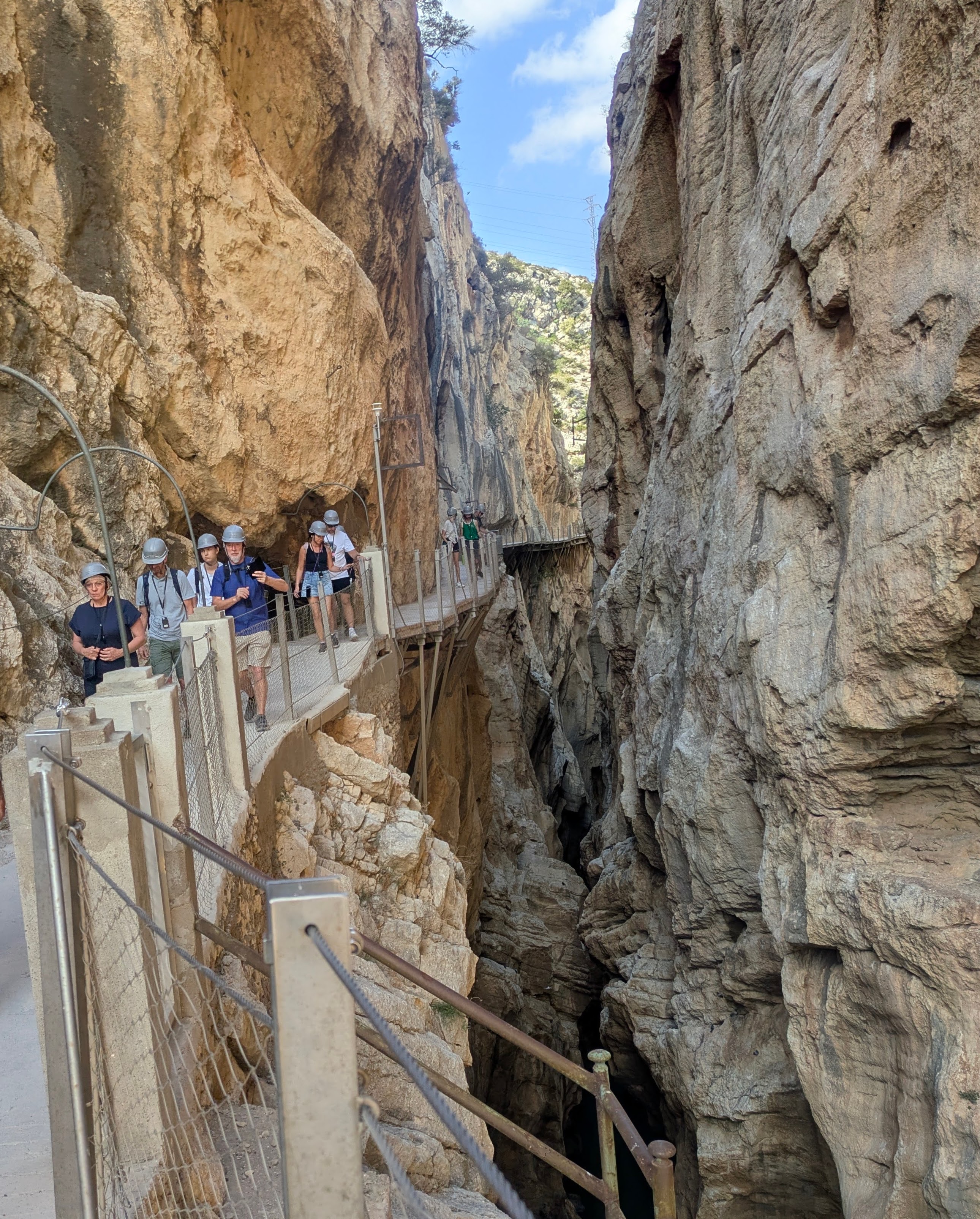
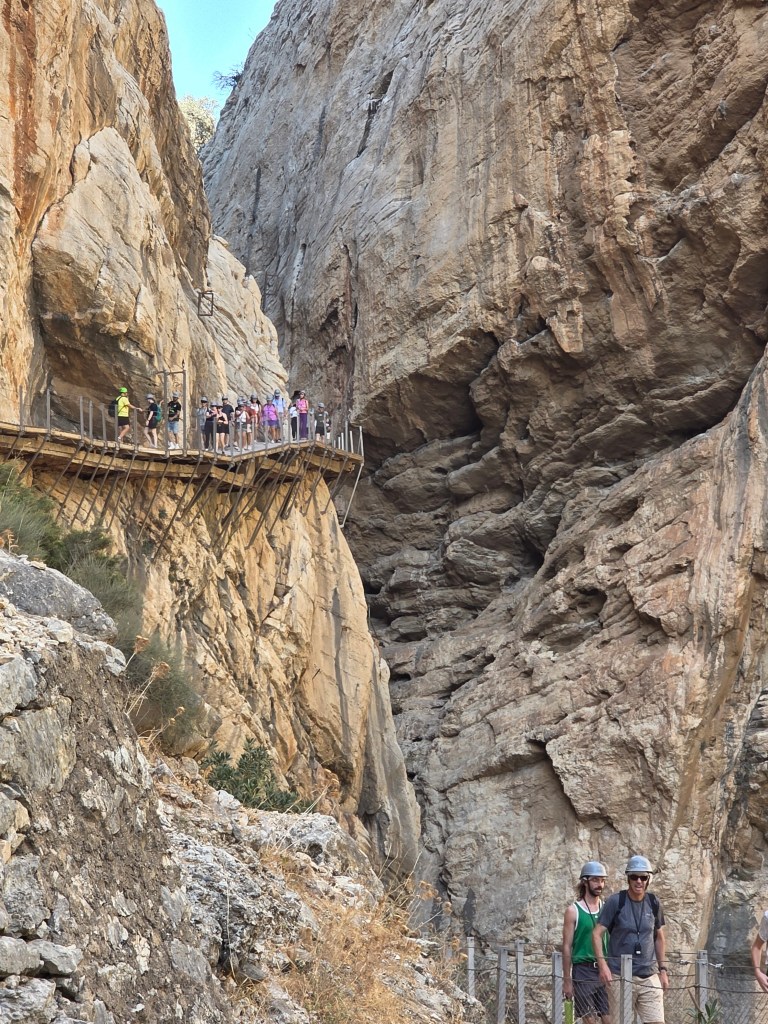
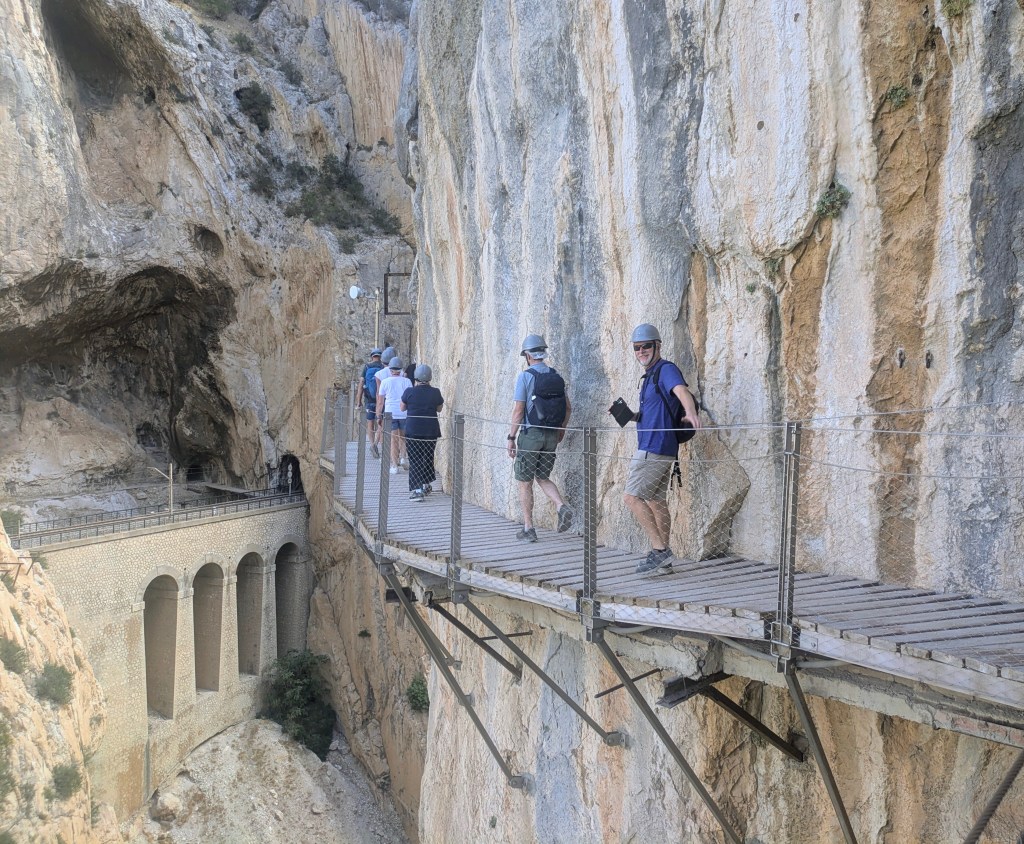
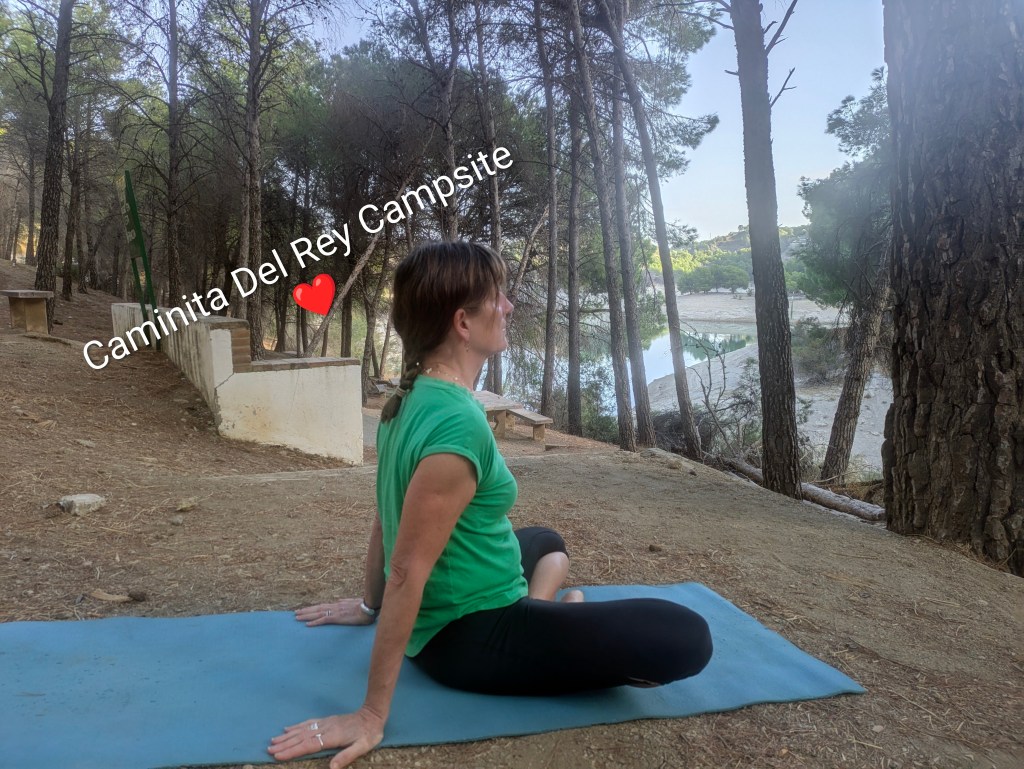
We stayed in a campsite at the northern end of the gorge (€19/night), which was a convenient 500 metres from the tunnel entrance to the starting point. The 7.8kms hike is one-directional but there are buses at the El Chorro end (finishing point) to drop hikers back to the starting point or to one of the carparks along the route. This all sounds very logical but the website is quite poor and potential hikers found themselves at the wrong end without enough time to get to the start or at the starting end but thinking they should be at the other end. A lesson in confusion! If you are in the area and haven’t made a reservation, at 9am each morning, the first 150 people in the queue are allowed in without a booking…..or so we heard.
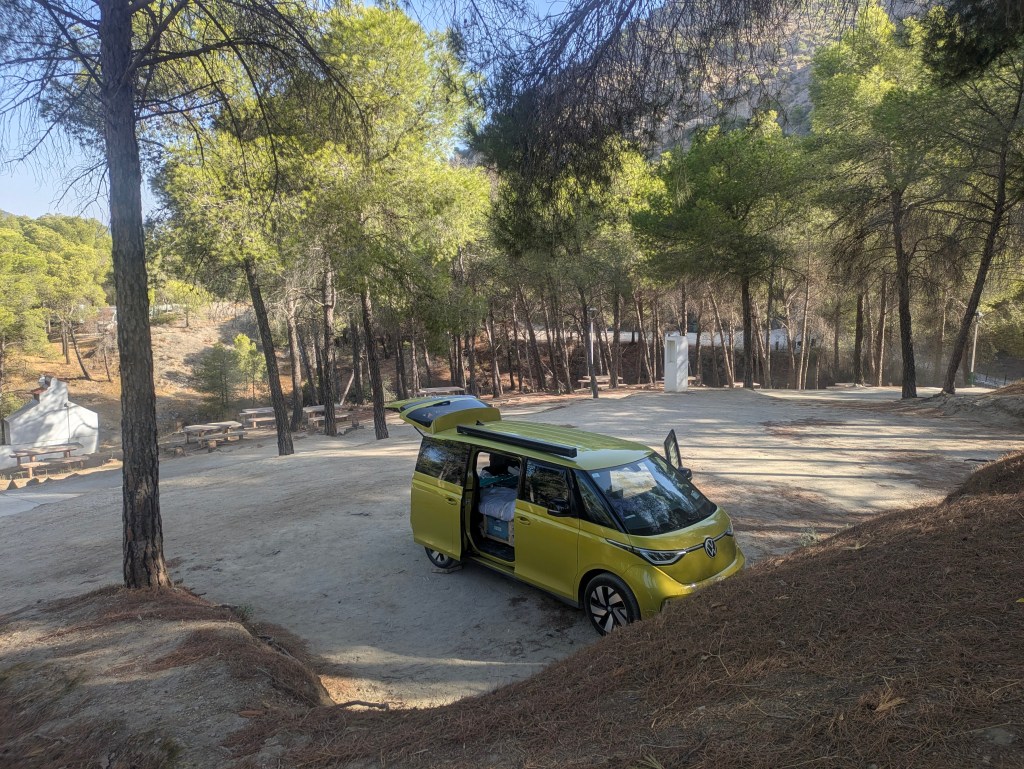
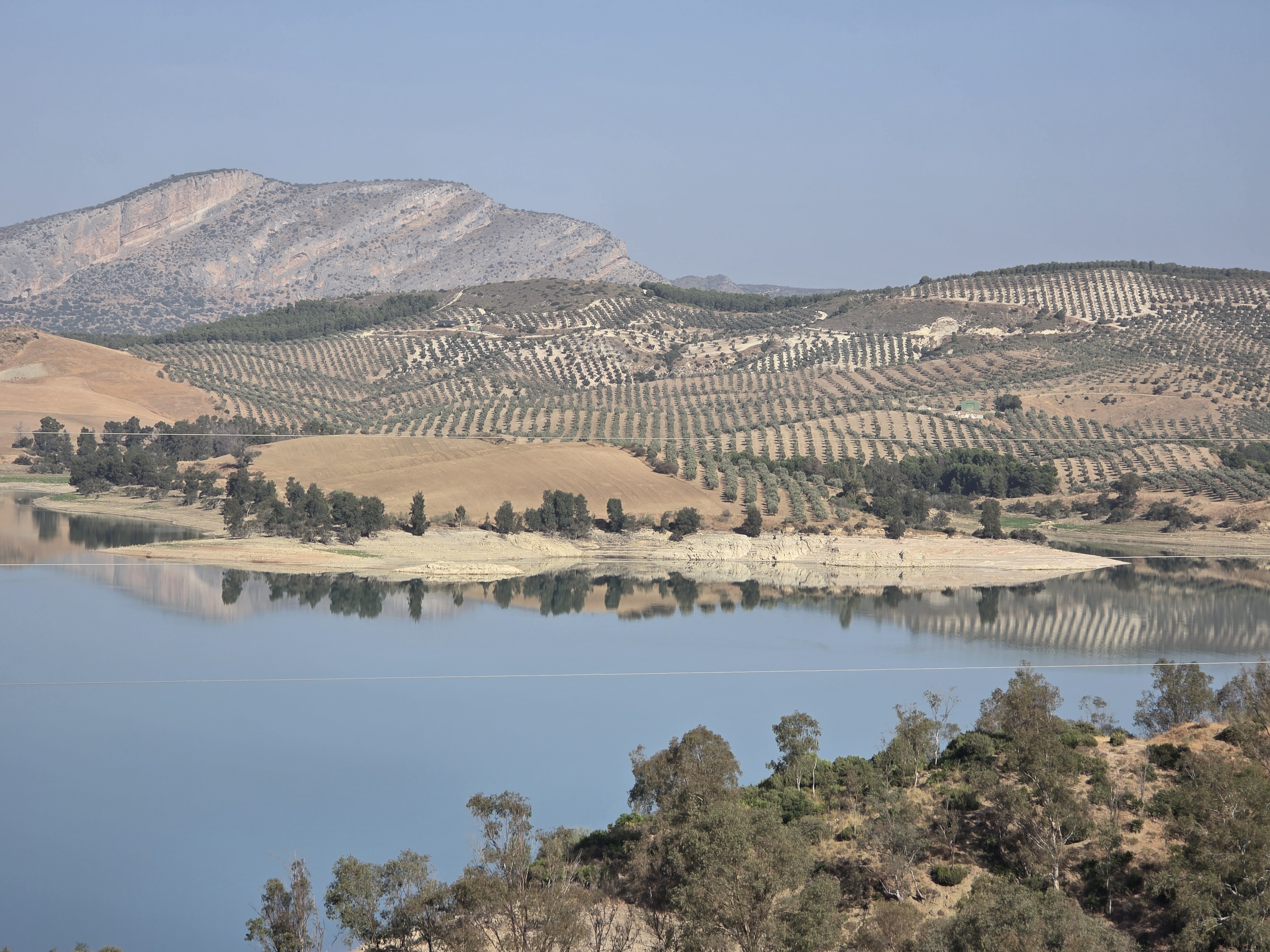
After relaxing in our shady hillside campsite, we journeyed to the city of Malaga through mountains and windmills, reservoirs and dry river beds. Traffic snarled around the city, all roads heading into town were so choked that we headed for a campsite in the hills which had good reviews, and arrived to a dustbowl with no shade, relentless sun, poor facilities (one women’s toilet and one men’s toilet for about forty camping cars) plus an occasional whiff of sewerage. The surprising thing was that it was full, we barely got a spot and it was relatively expensive (€25)….not a promising start to camping along the Costa del Sol.
The following morning, we were up and gone by sunrise……not very early as its dark here until about 8.15 am. We parked in an underground carpark on the edge of the Centro Historico which also had ten EV charging points, convenient for topping up the Buzz although we just made it under the 1.9m barrier, with barely a whisper to spare.
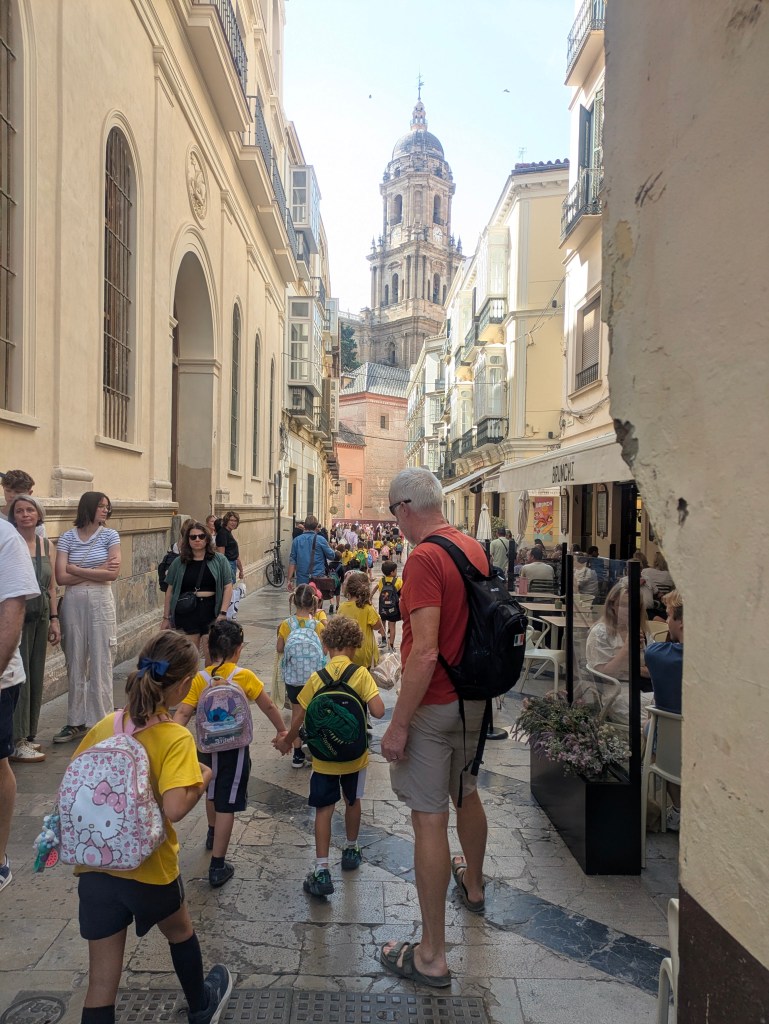
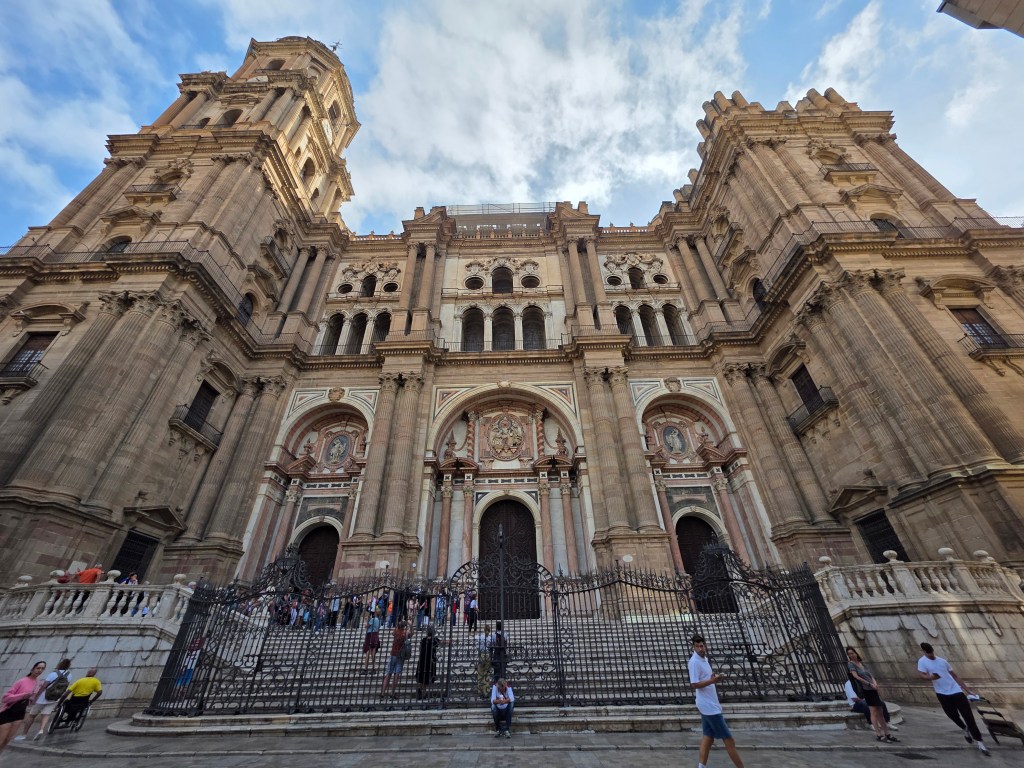
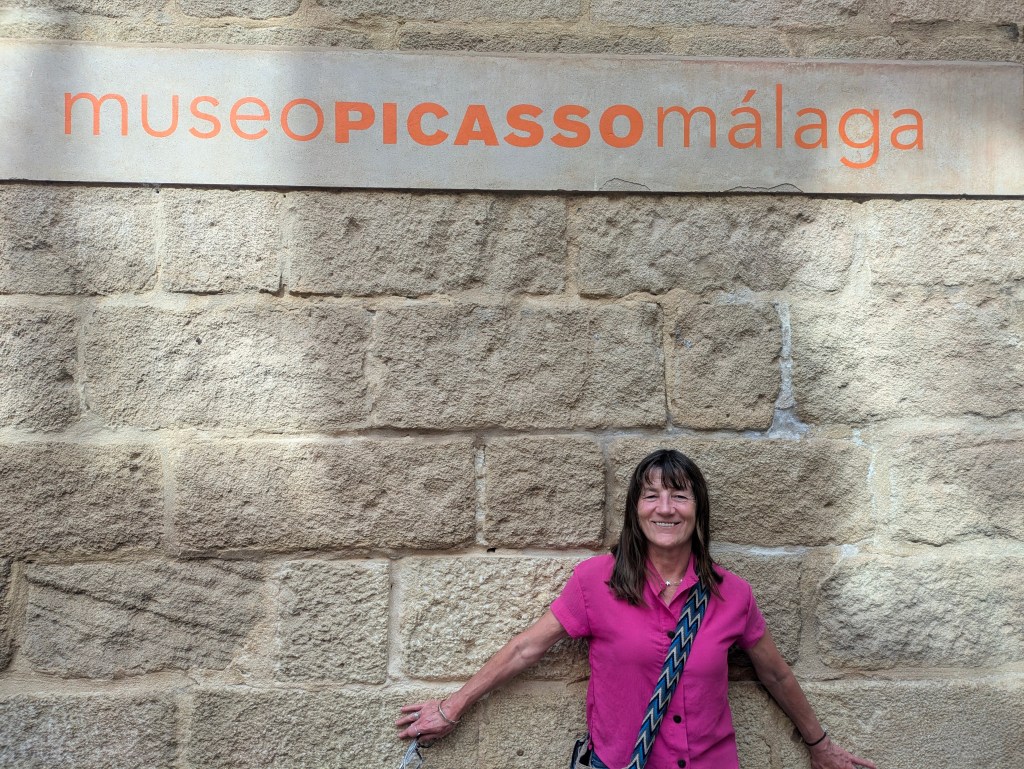
Malaga is truly a gorgeous city, teeming with tourists and with enough museums to rival Waterford. Deciding to go to the Picasso Museum, we discovered that the earliest slot we could get was at midday so we ate breakfast at one of the many cafes, people watching, enjoying the vibrant atmosphere and listening to the squeal of the tyres of delivery vans on the ceramic tiled streets.
Morocco is now firmly in our sights, just a few more hops.
Till next time….hasta luego.
Thanks for reading


 marienoonanblog