In my last post, I said that we were hoping to leave Amami Island, a small island in the East China Sea a few days early because there was a risk of a typhoon coming in our direction. The bad news was that we couldn’t change the ferry return date because of lack of availability for the campervan and the good news was that the typhoon changed direction and headed in a more southerly path towards Taiwan and North Korea. The tail of the hurricane still lashed Amami with rain so we booked into a really comfortable hotel -The Wa, enjoyed some pampering and sampled a few of the many restaurants in Naxe, the main town on the island.
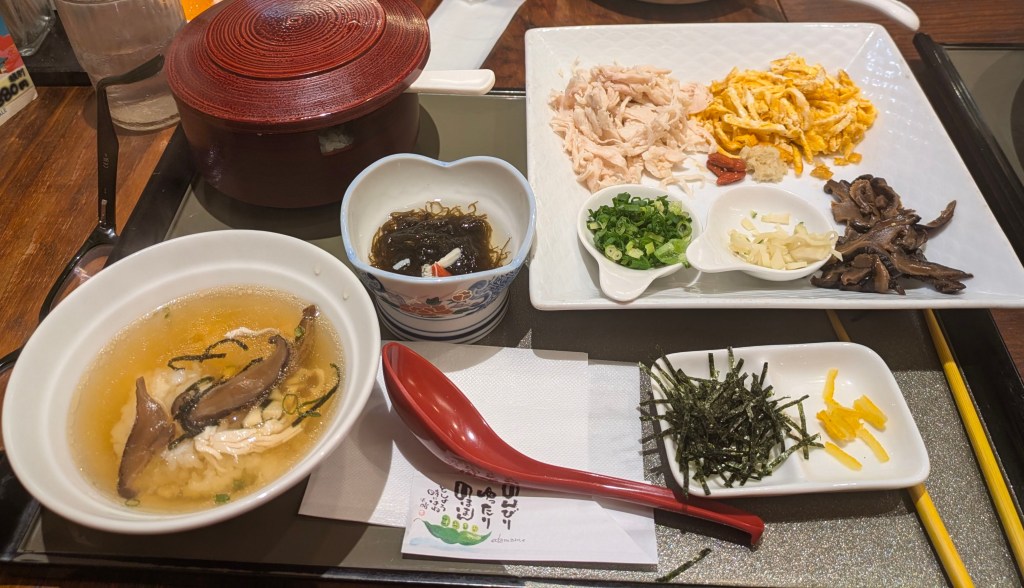
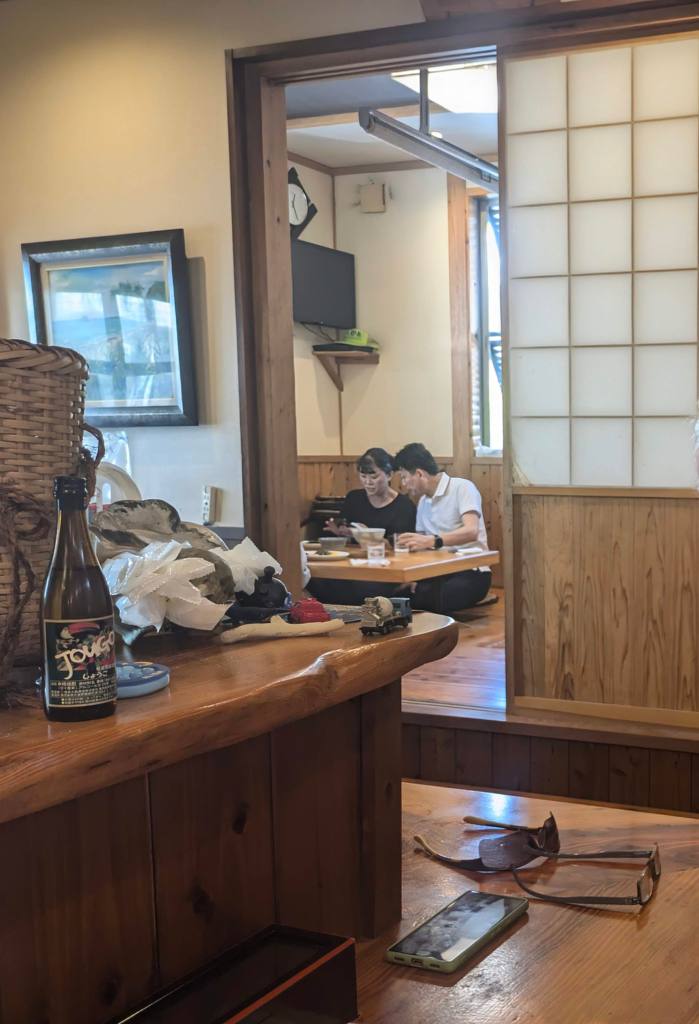
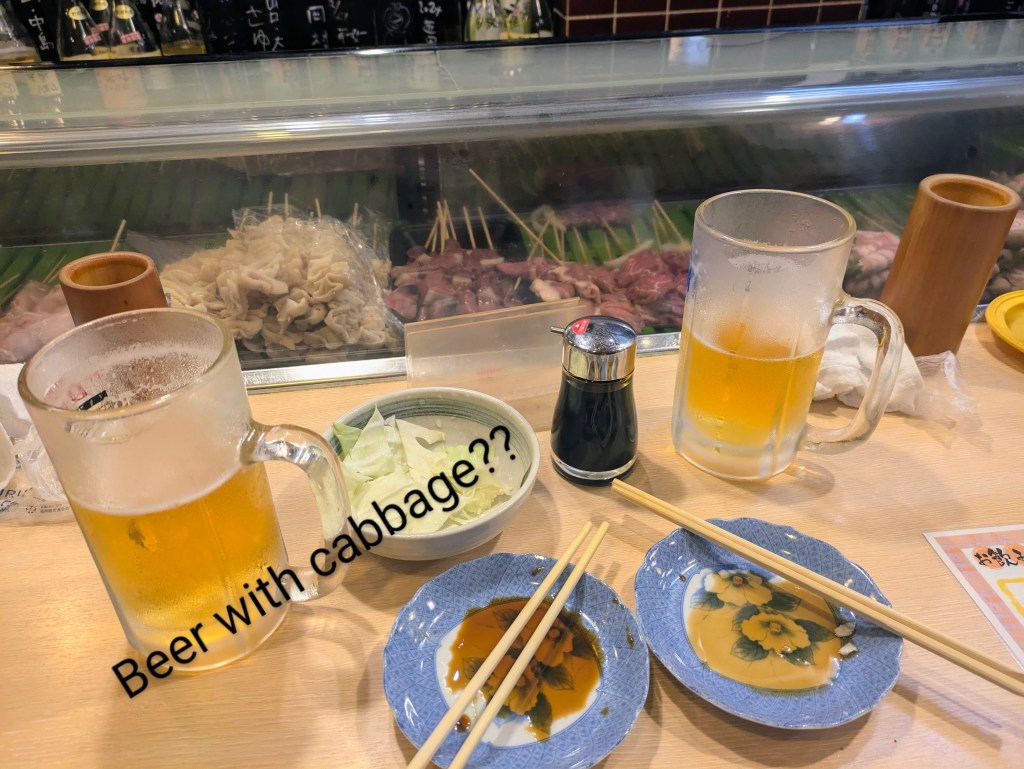
We have become fans of Japanese food although we had rarely eaten it before coming here. However a word of caution to vegetarians – a strict vegetarian would probably starve as even the miso soup has a meat base and tofu floats alongside slivers of pork or beef. So we opt for as little meat as possible but even the meat dishes aren’t very ‘meaty’ and there’s usually lots of fresh vegetables. Google Translate lets us down at times when we are looking at menus. We thought that we were ordering the local dish of the Amami Islands (Keihan) which is chicken and rice but we got noodle soup with pork. The presentation and the attention to detail is truly magnificent, with a multitude of side dishes and garnishes. There is such a high standard even in the cheapest places. Eating out is a real pleasure and much more affordable than at home ( we eat local as much as we can)A huge bowl of ramen is about €4 -€5, dinner main course is about €10 to €12 and lunch is cheaper. Some things take a little getting used to. When we ordered two beers, they were accompanied by a bowl of raw cabbage which should be dipped in a couple of varieties of soy cabbage and eaten with chopsticks….surprisingly nice. We haven’t even seen a knife and fork anywhere in Japan yet.
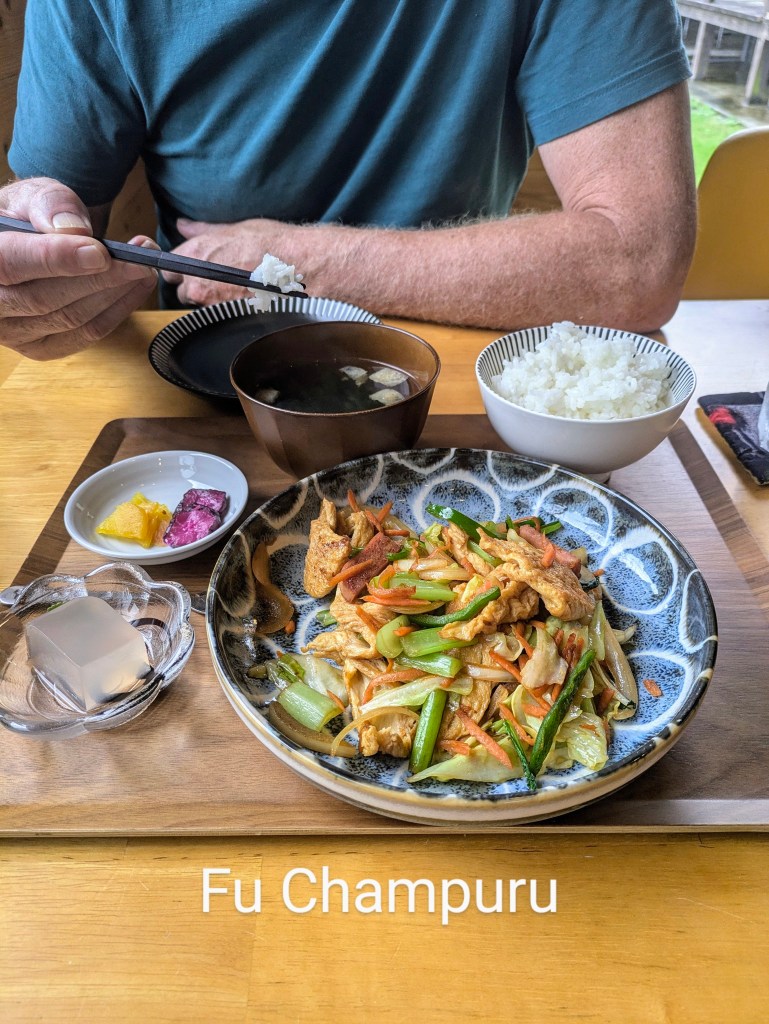
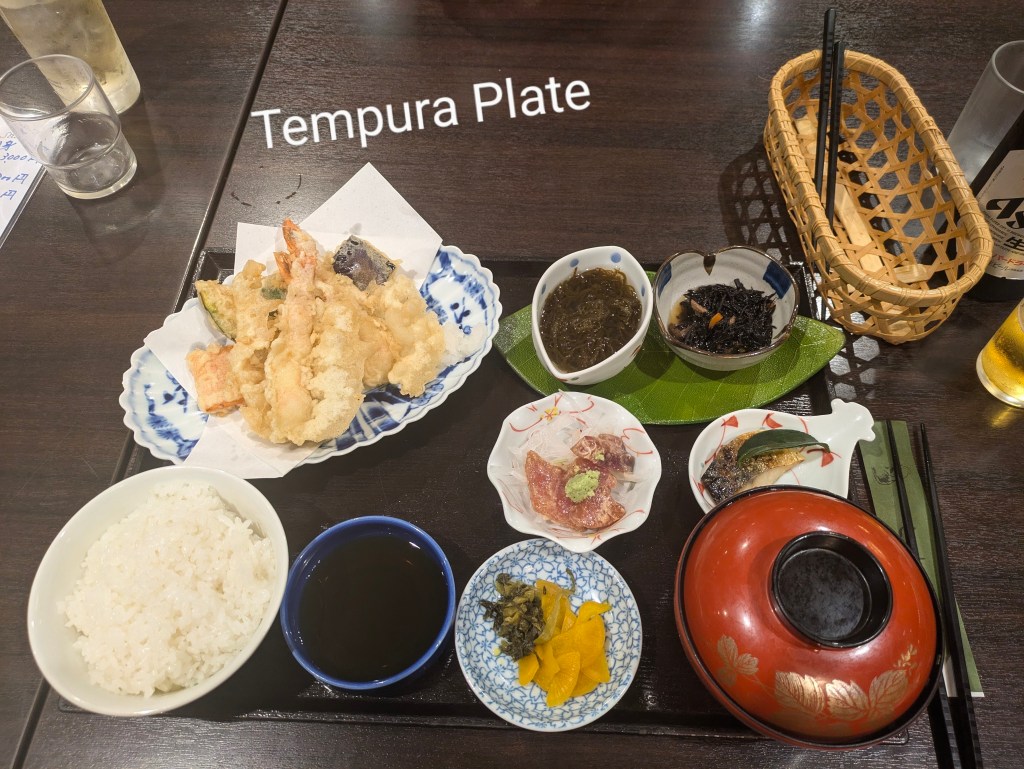
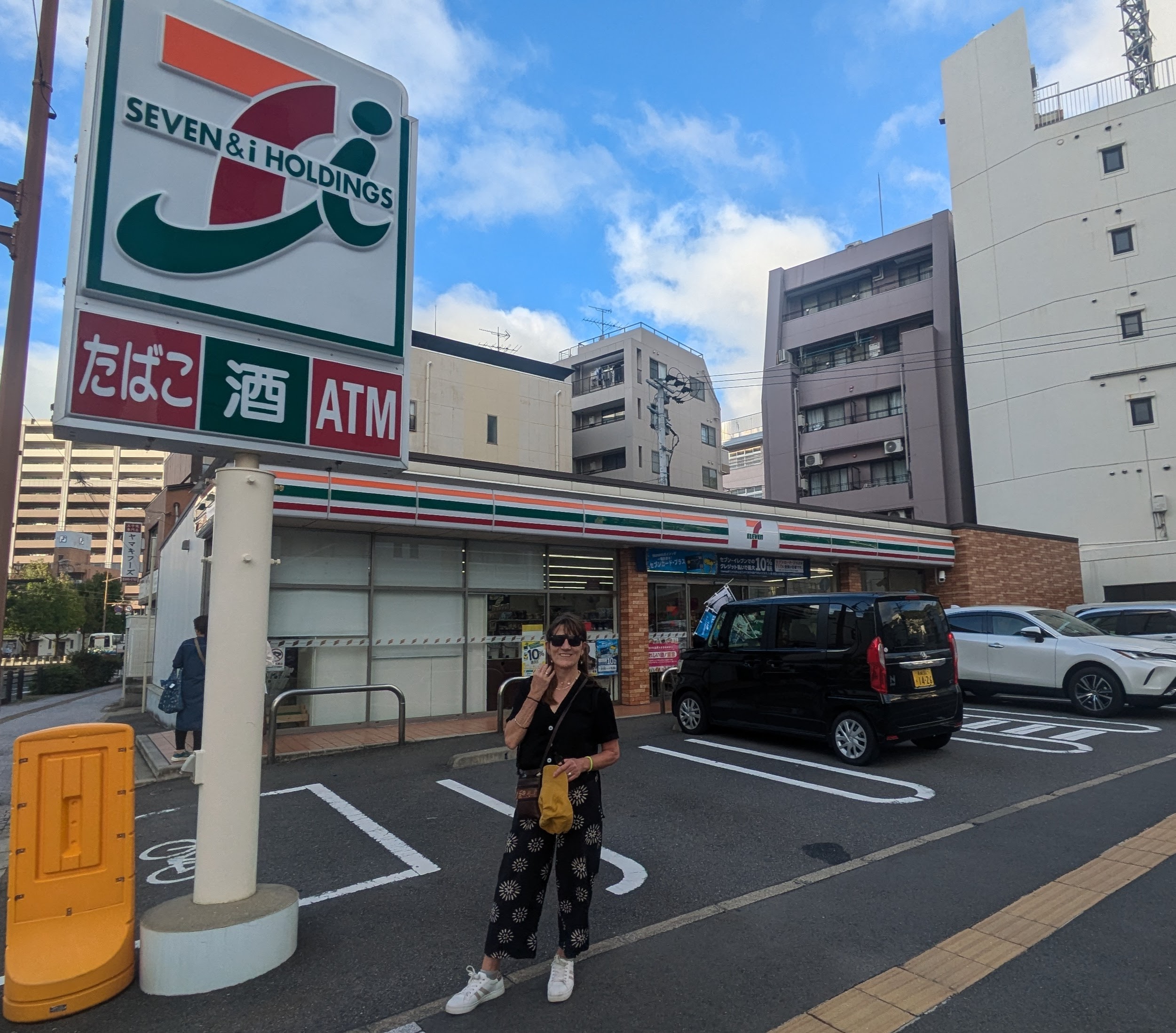
If we are out in the middle nowhere in the van, we cook simple one pot meals ourselves so we also frequent the supermarkets and the little convenience stores known as Konbinni which are everywhere. They are amazing places, usually manned by very friendly staff. They have ATMs, toilets , free WiFi and sell everything from toiletries to Pot Noodles. You can buy all your meals here with a huge selections of high quality, ready-meals with microwaves to heat them up, a counter with stools or a few tables to sit at. There’s coffee, cold drinks and a selection of magazines and comics. They are open late, often 24 hours a day, and are really an extension of the Japanese home which are often shoe-box size especially on the cities. Apparently some Japanese apartments (and student bed-sits) don’t even have a kitchen.
Last Wednesday evening, we were sitting in the van in the ferry queue to get off Amami Island. It was dark but it was also warm -about 25degrees- and very humid. The rain was torrential. Caoimhin tried to turn on the engine to clear the windscreen and turn on the wipers. Nothing happened. There was an ominous creaking sound (a bit like a hoarse corncrake) but nothing more. After several panicky tries with no luck, Caoimhin got out to see if we could get help. I was frantically thumbing through the Japanese van manual to find a graphic representation of out how to open the bonnet(words weren’t any help😲). Meanwhile Caoimhin was out in the rain, holding his useless umbrella which the wind had turned inside out. One of the attendants, an elderly man, came over to us and Caoimhin tried to start it again. The same creaking sound. The man nodded and walked away without a word. We sat there, still not knowing how to open the bonnet. Then one last try……and the engine turned over. A few minutes later, the row of cars started to move to board the ferry with the usual shouting, whistle-blowing and reversing up ramps. The ferry we embarked had come from Okinawa and again there were lots of Japanese army vehicles and personnel onboard but there were also hundreds of schoolchildren travelling to the mainland of Japan for school sports events The US still have a big army base in Okinawa, which was under American control from the end of World War 2 until the 1970’s.

The crossing was rough, much more turbulent than our outward journey. At times there was such loud banging that it sounded as if vehicles were sliding around the car deck. After a few hours, it became calmer but we were more than delighted to see land and disembark in Kagoshima.
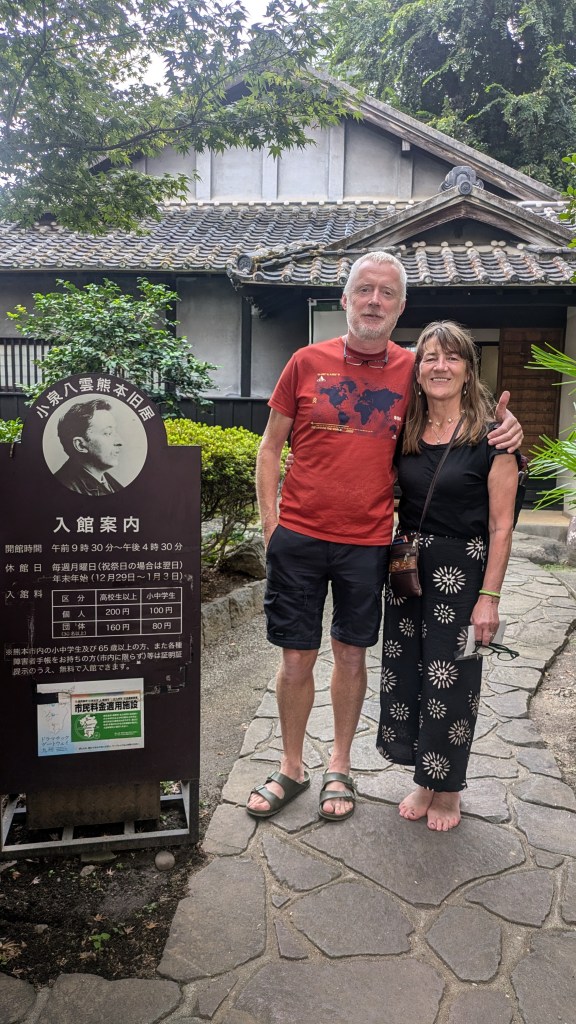
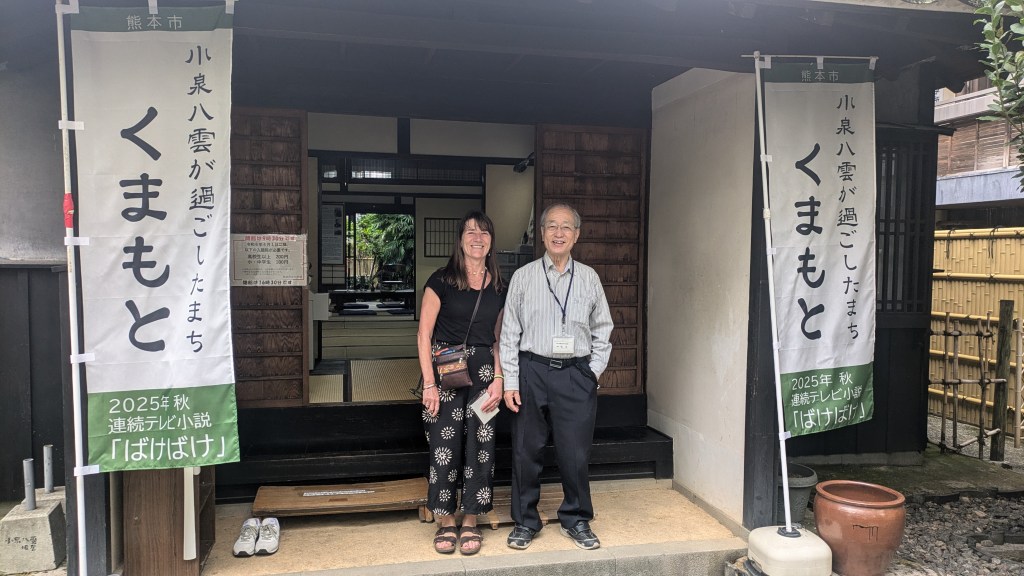
No matter where you go, there are always connections with home. Our next stop was Kumamoto, a town where Lafcadio Hearn lived for a few years with his Japanese wife and children. Lafcadio was a writer with an Irish father and a Greek mother and spent many summers in Tramore as a boy. The beautiful Lafcadio Japanese Gardens in Tramore were established in his memory. Lafcadio is very much revered in Japan for his writings and his house in Kumamoto has been turned into a museum. There was a small entrance fee and the attendant was very friendly (although he didn’t speak English) giving us some postcards as presents.
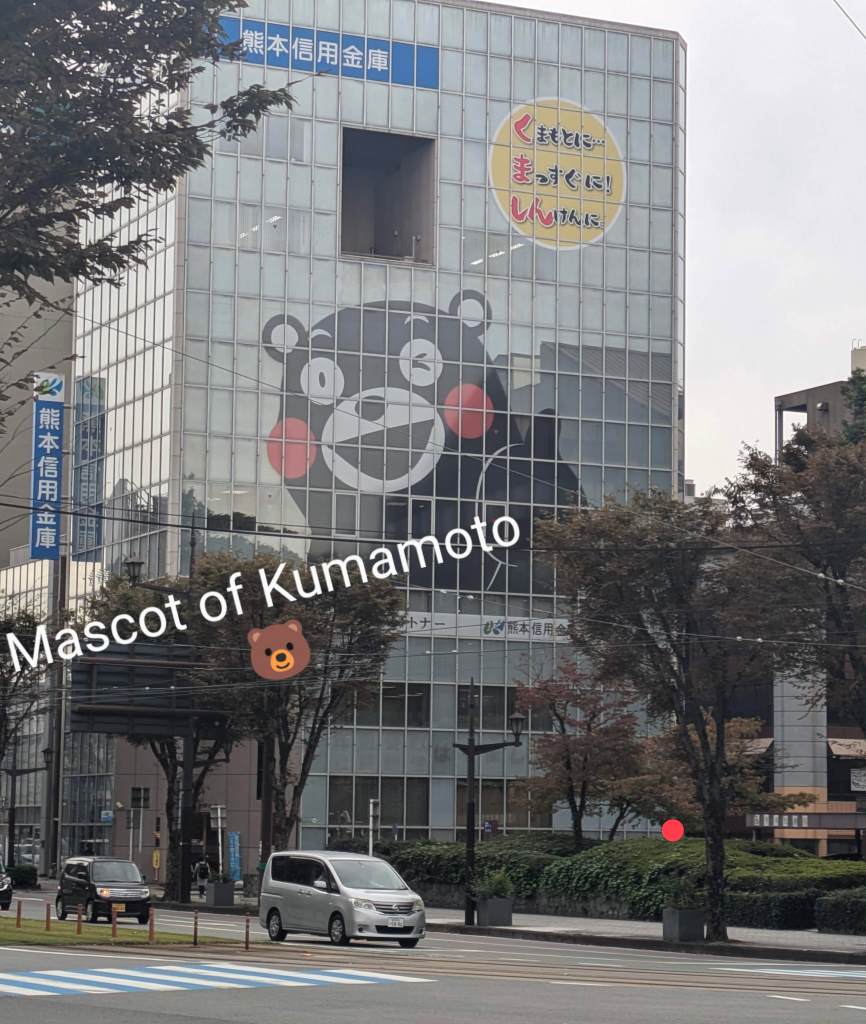
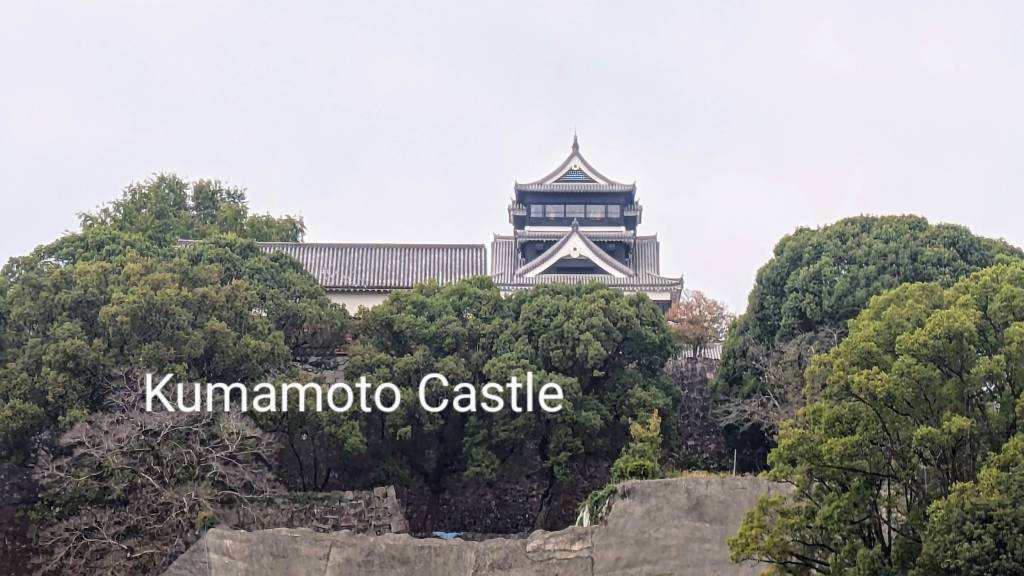
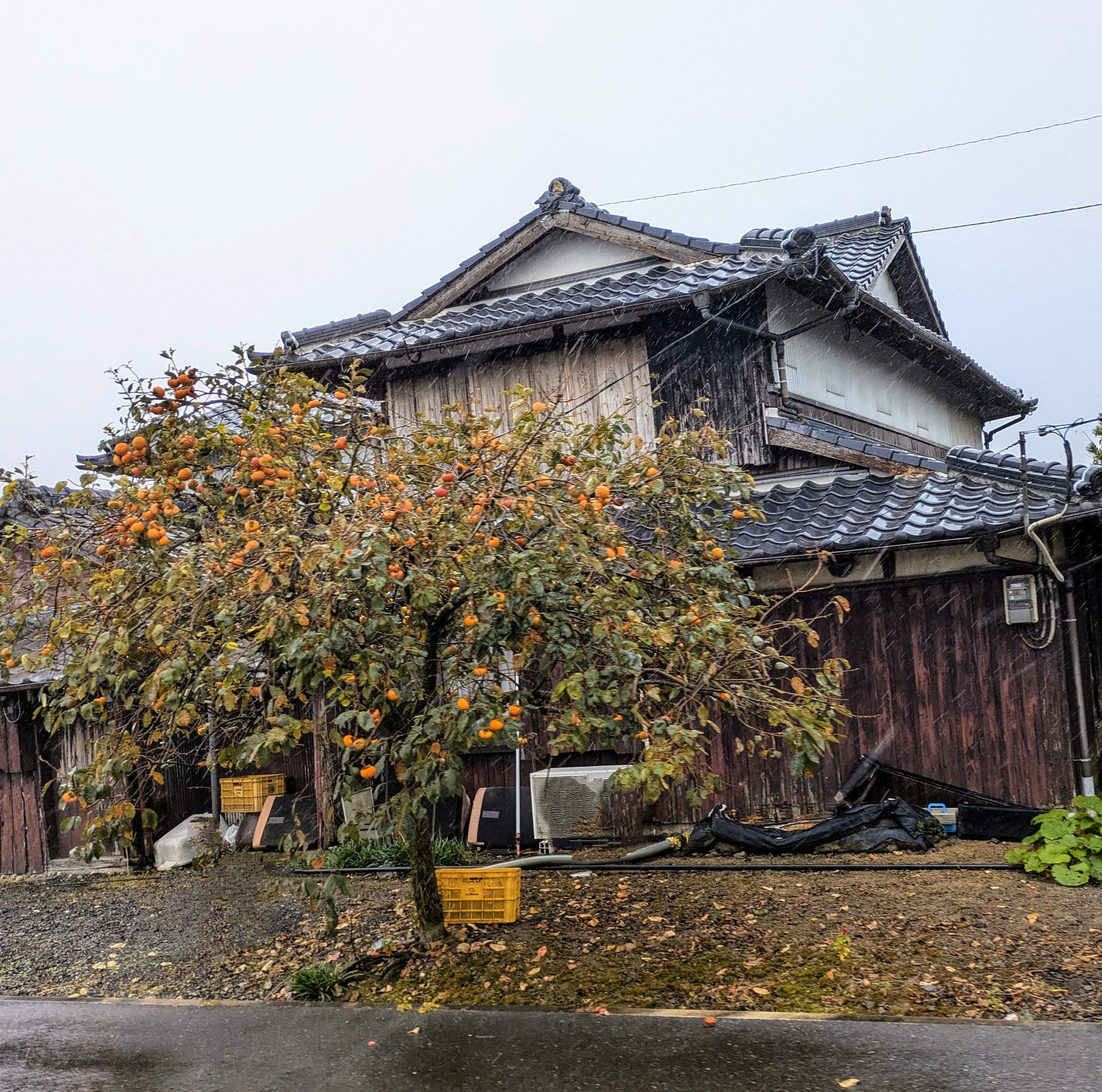
As we drive into the mountains out of Kumamoto, we can see the hazy peninsula of Nagasaki across the Araike Sea. Along the way, there are small farms and little villages by the shore, both traditional and modern houses, roadside shires and cemeteries. It’s mandarin season and most houses have a persimmon tree outside with it’s ripening orange fruit decorating the branches like balls on a Christmas tree. The land becomes flatter with rice and beans, tractors and enormous greenhouses.
Caoimhin has been talking about the wonders of Japanese steel since we arrived in Japan so on our drive to Nagasaki, we divert to visit a small family-run business who have been making hand-forged knives for centuries. The knives with their glinting blades and carved handles are truly a work of art.
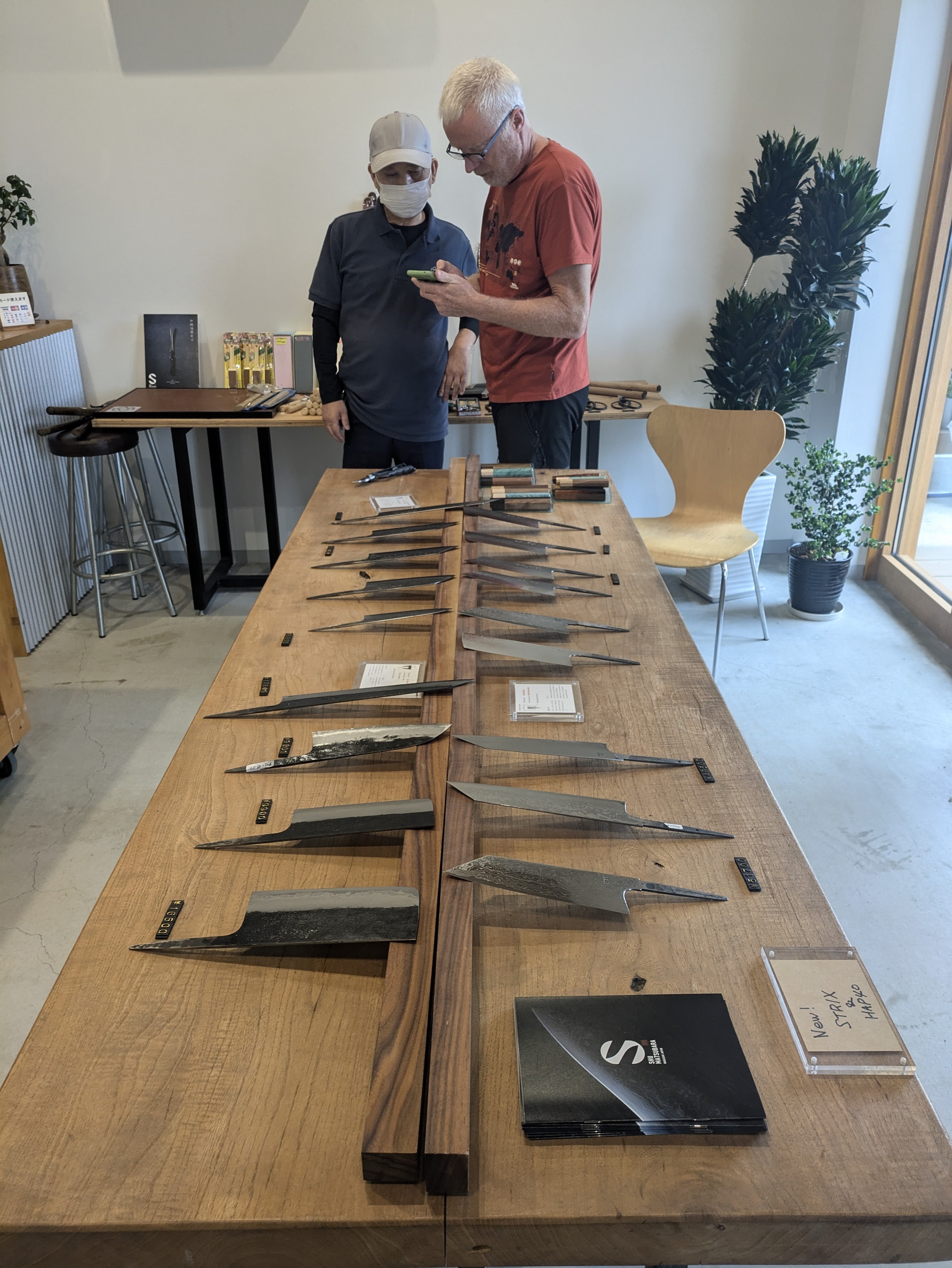
Careful now!!!!!!!!
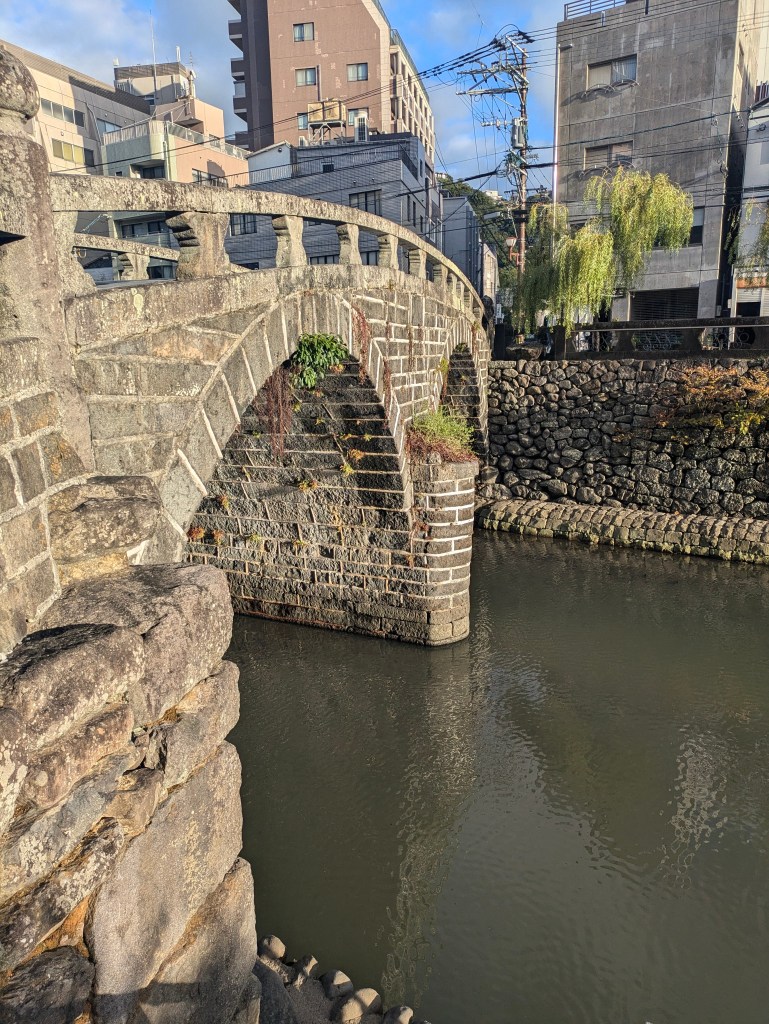
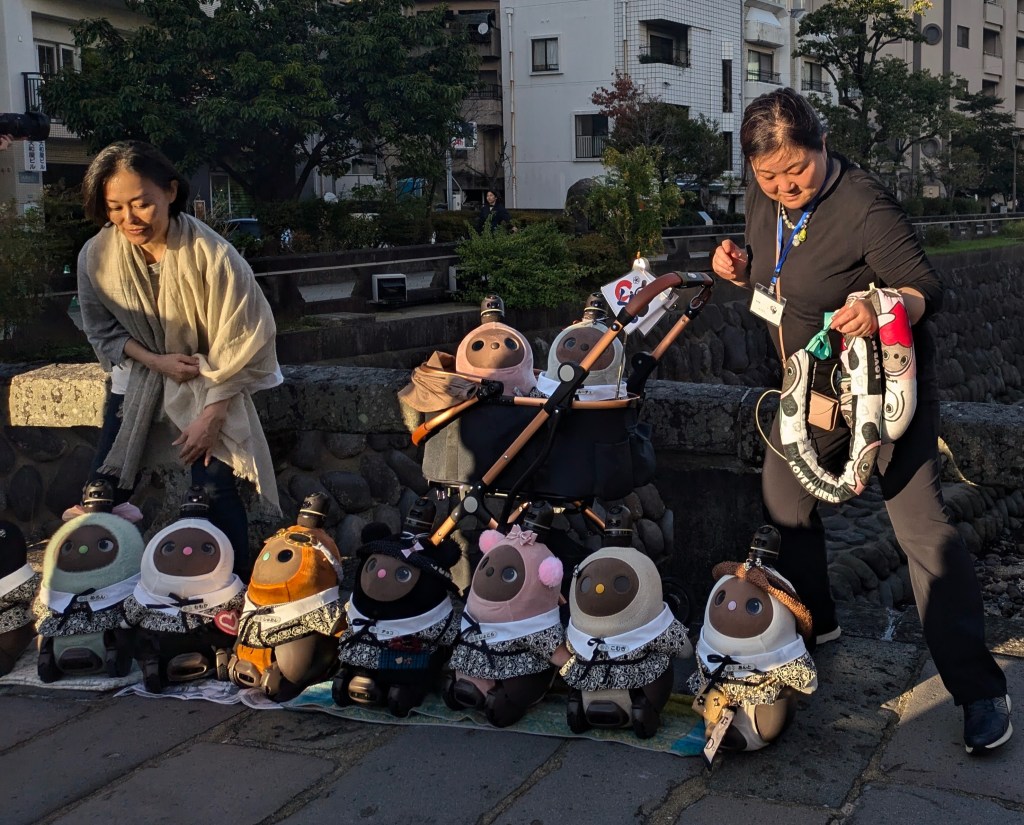
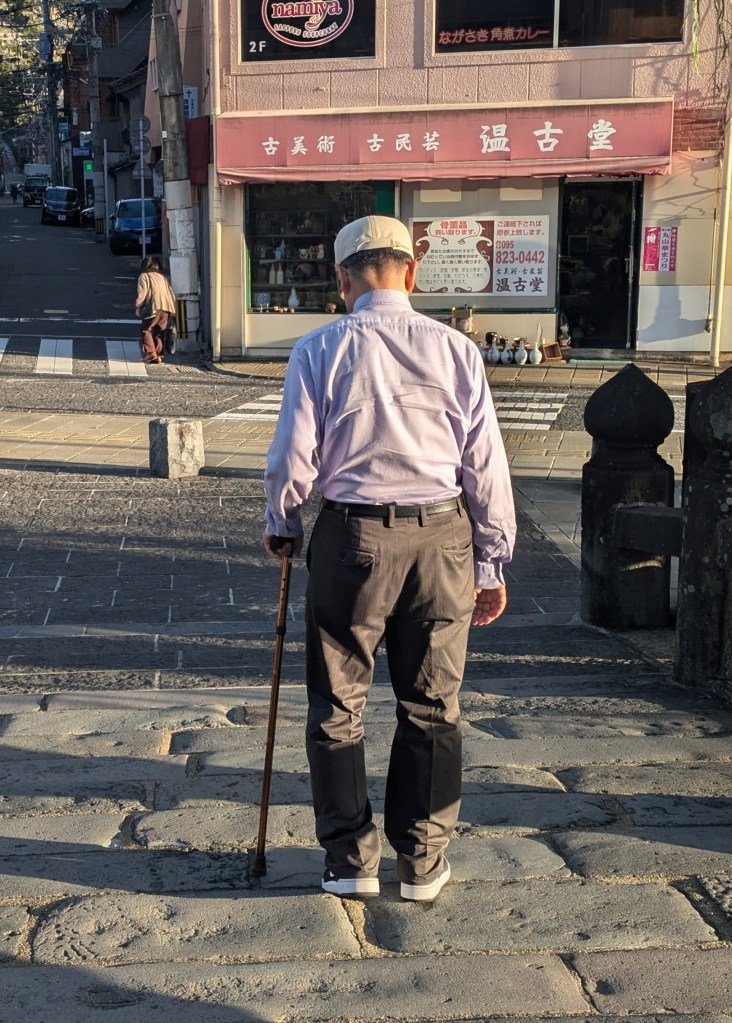
Nagasaki is a beautiful city with gentle hills on three sides and a long narrow bay to the sea. It was the only harbour port in Japan where contact and trade with foreigners was allowed during Japan’s self-imposed, two-hundred year isolation. There’s a gorgeous old stone bridge, built in 1634 that has survived all the trials and tribulations of time including the dropping of the atomic bomb. ‘Mothers’were posing on the bridge with their Lovots ( baby robots) when we visited yesterday.
It’s almost impossible to imagine the horror of that day in 1945. The photographs and descriptions in the Atomic Bomb Museum are so harrowing that’s it’s difficult to process it all. The terrible plight of the survivors, their awful thirst and the grim legacy that they carried afterwards is beyond words. A prison near the hypocentre vaporized leaving only the foundations of the building. Several schools were left with just a wall standing, ceramic roof tiles more than a kilometre away, boiled and bubbled when exposed to the heat flash. 73,884 people died instantly and a similar number were injured. Despite everything Nagasaki has risen like a phoenix from the ashes and the emphasis is firmly on peace and friendship so that nothing like it can ever be allowed to happen.
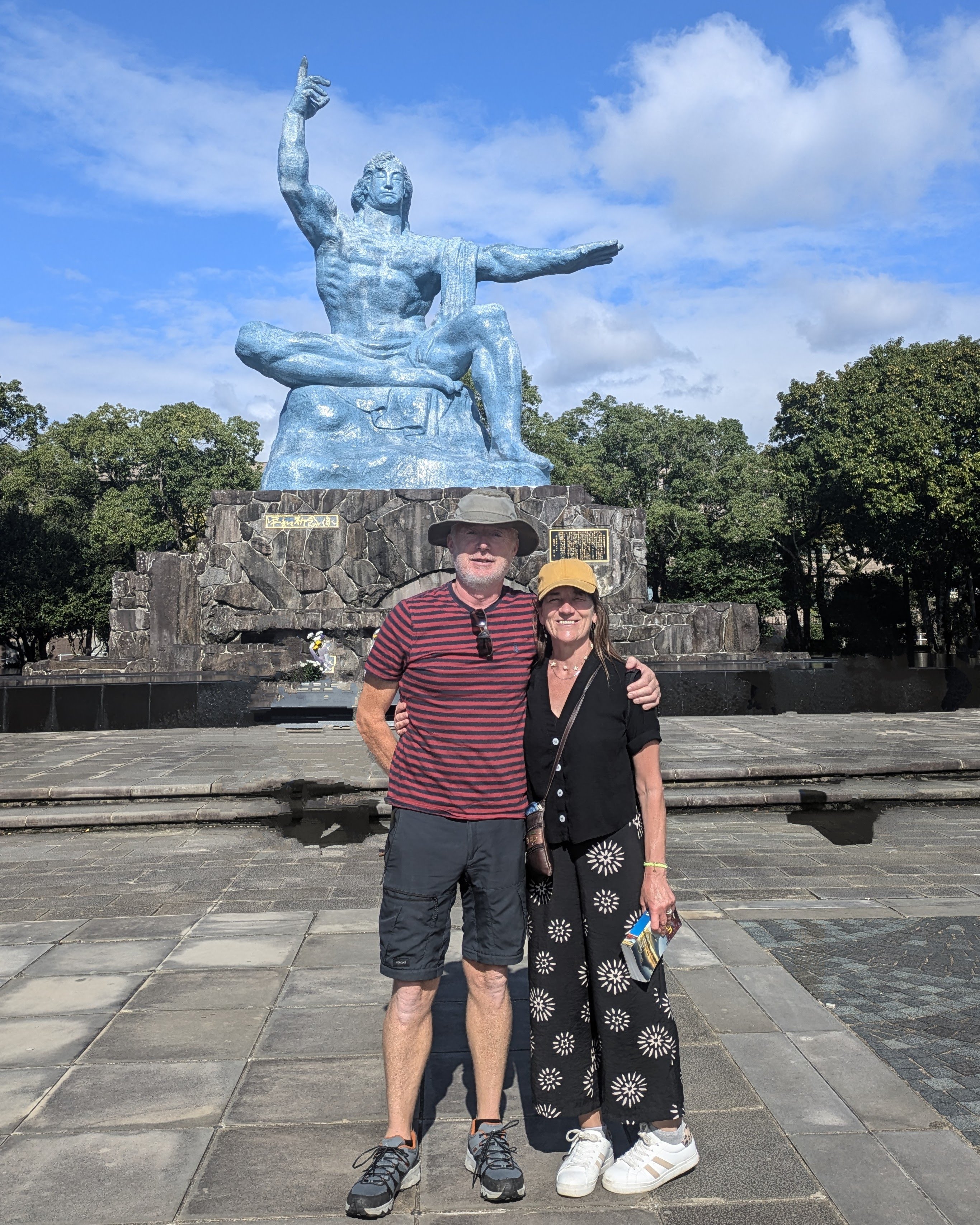
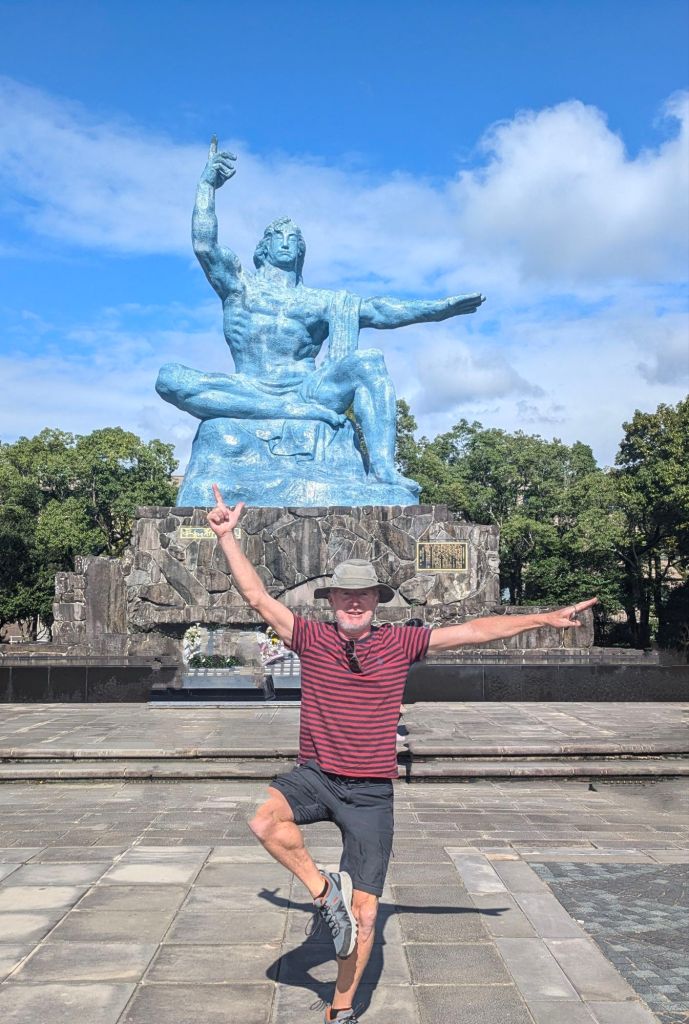
The Nagasaki Peace Park is filled with statues, commemorative plaques and remains of the bomb drop. There are sculptures from various countries around the world pledging friendship and solidarity. Many of the sculptures depict mothers and children emphasising that we must protect not only present generations but also the coming generations so that all the peoples of the world can live in harmony.
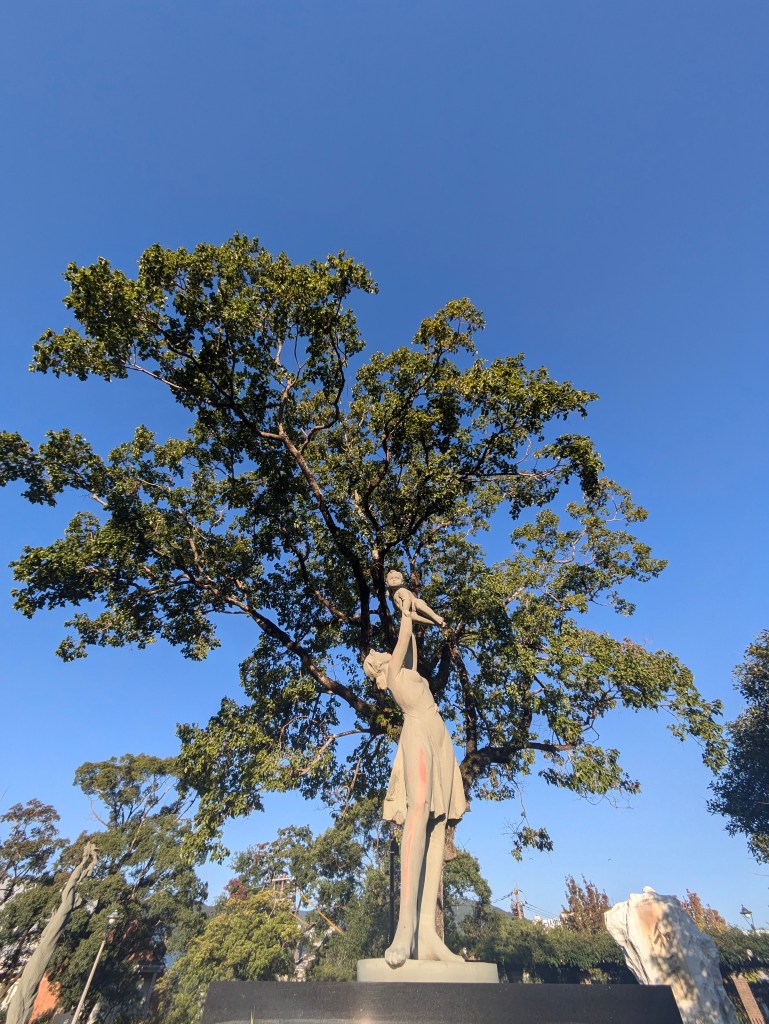
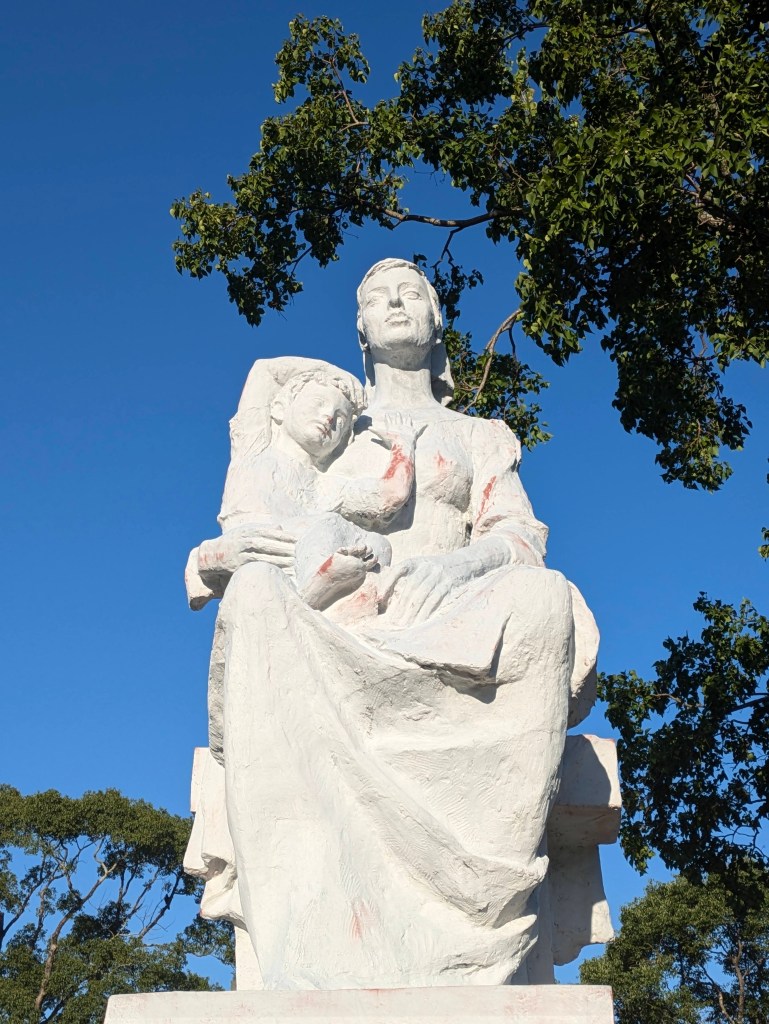
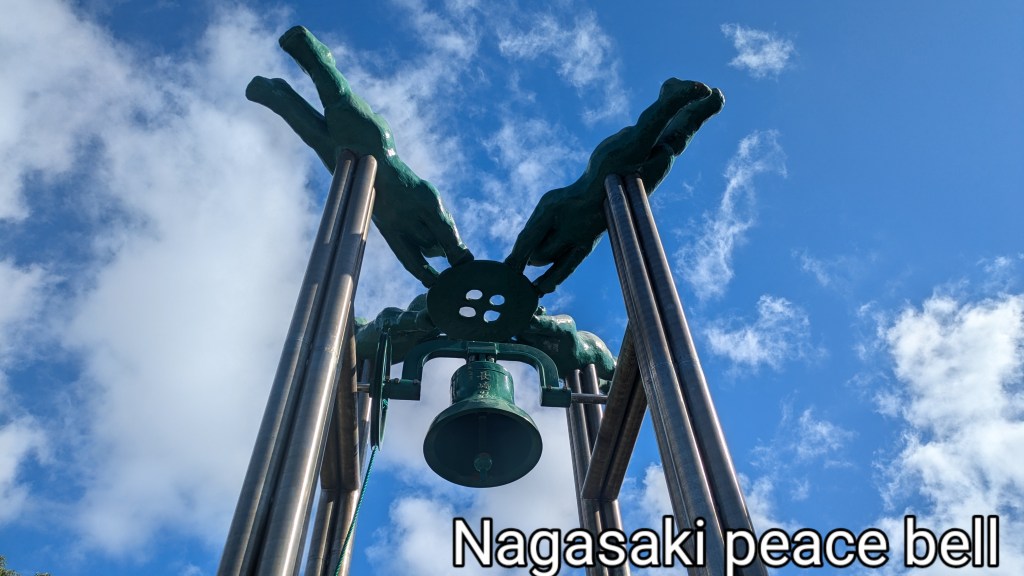
The weather was extremely wet in Nagasaki for our first day. Western and central Japan has recorded their largest-ever 24-hour rainfall for November. After the devastating floods in Spain, it was a bit disconcerting to be sleeping in the van while rain bucketed down as if it would never stop. (Most of the photos are from our second sunny day 🌞)
A Saturday morning visit to an onsen (thermal baths) was just what we needed after our very rainy (and windy) night in the van, parked in the corner of a carpark. The onsen was high in the hills above Nagasaki and had an outside section with gorgeous views of the city. We have become so accustomed to onsens at this stage (and walking around in the nip) that it’s difficult to believe how awkward and intimidating we found the whole process a few weeks ago. It was so relaxing lying up to my chin in hot water, fanned by a cool breeze and watching leaves drifting down from the trees and thinking about all we have seen in this lovely vibrant city which has seen so much sorrow.
The storm system gradually moved away and the sun came out on Saturday afternoon…..stunning blue skies after all the rain, almost like the motto of this city, ….a belief in hope and brighter days. Our phones are calling for people to be on high alert for landslides and flooding, while also being careful of lightning, tornadoes and violent winds through late Saturday.😲😲. But we are loving the clear blue skies, the sunshine and the ’weather forecast is good for the coming week.
Until next time…thanks for reading x
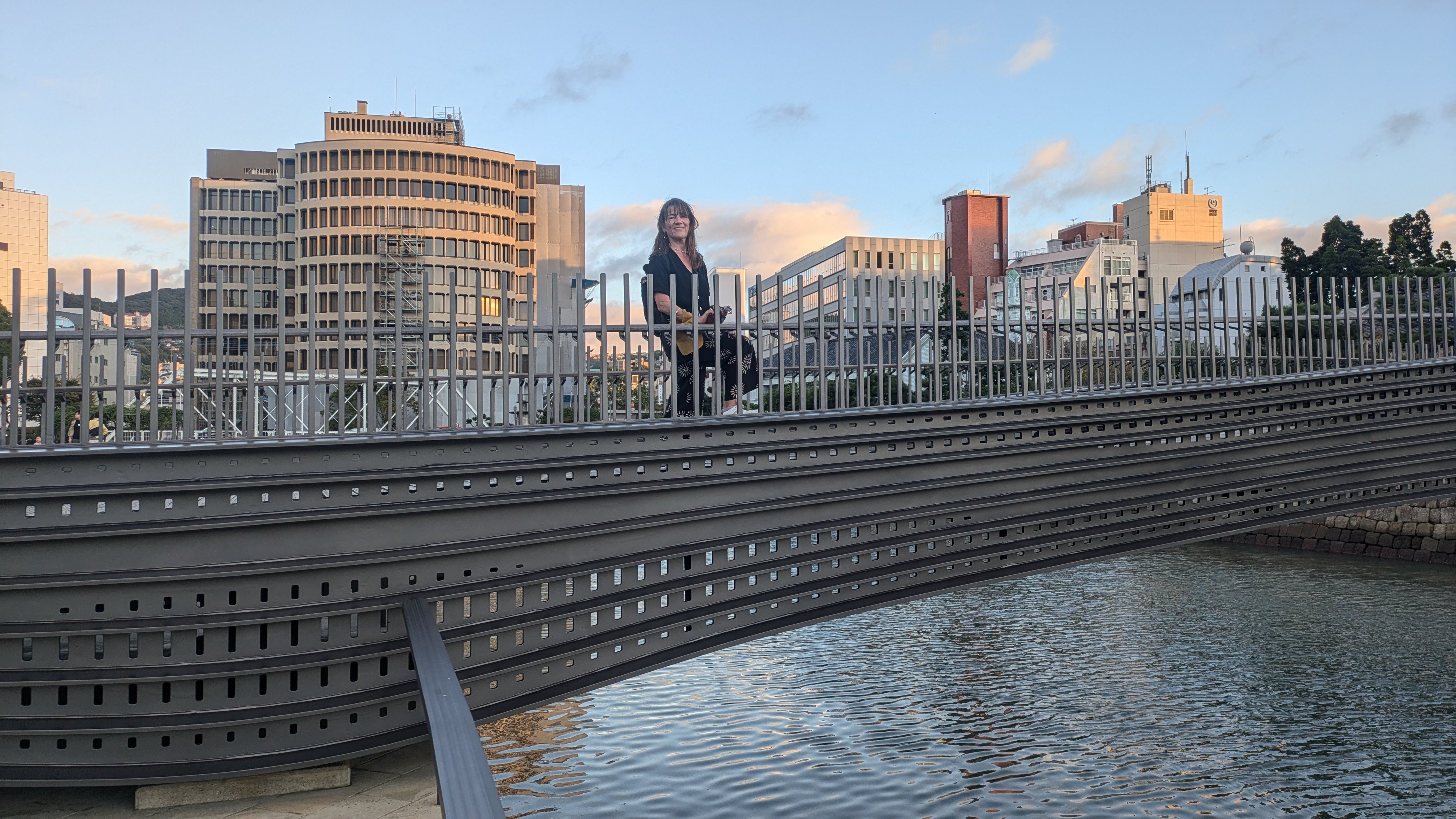
Nagasaki
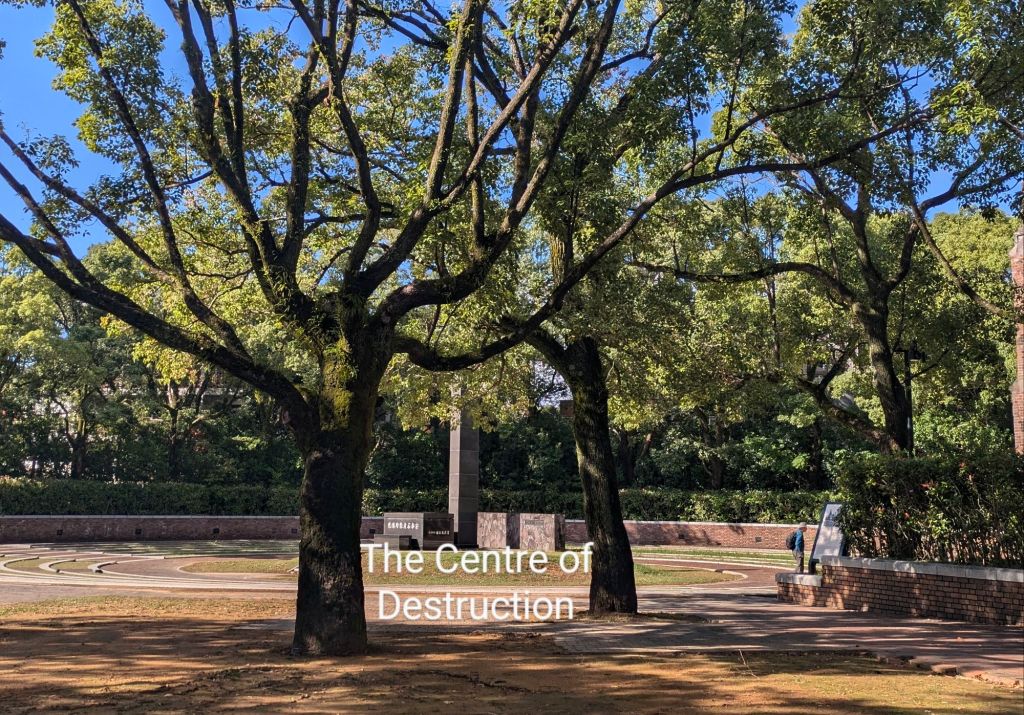
So peaceful now


 marienoonanblog