Japan: Highs and Lows

screenshot_20241130-101223~34194303731757339452.

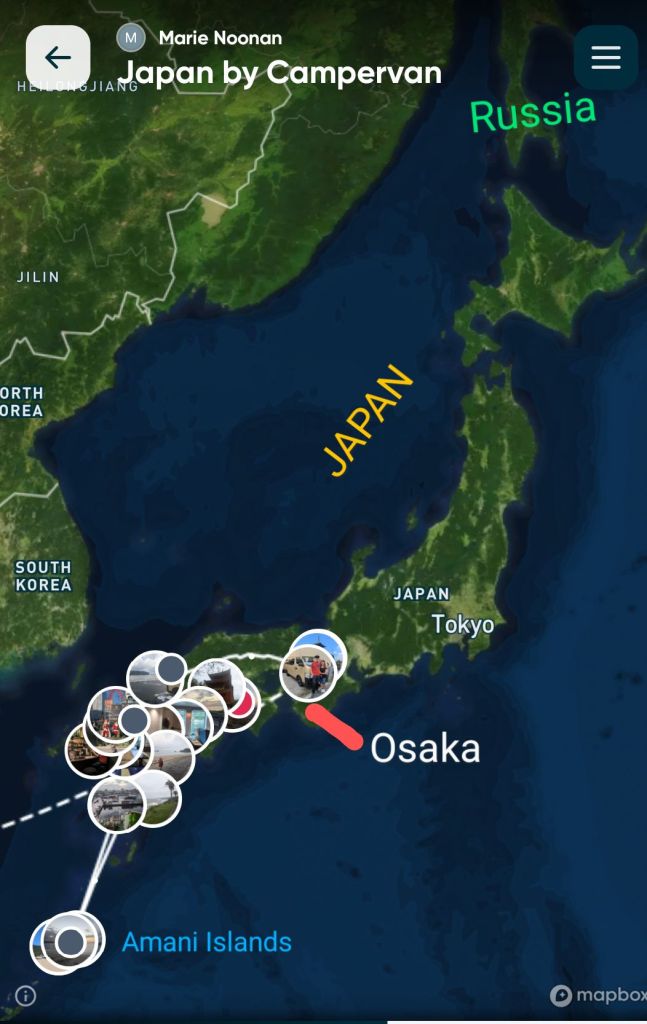
Now that we are back home from our six-week trip in a campervan around fascinating Japan, it’s  time to reflect on our experience. We flew into and out of Osaka and in between travelled a circuitous route in South Western Japan  through the large islands of Sikoku and Kyushu, often changing course because of the weather. Japan is about five and a half times the size of Ireland but feels much bigger, stretching from within touching distance of Russia in the extreme north to islands in the East China Sea that almost nudge Taiwan.

I’ve included a dozen highlights but I could easily have included a dozen more. So here we go…..

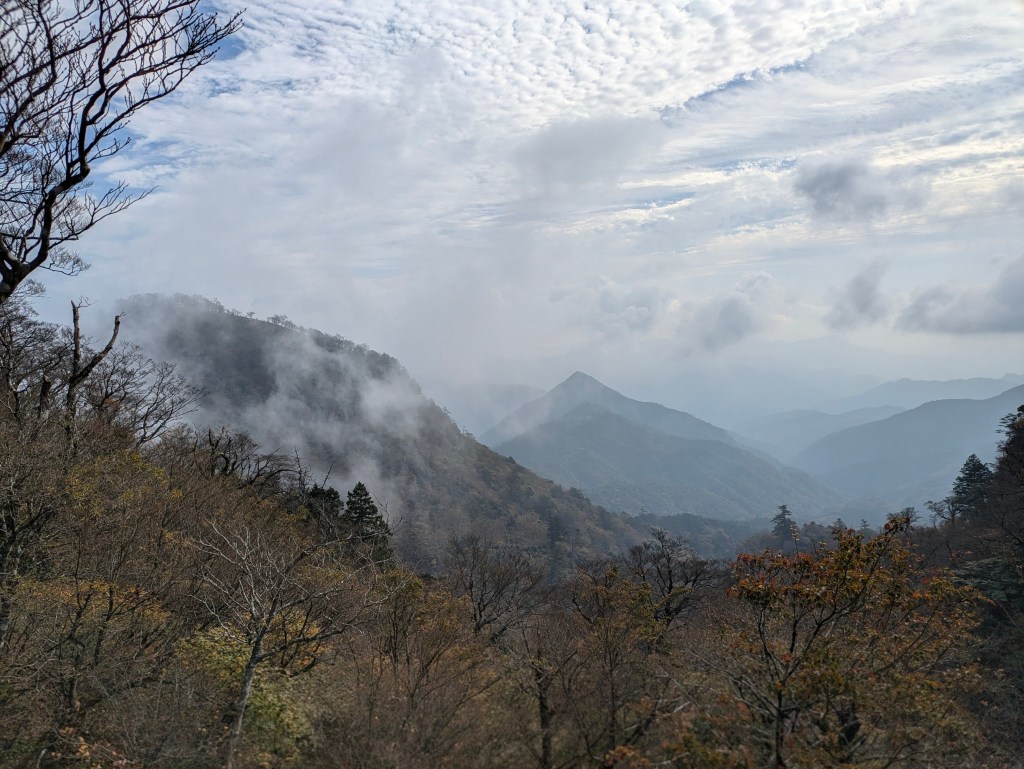
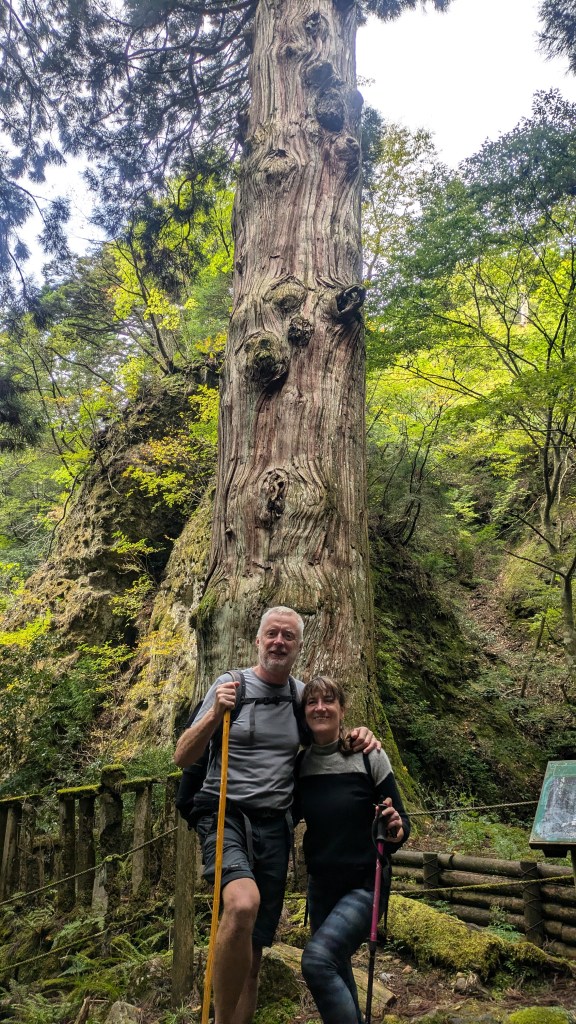
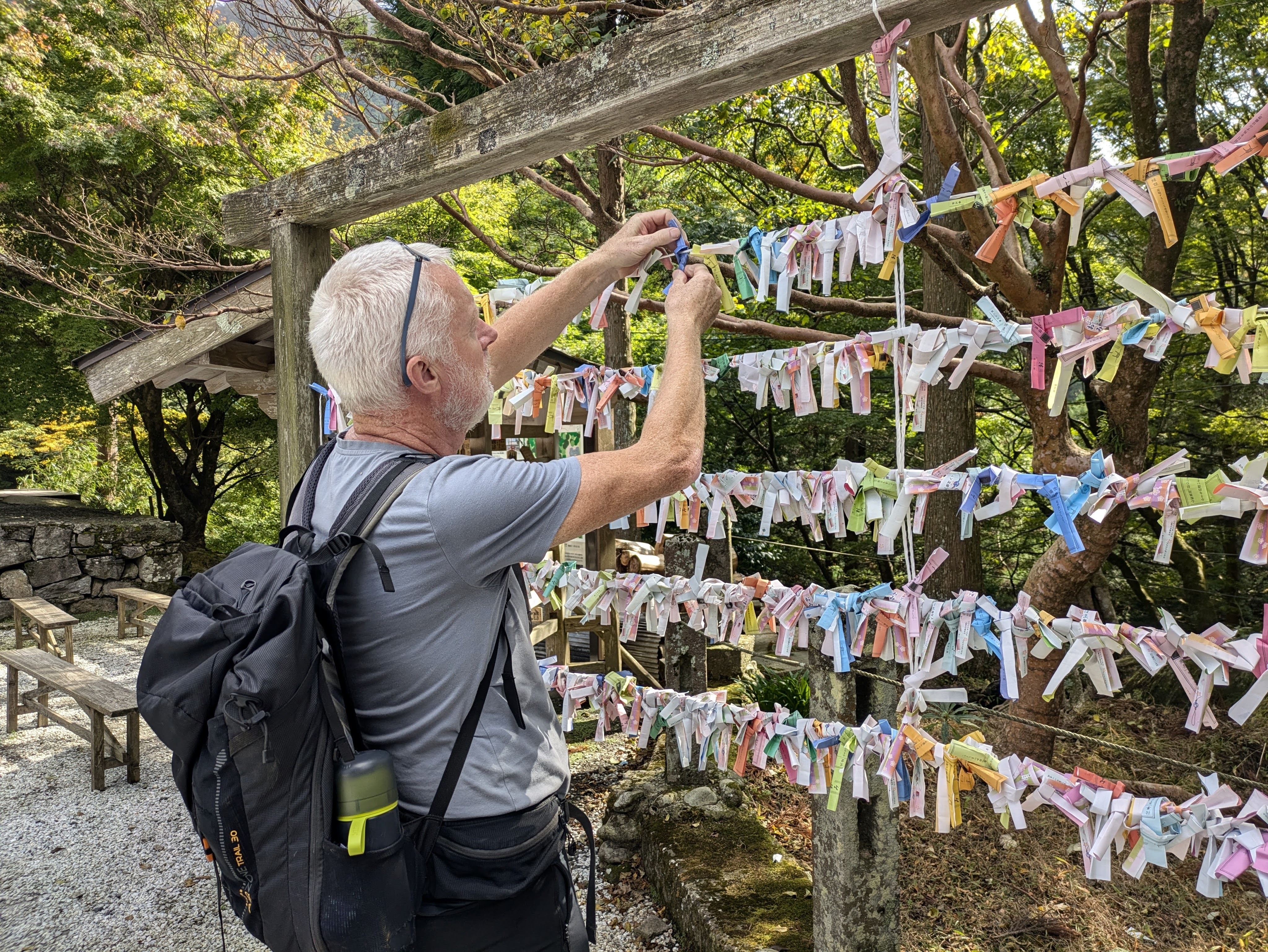
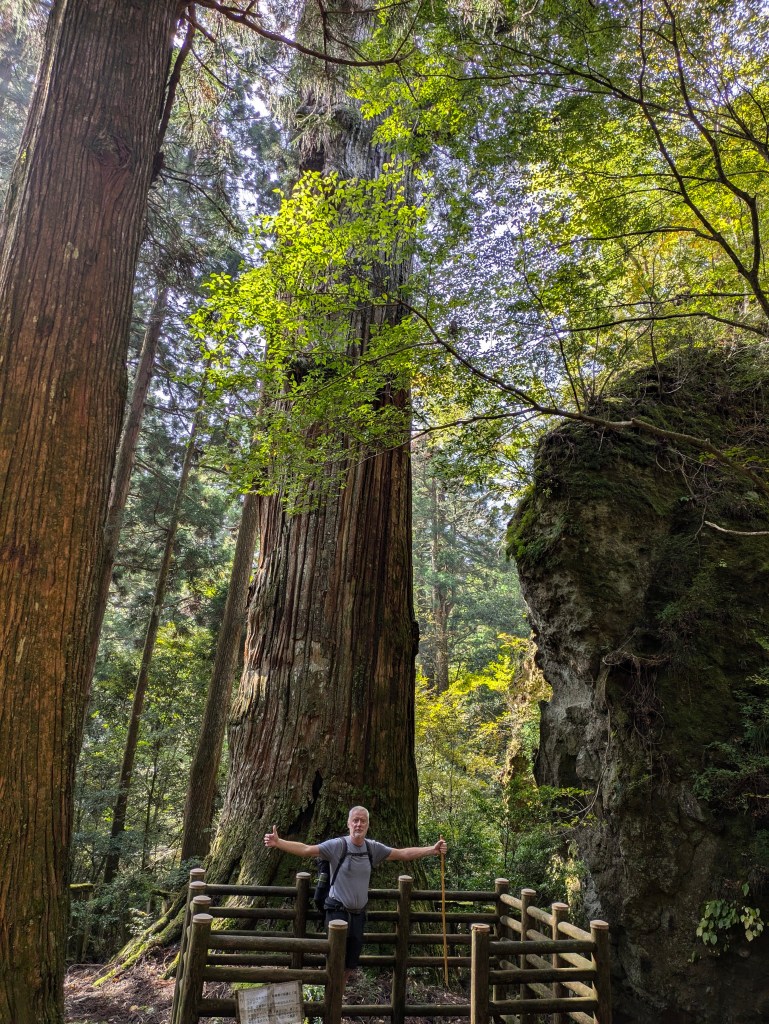
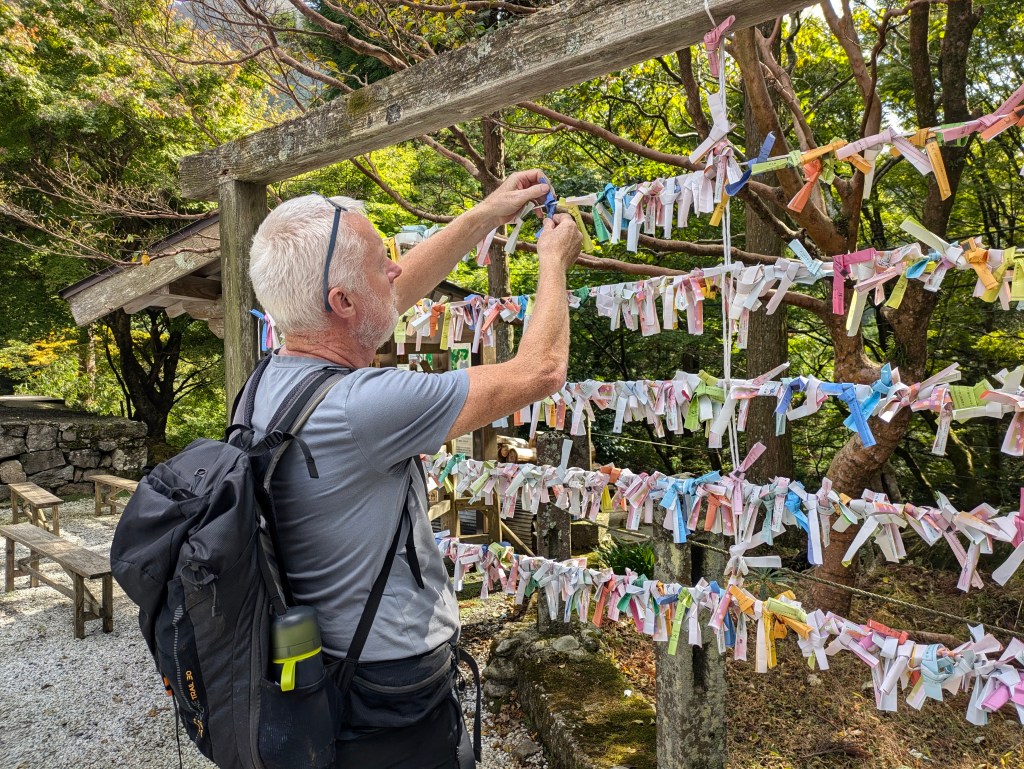
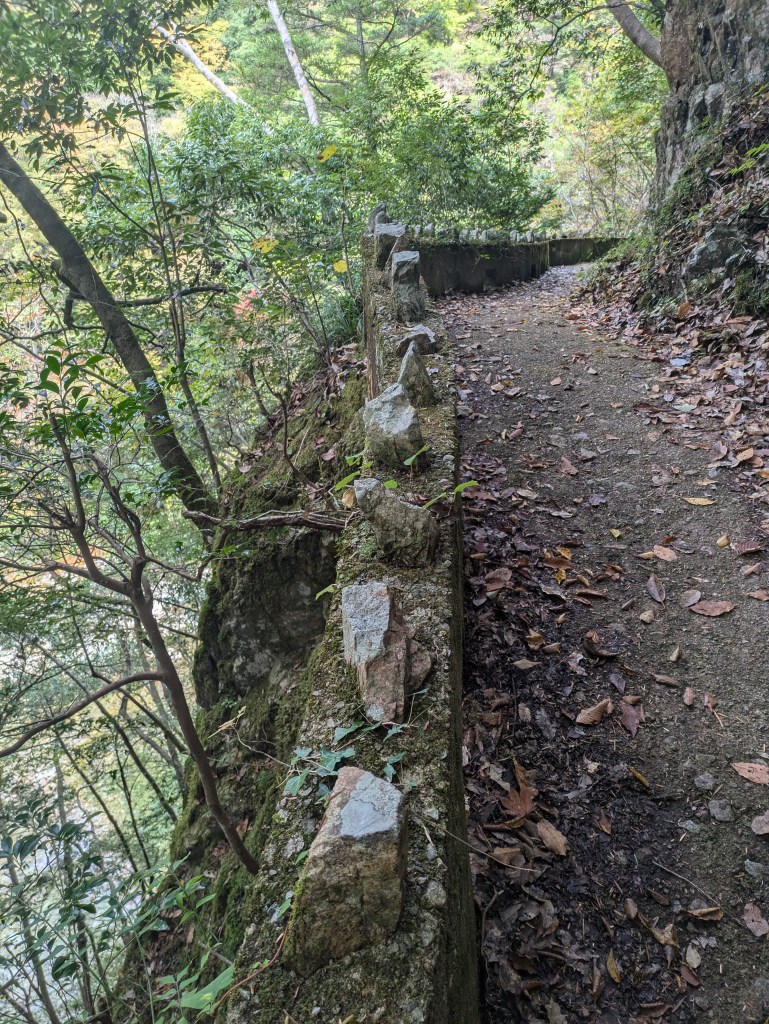
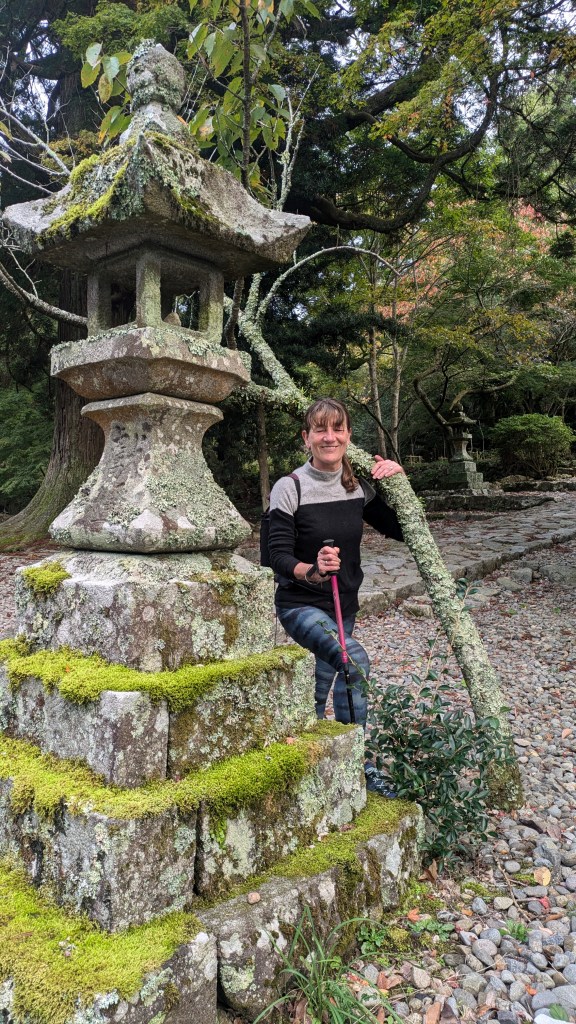
Climbing a Holy Mountain .Japan is a mountainous, heavily-forested country with many sacred mountains but for us, the most special was Mt Hiko in Kyushu, a place where hundreds of years ago, white-clothed monks trained in strenuous physical activity, believing that this was the path to enlightenment. We hiked past countless, moss-shrouded shrines towards misty summits on a glorious Autumn day with the leaves dressed in their burgundy and golden finery. This was truly a spiritual experience especially as we seemed to be the only two people on the mountain. On the way, we also paid homage of the resilience of  Onisugi, a huge cedar tree estimated to be around 1,200 years old.
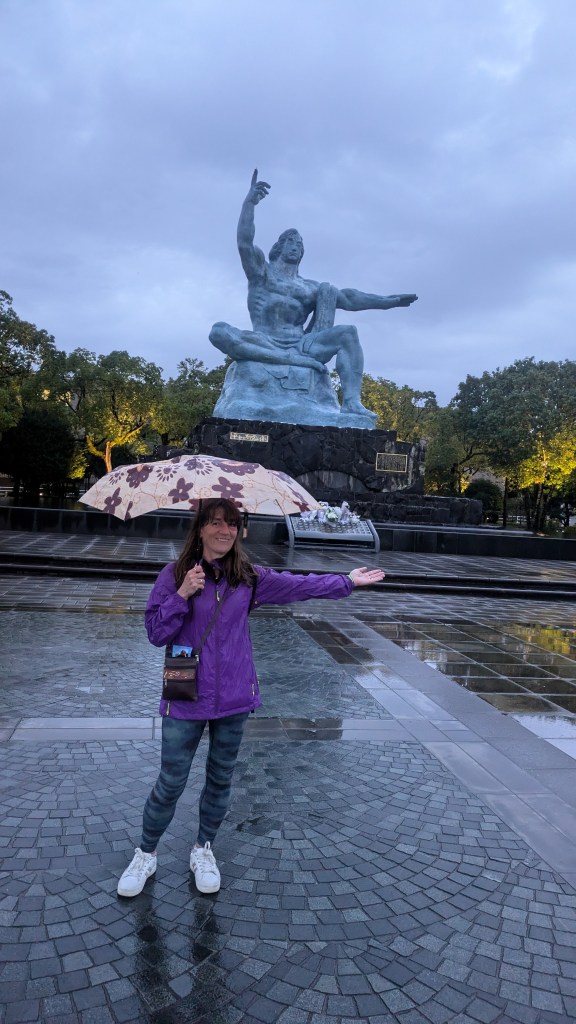
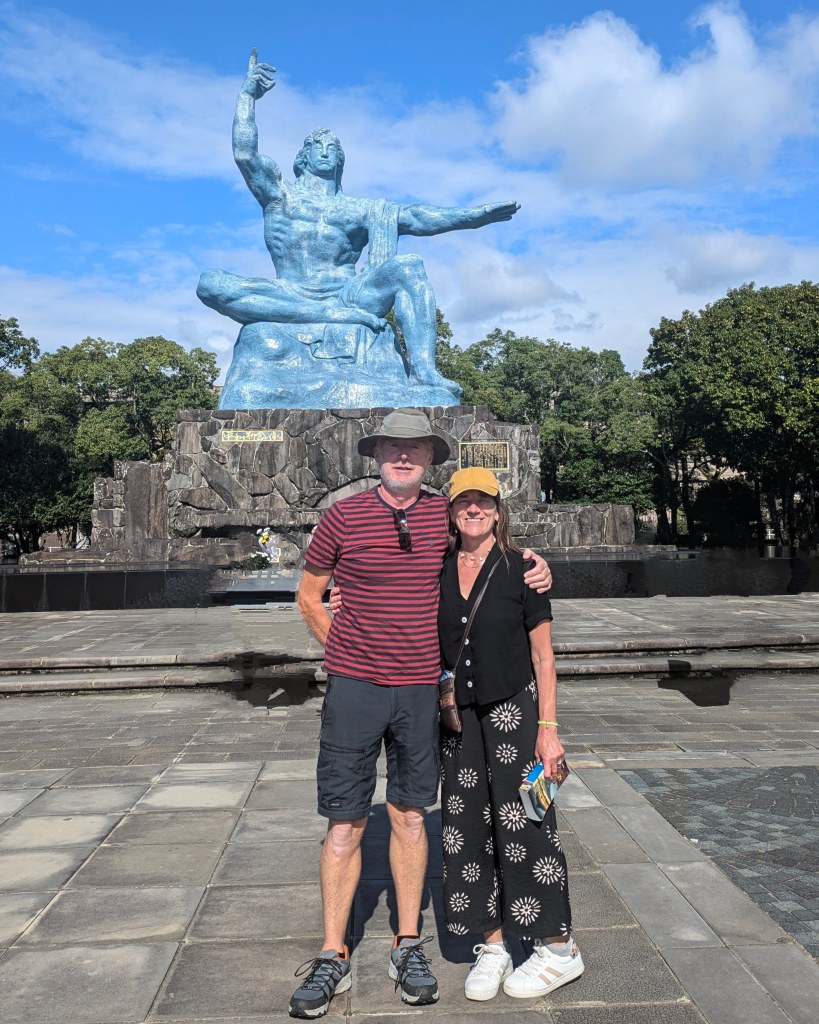
Hell on Earth. Nagasaki could be in the category of lowlights but it belongs here in the highlights. We spent two days here, the first with torrential rain which felt like it might never stop and the second with skies so blue, it almost hurt our eyes.  This was almost a metaphor for Nagasaki, a beautiful city which exuded a firm belief in hope and brighter days after tragedy. Visiting the Atomic Bomb Museum was harrowing, so harrowing that I don’t think our minds were able to comprehend the immensity of it all. I will just copy here an inscription on a bridge near the centre of devastation.

At 11,02am on August 9, 1945, an atomic bomb exploded in the skies over Matsuyama. The stream, Shimonakawa, flowing through the eastern part of the neighbourhood, was soon filled with the corpses of victims who died groping for a drink of water, or mortally burned and wounded, collapsed and perished there. A survivor who witnessed the scene the following day described it as follows. ‘I crossed the half destroyed Maysayama Bridge over Shimonakawa. There were so many corpses under it that they formed a dam in the stream. It was like a vision of the Apocalypse, a living hell on earth. Not a speck of cloud tainted the sky above, but the earth below was a panorama of carnage and destruction.’
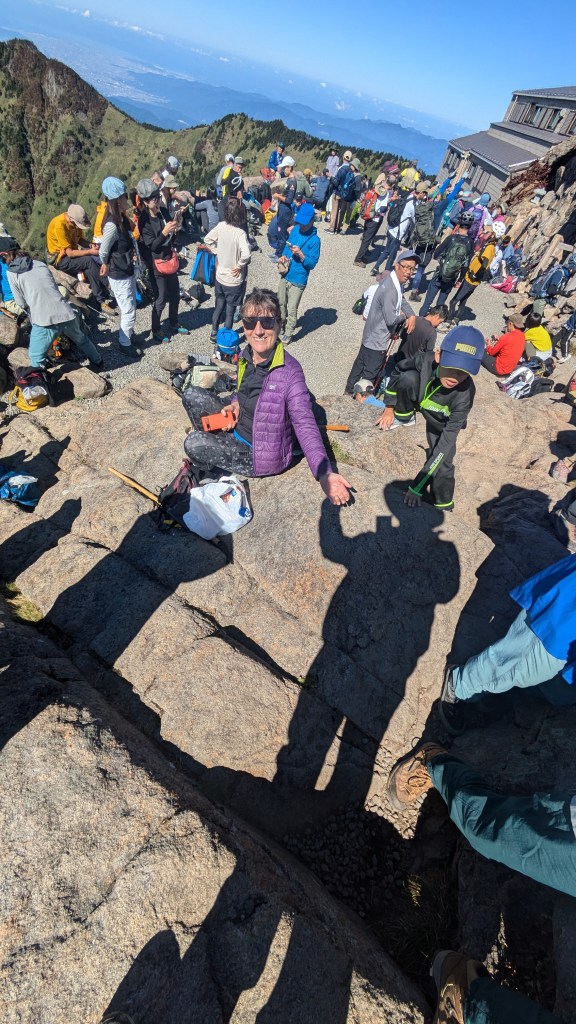
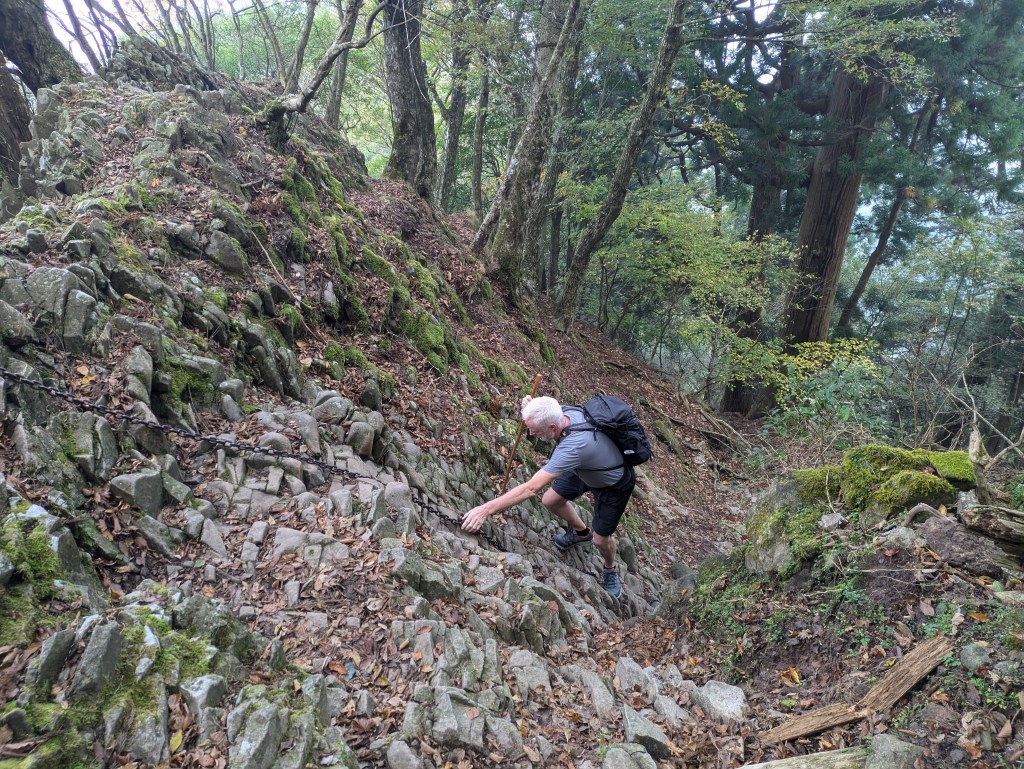
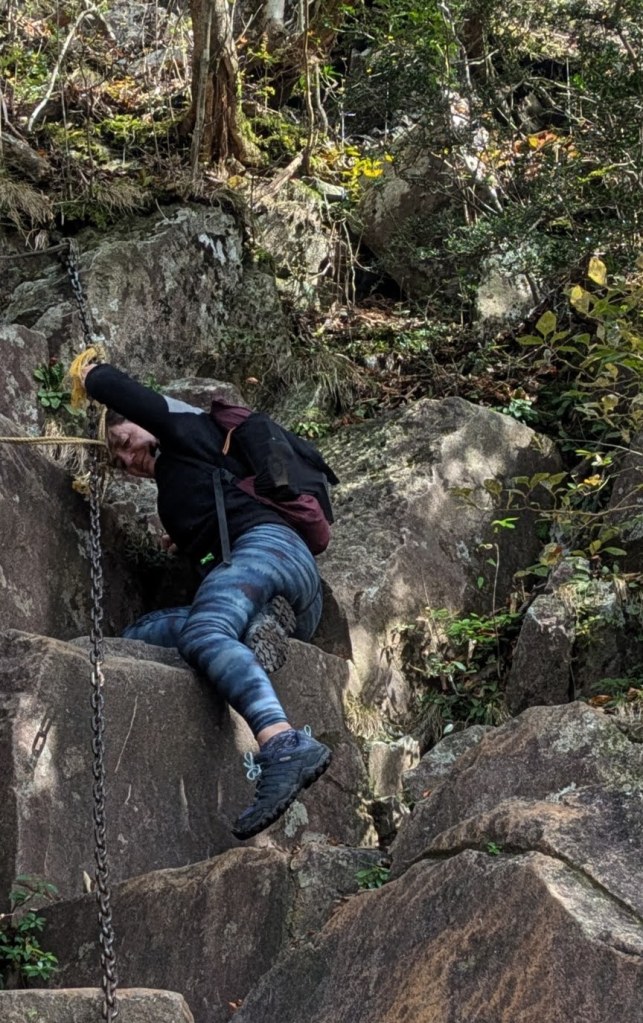
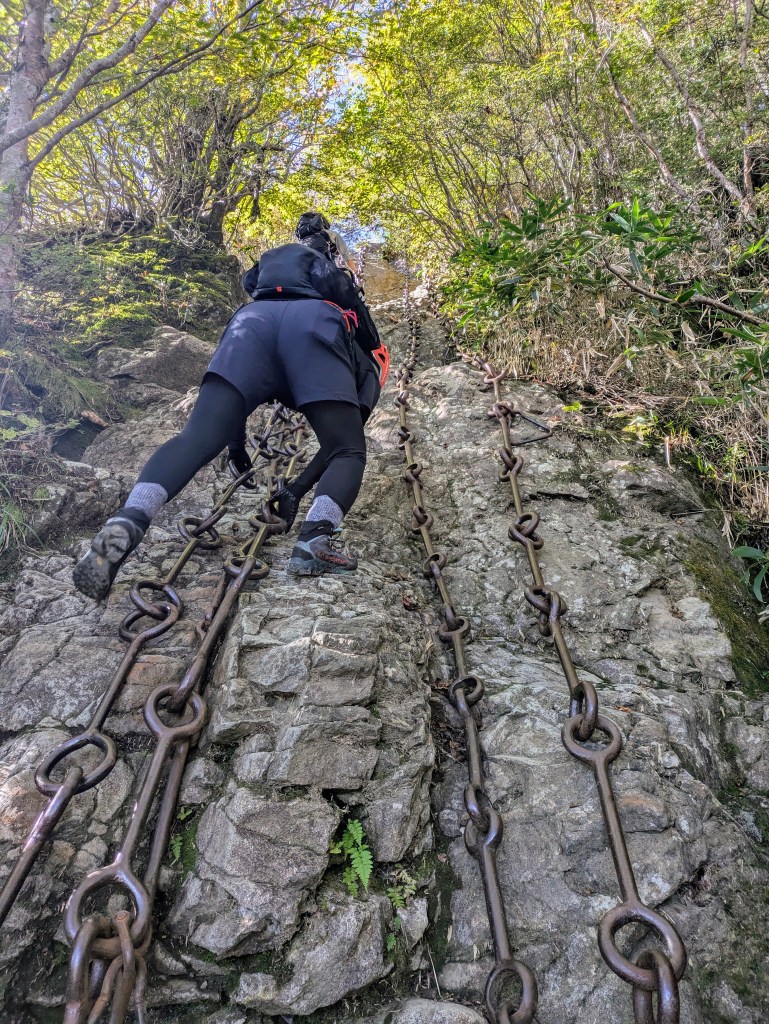
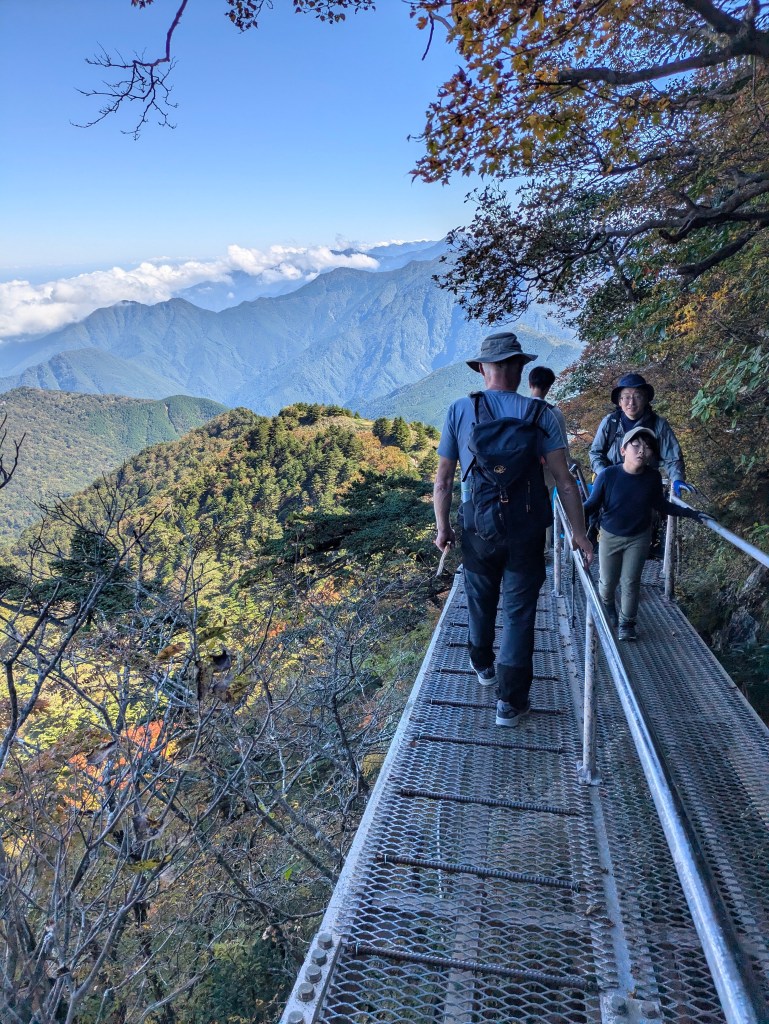
Getting high on Mount Ishizuchi Mount Ishizuchi, the highest mountain in South Western Japan, was an entirely different experience to our Mt Hiko hike. We trekked on a blue-skied Sunday, it was the Sports Day public holiday weekend which promoted an active lifestyle and we weren’t alone. The climb started on gradual paths that became steeper, much steeper.  In some nearly- vertical sections, steel chains were embedded into the rock as an aid to haul ourselves up. It was exhausting but fun, surrounded by many friendly Japanese.
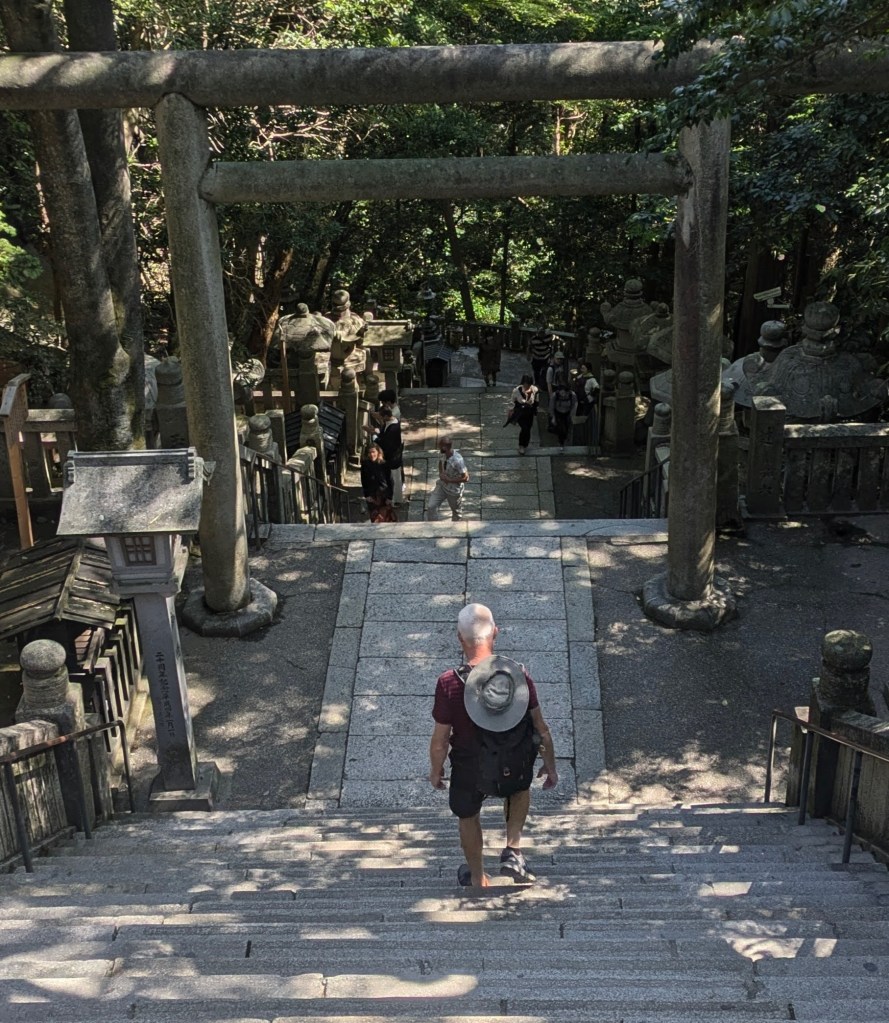
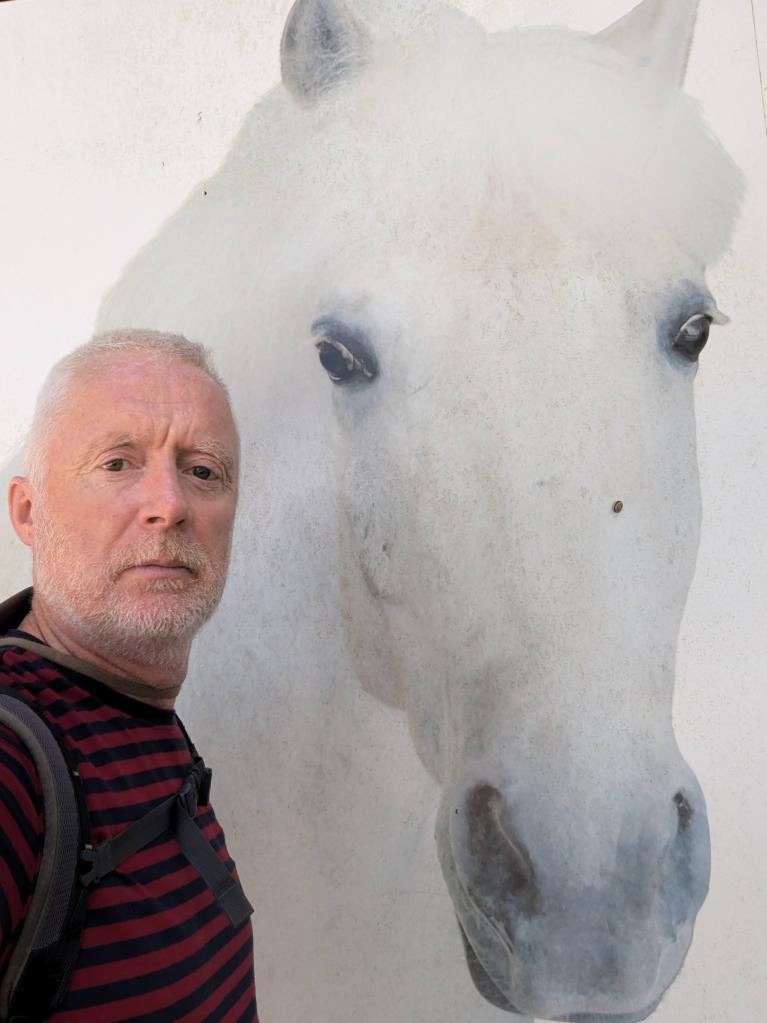
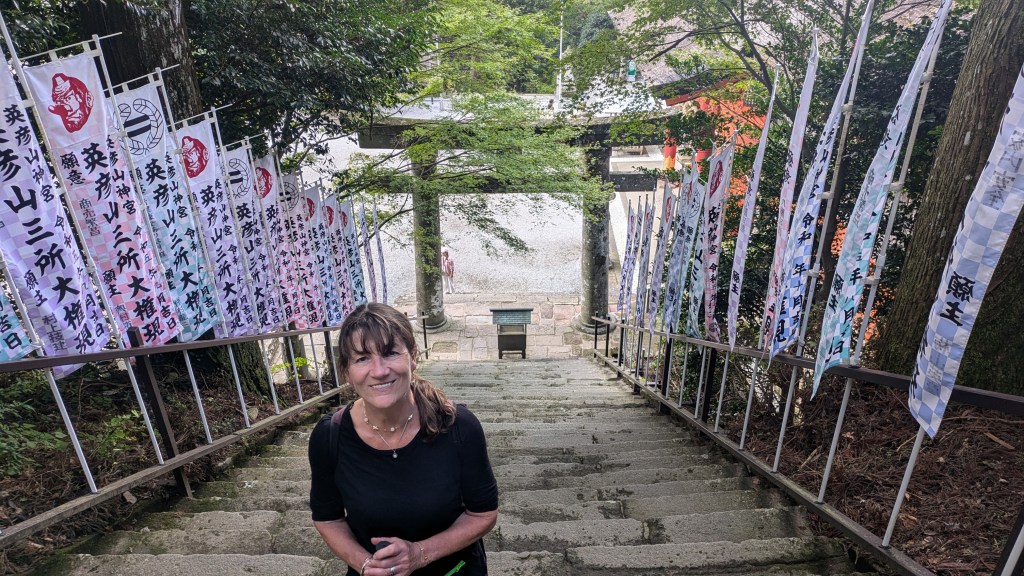
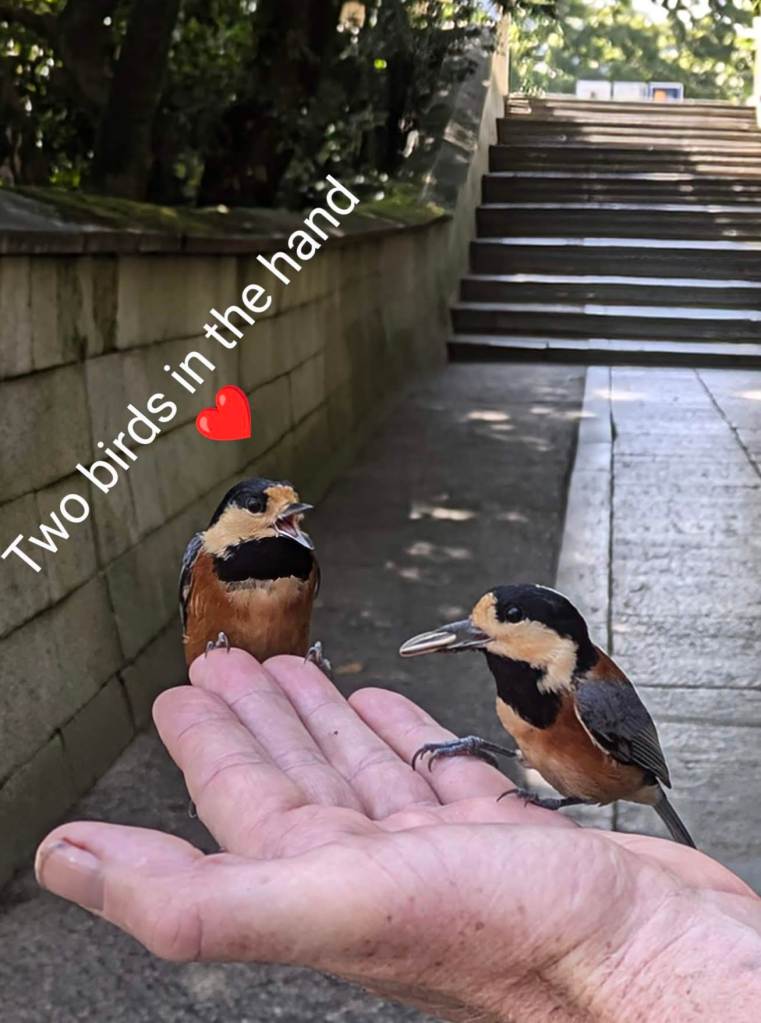
Stairway to Heaven We visited the charming little town of  Kotohira, famous for its proximity to the Shinto shrine, Konpira-san, which is dedicated to sea-farers. In a country of islands, this is a very popular shrine, nestling in the forests of Mt Zozu above the town and requiring a climb  of a whooping 1340 steps.   Arriving in the early morning, there was an air of serenity, broken only by the clattering on each step of a man wearing wooden clogs.  Little birds chirped and landed on our outstretched hands looking for seeds. We passed a stable of beautiful white horses which were considered so divine that they could only  be ridden by the gods.  
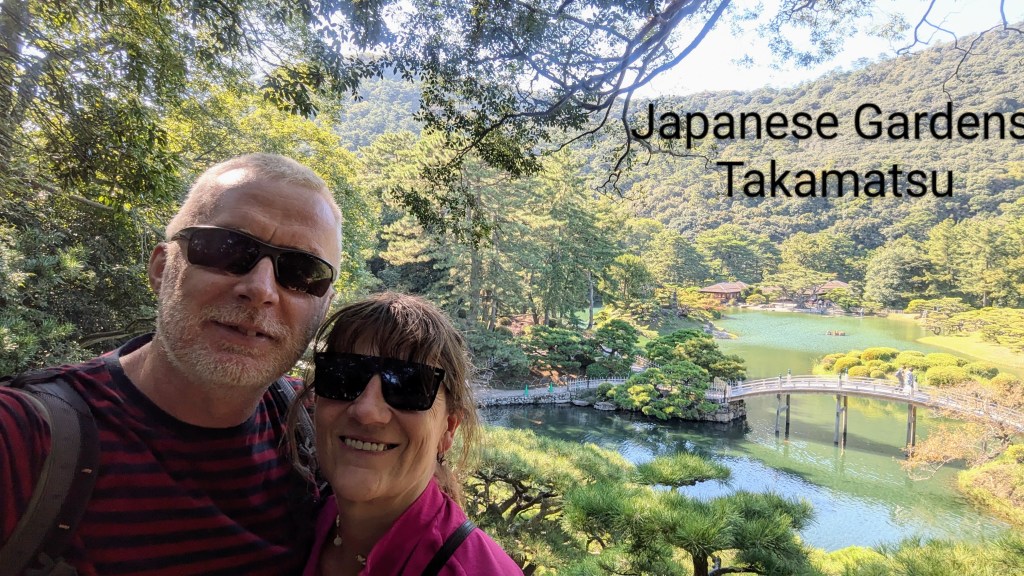
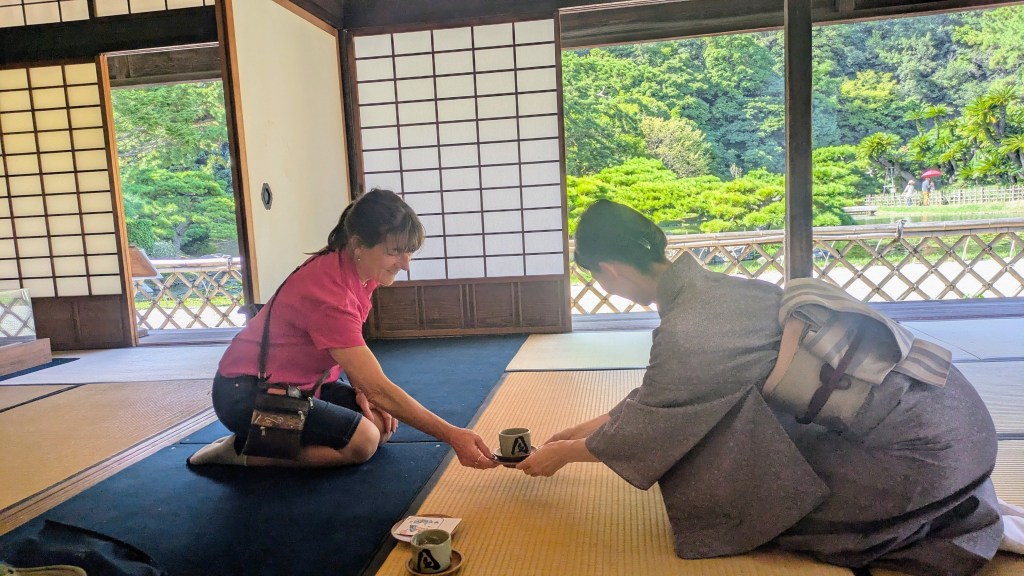
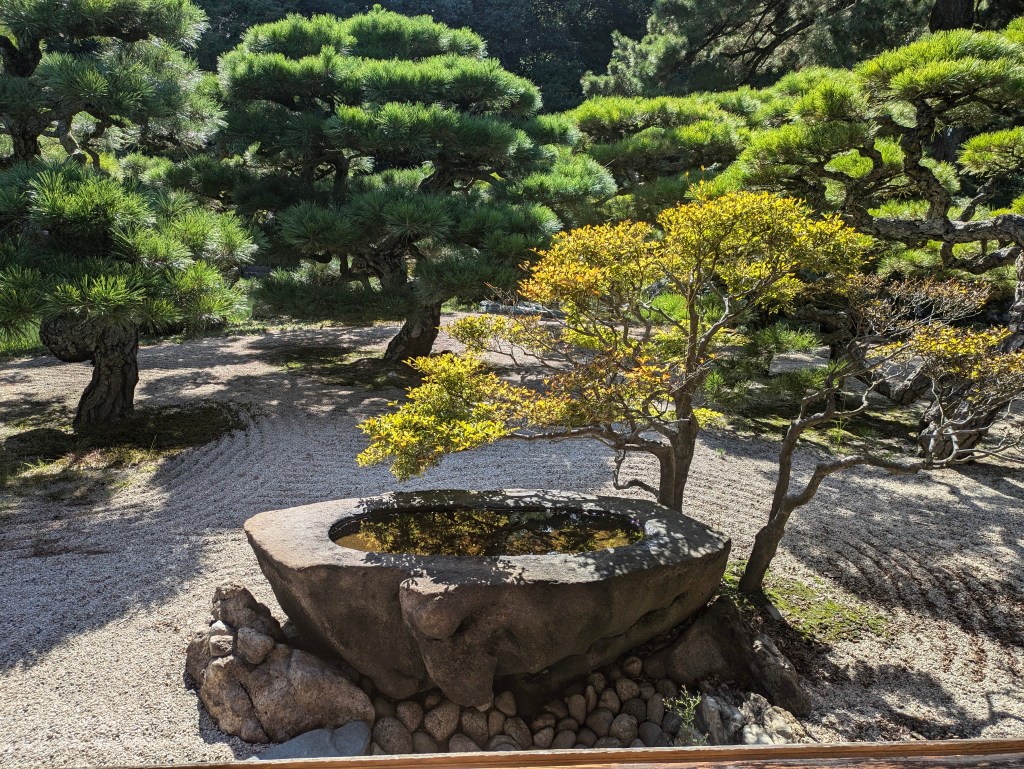
Tea and Shade We were charmed with a visit to  Ritsurin Gardens in Takamatsu with it’s beautiful teahouse of bamboo, screens and cushions. The windows framed the outside view like serene paintings and we drank tea to the gentle sound of flowing water from the small waterfall outside. In the coolness of the teahouse, we began to appreciate the Japanese fascination with light, shade and symmetry and to understand the philosophy that ‘less is more’
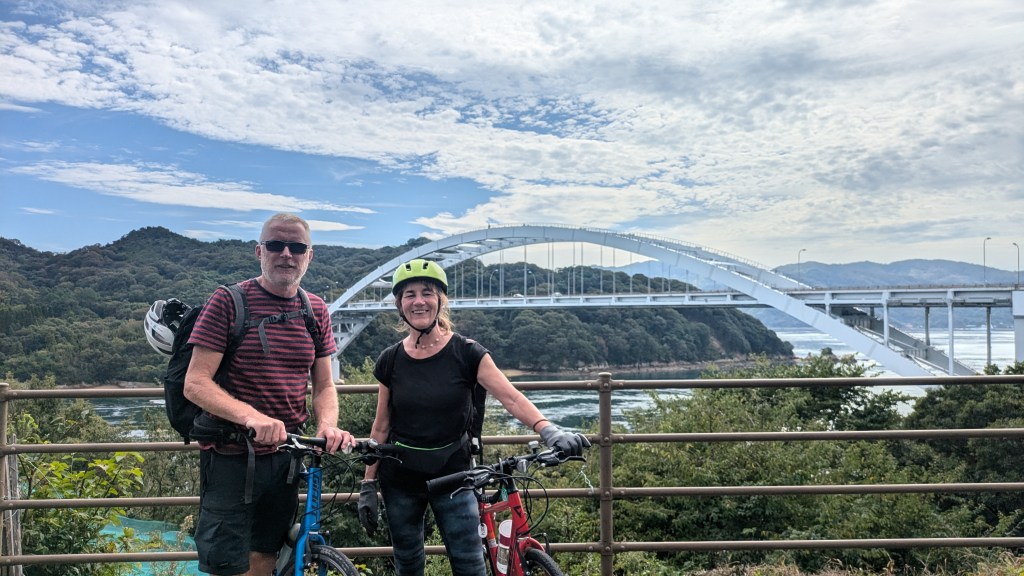
Island Hopping by Bike  The Shimanami Cycleway is an island hopping adventure by bike, traversing several islands in the inland Seto Sea which are linked by magnificent bridges. The 75kms route joins the town of Imbari in Shikoku Island with the town of Onomiche in Honshu. Cycling along the Kurushima Bridge which has a span of almost 5 Kms was a memorable experience.  Ships passed in the turbulent  waters beneath us while traffic whizzed by on the bridge. There were sublime views in every direction of mountains, islands, sea and the bridge itself.  
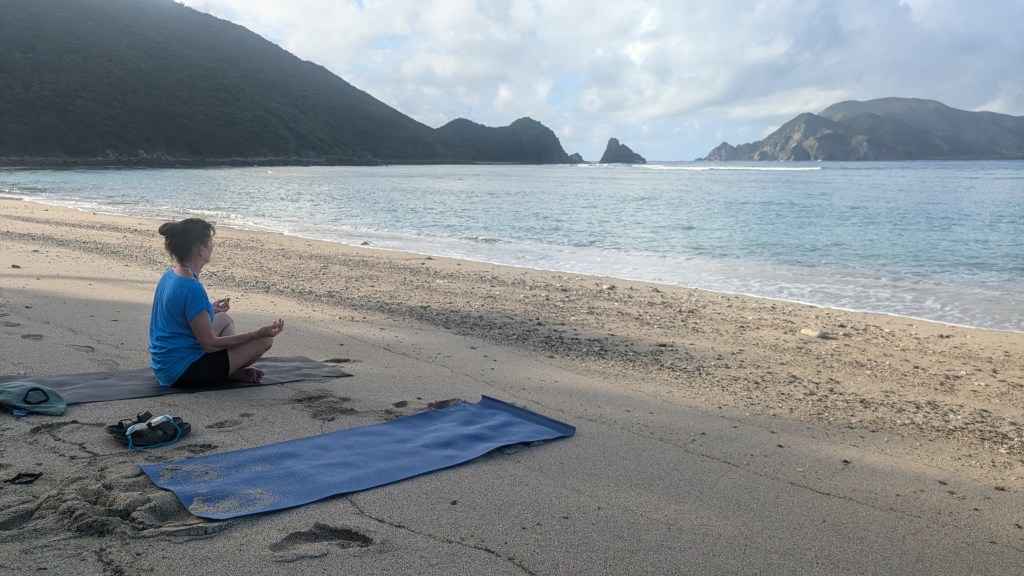
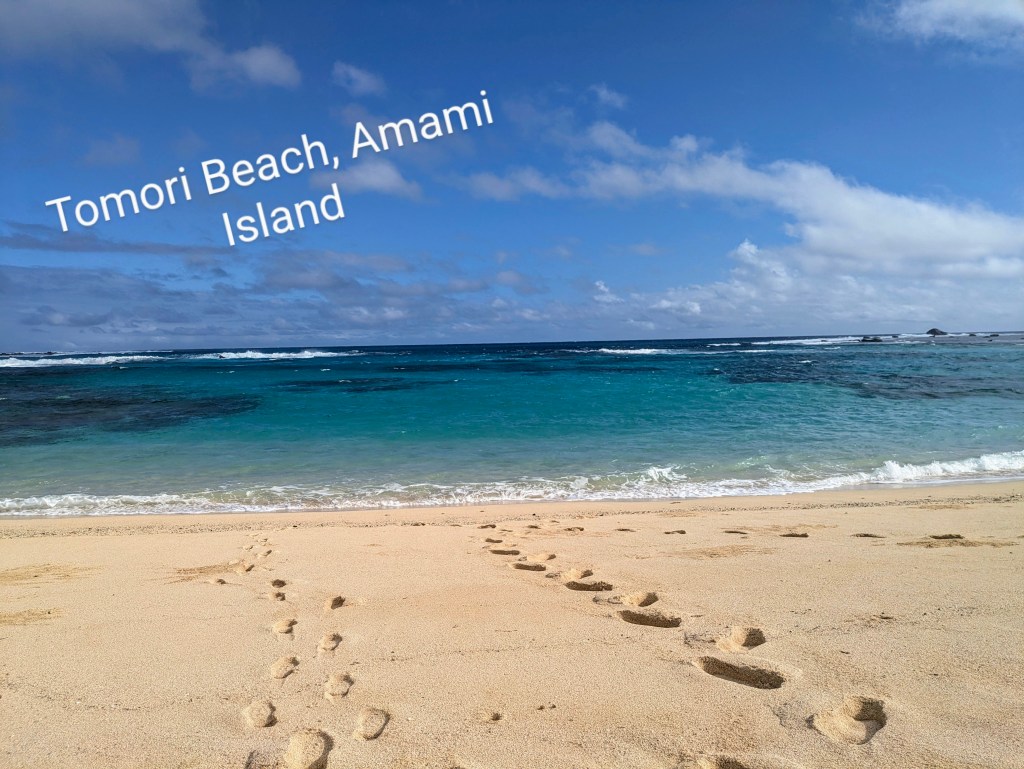
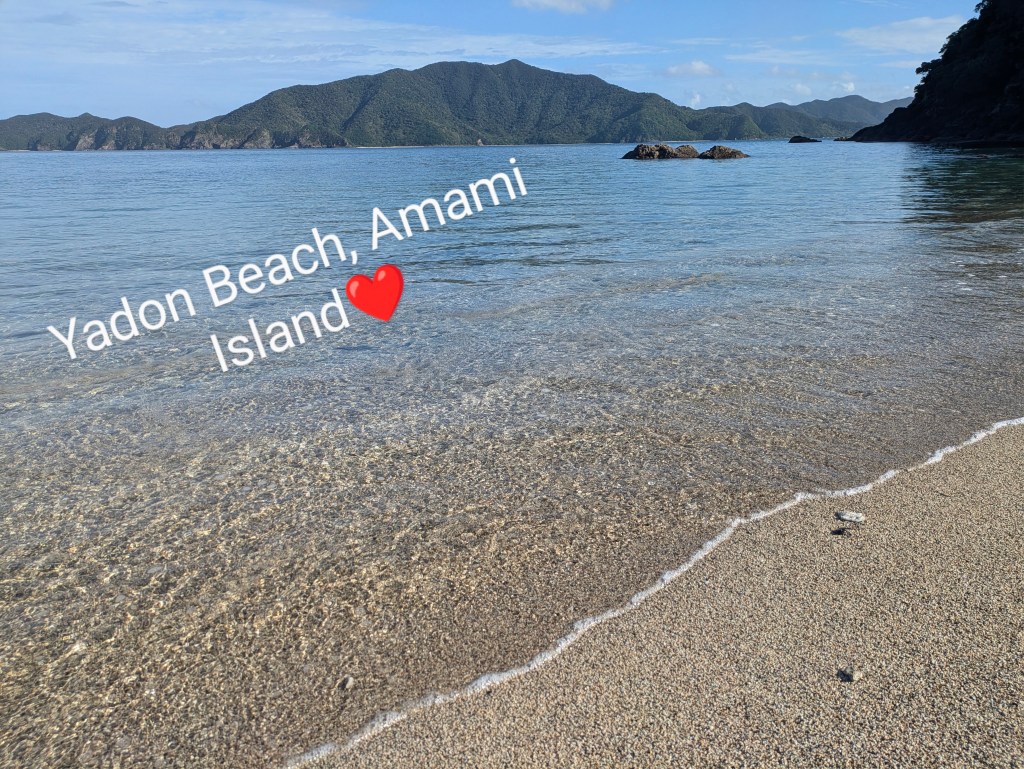
Glorious Beaches of Amami Amami Oshima is the largest of the Amami Island Group, a sub- tropical, nature-lovers’ paradise in the East China Sea, halfway between Okinawa and mainland Japan. Camping by the white-sand beaches here was truly wonderful, topped only by swimming in the clear turquoise water with lots of colourful, flickering fish.
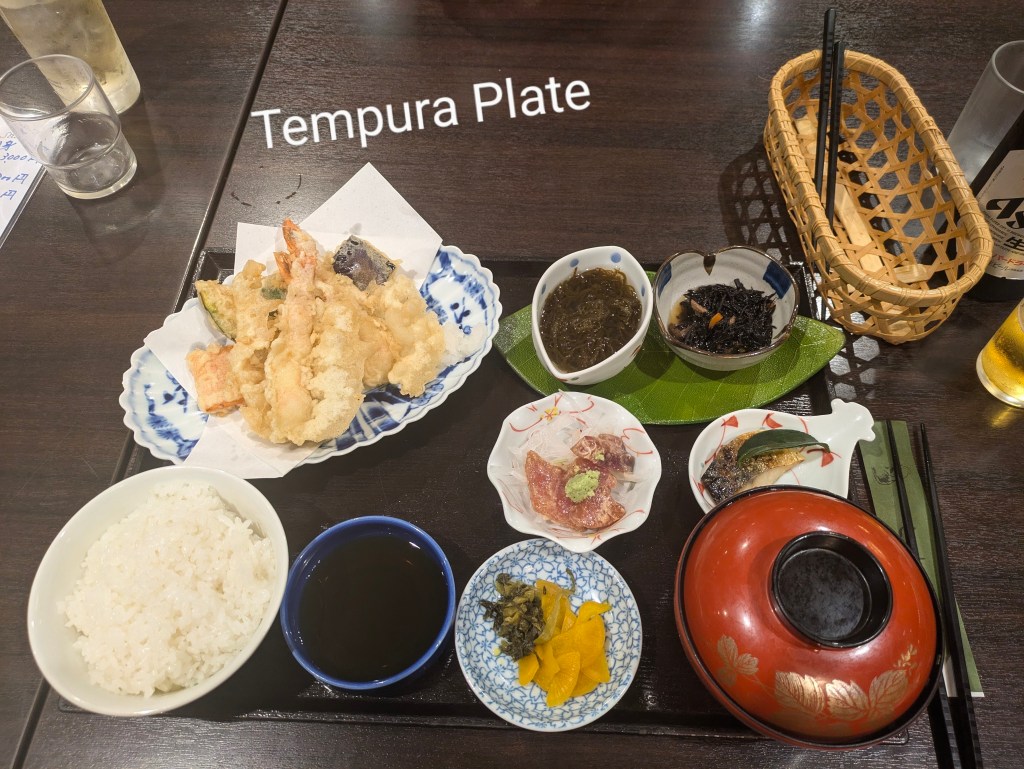
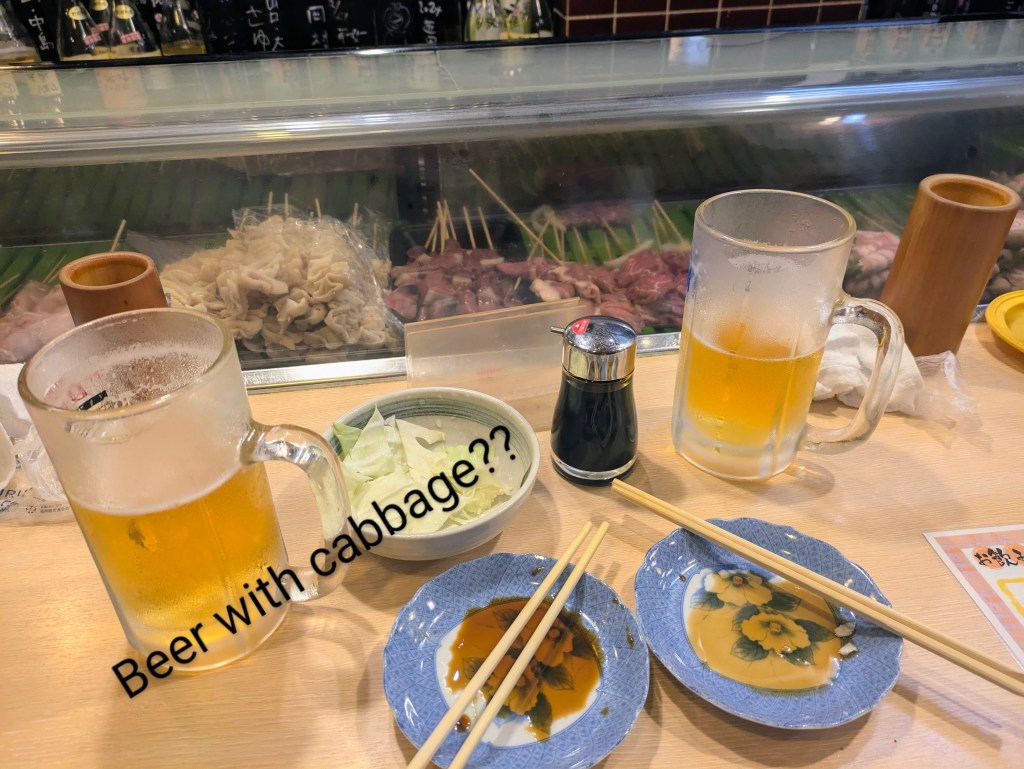
Food, Glorious Food– the food in Japan was a pleasure, a delight and a taste sensation. We had so many gorgeous meals from simple bowls of noodle soup to trays of tempura with a multitude of side garnishes. Good quality ingredients coupled with attention to detail made it special. The Japanese were very proud and fond of their ice-cream which was delicious. However, we were served raw cabbage and soy sauce to go with own beer 😁. It wasn’t as bad as it sounds but it may be an acquired taste.
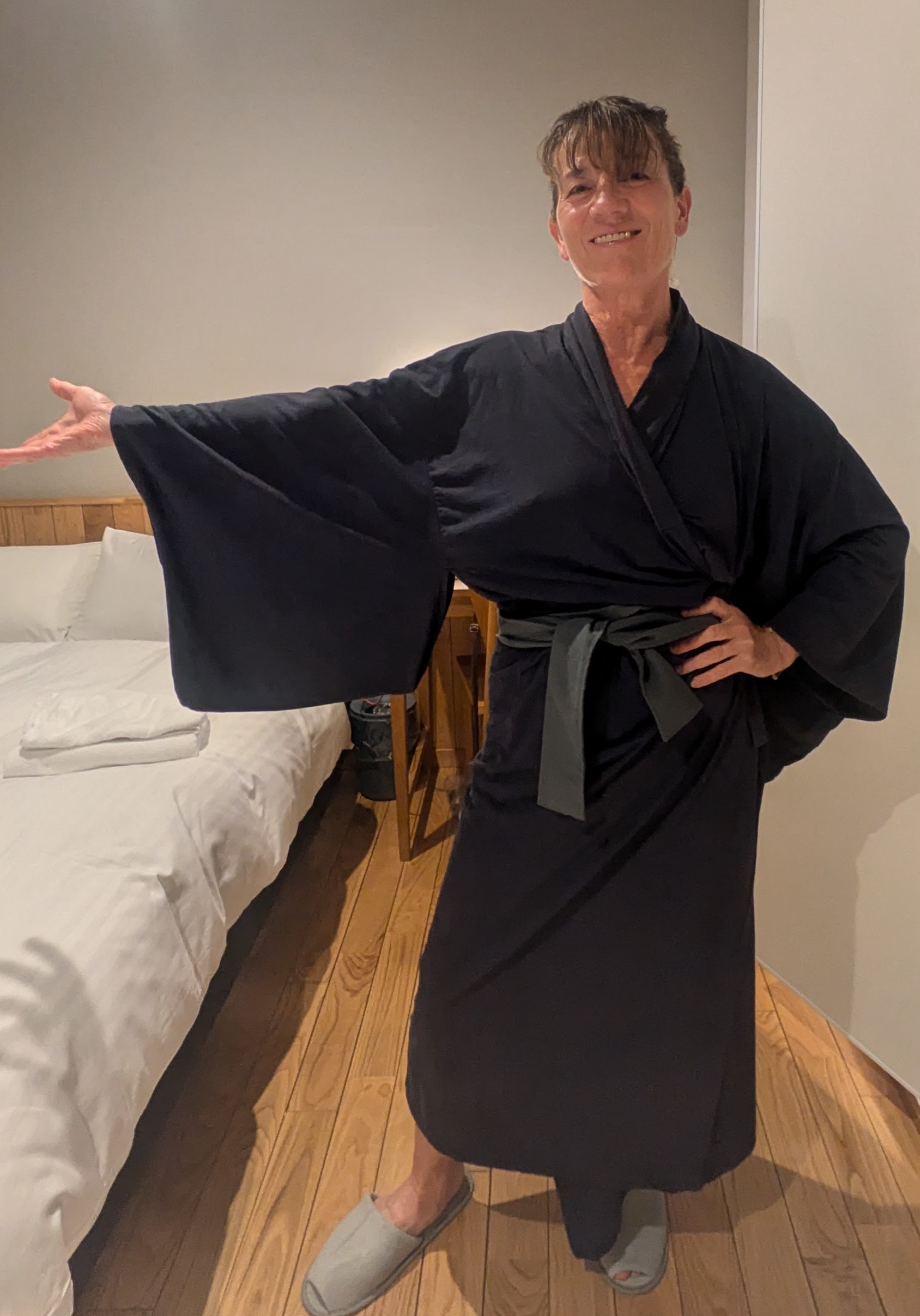
Relaxing Baths Onsens are public thermal baths, which are part of daily life in Japan, a place to cleanse and destress, to socialise and relax. The idea of stripping off and sharing a bath with naked strangers was an intimidating prospect at the beginning but we grew to love our immersions and appreciated their therapeutic power. Our favourite onsen was high in the hills outside Nagasaki with an outside section and gorgeous views over the city. It was so relaxing lying up to my chin in hot water, fanned by a cool breeze, watching leaves drifting down from the trees and trying to process all that we had seen in that lovely, vibrant city which has witnessed so much sorrow. (no cameras allowed inside the onsens for obvious reasons)

Path of Philosophy….Kyoto, the ancient city of history and dreams, was full of national treasures, World Heritage Sites, countless shrines and temples ….. and visitors, lots and lots of visitors. We shuffled along in crowds at most of the attractions except one. The Path of Philosophy in the Northern Higashiyama neighbourhood was tranquil and meditative. The path meanders along by a canal carrying murmuring water from Biwa Lake with the occasional family of paddling ducks and temples peeking through the foliage that borders the path. It’s very popular in spring when the overhanging cherry trees are in blossom but for us, it was blissfully quiet on a chilly November morning. Along the way, we chatted with a lovely Australian couple who enquired if they were actually on the path….none of us knew for sure where the path began or ended but maybe that was the true philosophical question.

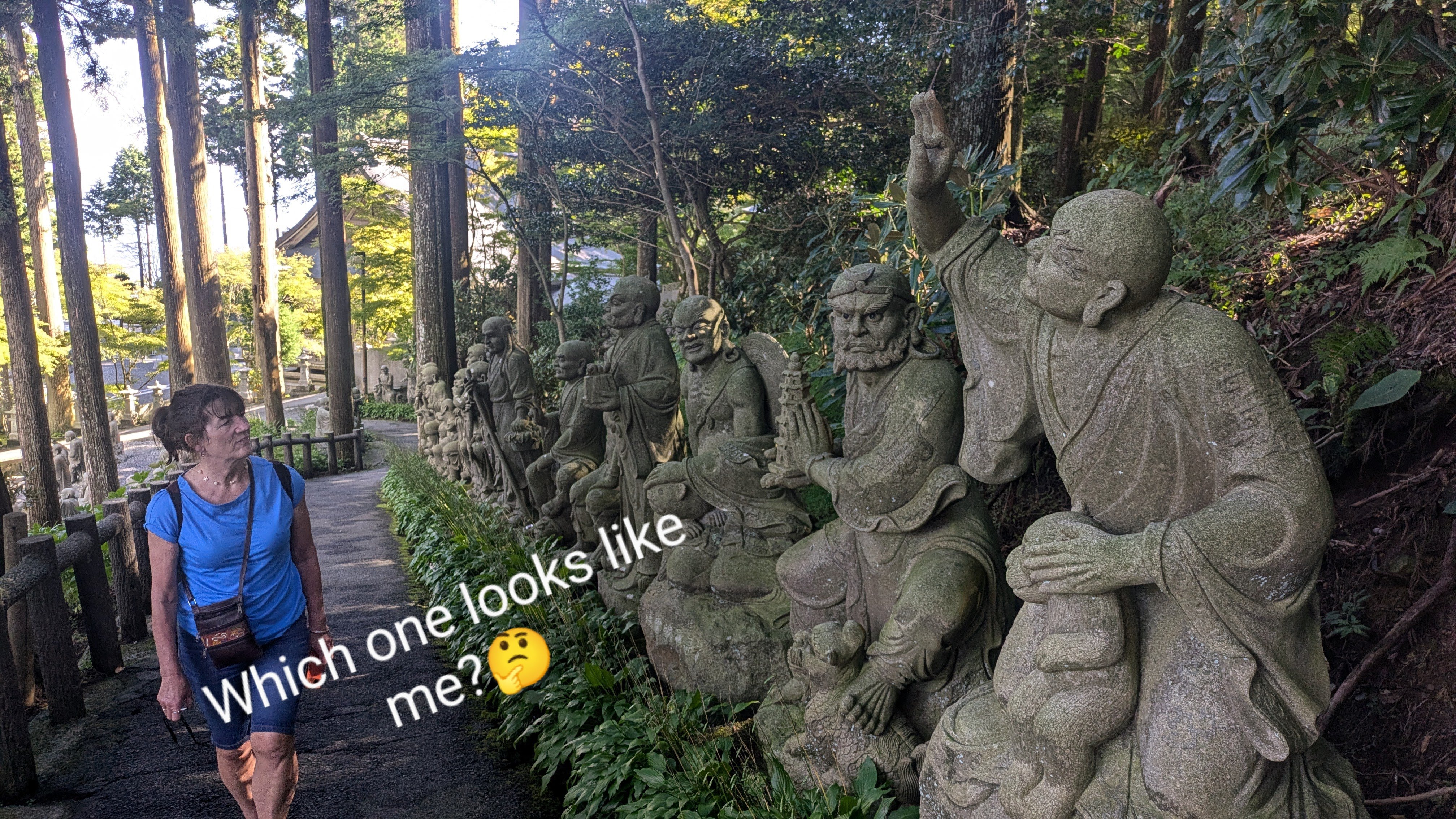
Temple in the Clouds  All over Shikoku, we saw pilgrims on the Pilgrimage Trail of the 88 Buddhist Temples. This is a long route, over twelve hundred kilometres, which circumnavigates the entire island of Shikoku. Most pilgrims do it in sections but we met a few who were devoting six to eight weeks to completing the entire pilgrimage in one go. Many had sore feet as the majority of the route is on hard road surfaces. Although we didn’t do the pilgrim’s trail, we visited several of the temples. Our favourite was Unpen-ji, the highest of the 88 temples and often called The Temple in the Clouds. Hundreds of life-sized statues of Buddha’s disciplines lined the walkways among the cedars. It’s said that if you look hard enough, you will find your likeness among them. Although I searched and searched, I couldn’t find mine
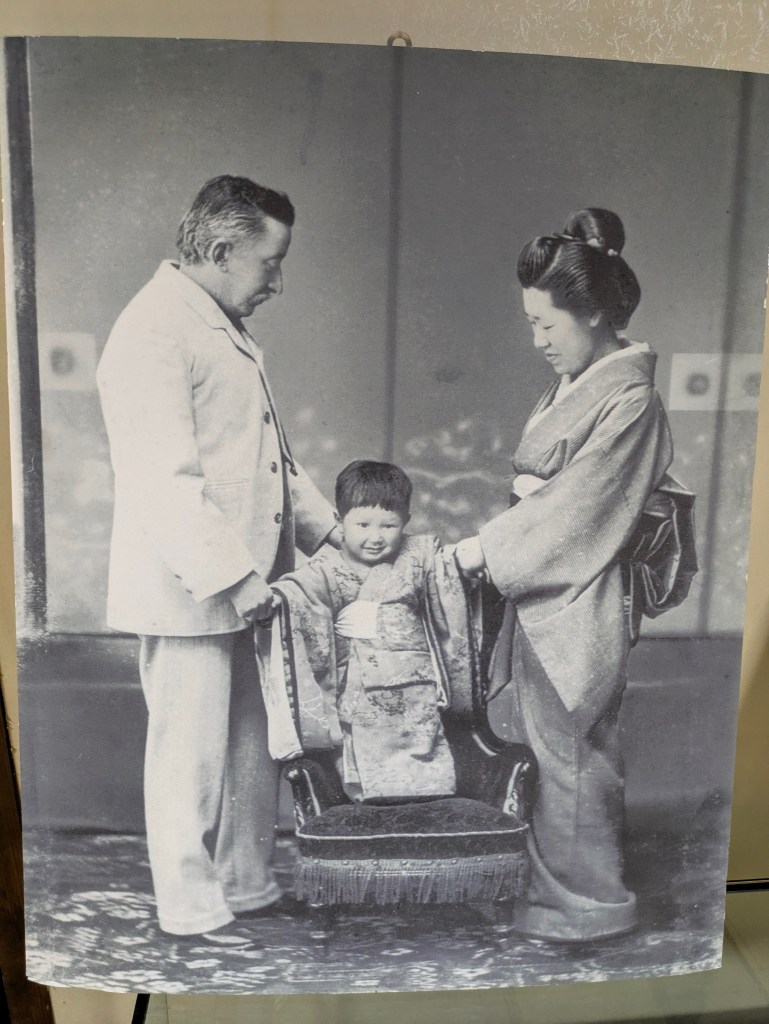
Making Connections  ……No matter where you go in the world there are always connections to home. We visited the Lafcadio Hearn Museum in the city of Kumamoto. In the mid 1800’s having an Irish father and a Greek mother,  Lafcadio spent many boyhood summers in Tramore, Co Waterford just a few miles from our home. The gorgeous Lafcadio Japanese Gardens in Tramore were established in his memory.  He was enthralled by Japan, setting up home there and he is still reversed in his adopted country because of his writings and translations.

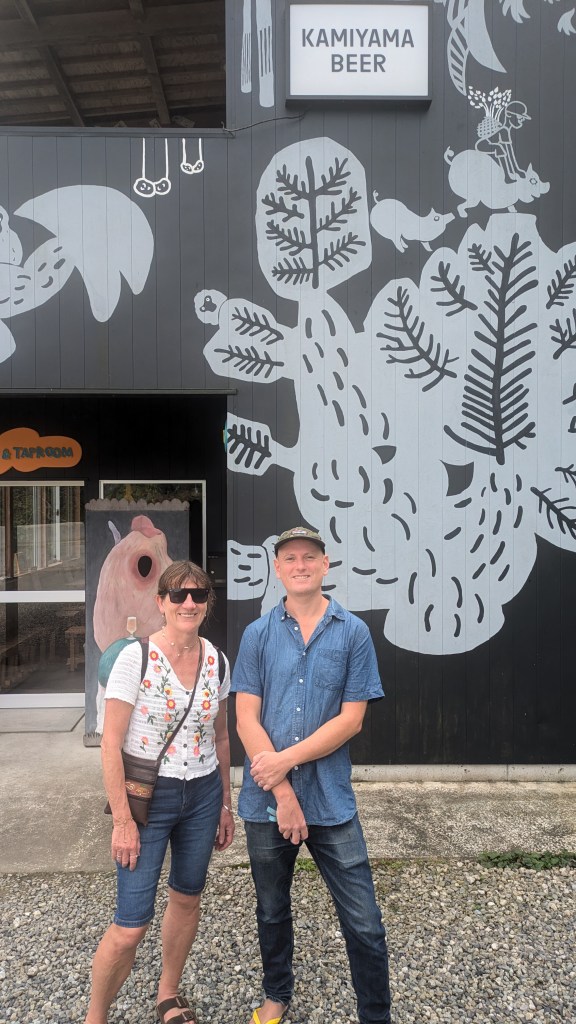
We met another man from Tramore, who has also made Japan his home, making fine craft beer in the beautiful Kamiyama area. We can certainly vouch for the quality of his produce. Manus and his Japanese wife, Sayaka, welcomed us, introduced us to some locals and gave us lots of tips, particularly about the etiquette of using the onsens. Strip completely, wash thoroughly before soaking in a bath, no splashing, no swimming, hair tied up, no tattoos.
LOWS

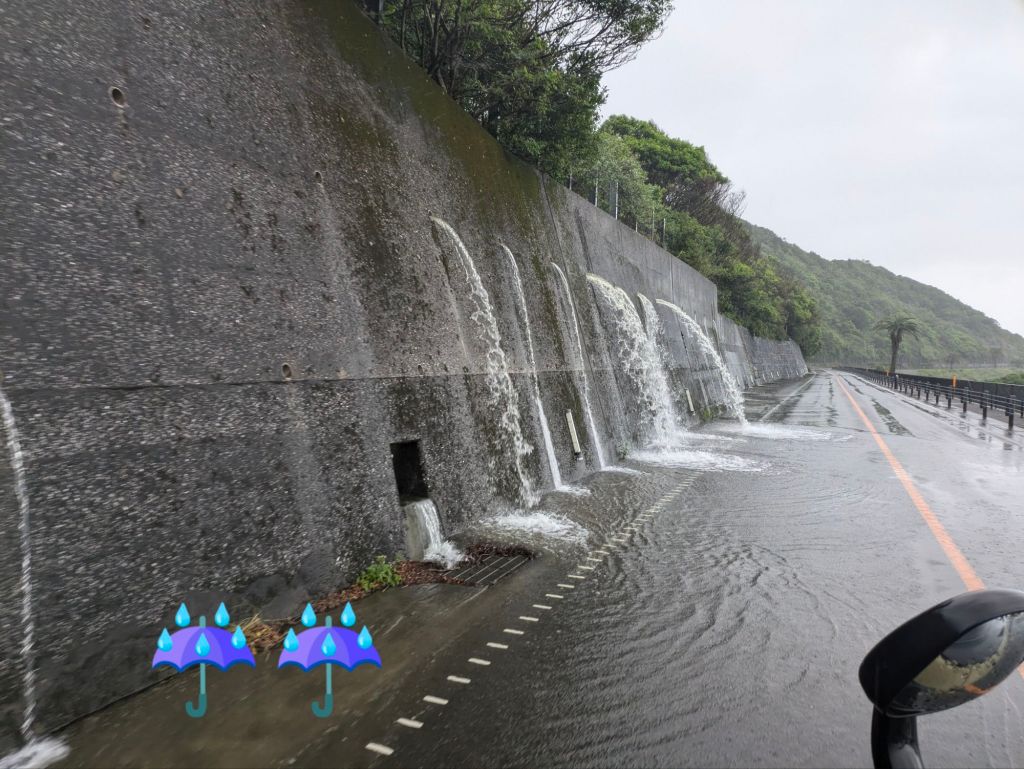
Dramatic Weather –We endured several bouts of torrential rain for days on end each time although it wasn’t the rainy season. Japan is green and gets a lot of rain but this level of rainfall in October and November was unusual. We had numerous phone alerts warning of typhoons, mudslides and flooding.
Packaging The amount of plastic packaging on everything but particularly on food items made us weep. Carrots were individually wrapped in plastic. I know that in Ireland we are guilty of using too much plastic as well but this was a totally different level. All food bought in a convenience store/supermarket/restaurant came with a wet wipe wrapped in plastic and some disposable chopsticks and that’s just for starters.

Disposing of Garbage….The contradiction is that the streets are super-clean with rarely even a scrap of paper on the ground and all this without a trash bin in sight.  Getting rid of our rubbish was certainly an issue until we started discarding it in pieces. When we shopped in supermarkets, we disposed of excess packaging before we left the shop. Convenience stores (konbinnis) had some segregated bins (meant for items bought in the shops) which we used. Motorway stops also had some segregated bins.

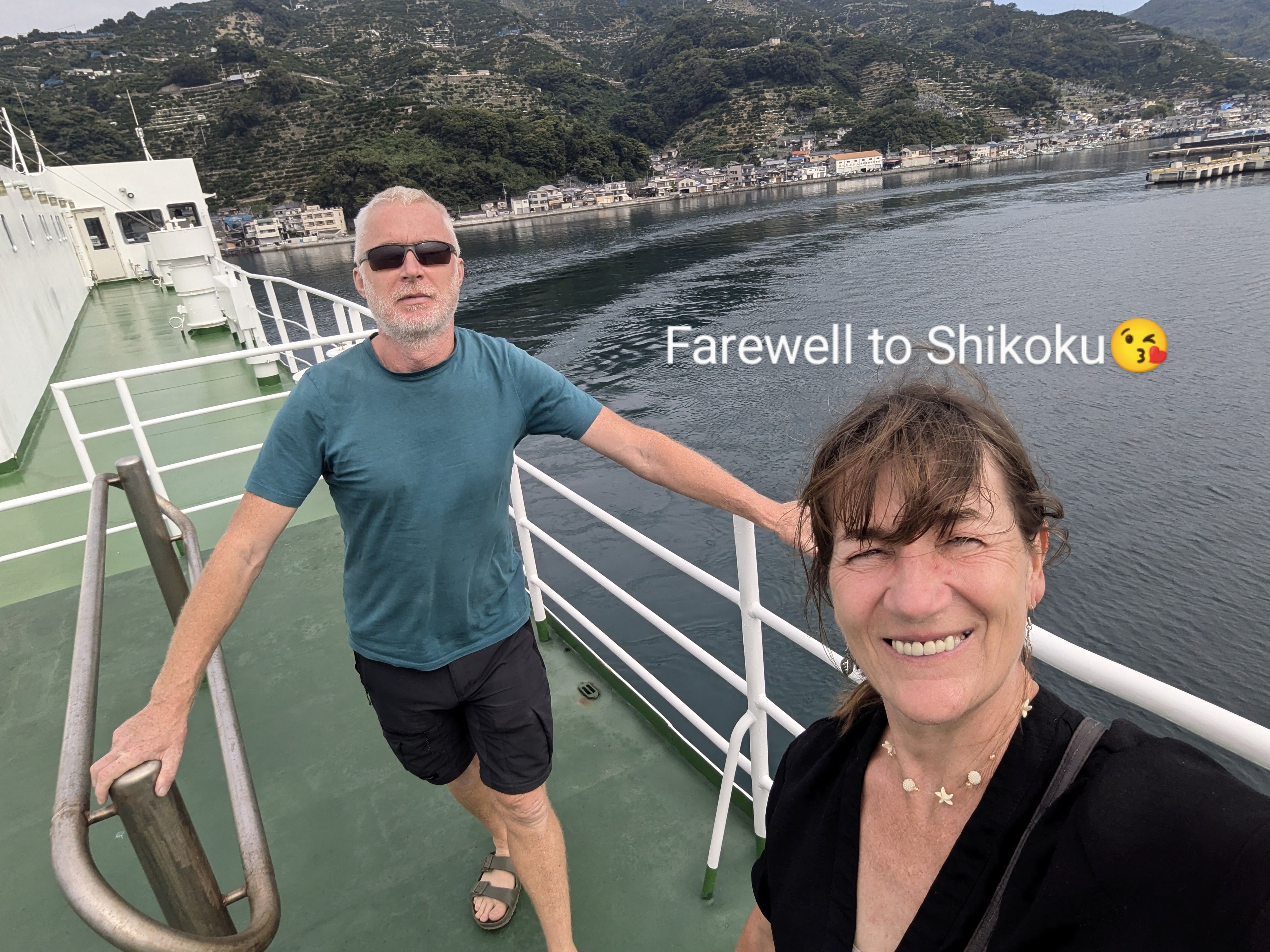
Campervan Sulks…. Our van wouldn’t start when we were in the queue to board the ferry to leave Amami. The rain was torrential and we didn’t even know how to open the bonnet. After trying several times, we were getting desperate. One last try and the engine turned over and we got on the overnight ferry. We didn’t have any more trouble.

Parking in Kyoto…..Mainly we availed of free wild camping in scenic spots in the countryside but  in the cities we parked in city centre carparks which usually cost about €5 to €10 for overnight parking. In Kyoto, we misread the tariff board , and  discovered that we could easily have stayed in a nice hotel for the price of the parking charges😲

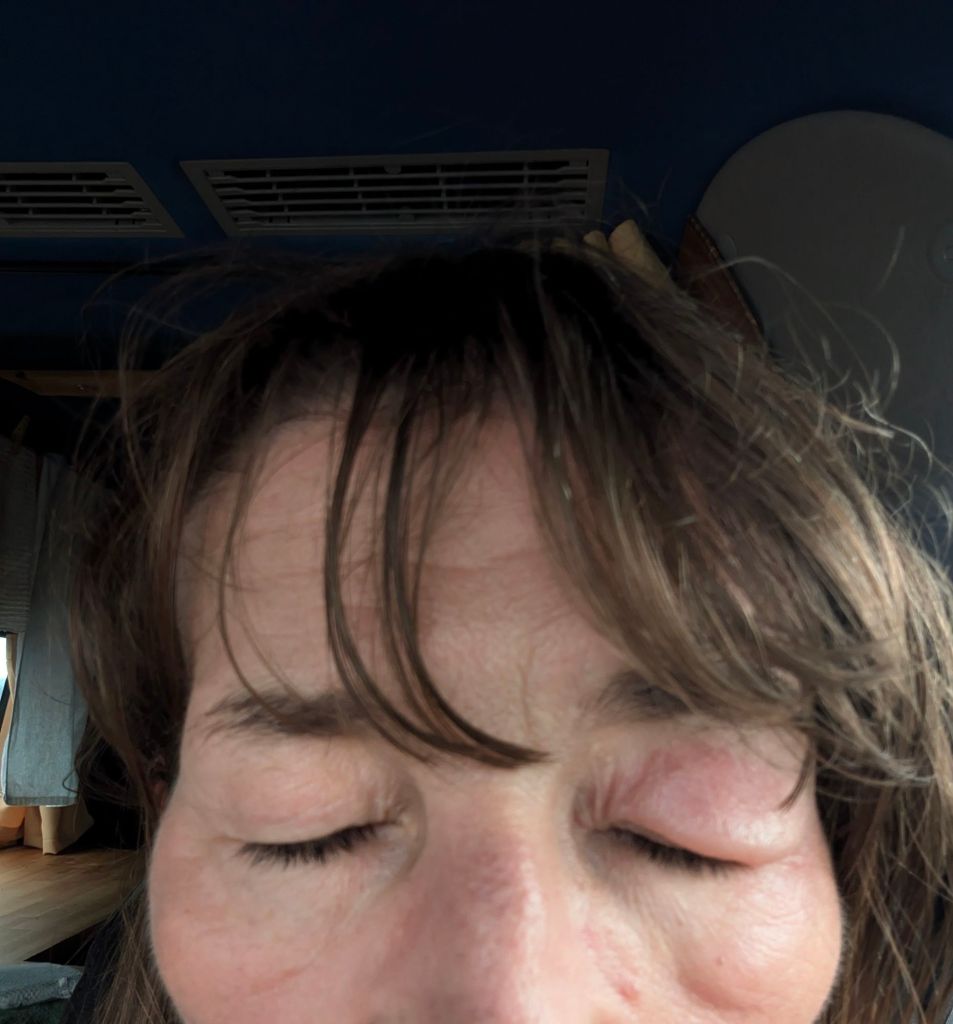
Encounters of a Small Kind Japan is an extremely hygienic place with a huge emphasis on cleanliness , partial to the liberal use of disinfectants and  wearing face masks. Neither of us had any issue with tummy upsets or health concerns. One morning, I woke up in the van feeling like I had a brick over my partially closed left eye. I expected Caoimhin to say it didn’t look too bad but his reaction was one of horror. It took two days to subside. I’m still not sure what caused the spectacular inflammatory reaction but suspect a mosquito.

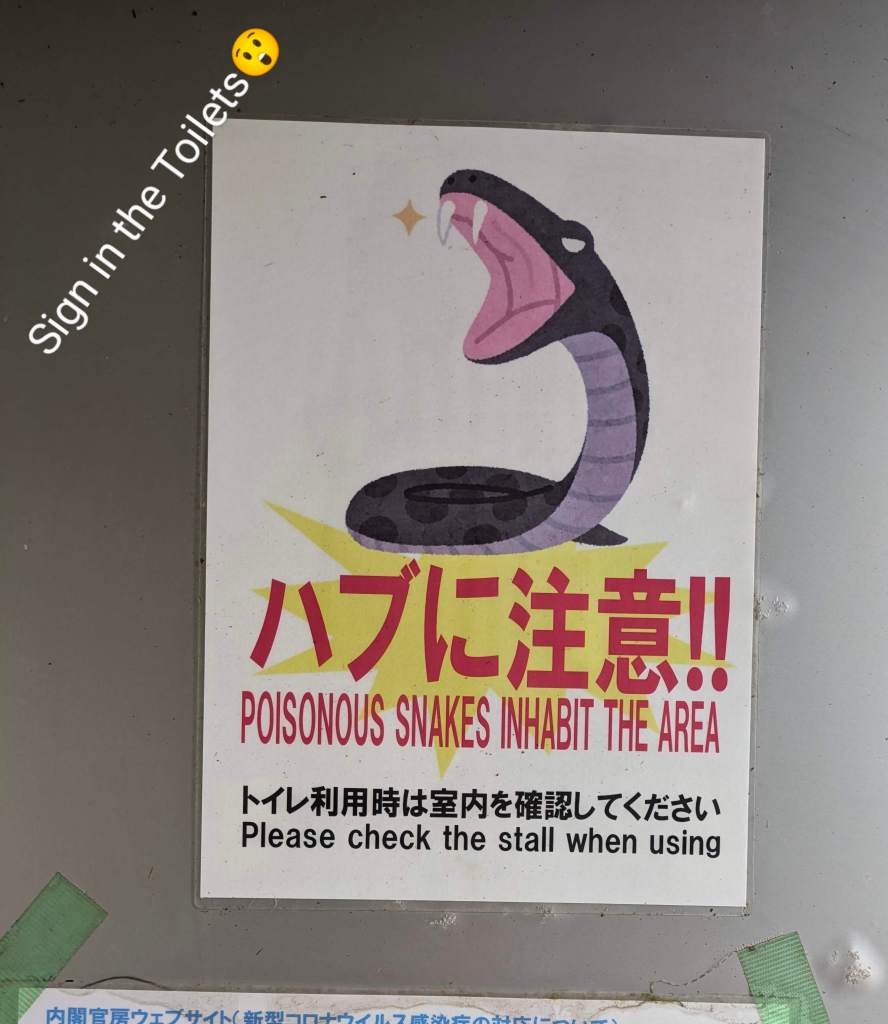
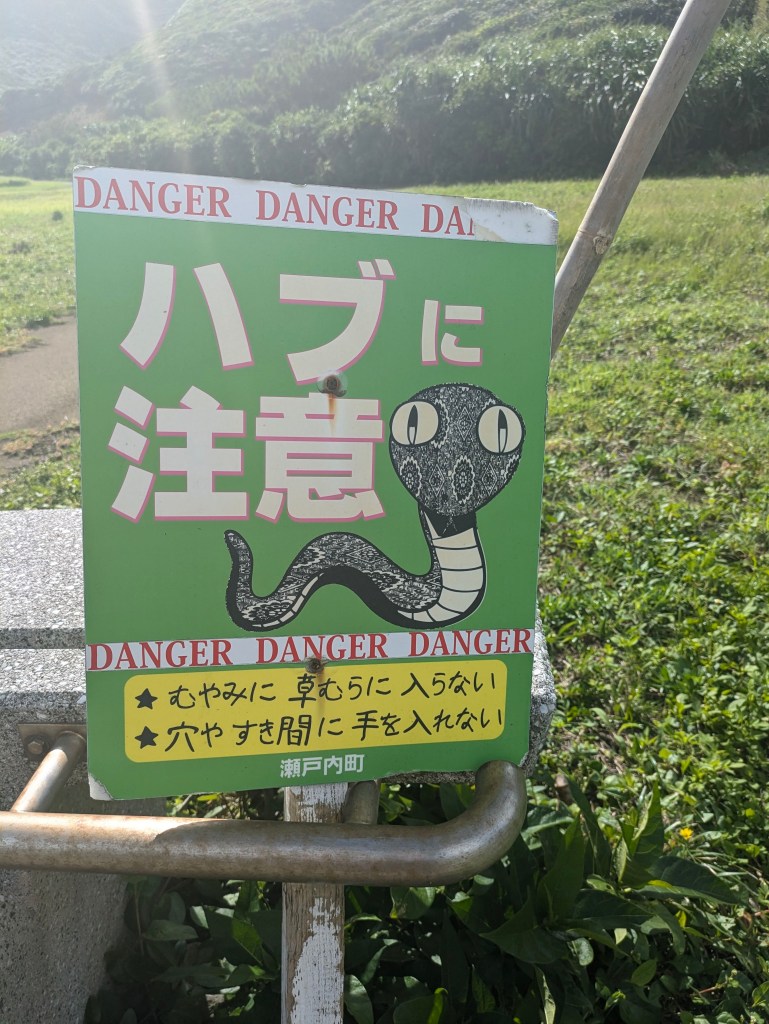
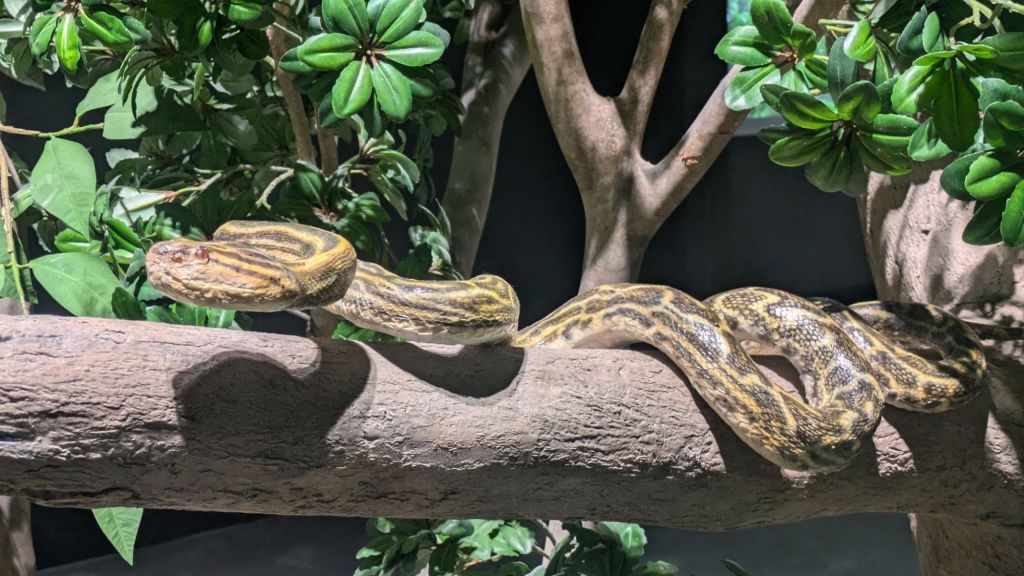
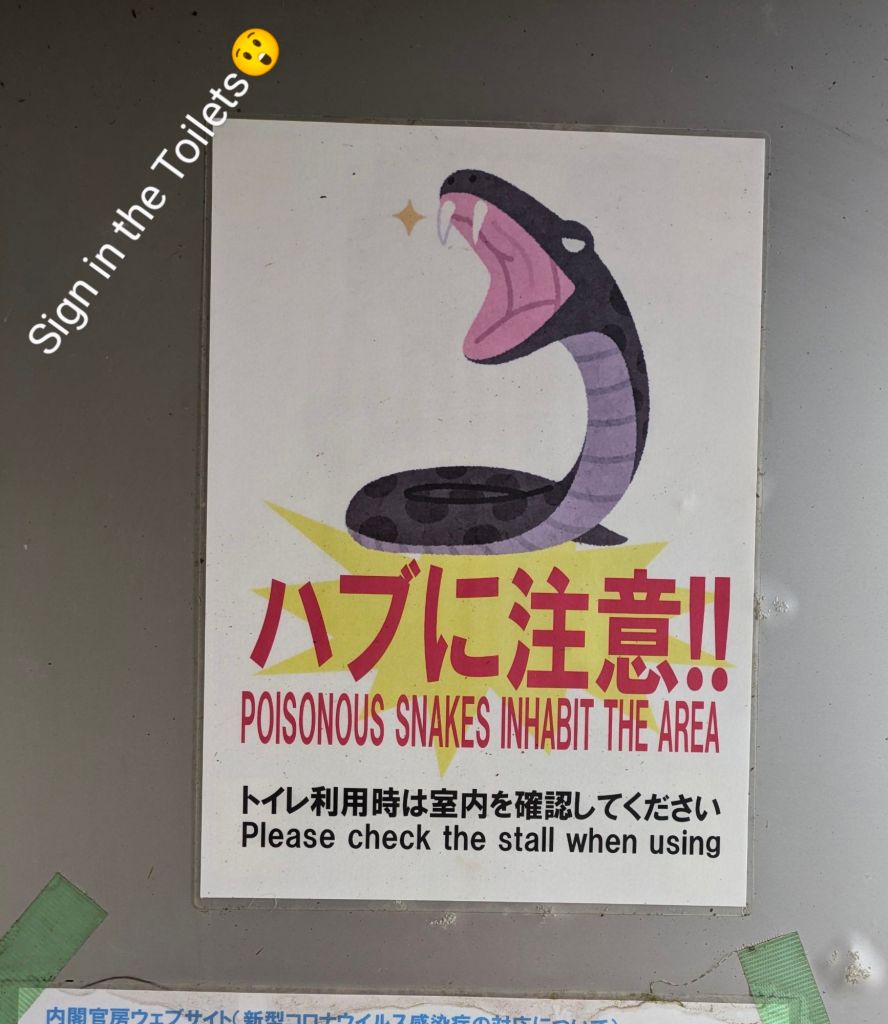
On Amami Island, we were warned about the viper snakes everywhere we went…..by the locals and by the many warning signs. Thankfully we never saw one or heard a slithering sound of one.
So many things surprised us about Japan from practical things like the abundance of public toilets and the people of all ages who use bicycles as a means of getting around to the greenness of the countryside and the enormous number of trees. Most people profess to have no religion but mark key life events with Shinto rituals and visits to Buddhist temples. The people are polite and reserved but welcoming and love to laugh, especially the women, and we gave them plenty of opportunity for amusement.

We covered less than a third of the country, we didn’t go anywhere near the big-ticket tourist items like Tokyo or Mt Fuji and barely scratched the surface of the places we did visit. We came anyway, changed in some indefinable way, fascinated by the blend of traditional and modern, mesmerised by the natural beauty of the country and perplexed by the contradictions. Japan still remains an enigma. We may have to return for a deeper dive, to breathe in the mystery of this fascinating country.
Japan: Highs and Lows

Japan: Holy Mountains and Glorious Gorges

Sandan Gorge, Japan

Our visit to Fukuoka didn’t start well. The traffic was horrendous as we made our way into the city from Nagasaki. Fukuoka is the largest city in Kyushu (one of the main four islands in Japan) and is one of Japan’s ten most populated cities…and it certainly felt like it when we were there.  With its closeness to the Asian mainland (closer to Seoul than to Tokyo), Fukuoka has been an important harbor city for many centuries and was chosen by the Mongol invasion forces as their landing point in the 13th century. It is often called a ‘mini’ Tokyo, it even has a smaller version of Tokyo Tower and as we don’t plan on visiting Tokyo, Fukuoka seemed like a good option.

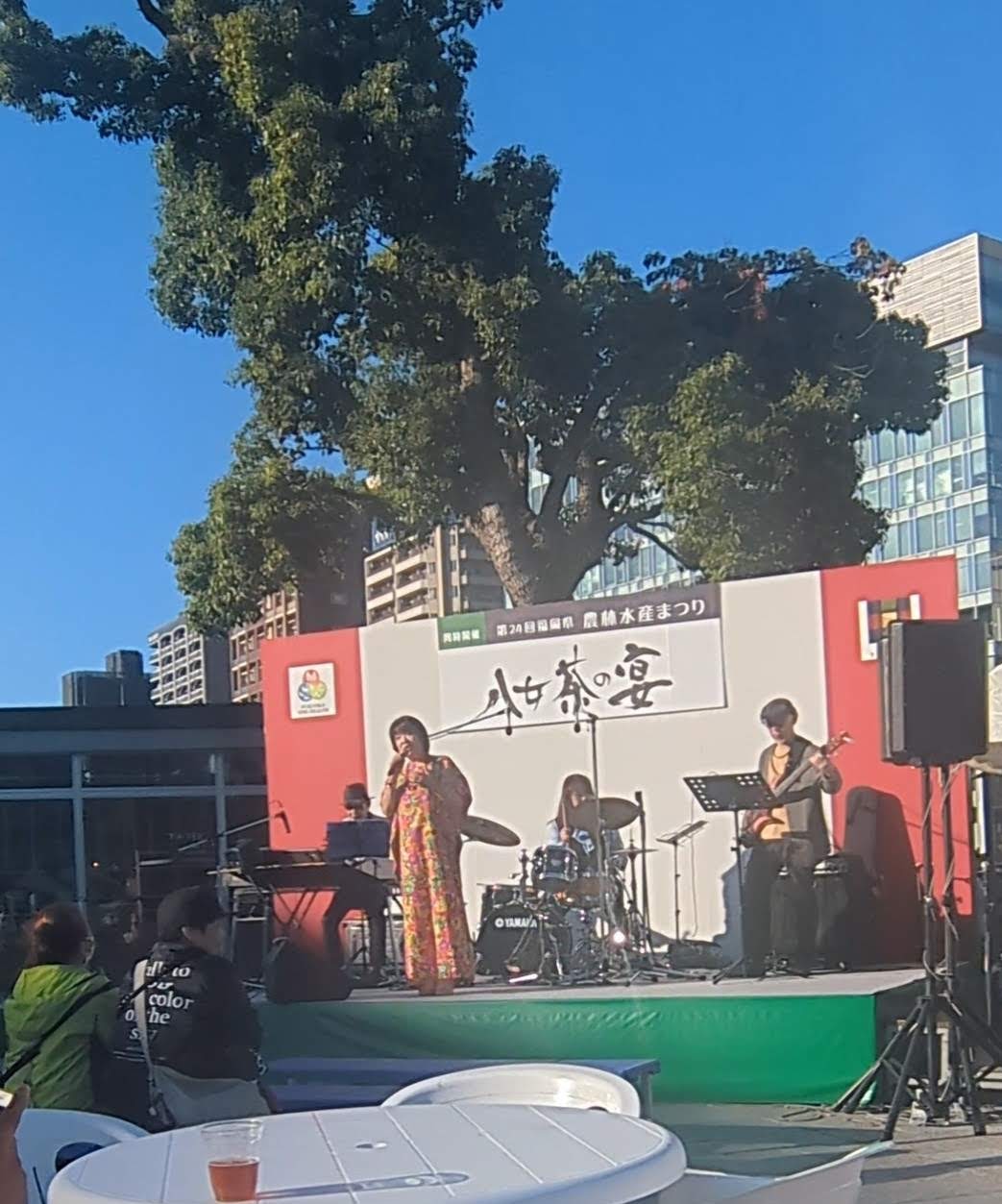
We thought that we might treat ourselves to a hotel but the reasonably-priced hotels/guesthouses were booked out so we resorted to searching for a parking spot close to public loos. In the city centre, we found a possible spot that met our criteria (proximity to toilets) but it was just off the main road with roaring traffic so our search continued. Google directed us to another parking area which involved a heart-stopping lurch across four lanes of traffic into a tiny alleyway. With the van almost touching the sides of the buildings, we prayed that it was one-way system and hoped we wouldn’t encounter anything coming in the opposite direction.  Thankfully, we found ourselves in a little oasis with some free parking spots, quiet but still in the heart of things. There was a little park nearby with public toilets, festival stalls selling food and local produce and best of all, a jazz band playing on a small stage. At one tent, a woman beckoned us over to give us some vouchers (a thousand yen each (about €6)) which could be redeemed  at any of the stalls….a welcoming gesture for foreign visitors. We sent a German man who was cycling around Asia in her direction so that he could get his ‘welcome vouchers.’  The sun was shining, the music was good and we relaxed with some seaweed dumplings and a cold craft-beer. The beer was in plastic glasses…..but hey, you can’t have everything.

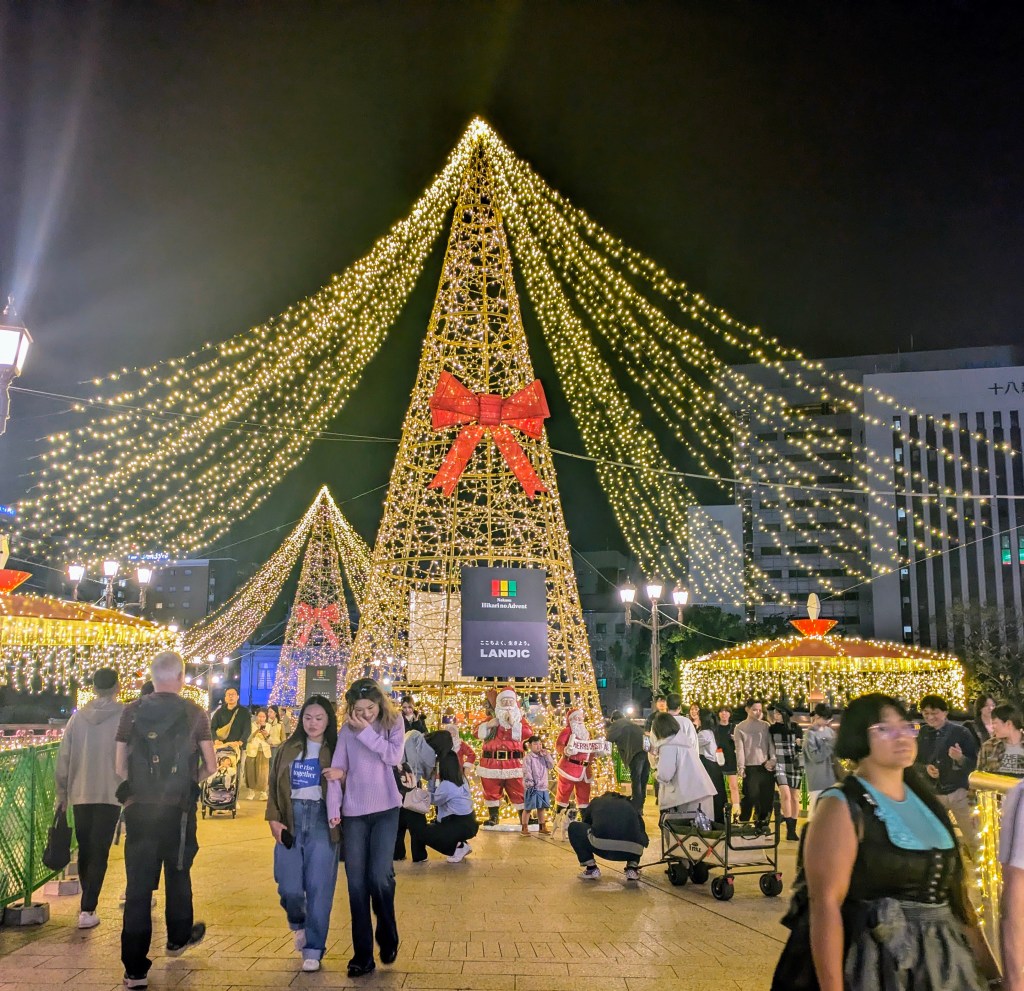
Later we wandered around a crowded Chinatown, and marveled at the long queues outside many of the restaurants and the patience of the Japanese who formed orderly queues, keeping a little distance from each other.  Christmas also came early to Fukuoka with coloured decorations, dancing Santas and flashing lights festooning  the bridges, streets and shopping malls. Christmas is not a public holiday in Japan and less than 1% of the population are Christian but the commercial aspect of the season is enthusiastically embraced. Christmas Eve is regarded as the most romantic night of the year, a bit like our Valentines Day when couples are out and about, love is in the air and not having a date if you’re young requires staying at home to avoid embarrassment.

 Away from the queues and crowds, we found a cellar bar with subdued lighting, soft music where we were the only patrons, the other extreme and not really what we wanted. The bartender gave us soft, hot towels to wipe our hands as soon as we sat down. This wasn’t totally unusual as even the most shabby of establishments hand out wet wipes wrapped in plastic to clean your hands.  Bowls of spicy nuts in dainty porcelain bowls appeared on the table (no raw cabbage and soy sauce in this establishment to munch with your drinks). We should have known that we would pay dearly for such luxuries.  When the cover charge,  was added to our bill (we didn’t even realize that there was a cover charge) our two drinks (one each) cost significantly more than we had paid for dinner! Thank goodness we didn’t opt for a second round.

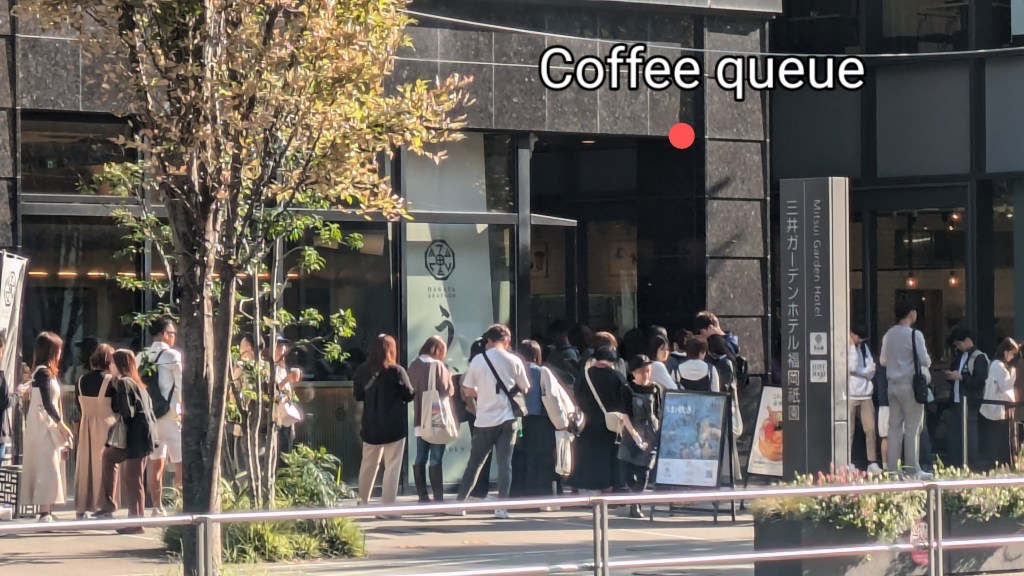
Our quiet oasis turned noisy during the night with garbage trucks collecting trash, vans parking and then moving off, filled with workmen dismantling the festival stalls in the park. In the morning, we went bleary-eyed in search of coffee/tea only to find more orderly queues stretching down the street outside all the open cafes. Although we normally avoid places like Starbucks, this time we were thankful to sit down with coffee and cinnamon buns without any tiresome queueing and avail of their  strong  Wi-Fi where I was able to upload the last blog post with photos. Maybe we should take lessons in patience from the Japanese who queue patiently, mainly in silence, without any visible sign of irritation.

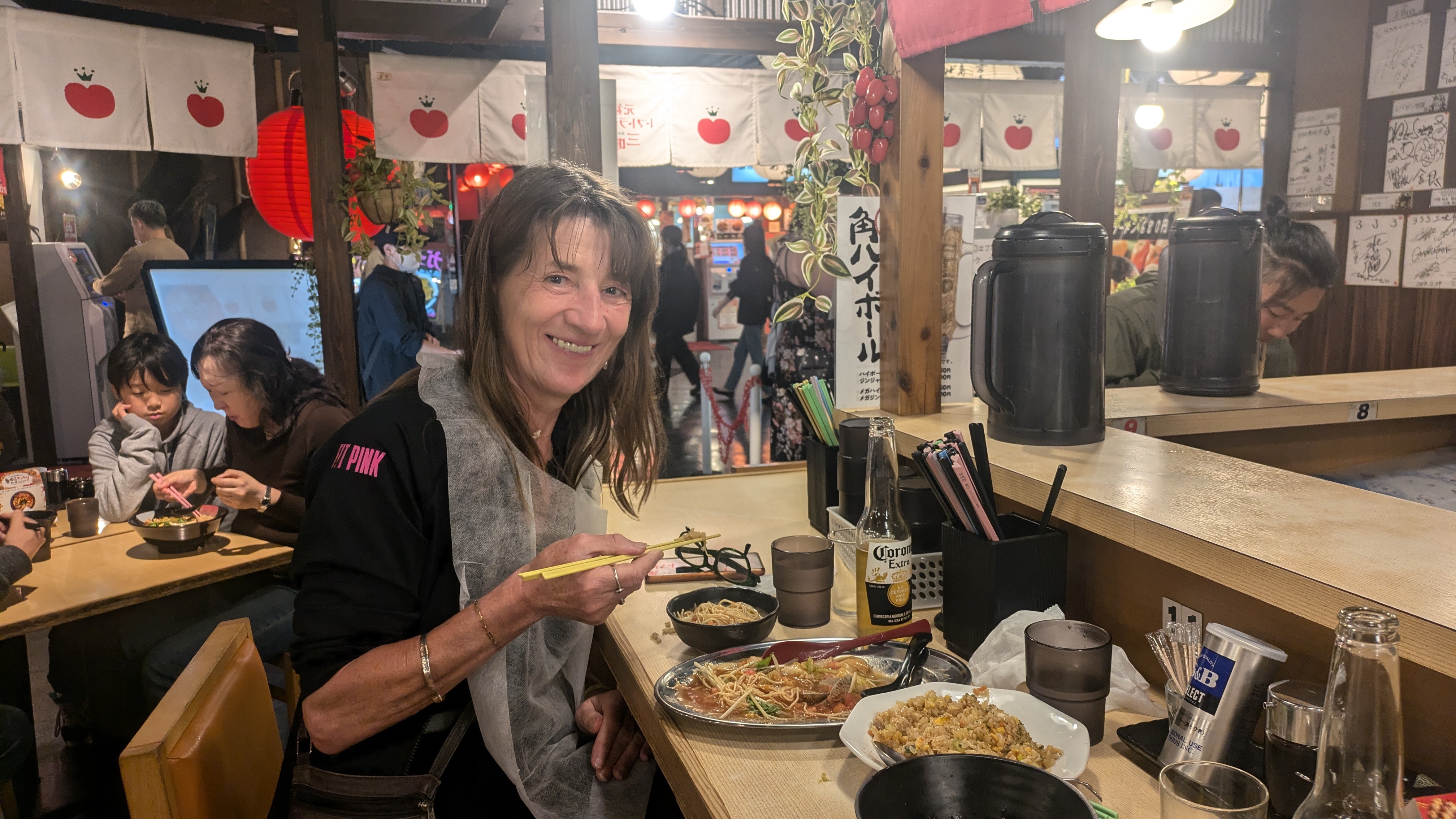
The mountains were calling us and  we felt a strong urge to get out of the city and into the countryside but there was something we had to do before we left. Fukuoka has a reputation for making the best ramen (a noodle soup) in the entire country so we couldn’t leave without sampling some.  There are several traditional recipes but the one that is most prized involves boiling pig bones for hours, maybe days, until the marrow leaks out and becomes a thick cream which is then used as a base for the soup. The ramen was served in big bowls and eating it should be accompanied by loud slurping to show appreciation.  Bibs are provided to protect clothes from the inevitable splashes. Reading the descriptions of the pork-bone soup made me feel queasy so I didn’t ‘pig out’ but opted for a tomato based ramen with seafood which also used a traditional recipe. It was delicious but I have my suspicions that a pig was involved somewhere along the process.

About a hour and a half’s drive outside Fukuoka is a  mountain where over 400 years ago,  white-clothed monks, practitioners of an ancient ascetic religion called Shugendo, chose sacred mountains until they reached their ultimate goal of enlightenment. We were eager to follow in their footsteps and hike the holy mountain to see what  enlightenment and spiritual power it might bestow upon us.

The winding mountain roads coiled through pottery villages with tables of ceramics set up under flame-coloured maple trees and smoke rose from the many kilns. Even before we reached  Mt Hiko, we were enveloped by a sense pf peace mixed with exhaustion from lack of sleep from the night before. We parked by a stream next to toilets at the base of the sacred mountain with nobody else around, cooked up a dinner of potatoes and mushrooms ( the quality and variety of both in the supermarkets was amazing) and watched the stars come out one by one until the sky overhead  was a star- studded canopy, more beautiful that all the twinkling city lights.

The following morning dawned cool and bright as we began hiking past moss-shrouded shrines with birdsong  and the higher peaks still draped in drifting mist.  Maybe it was because we had read the history of the mountain and were open to its power but right from the beginning we felt that we were in a special place. The hiking trails were well-marked with lots of looped walks and decisions to be made about whether to continue, to turn back or to walk in circles. Maybe this was the essence of true enlightenment, that all paths are correct, you just make a decision and accept it.  Mt Hiko really consisted of three peaks and as we neared the first peak there were signs in Japanese that the path was closed and a barrier was pulled halfway across.  It was easy to bypass the obstacle so we continued regardless, we could always plead ignorance if challenged.  As we ascended we heard hammering and saw that there was construction work going on at the summit where the existing shrine was being enlarged. We kept our heads down and skirted around the building works and headed for the adjacent peak with stunning views of the surrounding mountains, dressed in their glorious autumn foliage, vivid hues of red, gold and purple. If the first section was beautiful and easier than expected, the next section was more challenging but truly ‘wow’. There were chains embedded in the rocks in places but they were more as an aid for climbing rather than strictly necessary. We diverted to see an incredible ancient cedar tree named Onisugi, reputed to  be  1200 years old. This was truly a special day, a hike that was good for the soul and we were physically tired but spiritually refreshed after a six hour round trip…..although true enlightenment may require some further strenuous activity.

It was time to leave the large island of Kyushu and head over another long, impressive bridge to Honshu, the second largest and most populated of the Japanese islands. We arrived at dusk at the small town of Hagi and parked up on the north side of town beside a small beach. We didn’t realize how beautiful the spot was until dawn when an early morning trip to the toilet revealed islands, distant mountains, a calm sea and boats moored in a little harbour. But then you’ve guessed it….it began to rain and this time the rain was cool and drizzly.  It was about 12 degrees, the coldest we’ve had in Japan apart from when we were high in the mountains. Hagi is also famous for ceramics which are mainly in delicate pastel shades.

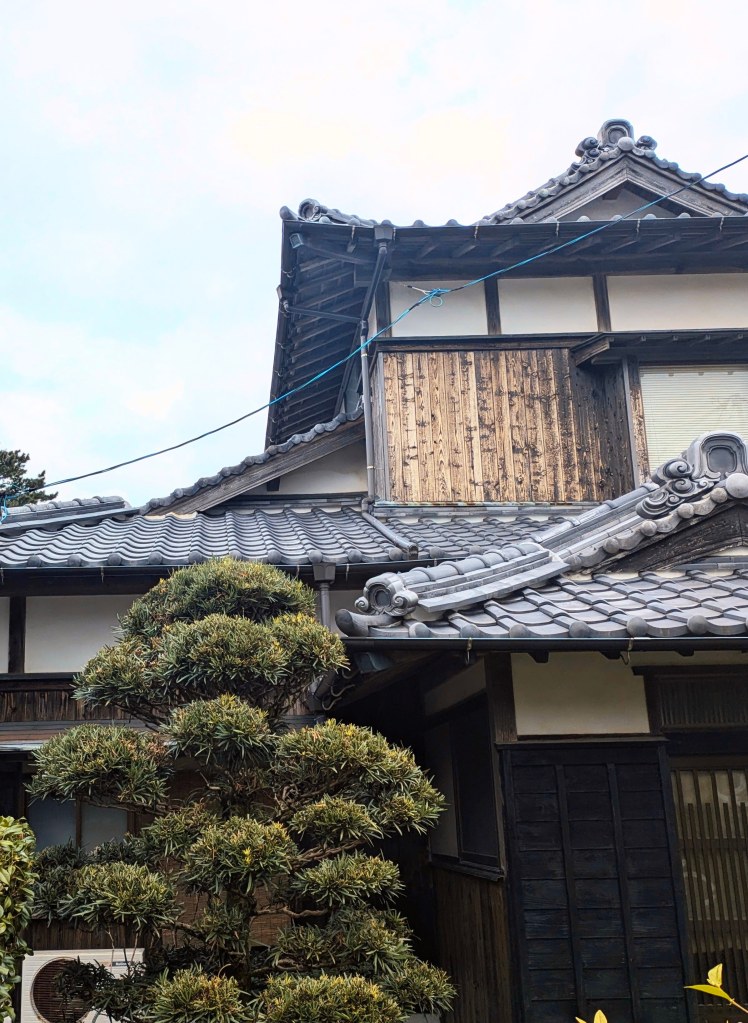
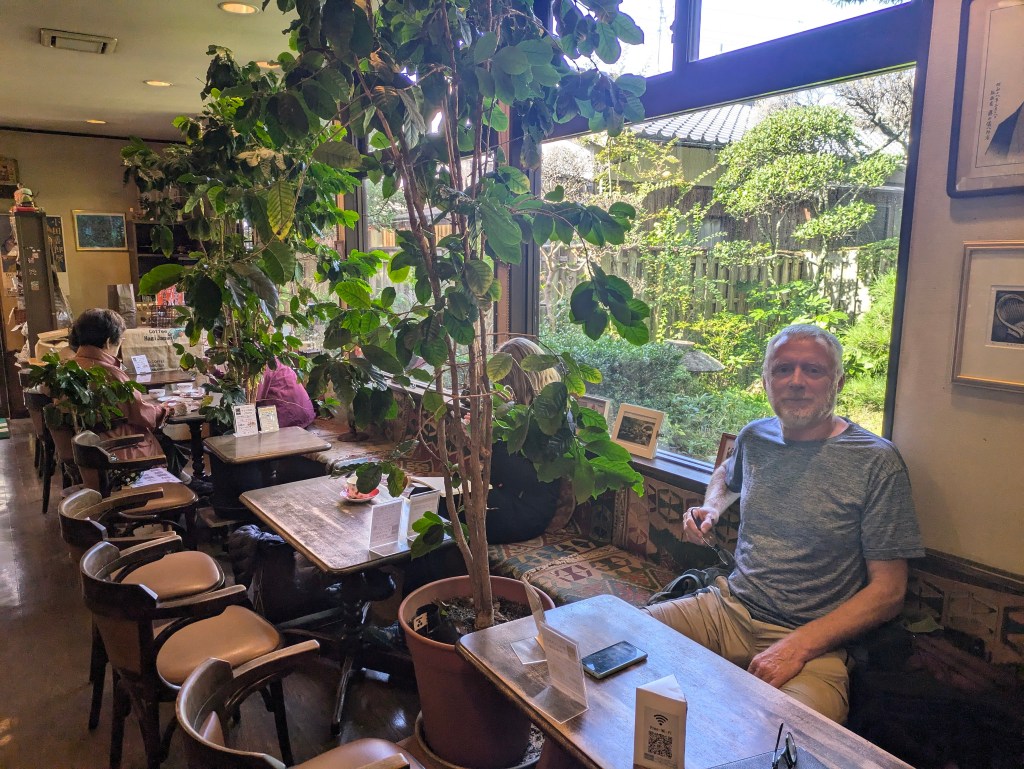
We were in need of a laundromat so while our clothes were whirling in the washing machines, we wandered around town with its wide streets and many traditional buildings, a place little changed from the time of the Samurai. We stumbled across a shop selling clothing for a reasonable price so prompted by the chilly wind, we bought a warm jacket each. We didn’t know it then but the cosiness of the jackets were going to be very welcome in the coming days with a  further dip in temperature. In the meantime we drank tea in a coffee house and eat home-made cake made from locally- grown figs and mandarin oranges, probably the most delicious cake we have eaten on our travels.

Our breaths blew clouds in the cold morning air as we parked at the starting point for the Sandan Gorge, A small man, muffled in a thick coat, was sitting outside the information booth.  He got up on our approach, leaned heavily on a cane, and pointed to a map giving us the bad news that the recent heavy rains had caused landslides and several parts of  the Gorge were closed because of the risks of more rockfalls and mudslides. He told us that he was a guide but he was out of action because of a bad fall a few months previously, that his favourite country was Alaska and that he had once stopped a grizzly bear in his tracks  with his stare. He gave us an example of the ‘stare’ which also involved barring his teeth. Since then, everyone in the village called him Big Bear.

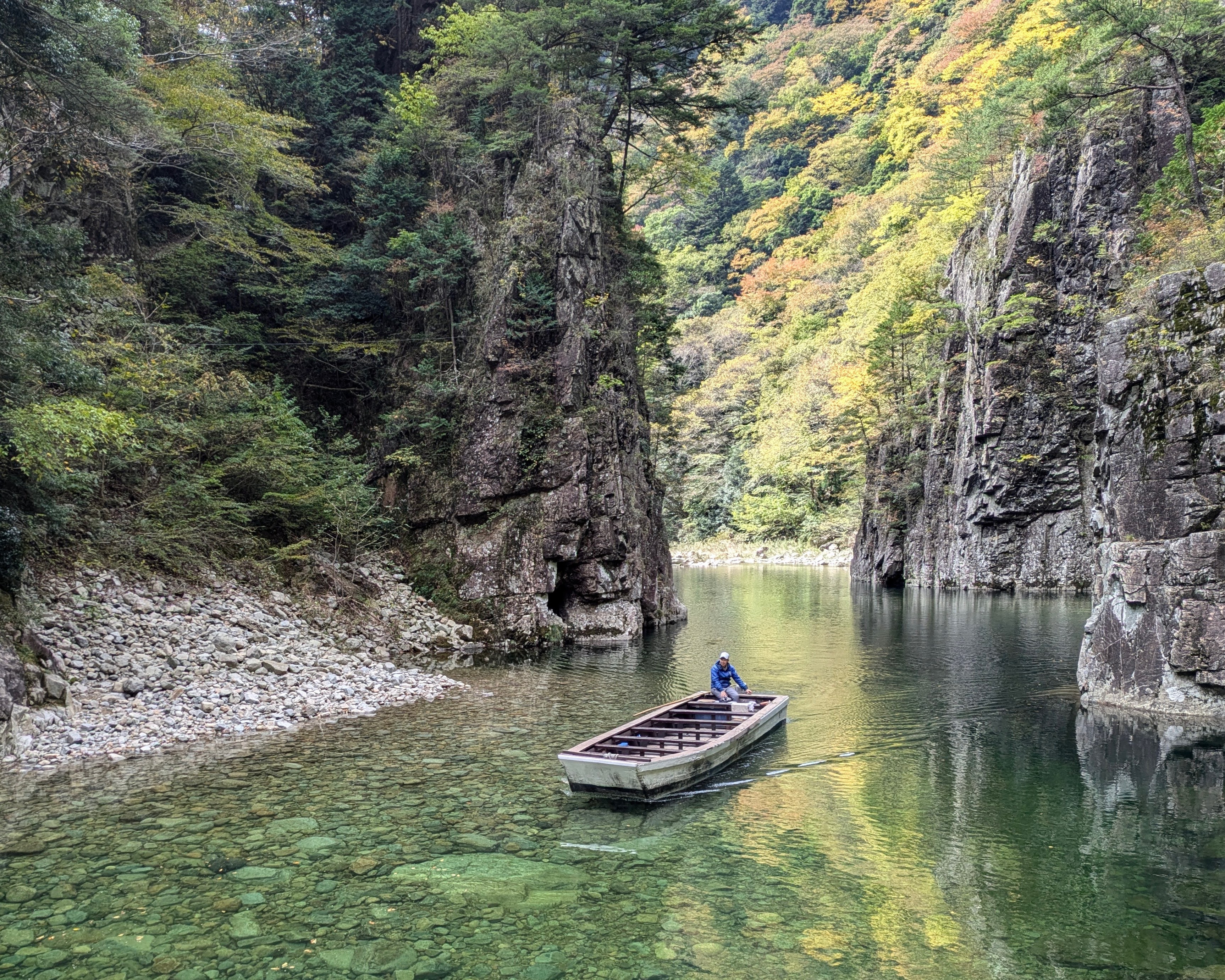
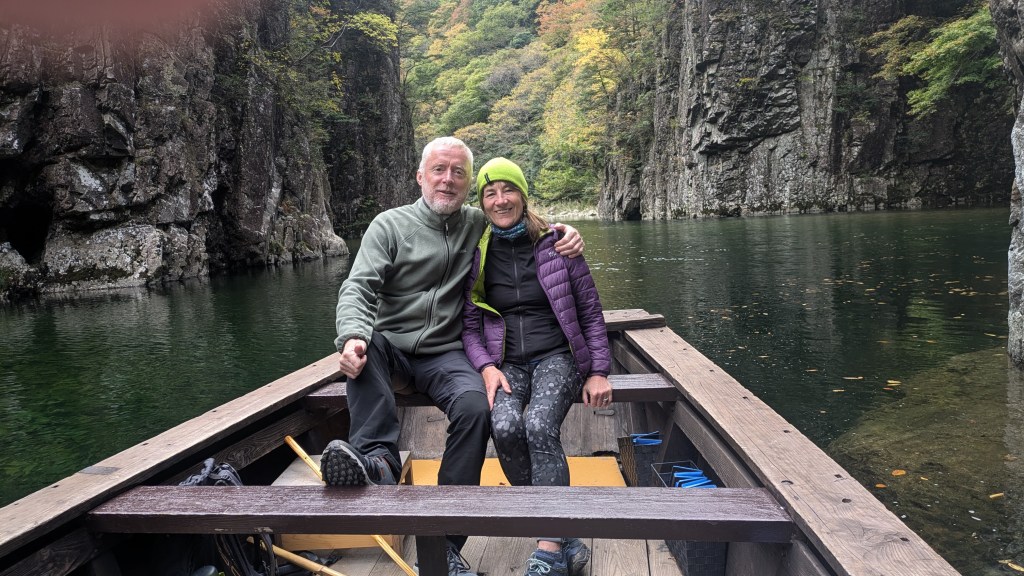
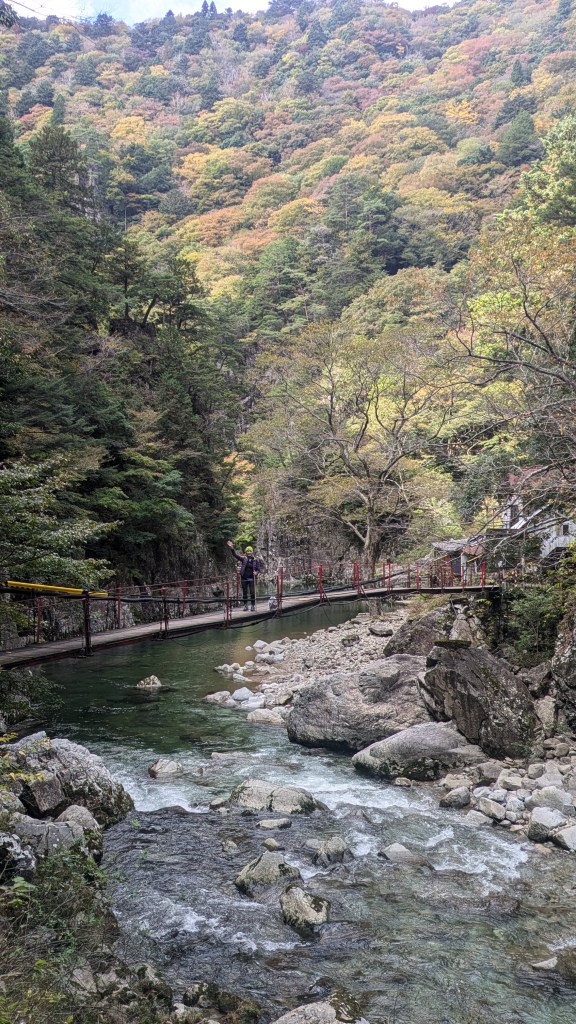
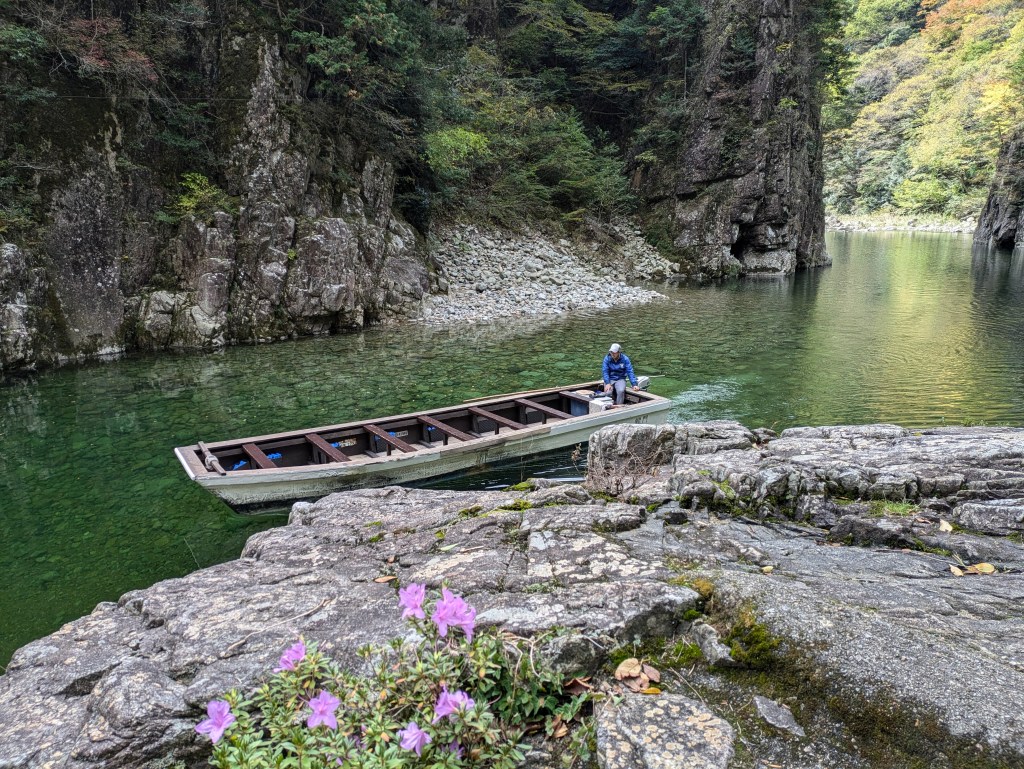
Although our hike was shorter than envisaged it was still worthwhile, true forest-bathing where a  tree lined stony path hugged the side of the ravine before descending to cross the green river on a swaying rope bridge. A short ferry ride gave us an appreciation from the water. Our boatman didn’t quite know what to make of Caoimhin who was singing ‘Don’t pay the ferryman until he gets you to the other side.

But our journey goes onwards, towards historic Kyoto, the city of dreams and the most visited city in all of Japan. Have we left the best until last? Time will tell.

Thanks for reading

Until next time

Japan: Holy Mountains and Glorious Gorges

Japan: Chasing the Dream (aka Running from the Rain)

We are in the terminal building standing in a queue to buy tickets  for the ferry to Beppu in Kyushu when several phones, including Caoimhin’s, start making strange sounds simultaneously. It’s an emergency alert but it doesn’t say what for …more information coming is the ominous text.  The noise echoes around the high ceilings of the building.  People glance at their phones but nobody seems too bothered and the queue shuffles on as if such alerts are frequent.  It’s a reminder that we are in a country where natural disasters are common with a history of typhoons, tsunamis,  volcanic eruptions and earthquakes.

Ferries run several times a day between the two islands (Shikoku and Kyushu). We hadn’t booked a ticket but there wasn’t any problem about buying a fare on the day. The cost for two passengers and the van was €100 for the three hour crossing. There was more alarming phones on the ferry but again nobody took any notice. The ferry was quiet and extremely comfortable…. so comfortable that we were disappointed to arrive early.

Kyushu seemed green and mountainous and a lot like Shikoku with perhaps a little more rice cultivation. It has been a bad year for rice due to the unseasonably high temperatures. Most of the rice cultivation is on small holdings managed by elderly farmers. The average age of an agricultural worker in Japan is 69 years old. Most older people in Japan continue working. At the launderette where we were doing our weekly wash (we pack very lightly), the manager was a sprightly eighty something year old. He was a very chatty man, eager to give us tips about all the places we should visit in the locality. Unfortunately we missed a lot of it as Google Translate couldn’t keep up with him, he talked both too much and too fast for Google.

Our first stop in Kyushu was Beppu, a town known for its many onsens (thermal baths). It’s a very seismically active area which explains the many baths.  The nearby region of Oita has had nine earthquakes, greater than magnitude seven, since 1900. Beppu is built on a flat plane  hemmed in on three sides with mountains. As we approached on a grey, humid 30 degrees afternoon,  the plumes of steam rising from the many hot springs and the clouds descending down the mountains intermingled to give an eerie darkness. Maybe it was that our minds were filled with those emergency alerts (that everyone ignored) but we  felt a sense of foreboding. It became darker and huge, fat drops of rain splattered the van.

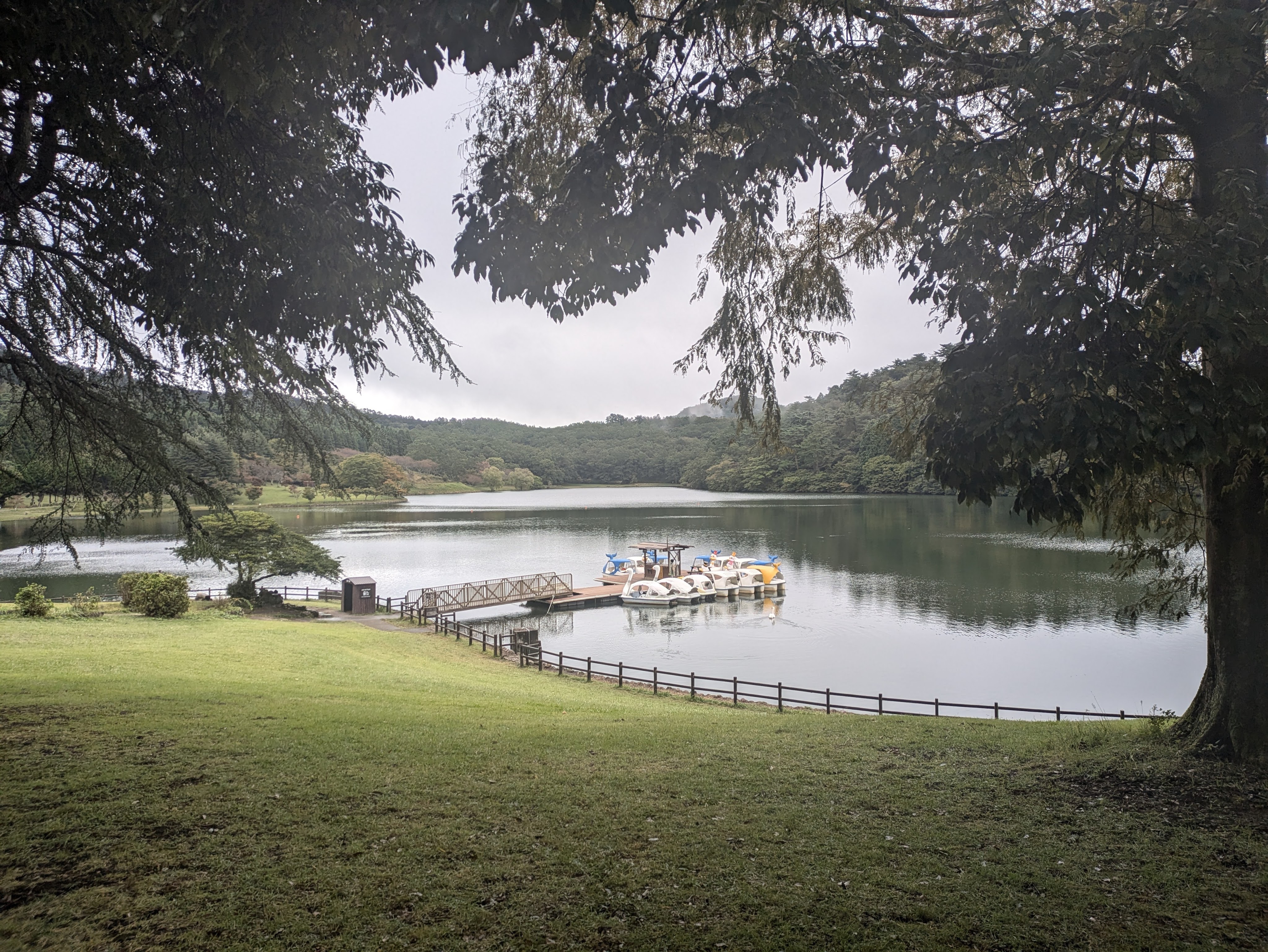
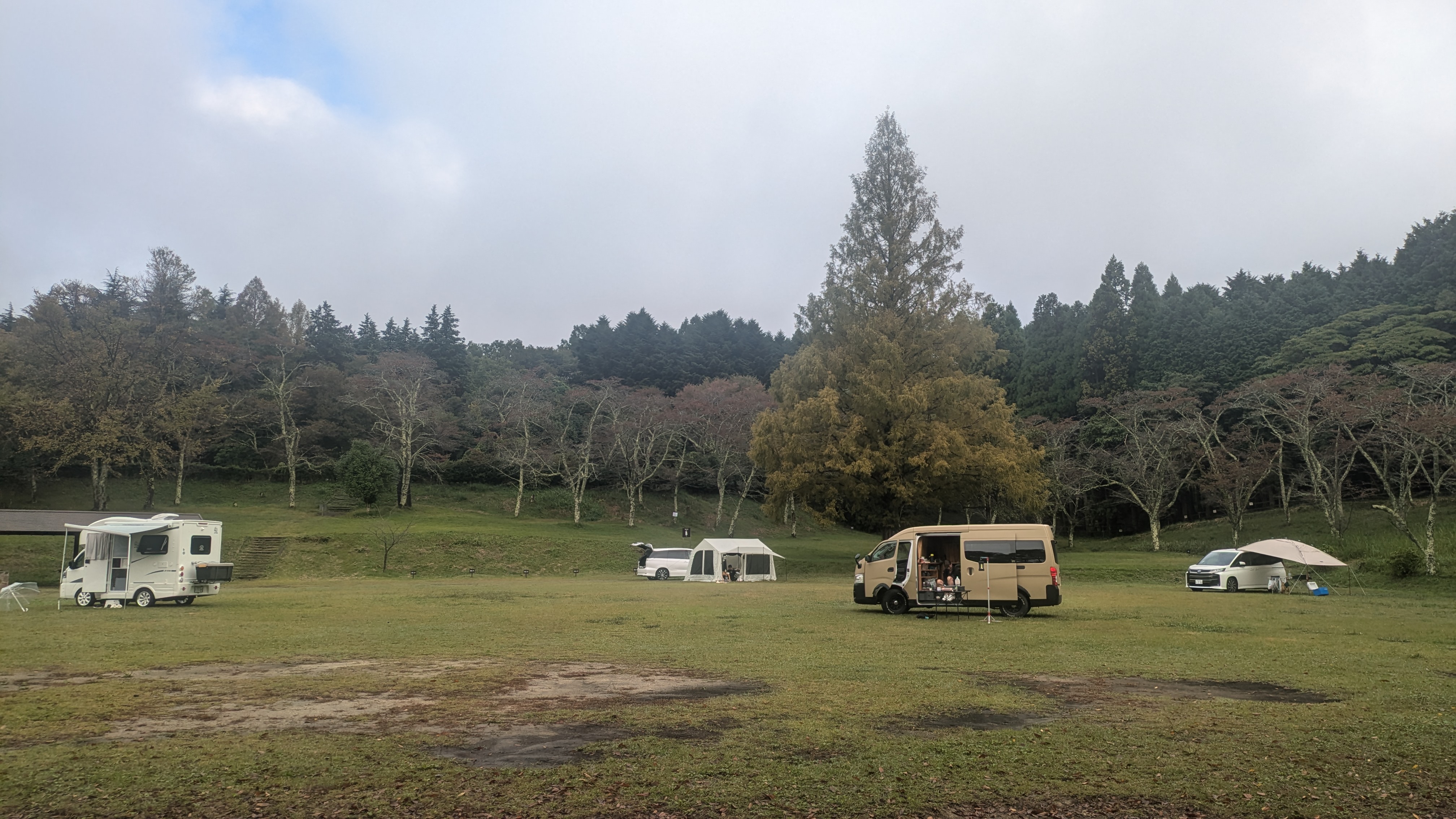
We tried to stay in an RV park in the centre of Beppu but it was closed so we tried a campsite in the hills buts that was boarded up. Our third option was a campsite high above the town in a nature reserve near a lake,. This was open and the rain stopped.  Although there were loos, there weren’t any showers and it was prohibited to swim in the lake. Lake Shidaka is supposed to have been made from the accumulated tears of the broken hearted. Nevertheless it was a serene plane where swans floated by and the trees were beautiful. There were only 5 campers/tents in the huge park. There was some damage from a typhoon that had swept through a few months before.

A Lake made from Tears
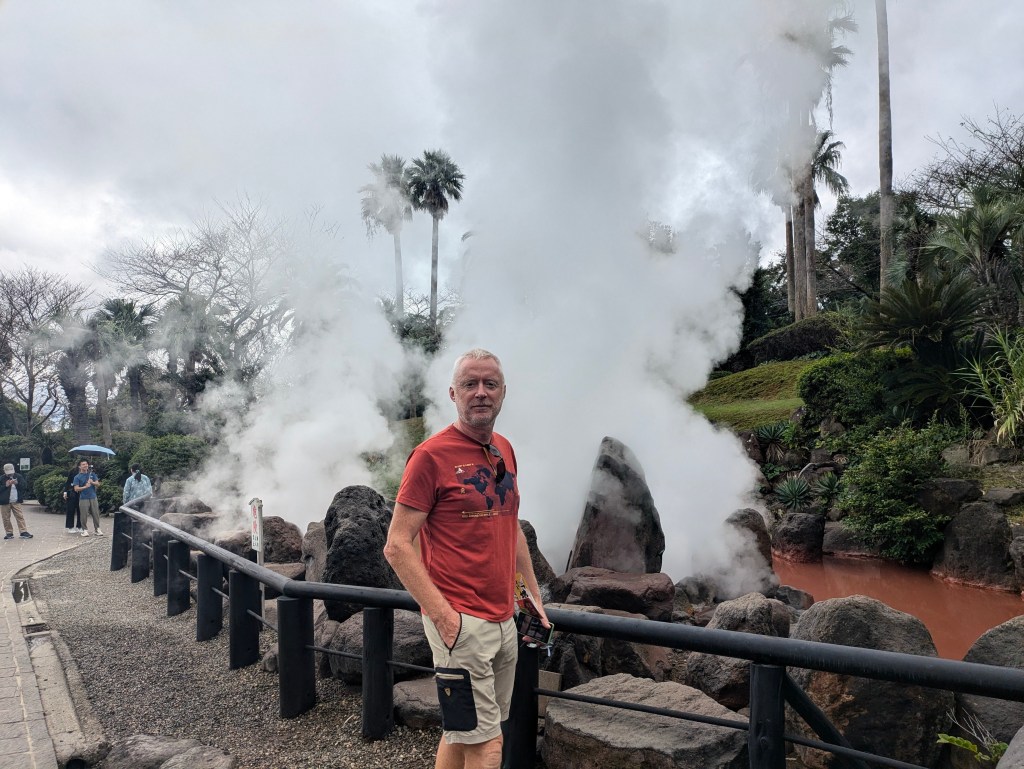
Don’t get TOO Close

 In desperate need of a shower and some Wi-Fi, we searched for a guesthouse in Beppu and found J.Hoppers in the centre of town with parking,  Japanese futon beds,  our own ensuite bathroom  for less than €40 a night. It was fantastic, comfortable and reasonably priced. The luxury of having our own bathroom cannot be underestimated. The owner spoke English with great recommendations for onsens and restaurants. There was also a common area for chatting with other guests, a couple who were cycling to Bhutan, a Kuwaiti guy who described Kuwait as a ‘dreamless sleep’ where people have nothing to do and more money than is good for anyone. If you ever find yourself in Beppu, I’d recommend you stay at Hoppers.

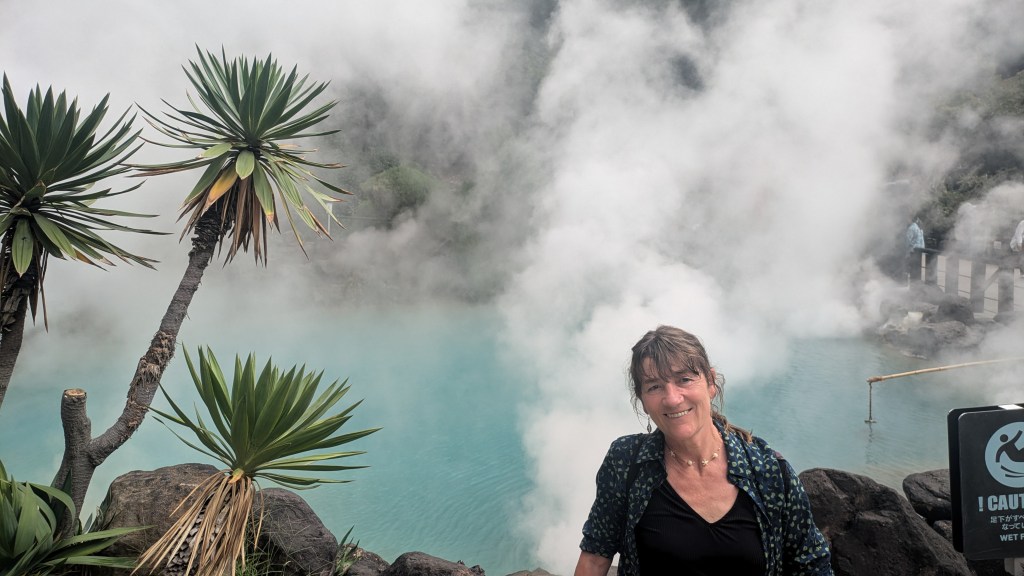
The Hells of Beppu is a series of seven bubbling pools of water and mud with various colours from deep turquoise to flaming red. They are dotted at separate locations around the town. The pools are strictly for viewing and not for bathing (unless you have a wish to be scalded) although there were footbaths at many of the sites to soak your feet.  It was probably the most touristy thing that we have done and our first exposure of coachloads of Japanese tourists. The noise, the crowds, the bell-ringing of the tour guide was totally overwhelming especially as the day was hot and the parks were steamy. It truly was ‘hell’.

After our enjoyable stay in Beppu, we headed down the east coast of Kyushu on non-toll roads but even these were very good. There were numerous tunnels cut through the mountains. Sometimes we there were only a couple of hundred metres from the end of one tunnel and the beginning of the next. It was about 20 degrees, a drop of 10 degrees in a couple of days. There were deserted beaches and closed campsites where we parked for the night anyway.

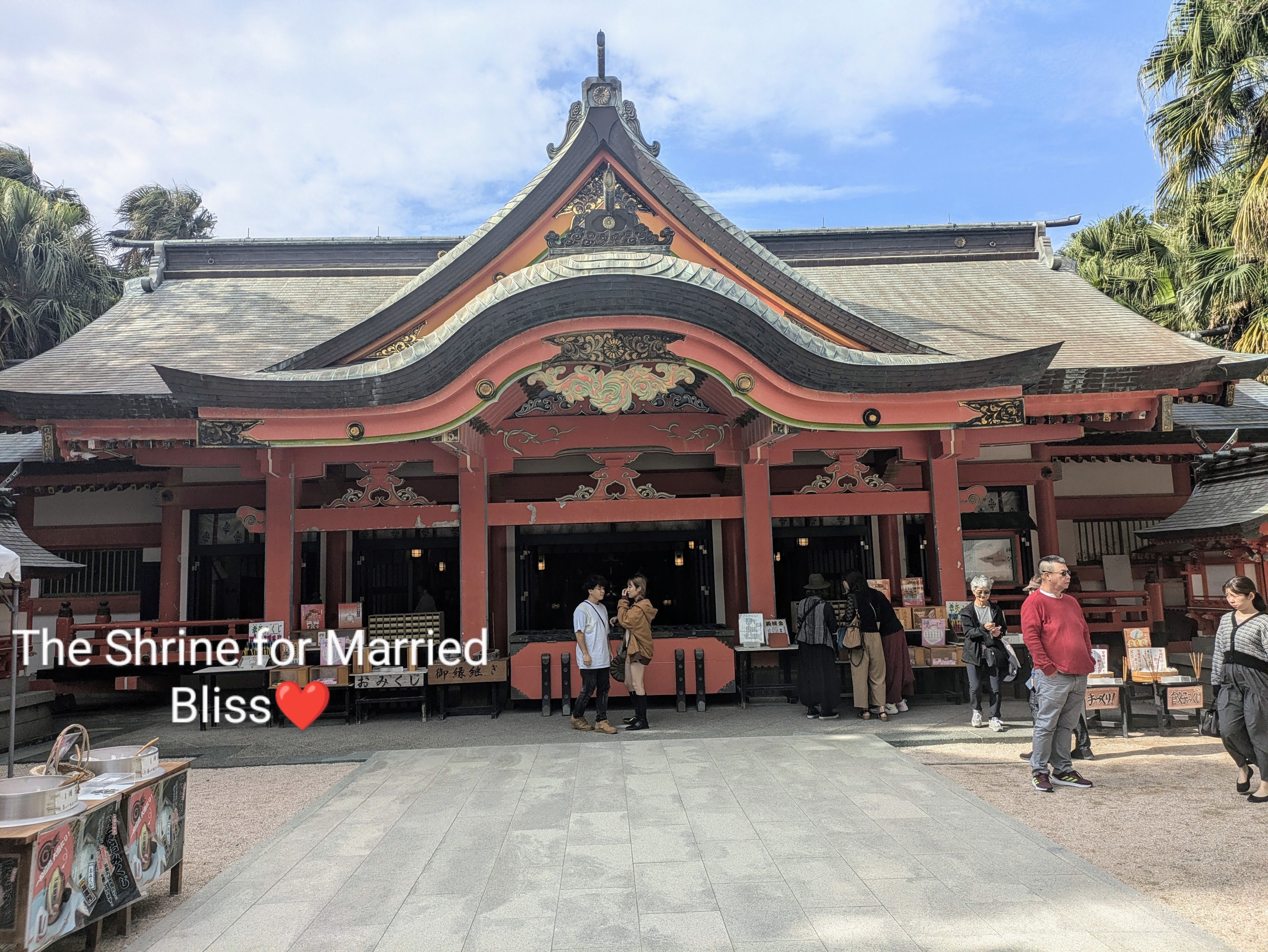
The Nichinan Coast on the eastern side of Kyushu is regarded as one of the most beautiful coastal drives in Japan with many offshore islands, strange rock formation and thundering surf. Down the coast, we visited a shrine for couples, a place that was very popular as a wedding venue. It was quite busy with both the hopeful, the grateful and the desperate.

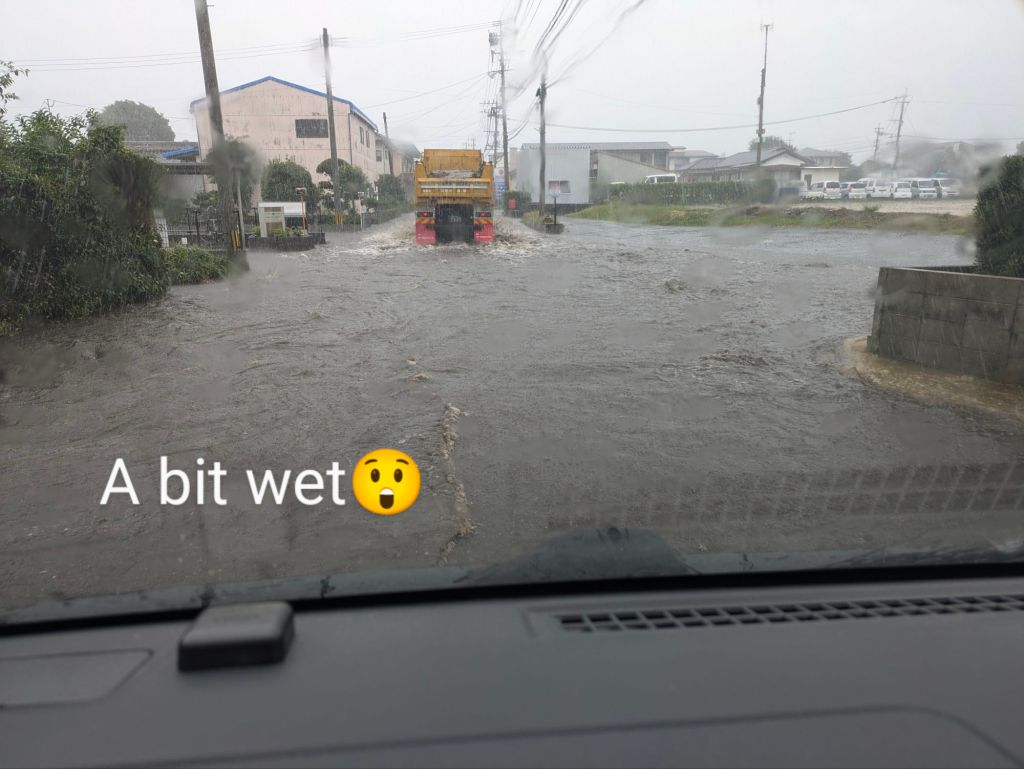
We pulled in for the night at a scenic spot along the coast overlooking the Pacific. It was sunny and blustery but it began to rain during the night and it didn’t stop. Hours later, we were marooned in the van, there was water leaking in the window onto one of our pillows. The carpark was almost a lake and a trip to the loo was a major expedition. It rains a lot in Japan (evident from the trees and green moss) but the area we were in was regarded as the wettest in the country. We sat in the van, checking weather forecasts and wondering where to go. Although we hadn’t seen the most impressive part of the stunning coast, we decided to abandon that plan. The lure of tropical islands was strong. We investigated ferries and flights to Okinawa and other islands in the East China Sea as rain hammered against the van. We made some coffee which streamed the windows even more and decided to head to Kagoshima Ferry Terminal and investigate ferries to any island. After driving on flooded roads when we feared the van would stall or a river might burst its banks, we diverted to the tolled roads. Hang the expense!
The woman in the ferry terminal office had the patience of a saint as we changed our minds about what we wanted to do, There was no availability for the overnight ferry that evening for a van, mainly because the army were travelling with lots of jeeps and trucks. We decided to go as foot passengers but then changed our mind again when we heard the price of parking the van at the ferry terminal. When we found out the price to travel with the van, we almost called the whole thing off.  I’m sure that the woman was inwardly cursing us but she was so helpful, as we debated, dithered and communicated with her by Google Translate.  Eventually we came to a decision. We would travel the following day with the van and we would return in eight days. There was some discount for getting a return fare. So we left Kagoshima in the rain but thankfully there was little wind and sailed four hundred kilometres overnight on the East China Sea.

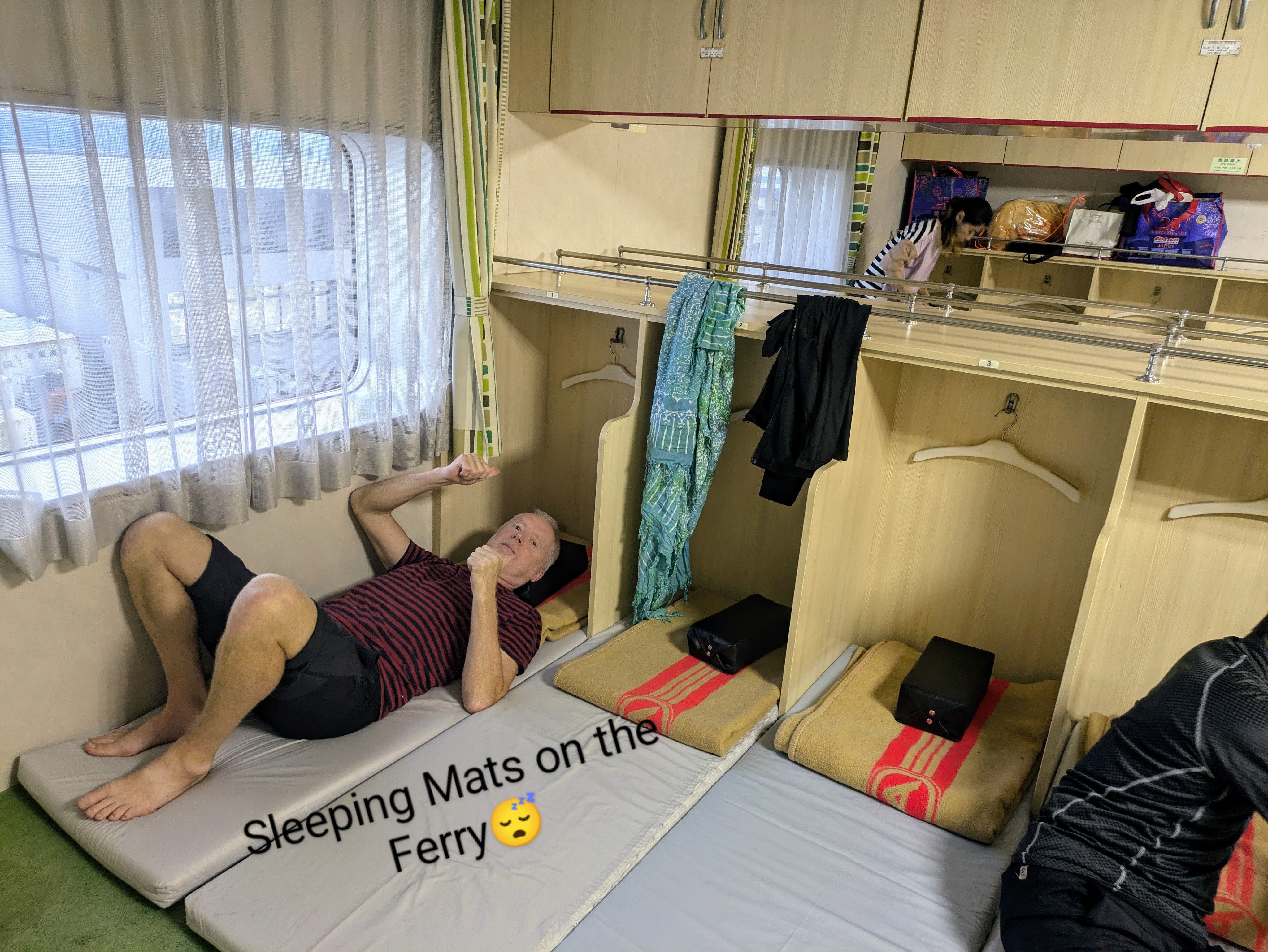
After a night on hard mats in the third class quarters, the ferry arrived in the early morning to a sleeping Amami Island. We parked near the sea, boiled some water on the stove for tea and coffee and waited for the island to wake it while we admired the dawn tranquillity . There was more birdsong than we had heard up to now and the loudest cicadas that we have ever heard.

Mainly there were green, forested hills, rising behind small fishing villages nestled on the shore. With the topography of steep hills coming down to meet the sea, we saw that it was a constant battle to prevent the land sliding into the sea from mudslides and the sea overtaking the land, a constant pull and tug. Driving around the island we witnessed first hand the hills reinforced with concrete and the sea barriers, both requiring constant maintenance.

The Amami islands are halfway between mainland Japan and Okinawa island group and not that far from Taiwan.  Amami Oshima, the main island, is sparsely populated, smaller and less touristy than its more well known neighbour, Okinawa. It has a similar climate, warm with plentiful rain and a unique culture with worship of many gods of mountain, sea and forest. Many rituals take place around a lunar calendar and are overseen by an elder female.

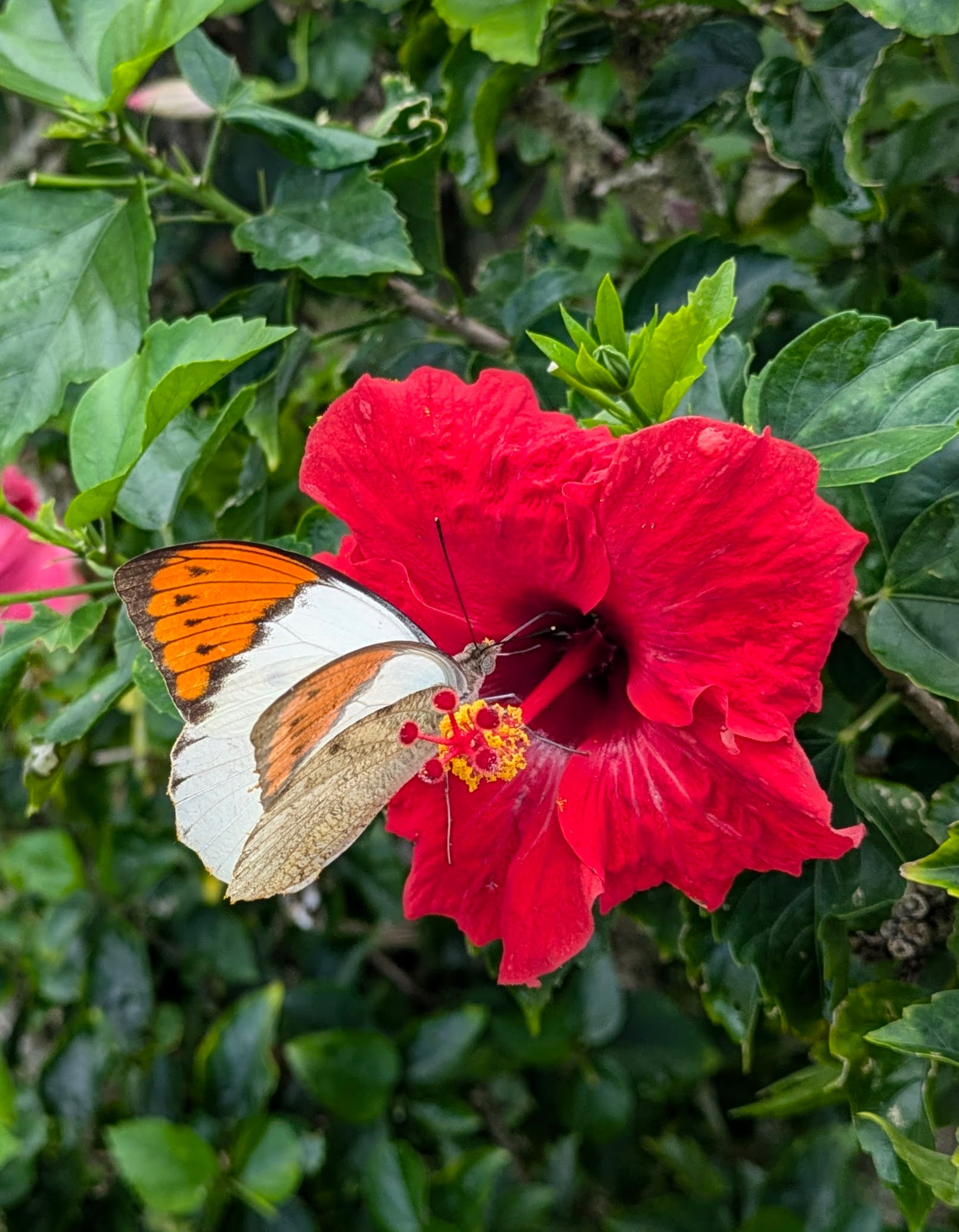
We soon found out how plentiful that rain could be. Although our first day on the island was warm and sunny (about 29C), it began to rain that night and didn’t stop at all for about thirty six hours. The rain wasn’t like rain at home, it  was warm but still drenching and it caused more leaky windows. The deluge gave us an opportunity to visit museums, an aquarium and the wildlife conservation centre. Conservation and nature is an important part of Amami with its unique eco-systems of mangroves, forests, seashore and pristine waters. It is a World Heritage Natural Site. There are rare species of plants and animals, unique to the island. Sea turtles come ashore and lay their eggs on many of the beaches between May and July. There were so many butterflies that sometimes it was almost like a blizzard. There are huge efforts in progress to eradicate the mongoose which was  introduced to help reduce the number of snakes and rats.  The problem was that the mongoose ignored the snakes and rats who were sleeping during the day and found easier prey in the rare species of rabbit and woodcock which have both become endangered as a result.  Everywhere we go, there are warnings about the snakes, particularly vipers. So far, we haven’t seen any…..fingers crossed, it stays that way.
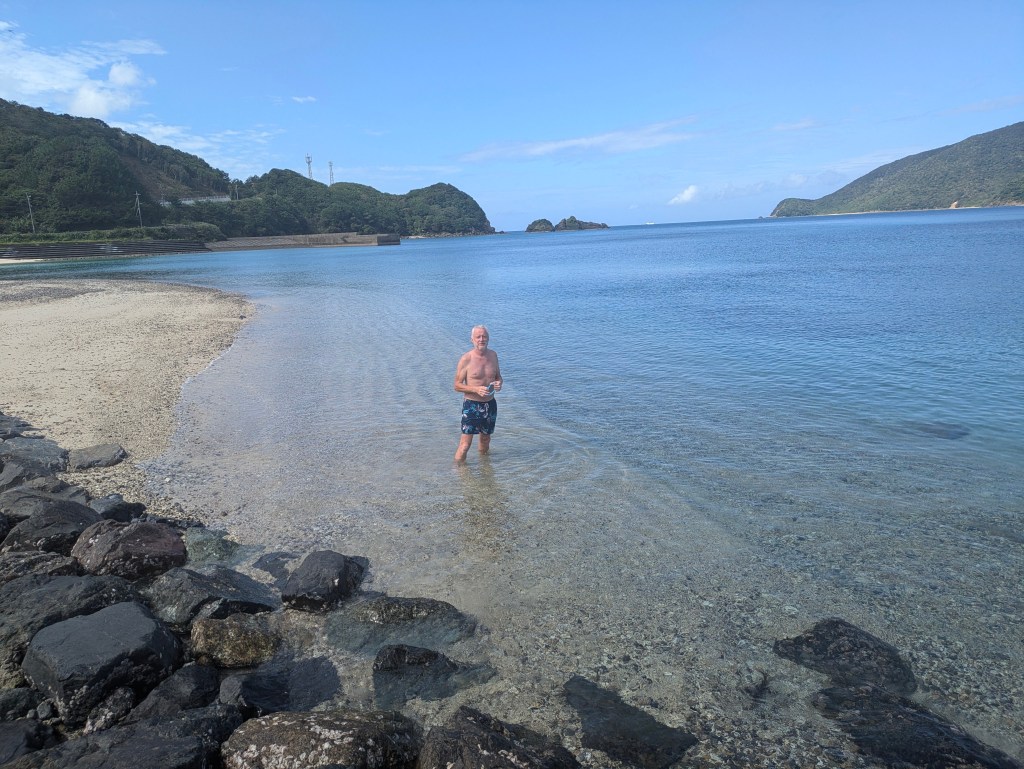
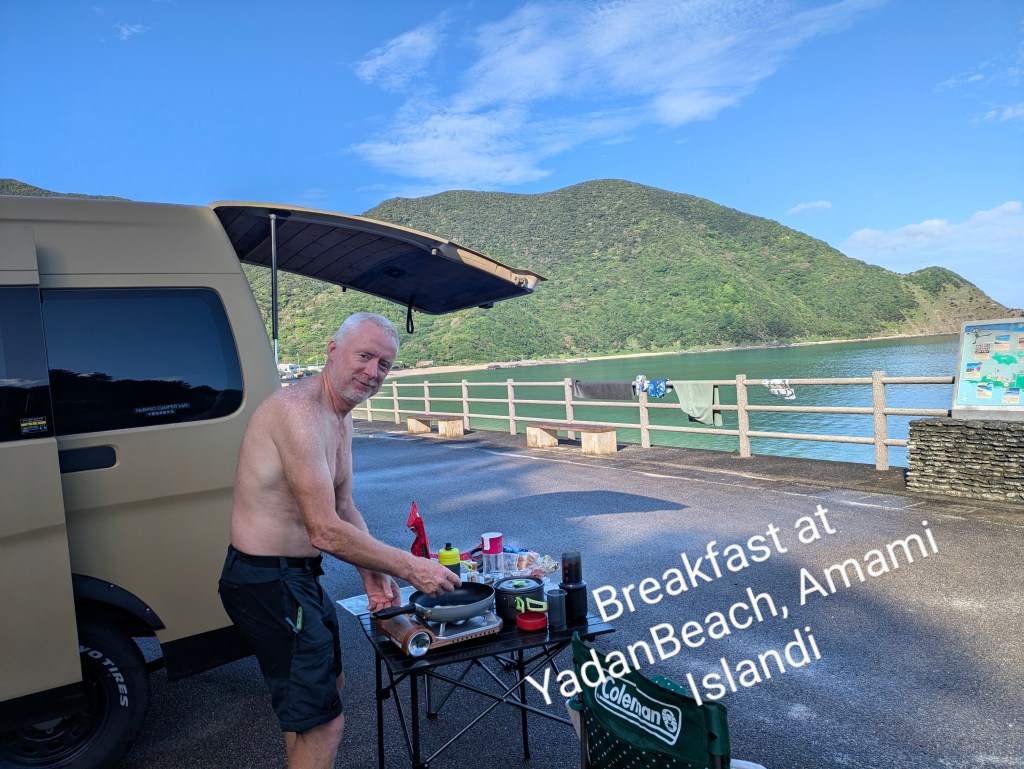
Last night we are parked up by Yadori beach, an idyllic spot on the edge on the forest. The temperature in the soft darkness was about 25C, there was a light breeze and we were enjoying some wine (which is surprisingly cheap in Japan).  A man in a jeep stopped beside us to warn us about the danger of snakes in the region(all by Google Translate). That put a little damper on our evening, I even dreamt of snakes slithering in the van window that we had to keep open for some ventilation and I’m not even squeamish about snakes….usually.

We are so glad that we made the decision to bring the van to the island. It allows us the freedom to travel around as the bus service is not extensive. Amami is an island made for camper vanning with so many beautiful places to park, often with toilets, showers and picnic tables. At the southern end of the island we were spoilt for choice, parking beside gorgeous beaches with crystal clear water where we snorkelled  with colourful, flickering fish. Truly a paradise when the sun shines……except for the snakes.

But there’s a typhoon coming and it is predicted to be a strong one. We are going to try and change our ferry tickets so that we can leave a day early…..just in case

Till next time….hope your Bank Holiday weekend is going well

From a sunny, blue-skied Amami,

Mata Ne (またね)

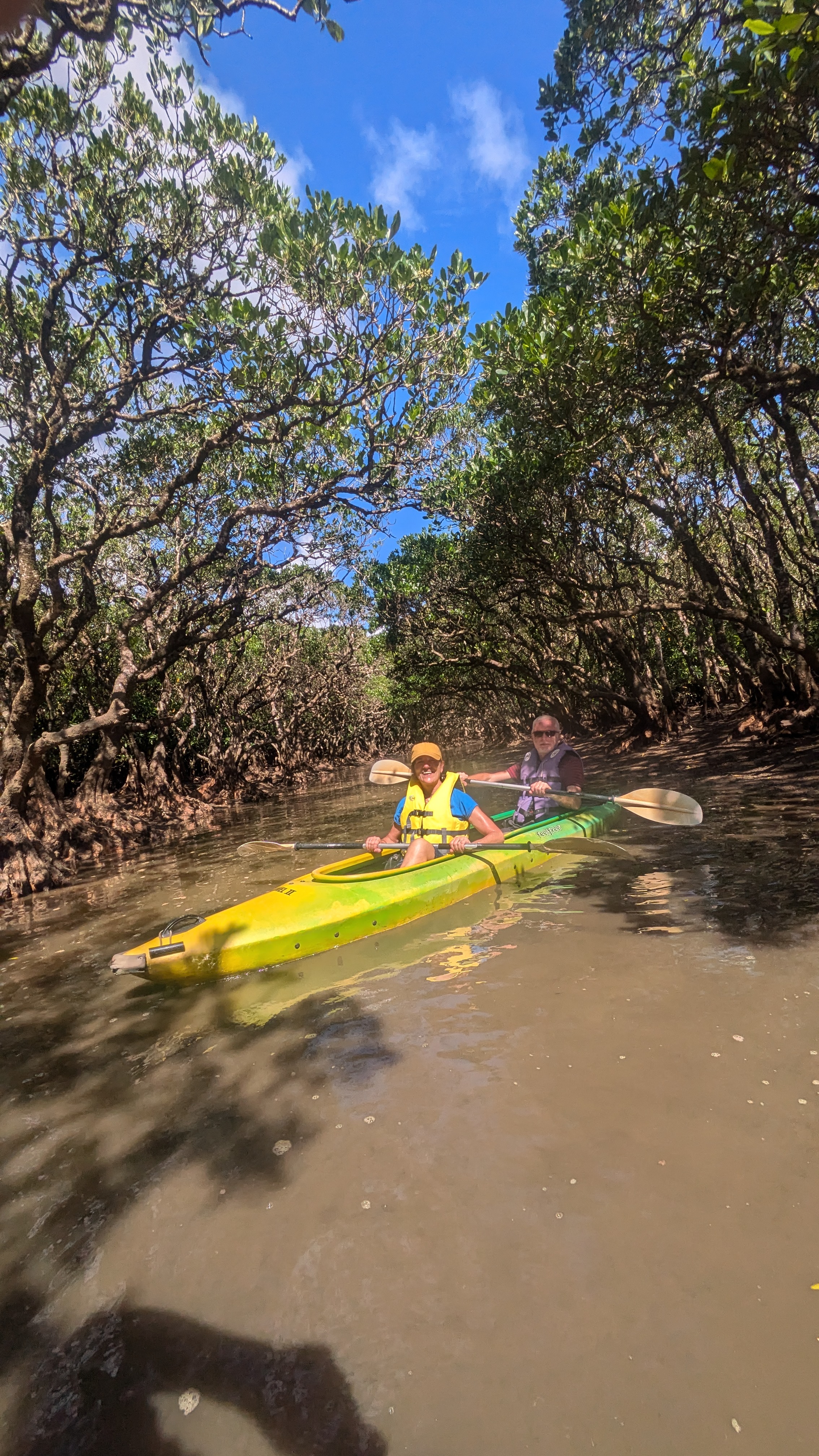
Kayaking among the Mangroves, Amami Island

Japan: Chasing the Dream (aka Running from the Rain)