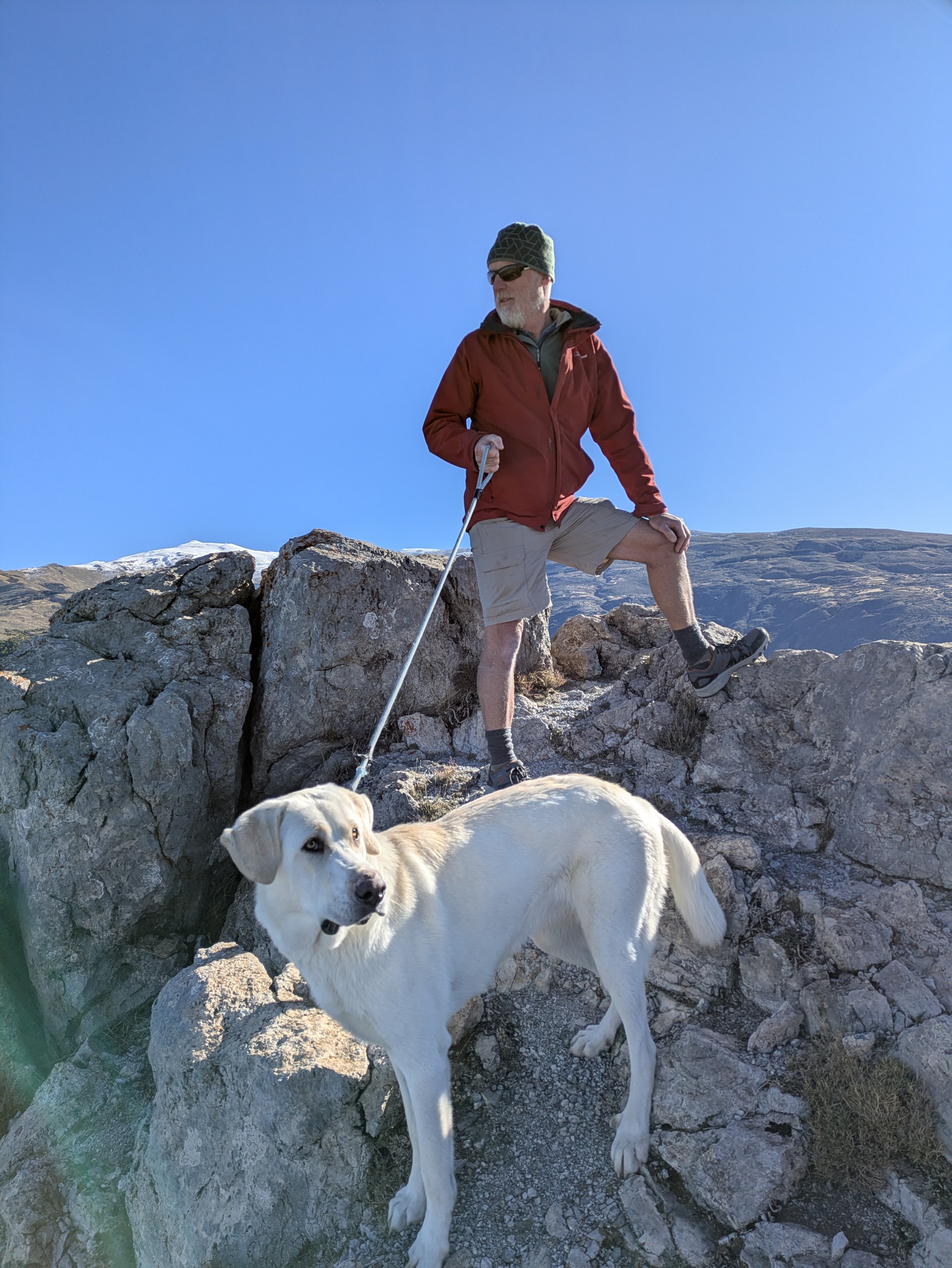
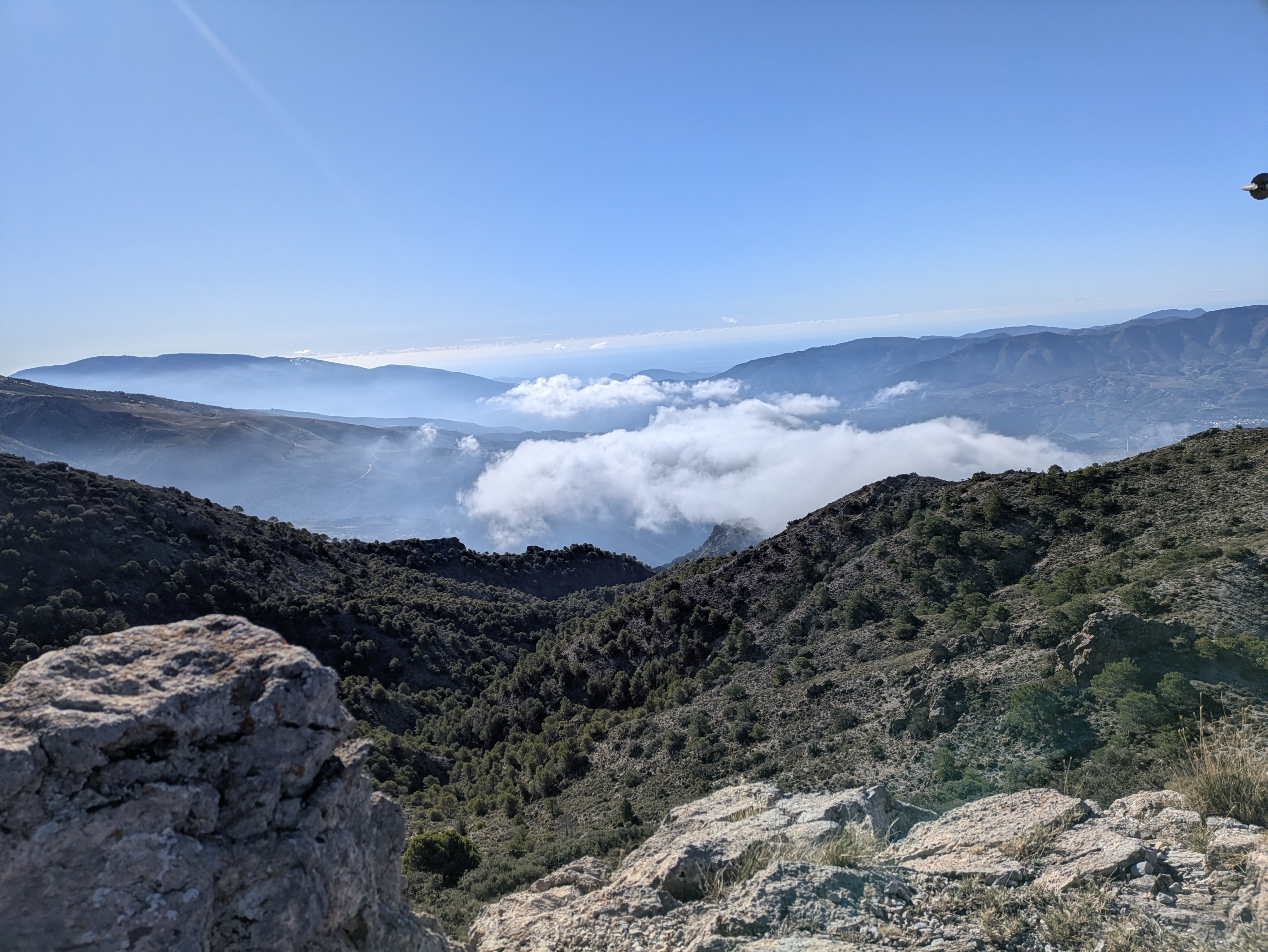
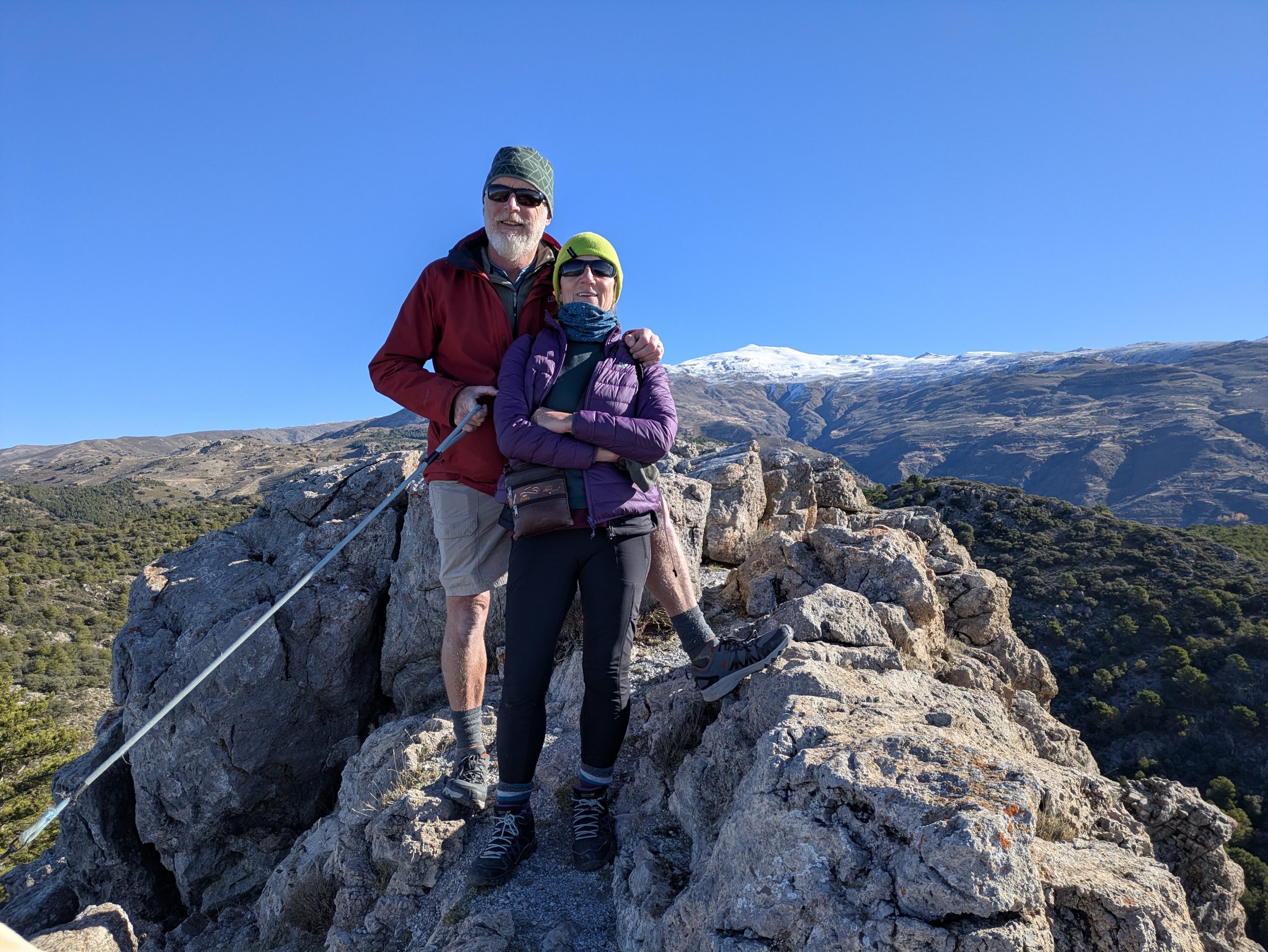
Most days, the air was crisp and clear…except when the locals burnt their mounds of tree clipping , wafting plumes of smoke into the air. The sky was a blinding blue and we were surrounded by a craggy silhouette of mountains in almost every direction. In the distance was the glittering white of the first snows, which had fallen the day before we arrived.
We spent eight days in Niguelas, a small village in the Sierra Nevada, about an half-hour drive outside the city of Granada, staying in a little Airbnb apartment on the edge of the village which we had booked two days in advance. After seven weeks of constantly moving through Spain and Morocco on this trip and sleeping (mainly) in the van, we wanted to pause and stay in one place. The Buzz spent the time parked under an olive tree.
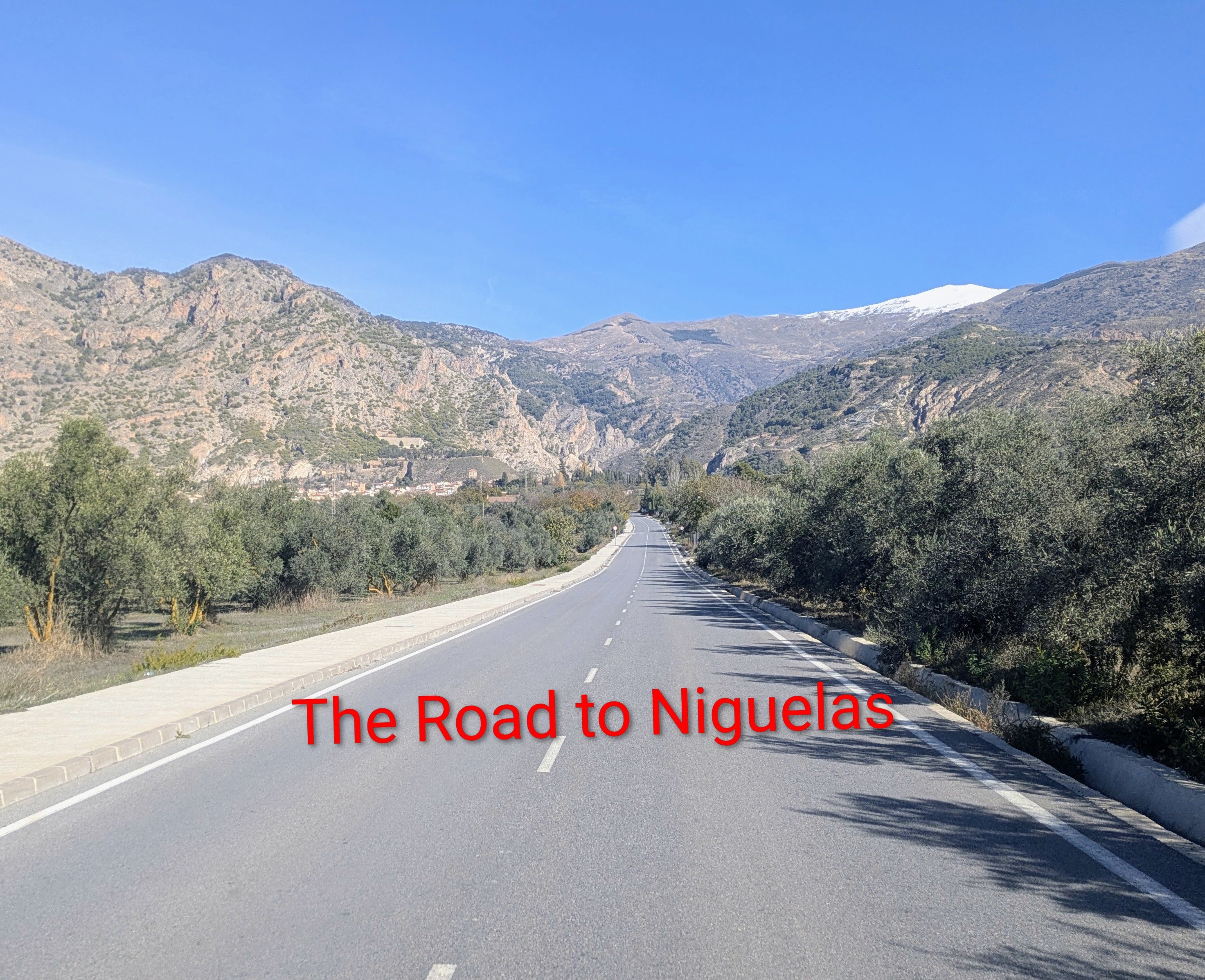
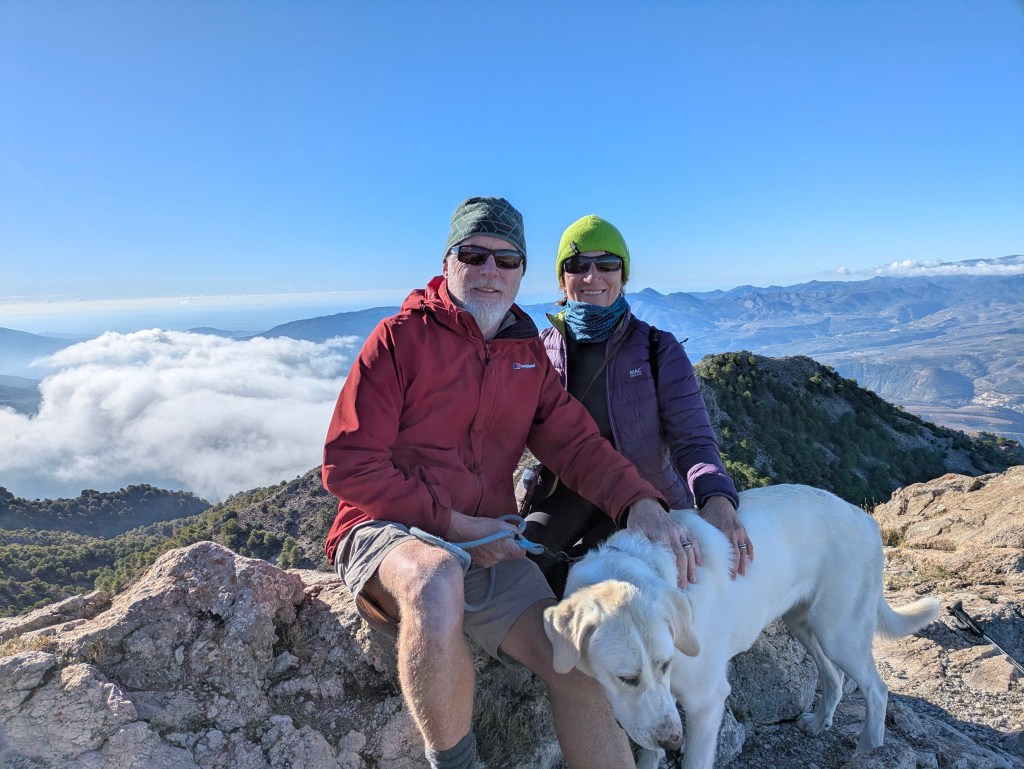
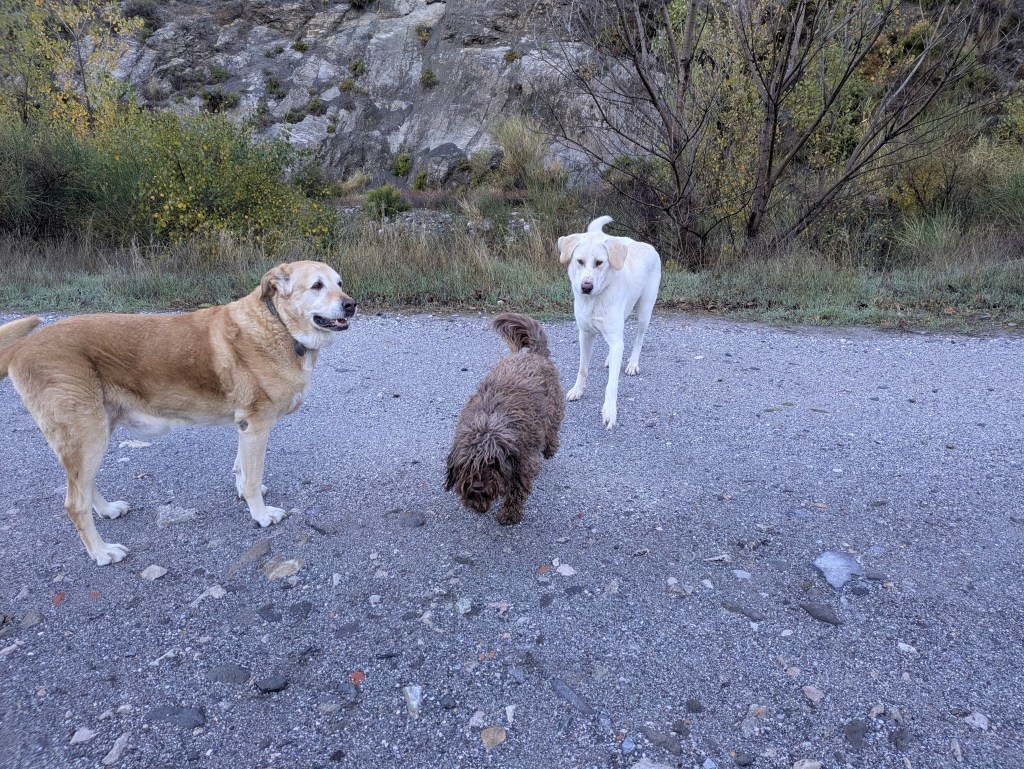
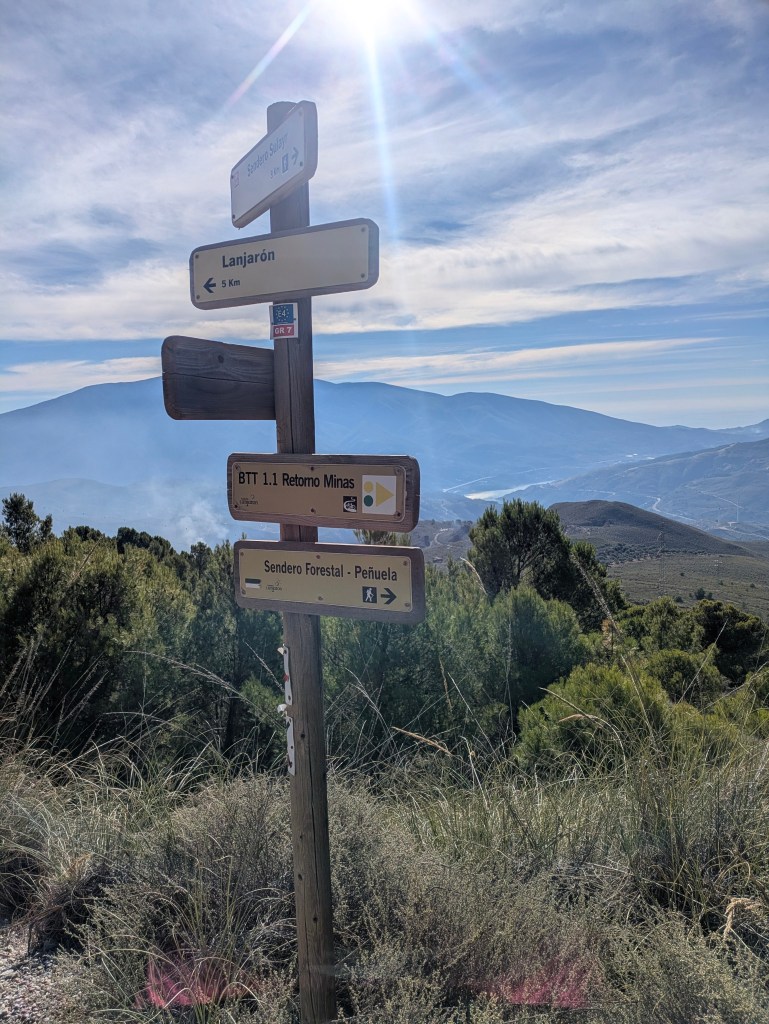
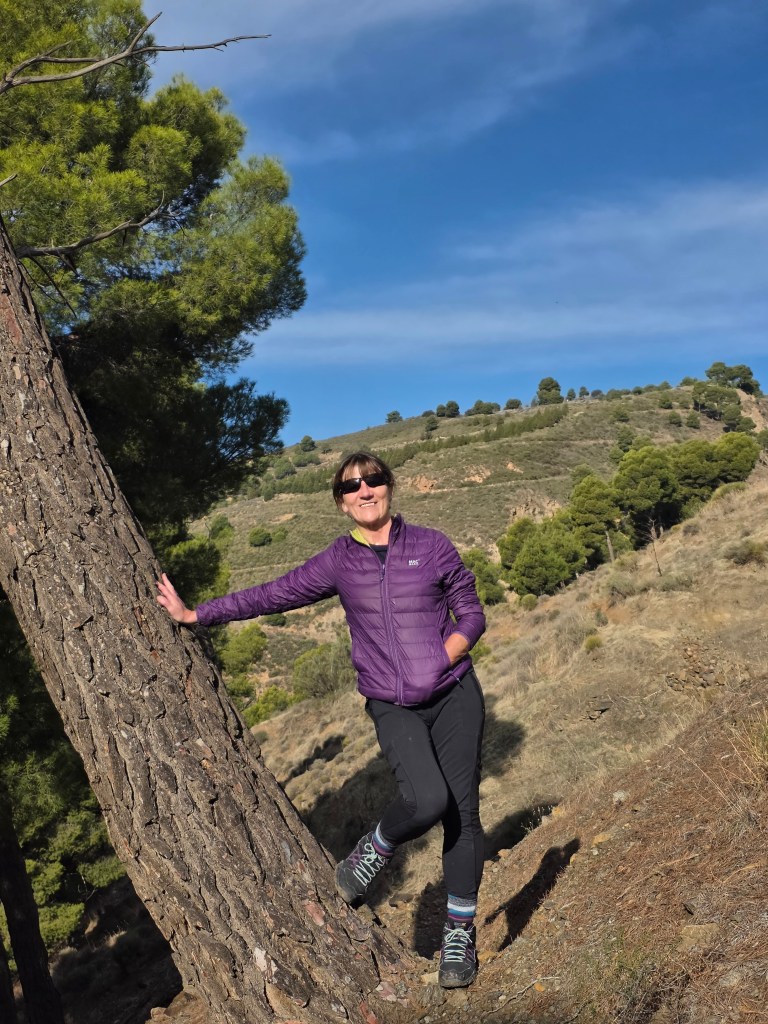
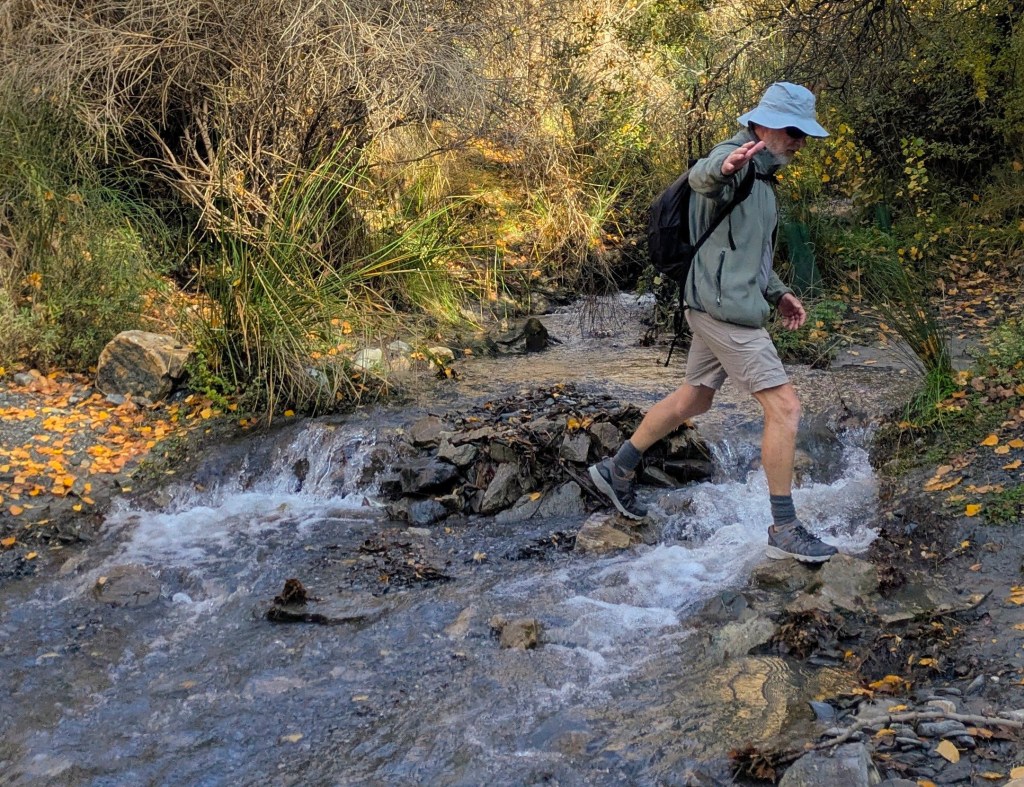
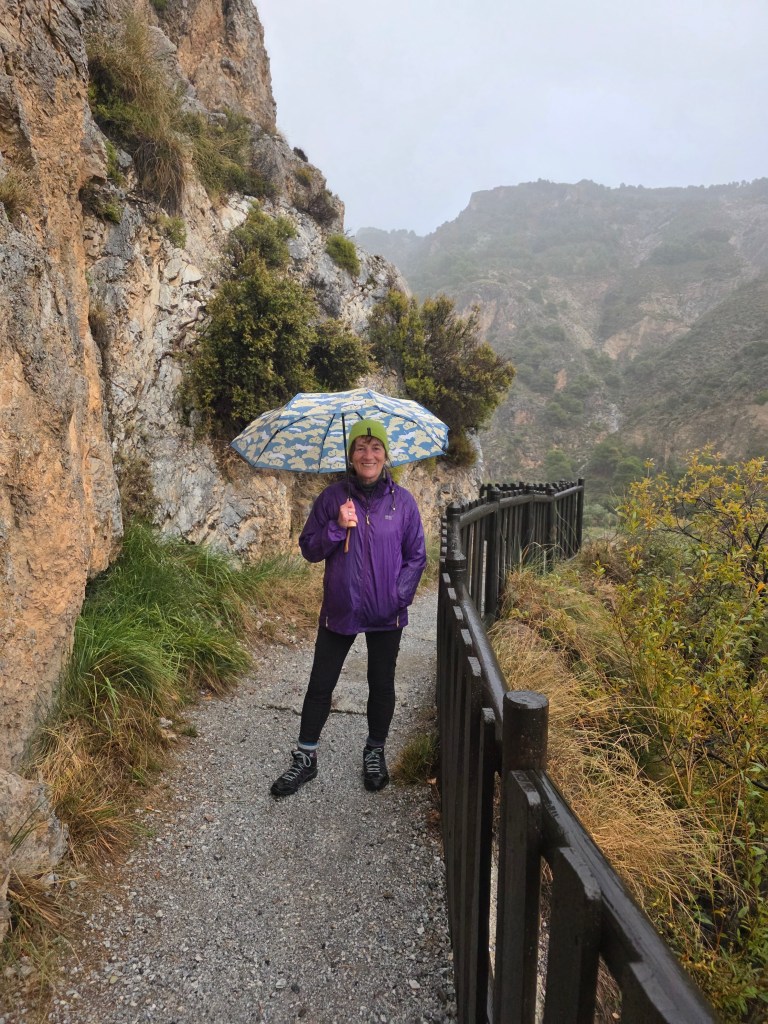
We couldn’t have picked a better spot. Our apartment (Aguas calmas) was warm and cosy, with views of the trees and mountains. It was set in a shady garden with a lovely pool, which would have been perfect in warmer weather. The location of Niguelas was jaw-droppingly beautiful with a huge selection of hikes of various lengths and difficulty, many directly from our door. Some were marked but a hiking app like All Trails was helpful to keep us on track. This was a week of super hiking and some morning dog walks with our Airbnb host, Tim and his dogs, a Spanish Mastiff called Leona, who had liver disease, a nervous rescue lab called Dora and a neighbour’s dog who liked to come along for the company.
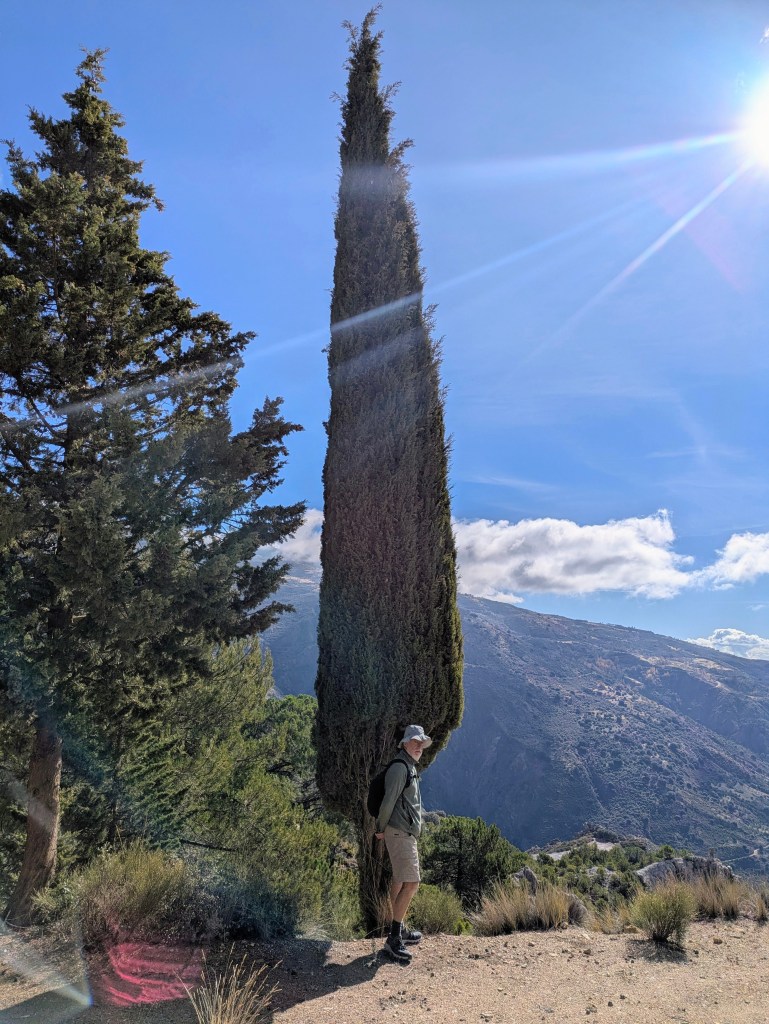
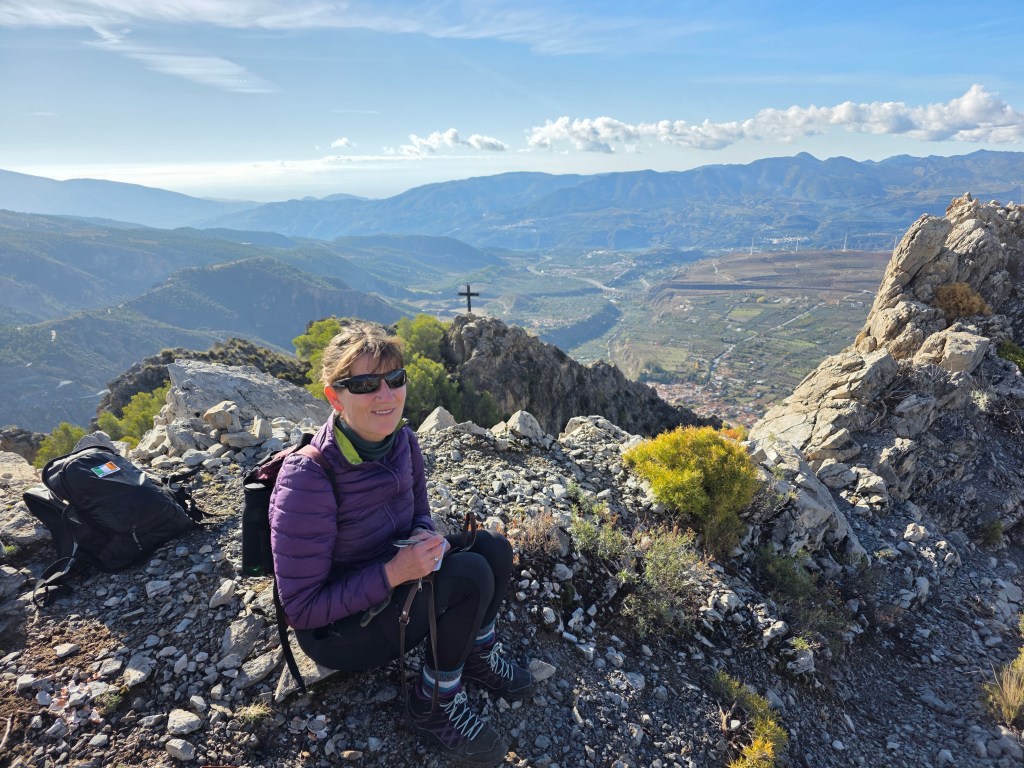
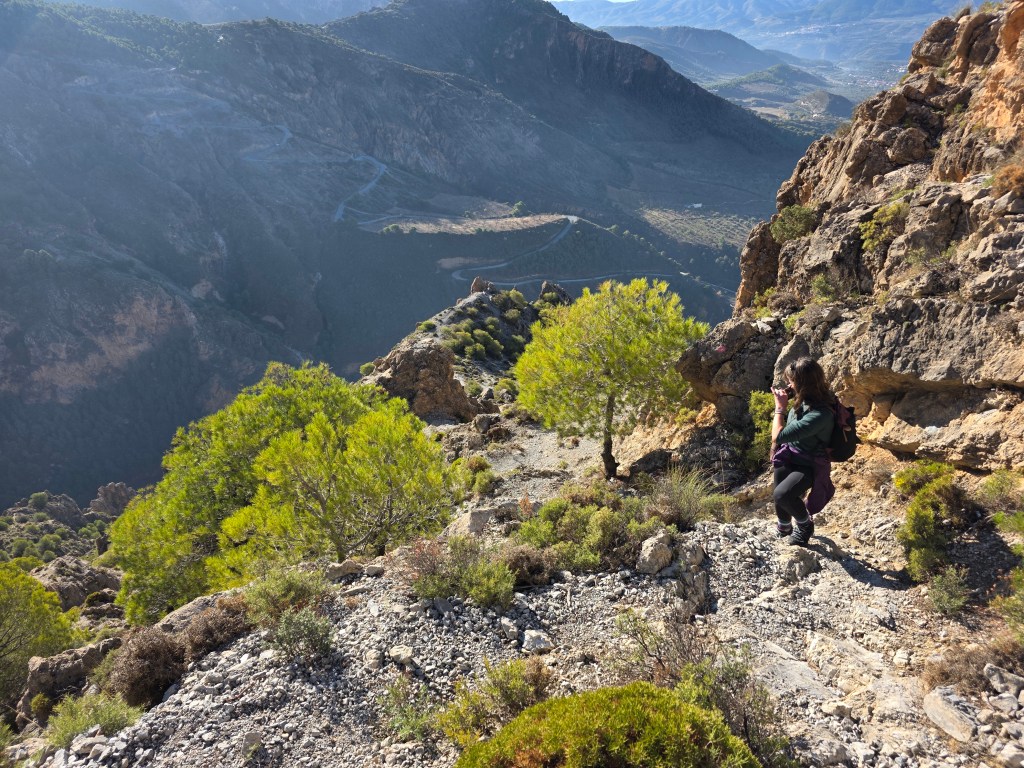
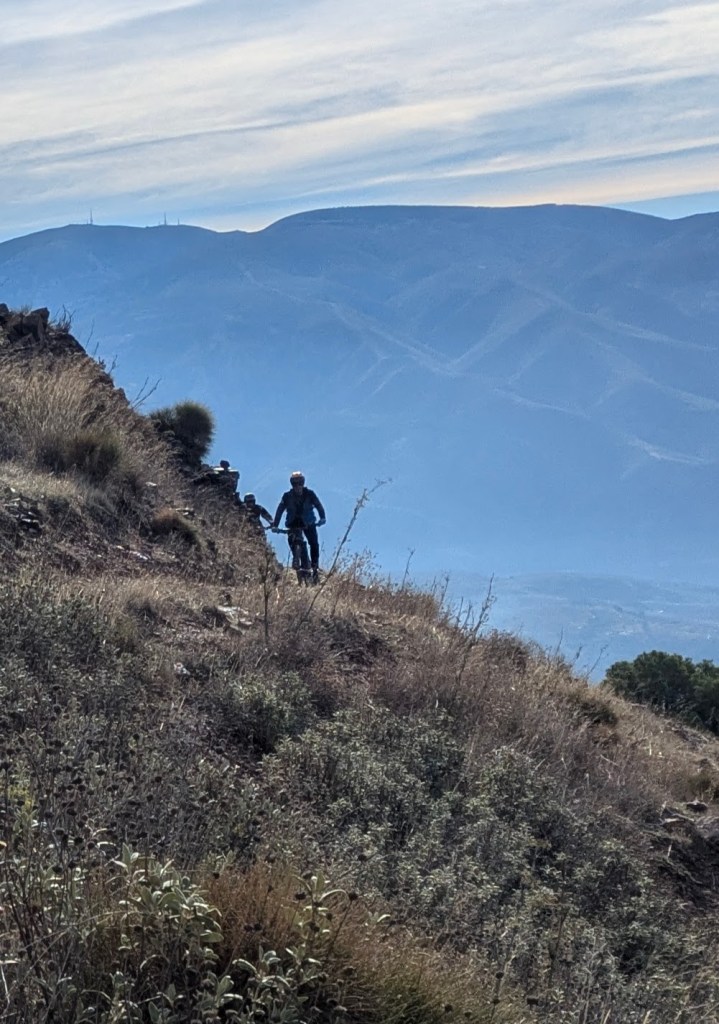
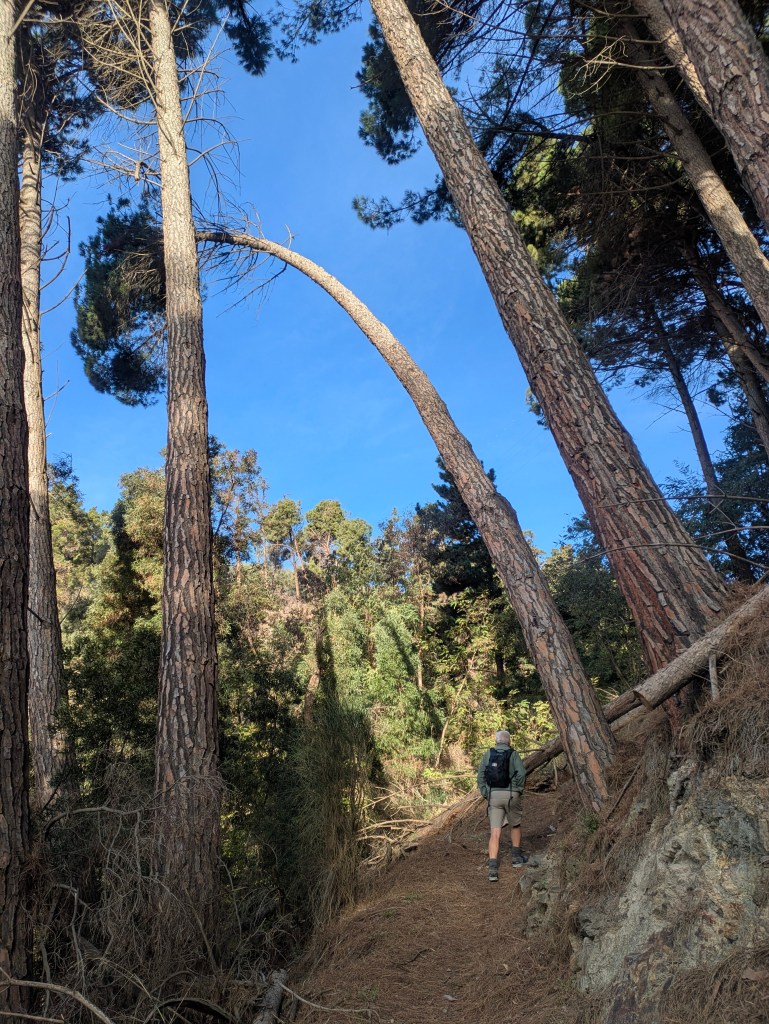
There were almond orchards, olive groves, Aleppo Pines bright green against the bare rock and the yellow foliage of the walnut trees and poplars. Niguelas is also on the GR7, the famous long distance hiking and cycling route which runs all the way from Tarifa, near Gibraltar, through Spain and France to Andorra.
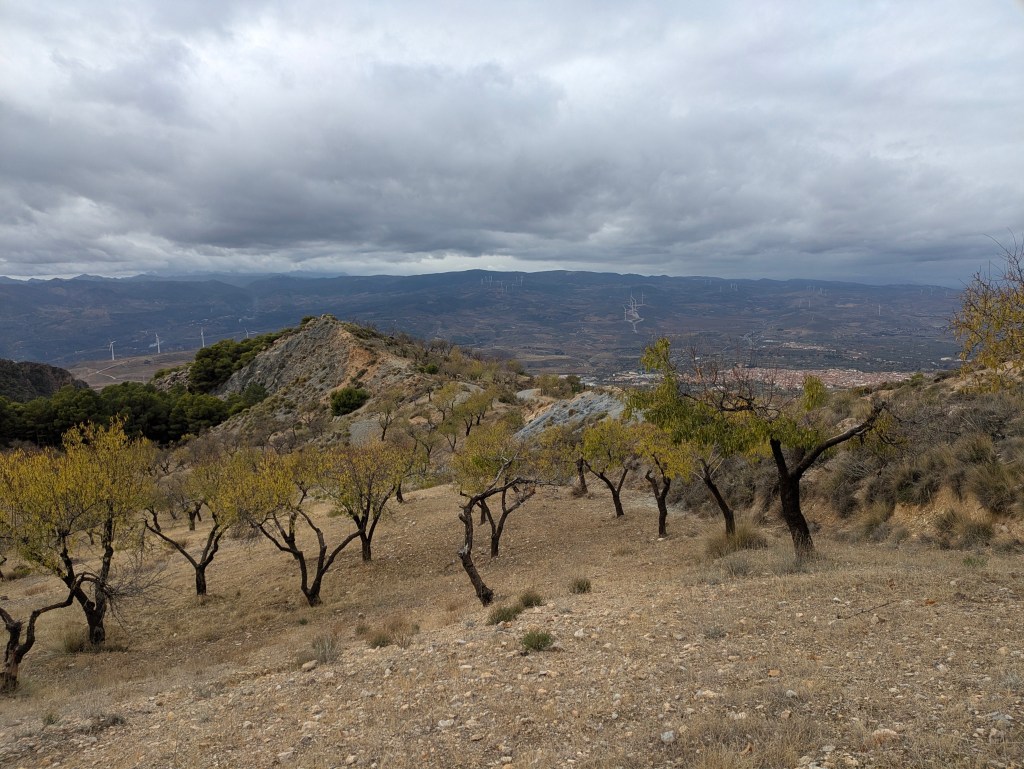
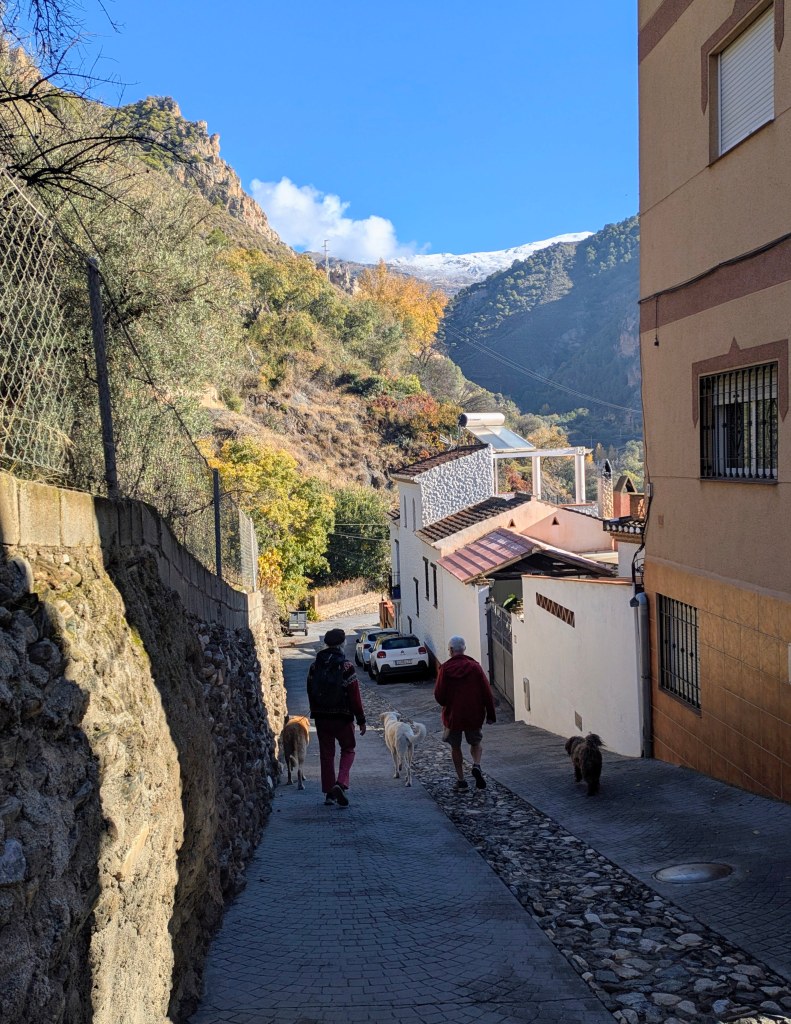
Our days were bright and sunny, with cold nights (sometimes as low as 1C) but there was torrential rain on our second evening, which flowed down the paved surfaces of the narrow streets like a river. We sloshed around in the dusk looking in vain for an open café or bar but all five of them seemed to be closed….probably because of the weather… but opening hours were ‘flexible’. The village streets were winding and so narrow that many of the walls on the tight corners showed evidence of close encounters with vehicles. Tim told us that some guests arrived shaking and traumatised after the ordeal of driving through the village…. but not Caoimhin.
Despite the one evening of rain, water is rare and very precious here. The area can go months without a drop falling. In the mountains were ancient aquifer systems, which used a network of channels and pipes to divert snowmelt and rainfall, ensuring a water supply for downstream communities during dry months. Some of these originated in Arab times and are considered the oldest managed water recharge system in Europe.
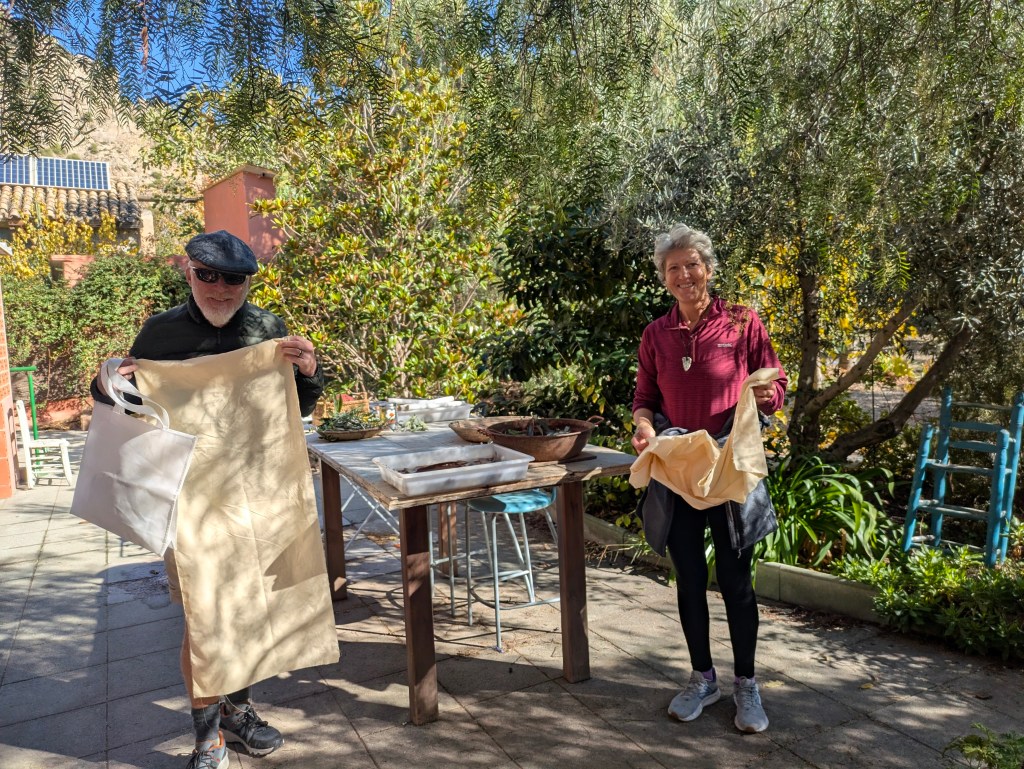
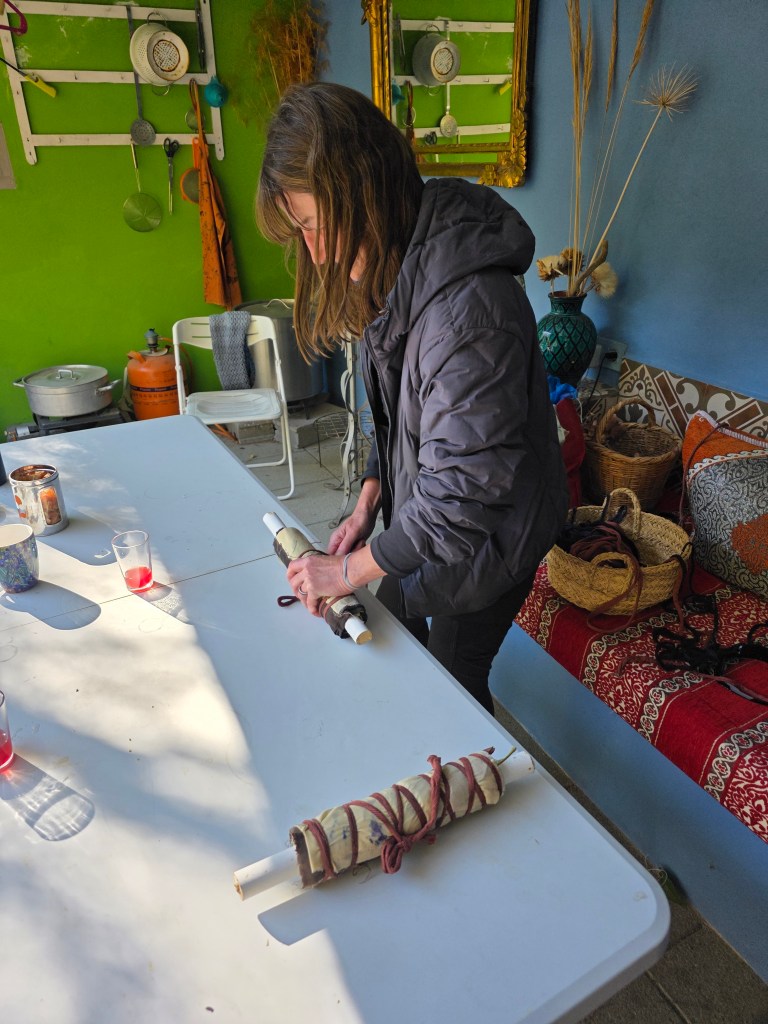
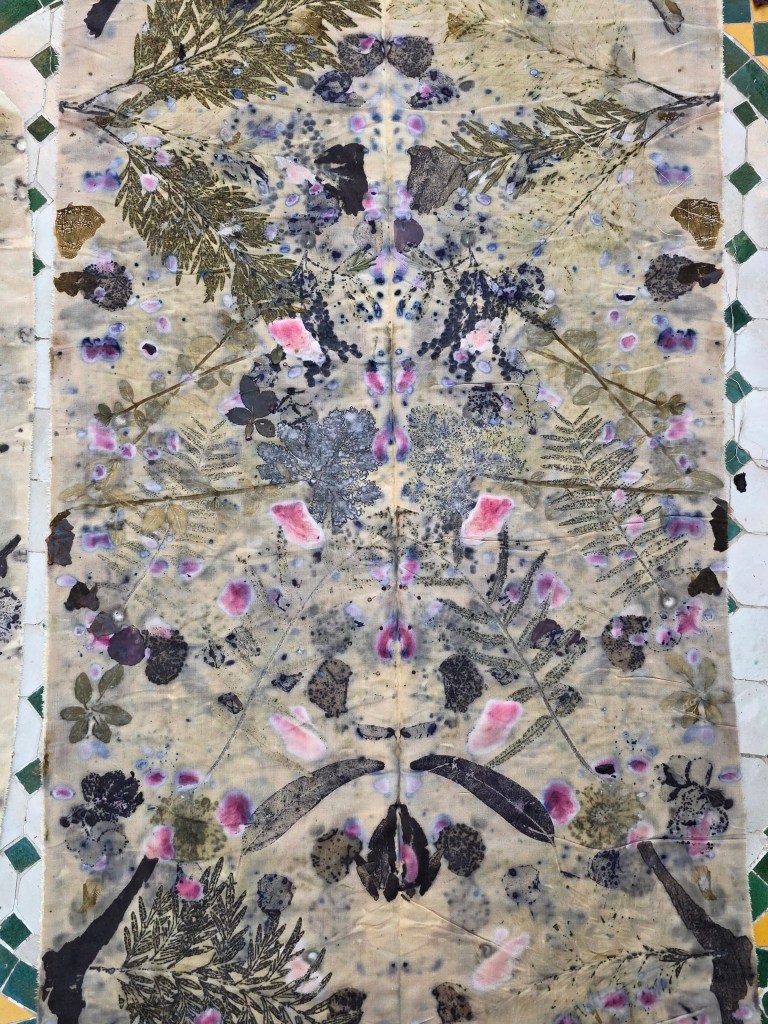
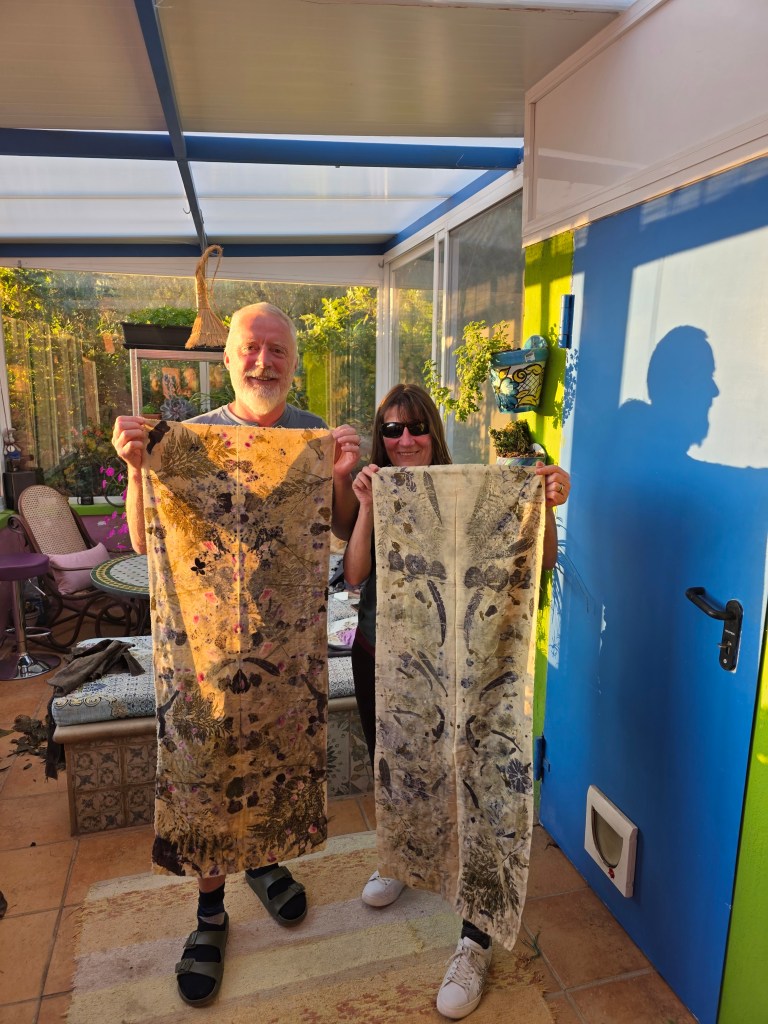
Helga, our Airbnb host, runs felting and eco printing courses so we both opted to try our hand at eco-printing. This involved picking plants and flowers from the huge selection in the garden and using Helga’s techniques to transfer the images to cloth. It was a really enjoyable experience and our results were satisfying and really much better than we would have hoped. The unrolling of the fabric after the steaming process was greeted by lots of ‘wow.’ It is certainly something that we will try at home.
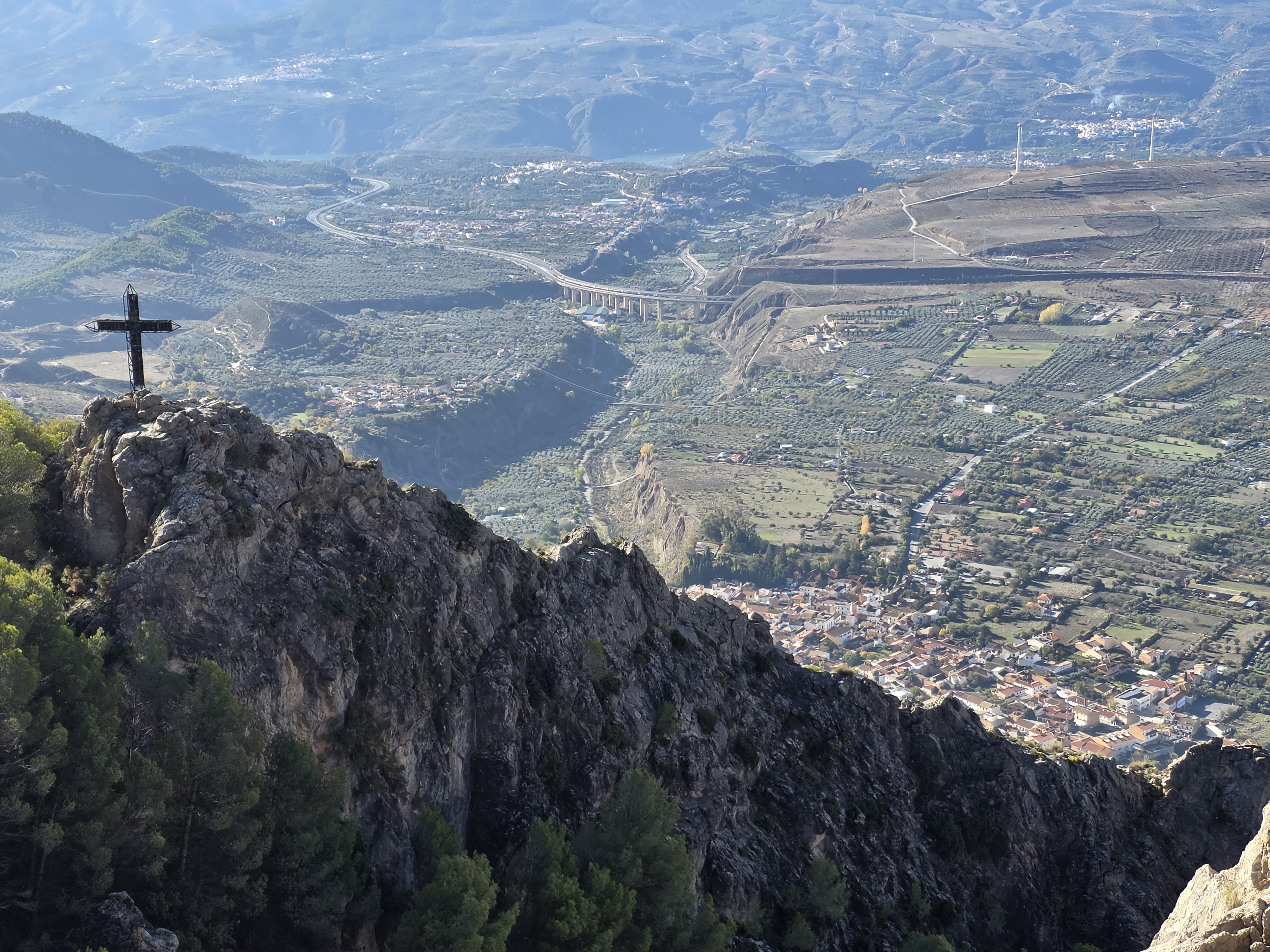
High above the village with a cross, silhouetted against the blue sky. Apparently the village women used to climb up to it on their knees, as a form of penance. We climbed up – not on our knees – and it was a pretty strenuous climb on rough stony surfaces. This is an area that has known conflict and poverty down the ages. It was a key battleground in the Spanish civil war with many atrocities committed against the civilian populations and summary executions in the mountains.
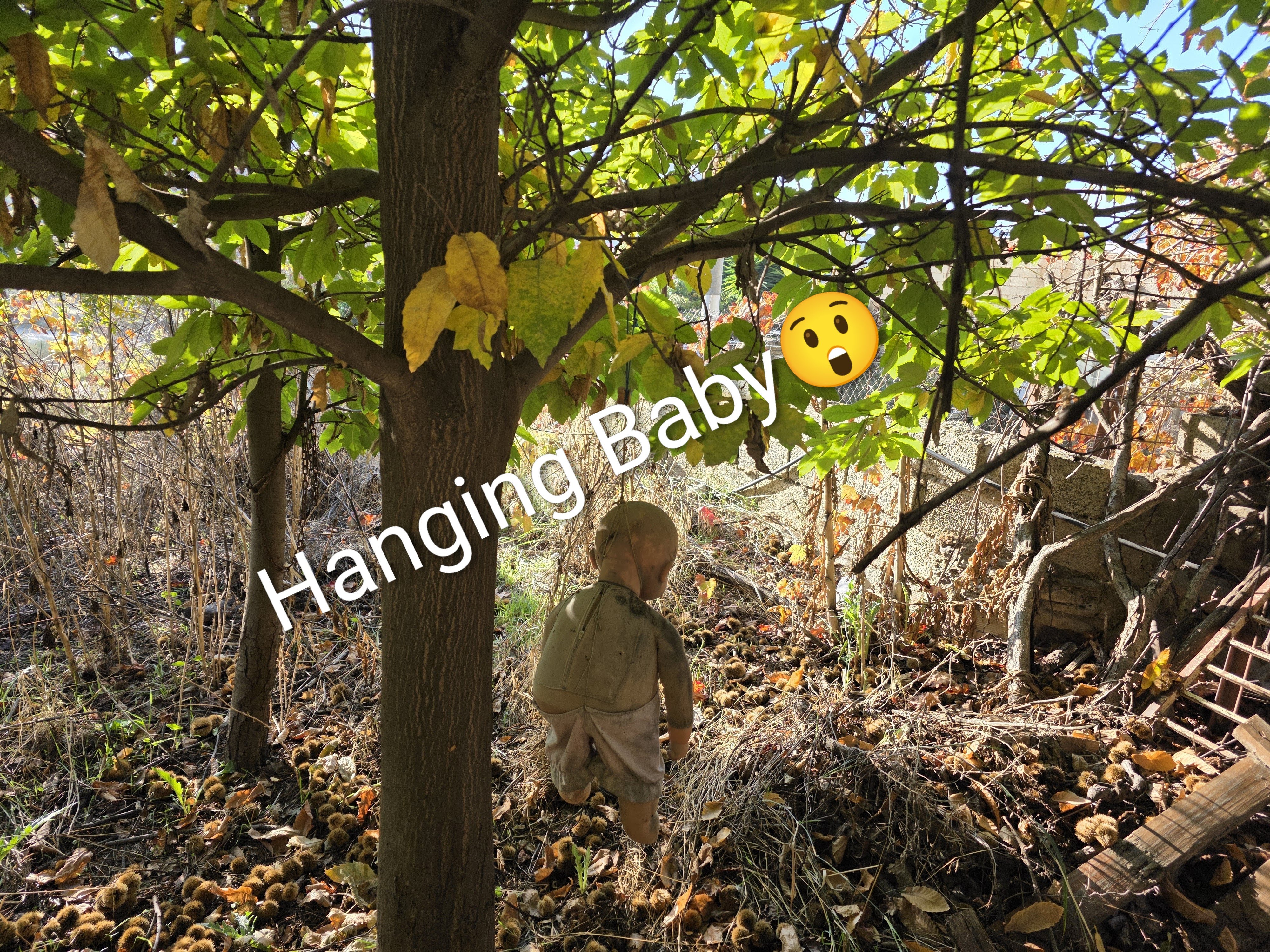
Maybe some of this unease lingers still among the dramatic landscape. In one of the village gardens, hanging from a tree by a noose was a baby doll (the ones that look like a human baby). It was very disturbing sight and had been hanging there for a year. Tim also told us of the local rivalries and neighbourly disputes, of outlaws living in luxurious houses and of a retired priest who set up a refuge for alcoholics, high in the mountains, away from temptation at 2000m……although some ‘escaped’ and made it to the village bars.
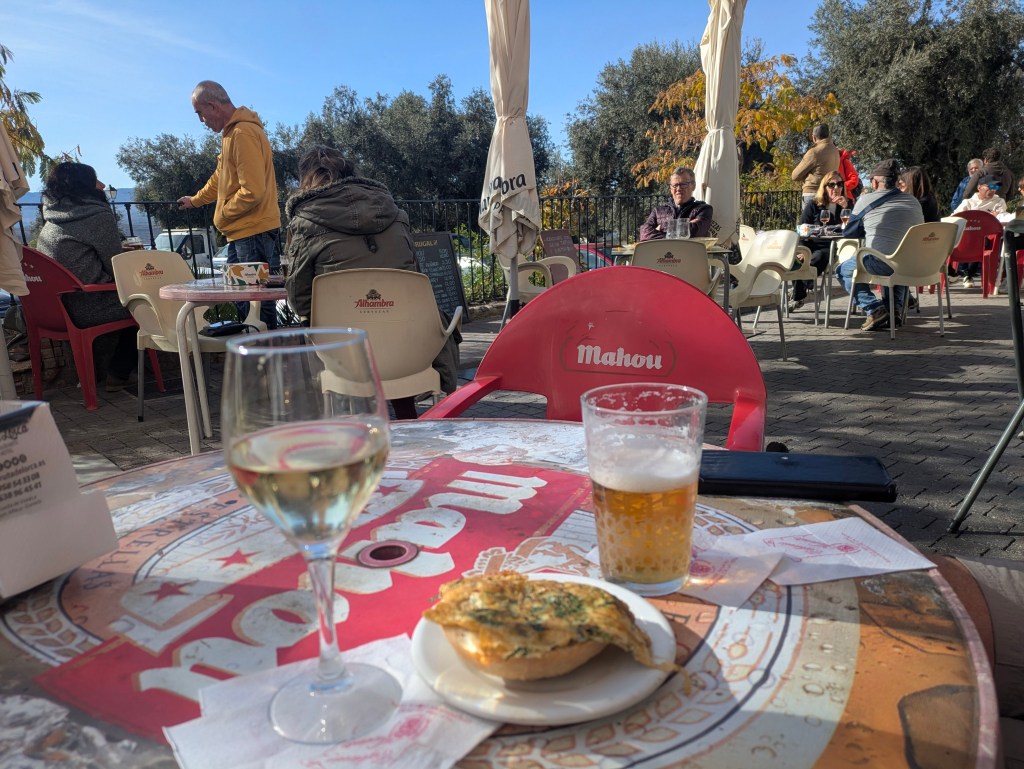
But sitting outside in the November sunshine, inhaling crisp mountain air and eating delicious tapas (that come free with a drink), all these simmering rivalries and tensions were completely invisible to us. We sipped our drinks and thought about how lucky we were, as we waited to attend a dramatization of some of Lorca’s work in the village casa de cultura.
Till next time
Thanks for reading
 marienoonanblog