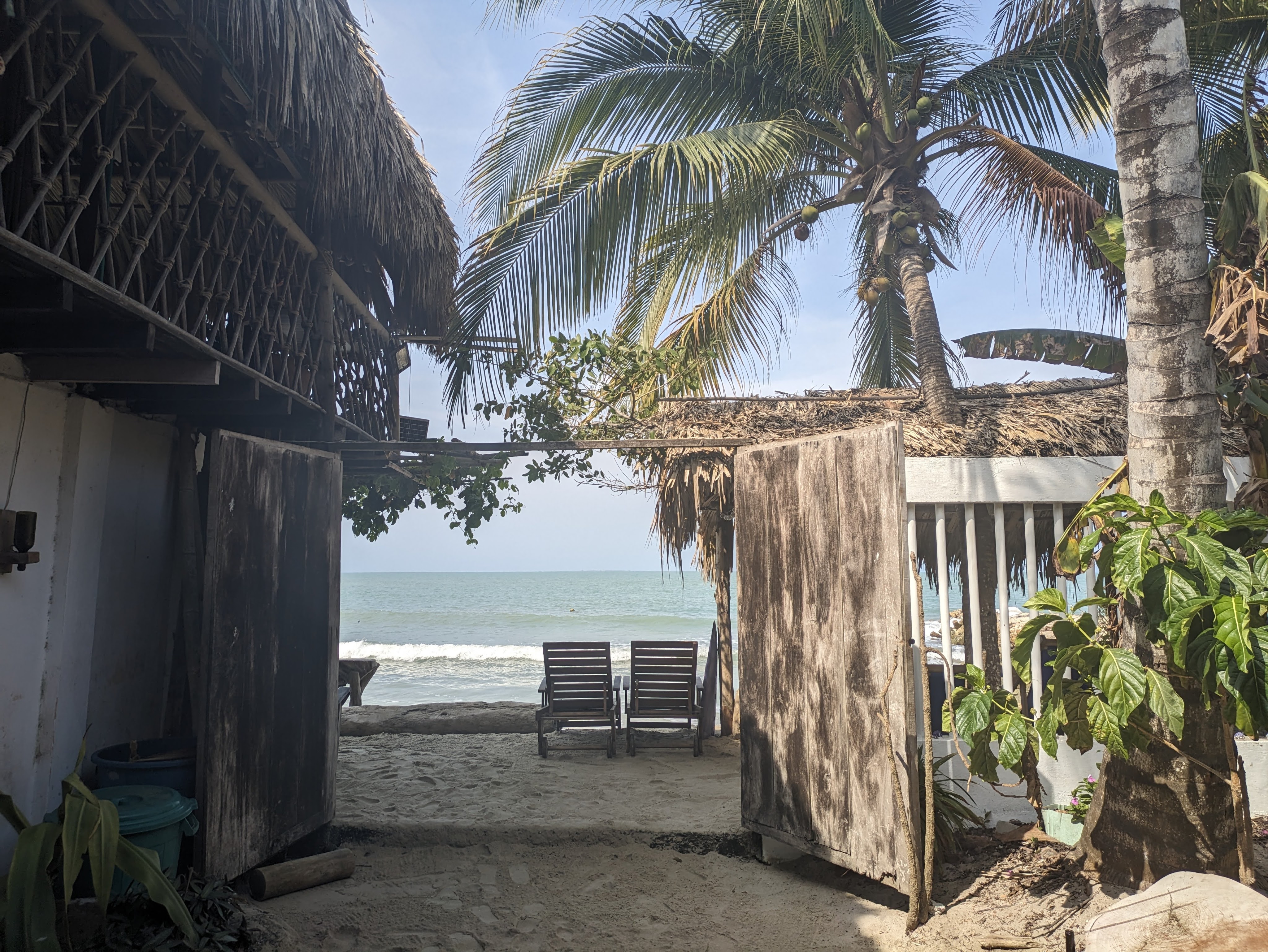
Cartagena on the Caribbean coast is the fifth largest city in Colombia with a population of two million. It is also the most touristy and considered the most expensive to visit. We had heard mixed reports before we went there but we enjoyed our visit. We stayed in Getsemani, a lively area of street art, bars and restaurants and near the old walled city.
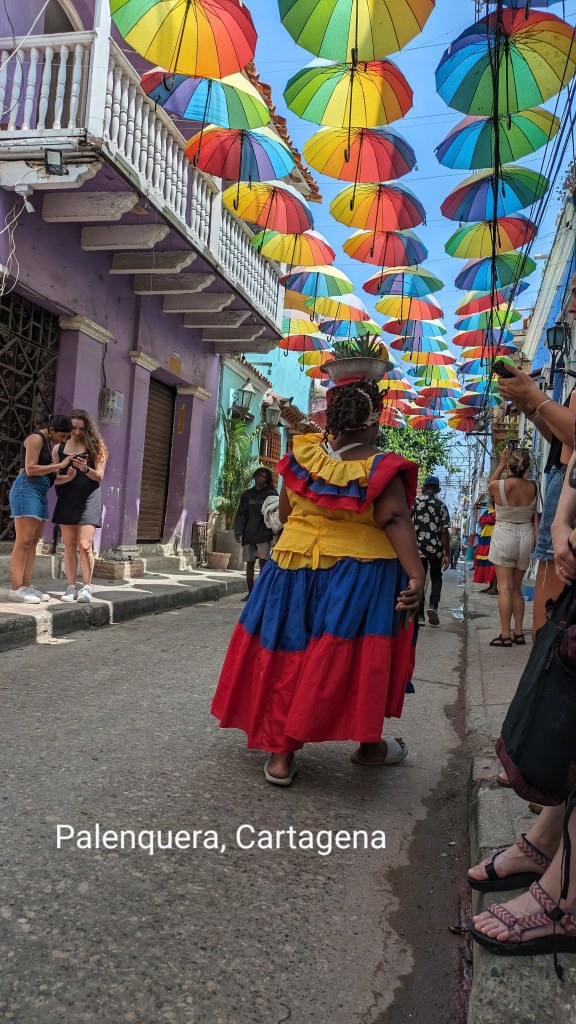
The big attraction for tourists is the old quarter which oozes history with gorgeous colonial houses, small shady plazas and a clock tower built in 1601which once had a drawbridge over a moat that connected Getsemani with the walled city. Gold, silver, and other treasures from the South American continent were shipped to Europe from the port of Cartagena. We strolled through a sunny plaza where slaves were once branded and sold by auction. Cartegena’s history is littered with repeated pirate attacks because of its fabulous wealth. Sir Francis Drake ransacked the city in 1586, burning down the original cathedral. The city was fortified after that with thick walls to prevent more attacks. We did an excellent 2- hour ‘free’ walking tour, given by a very enthusiastic Cartagenero with a Spanish name but with a mixture of cultures flowing in his veins. The people on the tour given in English were American, Australian, South African, Lebanese, French, German, English and of course, us flying the Irish flag. There was a real ethnic mixture in Cartagena, both with natives and visitors, a true melting pot.

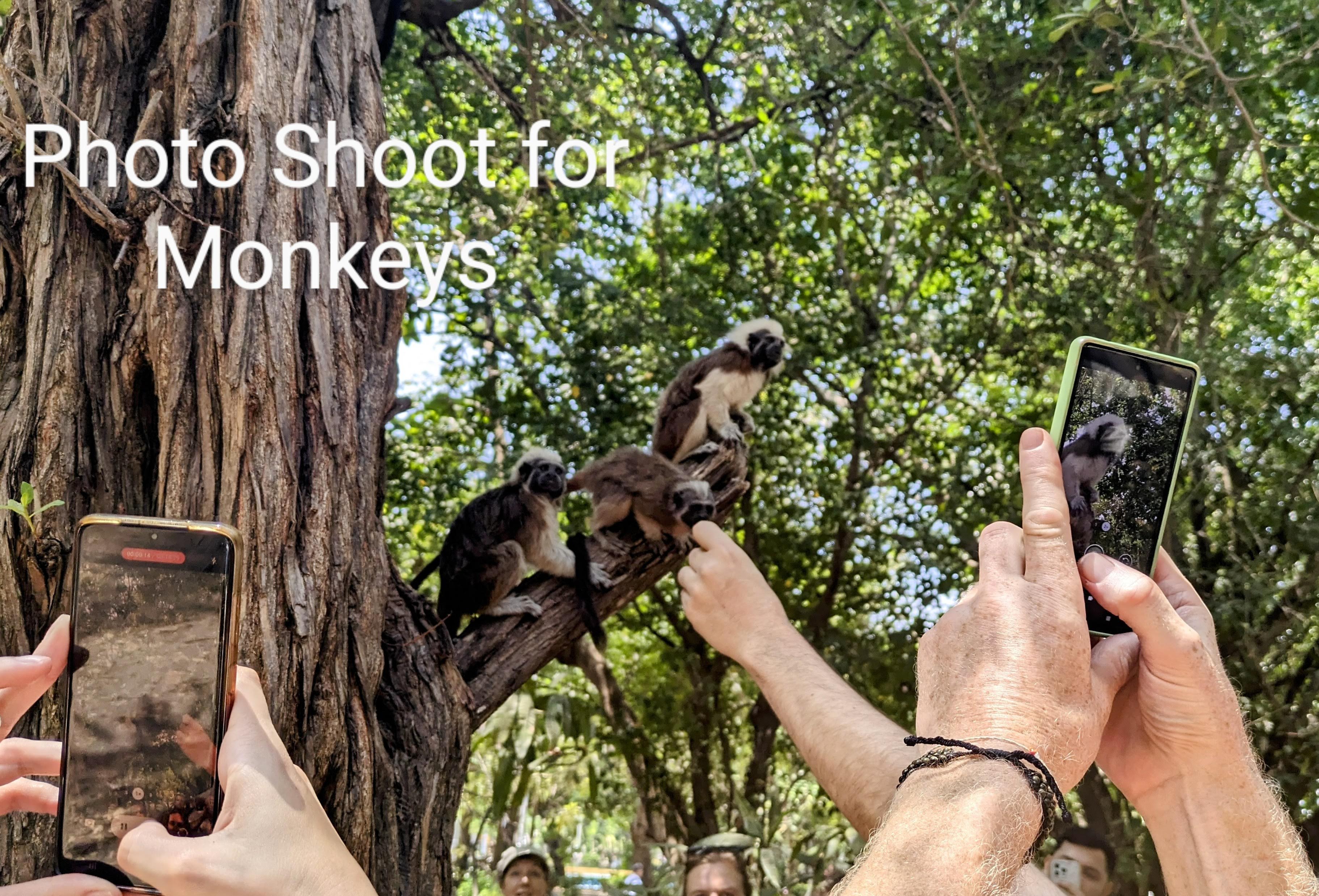
In a small park just outside the old city walls, we saw a family of tamarin monkeys and also some three-toed sloths sleeping in the trees. This wasn’t a zoo; the animals were free to go but seemed quite content to stay, like so many others. Some of the monkeys seemed keen to be photographed and enjoyed the photo-shoot.
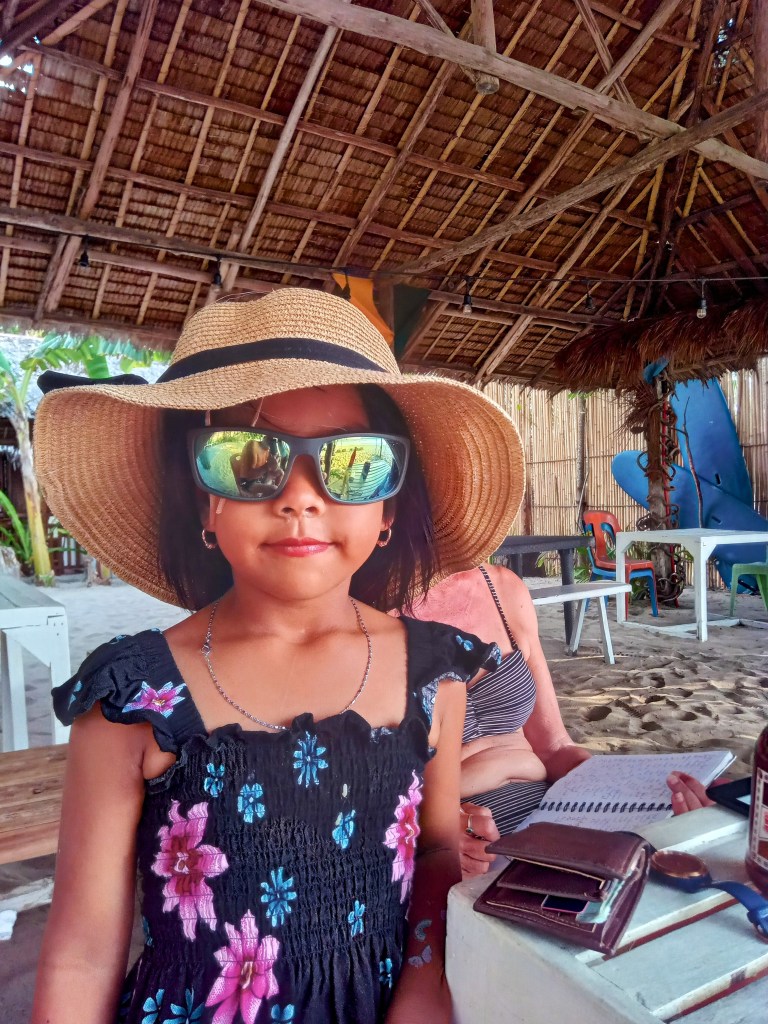
There was a vibrant energy about Cartagena despite the heat with signs of expansion, an impressive high-rise skyline over the river and lots of building works. A new mayor had big plans to improve pavements and parks. Cartagena was home of the hustle. Everyone was selling something. If an unwary tourist walked about without hat or sunglasses, they were immediately mobbed by street vendors selling both.
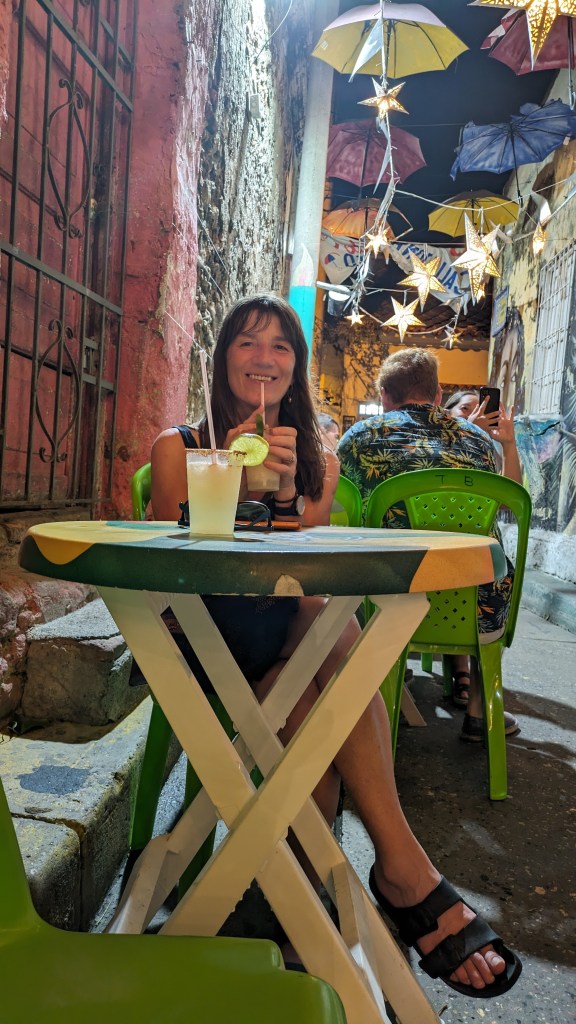
Cartagena is relatively expensive for most things but not for cocktails🍹especially in Getsemani, where women with mobile carts served up potent mojitos in plastic glasses for the price of €5 for two. It was also a place of music and dance of every genre, of eating outside every evening to the beat of buskers and the click of heels and the passing around of a hat for tips.
Cartagena is surrounded by sea and rivers, but lack of clean water was an enormous problem. We arrived after an 8-hour bus journey from Riohache to find that there was no water in the tap or shower at our accommodation. Our landlady told us that the water had been turned off in the city because of burst pipes. It came back for a few hours the following day but was turned off again. The local shops sold out of large bottles of water, so we had to buy lots of small bottles, creating quite a mountain of plastic😲. Just breathing in the sticky tropical climate was thirsty work. In a small environmental gesture, we drank cold beer in glass bottles whenever we could. The amount of plastic generated by the huge volume of tourists in Cartagena must be staggering.
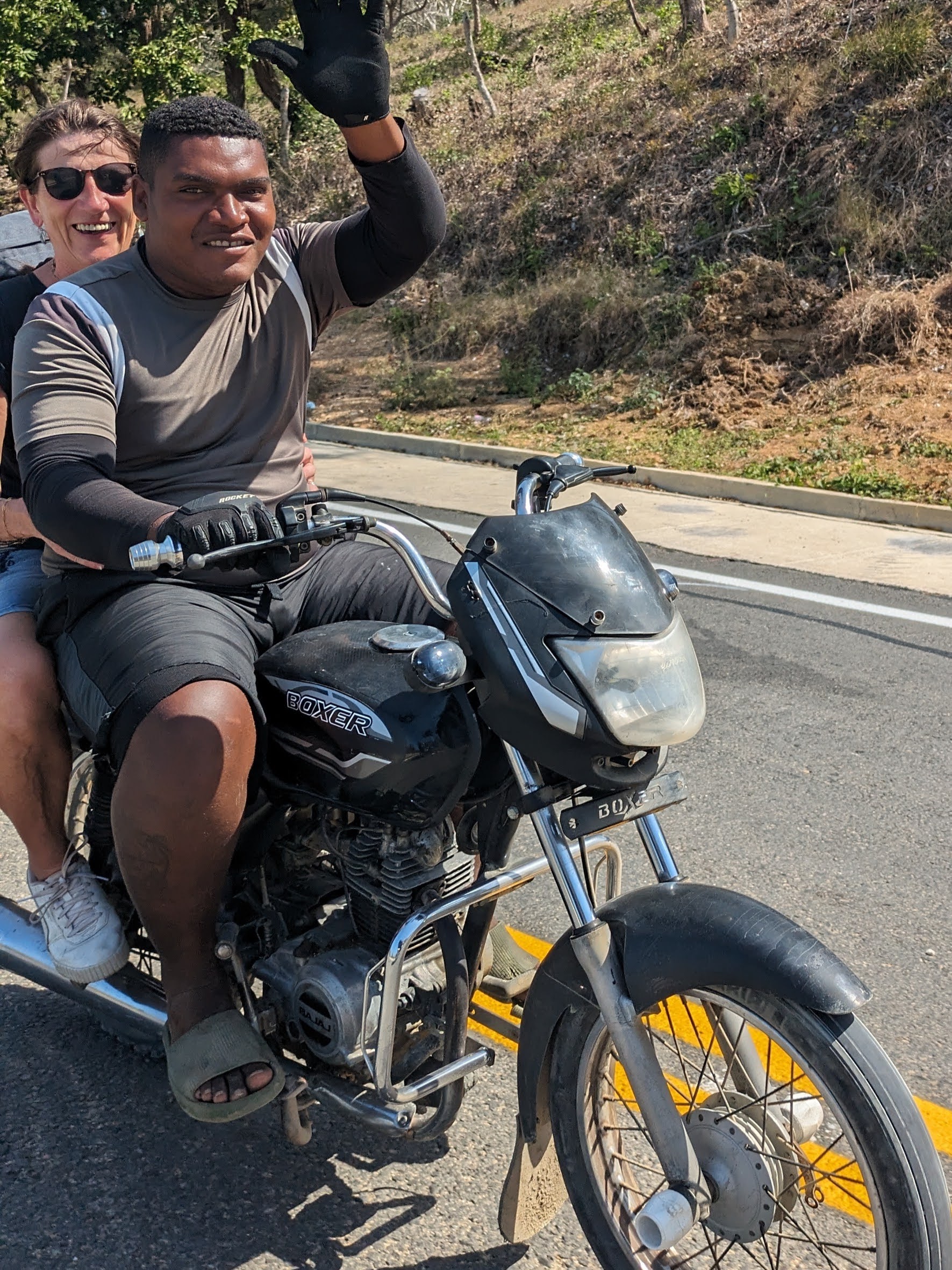
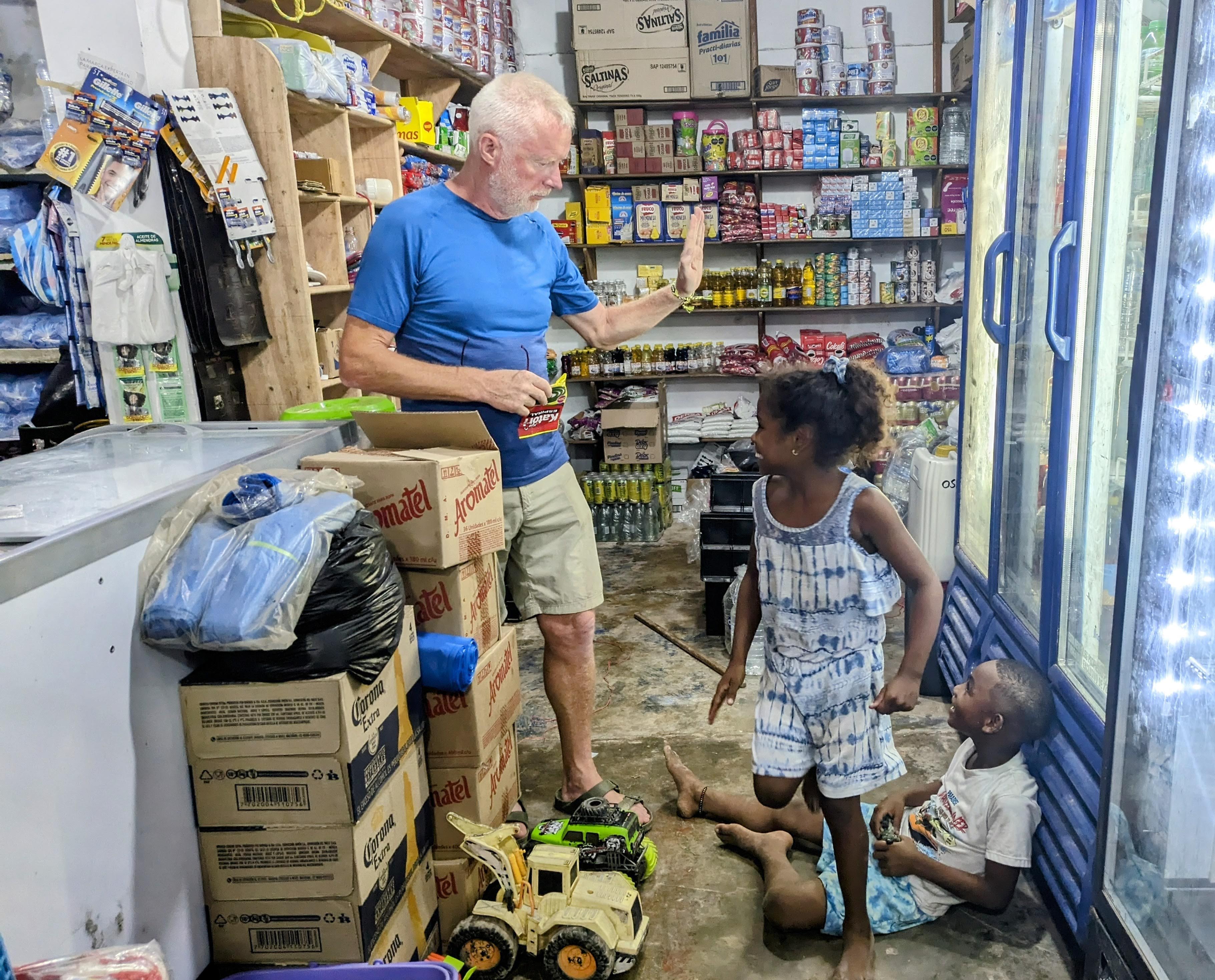
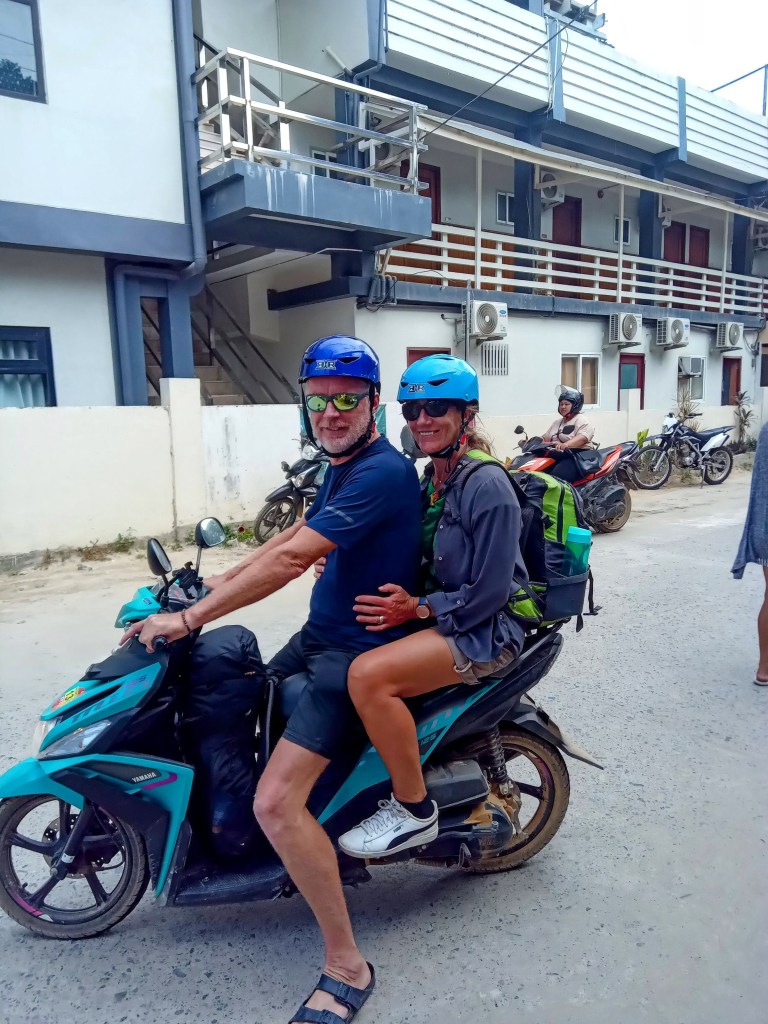
Water continued to be an issue when we moved westwards along the Caribbean Coast to Rincon del Mar, a small fishing village without an ATM or a bus link. We had to travel the last leg on the back of motorbikes to reach it.
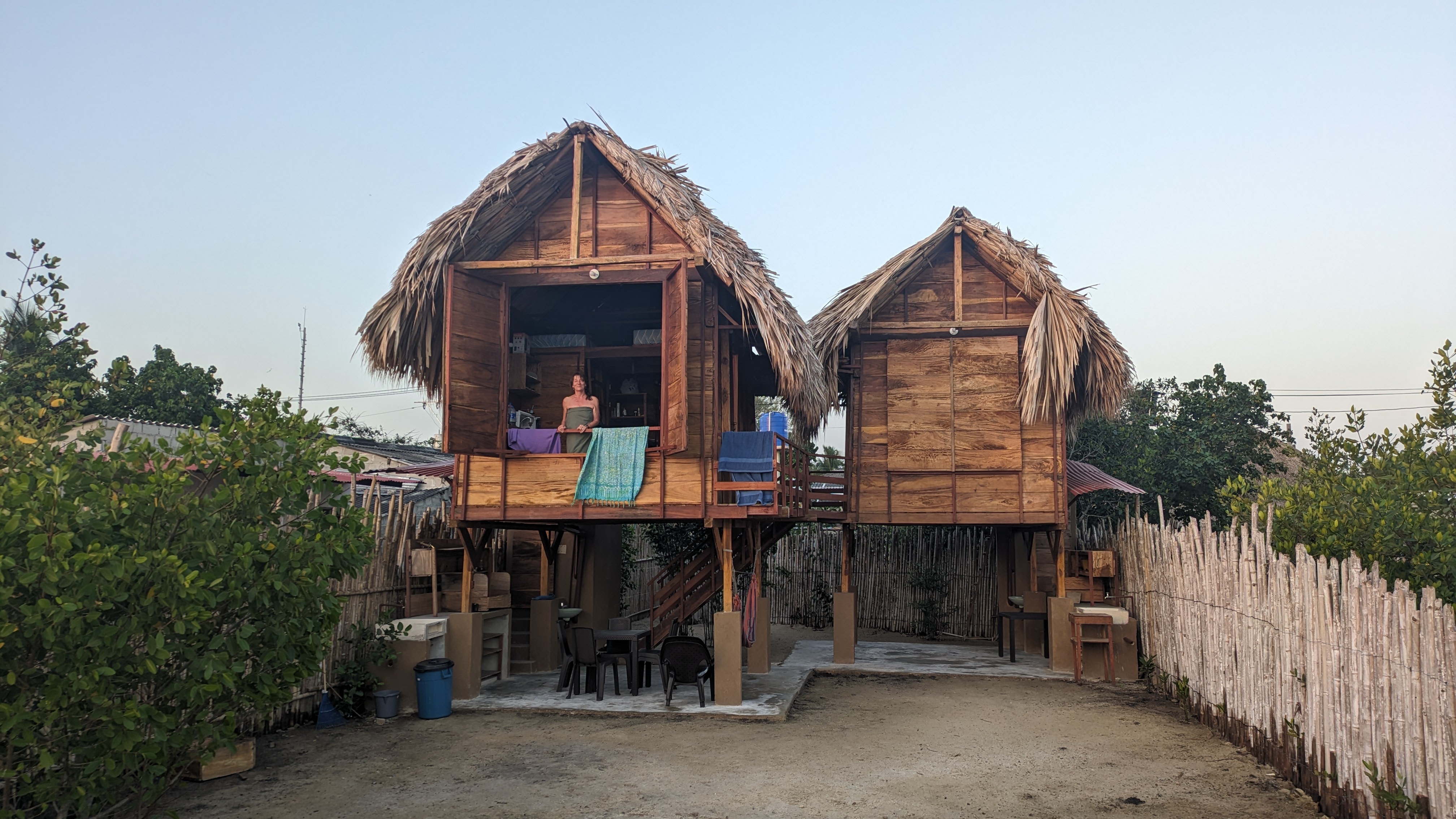
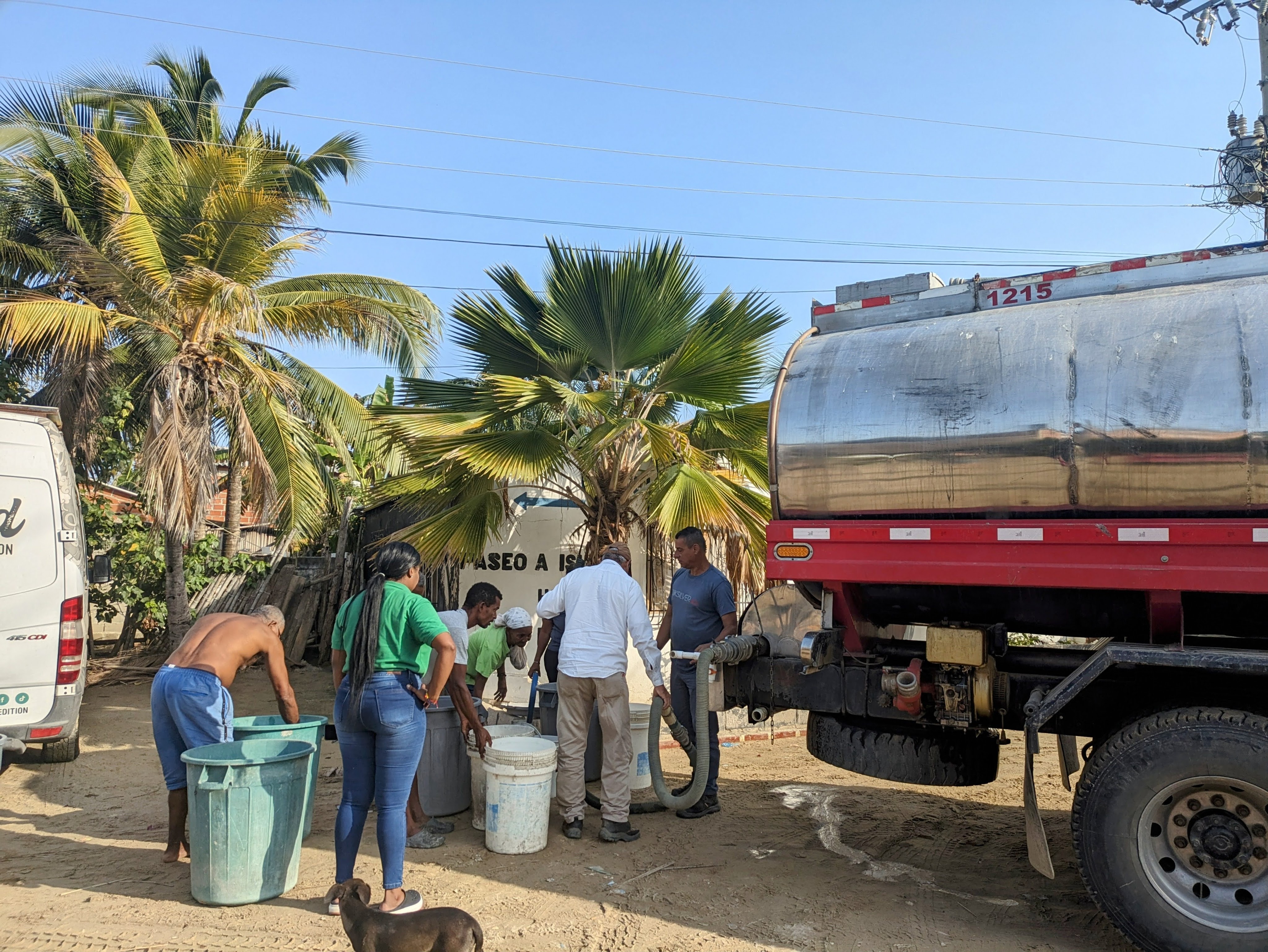
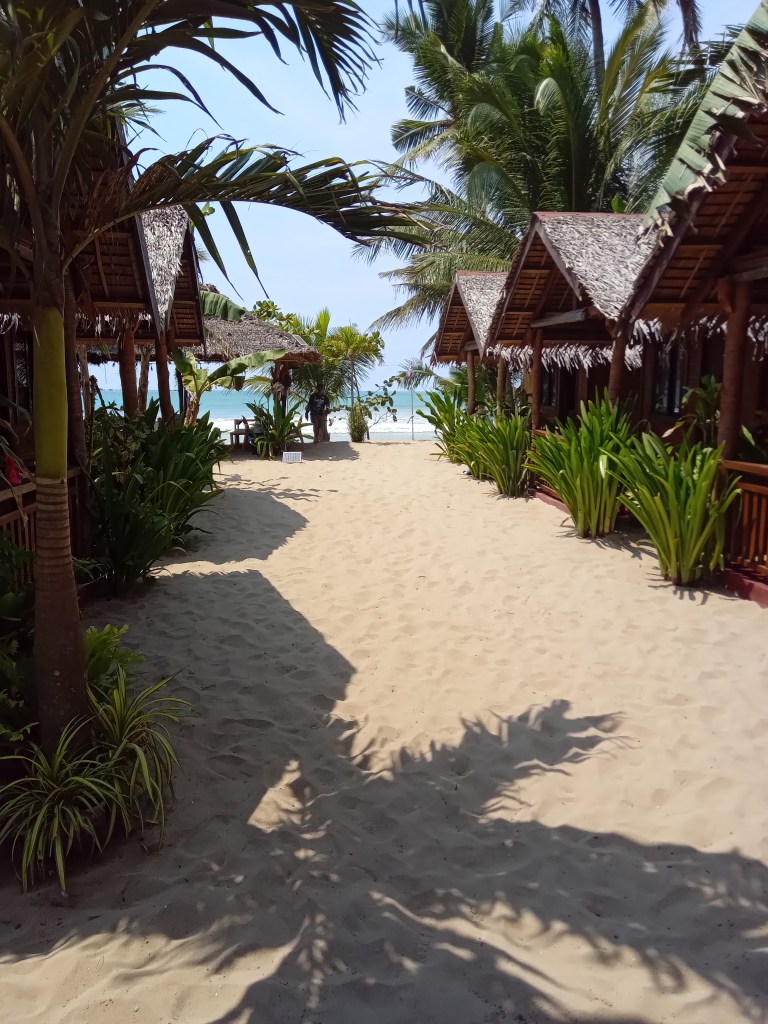
We stayed in a breezy cabana with a view of the mangroves on one side and a two- minute walk to the sea on the other side. We had no water😏again for a few days until the water tank on the roof was filled. When we had water, little was wasted. A series of pipes from sink and shower collected wastewater into buckets, so-called ‘grey water’, which was used to flush toilets. When a big tanker lorry rumbled down the sandy streets of the village, the villagers ran to it with basins and buckets to fill them with precious water. There was only one tap in sinks or showers, no such thing as hot and cold taps. Often the water that came out of the tap was hot, heated by the sun but we were grateful just to have water. Maybe it was the heat (ranging from 37C during the day to 27C at night) but more than likely it was the lack of hygiene in the restaurants due to water shortages that led to both of us suffering stomach upsets (mine a particularly long lingering dose.)
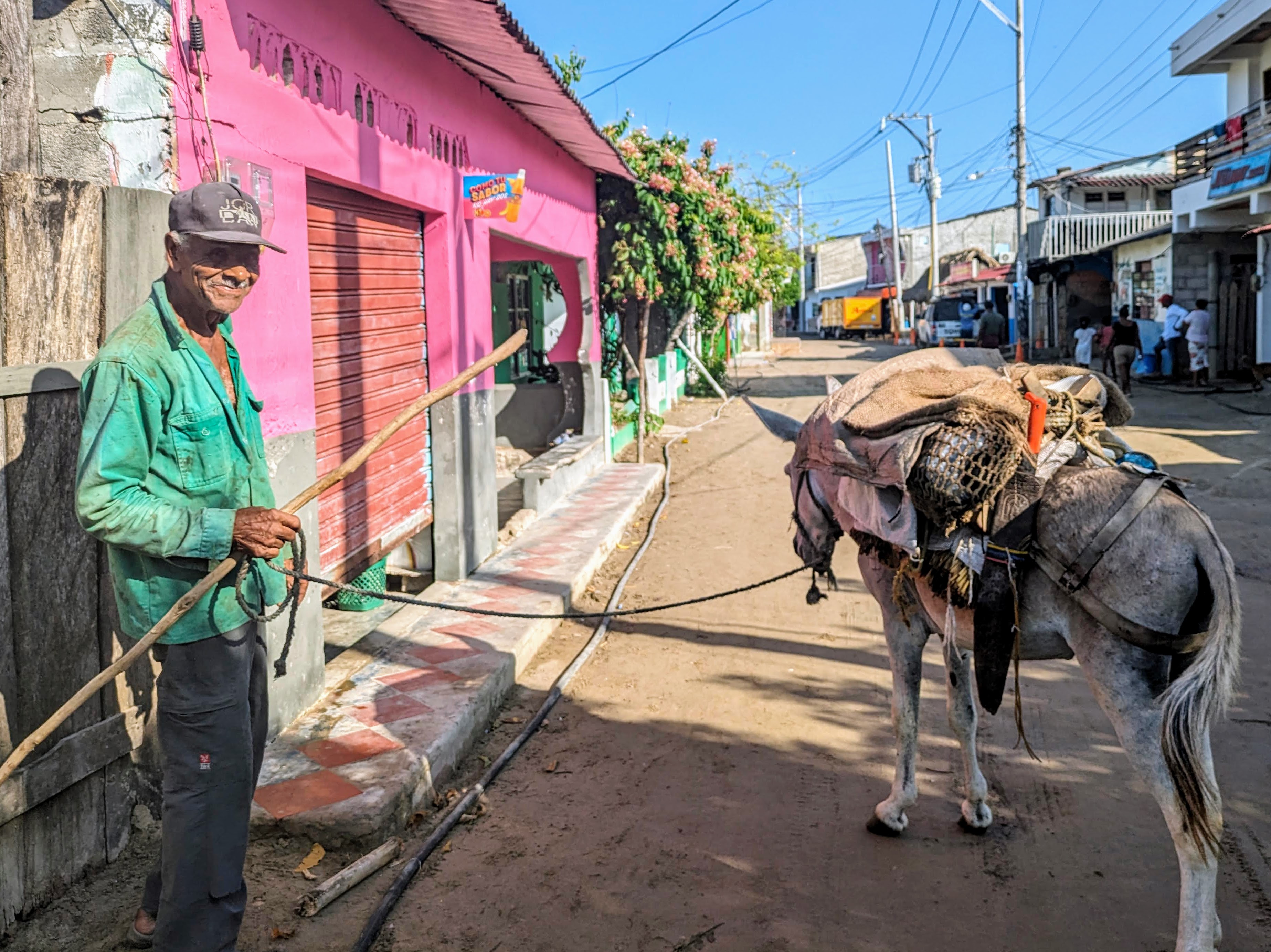
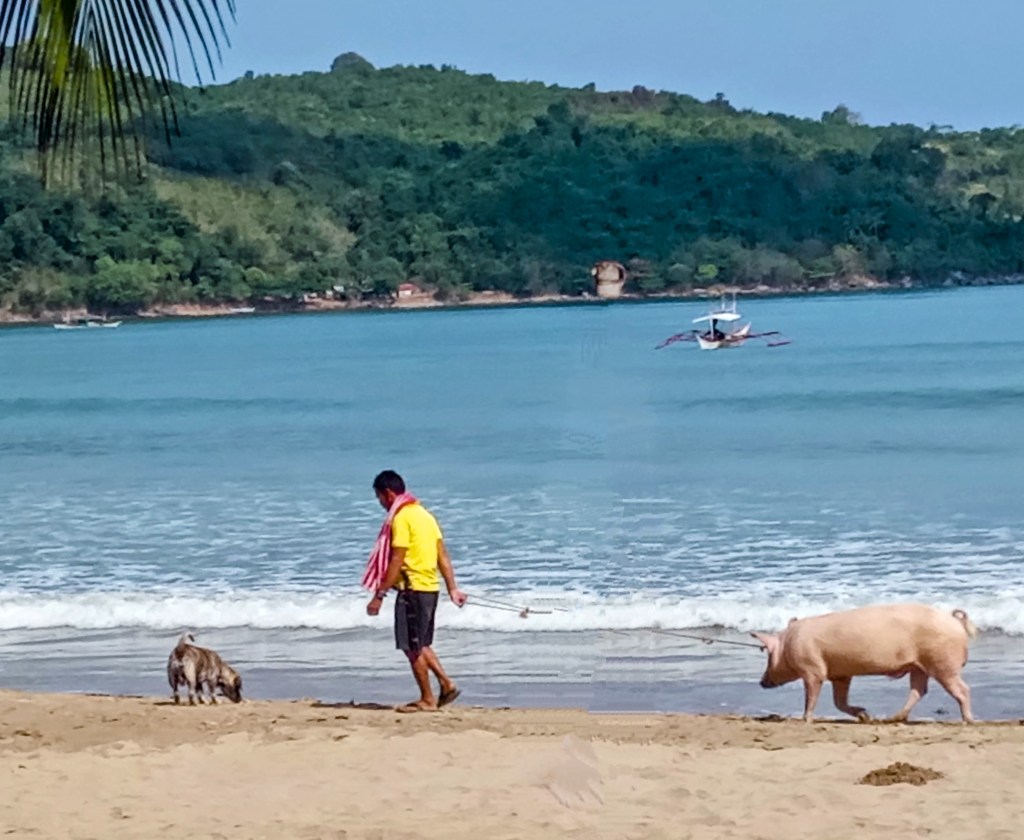
In Rincon del Mar, the village lifestyle was simple and very communal, with doors always open, children playing in the street, old people sitting in doorways chatting or playing TV bingo. On weekend nights, boom-boom boxes were set up in the middle of the street and they blared music until five in the morning at an ear-splitting volume. These 3-metre high boxes were so loud that talking was impossible, but most people just sat around drinking beer and occasionally dancing.

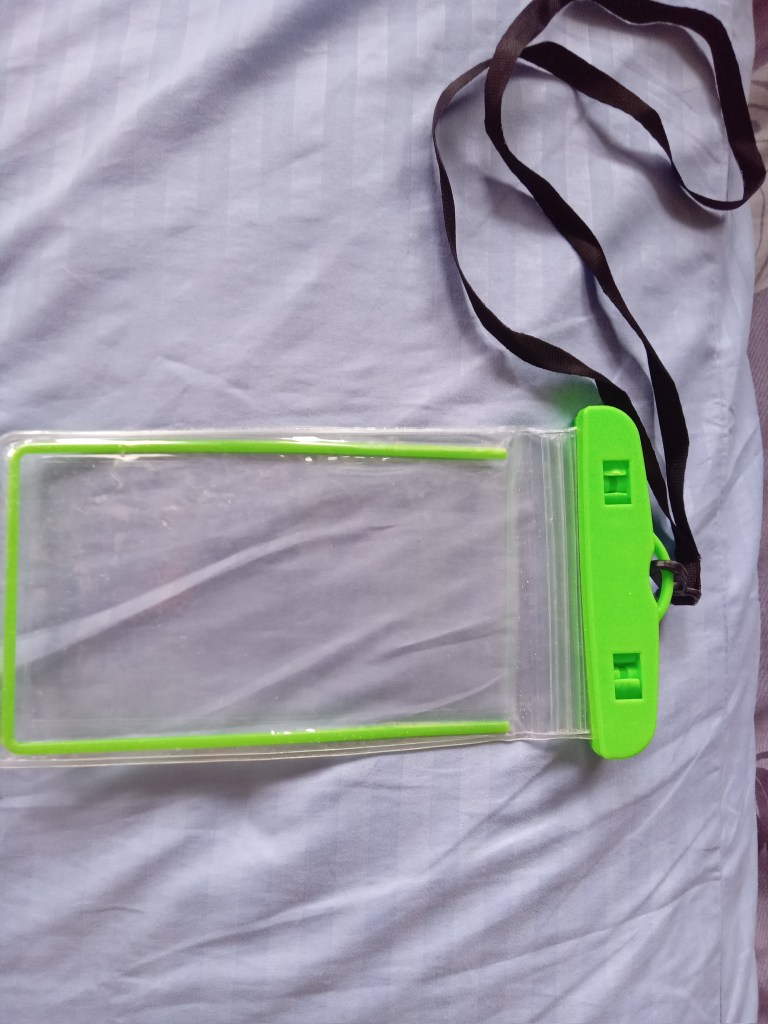
The highlight of our week in Rincon del Mar, apart from the glorious sunrises over the mangroves, spectacular sunsets over the ocean and lazy days, was a sunset boat trip to swim with bioluminescent plankton. We first detoured to Bird Island, where thousands of majestic Frigate Birds circled overhead in a blush-pink sky, on their way home to roost for the night on the island. It was a magnificent sight. As darkness descended, we made our way through a labyrinth of shadowy mangroves into a secluded, almost secret, area of sea. When we jumped into the water from the boat, something magical happened. Each of our movement created a glittery solar glow of bioluminescent plankton. We were shining in the inky darkness of the water as if we were lit from within. It felt special, bobbing around in warm water at night, creating our own personal light show. The boat journey back felt long and even cold in our wet swimming togs, but we were still charmed by what we had experienced. We don’t have any photos because we know from experience that phones and salt water is not a great combination.
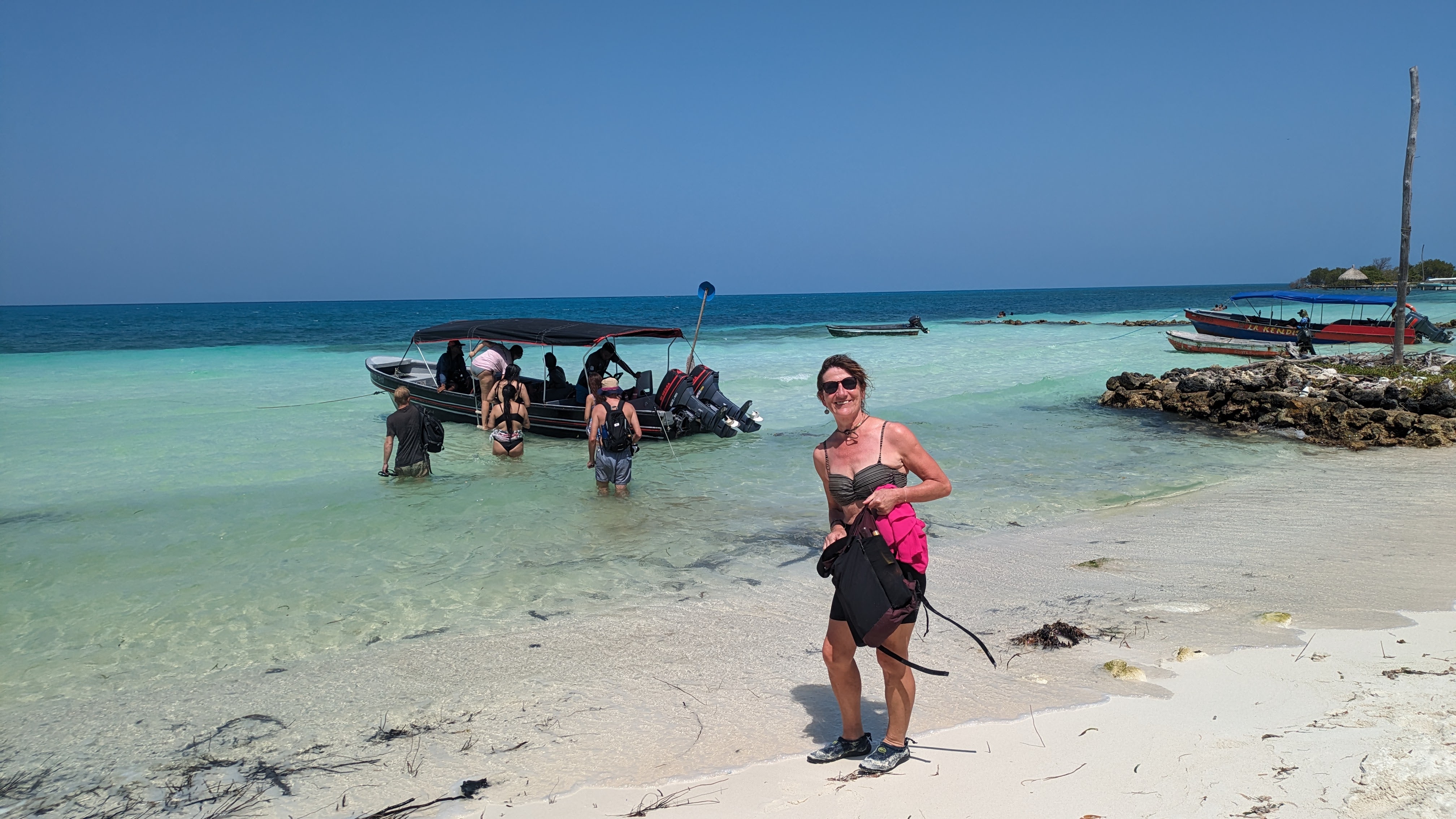
We also did a boat trip to the San Bernardo Islands, a group of islands about an hour offshore. Some of the boat passengers were staying on the various islands for a few days so the trip felt more like a bus service, dropping off and collecting people. But for the first time on this trip, we saw the calm clear turquoise waters, the Caribbean of tourist brochures. It has been very turbulent and murky up to then due to the strong winds at this time of year, making swimming difficult and snorkeling impossible. Now in crystal-clear waters, we donned our masks and jumped overboard in great anticipation. Unfortunately, we were dismayed by what we saw, a paltry number of pretty fish swimming around dead and broken coral. It was heartbreaking. There may be other areas which are well preserved and protected but it wasn’t the case here. We felt we were swimming in a graveyard.
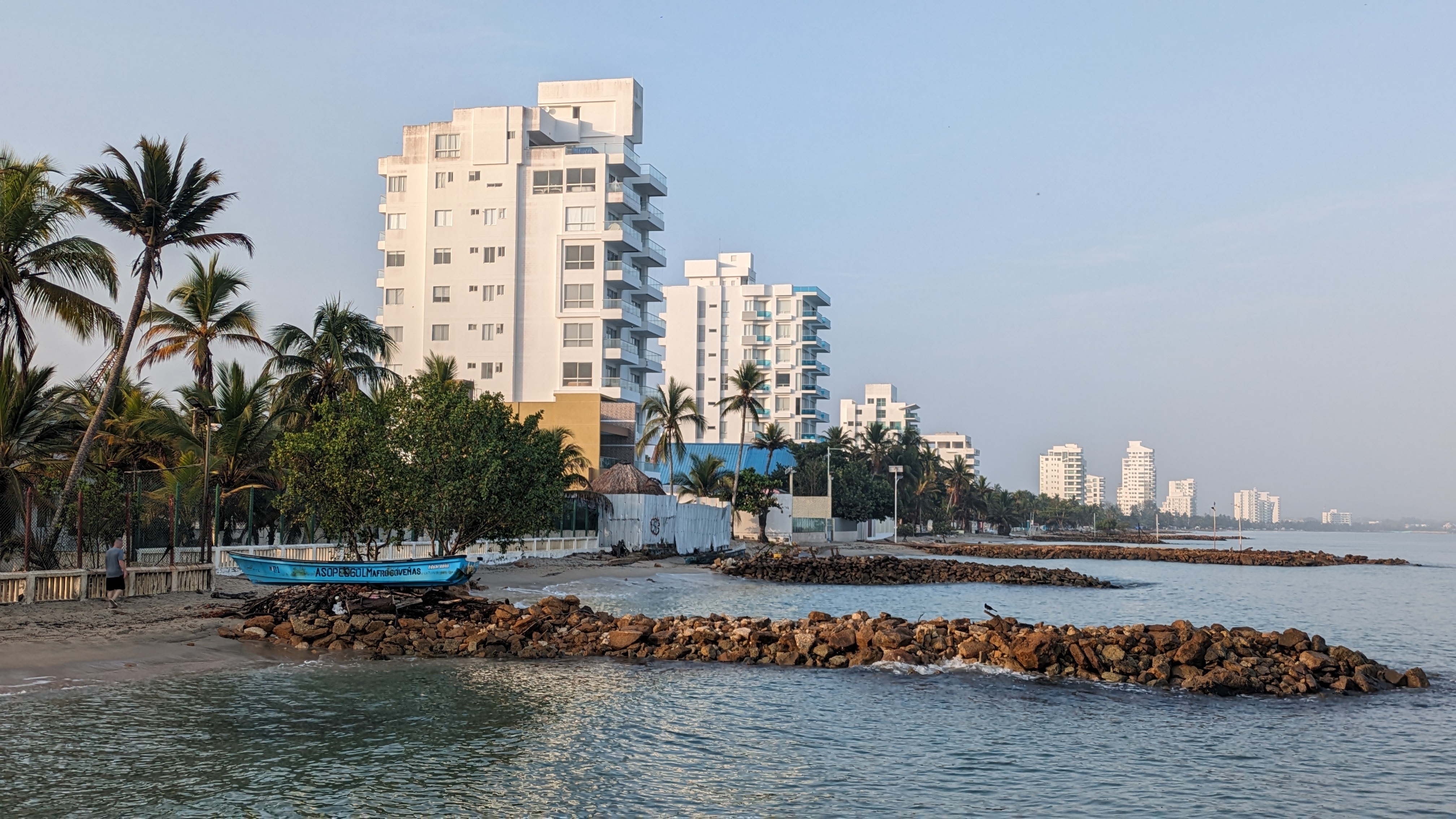
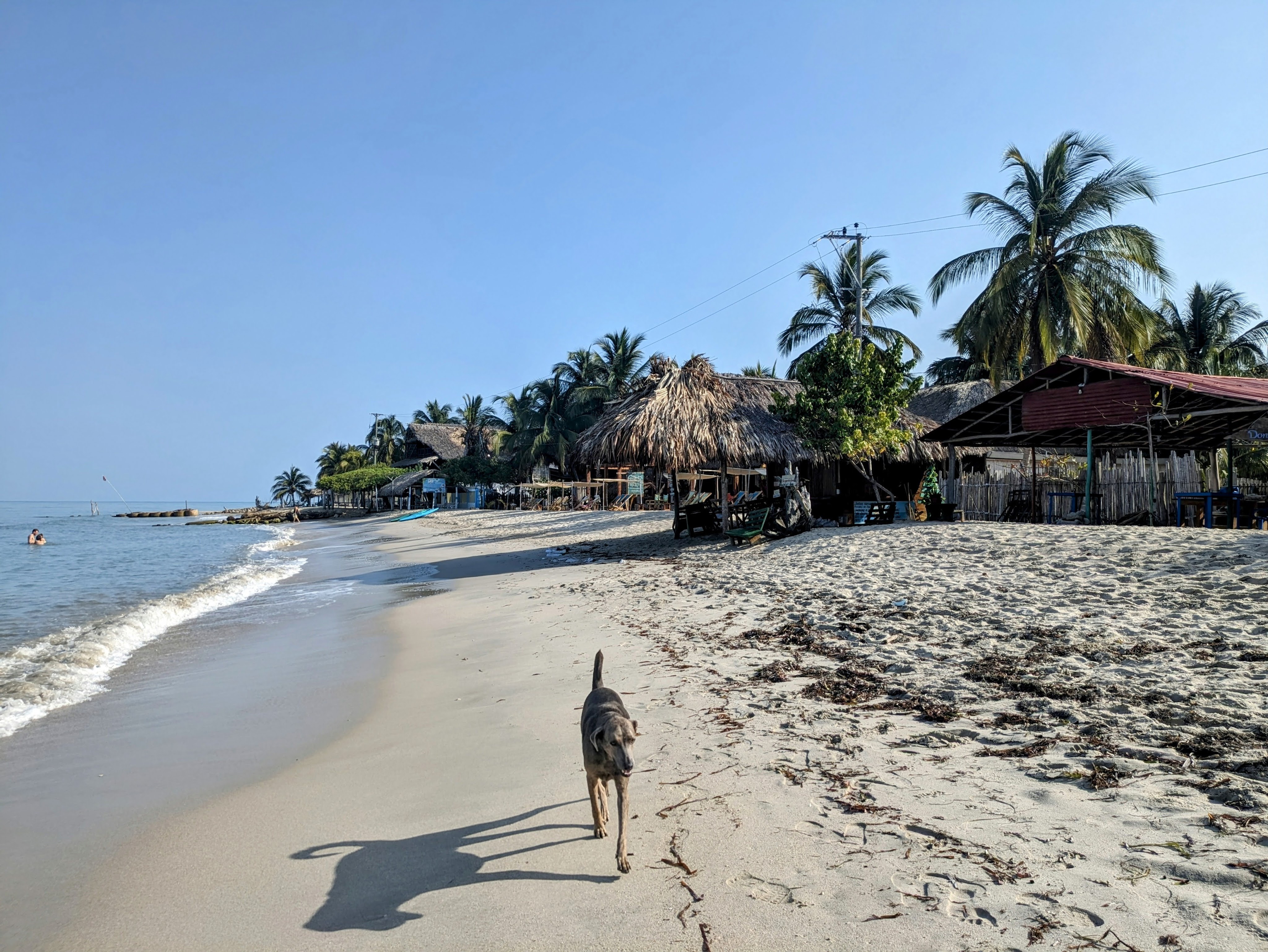
We moved further along the coast to Covenas, a beach resort town with high-rise beach apartments which was very popular with Columbians. The beach was long, quiet and perfect for walking. We cooked plain food in a little apartment with running water, which was within spitting distance of the beach. Thankfully our digestive systems began returning to normal.
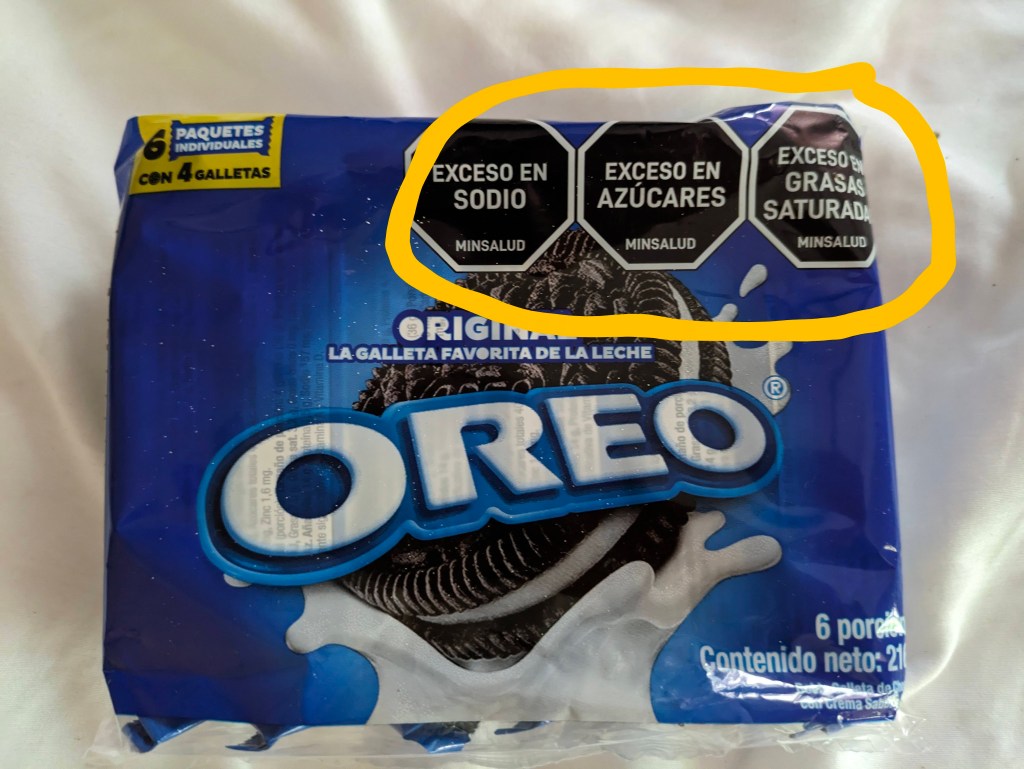
One interesting thing about Colombia is the way that processed food is labelled. A packet of Oreo biscuits, for instance, carries three prominent warnings EXCESS Sugar, EXCESS Salt and EXCESS Fat. This isn’t news but seeing it written in black and white on the packet kills the enjoyment a bit. Maybe it’s a better way of labelling processed food.
We’re not sure where we are going next but probably inland to Medellin, a city famous for all the wrong reasons as anyone who has watched Narcos will know.
Muchas gracias por leer esto xx
 marienoonanblog