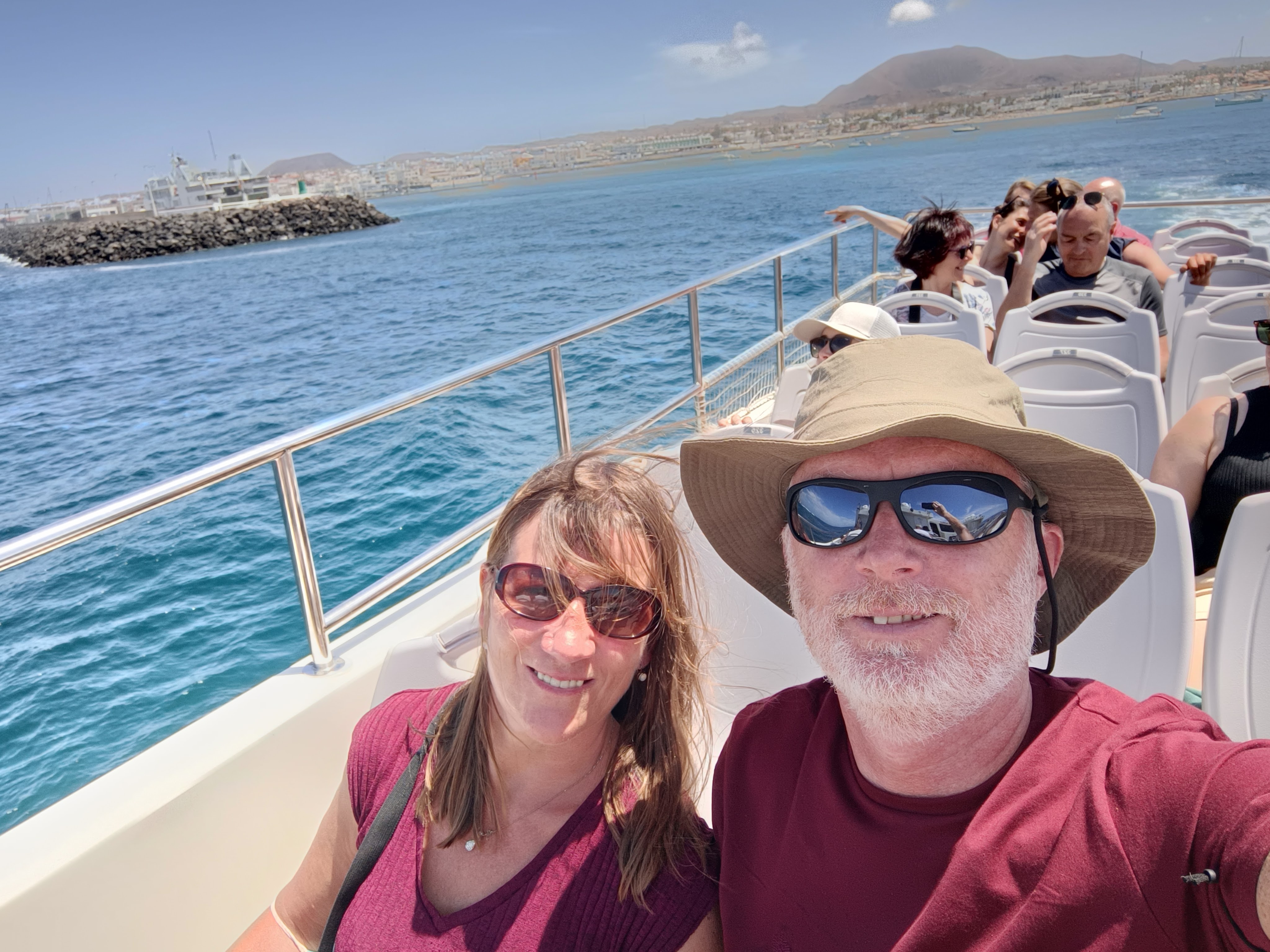
We were on the final leg of our three month ‘island hop’ around the Canaries Thirty minutes on the ferry brought us from Corralejo in Fuerteventura to Playa Blanca in Lanzarote, our seventh island, The ferries between the two islands are very regular and its a popular day trip. The port of Playa Blanca in Lanzarote, was teeming with diggers and cranes as a new terminal building was being constructed. Coffee was calling us so we stopped at a café just opposite the port for our first taste of Lanzarote where we were surrounded by British voices. Not only were all the customers on the terrace British, but so were all all staff. Dolly Parton was belting out the song, 9 to 5, over the speakers while we tucked into a British fry-up and it was hard to believe that we were on a little island, a 100 kilometres off the coast of Africa. Like all the Canary Islands, the bus service in Lanzarote was cheap, efficient with frequent buses to the all the main tourist centres.
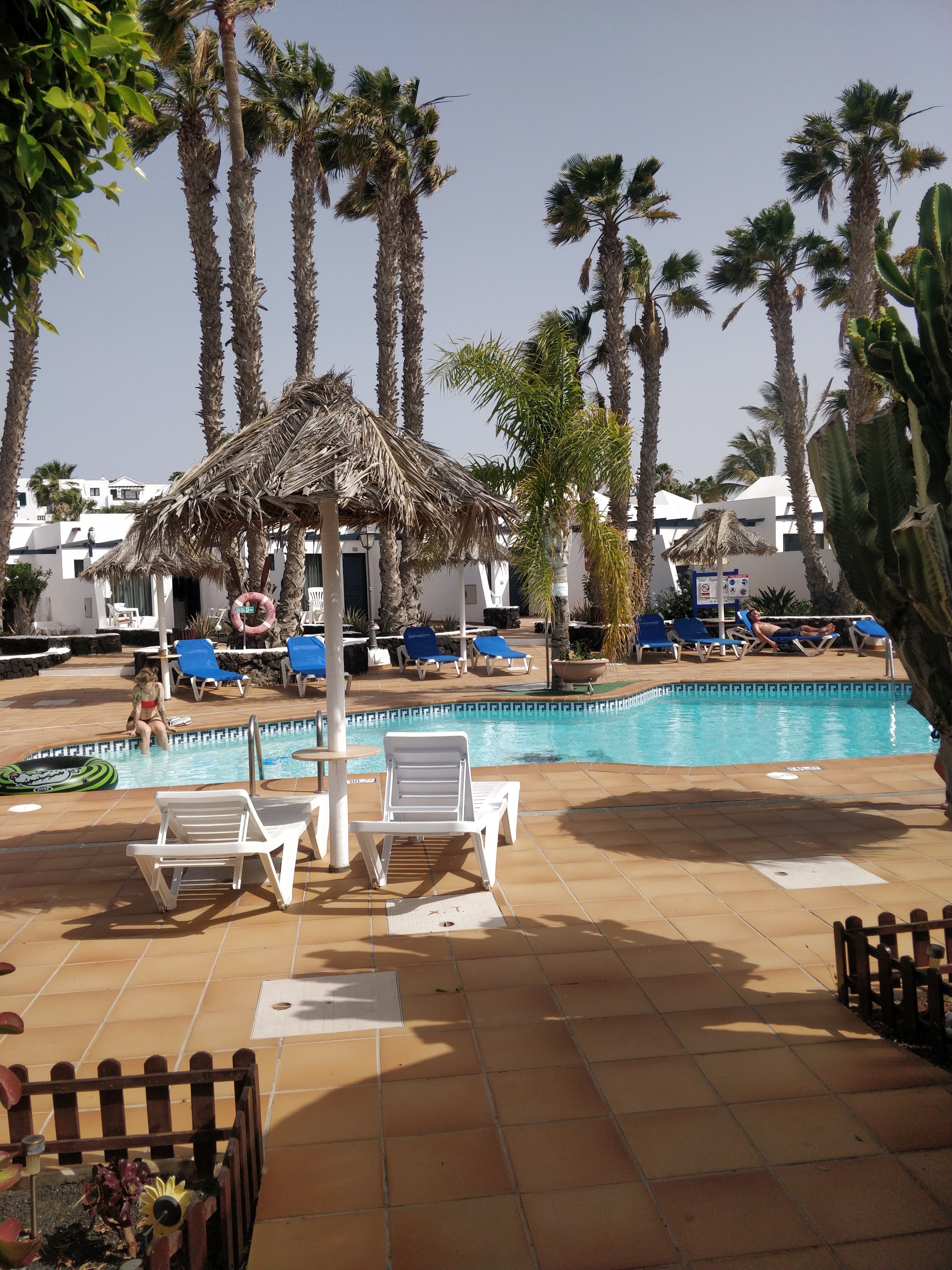
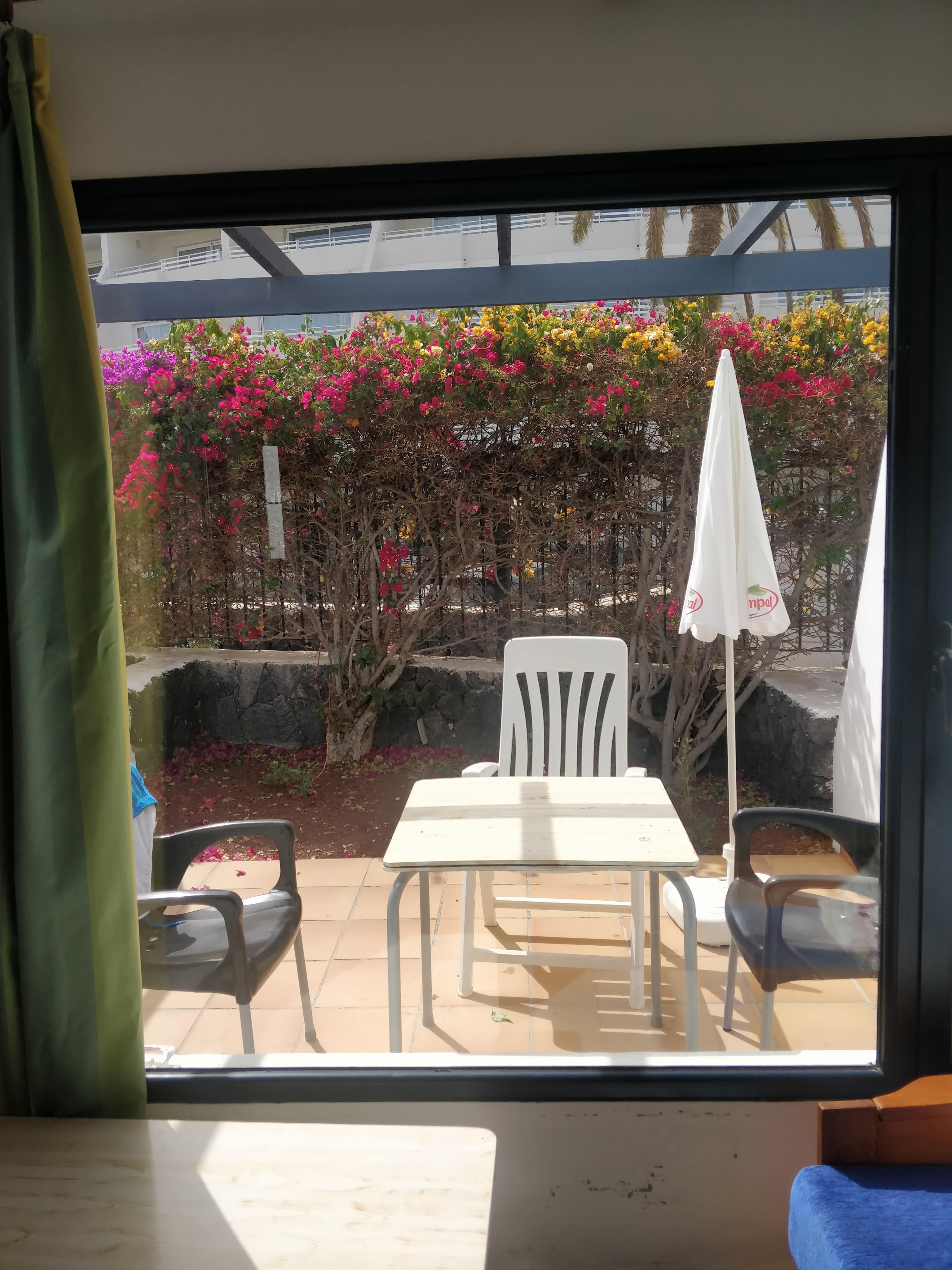
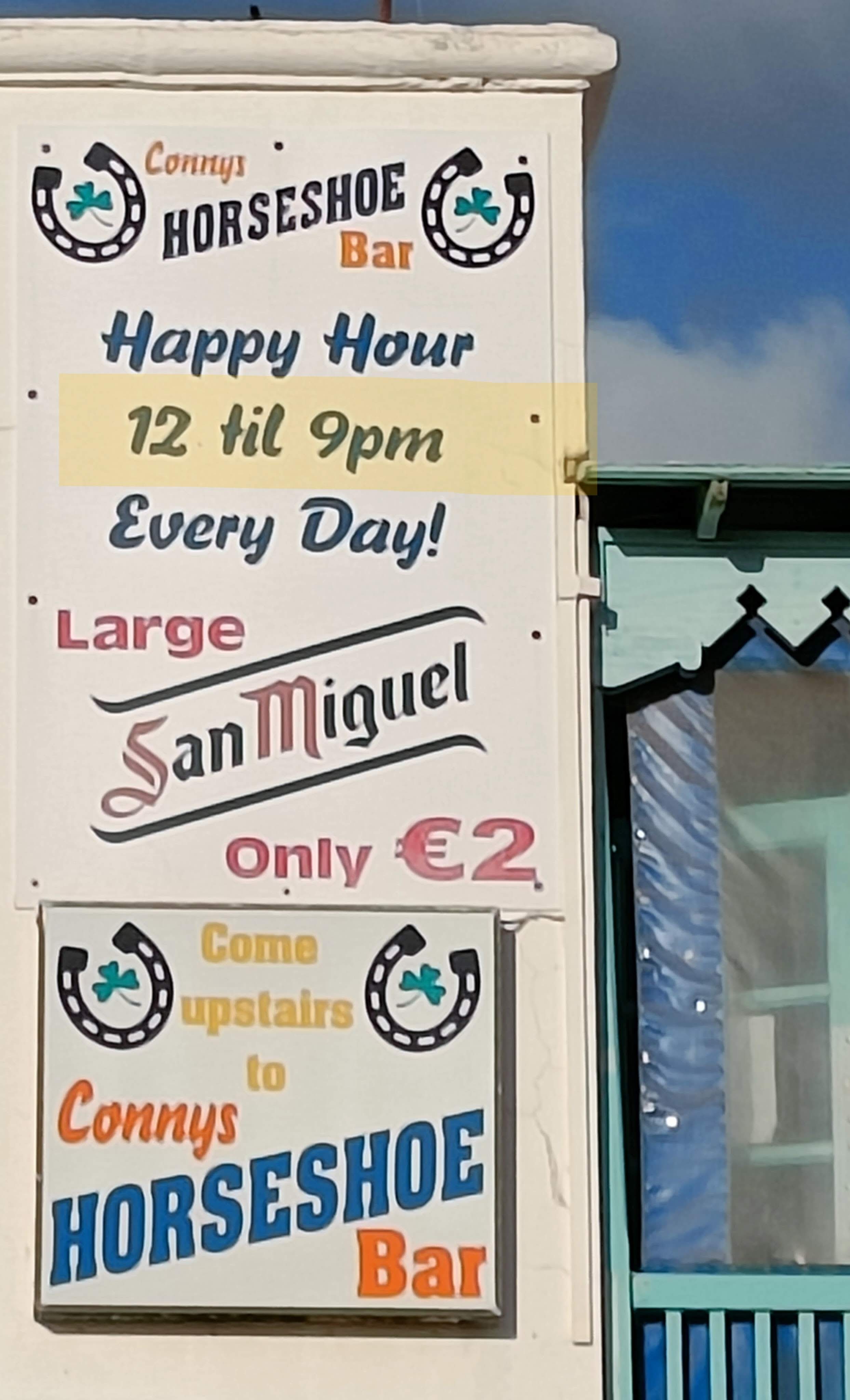
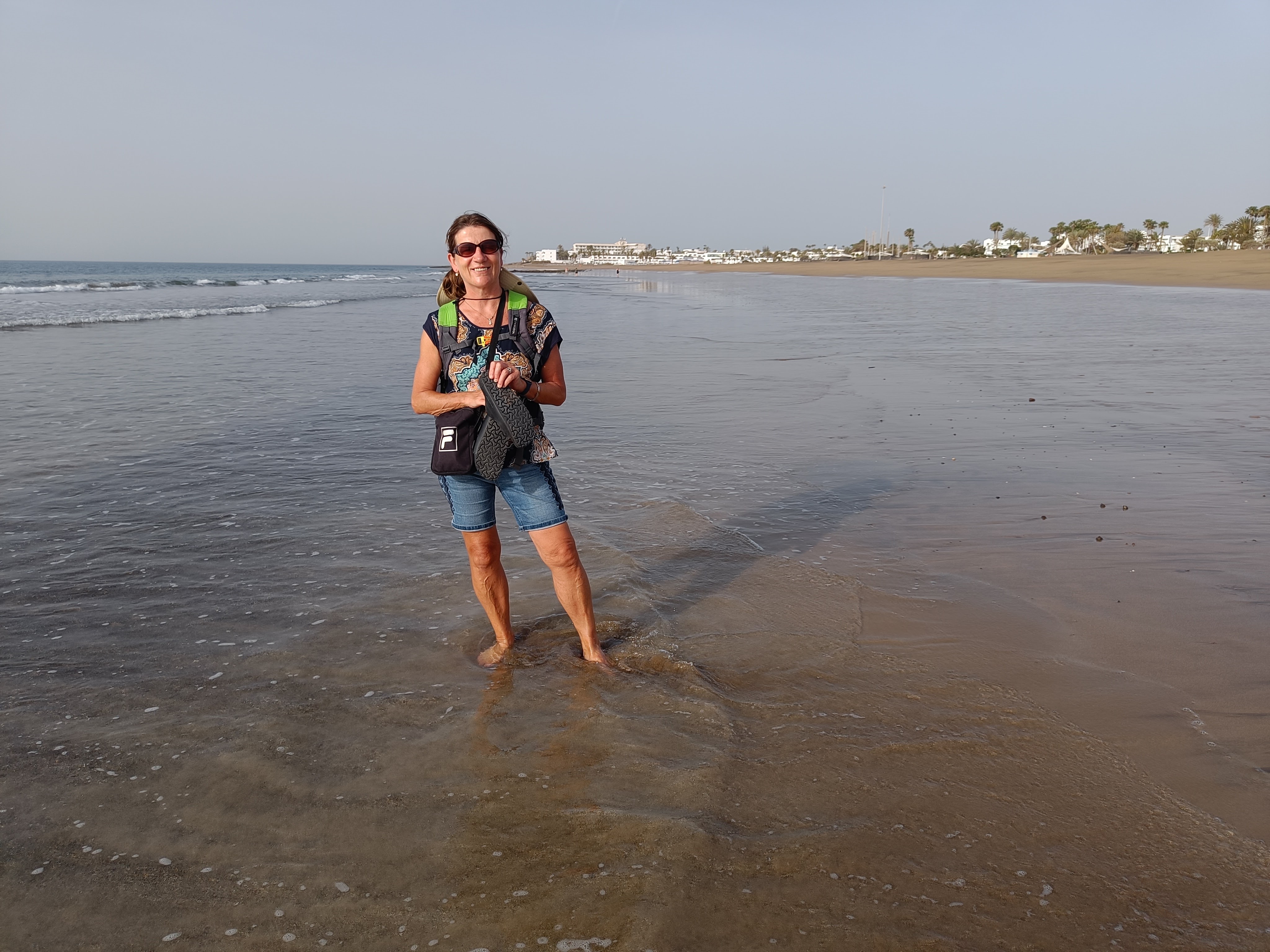
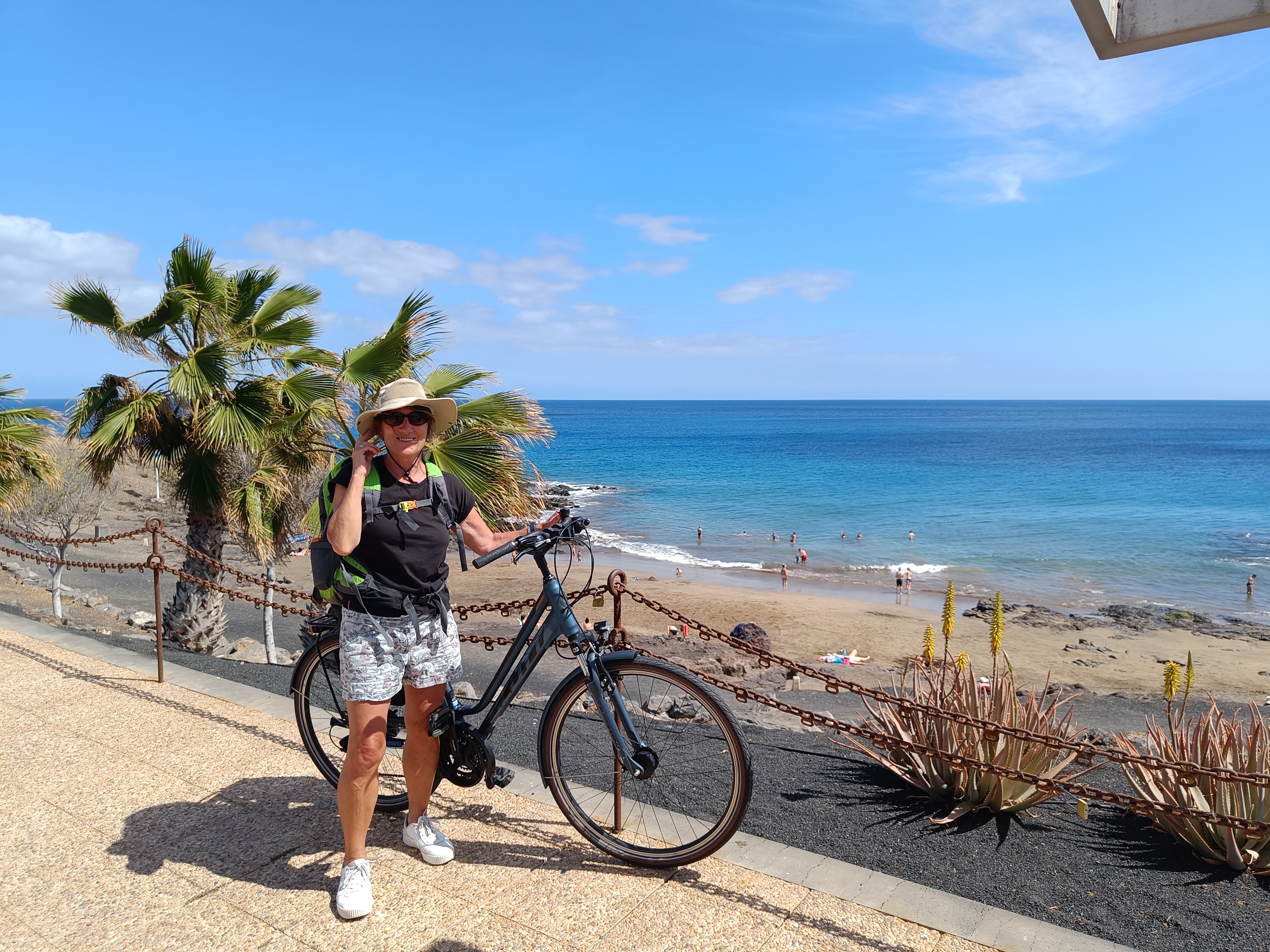
The bus dropped us at Playa Matagorda, just north of Puerta del Carmen and here we found ourselves catapulted back to Ireland- but with sunshine. The majority of accents on the street were Irish and there was a mind boggling selection of Irish bars. The Auld Triangle, Horseshoe Bar, Peggy’s Snug and O’Shea’s were all within a hundred metres of our accommodation, Mar Azul Playa. This was a quiet complex of 25 little bungalows arranged around a small swimming pool with a pool bar. Each bungalow has a private outside area, most with bougainvillea on the trellises. We paid €310 for a bungalow for a week – superb value, booked just two days before we arrived. The TV even had BBC and ITV channels. Many of the occupants were Irish, many repeat visitors, The beach was only a two-minute walk away. It didn’t have the white sands of Fuerteventura but it was long, golden brown and palm fringed with a paved promenade and cycle lanes. It was also flanked by cafes, cocktail bars, restaurants, tourist shops and hotels but no high rise buildings, thanks to the influence of one man, Cesar Manrique.
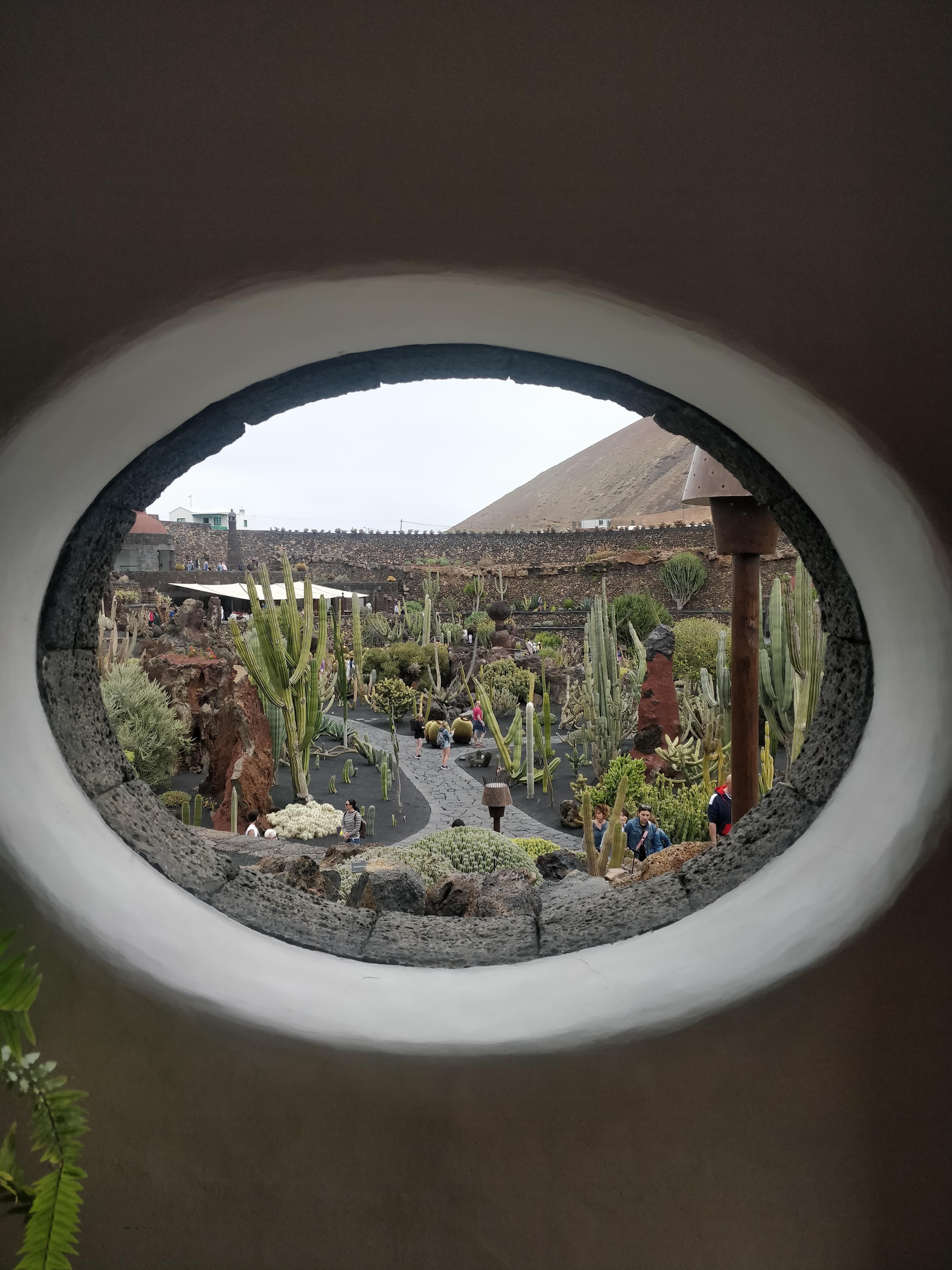
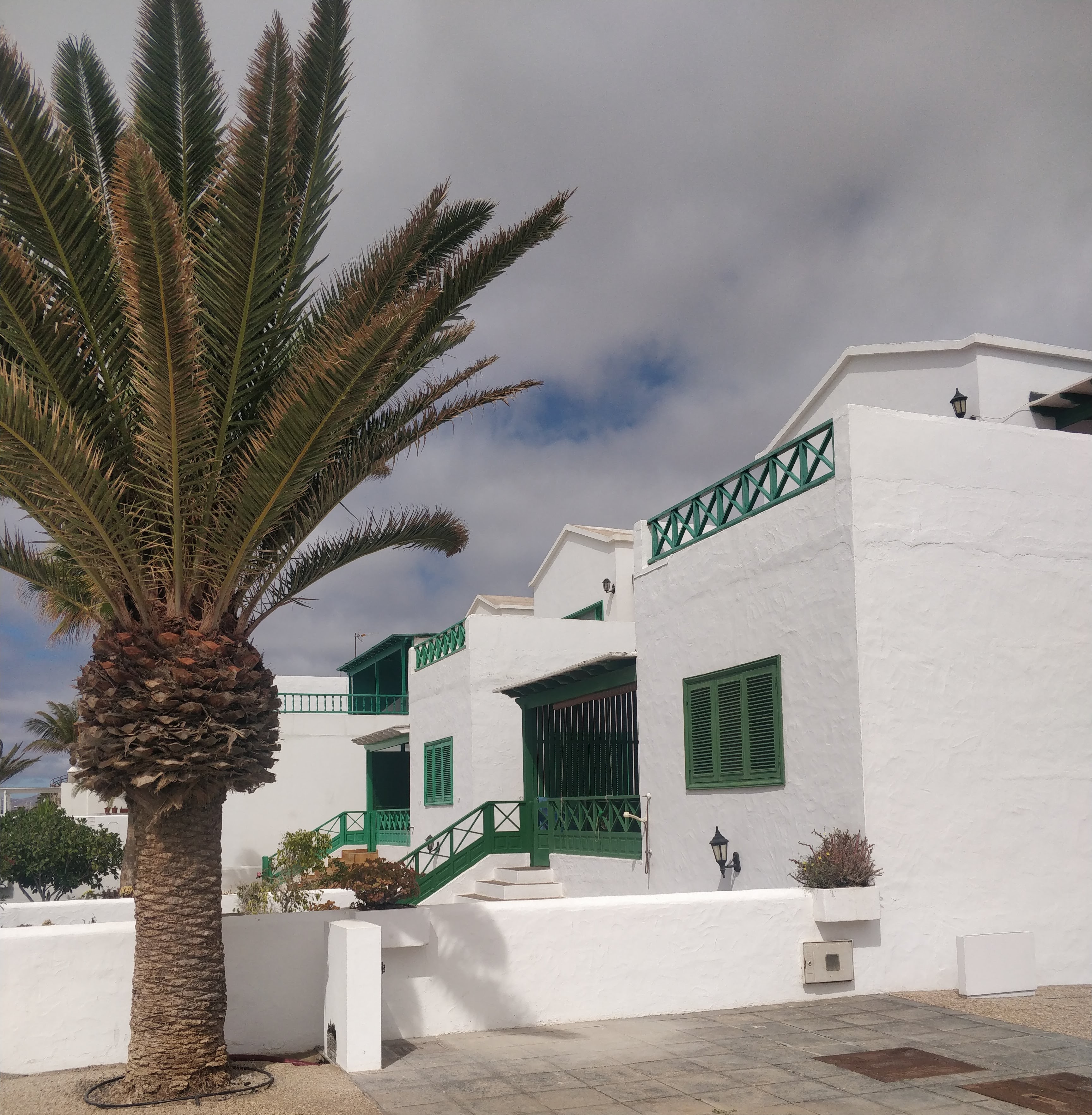
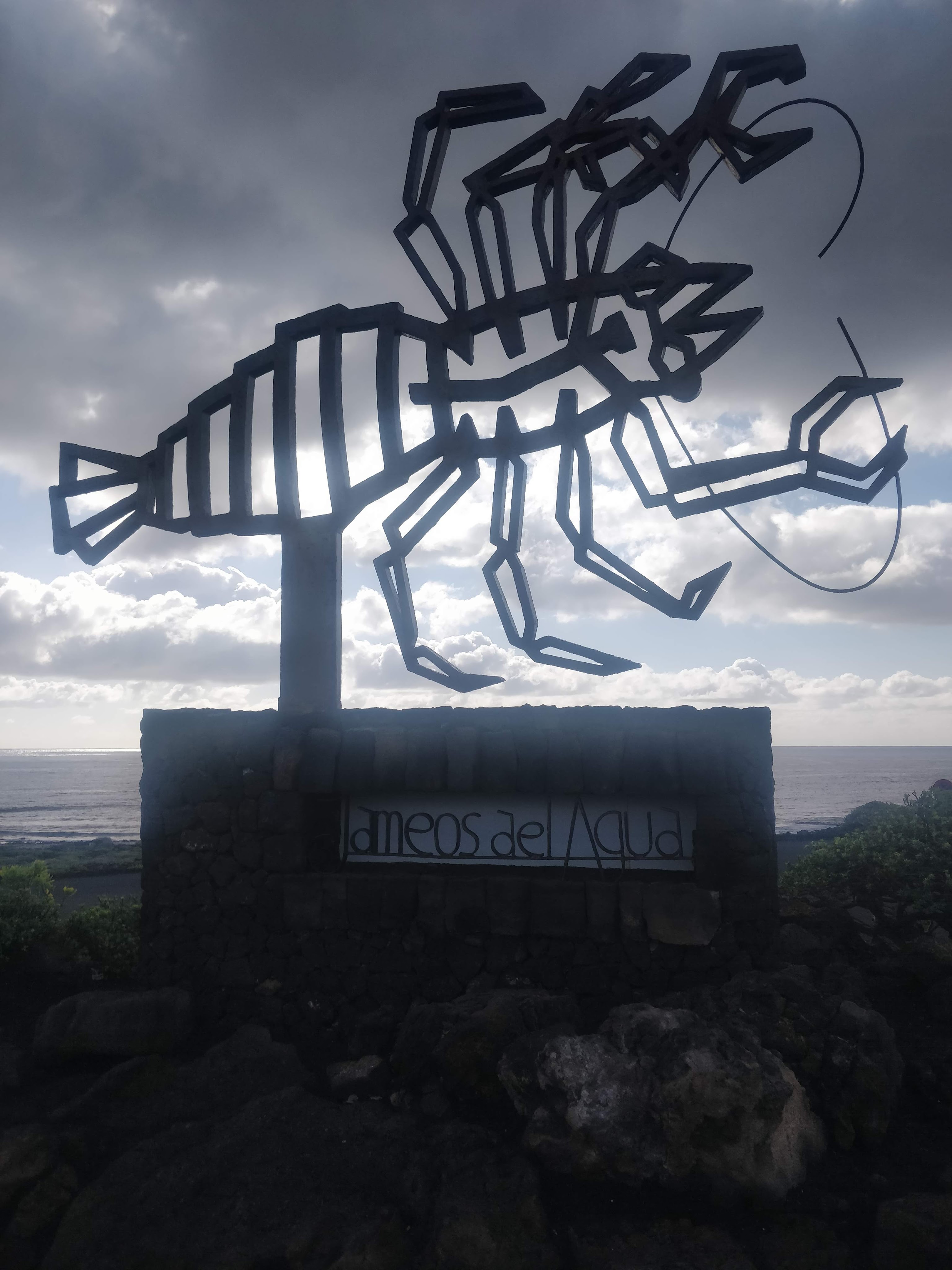
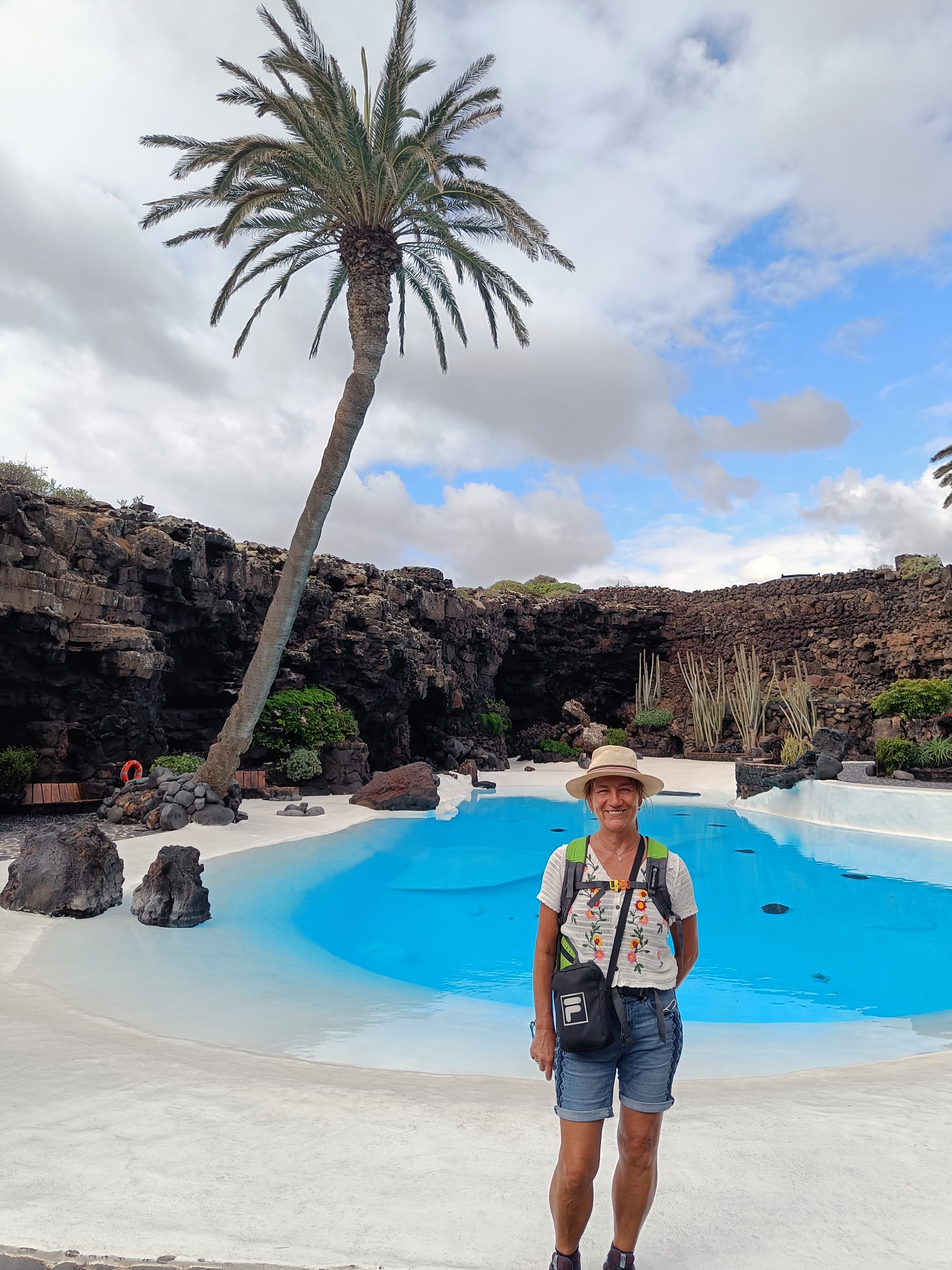
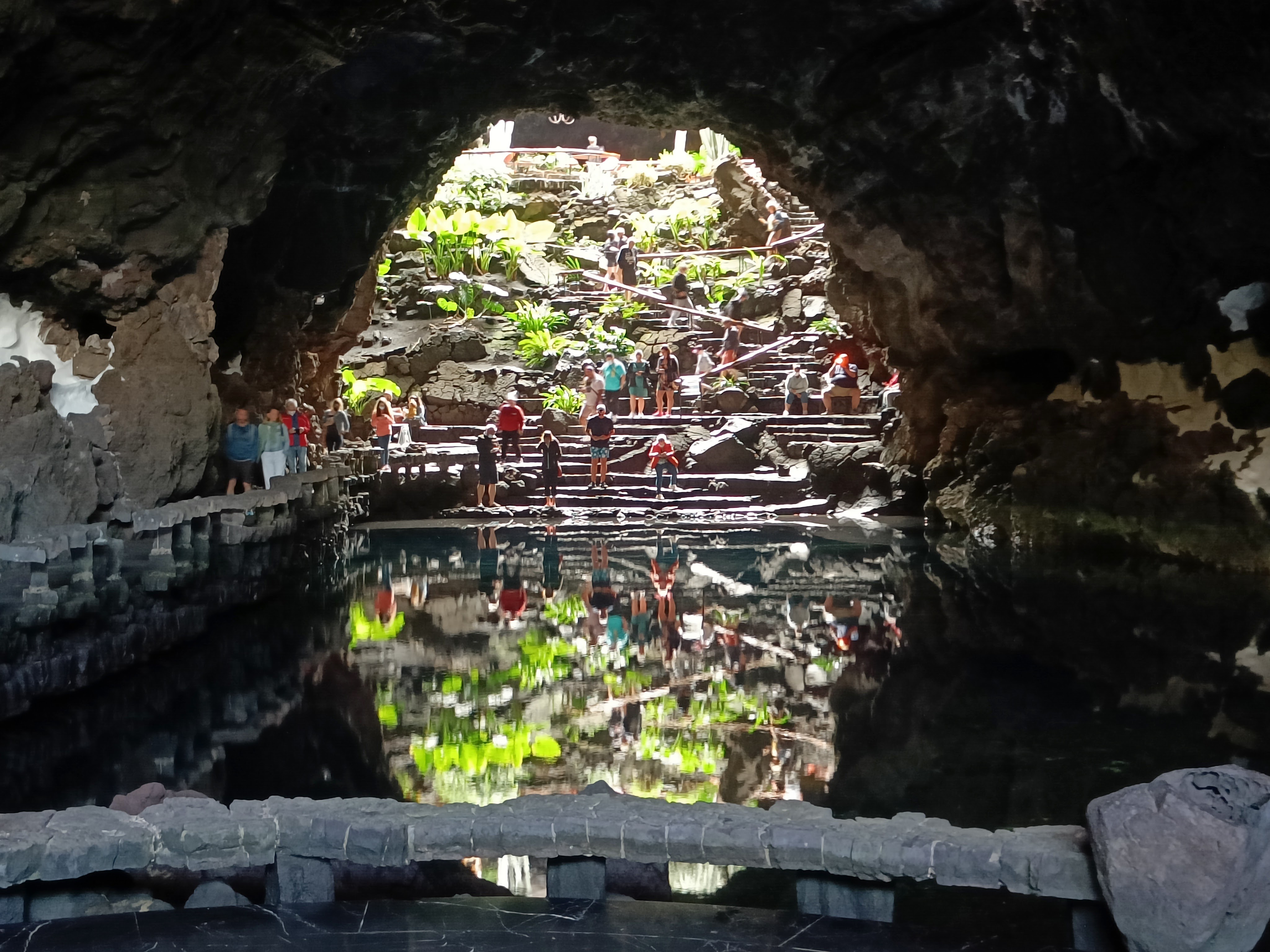
Cesar Manrique was an internationally renowned artist and architect with a deep love for his native Lanzarote. He died in a car accident thirty years ago but his influence shaped the island to this day. His creations are everywhere; wind chimes on roundabouts, stunning sculptures using volcanic rocks and his artwork is on display all over. Many public buildings were transformed by him using glass and lava stone designs with curving walls and oval windows that always draw the eye to the landscape outside. He designed a cactus garden, built a concert hall in a lava tube and an underground nightclub. The man was a genius! He had incredible influence on the regional council and was responsible for some pretty autocratic, aesthetic laws. These dictated that buildings in Lanzarote must be low-rise, could only be painted white and windows/doors could only be painted green with an occasional blue or brown by the coast. Billboards and roadside advertising were banned, electricity cables had to be buried underground and major tourist development was confined to three areas, Puerta del Carmen, Playa Blanca and Costa Teguise. But the result is charming where the blinding whiteness of the buildings contrasts with the volcanic hues of the landscape.
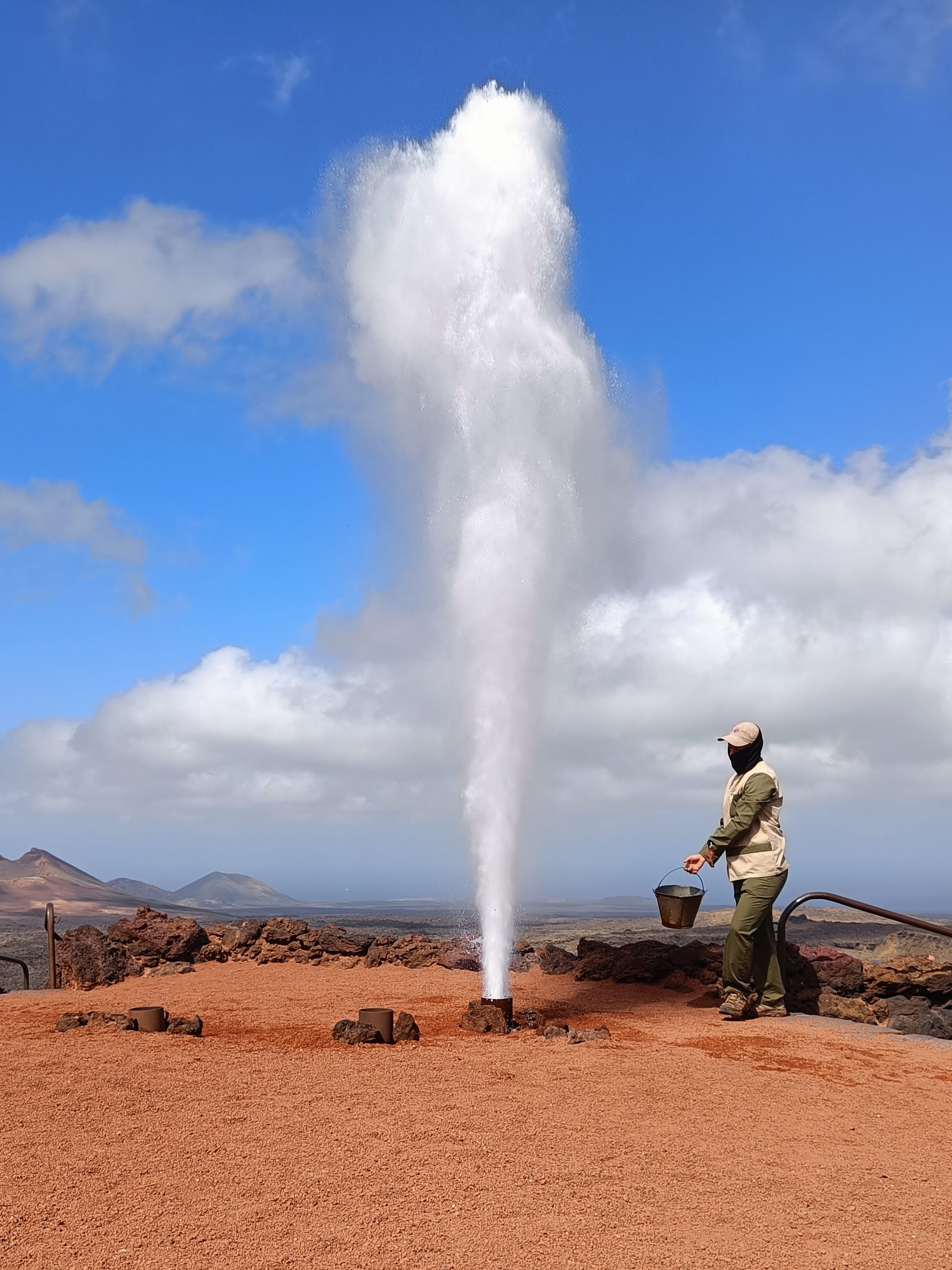
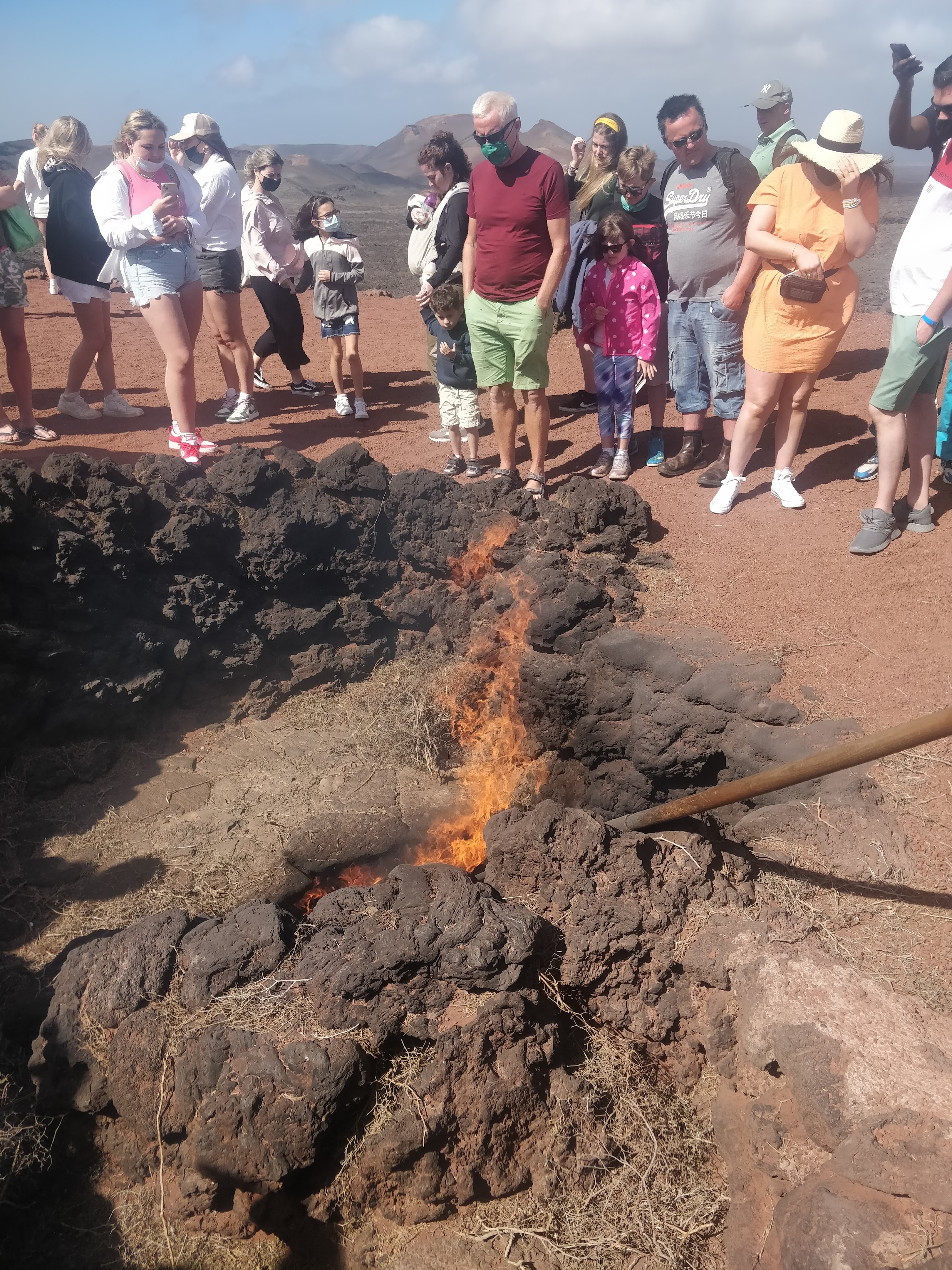
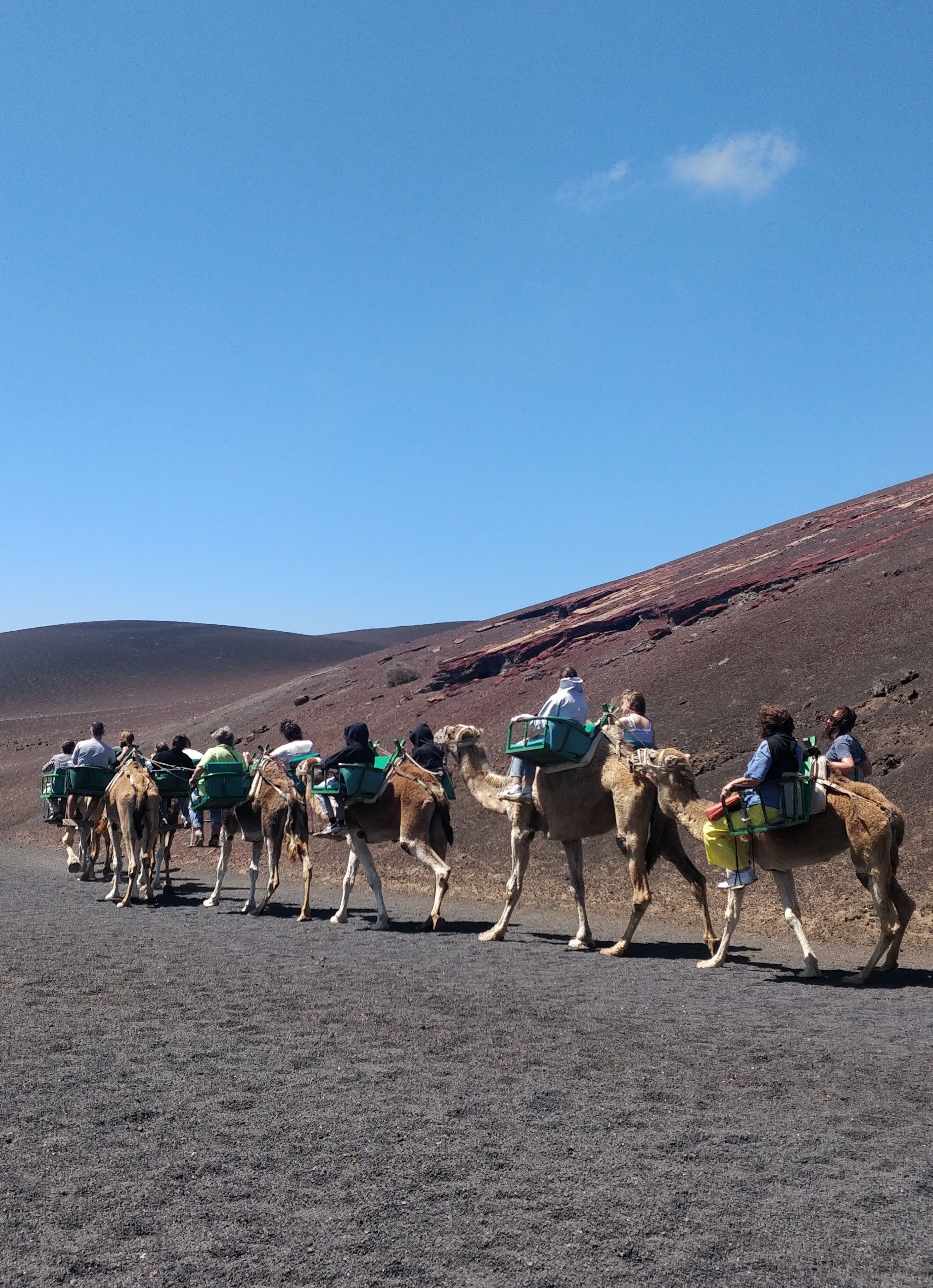
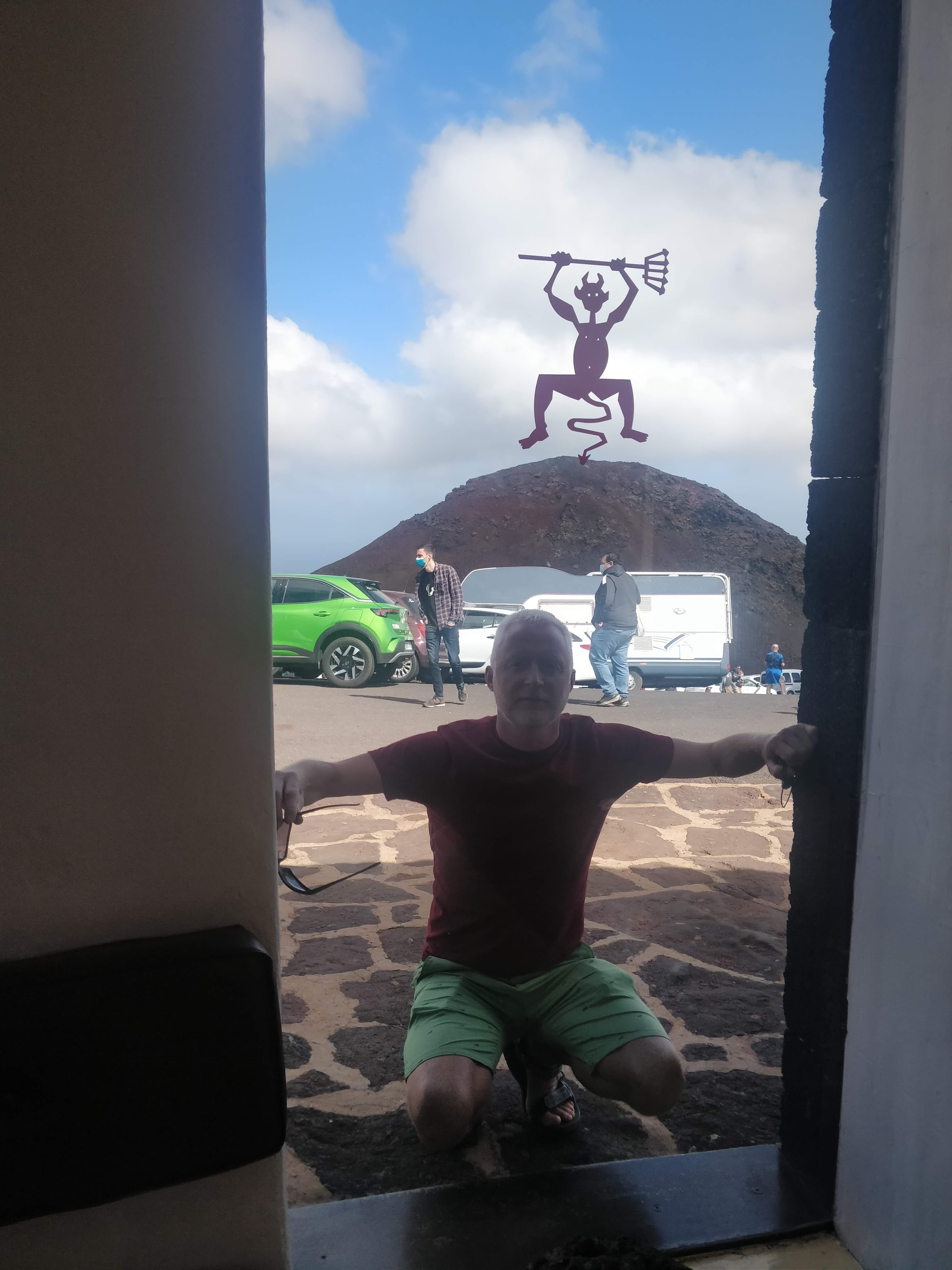
All the Canary Islands are volcanic but Lanzarote is called the Isla del Fuego, the Island of Fire and for good reason. Between 1730 and 1736, the Montanas del Fuego belched out molten lava, rocks and smoke turning day into a continuous night, burying entire villages and sending the population fleeing to the coast and to other islands. The region is now the Timanfaya National Park, symbolised by a dancing devil figure – designed by Cesar Manrique. The lava fields are one of the ‘must-see’ sights so we booked a bus tour for a half-day trip to Timanfaya National Park. We weren’t alone. It was Easter weekend and three cruise ships were docked in Lanzarote and it felt that every visitor on the island was headed in the same direction. Queues of buses and cars snaked along trying to get into the National Park where parking was limited. Thankfully buses got priority so after about a 30-minute wait, we were waved in and the tourism conveyor belt swung into action. We were shepherded in groups – no dawdling- to watch three ‘experiments’ that demonstrated the intense heat that lurked just below the surface. A woman dug up some small stones and placed them in our outstretched hands and they were almost too hot to hold, we watched a bundle of dried grass spontaneously ignite and when a man poured a bucket of water into a hole, it boiled instantly and the pressure sent it skywards with a loud bang accompanied by screams (including mine) from the crowd. The heat meant that the restaurant designed by Cesar Manrique can serve chicken, cooked using natural volcanic heat by placing a grill tray over a hole. Now could this be used to solve the energy crisis?🤔 So there’s still fire in Montanas del Fuego and a strange eerie beauty with hues of red and gold, brown and grey in a Martian landscape. Then like a mirage, camels appeared lumbering along sandy paths. The camels carry tourists now but were important farm animals in the past before tourism became a well-oiled profitable juggernaut.
But there was discontent in paradise, One morning, we were woken before 7am to the sound of sirens, loud hailers and blaring horns outside our complex. It was a march by the workers in the hotels and holiday complexes who were protesting about their low wages and abysmal working conditions where they get no paid breaks in a twelve hour shifts. There’s a whole army of people working long hours cooking, cleaning, gardening and serving us in bars and restaurants, making sure that we are taken care off and that we have an enjoyable holiday. It seems only fair that they too should be treated properly.
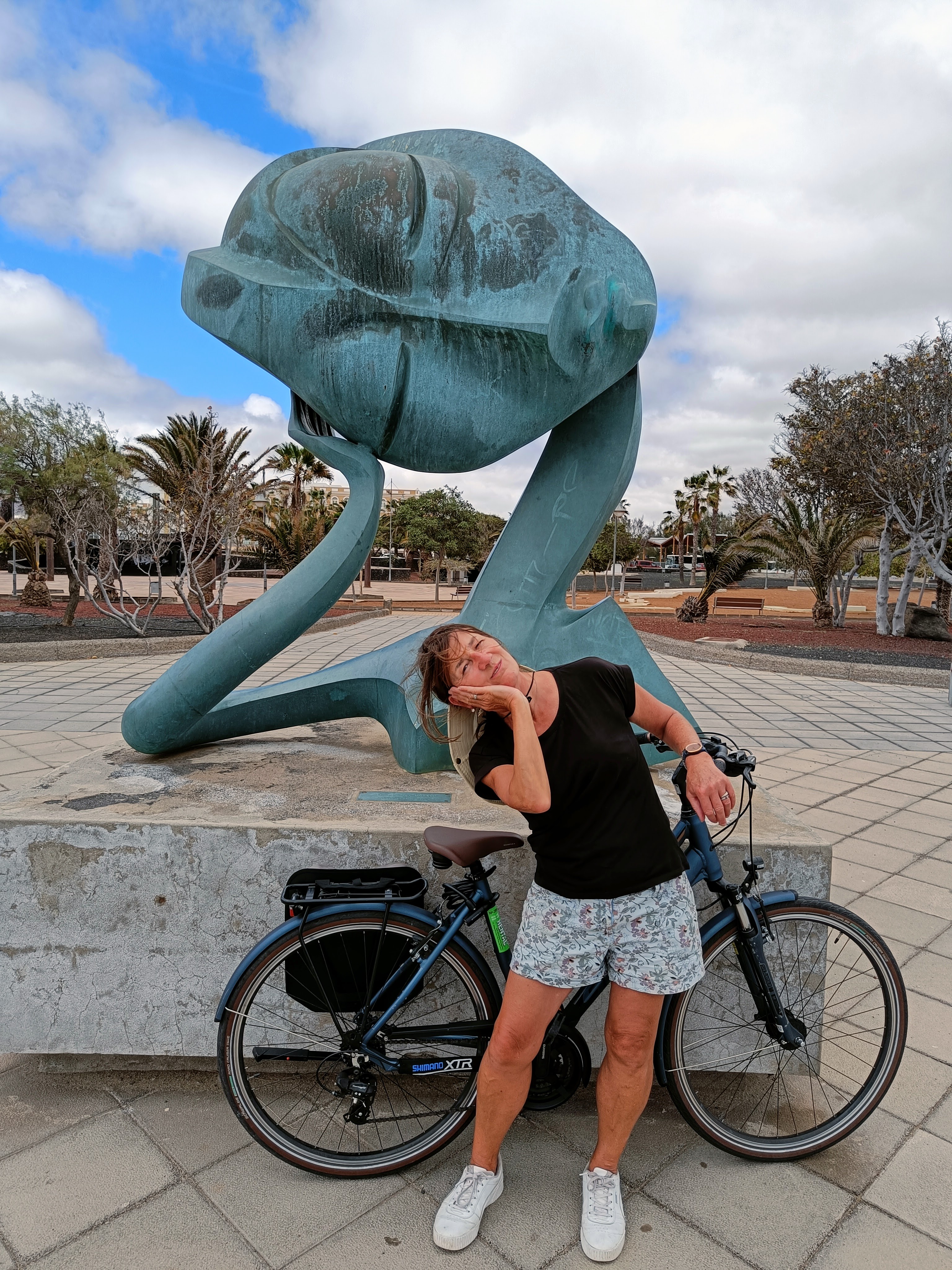
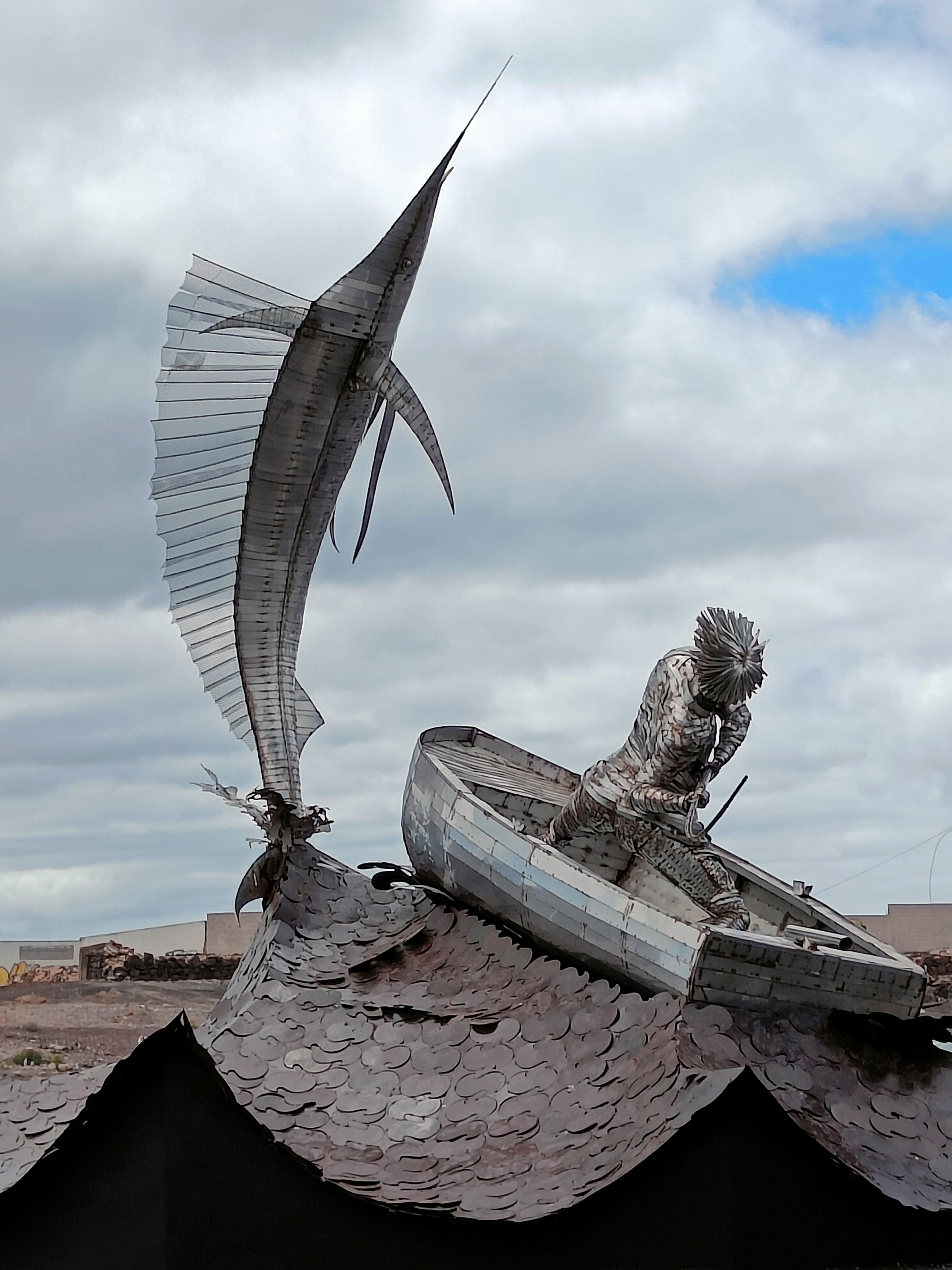
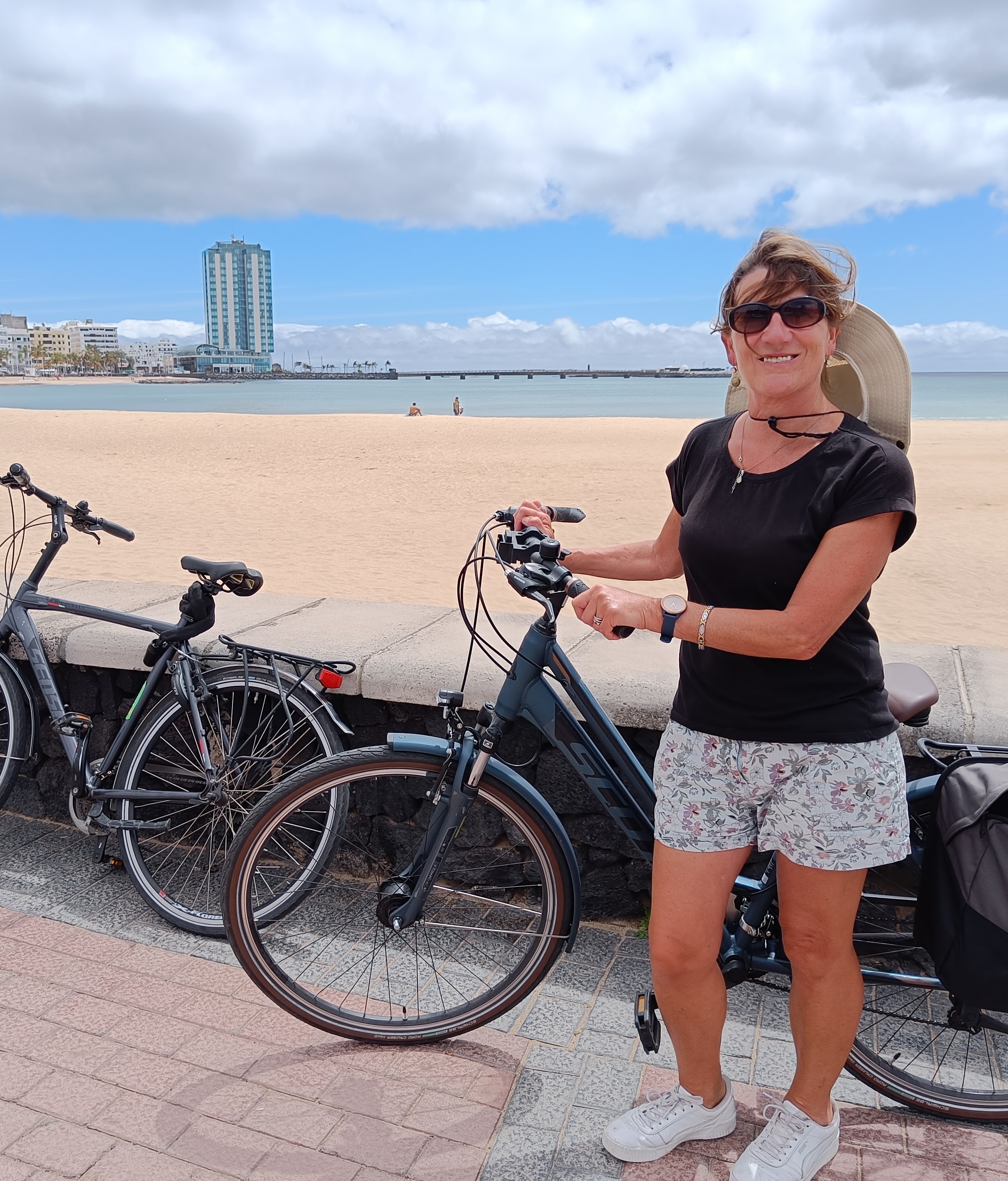
Arrecife, the capital of the island is a pleasant town on the coast with a harbour, marina and beaches. It boasts the only high-rise on the island which was already there before the building regulations came into existence. Cesar Manrique said it should be allowed to stay to show people the ugliness and folly of high rise 😀There’s a glorious sculpture of a fisherman fishing a marlin , in homage to Hemenway’s Old Man and the Sea (one of my favourite books). The old man in the novel is believed to based on Gregorio Fuentes who was born in Arrecife but left when he was six with his father in search of a better life in Cuba. His father died on the way to Cuba and the unfortunate child had to rely on charity when he arrived. But he lived until he was 104.
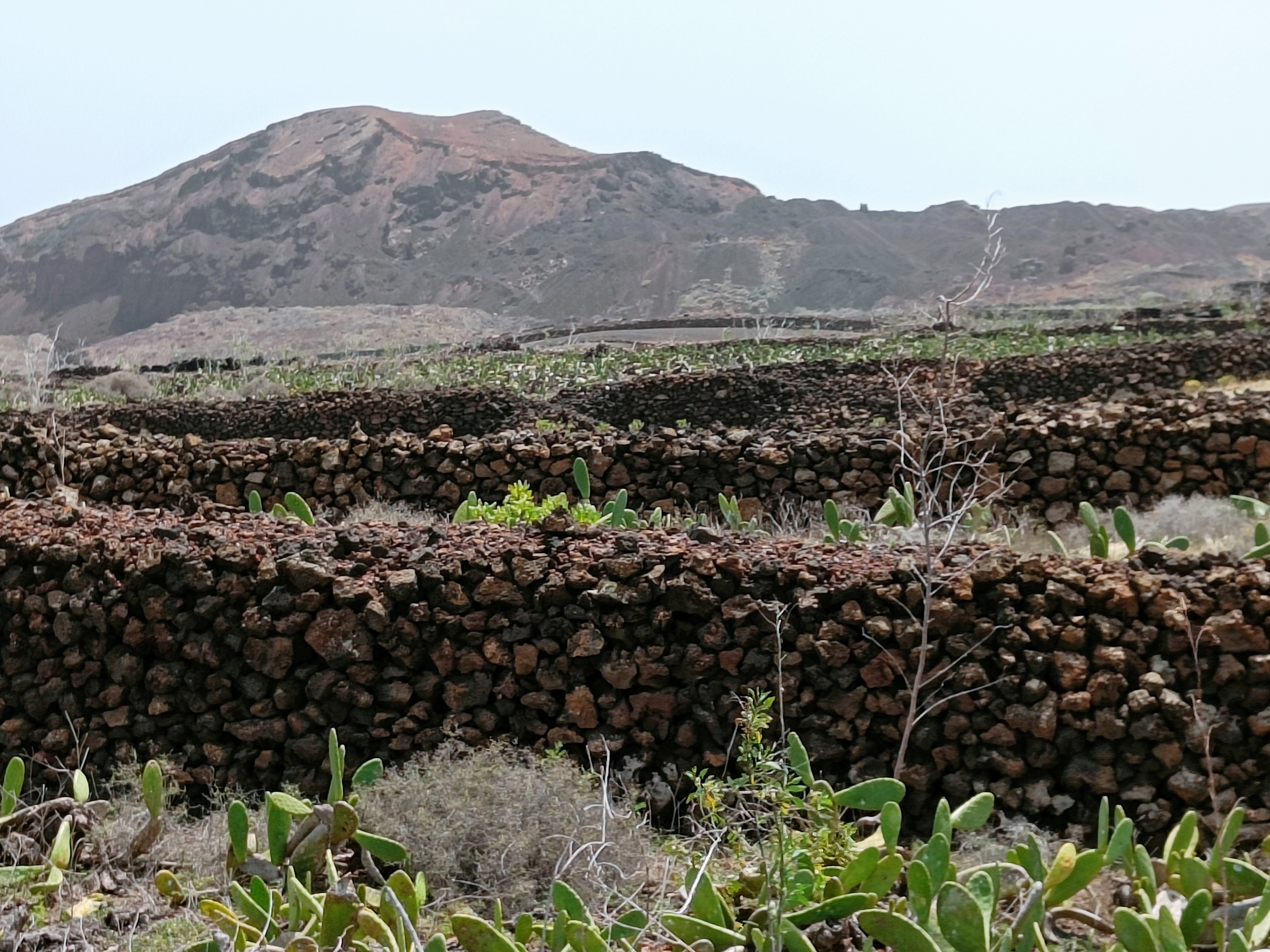
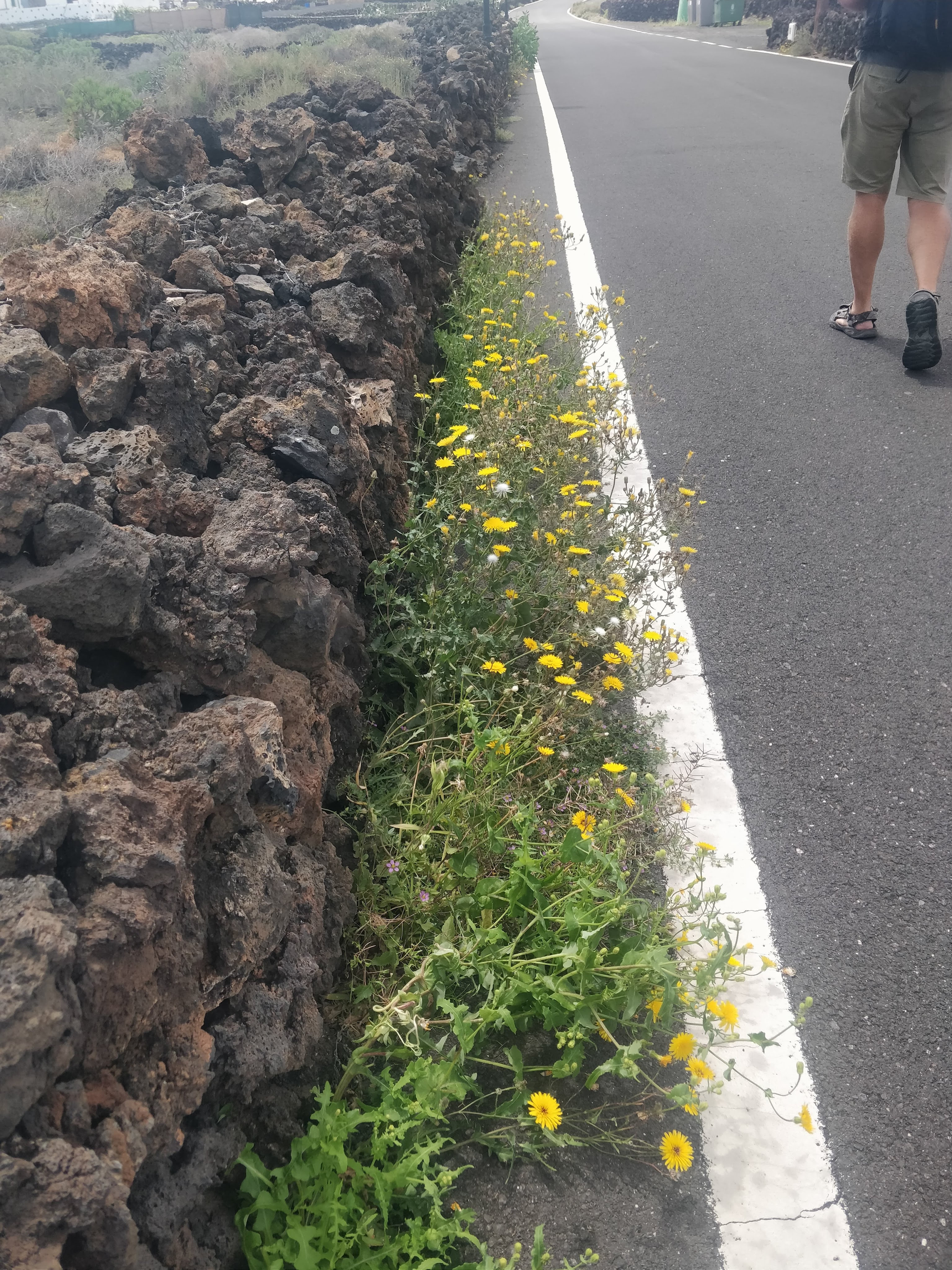
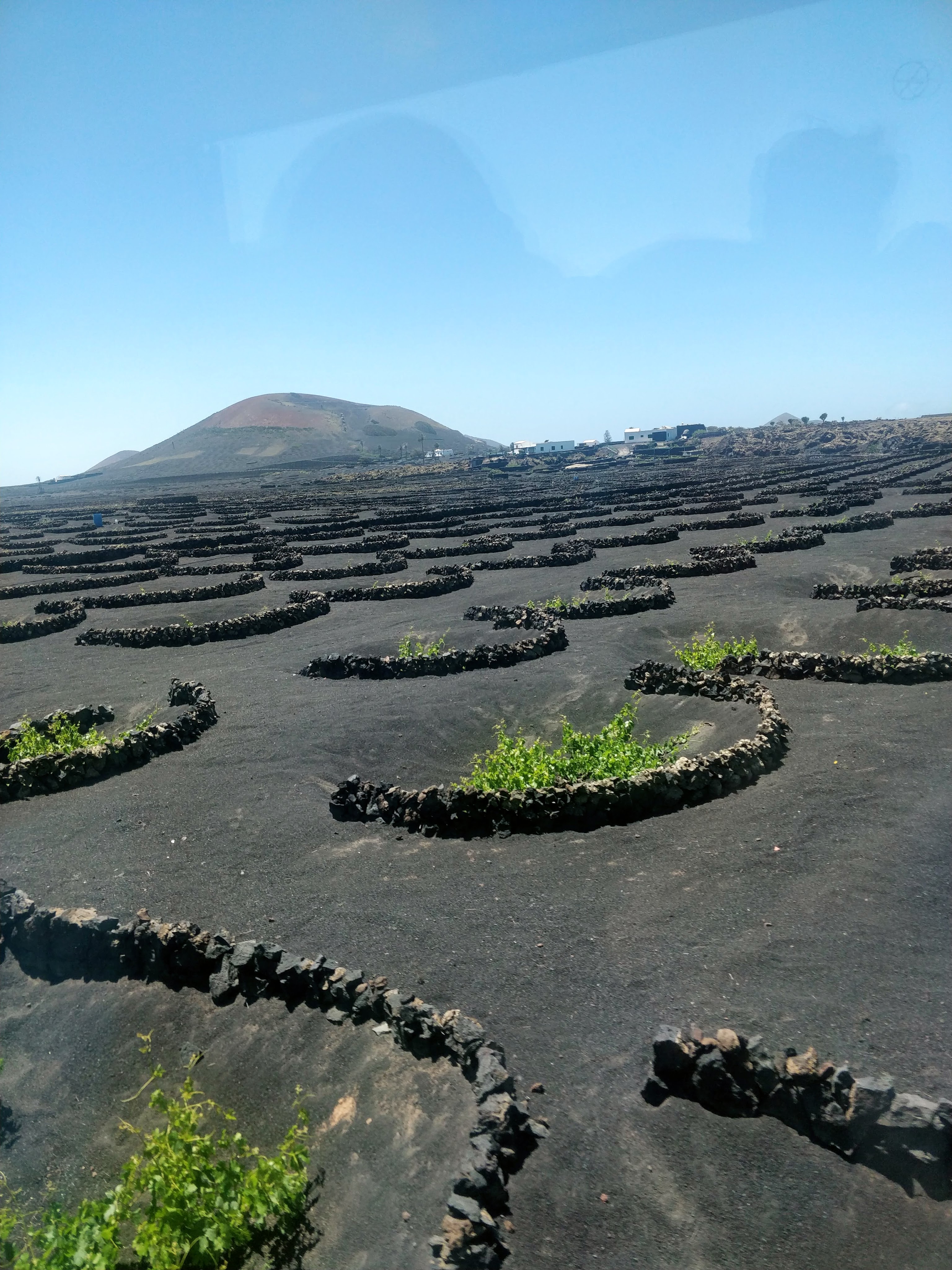
We would have called Lanzarote barren if we hadn’t just come from Fuerteventura – there was far more cultivation in Lanzarote by comparison mainly Aloe Vera, cacti and of course potatoes for the wrinkled potatoes and sauces served everywhere (papas arrugadas). There are vineyards around Timanfaya where the vines are grown in small holes protected by stone lava walls from the wind…..obviously small scale productions but some very good Malvasia whites. But the north of the island has more vegetation than the south -we even saw wildflowers growing at the side of the road, a lovely splash of colour.
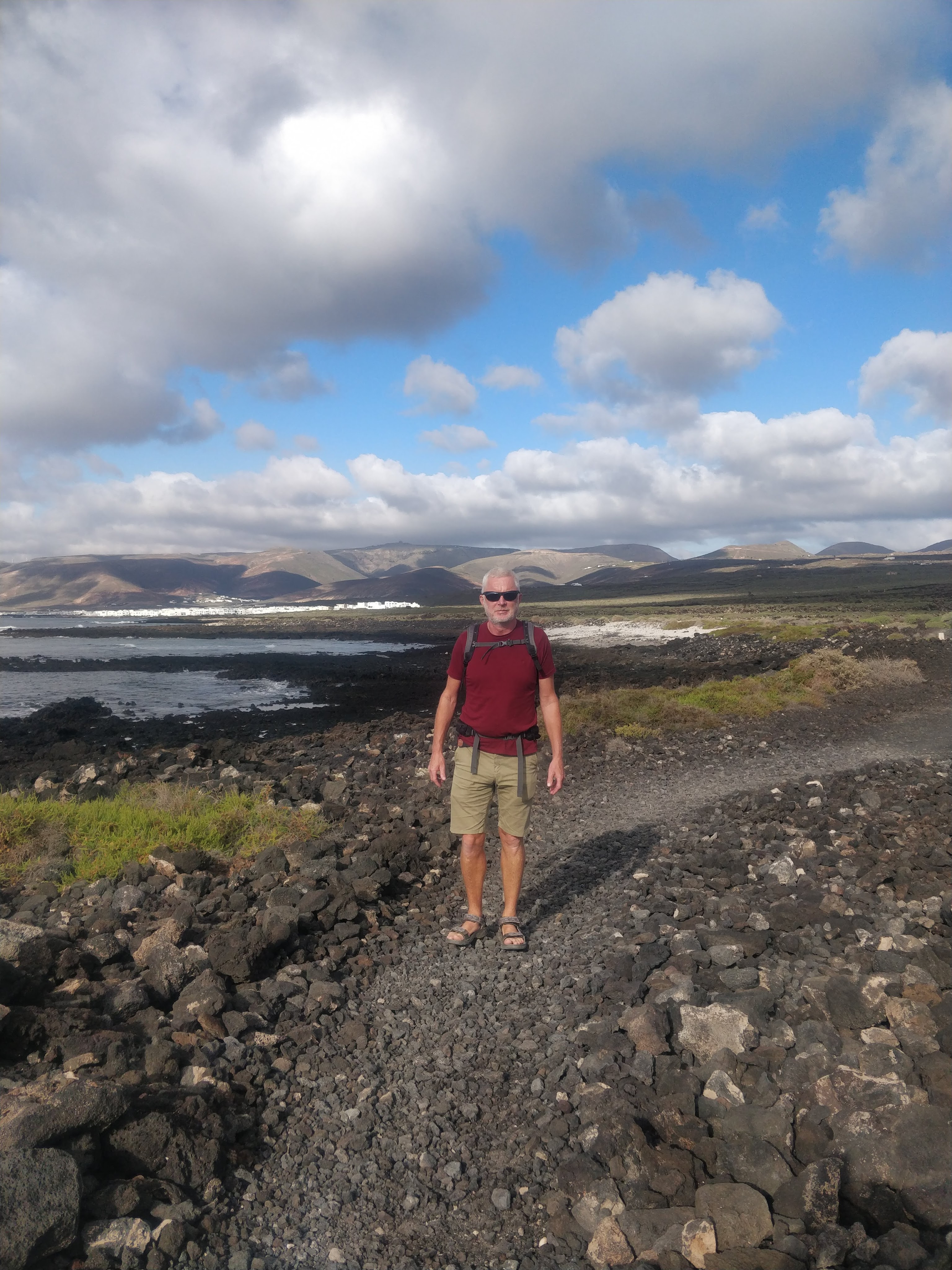
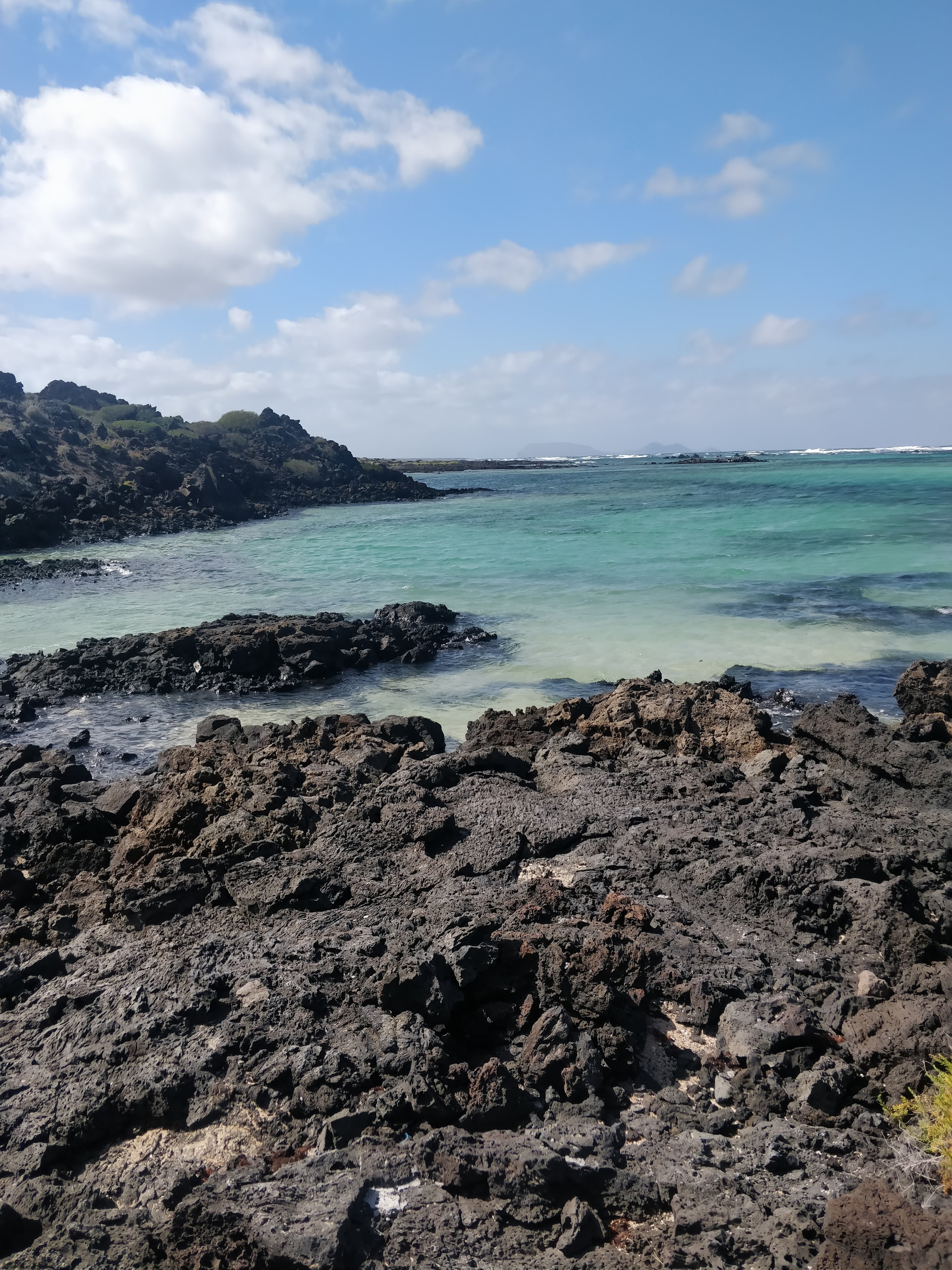
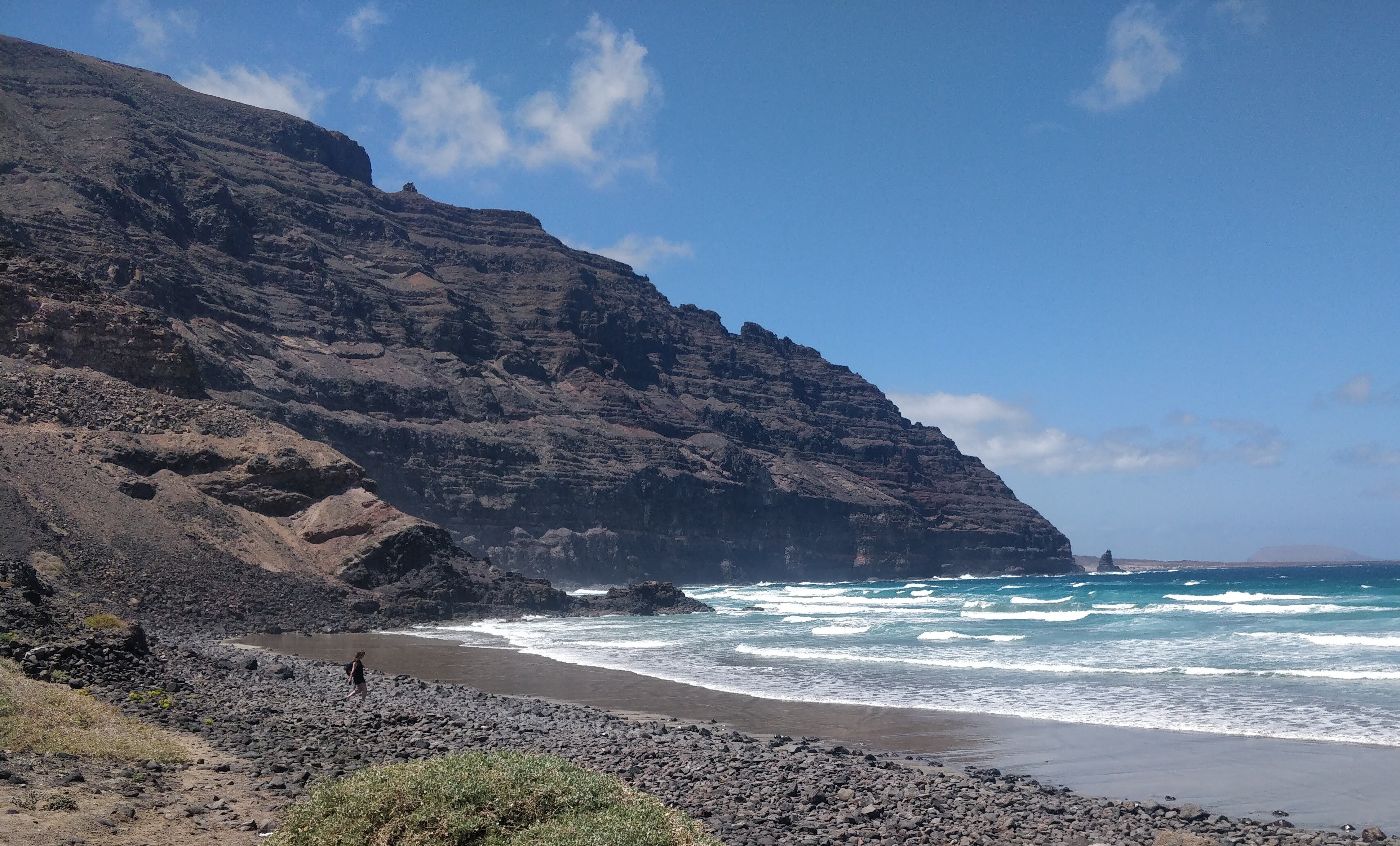
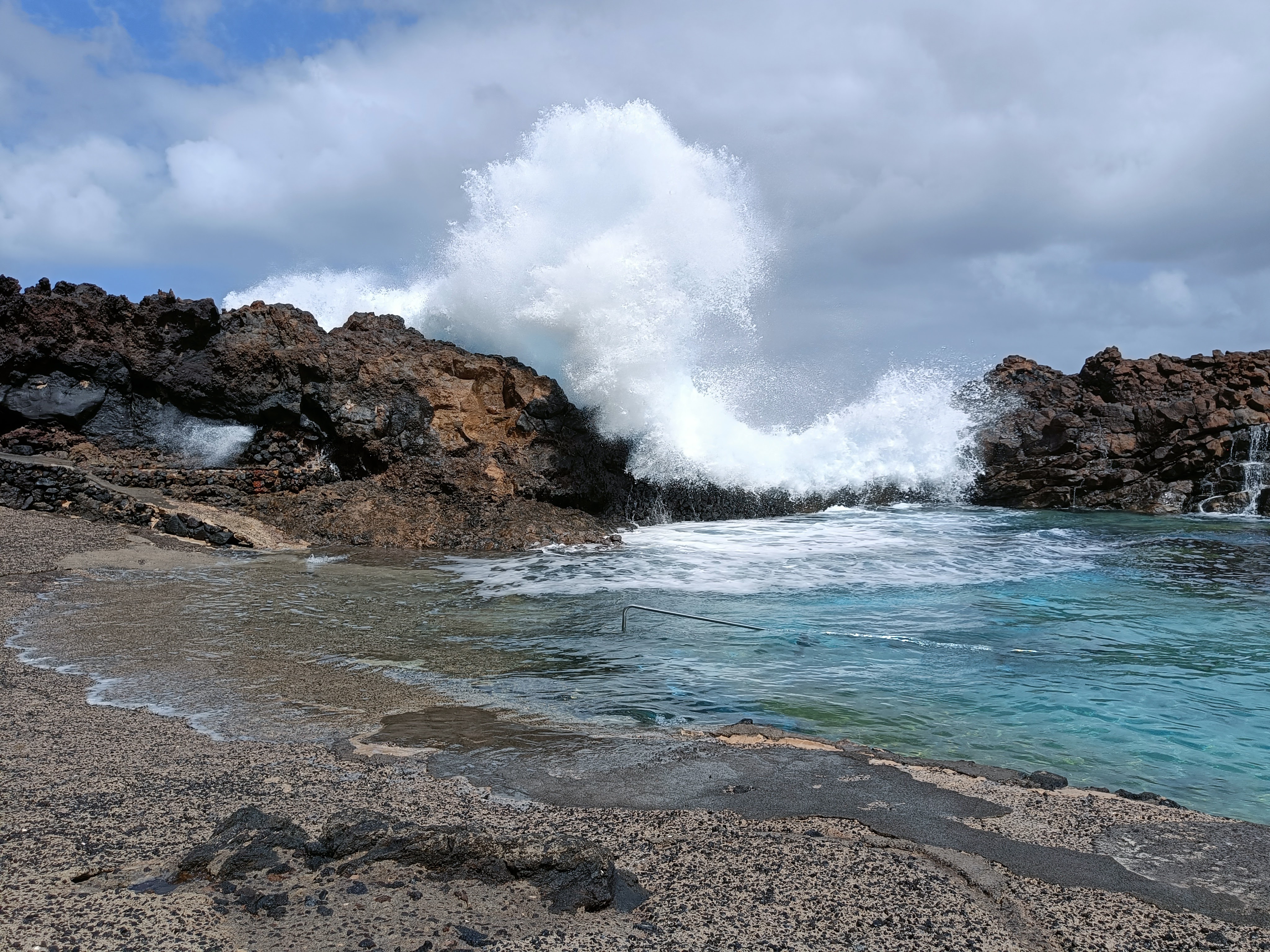
The main resort areas are busy with lots of restaurants and nightlife but it is possible to get away from the crowds. There are also quiet fishing villages, such as Arrieta, Punta Mujeres and Orzola where ‘real life’ goes on. Playa Honda is a lovely place near the airport with just a few beachfront cafes. We headed north and spent a few nights in Mala, a little village without even a grocery shop – but with a tapas bar and a restaurant – which was surrounded by fields of prickly pears and dry stone walls. These plants were used to raise the cochineal insect which made the carmine, the dye used in food, cloth, cosmetics and a drinks such as Campari. Carmine is now mostly synthetically produced – easier that the back breaking work of harvesting cochineal insects. On the north and west of the island, the beaches attract surfers and swimming is mainly confined to rocky pools. We visited Charco de Palo, a calm turquoise saltwater pool – usually -but when we were there, there were strong winds and high tides and enormous waves crashing in. Most of the villages are connected by coastal paths which make for some easy hiking.
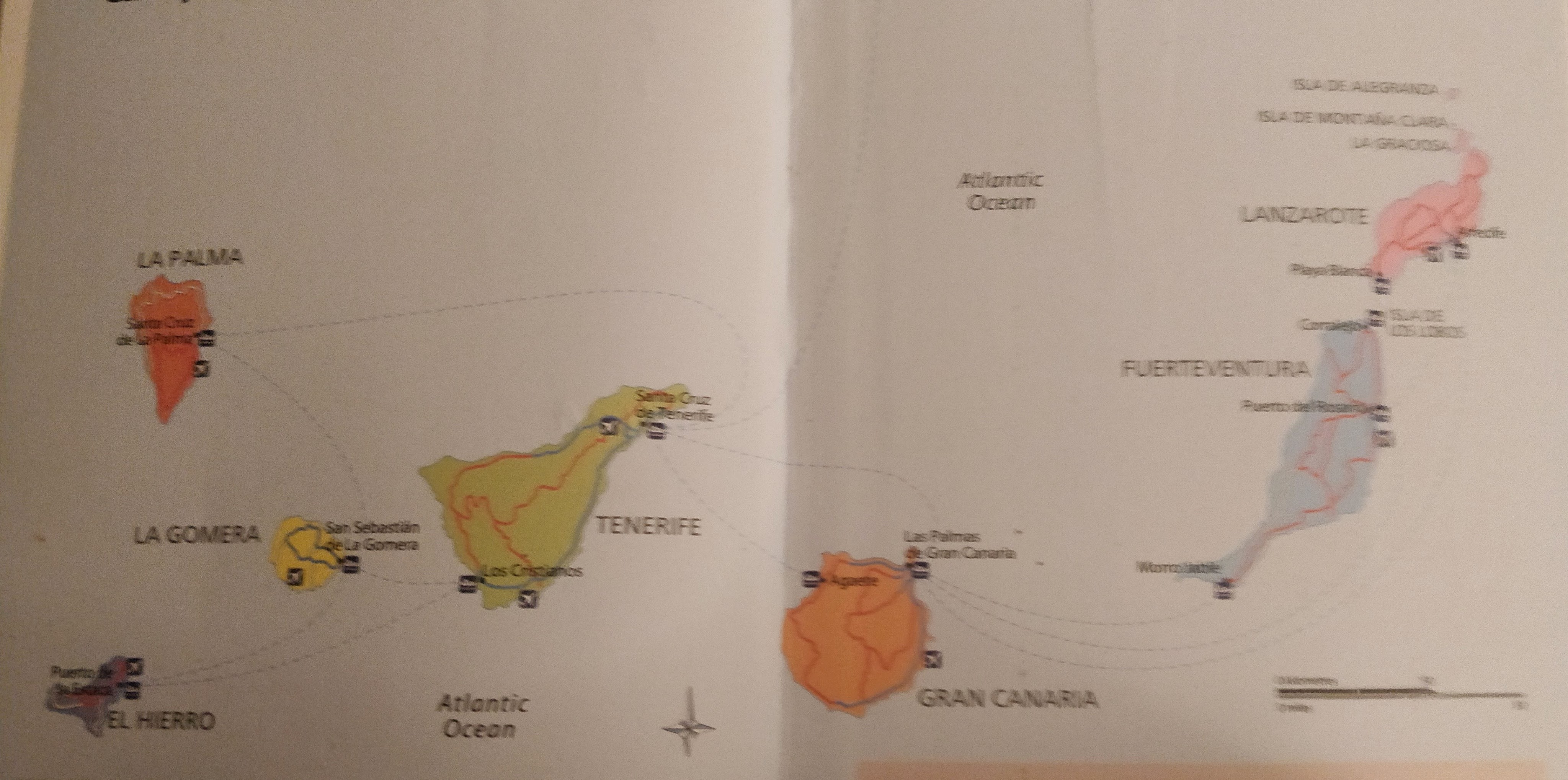
The Canaries have been a revelation to us. We hadn’t visited any of them previously apart from a short visit to Tenerife six years ago. They weren’t our first choice of places to explore but Covid was still causing problems for more exotic destinations. Each of the islands has its own character but Lanzarote is special with its Martian landscape, low buildings and that combination of art and nature, thanks to the enduring legacy of one man, Cesar Manrique. Although I called this post Our Last Leg, we discovered that there is one more island, La Graciosa which became the eighth island in the archipelago in 2018 – before that it had the status of islet. It has no paved roads and its name translates as Graceful. We are getting the ferry there tomorrow for a few days. So I’ll keep you updated next time and give a rundown on the highs and lows of each island.
Thanks for reading😎
–
 marienoonanblog
Sounds thoroughly wonderful Marie, really enjoying your blogs 🙂
LikeLiked by 1 person
Love the Old Man and the Sea sculpture and it’s one of my favourite books too! You’ve brought the whole trip to life again for us and taken us with you. Thanks. Looking forward to an in person catch up! Ciaraxx
LikeLiked by 1 person
It looks and sounds lovely!
LikeLike