Leaving Ireland on February 2 2022, we had no fixed plans except a vague notion of island hopping around the Canaries for a few months. The Canaries were very much a second, compromise choice for us. We didn’t know anything about these islands except that they were popular holiday destinations with families during the summer and extremely popular with (mainly) old people during the winter who flee the cold winters of Northern Europe like migratory birds. They didn’t sound that exciting to be honest but Covid was still slamming shut borders in more exotic destinations. We returned home three months later on May 2, having visited all eight inhabited islands (we couldn’t even have named all the islands when we left home😊). What did we think? Read on for a brief description and a highlight from each island. Although all the islands are rugged and volcanic, they are actually very different.
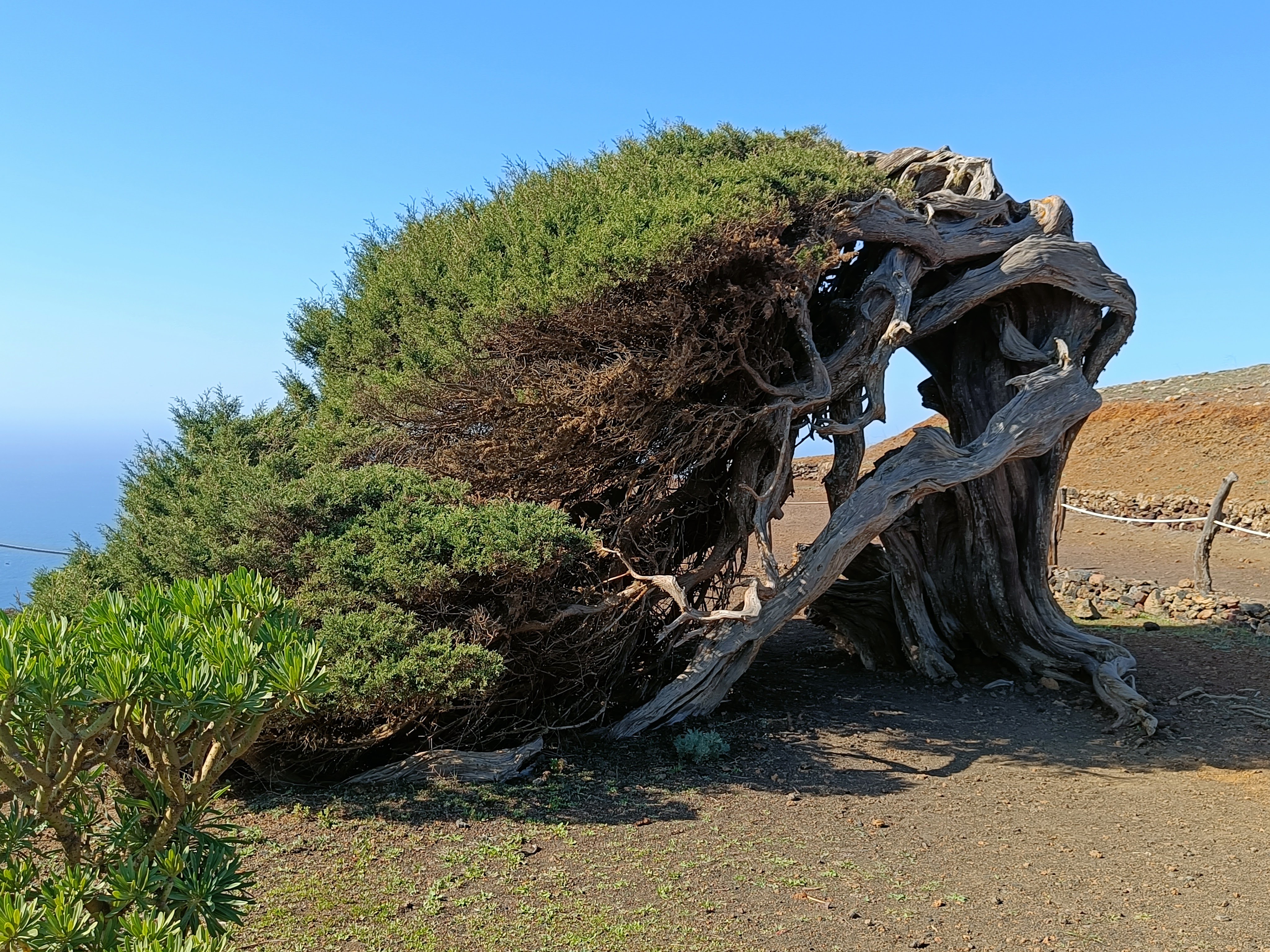
El Hierro, the island at the end of the earth whose symbol is a gnarled and twisted juniper tree in the south western part of the island. Bend, don’t break
This is the island with all the superlatives – wildest, remotest, smallest (or at least it was the smallest until La Graciosa was added as the eighth island in 2018). It was once considered the end of the known world and it still retains some of that ‘last frontier’ feel. If you don’t like crowds but like nature and magnificent scenery and want variety packed into a small space, this is the island for one. You could be shivering in Valverde, the capital, (probably the chilliest, foggiest place that we visited in all the islands) in the morning and sunbathing on the coast in La Restinga or Tamaduste within an hour. There are no sandy beaches on El Hierro but don’t let that put you off, there are lots of gorgeous salt water rock pools and a dramatic coastline. Its been a UNESCO Biosphere Reserve since 2000 and it has big plans for energy sustainability. We loved its romantic wildness, the friendliness of the people and its fascinating trees.
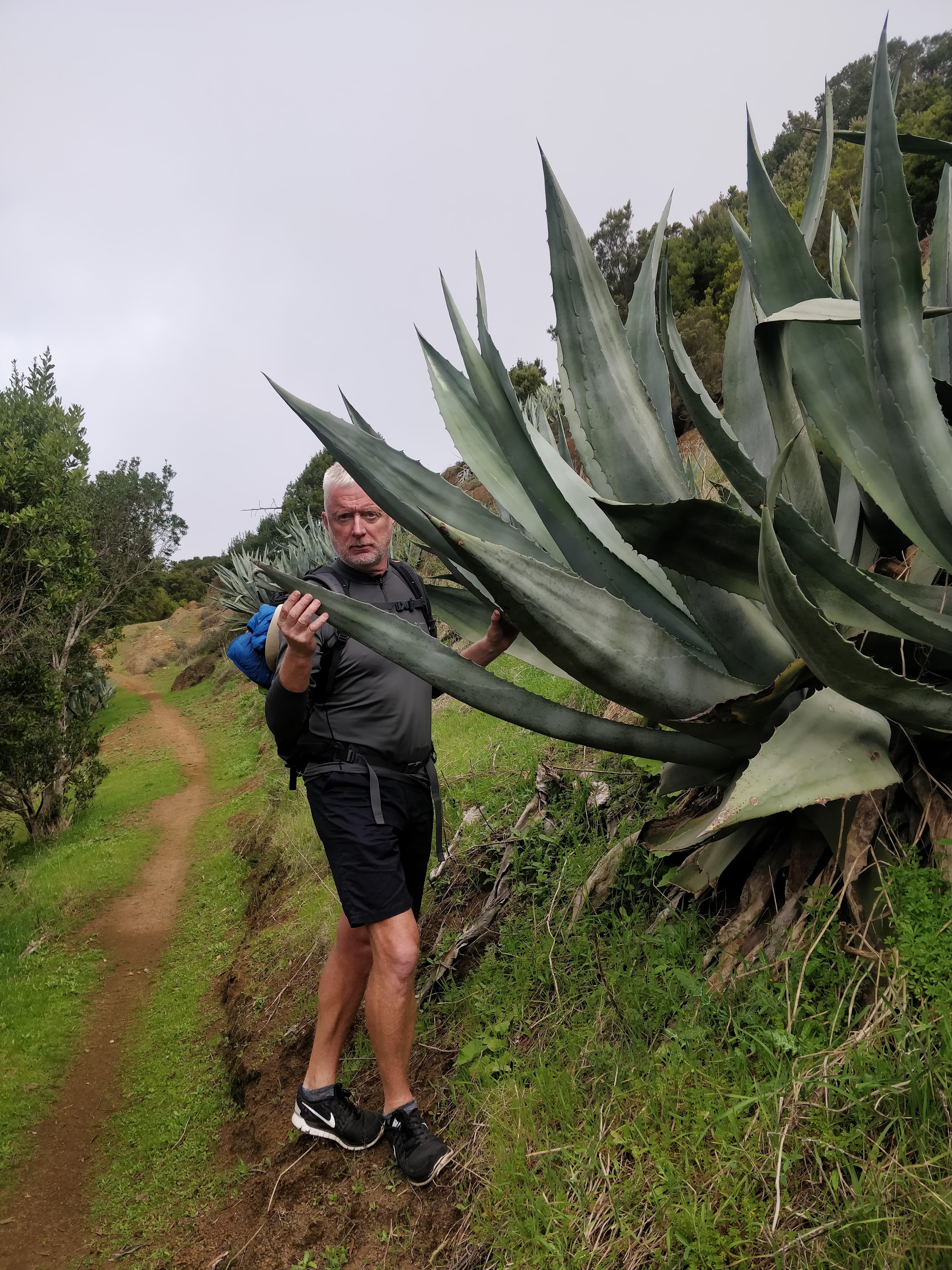
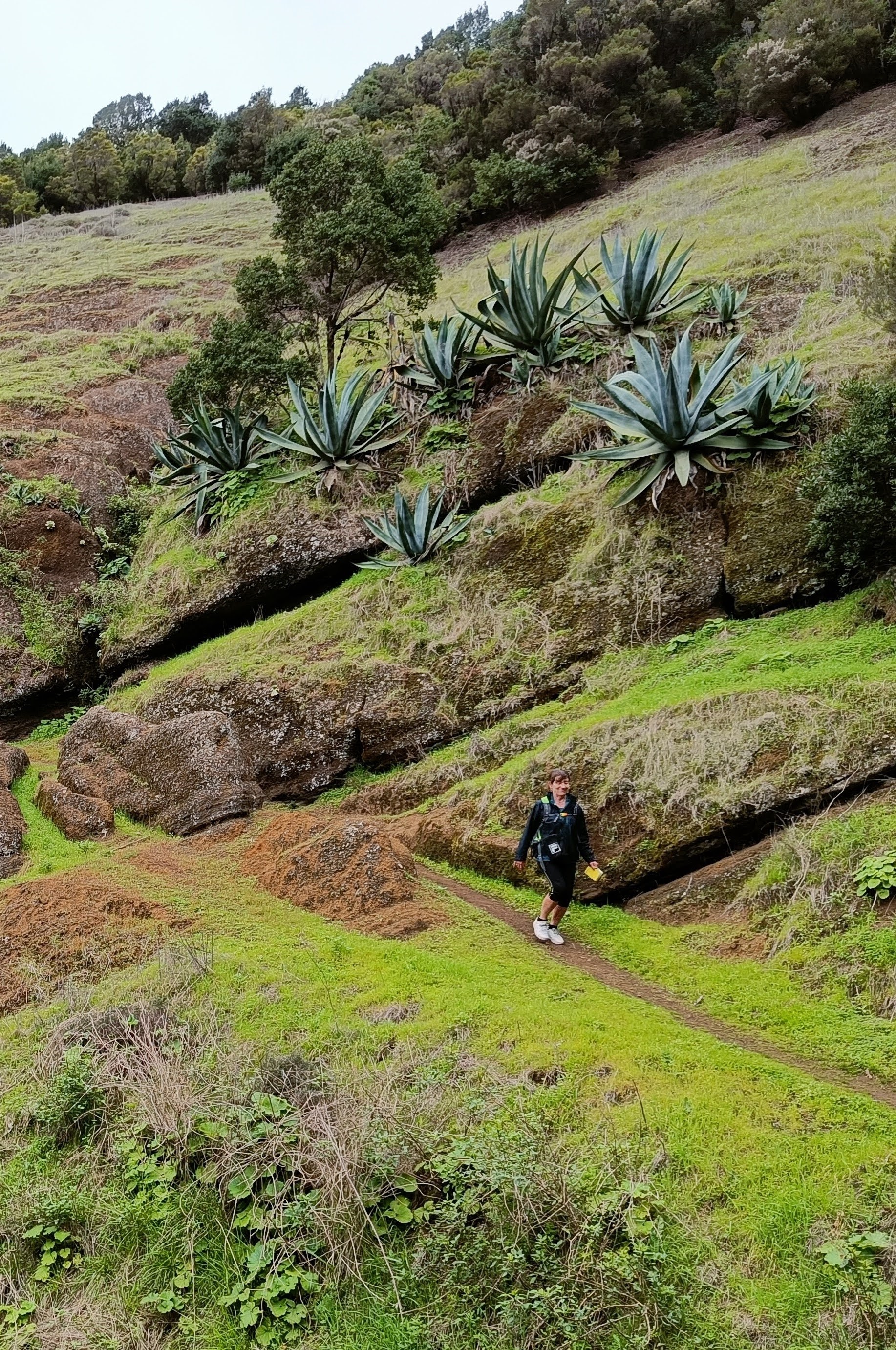
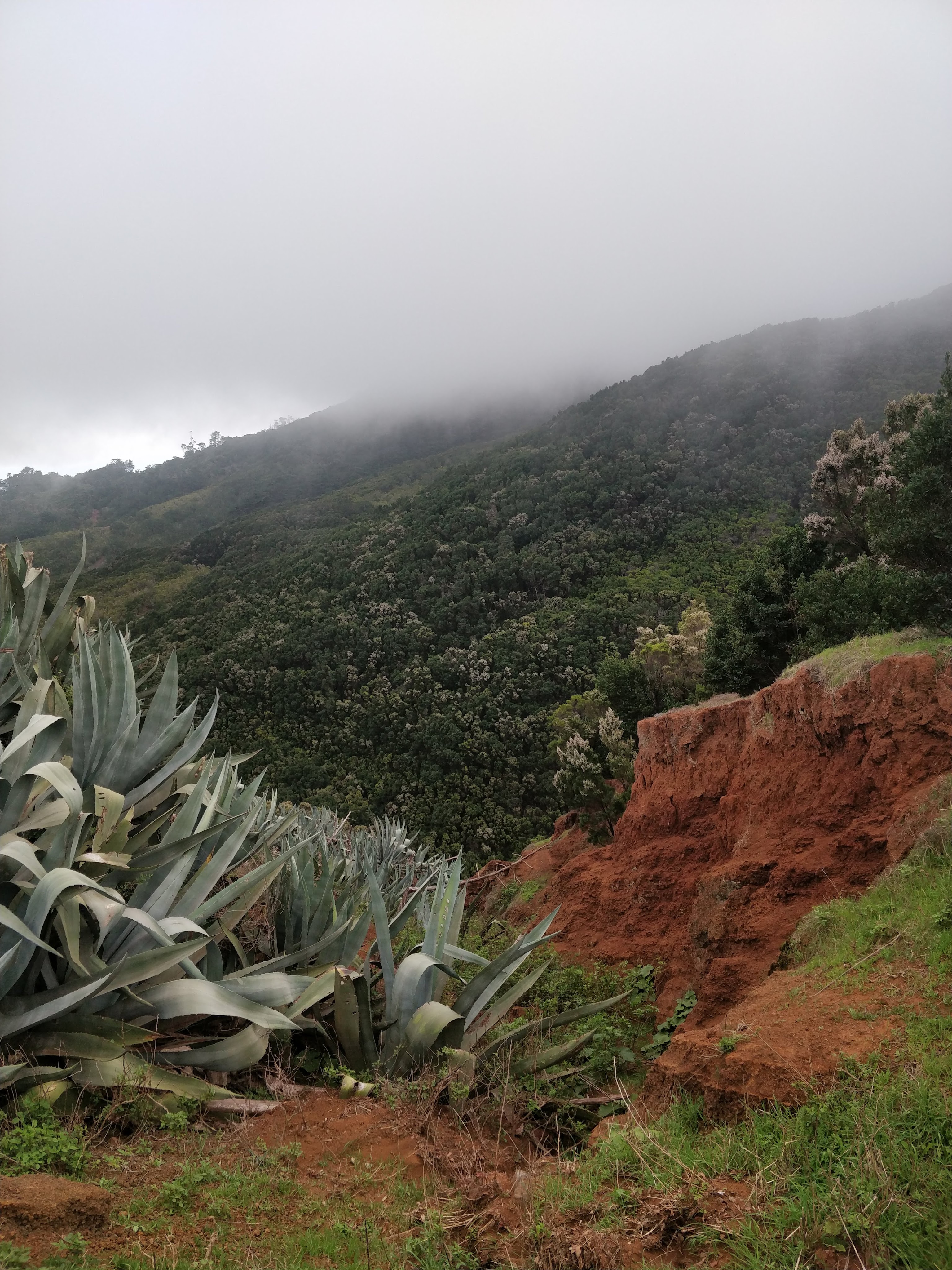
Highlight : Ruta del Agua. This 14 km hike around Saint Andres, the highest village on the island at 1100m, was stunning with moss wrapped trees, fragrant pines, giant Aloe Vera plants, fascinating history and a sacred tree.
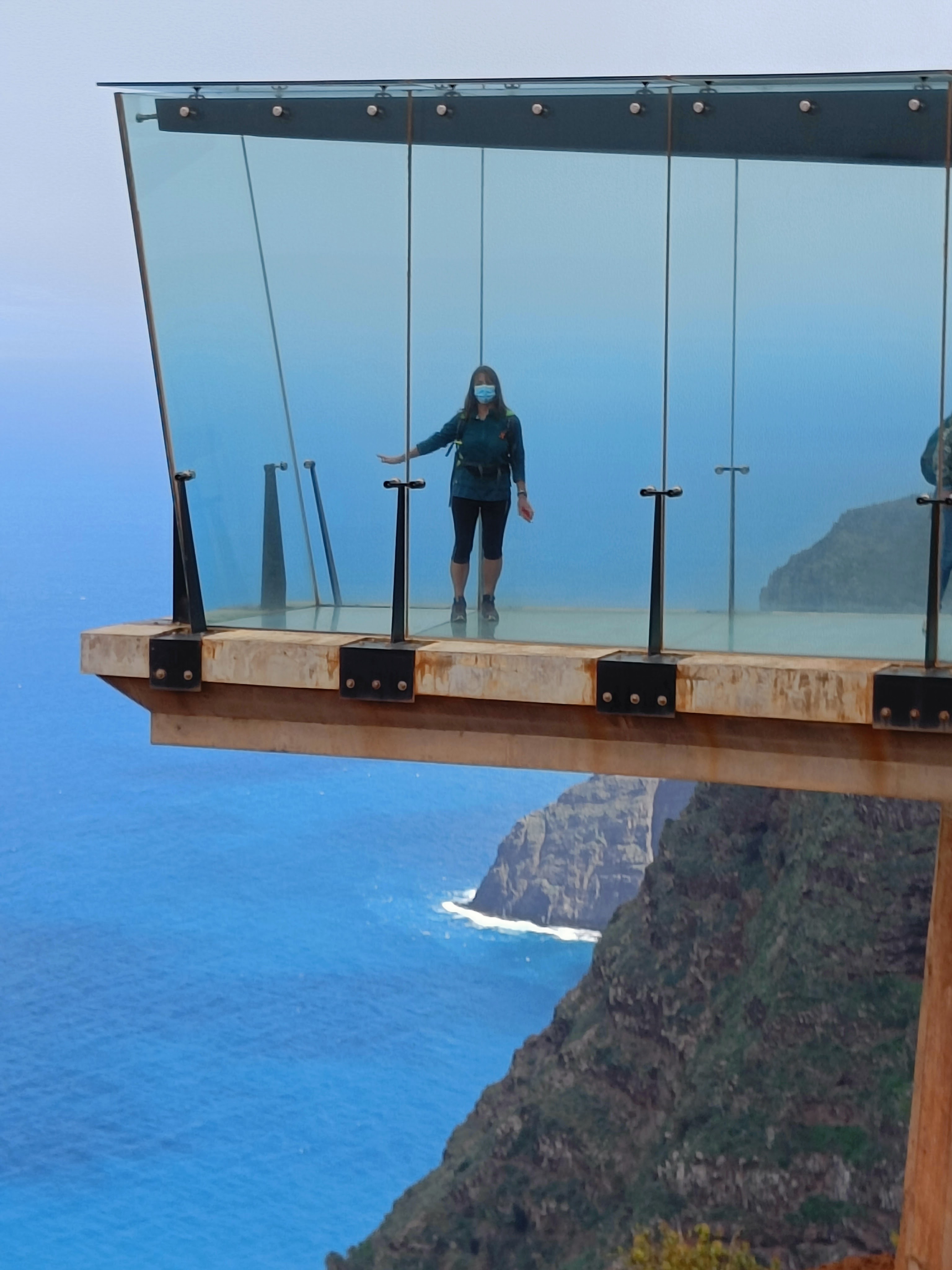
La Gomera, the Hikers Paradise hiking
La Gomera is a round mountainous island with rocky summits, deep ravines and ancient forests. This stunning island is all about the hiking and there are trails to suit everyone from 30 minutes trails to all-day hikes. At its centre is the beautiful Parque Nacional de Garajonay with its cloud forest of laurel and juniper and a myriad of well marked trails. The Valley of the Great Kings – Valle Gran Rey – on the western side of the island is a long stunning valley with some sandy beaches. La Gomera is full of miradors, viewing points to admire the stunning landscapes, places to take a breather. This island is very popular with Germans, sometimes we felt that we could almost have been in Germany. There are numerous daily ferries from Tenerife so its a popular island for day trips from Los Cristianos in Tenerife to San Sebastian in La Gomera as the journey is only about an hour.
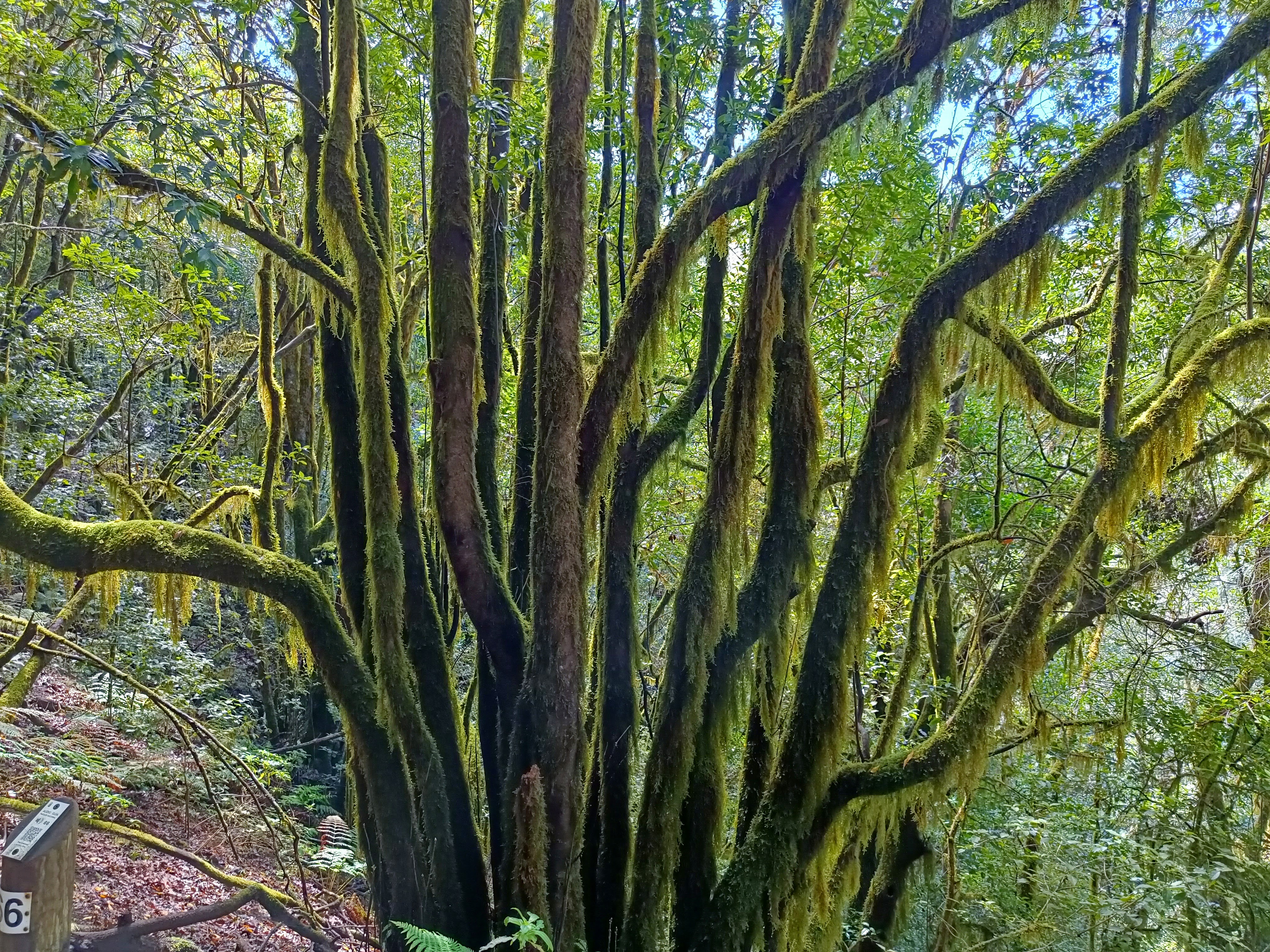
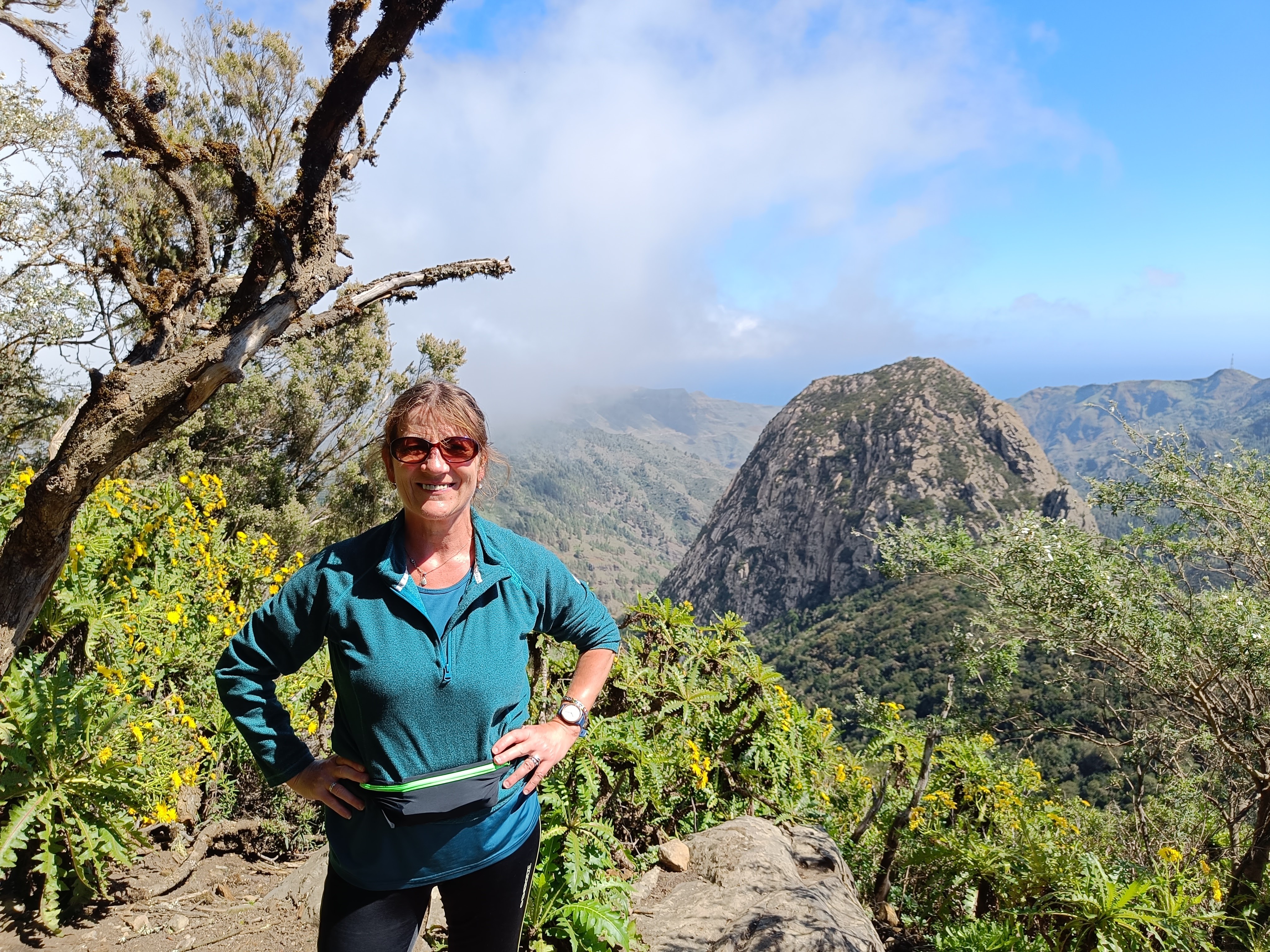
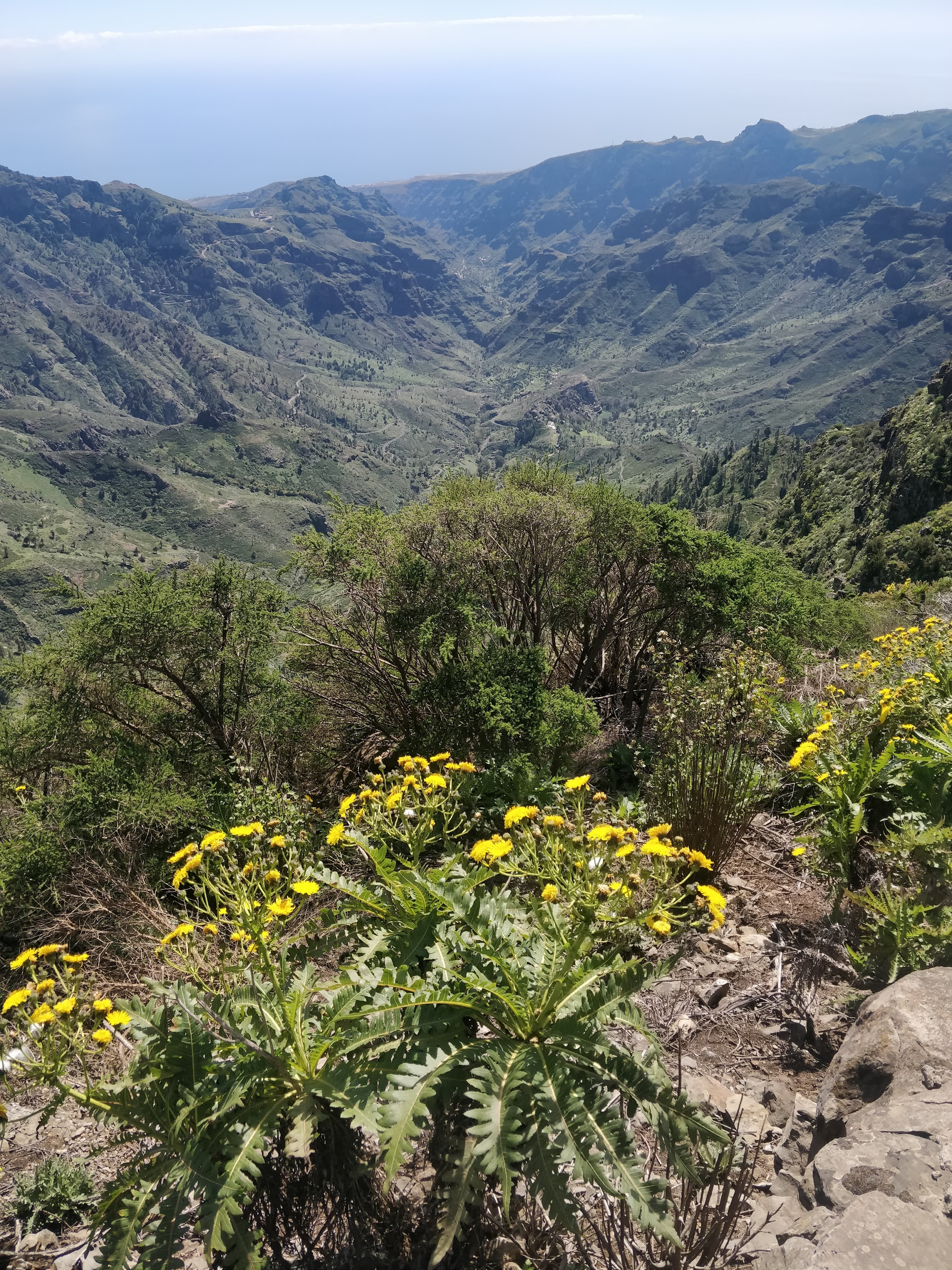
Highlight La Gomera: Hiking in the Parque Nacional de Garajonay in the ancient laurel forest.
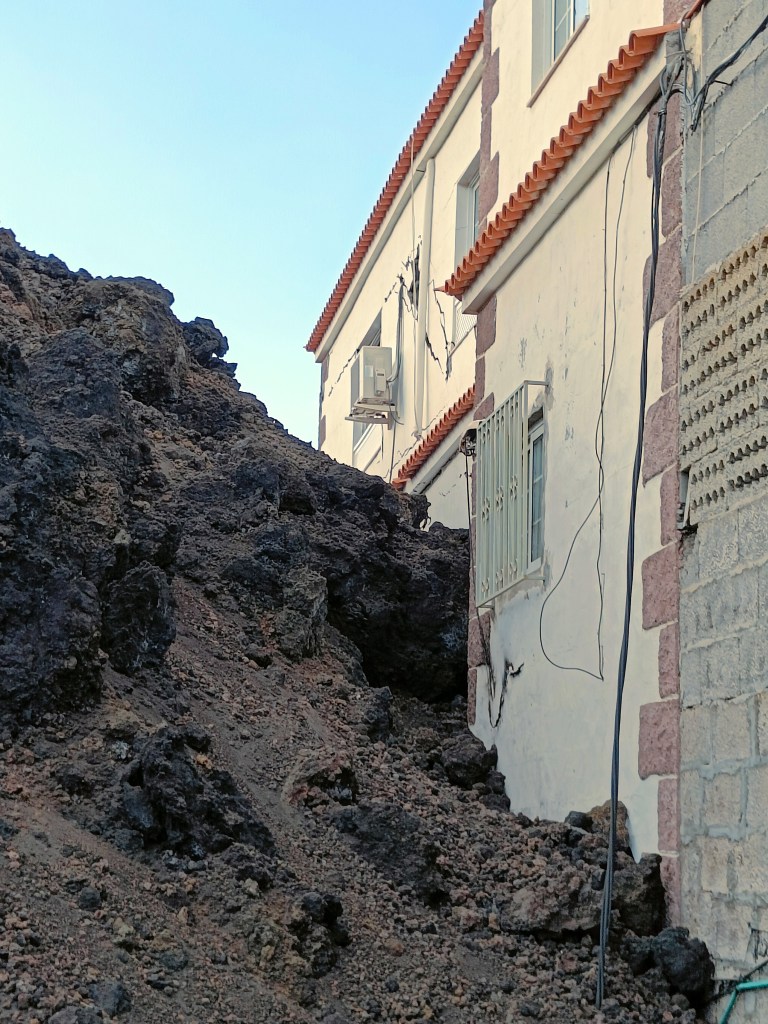
La Palma, the Island of Fire and Starlight.
La Palma in the Canaries is known as Isla Bonita – the Beautiful Island. It has a lovely relaxed capital city, Santa Cruz de la Palma, green pine-clad mountains and lots of banana, avocado and almond plantations. The island has a line of active volcanoes, running down the central spine to the southern tip and one of these, the Cumbre Vieje volcano, erupted last year and unleashed its fury on the western part of the island for three months. Looking at the aftermath, we were sobered by the sheer volume of volcanic material and the scale of the destruction. La Palma has some beaches on the western coast but they are mainly black sanded and some are pebbly. All the Canary Islands boast of clear skies but La Palma has been designated a Starlight Zone for the study of the night sky. It also has about 15 astronomical viewpoints dotted around the island which are good spots for star gazing. So if you want your head above the clouds and stars in your eyes, La Palma is the place for you🤣
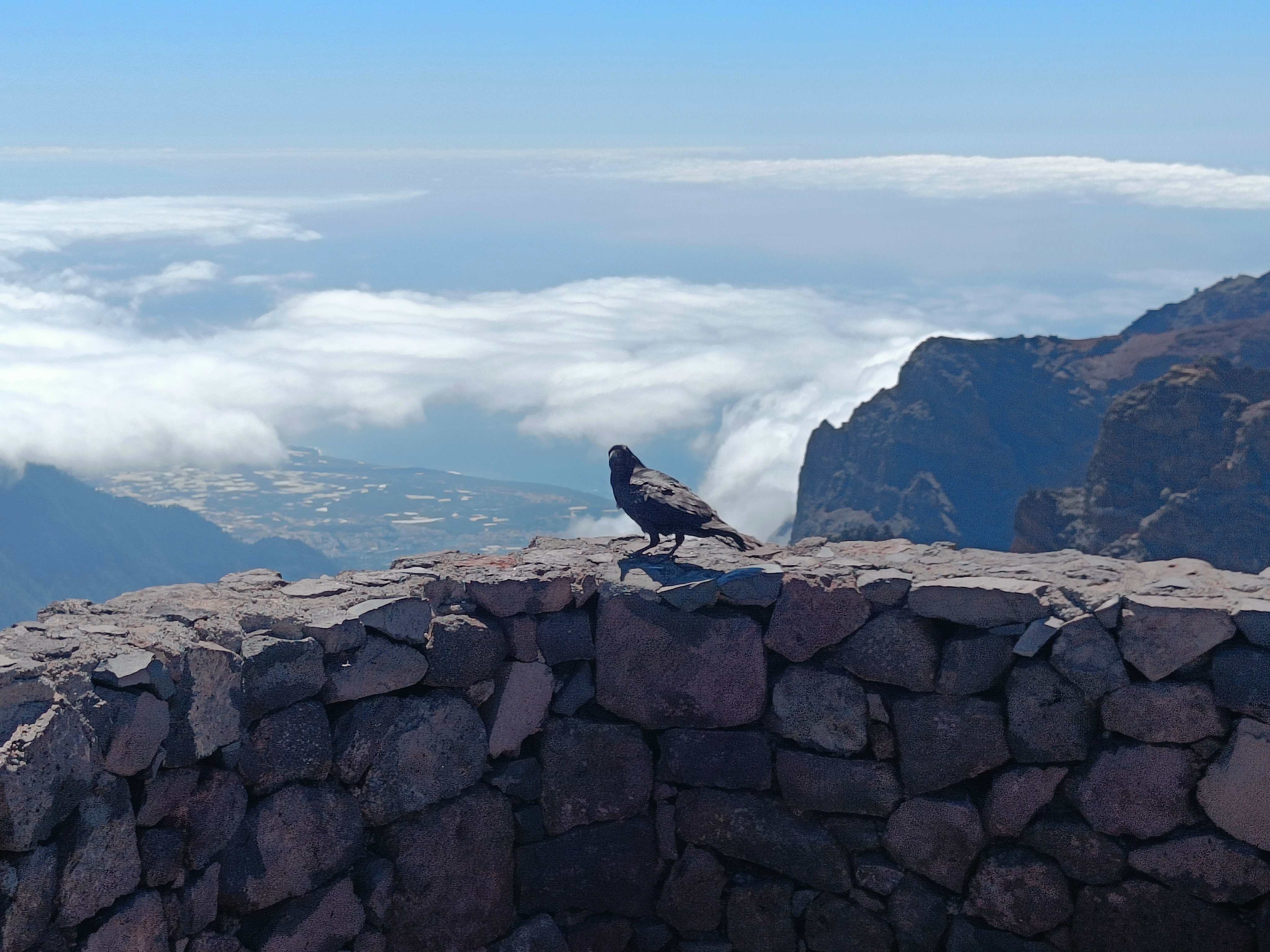
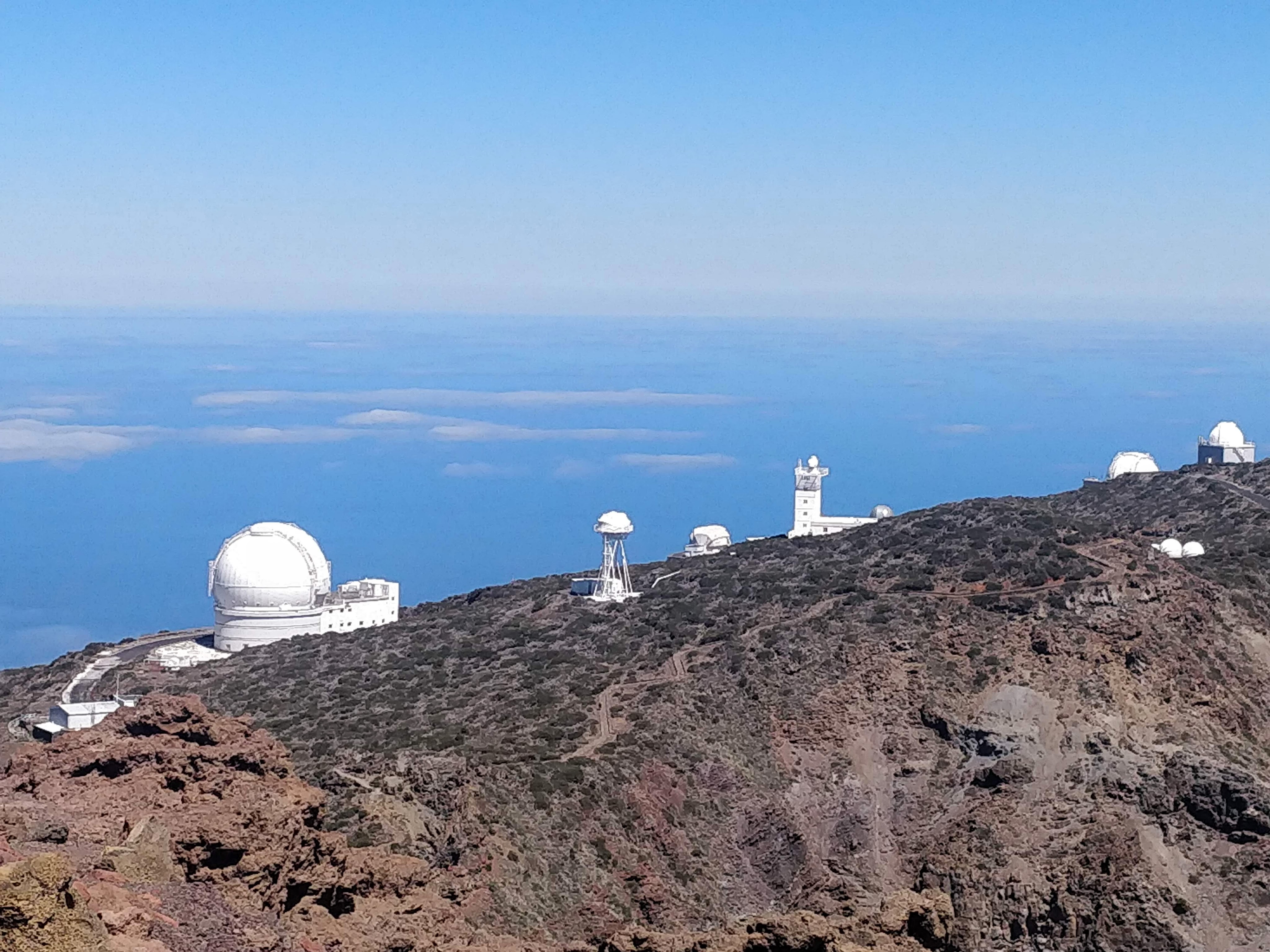
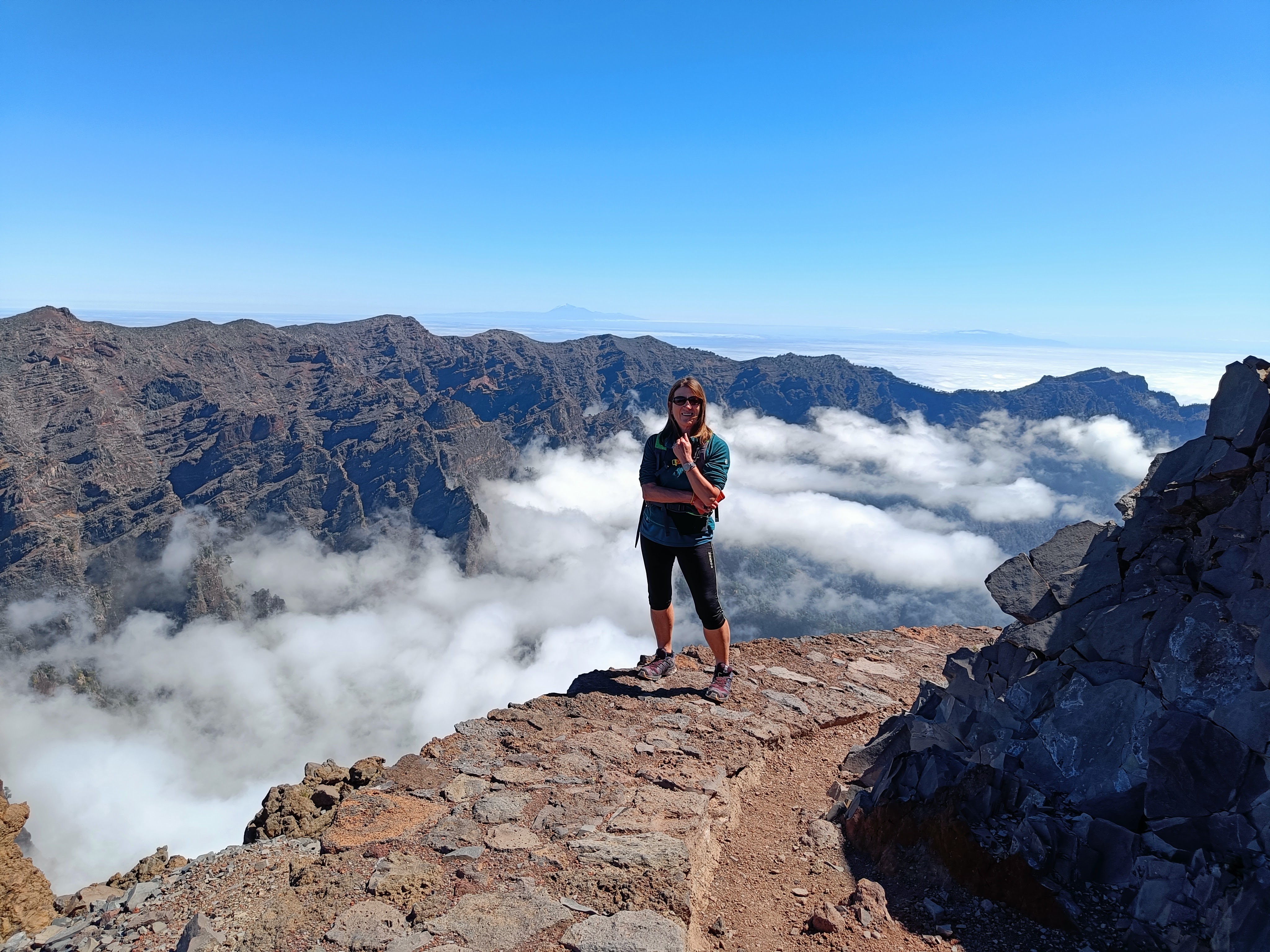
Highlight La Palma: Our visit to Roque de la Muchachos (2426m), where there are a whole host of observatories. This is a place where science, physics, natural beauty and the quest for knowledge all work together to give a totally mind-blowing combination.
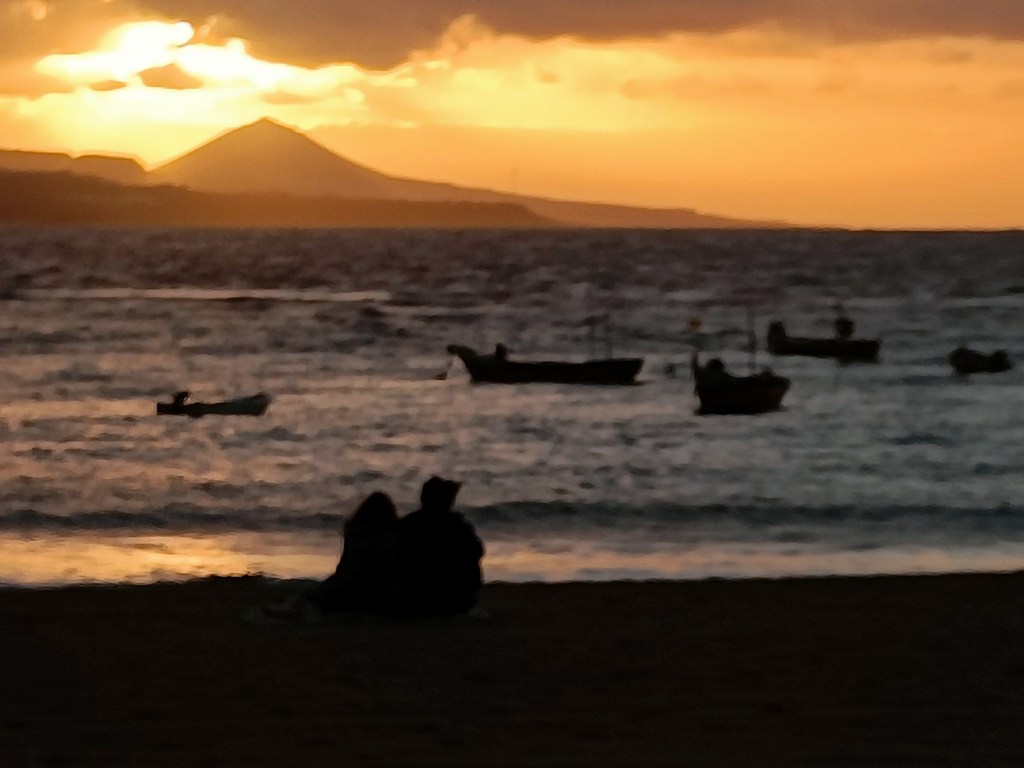
Gran Canaria, Paradise Lost and Found
Gran Canaria is the island where tourism is spelt with a capital T. It gets more than four million visitors a year and Maspalomas in the south is the largest purpose built resort in all of Spain. The beaches, particularly in the south are good. If you like an island with lots of hotels, a buzzing nightlife, where English is widely spoken and the food is similar to home, you will love the resorts in Gran Canaria. The interior of the island is spectacular with mountains, deep canyons, craters and calderas – great for hiking. It was also extremely busy with tour buses, hire cars, motorbikes and lots of cyclists on narrow roads that wound around the mountains. Las Palmas, the capital is a charming place with its historical districts, fabulous architecture, good shopping(duty-free) and to top it all, gorgeous palm fringed beaches.
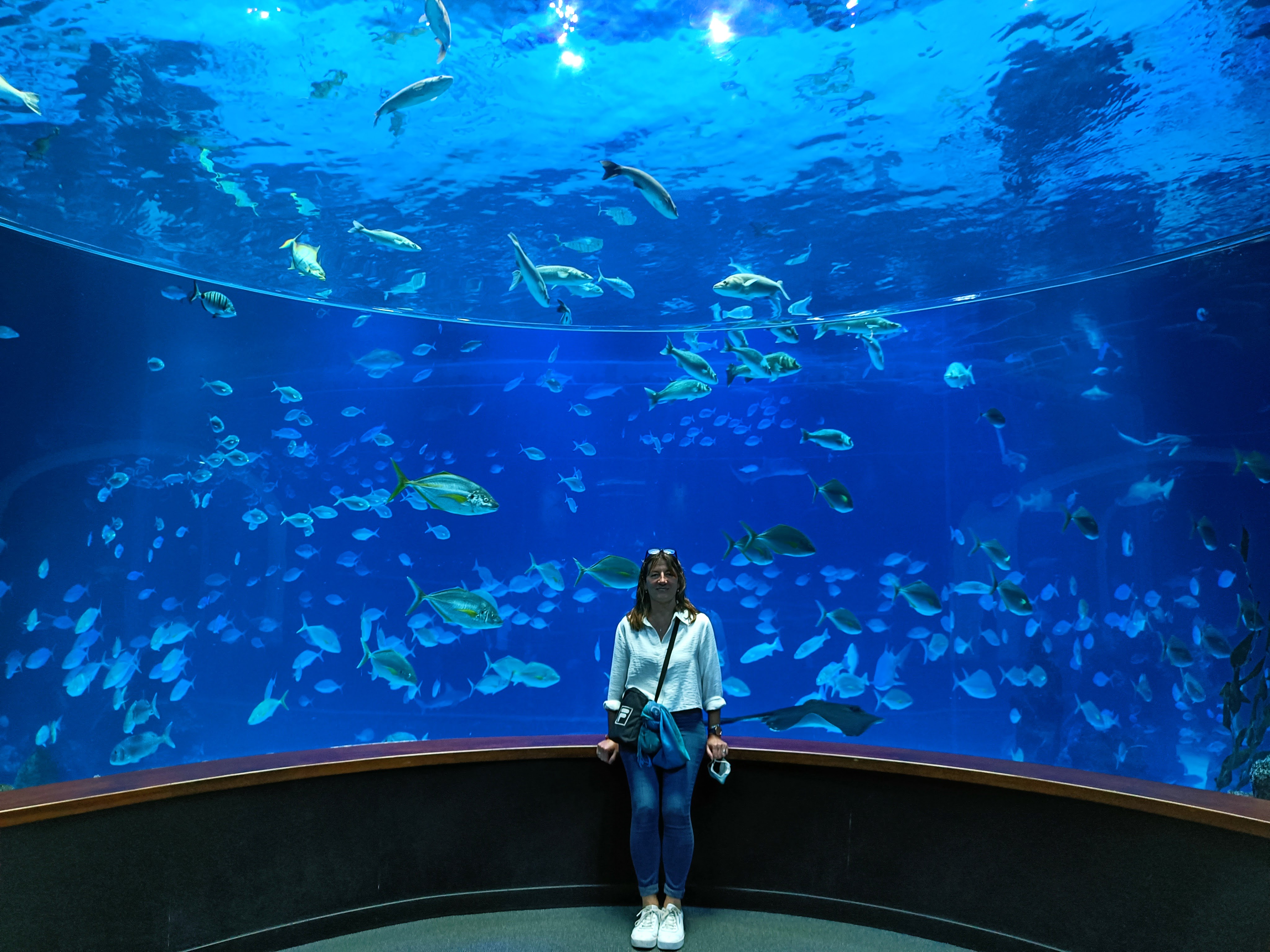
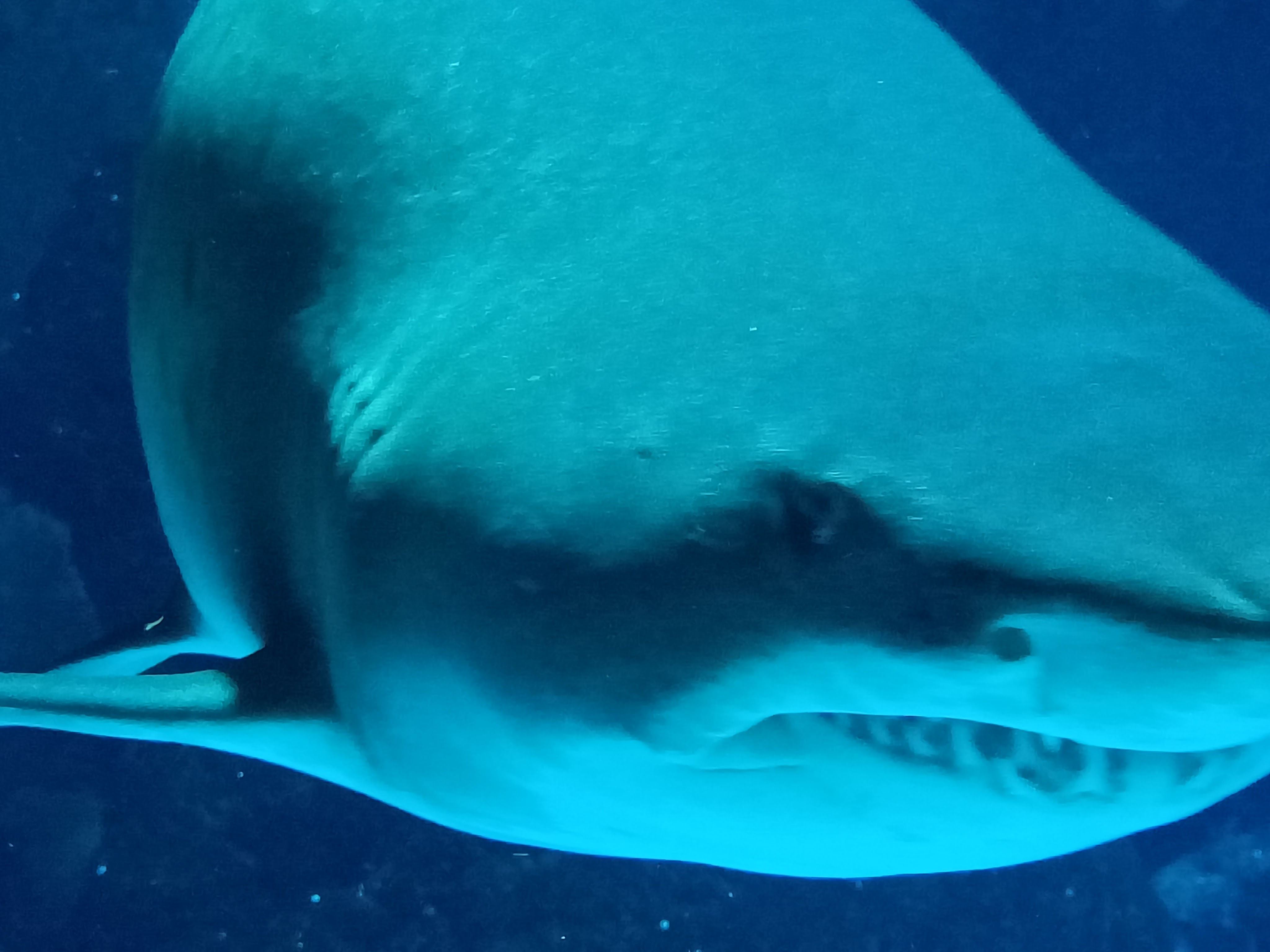
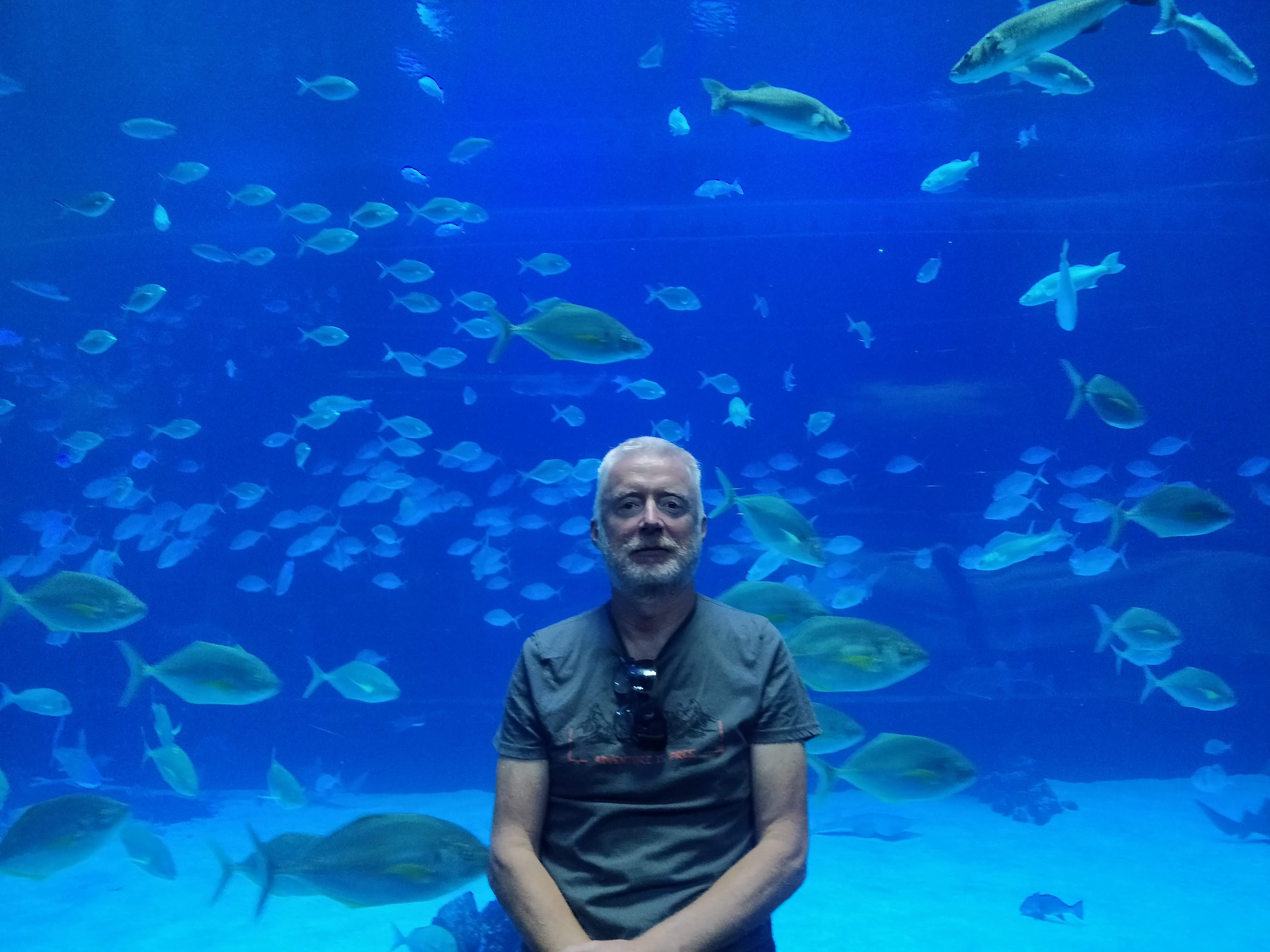
Highlight: Our visit to the Aquarium called Poema del Mar in the capital, Las Palmas. If you only ever visit one aquarium in your life, make sure that it is this one. In certain sections, t was like being underwater, watching a mesmerising ballet, hosted by the inhabitants of the deep sea.
Fuerteventura where Life is a Beach
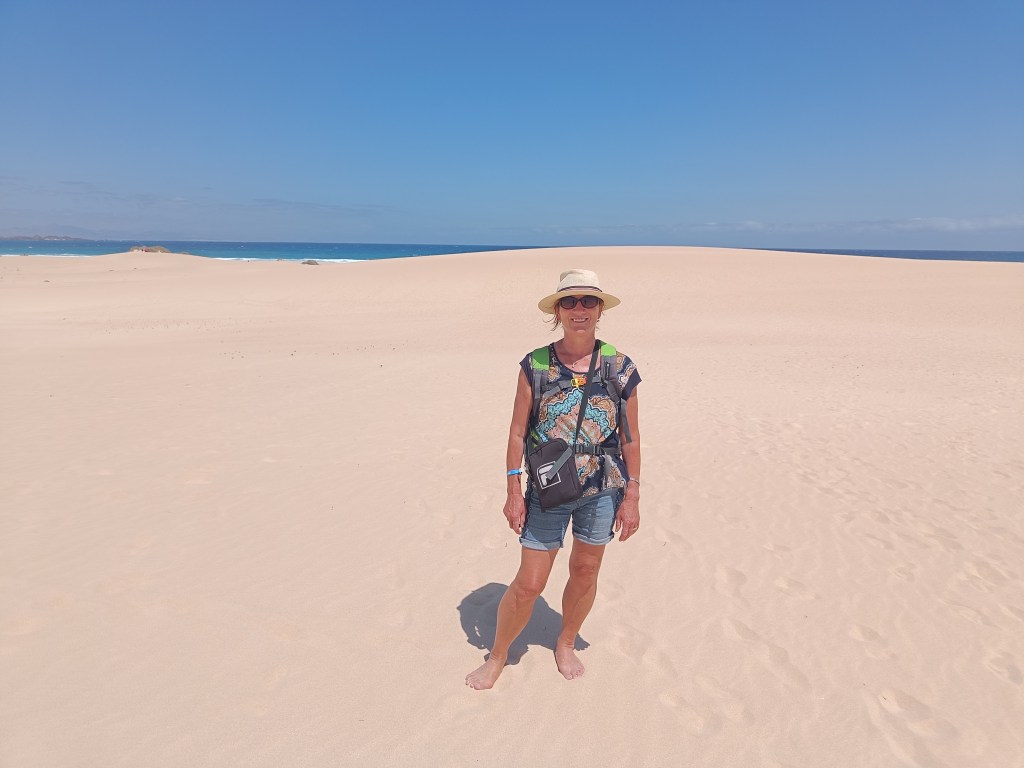
Fuerteventura is the second largest of the islands with a long, narrow shape and is also the nearest to Africa. The best beaches in the whole archipelago are here. These are the beaches of holiday brochures with pale-white sands lapped by turquoise emerald waters especially along the Jandia peninsula in the south and the northern coast around Coralejo and El Cotillo. The interior is mainly brown stony earth dotted with low bare volcanic hills, little white towns, windmills and the occasional goat farm. Its all about sun, sand and sea in Fuerteventura – and of course wind.
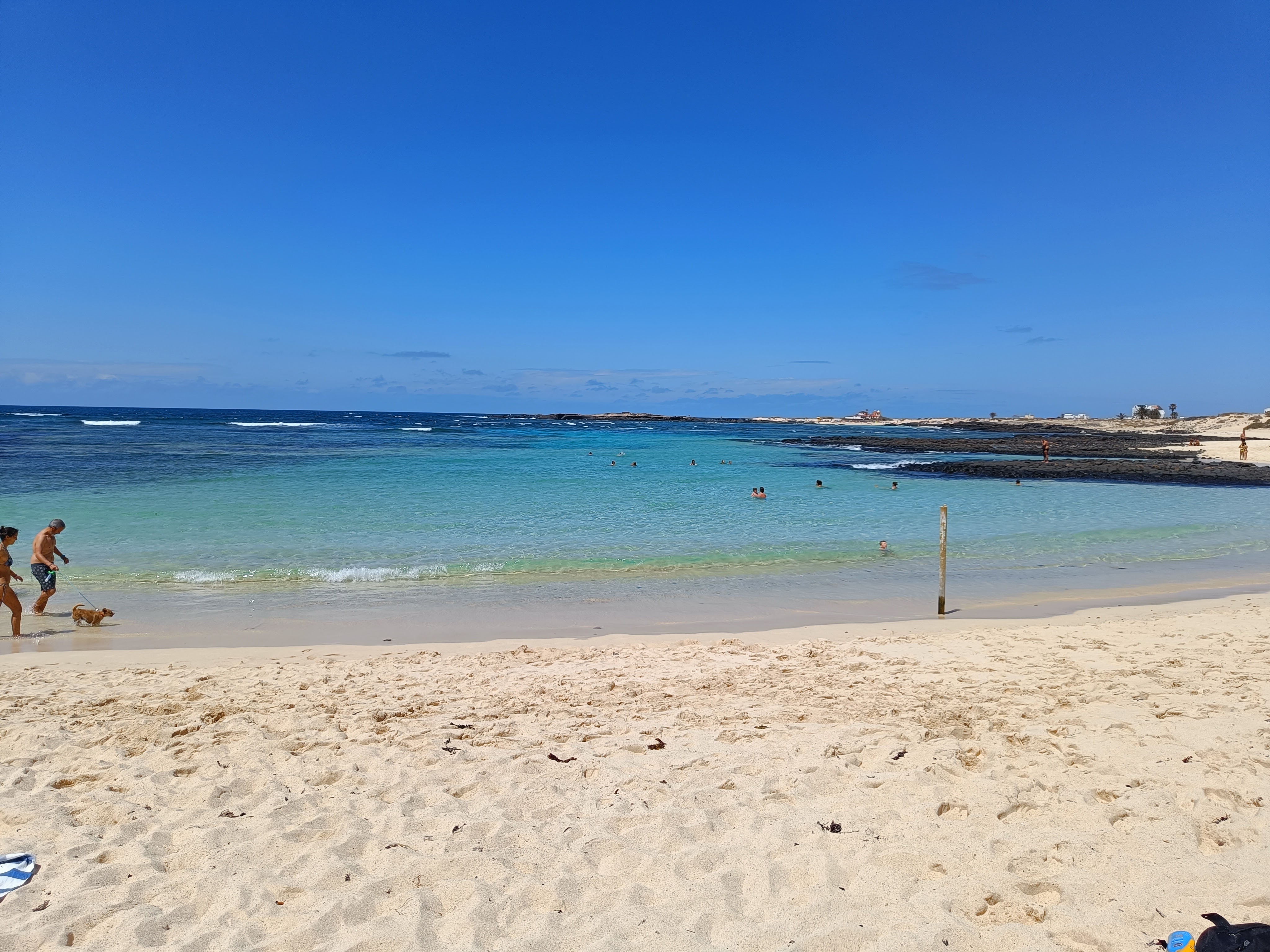
Highlight: Swimming in the lagoon in El Cotillo in clear calm turquoise waters in the company of shoals of fish in glorious sunshine.
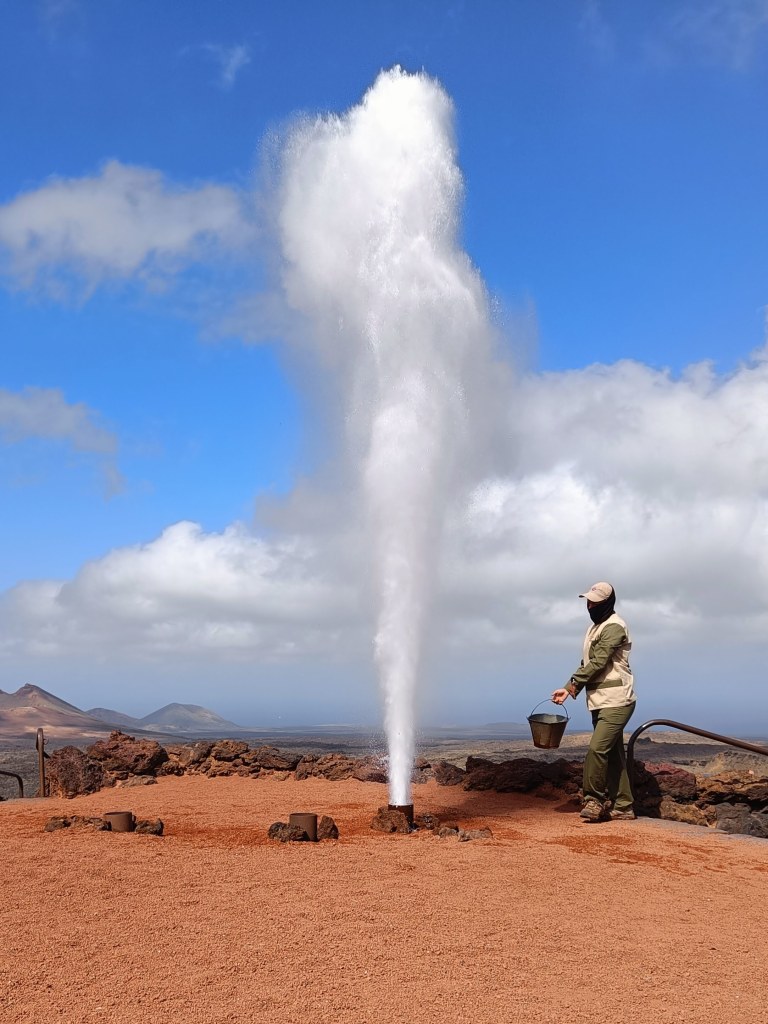
Lanzarote, the Isla del Fuego (the Island of Fire)
Lanzarote has good sandy beaches and a surreal harsh landscape created by many volcanic eruptions and powerful lava flows in the past, particularly in the 1700’s. The influence of one man, Cesar Manrique, is everywhere on the island. He was responsible for some pretty autocratic, aesthetic laws that dictated that buildings in Lanzarote must be low-rise, could only be painted white and windows/doors could only be painted green with an occasional blue or brown by the coast. Billboards and roadside advertising were banned, electricity cables had to be buried underground and major tourist development was confined to three areas, Puerta del Carmen, Playa Blanca and Costa Teguise. But the result is charming where buildings sit in harmony with the landscape. But it was was quite crowded with long queues to get into the Timanfaya National Park and many of the other attractions like Jameos del Agua and Cueva Verde. The little fishing villages in the north of the island were much quieter.
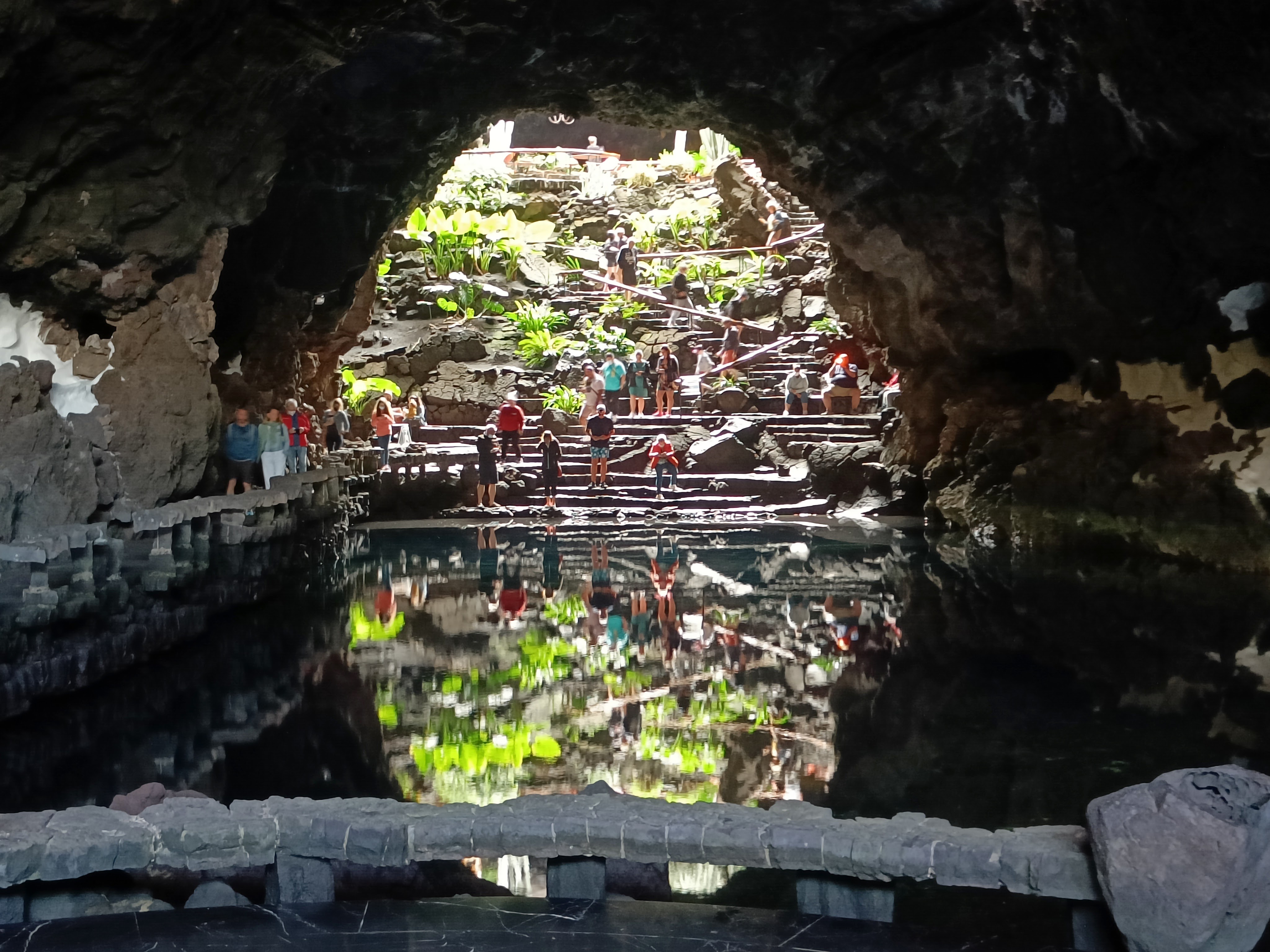
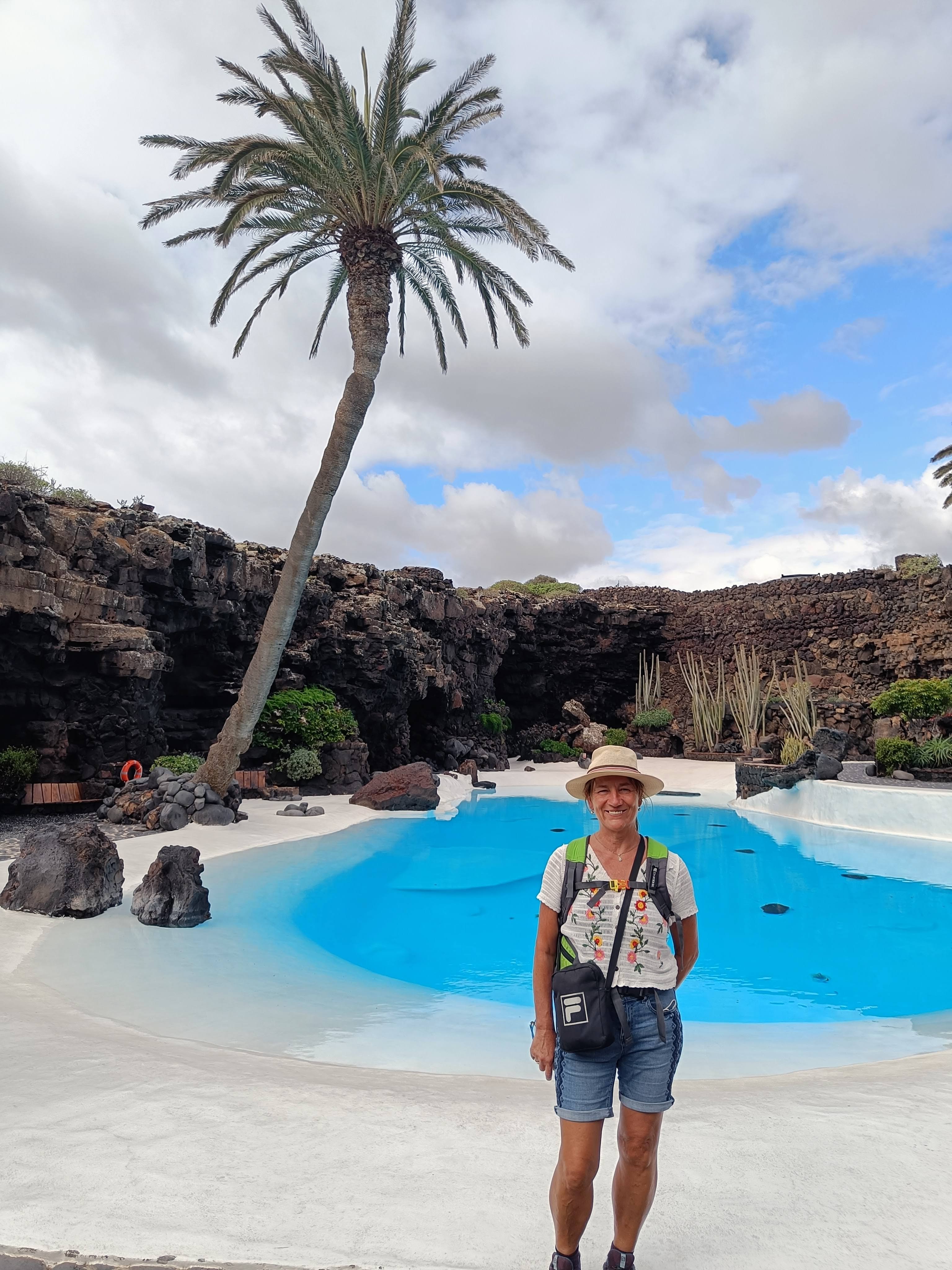

Highlight: Visit to Jameos del Agua, a lava tunnel with a massive green lake full of bizarre white crabs and an underground concert hall designed by Cesar Manrique. But go early – or late – to avoid the tour buses and appreciate the tranquillity.
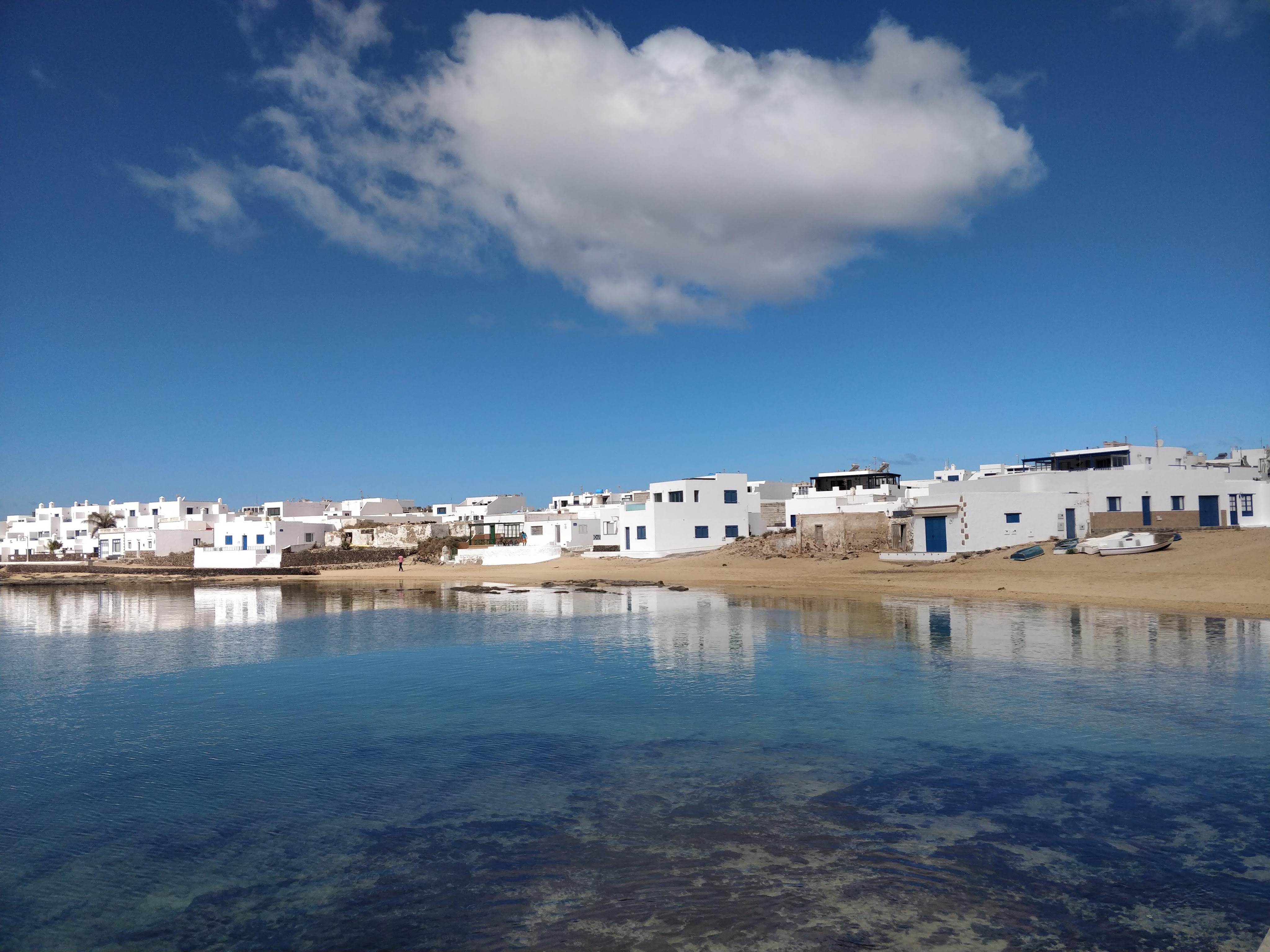
La Graciosa, the Blond One
La Graciosa became the eighth island in the archipelago in 2018, before that it had the status of islet. It is by far the smallest islands and most visitors come for a day trip on the frequent ferries from Orzola in northern Lanzarote and hop on a bike to cycle around. It is one of the last places in Europe that has no asphalted roads, only sandy tracks. There is only one little town, Caleto del Sebo and the environment beyond the town is arid and without shade. The beaches are blond and beautiful, the rock pools teem with life and there’s a lovely laid-back tranquillity here😍
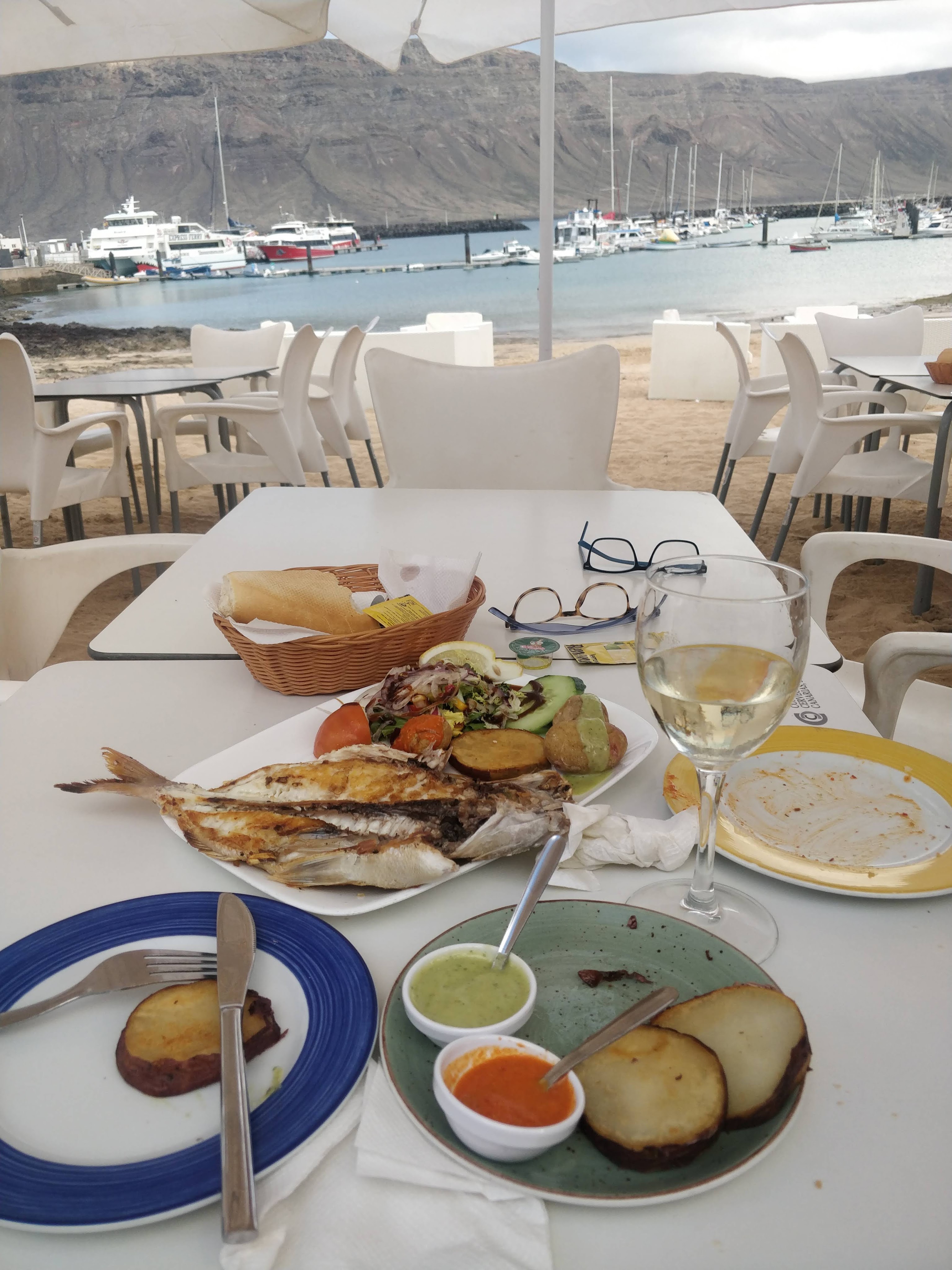
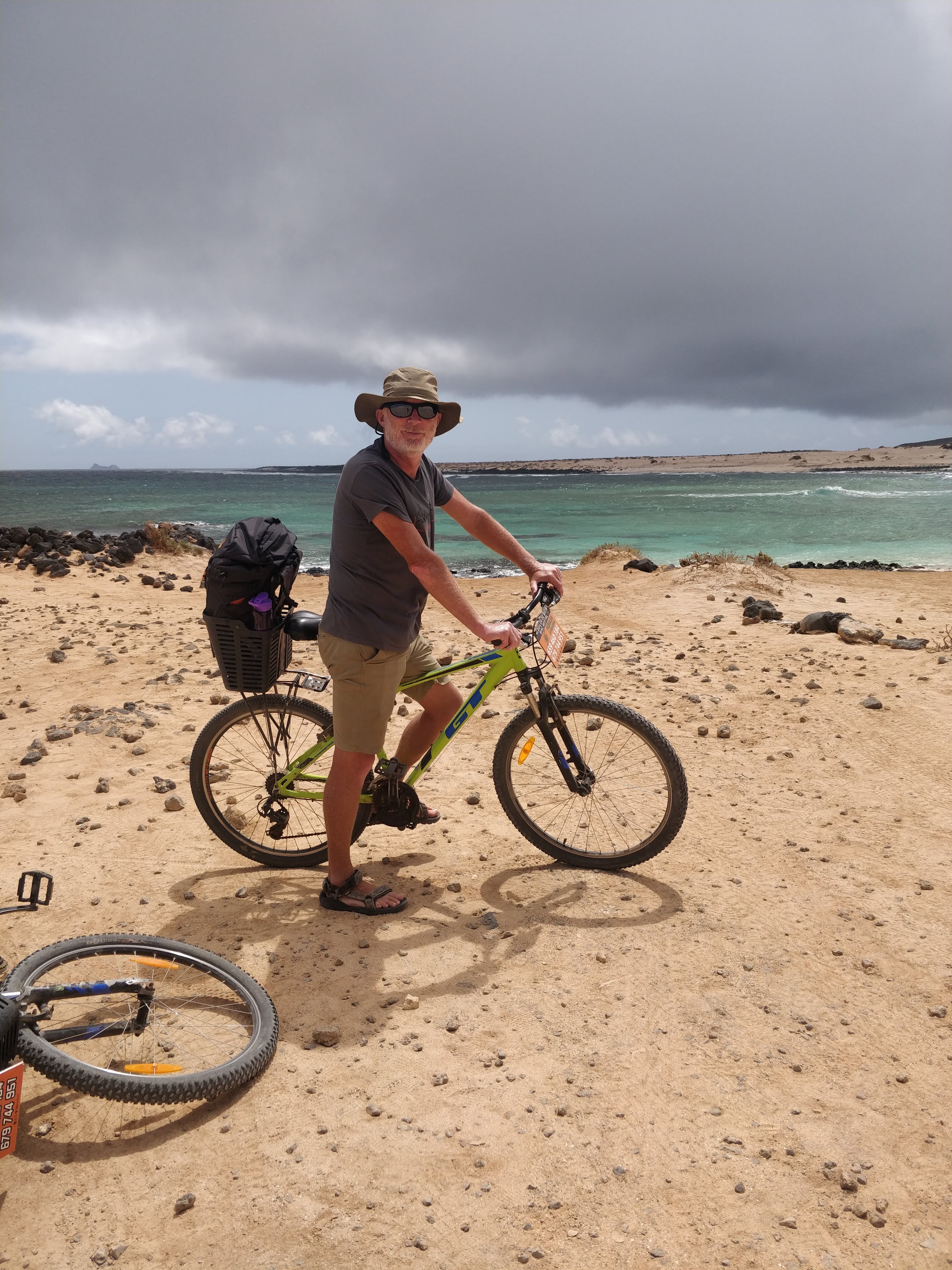
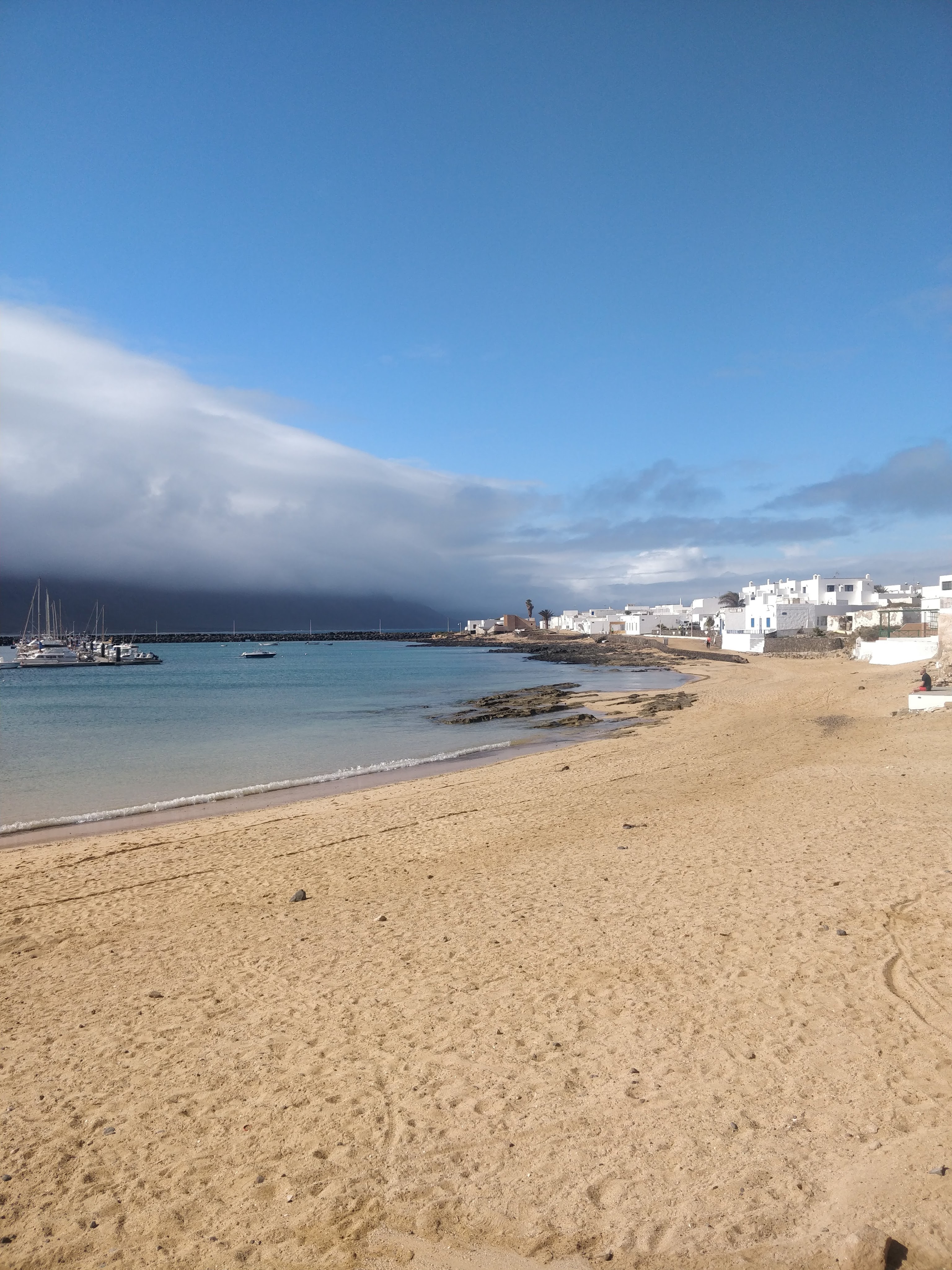
Highlight; Eating delicious seafood overlooking the sea, watching the colour of the water deepen and darken to inky blue in the evening when all the day trippers had left and the island was given back to the locals,
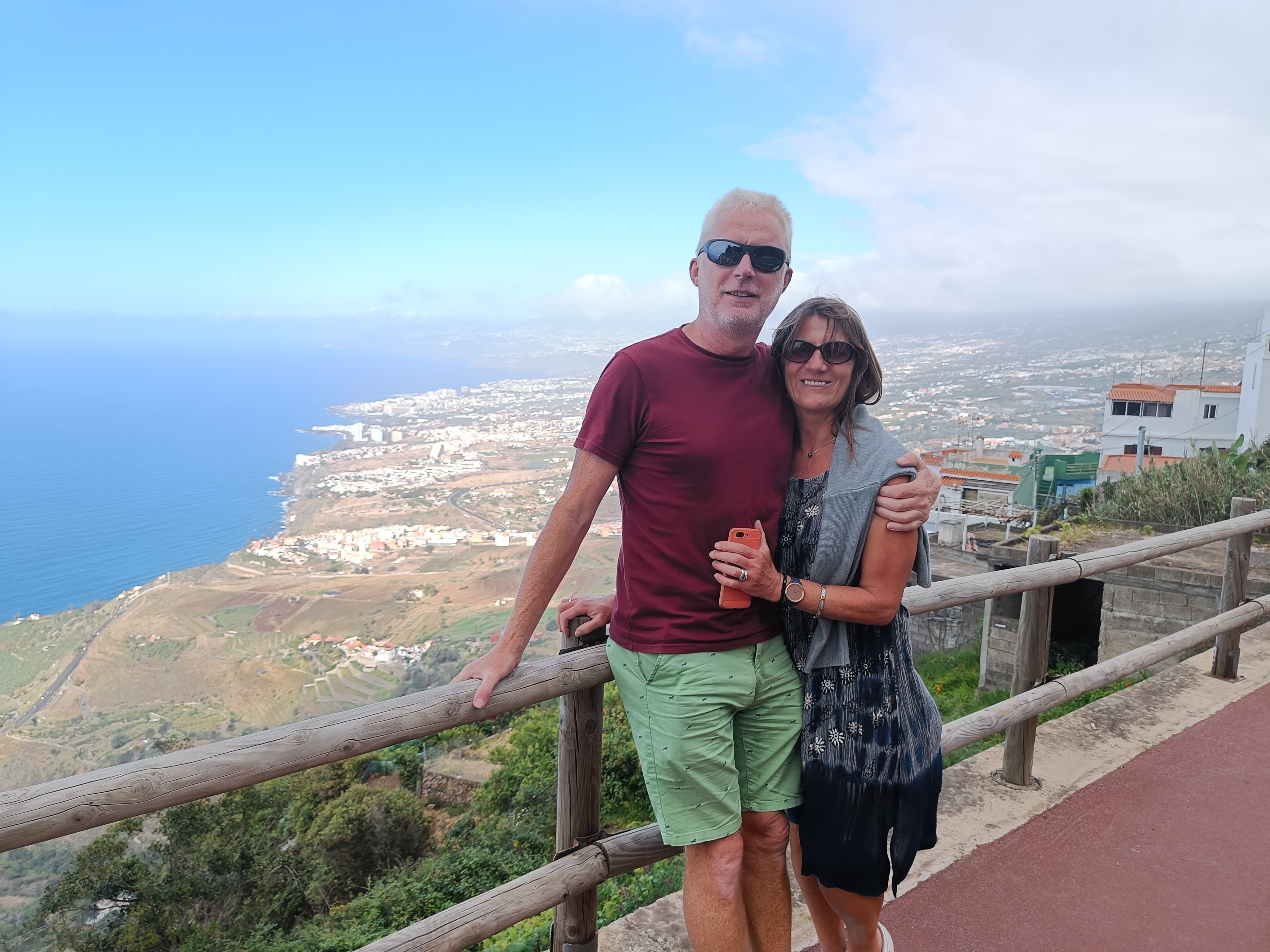
Tenerife, the Beginning and the End
Our trip was bookended by Tenerife, the largest island and the place where we started and ended. We even stayed in the same apartment complex on our first and last night, three months apart, Coral Teide Mar in Puerta del Cruz. This is a nice ‘no frills’ budget option with roomy studio apartments with balcony and a large pool. The name Tenerife in the Gaunches language means ‘white mountain’ and Mt Teide dominates, a looming presence although it was mostly smothered in cloud while we were there. The Teide National Park divides Tenerife into two zones: the north which is green and covered in lush tropical vegetation with lots of mountain villages and the south which is arid, hotter with sandy beaches and the holiday areas such as Playa Americanos and Los Cristianos, known for fun and sun😎. But Tenerife has something to suit everyone – golf courses (the greens need constant watering), hiking trails, pretty villages, star gazing observatories, a vibrant capital city, Santa Cruz. We also have family living in Puerta de la Cruz which also makes it special.
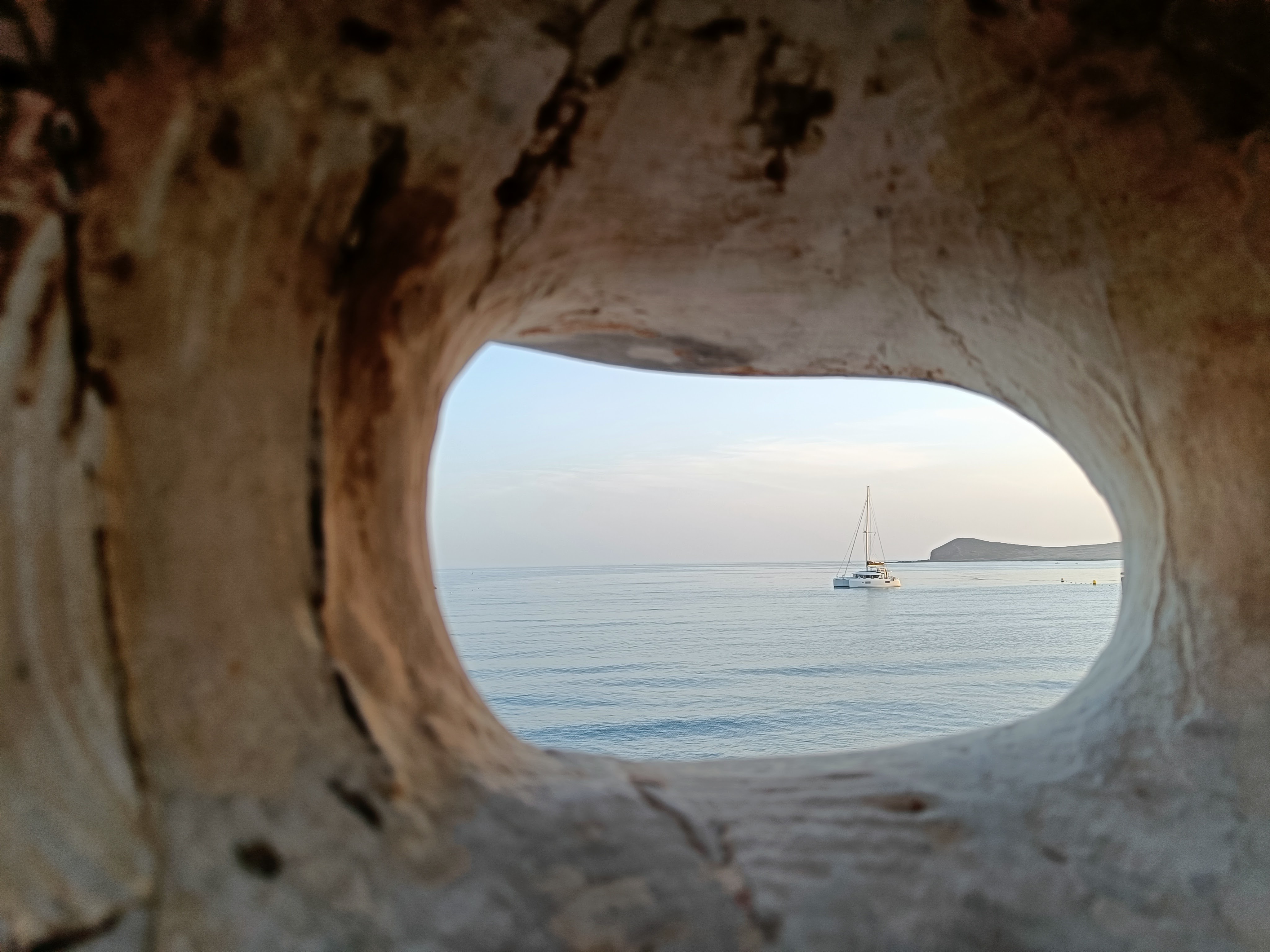
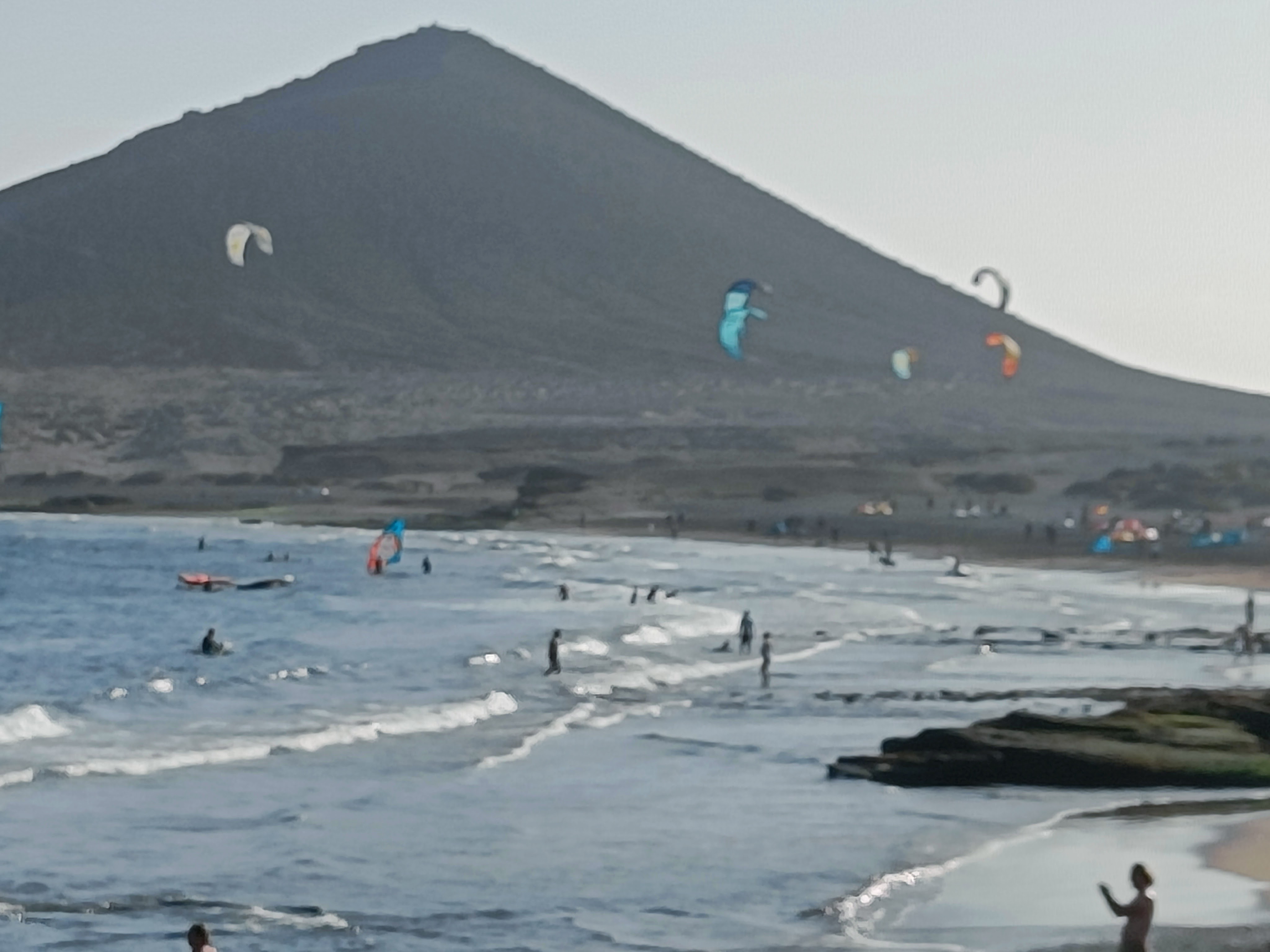
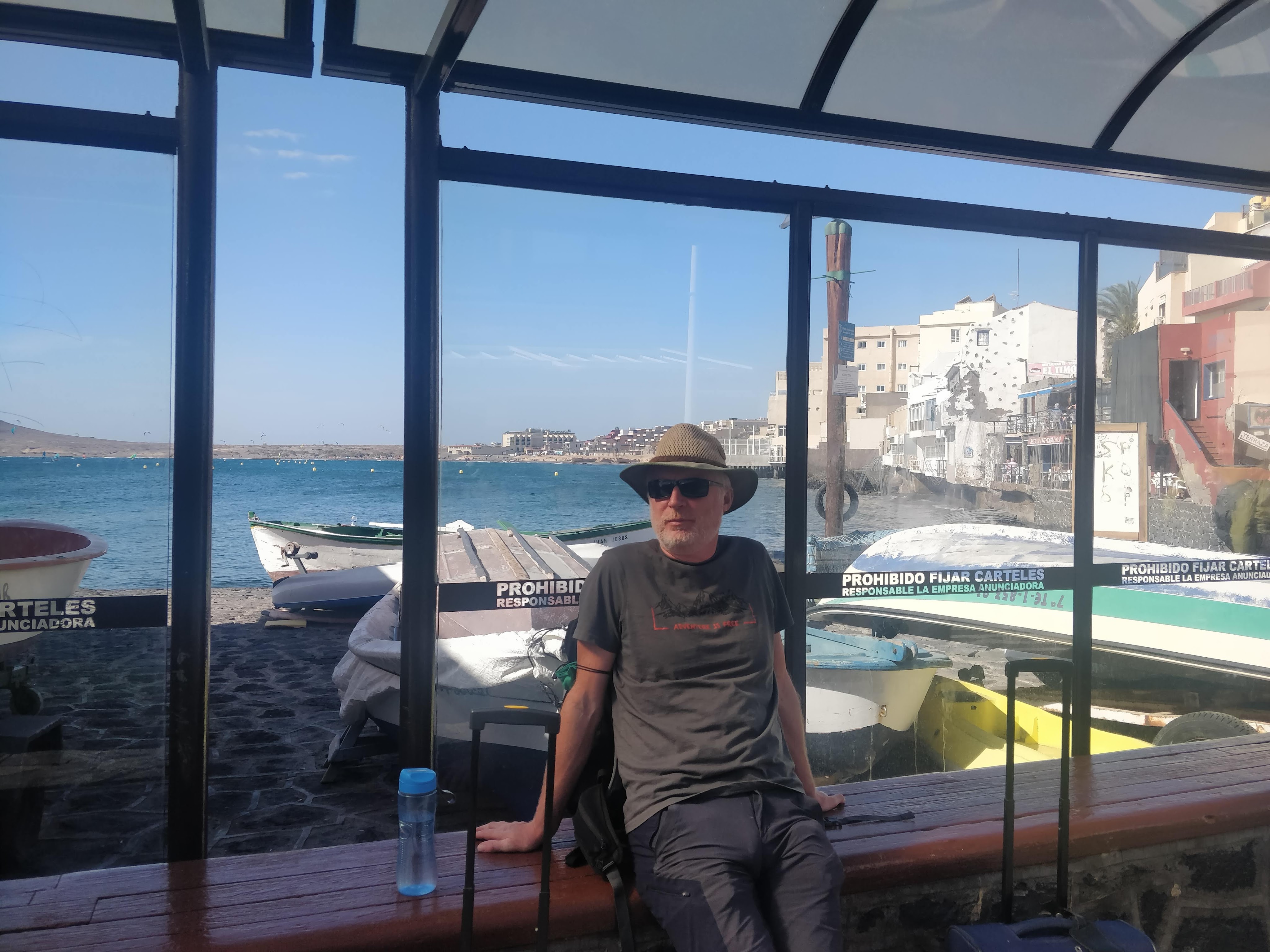
Highlight: Our stay in El Medano where the February sun shone all week. This, a little beach town and fishing village near the airport – much smaller and scruffier than Puerta de la Cruz but with a laid-back charm, very popular with surfers and water sport enthusiasts, families, walkers and sun worshippers.
The Canaries are often called the Islands of Eternal Spring because of their mild climate, pleasant temperatures with low rainfall. But the wind is a force to be reckoned with on all of the islands, brilliant for wind sports and windmills but not good when sand-blasted on a beach or blown sideways when cycling. Storm Celia battered the palm trees in La Palma so much, it was totally unnerving. The locals told us that the weather on the islands has been more unpredictable than usual in 2022 with more cloud, storms and even rain. For the most part, daytime temperatures for us were around 20C but in a stiff breeze and with cloudy conditions, it often felt far cooler than that. Of course, altitude will play a part and we shivered high on the mountains of some of the islands. The evenings were cool all the time and a jacket was definitely required when eating outside at night.
Water scarcity is a huge issue on all the islands with hardly any rainfall, most (if not all) water comes from the sea and has to be desalinated before use – a costly process in both money and energy. Although the water in the tap is safe to drink, in some places it is not very palatable and so people (including the locals) drink bottled water all the time leading to mountains of plastic bottles. When there is tourism on a large scale, this is an enormous problem. We had a little water filter with us and used this most of the time in a small effort to minimise our contribution to the problem.
We took ferries from island to island most of the time and its a lovely way to travel but its not cheap. Most ferry prices were €50 each for one way ticket for a two hour journey but there are significant discounts if you are a Canary resident. Many place names on the islands are so alike that you may end up somewhere other than where you intended. There is the island of La Palma, one of the Canary islands but then there is Las Palmas which is the capital city of Gran Canaria and Palma, a city in Mallorca. We hired a car online in La Palma – got a great deal – only to find that the car was actually in Palma (in Mallorca).
Many people ask us the same questions What was your favourite island? Truthfully, we liked them all for various reasons. If you force me to answer, I will say El Hierro….probably🤔. Would we go back? Yes, absolutely but usually we don’t return to places that we have already visited. I hear the Cape Verde Islands are interesting and we have never been to the Azores or what about the Philippines🤣?
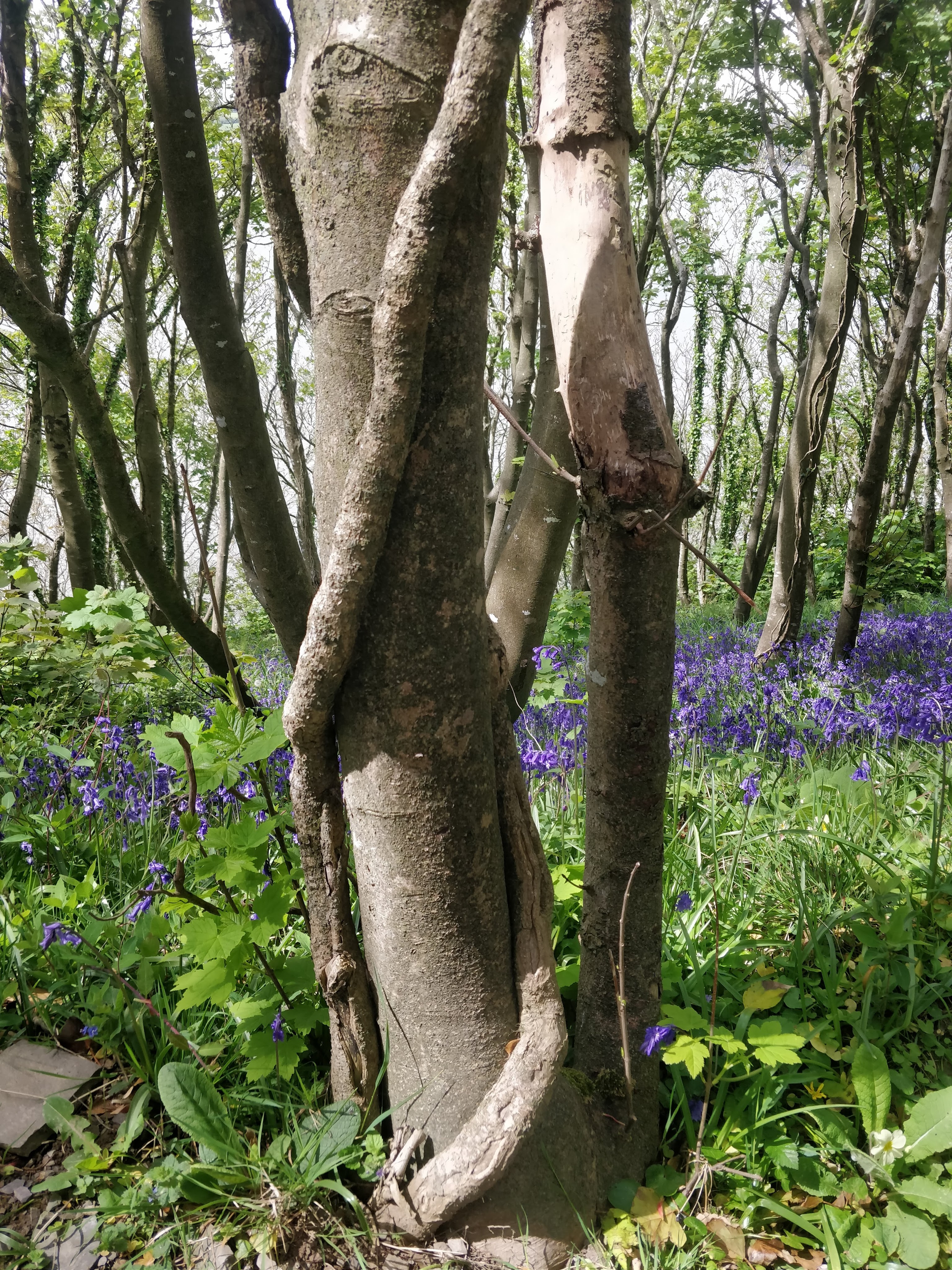
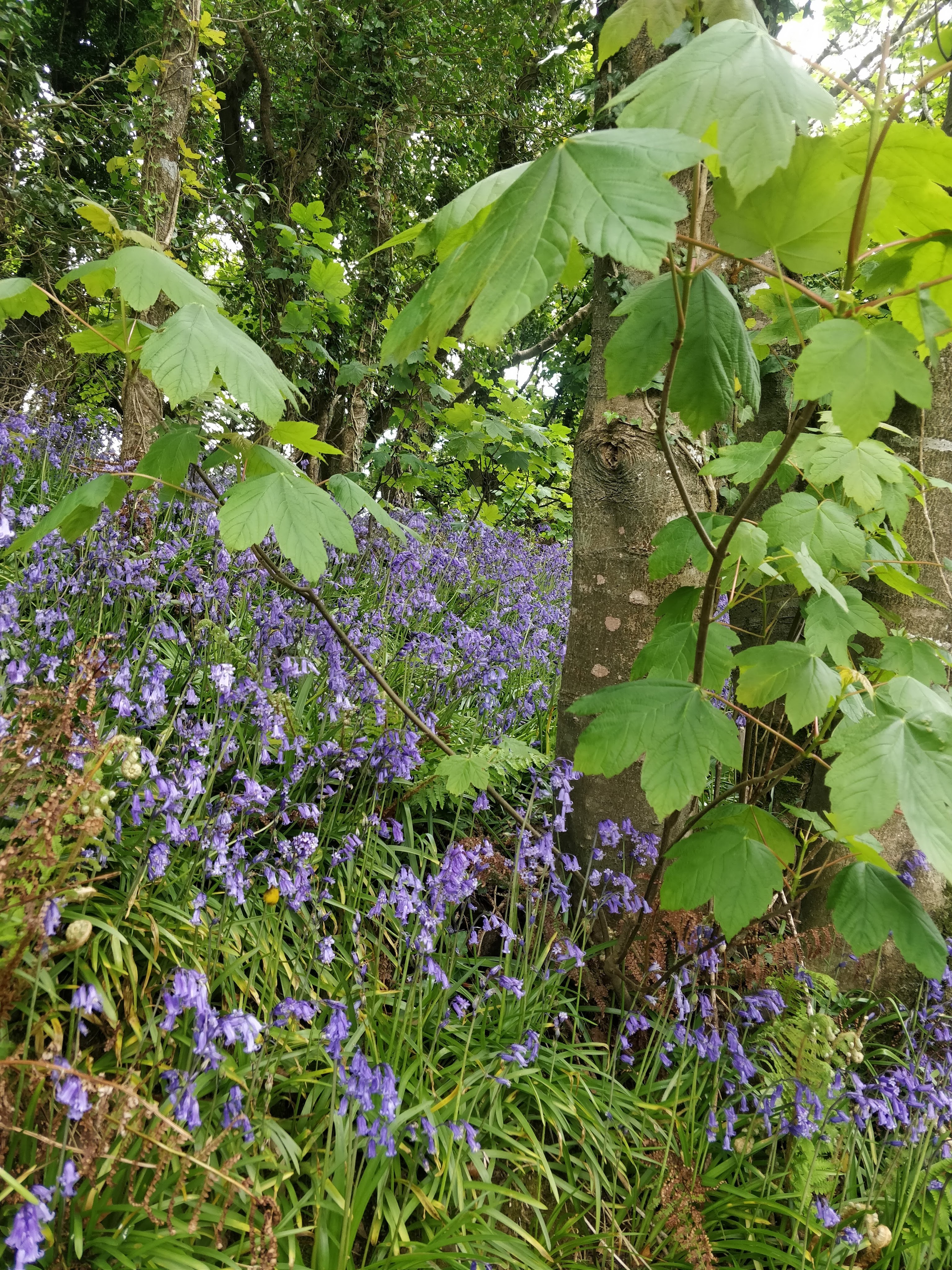
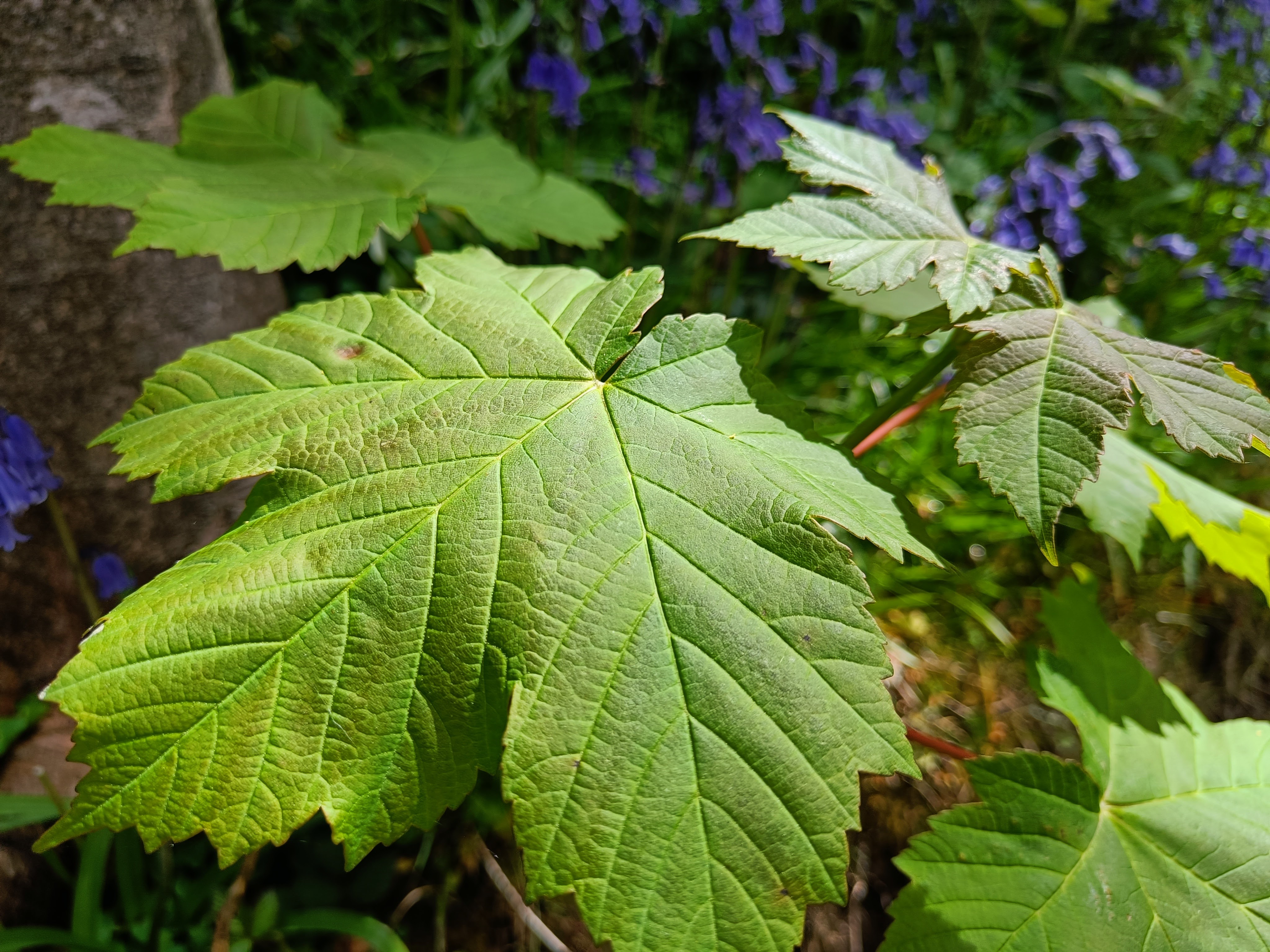
But for now, its great to be home for the long evenings, the glorious bluebells and to watch the soft young green of the leaves change and deepen by the day. I also brought Covid back with me – discovered by chance during a pre-assessment for a minor knee procedure. So that’s why I was so tired😴😴 but all well.
Hope you are not too tired after reading all this…..thanks for the company
 marienoonanblog
Great Summary Marie
Amazing how a few months can be compressed into a few lines.
Looking like something we all should do once in a lifetime at least
LikeLiked by 1 person
You’re such a talented travel writer Marie. The proof of the pudding is that the reader gets transported to the places with you. Thank you for another wonderful adventure and failte abhaile! Cx
LikeLiked by 1 person
What an amazing travel blog. I feel I was there with you! Well done Marie.
LikeLiked by 1 person
Thanks Marie for your summary of all.the islands.I adore this time of the year in Ireland too.Bluebells underneath the beautiful newly unfurled green leaves and lovely long evenings.Glad you are ok after covid too.
LikeLiked by 1 person
Great to get a synopsis of all the Islands.
Welcome home.
LikeLiked by 1 person