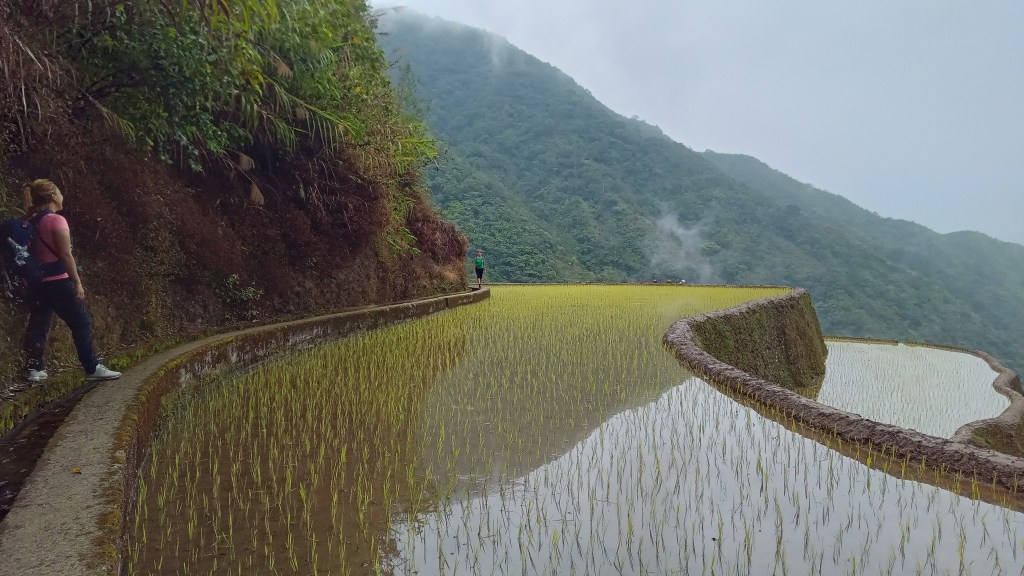
After our hugely enjoyable trekking in the rice terraces around Banaue in Northern Luzon, we were on the move again to another mountain town about a three hour van-ride away.
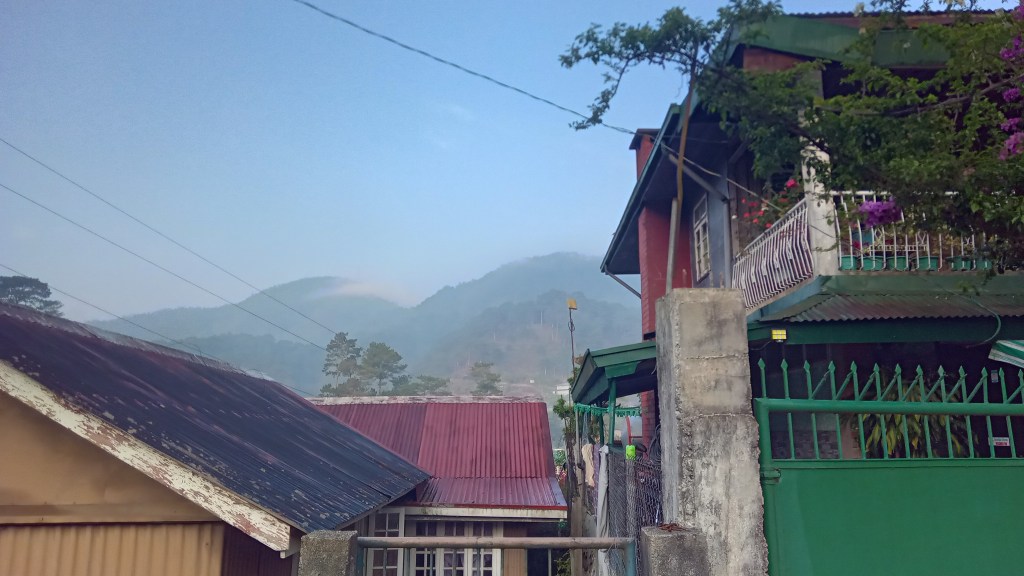
As soon as we stepped from the van in hilly Sagada, there was the scent of fragrant pine from the tree clad mountains all around. There were signs advertising lemon pie, the local specially and also etag, pork which was cured, air-dried and smoked. A layer of maggots enhanced the flavour of the etag, apparently, but we were far too squeamish to try it. The houses were multi-story and far more substantial than the flimsy structures elsewhere in the Philippines. It almost felt like an Alpine village in Switzerland. Our accommodation was at the end of the village and we had grave doubts as we descended steps in a half-finished building – like going into an underground bunker. But then we were greeted by Dorothy, middle aged with a lilting voice and no front teeth, who looked after us. The room was bigger than expected and had a window (so not underground after all but built into a hill). Dorothy did our laundry – our clothes were scrubbed almost new for about €1.50. There was no Wi-Fi but Dorothy used her phone to hotspot a young Slovenian guy, low on funds. We came back one evening to see the two of them sitting at the top of the steps, sharing a bowl of popcorn (made by Dorothy), so that he could surf the net.
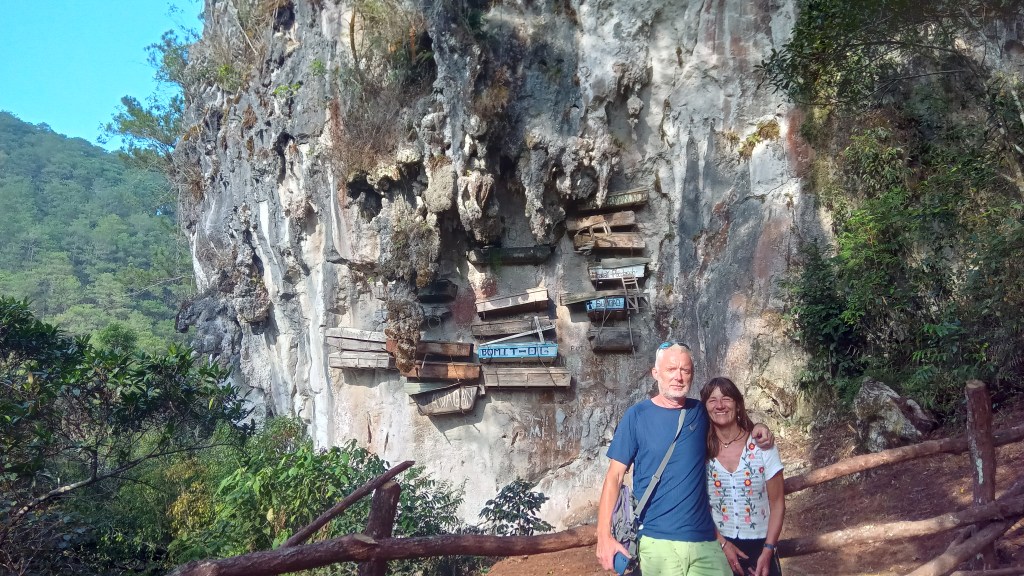
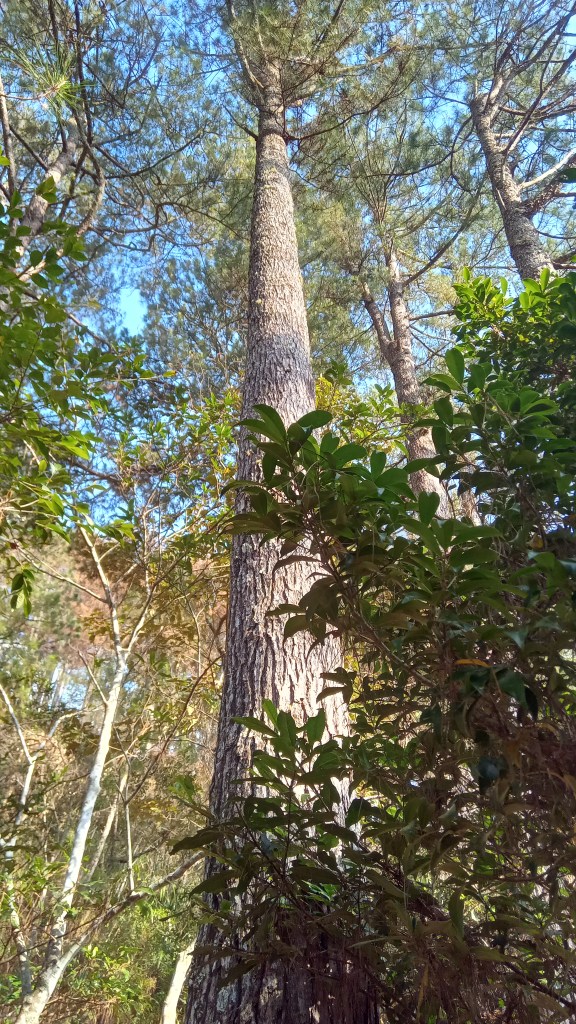
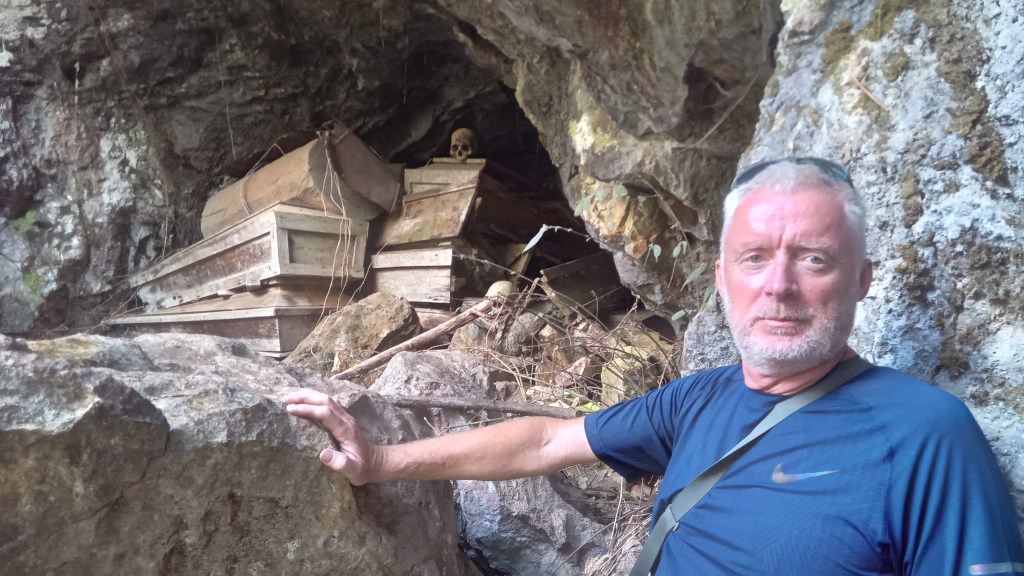
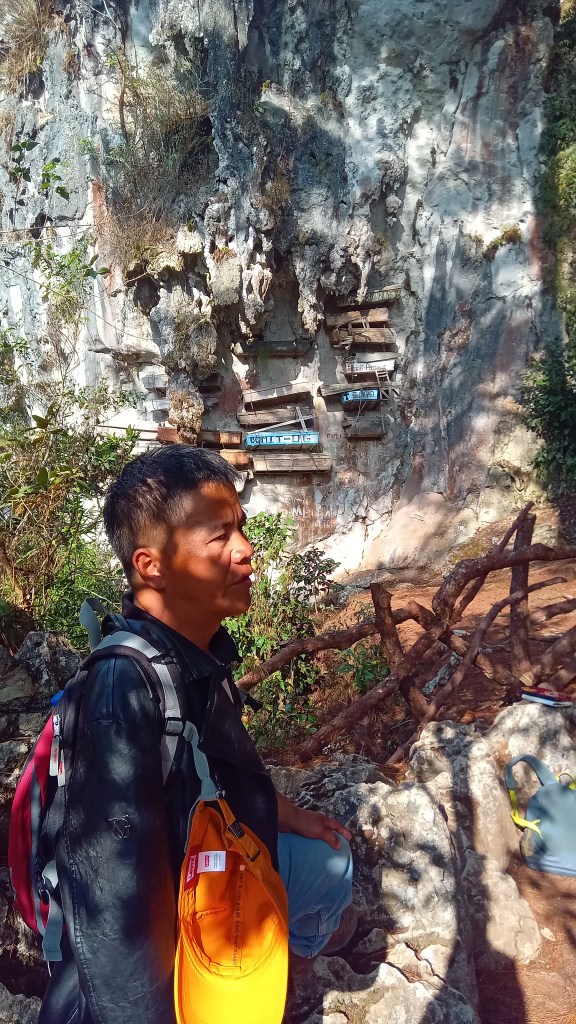
The main attraction in Sagada -apart from the cool climate – was Echo Valley and the Hanging coffins just a 30 minute walk from town. A guide was mandatory so we first walked with him on a rocky path through the modern cemetery where most people were buried with both Anglican and Catholic churches nearby. The tombs all faced east towards sunrise although our guide grimaced and described burial in the ground as akin to suffocation of the spirit. The goal was to be buried in a coffin suspended from the steep mountain-side so that the spirit was free to roam and become one with nature. A second best choice was to be left at the entrance to one of the many caves in Echo Valley, where the spirit could enjoy the light. The valley was certainly a beautiful tranquil area among soaring pines with dappled light and birdsong. When someone died, their relatives walked along the slopes of Echo Valley, shouting to inform the spirits that someone was coming. The spirits echoed back their welcome.
Dying was an expensive business for the grieving family. Tradition dictated that eighteen pigs and twenty one chickens were butchered over the course of the first year after death, to conform to the Ritual of the Dead. The rituals in Banaue and the Rice Terraces also involved the slaughter of animals particularly for the Showing of the Bones. (This was where the body was exhumed and the bones cleaned and kept in the family home). In the mountains, the ancestors were very much part of the lives of the living.
There were strict rules regarding the privilege of getting a hanging burial. Firstly, one must die of natural causes, be of old age, have married, and have grandchildren. You are considered young in this culture, regardless of age, if you never married. Setting up a hanging coffin in this territory was a feat of agility and engineering. The coffin was first put in place with ropes by a team of men rappelling down the mountainside. The body was wrapped in blankets and placed in the coffin after the coffin was securely in place. The dripping of any body fluids from the dead person onto the people carrying it was a sign of blessings and good fortune. Some of the coffins were very small, but these did not contain the bodies of children but were of elderly adults, placed in a sitting foetal position. This was a better position if they were bent over in life – a lifetime of working in the mountains could be tough on the body.
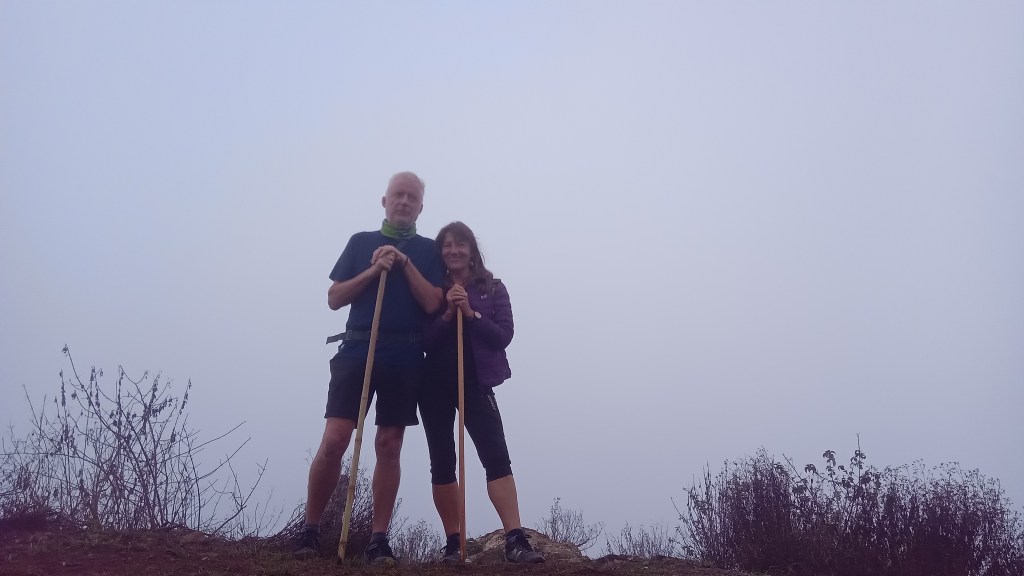
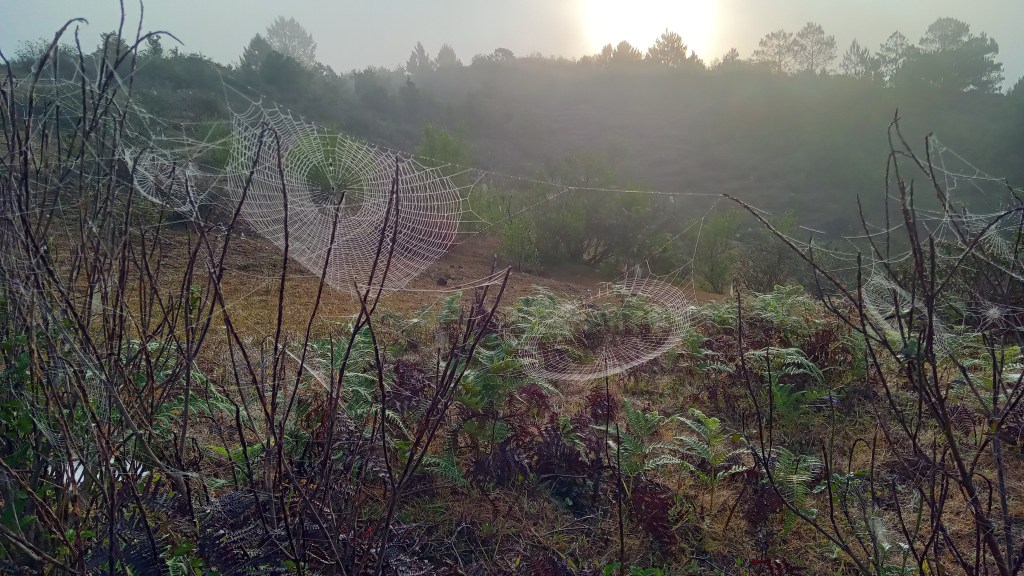
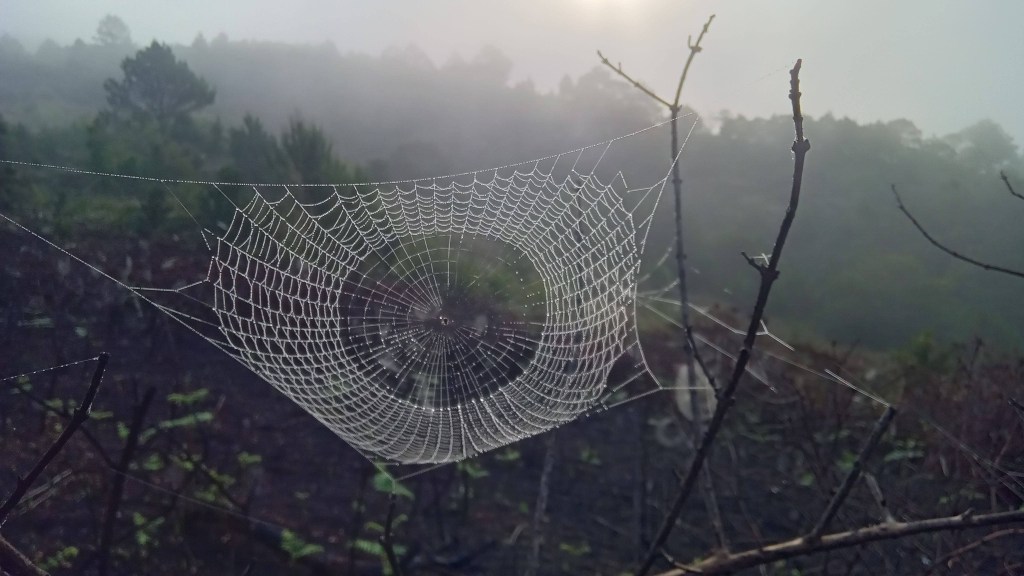
Another trek in Sagada was the poetically named Sea of Clouds, which involved a pre-dawn trek to the Marlboro Hills, the highest point in the area, where wild horses once roamed to view the sunrise over the clouds. So we found ourselves outside our accommodation in the dark at 4.30 am with Dorothy, who had risen early to make sure we were up. Although the van was there to take us to the starting point, there was no sign of our guide. Dorothy was frantically phoning him without success, but eventually, Korky sauntered on in baggy track-pants and flip flops. He was quite a character with a swagger and the red lips and stained teeth of a habitual momma(betel nut) user. We walked uphill for an hour in the dark through pine forest with the twinkling of flashlights from the people ahead of us and the sound of laughter floating down to us. Despite our late start, we had soon overtaken most people – Filipinos are notoriously slow walkers. The sky gradually lightened to a misty grey until we were above the tree-line in a large clearing where a big tent was doing a brisk business in rice, soups, and sweet milky coffees. We stood around, waiting for something to happen. The mists slowly drifted across the hills like a curtain being pulled back, but the clouds were a ‘no-show’ so there was no magical ‘ sea of clouds’ for us. What we got were impressive views of the valleys and hillsides spread below us and a gorgeous ‘sea of cobwebs’ on the spiny plants.
Korky was incredulous that we had a female guide during our trekking in the rice terraces. He was against women guides in principle as he maintained that a woman always had to call on a man if anything happened. This was from a small unpunctual man, wearing flip-flops who was a recovering alcoholic with severe gout and who would be incapable of carrying anyone, even a small child, down the mountainside. His one question about our woman guide was ‘Did she spit blood?’ (Did she chew momma?). There was no changing his opinion – misogyny was alive and flourishing in the mountains. Korky also didn’t like Muslims. They were welcome to visit Sagada as tourists, but they weren’t allowed to settle in the village. Needless to say, we didn’t give him a tip, although we always tip our guides, but it was interesting to hear his honest views.
Although the mountains were fabulous and the coolness was refreshing, our time was marching on and we craved more beach time before returning home. There was the obstacle of a mountain range, inhospitable terrain and few roads between our location in Sagada and the sea. We thought we would have to head south and then head north again on the coastal highway. But in countries like the Philippines, there was always a way and minivans go everywhere. So we were hustled onto vans, travelled on roads too narrow for buses, with precipitous drops, jaw-dropping scenery and some landslides, not really knowing where we were. We were passed around like parcels from one van to the next, sometimes with screaming babies and in one case, a woman getting sick into a plastic bag behind my right shoulder. Half the fun of travel was getting from A to B. One van deposited us on the coast road, with instruction to flag down any bus going south and made sure that we were standing on the right side of the road. The relentless heat slammed into us like a brick wall while we waited without shade and we were regretting our decision to leave the mountains. How could we have forgotten about the heat? Not a moment too soon, a bus appeared and we squelched on-board in a pool of sweat.

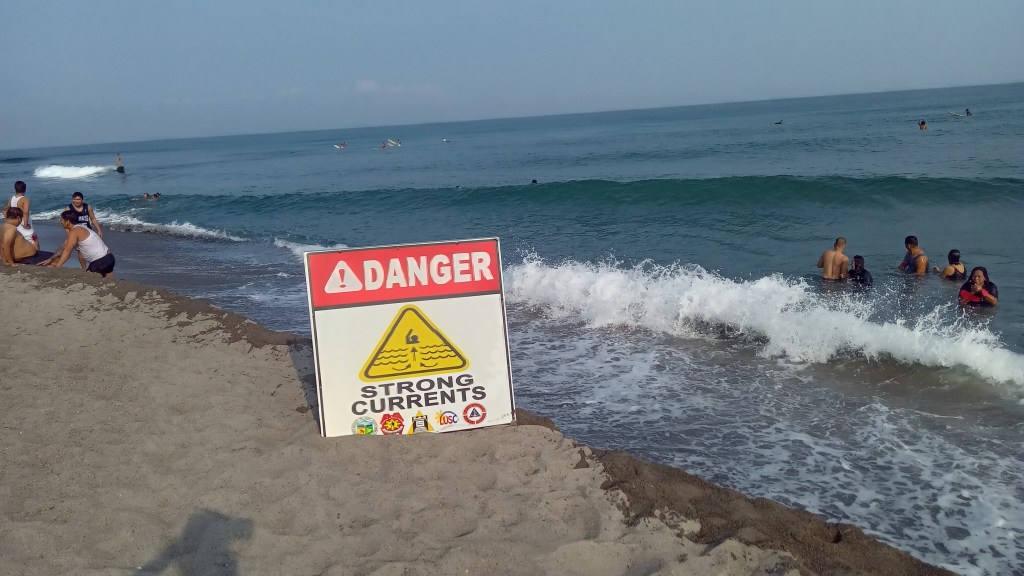
San Juan, La Union was the surfing capitol of this stretch of coast or at least the place where people went to learn to surf. Our Airbnb was about two minutes from a quiet stretch of beach but the sand was brown and coarse and the sea rough and tumultuous….a far cry from the white sand and calm turquoise water of the island of Palawan. It was packed with large family groups from Manila up for the weekend and the town emptied on Sunday evening. The beach was crowded between 6am and 10am and again after 4 pm with most dodging the heat in air-coned hotel rooms or shaded restaurants. The waters had extremely strong currents and was dangerous for swimming in some areas but that didn’t stop large groups taking to the water in defiance of the warning signs, even if they can’t swim at all. Unfortunately, this stretch of coast sees drownings every month and especially at peak holiday times.
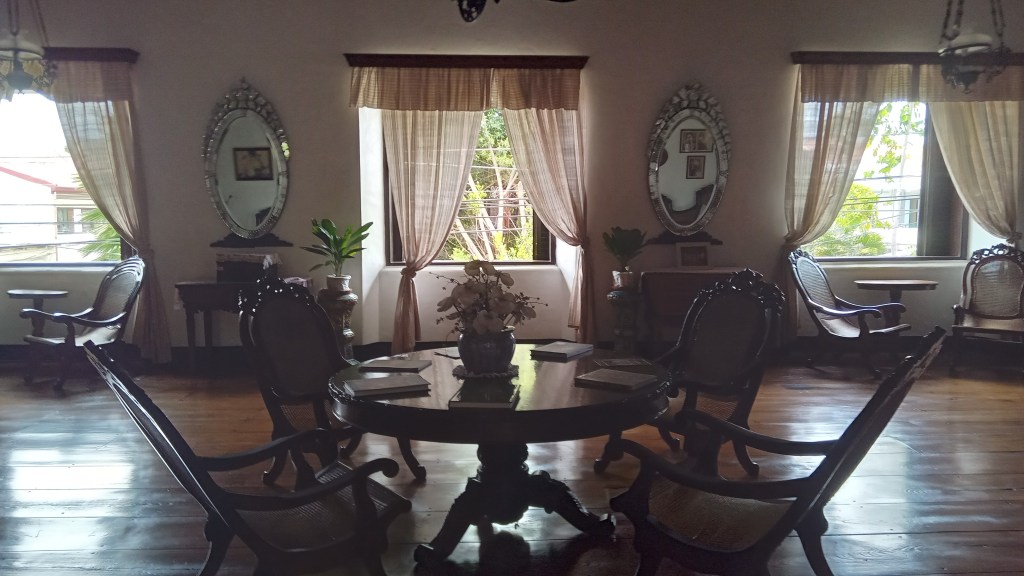
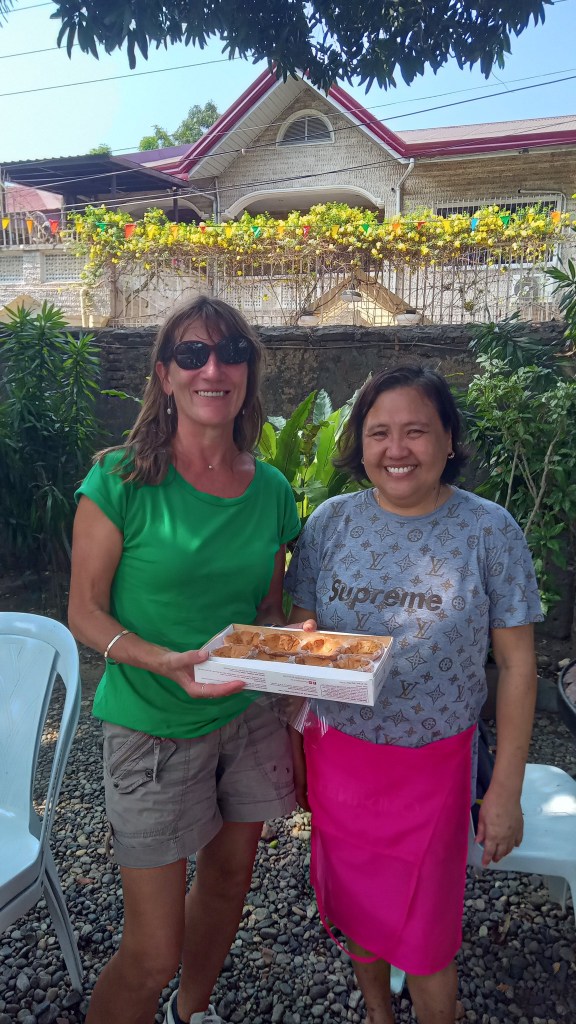
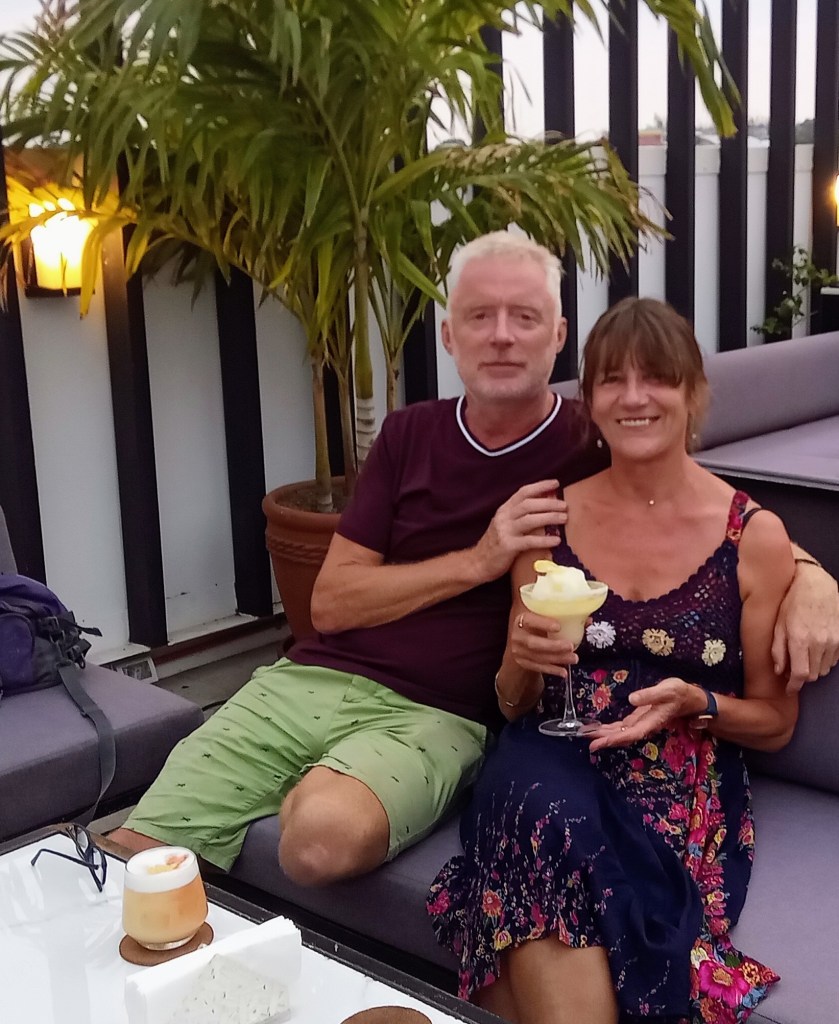
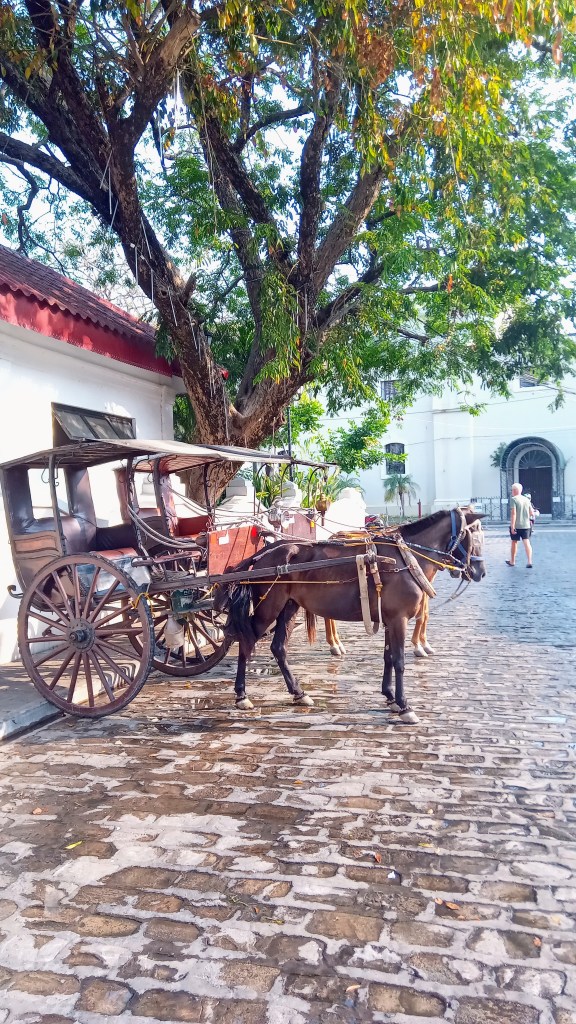
For something completely different, we headed farther up the coast to Vigan, a Spanish colonial town and one of the oldest towns in the Philippines. Here we were charmed by Villa Angela, a 150 year old restored mansion with huge airy rooms, four-poster beds, polished wooden floors, lattice windows with filtered sunlight and a shady garden where mangoes dropped from the trees and swallows swooped – a bit of luxury for my birthday (€55 a night including breakfast). It was a delightful place to spend a birthday… the manager even gave me cakes on the day. In the old part of town, it was as if time had stood still with the clattering of horse hooves on the cobbled streets from the kalesas, (horse and carriages, something like the jaunting cars in Killarney) and the preserved buildings with huge wooden doors and peeling walls, hiding shady courtyards. Vigan was a trading post on the Silk route, where gold, timber and beeswax were traded and a rich merchant class settled, the whisper of the past was everywhere in the old town
At 7pm every evening, a lights show was put up at the Magic Fountain in the old plaza where water and light danced in tune to an eclectic mix of music from Andre Botticelli to Lady Gaga and Filipino singers. It really was magical. But outside the small preserved old town with its plazas, Vigan was a noisy typical Filipinos town with roaring motorbikes and broken pavements and makeshift houses.
The Cathedral and the old Bell-Tower were closed due to earthquake damage – the city by hit by two earthquakes in 2022. Villa Angela sustained some minor damage to the roof and the kitchen. Mari-Cris, the manager described standing beneath the vaulted thick walls, praying Sweet Jesus, save us. Thankfully there were no human casualties in either earthquake.
It’s always warm in the Philippines and April to June are typically the hottest months. In Vigan, the temperature was about 35C during the days but Google…and our bodies….said that it felt more like 39/40 degrees. It didn’t cool much at night – it was still 30C at 9pm but if you could catch an evening breeze, it was gorgeous.
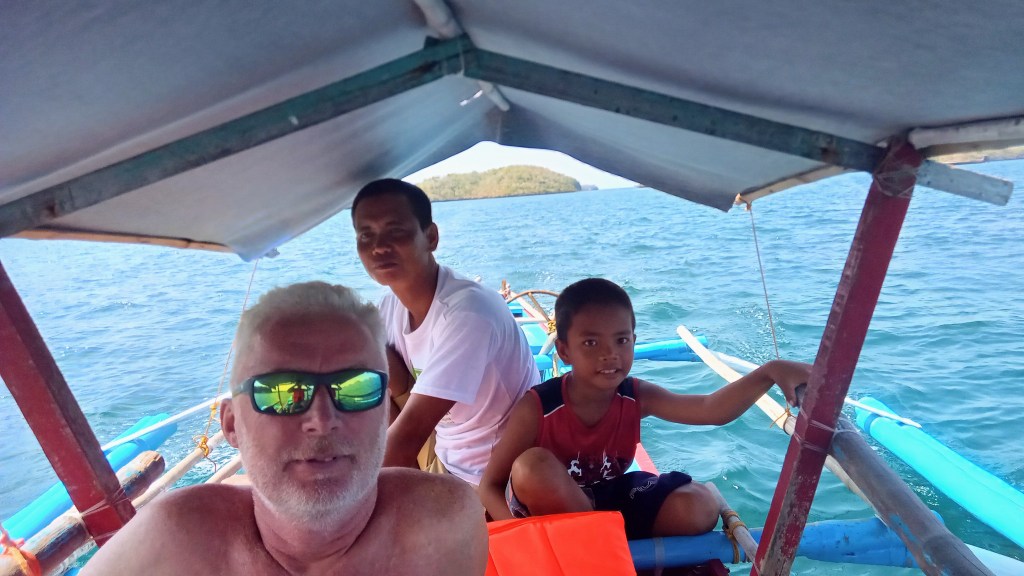
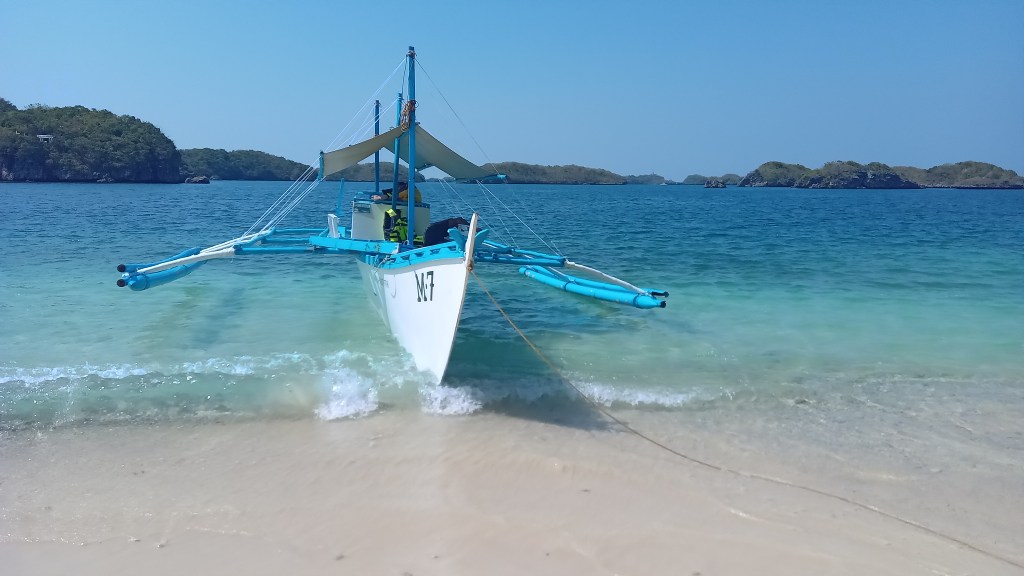
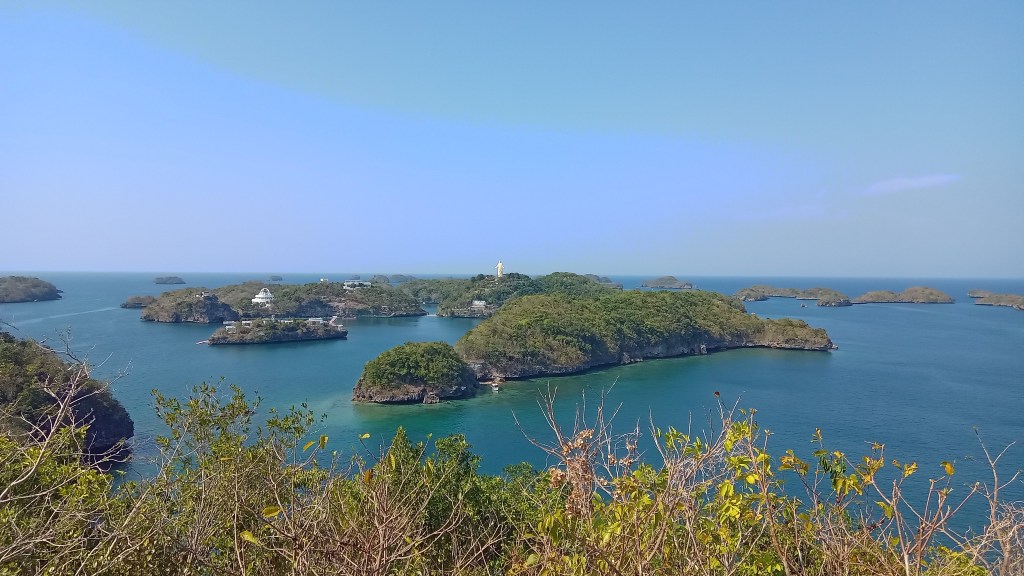
After our rest in Vigan, we headed south to Alaminos and the Hundred Islands, one of the most visited tourist destinations in the Philippines, a area of small islands, floating in calm turquoise waters with white sand beaches. Getting there from Vigan took more than 12 epic hours, a tale of scheduled buses not showing up at all, gridlock traffic, queueing for tickets, uncomfortable seats and numbing heat. But we made it. In many ways, the Hundred Islands was a victim of its own publicity and success. A combination of too much fishing (dynamite was used in the past to stun fish), too many visitors (it is only 5 hours from teeming Manila) and too much pollution, have damaged the coral beds. Efforts are being made to reverse this with environmental taxes, a limit on visitor numbers, and a ‘bring home your rubbish’ policy. When paying the entrance fee, each group of visitors is charged 200 pesos(€3.30) for a plastic bag and if this is returned and filled with rubbish, the 200 pesos is returned. We spent an enjoyable day on a small boat with a boatman and his young silent son going from island to island. The water was warm and the sand white but the snorkelling was poor with much evidence of damaged coral and few fish. Although there was beauty here, we couldn’t help but compare it unfavourably to Palawan and the majesty of El Nido with its dramatic limestone karsts and rock formations.
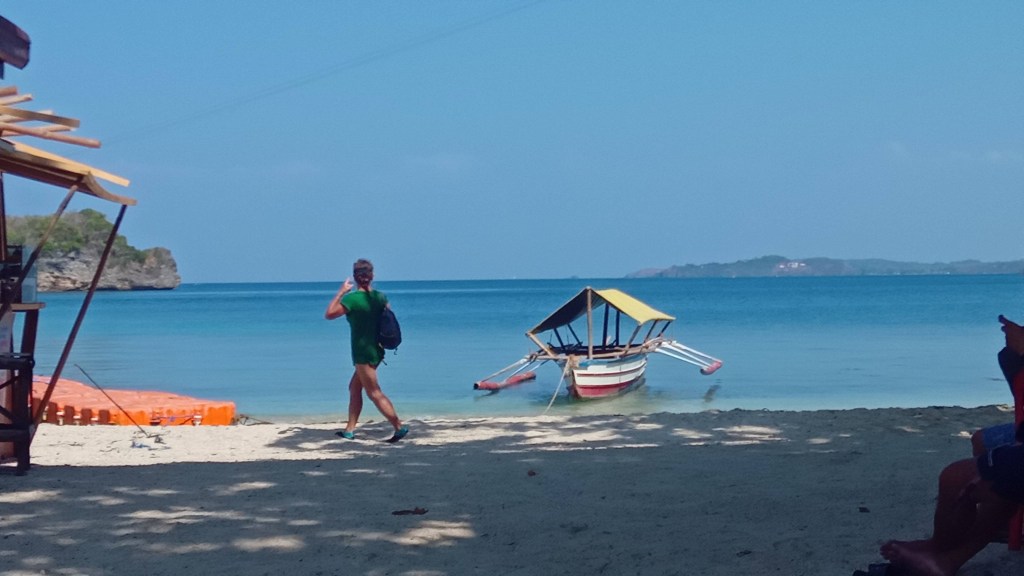
Our time in the Philippines is coming to an end. Tomorrow we head to Manila by bus to catch our flight home the day after. Our ten weeks have been a wonderful adventure from cruising around on motorbikes, visiting so many islands that were the stuff of dreamy holiday brochures, swimming in clear shimmering turquoise sea, enduring long-distance ferryboats, trekking in the gorgeous mountains and eating rice and more rice. All this in a fascinating country with the warmest, friendliest people who smile through uprisings, typhoons and earthquakes, a place where family is everything.
I’ll pick out the highlights and lowlights when I get home. Whether you have followed along with us all the way or dipped in and out or just looked at a couple of photographs, a big thank you for your company.
Until next time….keep dreaming 🥰🥰
 marienoonanblog
Thanks Marie, Tony.
LikeLiked by 1 person
Thanks, Tony. Home soon…all good things come to an end😁. Will have to start planning the next trip xx
LikeLike
Ah happy birthday Marie. You’re looking younger and fitter by the day.
Amazing blog this time with just incredulous stories about the cultures. Fascinating. I love the thinking behind suspending the coffins but I can’t say I’d want to be blessed by that type of holy water dripping onto me! Amazing though. Have really enjoyed the trip with ye and looking forward to seeing ye when you’re back. Xx
LikeLiked by 1 person
Thanks Ciara for compliments….reality is a little different, a bit weather beaten, but who cares?😅🥰
LikeLike
What is fantastic holiday I feel I was there with you. Safe journey home.
LikeLiked by 1 person